
Canada’s housing market has seen years of rapid growth, leaving many to wonder if a correction is coming. Rising mortgage rates, affordability issues, and changing buyer behavior are creating cracks in the previously hot real estate market. Indicators like slower home sales, longer days on market, and stricter lending rules suggest that demand may be cooling. Here are 20 warning signs that Canada’s housing bubble is finally bursting.
Rapidly Increasing Mortgage Rates

Mortgage rates in Canada have been rising steadily, putting pressure on buyers. Higher rates increase monthly payments, making homes less affordable. Many potential buyers are reconsidering purchases or postponing plans. Existing homeowners with variable-rate mortgages may face increased financial strain. The rise in rates is intended to curb inflation, but it also slows the housing market. Lenders are tightening criteria, and affordability issues are emerging in major cities. Rapidly increasing mortgage rates signal a cooling market and are often cited as an early warning that the housing bubble may be bursting.
Falling Home Sales in Major Cities

Home sales in cities like Toronto, Vancouver, and Montreal have started to decline. High prices, rising mortgage rates, and economic uncertainty have reduced buyer activity. Real estate agents report slower transactions and fewer bidding wars. Sellers are adjusting expectations, often lowering listing prices to attract buyers. A sustained drop in sales indicates reduced demand, which can precede falling prices. Falling home sales in major urban markets are a key indicator that Canada’s housing bubble is softening, as buyers step back and the market faces increased inventory and slower turnover.
Declining Housing Prices in Key Markets

Some Canadian cities are experiencing decreases in home prices after years of rapid growth. Price corrections are most noticeable in overheated markets where affordability was already stretched. Sellers may lower asking prices to compete for fewer buyers. Declining prices can affect household wealth and reduce consumer confidence. If the trend continues, it may trigger further market adjustments. Monitoring price declines is crucial for understanding the health of the housing market. Declining housing prices in key markets are a warning sign that Canada’s real estate bubble could be starting to deflate.
Rising Inventory of Unsold Homes

The number of unsold homes on the market is increasing in many regions. This inventory growth indicates that supply is exceeding demand. Homes are staying listed for longer periods, putting downward pressure on prices. Sellers may need to reduce prices or offer incentives to attract buyers. Rising inventory reflects buyer hesitation, stricter lending conditions, and higher mortgage rates. This trend is a clear warning that the market may be cooling. Increasing unsold properties are often one of the first signs that a housing bubble is beginning to burst.
Reduced Demand from First-Time Homebuyers

First-time homebuyers are increasingly priced out of the market. Rising mortgage rates and high home prices make it difficult to enter major urban markets. Many young Canadians are delaying purchases, renting longer, or considering smaller towns. Lower participation from first-time buyers reduces overall demand and slows market activity. This demographic is crucial for sustaining housing growth, so declining interest signals potential instability. Reduced demand from first-time homebuyers is a significant warning that Canada’s housing bubble could be losing momentum and that market adjustments may be underway.
Increasing Days on Market for Listings

Homes in Canada are taking longer to sell than in previous years. The average days on market has risen in many cities, reflecting slower buyer activity. Sellers must adjust prices or enhance marketing efforts to attract attention. Longer listing periods indicate reduced demand and higher inventory levels. This trend can lead to downward pressure on prices and buyer leverage in negotiations. Increasing days on market is a critical signal that the housing market is cooling and that Canada’s previously overheated real estate sector may be moving toward a correction.
Surge in Foreclosure Filings

Foreclosure filings in Canada have started to rise as some homeowners struggle with higher mortgage rates and economic uncertainty. Those with variable-rate mortgages or high debt loads are most vulnerable. Increased foreclosures signal financial stress among households and can impact local real estate markets. Lenders are closely monitoring risks and may tighten lending policies further. A surge in foreclosure filings often precedes price corrections and market slowdowns. Rising foreclosures are a warning sign that Canada’s housing bubble may be under pressure and that affordability challenges are beginning to affect a larger segment of homeowners.
Higher Rental Vacancy Rates
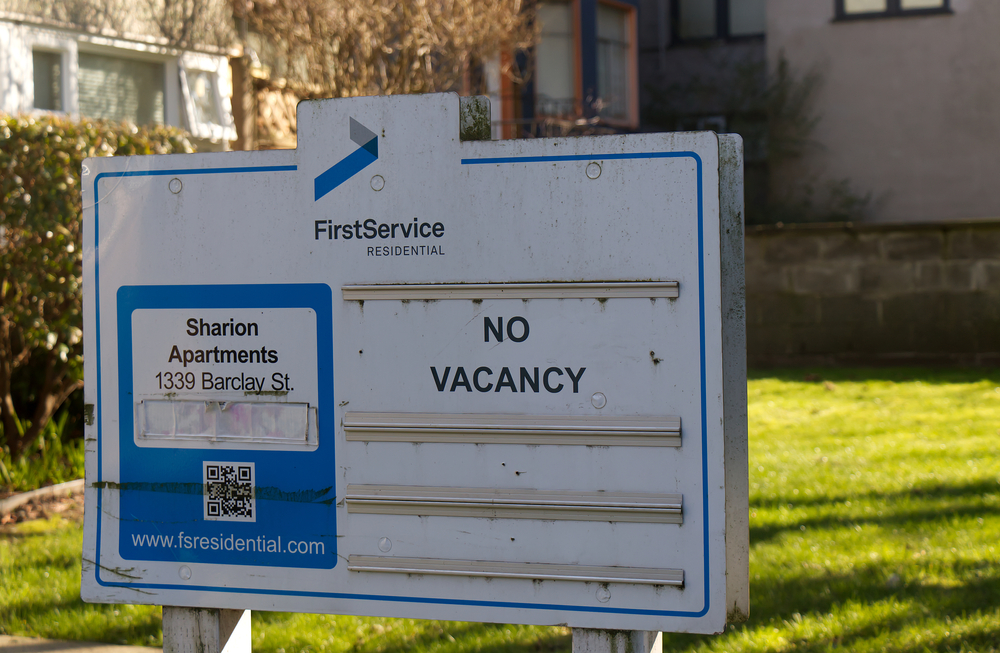
Rental vacancy rates are increasing in several Canadian cities as demand shifts and affordability declines. Rising vacancies indicate that fewer people are competing for rental units, giving tenants more leverage. Landlords may lower rents or offer incentives to attract renters. High vacancy rates also reflect a slowdown in the housing market, as fewer buyers are entering property ownership. This trend can impact investor confidence and signal weakening demand. Higher rental vacancy rates are an early indicator that Canada’s real estate market may be cooling, with both ownership and rental sectors affected.
Slowing Construction of New Homes
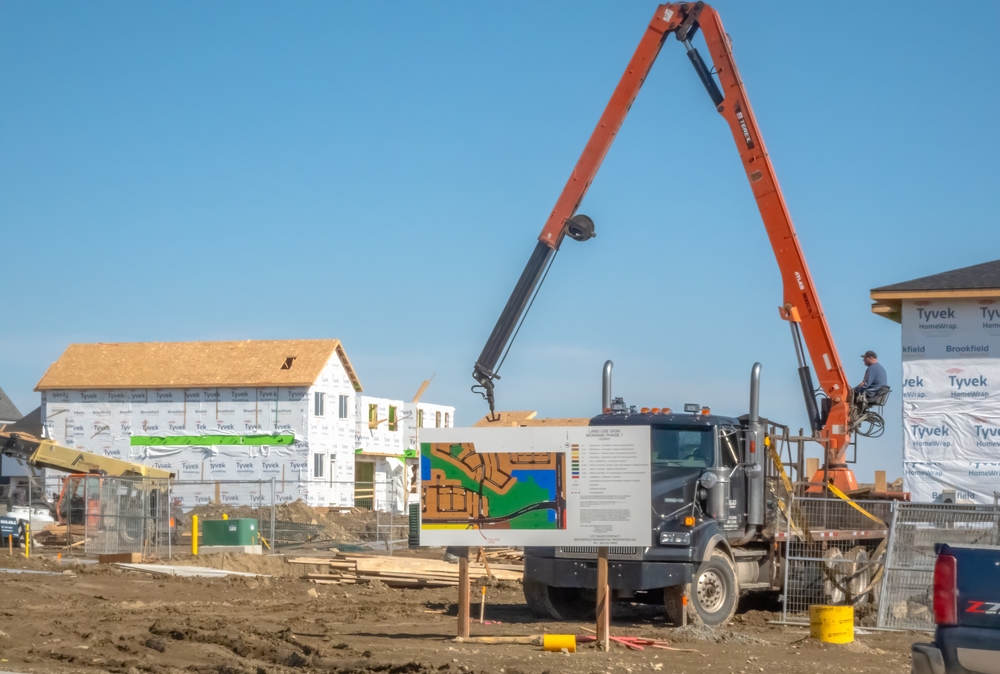
New home construction in Canada is slowing due to reduced demand, higher borrowing costs, and rising material prices. Builders are delaying or canceling projects in major cities and suburban areas. Fewer new homes entering the market can initially stabilize prices, but a prolonged construction slowdown may signal decreased confidence in the housing sector. Slowing construction also affects employment in related industries. This trend indicates that developers are cautious and that the housing bubble could be deflating, as supply growth no longer keeps pace with market expectations.
Stricter Mortgage Qualification Rules

Lenders have tightened mortgage approval criteria in response to rising interest rates and housing market risks. Higher down payment requirements, stricter income verification, and stress tests make it more difficult for buyers to qualify. These rules reduce the pool of potential homebuyers and slow market activity. Stricter mortgage qualifications are intended to protect households from overleveraging, but they also contribute to decreased demand. This regulatory shift is a key warning sign that Canada’s housing bubble may be softening as affordability and financing challenges intensify.
Rising Household Debt Levels
Canadian households are carrying historically high levels of debt, including mortgages, credit cards, and lines of credit. Rising debt makes families vulnerable to interest rate increases and economic fluctuations. High debt levels reduce discretionary spending and can slow broader economic growth. Lenders are monitoring debt-to-income ratios closely. When households struggle with debt repayment, it can trigger defaults or force sales. Rising household debt is a significant warning that the housing market may face corrections, as financial pressure on homeowners increases and overall demand weakens.
Decreased Foreign Buyer Activity

Foreign investment in Canadian real estate has slowed due to tighter regulations and higher prices. International buyers were a major factor in driving up housing demand and prices in cities like Vancouver and Toronto. Reduced foreign buyer activity removes a significant source of market competition, slowing price growth. This trend can lead to more balanced market conditions, but also signals that external demand is no longer inflating the housing bubble. Decreased foreign buyer activity is a clear indicator that the Canadian real estate market may be cooling.
Shift from Urban to Suburban Interest
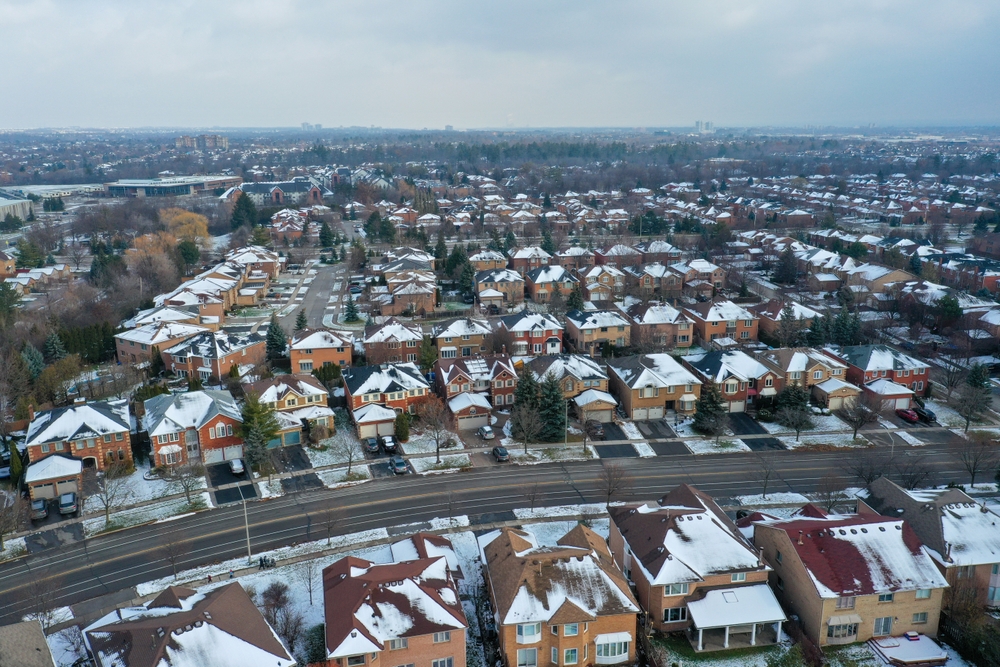
Homebuyers are increasingly considering suburban and smaller urban areas instead of major city centers. Rising urban prices, interest rates, and limited availability make suburbs more attractive. This shift affects downtown real estate markets, leading to slower sales and potential price adjustments. Developers and investors may redirect focus to suburban projects. The trend highlights changing buyer priorities and can influence long-term market dynamics. A shift from urban to suburban interest is an important warning that Canada’s housing market is experiencing structural changes, potentially signaling the start of a bubble correction.
Banks Tightening Lending Practices

Canadian banks are becoming more cautious in approving mortgages due to higher interest rates and economic uncertainty. They are requiring larger down payments and stricter income verification. Loan approvals are slower, and lenders are carefully assessing borrower risk. Tightened lending practices reduce the pool of eligible buyers, slowing market activity. This cautious approach can prevent overleveraging but also signals potential market stress. Banks’ stricter lending criteria are a key indicator that Canada’s housing bubble may be cooling, as access to credit becomes more restrictive and affordability challenges increase for prospective homeowners.
Reduced Real Estate Investment Activity
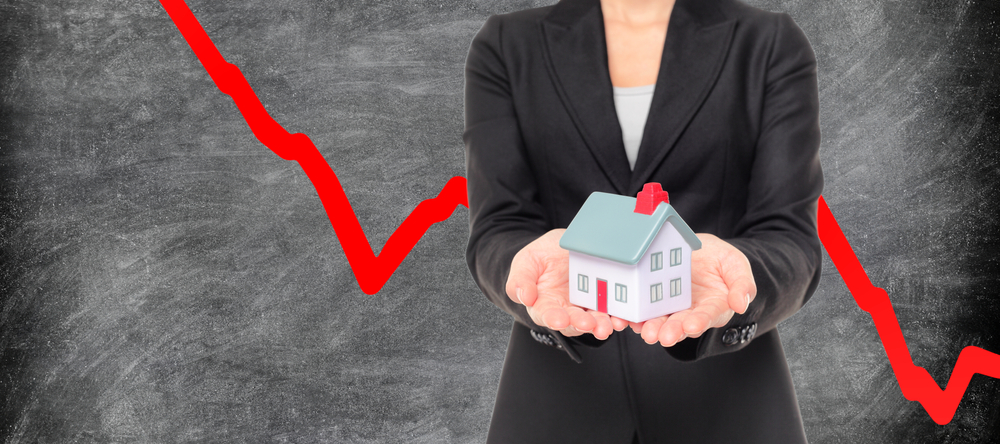
Investment in Canadian real estate is declining as market conditions become less favorable. High prices, rising interest rates, and uncertain returns discourage both domestic and foreign investors. Reduced investment activity affects development, rental markets, and overall housing demand. Investors are shifting focus to safer or alternative assets. This trend can signal a cooling market and reduced speculative buying, which often inflates prices during a bubble. Reduced real estate investment activity is an important warning that Canada’s housing market may be stabilizing or correcting after years of rapid growth.
Lower Home Renovation Spending

Homeowners are spending less on renovations due to economic uncertainty and high borrowing costs. Many are postponing major projects or limiting upgrades. Lower renovation spending reduces demand for construction materials and contractor services, impacting related sectors. This trend may also reflect a slowdown in housing market confidence. Reduced investment in home improvements often coincides with a cooling real estate market, signaling caution among homeowners. Lower home renovation spending is a subtle but significant warning that Canada’s housing bubble may be softening as buyers and owners reassess priorities and finances.
Increased Short-Term Rental Regulations

Municipalities across Canada are tightening regulations for short-term rentals like Airbnb. Limits on rental days, licensing requirements, and zoning rules reduce rental income potential for property owners. Stricter rules can affect investment decisions and property values, especially in cities with high tourist demand. These regulations aim to balance housing availability and tourism, but also reduce speculative buying. Increased short-term rental regulations indicate that authorities are addressing housing affordability concerns, signaling that market dynamics may be shifting and Canada’s real estate bubble could be cooling.
Declining Home Flipping Activity

Home flipping activity in Canada has slowed due to rising interest rates, higher costs, and reduced buyer demand. Fewer investors are purchasing homes to renovate and resell for profit. Declining flipping reduces competition in the market, potentially leading to price adjustments. This trend also reflects caution among speculators who previously fueled rapid price increases. A slowdown in home flipping is a warning sign that the market is no longer overheating, signaling the possibility of a correction or stabilization in Canadian real estate.
Media Reports Warning of Market Corrections

News outlets are increasingly reporting potential corrections in Canadian housing markets. Headlines focus on rising mortgage rates, affordability issues, and declining sales. Public awareness influences buyer and seller behavior, often leading to slower market activity. Media coverage can amplify caution and reduce speculative activity. Consistent reporting on housing risks signals that experts and analysts are monitoring potential market shifts. Media reports warning of market corrections serve as a reminder that Canada’s housing bubble may be reaching a tipping point, prompting both buyers and sellers to proceed carefully.
Government Intervention and Policy Changes

Canadian federal and provincial governments are introducing policies to address housing affordability and market stability. Measures include foreign buyer taxes, rent control, and stricter mortgage regulations. These interventions aim to cool overheated markets and prevent overvaluation. Government action can reduce speculative buying and influence demand patterns. Policy changes are often implemented in response to warning signs of a housing bubble. Government intervention and policy changes highlight that authorities are actively addressing risks, signaling that Canada’s housing market may be moving toward a correction or stabilization phase.
22 Groceries to Grab Now—Before another Price Shock Hits Canada

Food prices in Canada have been steadily climbing, and another spike could make your grocery bill feel like a mortgage payment. According to Statistics Canada, food inflation remains about 3.7% higher than last year, with essentials like bread, dairy, and fresh produce leading the surge. Some items are expected to rise even further due to transportation costs, droughts, and import tariffs. Here are 22 groceries to grab now before another price shock hits Canada.
22 Groceries to Grab Now—Before another Price Shock Hits Canada
