
Family traditions often feel permanent until ordinary costs begin rewriting them. Across Canada, housing, food, transportation, childcare, and travel expenses are forcing households to reconsider not only what they buy, but how they gather, celebrate, care for relatives, and mark major milestones.
The changes are rarely dramatic enough to announce themselves. A holiday dinner becomes a potluck, a wedding guest list shrinks, an adult child stays home longer, or a grandparent quietly becomes part of the weekly childcare plan. These 20 ways Canada’s affordability crisis is changing family traditions show how families are protecting connection while redesigning the rituals around it. The result is not simply less spending. It is a new balance of shared labour, practical support, smaller gatherings, and traditions built around what households can realistically sustain.
Potluck Tables Replace One-Person Hosting

The family member who once handled the entire holiday meal is increasingly asking everyone to bring a dish. That change is less about abandoning hospitality than spreading the cost of it. Statistics Canada reported that grocery prices rose 3.5% on average in 2025, while meat prices climbed 5.8%. A turkey, roast, cheese board, desserts, and drinks can turn one welcoming gesture into a serious household expense.
Potlucks preserve the emotional centre of the tradition while dividing the financial burden. One sibling brings the main course, grandparents contribute a familiar dessert, and younger relatives arrive with appetizers or beverages. The result can feel more collaborative than diminished, especially when recipes are assigned according to family history. Still, the shift reveals how affordability pressures reach beyond monthly bills. They are changing who hosts, what appears on the table, and whether one household can afford to carry the celebration alone in difficult times.
Guest Lists Are Becoming More Selective

Large birthday dinners, anniversary parties, and holiday open houses are harder to justify when food, transportation, and housing absorb more income. In spring 2024, 55% of Canadian households with children said rising prices were greatly affecting their ability to meet day-to-day expenses. Under that pressure, inviting every cousin and neighbour can become unrealistic, even when the desire to gather remains strong.
Families are responding by creating smaller circles for different occasions. A child may celebrate with classmates at school, then share cake with immediate relatives at home. An anniversary that once filled a banquet room may become dinner for eight. These choices can reduce waste and make conversations more personal, but they may also create awkward decisions about inclusion. Traditions built on abundance are being redesigned around capacity, forcing families to decide which relationships require an invitation and which can be honoured through a phone call, visit, or separate gathering.
Secret Santa Becomes the Default

Buying a separate present for every relative is increasingly being replaced by Secret Santa, price limits, or gifts only for children. Deloitte’s 2025 Canadian holiday outlook found that 78% of consumers planned to search for the best deals, while spending outside gifts and experiences was expected to decline. The numbers suggest that holiday generosity is being managed more strategically, not disappearing.
A single-name exchange allows relatives to choose one thoughtful present rather than several hurried purchases. Some families add rules: homemade gifts are welcome, wish lists must stay below a set amount, or adults exchange books while children receive toys. Others replace presents with a meal or charitable contribution. The tradition changes the mood of gift opening, because fewer packages sit under the tree, but it can also reduce debt and unwanted clutter. What once signalled affection through volume is increasingly measured through usefulness, attention, and restraint for many households.
Family Vacations Are Shorter and Closer

The classic week-long family trip is increasingly competing with shorter drives, regional visits, and one-night stays. Statistics Canada found that the average domestic trip cost $228 in the fourth quarter of 2024, while an overnight domestic trip averaged $440. Accommodation, vehicle operation, and restaurant spending were the largest categories, making even travel within Canada a meaningful budget decision.
Families may now choose a provincial park, a relative’s spare room, or a nearby city instead of flights and a resort. A long weekend can preserve the ritual of leaving home together without requiring a full year of savings. Children still collect memories, but the itinerary is built around free attractions, packed lunches, and fewer paid nights. The change can encourage exploration closer to home, yet it also narrows access to distant relatives and once-regular destinations. Affordability is quietly redrawing the family map, making proximity almost as important as preference each summer.
Visits to Distant Relatives Are Rotated

When relatives are scattered across provinces or countries, annual visits can become difficult to sustain. In the third quarter of 2024, Canadians spent an average of $1,388 on an overnight trip to the United States and $2,582 on an overseas trip. Those averages do not include the income lost when travel requires unpaid time off, pet care or childcare.
Some families now rotate attendance: one branch travels for Thanksgiving, another for Christmas, and everyone meets in person every second summer. Video calls fill the gaps, while mailed recipes, recorded birthday messages, and shared photo albums keep rituals recognizable. This arrangement can be fairer than expecting the same household to travel repeatedly, but it also means grandparents may miss milestones they once attended. Distance has always shaped Canadian family life; affordability now makes that distance feel larger. The tradition is no longer simply “everyone comes home,” but “everyone takes a turn.”
Adult Children Stay in the Family Home
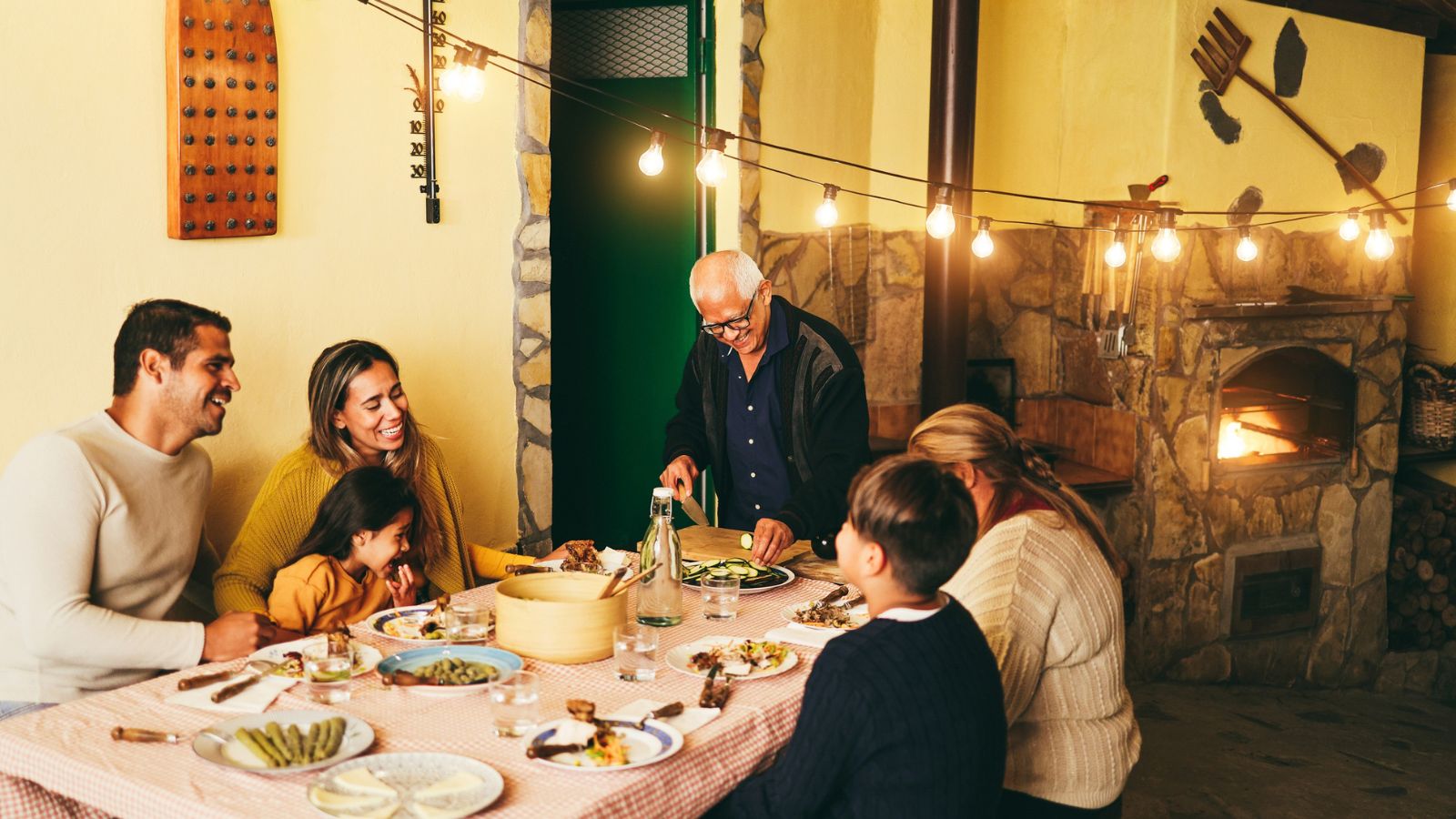
Moving out once marked a clean transition into adulthood: a first apartment, a housewarming, and parents reclaiming a quiet home. That sequence is becoming less predictable. Statistics Canada reported that 16.3% of millennials aged 25 to 39 lived with at least one parent in 2021, nearly double the 8.2% recorded for baby boomers at the same age in 1991.
Longer co-residence changes everyday traditions. Family dinners may continue well beyond university, household chores are negotiated among adults, and dating or hosting friends requires new boundaries. Some adult children contribute rent or groceries; others save aggressively for housing while helping younger siblings or aging parents. The arrangement can provide security and companionship, but it may delay the sense of independence once associated with a set age. Instead of ending when children finish school, the shared household becomes a longer chapter with more complicated roles, often without a clear departure date soon.
Multigenerational Living Revives Shared Customs

Three generations under one roof can bring back routines that had faded in smaller households: grandparents telling stories at dinner, cousins sharing rooms, and elders teaching languages, recipes, or religious practices. Statistics Canada counted 2.4 million people in multigenerational households in 2021. Such households were less likely to face unaffordable housing than other households, although they were far more likely to be crowded.
Affordability is not the only reason families live together, and cultural preference remains important. Still, sharing one home can spread mortgage, rent, utility, food, and caregiving costs across more adults. Traditions that once required a special visit can become part of daily life. The trade-off is that every celebration, disagreement, and private decision occurs in a busier space. Multigenerational living can protect family continuity, but it also demands clearer rules about money, noise, chores, and authority. Old customs return in a distinctly modern negotiation for everyone involved.
Grandparents Become Regular Childcare Partners

Grandparents have long helped with children, but affordability and limited childcare availability can turn occasional babysitting into a fixed weekly responsibility. In 2023, 12% of Canadian children aged five and younger were cared for by a relative other than a parent. Parents using full-time relative care paid an average of $238 per month, and 67% reported paying nothing.
That difference can determine whether a parent accepts a shift, returns to work, or keeps a child in an activity. Family traditions adjust around the arrangement: grandparents handle school pickup, prepare weekday meals, attend appointments, or keep grandchildren overnight. The closeness can strengthen intergenerational bonds and pass down language, humour, and routines. Yet it may also place physical, emotional, and financial demands on older relatives who expected retirement to look different. What was once a favour offered during emergencies increasingly becomes part of the household’s operating system for many working families today.
Weddings Move Later or Grow Smaller

Marriage has already been occurring later in Canada, and financial pressure adds another reason to reconsider timing and scale. Statistics Canada reported that the average age at marriage reached 35.3 in 2019, up from 25.6 in 1968. Common-law relationships explain much of the long-term delay, but expensive housing and other milestones now compete for the same savings.
Couples may choose a city-hall ceremony, a restaurant room, or a backyard reception rather than a large venue. Others remain engaged longer while building an emergency fund or trying to secure housing. Family expectations also change: parents who once saved for a formal wedding may offer cash for a down payment, childcare, or debt reduction instead. Smaller weddings can feel intimate and intentional, but they can also disappoint relatives who associate marriage with a large communal gathering. The tradition remains meaningful; its financial architecture is being rewritten around today’s tighter family budgets today.
Parenthood Is Delayed or Reconsidered

The tradition of marrying, buying a home, and quickly having children no longer fits many household budgets. Canada’s total fertility rate fell to a record 1.25 children per woman in 2024, while the average age of mothers at childbirth reached 31.8. Statistics Canada also found that many women without children still wanted them, highlighting a gap between intentions and lived timing.
Affordability is only one factor among career, education, health, partnership, and personal preference, so the trend should not be reduced to money alone. Yet housing, childcare, and the estimated long-term cost of raising children shape what feels possible. Some couples wait for stable employment, choose one child instead of two, or rely more heavily on relatives before expanding their family. Traditions involving siblings, large cousin groups, and grandparents with many grandchildren may consequently look different. The family tree is not disappearing, but its branches may grow later and fewer.
Housewarmings Are Postponed

A first home once triggered a familiar celebration: relatives carried in food, friends brought plants, and parents offered tools or furniture. That milestone is arriving later for many younger Canadians. In 2021, millennials aged 25 to 39 were more likely than earlier generations to live with parents and less likely, among homeowners, to occupy single-detached houses, especially in Toronto and Vancouver.
As ownership becomes harder to reach, housewarming traditions move into rental apartments, shared homes, or smaller condominiums. Some families celebrate a signed lease with the same enthusiasm once reserved for a purchase. Others avoid hosting because the space is temporary, crowded, or too costly to furnish. The emotional meaning of “settling down” becomes less connected to a deed and more connected to stability, however it is achieved. A home can still anchor family life, but the ceremony around obtaining one is becoming later, smaller, and less standardized across generations.
Practical Cash Replaces Symbolic Gifts

Major family gifts are increasingly expected to solve a financial problem rather than mark an occasion with a keepsake. Canadian banks now routinely publish guidance for parents considering gifted down payments, reflecting how family wealth is used to bridge the housing gap. The shift is especially visible when a wedding, graduation, or new baby coincides with rent, debt, tuition, or childcare pressure.
Instead of china, jewellery, or an elaborate trip, relatives may contribute to a first-home fund, registered education savings plan, grocery account, or emergency reserve. A grandparent might pay for winter tires; siblings may cover moving costs; parents may provide several months of childcare. These gifts can be less photogenic than traditional presents but more consequential. They also expose inequality, because not every family has money or property to transfer. Affordability is changing generosity from ceremony to infrastructure, making practical support a strong modern expression of family care today.
Cottage Traditions Become Shared or Commercial

The family cottage has long represented summer continuity: the same dock, card games, and bedrooms assigned by habit. Maintaining that tradition is increasingly expensive. Royal LePage reported that the weighted median price of a single-family home in Canada’s recreational regions reached $581,300 in 2025, while waterfront properties had a median price of $717,600.
Families who already own a cottage may divide taxes, insurance, repairs, and utilities among siblings. Some rent the property for part of the season to cover costs, shorten personal visits, or establish formal booking calendars. Others sell and recreate the tradition through annual rentals or camping trips. Shared ownership can preserve a beloved place, but it also turns nostalgia into administration: who pays for the roof, who gets the August long weekend, and whether one branch can afford its share. The cottage remains emotionally powerful, yet keeping it in the family increasingly requires businesslike rules each year.
Restaurant Milestones Return to the Dining Room

Graduations, promotions, anniversaries, and report-card celebrations have often meant dinner at a restaurant. Rising menu prices and tighter budgets are moving some of those occasions back home. Statistics Canada reported that restaurant food prices increased 2.6% on average in 2025 after rising 3.6% in 2024, adding to the cumulative increases families had already absorbed.
A home celebration may feature a favourite meal, a bakery cake, and decorations reused from another event. Relatives can stay longer without worrying about table limits, tips, parking, or separate bills. The trade-off is labour: someone shops, cooks, serves, and cleans, often the same person who has historically carried domestic work. Families are therefore experimenting with takeout mains, shared preparation, or rotating hosts. The tradition of marking achievement survives, but the setting shifts from purchased service to collective effort, making celebration more affordable while redistributing responsibility and preserving the warmth of a familiar table together again.
Birthdays Shift to Backyards and Public Parks

Children’s birthdays can become expensive once venue rental, entertainment, food, decorations, and party bags are added together. That pressure lands on households already carrying greater strain: in spring 2024, 55% of Canadian households with children said rising prices were greatly affecting daily expenses. A celebration that appears optional to adults may still feel socially important to a child.
Families are adapting with backyard games, skating parties, splash pads, community rooms, and picnics in public parks. Homemade cupcakes replace elaborate dessert tables, while invitations may be limited to a few close friends. These parties can feel relaxed and memorable, especially when children help plan activities. However, low-cost options are not equally available to families without outdoor space, transportation, or flexible time. Affordability is changing not only the size of birthdays, but the creativity and labour required to make a modest gathering feel special through planning, imagination, and shared effort from relatives.
Hand-Me-Downs Become Organized Family Exchanges

Passing clothes, toys, baby equipment, and sports gear between relatives is an old practice gaining new importance. The cost of raising a child from birth to age 17 was estimated by Statistics Canada at about $293,000 for a two-parent, middle-income family with two children. That estimate makes even small savings on frequently replaced items meaningful over time.
Families increasingly treat hand-me-downs as a system rather than an occasional bag of clothing. Cousins’ sizes are tracked, seasonal bins are labelled, and expensive items such as skates, snowsuits, bicycles, and musical instruments circulate through several households. The practice reduces waste and can attach stories to ordinary objects: a coat becomes “the one all three cousins wore.” It can also create tension when items are damaged, storage falls unevenly on one household, or recipients feel judged. What once looked like thrift is becoming a practical tradition of shared family inventory across several generations.
Paid Activities Give Way to Family-Led Rituals

Weekly lessons, camps, tournaments, and admission-based outings can shape childhood traditions, but they compete directly with food and housing costs. In 2024, the share of Canadians experiencing financial difficulty reached 32.8%, up from 18.6% in 2021. When budgets tighten, recurring fees are often more difficult to protect than one-time purchases because they return every month.
Some families replace formal activities with Saturday hikes, library visits, neighbourhood soccer, kitchen projects, or music taught by a relative. These routines can become traditions in their own right and may give adults more direct time with children. Yet the substitution is not always equal. Organized programs provide coaching, equipment, social networks, and opportunities that unpaid family time may not reproduce. The affordability crisis therefore changes both spending and access: childhood memories may become more home-centred, while participation in costly activities depends increasingly on subsidies, grandparents, or extended-family help and local community resources when available.
Care for Aging Relatives Moves Deeper Into Family Life

Caring for older relatives has always been part of family life, but paid support and separate housing can be difficult to afford. Statistics Canada found that women provide more unpaid care than men and report greater negative effects on well-being. Among sandwich caregivers, one common arrangement involves simultaneously supporting children and parents, compressing several generations’ needs into the same week.
Traditions adapt around care schedules. Sunday visits may become medication checks, meal preparation, laundry, or transportation to appointments. An older parent may move into an adult child’s home, changing bedroom arrangements and household celebrations. Family gatherings become easier for the elder to attend, but the host household absorbs more work and less privacy. These arrangements can deepen closeness and preserve cultural expectations of caring for elders. They can also create burnout when responsibility falls on one daughter, sibling, or relative. Affordability makes caregiving more collective, but not automatically more equitable.
Family Transportation Becomes a Shared Project

Separate cars once made family routines easier: grandparents drove themselves to gatherings, teenagers borrowed a second vehicle, and siblings arrived independently. Vehicle costs, insurance, fuel, parking, and repairs now encourage more coordination. Statistics Canada’s housing-and-transportation research emphasizes that affordability cannot be understood through housing alone because transportation expenses vary sharply by where households live.
Families may share one vehicle, combine errands with visits, or organize carpools for holidays, sports, and medical appointments. A cousin with a larger vehicle becomes the default airport driver; grandparents time shopping around an adult child’s schedule. The arrangement can reduce costs and emissions, but it also makes spontaneity harder. Missing one ride may mean missing the gathering entirely, especially where public transit is limited. Transportation has become part of family planning, turning the simple question of who is coming into a more practical question: who can bring whom, at what time, and at whose expense?
Time and Practical Help Become the New Heirlooms

When households cannot spend freely, family tradition often shifts toward contributions that do not arrive in a gift box. Statistics Canada reported that only 24.1% of people said their household found it easy or very easy to meet financial needs in the second quarter of 2025. Under those conditions, a few hours of help can carry more value than another purchased object.
Relatives may paint a nursery, prepare freezer meals, repair a fence, watch children during an interview, or help an older family member complete paperwork. These gestures revive older forms of mutual aid while responding to pressures such as high rent, limited childcare, and demanding work schedules. They also broaden participation, allowing family members with limited cash to contribute skill and time. Affordability is changing what families pass down: not only possessions, but availability, knowledge, labour, and the promise that difficult costs will not be faced alone over time.
19 Things Canadians Don’t Realize the CRA Can See About Their Online Income

Earning money online feels simple and informal for many Canadians. Freelancing, selling products, and digital services often start as side projects. The problem appears at tax time. Many people underestimate how much information the CRA can access. Online platforms, banks, and payment processors create detailed records automatically. These records do not disappear once money hits an account. Small gaps in reporting add up quickly.
Here are 19 things Canadians don’t realize the CRA can see about their online income.
