Canada’s housing market is feeling the effects of unprecedented immigration levels. Newcomers bring increased demand for both rental and ownership properties, intensifying competition in cities and suburbs. This trend is driving home prices upward, changing urban development patterns, and influencing rental rates across the country. Housing affordability and availability are becoming central concerns for policymakers, developers, and residents alike. Here are 20 ways soaring immigration is shaking up Canada’s housing market.
Increased Demand for Rental Units

Soaring immigration in Canada has significantly increased demand for rental properties. Many newcomers initially prefer renting while they settle in and find employment. This growing demand drives up rental prices, particularly in major urban centers. Landlords and property managers face higher occupancy rates, while renters compete for limited units. The pressure is especially evident in cities like Toronto, Vancouver, and Montreal, where vacancy rates are historically low. For residents, this trend can make securing an affordable rental more challenging.
Rising Home Prices in Major Cities

Immigration contributes to higher home prices in Canada’s major cities. With more buyers entering the market, competition for available properties intensifies. Toronto, Vancouver, and Calgary have experienced noticeable price surges due to increased demand. First-time buyers often find themselves priced out or forced to stretch their budgets. Foreign investment and domestic buyers further amplify this trend, creating a cycle of escalating prices. Higher demand from new Canadians affects both single-family homes and condominiums, leading to faster sales and bidding wars.
Pressure on Suburban Housing Markets
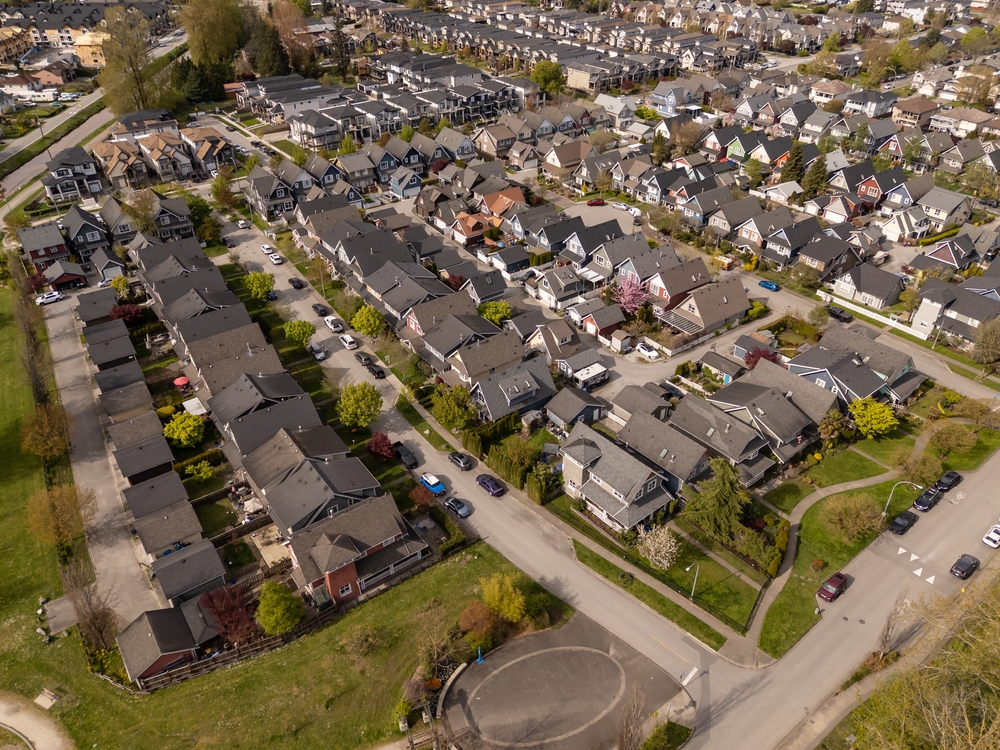
As major cities become more expensive, immigrants increasingly turn to suburban areas for housing. This shift puts pressure on previously affordable suburbs, raising property values and demand for local services. Communities surrounding Toronto, Vancouver, and Calgary have experienced rapid growth due to newcomers seeking larger homes and more space. Suburban housing development is often slower than demand, creating shortages. Increased immigration also impacts schools, transportation, and infrastructure in these areas. The ripple effect highlights that immigration not only affects urban cores but also reshapes surrounding regions.
Strain on Affordable Housing Availability

Affordable housing availability is increasingly strained as immigration rises. Newcomers often compete for subsidized or lower-cost units, which are already limited in supply. Waiting lists for affordable housing grow longer, leaving many families in temporary or overcrowded accommodations. This strain is felt in cities across Canada, particularly in high-demand regions like Toronto, Vancouver, and Montreal. Governments and non-profits struggle to keep pace with demand while addressing the housing needs of both long-term residents and newcomers.
Competition in Pre-Sale and New Construction Homes

Immigration contributes to heightened competition for pre-sale and new construction homes. Developers often sell units before completion, and high demand from newcomers accelerates sales. First-time buyers and residents face challenges securing properties due to multiple offers and rising prices. New immigrants frequently target condos or townhomes in growing neighborhoods, intensifying competition. This trend can lead to faster price escalation and limited availability, putting pressure on buyers trying to enter the market. The influx of new residents underscores how immigration affects not just existing housing but also future inventory and construction trends in Canada.
Higher Mortgage Qualification Requirements

Rising demand, fueled by immigration, has led lenders to tighten mortgage qualification standards. Banks consider higher debt-to-income ratios and credit assessments to mitigate risks in a competitive market. Newcomers may face stricter requirements, such as larger down payments or proof of stable income. First-time Canadian buyers are affected as lenders balance risk with increased competition. These stricter qualification rules slow market entry and create financial hurdles for some immigrants. The combination of high demand and tighter lending conditions illustrates how immigration indirectly impacts borrowing practices and homeownership accessibility across Canadian cities.
Greater Demand for Multi-Family Units

Immigration has fueled greater demand for multi-family housing, including condos, townhomes, and apartment complexes. Many newcomers prioritize affordability and convenience, which multi-family units provide. Urban developers respond by building high-density projects to accommodate population growth. This demand reshapes city landscapes, increases density, and drives up real estate activity. Existing residents may face increased competition and higher costs. Multi-family units become essential in managing population growth without further expanding urban sprawl. The trend reflects how immigration not only impacts the housing market but also influences the types of properties developers focus on across Canadian cities.
Urban Density and Condo Development Expansion

Soaring immigration drives demand for higher-density housing in Canadian cities. Condominiums and apartment complexes are increasingly developed to accommodate newcomers in urban centers. This expansion allows cities to house more residents in limited space,ce but can also lead to crowded neighborhoods. Developers prioritize building multi-unit properties over single-family homes, changing city skylines. Urban density provides efficiency in public transportation and services, but may create challenges in community planning. The trend shows how immigration shapes not only housing demand but also the structure and design of urban living spaces across Canada.
Regional Variations in Housing Pressure

Immigration impacts housing differently across Canadian regions. Major cities like Toronto, Vancouver, and Montreal face intense demand and high prices. Smaller cities or rural areas experience slower but noticeable increases in housing pressure. Local economies, job opportunities, and amenities influence how immigration affects property markets. Some provinces adapt faster to new developments, while others struggle to accommodate growth. Understanding these regional variations helps policymakers and developers address localized housing challenges. Immigration’s influence is not uniform, highlighting that housing pressure varies depending on location, economic conditions, and population growth trends across Canada.
Impact on First-Time Homebuyers

Rising immigration creates additional competition for first-time homebuyers in Canada. Many newcomers actively participate in the housing market, increasing demand for entry-level properties. First-time buyers often face bidding wars, escalating prices, and limited inventory. Tight budgets make it difficult for them to secure suitable homes in urban centers. Some may be forced to explore suburban areas or delay purchasing altogether. This trend shows how immigration can indirectly create barriers for young Canadians and new entrants, influencing their ability to enter the housing market and achieve long-term homeownership goals.
Influence on Short-Term Rental Markets

Immigration affects short-term rental markets as some newcomers rent properties temporarily before settling. This increases competition for apartments and homes in popular neighborhoods. Platforms like Airbnb may see higher occupancy rates, influencing rental prices. Short-term rental demand can reduce long-term rental availability, impacting both locals and immigrants seeking stable housing. Cities may introduce stricter regulations to manage these pressures. The influx of temporary residents highlights how immigration not only affects long-term homeownership but also alters rental market dynamics and housing availability in urban areas.
Rising Property Taxes in High-Demand Areas

High immigration levels contribute to rising property taxes in sought-after regions. Municipalities adjust taxes to fund infrastructure, schools, and public services for growing populations. Increased demand for housing pushes property values higher, directly affecting tax assessments. Homeowners in high-demand neighborhoods face greater financial burdens as a result. Rising taxes can influence decisions about where to live or invest. Immigrants entering competitive markets also factor these costs into housing choices, showing the indirect effect of population growth on municipal revenue and local affordability in Canadian cities.
Challenges in Maintaining Housing Affordability

Immigration complicates efforts to maintain affordable housing in Canada. Increased demand from newcomers puts upward pressure on prices and rents. Governments and developers struggle to build enough affordable units to meet demand. Long waiting lists and competition for subsidized housing exacerbate the problem. Urban cores see rapid price escalation, making affordability difficult for locals and newcomers alike. Policies must balance growth with access to reasonably priced homes. Rising immigration highlights the ongoing challenge of providing affordable housing and demonstrates that population growth directly impacts the availability of cost-effective living options.
Gentrification in Urban Neighborhoods
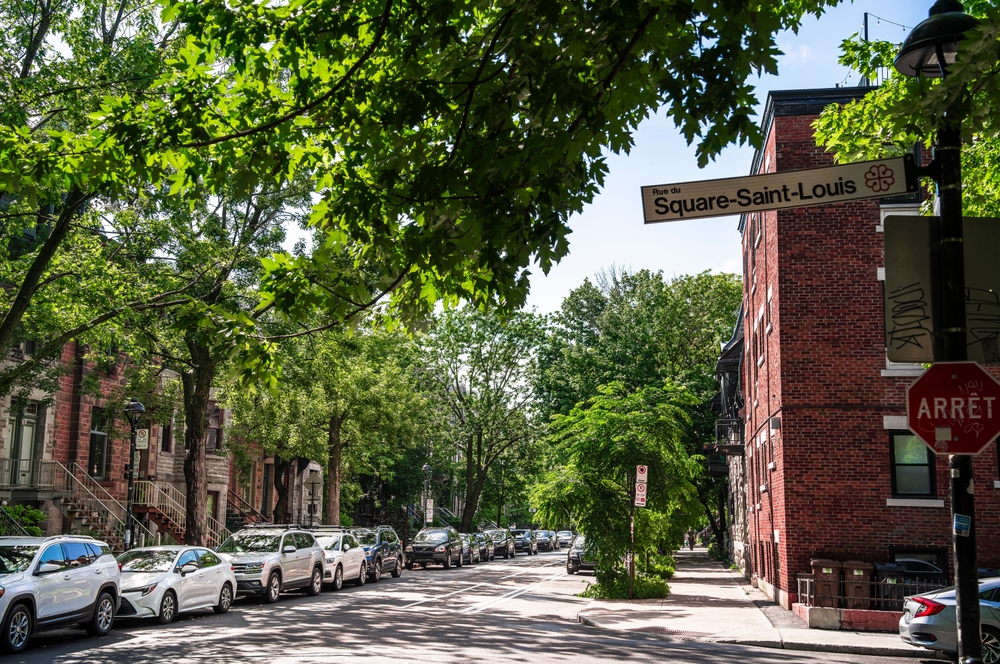
Immigration can accelerate gentrification in Canadian cities. As newcomers seek housing, previously lower-cost neighborhoods experience redevelopment and investment. Property values and rents rise, potentially displacing long-term residents. New businesses and amenities emerge to cater to the changing demographic. While gentrification can revitalize areas, it may also create social tensions and inequality. Immigrants and local communities interact with these evolving urban landscapes, affecting culture and affordability. The process illustrates how immigration reshapes city neighborhoods, influencing not only housing markets but also community composition, economic activity, and social dynamics across Canada.
Increased Rental Rates Across Cities
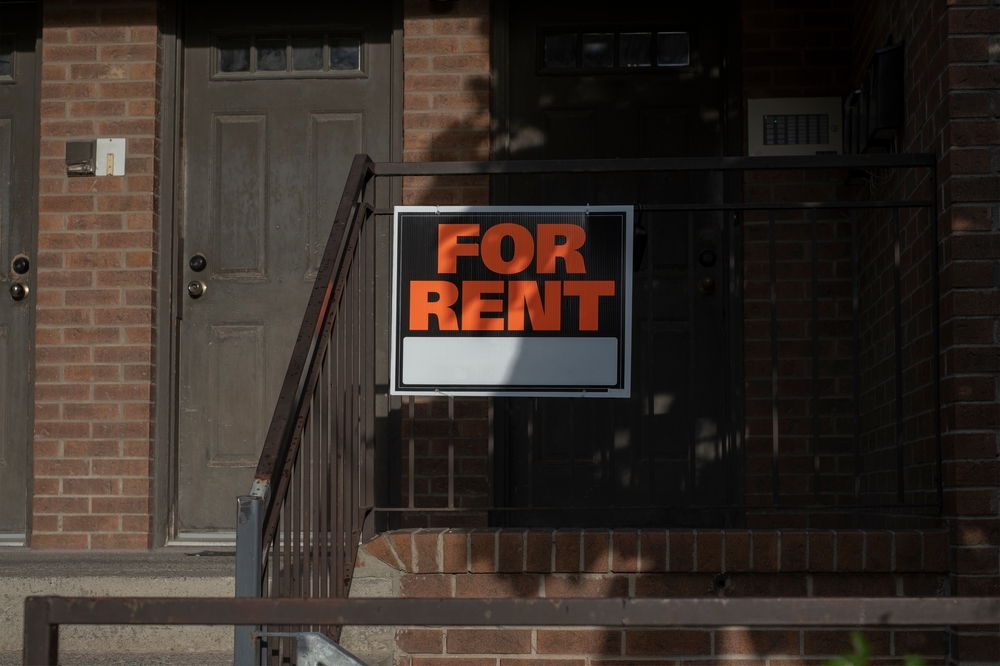
Immigration contributes to rising rental rates in many Canadian cities. Increased demand for housing leads landlords to raise rents, particularly in high-demand urban areas. Cities like Toronto, Vancouver, and Montreal see notable increases, affecting both newcomers and long-term residents. Renters may need to compromise on location or size to secure affordable units. Higher rental costs can influence budgeting, savings, and overall quality of life. The trend highlights how immigration directly impacts the rental market, creating a more competitive environment and driving prices upward across major metropolitan areas in Canada.
Changes in Household Size Trends

Immigration affects household size trends in Canada. Many newcomers live in multi-generational or shared homes to manage costs while settling in. This increases household density in both urban and suburban areas. Larger households influence housing needs, school enrollment, and municipal services. Developers and city planners consider these trends when designing new residential projects. Changes in household composition also affect local economies, consumption patterns, and neighborhood dynamics. Understanding these shifts helps address housing and community planning challenges, demonstrating how immigration reshapes domestic living arrangements and impacts Canadian housing markets over time.
Pressure on Local Infrastructure and Services

Rapid immigration places pressure on local infrastructure and services. Roads, public transportation, schools, and healthcare facilities experience increased demand. Municipalities must expand or improve services to meet population growth. Water, electricity, and waste management systems may also face strain. Cities with high immigration need careful planning to ensure residents receive adequate support. This pressure can affect urban planning, development approvals, and public budgets. Immigration’s influence goes beyond housing, highlighting its role in shaping community infrastructure and services while ensuring growing populations are accommodated effectively.
Long-Term Market Growth Projections

Immigration drives long-term growth projections for Canadian housing markets. Increased population growth supports continued demand for both rental and ownership properties. Developers plan future projects based on expected population influx, shaping urban and suburban development. Cities anticipate rising home prices, infrastructure needs, and service demands. Long-term market forecasts incorporate immigration trends to guide policy, construction, and investment decisions. These projections emphasize the enduring impact of immigration on Canada’s housing sector, showing how population growth influences market stability, property values, and the planning of communities over decades.
Shifts in Investment and Speculative Purchases
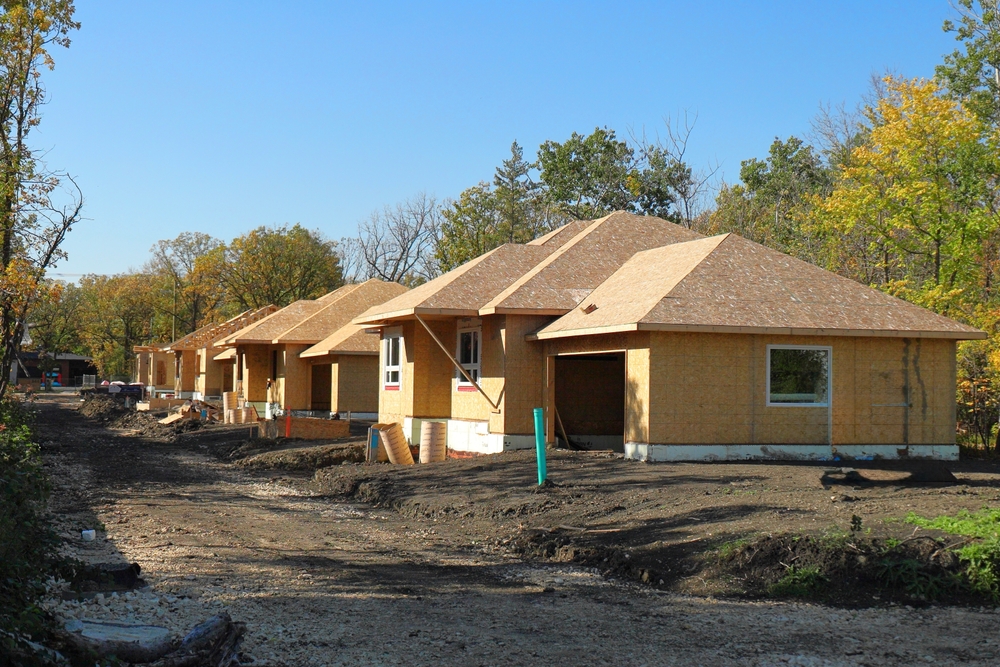
Immigration influences investment and speculative activity in Canadian housing markets. High demand encourages investors to purchase properties for rental or resale, anticipating value increases. Speculative buying can intensify competition for homes and drive up prices. Some investors focus on areas with large newcomer populations or rapid growth. While this can stimulate construction and development, it may also reduce affordability for residents and first-time buyers. Immigration indirectly shapes investor behavior, impacting the housing market dynamics and contributing to both opportunities and challenges within Canadian real estate markets.
Government Policy Adjustments and Housing Programs

Governments respond to immigration-driven housing pressures with policy adjustments and housing programs. Programs may include affordable housing initiatives, zoning changes, or incentives for developers. Municipal, provincial, and federal levels collaborate to manage population growth and maintain housing stability. Policies often address rental regulations, foreign buyer restrictions, and support for first-time buyers. Immigration trends inform the design of these initiatives to balance market demand with accessibility. Government intervention demonstrates the critical role policy plays in mitigating housing challenges created by population growth and ensuring equitable access to homes for newcomers and residents alike.
22 Groceries to Grab Now—Before another Price Shock Hits Canada

Food prices in Canada have been steadily climbing, and another spike could make your grocery bill feel like a mortgage payment. According to Statistics Canada, food inflation remains about 3.7% higher than last year, with essentials like bread, dairy, and fresh produce leading the surge. Some items are expected to rise even further due to transportation costs, droughts, and import tariffs. Here are 22 groceries to grab now before another price shock hits Canada.
22 Groceries to Grab Now—Before another Price Shock Hits Canada
