Canada once lived in the shadow of the American business world. That story is shifting. Canadian companies are stepping into spaces that were once dominated by US corporations. They are moving forward with strong growth, solid user bases, and real numbers to back up their momentum. People across the world are starting to use products and services from Canadian brands without realizing they are Canadian. Here are 21 Canadian companies that might replace American giants.
Shopify

Shopify gives business owners full control over their online stores through tools that support branding, payments, shipping, and customer insights. Many sellers prefer Shopify because they do not need technical knowledge or a heavy investment to scale. Independent creators, retailers, and growing brands use it to expand without depending on Amazon Marketplace or Etsy rules. It allows product-based businesses to build recognition rather than compete in a crowded marketplace. Shopify keeps gaining international users because it supports over 170 countries and offers hundreds of integrations. It continues to move closer to becoming the most influential e-commerce platform worldwide.
RBC
RBC has quietly expanded outside Canada by offering digital banking solutions that reduce friction for everyday users and growing businesses. People appreciate fast transactions, reliable support, and user-friendly online services. Commercial clients continue choosing RBC for stable financial planning and investment operations across North America. Its presence in the United States has increased each year due to strategic acquisitions and partnerships. Many corporate accounts have shifted to RBC from JPMorgan or Citibank for accessible international services. With consistent financial performance and global reach, RBC is positioned to become one of the most significant banking institutions of this decade.
Lululemon

Lululemon became a global force in athletic wear by focusing on durable fabrics, long-lasting comfort, and consistent style rather than short-term fashion cycles. Customers buy Lululemon because they know items will withstand heavy use without constant replacement. The brand grew from yoga clothing into a complete sporty lifestyle identity that appeals to all age groups. Retail expansion across the United States and Asia has lifted annual revenue far beyond early expectations. Many shoppers choose Lululemon over Nike and Adidas when they want premium apparel that works for both fitness and daily outfits. Its global community keeps growing steadily.
TD Bank

TD Bank has become popular in the United States because of its banking hours, accessible customer service, and easy-to-understand financial products. While many American banks reduce physical locations, TD continues to open branches and invest in in-person assistance. Customers who want direct support rather than automated systems often switch to TD for everyday banking. Mobile banking tools have also gained a younger audience that prefers simple financial management. As more consumers search for convenience and reliability, TD becomes a serious alternative to Bank of America and Wells Fargo. The brand continues to expand customer retention and geographic footprint.
Canopy Growth
Canopy Growth is leading the cannabis industry through cultivation, medical research, consumer branding, and large-scale distribution. Many companies in the United States face legal restrictions that delay national expansion. Canopy has already built international channels and partnerships that give it a strong position for the future. Countries opening regulated cannabis markets often adopt Canopy products because the company has experience with compliance, testing, and standards. It produces recreational goods and medically prescribed treatments, which broadens its appeal to different customer groups. If legalization increases across the United States, Canopy could scale rapidly and challenge multiple American cannabis leaders.
Koho
Koho offers prepaid cards and a budgeting app that help users track money without traditional bank requirements. People who want control over spending use Koho to manage daily transactions and avoid unnecessary fees. It continues to gain popularity among young adults who want banking alternatives that feel straightforward instead of complicated. The app highlights savings goals and spending categories, which creates better awareness of personal finances. Many former Cash App and Chime users have already switched due to predictable charges and user transparency. Growth within Canada suggests Koho could reach broader markets and compete internationally over time.
TELUS Health

TELUS Health provides digital healthcare services that support appointments, health records, insurance, and workplace benefits. Patients and employees use the platform to connect with medical professionals without long wait times or complex paperwork. Employers value TELUS Health because it gives staff convenient access to mental and physical wellness services. Doctors benefit from organized digital records and quick communication tools. Expansion across Europe and Asia reflects a growing demand for virtual healthcare solutions that feel practical and secure. TELUS Health could challenge major US telehealth services if it continues securing partnerships with governments, hospitals, universities, and large employers worldwide.
Brookfield
Brookfield manages assets across real estate, power, infrastructure, and investment holdings. Its business decisions influence global development projects even though everyday consumers may not recognize the brand. Investors trust Brookfield because the company performs strongly during both economic growth and downturn. This stability attracts large clients who want long-term security rather than risky movements. Brookfield competes directly with American giants like BlackRock and Blackstone through strategic acquisitions and diversified income. Its portfolio includes toll roads, office towers, energy operations, and digital infrastructure. The company continues to scale as countries invest in large construction, renewable energy, and public projects.
Dollarama

Dollarama has built an international following by providing affordable household products with predictable price points. Customers rely on Dollarama during both strong and weak economic cycles because its products stay accessible for everyday needs. The brand maintains high demand during inflation, which helps the company remain resilient. It has expanded beyond Canada into Latin America through a partnership model that speeds growth without high cost. Many shoppers who once depended on Dollar Tree or Family Dollar now treat Dollarama as their preferred low-cost retail option. Its global retail footprint could become much larger in the next decade.
Aritzia

Aritzia attracts customers searching for reliable fashion staples rather than fast-changing trends. The brand offers simple cuts, neutral palettes, and comfortable fabrics that appeal to a wide age range. Stores feel upscale without luxury pricing, which makes shoppers return frequently. The brand uses organic sales growth rather than heavy discount cycles, creating strong customer retention. Many Americans who once favored Zara or Urban Outfitters have switched because Aritzia products last longer and feel timeless. Online sales continue increasing across the United States, Europe, and Asia. Its steady expansion reflects a brand built on consistency rather than constant reinvention.
Desjardins
Desjardins stands out in the financial sector as a cooperative model that focuses on community-driven banking. Customers who join Desjardins receive financial guidance, insurance services, and everyday banking through clear programs. Small business owners appreciate transparent lending and support during uncertain periods. Its insurance division has become a major contributor to overall growth. Many clients are turning to Desjardins because traditional banks feel rigid or impersonal. The group continues to scale while maintaining strong risk management standards and solid customer satisfaction scores. With geographic expansion and consistent performance, Desjardins could compete with large US banks in the coming years.
Tim Hortons
Tim Hortons has built global popularity through affordable coffee, breakfast items, and accessible store locations. Many customers prefer it because they can enjoy familiar comfort food quickly without spending too much. While Starbucks focuses on luxury cafe culture, Tim Hortons focuses on availability and simplicity. Restaurants are expanding across Asia and the Middle East with strong market response. The brand has become widely recognized outside Canada and continues to attract new franchise interest. Tim Hortons already challenges Starbucks in countries where price-sensitive customers dominate. Growing international visibility suggests long-term potential in global food and beverage competition.
Lightspeed Commerce

Lightspeed offers software for retail and restaurant management, including point-of-sale systems, staffing oversight, inventory tracking, and payment processing. Multi-location businesses choose Lightspeed because it handles complex operations without forcing owners to juggle multiple tools. The platform continues gaining users who previously relied on Square or Toast. It helps businesses improve productivity through clear reporting and accurate real-time data. Lightspeed performs well in hospitality because it supports fast training for new employees and consistent order tracking. With rapid global adoption, Lightspeed has positioned itself as a core technology partner for restaurants and shops that want organized and scalable operations.
Cineplex

Cineplex has adapted to the entertainment shift by investing in gaming lounges, interactive spaces, VR experiences, and premium theatres. People visit Cineplex venues for social activities rather than only movie screenings. This model continues to gain popularity because it supports group hangouts, birthday events, and casual outings. Cineplex operates entertainment complexes that attract families, young adults, and gamers. While AMC dealt with structural instability, Cineplex expanded carefully and built multiple entertainment categories. The company wants to transform theatres into multi-purpose leisure centers. This strategy protects revenue during periods when film releases decrease. Cineplex is positioned for long-term growth.
Loblaw
Loblaw leads Canada’s grocery sector and continues expanding sales through private-label products, pharmacy services, and everyday household goods. Its in-house brands, President’s Choice and No Name, regularly outperform many national products within the same category. Customers rely on Loblaw for predictable pricing and large store networks that simplify weekly shopping. Real estate planning and store design keep the company ahead of most competitors. Its financial performance remains strong even during periods of inflation. If Loblaw expands into international markets, US retailers like Kroger or Target would face serious competition due to Loblaw’s efficient supply chain and broad product mix.
Air Canada

Air Canada continues expanding through long-distance international flights, strategic airline partnerships, and competitive pricing. Many travelers choose Air Canada over American carriers because flights are reliable, global networks are extensive, and transit routes are well coordinated. The airline has strengthened its presence in Europe and Asia by connecting major airports through efficient schedules. Its loyalty program also encourages repeat bookings from frequent travelers. Growth in overseas tourism has helped boost its reputation as a dependable long-haul option. It is becoming a strong challenger to United Airlines and Delta, especially for international passengers who prioritize smooth global travel connections.
Wealthsimple

Wealthsimple has grown popular among new investors because it offers a clean and simple interface for trading and long-term saving. Users appreciate low fees, fractional shares, and automated investment portfolios that support long-term planning. Many former Robinhood and E-Trade users prefer Wealthsimple because it blends easy design with serious financial tools. The app makes investing feel accessible without overwhelming beginners. Its features support both casual investors and experienced traders who want a streamlined platform. With expansion into tax filing and savings features, Wealthsimple has become a full financial ecosystem. Global adoption continues to rise across younger demographics.
Hootsuite
Hootsuite helps businesses manage social media scheduling, engagement, analytics, and customer responses across multiple platforms. Marketing teams rely on Hootsuite to track performance without switching between different apps. The platform works well for brands with large audiences because it organizes posts and feedback from one dashboard. It has become popular among mid-sized and enterprise companies that need efficiency and clear reporting. Hootsuite competes directly with American platforms such as Buffer and Sprout Social. New social networks and content formats keep demand high. Its long-term user retention suggests that Hootsuite remains a trusted partner in digital marketing operations.
Indigo
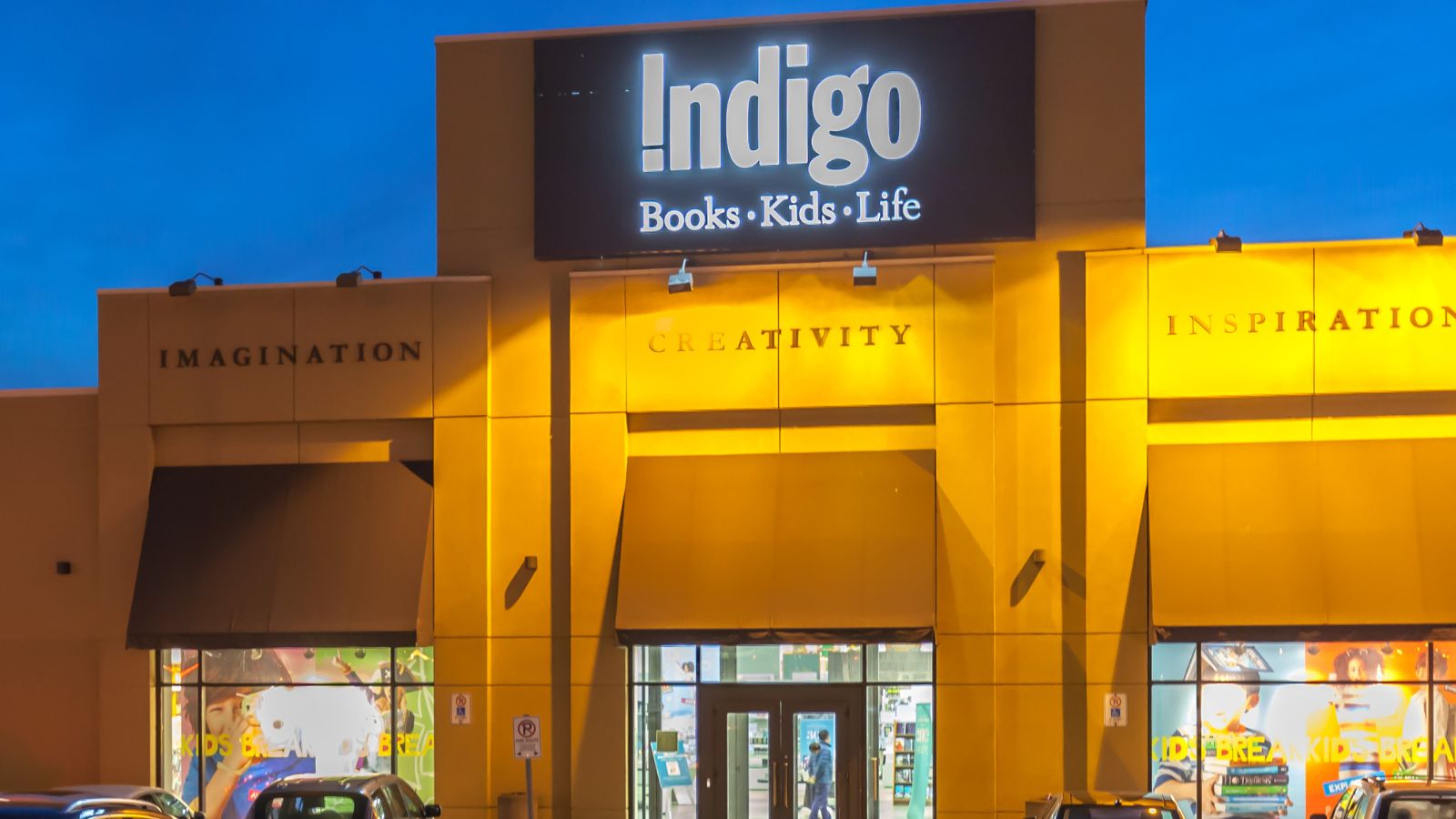
Indigo operates as a bookstore and lifestyle retailer with a focus on cozy home goods, stationery, and gift products. People enjoy browsing Indigo stores because they feel calm and welcoming rather than rushed or crowded. While many bookstores struggle to survive, Indigo strengthened its identity by selling more than books while still celebrating reading culture. The online store also performs well through curated browsing experiences that help shoppers discover new interests. Customers who once relied on Barnes and Noble have shifted toward Indigo for thoughtful product assortments. Its blend of retail atmosphere and lifestyle focus supports strong repeat business.
Freshii

Freshii has built steady demand in the fast-casual food market by serving healthy meals at accessible prices. Customers choose Freshii because the menu suits busy workdays without heavy spending or long preparation times. Its bowls, wraps, soups, and smoothies attract health-conscious consumers who do not want expensive boutique restaurants. The company continues expanding through franchising programs that lower operating barriers for new owners. Freshii also adapts its menus to local tastes across different regions. As more people look for fast but healthy food, Freshii could become a strong competitor to Panera Bread and Sweetgreen in global markets.
Bombardier

Bombardier builds private aircraft and transportation vehicles used by corporations and governments worldwide. The business jet category has become its core strength due to high demand from global clients. Companies and individuals purchasing long-range jets often prefer Bombardier for reliable performance and comfortable cabin design. Deliveries have increased as business travel returns and aerospace demand stabilizes. Although rivals like Gulfstream and Boeing remain dominant, Bombardier continues to narrow the gap through consistent production and targeted contracts. Its growth in the premium aircraft category could position it as one of the most influential names in aviation over the next decade.
22 Groceries to Grab Now—Before another Price Shock Hits Canada

Food prices in Canada have been steadily climbing, and another spike could make your grocery bill feel like a mortgage payment. According to Statistics Canada, food inflation remains about 3.7% higher than last year, with essentials like bread, dairy, and fresh produce leading the surge. Some items are expected to rise even further due to transportation costs, droughts, and import tariffs. Here are 22 groceries to grab now before another price shock hits Canada.
22 Groceries to Grab Now—Before another Price Shock Hits Canada
