
Many influential developments are unfolding quietly across the country, shaping industries, transforming communities, and setting new benchmarks for innovation. These advances rarely appear in headlines, yet their long-term impact is significant. From technology that strengthens national security to infrastructure upgrades that expand economic potential, these initiatives demonstrate steady progress that often goes unnoticed. Here are 21 Canadian game changers that are hiding in plain sight.
The Davie Shipyard Icebreaker Renewal Program

The National Icebreaker Program at Davie Shipyard is reshaping the country’s maritime capabilities by expanding the fleet needed for Arctic operations, research missions, and national security. This initiative supports thousands of skilled jobs while reviving a historic shipbuilding hub. The program includes refits, conversions, and new construction, giving researchers and coast guard teams better tools to operate in some of the planet’s most difficult waters. Its long-term value reaches far beyond the shipyard, as it plays a central role in Arctic sovereignty and preparedness. The project is progressing steadily without much public attention, yet its scale is substantial.
SaskPower’s Integrated Carbon Capture Project
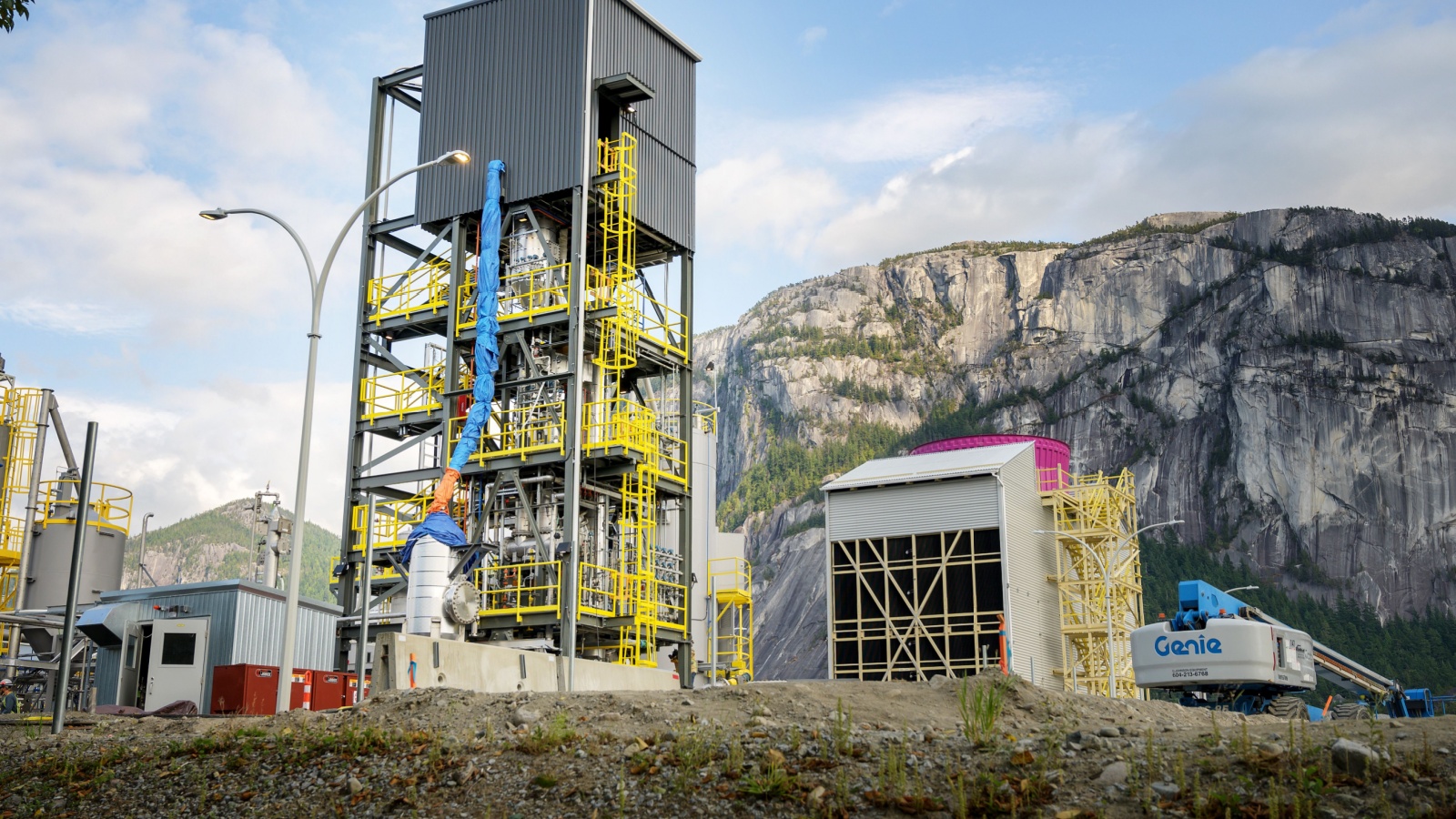
The Boundary Dam carbon capture system continues to advance emission reduction technology that major economies monitor closely. The facility captures large quantities of carbon dioxide for storage and industrial use, providing real-world data on how large-scale carbon capture can operate in colder climates. The project creates economic activity through engineering firms, maintenance teams, and research partnerships while adding export potential for made-in-Canada solutions. Although it rarely appears in global climate conversations, its ongoing improvements shape future carbon management strategies. Its long-term operational data is valuable for countries exploring similar systems across their power sectors.
Quebec’s Green Hydrogen Valley Initiative
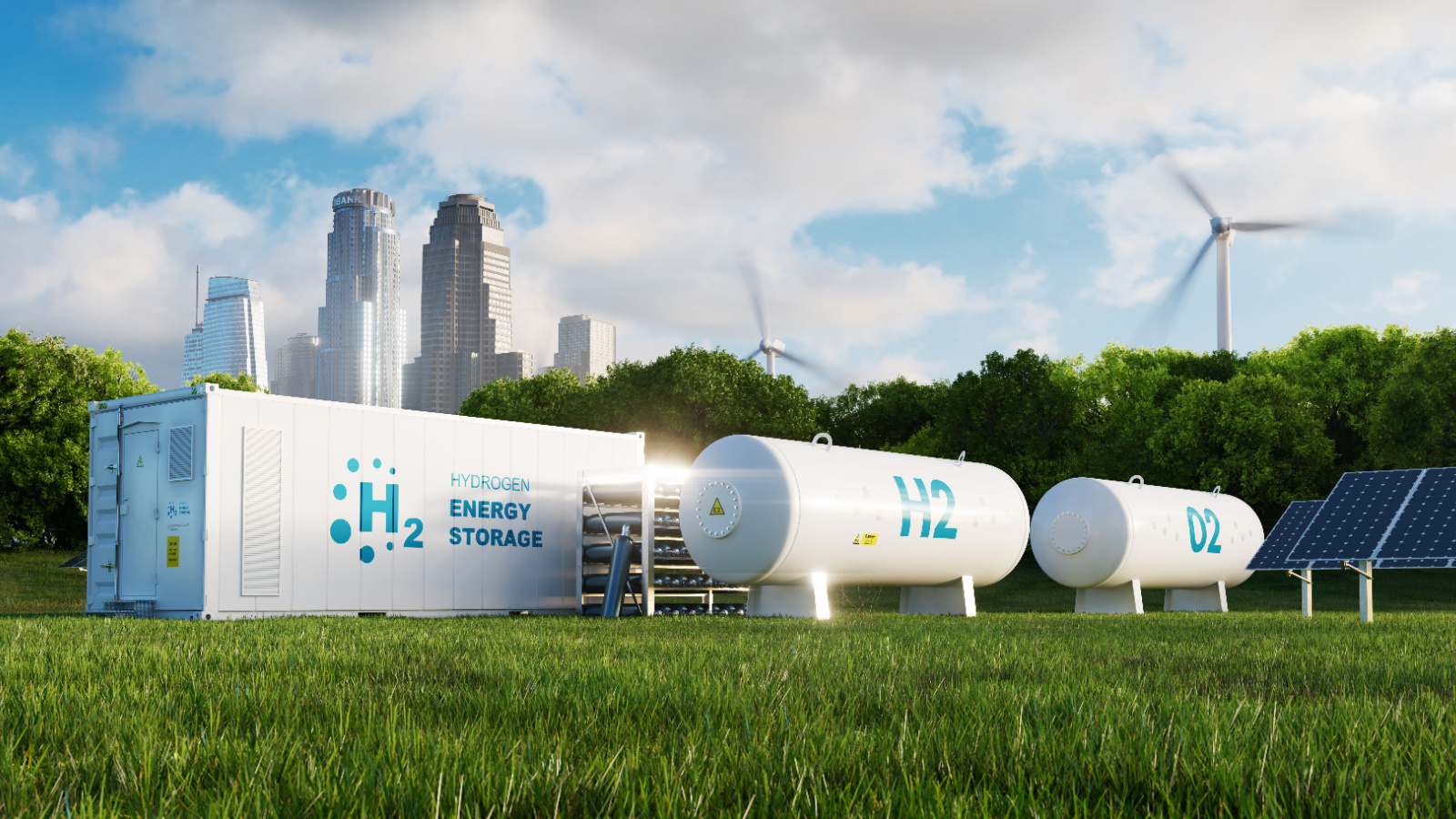
The green hydrogen strategy underway in the province is positioning it as a key player in future energy markets through major investments in electrolysis, industrial hubs, and transportation pilots. Companies are developing production facilities connected to abundant hydroelectric power, ensuring low-emission hydrogen at scale. This effort is attracting international investors, creating new engineering roles, and supplying clean fuel for trucks, ships, and industrial users. The initiative remains under the radar despite its ambition, yet it supports long-term competitiveness for manufacturing and heavy industry. It also connects local suppliers to fast-growing global hydrogen demand across multiple sectors.
Vancouver’s Quantum Computing Cluster

A growing group of companies around Vancouver is quietly becoming one of the strongest quantum communities in North America. Firms are developing hardware, quantum algorithms, and secure communications systems while working alongside leading university researchers. These companies attract significant private investment and employ highly specialized talent that is difficult to find globally. Their work influences national defense, drug discovery, transportation optimization, and finance. Although the sector does not dominate mainstream tech headlines, it consistently produces advances that international corporations study closely. The cluster’s steady development signals long-term potential for high-value job creation and intellectual property growth.
The REM Light Rail Network in Montreal

The new Réseau express métropolitain system is transforming regional transportation with modern driverless trains, frequent service, and extensive coverage. The project improves commuting times, reduces congestion, and supports new residential and commercial development along its routes. It is also one of the largest public transit investments in North America, integrating advanced train technologies and long-term electrification plans. The network strengthens sustainability goals by shifting more travelers away from cars while linking major economic centres. Although construction challenges receive attention, the broader importance of the project seldom does, despite its role in reshaping how the region moves and grows.
Newfoundland’s Digital Ocean Data Platforms

Marine research groups across Newfoundland are developing advanced ocean observation systems that track ecosystems, climate patterns, and offshore activity. These platforms combine sensors, satellites, robotics, and real-time analytics to support fisheries, renewable energy development, and environmental protection. Their findings assist international research programs and supply valuable data for coastal planning. The technology also strengthens local industries by giving companies better tools for marine forecasting, vessel routing, and environmental monitoring. While these efforts operate quietly behind the scenes, they are essential to understanding changing ocean conditions and ensuring sustainable use of marine resources in the North Atlantic region.
Calgary’s Drone-Based Infrastructure Inspection Programs

Energy companies and municipalities in Calgary are using advanced drone systems to inspect pipelines, power lines, towers, and bridges with high accuracy. These programs reduce risks for workers, cut maintenance costs, and improve emergency response by supplying rapid assessments after severe weather events. The data collected supports predictive maintenance models that prevent outages and failures. This approach has become a standard within several industries while drawing interest from international engineers. Despite its benefits, the technology rarely receives broad public attention, even though it increases safety and efficiency across Alberta’s infrastructure network and contributes to the growth of local tech firms.
Ontario’s Modular Nuclear Reactor Development

Research teams and private companies in Ontario are advancing small modular reactor technology designed for remote communities, industrial sites, and future clean energy demand. These reactors are compact, cost-effective, and built for enhanced safety standards. They can support mining operations, supply stable electricity to northern regions, and strengthen grid reliability. Development includes regulatory review, engineering studies, and partnerships with global nuclear experts. Although the public conversation often focuses on larger projects, these smaller systems offer practical long-term solutions for emissions reduction and energy security. The work underway positions the region as a leader in next-generation nuclear innovation.
The Port of Prince Rupert Expansion

The port expansion on the northern coast plays a significant role in strengthening trade routes to Asia by adding terminals, logistics hubs, and improved rail connections. Its location shortens travel times for shipping companies while reducing congestion at major gateways. New investments support manufacturing, forestry, agriculture, and mining exporters by providing faster market access. The development has also created new employment opportunities and encouraged additional industrial activity in surrounding communities. While national discussions often focus on larger ports, this project steadily grows its influence and continues to attract global carriers seeking efficient routes between North America and Asian markets.
Winnipeg’s Advanced Aerospace Manufacturing Hub

Aerospace firms in Winnipeg produce essential components for global aircraft manufacturers, maintaining a strong reputation for precision machining, composite materials, and structural design. The region hosts educational programs that strengthen the talent pipeline and support collaboration with international engineering teams. Ongoing investments help modernize facilities and expand capabilities, keeping the sector competitive. Although it receives less attention than other aerospace hubs, its output directly supports leading aircraft programs worldwide. The combination of expertise, manufacturing capacity, and industry partnerships positions the city as a valuable contributor to aviation innovation, with steady growth in high-skilled jobs and export opportunities.
Fredericton’s Cybersecurity Innovation Efforts

Research labs and startups in Fredericton continue to build strong cybersecurity tools for governments, financial institutions, and private companies. Their products include threat detection systems, secure communication platforms, and real-time monitoring capabilities. Collaboration with academic institutions strengthens research, while annual events attract talent and investors. The city has developed a strong reputation in this field, supporting organizations across North America. These contributions rarely appear in major news cycles despite their importance. Their tools help protect essential services, respond to growing cyber threats, and create employment opportunities in a specialized sector that benefits from continuous investment and technological progress.
Yukon’s Cold Climate Innovation Testing Facilities
Testing centres in the Yukon provide valuable data for equipment manufacturers seeking to evaluate vehicle performance, building materials, renewable energy systems, and communication technologies in severe conditions. These facilities attract researchers who need reliable cold weather environments unavailable in many regions. Their findings influence product development for northern communities, mining operations, and emergency responders. The work supports niche markets that require dependable solutions built for low temperatures and extreme weather. While modest in size, the facilities play a strategic role in international testing networks and consistently demonstrate practical benefits for industries operating in harsh climates around the world.
Waterloo’s Health Tech Commercialization Pipeline

Innovation centres in Waterloo support startups building medical devices, digital health platforms, and diagnostic tools. These programs provide clinical partnerships, access to testing environments, and guidance on regulatory pathways, helping founders move from prototypes to market-ready solutions. The region benefits from proximity to research universities and hospitals that supply feedback for continued improvement. Many emerging companies gain traction with international investors and healthcare providers, making the cluster a quiet source of progress. Although it receives limited mainstream attention, its output improves patient care, strengthens the medtech ecosystem, and contributes to the diversification of the region’s technology sector.
Prince Edward Island’s Bioscience Research Growth

PEI’s bioscience sector has expanded steadily through companies specializing in vaccines, nutritional supplements, diagnostics, and aquaculture technologies. Research centres offer laboratory space, technical support, and partnerships that attract businesses from other provinces and countries. The industry benefits from a skilled workforce and consistent public investment aimed at building long-term capacity. Many firms export globally, supplying specialized products used in human health, agriculture, and veterinary medicine. Although the sector operates without widespread attention, its contributions are significant for local employment, innovation, and economic stability. The ongoing expansion demonstrates its value as an important contributor to national bioscience development.
Toronto’s Clean Fintech Leadership

Fintech companies in Toronto are developing digital tools that support sustainable finance, emissions tracking, and green investment verification. Their platforms help banks and corporations measure environmental performance, meet reporting requirements, and direct capital toward low-emission projects. These firms collaborate with global institutions and supply software that aligns with international climate standards. The sector grows alongside the city’s strong financial industry, drawing talent from technology and finance backgrounds. Although it is not widely recognized outside professional networks, the work influences major investment decisions and strengthens the country’s role in shaping transparent, data-driven approaches to sustainable financial markets.
Regina’s Agriculture Technology Pilots

Agtech companies in Regina test equipment and software designed to improve crop management, soil monitoring, and supply chain tracking. These pilots include autonomous tractors, advanced irrigation systems, and tools that help producers reduce input costs. Research partnerships with universities and agricultural agencies ensure that new products meet real-world farming needs. The region supports these initiatives through incubators and access to farmland, making it an ideal testing environment. Many innovations developed here are later used internationally. The steady progress rarely reaches national headlines, though its impact on productivity, sustainability, and rural economic development continues to grow each year.
Halifax’s Ocean Tech Startups

Entrepreneurs and researchers in Halifax are creating underwater robotics, marine sensors, and seafood traceability systems. Their work supports environmental management, offshore energy projects, and fisheries. The city benefits from strong academic programs and industry partnerships that give startups access to coastal testing sites. The sector draws attention from global corporations seeking advanced tools for marine research and offshore operations. While it does not dominate national economic discussions, the cluster produces steady technological progress and high-skilled jobs. Its innovations influence how companies monitor oceans, manage resources, and navigate increasingly complex marine environments across multiple regions and industries.
Ottawa’s Semiconductor and Photonics Advances

Specialized labs and companies in Ottawa develop semiconductors, photonics components, and communication chips used in data centres, satellites, and consumer electronics. Their products enable faster networks, secure communications, and improved sensor performance. Collaboration between government research facilities and private firms supports consistent progress. Although they seldom appear in consumer technology discussions, these components play crucial roles in global supply chains. The industry maintains strong export activity and attracts engineering talent seeking advanced manufacturing opportunities. Its continued development strengthens national technological resilience, ensures supply diversity, and contributes to long-term competitiveness in sectors that rely heavily on high-performance electronics.
Manitoba’s Lithium Development Projects

New lithium exploration and development projects in Manitoba are building future supply chains for electric vehicle batteries and energy storage systems. Companies are mapping resources, conducting environmental studies, and forming partnerships with battery manufacturers. These efforts support responsible extraction practices and aim to supply key minerals to growing global markets. The projects create employment in northern communities and attract interest from investors seeking stable jurisdictions. While the activity remains quieter than other resource sectors, its significance will rise as demand for lithium increases. These developments lay the foundation for broader participation in clean technology manufacturing and renewable energy systems.
Saskatchewan’s Helium Production Expansion

Helium exploration in Saskatchewan is emerging as a strategic resource opportunity due to its importance in medical imaging, scientific research, and semiconductor manufacturing. Companies are drilling wells, building processing facilities, and signing supply agreements with international buyers. The province offers high-grade, low-carbon helium that requires minimal purification. This industry growth supports new technical jobs and expands export capacity. Despite its importance, the sector remains overlooked in national conversations. Its development strengthens global supply security, especially as other producing regions face declining reserves. The expansion positions the region as a reliable long-term source of a critical industrial gas.
Northern Territories’ Satellite Ground Station Networks

Ground stations across the northern territories support satellite operators by providing tracking, data reception, and communication services. Their geographic position allows unique coverage of polar orbiting satellites, making them valuable for weather forecasting, climate monitoring, emergency response, and global telecommunications. These facilities operate with advanced antennas and automated systems designed for harsh conditions. The networks contribute to international space missions and research programs while creating specialized technical jobs in remote regions. Although their work often stays out of public view, their capabilities are essential for space agencies and organizations that depend on precise and reliable satellite data.
21 Products Canadians Should Stockpile Before Tariffs Hit

If trade tensions escalate between Canada and the U.S., everyday essentials can suddenly disappear or skyrocket in price. Products like pantry basics and tech must-haves that depend on are deeply tied to cross-border supply chains and are likely to face various kinds of disruptions
21 Products Canadians Should Stockpile Before Tariffs Hit
