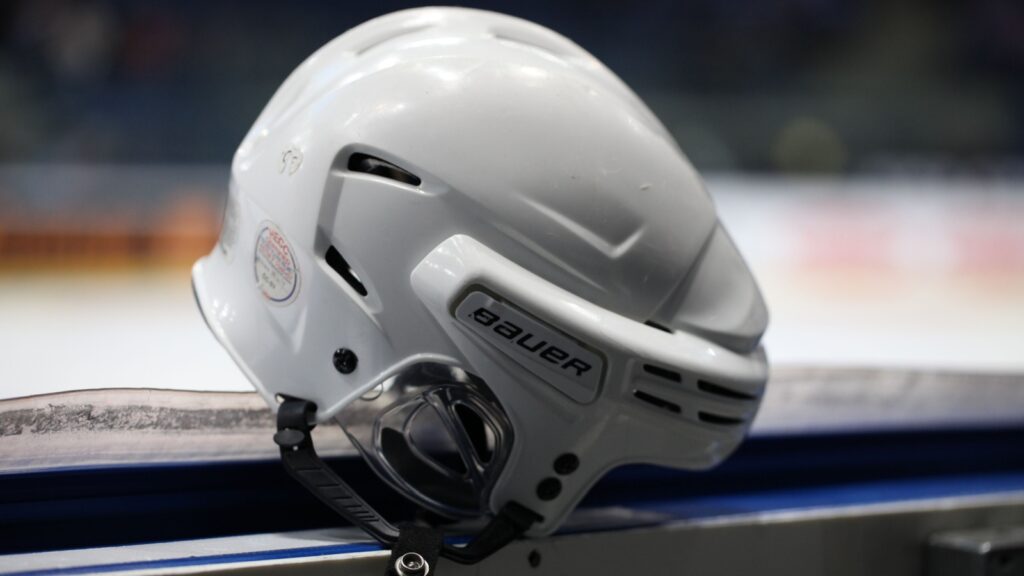
Canada has a long track record of producing ideas that change daily life, yet many of its smartest breakthroughs started in surprising locations. Small towns, remote labs, student projects, and even hobbies turned side experiments into success stories. These creations shaped medicine, entertainment, aerospace, communication, and transportation. They also proved that major progress can grow from places far away from big global research centres. Here are 21 Canadian Innovations That Came from Unexpected Places.
Garbage Bag Invented in a Factory Focused on Cleaning Jobs

The modern garbage bag was developed in an Ontario polyethylene factory in 1950 as workers tackled waste disposal challenges. They needed a cleaner method for handling hospital trash and tested layered plastic sheets for strength. The design proved reliable and then spread to households as an easier sanitation tool. Plastic bags soon became standard in kitchens, offices, construction sites, and public spaces. It reduced direct contact with waste and improved hygiene across many environments. A workplace task, not a commercial trend, created a universal product. A small practical fix turned into a global solution for daily cleanliness.
The Snowblower Came from a Small Farm Project

The snowblower was created by Quebec farmer Arthur Sicard in 1925 after tiring winters spent clearing heavy snow. He studied threshing machines and noticed ways to convert their moving parts into a snow-clearing device. After trial and error, he built an early prototype and used it to assist local businesses. Towns and cities adopted the machine soon after, and winter maintenance changed permanently. The device helped keep roads, sidewalks, and driveways usable during long weather cycles. It stemmed from rural frustration rather than advanced research. A farm project solved a problem shared by millions of people.
The Goalie Mask Started as a Personal Safety Fix
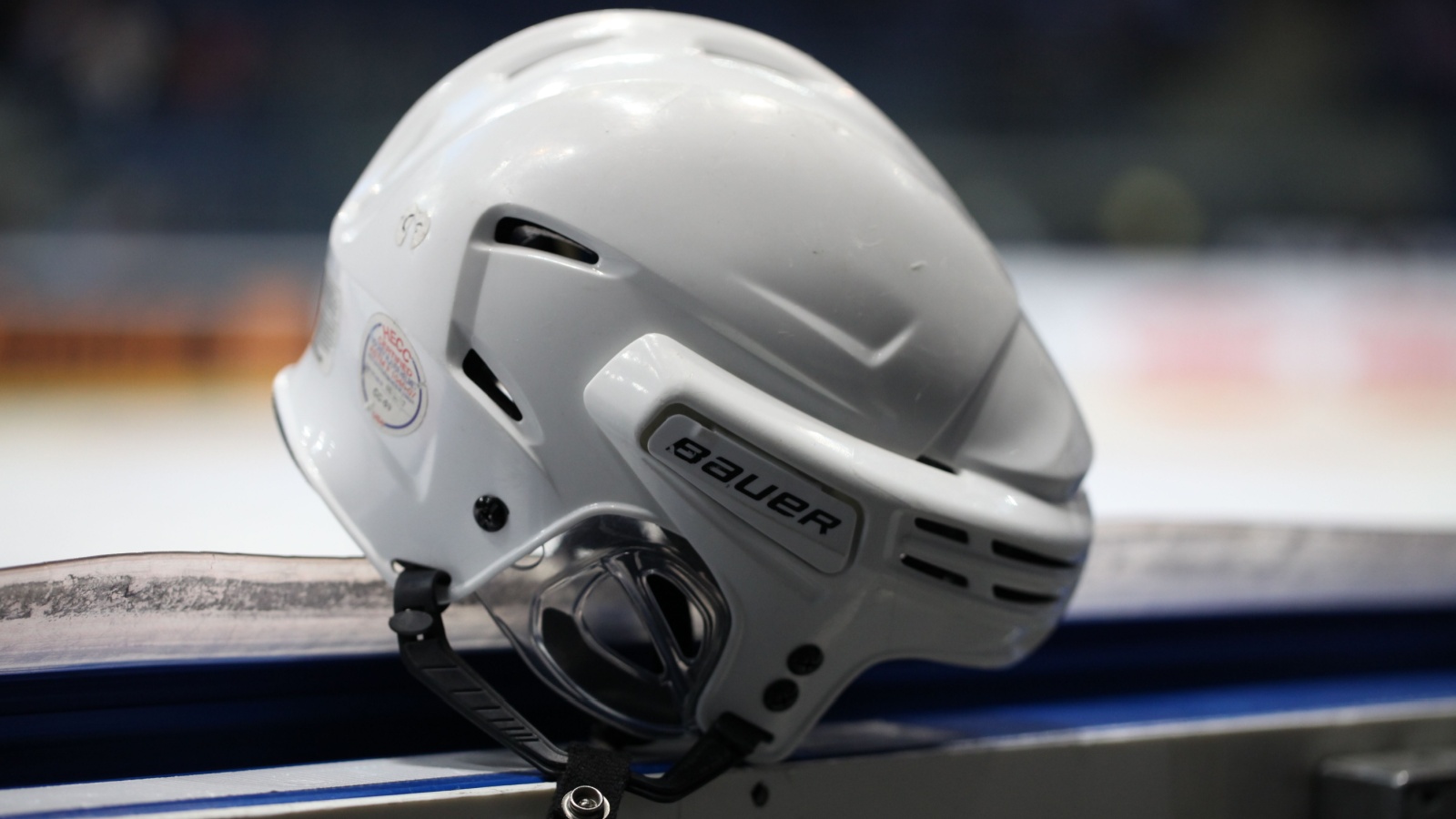
The hockey goalie mask originated in 1959 when Montreal Canadiens goalie Jacques Plante crafted a personal protective face covering. He endured repeated facial injuries and wanted safety without waiting for league approval. He built a fiberglass mask shaped to his features and began using it during games. The decision shocked audiences but sparked conversations about athlete safety and equipment reform. Players soon copied the idea, and masks became universal. It reinforced that safety improvements can start with individual courage rather than corporate design teams. A personal response to danger turned into permanent protection for players of every level.
Road Lines Created for Driver Confusion at a Rural Stretch

Painted road lines began after Ontario driver June Henderson struggled with oncoming traffic confusion on a narrow stretch. She proposed painting a dividing line to separate lanes clearly for safety. The first test used volunteers and white paint, without major government planning. Drivers quickly noticed safer travel and fewer close calls. The method spread across Canada and eventually to countries worldwide. Today, road lines shape nearly every paved roadway. A simple idea from firsthand experience improved public road safety for generations. It proved that everyday observations can influence infrastructure globally without advanced engineering.
The Walkie-Talkie Came from a Remote Communication Need

The walkie-talkie was developed by Alfred Gross while tackling radio communication problems in locations without telephone lines. He built bulky prototypes from scrap materials and tested them across remote distances. The devices improved coordination during World War II and later became essential for construction crews, emergency responders, and event workers. The core concept evolved into wireless phones and headsets used every day. It did not begin with military labs or large corporate funding. It grew from persistent tinkering by someone determined to improve communication for isolated teams facing urgent challenges.
The Canadarm Started with Space Research Outside the U.S.
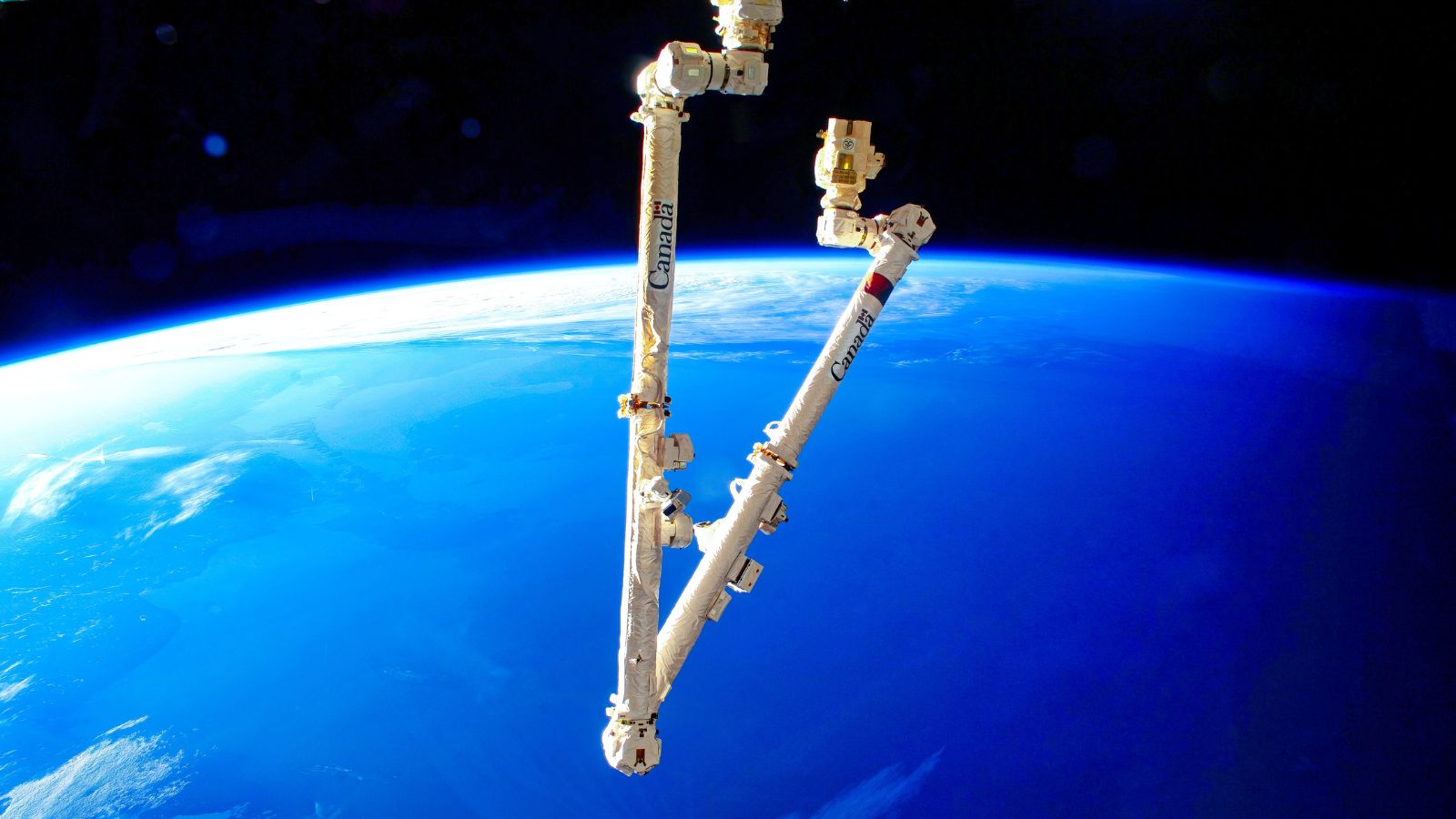
The Canadarm originated at Spar Aerospace in Canada, long before NASA brought the company into astronautics. The team developed robotic arms to operate in harsh climates and extreme industrial environments. NASA discovered the research and partnered with Canada for shuttle missions. The Canadarm eventually became central to satellite repair and space station construction. It demonstrated precision and reliability through decades of missions. The groundbreaking technology emerged outside standard space powerhouses and proved the value of independent research. A robotics experiment became a defining international contribution to space exploration and scientific cooperation.
Peanut Butter Made in a Small Montreal Laboratory
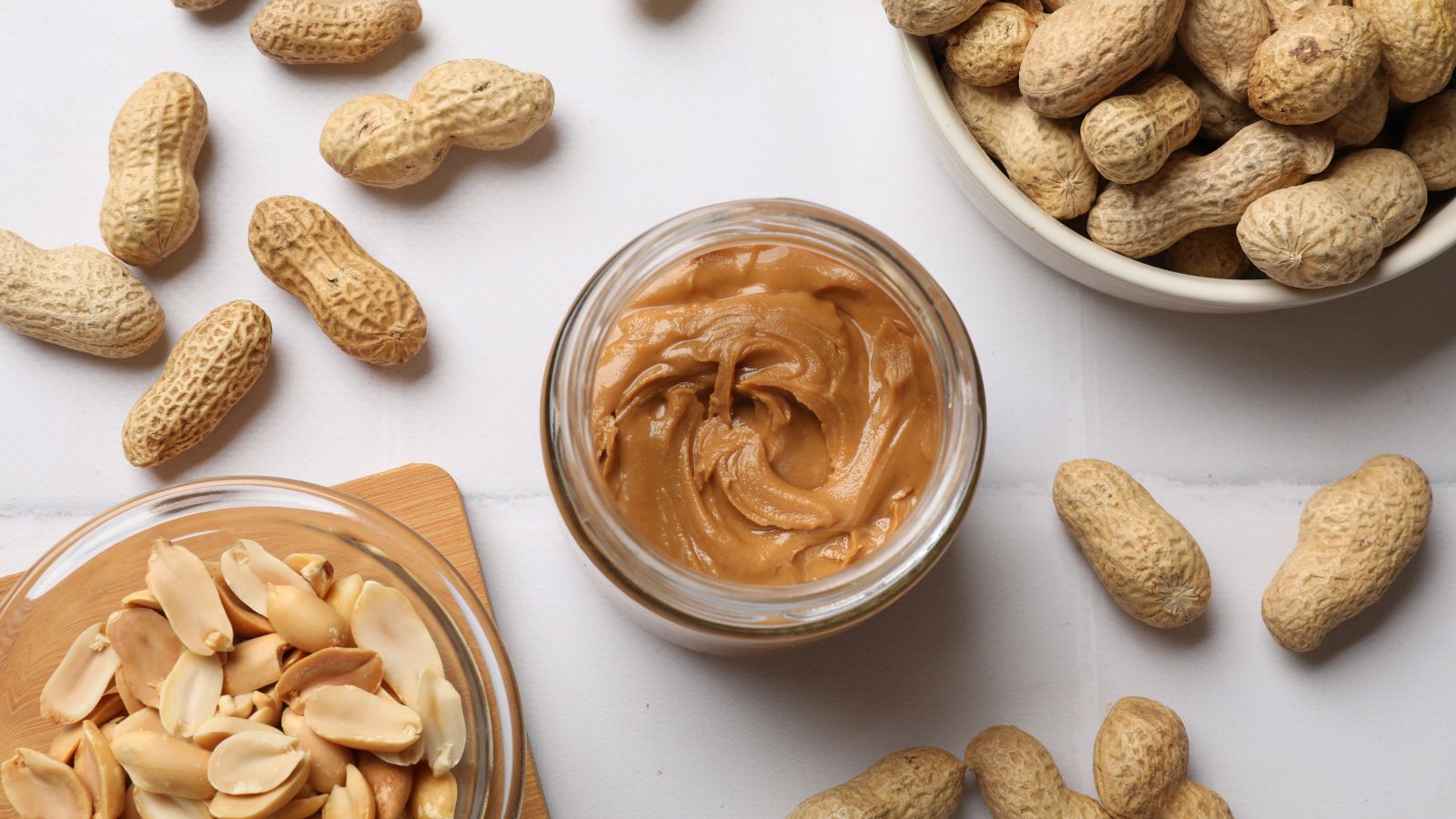
Peanut butter was commercialized by Montreal chemist Marcellus Gilmore Edson, who refined ground peanuts into a smooth paste. His goal was to help patients who had difficulty chewing solid food. He experimented with texture, consistency, and temperature until a workable formula emerged. The spread later became a household item and a global snack favourite. Schools, bakeries, and families rely on peanut butter daily. The idea started as a medical experiment rather than a culinary invention. A product created for accessibility grew into one of the most popular food staples in many countries.
Trivial Pursuit Started After a Lost Scrabble Set
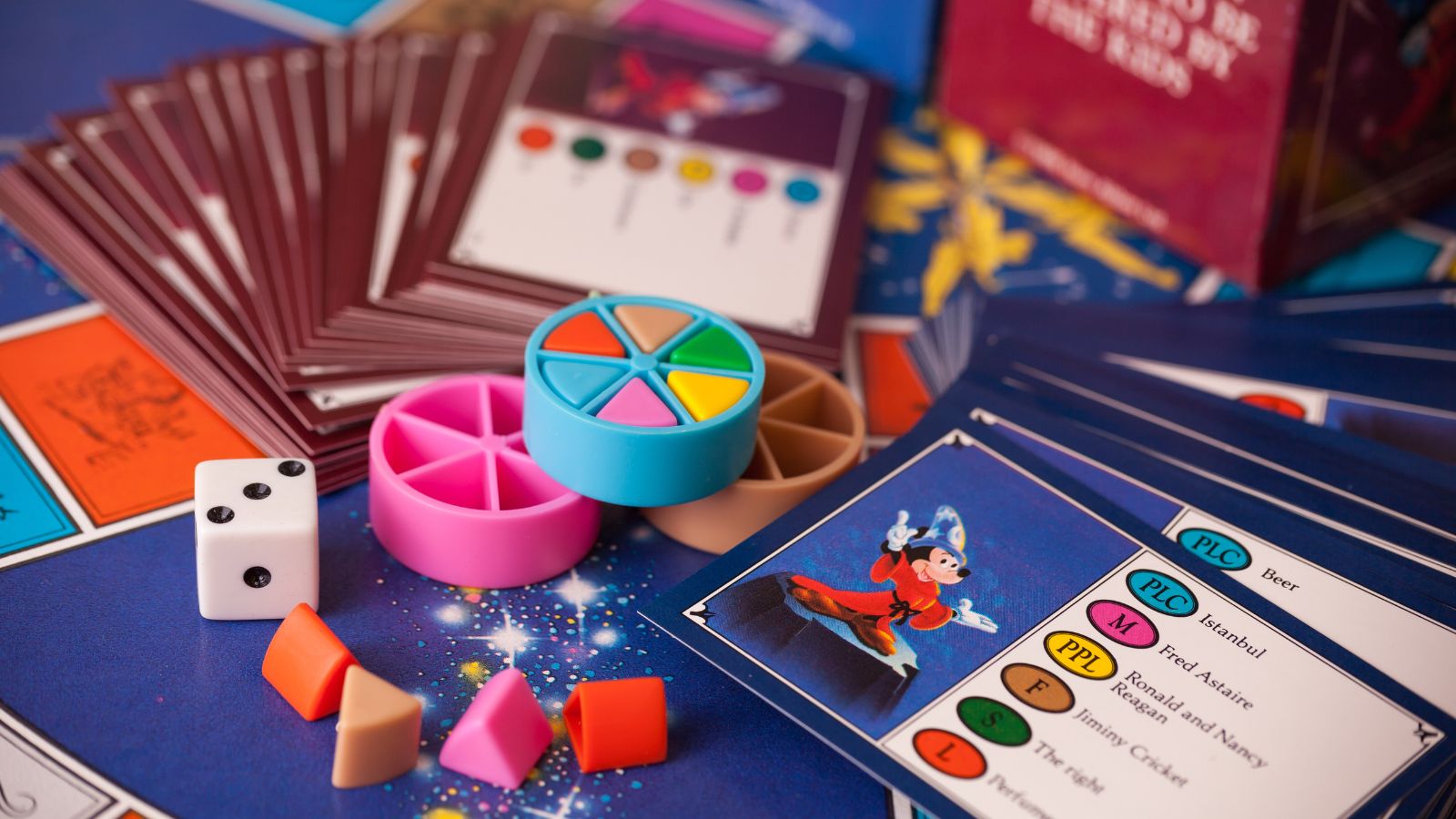
Trivial Pursuit began in Montreal in 1979 when two friends misplaced Scrabble tiles during a casual hangout. Instead of ending their night, they decided to build their own trivia board game for fun. They spent months gathering random facts, designing categories, and testing questions with their circle. Retailers soon picked up the product, and sales exploded in the 1980s. The game became a social staple for families and gatherings. A small moment of inconvenience sparked one of the most famous board games in history.
The BlackBerry Smartphone Grew from Pager Repairs
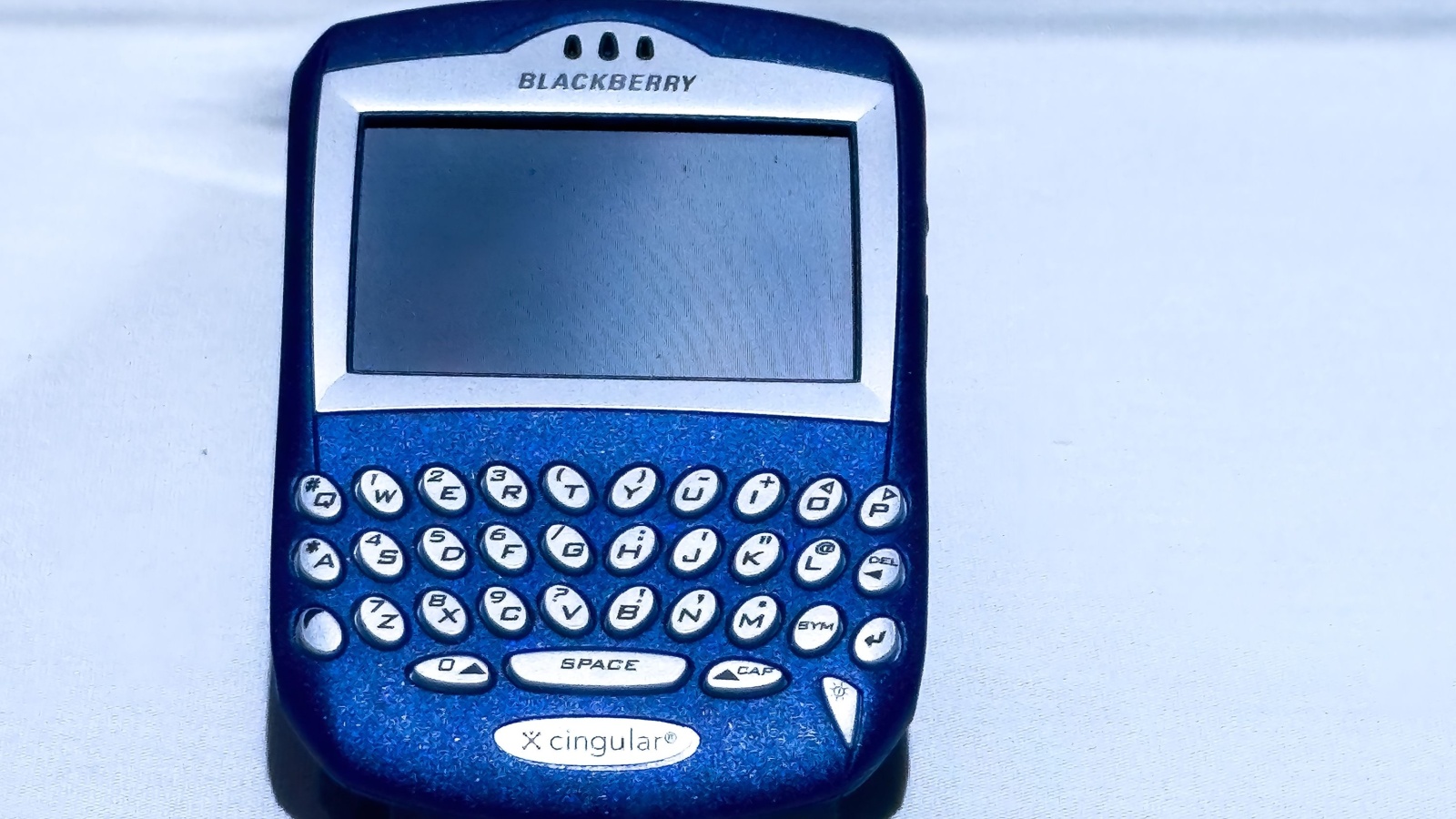
BlackBerry emerged when Mike Lazaridis and colleagues repaired pagers for other companies before creating their own device. They noticed the need for wireless email with a keyboard and started building prototypes in a small office. The first models targeted business users and grew rapidly in popularity worldwide. For many years, BlackBerry shaped professional communication and mobile habits. The invention started from repairing outdated technology rather than chasing futuristic design trends. A practical observation became the foundation of a global mobile movement.
Jolly Jumper Developed in a Family Living Room
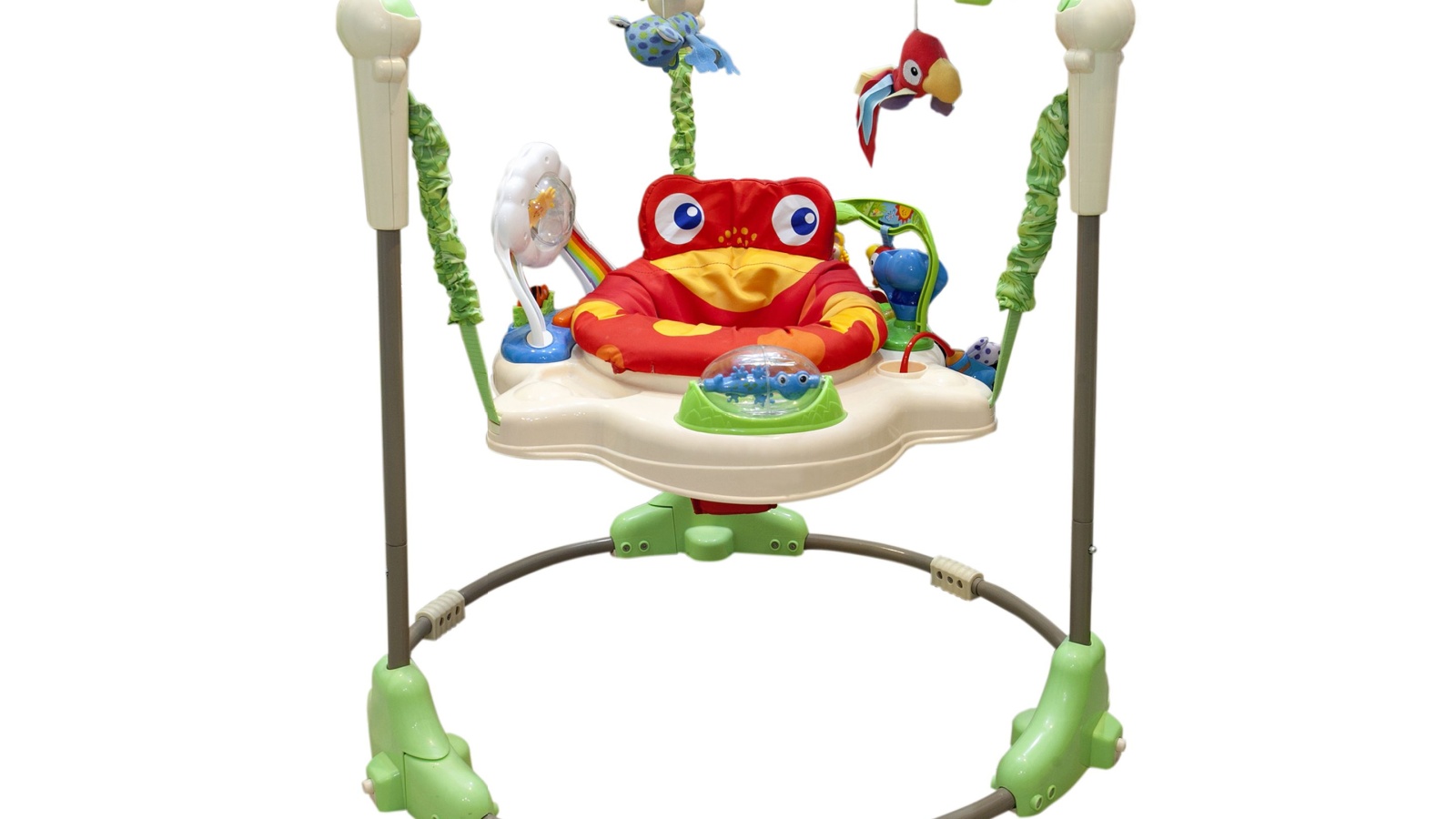
The Jolly Jumper originated when Susan Olivia Poole built a bouncing seat to comfort her baby using cloth, elastic, and a wooden frame. Friends who saw the device wanted their own and encouraged commercial production. The product reached stores and became a global nursery item for new families. It supported development, play, and comfort for infants across countries. The creation grew from one parent’s need during daily routines. A household DIY project eventually became a widely trusted baby product.
Instant Replay Born from a Broadcast Mishap

Instant replay began when a CBC broadcast team attempted to show a hockey goal again during live television. They altered the equipment to record and replay the footage seconds later, even though the system was not yet reliable. Audiences immediately responded with excitement, and broadcasters expanded the practice to other sports. Today, replay is central to football, basketball, baseball, and many professional leagues. The feature started because a production team wanted viewers to understand what happened better. A broadcast challenge evolved into a global standard for sports fairness and entertainment quality.
The Caulking Gun Based on a Cake-Icing Tool
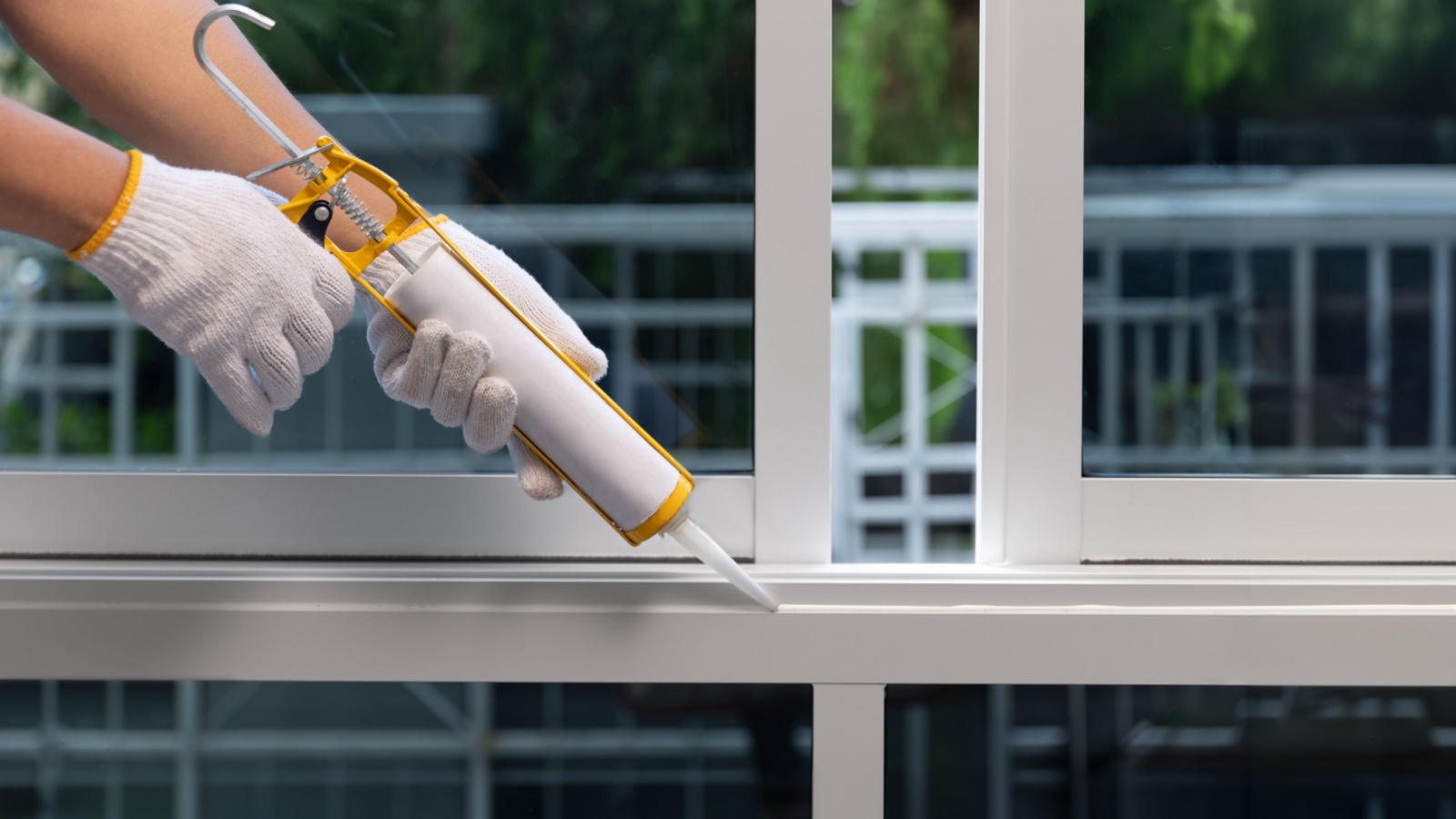
The caulking gun was modeled after a cake icing device by a Canadian builder who wanted cleaner and more controlled sealant application. He analyzed icing nozzles and transferred the same compression structure into a construction tool. The design allowed contractors to work faster with less waste. It later became universal in home improvement stores and professional toolkits across the world. The idea formed not from engineering theory but from observation during kitchen baking. A familiar cooking tool inspired a practical change in construction processes.
Robertson Screw Created After Trouble with Stripped Screws
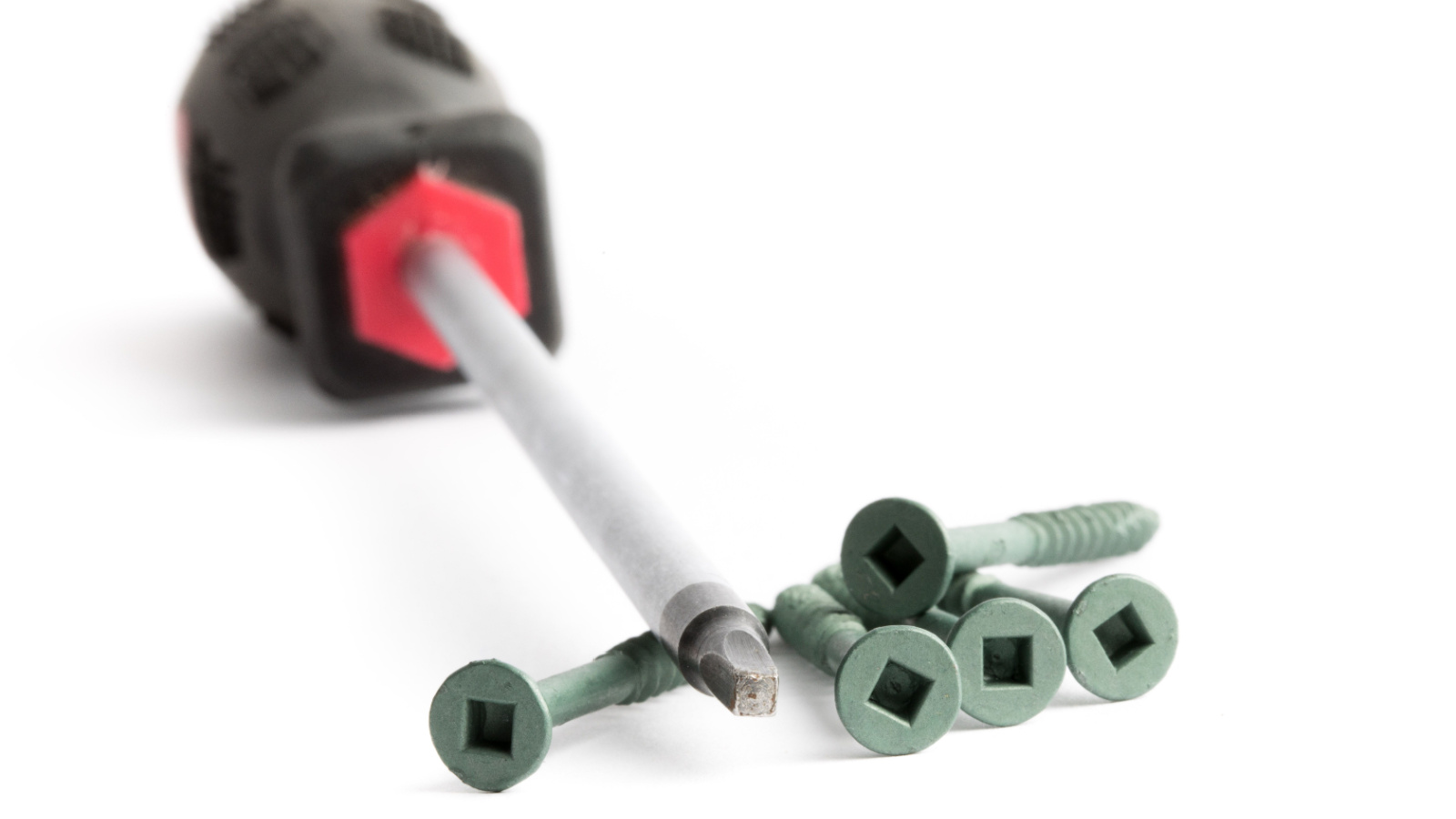
The Robertson screw was invented after Peter Robertson injured himself with a slipping screwdriver and grew frustrated with stripped screw heads. He experimented with creating a square socket that allowed a stable grip and prevented slippage. Factories adopted the screw for assembly lines because workers could attach parts faster with fewer errors. It remains a preferred design in Canada and is respected internationally for efficiency. It was sparked by repeated mishaps in a workshop rather than corporate brainstorming. A problem encountered by one person improved reliability across building and manufacturing.
The Paint Roller Developed to Speed Up Home Projects
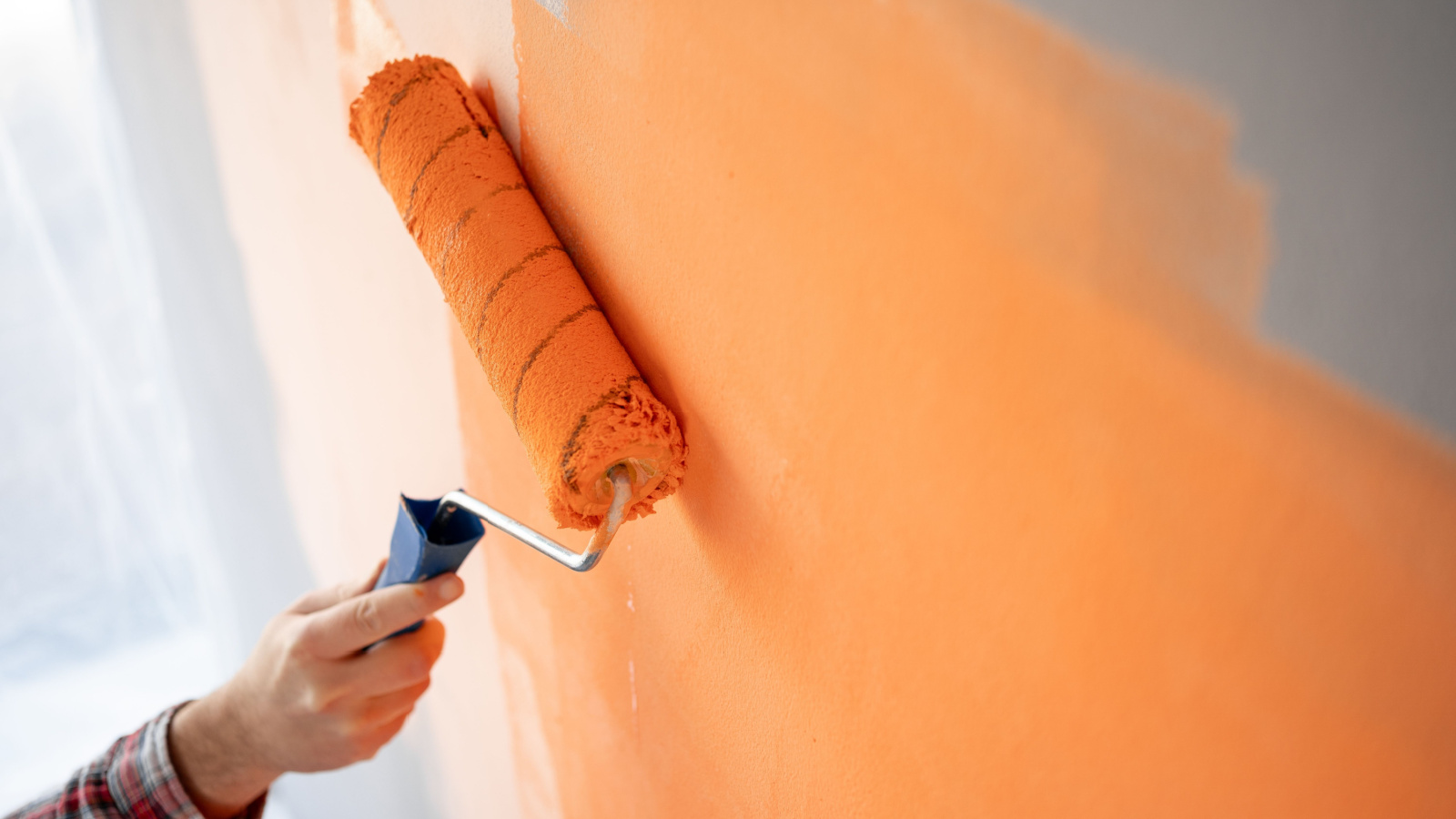
The paint roller was created by Toronto inventor Norman Breakey in the 1940s to speed up wall painting. Brushes were slow and tiring for large surfaces. He built a roller that absorbed paint evenly and applied it smoothly with simple motions. Local painters quickly adopted the tool and spread the design to other regions. It eventually became the most common method for painting rooms across the world. It began from a desire to finish home improvement projects more efficiently. A convenience solution became a household standard.
Green Garbage Bins Originated from a Neighbourhood Pilot
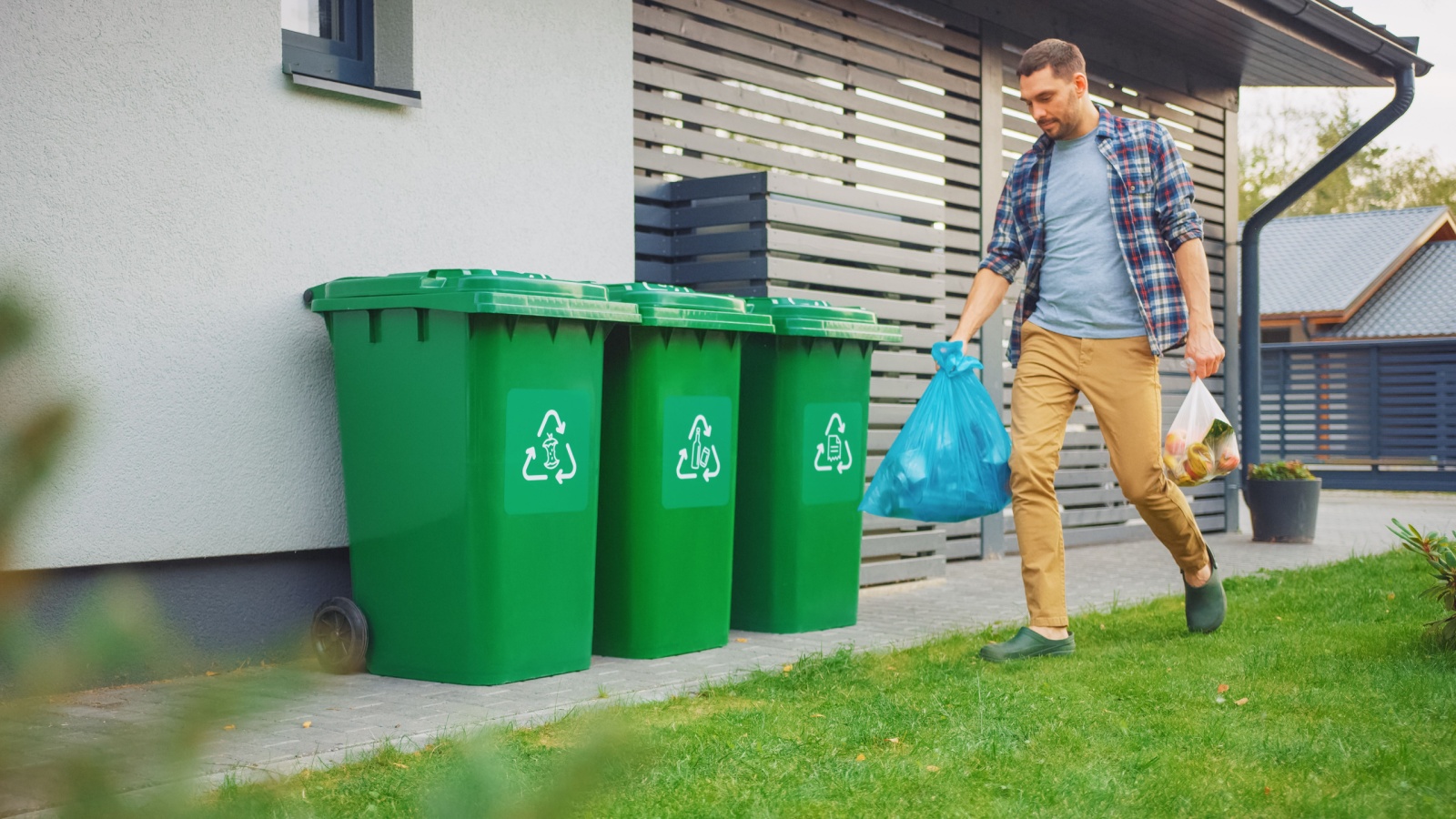
Green organic waste bins began in an Etobicoke neighbourhood where residents tested a new composting approach with city partners. They tried container shapes, collection schedules, and storage guidelines to reduce landfill waste. The program worked well and spread to other cities across Canada. International municipalities soon adopted similar systems. The trial was not launched from large environmental organizations but from community efforts. It reshaped how millions of households sort daily waste and improved sustainability practices over time.
The Steam-Powered Foghorn Created by Lighthouse Keepers
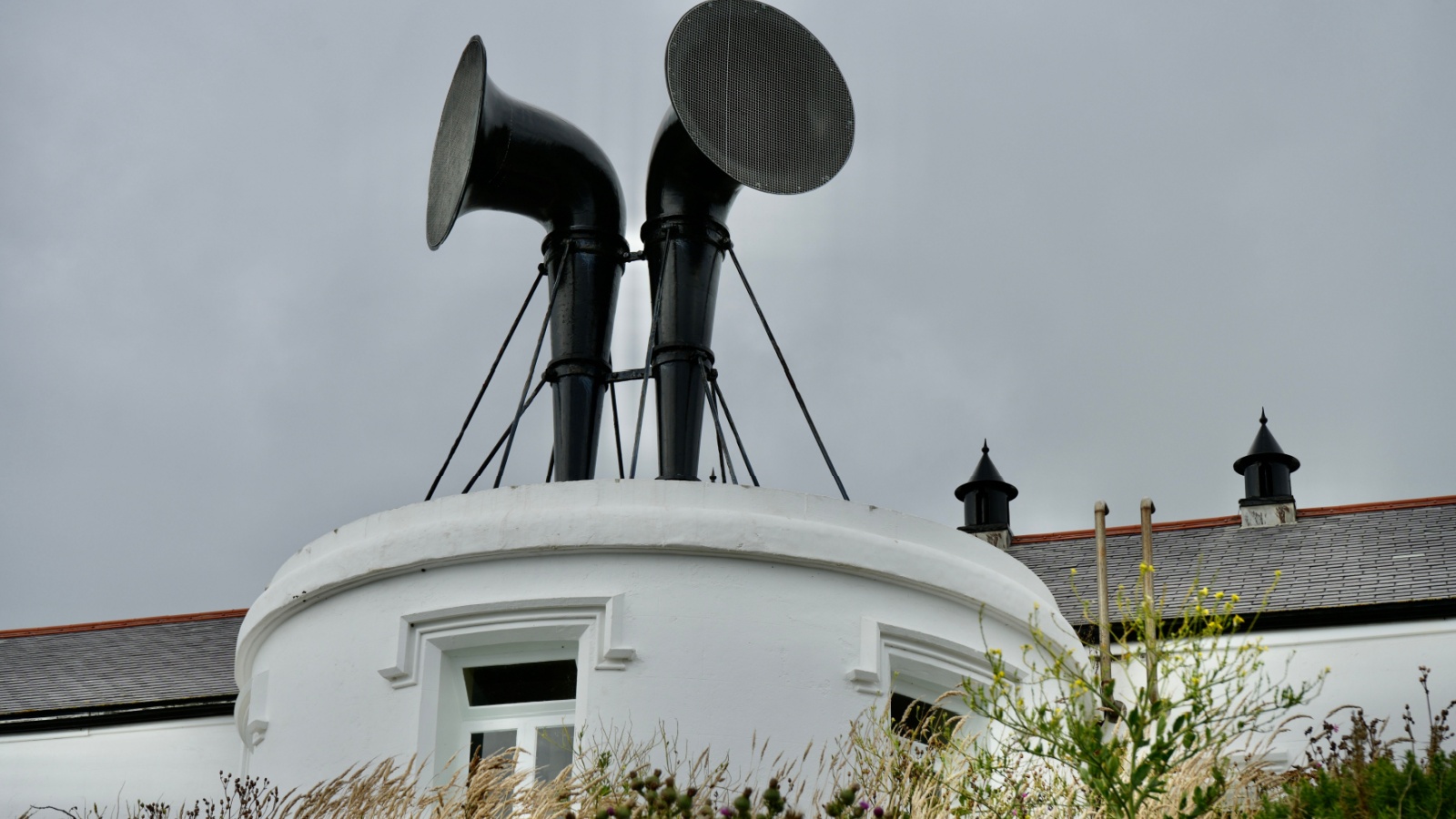
The steam-powered foghorn originated when lighthouse keepers on the Bay of Fundy needed a safer warning system for ships during heavy fog. They experimented with steam whistles, pipes, and pressure mechanisms to produce stronger and longer-reaching signals. The success reduced ship collisions and gained rapid approval across major ports. Steam-powered horns soon became a crucial part of maritime safety. The breakthrough came from remote workers protecting sailors rather than from industrial corporations. A local safety need transformed into a global standard for navigation protection.
22 Groceries to Grab Now—Before another Price Shock Hits Canada

Food prices in Canada have been steadily climbing, and another spike could make your grocery bill feel like a mortgage payment. According to Statistics Canada, food inflation remains about 3.7% higher than last year, with essentials like bread, dairy, and fresh produce leading the surge. Some items are expected to rise even further due to transportation costs, droughts, and import tariffs. Here are 22 groceries to grab now before another price shock hits Canada.
22 Groceries to Grab Now—Before another Price Shock Hits Canada
The Pager Began as a Volunteer Experiment
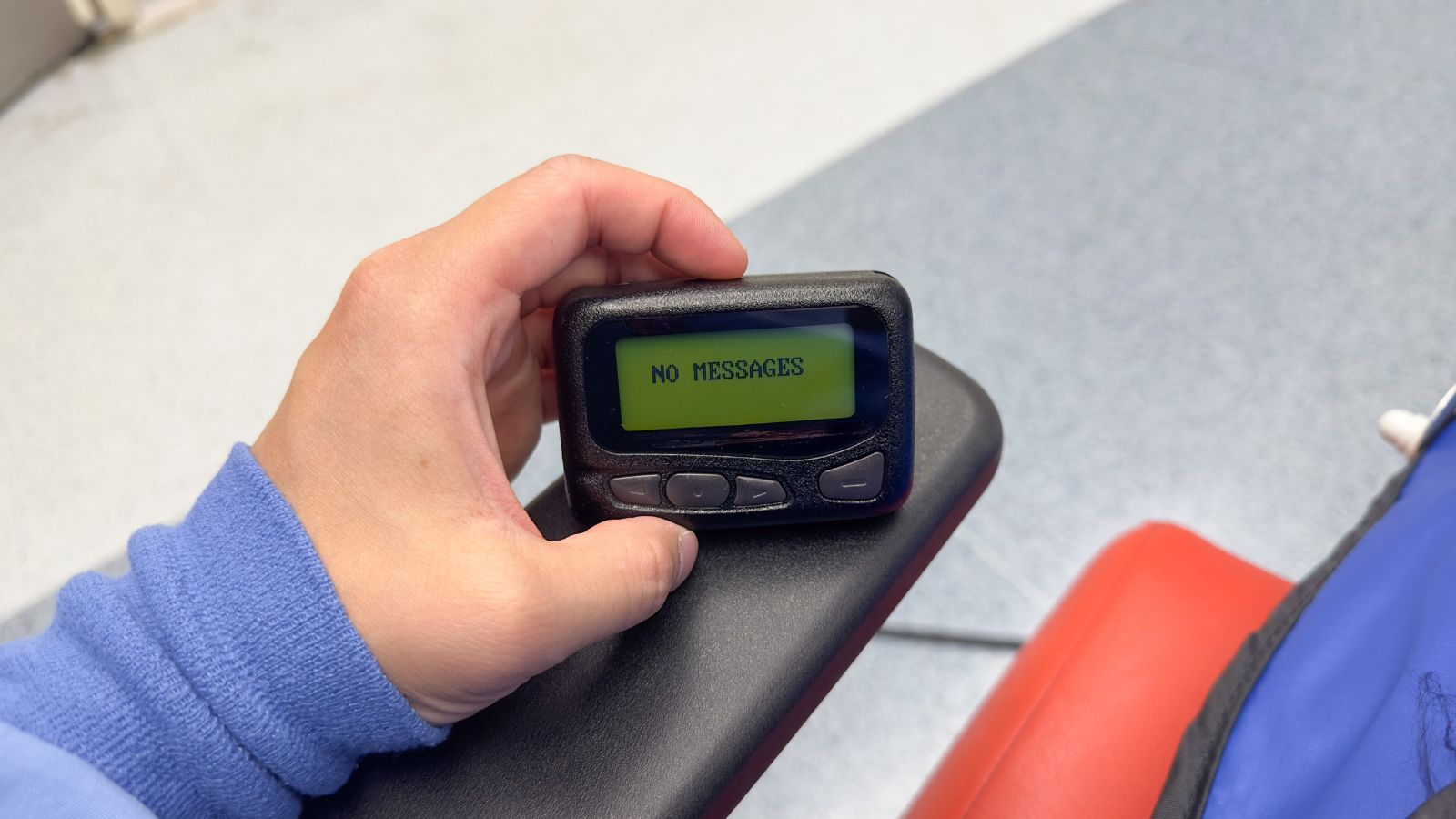
The first pager emerged from Alfred Gross’s volunteer radio club work in Toronto. He wanted portable communication for emergency workers who needed messages away from telephones. He crafted early prototypes from spare radio parts and soldered circuits by hand. The device quickly helped hospitals and later business organizations improve response time and coordination. It evolved into a worldwide communication system for decades before smartphones. The invention began as a passion project rather than a corporate assignment. A small group of volunteers unknowingly sparked the future of wireless communication that shaped industries and saved countless lives.
Garbage Bag Invented in a Factory Focused on Cleaning Jobs
The modern garbage bag was developed in an Ontario polyethylene factory in 1950 as workers tackled waste disposal challenges. They needed a cleaner method for handling hospital trash and tested layered plastic sheets for strength. The design proved reliable and then spread to households as an easier sanitation tool. Plastic bags soon became standard in kitchens, offices, construction sites, and public spaces. It reduced direct contact with waste and improved hygiene across many environments. A workplace task, not a commercial trend, created a universal product. A small practical fix turned into a global solution for daily cleanliness.
The Snowblower Came from a Small Farm Project
The snowblower was created by Quebec farmer Arthur Sicard in 1925 after tiring winters spent clearing heavy snow. He studied threshing machines and noticed ways to convert their moving parts into a snow-clearing device. After trial and error, he built an early prototype and used it to assist local businesses. Towns and cities adopted the machine soon after, and winter maintenance changed permanently. The device helped keep roads, sidewalks, and driveways usable during long weather cycles. It stemmed from rural frustration rather than advanced research. A farm project solved a problem shared by millions of people.
The Goalie Mask Started as a Personal Safety Fix
The hockey goalie mask originated in 1959 when Montreal Canadiens goalie Jacques Plante crafted a personal protective face covering. He endured repeated facial injuries and wanted safety without waiting for league approval. He built a fiberglass mask shaped to his features and began using it during games. The decision shocked audiences but sparked conversations about athlete safety and equipment reform. Players soon copied the idea, and masks became universal. It reinforced that safety improvements can start with individual courage rather than corporate design teams. A personal response to danger turned into permanent protection for players of every level.
Road Lines Created for Driver Confusion at a Rural Stretch
Painted road lines began after Ontario driver June Henderson struggled with oncoming traffic confusion on a narrow stretch. She proposed painting a dividing line to separate lanes clearly for safety. The first test used volunteers and white paint, without major government planning. Drivers quickly noticed safer travel and fewer close calls. The method spread across Canada and eventually to countries worldwide. Today, road lines shape nearly every paved roadway. A simple idea from firsthand experience improved public road safety for generations. It proved that everyday observations can influence infrastructure globally without advanced engineering.
The Walkie-Talkie Came from a Remote Communication Need
The walkie-talkie was developed by Alfred Gross while tackling radio communication problems in locations without telephone lines. He built bulky prototypes from scrap materials and tested them across remote distances. The devices improved coordination during World War II and later became essential for construction crews, emergency responders, and event workers. The core concept evolved into wireless phones and headsets used every day. It did not begin with military labs or large corporate funding. It grew from persistent tinkering by someone determined to improve communication for isolated teams facing urgent challenges.
The Canadarm Started with Space Research Outside the U.S.
The Canadarm originated at Spar Aerospace in Canada, long before NASA brought the company into astronautics. The team developed robotic arms to operate in harsh climates and extreme industrial environments. NASA discovered the research and partnered with Canada for shuttle missions. The Canadarm eventually became central to satellite repair and space station construction. It demonstrated precision and reliability through decades of missions. The groundbreaking technology emerged outside standard space powerhouses and proved the value of independent research. A robotics experiment became a defining international contribution to space exploration and scientific cooperation.
Peanut Butter Made in a Small Montreal Laboratory
Peanut butter was commercialized by Montreal chemist Marcellus Gilmore Edson, who refined ground peanuts into a smooth paste. His goal was to help patients who had difficulty chewing solid food. He experimented with texture, consistency, and temperature until a workable formula emerged. The spread later became a household item and a global snack favourite. Schools, bakeries, and families rely on peanut butter daily. The idea started as a medical experiment rather than a culinary invention. A product created for accessibility grew into one of the most popular food staples in many countries.
Trivial Pursuit Started After a Lost Scrabble Set
Trivial Pursuit began in Montreal in 1979 when two friends misplaced Scrabble tiles during a casual hangout. Instead of ending their night, they decided to build their own trivia board game for fun. They spent months gathering random facts, designing categories, and testing questions with their circle. Retailers soon picked up the product, and sales exploded in the 1980s. The game became a social staple for families and gatherings. A small moment of inconvenience sparked one of the most famous board games in history.
The BlackBerry Smartphone Grew from Pager Repairs
BlackBerry emerged when Mike Lazaridis and colleagues repaired pagers for other companies before creating their own device. They noticed the need for wireless email with a keyboard and started building prototypes in a small office. The first models targeted business users and grew rapidly in popularity worldwide. For many years, BlackBerry shaped professional communication and mobile habits. The invention started from repairing outdated technology rather than chasing futuristic design trends. A practical observation became the foundation of a global mobile movement.
Jolly Jumper Developed in a Family Living Room
The Jolly Jumper originated when Susan Olivia Poole built a bouncing seat to comfort her baby using cloth, elastic, and a wooden frame. Friends who saw the device wanted their own and encouraged commercial production. The product reached stores and became a global nursery item for new families. It supported development, play, and comfort for infants across countries. The creation grew from one parent’s need during daily routines. A household DIY project eventually became a widely trusted baby product.
Instant Replay Born from a Broadcast Mishap
Instant replay began when a CBC broadcast team attempted to show a hockey goal again during live television. They altered the equipment to record and replay the footage seconds later, even though the system was not yet reliable. Audiences immediately responded with excitement, and broadcasters expanded the practice to other sports. Today, replay is central to football, basketball, baseball, and many professional leagues. The feature started because a production team wanted viewers to understand what happened better. A broadcast challenge evolved into a global standard for sports fairness and entertainment quality.
The Caulking Gun Based on a Cake-Icing Tool
The caulking gun was modeled after a cake icing device by a Canadian builder who wanted cleaner and more controlled sealant application. He analyzed icing nozzles and transferred the same compression structure into a construction tool. The design allowed contractors to work faster with less waste. It later became universal in home improvement stores and professional toolkits across the world. The idea formed not from engineering theory but from observation during kitchen baking. A familiar cooking tool inspired a practical change in construction processes.
Robertson Screw Created After Trouble with Stripped Screws
The Robertson screw was invented after Peter Robertson injured himself with a slipping screwdriver and grew frustrated with stripped screw heads. He experimented with creating a square socket that allowed a stable grip and prevented slippage. Factories adopted the screw for assembly lines because workers could attach parts faster with fewer errors. It remains a preferred design in Canada and is respected internationally for efficiency. It was sparked by repeated mishaps in a workshop rather than corporate brainstorming. A problem encountered by one person improved reliability across building and manufacturing.
The Paint Roller Developed to Speed Up Home Projects
The paint roller was created by Toronto inventor Norman Breakey in the 1940s to speed up wall painting. Brushes were slow and tiring for large surfaces. He built a roller that absorbed paint evenly and applied it smoothly with simple motions. Local painters quickly adopted the tool and spread the design to other regions. It eventually became the most common method for painting rooms across the world. It began from a desire to finish home improvement projects more efficiently. A convenience solution became a household standard.
Green Garbage Bins Originated from a Neighbourhood Pilot
Green organic waste bins began in an Etobicoke neighbourhood where residents tested a new composting approach with city partners. They tried container shapes, collection schedules, and storage guidelines to reduce landfill waste. The program worked well and spread to other cities across Canada. International municipalities soon adopted similar systems. The trial was not launched from large environmental organizations but from community efforts. It reshaped how millions of households sort daily waste and improved sustainability practices over time.
The Steam-Powered Foghorn Created by Lighthouse Keepers
The steam-powered foghorn originated when lighthouse keepers on the Bay of Fundy needed a safer warning system for ships during heavy fog. They experimented with steam whistles, pipes, and pressure mechanisms to produce stronger and longer-reaching signals. The success reduced ship collisions and gained rapid approval across major ports. Steam-powered horns soon became a crucial part of maritime safety. The breakthrough came from remote workers protecting sailors rather than from industrial corporations. A local safety need transformed into a global standard for navigation protection.
22 Groceries to Grab Now—Before another Price Shock Hits Canada
Food prices in Canada have been steadily climbing, and another spike could make your grocery bill feel like a mortgage payment. According to Statistics Canada, food inflation remains about 3.7% higher than last year, with essentials like bread, dairy, and fresh produce leading the surge. Some items are expected to rise even further due to transportation costs, droughts, and import tariffs. Here are 22 groceries to grab now before another price shock hits Canada.
22 Groceries to Grab Now—Before another Price Shock Hits Canada
Hawaiian Pizza Invented in a Small Canadian Diner

Hawaiian pizza was created in a diner in Chatham, Ontario, in 1962 by Sam Panopoulos. He experimented by adding canned pineapple to pizza alongside standard toppings without expecting a trend. Customers responded positively and ordered it repeatedly, which encouraged adoption across other restaurants. The food spread across Canada and eventually worldwide, fueling endless debates on taste. It became a menu item recognized in homes, diners, and fast-food chains. A playful kitchen idea grew into a long-lasting food conversation. It showed that experimentation in everyday cooking can change global food culture without planning or investment.
The Pager Began as a Volunteer Experiment
The first pager emerged from Alfred Gross’s volunteer radio club work in Toronto. He wanted portable communication for emergency workers who needed messages away from telephones. He crafted early prototypes from spare radio parts and soldered circuits by hand. The device quickly helped hospitals and later business organizations improve response time and coordination. It evolved into a worldwide communication system for decades before smartphones. The invention began as a passion project rather than a corporate assignment. A small group of volunteers unknowingly sparked the future of wireless communication that shaped industries and saved countless lives.
Garbage Bag Invented in a Factory Focused on Cleaning Jobs
The modern garbage bag was developed in an Ontario polyethylene factory in 1950 as workers tackled waste disposal challenges. They needed a cleaner method for handling hospital trash and tested layered plastic sheets for strength. The design proved reliable and then spread to households as an easier sanitation tool. Plastic bags soon became standard in kitchens, offices, construction sites, and public spaces. It reduced direct contact with waste and improved hygiene across many environments. A workplace task, not a commercial trend, created a universal product. A small practical fix turned into a global solution for daily cleanliness.
The Snowblower Came from a Small Farm Project
The snowblower was created by Quebec farmer Arthur Sicard in 1925 after tiring winters spent clearing heavy snow. He studied threshing machines and noticed ways to convert their moving parts into a snow-clearing device. After trial and error, he built an early prototype and used it to assist local businesses. Towns and cities adopted the machine soon after, and winter maintenance changed permanently. The device helped keep roads, sidewalks, and driveways usable during long weather cycles. It stemmed from rural frustration rather than advanced research. A farm project solved a problem shared by millions of people.
The Goalie Mask Started as a Personal Safety Fix
The hockey goalie mask originated in 1959 when Montreal Canadiens goalie Jacques Plante crafted a personal protective face covering. He endured repeated facial injuries and wanted safety without waiting for league approval. He built a fiberglass mask shaped to his features and began using it during games. The decision shocked audiences but sparked conversations about athlete safety and equipment reform. Players soon copied the idea, and masks became universal. It reinforced that safety improvements can start with individual courage rather than corporate design teams. A personal response to danger turned into permanent protection for players of every level.
Road Lines Created for Driver Confusion at a Rural Stretch
Painted road lines began after Ontario driver June Henderson struggled with oncoming traffic confusion on a narrow stretch. She proposed painting a dividing line to separate lanes clearly for safety. The first test used volunteers and white paint, without major government planning. Drivers quickly noticed safer travel and fewer close calls. The method spread across Canada and eventually to countries worldwide. Today, road lines shape nearly every paved roadway. A simple idea from firsthand experience improved public road safety for generations. It proved that everyday observations can influence infrastructure globally without advanced engineering.
The Walkie-Talkie Came from a Remote Communication Need
The walkie-talkie was developed by Alfred Gross while tackling radio communication problems in locations without telephone lines. He built bulky prototypes from scrap materials and tested them across remote distances. The devices improved coordination during World War II and later became essential for construction crews, emergency responders, and event workers. The core concept evolved into wireless phones and headsets used every day. It did not begin with military labs or large corporate funding. It grew from persistent tinkering by someone determined to improve communication for isolated teams facing urgent challenges.
The Canadarm Started with Space Research Outside the U.S.
The Canadarm originated at Spar Aerospace in Canada, long before NASA brought the company into astronautics. The team developed robotic arms to operate in harsh climates and extreme industrial environments. NASA discovered the research and partnered with Canada for shuttle missions. The Canadarm eventually became central to satellite repair and space station construction. It demonstrated precision and reliability through decades of missions. The groundbreaking technology emerged outside standard space powerhouses and proved the value of independent research. A robotics experiment became a defining international contribution to space exploration and scientific cooperation.
Peanut Butter Made in a Small Montreal Laboratory
Peanut butter was commercialized by Montreal chemist Marcellus Gilmore Edson, who refined ground peanuts into a smooth paste. His goal was to help patients who had difficulty chewing solid food. He experimented with texture, consistency, and temperature until a workable formula emerged. The spread later became a household item and a global snack favourite. Schools, bakeries, and families rely on peanut butter daily. The idea started as a medical experiment rather than a culinary invention. A product created for accessibility grew into one of the most popular food staples in many countries.
Trivial Pursuit Started After a Lost Scrabble Set
Trivial Pursuit began in Montreal in 1979 when two friends misplaced Scrabble tiles during a casual hangout. Instead of ending their night, they decided to build their own trivia board game for fun. They spent months gathering random facts, designing categories, and testing questions with their circle. Retailers soon picked up the product, and sales exploded in the 1980s. The game became a social staple for families and gatherings. A small moment of inconvenience sparked one of the most famous board games in history.
The BlackBerry Smartphone Grew from Pager Repairs
BlackBerry emerged when Mike Lazaridis and colleagues repaired pagers for other companies before creating their own device. They noticed the need for wireless email with a keyboard and started building prototypes in a small office. The first models targeted business users and grew rapidly in popularity worldwide. For many years, BlackBerry shaped professional communication and mobile habits. The invention started from repairing outdated technology rather than chasing futuristic design trends. A practical observation became the foundation of a global mobile movement.
Jolly Jumper Developed in a Family Living Room
The Jolly Jumper originated when Susan Olivia Poole built a bouncing seat to comfort her baby using cloth, elastic, and a wooden frame. Friends who saw the device wanted their own and encouraged commercial production. The product reached stores and became a global nursery item for new families. It supported development, play, and comfort for infants across countries. The creation grew from one parent’s need during daily routines. A household DIY project eventually became a widely trusted baby product.
Instant Replay Born from a Broadcast Mishap
Instant replay began when a CBC broadcast team attempted to show a hockey goal again during live television. They altered the equipment to record and replay the footage seconds later, even though the system was not yet reliable. Audiences immediately responded with excitement, and broadcasters expanded the practice to other sports. Today, replay is central to football, basketball, baseball, and many professional leagues. The feature started because a production team wanted viewers to understand what happened better. A broadcast challenge evolved into a global standard for sports fairness and entertainment quality.
The Caulking Gun Based on a Cake-Icing Tool
The caulking gun was modeled after a cake icing device by a Canadian builder who wanted cleaner and more controlled sealant application. He analyzed icing nozzles and transferred the same compression structure into a construction tool. The design allowed contractors to work faster with less waste. It later became universal in home improvement stores and professional toolkits across the world. The idea formed not from engineering theory but from observation during kitchen baking. A familiar cooking tool inspired a practical change in construction processes.
Robertson Screw Created After Trouble with Stripped Screws
The Robertson screw was invented after Peter Robertson injured himself with a slipping screwdriver and grew frustrated with stripped screw heads. He experimented with creating a square socket that allowed a stable grip and prevented slippage. Factories adopted the screw for assembly lines because workers could attach parts faster with fewer errors. It remains a preferred design in Canada and is respected internationally for efficiency. It was sparked by repeated mishaps in a workshop rather than corporate brainstorming. A problem encountered by one person improved reliability across building and manufacturing.
The Paint Roller Developed to Speed Up Home Projects
The paint roller was created by Toronto inventor Norman Breakey in the 1940s to speed up wall painting. Brushes were slow and tiring for large surfaces. He built a roller that absorbed paint evenly and applied it smoothly with simple motions. Local painters quickly adopted the tool and spread the design to other regions. It eventually became the most common method for painting rooms across the world. It began from a desire to finish home improvement projects more efficiently. A convenience solution became a household standard.
Green Garbage Bins Originated from a Neighbourhood Pilot
Green organic waste bins began in an Etobicoke neighbourhood where residents tested a new composting approach with city partners. They tried container shapes, collection schedules, and storage guidelines to reduce landfill waste. The program worked well and spread to other cities across Canada. International municipalities soon adopted similar systems. The trial was not launched from large environmental organizations but from community efforts. It reshaped how millions of households sort daily waste and improved sustainability practices over time.
The Steam-Powered Foghorn Created by Lighthouse Keepers
The steam-powered foghorn originated when lighthouse keepers on the Bay of Fundy needed a safer warning system for ships during heavy fog. They experimented with steam whistles, pipes, and pressure mechanisms to produce stronger and longer-reaching signals. The success reduced ship collisions and gained rapid approval across major ports. Steam-powered horns soon became a crucial part of maritime safety. The breakthrough came from remote workers protecting sailors rather than from industrial corporations. A local safety need transformed into a global standard for navigation protection.
22 Groceries to Grab Now—Before another Price Shock Hits Canada
Food prices in Canada have been steadily climbing, and another spike could make your grocery bill feel like a mortgage payment. According to Statistics Canada, food inflation remains about 3.7% higher than last year, with essentials like bread, dairy, and fresh produce leading the surge. Some items are expected to rise even further due to transportation costs, droughts, and import tariffs. Here are 22 groceries to grab now before another price shock hits Canada.
22 Groceries to Grab Now—Before another Price Shock Hits Canada
IMAX Originated from an Expo Theatre Problem

IMAX technology was born when a group of Canadian filmmakers tried to fix a projection issue during Expo 1967. They hoped to create one massive seamless screen rather than multiple projectors. They rented warehouse space and manually built custom equipment when no suitable parts existed. Their trial eventually shaped the future of cinematic scale and immersive entertainment. IMAX theatres later appeared in museums and commercial spaces across many continents. The idea began with curiosity rather than a profitable plan. One technical problem opened an entirely new film experience that blended artistry with engineering for audiences around the world.
The Electric Wheelchair Started in a Basement Workshop
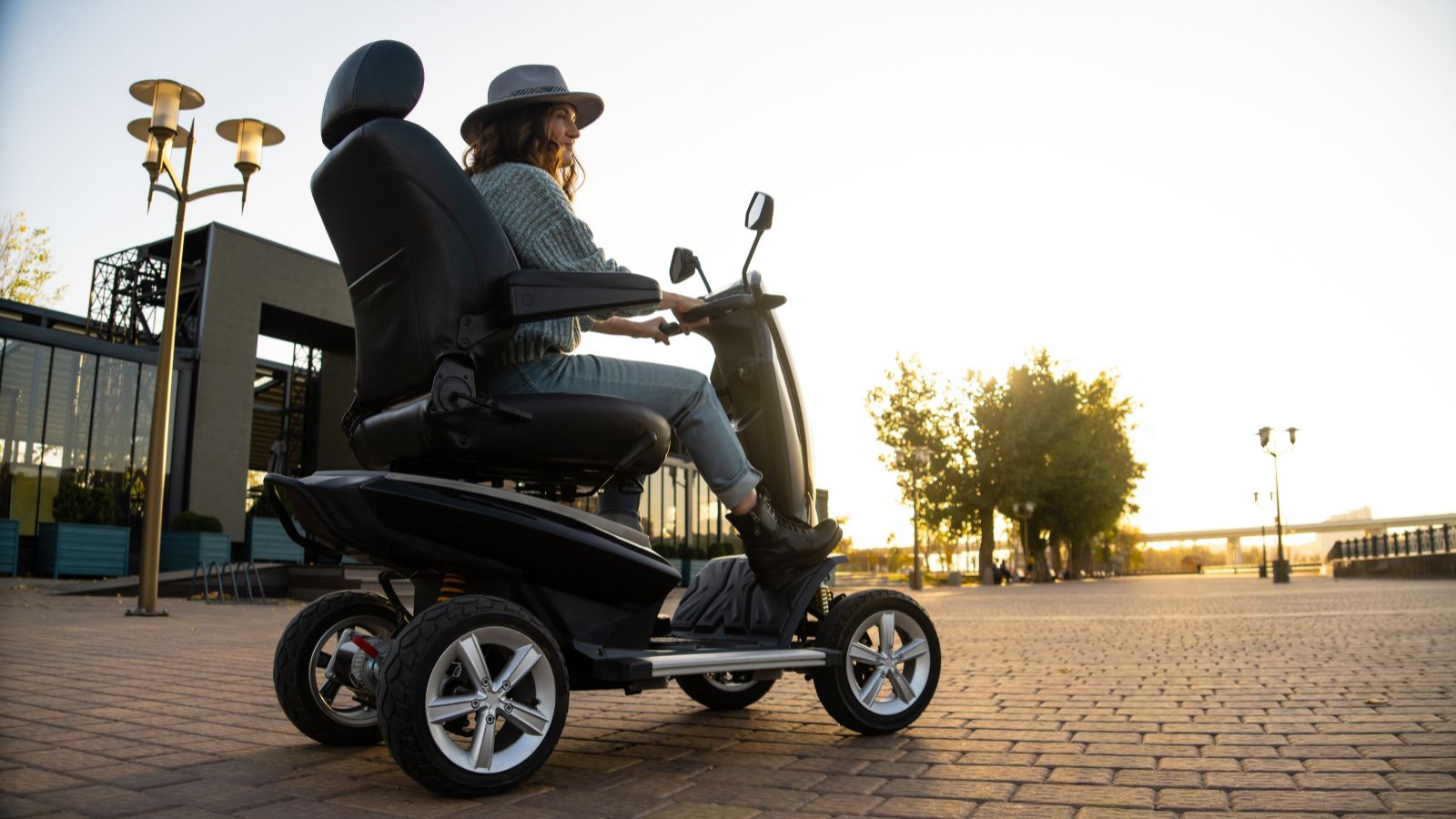
The first modern electric wheelchair was built in a Toronto basement after World War II. Engineer George Klein wanted to support injured veterans seeking independence and mobility. He collected spare mechanical parts and handmade control mechanisms while listening to feedback from patients. Hospitals later adopted the concept and helped refine the design for mass use. The invention gave people with disabilities new freedom and dignity in daily routines. It started far from major medical companies and deep budget. A basement workshop and compassion expanded mobility access across the globe and changed injury rehabilitation for generations to come.
Hawaiian Pizza Invented in a Small Canadian Diner
Hawaiian pizza was created in a diner in Chatham, Ontario, in 1962 by Sam Panopoulos. He experimented by adding canned pineapple to pizza alongside standard toppings without expecting a trend. Customers responded positively and ordered it repeatedly, which encouraged adoption across other restaurants. The food spread across Canada and eventually worldwide, fueling endless debates on taste. It became a menu item recognized in homes, diners, and fast-food chains. A playful kitchen idea grew into a long-lasting food conversation. It showed that experimentation in everyday cooking can change global food culture without planning or investment.
The Pager Began as a Volunteer Experiment
The first pager emerged from Alfred Gross’s volunteer radio club work in Toronto. He wanted portable communication for emergency workers who needed messages away from telephones. He crafted early prototypes from spare radio parts and soldered circuits by hand. The device quickly helped hospitals and later business organizations improve response time and coordination. It evolved into a worldwide communication system for decades before smartphones. The invention began as a passion project rather than a corporate assignment. A small group of volunteers unknowingly sparked the future of wireless communication that shaped industries and saved countless lives.
Garbage Bag Invented in a Factory Focused on Cleaning Jobs
The modern garbage bag was developed in an Ontario polyethylene factory in 1950 as workers tackled waste disposal challenges. They needed a cleaner method for handling hospital trash and tested layered plastic sheets for strength. The design proved reliable and then spread to households as an easier sanitation tool. Plastic bags soon became standard in kitchens, offices, construction sites, and public spaces. It reduced direct contact with waste and improved hygiene across many environments. A workplace task, not a commercial trend, created a universal product. A small practical fix turned into a global solution for daily cleanliness.
The Snowblower Came from a Small Farm Project
The snowblower was created by Quebec farmer Arthur Sicard in 1925 after tiring winters spent clearing heavy snow. He studied threshing machines and noticed ways to convert their moving parts into a snow-clearing device. After trial and error, he built an early prototype and used it to assist local businesses. Towns and cities adopted the machine soon after, and winter maintenance changed permanently. The device helped keep roads, sidewalks, and driveways usable during long weather cycles. It stemmed from rural frustration rather than advanced research. A farm project solved a problem shared by millions of people.
The Goalie Mask Started as a Personal Safety Fix
The hockey goalie mask originated in 1959 when Montreal Canadiens goalie Jacques Plante crafted a personal protective face covering. He endured repeated facial injuries and wanted safety without waiting for league approval. He built a fiberglass mask shaped to his features and began using it during games. The decision shocked audiences but sparked conversations about athlete safety and equipment reform. Players soon copied the idea, and masks became universal. It reinforced that safety improvements can start with individual courage rather than corporate design teams. A personal response to danger turned into permanent protection for players of every level.
Road Lines Created for Driver Confusion at a Rural Stretch
Painted road lines began after Ontario driver June Henderson struggled with oncoming traffic confusion on a narrow stretch. She proposed painting a dividing line to separate lanes clearly for safety. The first test used volunteers and white paint, without major government planning. Drivers quickly noticed safer travel and fewer close calls. The method spread across Canada and eventually to countries worldwide. Today, road lines shape nearly every paved roadway. A simple idea from firsthand experience improved public road safety for generations. It proved that everyday observations can influence infrastructure globally without advanced engineering.
The Walkie-Talkie Came from a Remote Communication Need
The walkie-talkie was developed by Alfred Gross while tackling radio communication problems in locations without telephone lines. He built bulky prototypes from scrap materials and tested them across remote distances. The devices improved coordination during World War II and later became essential for construction crews, emergency responders, and event workers. The core concept evolved into wireless phones and headsets used every day. It did not begin with military labs or large corporate funding. It grew from persistent tinkering by someone determined to improve communication for isolated teams facing urgent challenges.
The Canadarm Started with Space Research Outside the U.S.
The Canadarm originated at Spar Aerospace in Canada, long before NASA brought the company into astronautics. The team developed robotic arms to operate in harsh climates and extreme industrial environments. NASA discovered the research and partnered with Canada for shuttle missions. The Canadarm eventually became central to satellite repair and space station construction. It demonstrated precision and reliability through decades of missions. The groundbreaking technology emerged outside standard space powerhouses and proved the value of independent research. A robotics experiment became a defining international contribution to space exploration and scientific cooperation.
Peanut Butter Made in a Small Montreal Laboratory
Peanut butter was commercialized by Montreal chemist Marcellus Gilmore Edson, who refined ground peanuts into a smooth paste. His goal was to help patients who had difficulty chewing solid food. He experimented with texture, consistency, and temperature until a workable formula emerged. The spread later became a household item and a global snack favourite. Schools, bakeries, and families rely on peanut butter daily. The idea started as a medical experiment rather than a culinary invention. A product created for accessibility grew into one of the most popular food staples in many countries.
Trivial Pursuit Started After a Lost Scrabble Set
Trivial Pursuit began in Montreal in 1979 when two friends misplaced Scrabble tiles during a casual hangout. Instead of ending their night, they decided to build their own trivia board game for fun. They spent months gathering random facts, designing categories, and testing questions with their circle. Retailers soon picked up the product, and sales exploded in the 1980s. The game became a social staple for families and gatherings. A small moment of inconvenience sparked one of the most famous board games in history.
The BlackBerry Smartphone Grew from Pager Repairs
BlackBerry emerged when Mike Lazaridis and colleagues repaired pagers for other companies before creating their own device. They noticed the need for wireless email with a keyboard and started building prototypes in a small office. The first models targeted business users and grew rapidly in popularity worldwide. For many years, BlackBerry shaped professional communication and mobile habits. The invention started from repairing outdated technology rather than chasing futuristic design trends. A practical observation became the foundation of a global mobile movement.
Jolly Jumper Developed in a Family Living Room
The Jolly Jumper originated when Susan Olivia Poole built a bouncing seat to comfort her baby using cloth, elastic, and a wooden frame. Friends who saw the device wanted their own and encouraged commercial production. The product reached stores and became a global nursery item for new families. It supported development, play, and comfort for infants across countries. The creation grew from one parent’s need during daily routines. A household DIY project eventually became a widely trusted baby product.
Instant Replay Born from a Broadcast Mishap
Instant replay began when a CBC broadcast team attempted to show a hockey goal again during live television. They altered the equipment to record and replay the footage seconds later, even though the system was not yet reliable. Audiences immediately responded with excitement, and broadcasters expanded the practice to other sports. Today, replay is central to football, basketball, baseball, and many professional leagues. The feature started because a production team wanted viewers to understand what happened better. A broadcast challenge evolved into a global standard for sports fairness and entertainment quality.
The Caulking Gun Based on a Cake-Icing Tool
The caulking gun was modeled after a cake icing device by a Canadian builder who wanted cleaner and more controlled sealant application. He analyzed icing nozzles and transferred the same compression structure into a construction tool. The design allowed contractors to work faster with less waste. It later became universal in home improvement stores and professional toolkits across the world. The idea formed not from engineering theory but from observation during kitchen baking. A familiar cooking tool inspired a practical change in construction processes.
Robertson Screw Created After Trouble with Stripped Screws
The Robertson screw was invented after Peter Robertson injured himself with a slipping screwdriver and grew frustrated with stripped screw heads. He experimented with creating a square socket that allowed a stable grip and prevented slippage. Factories adopted the screw for assembly lines because workers could attach parts faster with fewer errors. It remains a preferred design in Canada and is respected internationally for efficiency. It was sparked by repeated mishaps in a workshop rather than corporate brainstorming. A problem encountered by one person improved reliability across building and manufacturing.
The Paint Roller Developed to Speed Up Home Projects
The paint roller was created by Toronto inventor Norman Breakey in the 1940s to speed up wall painting. Brushes were slow and tiring for large surfaces. He built a roller that absorbed paint evenly and applied it smoothly with simple motions. Local painters quickly adopted the tool and spread the design to other regions. It eventually became the most common method for painting rooms across the world. It began from a desire to finish home improvement projects more efficiently. A convenience solution became a household standard.
Green Garbage Bins Originated from a Neighbourhood Pilot
Green organic waste bins began in an Etobicoke neighbourhood where residents tested a new composting approach with city partners. They tried container shapes, collection schedules, and storage guidelines to reduce landfill waste. The program worked well and spread to other cities across Canada. International municipalities soon adopted similar systems. The trial was not launched from large environmental organizations but from community efforts. It reshaped how millions of households sort daily waste and improved sustainability practices over time.
The Steam-Powered Foghorn Created by Lighthouse Keepers
The steam-powered foghorn originated when lighthouse keepers on the Bay of Fundy needed a safer warning system for ships during heavy fog. They experimented with steam whistles, pipes, and pressure mechanisms to produce stronger and longer-reaching signals. The success reduced ship collisions and gained rapid approval across major ports. Steam-powered horns soon became a crucial part of maritime safety. The breakthrough came from remote workers protecting sailors rather than from industrial corporations. A local safety need transformed into a global standard for navigation protection.
22 Groceries to Grab Now—Before another Price Shock Hits Canada
Food prices in Canada have been steadily climbing, and another spike could make your grocery bill feel like a mortgage payment. According to Statistics Canada, food inflation remains about 3.7% higher than last year, with essentials like bread, dairy, and fresh produce leading the surge. Some items are expected to rise even further due to transportation costs, droughts, and import tariffs. Here are 22 groceries to grab now before another price shock hits Canada.
22 Groceries to Grab Now—Before another Price Shock Hits Canada
Insulin Developed in a Small University Lab

Insulin began in a small University of Toronto lab in 1921 with minimal equipment and limited funds. Frederick Banting and Charles Best worked for months without certainty or comfort. They extracted pancreatic secretions in long testing cycles on animals and recorded progress by hand. Their discovery provided a safe treatment for diabetes and saved millions of lives worldwide. Research later received global recognition, but the achievement started quietly with two determined researchers. They wanted to relieve the suffering they saw in hospitals. A small team with passion changed medical history and shaped the future of chronic disease care forever.
IMAX Originated from an Expo Theatre Problem
IMAX technology was born when a group of Canadian filmmakers tried to fix a projection issue during Expo 1967. They hoped to create one massive seamless screen rather than multiple projectors. They rented warehouse space and manually built custom equipment when no suitable parts existed. Their trial eventually shaped the future of cinematic scale and immersive entertainment. IMAX theatres later appeared in museums and commercial spaces across many continents. The idea began with curiosity rather than a profitable plan. One technical problem opened an entirely new film experience that blended artistry with engineering for audiences around the world.
The Electric Wheelchair Started in a Basement Workshop
The first modern electric wheelchair was built in a Toronto basement after World War II. Engineer George Klein wanted to support injured veterans seeking independence and mobility. He collected spare mechanical parts and handmade control mechanisms while listening to feedback from patients. Hospitals later adopted the concept and helped refine the design for mass use. The invention gave people with disabilities new freedom and dignity in daily routines. It started far from major medical companies and deep budget. A basement workshop and compassion expanded mobility access across the globe and changed injury rehabilitation for generations to come.
Hawaiian Pizza Invented in a Small Canadian Diner
Hawaiian pizza was created in a diner in Chatham, Ontario, in 1962 by Sam Panopoulos. He experimented by adding canned pineapple to pizza alongside standard toppings without expecting a trend. Customers responded positively and ordered it repeatedly, which encouraged adoption across other restaurants. The food spread across Canada and eventually worldwide, fueling endless debates on taste. It became a menu item recognized in homes, diners, and fast-food chains. A playful kitchen idea grew into a long-lasting food conversation. It showed that experimentation in everyday cooking can change global food culture without planning or investment.
The Pager Began as a Volunteer Experiment
The first pager emerged from Alfred Gross’s volunteer radio club work in Toronto. He wanted portable communication for emergency workers who needed messages away from telephones. He crafted early prototypes from spare radio parts and soldered circuits by hand. The device quickly helped hospitals and later business organizations improve response time and coordination. It evolved into a worldwide communication system for decades before smartphones. The invention began as a passion project rather than a corporate assignment. A small group of volunteers unknowingly sparked the future of wireless communication that shaped industries and saved countless lives.
Garbage Bag Invented in a Factory Focused on Cleaning Jobs
The modern garbage bag was developed in an Ontario polyethylene factory in 1950 as workers tackled waste disposal challenges. They needed a cleaner method for handling hospital trash and tested layered plastic sheets for strength. The design proved reliable and then spread to households as an easier sanitation tool. Plastic bags soon became standard in kitchens, offices, construction sites, and public spaces. It reduced direct contact with waste and improved hygiene across many environments. A workplace task, not a commercial trend, created a universal product. A small practical fix turned into a global solution for daily cleanliness.
The Snowblower Came from a Small Farm Project
The snowblower was created by Quebec farmer Arthur Sicard in 1925 after tiring winters spent clearing heavy snow. He studied threshing machines and noticed ways to convert their moving parts into a snow-clearing device. After trial and error, he built an early prototype and used it to assist local businesses. Towns and cities adopted the machine soon after, and winter maintenance changed permanently. The device helped keep roads, sidewalks, and driveways usable during long weather cycles. It stemmed from rural frustration rather than advanced research. A farm project solved a problem shared by millions of people.
The Goalie Mask Started as a Personal Safety Fix
The hockey goalie mask originated in 1959 when Montreal Canadiens goalie Jacques Plante crafted a personal protective face covering. He endured repeated facial injuries and wanted safety without waiting for league approval. He built a fiberglass mask shaped to his features and began using it during games. The decision shocked audiences but sparked conversations about athlete safety and equipment reform. Players soon copied the idea, and masks became universal. It reinforced that safety improvements can start with individual courage rather than corporate design teams. A personal response to danger turned into permanent protection for players of every level.
Road Lines Created for Driver Confusion at a Rural Stretch
Painted road lines began after Ontario driver June Henderson struggled with oncoming traffic confusion on a narrow stretch. She proposed painting a dividing line to separate lanes clearly for safety. The first test used volunteers and white paint, without major government planning. Drivers quickly noticed safer travel and fewer close calls. The method spread across Canada and eventually to countries worldwide. Today, road lines shape nearly every paved roadway. A simple idea from firsthand experience improved public road safety for generations. It proved that everyday observations can influence infrastructure globally without advanced engineering.
The Walkie-Talkie Came from a Remote Communication Need
The walkie-talkie was developed by Alfred Gross while tackling radio communication problems in locations without telephone lines. He built bulky prototypes from scrap materials and tested them across remote distances. The devices improved coordination during World War II and later became essential for construction crews, emergency responders, and event workers. The core concept evolved into wireless phones and headsets used every day. It did not begin with military labs or large corporate funding. It grew from persistent tinkering by someone determined to improve communication for isolated teams facing urgent challenges.
The Canadarm Started with Space Research Outside the U.S.
The Canadarm originated at Spar Aerospace in Canada, long before NASA brought the company into astronautics. The team developed robotic arms to operate in harsh climates and extreme industrial environments. NASA discovered the research and partnered with Canada for shuttle missions. The Canadarm eventually became central to satellite repair and space station construction. It demonstrated precision and reliability through decades of missions. The groundbreaking technology emerged outside standard space powerhouses and proved the value of independent research. A robotics experiment became a defining international contribution to space exploration and scientific cooperation.
Peanut Butter Made in a Small Montreal Laboratory
Peanut butter was commercialized by Montreal chemist Marcellus Gilmore Edson, who refined ground peanuts into a smooth paste. His goal was to help patients who had difficulty chewing solid food. He experimented with texture, consistency, and temperature until a workable formula emerged. The spread later became a household item and a global snack favourite. Schools, bakeries, and families rely on peanut butter daily. The idea started as a medical experiment rather than a culinary invention. A product created for accessibility grew into one of the most popular food staples in many countries.
Trivial Pursuit Started After a Lost Scrabble Set
Trivial Pursuit began in Montreal in 1979 when two friends misplaced Scrabble tiles during a casual hangout. Instead of ending their night, they decided to build their own trivia board game for fun. They spent months gathering random facts, designing categories, and testing questions with their circle. Retailers soon picked up the product, and sales exploded in the 1980s. The game became a social staple for families and gatherings. A small moment of inconvenience sparked one of the most famous board games in history.
The BlackBerry Smartphone Grew from Pager Repairs
BlackBerry emerged when Mike Lazaridis and colleagues repaired pagers for other companies before creating their own device. They noticed the need for wireless email with a keyboard and started building prototypes in a small office. The first models targeted business users and grew rapidly in popularity worldwide. For many years, BlackBerry shaped professional communication and mobile habits. The invention started from repairing outdated technology rather than chasing futuristic design trends. A practical observation became the foundation of a global mobile movement.
Jolly Jumper Developed in a Family Living Room
The Jolly Jumper originated when Susan Olivia Poole built a bouncing seat to comfort her baby using cloth, elastic, and a wooden frame. Friends who saw the device wanted their own and encouraged commercial production. The product reached stores and became a global nursery item for new families. It supported development, play, and comfort for infants across countries. The creation grew from one parent’s need during daily routines. A household DIY project eventually became a widely trusted baby product.
Instant Replay Born from a Broadcast Mishap
Instant replay began when a CBC broadcast team attempted to show a hockey goal again during live television. They altered the equipment to record and replay the footage seconds later, even though the system was not yet reliable. Audiences immediately responded with excitement, and broadcasters expanded the practice to other sports. Today, replay is central to football, basketball, baseball, and many professional leagues. The feature started because a production team wanted viewers to understand what happened better. A broadcast challenge evolved into a global standard for sports fairness and entertainment quality.
The Caulking Gun Based on a Cake-Icing Tool
The caulking gun was modeled after a cake icing device by a Canadian builder who wanted cleaner and more controlled sealant application. He analyzed icing nozzles and transferred the same compression structure into a construction tool. The design allowed contractors to work faster with less waste. It later became universal in home improvement stores and professional toolkits across the world. The idea formed not from engineering theory but from observation during kitchen baking. A familiar cooking tool inspired a practical change in construction processes.
Robertson Screw Created After Trouble with Stripped Screws
The Robertson screw was invented after Peter Robertson injured himself with a slipping screwdriver and grew frustrated with stripped screw heads. He experimented with creating a square socket that allowed a stable grip and prevented slippage. Factories adopted the screw for assembly lines because workers could attach parts faster with fewer errors. It remains a preferred design in Canada and is respected internationally for efficiency. It was sparked by repeated mishaps in a workshop rather than corporate brainstorming. A problem encountered by one person improved reliability across building and manufacturing.
The Paint Roller Developed to Speed Up Home Projects
The paint roller was created by Toronto inventor Norman Breakey in the 1940s to speed up wall painting. Brushes were slow and tiring for large surfaces. He built a roller that absorbed paint evenly and applied it smoothly with simple motions. Local painters quickly adopted the tool and spread the design to other regions. It eventually became the most common method for painting rooms across the world. It began from a desire to finish home improvement projects more efficiently. A convenience solution became a household standard.
Green Garbage Bins Originated from a Neighbourhood Pilot
Green organic waste bins began in an Etobicoke neighbourhood where residents tested a new composting approach with city partners. They tried container shapes, collection schedules, and storage guidelines to reduce landfill waste. The program worked well and spread to other cities across Canada. International municipalities soon adopted similar systems. The trial was not launched from large environmental organizations but from community efforts. It reshaped how millions of households sort daily waste and improved sustainability practices over time.
The Steam-Powered Foghorn Created by Lighthouse Keepers
The steam-powered foghorn originated when lighthouse keepers on the Bay of Fundy needed a safer warning system for ships during heavy fog. They experimented with steam whistles, pipes, and pressure mechanisms to produce stronger and longer-reaching signals. The success reduced ship collisions and gained rapid approval across major ports. Steam-powered horns soon became a crucial part of maritime safety. The breakthrough came from remote workers protecting sailors rather than from industrial corporations. A local safety need transformed into a global standard for navigation protection.
22 Groceries to Grab Now—Before another Price Shock Hits Canada
Food prices in Canada have been steadily climbing, and another spike could make your grocery bill feel like a mortgage payment. According to Statistics Canada, food inflation remains about 3.7% higher than last year, with essentials like bread, dairy, and fresh produce leading the surge. Some items are expected to rise even further due to transportation costs, droughts, and import tariffs. Here are 22 groceries to grab now before another price shock hits Canada.
22 Groceries to Grab Now—Before another Price Shock Hits Canada
