Canada and the United States share a lot, yet their laws drift in very different directions. Visitors from the U.S. often look confused when they learn how rules work north of the border. Some seem incredibly relaxed, while others feel strict. Many only make sense once someone explains the cultural history behind them. Whether it is language protections, alcohol limits, healthcare, wages, or gun rules, the differences say a lot about what Canadians value. Here are 21 Canadian laws that shock people from the U.S.
Universal Healthcare Is Protected by Law

In Canada, basic medical care is funded through tax dollars, so people are not billed for doctor visits or hospital stays. Private insurance is primarily used for dental, vision, and additional coverage. Many Americans assume free healthcare means poor service until they see the system firsthand. Residents support the concept strongly, even when they complain about wait times. The law reflects a belief that healthcare should never depend on income. People can focus on treatment rather than costs. This model affects everyday decisions, from job choices to family planning and emergency visits.
No Guns for Self-Defense
The Firearms Act allows ownership for hunting and sport, but not for personal protection. Self-defense is not a legal reason to buy a gun. Handguns require strict licensing and safe storage inspections. Carrying firearms in public is heavily restricted. Canadians view weapons differently from many Americans and rarely see them as necessary for safety. Most residents contact authorities instead of relying on firearms. The cultural difference can be jarring for U.S. visitors. The rule contributes to a lower rate of gun violence and fewer weapons in everyday environments.
Minimum Drinking Age Can Be 18
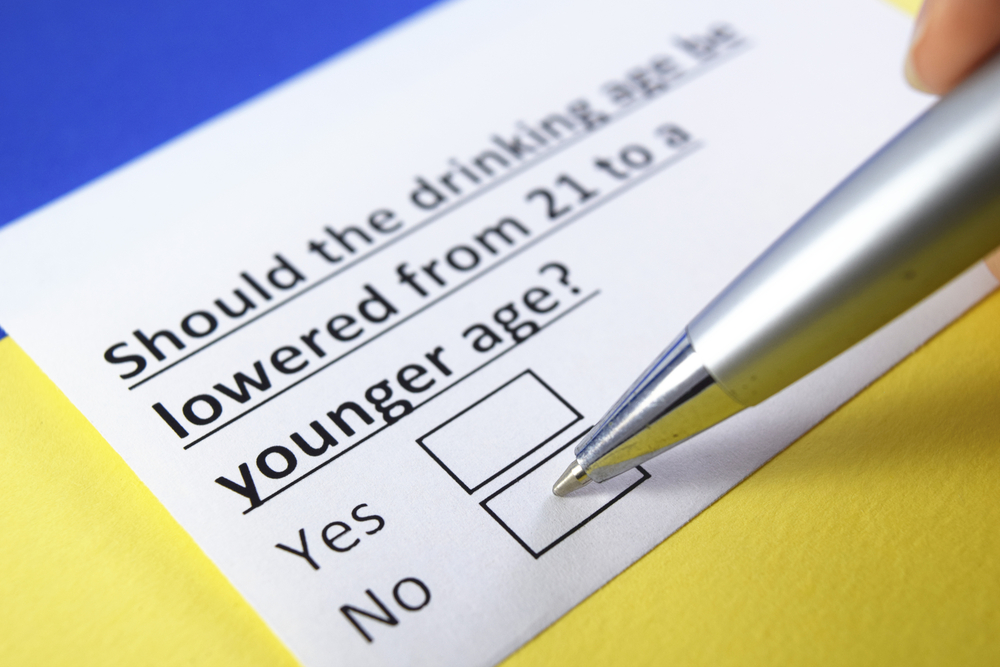
Many U.S. tourists are shocked when they learn the drinking age in Quebec, Alberta, and Manitoba is 18. Other provinces set it at 19. Identification checks are consistent, and enforcement is strict. Because young adults can drink in restaurants and pubs, the culture around alcohol becomes more regulated socially rather than hidden. Universities adjust events and campus supervision accordingly. Bars in student areas stay cautious with service. Visitors often cannot believe legal drinking starts so early, especially when coming straight from regions where the age limit is always 21.
Cannabis Is Fully Legal Nationwide

Recreational cannabis became legal in Canada in 2018, and licensed stores operate openly. Products include edibles, oils, and dried flower, all labeled with THC information. Each province controls where cannabis can be consumed. Some allow smoking in certain public areas, while others limit it to private spaces. Americans sometimes walk into dispensaries just to take photos because the legality feels unusual. Even so, border security remains serious. Cannabis cannot be taken into or out of the country under any circumstances. The law treats cannabis like a controlled consumer product rather than a crime.
Quebec Language Laws Are Extremely Strong
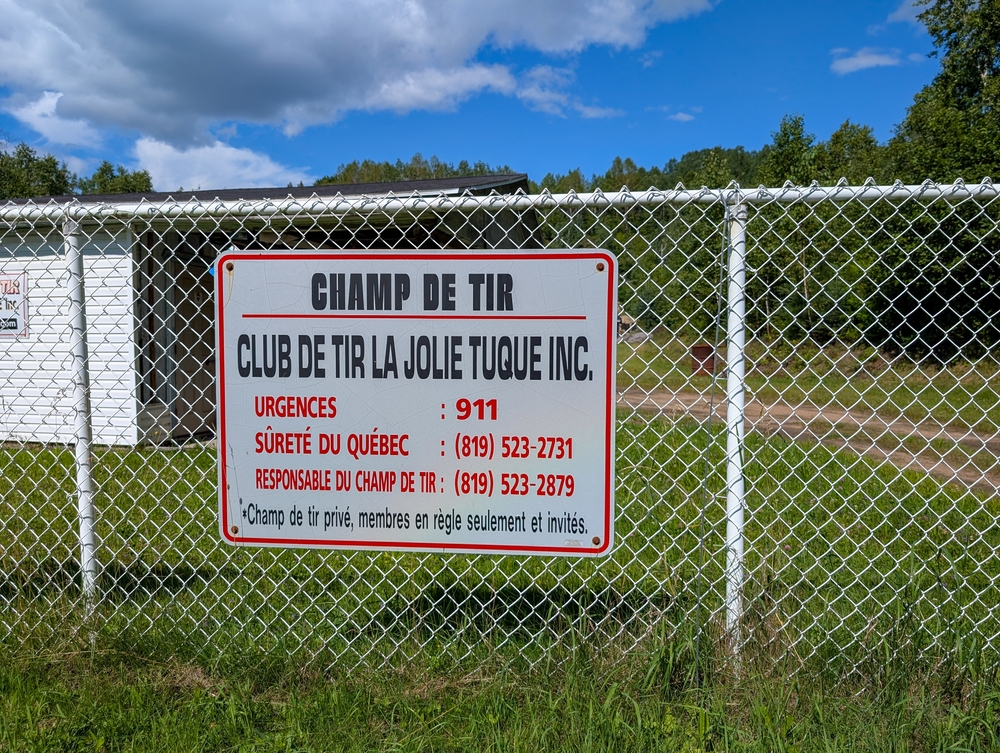
The Charter of the French Language requires businesses to prioritize French in signs, menus, websites, and customer service. English can appear, but French must be dominant. Inspectors monitor compliance and issue fines when necessary. Stores modify packaging, menus, and advertising to follow the rules. Americans often assume bilingual means optional. Quebec sees language as cultural protection and identity preservation. Visitors entering the province sometimes feel like they have landed in a different nation. The law reinforces heritage and reflects a long effort to keep French alive despite outside cultural pressure.
Election Campaigns Stay Very Short
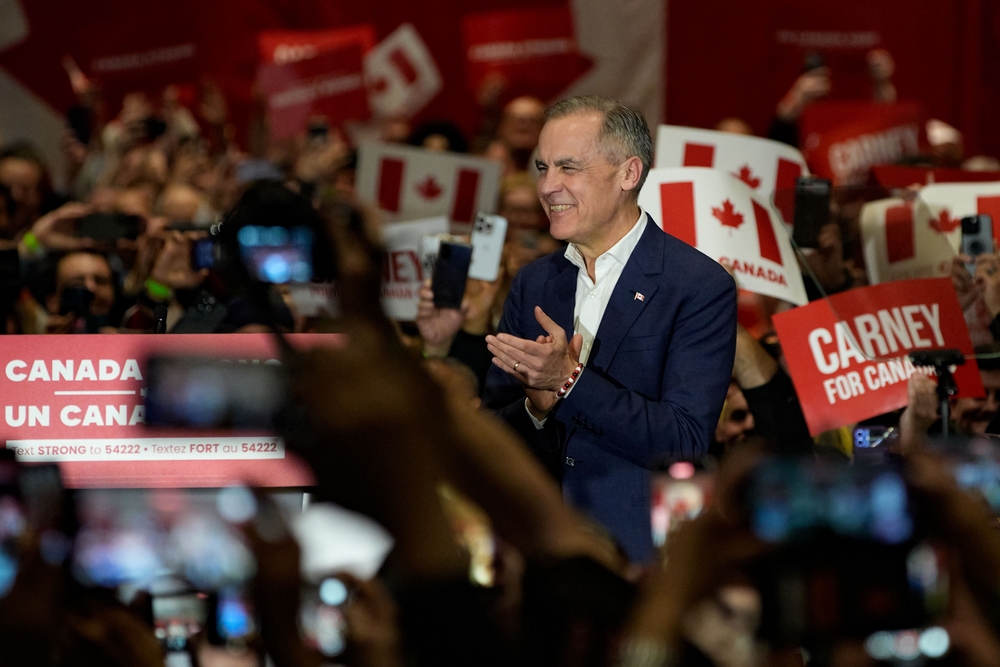
Federal election campaigns generally last around 40 days rather than years. Advertising limits keep messaging controlled. Candidates cannot run long public campaigns to build endless visibility. Americans who are used to multi-year primary cycles often react with surprise. Canadians prefer efficient voting periods with minimal disruption to daily life. Political signs vanish soon after the results. Fundraising is less intense. Voters typically make decisions based on short platforms and debates. The process is designed to reduce fatigue and make elections more about policy than long-term brand building.
Beaches Cannot Be Privately Owned
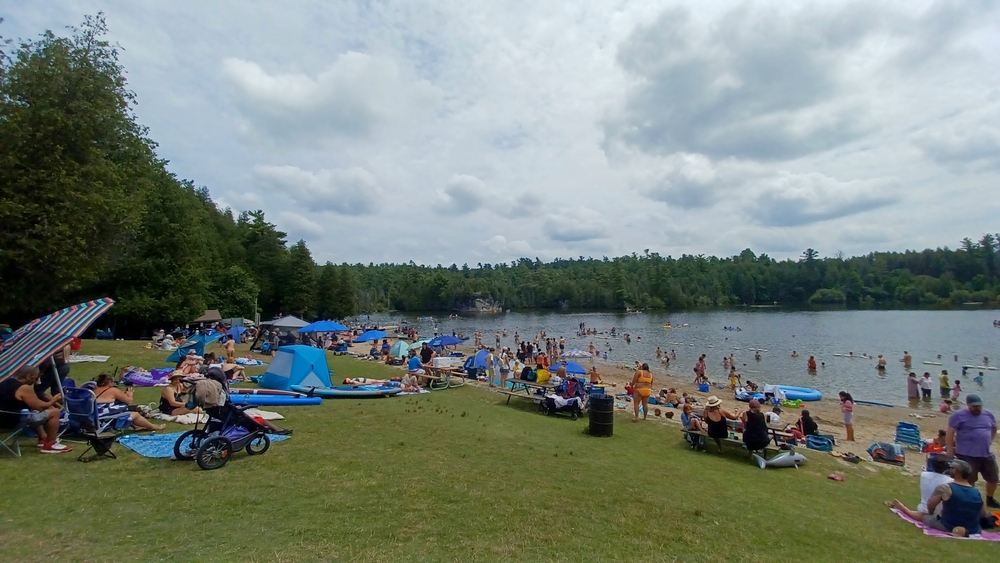
Most Canadian beaches belong to the public, even when expensive homes line the shoreline. Property ownership ends before the sand begins. Waterfront residents cannot block access. Visitors can walk long stretches of shore without crossing into private land. This legal approach protects nature and lifestyle rather than exclusivity. Americans are sometimes surprised when a luxury neighborhood still has open pathways to the beach. People value the idea that scenery belongs to everyone. Summer towns across Canada plan around shared coastal space, not restricted resort-style borders.
Swearing at Police Can Lead to Charges
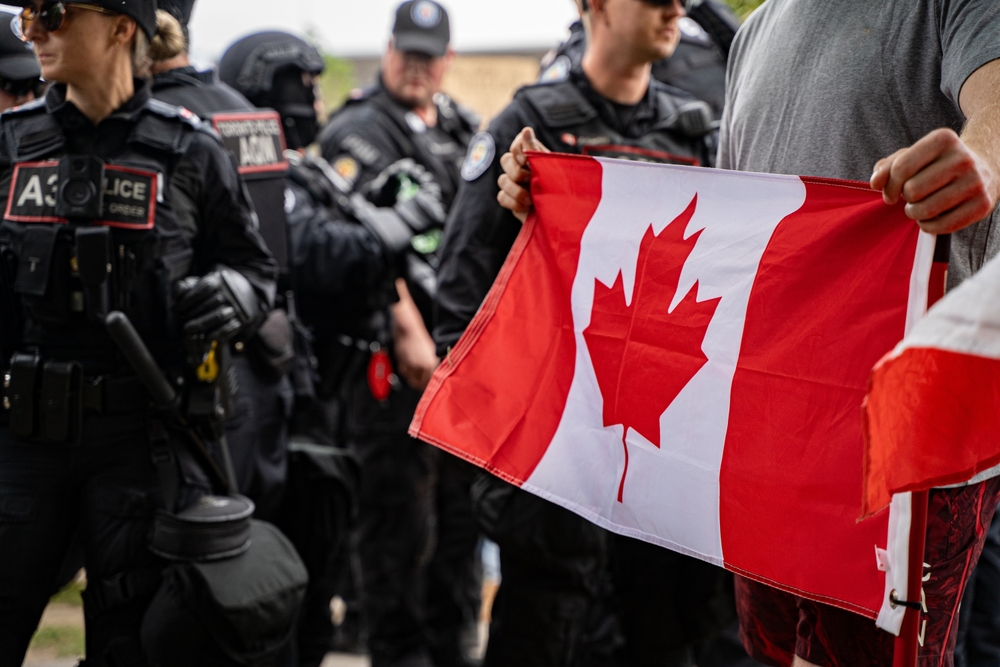
Insulting or aggressively yelling at an officer can result in disturbing the peace charges. Canadians generally expect calm communication with authorities. Verbal hostility quickly becomes a legal issue and can escalate detainment. Americans accustomed to broader speech protections sometimes get surprised. Courts here prioritize public order and safety. Officers act when language becomes disruptive or threatening. Visitors often do not realize that tone and volume matter as much as actual words. Canadians are careful during police interactions because the law expects respectful conduct even during arguments.
Parental Leave Is Guaranteed by Law
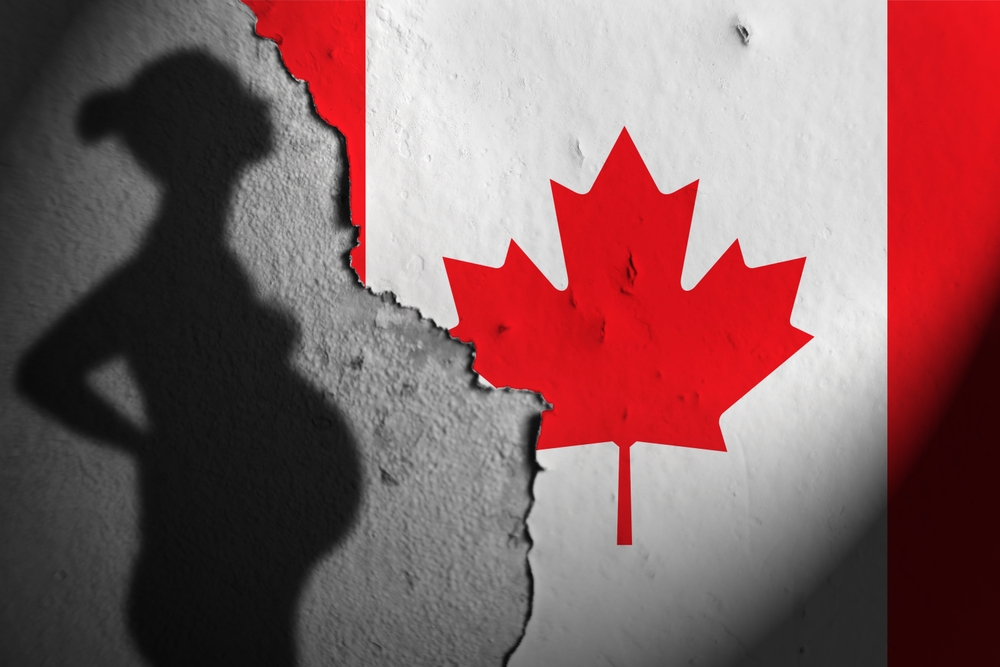
New parents can take job-protected leave with employment insurance benefits. The time can be shared between parents, including adoptive parents. Workplaces must hold their positions during absence. Families often spend several months at home with newborns without risking unemployment. Americans are surprised that this is treated as a legal right rather than a workplace perk. The rule shapes family life and helps reduce pressure during early childhood. Couples plan careers knowing that time off for raising a baby does not destroy job security or financial stability.
Pay Transparency Is Required in Some Provinces

New laws in provinces like British Columbia and Ontario require companies to list salary ranges in job postings. Employers cannot punish workers for discussing wages. This helps applicants compare opportunities without secrecy. The requirement also reduces inequality based on negotiation confidence. Americans sometimes think sharing pay details could create tension, but Canadians see it as fairness. Job hunting becomes more efficient because applicants skip roles that hide compensation. The rule pushes companies to address internal pay gaps. Workers become more aware of their market value.
Border Controls for Pets Are Very Strict
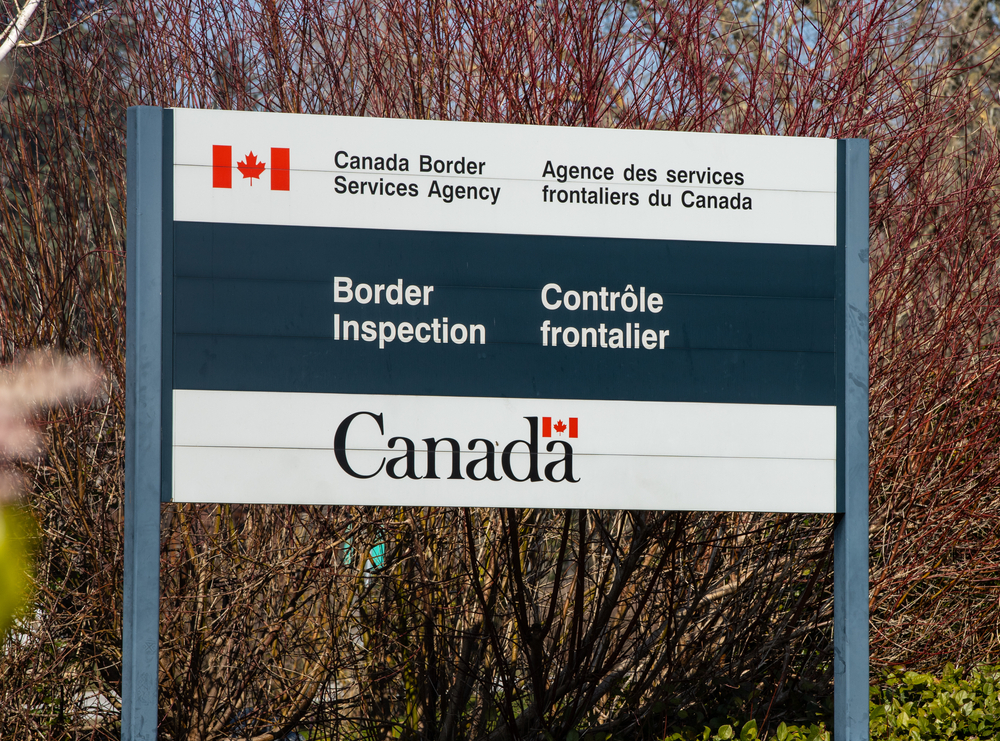
Bringing pets into Canada requires proof of vaccinations and specific documentation. Border agents inspect animals closely. Some dog breeds face provincial restrictions. Americans who travel with pets freely across state lines often get surprised. Puppies from foreign breeders need paperwork before entry. Without proper documents, quarantine orders or entry refusal can happen quickly. The rules exist to prevent disease from spreading between regions. It protects family pets, livestock, and wildlife. Pet owners planning road trips usually check veterinary requirements well in advance to avoid complications.
Foreign Homebuyers May Face Restrictions

Canada temporarily blocked most non-residents from purchasing residential property to cool extreme housing prices. Certain exceptions apply for students, workers, and rural areas. Americans expect real estate markets to stay open for investment, so the ban seems unusual. The goal is to protect housing availability for residents during affordability crises. Investors paused activity after the policy took effect. Canadians appreciated the shift. Whether the measure becomes permanent or evolves later, it has already changed expectations about who can compete in overheated housing markets.
Tipping Is Customary But Not Mandatory

Servers appreciate tips and rely on them, yet there is no legal obligation to leave one. A guest who chooses not to tip will not face penalties. Many Canadians still tip around 15 to 20 percent for standard service. Americans sometimes feel confused because tipping culture looks similar but functions differently. Restaurant wages are higher than in the U.S., so tips supplement income rather than replace wages. Guests can adjust amounts based on experience. This flexibility sometimes surprises travelers who come from regions with strict tipping expectations.
Police Need a Warrant to Track Phones

Canadian police cannot access cellphone data without a court-approved warrant. Digital privacy receives strong legal protection. Investigators must prove necessity before tracking calls, messages, or location. Americans are sometimes shocked because they assume national security exemptions exist everywhere. The law helps maintain trust between citizens and authorities. People expect transparency when private information is involved. As technology grows rapidly, courts continue to update standards. Phone holders feel safer knowing officers cannot monitor devices without judicial oversight and documented reasoning.
Hard Liquor Does Not Appear in Grocery Stores

Beer and wine are available in some supermarkets, but hard liquor is sold only through government or licensed retailers. Provincial alcohol boards control pricing and distribution. Americans wander grocery aisles expecting vodka or whiskey next to snacks. The surprise often turns into a scavenger hunt when they realize spirits are sold elsewhere. The system shapes community habits. People plan alcohol purchases more intentionally, especially during holidays. Independent distilleries benefit from controlled distribution because large global brands cannot dominate shelves.
Hate Speech Can Bring Criminal Charges
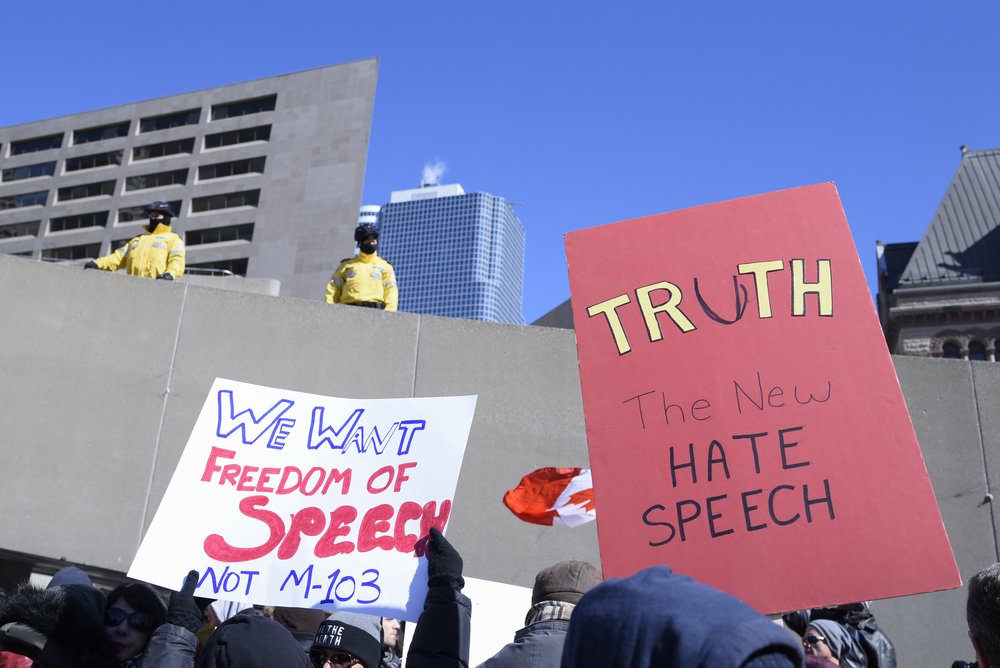
Speech that threatens or promotes violence against protected groups can lead to prosecution. Canada draws a legal line between free expression and harm. Americans argue that this conflicts with their First Amendment perspectives. Canadians see the rule as a safeguard for vulnerable communities. Courts decide cases individually and assess context. Hate crimes carry heavier penalties when language appears linked to targeted violence. Schools and community groups support the law strongly. Public discussion remains lively, but people understand there are legal consequences when speech directly promotes discrimination.
Punitive Damages Are Rare in Lawsuits
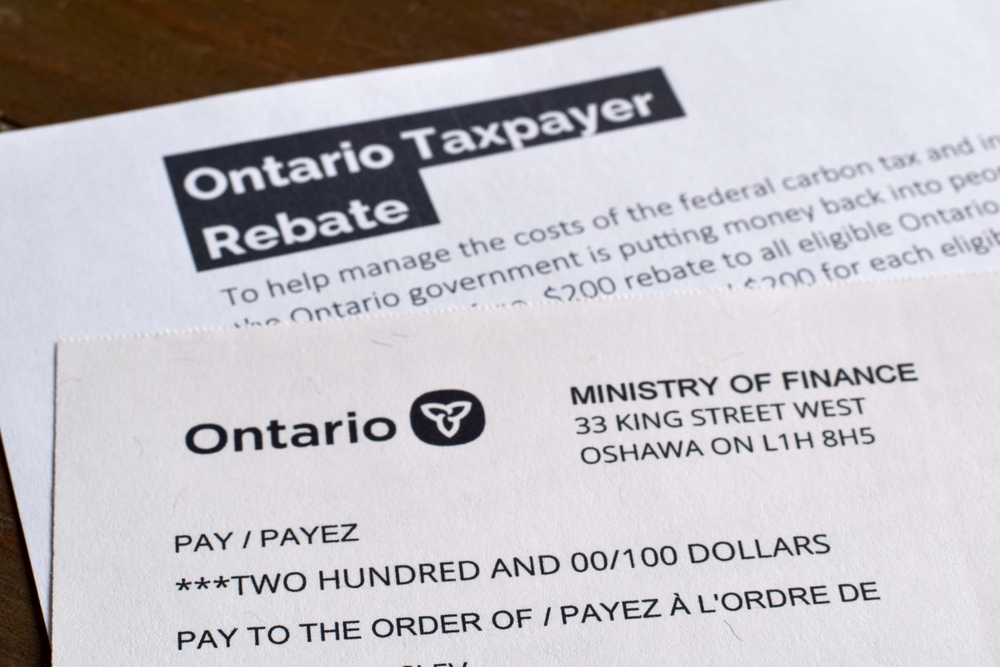
Canadian courts focus on financial compensation for actual harm rather than massive punishment payments. Punitive damages happen only in exceptional situations. Americans who hear about huge lawsuit payouts in their own country are often stunned by the smaller numbers in Canada. This system discourages lawsuits aimed at big financial jackpots. Insurance claims stay more stable. People pursue legal action mainly to recover losses and resolve disputes rather than create windfalls. The approach keeps litigation calmer and more predictable for businesses and residents.
Working Holidays Often Pay Extra
Holiday pay is higher for many employees working on official statutory holidays. Some workplaces also provide a substitute day off later. Americans who work holidays without additional compensation are surprised that this rule is common. Canadian workers enjoy time with family without losing earnings. Businesses plan schedules with holiday pay in mind. Tourism, restaurants, and retail manage demand through bonuses that attract temporary staff. The law gives workers more control over time and money during major celebrations.
Citizenship Is Extremely Secure
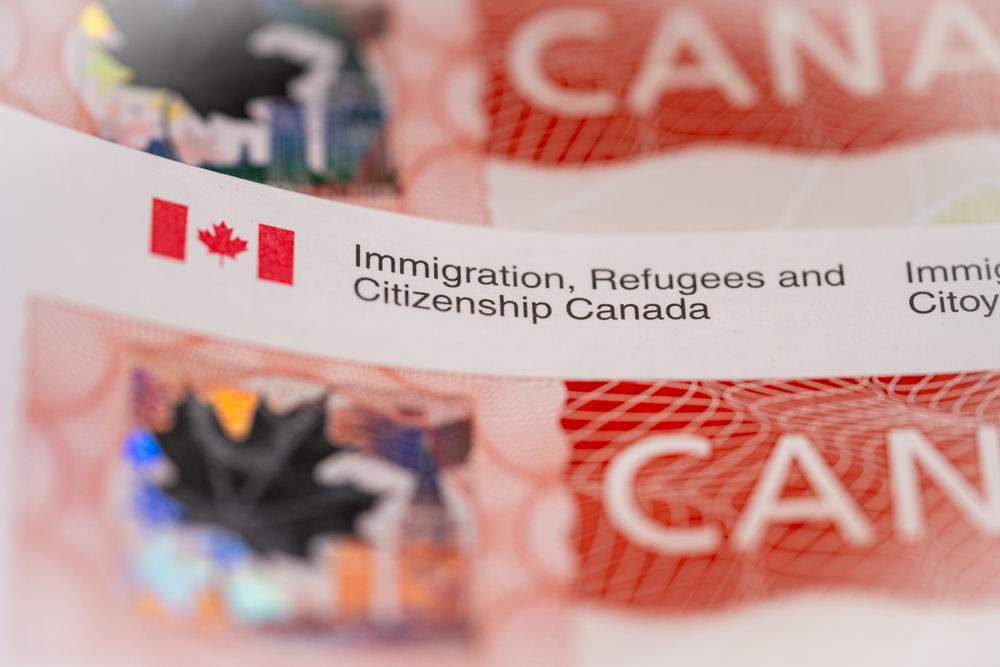
Once someone becomes a Canadian citizen, it is extremely rare for that status to be taken away. Crimes do not usually affect citizenship status. Deportation does not apply to citizens regardless of birthplace. Americans often think about high-profile cases of citizenship removal in their own country and assume similar standards exist here. Canada treats citizenship as a lasting identity and commitment. This stability affects immigration choices. Newcomers feel confident raising families and building careers without worrying that a legal issue could remove their status.
Flavoured Vaping Products Are Restricted in Some Provinces

Some provinces banned sweet and candy vape flavours to reduce teen vaping rates. Shops still sell regular nicotine flavours but limit packaging and advertising. Americans notice the difference because vaping regulations vary widely across the U.S. Schools and parent groups push for ongoing restrictions. Retailers adjust inventory and labeling to follow the rules. The focus stays on lowering youth addiction rather than eliminating vape access for adults. Communities monitor progress and update legislation when trends change.
Bankruptcy Allows Fast Financial Reset

People who declare bankruptcy can restructure debt and rebuild credit faster than in the U.S. The law aims to help workers and businesses return to stable participation in the economy. Americans often describe a long financial recovery after bankruptcy, so the Canadian timeline surprises them. Debt repayment still happens, but the system emphasizes recovery rather than punishment. Canadians who struggle financially can regain control without a lifetime of consequences. Lenders adapt expectations to fit this approach.
22 Groceries to Grab Now—Before another Price Shock Hits Canada

Food prices in Canada have been steadily climbing, and another spike could make your grocery bill feel like a mortgage payment. According to Statistics Canada, food inflation remains about 3.7% higher than last year, with essentials like bread, dairy, and fresh produce leading the surge. Some items are expected to rise even further due to transportation costs, droughts, and import tariffs. Here are 22 groceries to grab now before another price shock hits Canada.
22 Groceries to Grab Now—Before another Price Shock Hits Canada
