
Canada is backing large projects designed to shape the next three decades of energy, housing, technology, food production, and transportation. These projects aim to deal with real pressure points like power demand, rising costs, climate stress, job shifts, and strained infrastructure. Some of these ideas are already working. Others are still in testing but are attracting global attention because they promise reliable solutions rather than temporary patches. Here are 21 Canadian projects that could change everything.
The Small Modular Nuclear Reactor Program

Canada is developing small modular nuclear reactors that produce power using compact facilities rather than massive nuclear plants. These reactors are designed to be built faster, cost less, and operate with higher reliability in regions where traditional plants are difficult to construct. Saskatchewan, Alberta, and Ontario expect them to support industrial growth and stabilize the grid as energy demand rises. The reactors could replace coal without weakening overall system performance. If Canada reaches full deployment, the technology could become an export product instead of a domestic experiment. This project could reshape global nuclear power strategies and long-term energy planning.
Calgary’s Hydrogen Hub
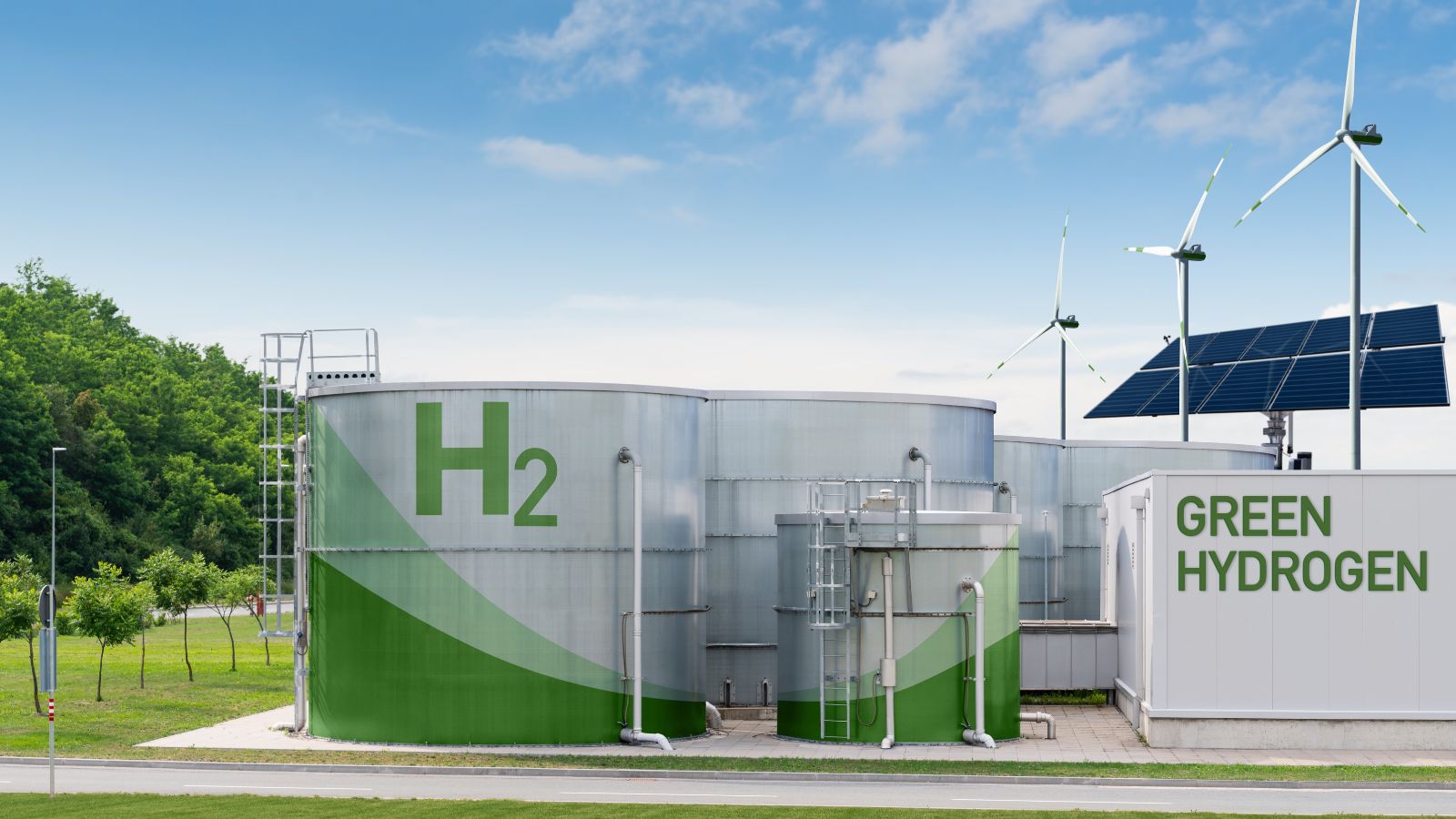
Calgary is building a hydrogen hub focused on large-scale hydrogen supply for freight transport, aviation, and heavy industry. The hub brings together engineering companies, universities, and public agencies to design pipelines, storage systems, and industrial equipment suited for hydrogen rather than natural gas. The project supports sectors that cannot shift to battery power. International buyers already track Canadian hydrogen because they want stable suppliers as competition grows. The hub could support thousands of skilled jobs and strengthen Canada’s standing in the global energy market. If the plan succeeds, hydrogen could become a major export industry instead of a niche.
The Vancouver Sea to Sky Housing Experiment

British Columbia is using the Sea to Sky region to test multiple housing solutions side by side. Instead of focusing on one approach, planners are building modular communities, co-living units, mixed-income blocks, and rapid permitting systems to learn which options reduce shortages while supporting long-term affordability. The area faces high demand from tourism and remote workers, yet many residents struggle to find stable housing. If the model proves financially workable and maintains community stability, other provinces could copy this approach. The experiment aims to balance growth, quality of life, and reasonable pricing rather than short-term fixes.
Canada’s First Space Mining Trials

Canadian engineers and researchers are conducting early trials to mine resources from asteroids and the Moon using fully autonomous systems. The project focuses on robotic drills, remote-controlled equipment, and material processing that functions without onsite crews. If successful, future missions could build fuel depots and construction materials from space resources rather than transporting everything from Earth. Private companies and the Canadian Space Agency are working together because the financial stakes are high. This project could create long-term careers in space robotics and help Canada claim a leadership position as global aerospace companies search for credible space resource partners.
Montreal’s Old Port Deep Tech District

Montreal is converting former waterfront storage buildings into a deep tech research district focused on biotech, medical AI, green chemistry, and advanced manufacturing. Instead of separating labs across the city, the program places researchers, startups, investors, and product testing facilities within a short distance. The goal is to make new technology easier to commercialize rather than keep breakthroughs stuck in early-stage research. The district is expected to attract companies looking for shared talent and equipment rather than isolated development. If it produces strong economic results, Montreal could become a high-value deep tech center rather than losing talent abroad.
Fully Autonomous Freight Train Network

A Canadian consortium is building a freight train network designed for autonomous operation across long routes and remote regions. The project uses sensors, onboard data systems, and remote driving stations to improve scheduling, safety, and fuel use. Freight delays cost companies millions each year, especially during winter. Automation could stabilize timelines and shift more cargo from highways to rail without significantly raising costs. The initiative does not aim to remove workers but change how oversight is managed. If Canada completes this network successfully, companies around the world may adopt similar systems, and Canada could lead in autonomous rail standards.
Sustainable Aviation Fuel Plants

Canada is developing facilities that create aviation fuel from agricultural waste, forestry leftovers, and municipal organics. Airlines need low-carbon fuel options that work with existing aircraft rather than designs that require fleet replacements. The plants give farming and forestry communities another source of revenue and reduce material sent to landfills. Countries in Europe and Asia already monitor Canadian production because they expect shortages in sustainable aviation fuel over the next decade. If Canada becomes a major supplier, airports could lower emissions without raising passenger fares. This project could create long-term stability for rural regions and air travel industries.
Newfoundland Wind to Hydrogen Megaproject
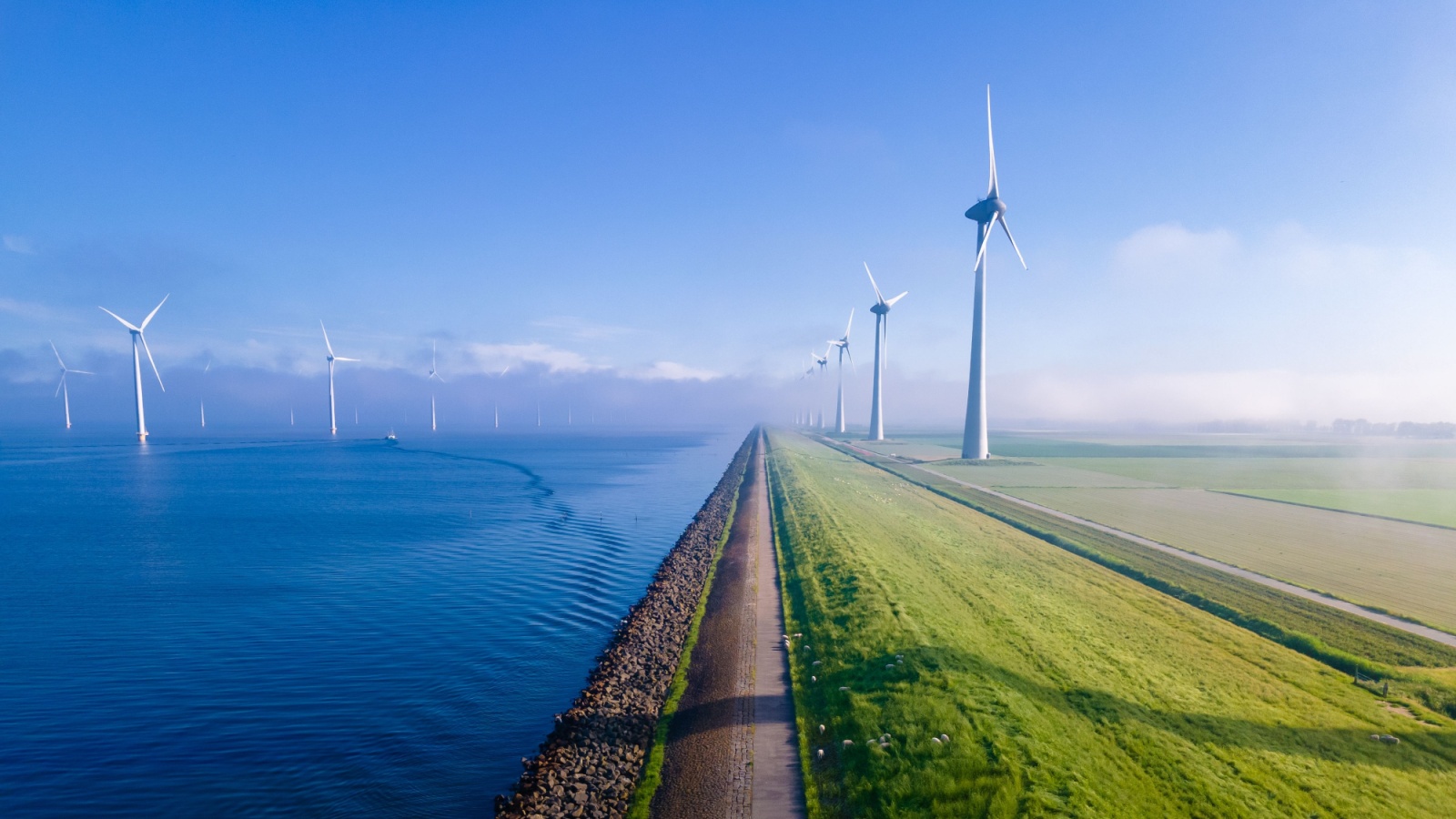
Newfoundland is building one of the largest wind-powered hydrogen projects in the world. Thousands of turbines connect to hydrogen production facilities and ocean terminals designed for export. The province has strong coastal wind patterns that support large-scale year-round energy production. Europe is actively looking for new hydrogen suppliers for industrial use, heating, and shipping. If the project stays financially stable during construction, it could transform Atlantic Canada into a clean energy export hub. Rural communities would gain long-term jobs rather than temporary construction work. The project could also influence global hydrogen market prices during the next decade.
Toronto’s Transit Integrated District
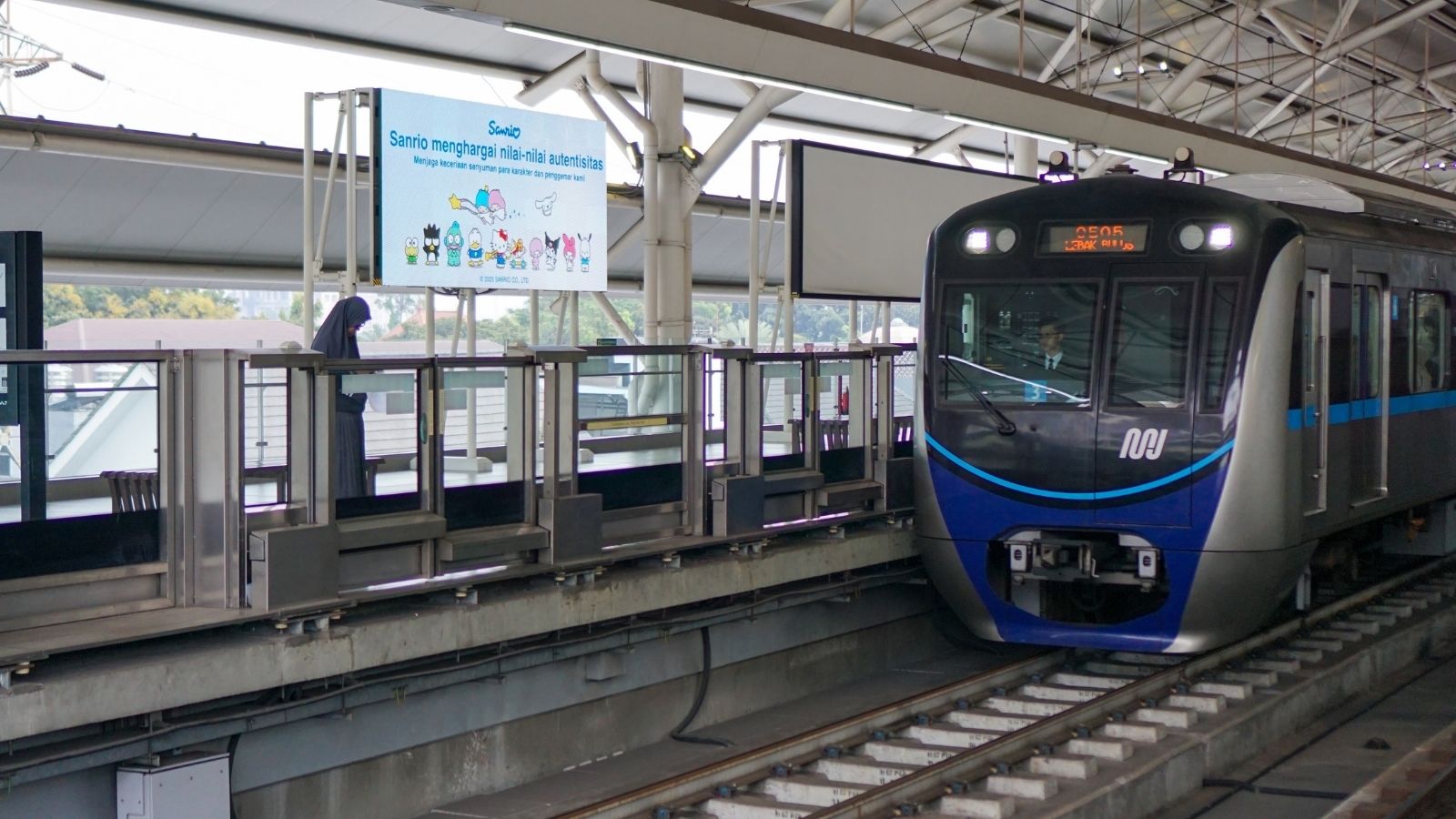
Toronto is building a city district planned around transit rather than private vehicles. Apartment towers, schools, medical offices, childcare facilities, parks, and retail spaces are clustered around rapid transit stops to reduce dependence on cars. The district includes mid-income housing rather than focusing entirely on luxury development. If the model becomes popular with residents, other Canadian cities might copy it to reduce traffic congestion and transportation expenses. Planners expect the district to support stable population growth without overwhelming road systems. The project could make urban density more desirable if people feel they gain convenience rather than compromise.
Manitoba’s Smart Grid Storage Program

Manitoba is testing storage systems that collect excess electricity during low demand and release it during peak hours. The project includes industrial-scale batteries, pumped storage, and thermal energy storage to identify which options bring the best long-term value. Sudden power spikes cost utilities and customers money each year. Stable energy storage could protect the grid during extreme heat or winter storms. The program provides real performance data rather than theory, which is valuable for national planning. If the system performs well, provinces could coordinate their power management strategies and reduce the risk of blackouts during seasonal demand peaks.
Arctic Fibre Internet System

The Arctic Fibre project aims to supply northern communities with fast and reliable internet using a subsea fibre network. Many regions across the Arctic rely on slow satellite services that limit telemedicine, online education, and digital employment. The new system also supports military stations, research bases, and polar weather forecasting. International data routing between North America and Europe will become more efficient. If the cable remains stable under extreme ocean and ice conditions, it could become a global model for cold region connectivity. The project would help remote communities access modern services without forcing relocation to southern Canadian cities.
Atlantic Ocean Carbon Removal Pilot
Researchers on the East Coast are testing a process that stores atmospheric carbon by using minerals to increase the ocean’s natural carbon absorption rate. The technique operates in controlled systems and is designed to monitor long-term impacts on marine chemistry. Land-based carbon capture requires large areas, while ocean-based systems could work on a larger scale without competing for farmland. Countries exploring climate policies are watching the pilot closely because proven carbon removal could support regulated environmental markets. If the project shows safe and reliable results, Canada could offer global services based on marine carbon storage expertise.
Alberta’s Geothermal Power Wells
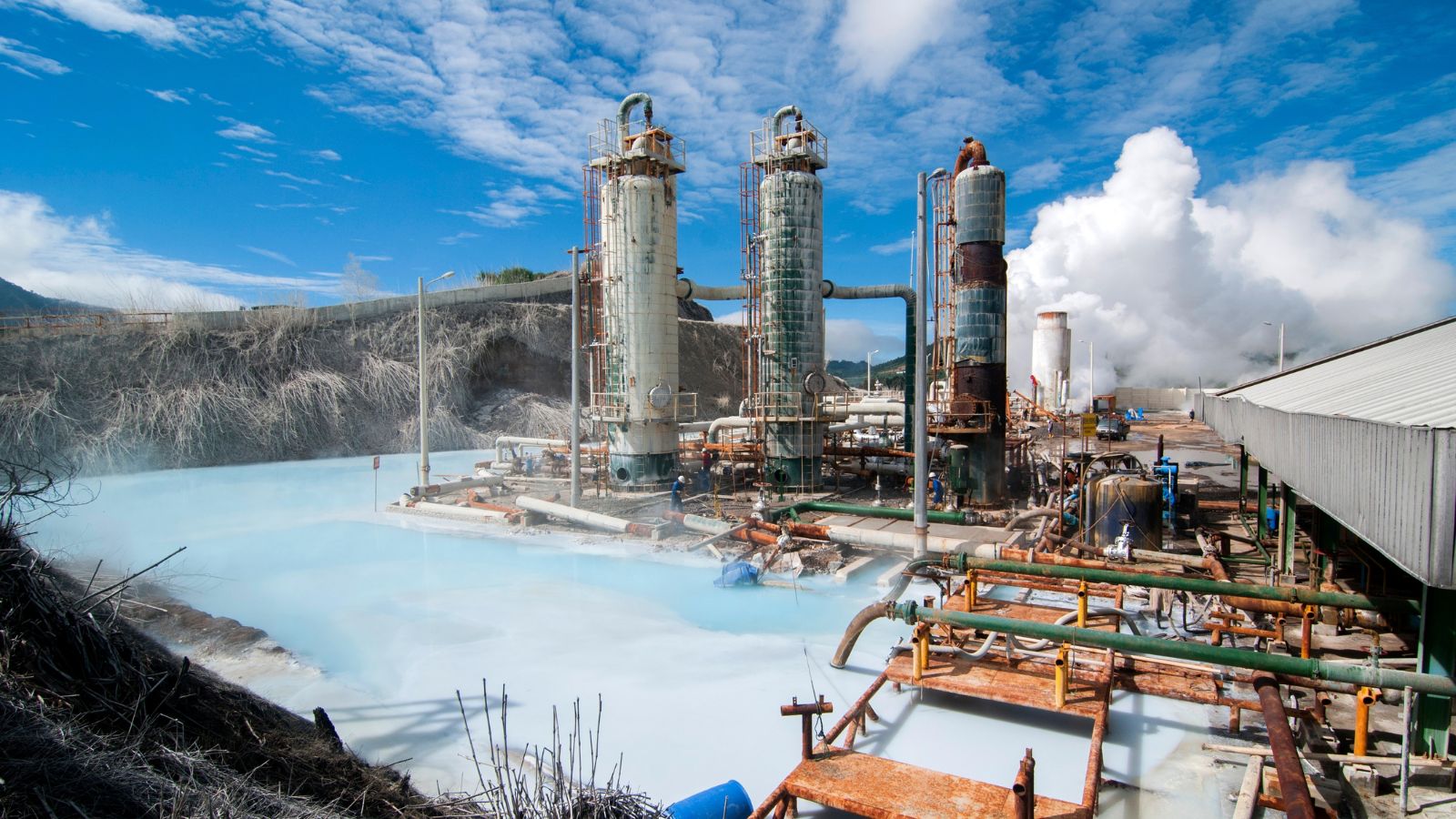
Alberta is converting inactive oil wells into geothermal energy sites. The wells already drill deep enough to access a consistent heat source, which lowers construction costs. Oil field workers and equipment can transfer directly into the geothermal sector, helping communities adjust to energy transitions without job losses. Geothermal energy provides steady power regardless of weather, making it an appealing option for industrial facilities. If the early sites reach competitive pricing, geothermal power could expand across Western Canada. The program may become a pathway for regions historically dependent on fossil fuel production to participate in long-term clean energy markets.
Prairie Drought-Proof Farming Project
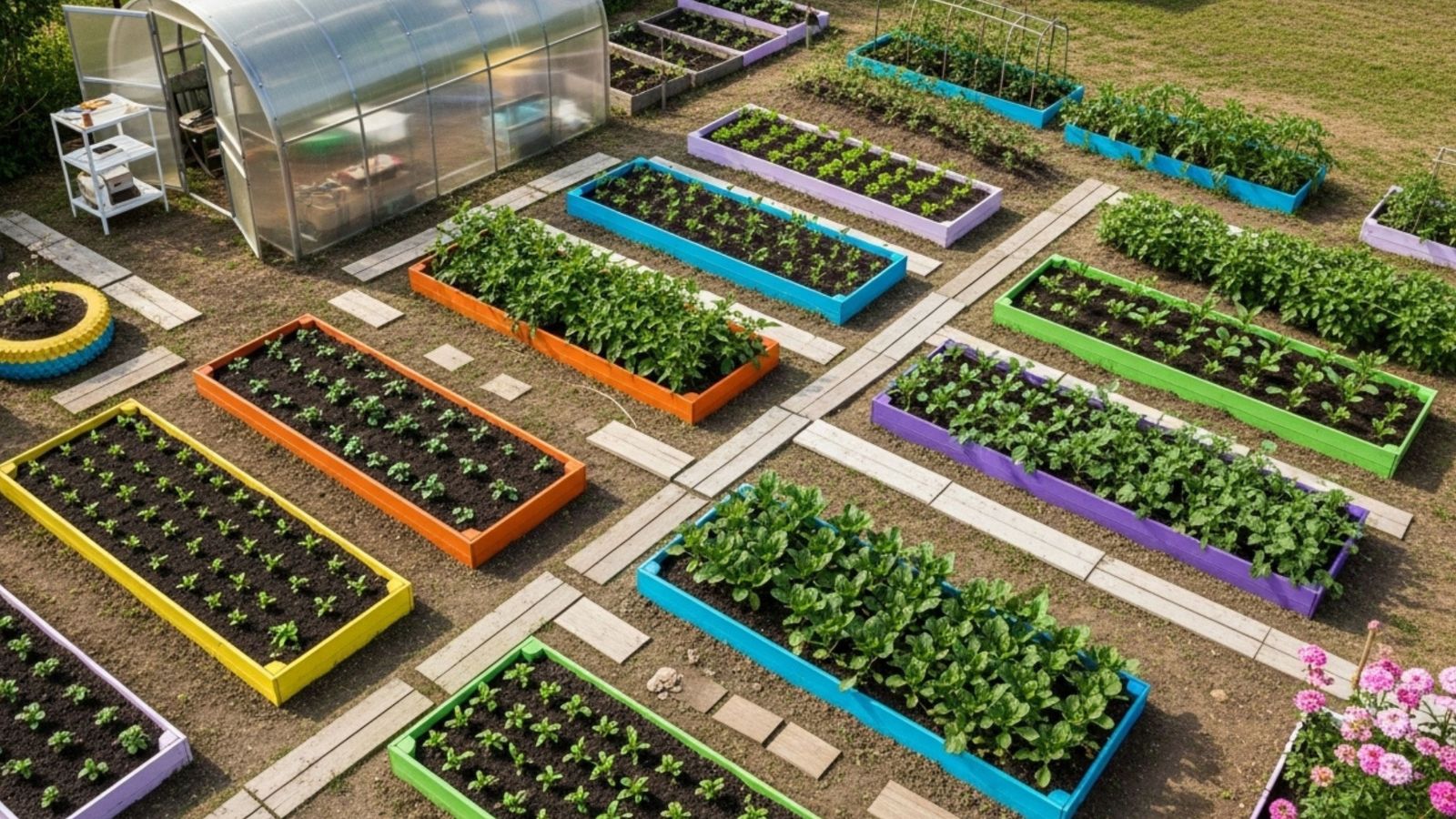
The Prairies are testing drought-resistant crops, satellite-supported irrigation, and regenerative soil methods to protect grain production from climate stress. Farmers, universities, and ag tech companies work together to track yields, moisture levels, and soil recovery rates. Wheat, canola, and barley exports are essential to Canada’s agricultural economy and global food supply. Weather volatility threatens these exports and increases consumer prices. If this project stabilizes crop production, it could safeguard thousands of jobs and strengthen Canada’s role in global agriculture. The data generated could also support international collaboration on climate-resilient farming for regions facing similar challenges.
Carbon Neutral Steel in Sault Ste. Marie
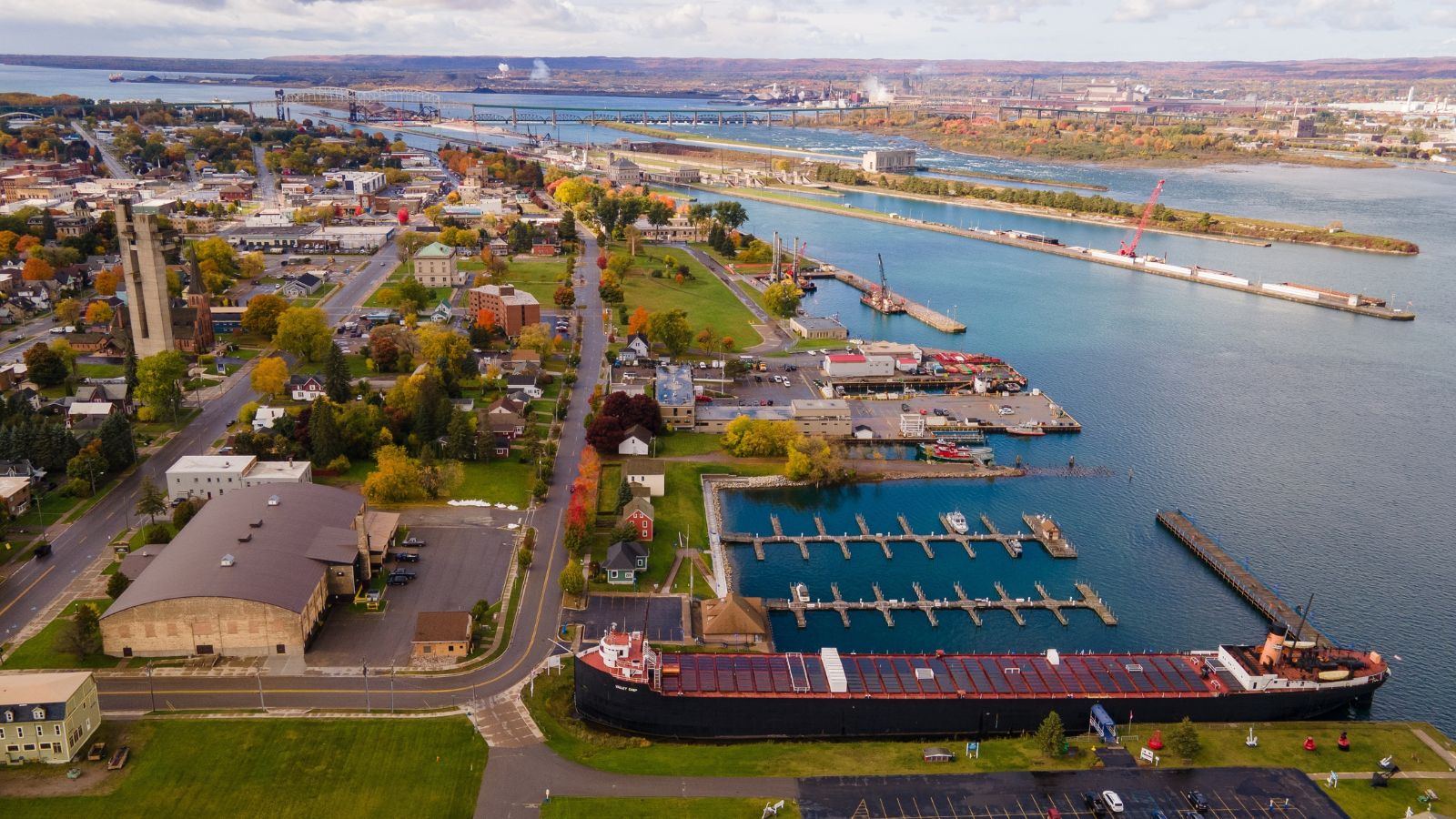
A steel plant in Sault Ste. Marie is transitioning from coal-powered furnaces to electric arc furnaces. The goal is to produce steel with lower emissions while maintaining high production volumes for automotive and construction manufacturing. Companies that purchase steel want reliable supply chains with lower environmental impact. If the project performs well economically, Canada could export carbon-neutral steel instead of competing only on cost. This could give Ontario a long-term competitive advantage in global manufacturing. Skilled industrial jobs would remain in the region while creating new opportunities in clean metallurgy and advanced materials research.
National Rare Earth Processing Pilot
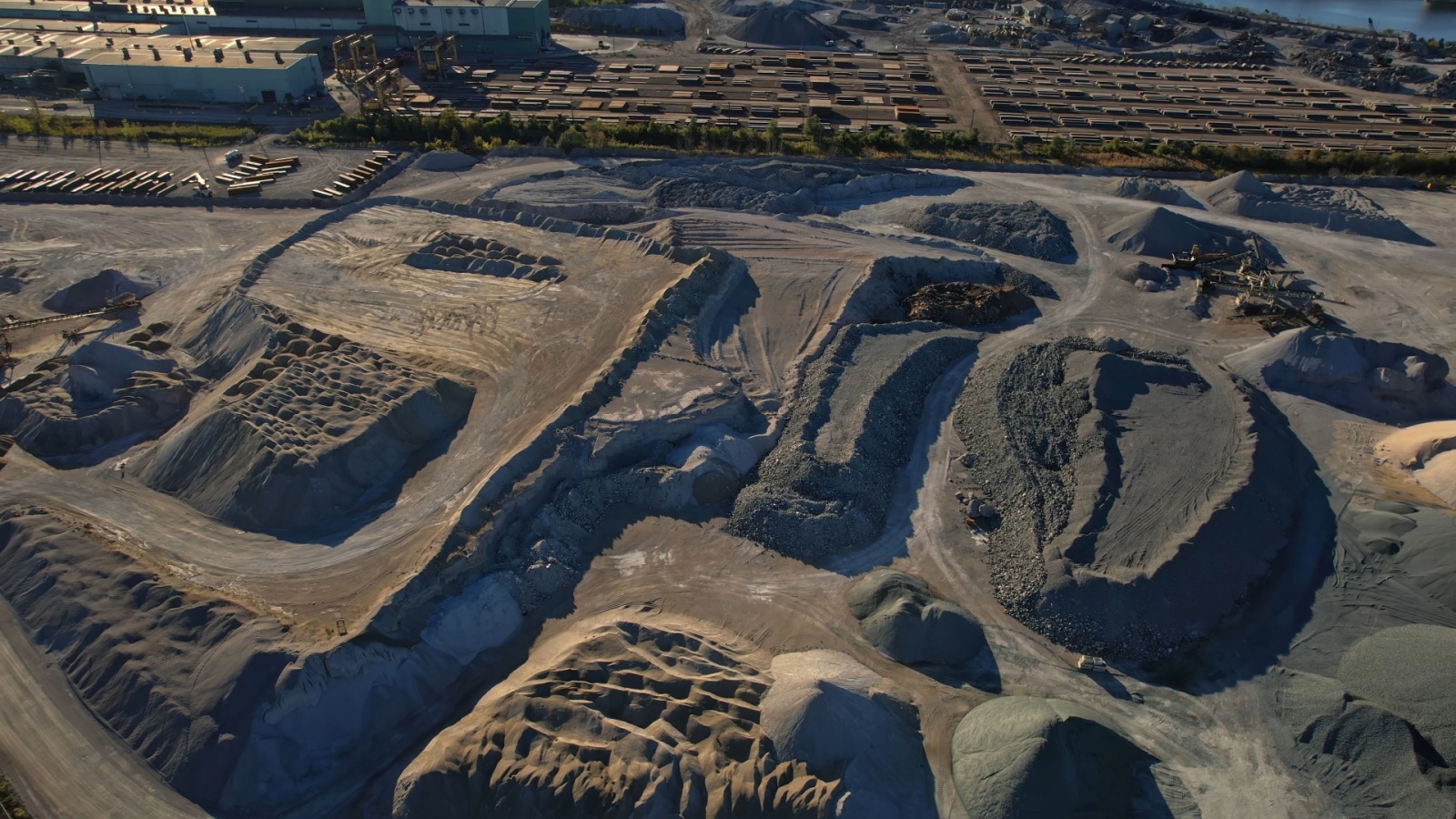
Canada has large deposits of rare earth elements needed for electric motors, high-strength magnets, batteries, and consumer electronics. The country is developing facilities to refine these materials domestically rather than exporting raw ore to foreign processors. Many nations worry about supply chain security for rare earths because production is concentrated in a small number of countries. If Canada becomes a stable long-term supplier, manufacturers in North America and Europe could reduce geopolitical risk. The project could also support advanced manufacturing jobs and keep more value from mining within Canada instead of leaving the country during early extraction stages.
Quebec City Zero Waste Retail District

Quebec City is creating a district where grocery stores, restaurants, household shops, and service providers operate with zero-waste business models. Customers use refill systems, reusable containers, and digital tracking to return packaging rather than throw it away. Local companies test new types of compost-based packaging and rental systems for household goods. The district helps researchers study how customers behave when zero-waste options are easy and affordable. If the experiment shows strong participation, other cities could apply similar strategies to reduce landfill pressure. The project could create new careers in logistics, packaging, product design, and recycling.
Indigenous Conservation Corridor

Indigenous communities are leading a conservation program that protects connected ecosystems across forests, rivers, and wildlife habitats spanning multiple provinces and territories. The corridor supports land stewardship, sustainable tourism, scientific monitoring, and cultural education programs. It highlights how economic development can occur while protecting sensitive environments for future generations. International environmental organizations are watching the project because it demonstrates large-scale conservation with local leadership rather than top-down control. If the corridor reaches its full size, it could become one of the largest protected land networks on Earth. The program also creates long-term conservation and scientific employment.
Toronto Medical Robotics Cluster

Toronto is developing a medical robotics cluster that links hospitals, engineering programs, and startups to design equipment for surgery, diagnostics, and rehabilitation. The focus is on reliability, affordability, and safe integration into regular medical workflows. Hospitals serve as early testing locations, giving developers immediate feedback from surgeons, nurses, and patients. If products from the cluster succeed commercially, Canada could become a global supplier of medical robots for public health systems that cannot afford expensive premium brands. The project supports high-skilled jobs in engineering and manufacturing and could improve patient outcomes through accurate and repeatable robotic support systems.
Winnipeg Climate Ready City Block
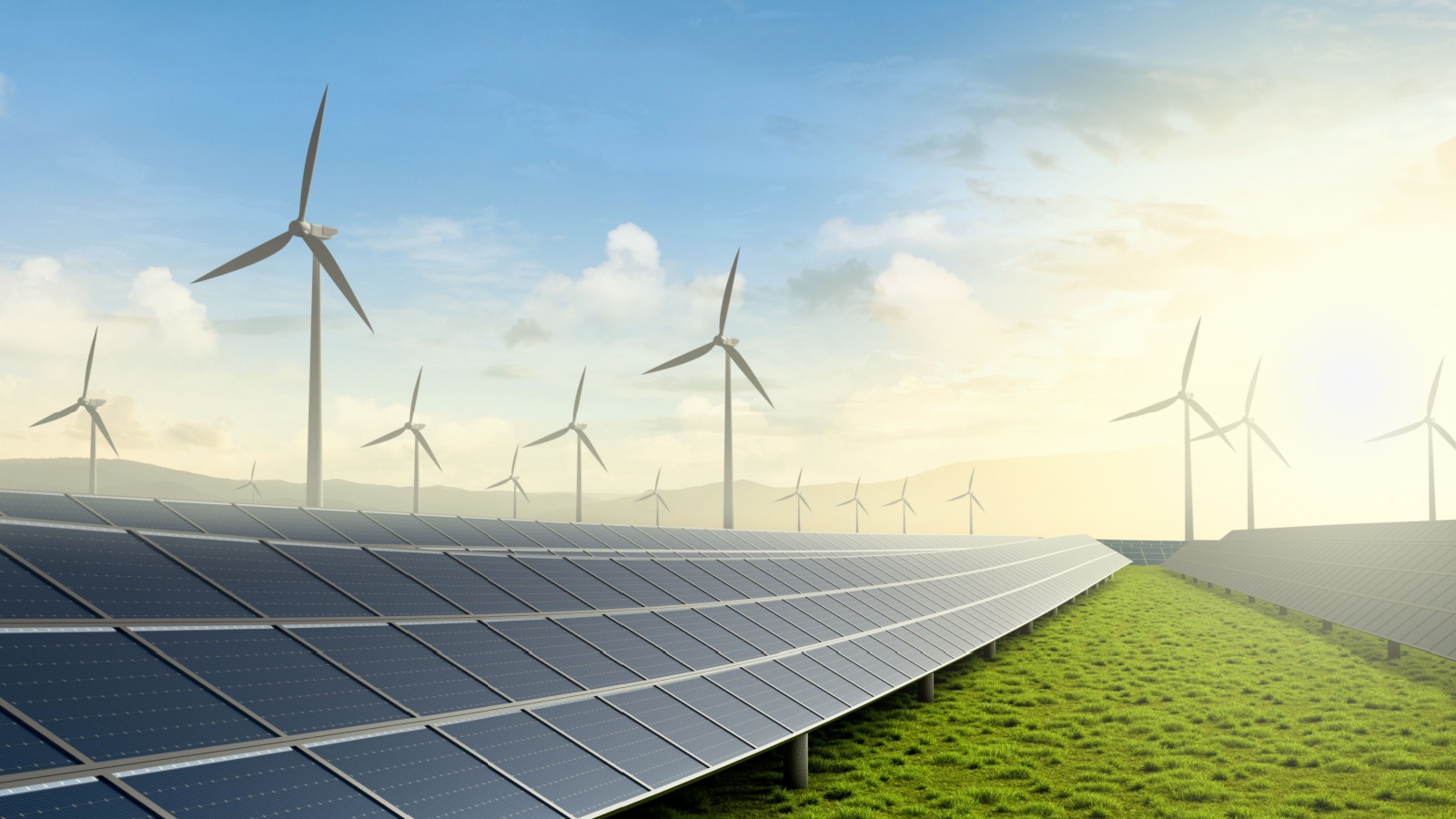
Winnipeg is constructing a demonstration block designed to function well during heat waves, floods, cold snaps, and heavy storms. The block includes cool roof materials, protected walking paths, stormwater absorbing surfaces, shared heating systems, and onsite energy storage. The goal is to collect performance data to understand which features are most cost-effective. Cities worldwide want resilience upgrades, but cannot redesign entire districts without measurements. If the demonstration generates strong results, Winnipeg could influence climate adaptation in urban planning across Canada. The project could also launch material suppliers and construction companies that specialize in climate-ready development.
Canada’s National Battery Supply Chain
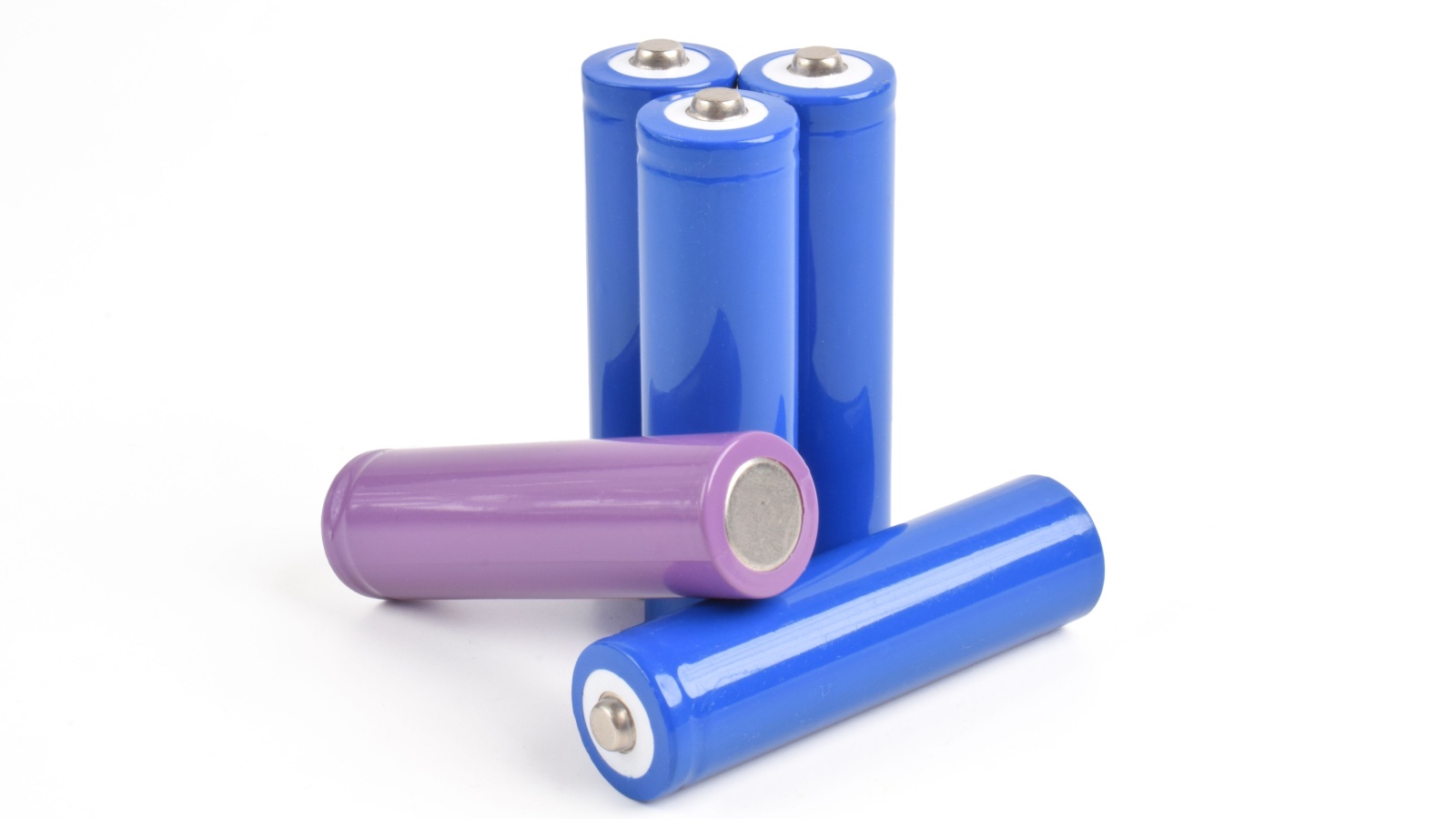
Canada is building a full battery supply chain that covers mining, refining, cell production, battery assembly, recycling, and performance testing. Automakers and electronics manufacturers want supply chains that do not depend on distant international shipping routes or unstable markets. By keeping the entire battery cycle within the country, Canada could increase skilled employment and attract long-term investment. Provinces are coordinating to share responsibilities rather than competing for the same stage of battery production. If the chain succeeds, Canada could become a leading supplier of batteries for electric vehicles, renewable energy storage, and consumer electronics across North America.
22 Groceries to Grab Now—Before another Price Shock Hits Canada

Food prices in Canada have been steadily climbing, and another spike could make your grocery bill feel like a mortgage payment. According to Statistics Canada, food inflation remains about 3.7% higher than last year, with essentials like bread, dairy, and fresh produce leading the surge. Some items are expected to rise even further due to transportation costs, droughts, and import tariffs. Here are 22 groceries to grab now before another price shock hits Canada.
22 Groceries to Grab Now—Before another Price Shock Hits Canada
