Border crossings involve more than passports and travel plans. Everyday items can attract attention during inspections. Products that seem ordinary may fall under agricultural, health, or security rules. Food, plants, money, and electronics often face specific reporting requirements. Laws differ depending on origin, quantity, and purpose. Even legally purchased goods can be restricted when crossing borders. Officers focus on protecting agriculture, public safety, and trade regulations. Here are 21 everyday items Canadians get stopped for at the border, even if you bought them legally.
Fresh Fruits
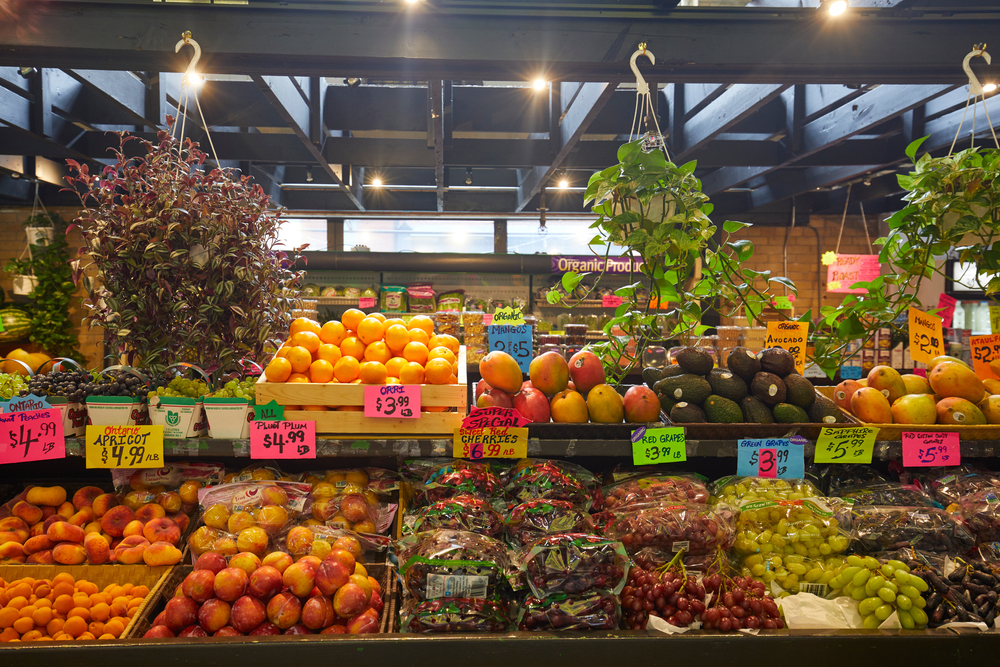
Fresh fruits often receive extra attention at border inspections. Even store-bought fruit can carry insects or plant diseases. Officers check the country of origin and packaging labels. Some fruits face temporary restrictions during pest outbreaks. Small quantities still require declaration. Undeclared fruit can lead to fines or seizure. Rules protect farms, orchards, and natural ecosystems. Travelers sometimes forget fruit packed in lunches or snacks. Regulations may change with seasonal plant health alerts. Declaring fruit helps avoid penalties and prevents accidental spread of invasive agricultural pests.
Fresh Vegetables
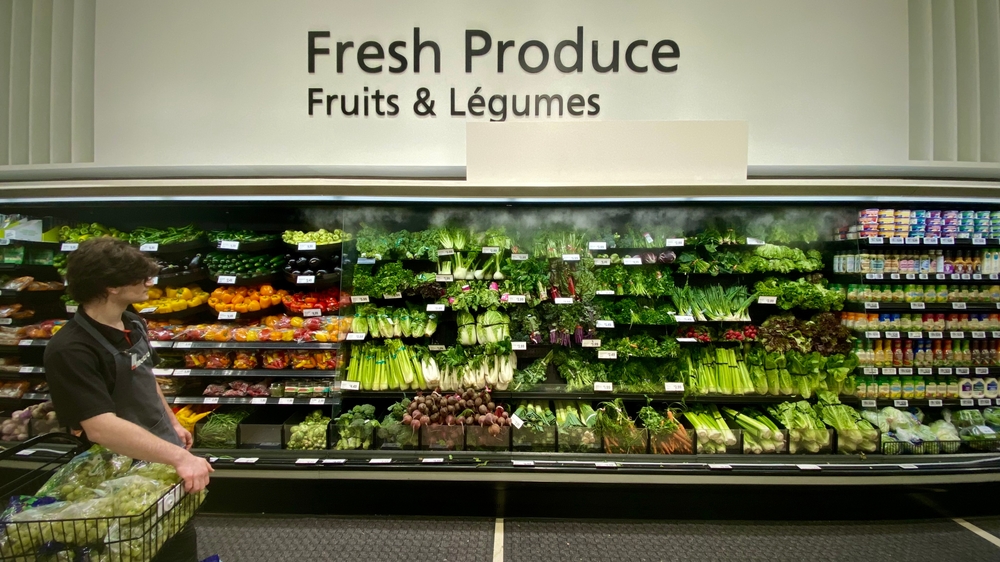
Fresh vegetables also trigger inspection because soil and leaves can carry pests. Border officials check for dirt, insects, and origin labels. Some vegetables face entry bans during crop disease outbreaks. Pre-packaged produce still requires a declaration. Travelers often overlook vegetables inside meals or coolers. Undeclared items can result in fines. These rules protect farms and food supply systems. Seasonal plant disease alerts may change allowed items. Even small personal quantities can be restricted. Declaring vegetables reduces delays and helps prevent the spread of invasive plant threats.
Raw Meat
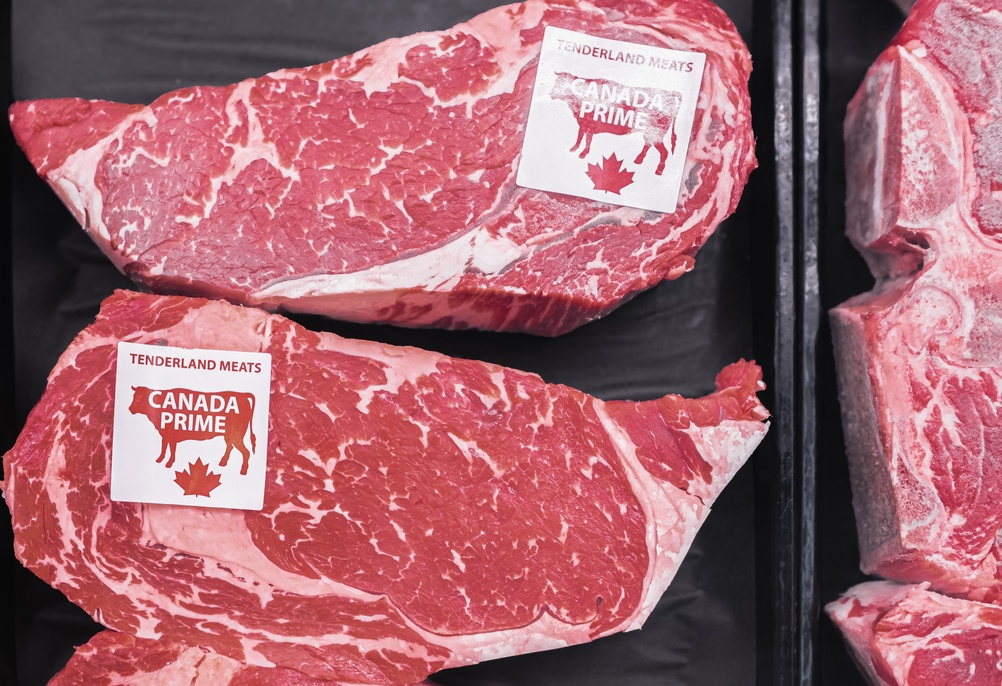
Raw meat undergoes close inspection due to the risk of animal diseases. Regulations vary based on the country of origin and disease status. Border agents check packaging, storage, and labeling. Homemade or unpackaged meat is often refused. Certain meats are banned during livestock disease outbreaks. Undeclared meat can result in significant fines. These rules protect domestic livestock industries. Even legally purchased meat may not qualify for entry. Travelers should verify requirements before travel. Declaring meat products prevents penalties and supports efforts to stop the spread of animal diseases.
Dairy Products
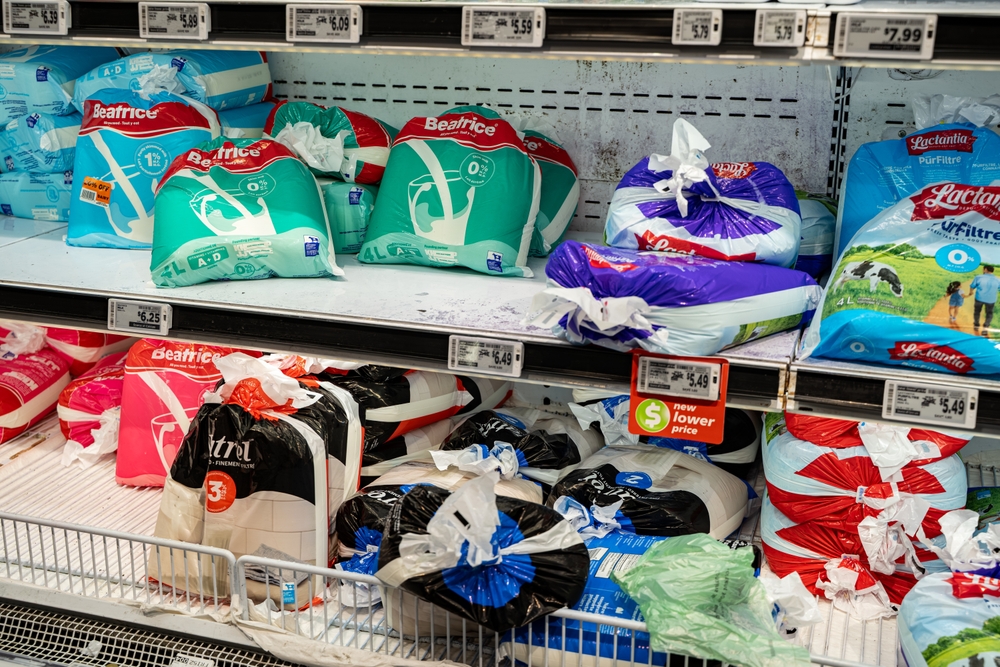
Dairy products such as milk, cheese, and yogurt often face limits. Border authorities monitor them due to concerns about animal diseases. Quantity restrictions may apply even for personal use. Soft cheeses sometimes receive extra scrutiny. Homemade dairy products usually cannot cross borders. Travelers may forget dairy in snacks or meals. Undeclared dairy can result in fines. These regulations protect livestock health and the dairy industry. Rules can shift during disease alerts. Declaring dairy items helps avoid delays and supports biosecurity measures that prevent disease spread.
Eggs
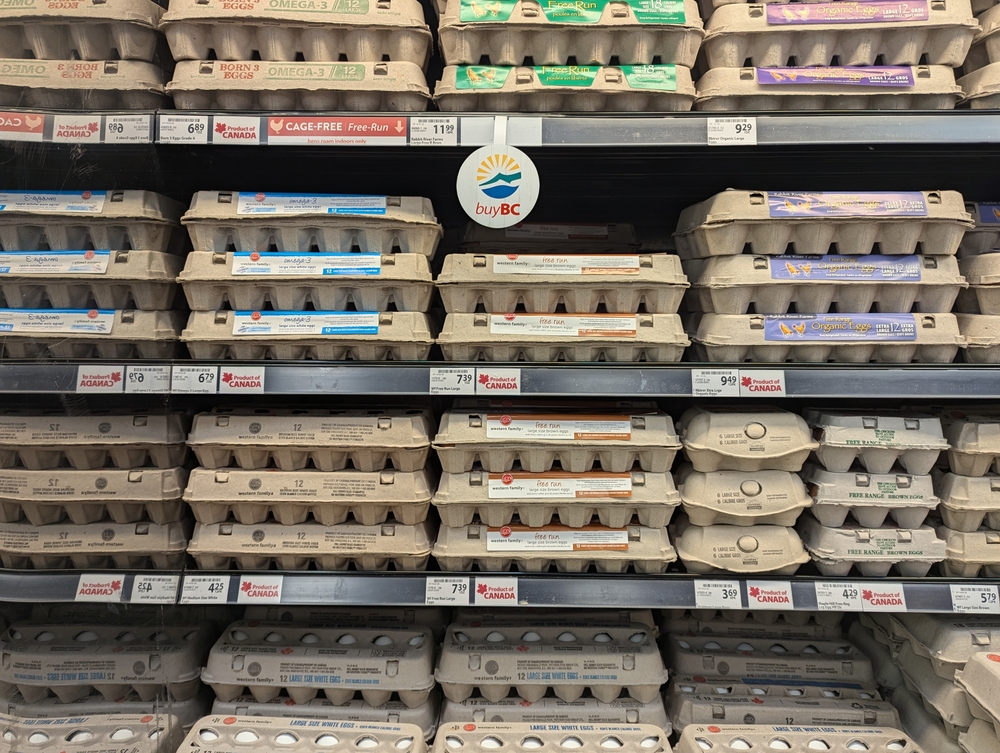
Eggs are treated as animal products and often require a declaration. Disease risks like avian influenza influence entry rules. Store packaging does not guarantee automatic approval. Loose or farm eggs are usually rejected. Border agents inspect the origin and labeling. Undeclared eggs may lead to penalties. These controls protect poultry industries from disease transmission. Even baked goods containing eggs can prompt questions. Travelers often overlook eggs in food containers. Declaring egg products reduces the risk of fines and supports disease prevention efforts in agriculture.
Firewood

Firewood movement is restricted due to threats from invasive insects. Wood can carry pests such as beetles and larvae. Even clean-looking logs may hide harmful organisms. Border authorities often prohibit the transport of untreated firewood. Campers sometimes forget this rule when packing gear. Undeclared wood may be confiscated and fined. These regulations protect forests and ecosystems. Local sourcing of firewood is strongly encouraged. Pest outbreaks can spread quickly through transported wood. Declaring firewood and checking rules helps prevent ecological damage and avoids penalties.
Live Plants
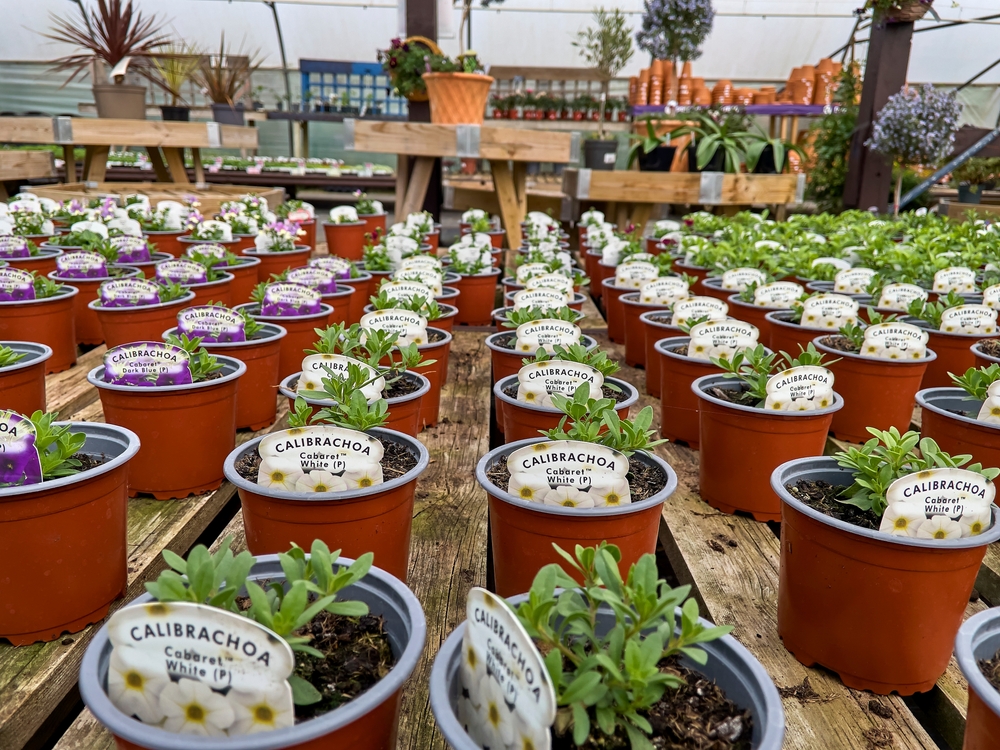
Live plants are subject to strict border controls due to pest risks. Soil attached to roots can carry insects and pathogens. Some plants require permits or health certificates. Border agents inspect species, origin, and documentation. Even small houseplants may be restricted. Undeclared plants can be seized and fined. These rules protect agriculture and natural ecosystems. Seasonal restrictions may apply during outbreaks. Travelers often underestimate plant regulations. Declaring plants and confirming entry rules in advance prevents delays and supports plant health protection efforts.
Seeds
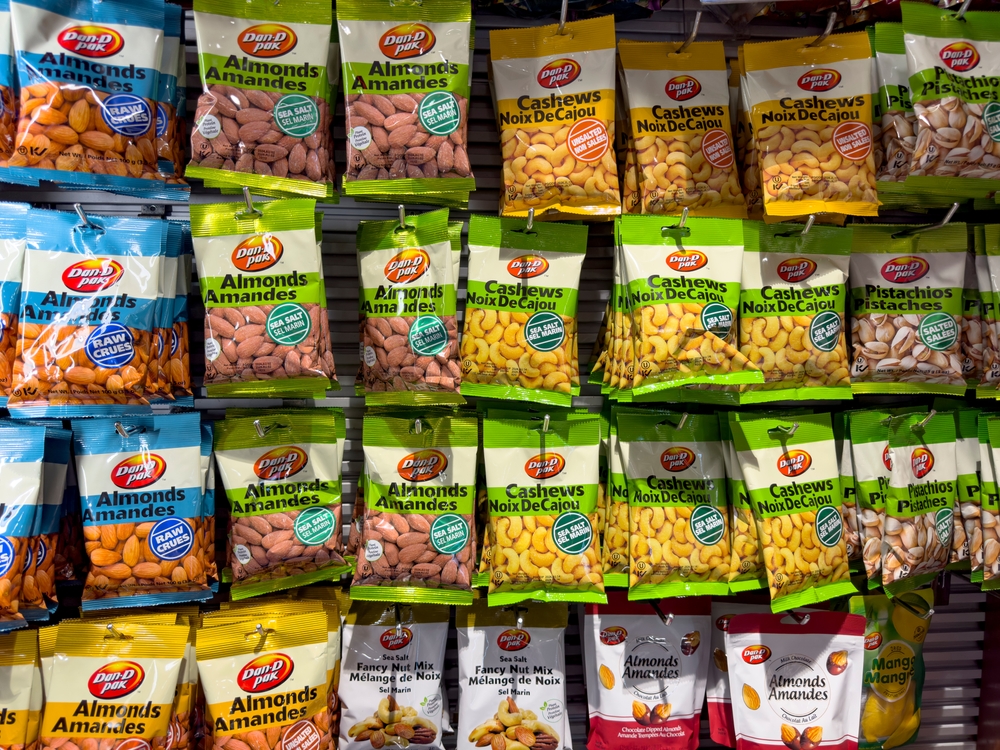
Seeds may look harmless, yet they fall under agricultural inspection rules. Some seeds can carry plant diseases or invasive species. Border officers check labeling, origin, and intended use. Certain seeds require permits or phytosanitary certificates. Packets bought at garden stores may still face restrictions. Undeclared seeds may be seized and subject to fines. Rules protect local crops and ecosystems. Travelers sometimes forget to pack seeds in gardening supplies. Seasonal plant health alerts may change requirements. Declaring seeds helps avoid penalties and prevents accidental introduction of harmful species.
Soil
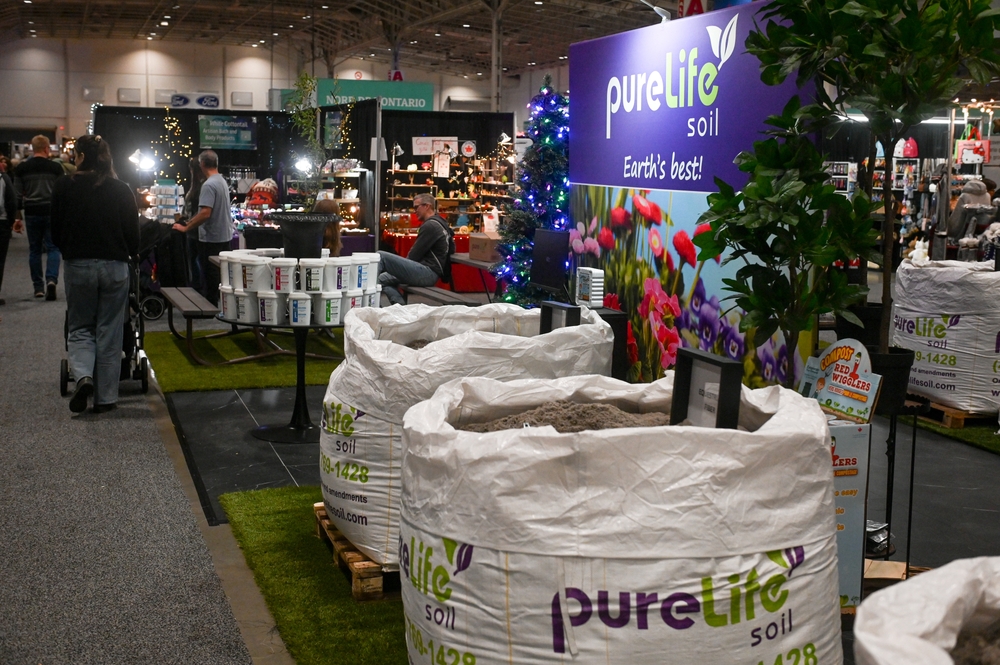
Soil is strictly controlled because it can carry pests and pathogens. Even small amounts stuck to shoes or plants matter. Border officials may inspect outdoor gear for dirt. Transporting soil across borders often requires permits. Garden soil, compost, and potted plant dirt may be restricted. Undeclared soil can lead to confiscation and fines. These rules protect agriculture and native ecosystems. Travelers may overlook soil on camping equipment. Cleaning gear before travel helps. Declaring items reduces the risk of penalties and supports environmental protection efforts.
Prescription Medication

Prescription medication can trigger inspection at border crossings. Authorities verify labeling, quantities, and personal-use limits. Medicines should remain in the original pharmacy containers. Some drugs that are legal in one country may be restricted elsewhere. Carrying large amounts may raise concerns. Travelers may need a prescription copy or a doctor’s note. Undeclared medication can be seized. Rules protect public health and control drug misuse. Regulations vary depending on substance type. Declaring medication and carrying documentation helps avoid delays and prevents legal complications during travel.
CBD Products
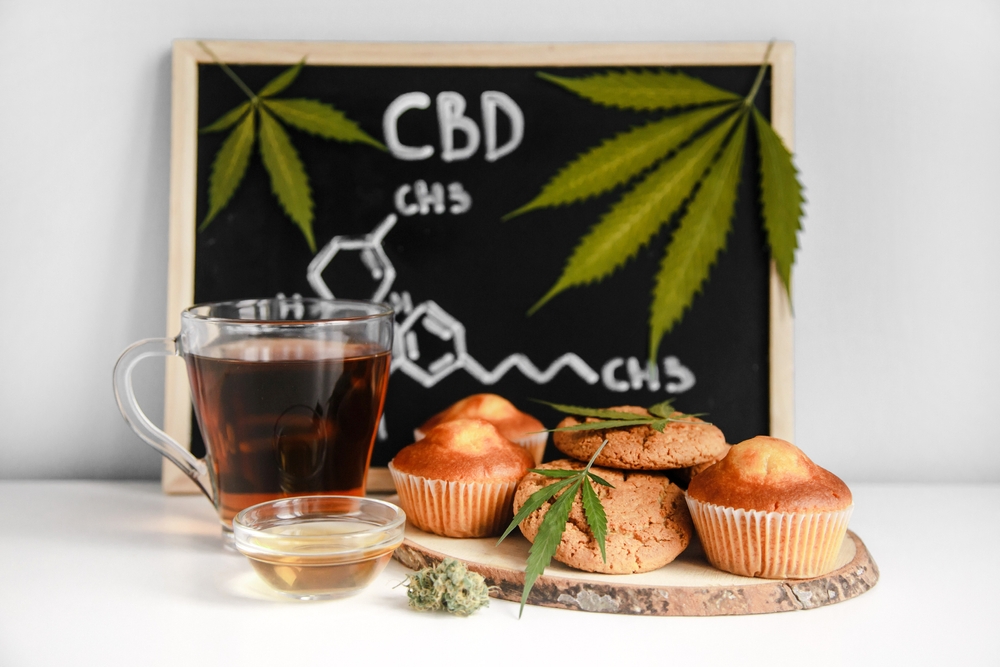
CBD products often confuse borders. Laws differ between countries regarding cannabis derivatives. Even non-intoxicating products may be restricted. Border agents check ingredients, labeling, and legality. Items legal domestically may still be prohibited for entry. Undeclared CBD can result in seizure or penalties. Regulations focus on drug control and public safety. Travelers may assume low THC levels guarantee approval, which is not always true. Declaring CBD products and verifying rules before travel helps avoid serious legal issues.
Alcohol
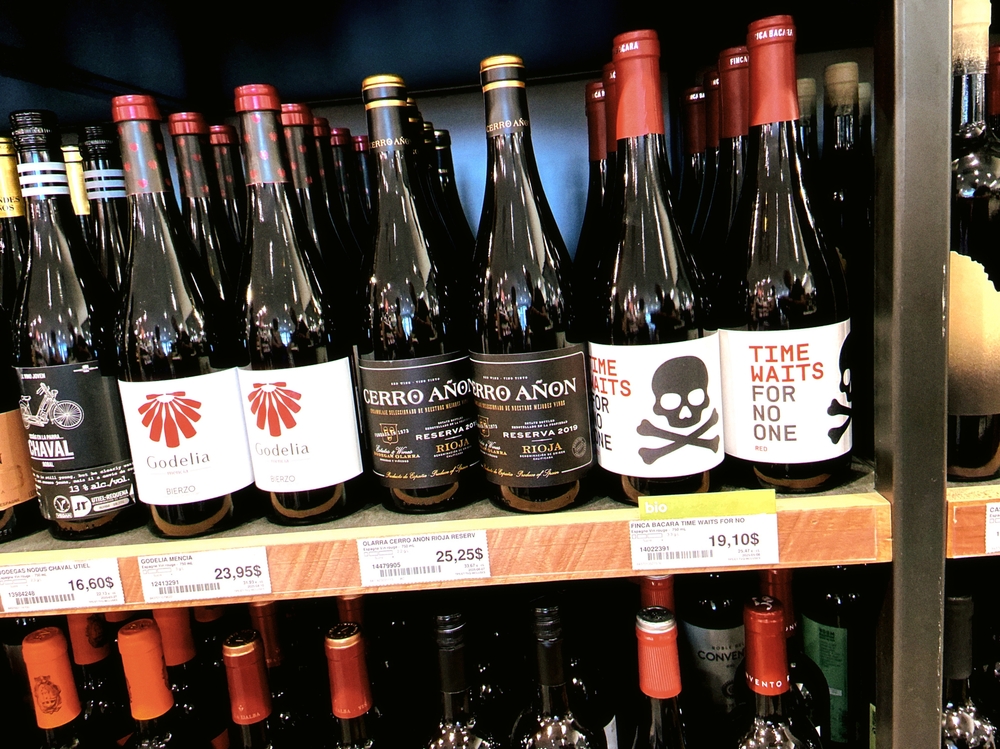
Alcohol has quantity limits for personal import. Border officers check type, volume, and value. Duties or taxes may apply above exemption limits. Homemade alcohol may face extra scrutiny. Age restrictions also apply. Undeclared alcohol can lead to fines or seizure. Rules protect revenue collection and public safety. Travelers often miscalculate allowable limits. Packaging does not guarantee entry. Declaring alcohol ensures proper processing and avoids penalties related to exceeding personal allowance thresholds.
Tobacco Products
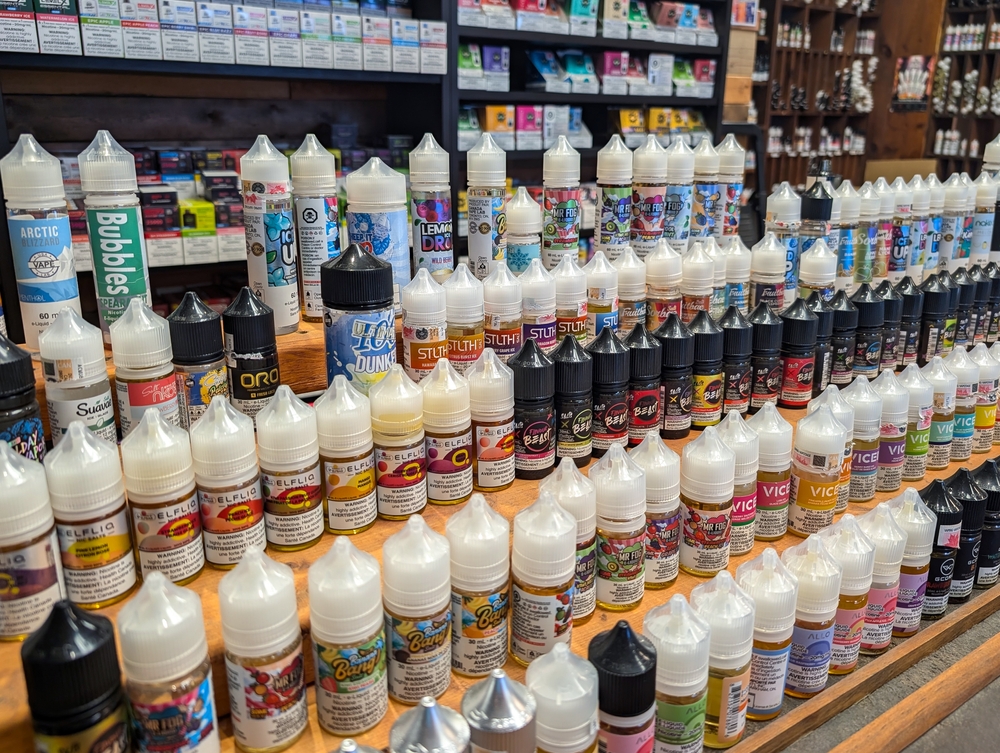
Tobacco products also have strict personal limits. Border officials check quantity, packaging, and age requirements. Duties apply when amounts exceed exemptions. Loose tobacco and specialty products may be subject to additional review. Undeclared tobacco can lead to fines or confiscation. Regulations aim to control smuggling and tax compliance. Travelers often underestimate limits for cigarettes or cigars. Carrying more than the allowed amount without a declaration causes delays. Declaring tobacco helps ensure compliance and reduces the risk of penalties during inspections.
Pepper Spray
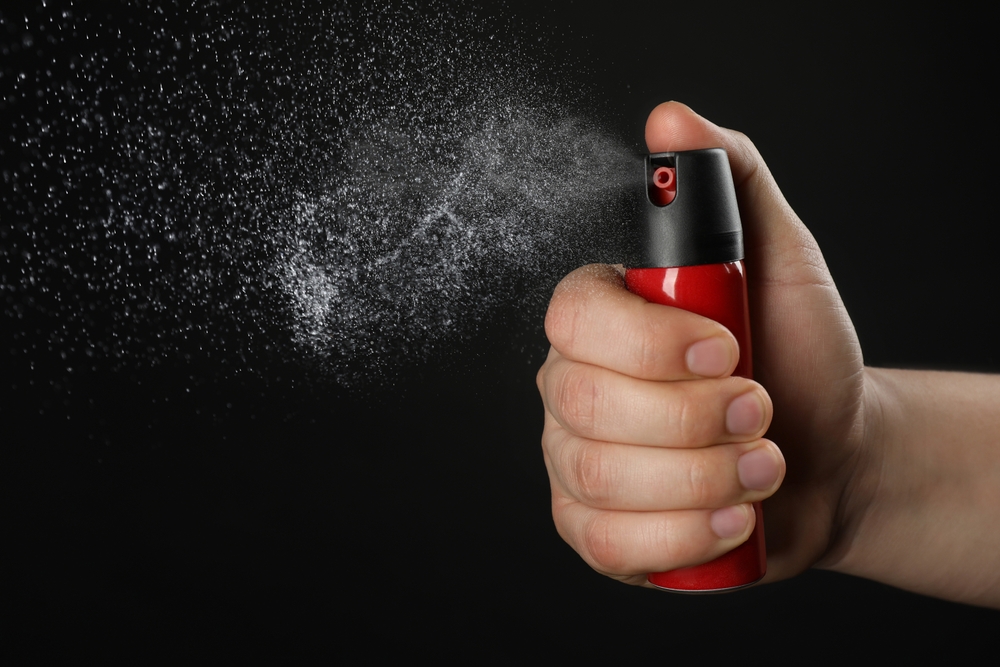
Pepper spray often raises issues at border inspections. Laws differ on whether it is considered a weapon. Sprays marketed for self-defense against people are commonly restricted. Some wildlife deterrent sprays follow different rules. Border officers check labeling and intended use. Carrying it without a proper declaration can lead to seizure. Fines or legal trouble may follow depending on local law. Travelers sometimes assume small canisters are allowed. Regulations focus on public safety and weapon control. Declaring such items and confirming the rules in advance helps avoid serious problems.
Large Cash Amounts

Carrying large amounts of cash is legal but closely monitored. Travelers must declare amounts above reporting thresholds. Border officers ask about the source and intended use of funds. Undeclared cash can be seized, even if it is legally earned. Rules aim to prevent money laundering and illegal activity. Electronic records may be requested in some cases. Travelers often underestimate reporting requirements. Carrying documentation helps explain legitimate purposes. Properly declaring funds helps avoid penalties and supports financial transparency at border crossings.
Animal Products
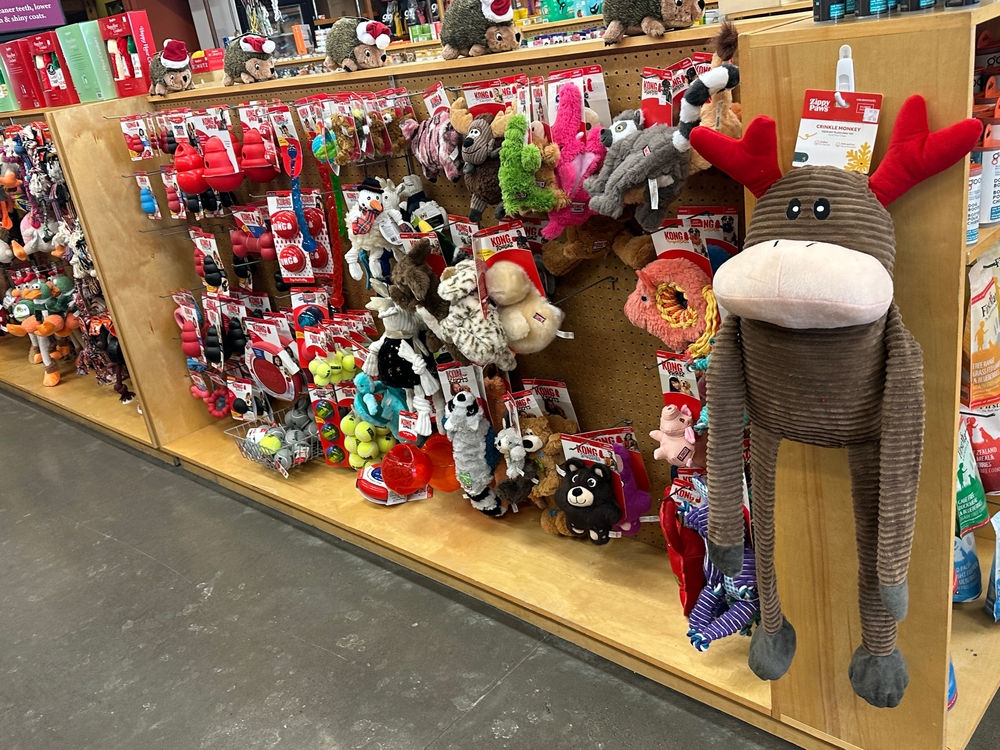
Animal products include leather goods, shells, and taxidermy items. Some may come from protected or regulated species. Border officers check materials, origin, and documentation. Certain items require permits under wildlife protection agreements. Souvenirs purchased legally abroad may still face restrictions. Undeclared goods can be confiscated. Regulations protect endangered species and control illegal wildlife trade. Travelers may not realize that everyday items fall under these rules. Declaring animal products and keeping receipts helps avoid fines and supports conservation enforcement efforts.
Drones
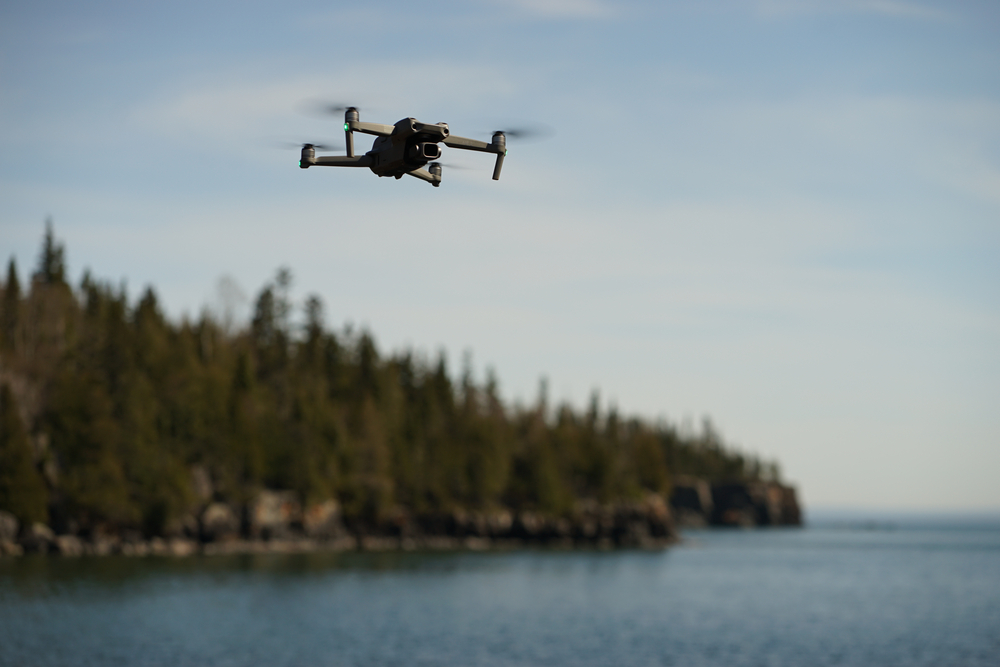
Drones are legal consumer devices, but can trigger an inspection. Border officers may ask about the purpose and the details of the equipment. Some countries restrict drone entry without permits. Batteries and radio equipment also face regulations. Travelers carrying multiple units may raise questions about commercial use. Undeclared equipment can cause delays. Rules address safety, airspace control, and security concerns. Travelers should check drone laws for their destination. Declaring equipment and carrying documentation reduces issues during entry procedures.
Firearms Accessories
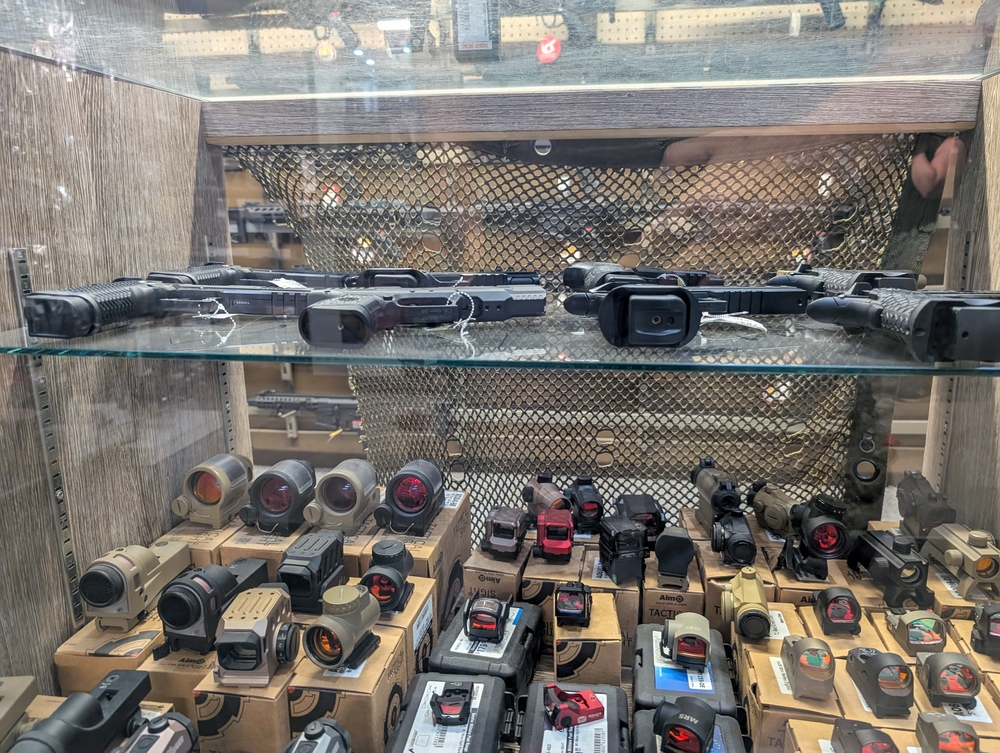
Firearms accessories include scopes, magazines, and parts. Even without a firearm, these items may be regulated. Border authorities inspect for compatibility with controlled weapons. Some accessories require permits or may be restricted. Travelers often assume parts are harmless without a firearm. Undeclared items can be seized. Regulations focus on weapon control and public safety. Documentation may be needed for sporting use. Declaring such accessories and verifying their legality in advance prevents legal complications at the border.
Knives
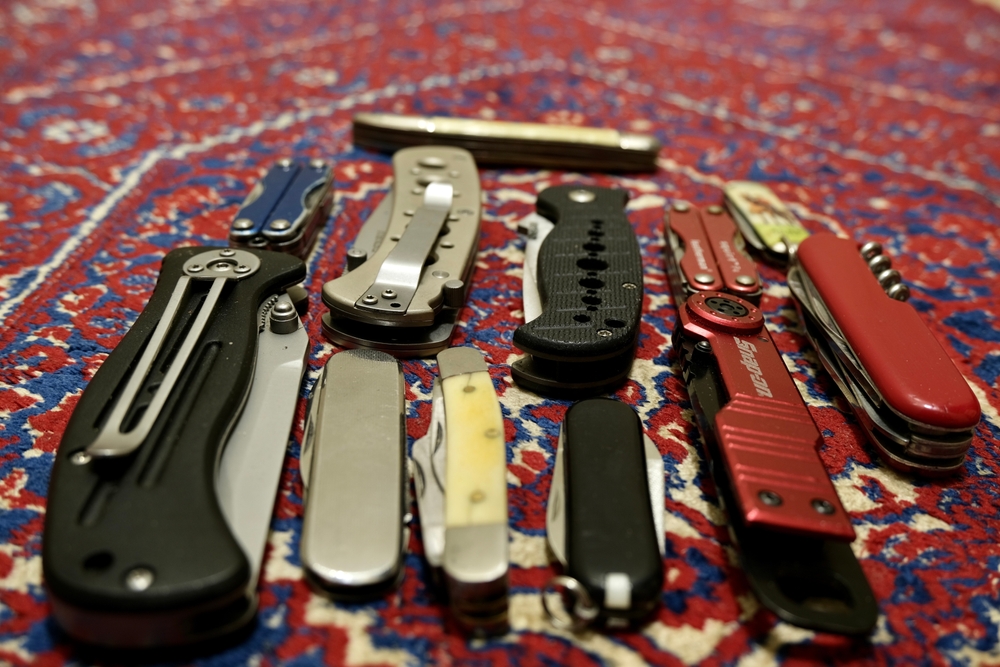
Knives can attract attention depending on type and design. Folding knives may be allowed, while others are restricted. Border officers examine blade length and opening mechanisms. Items marketed as weapons are subject to closer review. Kitchen knives packed in luggage may still need a declaration. Undeclared restricted knives can be seized. Regulations aim to control weapons and ensure safety. Travelers sometimes overlook knives in camping gear. Declaring blades and checking local laws reduces the risk of fines and confiscation during inspection.
Counterfeit Designer Goods
Counterfeit designer goods are illegal to import, even if purchased openly. Border officers inspect bags, clothing, watches, and accessories for fake branding. Items that copy logos or trademarks can be seized. Buyers sometimes believe small personal purchases are allowed, which is incorrect. Receipts do not make counterfeit goods legal. Penalties can include fines and confiscation. Rules protect intellectual property rights and brand owners. Travelers may unknowingly buy replicas abroad. Declaring items does not guarantee approval if they are counterfeit. Avoiding imitation goods helps prevent border problems and legal issues.
Electronics With Encryption
Certain electronics containing encryption can raise questions at borders. Devices like laptops, phones, and GPS units often use encryption software. In most cases, personal devices are allowed, yet officers may ask about the purpose. Large quantities can raise commercial import concerns. Some countries restrict specific encryption tools or software exports. Travelers carrying specialized equipment may need documentation. Undeclared electronics can cause delays. Rules address security and export controls. Keeping devices accessible for inspection helps. Declaring equipment when unsure reduces the risk of complications during entry checks.
22 Groceries to Grab Now—Before another Price Shock Hits Canada

Food prices in Canada have been steadily climbing, and another spike could make your grocery bill feel like a mortgage payment. According to Statistics Canada, food inflation remains about 3.7% higher than last year, with essentials like bread, dairy, and fresh produce leading the surge. Some items are expected to rise even further due to transportation costs, droughts, and import tariffs. Here are 22 groceries to grab now before another price shock hits Canada.
22 Groceries to Grab Now—Before another Price Shock Hits Canada
