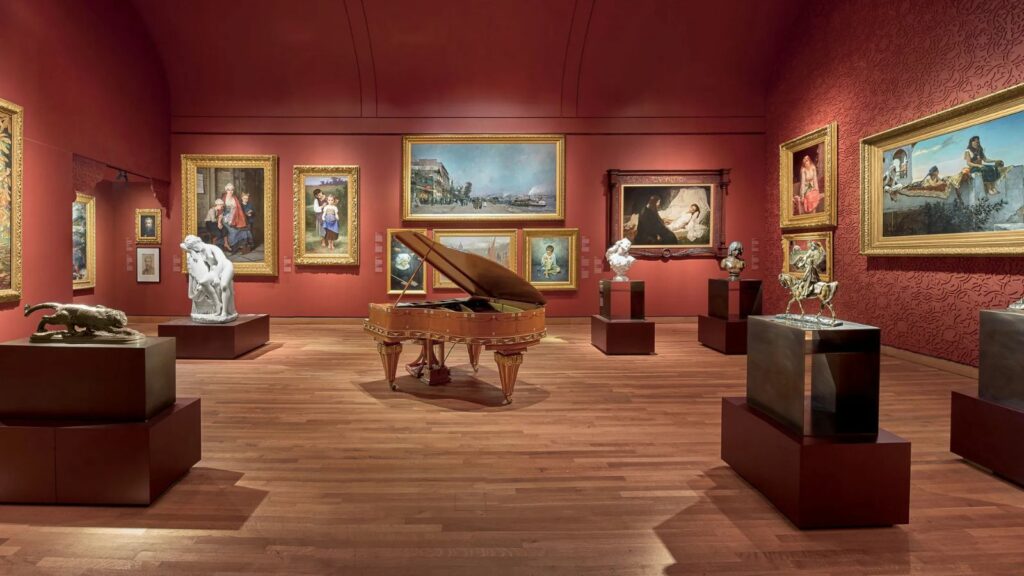
Canada is full of big museums everyone knows, but some of the most interesting collections are tucked away in places most people walk past without noticing. These hidden museums offer unusual exhibits, private archives and one-of-a-kind experiences that feel more like discoveries than attractions. Whether someone loves history, aviation, art, technology or strange niche collections, these spots offer something surprising. Here are the 21 hidden museums that will blow up your group chat.
Diefenbunker: Canada’s Cold War Museum – Carp, Ontario
The Diefenbunker is one of Canada’s most unusual museums because it was originally built as a secret underground shelter for government officials during the Cold War. Located just outside Ottawa, the bunker spans multiple floors and still contains original communication rooms, blast doors, and preserved government spaces. Visitors can explore areas like the Prime Minister’s quarters or the war planning center. The museum offers tours, escape rooms, and historic exhibits that make the experience interactive rather than static. It remains one of the few surviving underground facilities of this scale in Canada and offers a unique look at national preparedness history.
Toronto Railway Museum – Toronto, Ontario
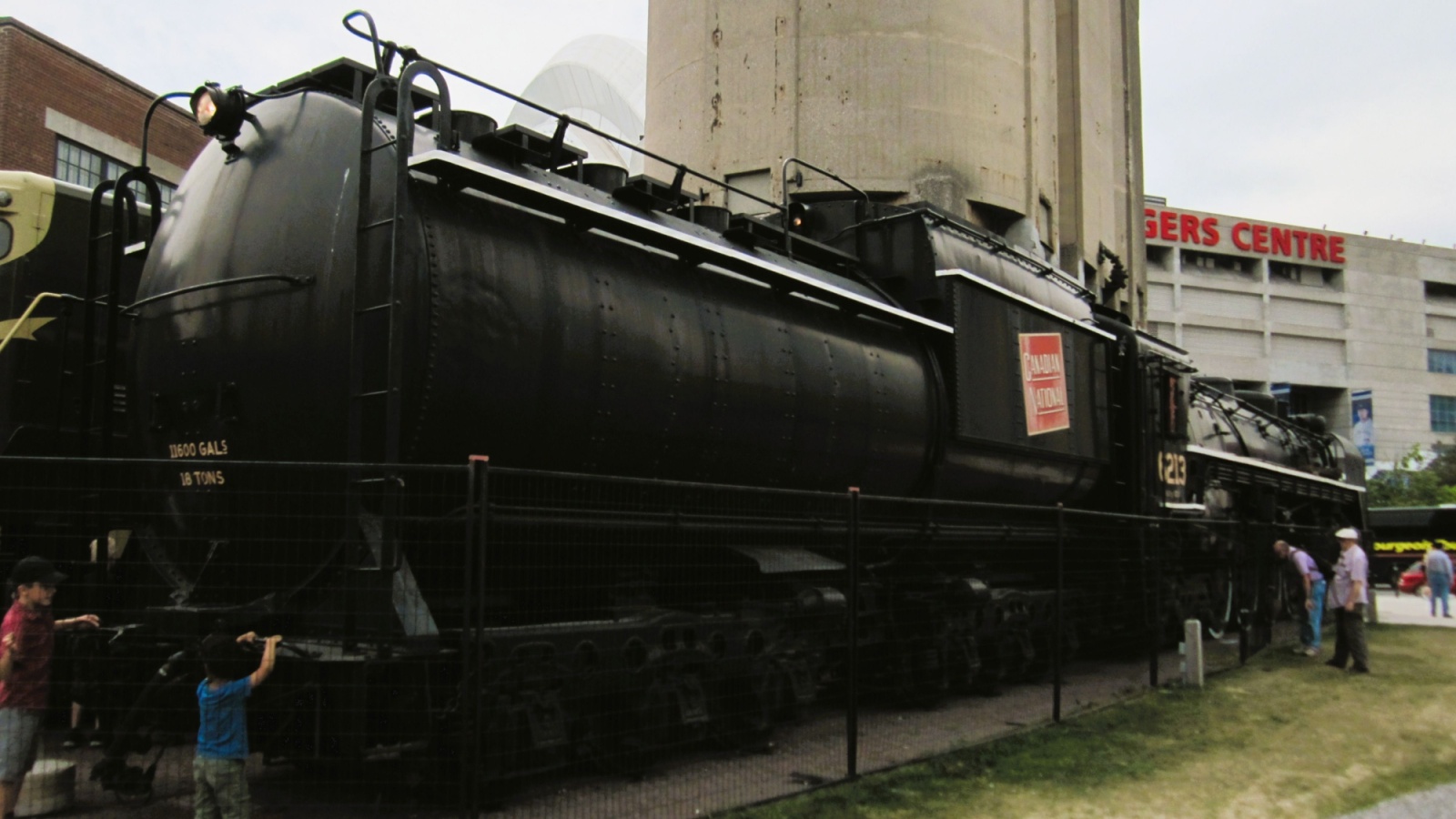
The Toronto Railway Museum sits in the historic Roundhouse Park near the CN Tower and focuses on the city’s deep railway heritage. Visitors can explore restored locomotives, cabooses, and artifacts that shaped early transportation across Canada. The museum also includes an interactive simulator where guests can experience what it is like to operate a train. While the building looks modest, the scale of equipment outdoors transforms it into a hands-on learning environment. The museum outlines how railroads shaped trade, settlement patterns, and national development. It remains a memorable stop for railway enthusiasts, families, and history travelers exploring downtown Toronto.
The Bata Shoe Museum – Toronto, Ontario

The Bata Shoe Museum is one of Canada’s most surprising cultural gems because it is dedicated entirely to footwear history. Founded by Sonja Bata, the museum houses a collection of more than 13,000 shoes and related artifacts from around the world. Exhibits range from Indigenous moccasins and ancient Egyptian sandals to celebrity shoes and modern fashion. Visitors can learn how footwear reflects culture, identity, and craftsmanship across time periods. The museum is also known for rotating exhibitions and hands-on displays that make the experience engaging. It offers a niche but fascinating perspective on history through a single everyday item.
Textile Museum of Canada – Toronto, Ontario
The Textile Museum of Canada is a specialized museum focused on global and domestic textile traditions, weaving, fabric innovation, and craftsmanship. Its collection includes thousands of artifacts such as Indigenous Canadian textiles, ceremonial garments, rugs, embroidery, and contemporary textile art. Visitors can explore exhibits that connect textiles to storytelling, identity, trade, and technology. Workshops, demonstrations, and educational programs help visitors understand how techniques evolve and how textiles influence culture. The museum’s focus on both historic and modern textile practices makes it meaningful for designers, artists, and those interested in global cultural expression. It remains one of Canada’s most unique niche museums.
Hangar Flight Museum – Calgary, Alberta

The Hangar Flight Museum highlights Western Canada’s aviation heritage and is located in a historic air force hangar near the Calgary airport. The museum features aircraft ranging from early propeller planes to Cold War military jets. Visitors can explore interactive displays, aviation tools, pilot gear, and restored cockpits. The museum also focuses on the role aviation played in connecting remote Canadian communities and supporting military efforts. Special programs, guided tours, and seasonal events allow guests to learn how aviation technology has developed over time. It is a standout destination for aviation fans and those interested in Canadian transportation history.
Canada’s Sports Hall of Fame (Hidden Collection Access) – Calgary, Alberta
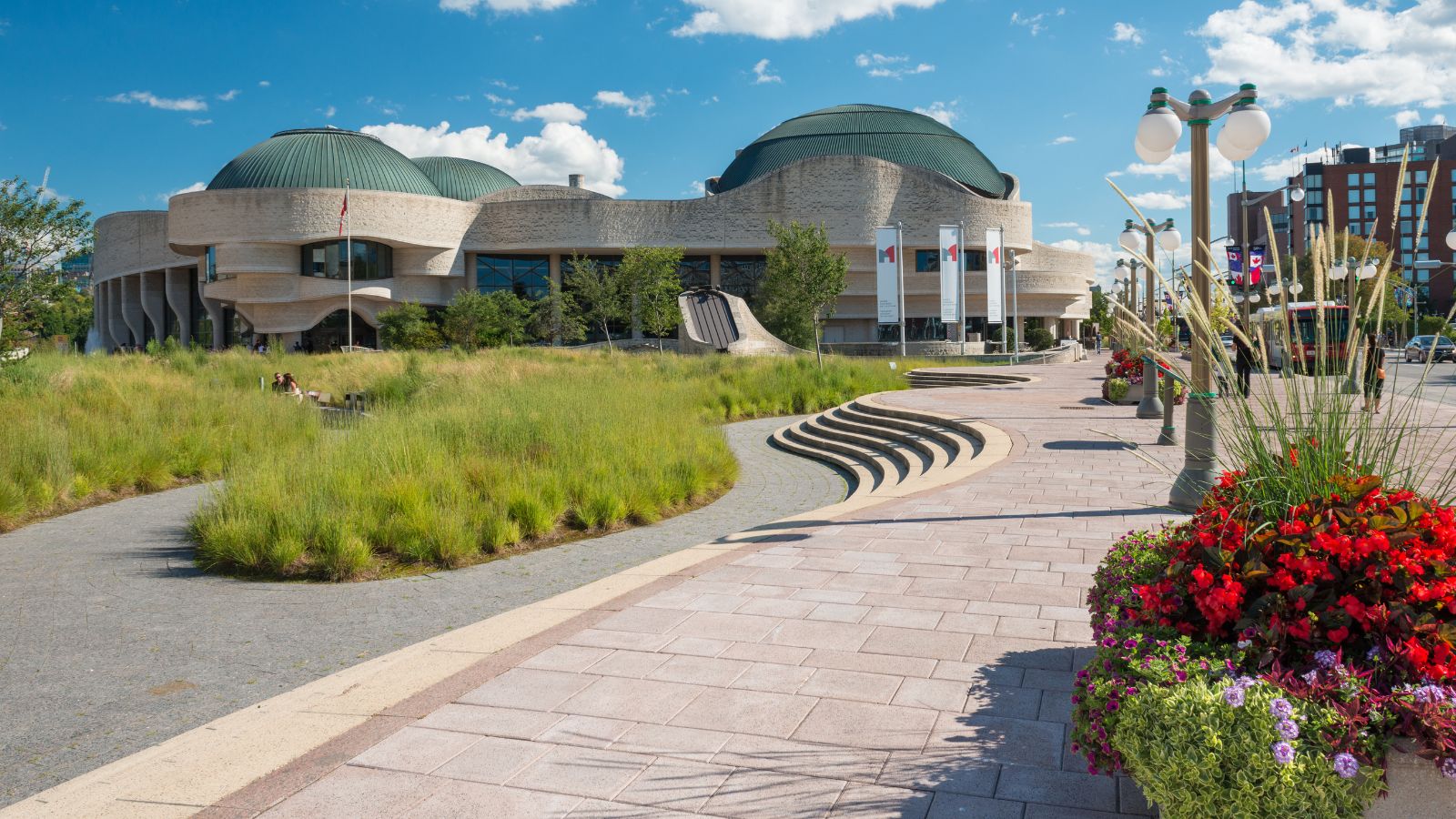
Canada’s Sports Hall of Fame is well known, but many visitors are unaware that the museum offers limited-access tours to its hidden collection vaults. These spaces include rare equipment, trophies, uniforms, and artifacts not in the public gallery. The museum highlights athletes from multiple generations and sports, including Indigenous sporting history and Olympic achievements. Interactive exhibits, archival footage, and storytelling make it more than a display of awards. The behind-the-scenes option is what makes it feel unexpected and exclusive, offering a deeper look at how sports have shaped national identity and culture in Canada.
The Neon Sign Museum – Edmonton, Alberta

The Neon Sign Museum is an open-air museum featuring restored neon signage from Edmonton’s historic businesses. While it may look like a simple street installation, the signs represent decades of changing design, marketing, and community identity. Many signs were saved from demolished buildings and carefully restored. The museum is free, visible day and night, and often surprises visitors who discover it while walking downtown. It has become a cultural landmark, offering a bright look back at mid-century aesthetics and the commercial history of Alberta in a way that feels casual, accessible, and unexpectedly nostalgic.
Royal Aviation Museum of Western Canada – Winnipeg, Manitoba

The Royal Aviation Museum of Western Canada preserves the history of aviation across remote northern regions and prairie provinces. Unlike larger aviation museums, this collection focuses on bush planes, exploration aircraft, and models used for rescue, transport, and early passenger service. Visitors can tour restored aircraft, learn about early flight challenges in harsh environments, and explore interactive displays. The museum highlights the role aviation played in building economic connections between isolated regions before modern infrastructure existed. It is one of Canada’s most informative museums about the realities of northern aviation and innovation in extreme weather.
Manitoba Electrical Museum – Winnipeg, Manitoba

The Manitoba Electrical Museum explores the history of electricity and how it transformed daily life, industry, and infrastructure throughout the province. The exhibits display early appliances, power generation equipment, hydroelectric development, and changing home technology from the early 1900s to today. What makes it surprising is how relatable and practical the subject matter is. Visitors see how heating, lighting, communication, and transportation have changed within a few generations. It also highlights Manitoba’s hydro-powered energy story, showing how the province became a major electricity exporter. The museum is especially interesting for those curious about engineering and everyday technology.
The Museum of Surrey (Cloverdale Hidden Exhibits) – Surrey, British Columbia
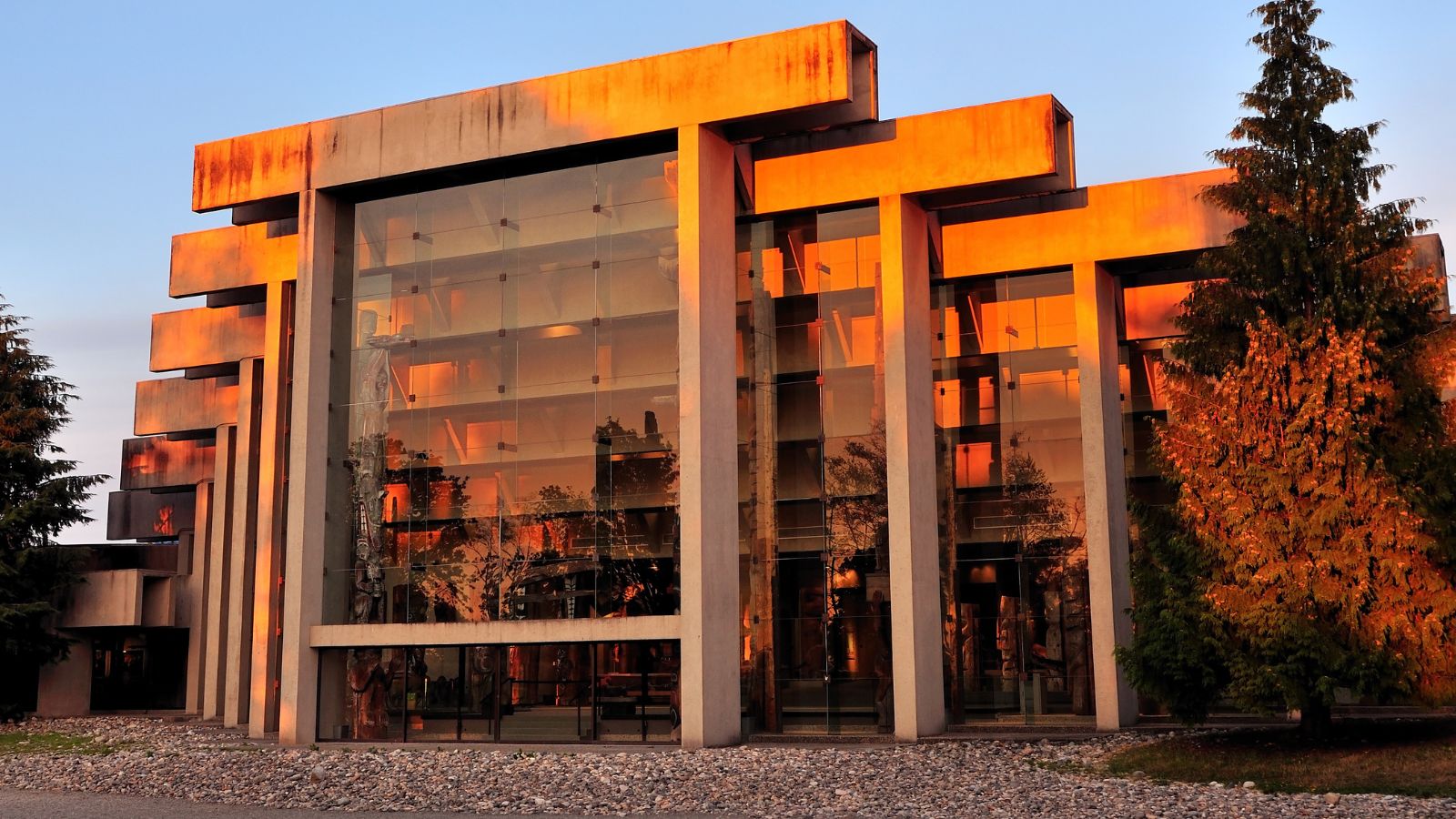
The Museum of Surrey includes community-driven exhibits that often rotate and occasionally feature collections not widely advertised. Some displays focus on immigration, Indigenous history, local textile collections, early farming equipment, and suburban development. The hidden or temporary exhibits make return visits different and unpredictable. The museum’s hands-on and family-friendly design also sets it apart from traditional historic museums. It highlights Surrey’s rapid growth, cultural diversity, and evolving identity while preserving stories through items that otherwise might not appear in large provincial museums.
Beaty Biodiversity Museum – Vancouver, British Columbia
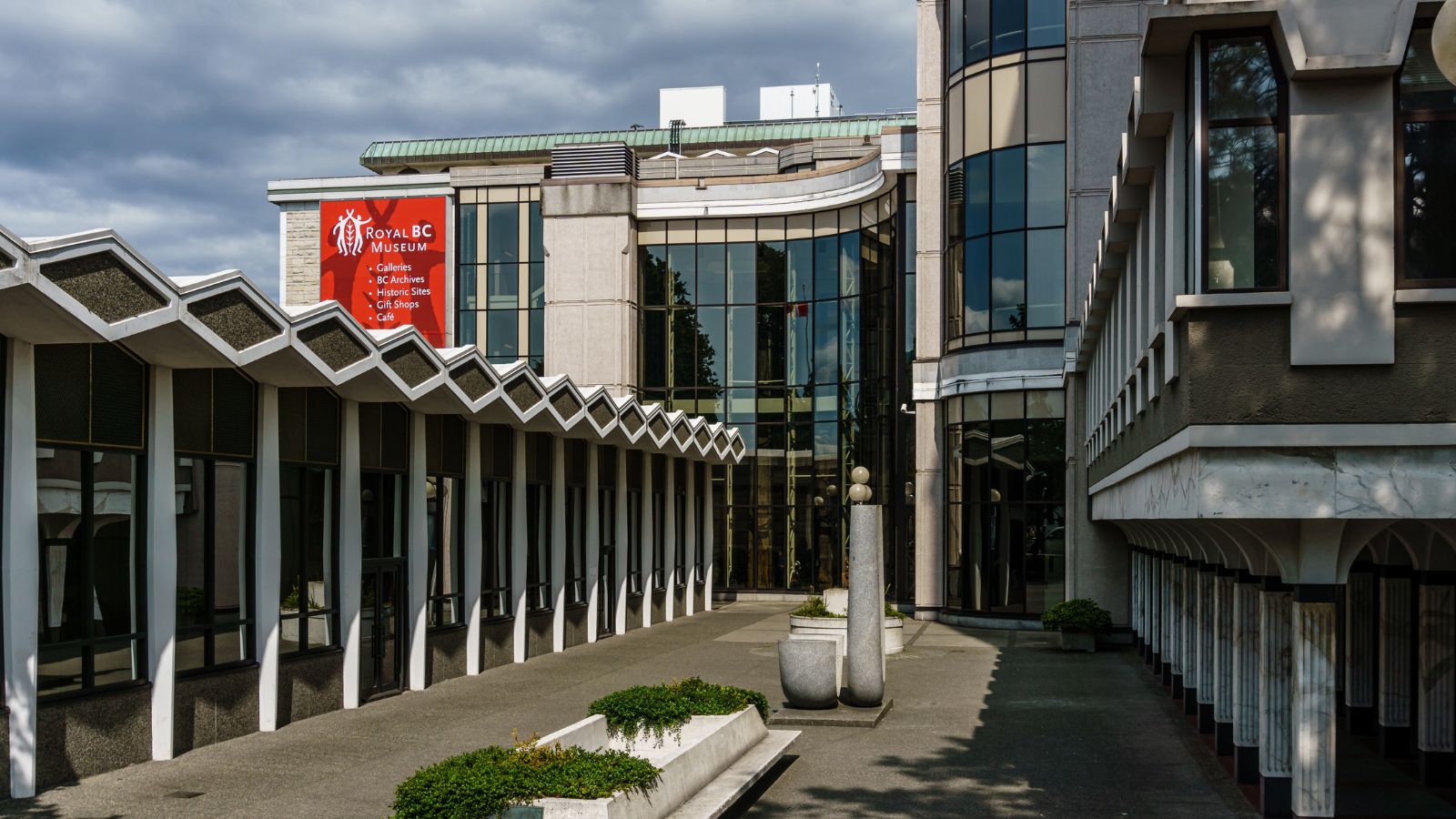
The Beaty Biodiversity Museum is known among researchers and students, but many visitors are surprised by the scope of the collection hidden behind closed storage drawers and preserved specimen cases. The museum includes millions of biological samples, fossils, insects, preserved plant species, and the popular full-size blue whale skeleton display. Exhibits highlight biodiversity in Canada and beyond, examining evolution, extinction, and ecological research. The museum feels like entering a scientific archive rather than a standard public museum, offering a rare look at how researchers document species and environmental change.
BC Aviation Museum – Sidney, British Columbia
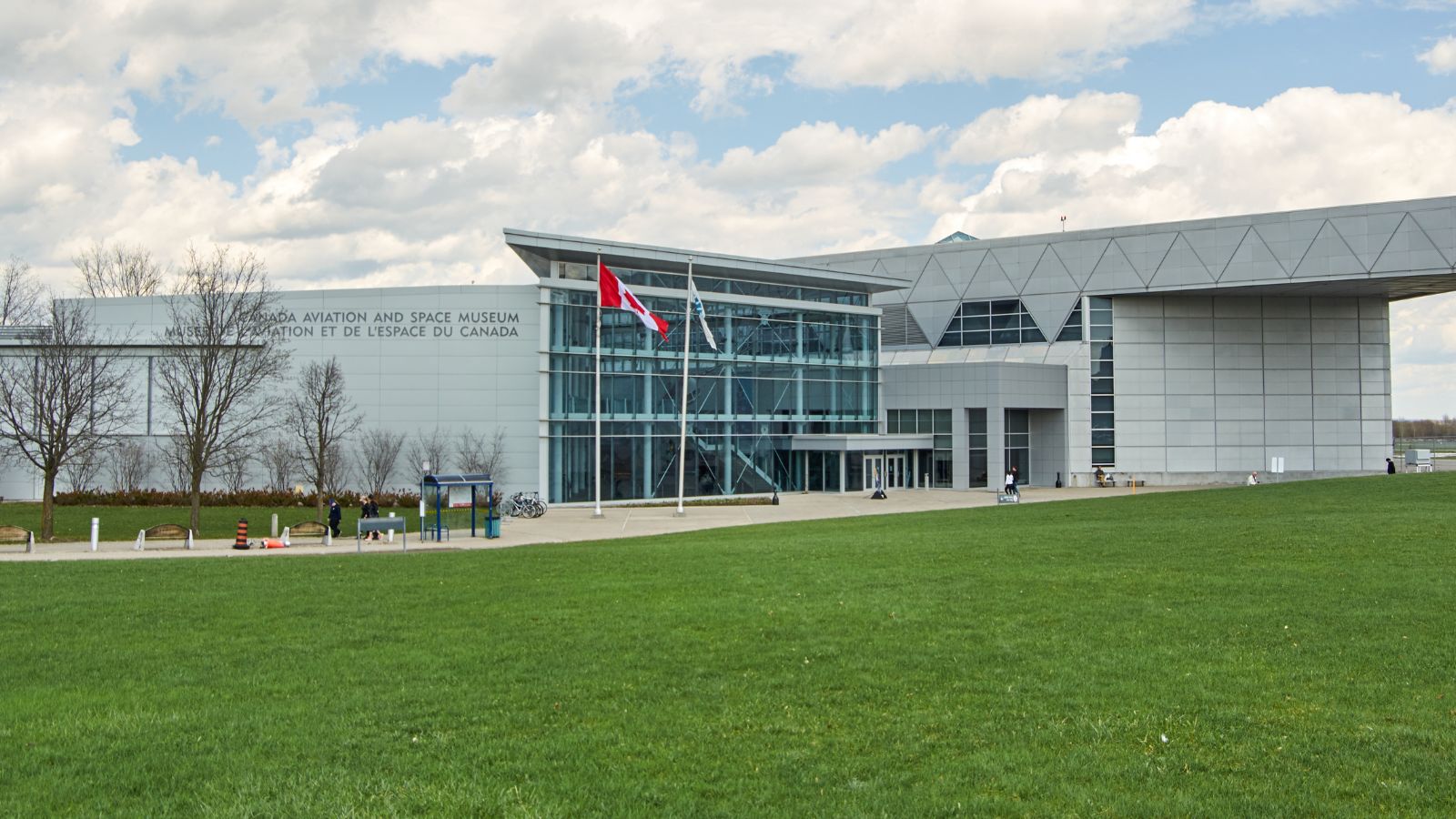
The BC Aviation Museum focuses on aviation history specific to British Columbia, with restored aircraft, engines, and aviation tools from different eras. Volunteers and former aviation professionals help maintain aircraft and share firsthand knowledge about aviation development across the region. Visitors can explore both indoor and outdoor displays, including cockpit interiors and workshops. The museum also highlights aviation’s role in connecting coastal and remote inland communities. Its quiet location near Victoria Airport makes it a hidden find for aviation fans and travelers who want to experience local history beyond traditional tourist attractions.
Museum of Mountain Culture (Revelstoke Railway Enclave) – Revelstoke, BC
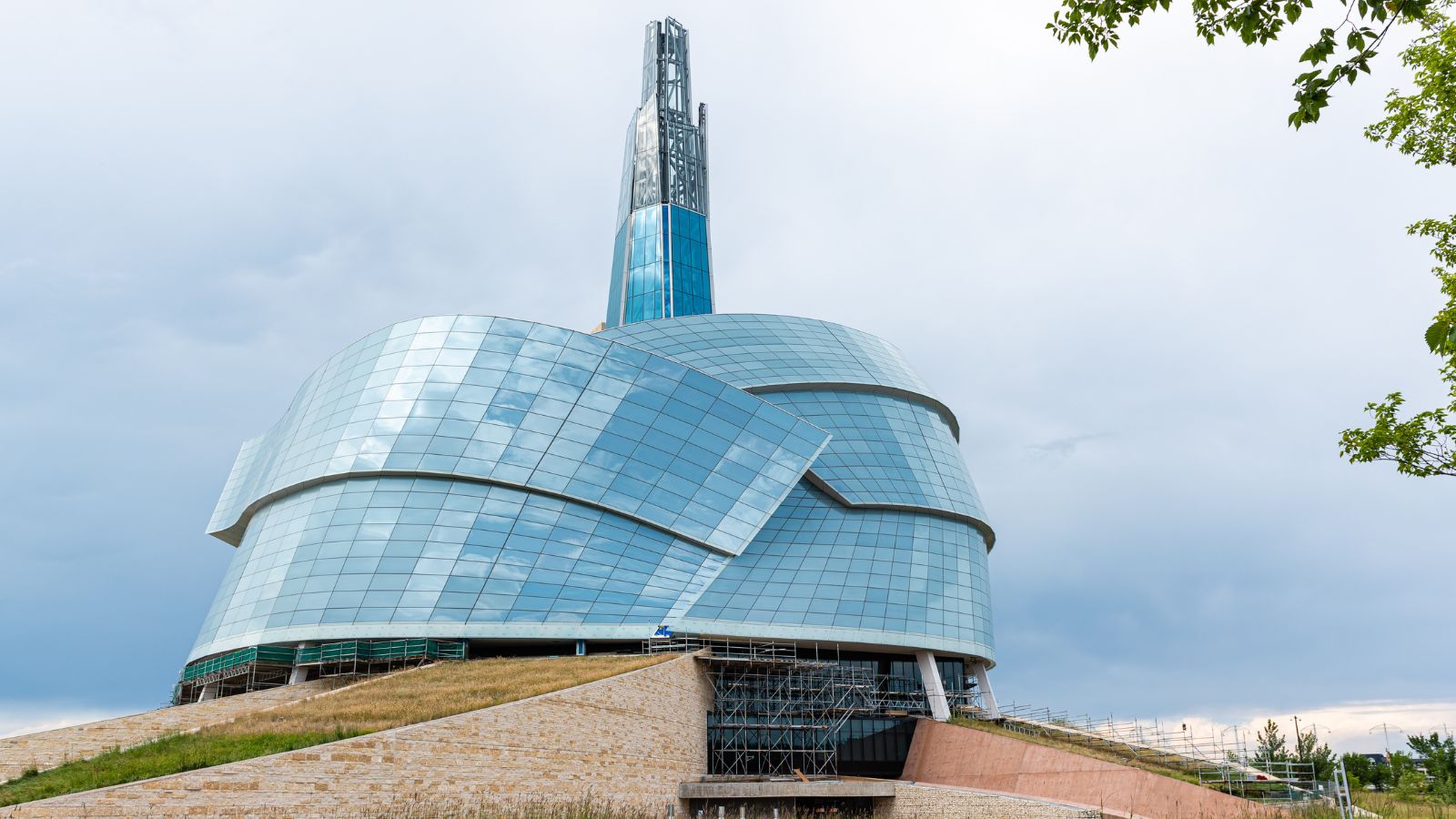
The Museum of Mountain Culture highlights Canada’s connection to alpine transportation and early railway development. It features unique collections related to avalanche control, mountain engineering and the everyday lives of early workers who helped build rail links across the Rockies. While smaller than major institutions, it offers rare artifacts, including weather logs, avalanche artillery equipment and preserved tools used in track construction. Visitors interested in Canadian rail history, mountain exploration or environmental impact studies will find this museum especially meaningful. Its remote location also adds to its appeal and makes the experience feel more personal and less commercial.
The Museum of Healthcare – Kingston, Ontario

This museum showcases the evolution of medicine in Canada, with exhibits featuring early surgical equipment, antique wheelchairs, dental devices and nursing uniforms. It gives insight into how healthcare systems developed before modern standards existed. The displays cover wartime medical advances, vaccination history and innovations in public health policy. Visitors who enjoy science or history will find this museum surprisingly engaging because it highlights both challenges and progress in Canadian medical care. While it is not widely known, it offers well-preserved artifacts and educational displays that make the topics easy to understand, even without a medical background.
Naval Museum of Halifax – Halifax, Nova Scotia

The Naval Museum of Halifax focuses on Canada’s maritime defense history and the role Halifax played as a key naval base during major conflicts. Exhibits include uniforms, recovered ship parts, communication devices and stories from sailors stationed along the Atlantic coast. Visitors can explore how naval technology evolved, including sonar, navigation and underwater surveillance systems. It offers an authentic understanding of how Canada contributed to global naval strategy. While it is not promoted as heavily as other museums in the region, it provides meaningful insight into military heritage and maritime identity, especially during the World Wars and the Cold War.
Yarmouth County Museum & Archives – Yarmouth, Nova Scotia
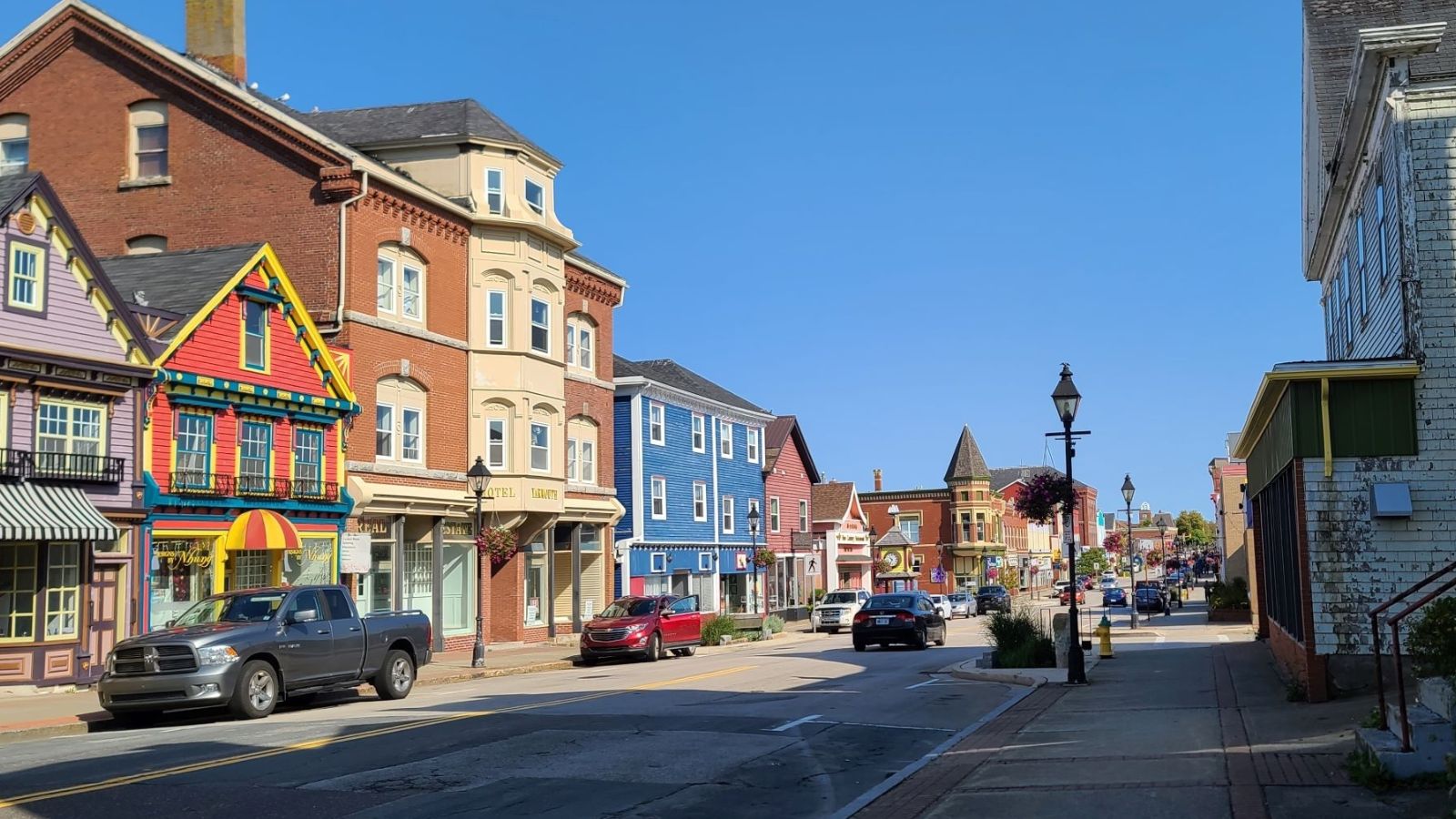
This museum focuses on the maritime lifestyle, early settlement and trade routes that helped build coastal Canadian communities. Exhibits include navigation tools, ship models, clothing, maps and preserved household objects from early residents. The museum also maintains a large archive collection, making it appealing to researchers and anyone studying regional genealogy. Its displays reflect the influence of fishing, trade and transatlantic migration in shaping Nova Scotia’s cultural identity. While modest in size, it offers a comprehensive look at life in coastal Canada during different historical periods and gives visitors an appreciation for the region’s economic and social development.
The Rooms (Collections Wing Access) – St. John’s, Newfoundland and Labrador
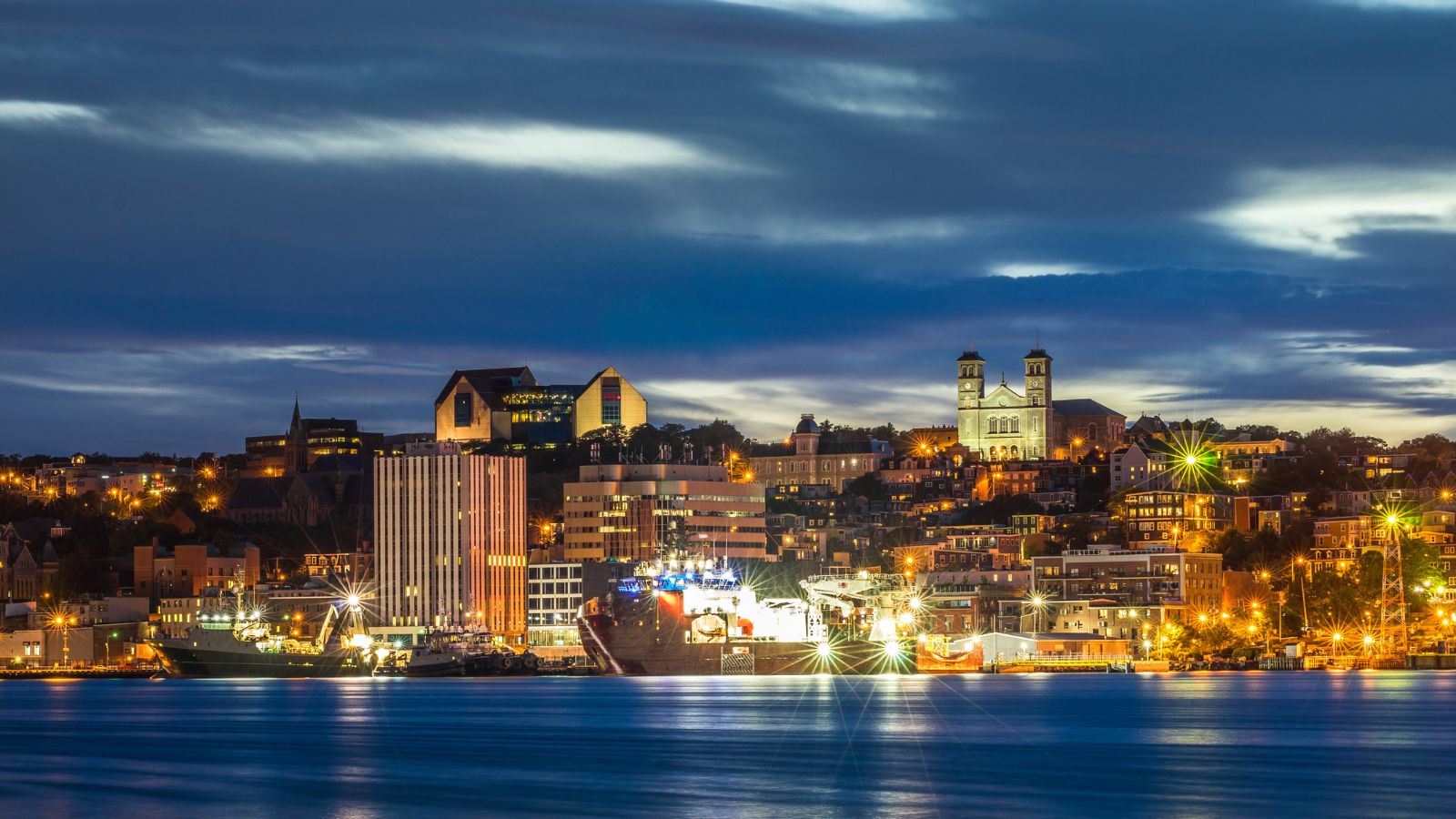
The Rooms is one of Newfoundland and Labrador’s most important cultural institutions, combining museum exhibits, archival records and art collections in one space. It showcases Indigenous heritage, marine history, colonial settlement, wildlife and cultural traditions specific to the province. The building itself is designed to reflect fishing storage structures historically found across the province. Visitors can see artifacts such as preserved clothing, tools, ship parts and historical documents. The museum also hosts rotating exhibitions and research spaces, making it a strong destination for learning about Atlantic Canada’s unique heritage. Despite its size, many tourists overlook it.
North Atlantic Aviation Museum – Gander, Newfoundland and Labrador

The North Atlantic Aviation Museum highlights Gander’s important place in global aviation history. This small museum showcases artifacts tied to early transatlantic flight, military operations and emergency landings. Displays include flight instruments, uniforms and photographs documenting the evolution of aviation technology and international travel. The museum also includes stories from passengers and crews who passed through Gander when it was a critical refueling hub. Visitors interested in aviation, engineering or historical transportation will find it engaging. The museum is especially meaningful because of Gander’s role in assisting diverted aircraft during major world events, making it both informative and memorable.
Canadian Clock Museum – Deep River, Ontario

The Canadian Clock Museum is dedicated to the preservation of Canadian-made clocks and timekeeping devices. It features handcrafted wooden clocks, mechanical masterpieces and rare prototypes that were once common in homes, businesses and public spaces. Visitors can learn about early Canadian manufacturing, clock restoration and the evolution of timekeeping before digital technology. The museum also offers demonstrations that show how antique clocks function. While small, it holds a surprising amount of knowledge and offers an educational look at craftsmanship and engineering. Anyone interested in design, history or unique collections will find this museum an unexpected but enjoyable discovery.
Musée de la Civilisation (Hidden Indigenous Artifact Vault Tours) – Quebec City, Quebec
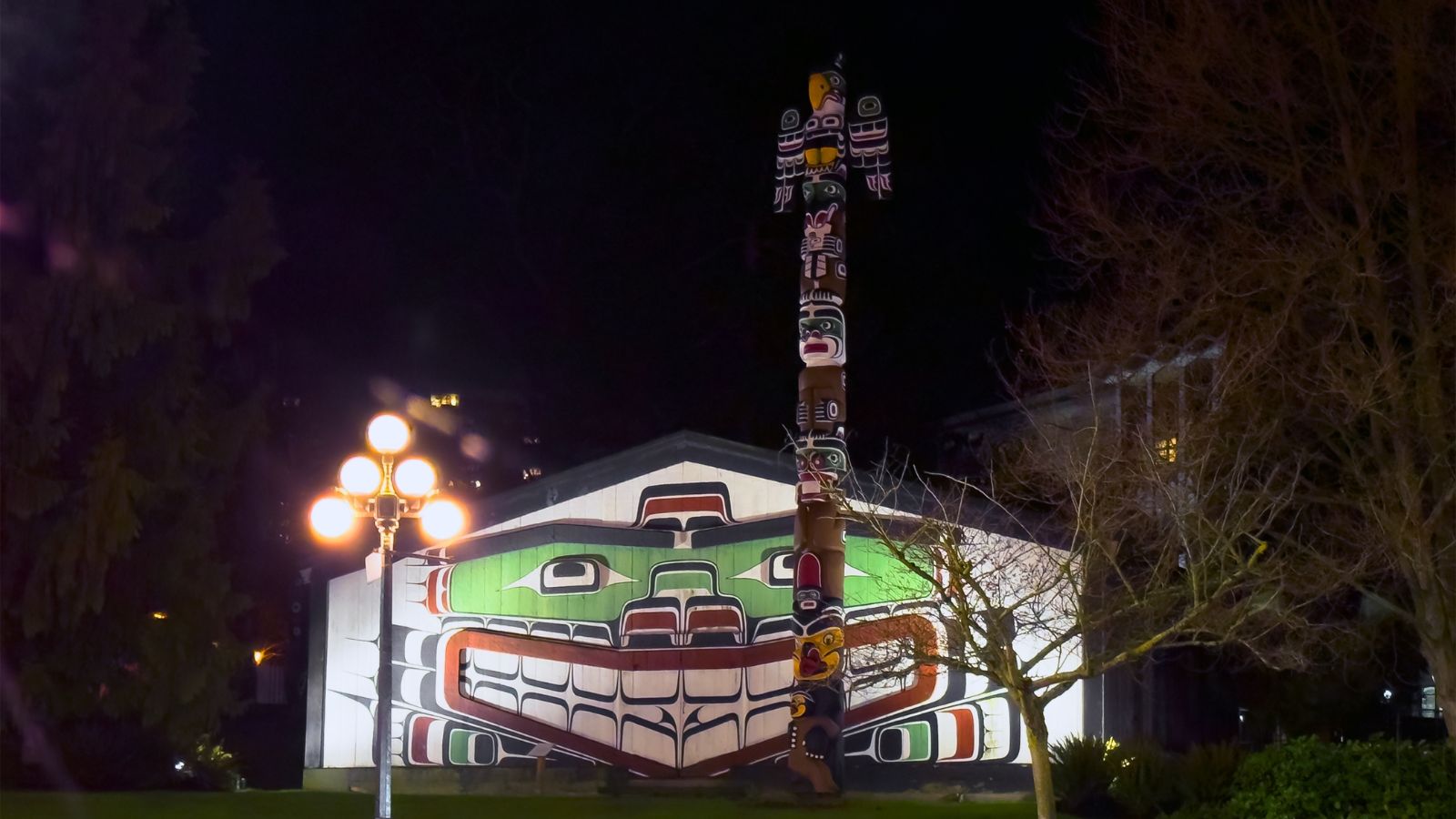
This museum is widely known, but its restricted-access artifact vault is what makes it unique. The museum houses an extensive Indigenous collection that includes tools, artwork, ceremonial items and everyday objects from First Nations and Inuit communities. Guided vault access offers a closer look at important cultural items rarely displayed to the public. The museum focuses on cultural history, identity and the diverse heritage of Quebec and Canada. Visitors interested in anthropology, culture and heritage preservation will appreciate this rare experience. The vault tours add depth to the overall museum visit and highlight the importance of cultural stewardship.
Montreal Holocaust Museum – Montreal, Quebec
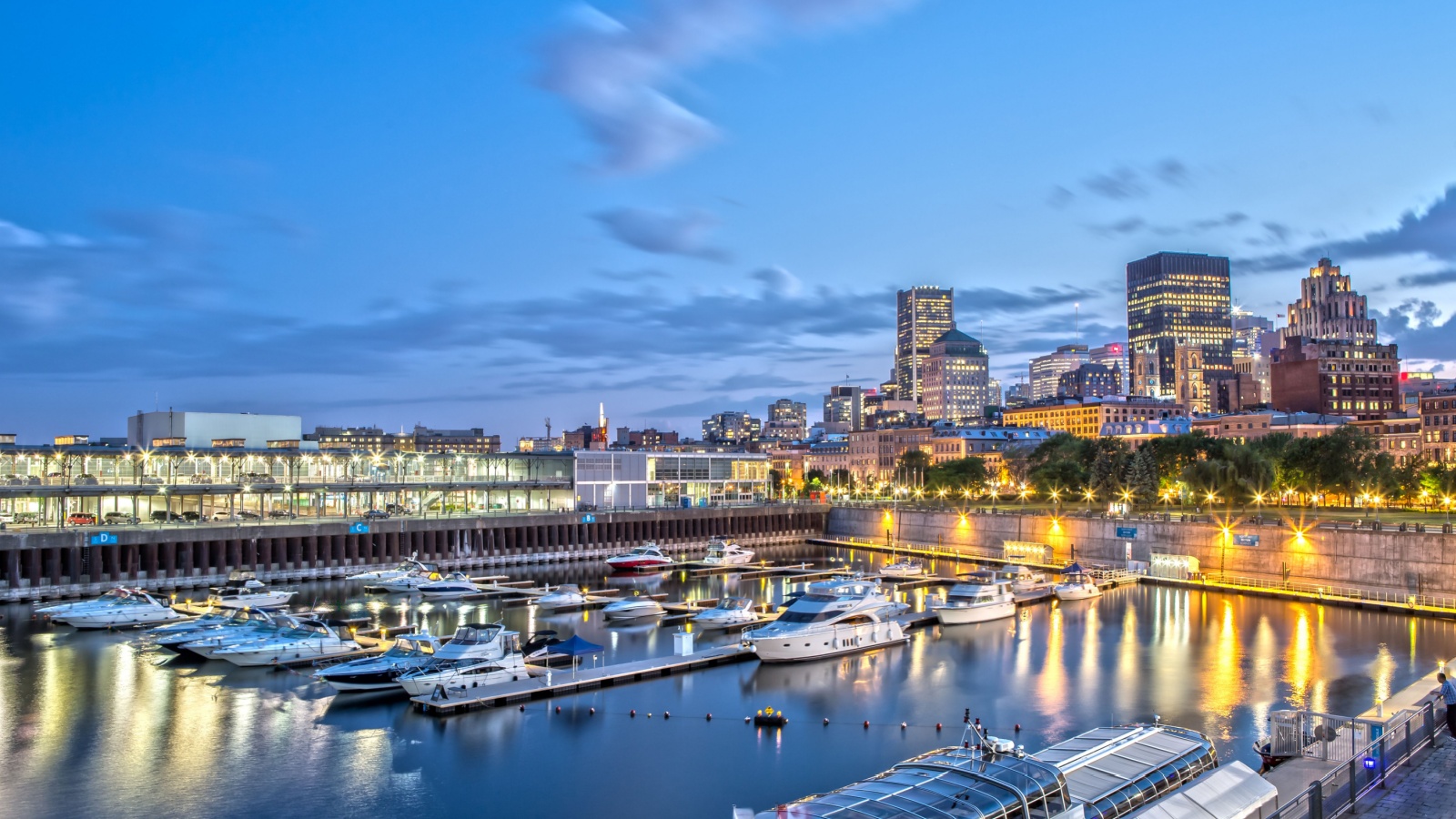
The Montreal Holocaust Museum shares personal stories, artifacts and historical records from survivors who resettled in Canada after the Second World War. Exhibits include letters, photos, clothing and personal belongings that help illustrate the experiences of individuals and families affected by genocide. The museum focuses on education, awareness and the importance of human rights. Visitors can explore recorded testimonies, educational resources and historical timelines that help connect global events with Canadian immigration history. While it does not attract the same volume of attention as larger museums, it delivers a powerful and meaningful experience that promotes reflection and understanding.
22 Groceries to Grab Now—Before another Price Shock Hits Canada

Food prices in Canada have been steadily climbing, and another spike could make your grocery bill feel like a mortgage payment. According to Statistics Canada, food inflation remains about 3.7% higher than last year, with essentials like bread, dairy, and fresh produce leading the surge. Some items are expected to rise even further due to transportation costs, droughts, and import tariffs. Here are 22 groceries to grab now before another price shock hits Canada.
22 Groceries to Grab Now—Before another Price Shock Hits Canada
