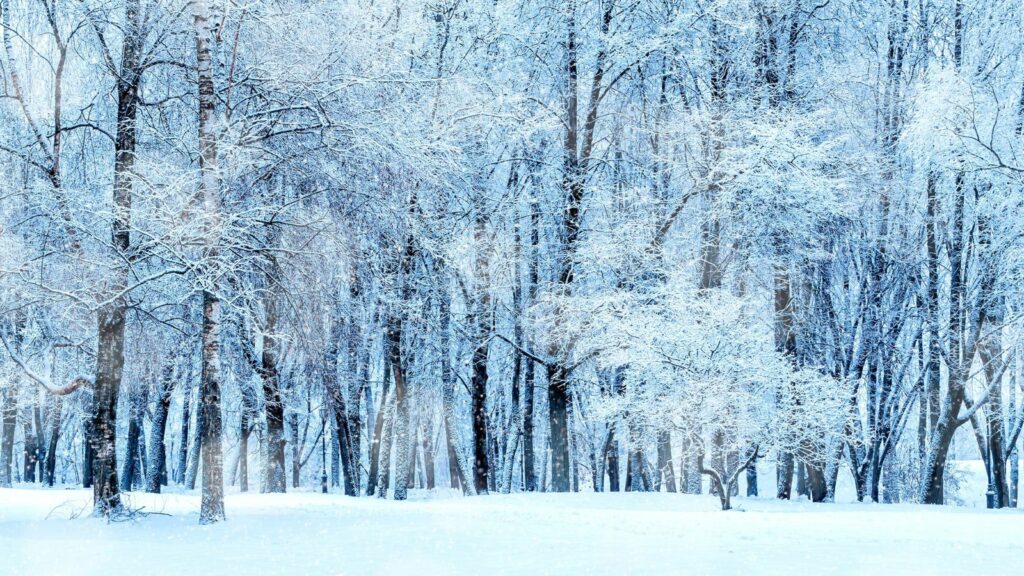
The Ice Storm of 1998 hit Eastern Canada like nothing people had seen before. Homes, power lines, and streets were swallowed by layers of ice that kept growing with every freezing hour. Entire neighborhoods disappeared behind heavy frost. Families were left without heat for days during some of the coldest weeks of the year. Even today, the photos from that winter feel unreal. Here are 21 photos of the ice storm of ’98 that will make you shiver.
Trees Bowing Under the Weight of Ice
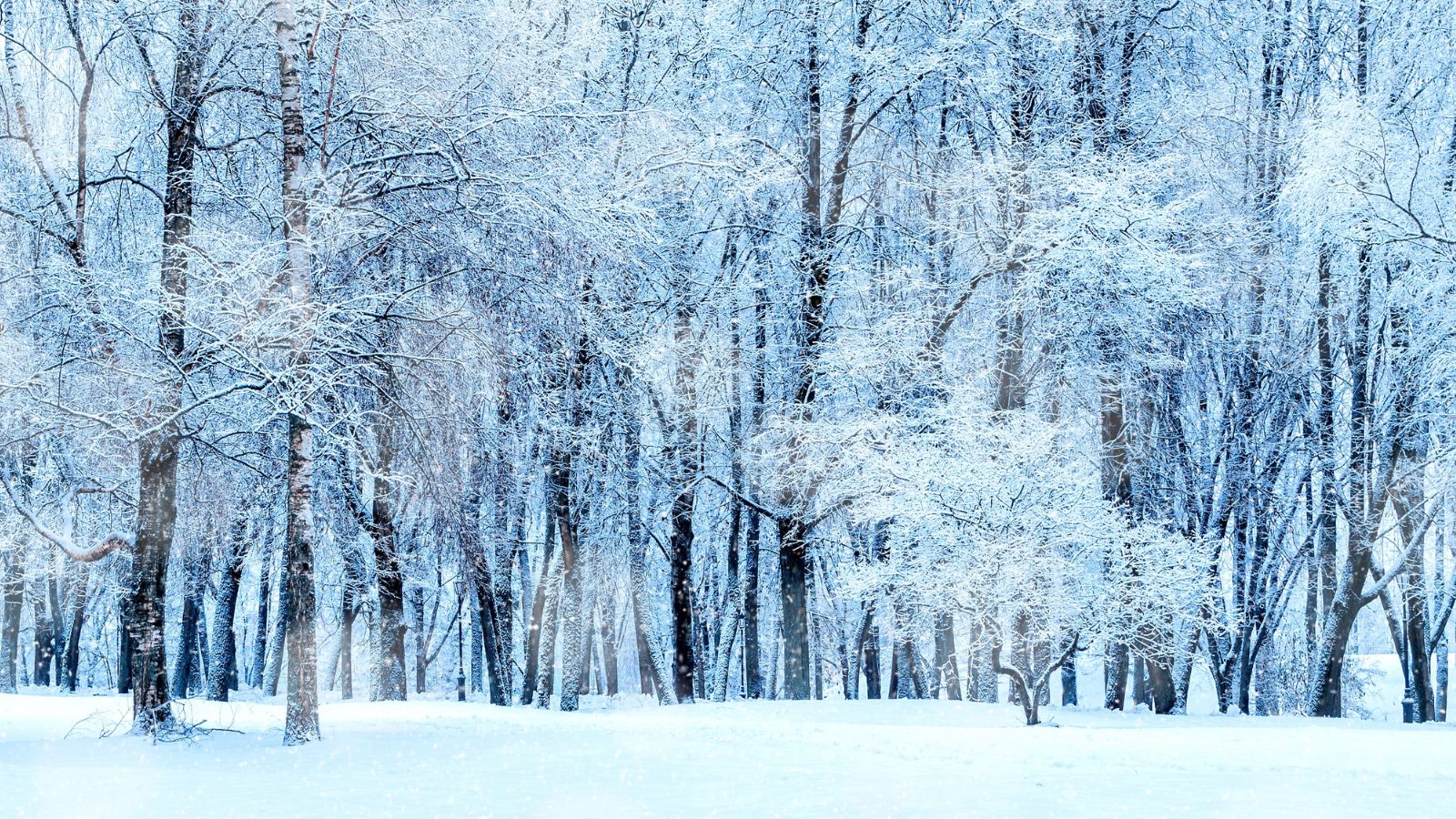
In one of the most shared photos, towering maples bend low like they were made of rubber. The branches are trapped in thick glasslike ice that stretches in every direction. The ground below them is covered in frozen shards from earlier breaks. Every gust of wind sounds like cracking glass. People standing nearby look tiny against the frozen giants that once stood tall. This single scene became a symbol of the storm’s strength. It also marked the beginning of weeks of cleanup across Ontario and Quebec after roads disappeared under frozen debris.
Cars Locked in Ice in Driveways
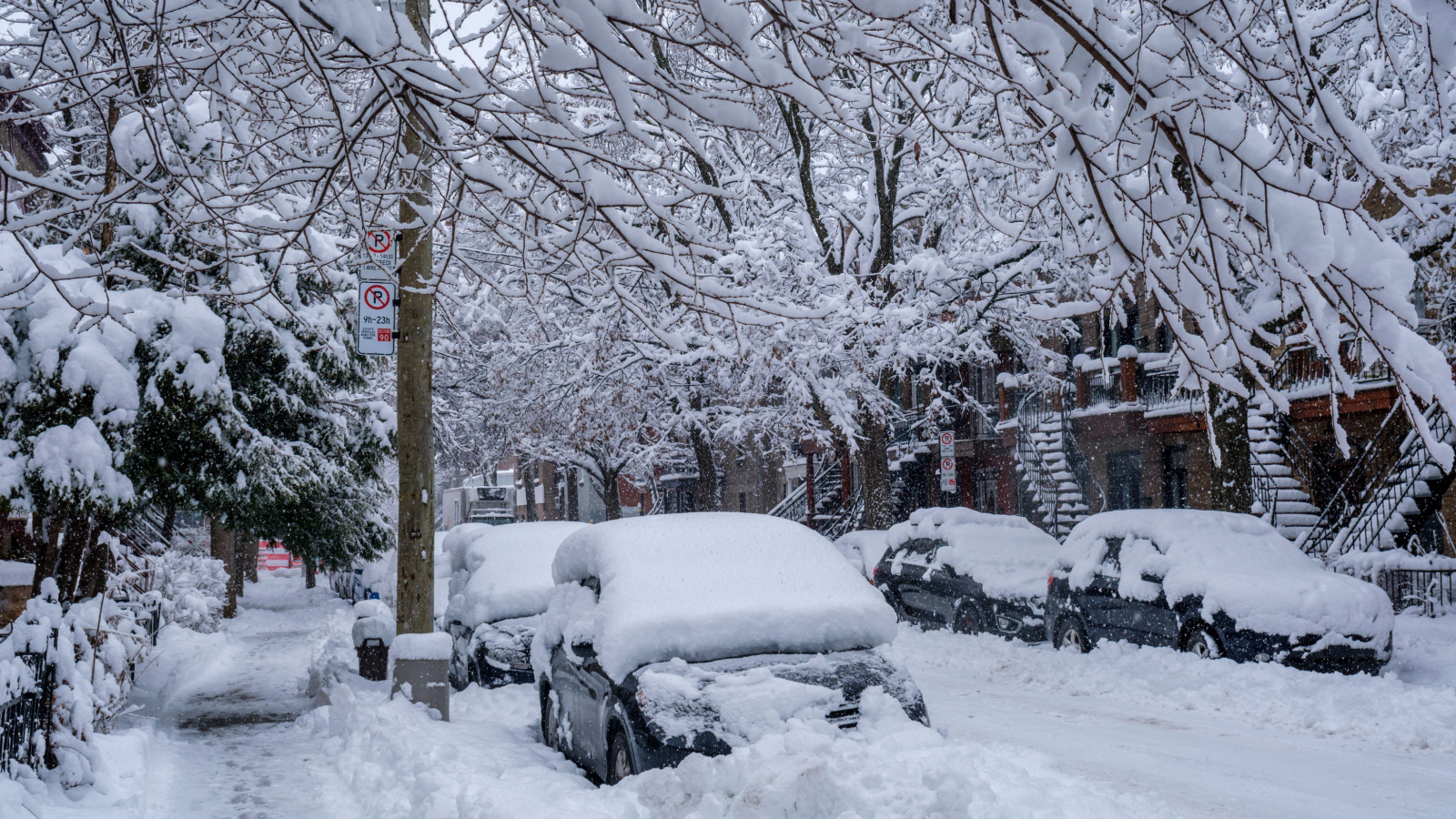
During the worst days of the storm, many families woke up to find their vehicles sealed in place. Solid ice covered every door, mirror, and tire. Some cars looked like sculptures rather than machines. Drivers scraped for hours without making progress. The frozen ground beneath them made movement impossible anyway. Many residents relied on neighbors with snowmobiles to get food and medicine. This photo shows how transportation came to a complete stop. Even four-wheel-drive trucks could not escape. Many cars sat in driveways untouched until the thaw finally began.
City Streets Glittering Like Crystal
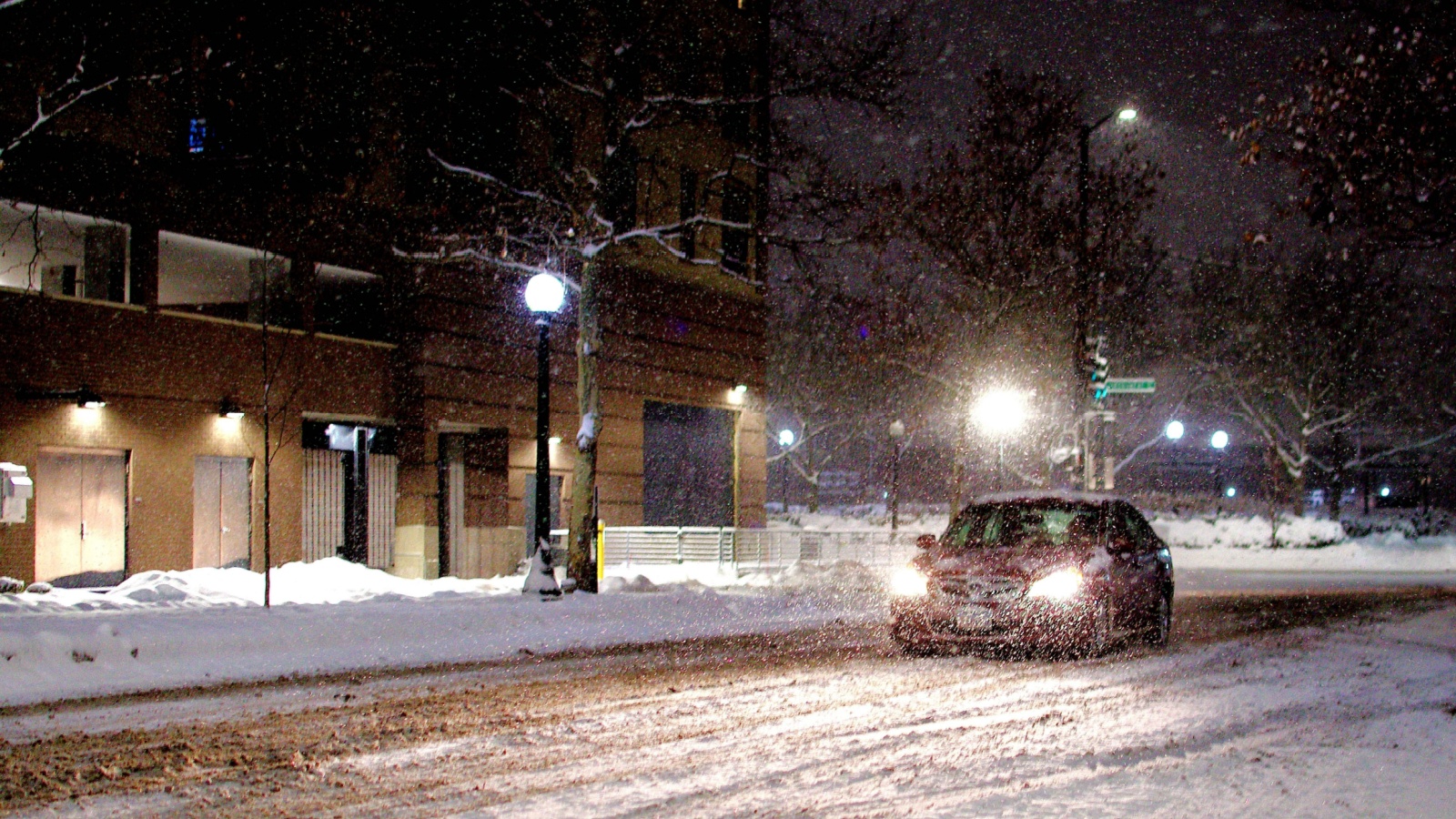
One picture taken on a main road in Montreal captured a dreamlike scene that felt peaceful at first glance. Every streetlight reflected across the ice, turning the entire neighborhood into a glowing mirror. The sidewalks sparkled in all directions. Then the reality of the moment hit. Every surface was dangerously slippery. Walking a few steps took careful planning. Falling could mean injury with help hours away. The calm look of the landscape hides the frustration and fear people felt while trying to get anywhere that week. Beauty became an obstacle.
Collapsed Hydro Towers That Looked Impossible to Bend
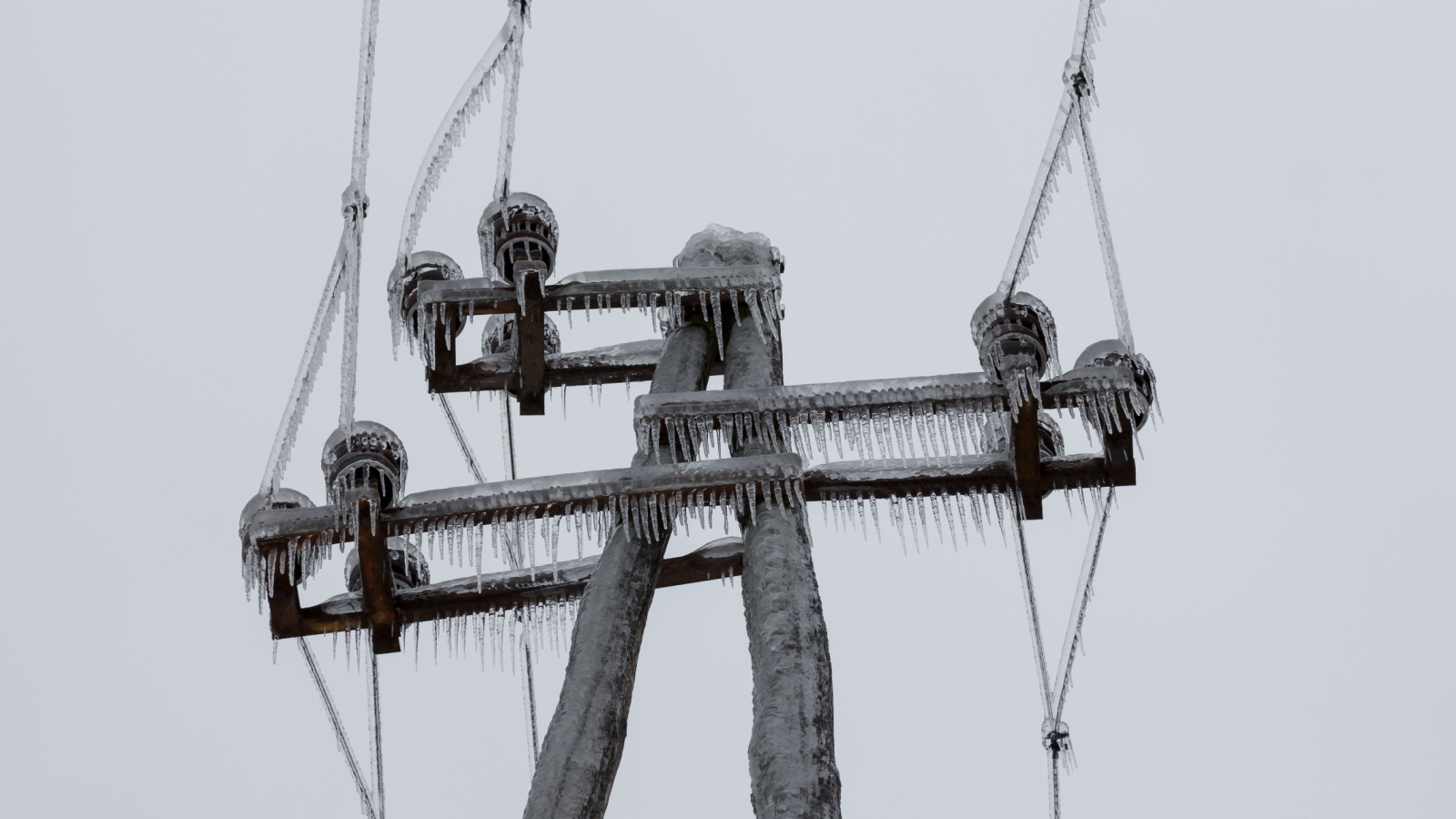
A photo from rural Quebec shows power towers folded like paper clips. Steel beams that were designed to survive storms could not handle the sheer weight of the ice. The collapse cut electricity to an estimated five million people. The photo became a warning of how unprepared a modern grid can be for extreme cold. Crews spent weeks rebuilding the structure while freezing temperatures continued. Some neighborhoods waited nearly a month before lights turned on again. The broken towers remain one of the sharpest memories of the Ice Storm.
Power Lines Touching the Ground
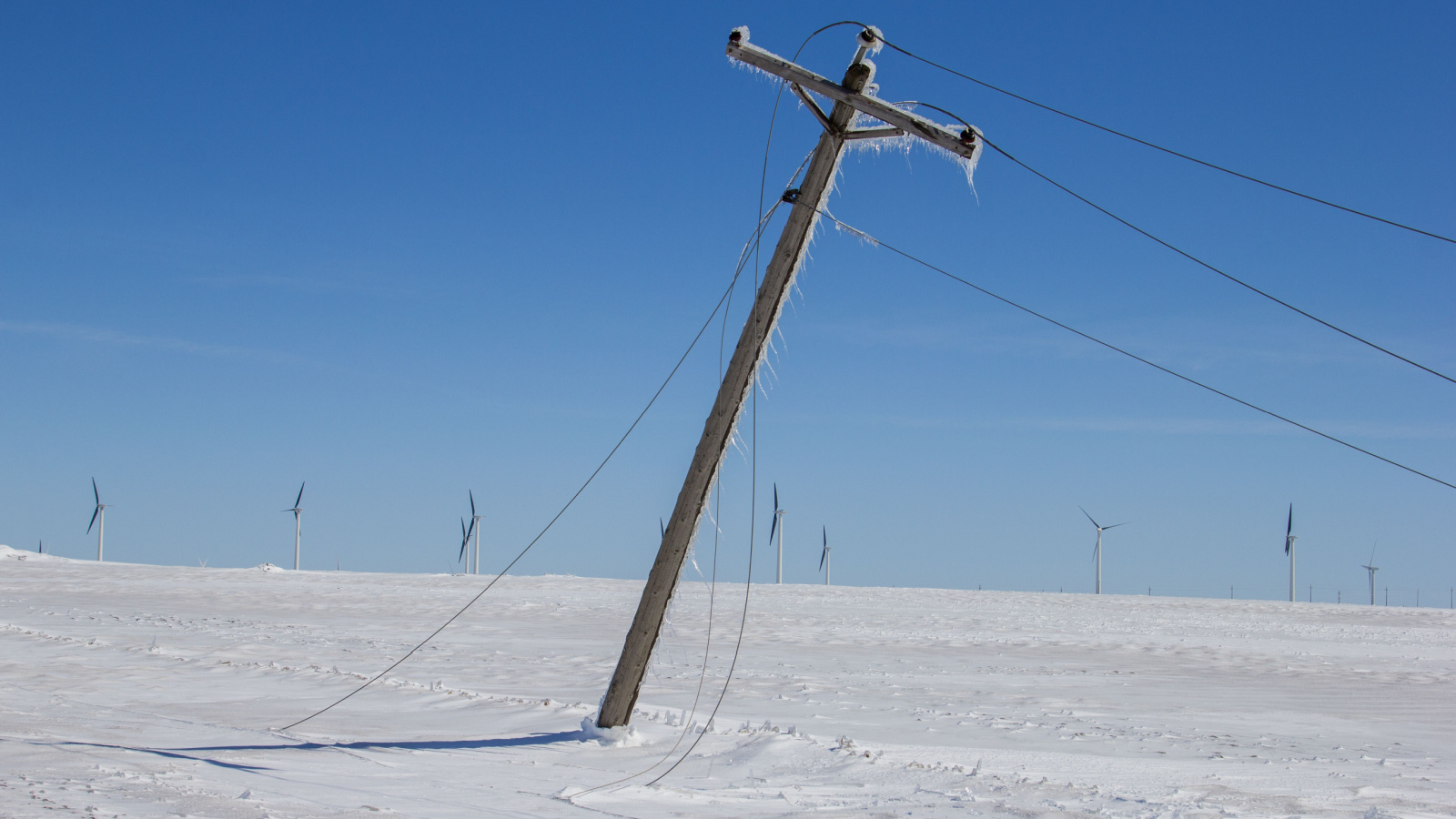
Ice dragged heavy utility lines down until they rested across roads and driveways. Police blocked access to entire streets because a single touch could be deadly. In one dramatic photo, lines hang just inches above a buried car. The scene shows how much strain the system faced in such a short period. Freezing rain turned thin wires into thick glass ropes that weighed hundreds of pounds. Emergency crews worked for long hours but had to stop often because more lines snapped around them. The danger never took a break.
Firefighters Clearing Ice with Axes
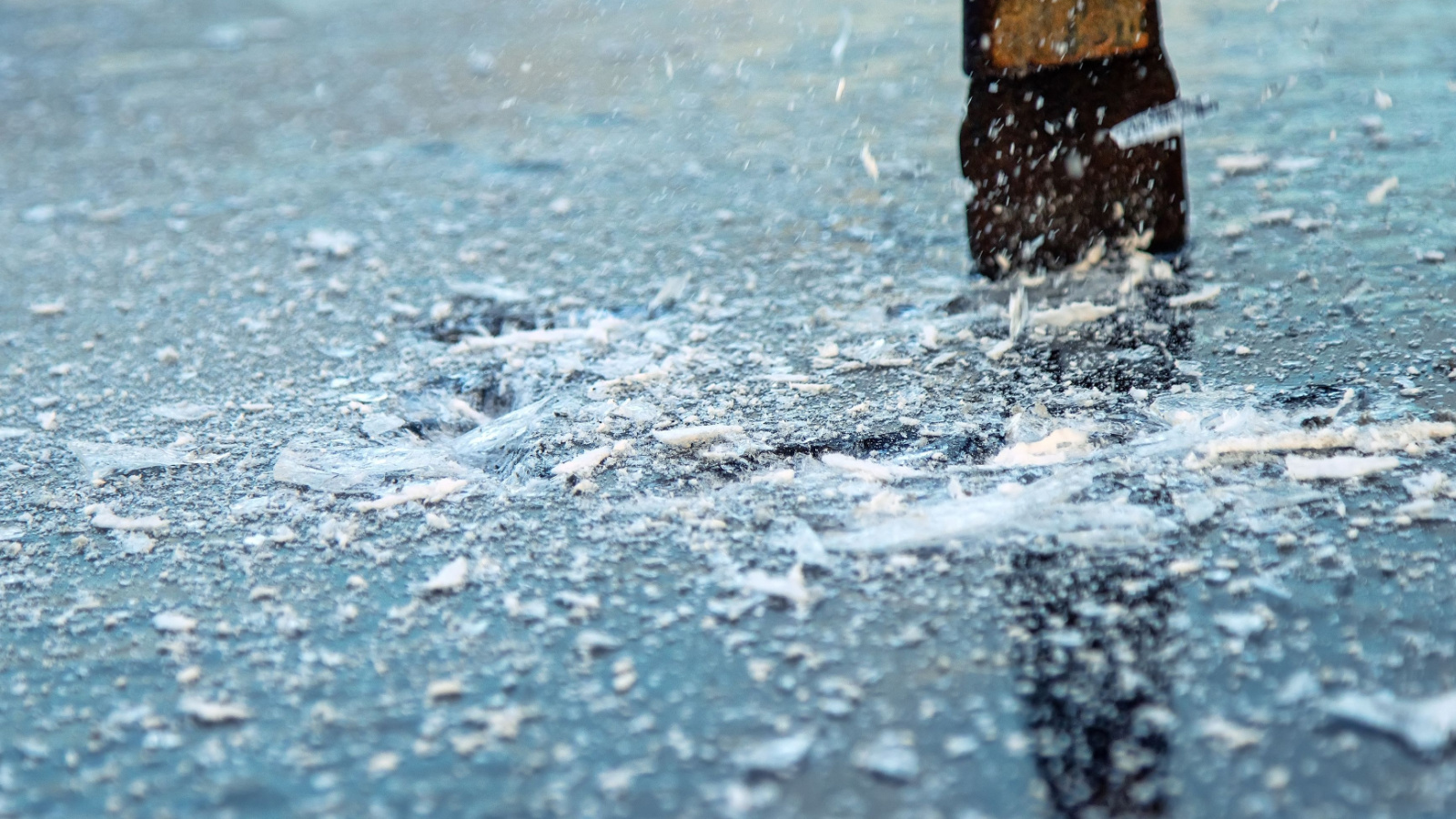
A powerful photo shows firefighters smashing ice away from a blocked fire station door. Their coats are covered in frost from hours outside. Every move creates flying chips that collect on the ground like broken shells. The photo shows how emergency workers were trapped by the same conditions as the people waiting for help. Many stations had to dig or cut their way out just to respond to calls. That moment is a reminder that heroes need rescuing, too, sometimes. It also shows how much effort went into simply opening doors.
A Frozen Playground with No Footprints
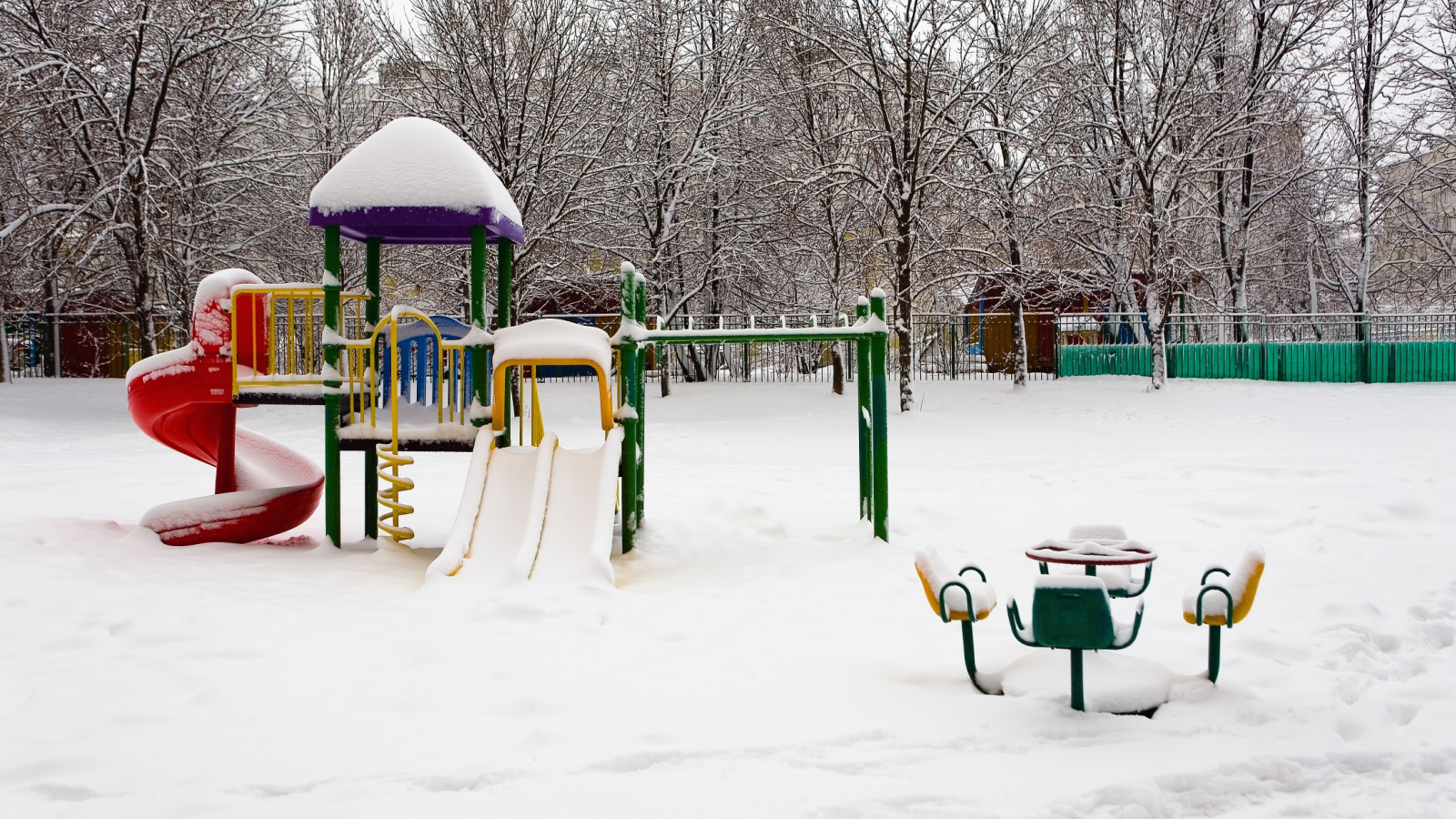
Swings, slides, and climbing frames sit frozen in total silence. Ice covers each metal bar so heavily that everything looks carved from glass. The ground around the playground is untouched. No children had set foot there for days. Schools were closed, buses stayed off the roads, and families focused on staying warm. The photo feels still and strange. It captures how everyday life paused while everyone adjusted to survival mode. Joyful places turned quiet because heating and shelter became the only goals for families across the region.
Grocery Stores with Empty Shelves
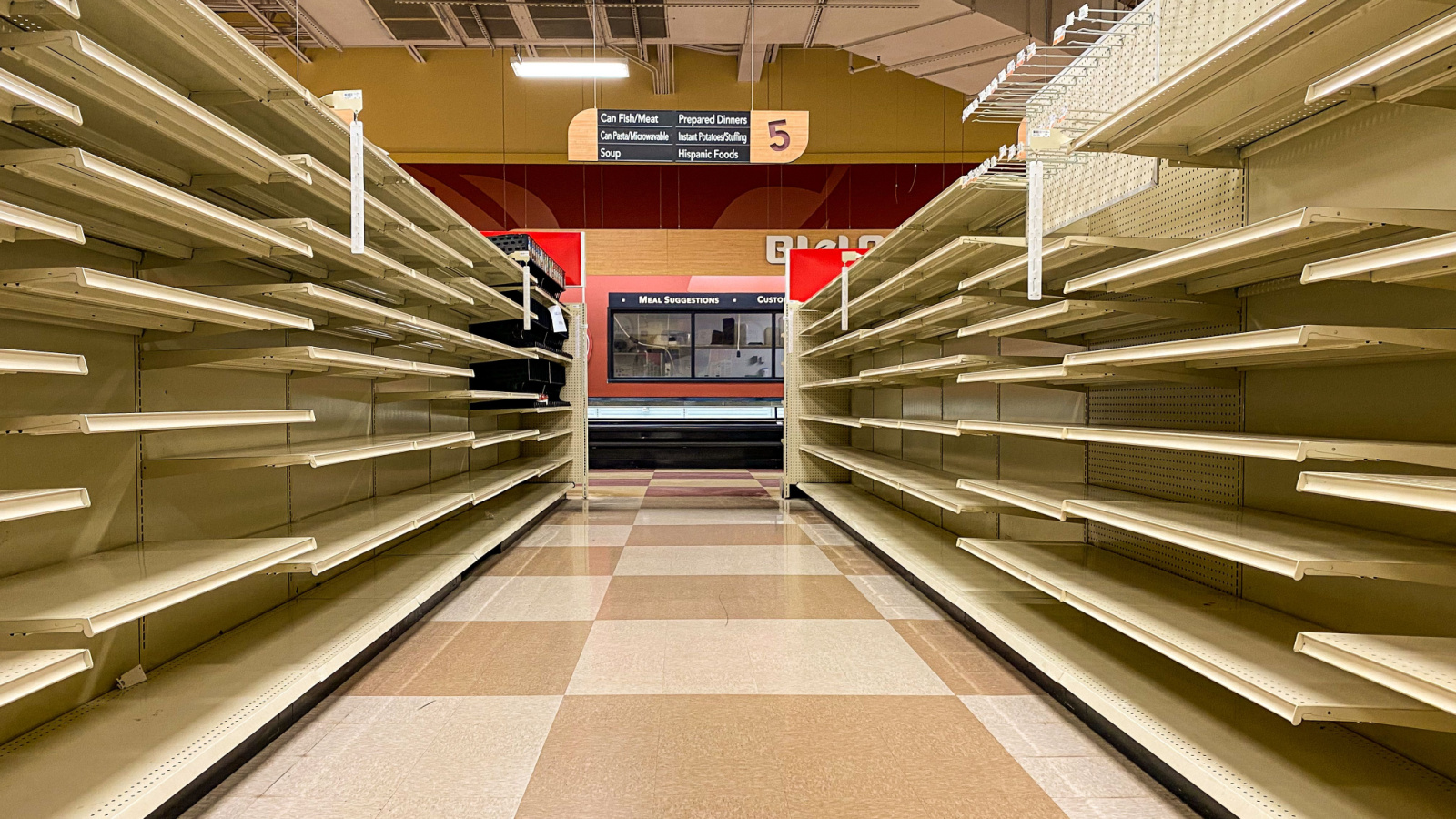
A photo taken inside a supermarket shows long aisles stripped of essentials. Bread, milk, and canned items disappeared quickly as trucks could not deliver through the ice. Store owners put handwritten signs explaining that there was no estimate for restocking. People waiting in long lines shared food with neighbors. The photo reflects a city that suddenly understood how dependent daily life is on supply chains. Many families switched to outdoor barbecues or wood stoves to cook meals. It was a stressful time for those with young children or seniors at home.
Crowded Emergency Shelters Filled with Blankets
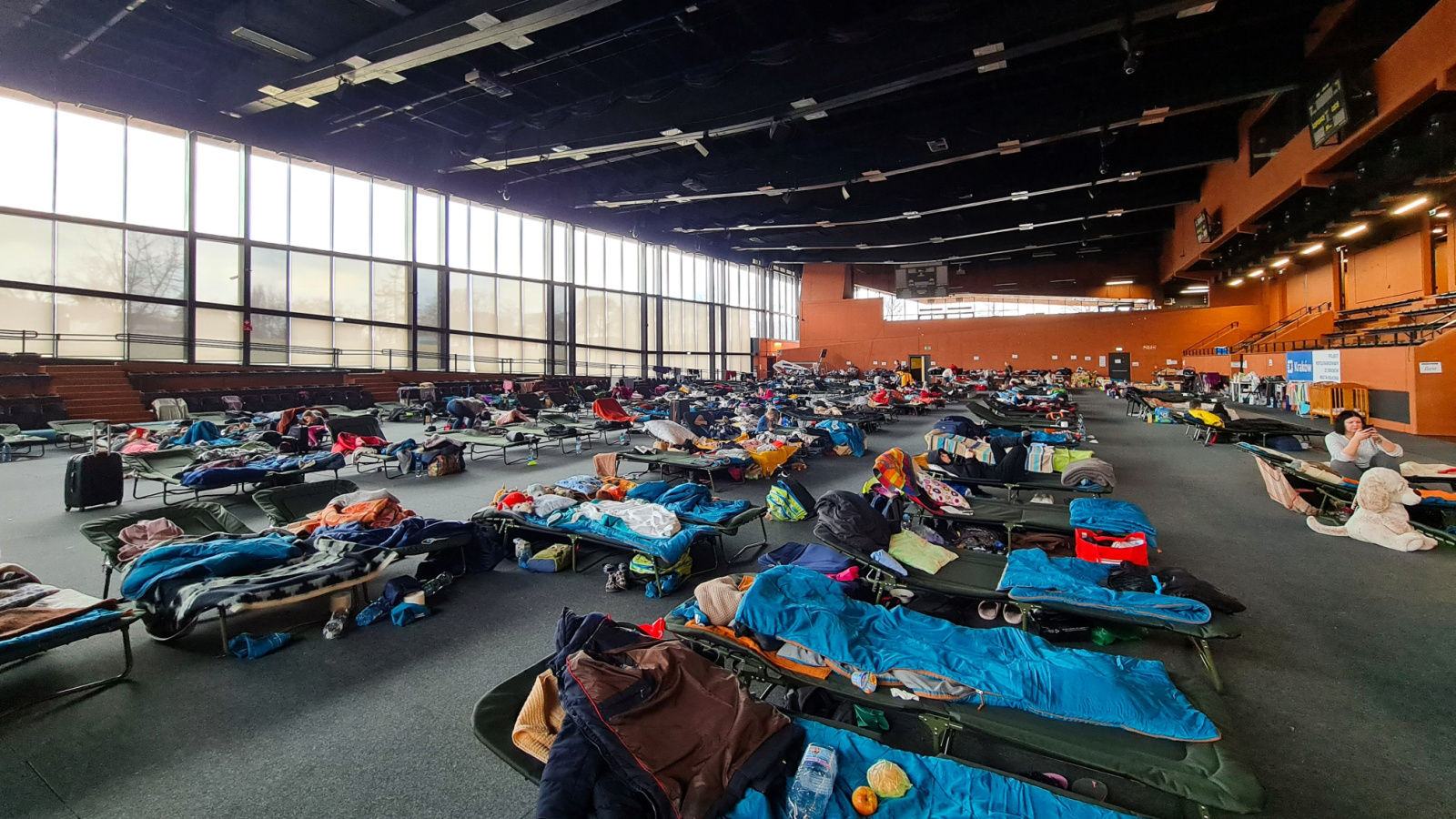
Thousands of families spent nights in school gyms, churches, and community centres. A famous photo shows rows of cots covered in colorful blankets. People sit together to stay warm and pass the time. Volunteers distribute hot drinks in paper cups while children play with board games on the floor. The photo represents the spirit that got communities through weeks without heat. Some shelters stayed open long after the power returned because so many homes needed repairs. The picture reminds people how important support networks are during a disaster.
Icicles Inside Front Hallways
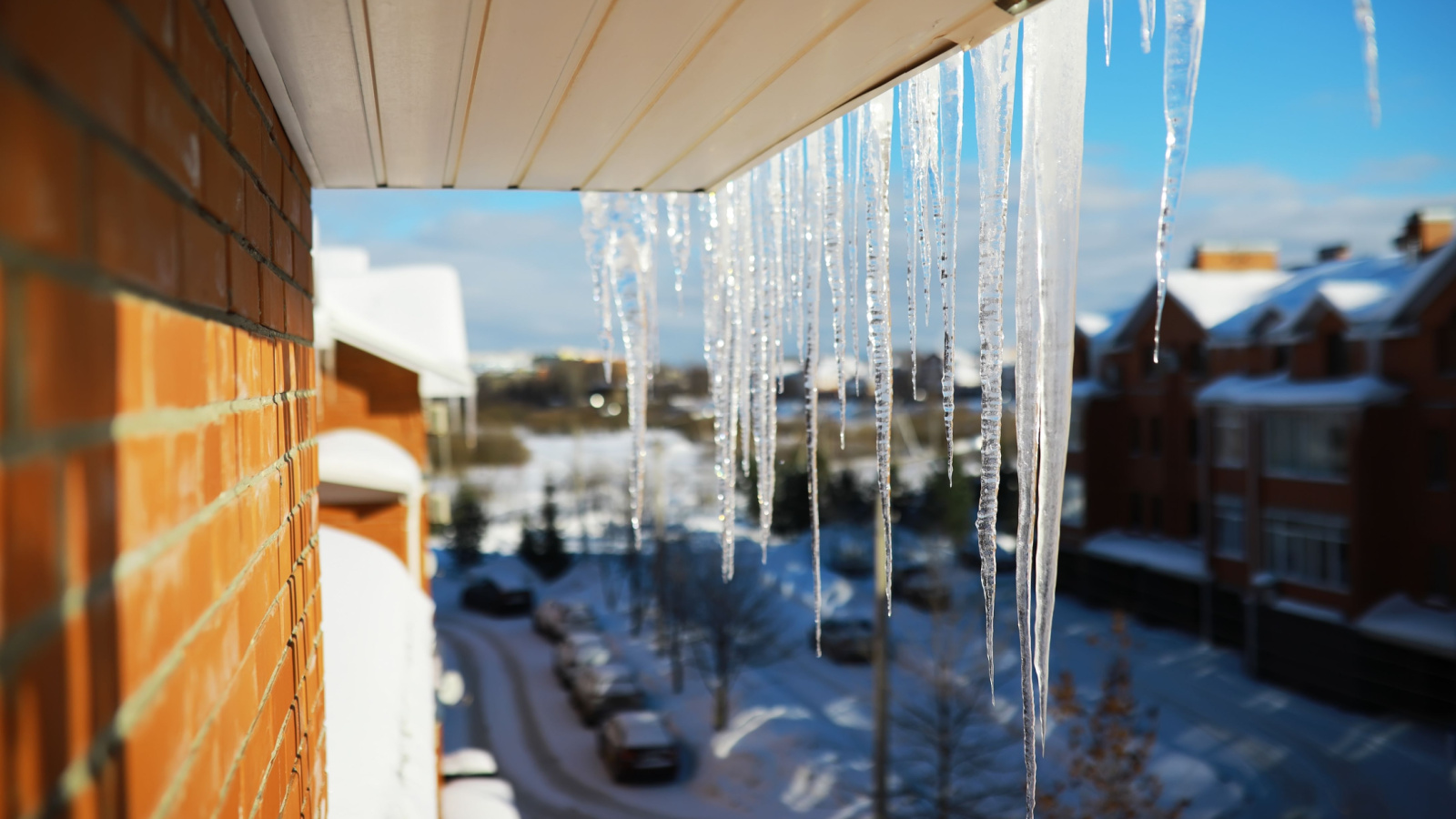
One shocking photo shows icicles forming on the inside of a front doorway. The cold outside had become the cold inside. Without power, many homes dropped below freezing. Pipes cracked, furniture frosted over, and water froze in sinks. Families sealed off rooms using blankets to trap any remaining warmth from fireplaces or stoves. Some slept in winter jackets and boots. The image of indoor icicles became a symbol of how extreme the situation was. Houses are meant to protect people from the weather. During this storm, they could not.
Frozen Clothes on Outdoor Lines
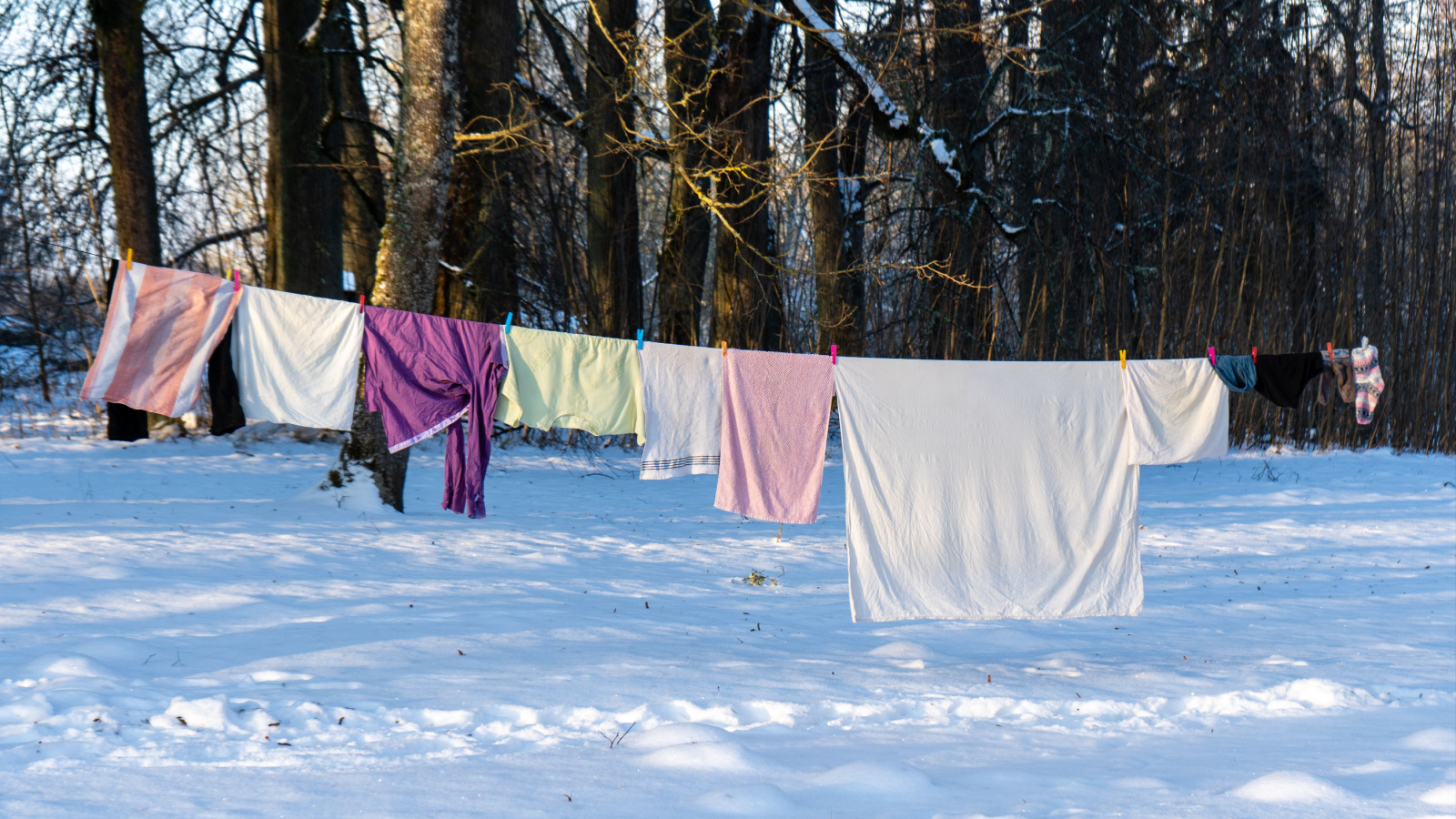
Clothes left outside during the early hours of the storm turned into rigid, ice-coated statues. One photo captures a shirt and a pair of jeans completely stiff and mid-motion. They look as if an invisible person is wearing them. Water locked into every fiber as temperatures dropped. The sight was strange but also concerning for families who relied on line-drying when power outages continued. Indoor drying became difficult without heat. Many homes stayed damp for weeks, creating extra challenges that lasted long after the ice melted outside.
Buses Stopped on Glazed Roads
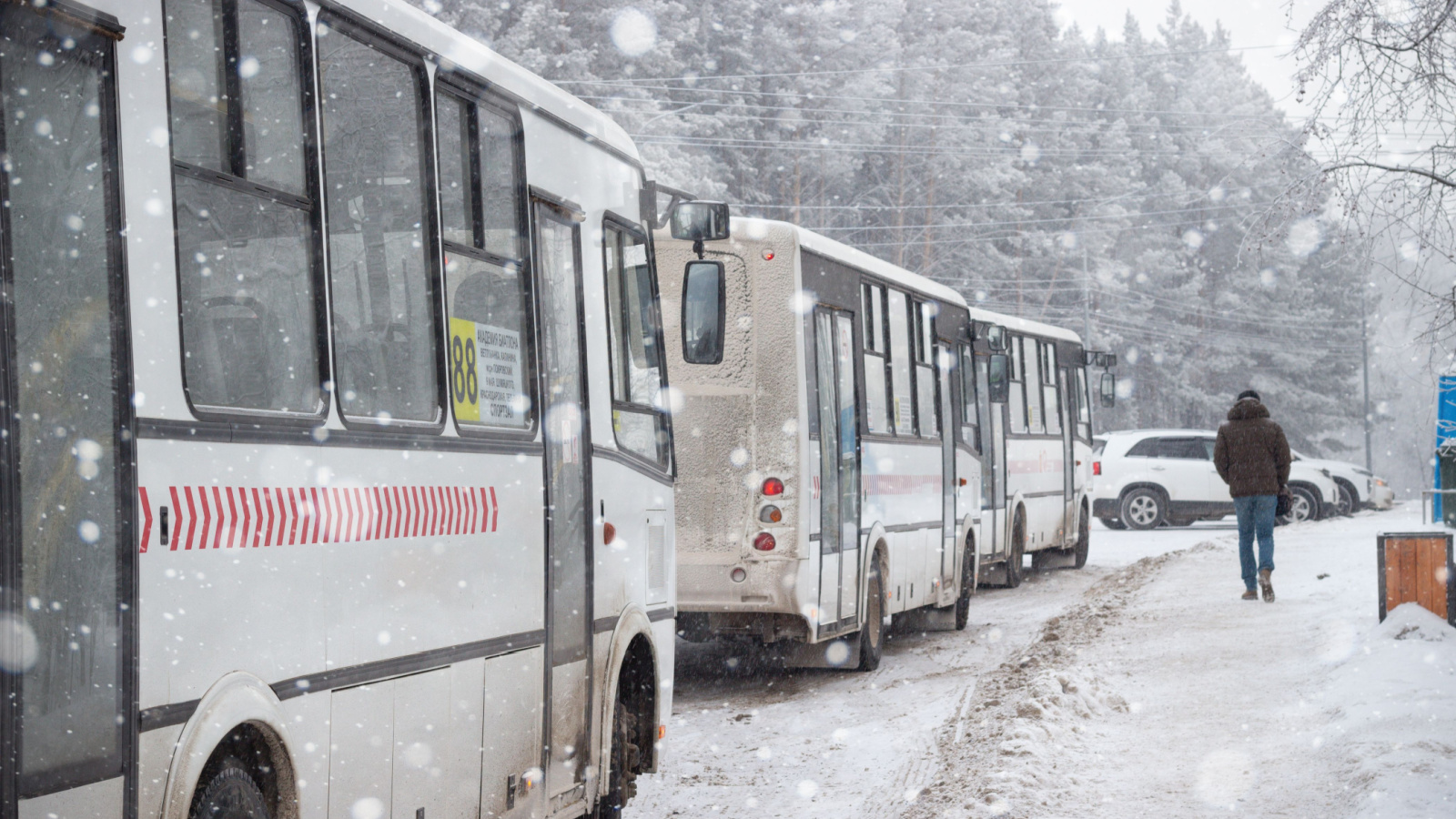
Public transit struggled through the storm, and one dramatic photo shows a city bus stuck sideways on a frozen intersection. The road looks like polished glass. People inside the bus gather near the windows, unsure when help will arrive. Bus drivers faced impossible conditions and tried to keep passengers calm. Many buses were later used as makeshift warming stations in neighborhoods without power. They provided a temporary escape from the bitter temperatures. The photo remains a reminder of how everyday systems shut down when the weather becomes extreme.
Rail Tracks Sealed in Ice
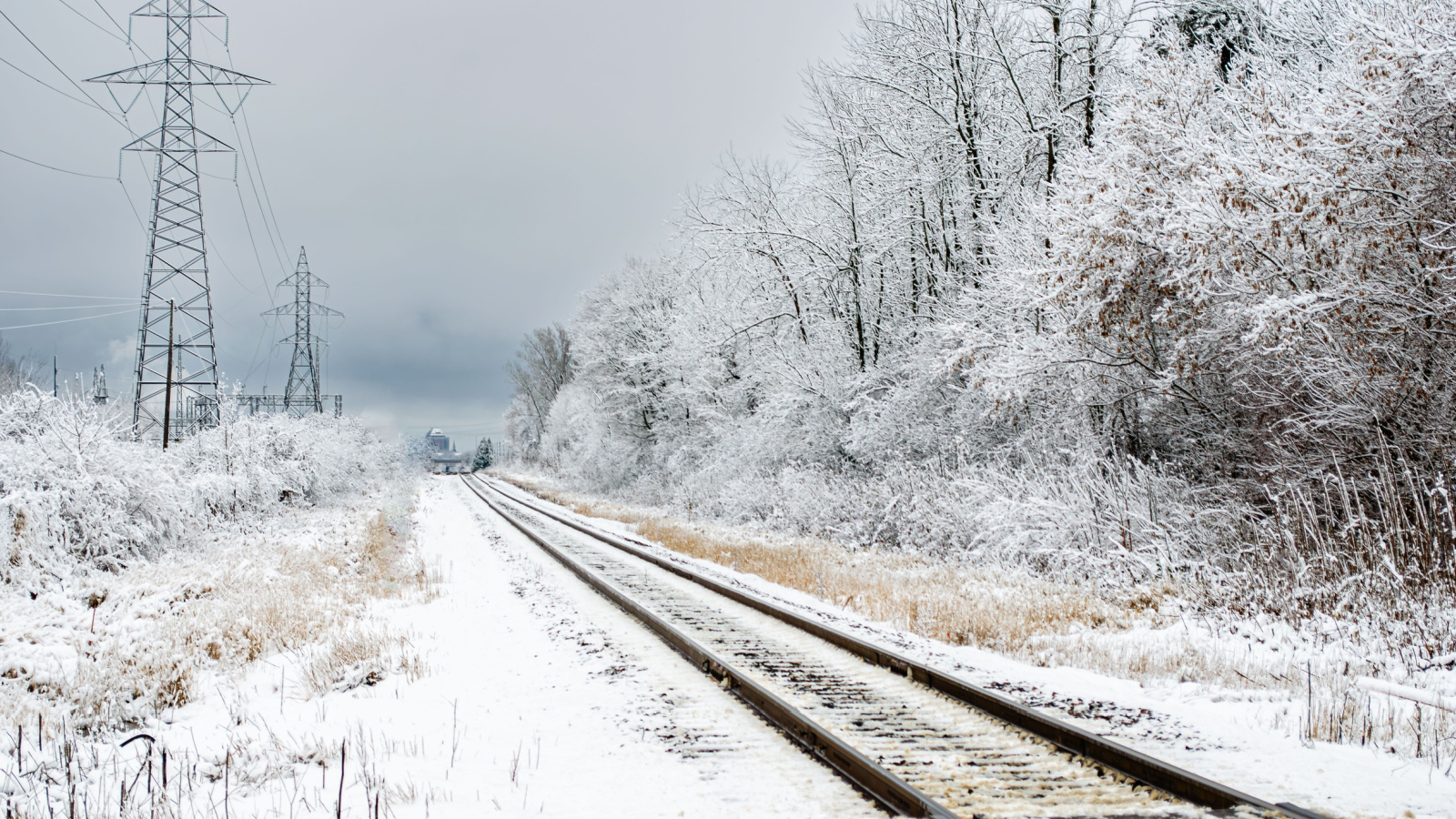
A striking image shows train tracks trapped beneath inches of ice, turning steel into a near-invisible outline. No trains moved for days, and schedules disappeared. Crews used industrial heaters to thaw parts of the rail network, but progress came slowly. The frozen tracks became another symbol of how the storm took full control over transportation networks. The photo captures a moment when the entire economy seemed to freeze at once. Stations filled with travelers waiting for updates that never came. Patience became the only option.
Farm Animals Huddled Together for Warmth
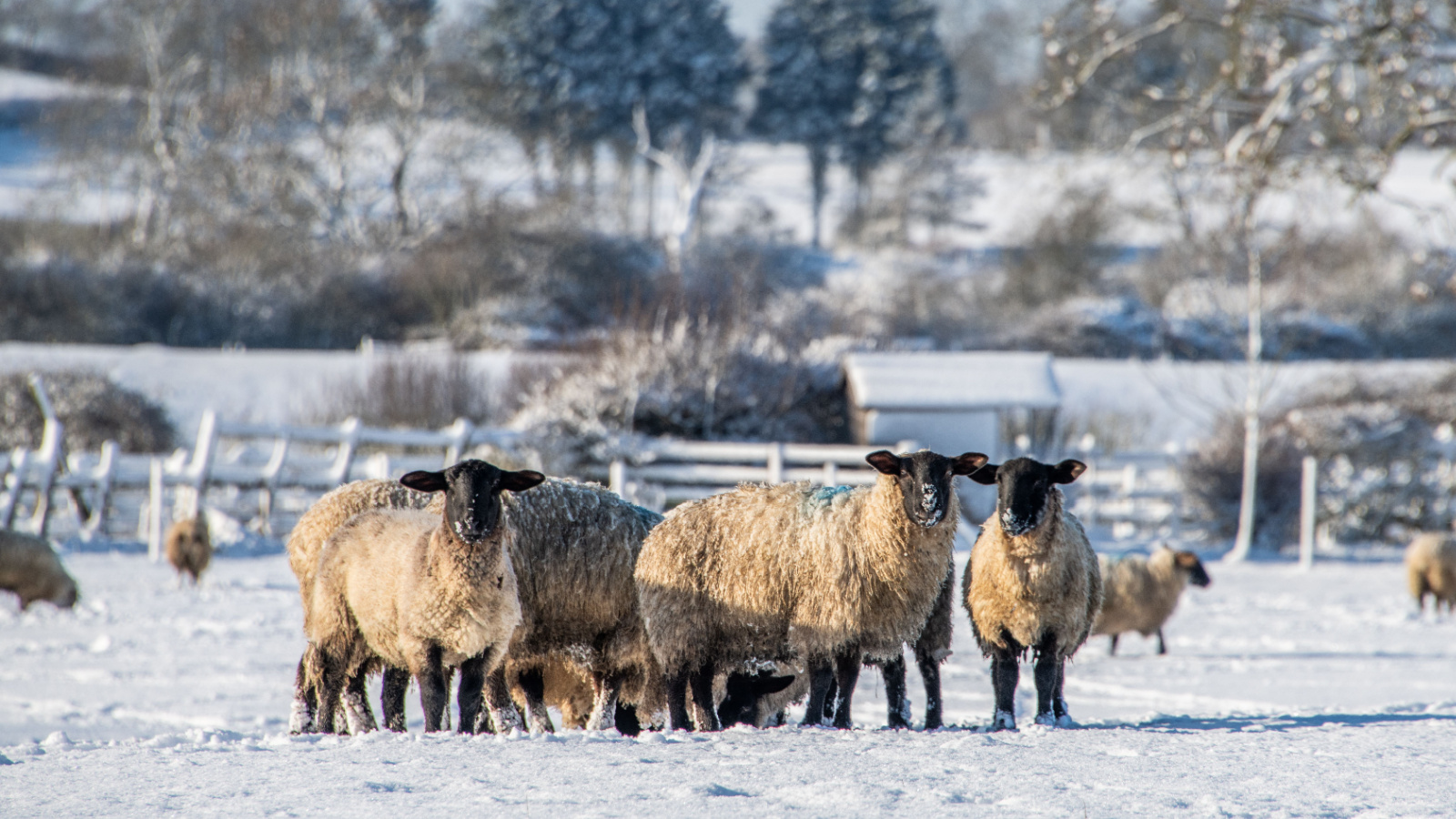
One widely shared photo shows cows pressed tightly together inside a barn layered with frost. Condensation from their breath hangs in the air. Farmers stayed awake around the clock to keep animals alive. Generators were hard to find and expensive to run. Many families burned wood nonstop to protect both livestock and their homes. The photo highlights how rural communities were hit especially hard. Animals had no chance of surviving outdoors. For many farmers, saving their herds was as important as protecting their families during the weeks of cold.
People Cooking on Outdoor Barbecues in the Snow
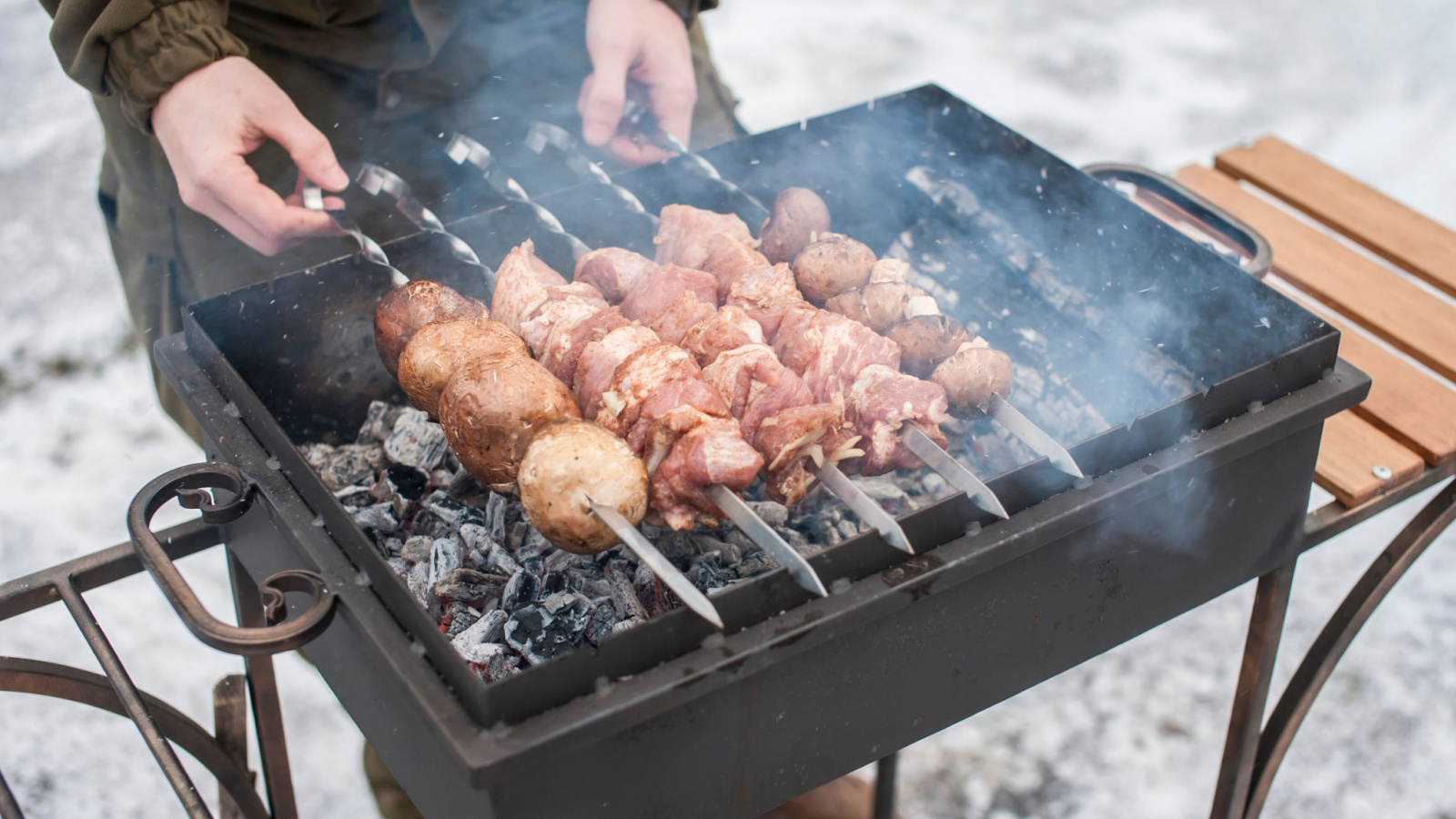
A memorable photo shows neighbors gathered around a barbecue, wearing heavy coats and snow pants. Steam rises from pots sitting on the grill while snow falls around them. The storm forced families to rethink every basic task. Cooking moved outside because there was no power for the kitchen appliances. The experience became a mix of frustration and bonding as people shared meals with those nearby. The photo represents how normal routines do not stop. They just adapt. Food still needed to be made. Families found a way.
Long Lineups for Firewood
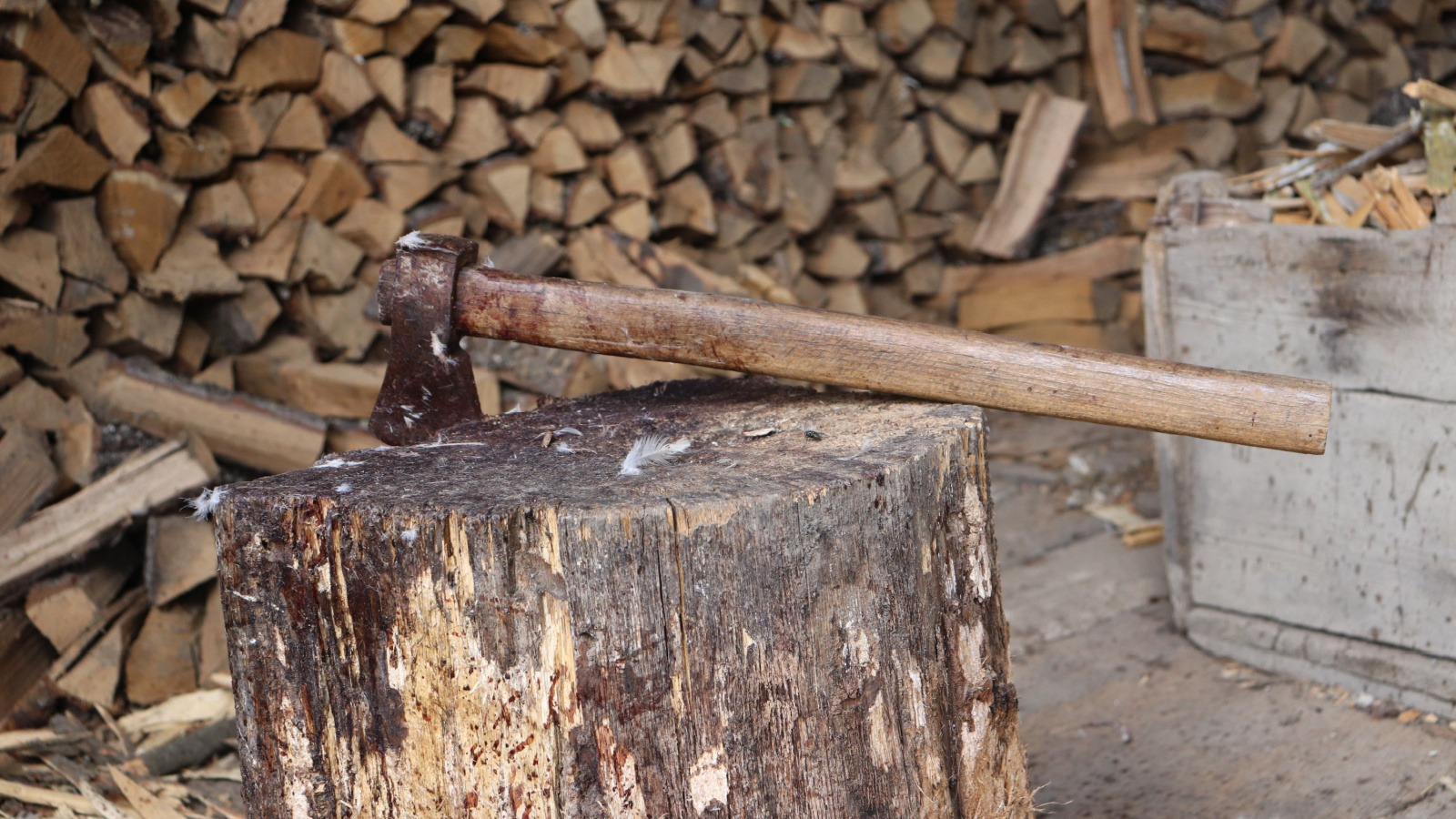
A dramatic photo shows dozens of residents waiting in line for bundled firewood beside a truck. People hold empty bags while frost gathers on their hats. Some residents had fireplaces but no wood left at home. Others used wood-burning stoves as their only source of heat. Firewood became one of the most valuable resources during the storm. The image captures the pressure families felt as temperatures continued to drop. Supplies were limited. People waited patiently because the only choice was to stay in line and hope.
Military Trucks on Frozen Streets
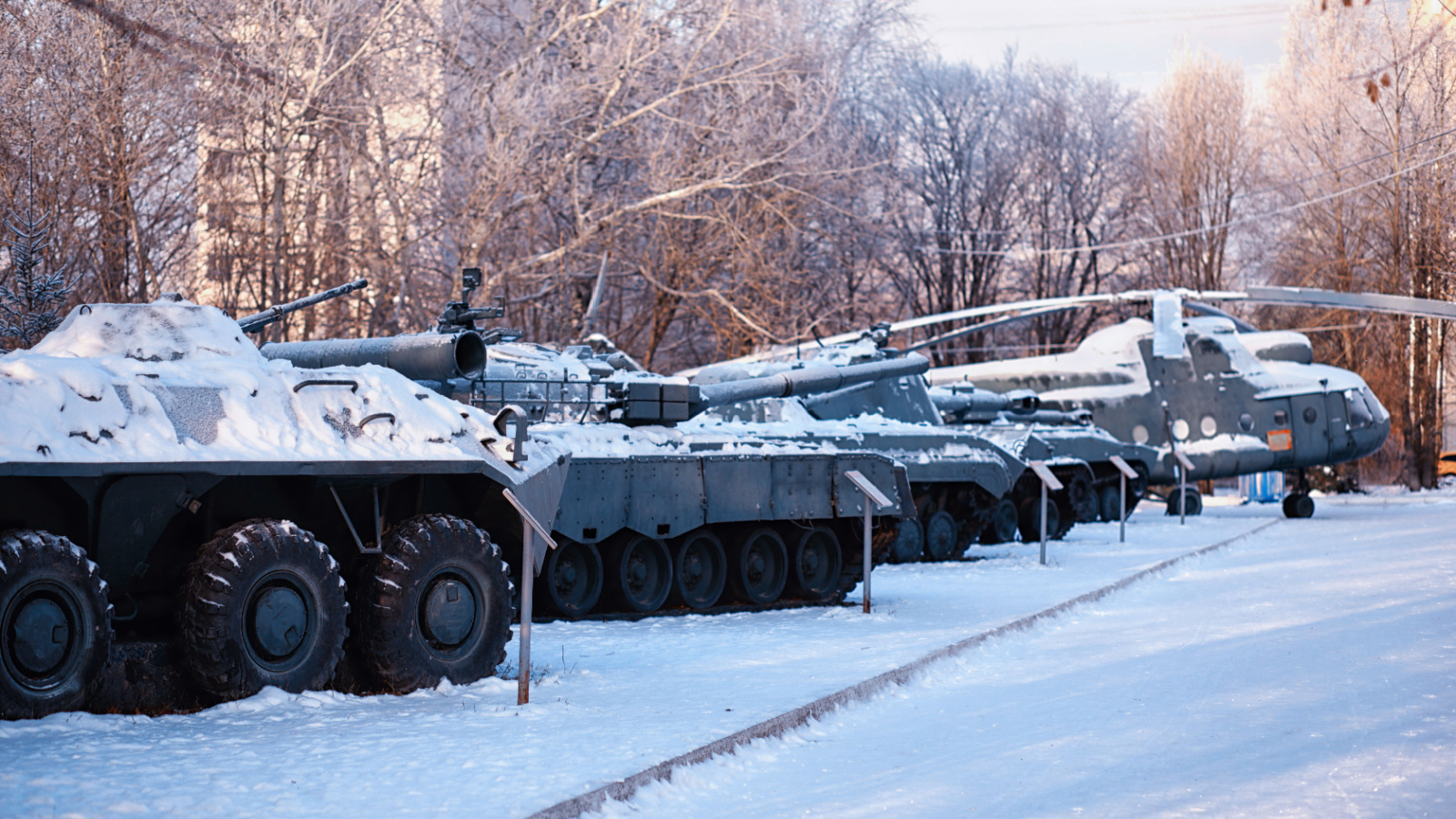
When the situation grew critical, the Canadian military was called in. A photo taken in Ottawa shows large green trucks rolling through icy neighborhoods to deliver supplies and help with evacuations. Soldiers cleared streets and supported emergency crews. They also checked on vulnerable residents who had been without heat for days. The presence of the military signaled how serious the disaster had become. The photo reflects relief more than fear. Many families looked out their windows and knew help had finally reached them after long weeks of stress.
A Bedroom Lit Only by Candles

This photo shows a family gathered around a cluster of candles in their bedroom. They are wrapped in blankets and winter jackets. The room is dark except for the faint glow of the flames. The photo shows a simple effort to stay warm and calm. Families across the region slept together in one room to share body heat. The experience was frightening for children who did not understand what was happening. Many parents stayed awake to keep watch through the coldest hours of the night.
Frozen Lakes With Cracks Like Lightning
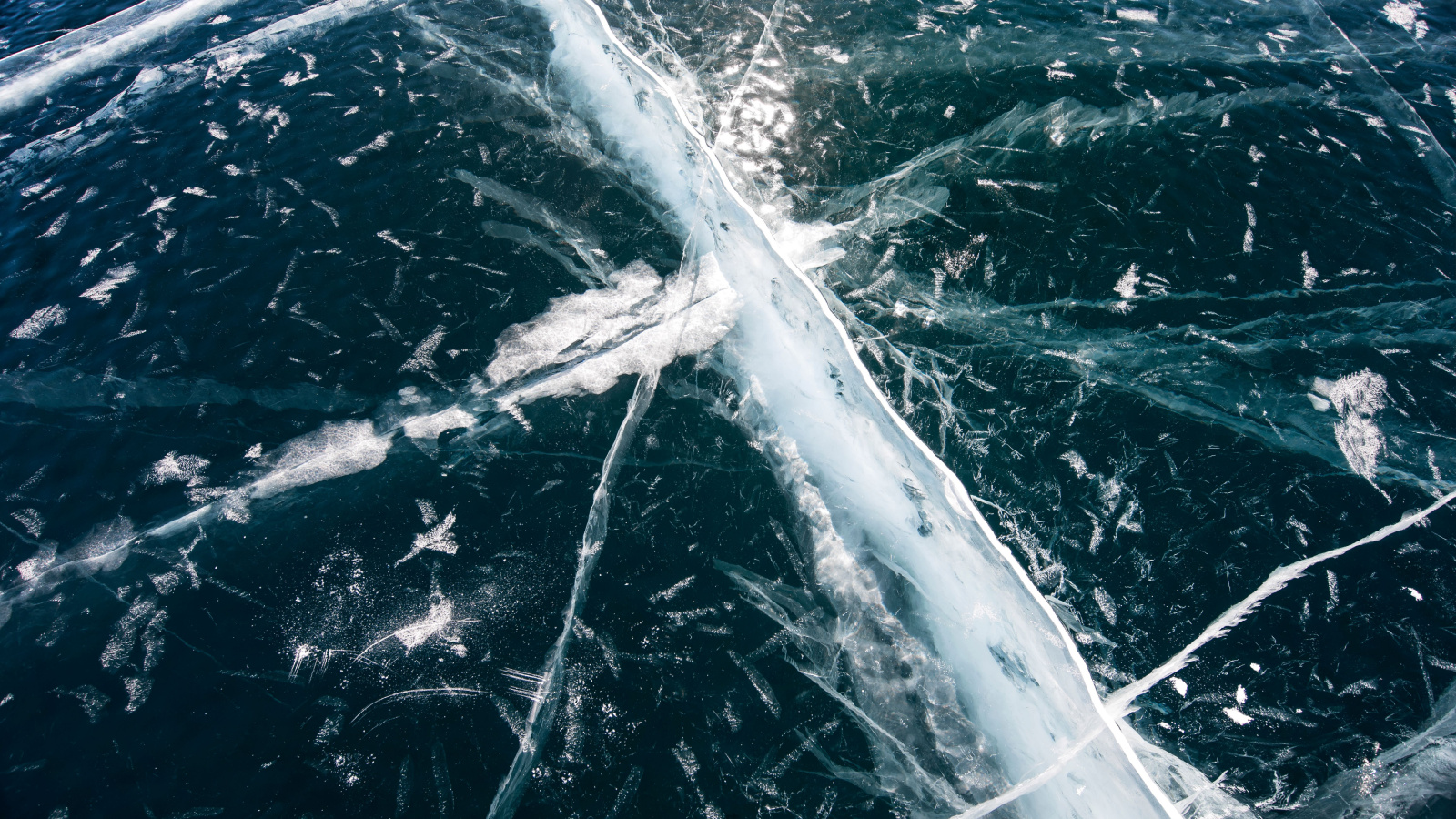
One majestic photo shows a lake frozen solid with large cracks running across the surface. The cracks look like lightning trapped beneath the ice. The storm brought enough cold to harden water that had barely frozen earlier in the season. Many people found comfort walking safely on thick ice when the weather was otherwise dangerous. Others used it as a source of worry because high winds created unpredictable pressure points. The lake photo remains one of the most shared images from the storm because it looks unreal and beautiful.
Neighbors Clearing Streets by Hand
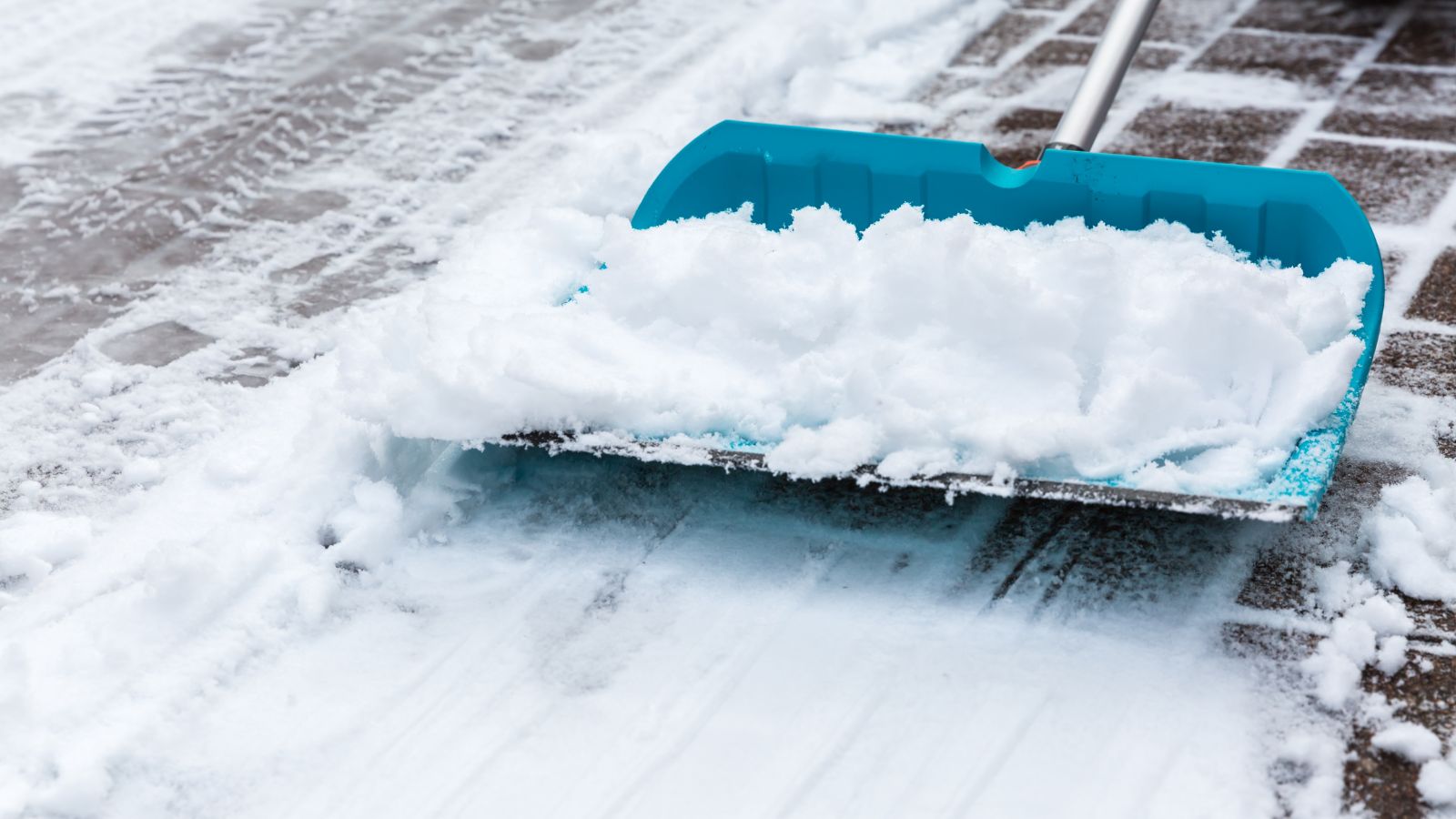
With plows stuck or diverted to major routes, local residents took tools and shovels to clear their own streets. A photo shows a long line of neighbors working together. Children and seniors stood side by side. People cleared paths to driveways and dug out mailboxes for others. That moment captured the unity that got communities through one of the hardest winters Canada had ever seen. It was not a celebration. It was survival. People showed up because they knew others needed help.
A Sunrise After the Storm
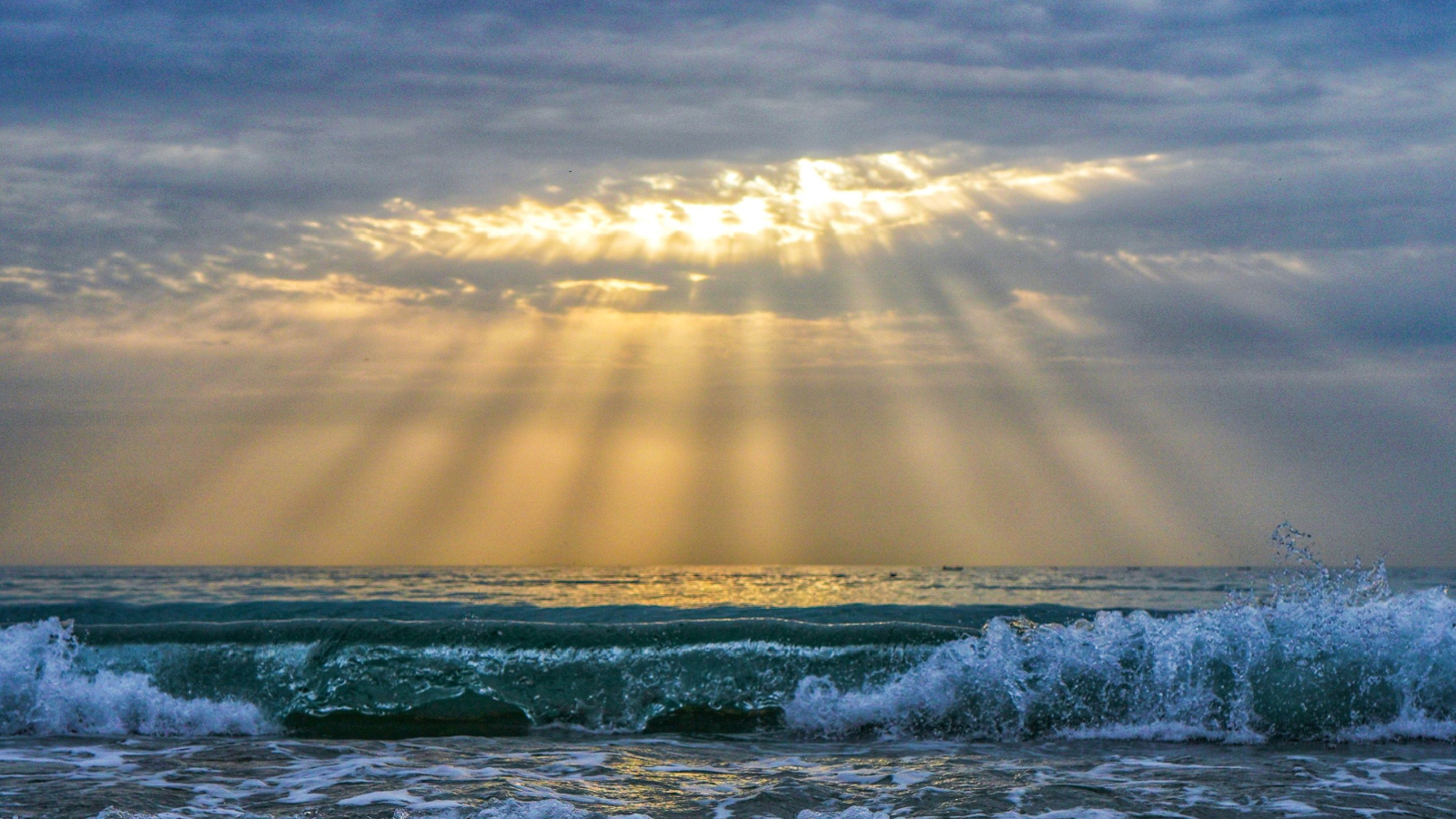
A photo shows the first warm light hitting an iced-over street once the worst had passed. The ice glows like gold instead of cold silver. People began stepping outside to check the damage and talk with neighbors. It marked the beginning of recovery, even though there was still a long road ahead. The picture reminds viewers that difficult seasons do end. The landscape looked fragile and glittering, as if winter had paused for one hopeful moment. After weeks of hardship, people finally saw light returning.
22 Groceries to Grab Now—Before another Price Shock Hits Canada

Food prices in Canada have been steadily climbing, and another spike could make your grocery bill feel like a mortgage payment. According to Statistics Canada, food inflation remains about 3.7% higher than last year, with essentials like bread, dairy, and fresh produce leading the surge. Some items are expected to rise even further due to transportation costs, droughts, and import tariffs. Here are 22 groceries to grab now before another price shock hits Canada.
22 Groceries to Grab Now—Before another Price Shock Hits Canada
