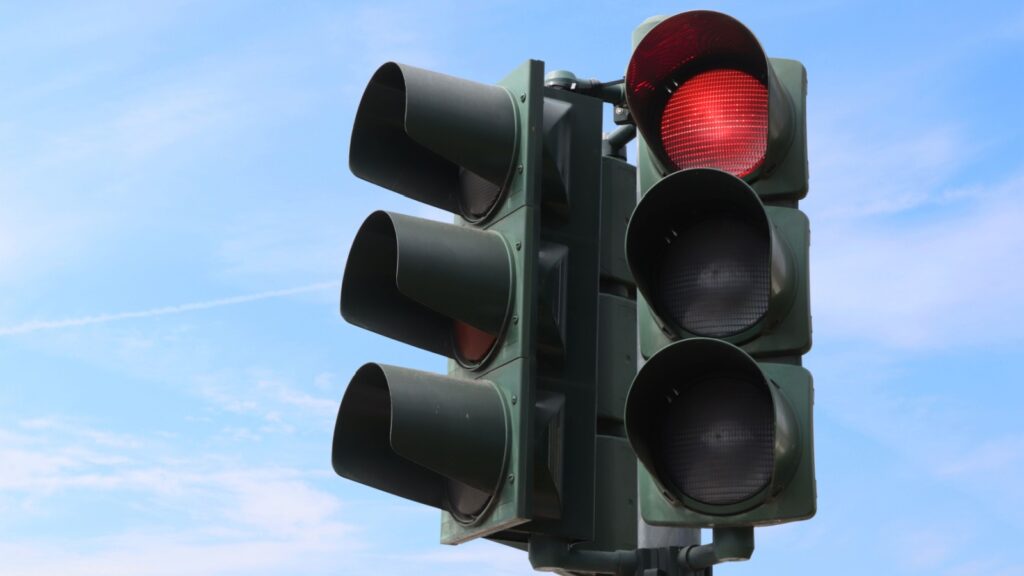
Driving in Canada can be more complicated than it seems because rules vary by province and by road conditions. Many drivers assume they know basic regulations, but misunderstandings are common, from school zones to winter tire requirements and cyclist safety. Some rules change depending on weather, municipalities, or seasonal laws, making awareness essential for safety. Ignoring these rules can result in fines, demerit points, or accidents. Here are 21 rules of the road everyone thinks they know but don’t.
Stop Completely at a Stop Sign in Every Province
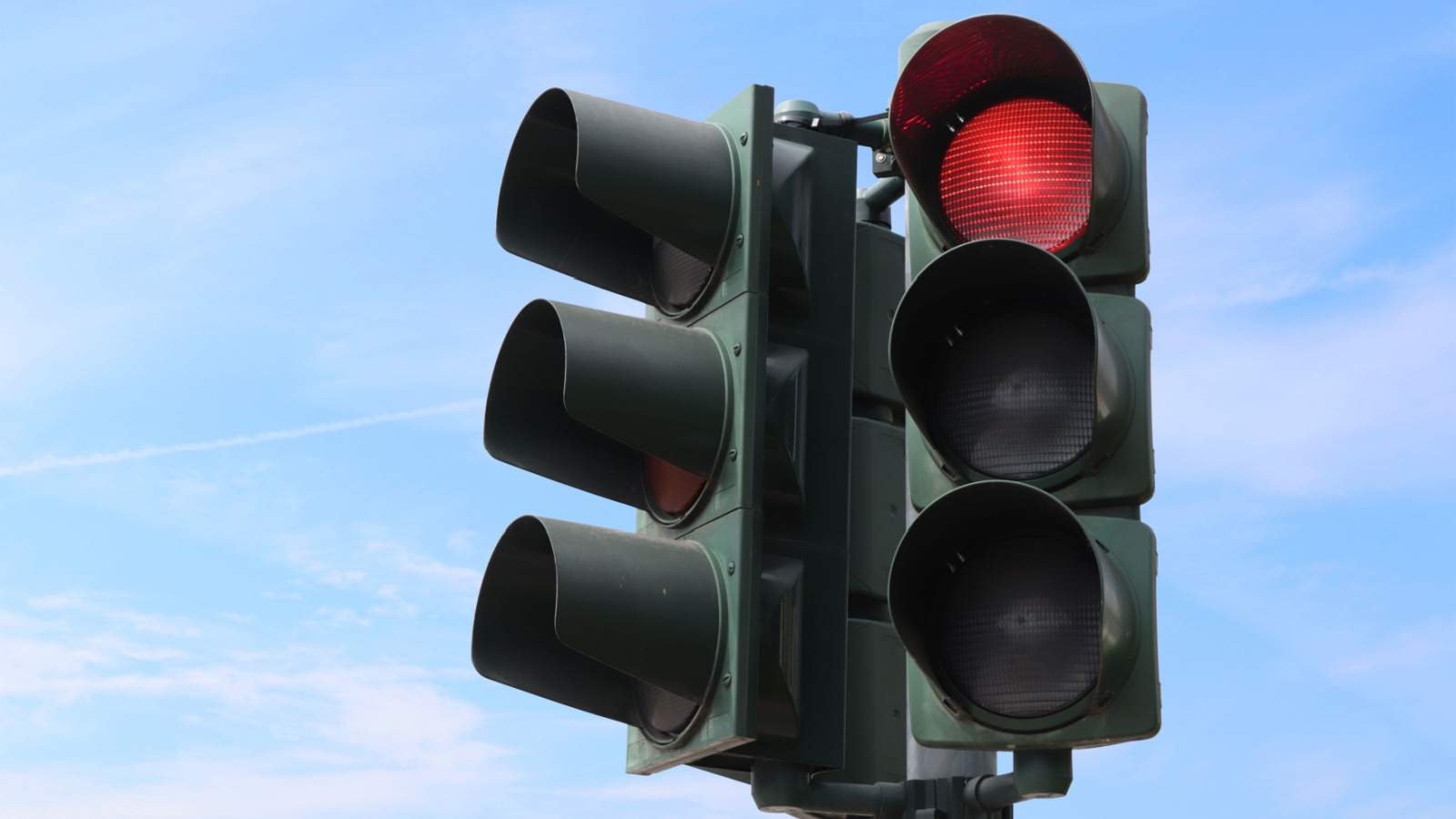
In Canada, drivers must come to a full stop at stop signs. Rolling stops are illegal and can result in fines and demerit points. This rule applies even if there is no other traffic or pedestrians visible. After stopping, drivers should yield to vehicles that arrived first or those on the right at intersections. Failing to stop fully increases the risk of collisions and is considered careless driving. Police regularly monitor stop sign compliance in urban and rural areas. Observing this rule is essential for safety and to avoid penalties across all Canadian provinces.
Yield to Pedestrians at Crosswalks and Intersections
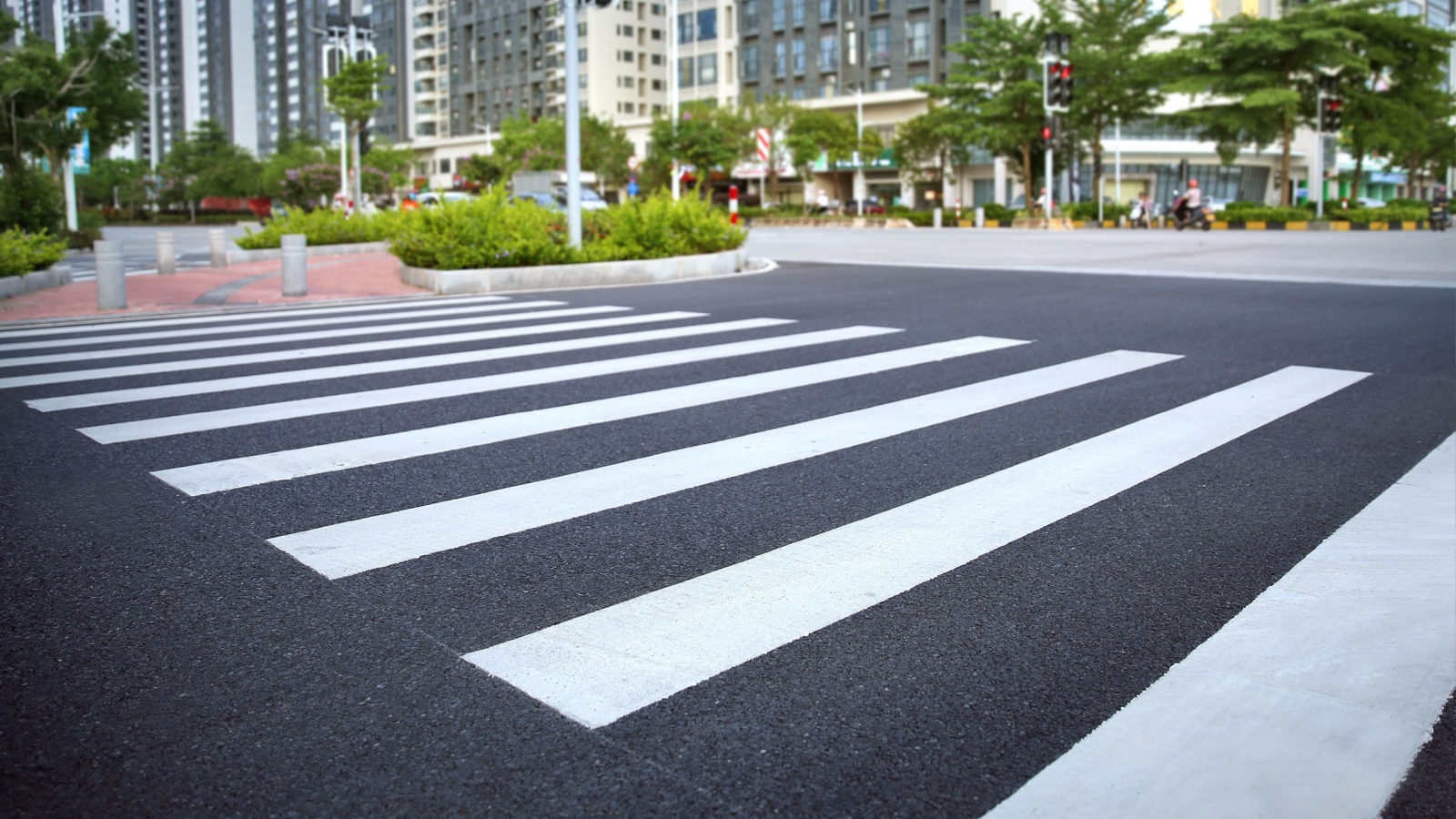
Canadian law requires drivers to yield to pedestrians at marked and unmarked crosswalks. Pedestrians always have the right of way when entering crosswalks. Failing to yield can result in fines, demerit points, and legal consequences. Drivers should slow down when approaching intersections and watch for pedestrians, especially near schools, residential areas, and busy downtown streets. Pedestrian safety is a priority in all Canadian provinces, and awareness of this rule helps prevent accidents. Even if a pedestrian hesitates, vehicles must wait until it is safe for them to cross before proceeding.
School Bus Laws Vary Across Provinces

In Canada, stopping for school buses depends on the province. In most provinces, drivers must stop in both directions when a bus has flashing red lights. In some cases, only traffic moving in the same direction is required to stop. Passing a school bus illegally can lead to heavy fines and demerit points. Drivers should always approach school buses with caution and obey flashing light signals. Understanding provincial variations is important for safe driving. Children boarding or leaving buses are vulnerable, so following these rules helps protect young pedestrians and ensures compliance with Canadian road regulations.
Right Turn on Red is Not Always Permitted in Quebec
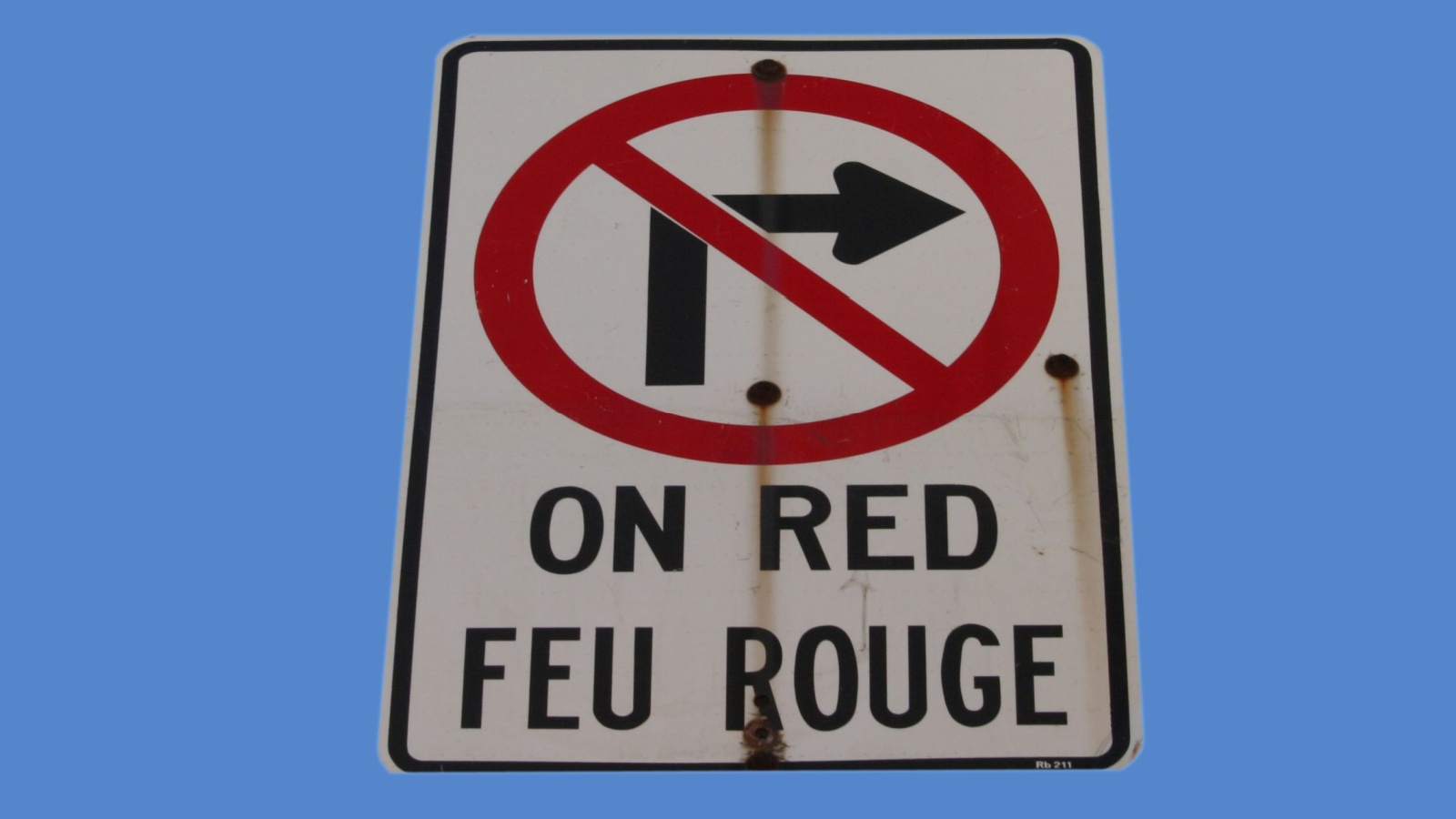
In most Canadian provinces, right turns on red lights are allowed after stopping, unless otherwise posted. Quebec is an exception; in many areas, right turns on red are prohibited unless explicitly indicated. Drivers must stop completely and check for pedestrians and other vehicles before turning. Failing to follow the rules can result in fines and demerit points. Observing traffic signals carefully and understanding provincial exceptions is essential for safe driving. Right turn on red rules vary across Canada, so drivers should always read local signage to avoid violations and maintain pedestrian and vehicle safety.
Winter Tires Are Mandatory in Some Provinces

Certain Canadian provinces, including Quebec, require winter tires during specified months. Winter tires improve traction on snow and ice, reducing accidents during harsh weather. Using summer or all-season tires in winter can result in fines and increased liability in collisions. Other provinces strongly recommend but do not legally require them. Drivers should check provincial regulations and plan for tire changes accordingly. Winter tire compliance is especially important for rural and northern areas where snow and ice are frequent. Following these rules enhances road safety for all Canadians and ensures vehicles are prepared for seasonal driving conditions.
Sharing the Road Safely with Cyclists

In Canada, drivers must respect cyclists and share the road safely. Most provinces require at least one metre of distance when passing a cyclist. Drivers should check mirrors and blind spots before turning or changing lanes. Cyclists have the right to use bike lanes and some parts of the roadway. Failing to yield or passing too closely can lead to fines and demerit points. Awareness of cyclists is crucial, especially near schools, parks, and downtown areas. Observing this rule reduces accidents and ensures safe coexistence on Canadian roads between vehicles, pedestrians, and cyclists.
Daytime Running Lights and Headlight Rules

Daytime running lights (DRLs) are mandatory on all new vehicles in Canada. They improve visibility for other drivers during daylight hours. Headlights must be used in low visibility, including rain, fog, snow, or dusk. Failing to use DRLs or headlights when required can result in fines. Drivers should ensure headlights are properly functioning and replace bulbs as needed. Observing these rules increases road safety across Canadian provinces. Proper lighting helps prevent collisions, especially in winter months when daylight is limited, and during rural driving, where visibility may be reduced.
Correct Use of Roundabouts and Yielding
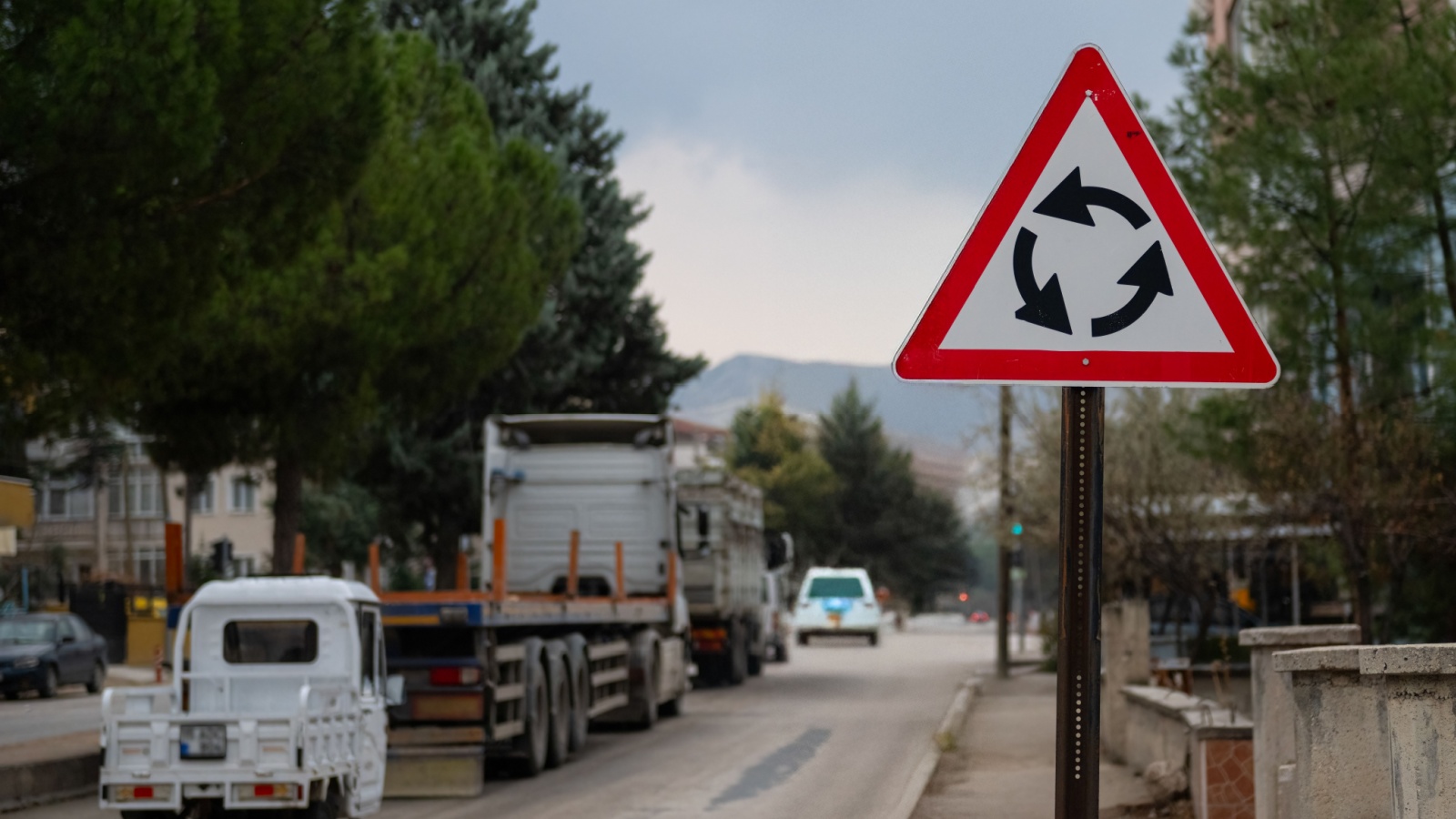
Roundabouts are common in Canadian cities and require careful yielding. Vehicles entering the roundabout must yield to traffic already circulating. Drivers should use turn signals when exiting. Misunderstanding right-of-way rules is a common cause of collisions. Roundabouts improve traffic flow, but safe navigation requires attention and compliance. Cyclists and pedestrians near roundabouts should also be considered. Observing proper entry, exit, and lane discipline ensures smooth and safe driving. Awareness of provincial signage and rules is important because some roundabouts have unique designs or lane restrictions, especially in urban areas across Canada.
Highway Passing Lanes and Lane Discipline in Canada
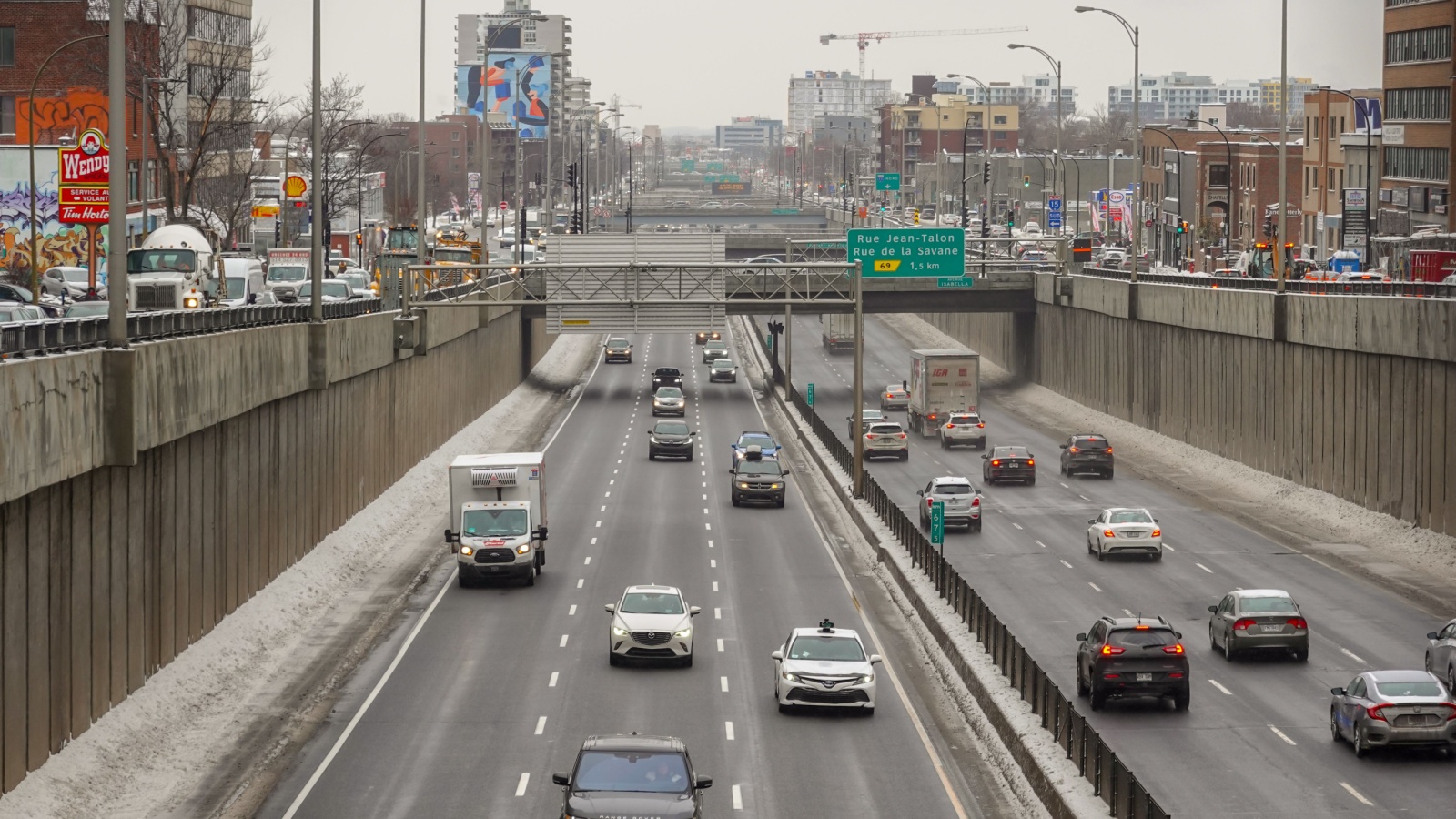
On Canadian highways, slower traffic should keep right to allow faster vehicles to pass on the left. Passing on the right is often illegal and can result in fines. Drivers must maintain safe speeds and proper lane discipline, especially in multi-lane highways. Tailgating and unsafe lane changes are punishable under provincial traffic laws. Proper use of passing lanes ensures traffic flow and reduces accidents. Highway rules may vary slightly by province, but observing lane discipline and yielding appropriately remains essential. Following these rules protects all road users and supports efficient and safe highway travel across Canada.
Legal Blood Alcohol Concentration Limits by Province
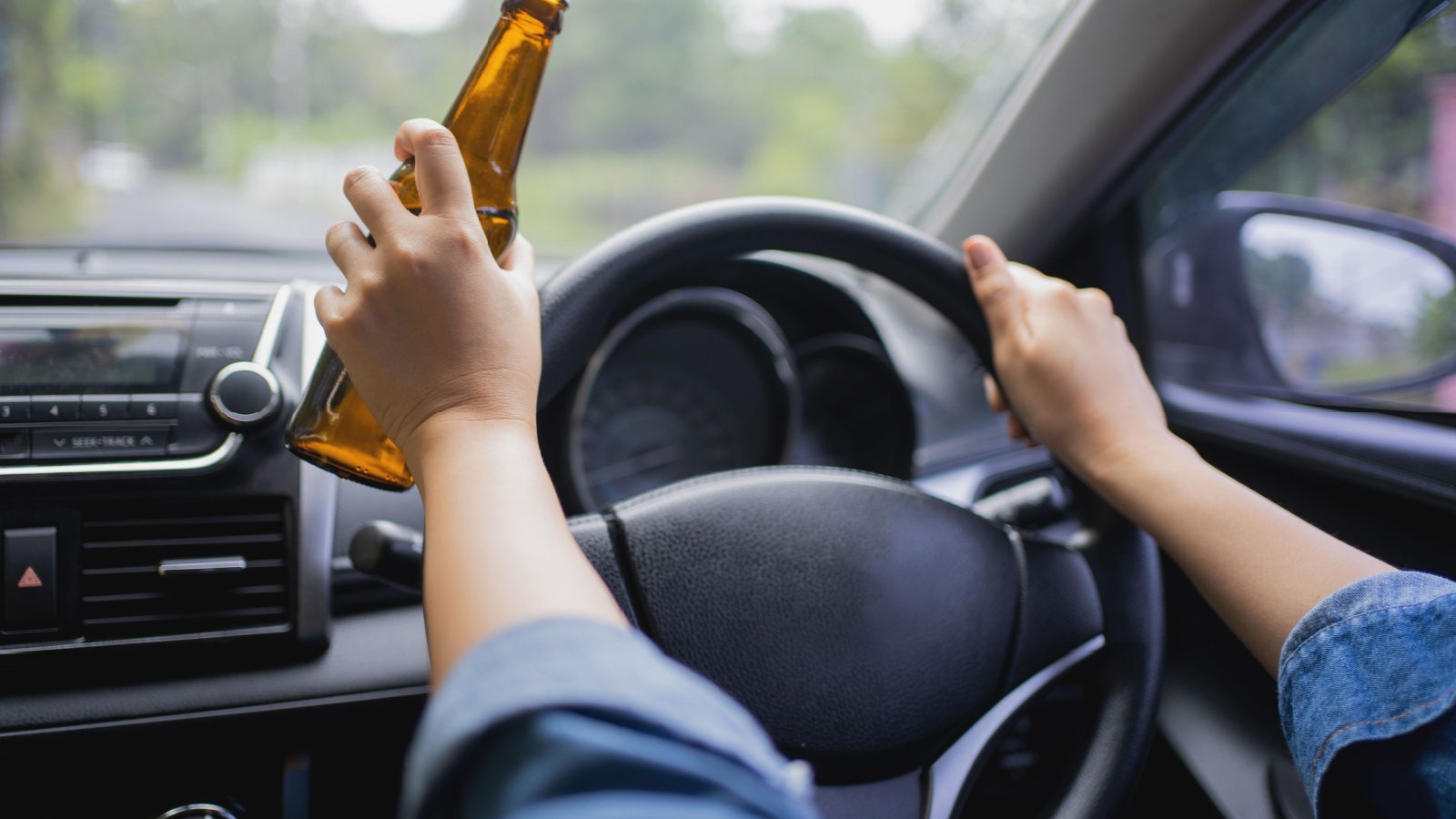
In Canada, the legal blood alcohol concentration (BAC) limit for fully licensed drivers is generally 0.08%. Some provinces, such as Ontario and British Columbia, enforce immediate license suspensions for lower BACs like 0.05% under administrative penalties. Commercial drivers and young drivers often have a zero-tolerance policy. Driving under the influence can result in fines, criminal charges, and license suspension. Provinces also have roadside sobriety tests and checkpoints. Understanding provincial BAC regulations and avoiding alcohol before driving is essential for safety. Strict compliance protects the driver, passengers, and other road users on Canadian roads.
Distracted Driving Penalties Across Canadian Provinces
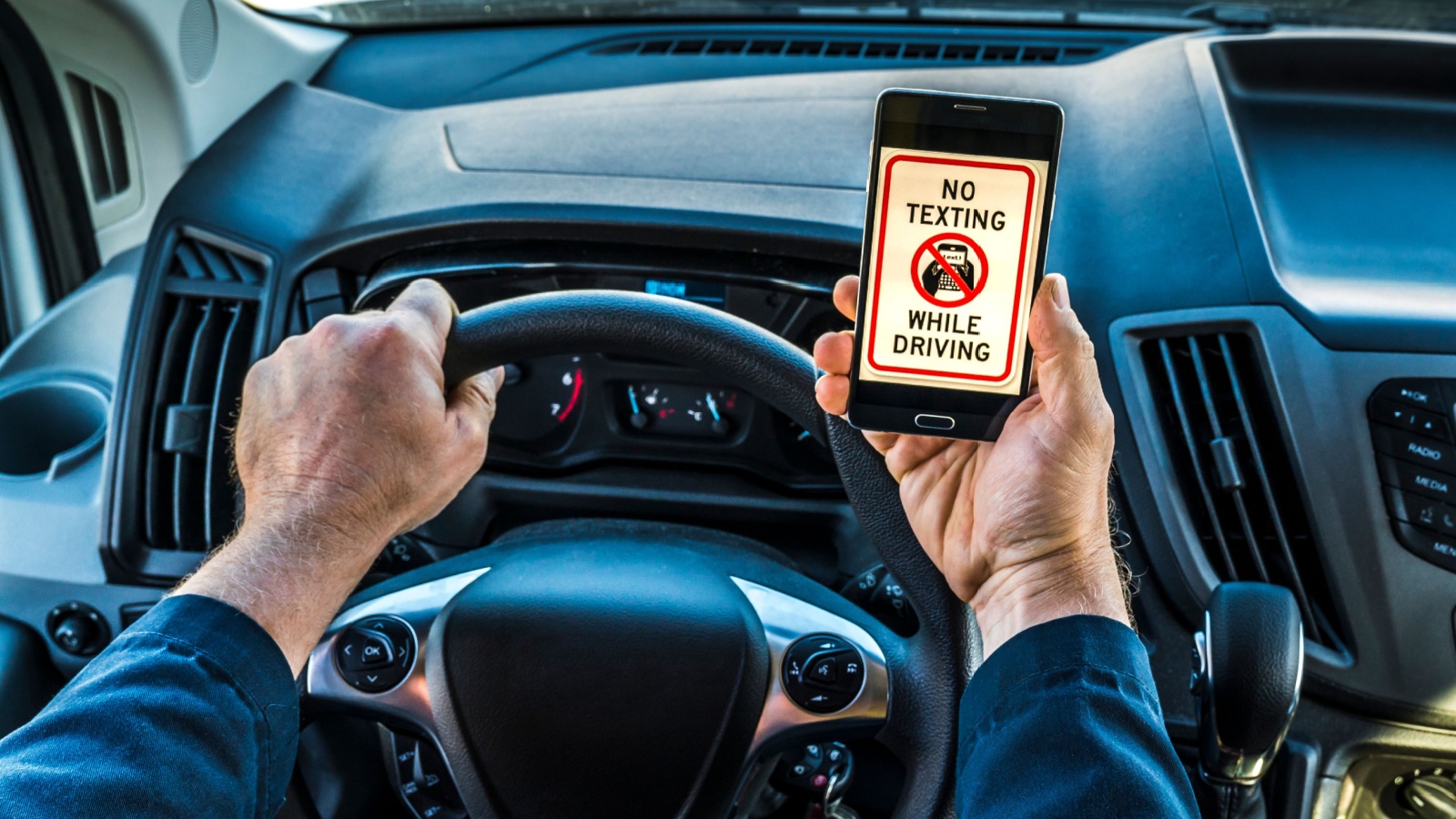
Using handheld devices while driving is prohibited in all Canadian provinces. Penalties include fines, demerit points, and possible license suspension. Hands-free devices may be allowed, but texting, browsing, or calling without hands-free equipment is illegal. Provinces like Ontario and British Columbia enforce strict rules with high fines. Distracted driving includes eating, grooming, or other actions that reduce attention on the road. Awareness and compliance with local laws reduce accidents and protect drivers, passengers, and pedestrians. Observing these rules is especially critical in urban areas, school zones, and highways, where distractions can have severe consequences in Canadian traffic.
Parking Restrictions Near Fire Hydrants and Driveways
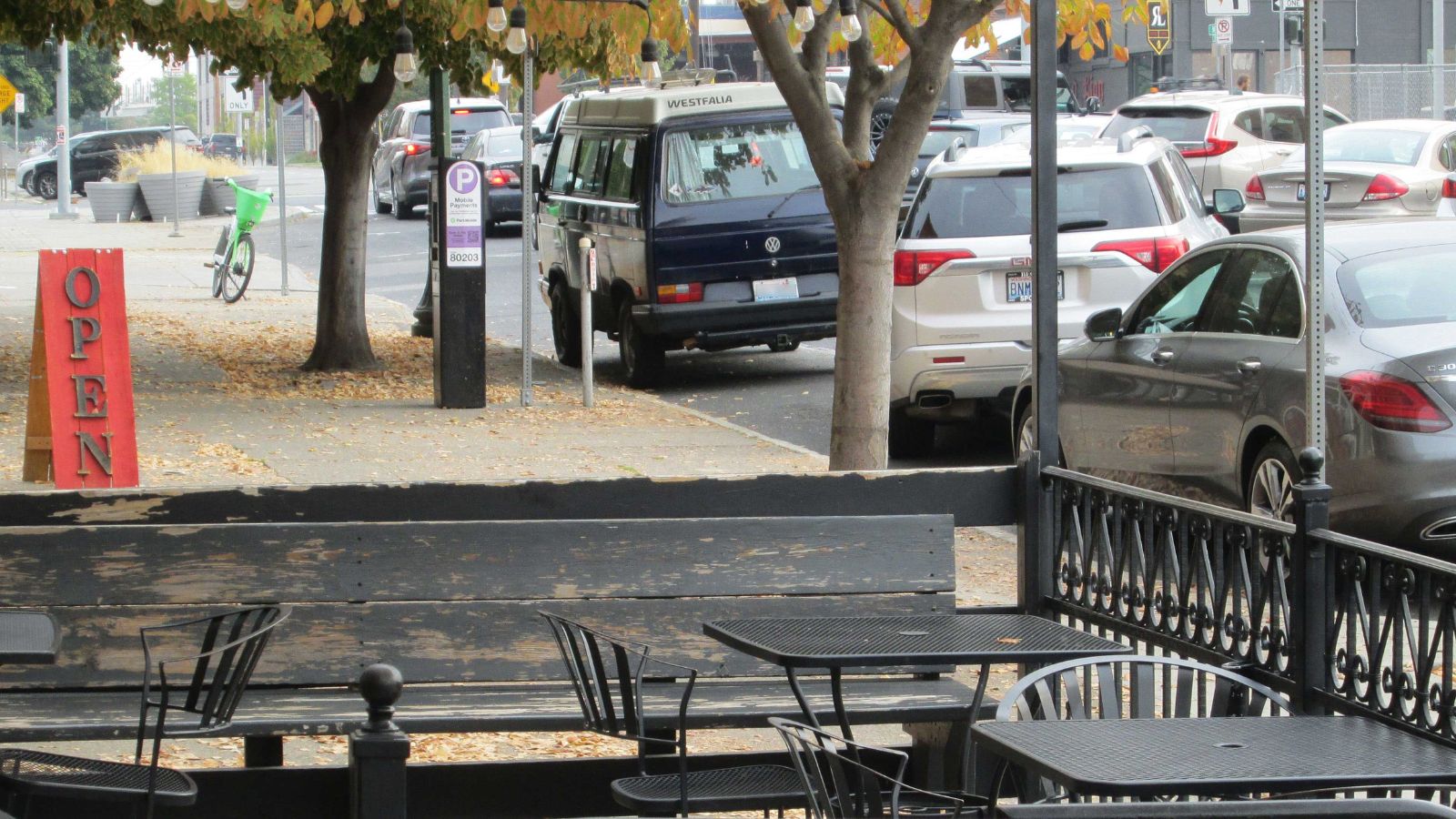
In Canada, it is illegal to park too close to fire hydrants or block driveways. Provincial and municipal regulations specify minimum distances, typically 3 metres from a hydrant and clear access to private driveways. Violations can result in fines or vehicle towing. These rules ensure emergency services can respond quickly and prevent obstruction for property owners. Drivers should always check local signs and markings before parking. Compliance protects public safety and prevents inconvenience. Ignoring these rules can also increase liability if an accident or emergency occurs. Observing parking regulations is essential in both urban and residential areas across Canada.
Winter Parking Bans and Snow Clearing Rules
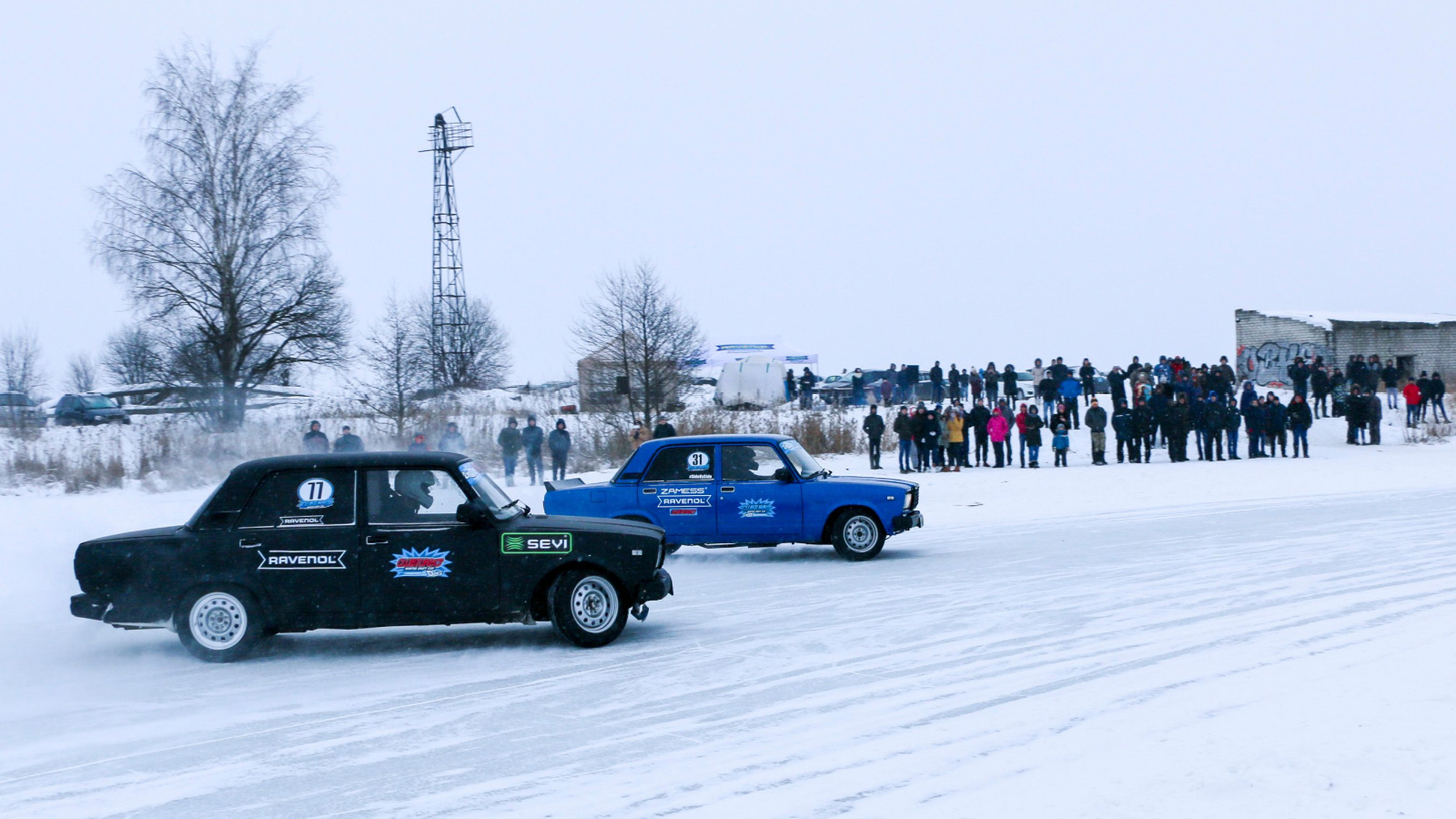
Many Canadian municipalities enforce winter parking bans to allow street snow removal. Vehicles parked on designated streets during ban hours may be ticketed or towed. Some provinces also require driveways and sidewalks to be cleared within a certain timeframe. Compliance prevents accidents and ensures streets remain passable for residents and emergency services. Drivers should check local bylaws and seasonal signage before leaving vehicles on the road. Following winter parking rules contributes to safe driving conditions and effective snow management. Awareness and cooperation with municipal guidelines are essential for avoiding fines and supporting community safety during harsh Canadian winters.
Towing Regulations for Trailers, RVs, and Boats

Canadian provinces have specific rules for towing trailers, RVs, and boats. Vehicles must use proper hitches, lights, and safety chains. Maximum weight limits and braking requirements vary by province. Failure to comply can result in fines, demerit points, or liability in accidents. Drivers should ensure trailers are loaded evenly and secured correctly. Speed limits for towing are often lower than standard highway limits. Observing these regulations protects drivers, passengers, and other road users. Proper towing practices reduce accidents and mechanical failures while travelling across provinces in Canada.
Yielding to Emergency Vehicles in Canada
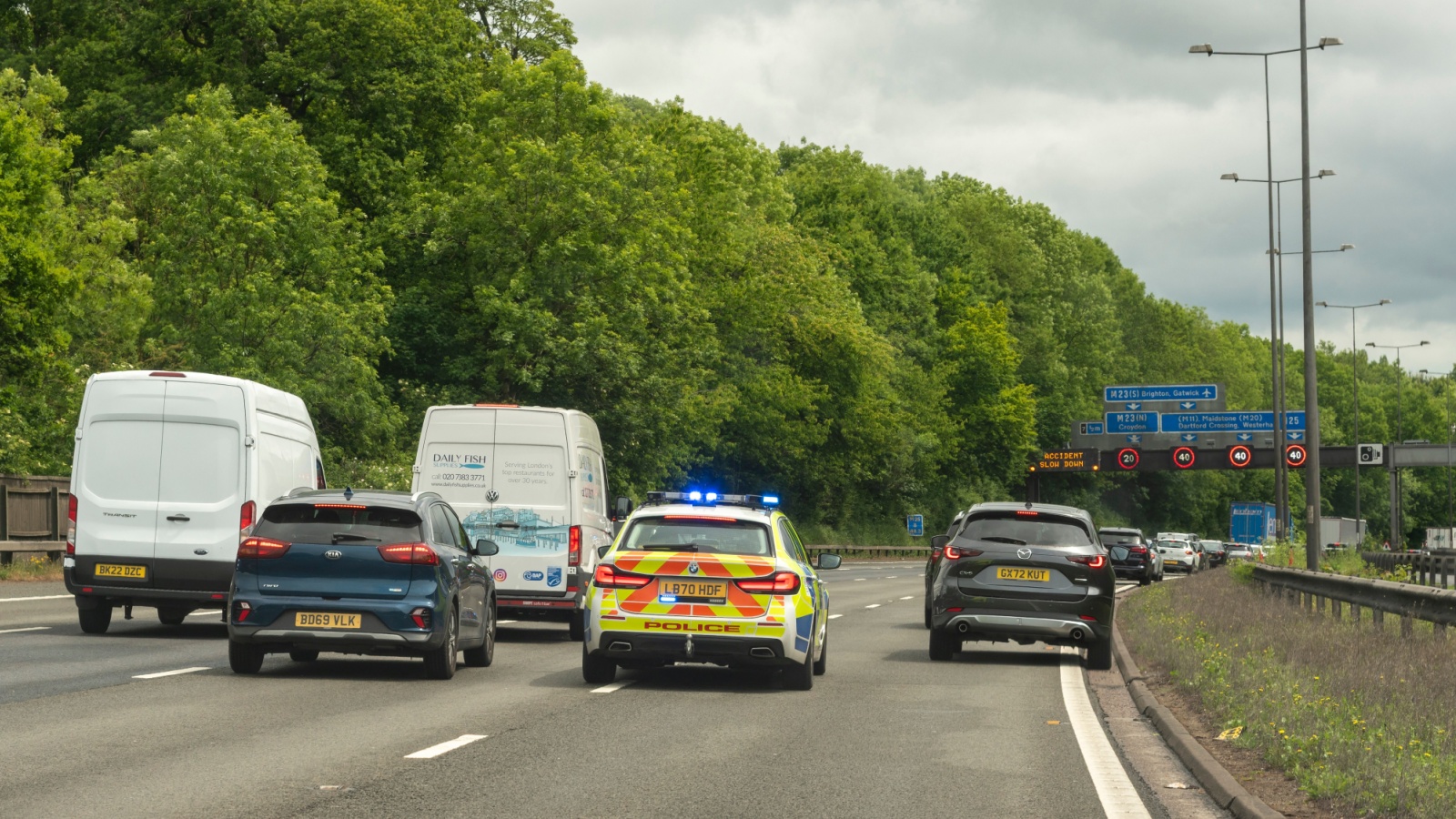
Drivers must yield to emergency vehicles with flashing lights and sirens in all Canadian provinces. This includes pulling over to the side or stopping safely until the vehicle passes. Failing to yield can result in fines, demerit points, and legal liability. Awareness of nearby emergency vehicles is essential, especially at intersections and in heavy traffic. Yielding ensures the safety of emergency responders and the public. Canadian traffic laws emphasize prompt and safe compliance to allow fire, police, and medical services to respond effectively. Observing this rule can prevent accidents and save lives.
Proper Use of Turn Signals in Intersections

Using turn signals is mandatory in Canada when entering intersections, changing lanes, or turning. Signals must be activated well in advance to alert other drivers and pedestrians. Failure to use turn signals can result in fines and demerit points. Proper signaling improves road safety, reduces collisions, and prevents confusion. Drivers should check mirrors and blind spots in addition to signaling. Both urban and rural drivers must observe this rule consistently. Turn signals are a simple but crucial aspect of safe driving across Canadian provinces, especially in busy downtown areas or on highways with multiple lanes.
Maintaining Safe Following Distances in Canadian Conditions

Maintaining a safe following distance is essential in Canada due to variable weather conditions. Snow, ice, rain, or fog increase stopping distances, so drivers should leave more space than usual. The general guideline is two seconds in clear conditions, increasing in winter or poor visibility. Tailgating increases accident risk and may result in fines. Drivers should anticipate sudden stops and adjust speed accordingly. Observing safe distances protects drivers, passengers, and other road users. Awareness of seasonal hazards and maintaining a buffer zone ensures safer driving across Canadian highways and urban streets.
School Zone Speed Limits and Enforcement

In Canada, school zones have reduced speed limits during designated hours to protect children. Limits typically range from 30 to 50 km/h, depending on the province and municipality. Drivers must slow down and be alert for students crossing streets. Cameras or police enforcement may be used to ensure compliance. Failing to follow school zone limits can result in fines, demerit points, and increased insurance premiums. Awareness of signs and posted times is essential. Adhering to school zone rules protects children and promotes safe driving habits. Speed enforcement is strict across provinces to prevent accidents in areas with high pedestrian activity.
Winter Chain and Studded Tire Regulations

Certain Canadian provinces require chains or studded tires in winter or mountain regions. Quebec, British Columbia, and parts of Alberta enforce seasonal regulations for specific highways. Using proper traction devices improves safety on ice and snow-covered roads. Some provinces limit the type or duration of studded tire use. Non-compliance can result in fines and increased liability during accidents. Drivers should check provincial regulations before winter travel. Observing these rules ensures safer driving conditions during harsh weather and mountainous terrain. Proper tire preparation is critical to prevent collisions and maintain vehicle control in Canadian winter conditions.
Rules for Electric Scooters and E-Bikes in Canada

Electric scooters and e-bikes are regulated provincially and municipally across Canada. Age limits, speed restrictions, helmet requirements, and where they can be ridden vary. Some cities require licensing or registration for higher-powered models. Sidewalk use may be prohibited, while bike lanes and roads are permitted. Failing to follow local rules can result in fines or confiscation. Riders must understand provincial laws and municipal bylaws to operate safely. Compliance ensures the safety of riders, pedestrians, and drivers. Awareness of these regulations helps prevent accidents and integrates electric mobility responsibly into Canadian urban transport networks.
Provincial Variations in Traffic Fines and Penalties
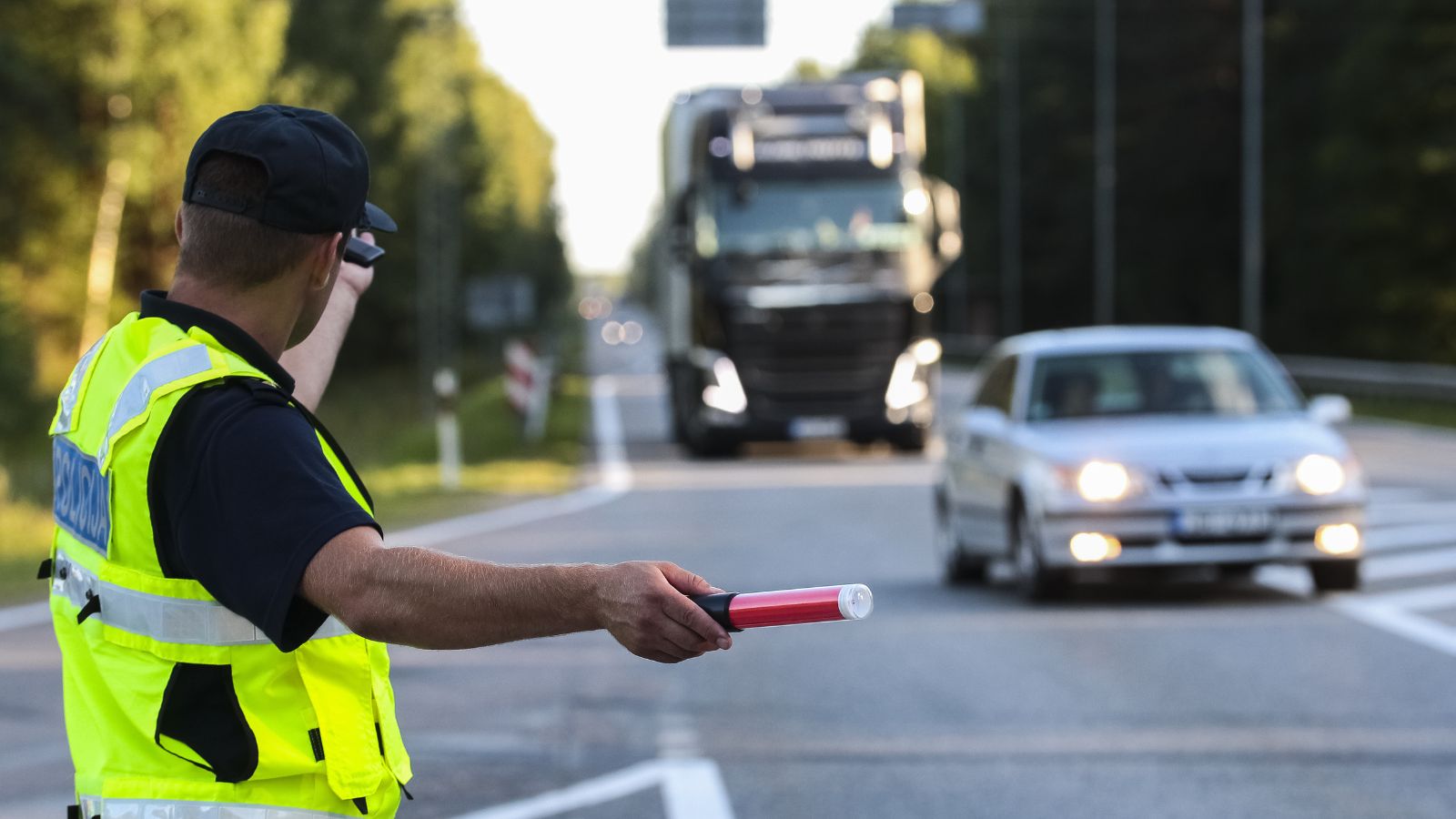
Traffic fines and penalties in Canada vary by province, even for similar infractions. Speeding, distracted driving, and impaired driving carry different fines and demerit points depending on the location. Some provinces have administrative penalties, while others enforce immediate license suspensions. Understanding local laws is essential for drivers traveling between provinces. Ignorance of regional differences can result in unexpected fines or legal issues. Checking provincial guidelines before driving ensures compliance with traffic regulations. Awareness of variations helps maintain safe driving practices and reduces risk. Following local rules supports enforcement consistency and protects all road users across Canada.
21 Products Canadians Should Stockpile Before Tariffs Hit

If trade tensions escalate between Canada and the U.S., everyday essentials can suddenly disappear or skyrocket in price. Products like pantry basics and tech must-haves that depend on are deeply tied to cross-border supply chains and are likely to face various kinds of disruptions
21 Products Canadians Should Stockpile Before Tariffs Hit
