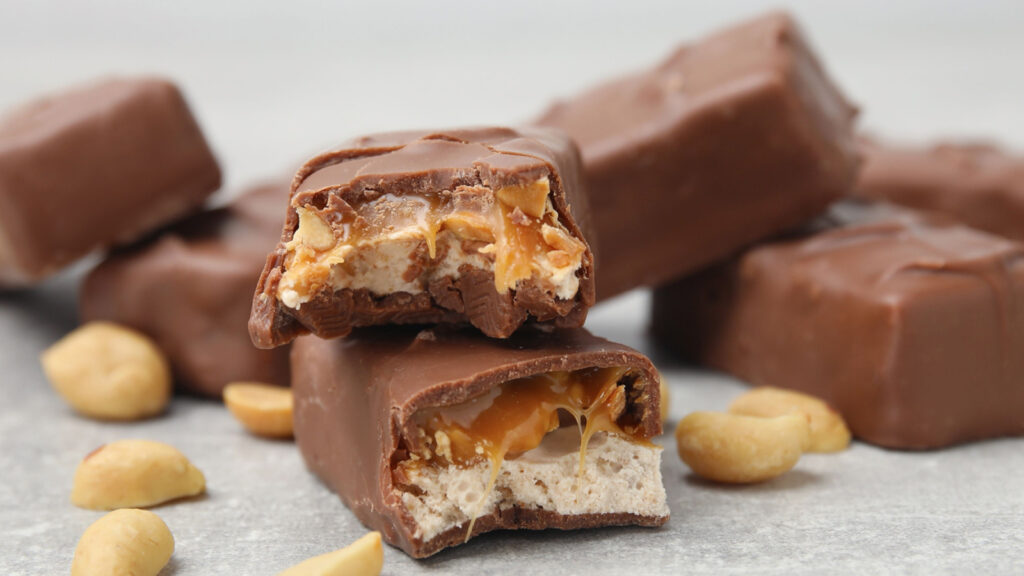
Grocery shoppers across Canada are noticing packages looking the same but holding less. This trend, called shrinkflation, affects many everyday products. Companies reduce quantity while keeping prices similar. The change often appears small at first glance. Over time, households buy replacements more often. This raises the real cost per use. Labels still show weight or volume, but many shoppers overlook them. Here are 21 shrinkflation products Canadians swear got smaller again this year.
Potato Chip Bags
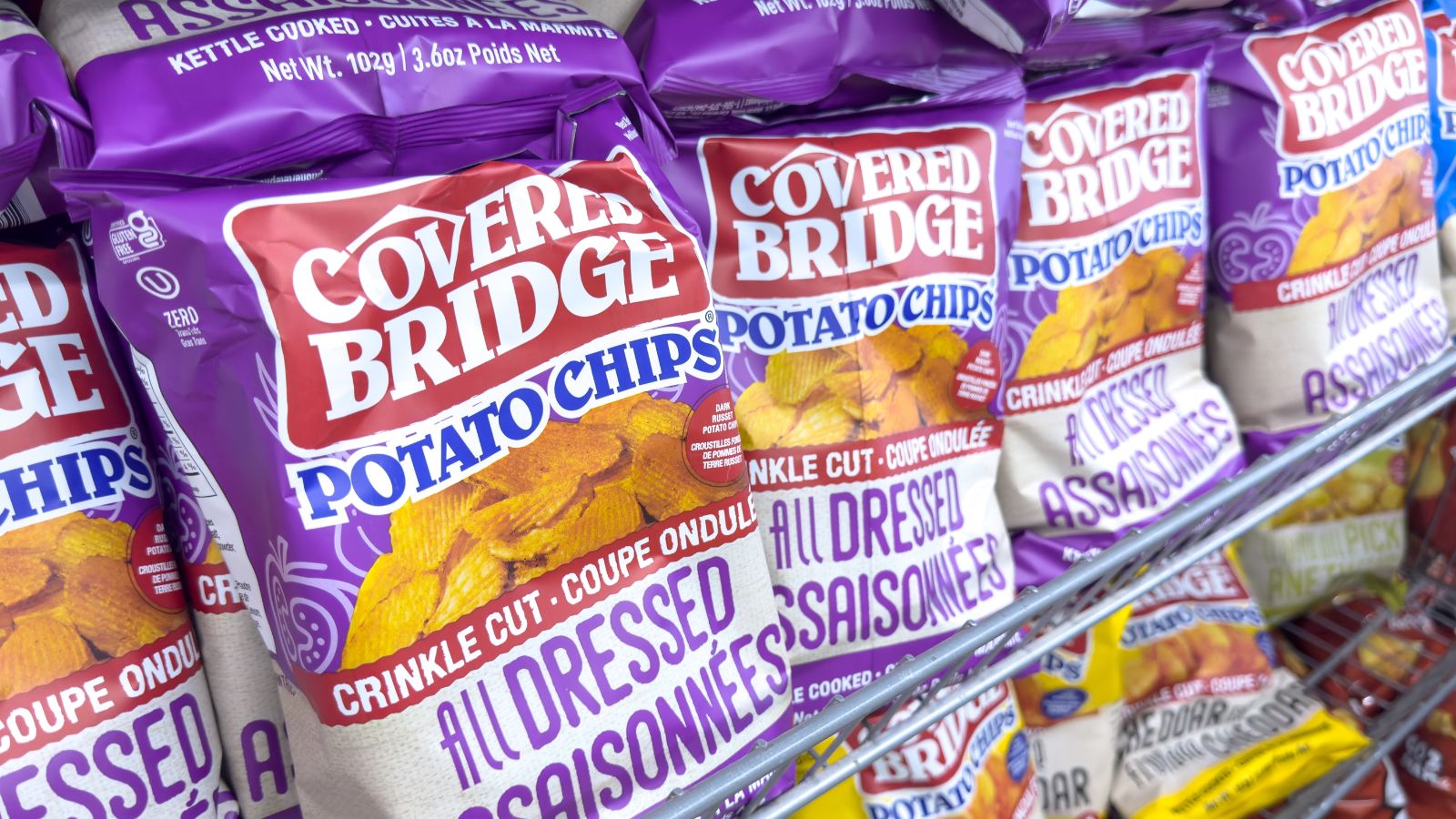
Many Canadians notice chip bags looking the same but weighing less. Package size often stays large while contents shrink. Air space inside bags makes the change less obvious. Price tags usually stay the same or rise. This reduces the value per gram over time. Flavour varieties also face similar size reductions. Shoppers may need two bags instead of one. That raises overall snack spending. Comparing weight labels helps reveal the difference. Store brands sometimes shrink more slowly. Watching unit prices gives a clearer picture. Smaller quantities mean households run out faster between shopping trips.
Chocolate Bars
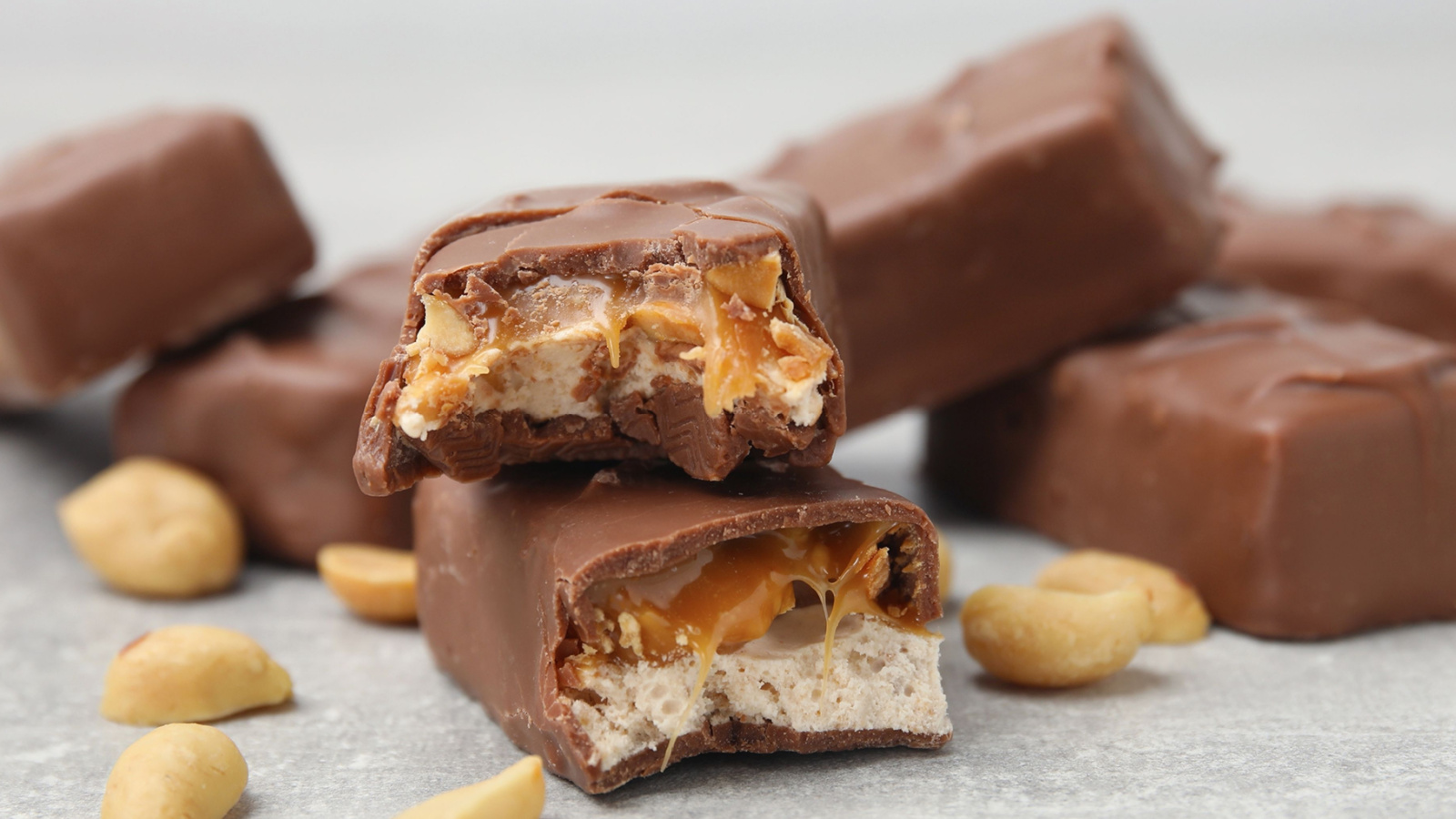
Chocolate bars have slowly reduced in size across many brands. Wrappers often keep the same design and shape. Weight numbers printed in small text show the change. Prices rarely fall when the size decreases. Ingredient costs like cocoa have risen in recent years. Companies adjust the bar weight instead of the shelf price. This makes the reduction less noticeable at first. Multipack bars may shrink as well. Consumers end up paying more per gram. Comparing older and newer packaging reveals the difference. Smaller treats also feel less filling. Regular buyers notice they finish bars more quickly now.
Breakfast Cereal Boxes
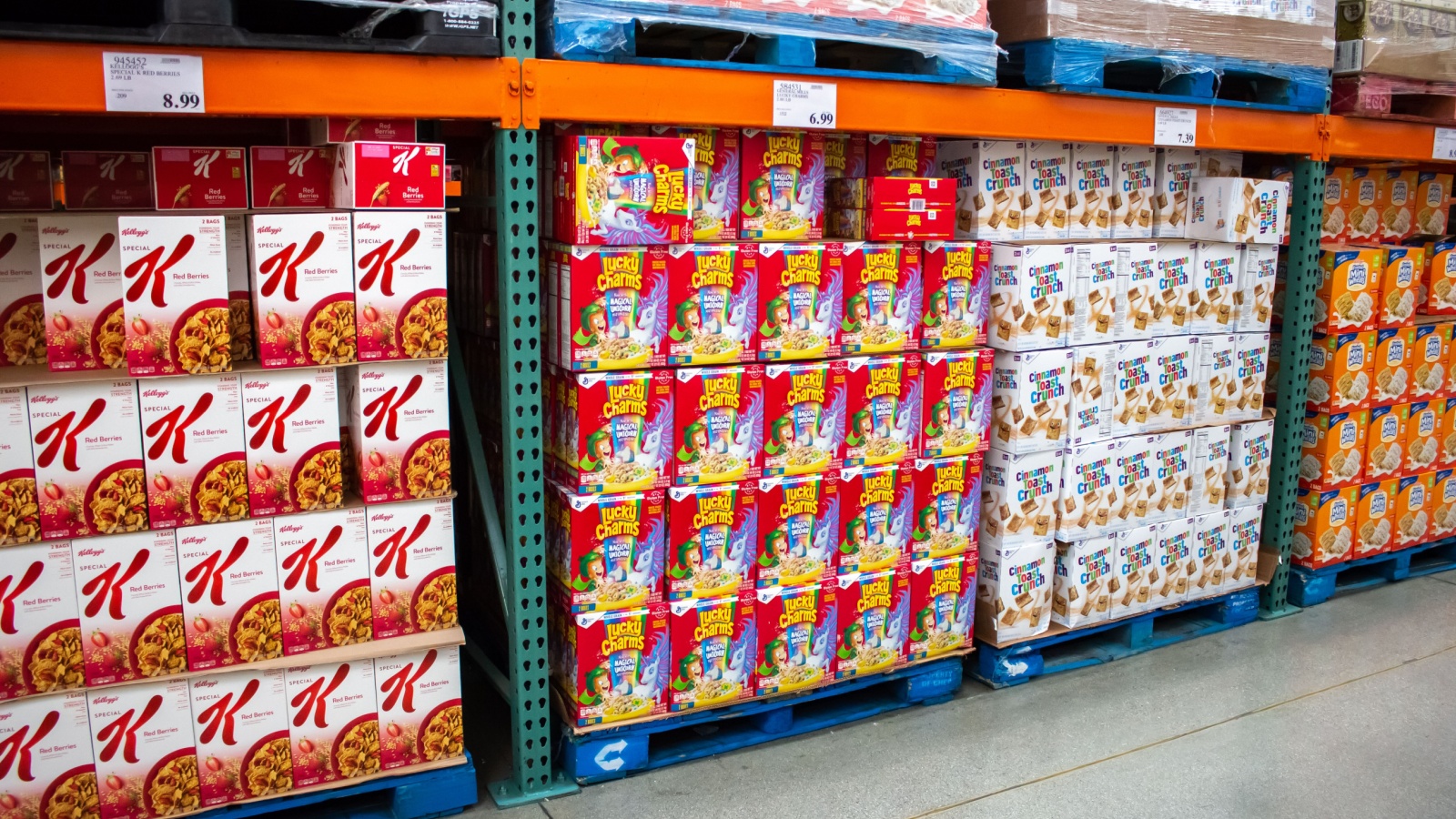
Cereal boxes often appear unchanged on store shelves. Inside, bag volume and weight may be lower. Flakes or puffs can settle, hiding the reduction. Prices tend to stay steady or increase. Families may pour more bowls to feel satisfied. This shortens how long a box lasts. Ingredient costs and transport expenses affect manufacturers. Shrinking contents helps maintain profit margins. Unit price labels show rising cost per gram. Store brands may follow similar patterns. Shoppers sometimes switch to bulk oats instead. Watching package weights helps track these quiet changes.
Ice Cream Tubs
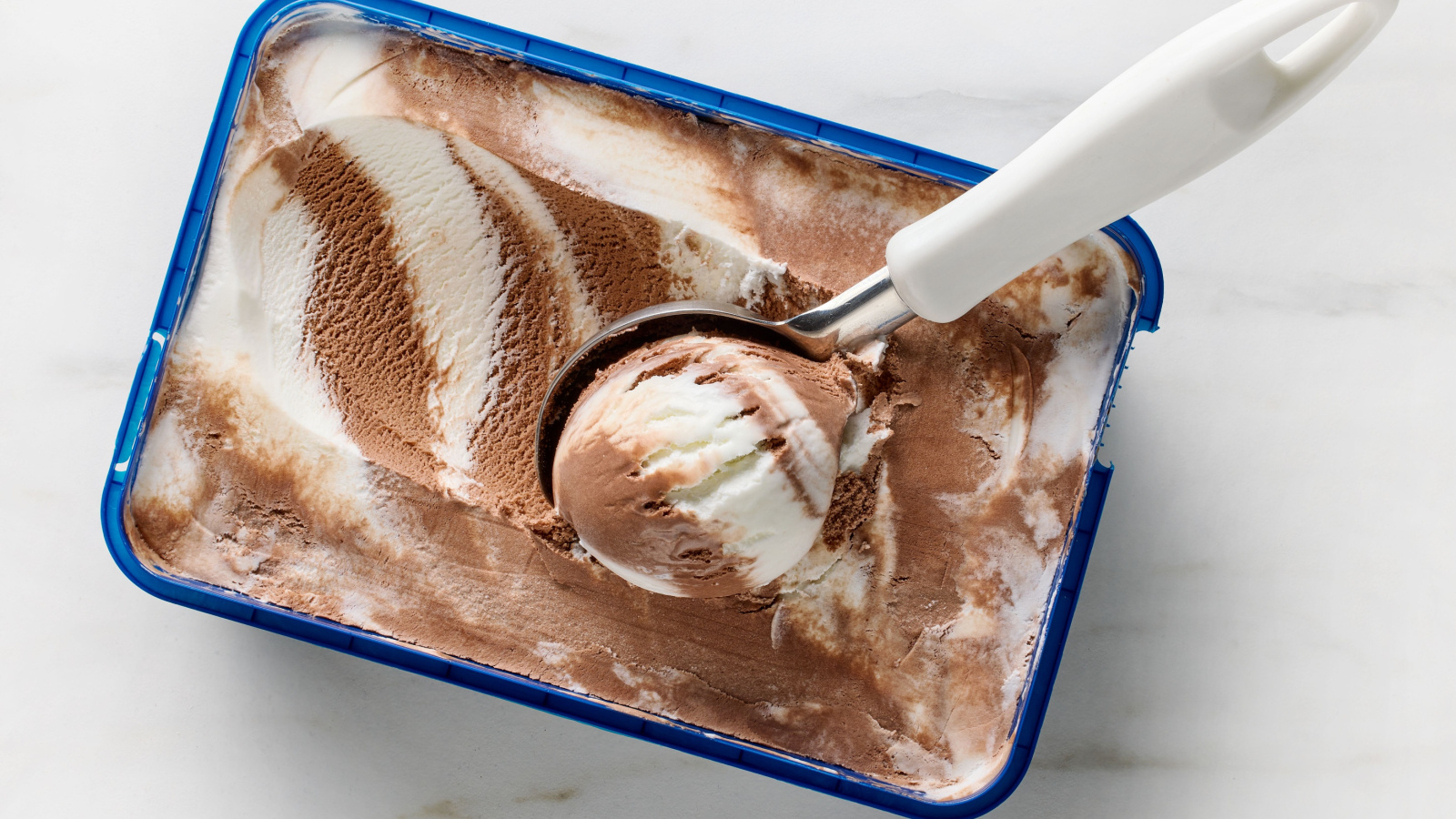
Ice cream containers have reduced from older standard sizes. Tubs look similar but hold fewer millilitres. Lid design and shape can mask the difference. Prices usually stay high despite the size drop. Families may notice desserts finishing sooner. Premium brands often shrink first, then others follow. Ingredient and dairy costs influence these decisions. Smaller containers mean more frequent purchases. Comparing label volume helps reveal the shift. Some stores keep older sizes in select brands. Shoppers pay attention to the trend quickly. Reduced volume raises the cost per serving over time.
Yogurt Multipacks

Yogurt multipacks sometimes shrink cup size rather than pack count. The number of cups looks unchanged at first glance. Each container may hold fewer grams than before. Prices often remain steady or rise slightly. This increases the cost per serving without clear notice. Flavoured and kids’ packs show this trend often. Packaging design rarely highlights the reduction. Families buying weekly feel the packs finishing sooner. Larger tubs may still offer better value. Reading weight labels helps spot real differences. Small changes across months add up. Paying attention supports smarter grocery budgeting.
Butter Blocks
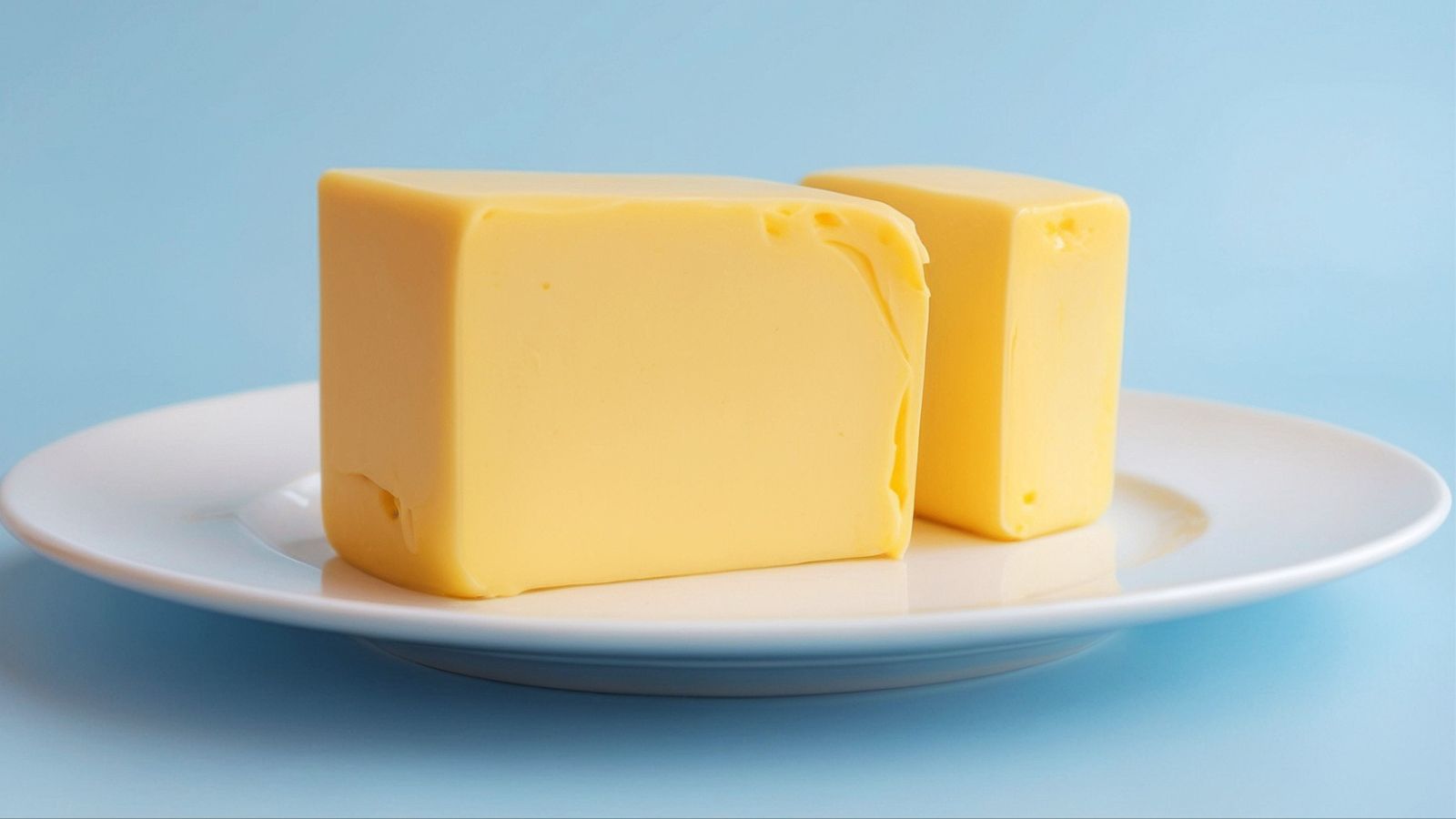
Butter blocks in Canada have seen subtle weight adjustments. Packaging often looks unchanged on the shelf. Brick size may shrink by a small amount. Prices usually remain steady or increase. This raises the cost per gram for home bakers. Recipes often rely on standard block sizes. Smaller bricks can affect measuring habits. Shoppers may need extra butter sooner. Dairy production costs influence these packaging decisions. Comparing label weights over time shows the change. Store brands sometimes follow the same pattern. Watching unit pricing helps track real value at purchase.
Packaged Sliced Bread
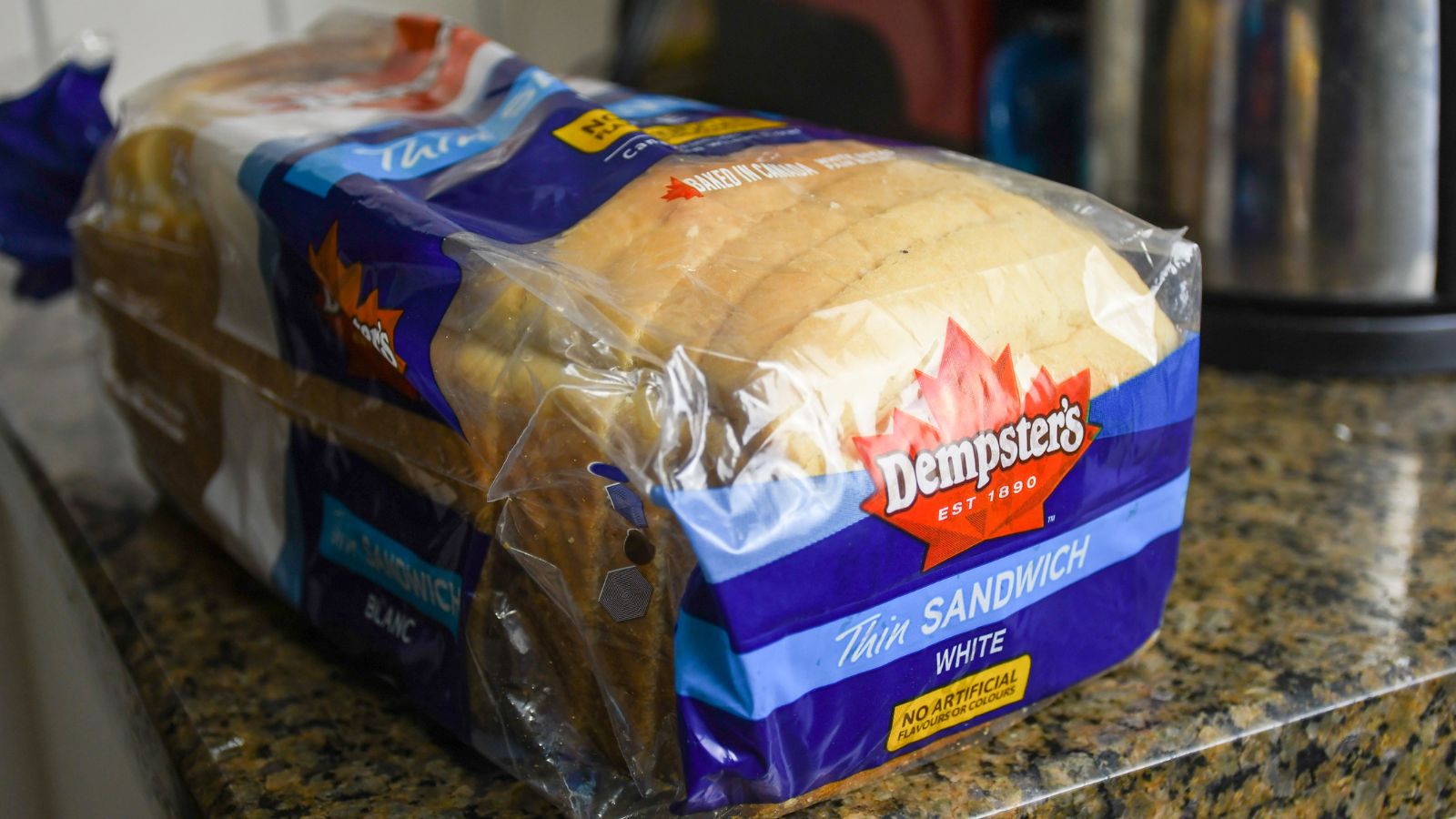
Packaged sliced bread loaves sometimes contain fewer slices than before. Bag size and branding usually stay familiar. Slice thickness may also decrease slightly. Prices rarely drop when loaf weight falls. Families may notice bread running out faster each week. Manufacturers adjust size instead of shelf pricing. This keeps visual packaging consistent. Unit price labels reveal rising cost per gram. Store brands and name brands both show changes. Sandwich routines may require buying bread more often. Checking the net weight offers better insight than the loaf shape. Small reductions add up over regular shopping trips.
Toilet Paper Rolls
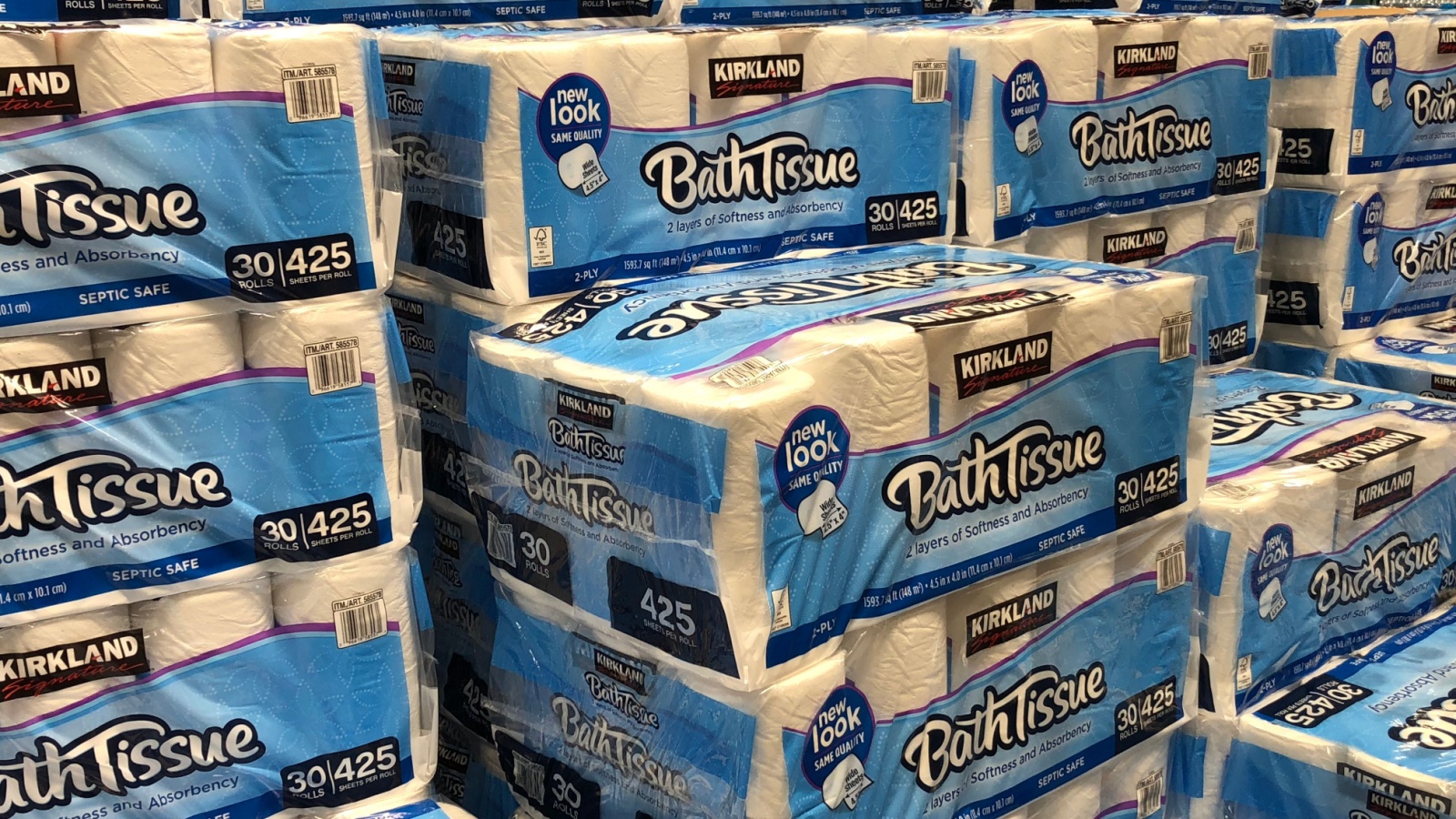
Toilet paper rolls often shrink due to reduced sheet count. Roll width can also narrow slightly. Packaging design stays almost identical. Prices usually hold steady or rise. Consumers may not notice until rolls finish faster. Manufacturers adjust sheet size as well. This reduces the total paper per roll. Bulk packs still follow similar patterns. Comparing sheets per roll helps spot shrinkage. Unit price per sheet offers a clearer value measure. Storage space remains the same despite fewer products. Small reductions across packs increase yearly household costs.
Paper Towel Rolls
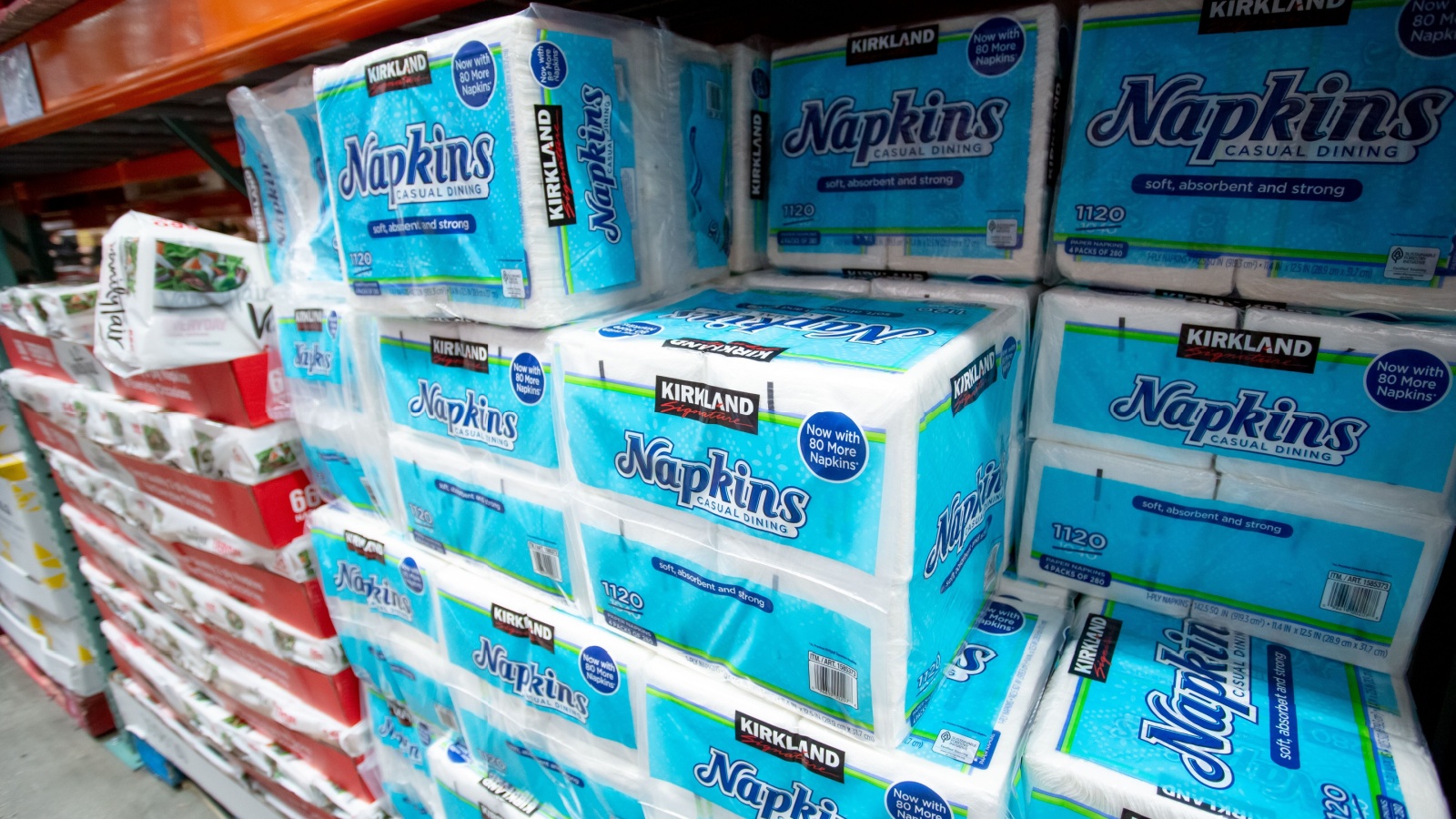
Paper towel rolls have seen smaller sheet counts in many brands. Roll diameter can appear similar at first glance. Sheet length or width may reduce quietly. Prices often stay the same or increase. Households may go through rolls more quickly. Packaging rarely highlights the change clearly. Comparing sheet numbers shows the difference. Bulk bundles can still shrink in total sheets. Unit price per sheet helps reveal value shifts. Cleaning routines may require more frequent replacements. Store brands sometimes adjust sizes later. Watching product details supports smarter buying choices.
Frozen Pizza
Frozen pizzas sometimes shrink in weight without major design changes. Box size may remain the same. Crust thickness or topping quantity can be reduced slightly. Prices often hold steady despite fewer products. Families may notice pizzas feeling less filling. Ingredient and transport costs influence these adjustments. Comparing net weight across brands shows differences. Promotional sales can mask regular shrinkage. Shoppers might need two pizzas instead of one. This raises the total meal cost. Checking the gram weight offers clearer value insight. Small reductions become noticeable over repeated purchases.
Coffee Ground Packs
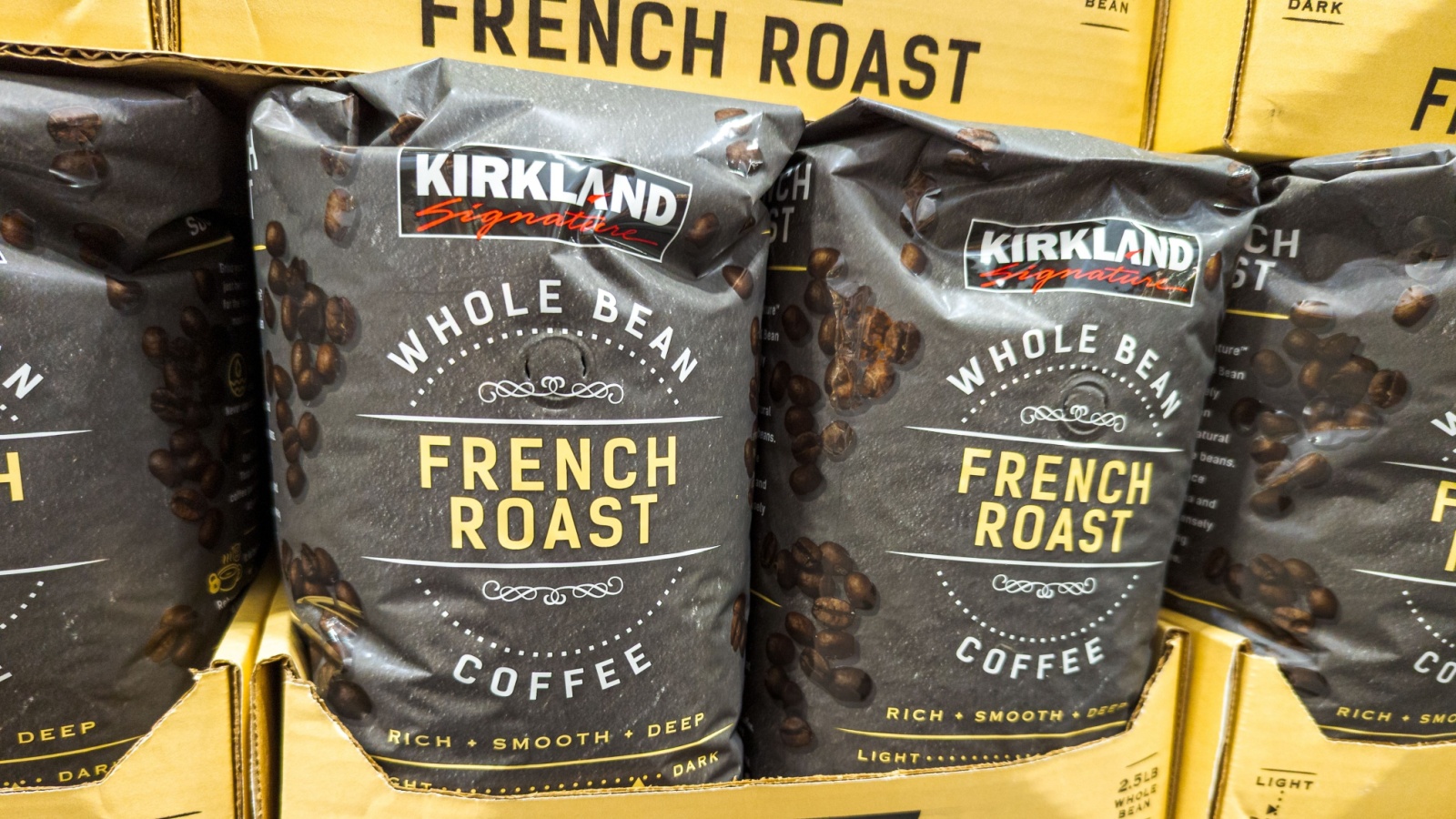
Coffee ground packs have reduced in weight across many brands. Bag size often looks the same on shelves. The gram count printed on labels tells a different story. Prices usually stay steady or increase. Morning coffee drinkers may run out sooner. Smaller packs mean more frequent store trips. Roasting and transport costs affect pricing decisions. Manufacturers adjust size instead of raising prices sharply. Comparing the unit price per gram reveals the change. Bulk purchases may still offer better value. Watching weight labels helps track spending. Small reductions add up for daily coffee users.
Juice Cartons
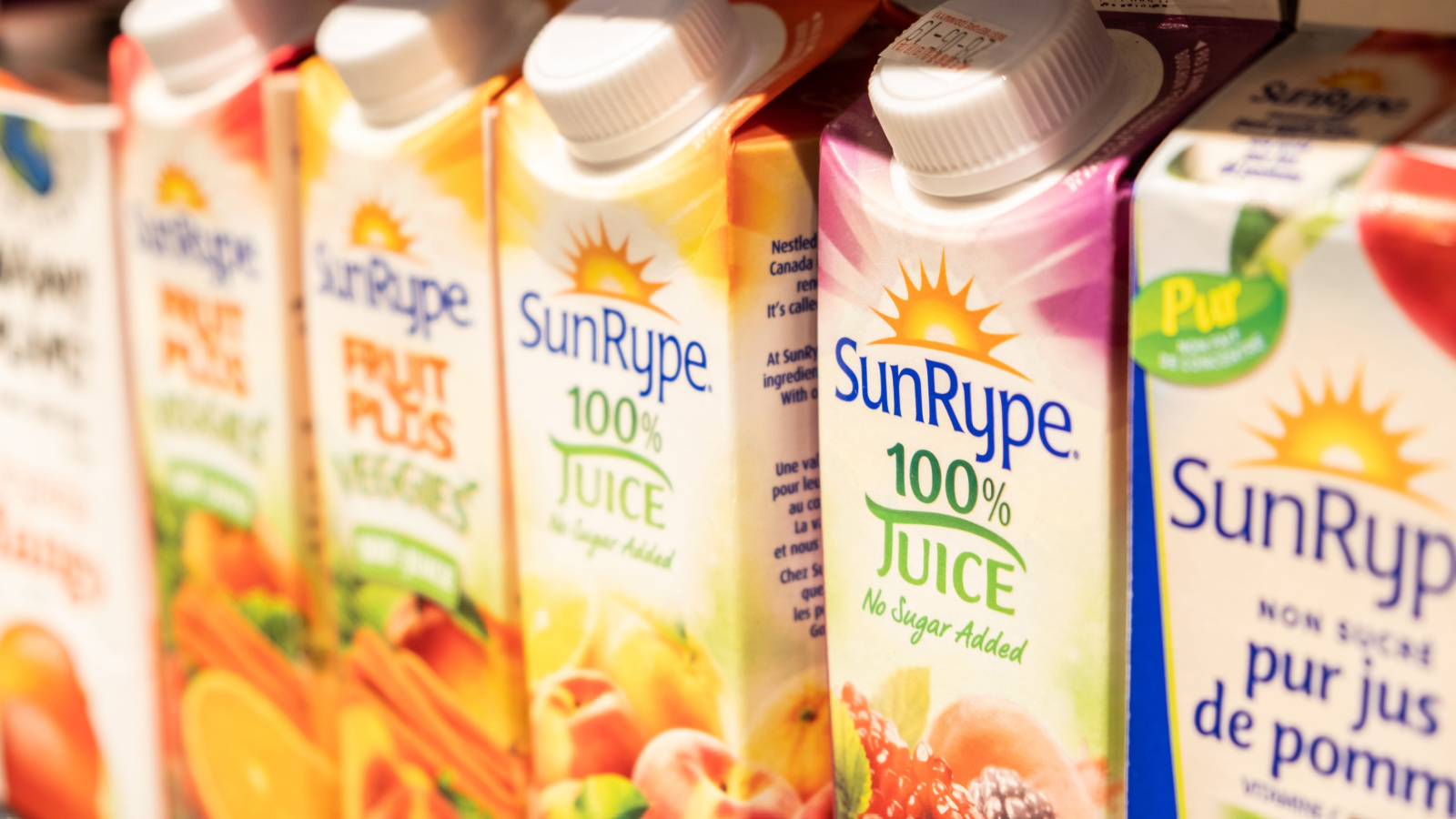
Juice cartons sometimes hold fewer millilitres than before. Carton height and shape often stay similar. Label volume numbers show the actual reduction. Prices rarely drop with the size change. Families may notice cartons finishing faster. Fruit concentrate and packaging costs influence these shifts. Multipacks can also shrink quietly. Unit price per litre shows rising costs clearly. Store brands may follow similar trends. Comparing older packaging highlights the difference. Households may buy juice more often. Watching label details helps manage grocery budgets.
Snack Crackers
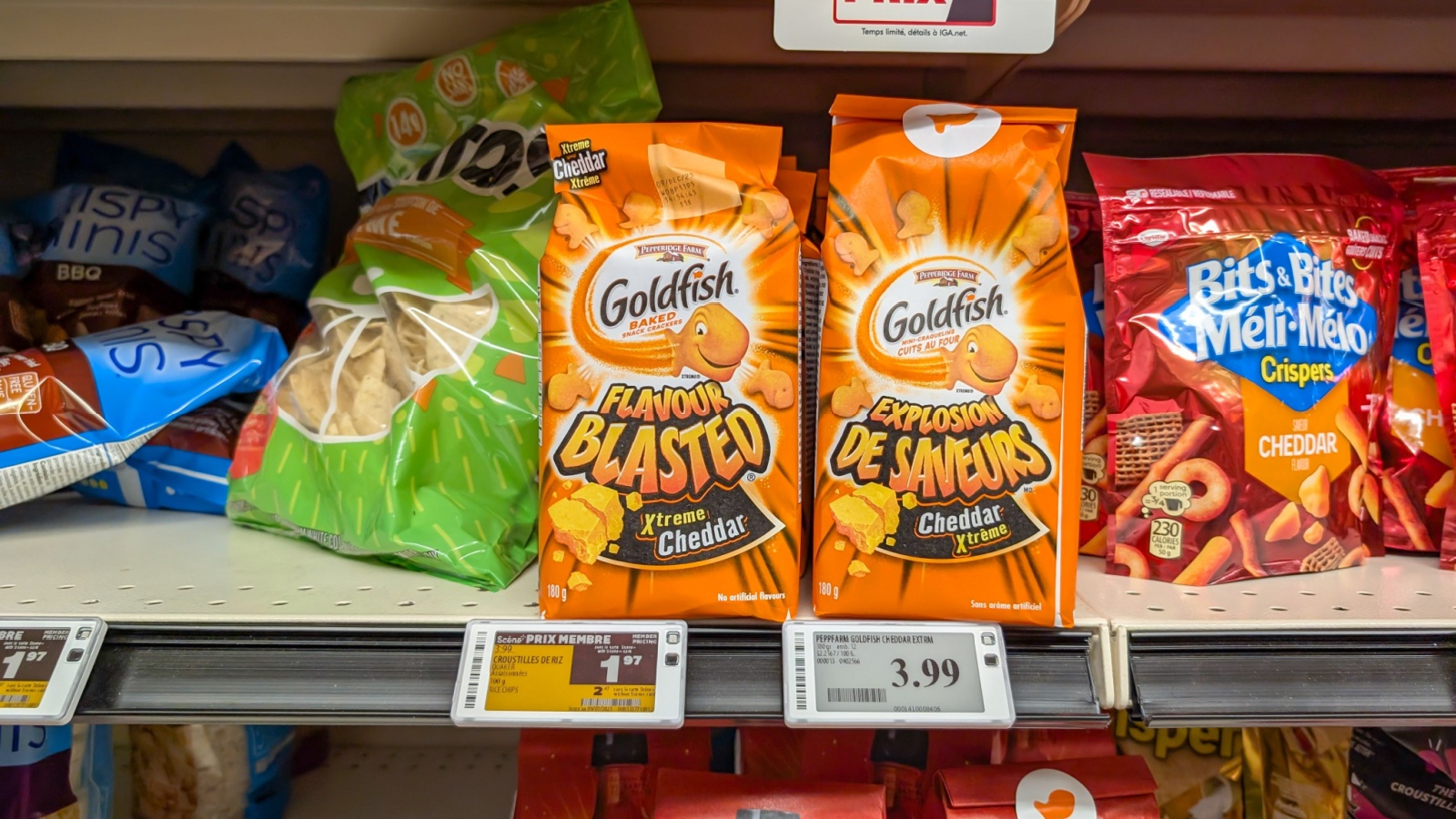
Snack cracker boxes often shrink in net weight. Box dimensions usually stay close to older versions. Inside bags may hold fewer crackers. Prices tend to remain the same or rise. This increases the cost per serving over time. Portion sizes per sleeve may also be reduced. Families might go through boxes faster than before. Ingredient and packaging costs affect decisions. Comparing unit prices helps spot changes. Store brands sometimes mirror these reductions. Checking gram weights gives clearer value insight. Small differences become noticeable with regular buying.
Granola Bars
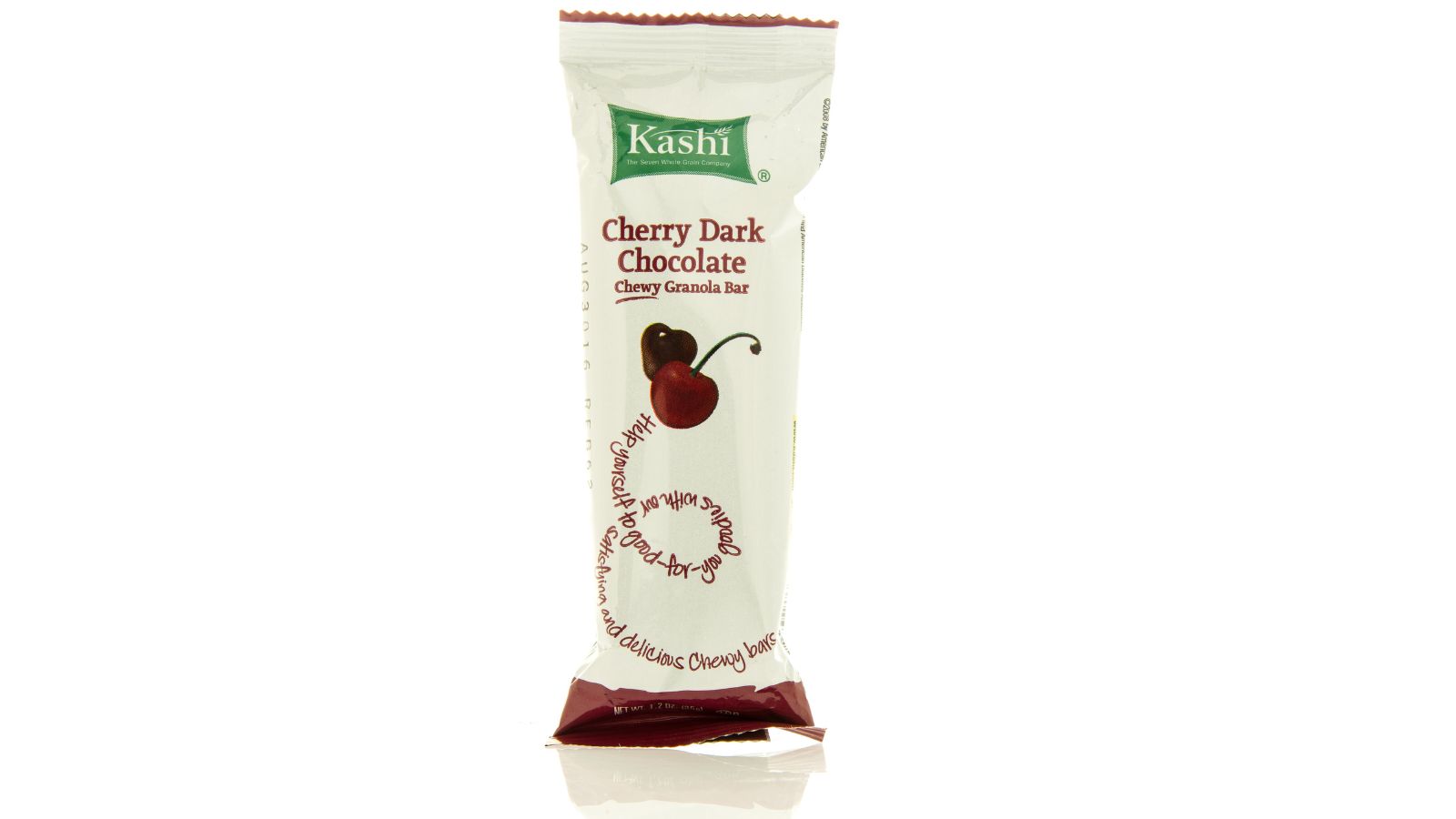
Granola bar boxes sometimes keep the same bar count. Each bar may weigh slightly less than before. Wrapper design rarely signals a change clearly. Prices often stay steady or increase. This raises the cost per gram quietly. Kids and lunch pack buyers feel the difference quickly. Ingredient cost shifts influence manufacturer choices. Smaller bars may feel less filling. Multipacks can still follow shrinkage patterns. Unit price labels show the real value. Comparing old and new packaging reveals the shift. Small size cuts add up over months.
Cheese Blocks
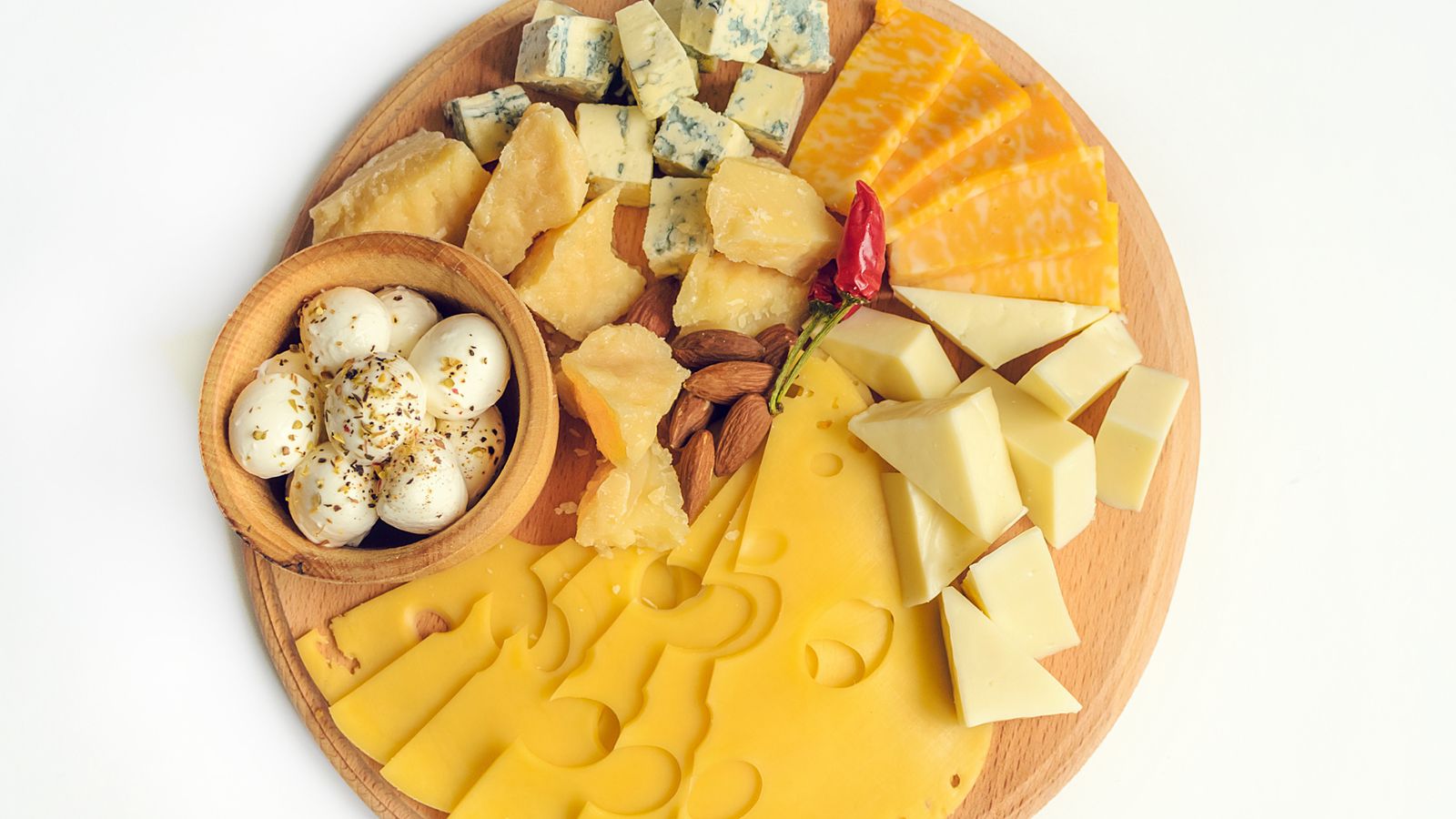
Cheese blocks have reduced in weight in some brands. Packaging size often looks unchanged on shelves. Gram numbers printed on labels reveal the reduction. Prices usually remain high or rise further. This increases the cost per gram for buyers. Cheese is used across many meals weekly. Smaller blocks mean more frequent repurchasing. Dairy production costs play a role in these changes. Comparing unit prices highlights value differences. Store brands may adjust later. Watching label weights helps track spending. Small reductions become noticeable over repeated grocery trips.
Deli Meat Packages
Deli meat packages sometimes shrink in net weight over time. Package size and branding usually stay familiar. Slices may become thinner to reduce the total grams. Prices often remain steady or increase. This raises the cost per sandwich serving. Families using deli meat regularly notice packs finishing faster. Processing and transport costs affect these adjustments. Comparing weight labels helps spot reductions clearly. Store brands can follow similar patterns. Buying larger family packs may still offer better value. Unit price per gram gives a clearer picture. Small changes add up across weekly grocery trips.
Instant Noodle Packs

Instant noodle packs sometimes contain slightly less noodle weight. Packet size often looks unchanged on shelves. Seasoning sachets may stay the same size. Prices rarely fall with reduced contents. This increases the cost per serving quietly. Students and budget shoppers feel the change quickly. Ingredient cost shifts influence these packaging decisions. Multipacks can shrink in total noodle grams. Comparing net weight reveals the difference. Store brands may adjust at different times. Checking unit price helps measure value. Small reductions add up with frequent purchases.
Frozen Chicken Nuggets
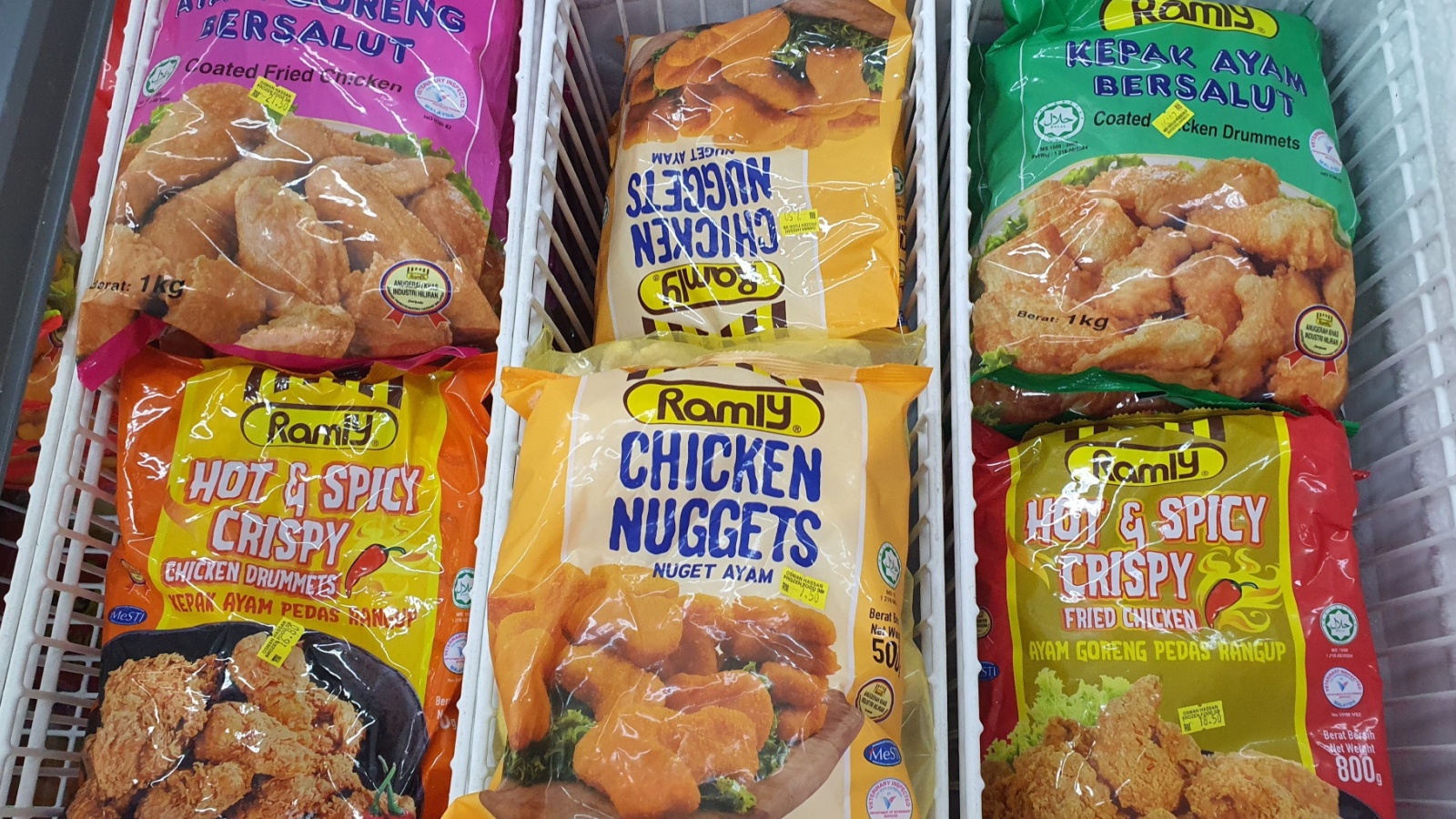
Frozen chicken nugget bags may shrink in total weight. Bag design often remains almost identical. Nugget size or count inside can decrease. Prices usually hold steady or rise. This raises the cost per piece over time. Families may need extra bags for the same meal. Poultry and processing costs influence these changes. Comparing gram weights helps reveal shrinkage. Promotional sales can hide regular-sized cuts. Store brands sometimes follow later. Watching unit prices gives better value insight. Smaller quantities become clear after repeated purchases.
Condiment Bottles
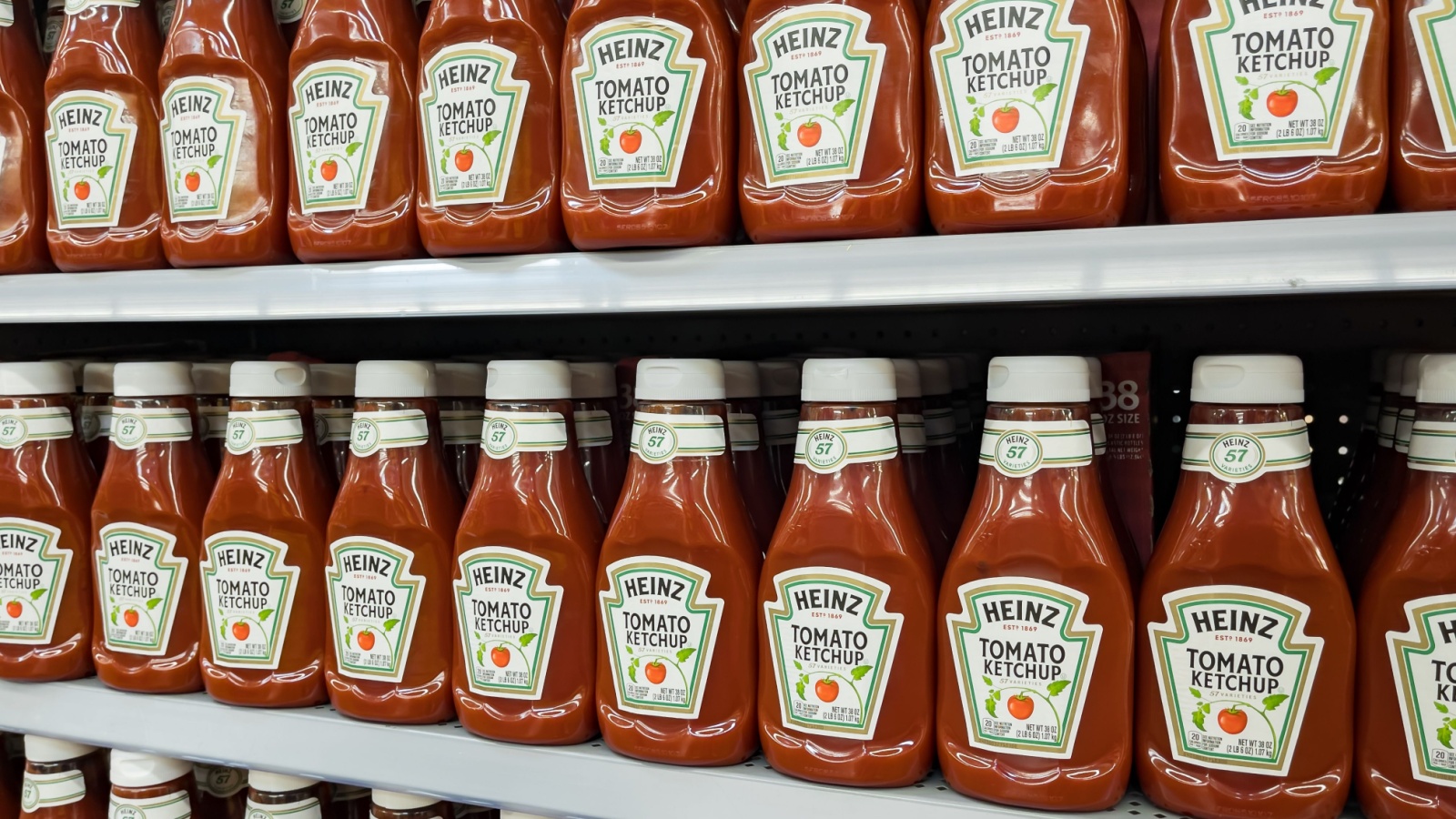
Condiment bottles sometimes hold fewer millilitres than before. The bottle shape may change slightly to hide the reduction. Labels rarely highlight the new volume clearly. Prices often stay the same. This increases the cost per use quietly. Sauces like ketchup or mustard run out faster. Ingredient and packaging costs play a role. Comparing volume labels shows the difference. Store brands may shrink later than national brands. Unit price per millilitre gives a better comparison. Households may buy condiments more often. Small reductions build up across months.
Laundry Detergent Bottles
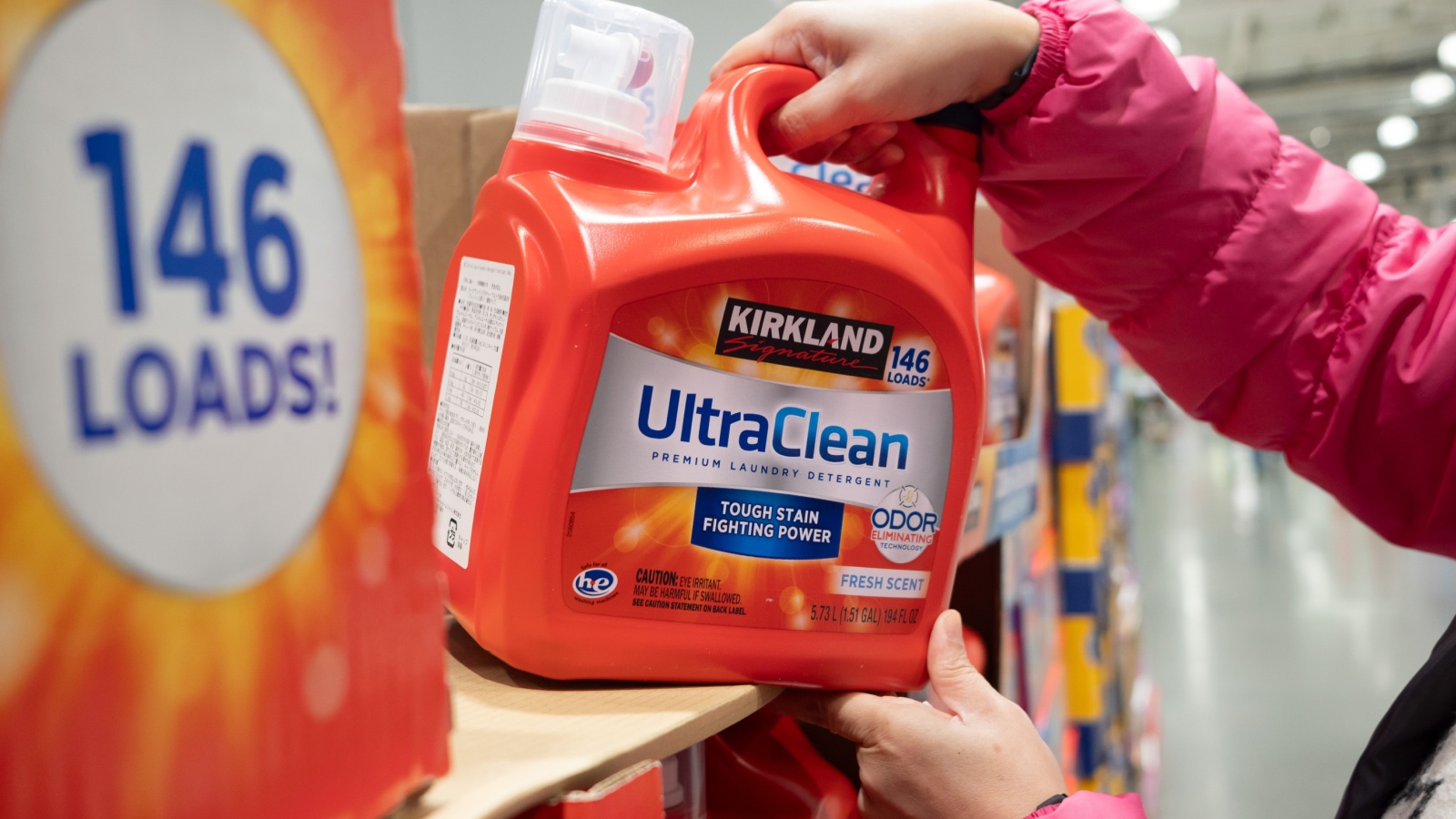
Laundry detergent bottles sometimes shrink in volume. Bottle design may look more compact but similar. Concentrated formulas can mask reduced liquid amounts. Prices often stay steady or rise. Load count claims may also change. Consumers may notice bottles emptying sooner. Production and packaging costs affect these decisions. Comparing millilitre volume helps track shrinkage. Unit price per load offers clearer value. Store brands can follow similar patterns. Frequent users feel the impact quickly. Small reductions add to yearly household expenses.
Dishwashing Liquid Bottles

Dishwashing liquid bottles may contain less liquid than before. Bottle size and shape often look familiar. Labels showing millilitres reveal the actual reduction. Prices usually remain unchanged. This raises the cost per wash over time. Concentration claims can make comparisons harder. Households may replace bottles more often. Packaging and ingredient costs influence these shifts. Unit price per millilitre shows value clearly. Store brands may shrink at different times. Watching label details helps manage spending. Small changes become noticeable across regular purchases.
22 Groceries to Grab Now—Before another Price Shock Hits Canada

Food prices in Canada have been steadily climbing, and another spike could make your grocery bill feel like a mortgage payment. According to Statistics Canada, food inflation remains about 3.7% higher than last year, with essentials like bread, dairy, and fresh produce leading the surge. Some items are expected to rise even further due to transportation costs, droughts, and import tariffs. Here are 22 groceries to grab now before another price shock hits Canada.
22 Groceries to Grab Now—Before another Price Shock Hits Canada
