
Seasonal changes in Canada can be abrupt, shifting from freezing temperatures to milder conditions within weeks. Skin often struggles to adapt to these rapid transitions. What worked during winter may suddenly feel too heavy, drying, or ineffective. Many people continue old routines without noticing new needs. Increased sunlight, humidity, wind, and allergens also affect skin behavior. Small habits can lead to breakouts, sensitivity, or dullness during this period. Adjusting products and techniques gradually helps maintain balance. Here are 21 skincare mistakes Canadians make when the weather changes.
Continuing Heavy Winter Moisturizers Too Long

Many Canadians keep using thick winter creams even as temperatures rise. These formulas are designed for extreme dryness and cold air. In milder weather, they can feel greasy and clog pores. Skin may start looking dull or congested instead of hydrated. Heavier products can also interfere with makeup application. As humidity increases, lighter lotions usually work better. Gel creams or fluid moisturizers absorb more easily. Transitioning gradually helps prevent sudden dryness. People with oily or combination skin notice buildup fastest. Using too rich a formula may trigger breakouts. Checking how skin feels midday can guide adjustments. Switching to lighter hydration supports balance as seasons change. Updating moisturizer texture is often one of the simplest ways to improve spring skincare results.
Skipping Sunscreen on Cloudy Spring Days

Cloud cover does not completely block harmful ultraviolet radiation. Many Canadians assume sunscreen is unnecessary without strong sunshine. However, UV exposure still occurs on overcast days. Reflection from water or remaining snow can increase intensity. Daily protection helps prevent premature aging and pigmentation. Lightweight sunscreens now feel comfortable under makeup. Broad-spectrum formulas guard against both UVA and UVB rays. Applying it as the final skincare step is common practice. Reapplication may be needed during extended outdoor time. Windows do not fully block UV exposure either. Making sunscreen a daily habit reduces long-term damage. Even brief walks can contribute to cumulative exposure. Skipping protection during spring leaves skin vulnerable when it is already adjusting after winter conditions.
Over-Exfoliating to Remove Dry Skin
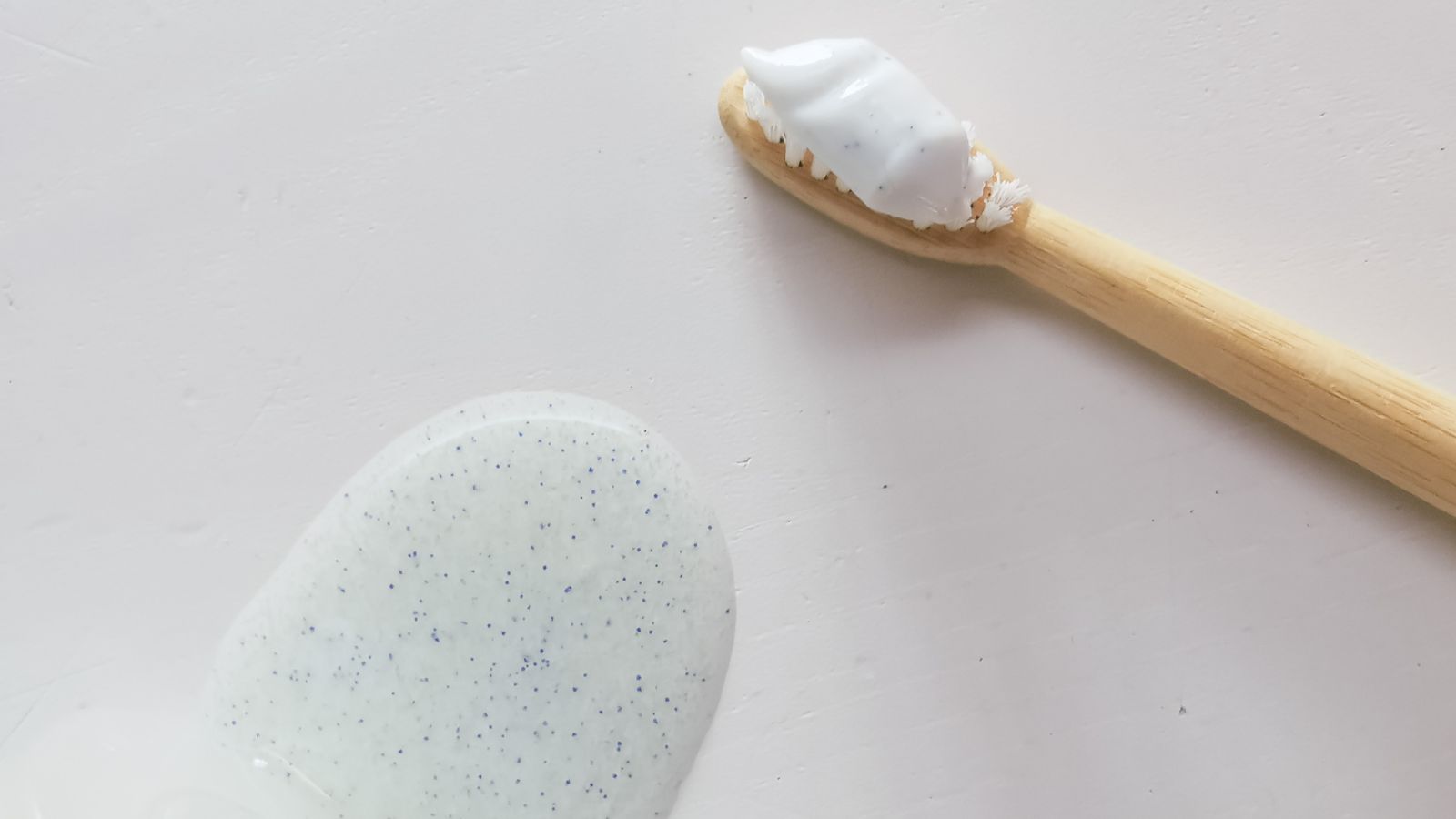
Flaky skin after winter often leads to aggressive exfoliation. Many Canadians scrub too frequently in hopes of faster results. This can damage the protective barrier rather than help. Redness, sensitivity, and tightness may follow. Chemical exfoliants can also irritate when overused. Gentle exfoliation once or twice weekly is usually sufficient. Hydration is equally important for recovery. Overstripping natural oils makes dryness worse. Some people mistake irritation for effectiveness. Skin may appear smoother briefly, but it will become inflamed later. Switching to mild formulas reduces risk. Barrier repair creams help restore balance. Patience is key because damaged skin needs time to recover. Excess exfoliation often prolongs winter-related dryness rather than solving it.
Not Adjusting Cleansers for Warmer Weather

Cleansers suitable for winter may feel too rich in spring. Many Canadians continue using creamy formulas that leave residue. As temperatures rise, skin may produce more oil. Heavier cleansers can contribute to clogged pores. Switching to lighter gels or foaming types often helps. Gentle formulas still maintain the skin barrier. Overly harsh cleansers should also be avoided. The goal is clean skin without tightness. Double cleansing may be useful after sunscreen use. Morning routines often require milder products than evening ones. Testing how skin feels after washing guides adjustments. If it feels slippery or heavy, a change may be needed. Updating cleanser texture is a simple step that supports clearer skin during seasonal transitions.
Ignoring Increased Oil Production

As the weather warms, sebaceous activity often increases. Canadians who usually have dry skin may notice unexpected shine. Ignoring this change can lead to clogged pores and breakouts. Blotting papers or lightweight powders help manage oil. Adjusting skincare products also makes a difference. Oil-free moisturizers may feel more comfortable. Gentle exfoliation can prevent buildup. Overwashing, however, may worsen oil production. Balanced routines work better than extreme measures. Hydration should still be maintained. Some areas of the face may remain dry while others become oily. This requires targeted care rather than uniform treatment. Recognizing seasonal shifts in skin behavior helps prevent problems before they escalate. Monitoring shine levels throughout the day provides useful guidance.
Using the Same Night Cream Year-Round

Night creams designed for winter often contain rich occlusive ingredients. These formulas support barrier repair in harsh conditions. During spring, they may feel excessively heavy. Canadians who continue using them sometimes experience congestion. Lighter nighttime moisturizers can still provide repair benefits. Gel-based or lotion textures absorb more comfortably. Active ingredients may also need adjustment. For example, stronger treatments can be reintroduced gradually. Observing morning skin condition helps determine suitability. If the face feels greasy or puffy, the cream may be too rich. Seasonal rotation of products often improves results. Skin needs to adapt to shifts in humidity and temperature. Updating nighttime care prevents buildup while maintaining hydration. A flexible routine supports healthier skin across changing seasons.
Forgetting Lip Care After Winter
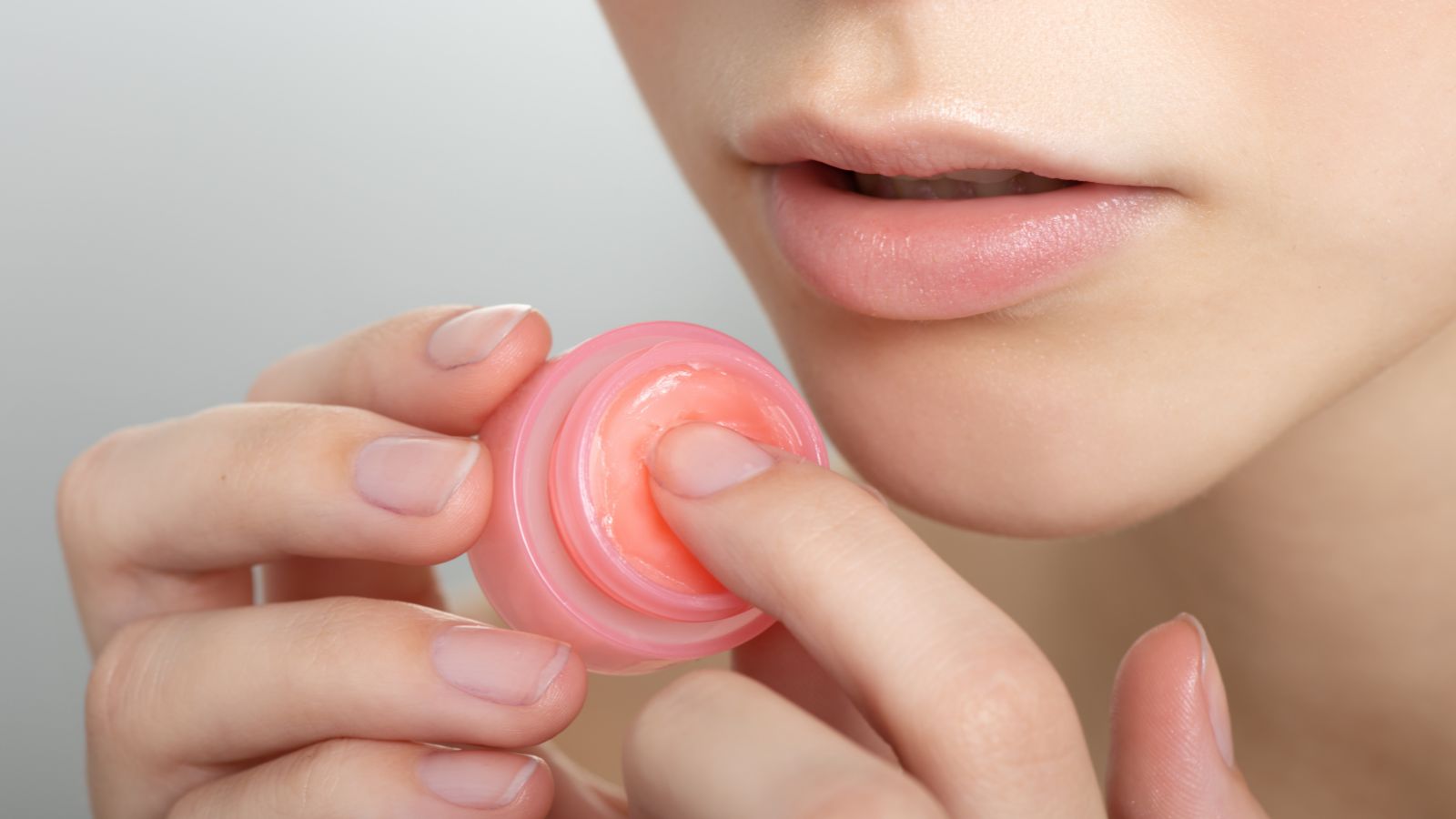
Lips often remain dry even as facial skin improves. Many Canadians stop using protective balms once winter ends. However, lips lack oil glands and recover slowly. Exposure to wind and sun can prolong cracking. Hydrating balms with protective ingredients remain important. Gentle exfoliation may help remove loose skin. Drinking enough water also supports lip health. Matte lip products can worsen dryness. Switching to nourishing formulas improves comfort. Sunscreen protection is often overlooked for lips. UV exposure contributes to long-term damage. Regular reapplication keeps them protected outdoors. Healthy lips enhance overall appearance with minimal effort. Continuing care into spring prevents recurring dryness and discomfort. Neglecting this step leaves lips vulnerable despite milder weather conditions.
Neglecting Neck and Hand Protection

Skincare routines often focus only on the face. The neck and hands remain exposed to environmental stress. Canadians may forget sunscreen and moisturizer for these areas. Thin skin here shows aging signs earlier. Frequent hand washing can worsen dryness. Applying leftover facial products can help maintain consistency. Protective gloves reduce exposure to cleaning chemicals. Lightweight lotions absorb quickly without residue. Sun protection prevents pigmentation and loss of elasticity. These areas are visible year-round, not just in summer. Regular care keeps skin tone even and smooth. Ignoring them creates contrast with well-maintained facial skin. Extending routine steps to the neck and hands supports overall appearance. Small adjustments make a noticeable difference over time.
Switching Products Too Quickly

Many people overhaul their entire routine at once in spring. Canadians eager for fresh products may introduce several items simultaneously. This makes it difficult to identify irritants. Skin needs time to adapt to new formulations. Sudden changes can trigger breakouts or sensitivity. Gradual replacement allows monitoring of reactions. Waiting at least a week between additions helps. Patch testing reduces the risk of widespread irritation. Marketing trends often encourage rapid changes. However, consistency usually yields better results. Maintaining core products while adjusting textures is safer. Observing skin daily provides useful feedback. If redness or itching appears, new items should be paused. Slow transitions protect the skin barrier and prevent unnecessary complications.
Not Reintroducing Active Ingredients Gradually

Some active treatments are reduced during harsh winter months. Retinoids and exfoliating acids may be paused due to sensitivity. When spring arrives, reintroducing them too quickly can cause irritation. Canadians sometimes resume their previous strength immediately. Skin may no longer tolerate the same concentration. Starting with a lower frequency helps rebuild tolerance. Applying moisturizer afterwards can reduce dryness. Sun protection becomes even more important during this period. Overuse may lead to peeling and redness. Monitoring skin response guides adjustments. If irritation occurs, spacing applications further apart helps. Consistency matters more than intensity. Gradual reintroduction allows benefits without damaging the barrier. Careful pacing prevents setbacks while restoring an effective routine for the new season.
Overusing Matte Products as Humidity Rises

As oil production increases, matte products may seem appealing. Canadians sometimes overapply mattifying primers or powders. Excess use can create a dull, flat appearance. Skin may also become dehydrated beneath the surface. Matte formulas can settle into fine lines. A balanced approach works better than complete oil elimination. Combining matte zones with natural finish areas looks healthier. Lightweight setting sprays help maintain flexibility. Over-powdering can emphasize texture. Blotting is often preferable to layering product. Hydration remains important even for oily skin. Choosing breathable formulas prevents buildup. Adjusting the application technique significantly improves results. Moderation allows shine control without sacrificing skin comfort or natural radiance during spring conditions.
Skipping Hydration Because Skin Feels Less Dry

Warmer air can create the illusion that hydration is no longer needed. Canadians may over-moisturize during this period. Skin still requires water to maintain elasticity and barrier function. Dehydration can occur even when oil levels increase. Fine lines may appear more visible without proper hydration. Lightweight formulas provide moisture without heaviness. Humectants attract water to the skin surface. Drinking fluids also supports internal hydration. Skipping this step may lead to tightness later. Balanced routines include both oil control and moisture. Observing skin after cleansing can reveal true needs. If it feels tight, hydration is insufficient. Maintaining moisture prevents compensatory oil production and keeps skin comfortable during seasonal transitions.
Not Cleaning Makeup Brushes Often Enough

Warmer weather encourages bacterial growth on tools. Canadians may continue winter cleaning habits despite increased use of sunscreen and makeup. Dirty brushes can transfer oil and debris back to the skin. This contributes to breakouts and irritation. Weekly cleaning is often recommended for frequently used tools. Gentle soap or brush cleansers remove buildup effectively. Allowing brushes to dry fully prevents mildew. Sponges require even more frequent replacement. Clean tools also improve makeup application quality. Residue can cause patchy results. Regular maintenance extends tool lifespan. Many people underestimate how quickly contamination occurs. Keeping brushes clean supports both hygiene and skin health. Neglecting this step undermines even the best skincare routine.
Ignoring Seasonal Allergies Affecting Skin

Spring allergies do not only affect the respiratory system. Many Canadians experience skin reactions such as redness or itching. Increased pollen exposure can irritate sensitive skin. Rubbing eyes frequently worsens inflammation. Antihistamines may also cause dryness. Gentle skincare products reduce additional stress. Fragrance-free formulas are often preferred during allergy season. Cool compresses can soothe irritation temporarily. Avoiding harsh treatments helps maintain barrier integrity. Some people develop eczema flare-ups. Identifying triggers allows better management. Consulting healthcare providers may be necessary for severe symptoms. Recognizing the link between allergies and skin conditions helps prevent misdiagnosis. Adjusting routines accordingly helps maintain comfort and appearance throughout the spring months.
Using Expired Winter Skincare Products

Products opened months earlier may no longer be effective. Canadians often keep winter creams until they are fully used. However, preservatives degrade over time. Expired items can harbor bacteria. Texture or smell changes indicate potential spoilage. Using compromised products may irritate the skin. Checking expiration symbols on packaging is important. Pump bottles tend to last longer than jars. Proper storage extends shelf life. Discarding old products prevents unnecessary reactions. Starting fresh ensures maximum benefit. Seasonal transitions provide a good opportunity to review supplies. Many people overlook this simple step. Using safe, active products supports better results and reduces the risk of contamination-related skin problems.
Not Protecting Skin During Sudden Temperature Swings
Spring weather in Canada can change rapidly within a single day. Moving between cold outdoor air and heated interiors stresses the skin barrier. Sudden temperature shifts may cause redness and sensitivity. Protective moisturizers help buffer these effects. Lightweight scarves can shield exposed areas. Hydrating mists offer temporary relief indoors. Avoiding very hot showers helps prevent further dryness. Some people notice increased broken capillaries during this season. Gradual acclimation reduces skin shock. Maintaining consistent skincare morning and evening supports resilience. Sensitive skin types require extra caution. Monitoring reactions after outdoor exposure provides useful feedback. Protecting against temperature swings prevents discomfort and long-term damage as winter transitions into spring.
Overloading Skin with New Spring Products

Retail promotions often encourage trying many new items at once. Canadians may introduce multiple serums, creams, and masks simultaneously. This overwhelms the skin and increases the risk of irritation. Combining unfamiliar ingredients can cause unexpected reactions. Simpler routines usually produce better results. Adding one product at a time allows evaluation. Skin may take weeks to fully adjust. Marketing claims do not guarantee compatibility. If redness or breakouts occur, identifying the cause becomes difficult. Maintaining core products provides stability. Seasonal changes should be gradual rather than drastic. Patience supports healthier outcomes. Overloading the skin often leads to setbacks that require time to correct. A measured approach protects the barrier while exploring new options.
Forgetting Eye Area Hydration

The eye area contains thinner skin than the rest of the face. It can remain dry even when other areas improve. Canadians sometimes stop using eye creams in spring. This may lead to fine lines or discomfort. Lightweight gels provide hydration without heaviness. Gentle tapping application prevents pulling on delicate skin. Adequate sleep also influences appearance. Sun protection around the eyes is frequently overlooked. Sunglasses offer additional defense outdoors. Makeup may crease more without proper moisture. Hydrated skin allows smoother application. Consistent care keeps the area looking refreshed. Ignoring this step can make fatigue more noticeable. Maintaining eye hydration supports an overall healthy appearance throughout seasonal changes.
Using Harsh Acne Treatments Unnecessarily

Occasional breakouts during seasonal shifts are common. Canadians may respond immediately with strong acne products. Harsh treatments can overdry the skin and worsen irritation. This may trigger increased oil production as compensation. Spot treatments are often more appropriate than full-face use. Gentle cleansers help prevent further damage. Hydration should not be neglected during acne care. Some breakouts resolve naturally with time. Overuse of strong ingredients disrupts the barrier. Monitoring skin response guides adjustments. Consulting professionals may be helpful for persistent issues. Balanced care addresses blemishes without causing additional problems. Using aggressive treatments unnecessarily often prolongs recovery rather than speeding it up.
Not Updating Body Care Routine

Facial skincare often receives more attention than body care. Canadians may continue using heavy winter lotions unnecessarily. As temperatures rise, lighter body products feel more comfortable. Exfoliation helps remove dry winter buildup. Hydrating lotions maintain a smooth texture without greasiness. Sun protection becomes increasingly important for exposed skin. Areas such as the shoulders and arms need regular care. Switching to breathable fabrics also reduces irritation. Body acne may appear with increased sweating. Gentle cleansers can help manage this. Neglecting body care creates uneven skin conditions. A simple routine supports overall comfort and appearance. Updating body products ensures the entire skin surface adapts to spring conditions effectively.
Skipping Professional Skin Checkups

Routine professional evaluations are often overlooked. Canadians may postpone dermatology visits during busy seasons. Skin concerns can develop gradually without obvious symptoms. Early detection improves treatment outcomes. Professionals can assess changes caused by winter stress. They also recommend suitable seasonal adjustments. Some conditions require prescription care. Regular checkups provide reassurance even when no issues appear. Monitoring moles and pigmentation is especially important. Self-examination cannot replace expert assessment. Scheduling annual visits supports long-term skin health. Spring offers a convenient time for evaluation. Skipping professional checkups may allow minor problems to become more serious. Preventive care remains an essential part of a comprehensive skincare approach.
22 Groceries to Grab Now—Before another Price Shock Hits Canada

Food prices in Canada have been steadily climbing, and another spike could make your grocery bill feel like a mortgage payment. According to Statistics Canada, food inflation remains about 3.7% higher than last year, with essentials like bread, dairy, and fresh produce leading the surge. Some items are expected to rise even further due to transportation costs, droughts, and import tariffs. Here are 22 groceries to grab now before another price shock hits Canada.
22 Groceries to Grab Now—Before another Price Shock Hits Canada
