
Canada supplies essential resources shaping economies, infrastructure, and innovation worldwide. From energy exports and agricultural production to critical minerals and medical research, Canada plays a key role in supporting global industry and stability. Many countries depend heavily on Canadian materials to power homes, manufacture goods, strengthen food security, and support clean energy transitions. Here are 21 surprising ways the world now relies on Canadian resources.
Canadian Crude Oil and Energy Exports

Canada is one of the largest crude oil exporters in the world, with most exports going to the United States. Alberta’s oil sands help support global fuel demands. Pipeline infrastructure and rail transport move millions of barrels every day. Canada also supplies refined products like gasoline and diesel that help keep transportation systems moving. International markets rely on Canadian crude because of stable production and strong trade partnerships. Even during economic downturns, the energy sector remains a key driver of Canadian exports. As countries look for reliable energy sources, Canada continues to play a major role in global supply.
Potash Production Used in Global Agriculture
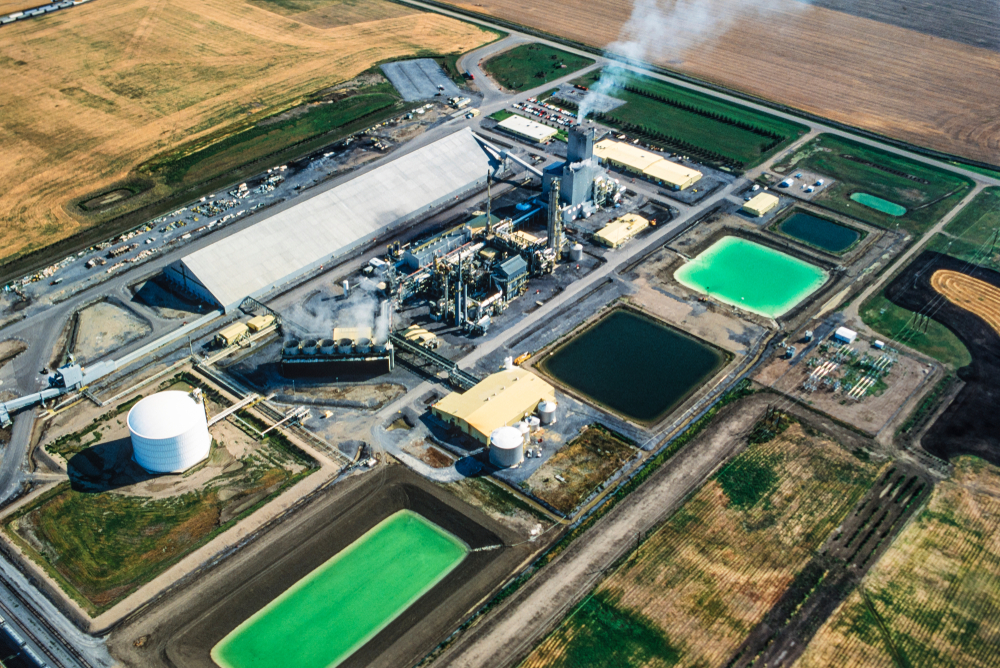
Canada leads the world in potash production, supplying a major share of the fertilizer used in farming. Saskatchewan holds the largest known reserves. Farmers across Asia, South America, and Europe depend on this resource to maintain crop yields. Without potash, soil quality declines faster, putting food production at risk. Canada’s exports support crops like wheat, rice, and corn that feed billions of people. The potash industry creates thousands of Canadian jobs and strengthens trade relationships worldwide. Stable supply from Canada helps keep global food production more secure in uncertain times.
Nickel and Cobalt for Electric Vehicle Batteries

Nickel and cobalt from Canada power the growing electric vehicle demand. Mines in Ontario, Quebec, and Manitoba supply materials needed for rechargeable batteries. EV manufacturers worldwide rely on these metals to expand clean transportation. Canadian sources are valued due to their high environmental and ethical standards. Demand continues to rise as more countries set targets to phase out gas-powered vehicles. Nickel is also used in stainless steel and aerospace applications. Strong mining infrastructure positions Canada as a critical supplier for low-carbon technologies and future innovation.
Uranium for Nuclear Energy Production

Canada is a global leader in uranium mining, with Saskatchewan’s deposits among the richest in the world. This uranium fuels nuclear reactors in countries working to reduce emissions. Nuclear power provides consistent energy without the carbon emissions of fossil fuels. Nations like Japan, South Korea, and parts of Europe depend on Canada for a stable supply. Canada also contributes expertise in reactor technology. Uranium exports support jobs and growth while helping advance cleaner global energy goals. As demand for non-emission power increases, Canada’s role becomes even more important.
Softwood Lumber for International Construction
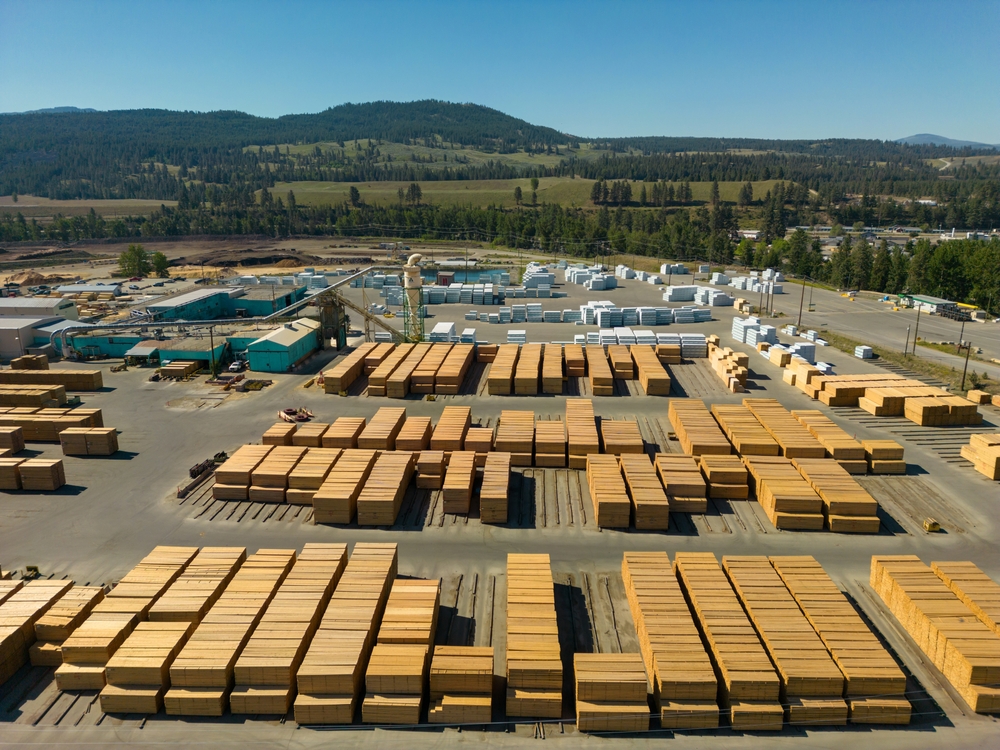
Canadian softwood lumber supports major construction markets, including homebuilding in the United States. British Columbia and Quebec produce large volumes that supply projects like housing developments, furniture manufacturing, and commercial buildings. Affordable lumber helps keep construction costs manageable. Trade disputes occasionally reduce exports, but demand remains strong because of wood quality and sustainability practices. Canadian forestry follows strict environmental rules that maintain long-term forest health. Many countries rely on this supply to keep building industries moving, especially during times of high housing demand.
Canadian Wheat and Grain Feeding Global Markets
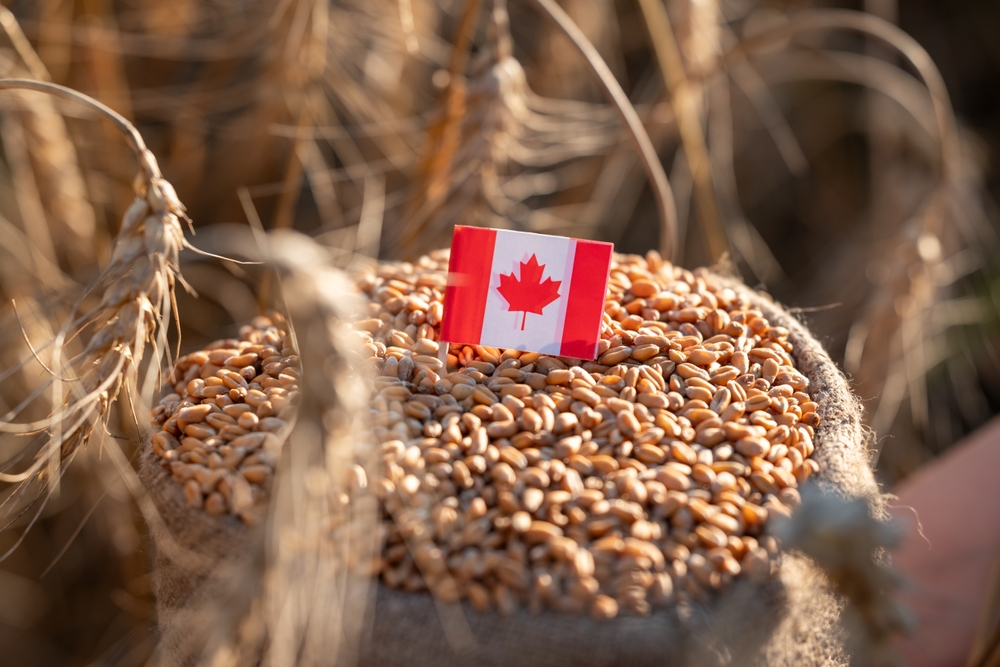
Canada exports wheat, barley, oats, and canola to food-importing nations worldwide. Prairie provinces lead production thanks to large farmland and advanced farming methods. Canadian wheat is known for its high quality and consistency. It is used to make bread, pasta, and baked goods in many international markets. Grain exports help stabilize food supply chains, especially when climate issues limit production elsewhere. The agriculture industry supports thousands of farmers while boosting Canada’s economy. As global food demand grows, reliable Canadian grain becomes even more essential to feeding populations.
Maple Syrup Supply Dominating Worldwide Demand

Canada supplies most of the world’s pure maple syrup, with Quebec producing nearly 70% of the global total. Countries rely heavily on Canadian syrup because production requires specific climate conditions and long seasonal cycles that few regions can match. Demand keeps rising as consumers shift toward natural sweeteners. Canada maintains strategic syrup reserves to stabilize pricing during poor harvest years, reflecting its importance to food markets worldwide. Major export destinations include the United States, Germany, Japan, and the United Kingdom. The industry supports thousands of rural jobs and strengthens Canada’s global trade influence through a product tied to national identity.
Freshwater Reserves Influencing Future Security

Canada holds about 20% of the world’s freshwater supply, including lakes, rivers, and glacier reserves. Many countries increasingly depend on Canada as water scarcity worsens due to climate change. Freshwater supports agriculture, manufacturing, hydroelectric power, and residential needs across North America. Canada already exports bottled and bulk water products under strict regulations. Hydroelectric power generated from large freshwater systems supplies clean energy to U.S. markets. As drought conditions intensify globally, Canada’s stability elevates its geopolitical importance. Water rights and environmental policy debates continue shaping long-term strategy. Future global security discussions often include Canada as a potential supplier of sustainable freshwater access.
Seafood and Atlantic Fisheries Exports

Canada is a major supplier of seafood such as lobster, crab, scallops, shrimp, and salmon to international markets. Atlantic Canada exports large quantities to the United States, China, and Japan, supporting thousands of coastal jobs and regional economies. Canada’s fishing industry is known for strict sustainability rules designed to protect marine ecosystems and maintain long-term stock health. Technological improvements in processing and transportation ensure high-quality exports. Rising demand for nutrient-rich wild seafood fuels global reliance on Canadian supply. Seafood remains one of Canada’s most valuable export categories, sustaining communities and strengthening international trade relationships built on reliability and environmental responsibility.
Aluminum Manufacturing for Global Industries

Canada is one of the largest aluminum producers in the world, with most operations centered in Quebec and powered by clean hydroelectric energy. This allows Canada to manufacture aluminum with lower emissions than many competitors. The automotive, aerospace, construction, and packaging sectors depend on Canadian aluminum for consistent quality and stable supply chains. Export destinations include the United States, Mexico, and Europe. As electric vehicles and renewable energy technologies expand, demand continues to grow. Canada’s investment in modern smelting technology helps support global industry needs and job growth. Aluminum production remains critical for international manufacturing and North American economic integration.
Canola Oil Used in Food and Fuel Production
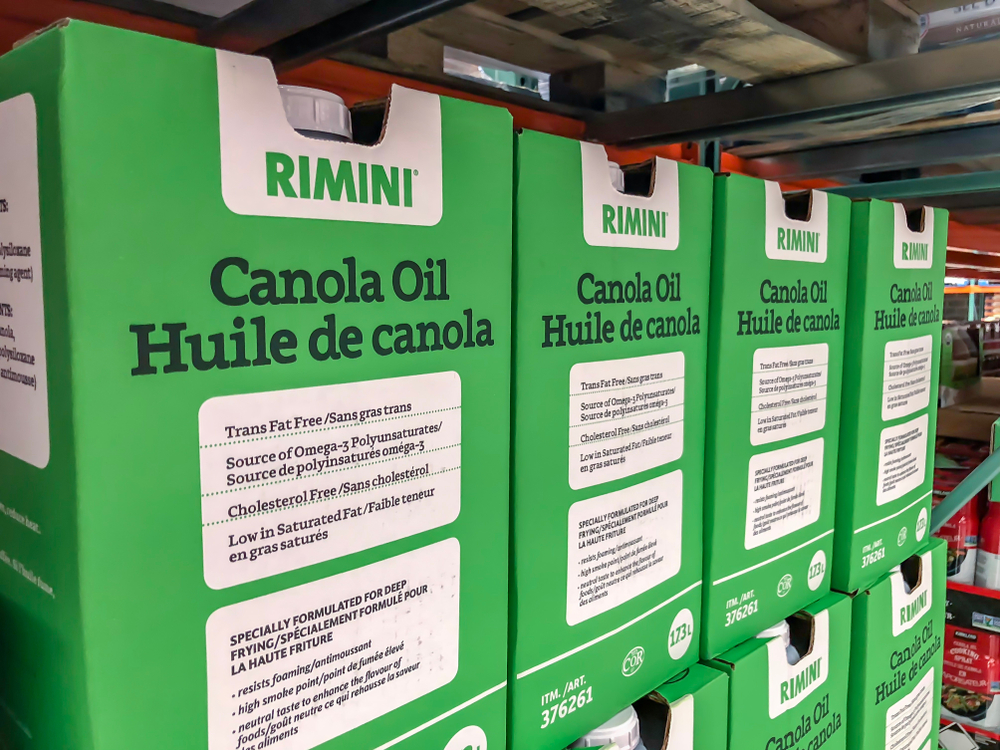
Canada is the world’s largest exporter of canola oil and seeds, produced mainly in Saskatchewan, Alberta, and Manitoba. Canola is widely used in cooking oils, packaged foods, plant-based products, and renewable biodiesel fuel programs. Food companies worldwide rely on Canadian canola due to its quality, affordability, and stable production. Key export markets include the United States, Japan, Mexico, and China. The industry supports thousands of agricultural and processing jobs. Growing interest in healthier oils and renewable energy continues to drive demand. Canola contributes significantly to Canada’s agricultural economy and positions the country as a leading supplier in global food security.
Rare Earth Minerals for Technology Manufacturing

Canada is becoming an essential supplier of rare earth minerals needed for electronics, clean energy, and national security technologies. These materials are critical in producing electric vehicle motors, wind turbines, smartphones, and medical imaging equipment. Canada is investing in new mining and processing capabilities to reduce global dependence on China, currently the dominant supplier. Major development areas include Quebec, Ontario, and the Northwest Territories. Countries view Canada as a secure and politically stable resource partner. Demand continues to climb with global electrification and renewable energy expansion. Rare earth investment also supports scientific innovation and advanced manufacturing jobs across Canada.
Natural Gas Liquefied for International Shipping

Canada exports natural gas, including liquefied natural gas (LNG), to global markets. LNG production and export facilities in British Columbia and future East Coast terminals enable large-scale international shipping. Canada supplies energy to countries prioritizing cleaner alternatives to coal and heavy oil. Major buyers include Asian nations and the United States. LNG supports global power generation, industrial heating, and transportation sectors. New export infrastructure creates employment and strengthens Canada’s place in global energy security. As nations transition to lower-emission solutions, demand for Canadian LNG continues to rise. Canada’s natural gas reserves remain a critical component of international energy planning.
Canadian Hydroelectric Power Agreements with the United States

Canada supplies significant hydroelectric power to the United States through long-term energy agreements, especially across Quebec, Manitoba, and British Columbia. This clean and reliable power supports millions of American homes and businesses. The demand continues to grow as states transition away from coal and fossil fuels. Hydropower also stabilizes power grids during peak periods, preventing outages and reducing reliance on expensive emergency sources. Major transmission projects, including cross-border infrastructure expansions, strengthen North American energy cooperation. These agreements generate billions in revenue and jobs in Canada. Hydroelectric exports position Canada as a leading contributor to clean energy solutions and continental energy security.
Pharmaceuticals and Medical Research Contributions

Canada is a global contributor to pharmaceutical innovation and medical research, with major centers in Toronto, Vancouver, and Montreal. Canadian universities, hospitals, and biotech companies collaborate on breakthrough treatments, vaccines, and diagnostic tools used worldwide. The country is known for strict scientific standards and ethical research practices that attract international investment. Canadian firms help develop medications for cancer, cardiovascular disease, rare disorders, and infectious diseases. Global clinical trials often rely on Canadian expertise and regulatory frameworks. This research ecosystem strengthens healthcare innovation and supports highly skilled jobs. Canada remains a respected leader in advancing medical progress and supporting global health.
Icewine Production Exported Worldwide

Canada is the world’s largest producer of icewine, made from grapes naturally frozen on the vine and harvested under precise conditions. The process results in concentrated sweetness and a distinctive flavour that appeals to global luxury markets. Ontario’s Niagara region and British Columbia’s Okanagan Valley lead production. Canadian icewine is exported to Europe, the United States, South Korea, China, and Japan, where demand remains strong for premium specialty products. The industry generates vital revenue for local wineries and tourism. Strict quality regulations ensure consistency and protect the international reputation. Icewine remains a unique Canadian export that reinforces cultural identity and agricultural craftsmanship.
Agricultural Seeds and Crop Science Technology

Canadian-developed crop science technology and high-performance agricultural seeds are widely used to increase global food production. Research in plant genetics, climate-resistant varieties, and precision farming tools helps countries improve yields and adapt to changing environments. Canola seed innovation is one of Canada’s largest contributions, but development also spans wheat, barley, and pulse crops. Partnerships with international producers depend on Canadian expertise and reliability. These advances support food security for rapidly growing populations and regions facing extreme weather. Thousands of Canadian jobs connect farming, research, and technology. Global demand continues to expand as agriculture evolves to meet future sustainability needs.
Aerospace Parts and Aircraft Manufacturing

Canada is a major contributor to global aerospace manufacturing, supplying critical aircraft components, business jets, and repair services. Companies such as Bombardier and numerous specialized suppliers produce cockpit systems, landing gear, engines, and composite structures used by international airlines and defense fleets. Aerospace hubs in Montreal, Toronto, and Winnipeg support tens of thousands of skilled workers and export products worldwide. Canada’s engineering expertise attracts global contracts due to strict safety standards and innovation in design and aerodynamics. The aerospace sector fuels advanced research and high-tech manufacturing, keeping Canada a vital partner in global aviation growth and modernization.
Timber and Pulp for Paper and Packaging
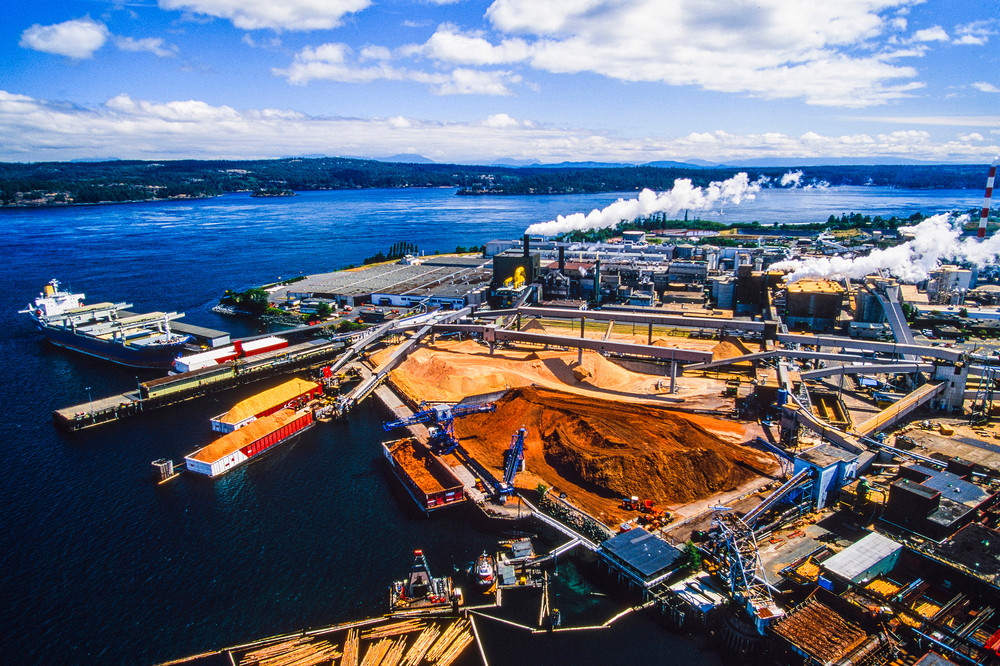
Canada is one of the world’s largest exporters of timber, pulp, and paper products, supplying construction materials and packaging used across North America and international markets. Sustainable forest management practices support long-term environmental responsibility while maintaining steady production. Canadian lumber is critical for housing construction in the United States and Asia. Pulp and paper exports help supply packaging for global shipping and e-commerce industries. Modern pulp technologies reduce waste and improve efficiency. Forestry is a key employer in many rural regions and supports Indigenous partnerships. Global reliance on renewable wood products continues to increase as nations shift away from plastics.
Critical Minerals Used in Renewable Energy Technology

Canada holds major reserves of critical minerals essential for renewable energy production, including lithium, cobalt, graphite, copper, and nickel. These materials are necessary for batteries, solar panels, wind turbines, and electric vehicle systems. Many countries depend on Canada’s supply chain to reduce reliance on politically unstable regions. Governments and industry are investing in new mining, refining, and processing facilities across Ontario, Quebec, and northern territories. These projects support clean energy goals and create high-skilled jobs. As global electrification expands, demand for Canadian critical minerals continues to rise. Canada is positioned as a secure and strategic resource partner for the future.
Vaccines and Biotechnology Development

Canada plays a significant role in global vaccine manufacturing and biotech research, supporting innovation that improves healthcare outcomes worldwide. Canadian institutions helped advance vaccines for influenza, meningitis, and emerging infectious diseases. Biotech hubs in Toronto, Montreal, and Vancouver attract international partnerships and major pharmaceutical investment. Facilities across Canada support clinical trials, production, and distribution for global supply chains. Pandemic response efforts accelerated research growth and highlighted Canada as a trusted collaborator. The biotech industry drives advanced medical technology, biotechnology engineering, and scientific employment. Continued expansion strengthens Canada’s position as a reliable contributor to global public health and medical innovation.
22 Groceries to Grab Now—Before another Price Shock Hits Canada

Food prices in Canada have been steadily climbing, and another spike could make your grocery bill feel like a mortgage payment. According to Statistics Canada, food inflation remains about 3.7% higher than last year, with essentials like bread, dairy, and fresh produce leading the surge. Some items are expected to rise even further due to transportation costs, droughts, and import tariffs. Here are 22 groceries to grab now before another price shock hits Canada.
22 Groceries to Grab Now—Before another Price Shock Hits Canada
