
Canada’s housing crisis affects millions of residents, shaping how they live, work, and plan for the future. Skyrocketing home prices, limited supply, and rising mortgage rates make buying or renting increasingly difficult. Many Canadians face long waitlists, bidding wars, and high property taxes, while younger adults often stay with parents longer. Urban sprawl, condo pre-sales, and regional disparities add complexity. Here are 21 things only Canadians understand about the housing crisis.
Skyrocketing Home Prices in Major Cities

Home prices in Canadian cities like Toronto, Vancouver, and Montreal have surged dramatically over the past decade. Average single-family homes now cost several times the national household income. Even small condos sell for hundreds of thousands of dollars more than in previous years. Many buyers struggle to meet down payment requirements, and monthly mortgage costs continue to rise. High demand and low supply fuel these price increases. Families and first-time buyers face difficult choices, often compromising on location, size, or property type. The rapid price growth shows the ongoing pressure in Canada’s urban housing markets.
Limited Housing Supply Versus High Demand

Canada faces a serious imbalance between housing supply and demand. Population growth, immigration, and urbanization increase the need for homes, while construction struggles to keep pace. Zoning restrictions and lengthy permit processes further slow development. As a result, available homes are quickly purchased, creating bidding wars and higher costs. Rental units are also limited, leaving many in temporary or crowded living arrangements. The shortage affects both buyers and renters, forcing compromises on quality, size, or neighborhood. The mismatch between supply and demand remains a central factor driving Canada’s housing crisis.
Competition from International Buyers

Foreign investment contributes to housing pressures in Canada’s largest cities. International buyers often have more purchasing power and pay in cash, increasing competition for local buyers. This dynamic can push prices higher and create unequal access to housing. Some provinces introduced taxes and regulations targeting foreign buyers, but demand still affects market prices. Residents sometimes feel frustrated by rising costs and limited availability. The presence of international buyers has become a key factor influencing affordability, especially in high-demand urban areas.
Condos Replacing Single-Family Homes

Urban development increasingly favors condominiums over single-family homes. Limited land in downtown areas encourages taller buildings and higher-density projects. Condos are often the only affordable option for first-time buyers or young professionals. While they provide a solution to housing shortages, many buyers face smaller living spaces, shared amenities, and high maintenance fees. The shift reflects both market pressures and city planning priorities. Single-family homes are becoming rarer in popular neighborhoods, changing the character of urban communities and intensifying competition for the remaining detached homes.
Long Waitlists for Rental Apartments

Renters across Canada often face long waitlists for affordable apartments. In cities like Vancouver, Toronto, and Ottawa, vacancy rates are extremely low. Families, students, and low-income residents compete for limited units, sometimes waiting months or years. High rents add pressure, forcing people to settle for smaller spaces or less desirable locations. New construction has not kept pace with demand, worsening the shortage. Waitlists highlight the difficulties of finding secure and affordable rental housing, especially for those who cannot enter the buying market.
The Struggle for First-Time Homebuyers

First-time buyers face major obstacles in Canada’s housing market. Rising home prices, high mortgage rates, and growing debt burdens make entry difficult. Many need help from family for down payments or rely on government programs to afford a first property. Competition with investors and multiple offers adds stress. Buyers often compromise on location, size, or condition just to enter the market. The struggle reflects both affordability issues and long-term financial challenges for younger Canadians trying to build home equity.
Record-Breaking Mortgage Rates

Mortgage rates in Canada have reached levels not seen in years, affecting buyers across all markets. Rising interest rates increase monthly payments, making homes less affordable even for those with a down payment. Many potential buyers are forced to delay purchases or reduce their budget. High rates also impact refinancing and existing variable-rate mortgages. The Bank of Canada’s adjustments influence the entire housing sector, slowing transactions and creating uncertainty. Buyers must carefully calculate affordability, and some may exit the market entirely. Record-high rates remain a major challenge for Canadians trying to enter or upgrade in the housing market.
Housing Affordability Index Worsening
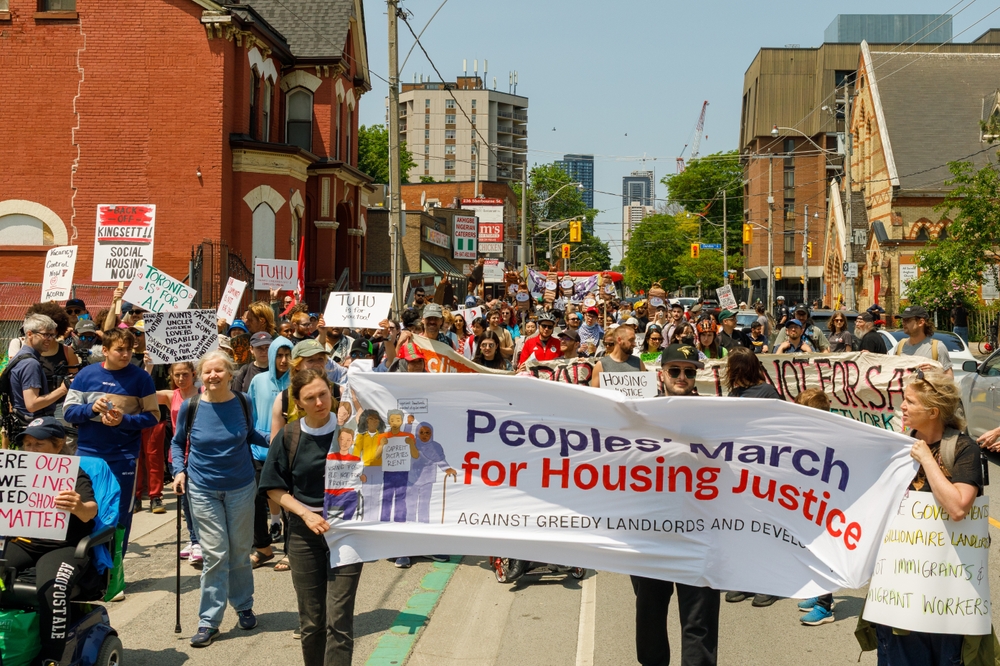
Canada’s Housing Affordability Index has declined steadily, indicating that homeownership is increasingly out of reach for many. Rising prices, high interest rates, and low wages combine to make monthly mortgage payments a larger portion of income. First-time buyers are particularly affected, while lower-income households struggle to secure even rental units. The affordability gap widens in major cities, prompting families to consider smaller homes or move to outlying areas. Declining affordability impacts long-term wealth building and alters household financial planning, highlighting a key concern in Canada’s housing crisis.
Rising Property Taxes

Property taxes in many Canadian cities have increased alongside rising home values. Homeowners face higher annual costs, often surpassing inflation rates. Municipal governments levy taxes based on assessed values, so rapidly increasing home prices directly affect payments. Higher taxes influence both budgets and property decisions, making some homeowners reconsider upgrades or relocation. For new buyers, additional taxes add to financial pressure. Rising property taxes also affect rental markets, as landlords pass costs to tenants. The cumulative effect is a higher overall cost of housing, contributing to affordability challenges nationwide.
Short-Term Rentals Affecting Availability

The popularity of short-term rental platforms like Airbnb has reduced long-term rental availability in Canadian cities. Homeowners can earn more by renting units temporarily rather than leasing them long-term. This shift decreases supply, especially in high-demand neighborhoods, and drives rents higher. Cities have introduced regulations and limits to manage short-term rentals, but enforcement varies. Many renters now face longer searches and higher costs. The impact of short-term rentals is particularly visible in downtown areas and tourist-friendly locations, contributing to frustration among residents seeking stable, affordable housing.
The Impact of Foreign Investment

Foreign investment continues to influence Canada’s housing market, particularly in urban centers. Investors with greater financial resources purchase properties for rental income or speculation. This increases competition and raises property prices, often beyond the reach of local buyers. Some provinces have imposed foreign buyer taxes to curb the trend, but demand remains strong. The influx of international investment affects both residential and condo markets, limiting availability for first-time buyers. The impact is most evident in Vancouver, Toronto, and select luxury markets, where foreign purchases significantly shape market dynamics.
Urban Sprawl in Growing Cities
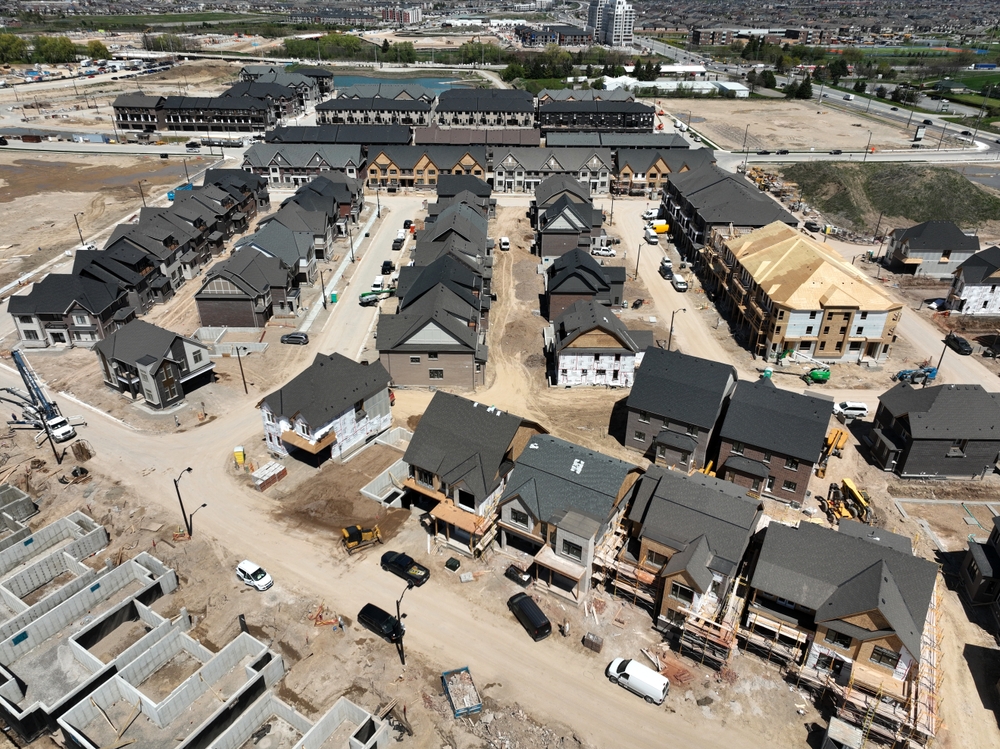
Urban sprawl has accelerated as Canadian cities expand outward to accommodate rising populations. Suburbs and exurbs grow to provide more housing, often at lower costs than city centers. While sprawl increases supply, it also increases commuting times, infrastructure demands, and environmental concerns. Developers focus on large-scale subdivisions, which may not match community needs or affordability expectations. Residents in outer areas benefit from lower home prices but face trade-offs in access to services and amenities. Sprawl reflects the struggle to balance housing supply with livable, convenient urban development.
High Cost of Renovations and Repairs

The cost of renovations and home repairs in Canada has risen sharply, further impacting affordability. Labour shortages and higher material prices make upgrades and maintenance expensive. Homeowners must spend more on essential repairs like roofs, plumbing, and heating systems. Renovation costs also affect resale decisions, as buyers factor in potential additional expenses. Many delay non-essential upgrades or purchase homes in need of minimal work. Rising repair and renovation costs contribute to overall housing affordability challenges, influencing both buyers and current homeowners who must carefully manage budgets and long-term property investments.
Younger Canadians Living with Parents Longer

Many young Canadians are staying with their parents longer due to high housing costs and limited affordability. Skyrocketing home prices, high rents, and increasing mortgage rates make it difficult to move out independently. This trend affects urban areas the most, especially Toronto and Vancouver. Some young adults delay major life milestones like marriage or starting a family. Shared living arrangements reduce financial pressure and allow savings for a future home purchase. The trend reflects the economic challenges faced by first-time buyers and highlights the generational impact of Canada’s housing crisis.
Bidding Wars Becoming Normal
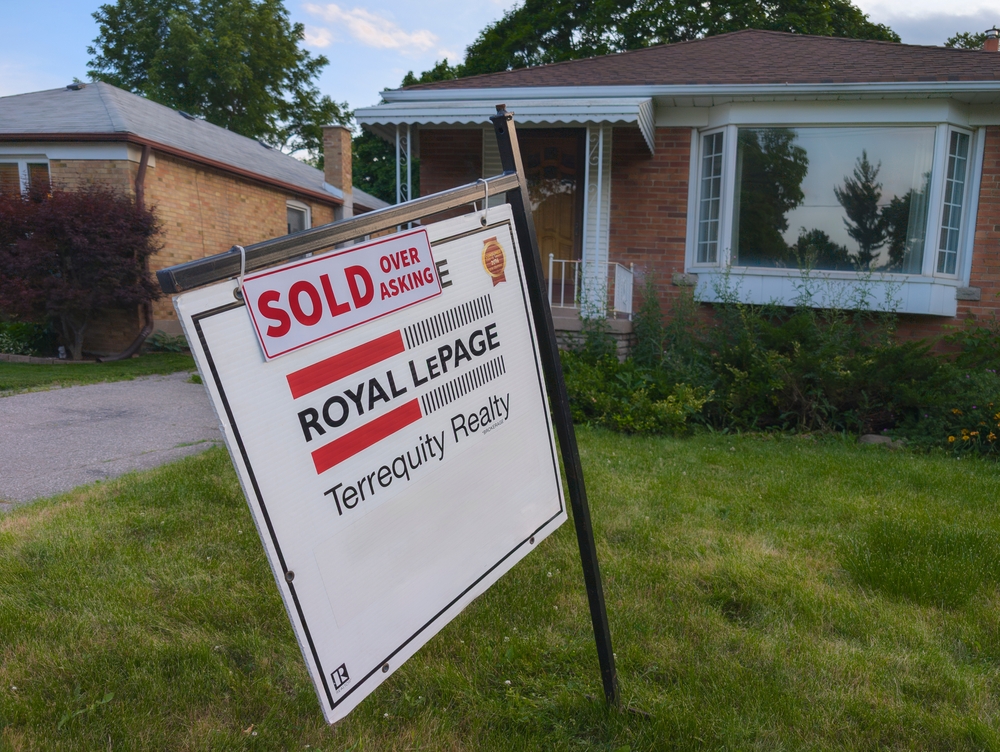
Bidding wars have become a common feature of Canadian real estate, particularly in major cities. Limited housing supply combined with high demand forces buyers to compete aggressively. Properties often sell above the listing price within days of hitting the market. Many buyers must waive conditions or offer all-cash deals to secure a home. This environment favors those with strong financial backing, while first-time buyers struggle to compete. Bidding wars create stress, inflate prices, and can push families into less desirable neighborhoods. The phenomenon reflects the intensity and competitiveness of today’s housing market.
Pre-Sales of Condos Outpacing Completion

Pre-sale condos are selling quickly in many Canadian cities, often before construction is completed. Buyers commit years in advance, hoping property values will increase by the time the building is ready. Developers benefit from upfront financing, but some buyers face delays or market fluctuations. Pre-sales limit available options for those seeking completed units. While this trend can offer lower initial prices, it carries risks such as construction delays and market changes. Rapid pre-sale activity shows the high demand for affordable housing in urban areas and the challenge of keeping pace with supply.
Limited Land for New Development
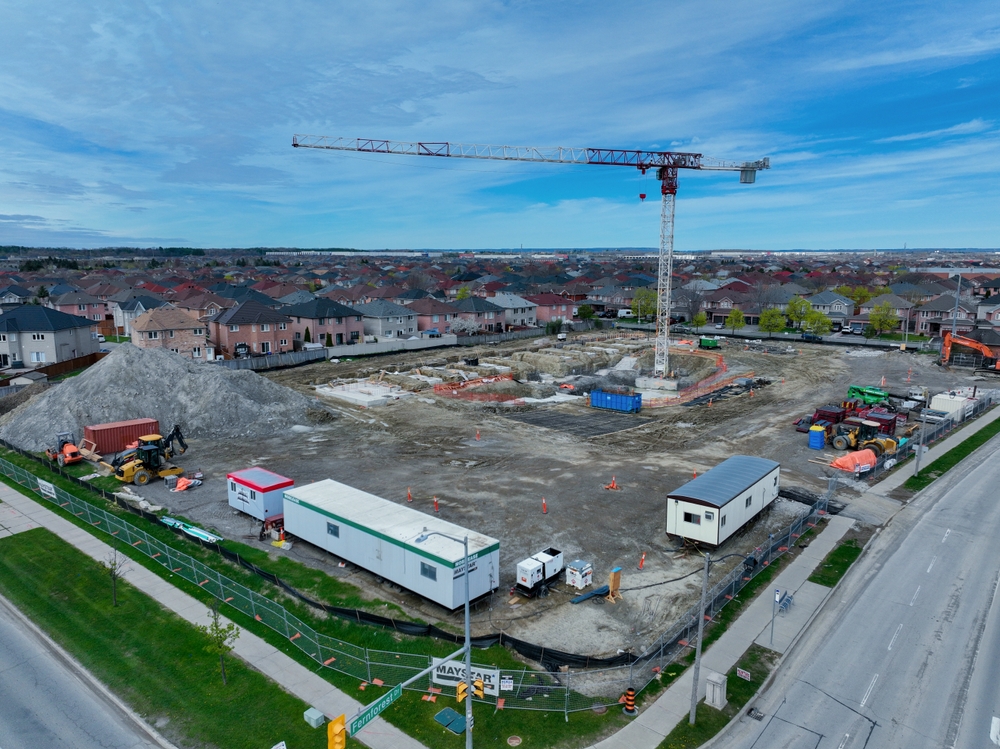
Urban expansion is constrained by limited available land in high-demand areas. Zoning restrictions, environmental regulations, and geographic limitations reduce opportunities for new residential construction. Cities often prioritize high-density developments like condos to maximize limited space. The shortage of buildable land contributes to rising property values and intensifies competition among buyers. Limited land also increases pressure on existing housing, making affordable options scarce. Developers and governments must balance growth with sustainable planning, but constraints remain a major challenge for housing supply in Canada’s urban centers.
Government Programs Not Meeting Demand
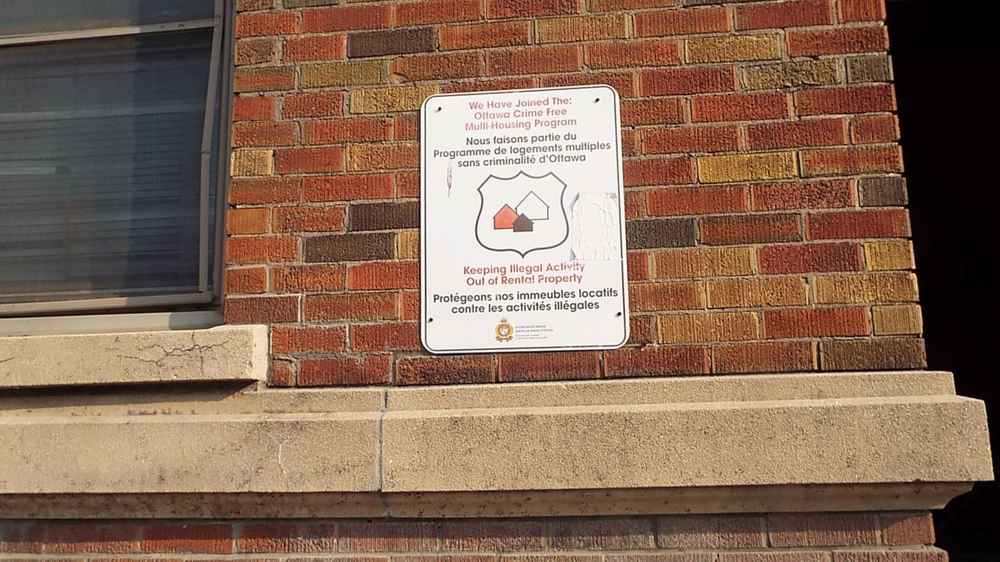
Government housing programs, including first-time buyer incentives and affordable housing initiatives, struggle to meet demand. Funding is often limited, and waitlists are long. Programs may not fully cover rising prices, leaving many eligible buyers unable to access benefits. Supply-focused initiatives lag behind population growth, reducing effectiveness. Some residents turn to private markets despite incentives because government assistance cannot bridge affordability gaps. The limited impact of these programs highlights the need for more comprehensive solutions to address housing shortages and make homeownership attainable for Canadians.
Regional Disparities Across Provinces

Housing challenges vary significantly across Canada. Cities like Toronto and Vancouver experience extreme price pressures, while smaller markets face different affordability issues. Western provinces often see higher costs linked to economic booms, whereas eastern regions may have lower prices but limited inventory. These disparities affect migration, employment, and lifestyle decisions. Buyers moving between provinces encounter different rules, taxes, and market conditions. Regional differences shape how Canadians experience the housing crisis and influence policy decisions aimed at managing affordability nationwide.
The Influence of Interest Rate Changes
Interest rate fluctuations directly impact mortgage affordability and housing demand. Increases by the Bank of Canada raise borrowing costs, reducing purchasing power for buyers. Rate hikes can slow the market, temporarily easing bidding wars, but also create uncertainty for homeowners with variable-rate mortgages. Decreases in rates encourage more buyers to enter the market, potentially inflating prices. Many Canadians closely monitor these changes when planning purchases or refinancing. Interest rate volatility affects both short-term buying decisions and long-term financial stability, making it a critical factor in the housing crisis.
Housing Stress Affecting Mental Health

The Canadian housing crisis has measurable effects on mental health. High prices, long commutes, bidding wars, and rental scarcity cause stress and anxiety for both buyers and renters. Families may compromise on living space or location, affecting quality of life. Young adults staying with parents face social and emotional pressures. Financial strain from mortgages or rent can lead to long-term worry, sleep disturbances, and reduced well-being. The connection between housing affordability and mental health underscores the broader societal impact of Canada’s housing market challenges.
22 Groceries to Grab Now—Before another Price Shock Hits Canada

Food prices in Canada have been steadily climbing, and another spike could make your grocery bill feel like a mortgage payment. According to Statistics Canada, food inflation remains about 3.7% higher than last year, with essentials like bread, dairy, and fresh produce leading the surge. Some items are expected to rise even further due to transportation costs, droughts, and import tariffs. Here are 22 groceries to grab now before another price shock hits Canada.
22 Groceries to Grab Now—Before another Price Shock Hits Canada
