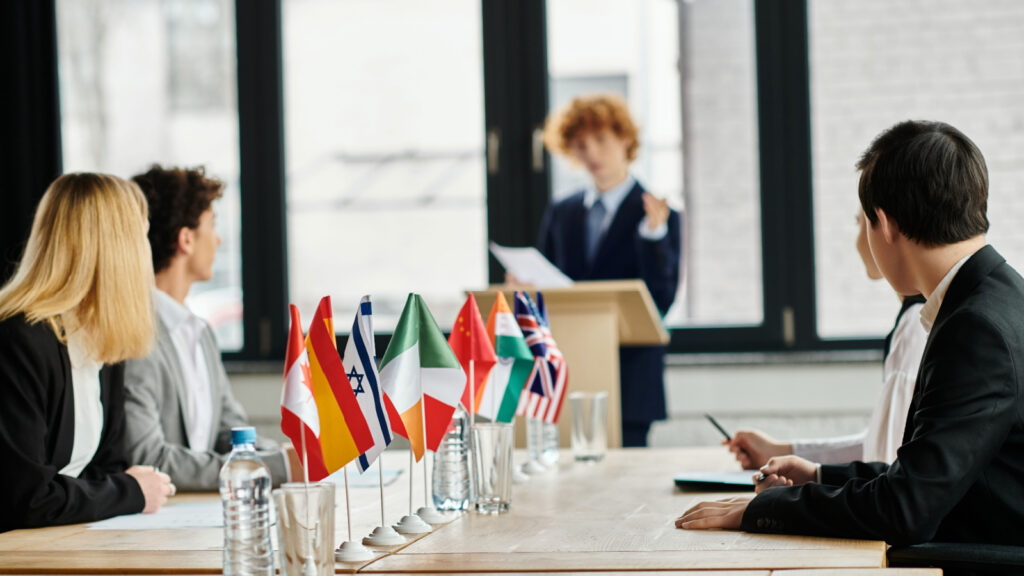
Canada’s victories often come quietly. We rarely gloat, yet when we choose integrity over ego, the outcome speaks louder than headlines. From life-saving diplomacy to humble hockey heroics, Canadians consistently prove that decency can outlast bravado. Here are 21 moments that Canada took the high road and won anyway.
The 1972 Summit Series — Respect in Victory
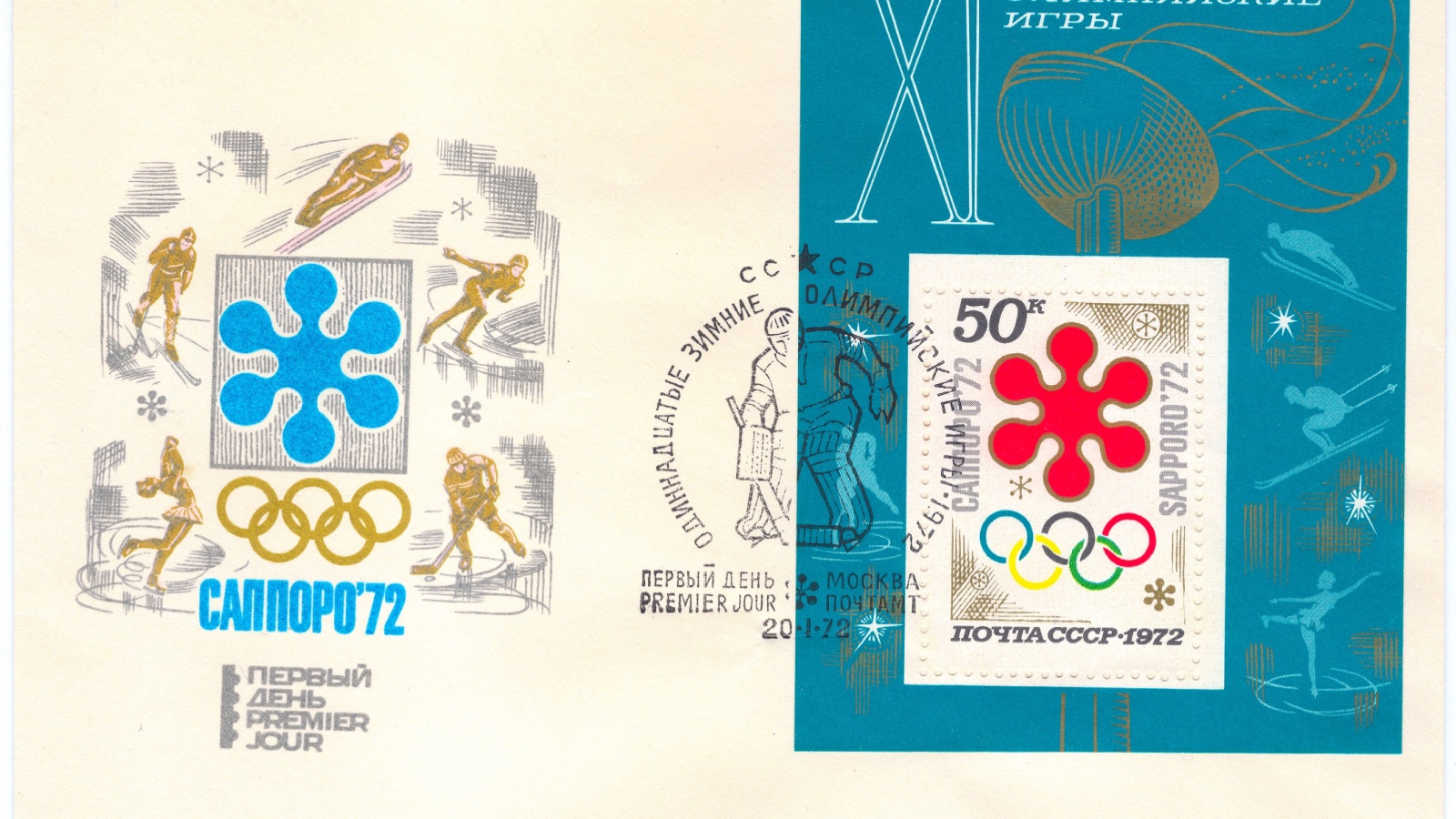
The 1972 Summit Series wasn’t just a hockey tournament—it was Cold War tension played on ice. Paul Henderson’s goal united a country divided by politics and pride. Canada could have gloated after winning, but instead, our players shook the Soviet players ‘ hands with quiet respect. They celebrated as professionals, not conquerors. That sportsmanship captured the world’s admiration. It reminded everyone that Canadian greatness comes with humility. The victory symbolized more than national pride—it proved that competition and respect can coexist. Henderson’s goal remains one of the proudest moments in sports history, not for the score, but for the grace that followed it.
The 2008 Apology to Indigenous Peoples
On June 11, 2008, Prime Minister Stephen Harper stood in Parliament and did something few world leaders dare—he apologized. Canada’s government formally recognized the pain caused by residential schools. Survivors listened through tears. The apology didn’t erase trauma, but it acknowledged truth and began healing. That day, Canada demonstrated moral courage: choosing accountability over avoidance. It was uncomfortable, but necessary. Many nations still hide from their histories; Canada faced ours directly. The apology became a turning point, showing that taking the high road sometimes means walking through painful honesty.
Welcoming Syrian Refugees (2015)
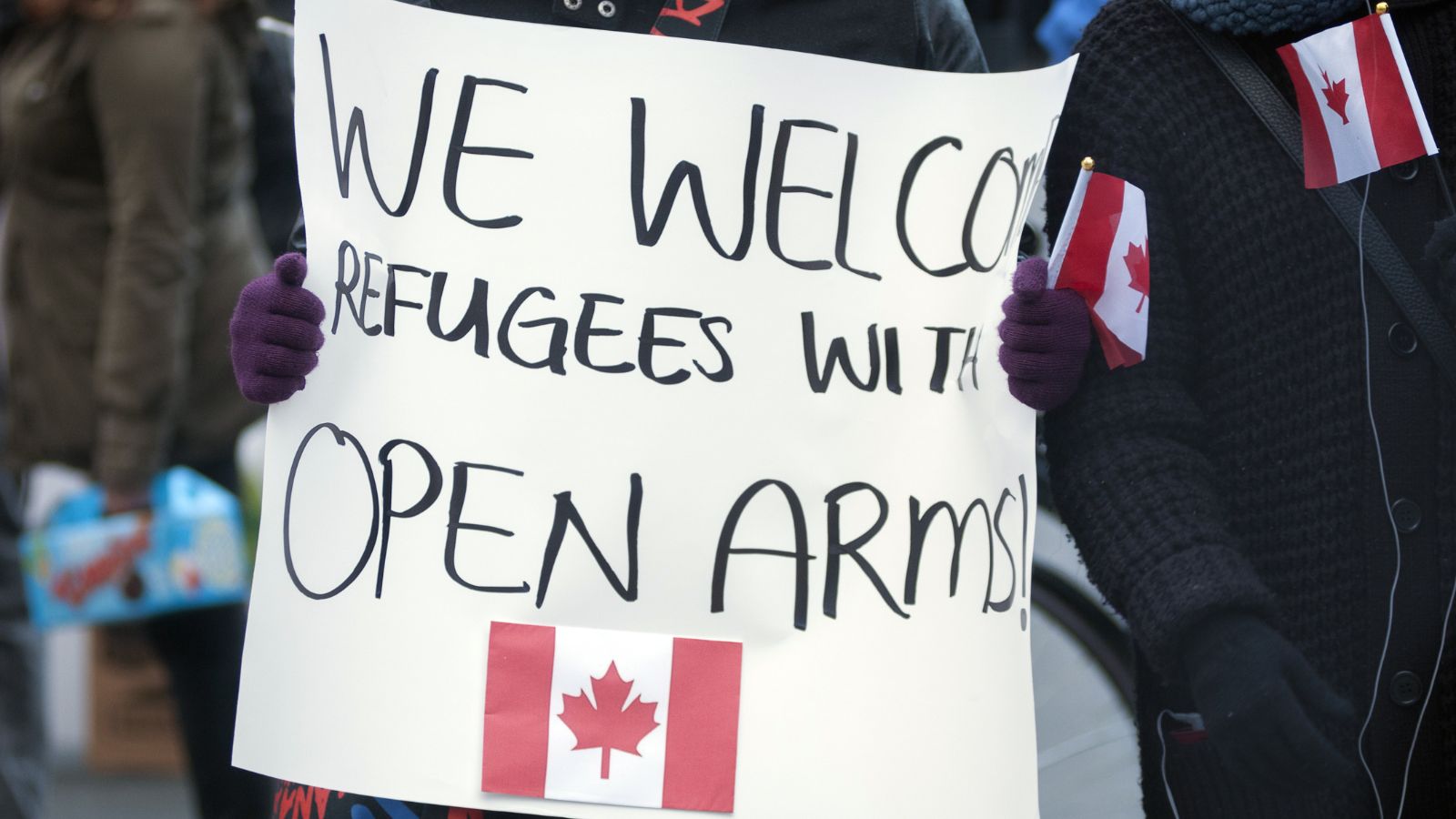
As war displaced millions of Syrians, fear spread globally. Borders closed. Walls rose. Yet Canada opened its doors. Between 2015 and 2016, we welcomed over 25,000 refugees with warmth, winter coats, and welcome signs. Volunteers donated food, money, and time. Prime Minister Justin Trudeau personally greeted families at airports. The gesture wasn’t political—it was human. Those families built new lives and enriched ours. Across the world, headlines called it “The Canadian Way.” By choosing empathy over exclusion, we turned compassion into policy.
Legalizing Same-Sex Marriage (2005)
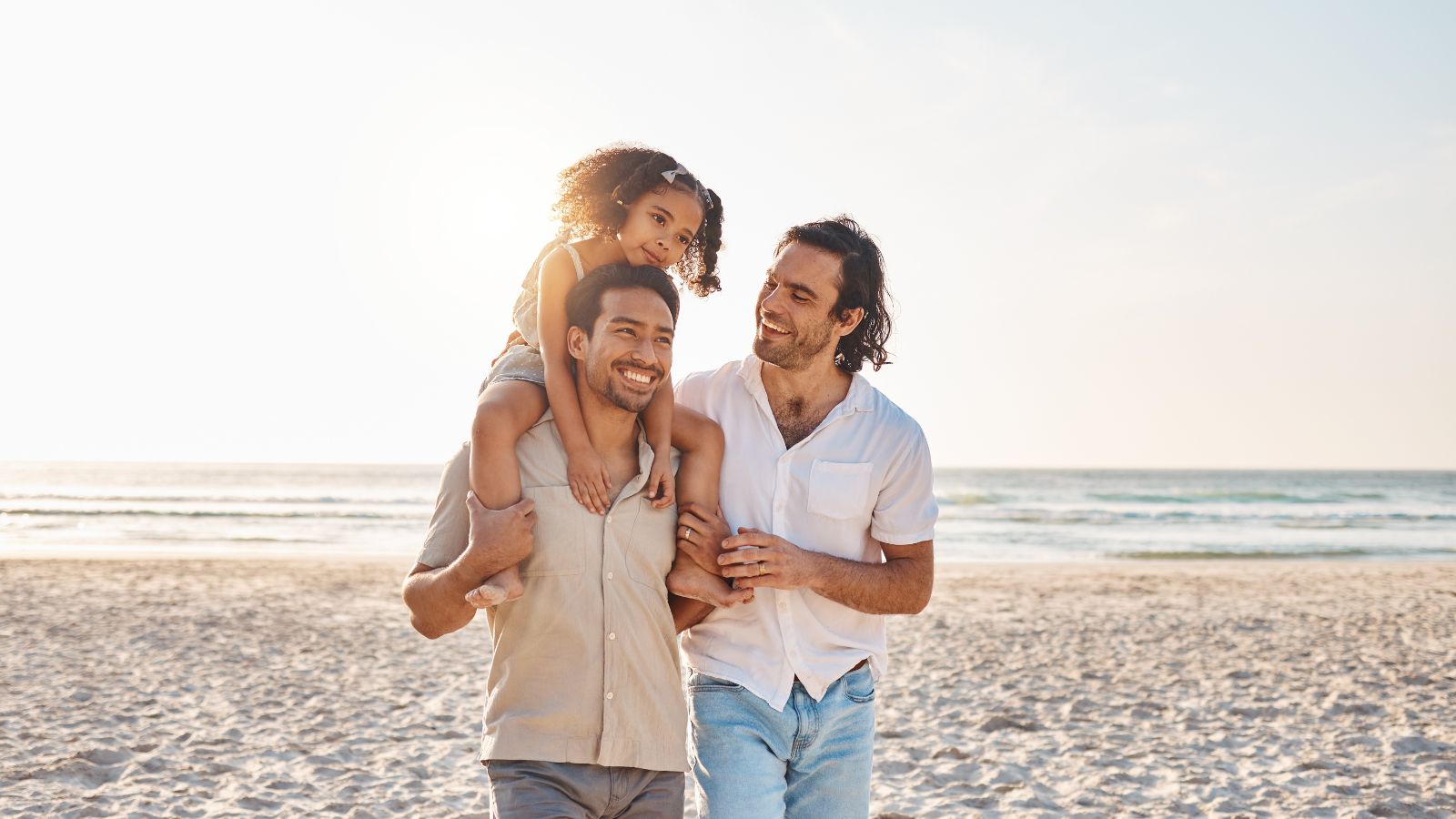
In 2005, Canada made history as the fourth country in the world to legalize same-sex marriage. The decision came through calm debate and mutual respect, not uproar. Lawmakers focused on fairness, equality, and human dignity. Many nations later followed, but Canada led without spectacle. The process reflected who we are—a society that values inclusion quietly, but fiercely. Years later, Canadians hardly debate the issue; love simply belongs to everyone. That’s the ultimate high road—when equality becomes so natural it no longer feels revolutionary. Canada showed that courage and compassion often wear the same face.
The 2010 Vancouver Olympics — Winning with Class
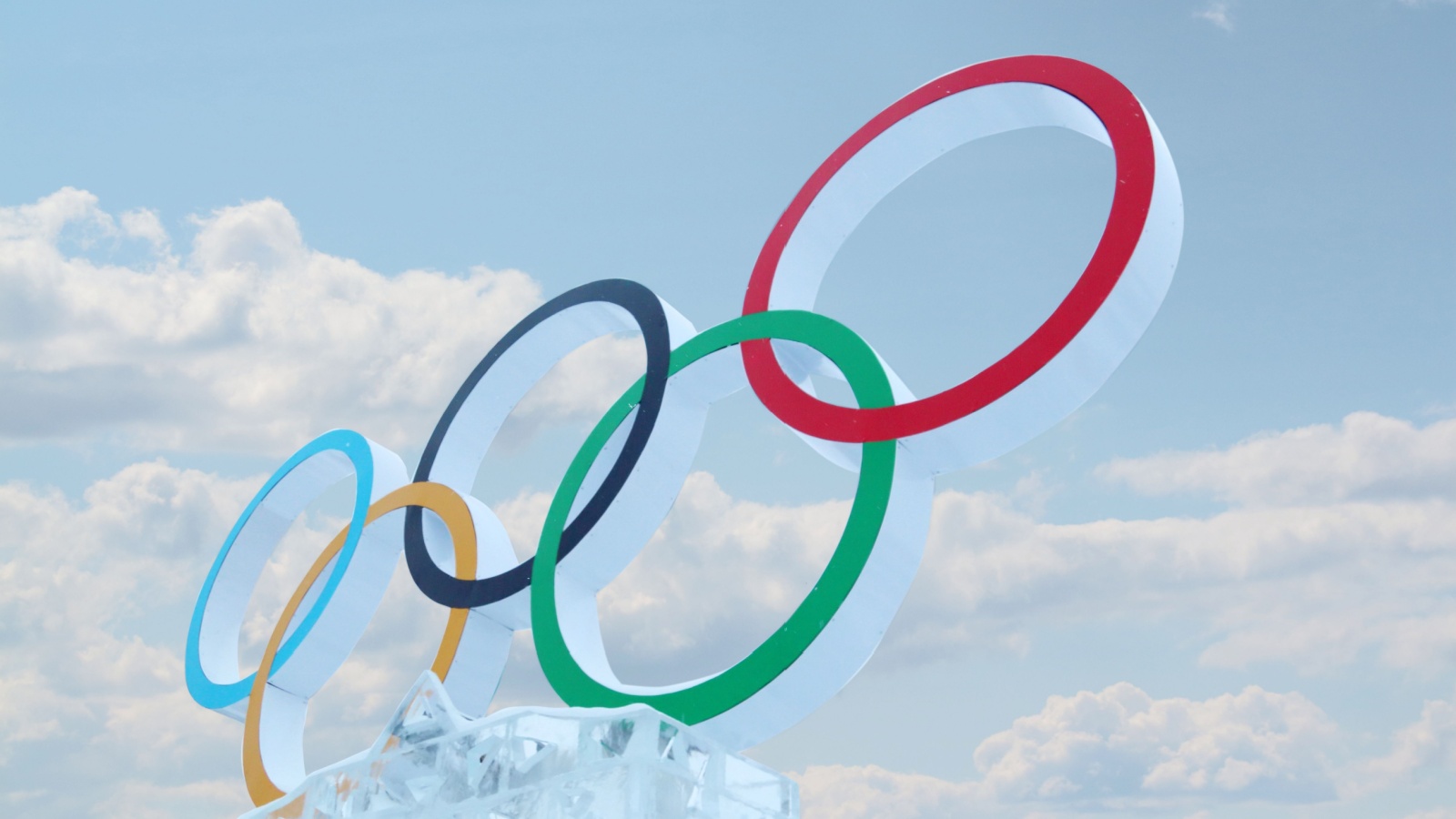
The Vancouver Olympics redefined national pride. Canada hosted the world with warmth and walked away with 14 gold medals—the most ever by a host country. But what resonated wasn’t the record; it was the spirit. We cheered for rivals, celebrated effort over ego, and united in joyful humility. Sidney Crosby’s golden goal became a national heartbeat moment. Crowds filled streets not to brag, but to share joy. The world saw something rare—patriotism without arrogance.
The 1991 Gulf War — Measured Strength
When Iraq invaded Kuwait, global powers rushed to respond. Canada joined—but with purpose, not aggression. Our forces focused on humanitarian aid, naval security, and medical support. We balanced duty with discipline. The world noticed Canada’s unique approach: resolve without rage. Soldiers served bravely, yet compassionately. Our leadership proved that peacekeeping and strength are not opposites—they are partners. When the conflict ended, Canada’s integrity stood taller than any parade could display.
Standing Against Apartheid
In the 1980s, when some countries hesitated to challenge apartheid in South Africa, Canada took a stand. Ottawa imposed economic sanctions and publicly supported Nelson Mandela’s release. Businesses lost profit, but the nation gained moral weight. Canada became one of Mandela’s most vocal allies before freedom came. When he visited Canada years later, he called our country “a friend in the struggle.” That gratitude defined us globally. We chose justice over convenience, proving that even small nations can move history by standing firmly on principle. Sometimes, the high road changes the world from half a world away.
Universal Health Care (1966)

Tommy Douglas faced protests, threats, and political isolation—but he never gave up. He believed every Canadian deserved health care, regardless of wealth. In 1966, Medicare became law, forever changing Canada’s identity. Critics predicted collapse; instead, we created compassion that worked. Our universal health system became a model admired worldwide. Douglas didn’t win through force—he won through patience, reason, and belief in people. It was the ultimate Canadian achievement: equality made real. Health care remains our proudest promise to each other, born from one leader’s courage to stay kind under fire.
Montreal Olympics Debt (1976)
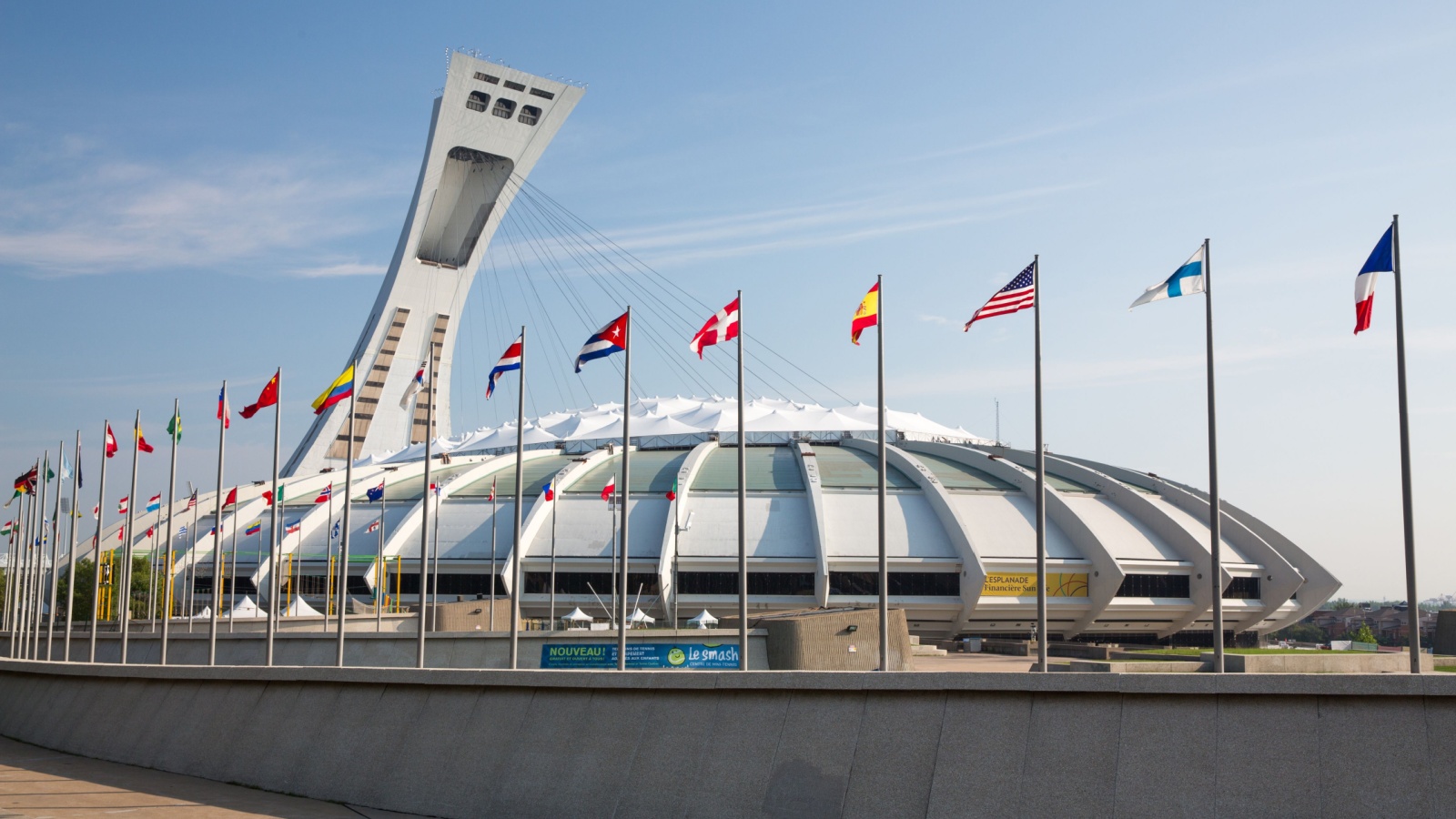
Montreal’s Olympics were spectacular—and wildly expensive. The debt soared to $1.6 billion. Many cities would have defaulted or begged for forgiveness. Quebec did neither. Instead, it quietly paid the debt, year after year, mostly through a cigarette tax. The final payment came in 2006, three decades later. Montreal didn’t just balance books—it restored faith in accountability. It proved that integrity isn’t about avoiding mistakes; it’s about fixing them. When the final bill was paid, Canadians felt something deeper than relief—pride in a promise kept.
Trade Tensions with the U.S.
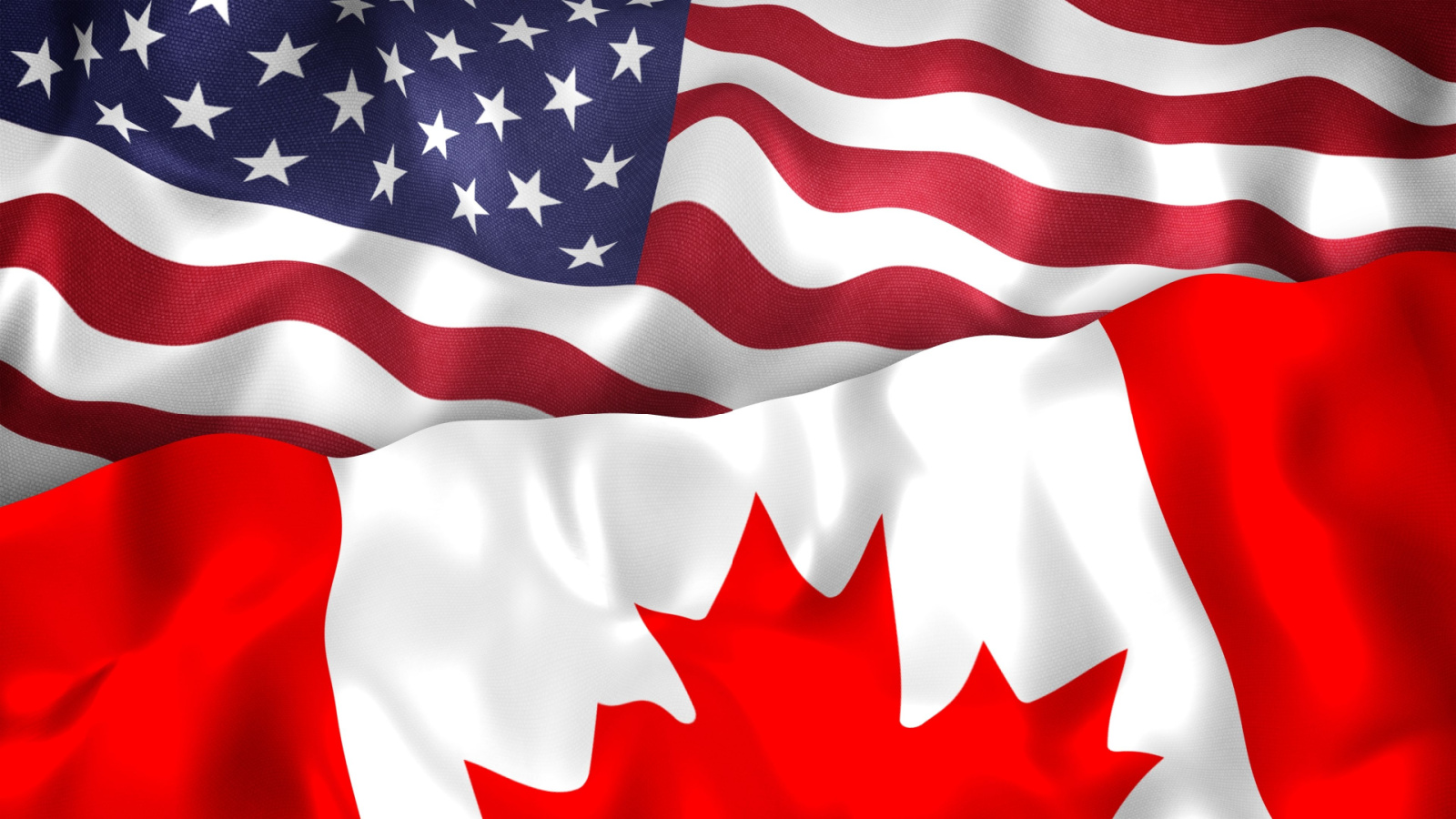
Few relationships test diplomacy like Canada’s with the United States. Tariffs, lumber disputes, dairy quotas—each could have sparked hostility. Yet Canada stayed calm. Leaders responded with logic, not insults. Negotiations were tough but measured. We kept the tone steady, even under pressure. The result? Trade deals survived, respect deepened, and tempers cooled. The world admired our patience, a quiet power that turns friction into dialogue. Canada’s calm hand in crises continues to define our reputation.
The 1998 Ice Storm Recovery
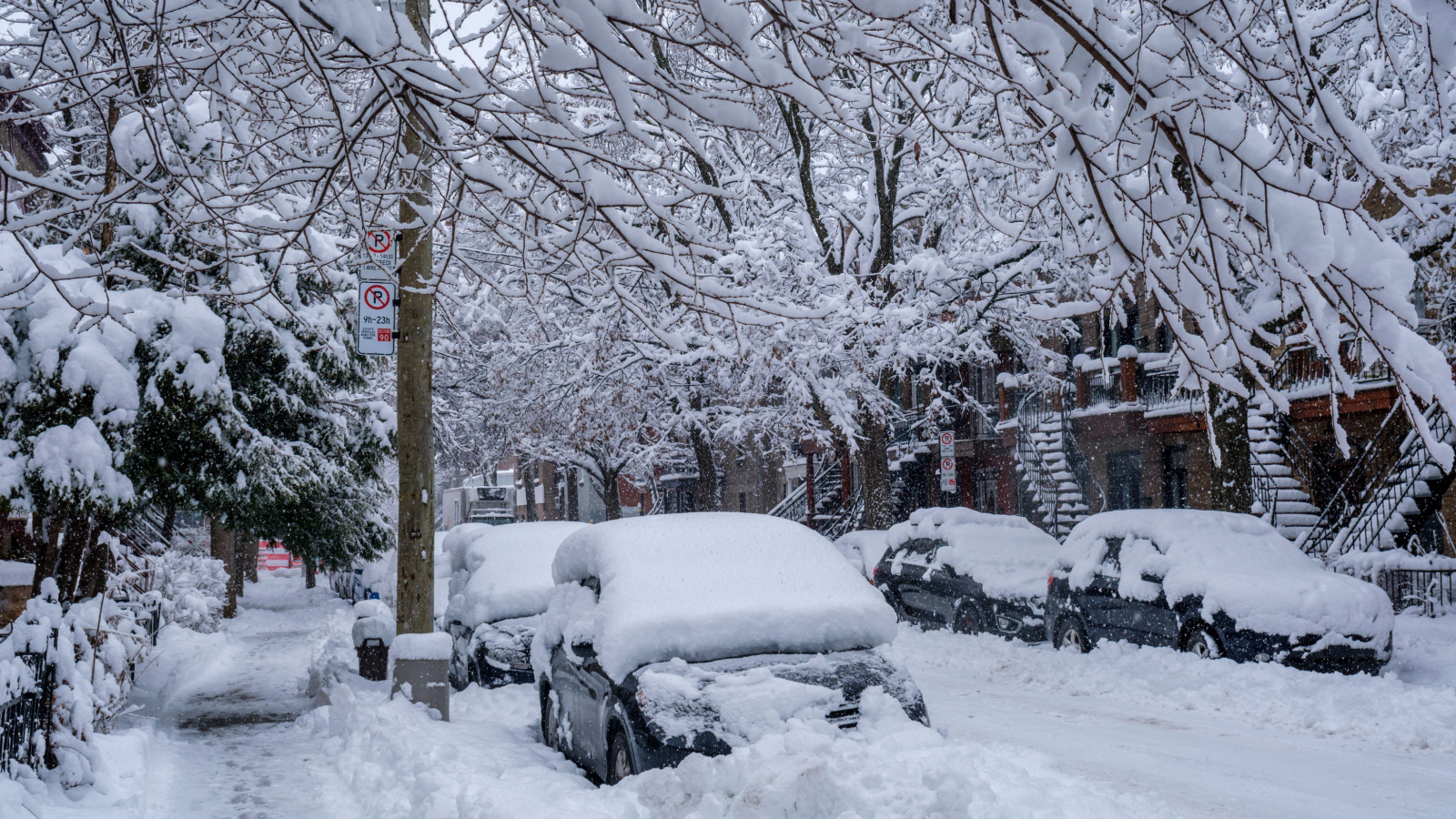
January 1998 froze Eastern Canada in silence. Power lines snapped, trees shattered, and millions lost heat. Yet something remarkable happened—Canadians refused to panic. Families sheltered neighbours. Farmers rescued stranded animals. Firefighters and soldiers worked nonstop. Cities that once competed became united communities. When the storm passed, resilience remained. The Ice Storm of 1998 became more than a natural disaster—it became a national metaphor. Even when everything freezes, Canada’s warmth never does. We turned disaster into unity, and unity into strength.
Saying No to the Iraq War (2003)
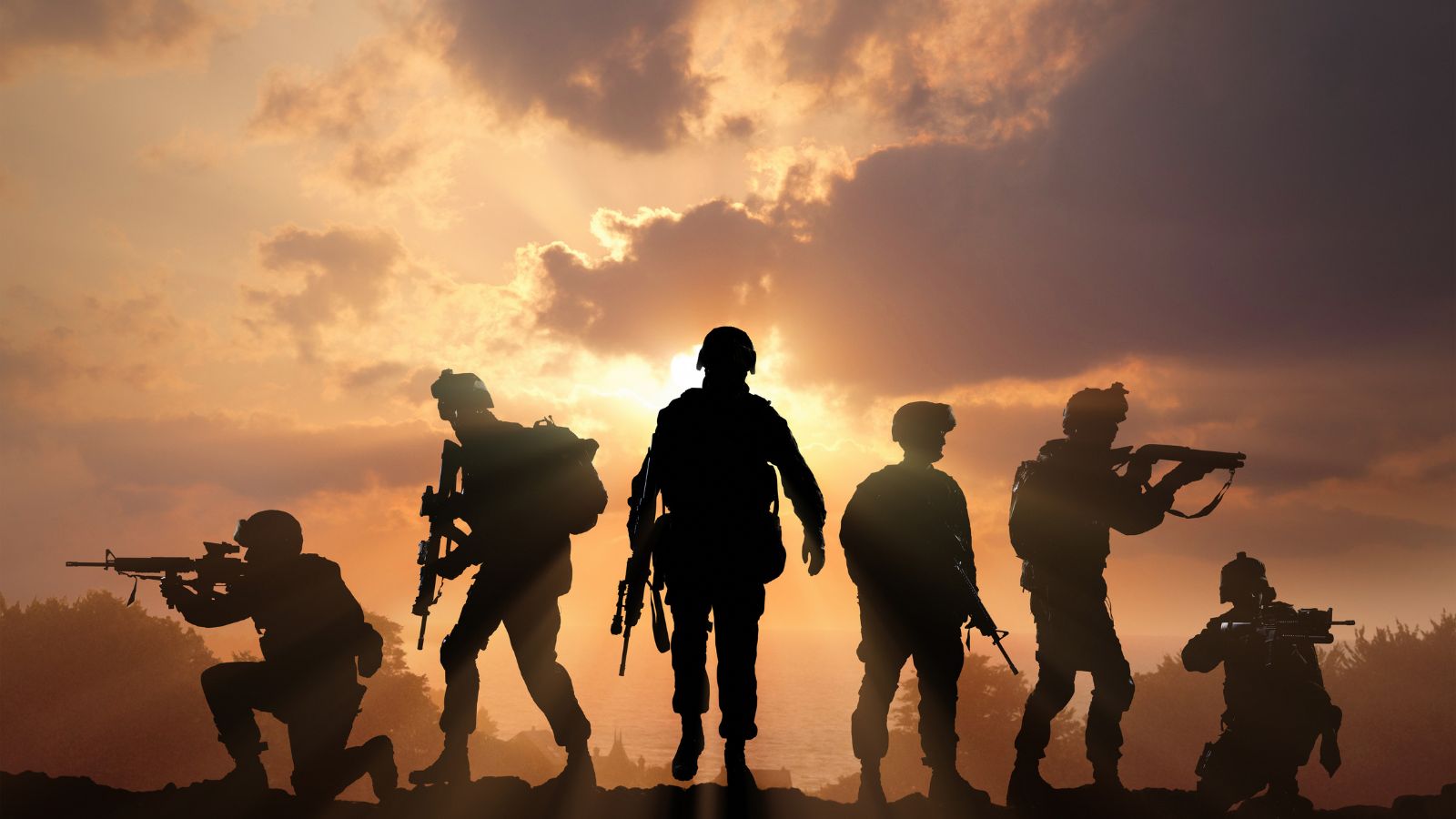
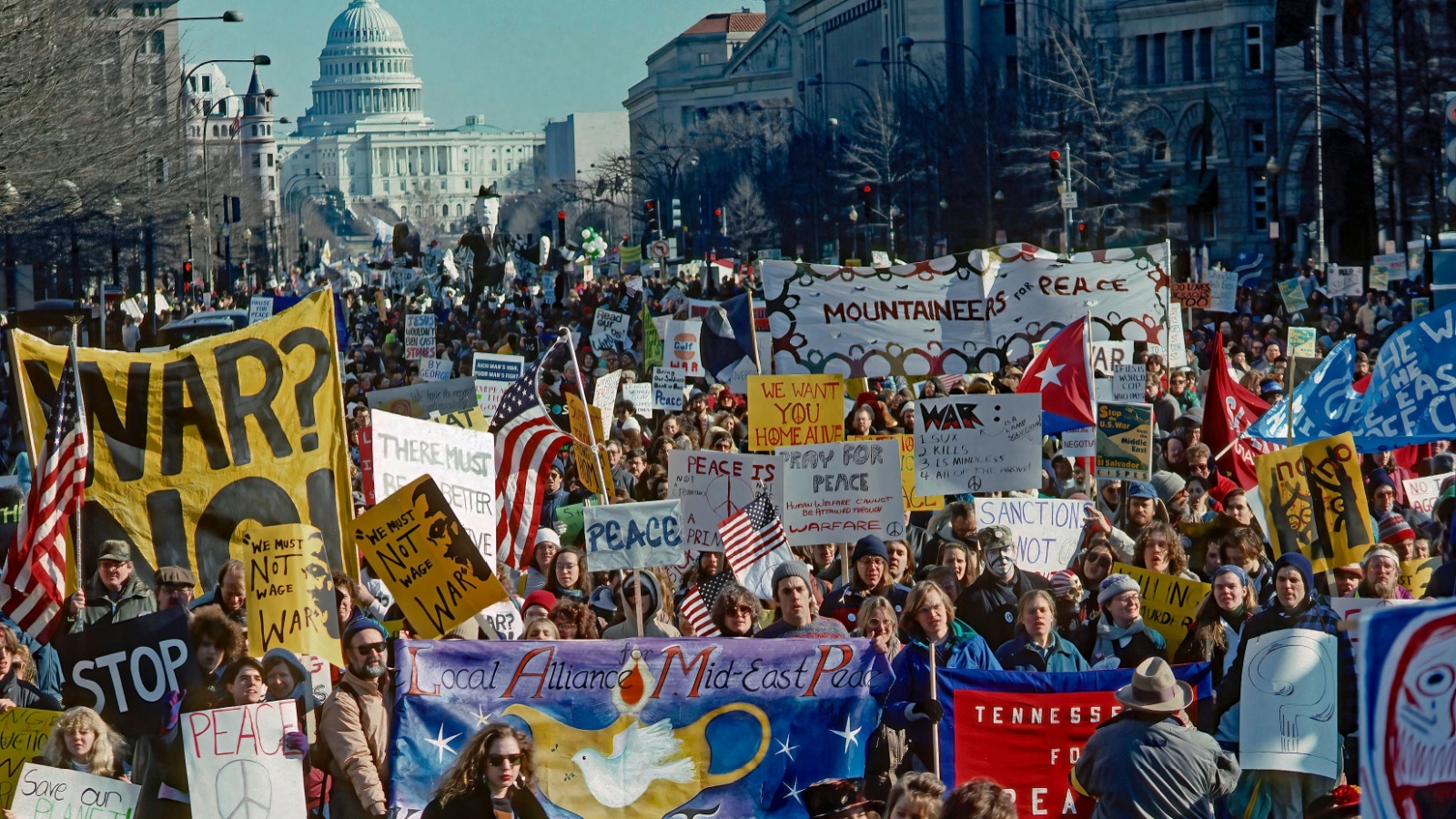
When the Iraq War began, the world split into sides. Many allies expected Canada to follow. Prime Minister Jean Chrétien chose differently. He refused to join a mission without UN approval. Critics accused Canada of weakness. But years later, as the war’s devastation unfolded, restraint became wisdom. We avoided years of loss, chaos, and regret. Canada proved that strength isn’t loud—it’s the courage to say no when others can’t. By standing for principle, we upheld peacekeeping traditions and moral clarity. The high road preserved both dignity and lives.
Adopting the Maple Leaf Flag (1965)
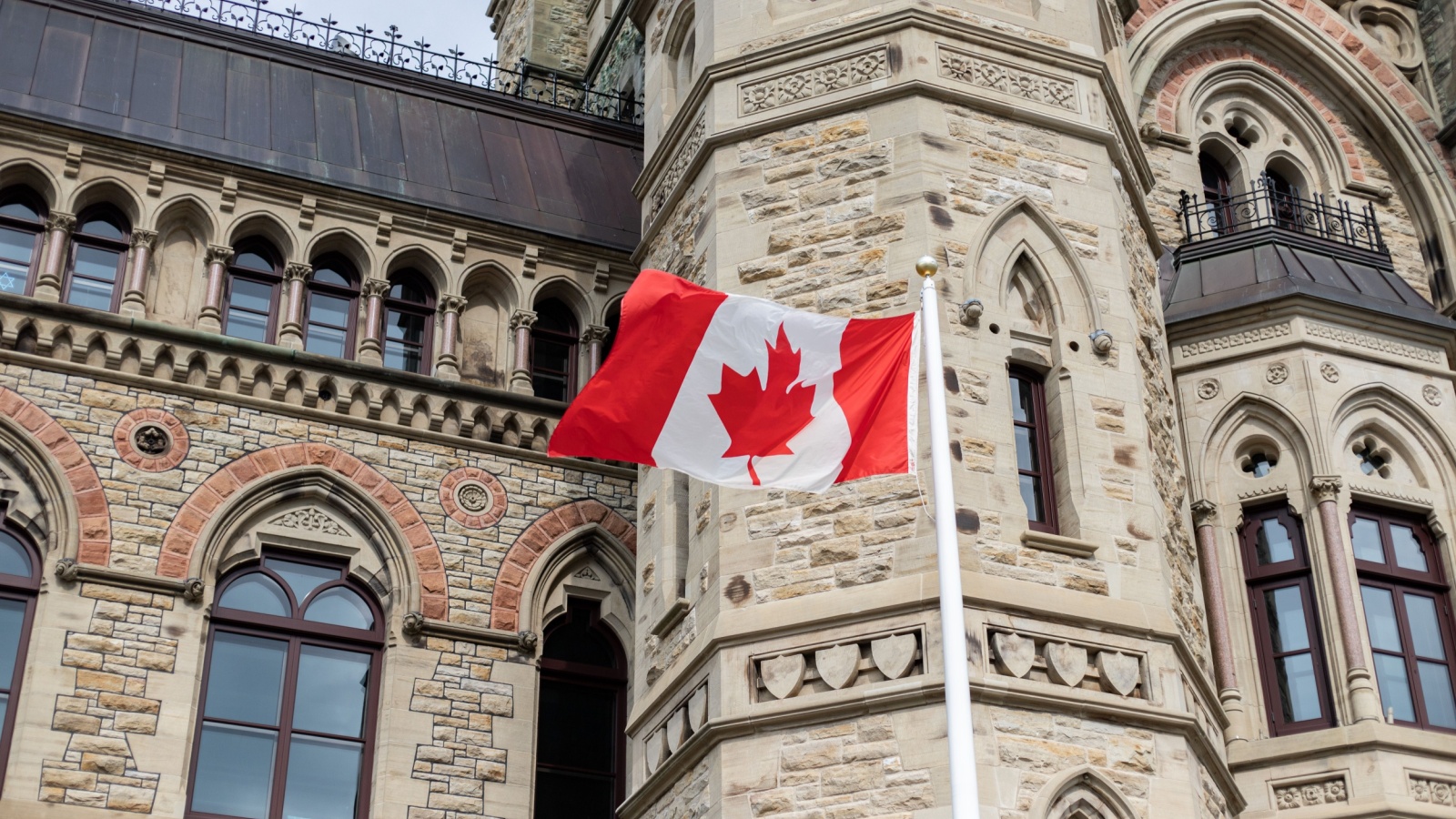
For decades, Canada used a flag bearing Britain’s Union Jack. Many saw it as colonial baggage. In 1964, Parliament erupted in fierce debate. After months of discussion, Lester B. Pearson’s government unveiled a bold new symbol — the red Maple Leaf. Simple, powerful, and unmistakably Canadian. It faced early criticism but soon captured hearts. When it was first raised on February 15, 1965, people wept with pride. The flag became more than fabric; it became identity. Canada didn’t break ties through rebellion, but through design. The world admired how quietly we defined ourselves.
The Iranian Hostage Rescue (1979)
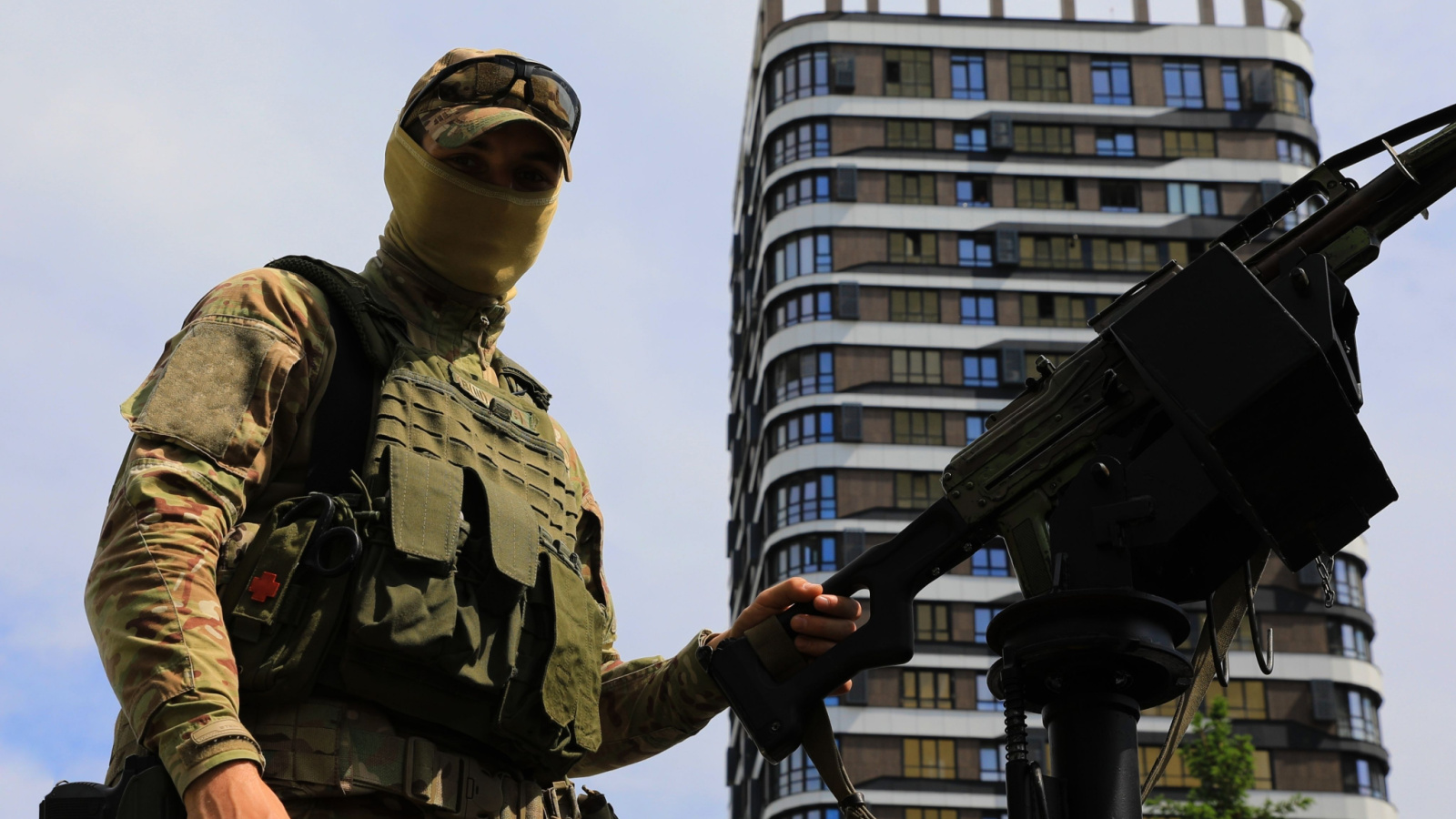
In 1979, during Iran’s revolution, six American diplomats were trapped in danger. Canada’s embassy took them in, risking everything. Ambassador Ken Taylor and his team created false Canadian identities and passports, enabling their escape. It was bold, secret, and selfless. When the truth emerged, Canada didn’t boast—we just smiled. The rescue became known as “The Canadian Caper.” Even decades later, it remains one of the most admired diplomatic missions in history. Hollywood turned it into Argo, but Canadians remember the truth: we acted not for glory, but because it was right.
The October Crisis (1970)
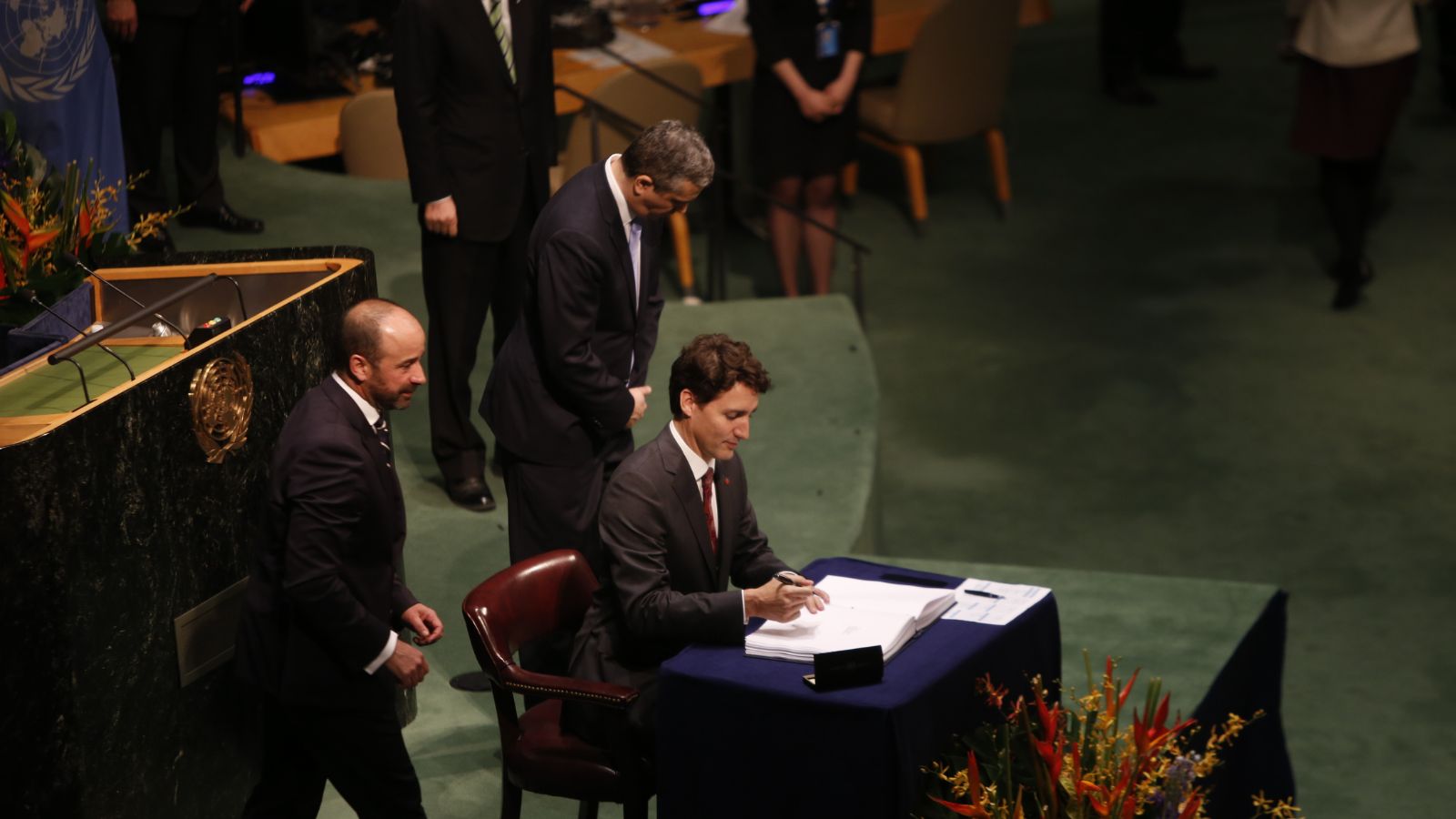
The October Crisis brought terror to Quebec. Kidnappings by the FLQ shocked the nation. Prime Minister Pierre Trudeau faced unimaginable pressure. His famous words—“Just watch me”—reflected resolve, not arrogance. He invoked the War Measures Act, restoring control but avoiding bloodshed. Soldiers filled streets, order returned, and democracy endured. Trudeau’s measured firmness prevented chaos from consuming Quebec. It was leadership defined by balance—protecting freedom without surrendering to fear. In that calm defiance, Canada saw what steady power truly looks like.
Rebuilding Fort McMurray (2016)
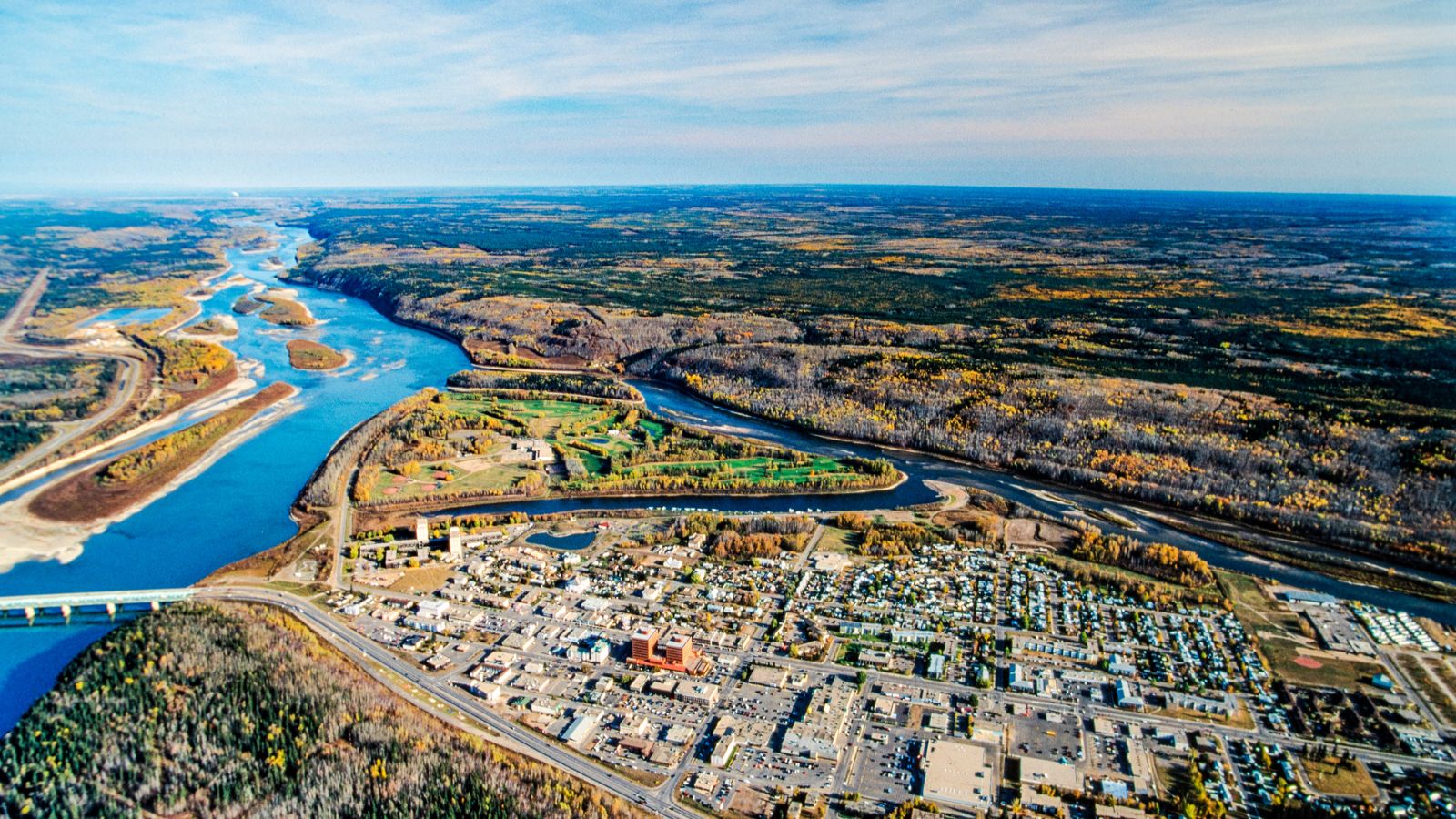
When wildfire consumed Fort McMurray, 80,000 people fled through walls of flame. Homes vanished, yet compassion surged nationwide. Strangers offered rooms. Communities raised millions. Volunteers delivered food and hope. Canada’s empathy spread faster than the fire ever had. Months later, residents returned to rebuild. The recovery took years, but the spirit never faltered. Fort McMurray stands today as proof that kindness can outlast catastrophe. The nation’s generosity turned tragedy into unity. It wasn’t charity—it was family in action.
Global Vaccine Donations (2021–2022)

The pandemic tested every country’s ethics. While wealthier nations hoarded vaccines, Canada looked outward. Through COVAX, millions of doses went to developing countries. It wasn’t flawless—logistics were tough—but our intent stayed clear. We gave even when our supply was tight. In global eyes, that mattered. Canada reinforced its reputation for fairness, responsibility, and empathy. Sharing vaccines wasn’t just diplomacy—it was decency in motion. The world remembered that compassion travels farther than borders ever could.
Lester B. Pearson and the Suez Crisis (1956)
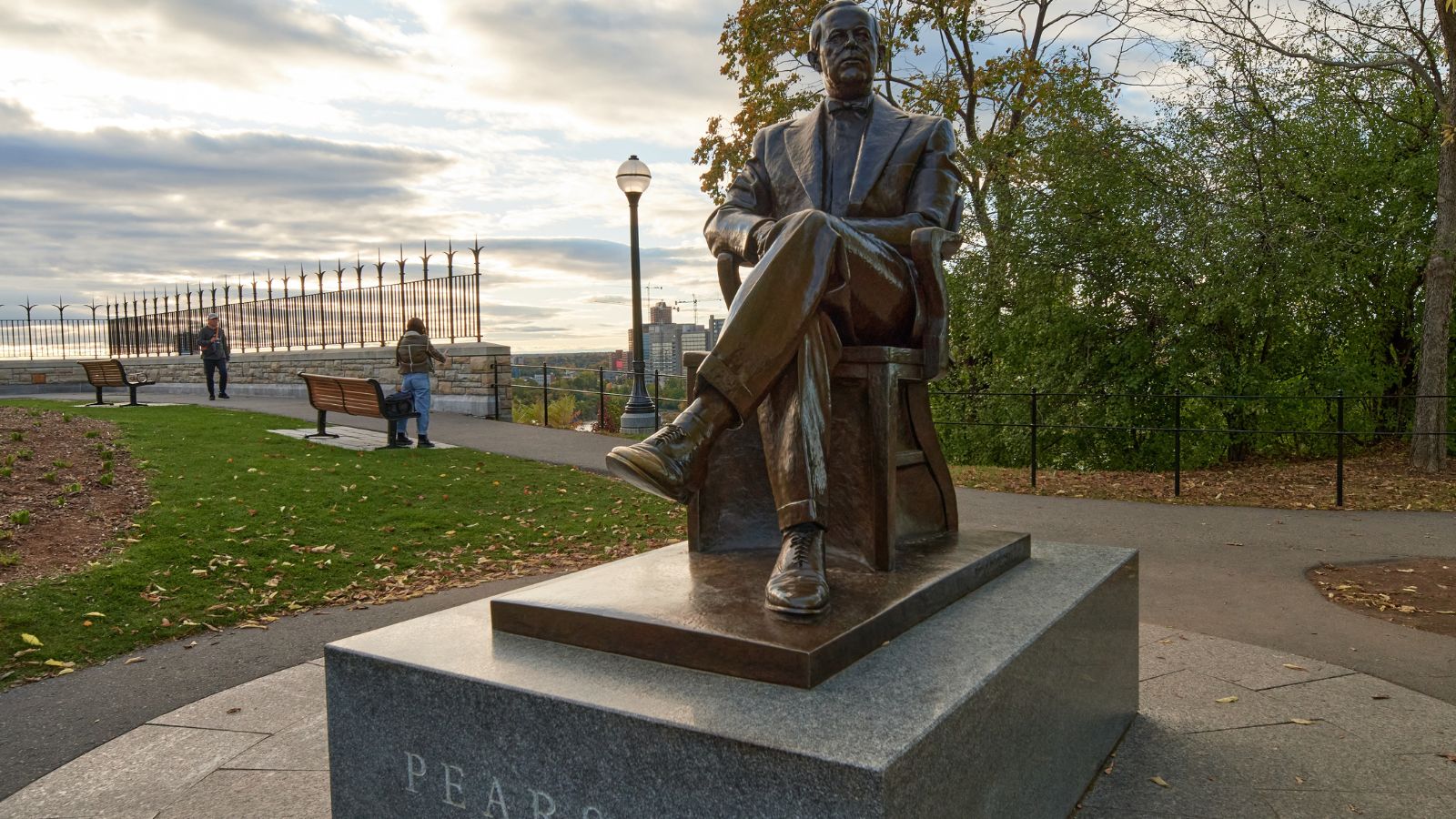
In 1956, the Suez Canal conflict threatened global war. Britain, France, and Egypt were at odds. Lester B. Pearson, then Canada’s Foreign Minister, proposed an international peacekeeping force under the UN. His calm, logical diplomacy defused the crisis. The world credited Pearson with inventing peacekeeping itself. He won the Nobel Peace Prize the following year, but more importantly, he gave Canada a global voice built on reason, not weapons. The Suez solution defined our foreign policy for decades — diplomacy before dominance.
Repatriating the Constitution (1982)
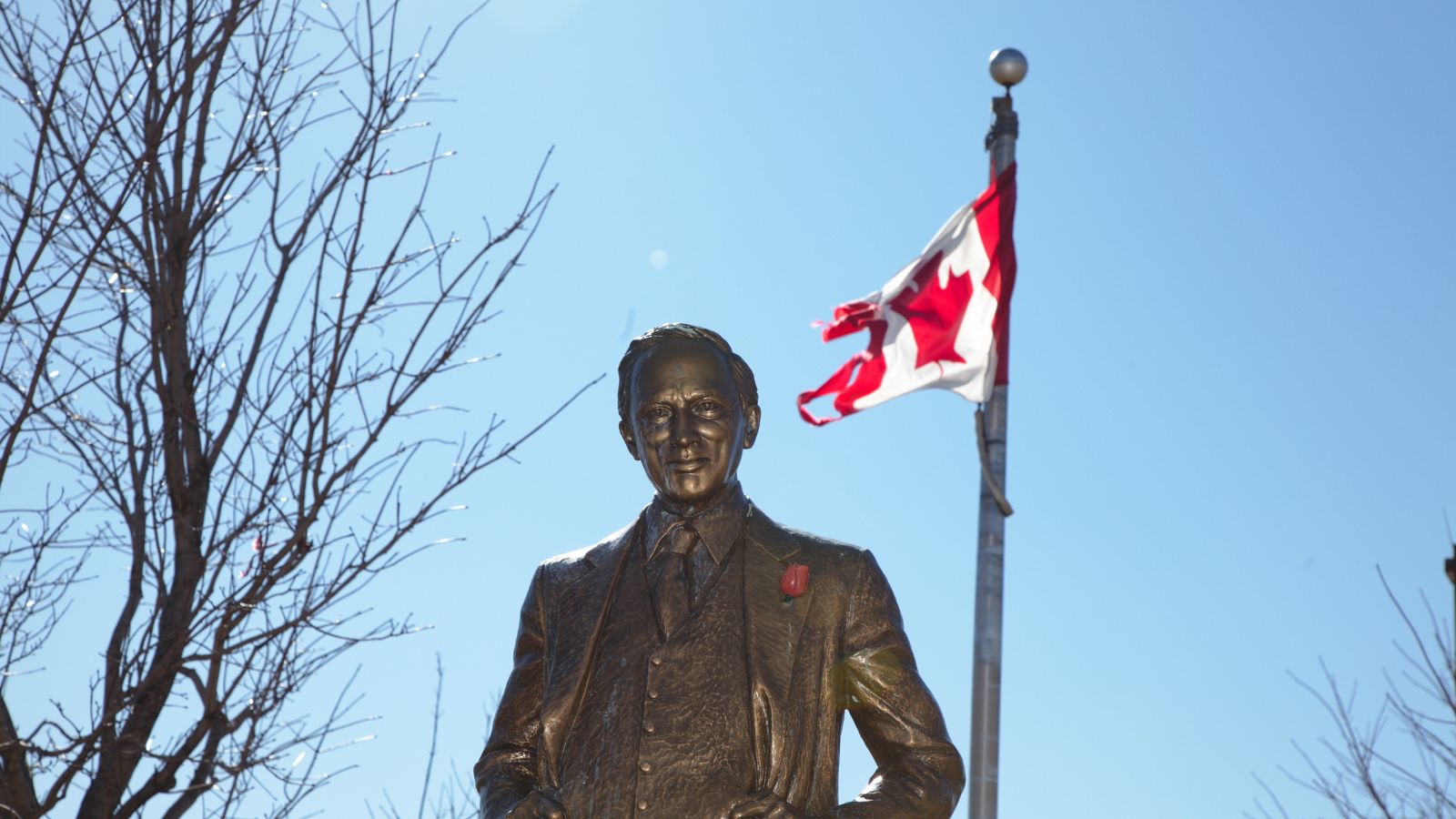
Canada wanted full constitutional independence. Pierre Trudeau sought to bring our Constitution home from Britain. The process was complex, demanding cooperation among provinces and patience from all sides. Trudeau’s persistence turned diplomacy into art. After years of negotiation, Canada gained complete control of its laws, alongside a new Charter of Rights and Freedoms. The achievement came without protest, revolution, or hostility. It was a triumph of intellect over impulse. Canada proved nationhood could be achieved with dialogue, not destruction. That calm, visionary leadership became our quiet revolution.
Climate Action through Consistency

While others treated climate change like politics, Canada treated it as duty. We implemented carbon pricing, funded green innovation, and supported renewable energy projects nationwide. Progress was steady, not showy. But the results endured. Canada’s emissions declined even as our economy grew. Instead of speeches, we offered structure. Our approach balanced environmental care with economic sense. The high road wasn’t glamorous—it was grounded. Real progress rarely trends online; it lasts quietly, in cleaner skies and smarter choices. Canada’s integrity remained its climate legacy.
The Humboldt Broncos Tragedy (2018)
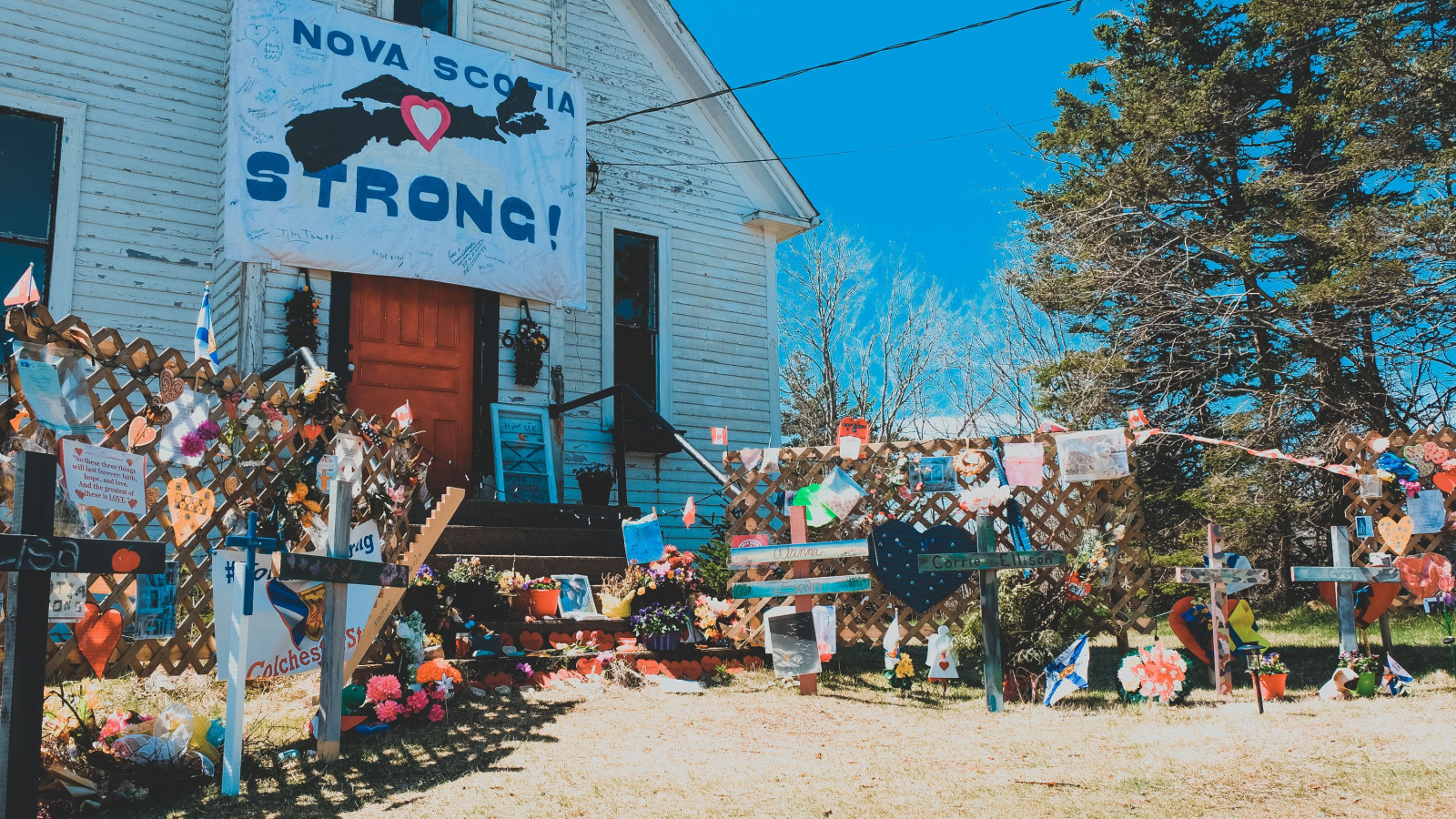
The Humboldt Broncos bus crash broke hearts across Canada. Sixteen young lives lost, thirteen forever changed. But grief transformed into grace. Within days, millions donated. Vigils filled arenas. Green ribbons covered cities. The world watched as Canadians turned sorrow into solidarity. No blame, no bitterness—only love. Families stood together; communities hugged strangers. The tragedy became a national lesson in empathy. Even in heartbreak, Canada reminded the world that kindness is our default setting. The high road sometimes begins in tears, but it always ends in unity.
21 Products Canadians Should Stockpile Before Tariffs Hit

If trade tensions escalate between Canada and the U.S., everyday essentials can suddenly disappear or skyrocket in price. Products like pantry basics and tech must-haves that depend on are deeply tied to cross-border supply chains and are likely to face various kinds of disruptions
21 Products Canadians Should Stockpile Before Tariffs Hit
