
Canada has often demonstrated that influence and achievement do not always require loud proclamations or aggressive displays of power. Across diplomacy, science, culture, humanitarian work, and sports, Canadians have quietly led, innovated, and excelled on the world stage. From historic UN peacekeeping efforts to groundbreaking scientific discoveries, from cultural contributions to Arctic research, Canada’s successes often go unheralded, yet they leave a lasting impact. Here are 21 times we outclassed louder countries with silence.
Lester B. Pearson’s UN Peacekeeping Proposal Ends Suez Crisis, 1956

In 1956, Canada’s Lester B. Pearson played a pivotal role in resolving the Suez Crisis. Instead of resorting to military might, Pearson proposed the creation of the first United Nations Emergency Force, a peacekeeping mission that would intervene and stabilize the situation. His diplomatic approach allowed for a resolution without large-scale conflict, showcasing Canada’s ability to influence global events through measured, quiet leadership. This move earned him the Nobel Peace Prize in 1957, cementing Canada’s reputation as a nation that achieves impact through calm, thoughtful diplomacy rather than loud confrontation.
Launch of Alouette I — Canada’s Quiet Entry Into Space, 1962

In 1962, Canada quietly entered the space age with the successful launch of Alouette I, becoming the third country in the world to build and operate its own satellite. Unlike superpowers of the era, Canada achieved this technological milestone without fanfare, focusing on scientific research and data collection to study the ionosphere. The project demonstrated the country’s ability to innovate and compete globally in high-tech arenas while maintaining a low profile. Alouette I marked a significant moment in Canadian science history, proving that strategic, silent achievement can garner international recognition and respect.
Repatriation of Constitution and Canadian Charter of Rights and Freedoms, 1982

Canada’s 1982 repatriation of its Constitution, including the Canadian Charter of Rights and Freedoms, was a milestone achieved with quiet negotiation and meticulous planning. The process involved careful collaboration between federal and provincial governments to establish Canada’s full legislative independence from Britain. While other nations might have used public spectacle to mark such events, Canada’s approach emphasized legal precision, diplomacy, and inclusivity. The outcome strengthened the nation’s democratic framework and human rights protections, showing that profound political accomplishments can be executed with restraint, patience, and measured influence on the world stage.
Canadian Medical and Humanitarian Aid During Rwanda Crisis, 1994

During the 1994 Rwandan genocide, Canada provided crucial medical and humanitarian aid while maintaining a discreet international presence. Canadian doctors, nurses, and peacekeepers worked tirelessly to save lives amid the chaos, often without media attention or political fanfare. This quiet, effective intervention highlighted Canada’s commitment to humanitarian principles over loud political statements. By focusing on practical assistance, from field hospitals to refugee support, Canada demonstrated that meaningful global impact can be achieved through dedicated, silent action rather than public display, cementing its reputation as a compassionate and reliable international partner.
Arctic Sovereignty Asserted Through Science and Diplomacy, 2003

In 2003, Canada reinforced its Arctic sovereignty using a strategy rooted in scientific research and diplomatic engagement rather than military posturing. Through climate studies, mapping, and international negotiations, Canada quietly established its presence and influence in the Arctic. This measured approach emphasized environmental stewardship, research collaborations, and legal claims under international law. By combining knowledge and diplomacy, Canada asserted control over a strategically critical region without resorting to confrontation. The initiative showcased the country’s preference for subtle, intelligent action, proving that global respect can be earned through expertise, strategic planning, and peaceful negotiation.
Canadian Athletes’ Success at Vancouver Winter Olympics, 2010

The 2010 Vancouver Winter Olympics showcased Canada’s athletic excellence on the world stage, achieved with dedication and meticulous preparation rather than boastful claims. Canadian athletes earned record-breaking gold medals, including historic performances in hockey and speed skating, while hosting an impeccably organized international event. The success highlighted the country’s ability to shine globally through skill, teamwork, and preparation. Rather than loud declarations, Canada’s triumph came through consistent performance, attention to detail, and understated national pride. The Games reinforced Canada’s reputation as a nation that achieves recognition through quiet competence and collective effort on the international stage.
Canada’s Ongoing UN Peacekeeping Missions, 2006–Present
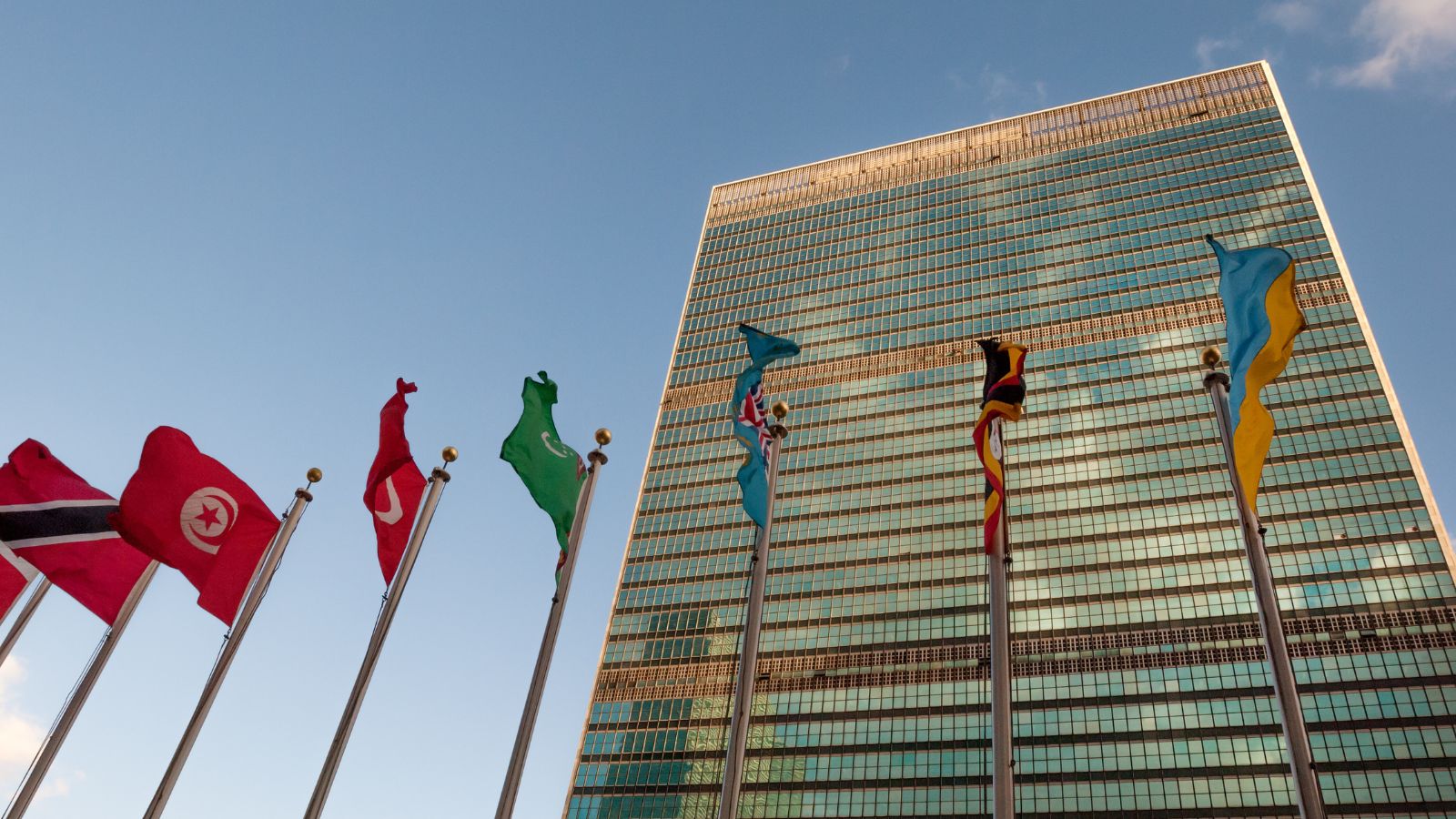
Since 2006, Canada has continued to contribute to United Nations peacekeeping missions worldwide, focusing on conflict resolution, civilian protection, and humanitarian support. Canadian personnel engage quietly in regions like Mali, the Middle East, and Africa, emphasizing diplomacy, training local forces, and supporting rebuilding efforts. Unlike countries that seek attention through military displays, Canada’s approach prioritizes measured, effective action on the ground. These ongoing missions reinforce the nation’s global reputation as a reliable and principled peacekeeping partner, demonstrating that meaningful international influence can be exerted with calm, steadfast dedication rather than loud, publicized intervention.
Discovery of Insulin by Canadian Scientists, 1921

In 1921, Canadian scientists Frederick Banting and Charles Best discovered insulin, revolutionizing diabetes treatment worldwide. The breakthrough was achieved through meticulous research at the University of Toronto, with results shared openly for global benefit. Unlike some scientific achievements promoted with fanfare, the discovery emphasized collaboration, humility, and practical impact over recognition. This quiet yet monumental accomplishment saved millions of lives and cemented Canada’s place in medical history. The focus on innovation, scientific integrity, and humanitarian outcomes showcases how Canada has historically made transformative contributions to the world without relying on loud announcements or nationalistic fanfare.
Introduction of Official Multiculturalism Policy, 1995
Canada formally adopted its multiculturalism policy in 1995, embracing the country’s diverse cultural landscape through legislation and public programs. The initiative promoted inclusivity, equity, and social cohesion, allowing immigrants and Indigenous communities to celebrate their heritage within a unified national framework. Implemented thoughtfully through government planning and community engagement rather than public spectacle, the policy quietly reshaped Canadian society. It fostered understanding and respect across diverse populations while reinforcing Canada’s international image as a leader in multicultural governance. This measured, deliberate approach demonstrated that societal transformation could be achieved with calm, inclusive policies rather than loud political campaigns.
Contributions to Ionospheres and Space Research, 1965–1970

Between 1965 and 1970, Canadian scientists and engineers made significant contributions to ionospheric studies and space research, advancing global understanding of satellite communications and atmospheric phenomena. Through projects like Alouette II, Canada provided crucial data for international scientific communities while maintaining a low-profile, research-focused approach. These contributions were instrumental in shaping modern communication technologies and satellite systems. Rather than seeking attention, Canada prioritized rigorous scientific inquiry and collaboration, proving that national influence in high-tech fields can be achieved through quiet expertise, meticulous research, and measured engagement in international scientific efforts.
Quiet Leadership in Climate Research and Clean Tech, 2015–2025

From 2015 to 2025, Canada has led quietly in climate science and clean technology innovation. Canadian researchers and companies have developed renewable energy solutions, carbon reduction strategies, and environmental policies that influence global sustainability efforts. Without aggressive self-promotion, Canada has contributed critical data to international climate models and fostered technology collaborations across borders. The country’s emphasis on evidence-based solutions, research integrity, and cross-national cooperation demonstrates how impactful leadership can occur quietly. By prioritizing results over recognition, Canada continues to shape global environmental progress while maintaining a reputation for thoughtful, silent influence in tackling pressing climate challenges.
Hosting Montreal Olympics with Calm Execution, 1976

In 1976, Canada hosted the Summer Olympics in Montreal, executing the complex international event with precision and understated effectiveness. Despite financial challenges and global attention, the organizing committee focused on smooth logistics, athlete support, and infrastructure development rather than flashy promotion. The Games successfully showcased Canadian hospitality and organizational skill while maintaining a measured approach to media and public relations. This quiet professionalism demonstrated that even highly visible global events could be managed without spectacle, reflecting Canada’s ability to outshine others through competence, calm planning, and methodical execution rather than loud, attention-seeking gestures.
Peaceable Resolution of Quebec Referendum, 1995

The 1995 Quebec referendum on sovereignty was resolved peacefully, avoiding civil unrest or violent conflict. Through measured political negotiation, careful public dialogue, and legal processes, Canada maintained national unity while respecting the democratic process. Government leaders, community groups, and mediators worked quietly to ensure that tensions were addressed constructively, highlighting Canada’s ability to manage potentially divisive issues with calm diplomacy. This event showcased that national challenges could be navigated successfully without loud rhetoric or force, reinforcing Canada’s reputation for thoughtful conflict resolution and emphasizing the power of careful, silent leadership in maintaining social cohesion.
Global Recognition of Canadian Music, Literature, and Film, 2004–2024

From 2004 to 2024, Canadian artists, writers, and filmmakers gained international acclaim while often remaining understated at home. Musicians like Drake, filmmakers such as Denis Villeneuve, and authors including Margaret Atwood earned prestigious awards and global audiences without aggressive nationalistic promotion. These cultural achievements demonstrated Canada’s ability to influence global arts quietly, allowing talent and quality to speak for themselves. By focusing on craft, innovation, and authenticity, Canadians consistently made their mark internationally, showing that cultural dominance does not require loud self-promotion but can emerge organically through excellence, perseverance, and a steady, measured presence on the world stage.
Balanced Immigration and Refugee Policies, 2017–2025

Between 2017 and 2025, Canada implemented immigration and refugee policies balancing humanitarian responsibility with economic needs. By carefully evaluating applications, supporting integration programs, and fostering community engagement, Canada quietly welcomed newcomers while maintaining social stability. The policies were evidence-based and executed with thoughtful communication rather than fanfare, ensuring that refugees and immigrants could settle safely and productively. This approach highlighted Canada’s commitment to fairness, compassion, and long-term planning in migration management. By emphasizing structured implementation over media attention, Canada demonstrated that effective humanitarian leadership and inclusive nation-building could occur through quiet, deliberate policy measures that impact lives meaningfully.
Sustaining Universal Health Care Without Fanfares, 1970s–2020s

Canada has maintained a universal health care system for decades, providing citizens with access to essential medical services without aggressive international promotion. Policymakers and health professionals focused on incremental improvements, cost management, and equitable access, ensuring the system’s resilience. By quietly adapting to technological and demographic shifts, Canada preserved one of the most comprehensive health care frameworks in the world. This commitment reflects a principle-driven approach that values effectiveness over spectacle. Through measured policy adjustments and consistent funding, Canada demonstrates that significant national achievements, such as universal health care, can endure and succeed without seeking constant global attention.
Negotiating Indigenous Land Claim Settlements, 1980s–2000s

From the 1980s through the 2000s, Canada engaged in careful negotiations to resolve Indigenous land claims. Federal and provincial governments worked with Indigenous leaders to settle disputes through treaties, financial compensation, and legal frameworks. These processes required patience, research, and trust-building rather than public spectacle or political posturing. By addressing historical injustices through collaborative dialogue, Canada demonstrated its capacity for measured, quiet leadership in complex societal matters. The settlements helped foster reconciliation and stronger relationships, illustrating that lasting solutions can be achieved through thoughtful negotiation and respectful engagement rather than loud or confrontational approaches.
Behind-the-Scenes Global Humanitarian Contributions, 2002–2020

Between 2002 and 2020, Canada quietly supported humanitarian initiatives worldwide, providing disaster relief, development aid, and crisis intervention without seeking major international attention. Canadian agencies and NGOs delivered food, medicine, and infrastructure support in conflict zones and regions hit by natural disasters. By prioritizing effective assistance over publicity, Canada reinforced its reputation as a reliable global partner in humanitarian efforts. These contributions demonstrate that national influence and moral leadership can be exerted through action rather than words, highlighting how Canada consistently impacts the world positively while remaining understated in its international interventions.
Advocacy at UN for Nuclear Disarmament Treaties, 1960s–2020s

Over decades, Canada has played a significant role in advocating for nuclear disarmament at the United Nations. Canadian diplomats and policymakers quietly supported treaties, facilitated negotiations, and promoted arms reduction discussions among global powers. By emphasizing diplomacy, evidence-based policy, and multilateral cooperation, Canada influenced international security frameworks without pursuing high-profile attention. This steady, measured advocacy reflects the country’s commitment to global peace and responsibility. The impact of Canada’s efforts shows that quiet, consistent engagement in multilateral diplomacy can achieve tangible results, reinforcing the country’s reputation as a principled, thoughtful player on the world stage.
Canadian Tech Start-Ups Scaling Globally, 2018–Present

Since 2018, Canadian technology start-ups have expanded into global markets, innovating in areas like AI, clean technology, and fintech. Companies like Shopify and other emerging ventures achieved international growth quietly, focusing on product quality, customer satisfaction, and sustainable scaling strategies. Instead of aggressive self-promotion, they let performance and innovation drive recognition, reflecting Canada’s understated approach to business excellence. These success stories demonstrate that significant economic impact and international market presence can be attained without fanfare, showcasing a national culture of thoughtful entrepreneurship, technical expertise, and disciplined expansion.
Long-Term Arctic Research and Polar Science Programs, 1990s–2020s

Canada has led long-term Arctic and polar research from the 1990s through the 2020s, studying climate change, ice dynamics, and ecosystem health. Scientists worked quietly in extreme conditions, collaborating internationally and producing data crucial for global climate models. These programs emphasized rigorous methodology and patient observation rather than publicity-driven expeditions. By prioritizing sustained, evidence-based research, Canada contributed substantially to scientific understanding of the Arctic while maintaining a low-profile presence. This approach illustrates the country’s ability to lead on critical global issues through steady, thoughtful work, reinforcing the theme that quiet dedication can have outsized, lasting influence on the world.
22 Groceries to Grab Now—Before another Price Shock Hits Canada

Food prices in Canada have been steadily climbing, and another spike could make your grocery bill feel like a mortgage payment. According to Statistics Canada, food inflation remains about 3.7% higher than last year, with essentials like bread, dairy, and fresh produce leading the surge. Some items are expected to rise even further due to transportation costs, droughts, and import tariffs. Here are 22 groceries to grab now before another price shock hits Canada.
22 Groceries to Grab Now—Before another Price Shock Hits Canada
