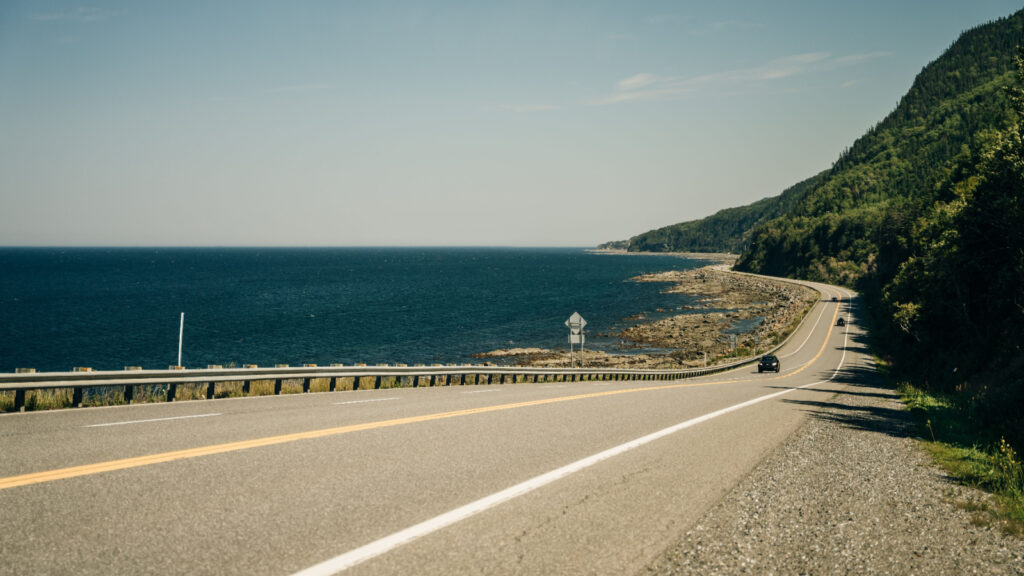
Travel patterns across Canada are changing as people look for trips that feel easier, smarter, and more rewarding. Rising costs, busy schedules, and shifting priorities are influencing how Canadians plan their spring getaways. Many travellers now favour convenience over extravagance, choosing options that reduce stress while maximizing enjoyment. Packing lighter, travelling closer to home, and selecting flexible itineraries are becoming common strategies. Technology, remote work, and environmental awareness also shape these decisions. Instead of a single standard approach, travellers are blending comfort, efficiency, and experience. Here are 21 travel trends Canadians are following this spring, including carry-on-only packing, train trips, and mini-moons.
Carry-On-Only Packing

Many Canadians are choosing to travel with carry-on luggage only. Avoiding checked bags reduces airport stress and waiting time. It also eliminates the risk of lost luggage. Travellers pack versatile clothing that works in multiple settings. Lightweight fabrics and neutral colours help maximize outfit combinations. Limiting items encourages careful planning before departure. Moving through transit hubs becomes faster and easier. Carry-on travel also reduces extra airline fees. This approach suits shorter spring trips especially well. Travellers often report feeling more flexible and less burdened. Packing light supports spontaneous plans because mobility improves. As airlines tighten baggage policies, carry-on only travel continues gaining popularity among Canadians seeking efficiency and simplicity during spring vacations.
Train Travel Over Flights

Train travel is attracting Canadians who prefer comfort over speed. Rail journeys provide spacious seating and the freedom to move around. Scenic routes showcase landscapes that flights completely miss. Stations are usually located in city centres, reducing transfer time. Security procedures are less intrusive than those at airports. Travellers can work, read, or relax during the journey. Train travel also produces fewer emissions per passenger than flying. This appeals to those concerned about environmental impact. Spring weather makes window views especially enjoyable as scenery changes. Delays feel less stressful when space is available. Rail trips encourage a slower pace of travel. For many Canadians, trains offer a practical and pleasant alternative to short-haul flights.
Mini-Moon Getaways
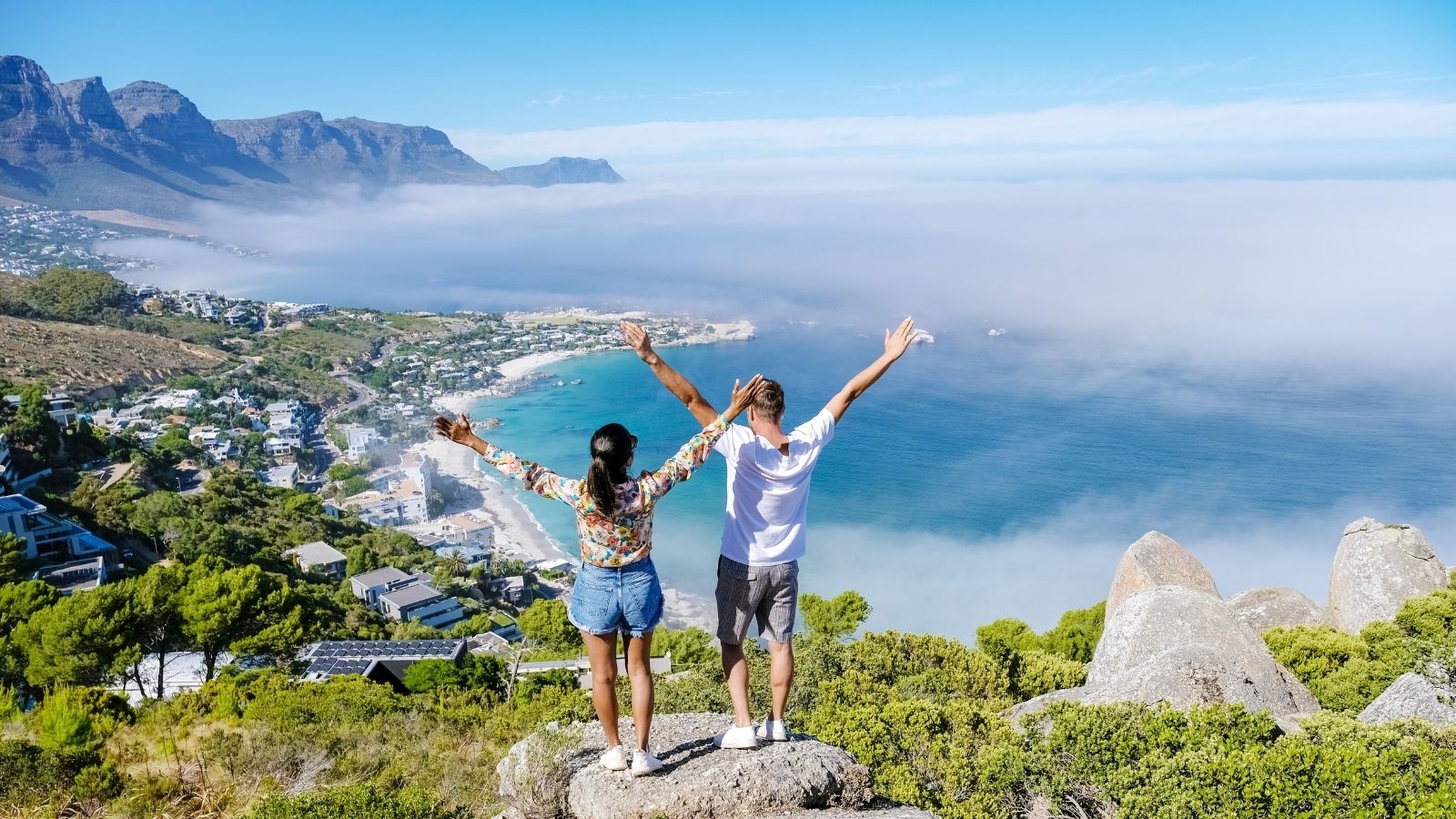
Mini moons are becoming popular among newly married couples. Instead of one long honeymoon, couples plan shorter trips immediately after the wedding. This approach reduces time away from work and travel fatigue. Spring offers many nearby destinations suitable for quick escapes. Couples often choose relaxing locations rather than busy tourist centres. Budget constraints also influence this trend. A shorter trip allows spending on quality experiences without high cost. Some couples plan a larger honeymoon later. Mini moons focus on recovery and private time together. Planning is simpler because logistics remain manageable. This style of travel suits modern schedules while still marking the transition into married life with a meaningful shared experience.
Shoulder-Season Travel Planning
Travelling during the shoulder season helps Canadians avoid peak crowds and prices. Spring sits between winter tourism and summer demand. Accommodation rates are often lower during this period. Attractions feel less congested, which improves the overall experience. Weather can vary, but mild conditions are common. Travellers pack layers to adapt easily. Flights and tours may offer better availability. Local communities also benefit from visitors outside peak months. Shoulder season trips feel calmer and more authentic. Photographers appreciate softer light and fewer people in scenes. Planning requires monitoring weather forecasts carefully. This strategy allows Canadians to explore popular destinations without the stress associated with high-season travel.
Nature-Focused Escapes
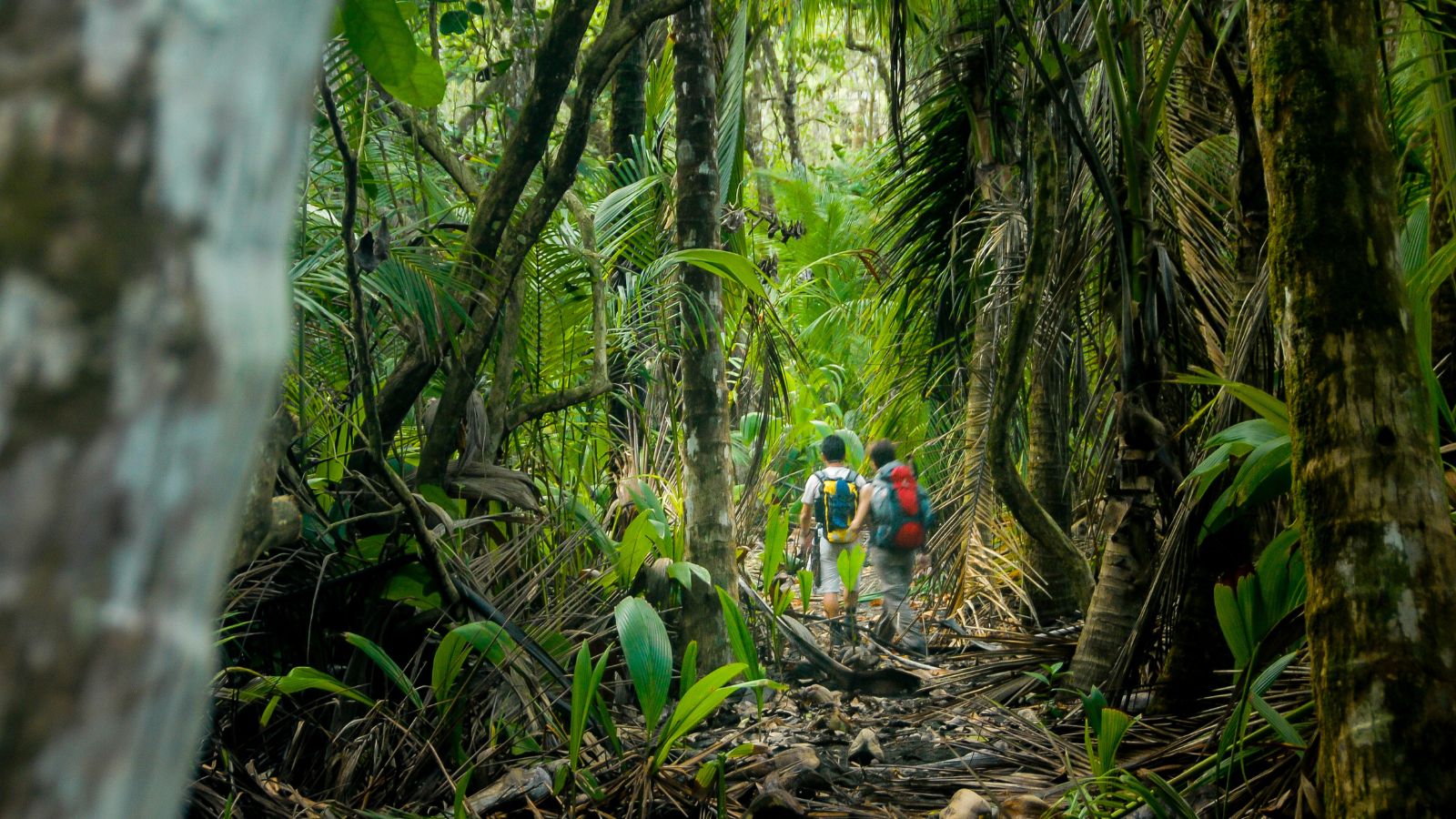
After months indoors, many Canadians prioritize trips centered on natural environments. Parks, lakes, forests, and coastal areas become appealing destinations. Fresh air and physical activity improve well-being after winter. Spring brings wildlife activity and blooming vegetation. Hiking, cycling, and kayaking opportunities expand as the snow melts. Nature trips often cost less than urban vacations. They also allow distancing from crowded spaces. Accommodation may include cabins, lodges, or campgrounds. Travellers value the sense of calm and renewal these settings provide. Digital connectivity is often limited, which encourages relaxation. Nature-focused travel reflects a desire to reconnect with outdoor experiences. This trend continues growing as people seek a balance between work and personal life.
Multi-City Trips Within One Province
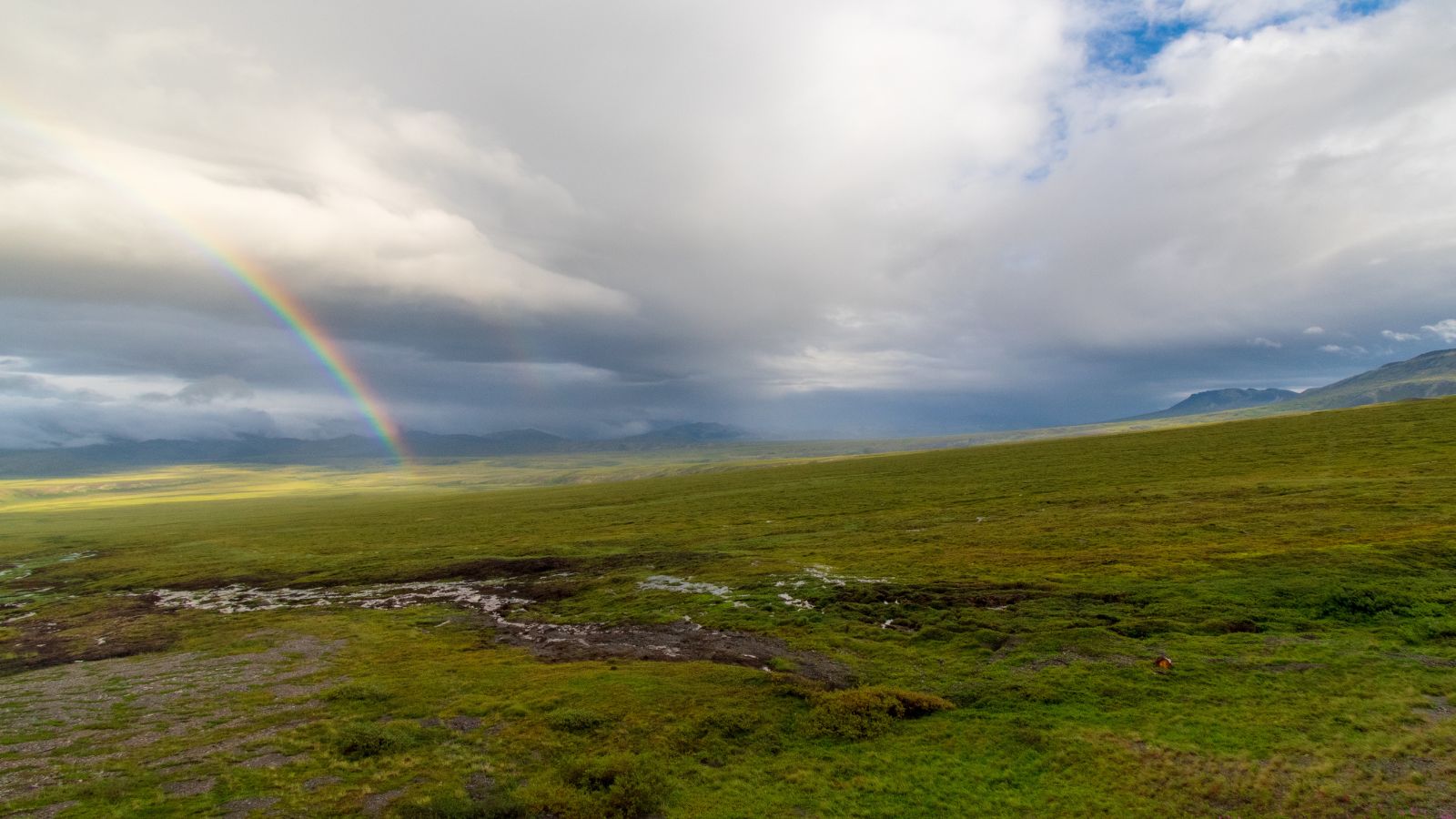
Instead of travelling long distances, some Canadians explore multiple locations within a single province. This approach reduces travel time while offering variety. Road or rail connections make movement between cities manageable. Travellers can experience different landscapes, cultures, and attractions in one trip. Accommodation bookings remain flexible due to shorter distances. Planning becomes simpler without border crossings or complex logistics. Local tourism boards often promote regional routes. Multi-city trips support local economies across the province. Visitors gain a deeper understanding of the area rather than a single location. This style of travel balances efficiency with discovery, making it ideal for spring vacations of limited duration.
Slow Travel Itineraries
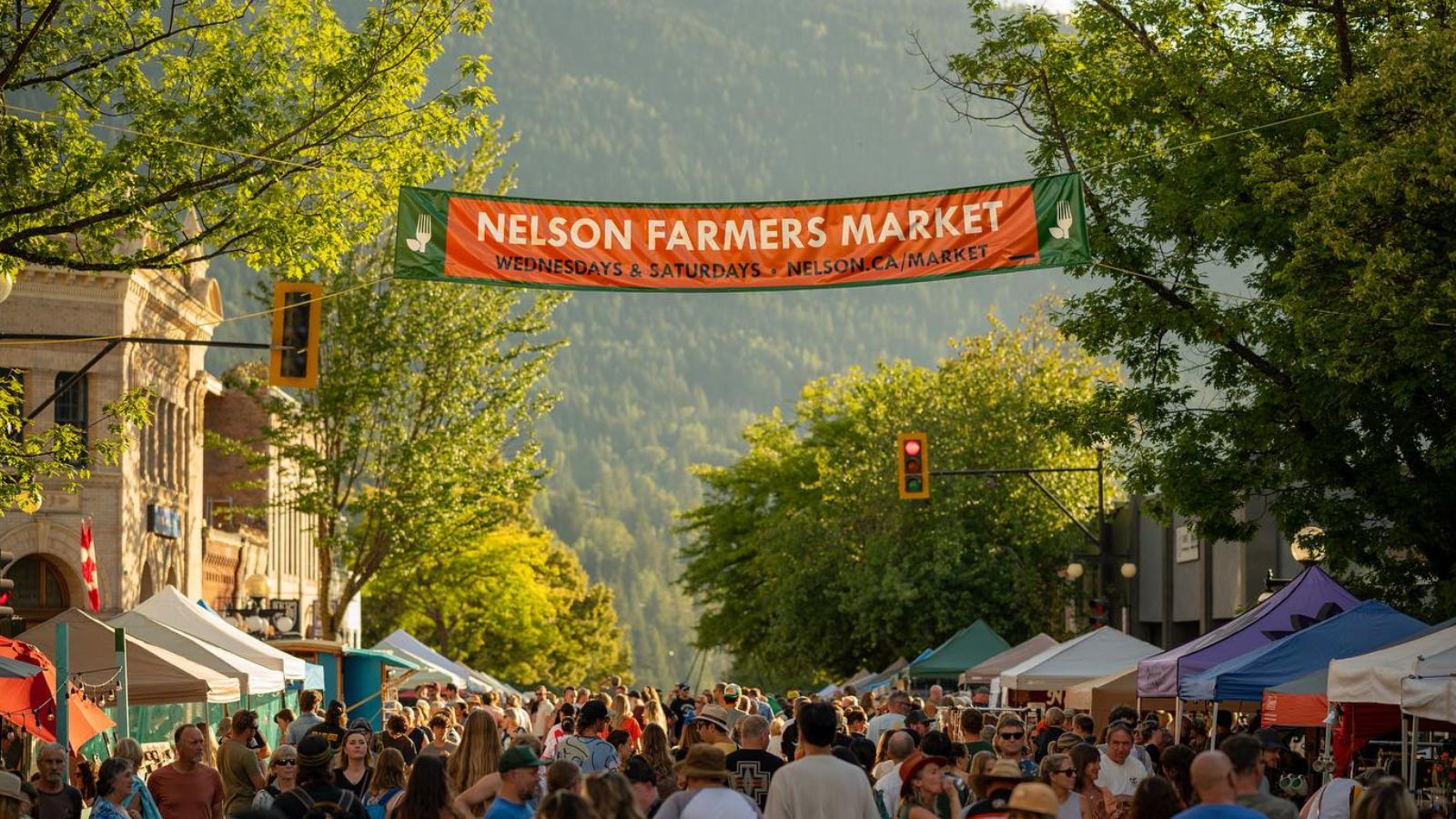
Slow travel focuses on spending more time in fewer places instead of rushing between attractions. Canadians adopting this approach aim to experience destinations more deeply. Staying several days in one location allows visitors to notice everyday details. Walking neighbourhoods, visiting local markets, and repeating favourite spots become part of the routine. This pace reduces fatigue often caused by tight schedules. Transportation planning also becomes simpler with fewer transfers. Travellers report feeling more relaxed and present. Spring suits slow travel because crowds remain moderate. Weather encourages outdoor exploration without extremes. This style prioritizes quality over quantity, making trips feel restorative rather than exhausting.
Booking Smaller Boutique Hotels
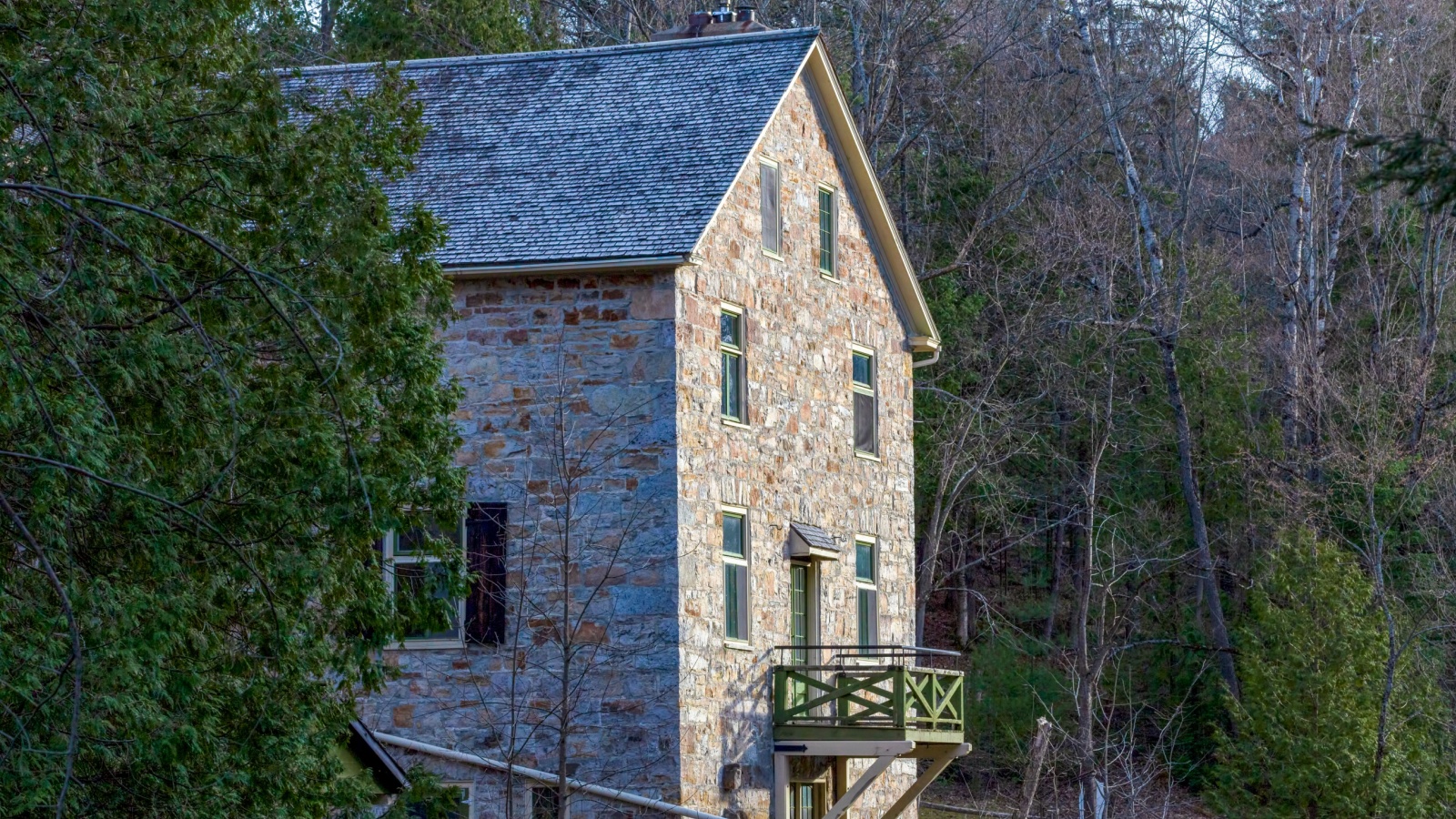
Boutique hotels attract travellers seeking personalized experiences instead of standardized chains. These properties often feature distinctive design and local character. Staff interactions feel more personal, which enhances the stay. Smaller guest numbers create quieter environments. Many boutique hotels occupy historic buildings or unique locations. Amenities may reflect regional culture rather than global branding. Travellers appreciate thoughtful details such as curated décor or locally sourced products. Spring visits benefit from attentive service during the shoulder season. Boutique accommodations often sit within walkable neighbourhoods. This allows guests to explore easily on foot. Choosing smaller hotels reflects a preference for authenticity and comfort over uniform luxury.
Choosing Domestic Destinations First
Domestic travel continues to gain popularity among Canadians. Staying within the country reduces passport concerns and currency exchange issues. Transportation planning also becomes simpler. Travellers can respond quickly to weather changes or schedule adjustments. Exploring local regions supports national tourism industries. Many Canadians are discovering destinations they previously overlooked. Domestic trips often involve shorter travel times, leaving more hours for activities. Familiar infrastructure reduces uncertainty. Spring conditions vary across provinces, offering diverse experiences. This trend reflects a desire for convenience combined with discovery. Choosing destinations at home can feel just as rewarding as international travel.
Off-Peak Midweek Departures
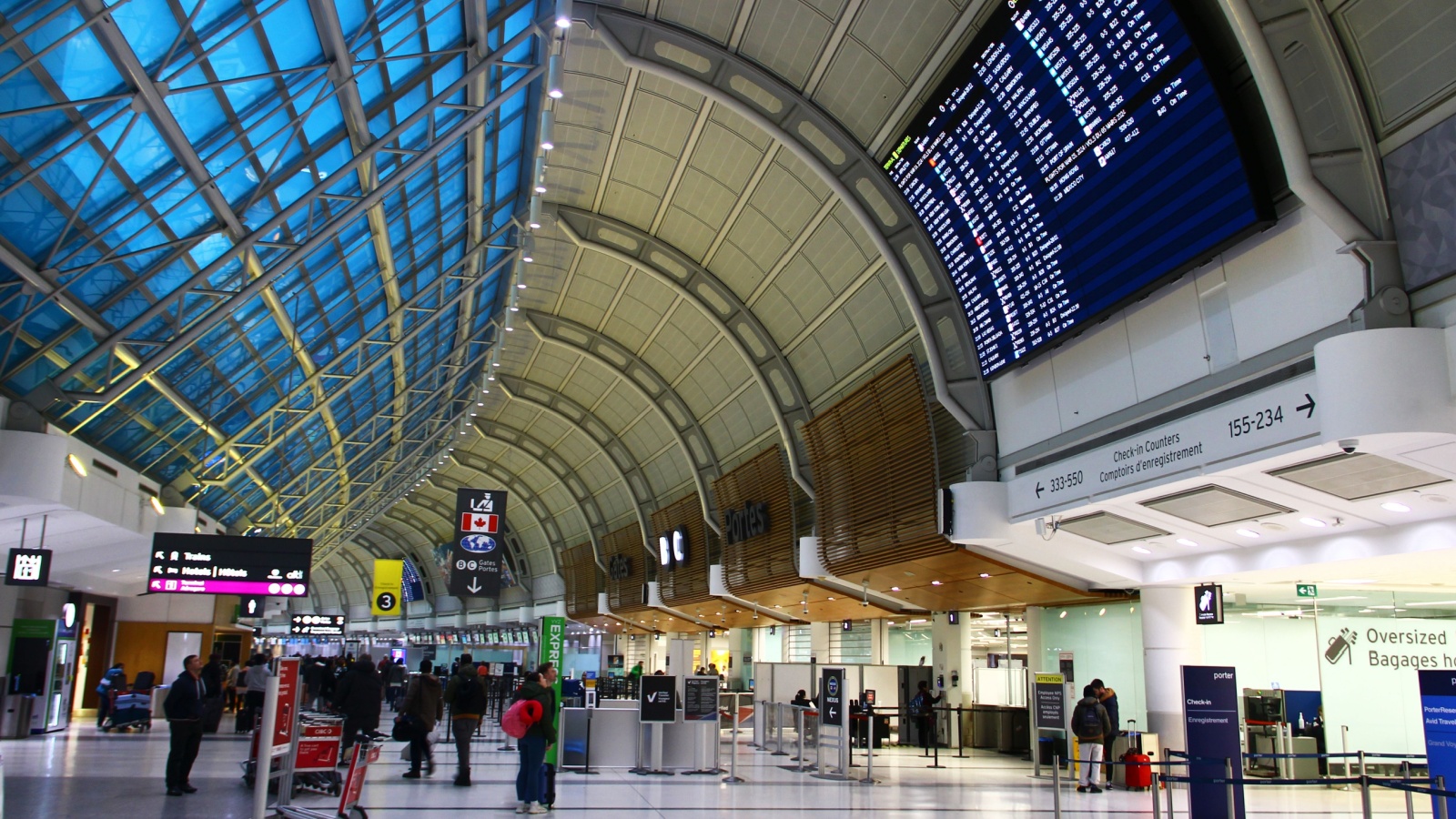
Departing midweek helps travellers avoid crowded airports and higher fares. Tuesdays and Wednesdays often provide better availability for flights and accommodations. Check-in lines tend to be shorter, reducing stress at the start of the trip. Attractions at the destination also feel less congested. This timing allows for more relaxed exploration. Flexible schedules make this option possible for remote workers or retirees. Midweek travel can extend the feeling of a long weekend without weekend prices. Spring shoulder season amplifies these benefits. Travellers appreciate the calmer atmosphere from departure to return. Off-peak scheduling reflects strategic planning aimed at maximizing comfort and value.
Wellness-Oriented Vacations
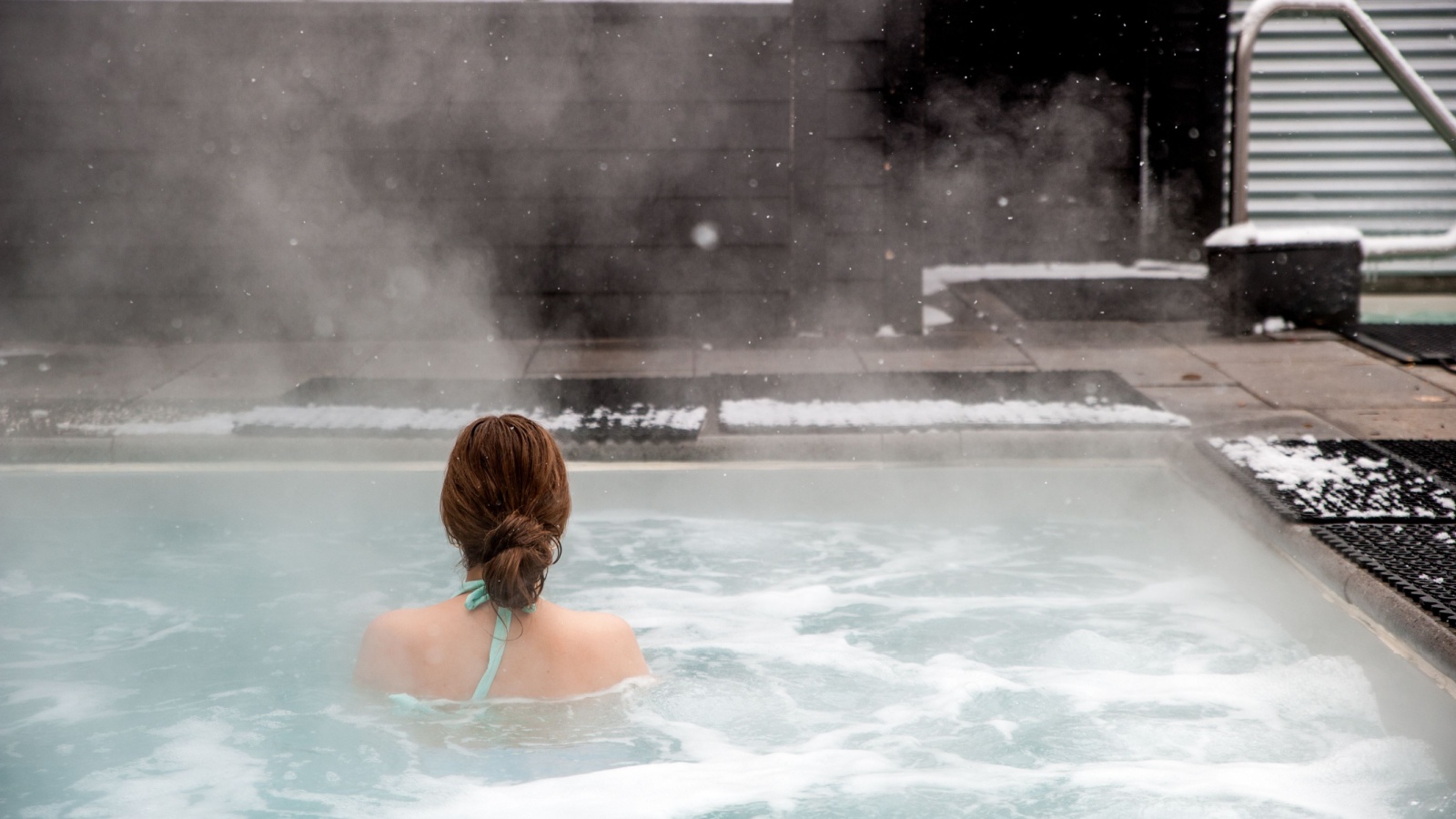
Wellness travel focuses on physical and mental restoration rather than sightseeing alone. Canadians increasingly seek destinations offering spa treatments, yoga sessions, or outdoor exercise. Healthy meals and quiet environments support relaxation. Many resorts design programs around sleep quality and stress reduction. Spring’s moderate weather encourages walking and light activity. Wellness trips often include structured schedules balanced with free time. Participants return home feeling refreshed rather than exhausted. This approach contrasts with high-energy vacations. Wellness tourism reflects growing awareness of self-care needs. Travellers prioritize long-term benefits over short-term excitement. Such trips combine leisure with personal well-being.
Digital Detox Trips

Digital detox travel involves limiting or eliminating device use during the trip. Canadians choosing this option want relief from constant notifications and online demands. Destinations often feature weak connectivity or intentional restrictions. Without screens, travellers focus on their surroundings and companions. Activities such as hiking, reading, or conversation replace scrolling. Many report improved sleep and reduced stress. Spring landscapes provide engaging alternatives to digital entertainment. Planning ahead is important to avoid logistical problems. Emergency communication options remain available if needed. Detox trips encourage mindfulness and presence. This trend reflects a growing desire to disconnect from technology periodically.
Culinary-Focused Travel Plans
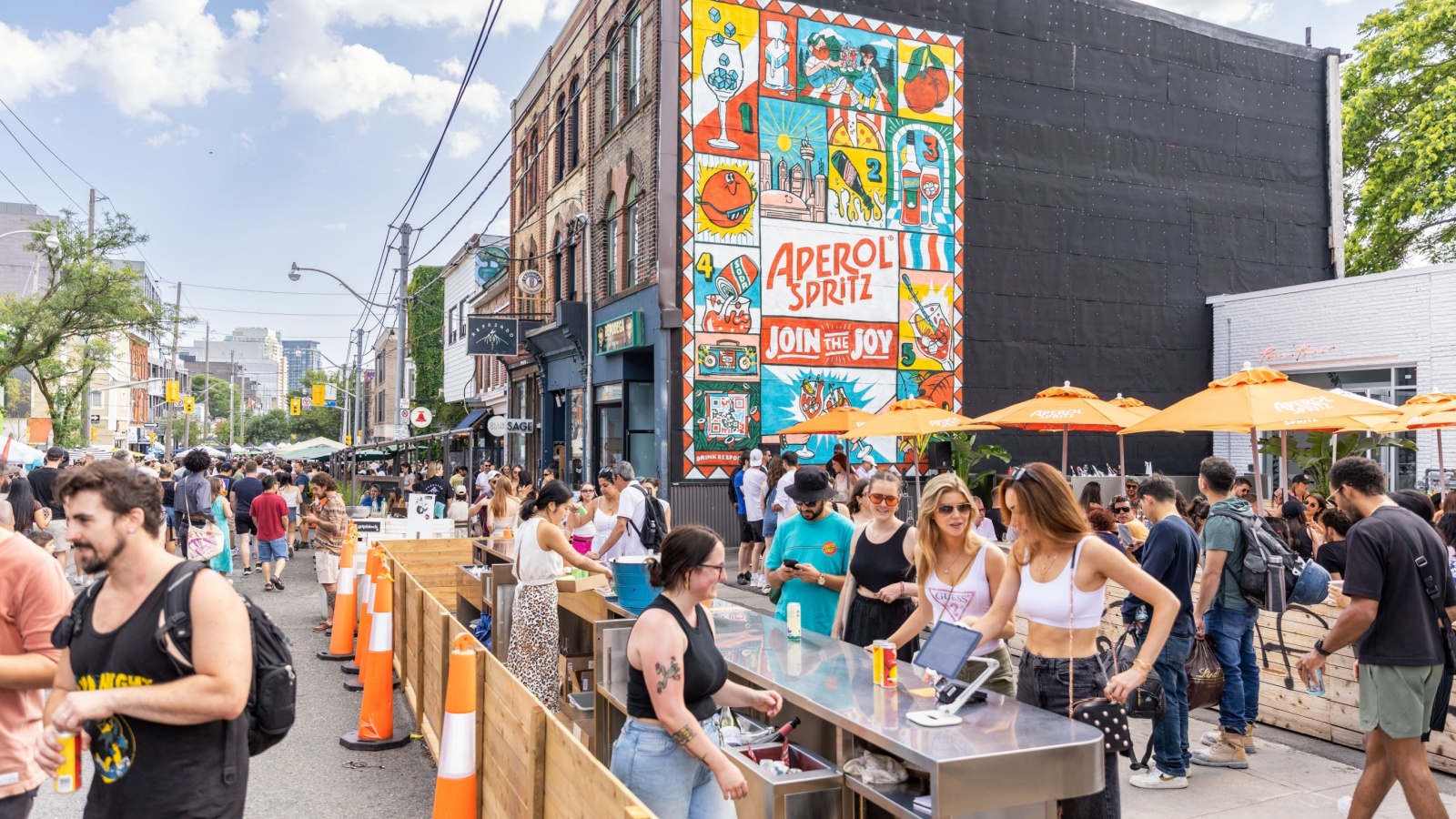
Food centred travel highlights regional cuisine as the primary attraction. Canadians plan trips around restaurants, markets, and food festivals. Sampling local dishes provides insight into culture and traditions. Cooking classes and tastings add interactive elements. Spring introduces seasonal ingredients that chefs incorporate into menus. Wine regions and coastal areas become especially appealing. Culinary tourism supports local producers and small businesses. Meals structure the daily schedule naturally. Travellers often return home with new recipes or preferences. This approach transforms eating from necessity into exploration. Culinary-focused trips appeal to those who view food as a central part of the travel experience.
Road Trips with Flexible Stops
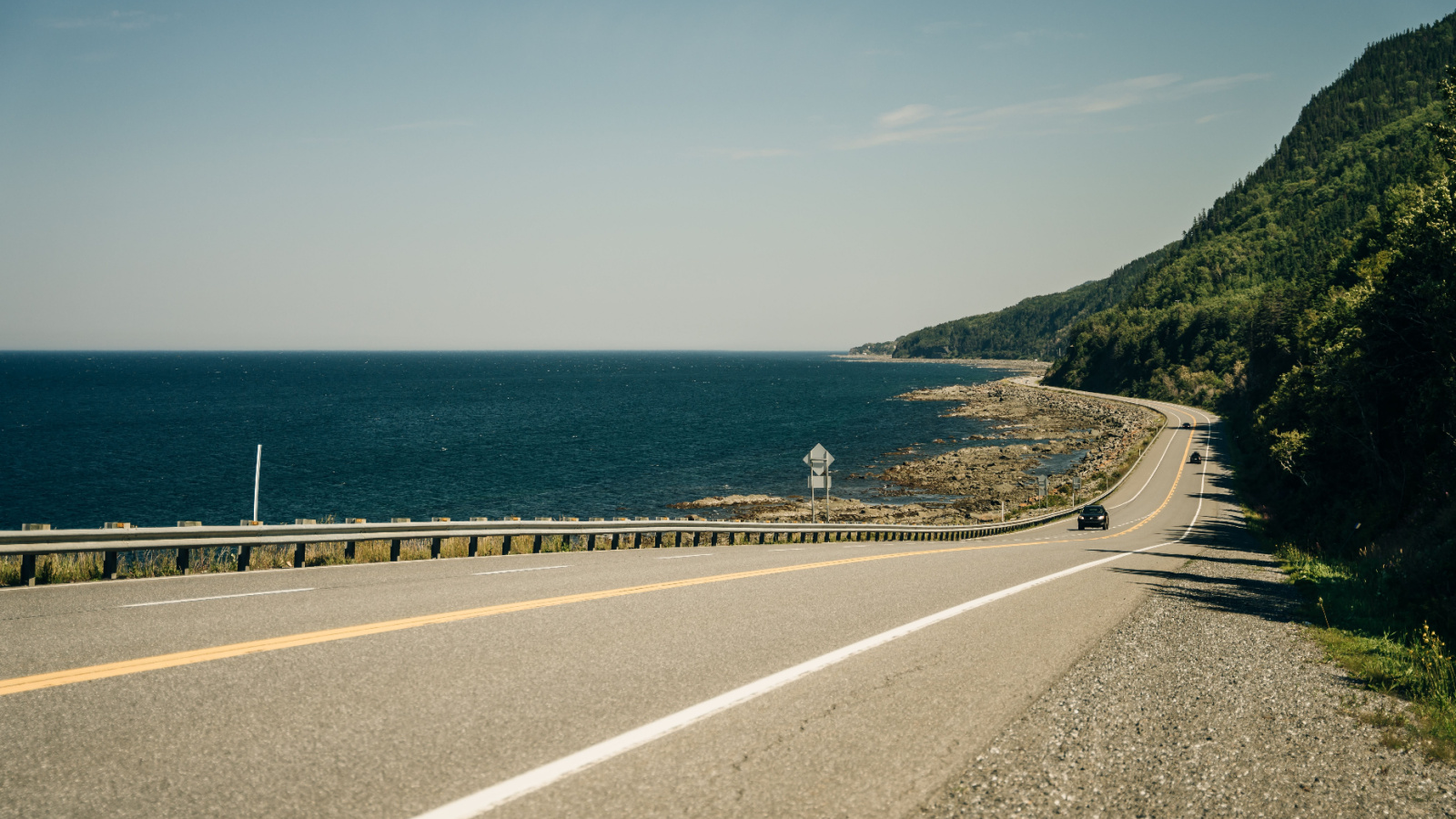
Road trips allow travellers to control both pace and route without fixed schedules. Canadians often choose scenic drives that reveal changing spring landscapes. Flexible stops make it possible to visit viewpoints, small attractions, or local cafés spontaneously. This freedom reduces the pressure of strict itineraries. Travelling by car also simplifies luggage handling. Groups can adjust plans easily if the weather shifts. Overnight stays can be booked as needed rather than far in advance. Road travel supports exploration beyond major tourist centres. Music, conversation, and shared navigation add to the experience. Flexible road trips suit those who value independence and discovery during spring travel.
Visiting Smaller Towns Instead of Major Cities
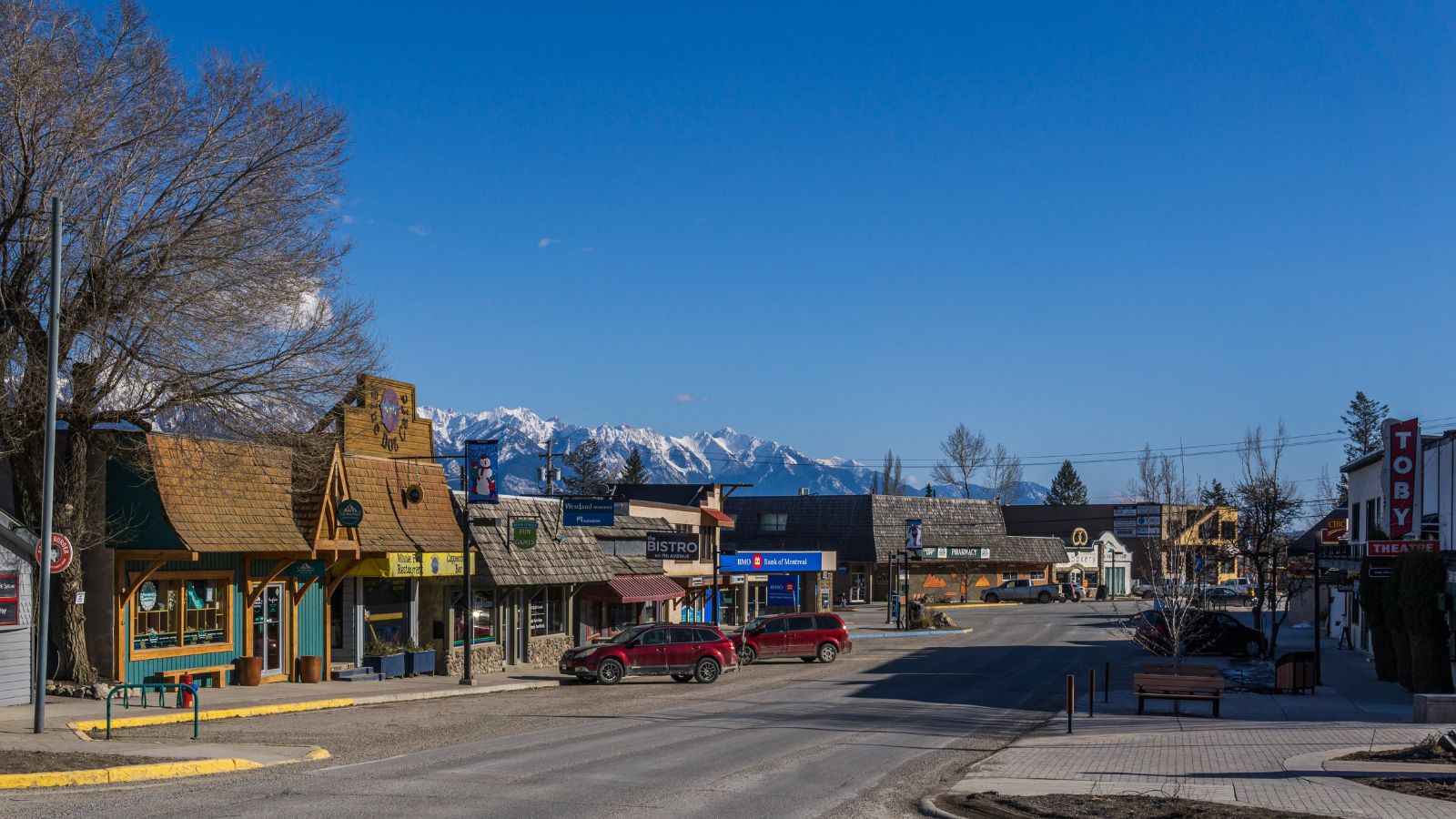
Smaller towns are attracting visitors seeking quieter environments. These destinations often offer historic streets, local markets, and distinctive character. Accommodation and dining costs may be lower than in large cities. Crowds are typically manageable even during popular seasons. Travellers can interact more directly with residents. Unique shops and community events provide authentic experiences. Spring festivals and outdoor markets often begin in smaller communities. The slower pace encourages relaxation rather than rushed sightseeing. Visitors appreciate feeling welcomed rather than anonymous. Choosing smaller towns reflects a shift toward meaningful travel experiences over conventional tourism.
Combining Work and Vacation Time

Remote work has enabled travellers to extend trips without taking a full leave. Canadians increasingly blend professional responsibilities with leisure activities. Days may begin with online meetings followed by afternoon exploration. Reliable internet access becomes an important consideration. Accommodation with workspaces is often preferred. This approach allows longer stays without exhausting vacation days. It also reduces the pressure to see everything quickly. Spring travel suits this model because destinations remain less crowded. Work-life balance improves when a change of scenery is introduced. Combining work and vacation reflects evolving employment patterns and flexibility.
Sustainable Travel Choices
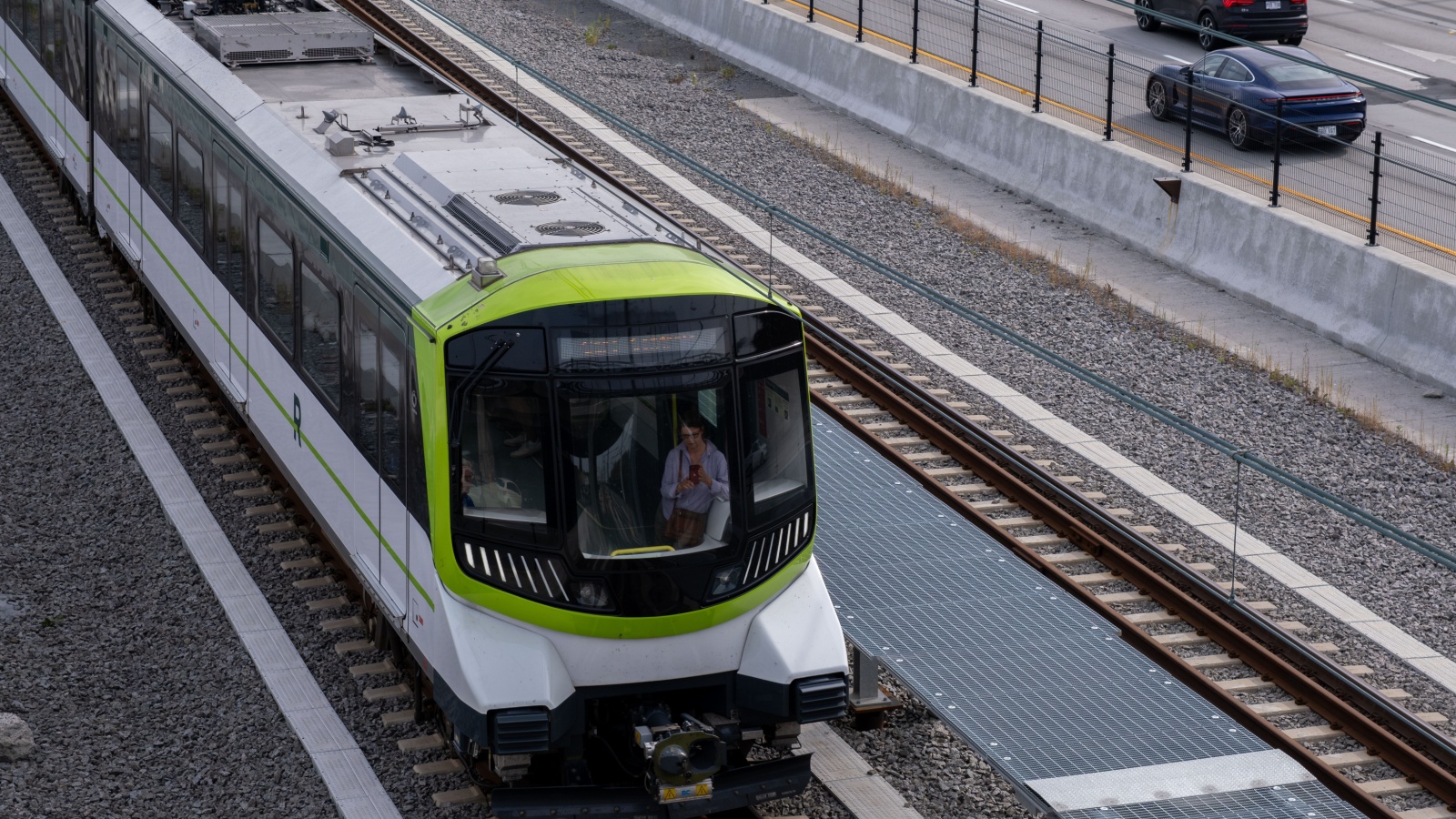
Environmental awareness is shaping travel decisions across Canada. Travellers increasingly consider carbon footprint and local impact. Options include public transportation, eco-friendly accommodations, and reduced waste practices. Supporting local businesses also contributes to sustainability. Many destinations promote responsible tourism guidelines. Reusable items replace disposable products during trips. Spring travel encourages outdoor activities that require minimal infrastructure. Education about conservation becomes part of the experience. Sustainable choices allow travellers to enjoy destinations without causing excessive harm. This trend reflects a growing commitment to protecting natural and cultural resources for future visitors.
Adventure-Light Experiences
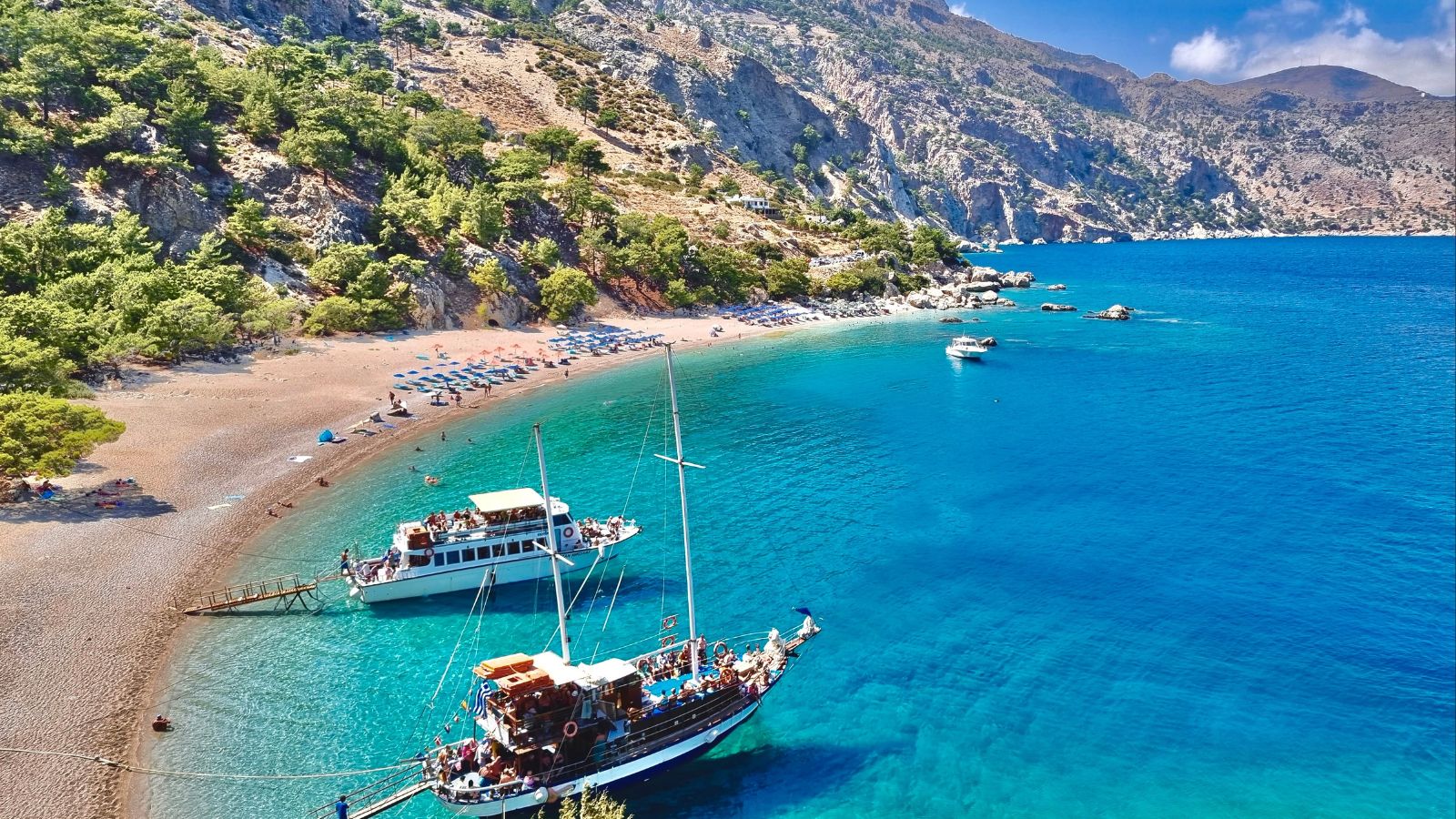
Adventure light travel offers excitement without extreme physical demands. Activities may include guided walks, scenic boat tours, or gentle cycling routes. Canadians choosing this style want novelty without risk or exhaustion. These experiences remain accessible to a wide range of ages and abilities. Professional guides often provide context and safety. Spring conditions suit moderate outdoor activity. Participants can enjoy the scenery while staying comfortable. Adventure light options also leave energy for other pursuits. This approach balances stimulation with relaxation. It appeals to travellers seeking memorable experiences that do not require extensive preparation or fitness training.
Travelling with Extended Family Groups

Multi-generational trips are becoming more common as families prioritize shared time. Grandparents, parents, and children travel together to celebrate milestones or reunions. Destinations must accommodate diverse needs and activity levels. Larger accommodations, such as rental homes, work well for group stays. Shared expenses can make travel more affordable. Planning requires coordination but strengthens family bonds. Spring breaks align with school holidays, facilitating participation. Activities often include both group outings and individual free time. Travelling together creates lasting memories across generations. This trend reflects the importance many Canadians place on family connections.
Experience-Based Spending Over Shopping

Travellers are shifting budgets toward activities rather than material purchases. Canadians increasingly prefer tours, workshops, and cultural events over souvenirs. Experiences create memories that last longer than objects. Local performances, guided excursions, and classes provide deeper engagement. Spring festivals offer opportunities for participation rather than observation. This approach also reduces luggage concerns. Money spent on experiences supports local communities directly. Travellers often report greater satisfaction from meaningful activities. Shopping becomes secondary rather than central. Experience-focused spending reflects changing values about consumption and fulfillment.
Short, Frequent Trips Instead of One Long Vacation
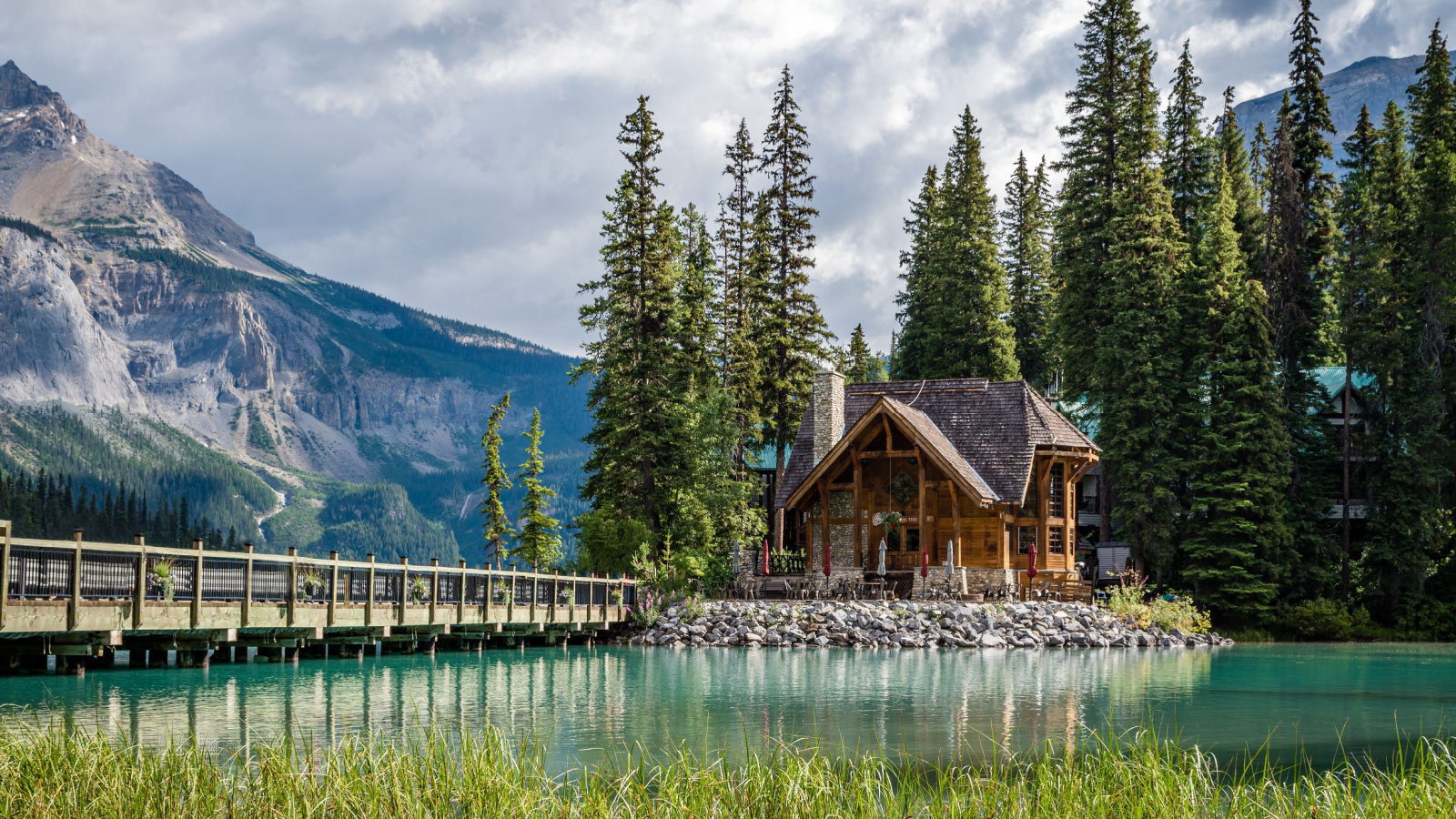
Instead of saving for a single extended holiday, many Canadians now take several shorter trips. This strategy spreads relaxation throughout the year. Short breaks are easier to schedule around work and family commitments. Planning becomes less overwhelming because each trip has a limited scope. Spring offers multiple opportunities for quick getaways. Frequent travel maintains a sense of anticipation and renewal. Costs can be managed gradually rather than in one large expense. Destinations closer to home become more attractive. This pattern reflects evolving lifestyles that prioritize balance and flexibility. Multiple short trips can provide sustained well-being over time.
22 Groceries to Grab Now—Before another Price Shock Hits Canada

Food prices in Canada have been steadily climbing, and another spike could make your grocery bill feel like a mortgage payment. According to Statistics Canada, food inflation remains about 3.7% higher than last year, with essentials like bread, dairy, and fresh produce leading the surge. Some items are expected to rise even further due to transportation costs, droughts, and import tariffs. Here are 22 groceries to grab now before another price shock hits Canada.
22 Groceries to Grab Now—Before another Price Shock Hits Canada
