
Wedding planning in Canada is changing as couples rethink traditions and rising costs. Many now prefer celebrations that feel personal, practical, and easier to manage. Large formal events are no longer the default choice. Instead, smaller gatherings, flexible schedules, and meaningful details are gaining attention in 2026. Social media and changing lifestyles are also influencing expectations. Couples want events that reflect their values rather than follow strict rules. Here are 21 wedding trends Canadians are copying in 2026 (And the ones they’re cancelling).
Intimate Guest Lists Instead of Large Banquets

Many Canadian couples are choosing smaller weddings with only close family and friends. Large banquets can be expensive and stressful to manage. Intimate gatherings allow more meaningful interaction with each guest. Venues such as private dining rooms or small halls become suitable options. Catering costs drop significantly with fewer attendees. Couples often spend saved money on photography or travel instead. Planning becomes simpler with a shorter guest list. Seating arrangements are easier to manage. The atmosphere feels relaxed rather than formal. Guests also tend to feel more included. This approach prioritizes quality of experience over quantity of attendees.
Weekday Weddings to Reduce Costs
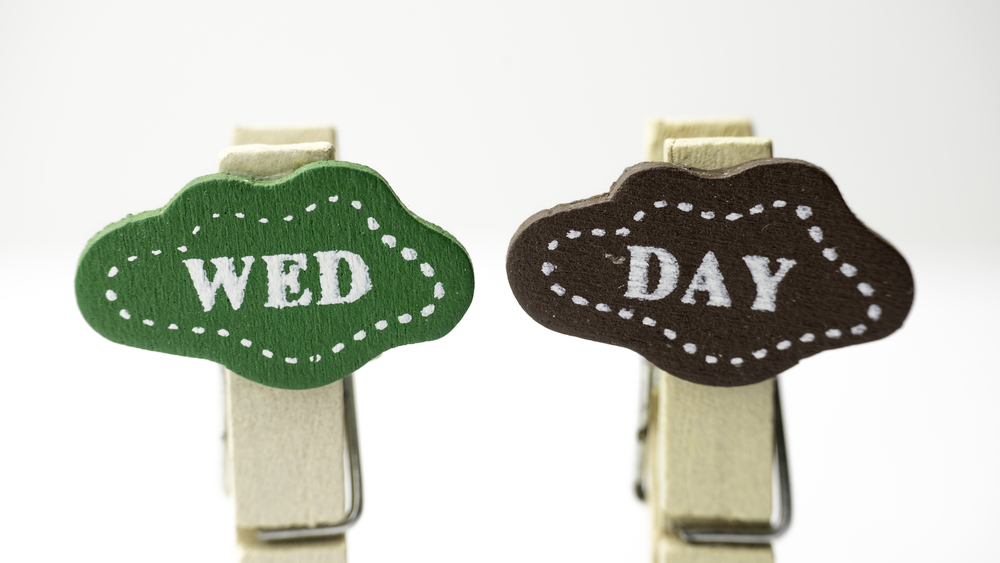
Weekday weddings are gaining popularity due to lower venue prices. Many Canadian venues offer significant discounts outside weekends. Vendors such as photographers and DJs may also charge less. Availability improves for popular locations. Guests may need to request time off work, which requires planning. Smaller attendance often results, which some couples prefer. Travel costs can also be lower. Restaurants and hotels tend to be less crowded. Scheduling ceremonies earlier in the day helps accommodate guests. Sending invitations well in advance is important. This option makes weddings more affordable without sacrificing key elements.
Outdoor Nature Venues

Canada’s natural landscapes provide scenic backdrops for weddings. Parks, lakesides, and mountain areas are popular choices. Outdoor ceremonies offer fresh air and open space. Seasonal weather must be considered carefully. Backup plans for rain or cold are essential. Permits may be required for public locations. Natural scenery can reduce the need for heavy décor. Photographs benefit from scenic surroundings. Guest accessibility should be reviewed in advance. Rental equipment may be needed for seating and sound. This trend appeals to couples seeking a relaxed, nature-connected setting.
All-Inclusive Micro Wedding Packages

Micro wedding packages simplify planning by bundling services together. Many Canadian venues now offer small-group packages. These often include catering, décor, officiants, and photography. Coordinators handle logistics, reducing stress for couples. Fixed pricing helps with budgeting. Customization options are sometimes available within the package. Planning timelines are typically shorter than those for traditional weddings. This format suits couples who want a simple event. Guest counts typically remain under fifty people. Venues range from boutique hotels to private estates. The approach balances convenience with a formal celebration feel.
Digital Invitations Over Paper Cards

Digital invitations are replacing traditional printed cards for many couples. Email and wedding websites make distribution quick and inexpensive. Updates can be sent instantly if plans change. This method reduces paper waste and printing costs. Guests can respond online, simplifying tracking. Designs can still feel elegant through professional templates. Older guests may need assistance with digital formats. Including clear instructions improves accessibility. Backup copies can be saved easily, and postal delays are irrelevant. This trend reflects increasing reliance on technology for event planning.
Personalized Vows and Ceremony Scripts

Couples are moving away from standard ceremony wording. Writing personal vows allows them to share their story publicly. Many Canadian officiants support customized scripts. This approach makes the ceremony feel more meaningful to guests. Humor and personal memories often replace formal language. Couples can also include cultural or family traditions. Practicing beforehand helps manage nerves while speaking. Printed copies are useful if emotions run high. The ceremony becomes unique rather than generic. Guests often remember heartfelt moments more than decorations. Personalization reflects a shift toward authenticity in modern weddings.
Food Stations Instead of Formal Sit-Down Dinners
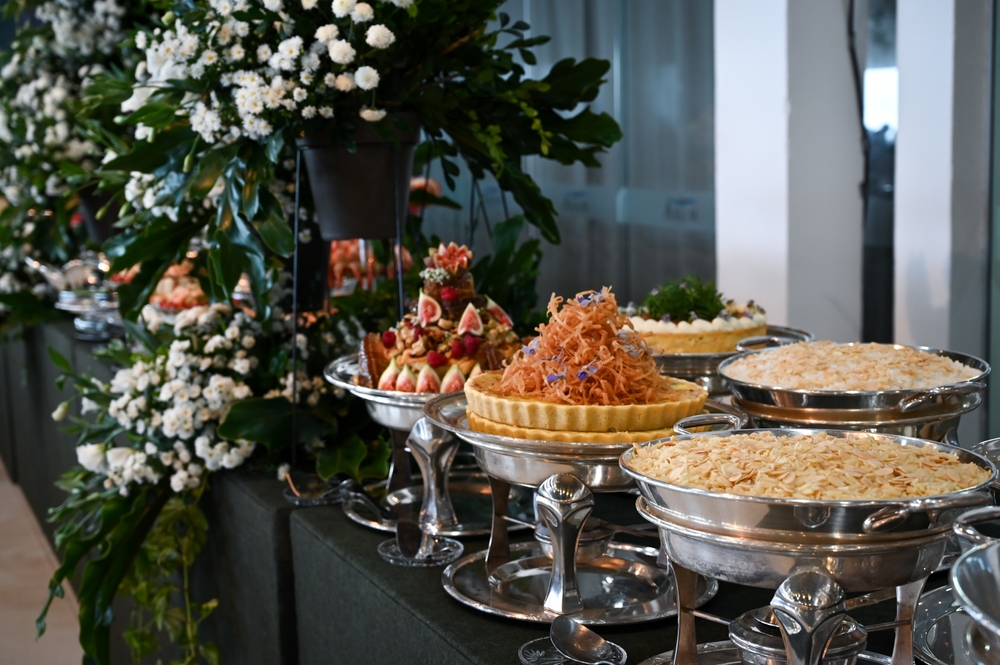
Buffet-style stations are replacing plated multi-course meals. Guests can choose dishes based on preferences and dietary needs. Popular options include pasta bars, taco stations, or carving tables. This format encourages movement and mingling during receptions. Catering costs may be easier to control. Waiting time between courses is reduced. Staff requirements may differ from those for formal service. Clear labeling helps guests identify ingredients. Lines should be managed to avoid congestion. Stations can reflect the couple’s cultural cuisines. The atmosphere is more relaxed than in traditional dining settings.
Late Night Snack Bars
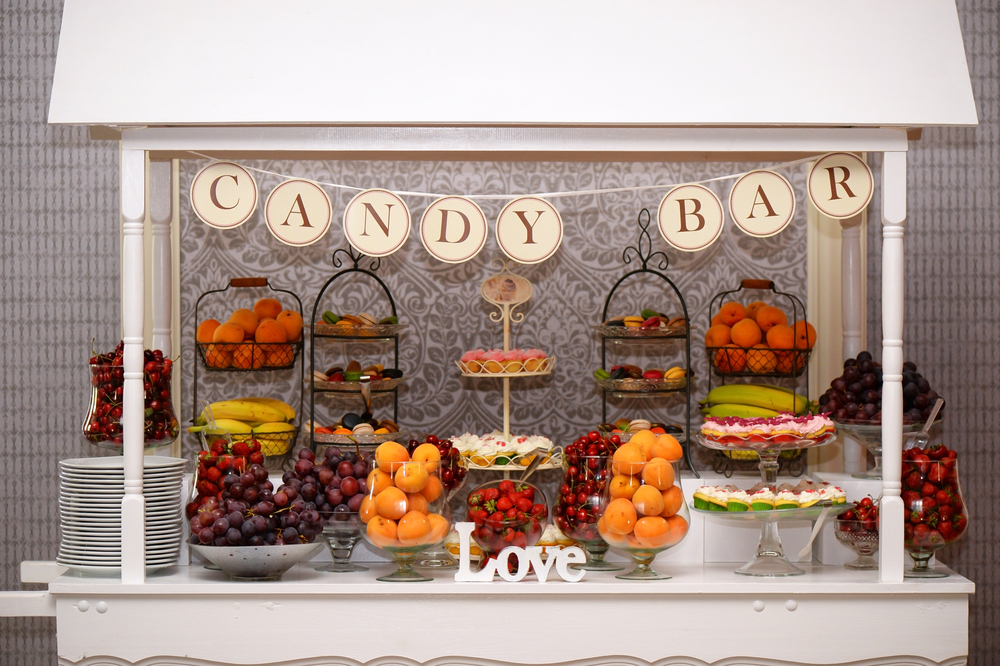
Late-night snacks keep guests energized after hours of dancing. Canadian weddings often extend late into the evening. Comfort foods such as sliders, fries, or poutine are popular choices. These items are easy to serve quickly, and guests appreciate something filling after alcohol consumption. Snack bars can be self-serve or staffed. Timing is important so food remains fresh. Portions are usually smaller than dinner servings. This addition helps maintain a lively atmosphere. Cleanup should be planned. Offering familiar favorites makes the gesture widely appreciated.
Sustainable and Eco-Friendly Décor
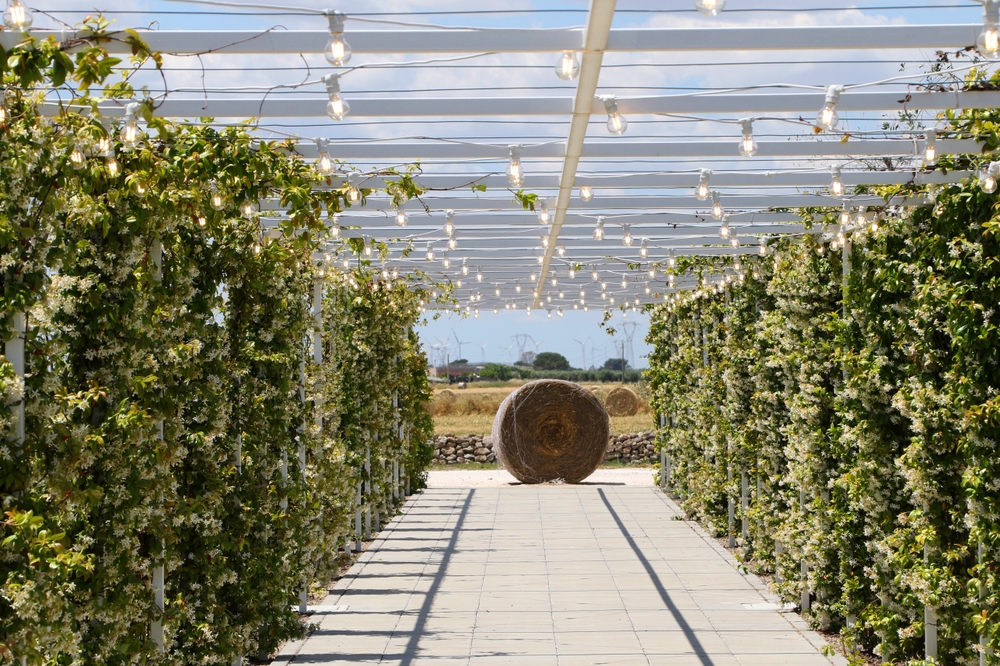
Environmental awareness is influencing wedding design choices. Couples are reducing single-use decorations and plastics. Reusable items such as fabric banners and rental centerpieces are common. Locally sourced flowers lower transportation impact. Some couples prefer potted plants to cut arrangements. LED lighting consumes less energy than traditional options. Donating décor after the event reduces waste. Vendors increasingly offer eco-friendly packages. Clear planning prevents last-minute disposable purchases. Guests often notice the thoughtful approach. Sustainability aligns with broader environmental values in Canada.
Non-Traditional Wedding Attire

Formal dress codes are becoming more flexible. Brides and grooms are choosing outfits that reflect personal style. Options include colored dresses, tailored suits, or cultural garments. Comfort is often prioritized over strict tradition. Outdoor venues may require practical footwear. Changing outfits between the ceremony and the reception is also common. Rental services provide cost-effective alternatives to buying. Weather considerations influence fabric choices in Canada. Guests may also receive relaxed dress guidelines. Photographs still look cohesive with coordinated colors. This trend emphasizes individuality rather than formal expectations.
Live Streaming for Distant Guests

Live streaming allows relatives and friends to attend virtually. Canada’s large geography makes travel difficult for some guests. Professional services provide stable video and sound quality. Private links protect the event from unwanted viewers. Recordings can be saved for later viewing. This option became common during travel restrictions and remains popular. Elderly family members especially benefit from remote access. Equipment setup should be tested before the ceremony. Internet connectivity at the venue is essential. Virtual attendees can still feel included in the celebration. The approach expands participation beyond physical limits.
Unplugged Ceremonies (No Phones)
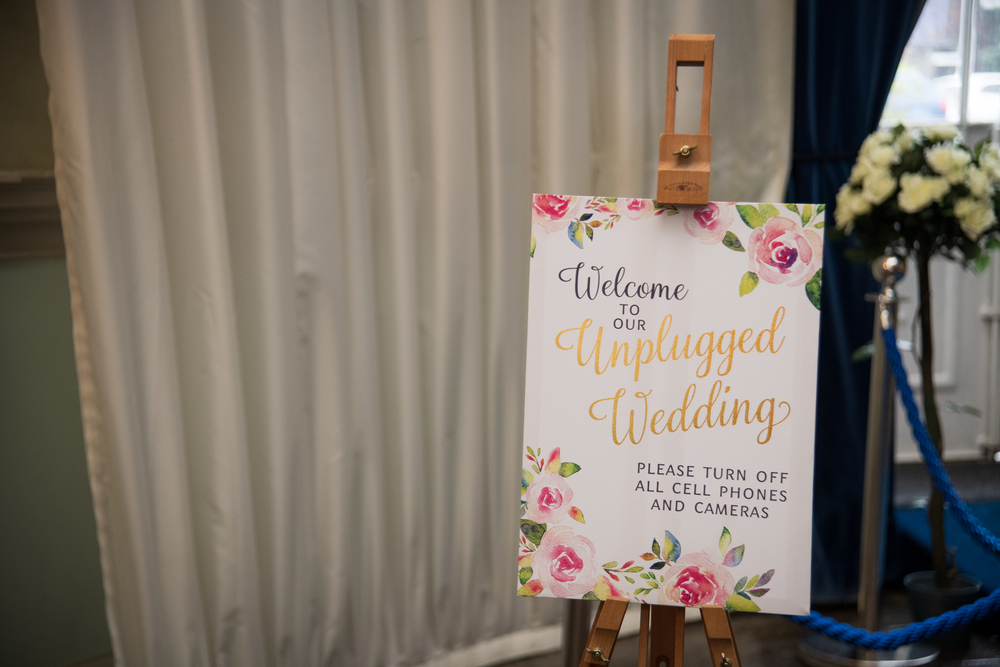
Many couples now request guests to put away devices during ceremonies. Phones can distract from the moment and block professional photos. Unplugged policies encourage guests to stay present. Signs or announcements usually explain the request politely. Designated photographers capture official images instead. Guests can relax without worrying about recording everything. Privacy concerns also influence this decision. Emergency exceptions are typically understood. Clear communication prevents confusion at the venue. This approach creates a quieter, more focused atmosphere. Couples receive undistracted attention during important moments.
Destination Weddings Within Canada

Domestic destination weddings are replacing international travel for many couples. Locations such as Banff, Whistler, and Prince Edward Island are popular. Staying within Canada simplifies travel documentation. Guests avoid currency exchange and long flights. Scenic venues provide memorable backdrops. Weather planning remains important depending on the region. Local vendors understand regional conditions better. Accommodation packages can simplify group bookings. Smaller guest lists are common for these events. Activities before and after the ceremony extend the celebration. This option combines travel excitement with logistical convenience.
Hiring Content Creators Instead of Extra Photographers

Some couples hire social media content creators alongside traditional photographers. These professionals capture short videos for immediate sharing. Vertical formats suit platforms like Instagram or TikTok. Turnaround time is usually much faster than formal photography. Informal moments often receive more attention. Packages vary depending on hours and deliverables. Privacy preferences should be discussed beforehand. This service does not replace professional photography entirely. Guests can relive highlights shortly after the event. The trend reflects modern sharing habits. It appeals to couples active on social media.
Signature Cocktail Menus
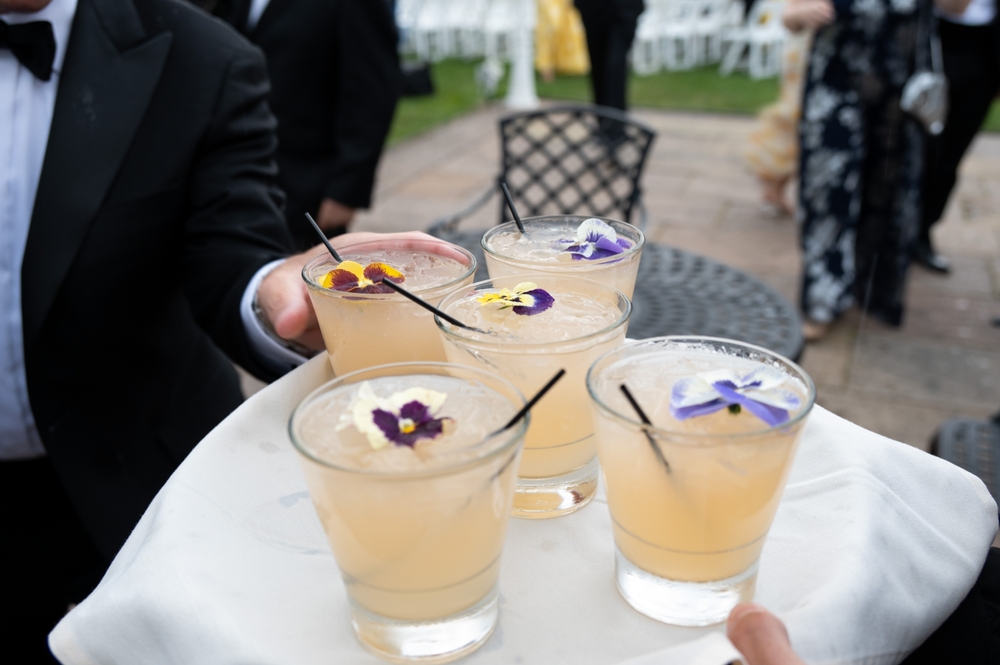
Custom drink menus add personality to wedding receptions. Couples often name cocktails after shared experiences or pets. Bars can display printed descriptions for guests. Offering one or two specialty drinks controls costs. Non alcoholic versions can be included for inclusivity. Professional bartenders maintain consistent quality. Seasonal ingredients influence flavor choices. Clear labeling helps guests decide quickly. Pre-batching speeds up service during busy periods. Glassware and presentation enhance visual appeal. This trend combines customization with practical beverage planning.
Minimalist Floral Arrangements
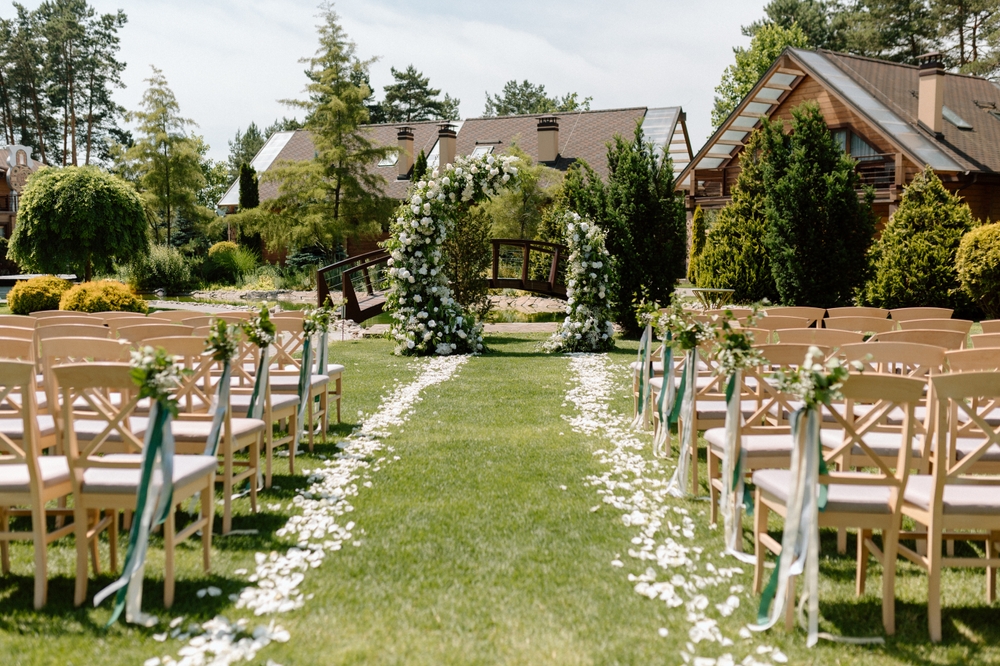
Couples are reducing oversized flower displays in favor of simpler designs. Minimal arrangements use fewer stems while maintaining elegance. Neutral palettes and greenery are especially popular in Canada. Smaller centerpieces improve visibility across tables. Costs drop significantly compared to elaborate installations. Seasonal flowers sourced locally are often preferred. Simple bouquets photograph well without overwhelming the setting. Reusable vases can be returned or repurposed later. This approach aligns with budget and sustainability goals. Florists can still create refined looks with limited materials. The result feels clean, modern, and easier to manage.
Interactive Guest Experiences
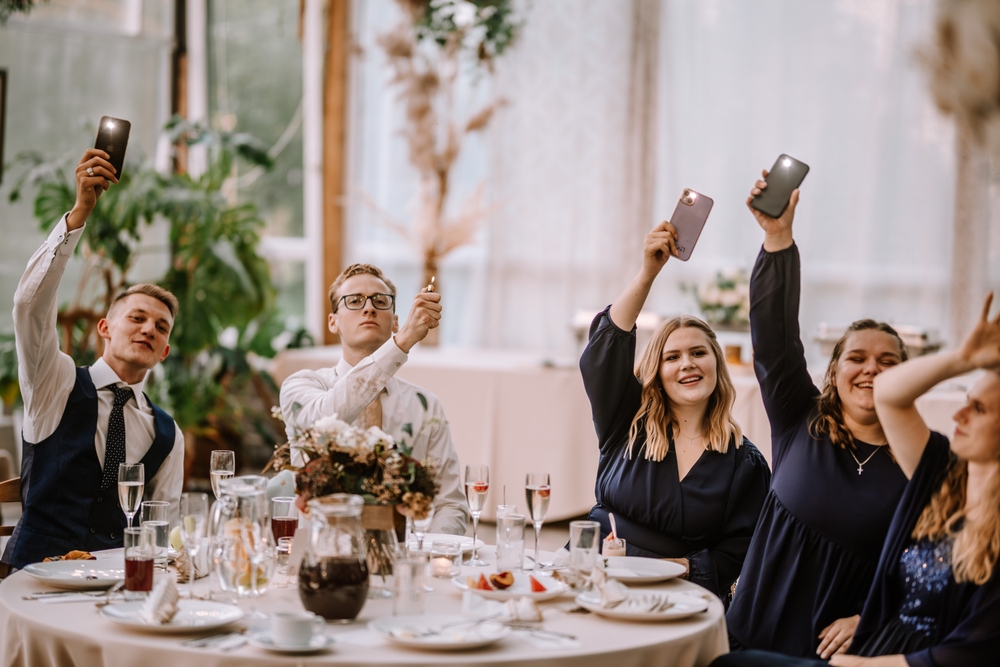
Interactive elements keep guests engaged beyond eating and dancing. Photo booths, game stations, and message walls are common additions. These features encourage mingling between different groups. Canadian weddings often include activities for all age ranges. Custom props can reflect the couple’s personality. Supervision may be needed to maintain order. Digital guest books are also gaining popularity. The setup should not obstruct movement in the venue. Timing matters, so activities do not clash with speeches. Participation creates lasting memories for attendees. The reception feels lively rather than passive.
Smaller Wedding Parties
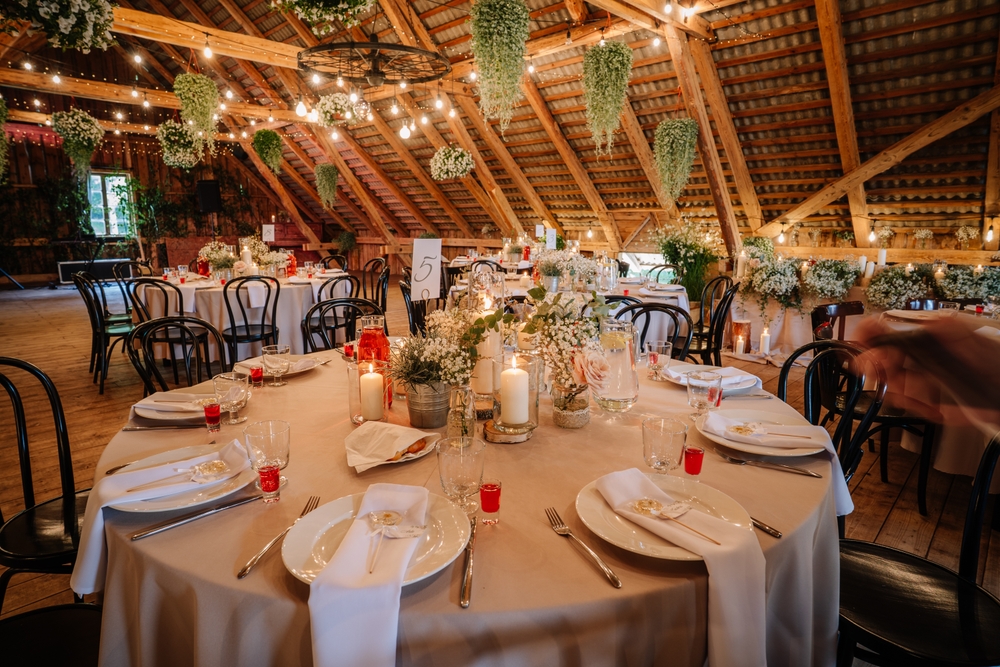
Large bridal parties are becoming less common. Couples are choosing fewer attendants to simplify logistics. Coordinating outfits and schedules becomes easier with smaller groups. Costs for gifts and accommodations also decrease. Close friends and siblings often form the core party. Rehearsals run more smoothly with fewer participants. Photographs look less crowded and more balanced. Responsibilities can be shared among a smaller team. This approach reduces pressure on friends who may have busy lives. The focus remains on meaningful relationships rather than numbers.
Cash Funds Instead of Traditional Registries

Cash gifts are replacing extensive household registries. Many Canadian couples already live together before marriage. Monetary contributions can support travel or plans. Online platforms make transfers simple and secure. Clear communication prevents awkwardness for guests. Suggested amounts are usually not specified. Traditional gifts may still be accepted from those who prefer them. Thank you notes remain important afterward. This option reduces unwanted duplicate items. Couples gain flexibility in how funds are used. The trend reflects changing lifestyles and priorities.
Brunch or Daytime Receptions
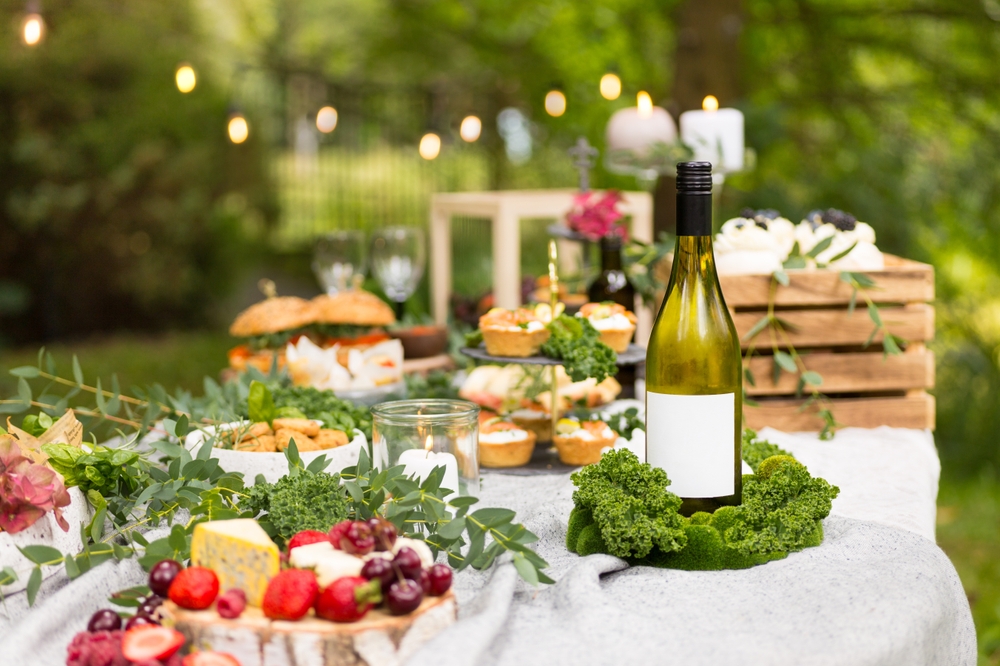
Daytime celebrations offer a different atmosphere from evening events. Brunch menus often include lighter dishes and beverages. Costs may be lower than for formal dinners. Natural daylight improves photography quality. Older relatives sometimes prefer earlier schedules. Alcohol consumption tends to be more moderate. Outdoor venues benefit from warmer daytime temperatures. Travel arrangements can be simpler for guests. Entertainment may focus on conversation rather than dancing. Ending earlier allows couples to rest or continue privately. This format feels relaxed and family-friendly.
After-Party Celebrations Instead of Extended Receptions

Some couples are shortening formal receptions and hosting separate after-parties. This allows the main event to remain structured. Younger guests often continue celebrations at another venue. Bars or lounges are common locations. Attendance becomes optional, reducing pressure on older guests. Costs for the primary reception can be controlled. Transportation plans should be arranged in advance. Dress codes may become more casual for the second event. Music and atmosphere usually feel less formal. The approach accommodates different energy levels among attendees. Celebrations can continue without exhausting everyone involved.
22 Groceries to Grab Now—Before another Price Shock Hits Canada

Food prices in Canada have been steadily climbing, and another spike could make your grocery bill feel like a mortgage payment. According to Statistics Canada, food inflation remains about 3.7% higher than last year, with essentials like bread, dairy, and fresh produce leading the surge. Some items are expected to rise even further due to transportation costs, droughts, and import tariffs. Here are 22 groceries to grab now before another price shock hits Canada.
22 Groceries to Grab Now—Before another Price Shock Hits Canada
