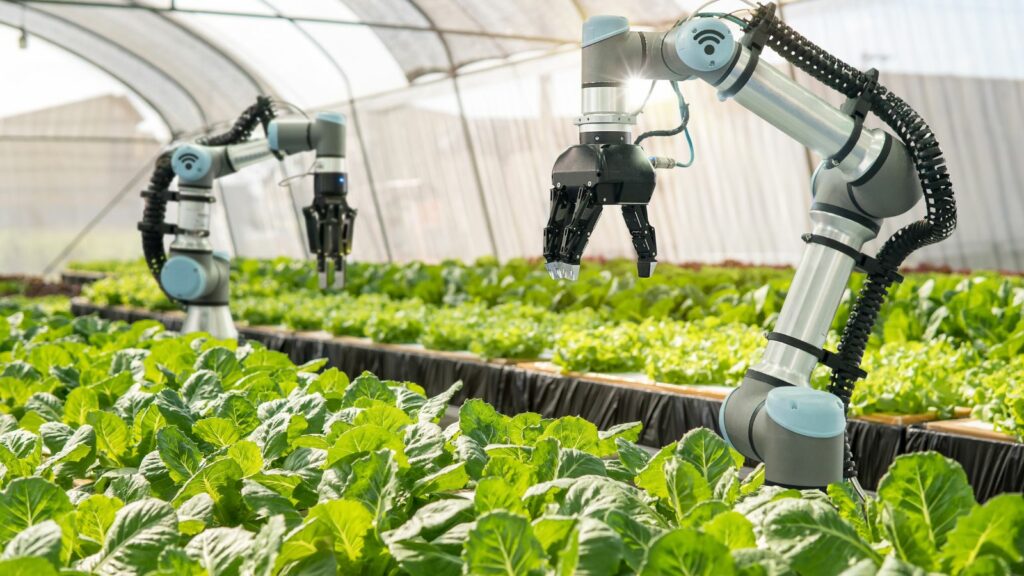
Canada has spent years debating how to build a food system that can handle rising prices, extreme weather, changing diets, and growing global demand. Many of the choices made in recent years are now guiding how farmers work, how companies produce food, and how communities access it. These decisions affect everything from school meals to packaging rules. They also influence which crops thrive, which industries grow, and how Canadians eat every day. Here are 22 Canadian decisions shaping the future of food.
Supporting Climate Smart Farming
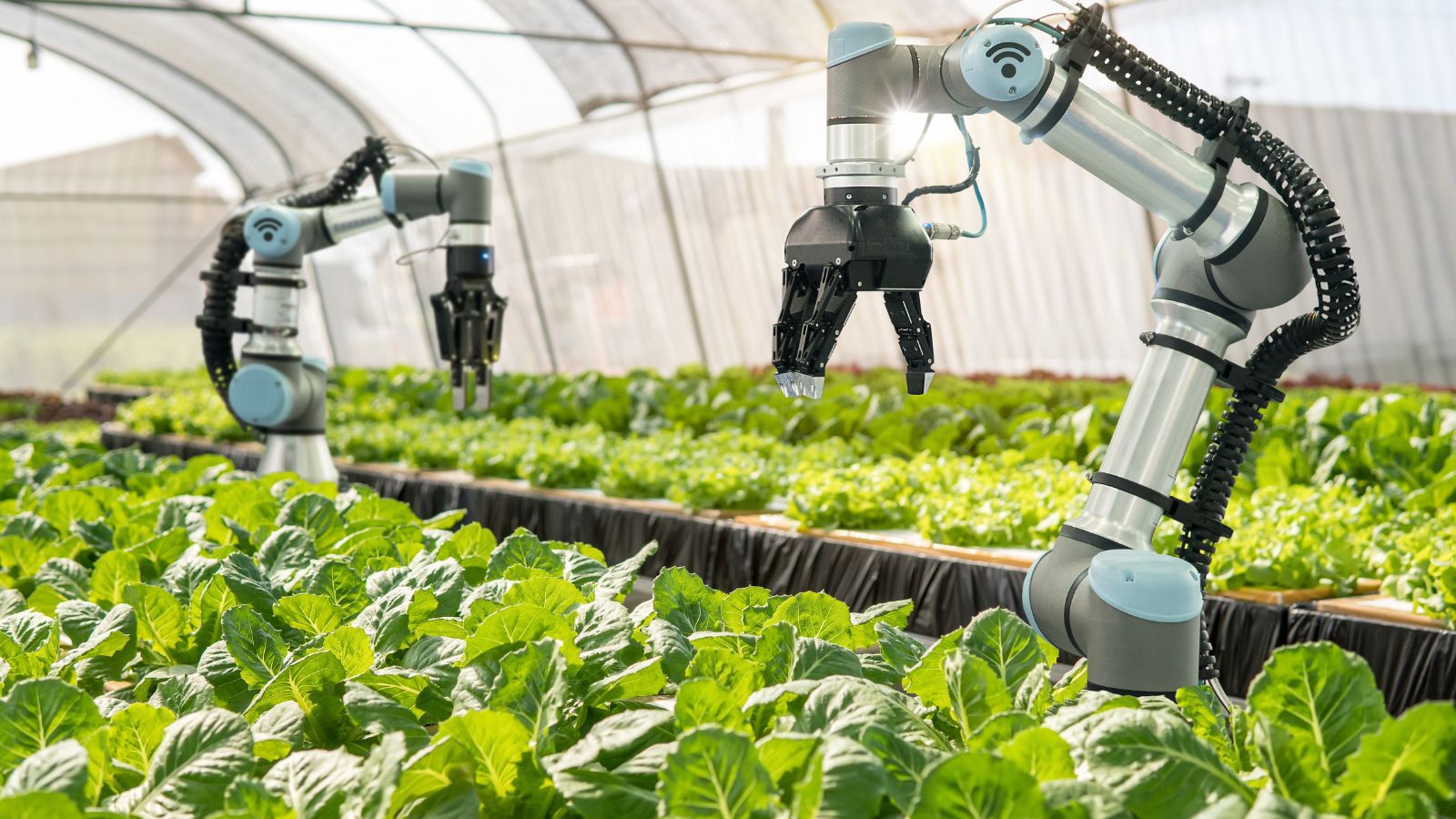
Canada is putting strong attention on farming methods that cut emissions and improve long-term output. Programs help farmers make soil healthier through cover crops and reduced tillage, which keeps nutrients stable during tough seasons. Many farms are switching to crops that use less water and can survive sudden temperature swings. These efforts improve harvest stability and reduce yearly losses caused by unpredictable weather. They also help farms recover faster from droughts or flooding events. The goal is to build farms that stay productive in harsh conditions. As more growers adopt these practices, the country gains a stronger food supply.
Expanding Local Food Supply Chains
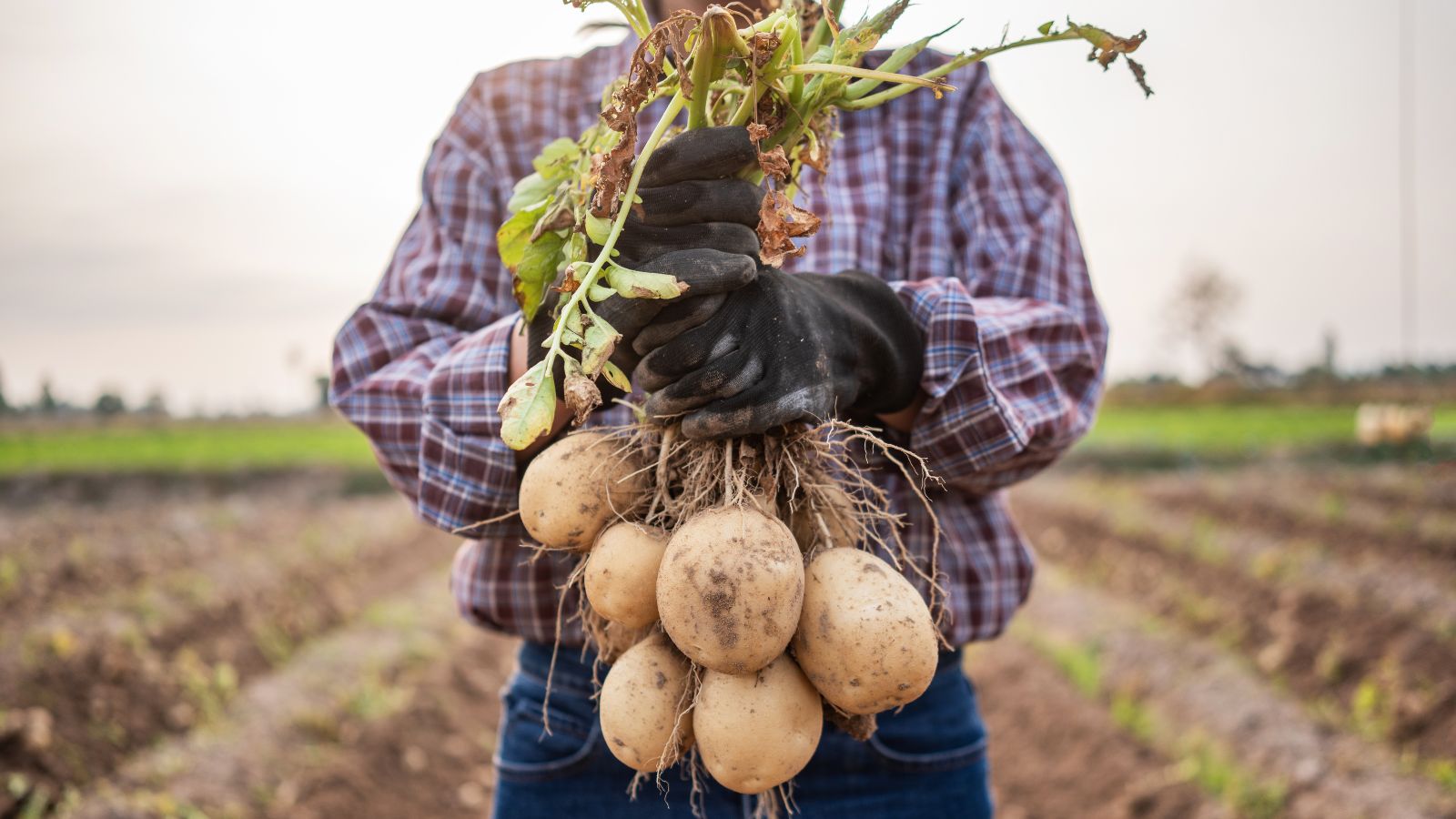
Shorter food supply chains are becoming a major federal priority because long-distance transport can slow down access and raise prices. Canada is investing in regional distribution networks that link nearby farms with local stores and community groups. This improves access to fresh food and reduces spoilage caused by long trips. Smaller farmers benefit from steady buyers, while shoppers gain produce that lasts longer at home. Local supply chains also help communities stay stable during shipping disruptions. They reduce dependence on international imports during uncertain times. This approach supports strong regional economies and a more reliable nationwide food system.
Funding Northern and Remote Food Programs
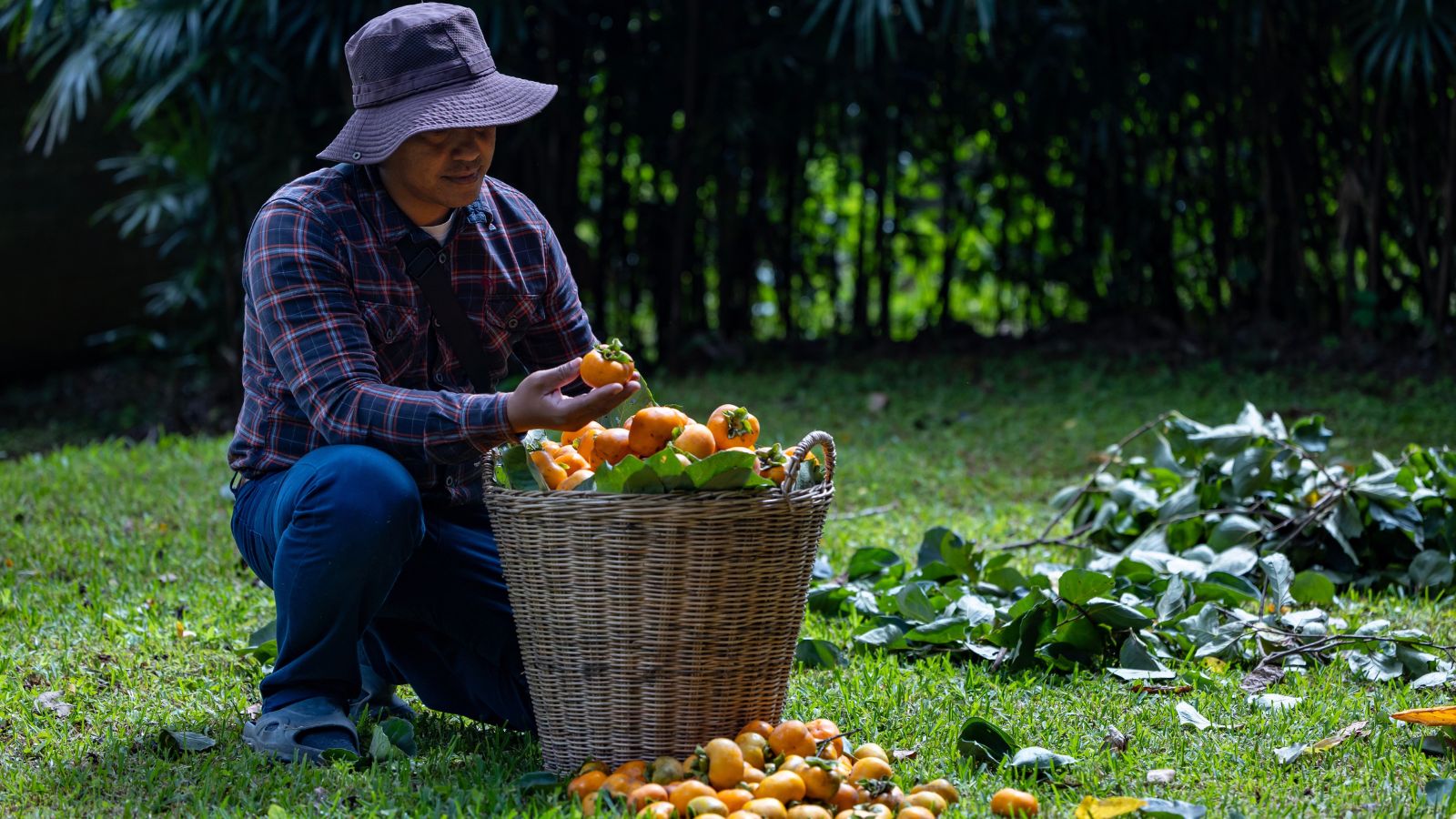
Food prices rise sharply in northern and remote regions because shipping takes time and depends on the weather. Canada’s support programs help lessen these pressures by subsidizing transportation and upgrading storage facilities. Many remote communities now receive fresh fruits and vegetables more often. Investment in freezers, refrigerated trucks, and community kitchens helps food stay safe during long journeys. These steps create local jobs in storage, distribution, and food preparation. They also support families facing limited store options and higher prices. The decision reflects a long-term plan to strengthen food access in regions that experience harsh climates and long distances.
Strengthening National Food Waste Targets

Canada is pushing to reduce food waste across farms, stores, and households. New national targets encourage industries to cut waste each year and focus on better forecasting. Retailers are urged to donate unsold food to community groups instead of throwing it away. Many cities are expanding compost programs to help residents sort leftovers easily. These steps limit what goes to landfills and move more food to places where it is needed. Cutting waste also gives farmers clearer demand signals, which helps planning and reduces sudden price swings. The overall goal is a cleaner environment and a more efficient food system.
Supporting Plant-Based Protein Production

Canada is investing heavily in research and processing for plant-based proteins because global demand continues to rise. New facilities help turn peas, lentils, and fava beans into protein-rich ingredients used in packaged foods. This creates strong opportunities for farmers across the Prairies, where these crops grow well. More processing plants also mean new jobs and international partnerships. Companies gain reliable access to high-quality ingredients, which makes Canada stand out in a crowded market. As diets shift toward alternative protein sources, Canada aims to lead by offering a consistent supply, strong research, and high production standards for global buyers.
Modernizing Food Labeling Rules

Canada has updated labeling requirements to help shoppers understand products more quickly. New rules highlight sodium, sugar, and saturated fat on the front of packages. This helps people make fast decisions in busy grocery aisles. Companies are redesigning packaging to meet these standards, and many see value in simpler messaging. Clearer labels reduce shopper confusion, which helps stores and manufacturers maintain trust. The changes also encourage brands to explore healthier versions of existing products. This shift supports better long-term diet choices and gives families an easier way to compare items. The decision improves clarity throughout the food market.
Investing in Regenerative Agriculture Trials
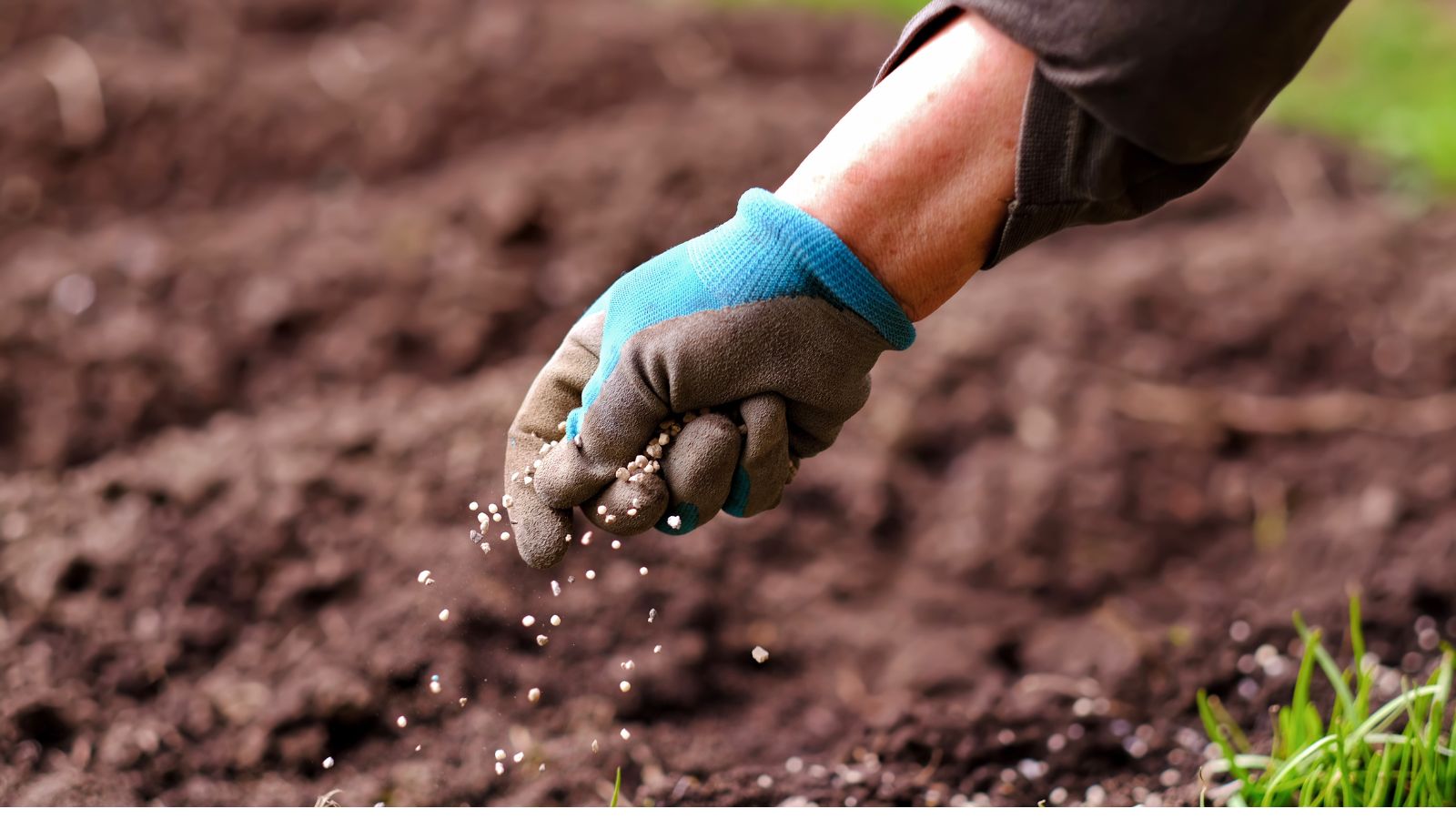
Regenerative agriculture focuses on soil health, biodiversity, and long-term resilience for farms. Canada is funding trials that test new practices across different regions. These trials measure how soil responds to crop rotations, reduced pesticides, natural fertilizers, and improved grazing systems. The data helps farmers understand which methods work best for their land and climate. Many growers are interested because healthier soil supports better yields over time. These trials also offer financial support during the transition, which reduces risk for families operating small farms. The move encourages widespread adoption of methods that protect land while supporting reliable harvests.
Increasing Support for Urban Farming
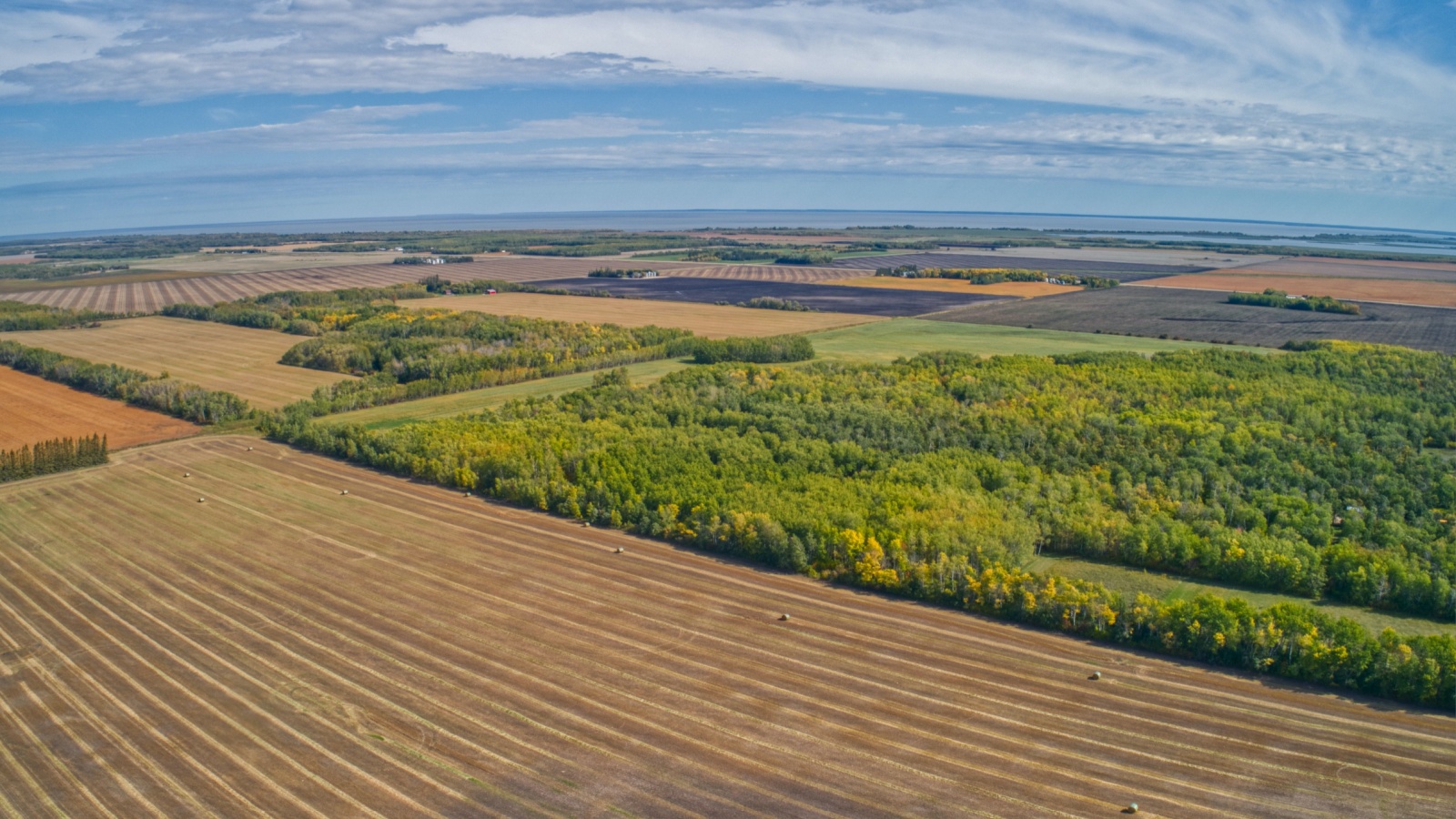
Canada is investing in urban agriculture to bring food production closer to residents. Grants help set up rooftop gardens, vertical farms, greenhouse networks, and community plots. These projects increase access to fresh produce in dense neighborhoods. Many schools, seniors’ centers, and youth programs run gardens that teach growing skills. Urban farms reduce pressure on rural supply chains and support local jobs in farming and distribution. This decision helps cities respond to population growth, rising grocery prices, and limited green space. It also offers communities a way to participate in food production and build stronger local connections.
Updating National School Food Guidelines
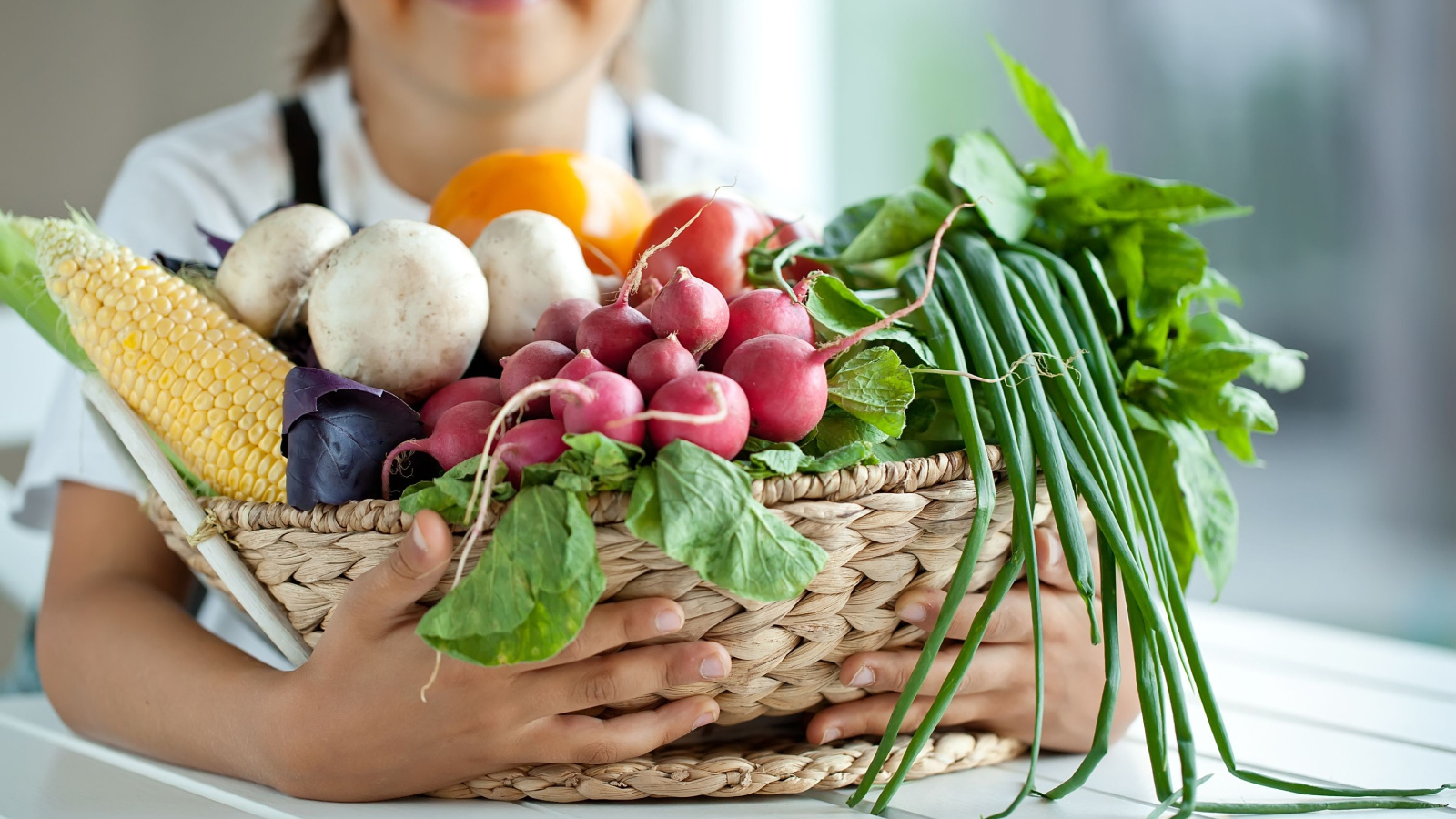
Canada is strengthening school food guidelines to support children’s health and learning. The updates encourage meals with vegetables, whole grains, and balanced proteins. Some provinces are expanding breakfast programs because many students start their day without enough food. These changes help reduce gaps between families facing different costs and schedules. Schools gain clearer direction for meal planning, which supports long-term habits in children. Better nutrition helps students focus and stay energized. The decision reflects a broader effort to support families dealing with rising food prices. It also promotes a healthier environment throughout the school day.
Expanding Cold Storage Infrastructure

Cold storage capacity is essential for a stable food supply. Canada is building and upgrading facilities that keep produce, meat, and dairy safe during transport and distribution. This reduces spoilage and maintains steady prices. Strong storage systems help smaller farmers keep crops fresh for longer periods, which improves income and planning. Upgraded cooling technology also supports regional distribution hubs that serve nearby communities. These investments prepare the country for future supply chain disruptions. They also strengthen food security because products remain safe and accessible even during unexpected delays. The decision supports both producers and consumers across the country.
Supporting Indigenous Food Sovereignty Projects

Canada is funding programs that help Indigenous communities strengthen traditional food systems. These projects support rights related to hunting, fishing, and harvesting. Many communities are restoring local species, improving water access, and rebuilding land damaged by past industrial activity. Community gardens, greenhouses, and training programs help youth learn growing and gathering skills. These efforts increase access to healthy foods while supporting cultural practices. They also create jobs in farming, distribution, and education. The decision helps communities regain control over how food is produced and shared. It also strengthens long-term food security across many regions.
Encouraging Smart Greenhouse Growth
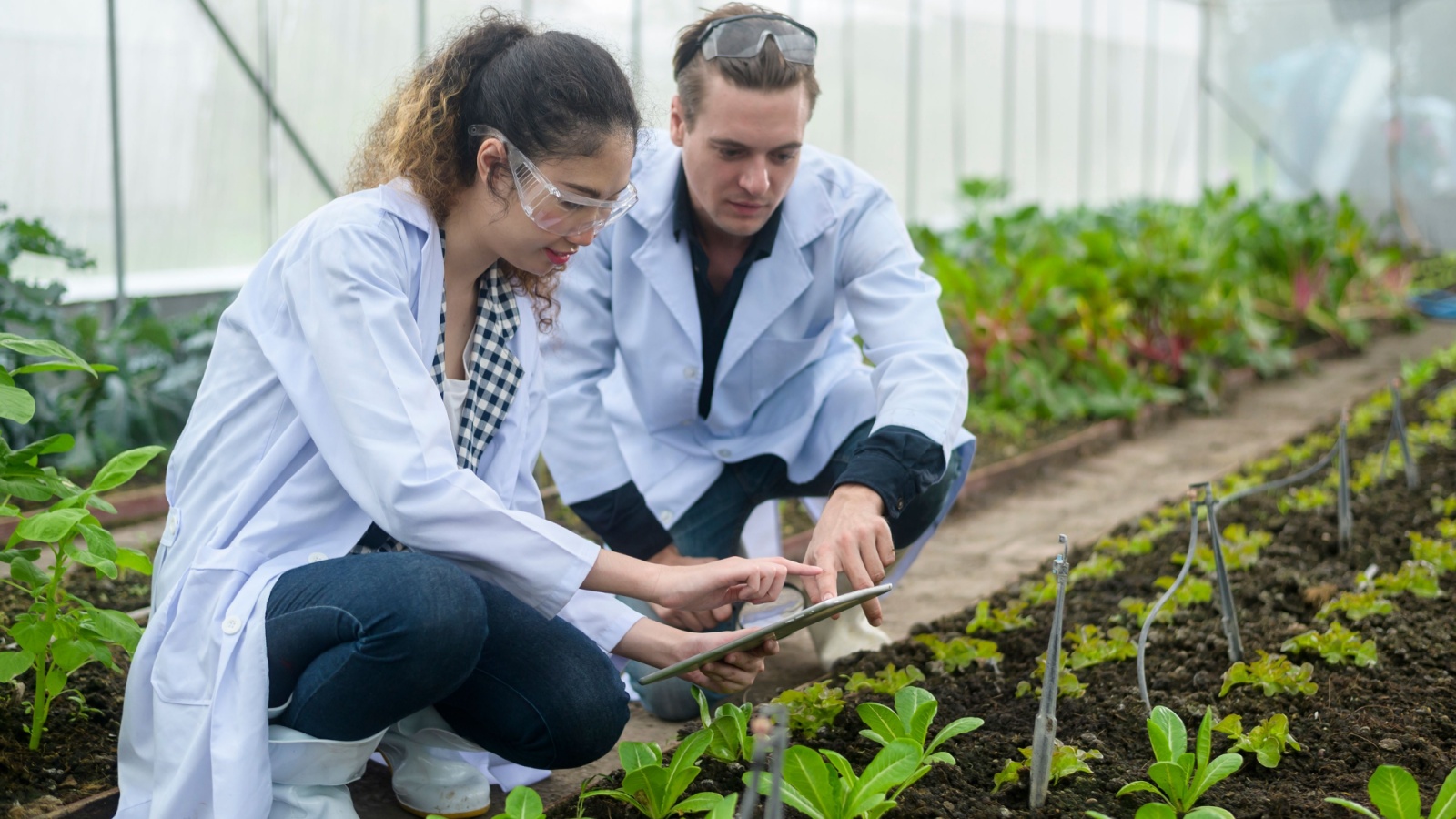
Greenhouse agriculture is expanding across Canada because it offers steady production in unpredictable climates. The country is supporting projects that use advanced heating systems, energy-efficient lighting, and improved irrigation methods. These tools help growers produce vegetables and herbs throughout the year. This lowers dependence on imported produce during winter. Greenhouses also create stable jobs in both rural and urban areas. Many growers partner with nearby stores, which improves freshness for local shoppers. The decision helps Canada maintain a reliable supply even when outdoor fields face weather damage. It also encourages long-term investment in controlled growing environments.
Tightening Pesticide Review Standards

Canada is strengthening review standards for pesticides to protect long-term environmental health. Updated evaluations include modern scientific research and a closer study of impacts on water, soil, and wildlife. These reviews guide which chemicals farmers can use safely. The changes also push companies to develop products that meet higher safety expectations. Many farmers support the shift because buyers want produce grown with safer methods. Protecting pollinators is another priority since many crops rely on strong pollination. The decision helps build trust in Canadian agriculture. It also supports healthier ecosystems that remain productive for future generations.
Building Flood and Drought Protection for Farms
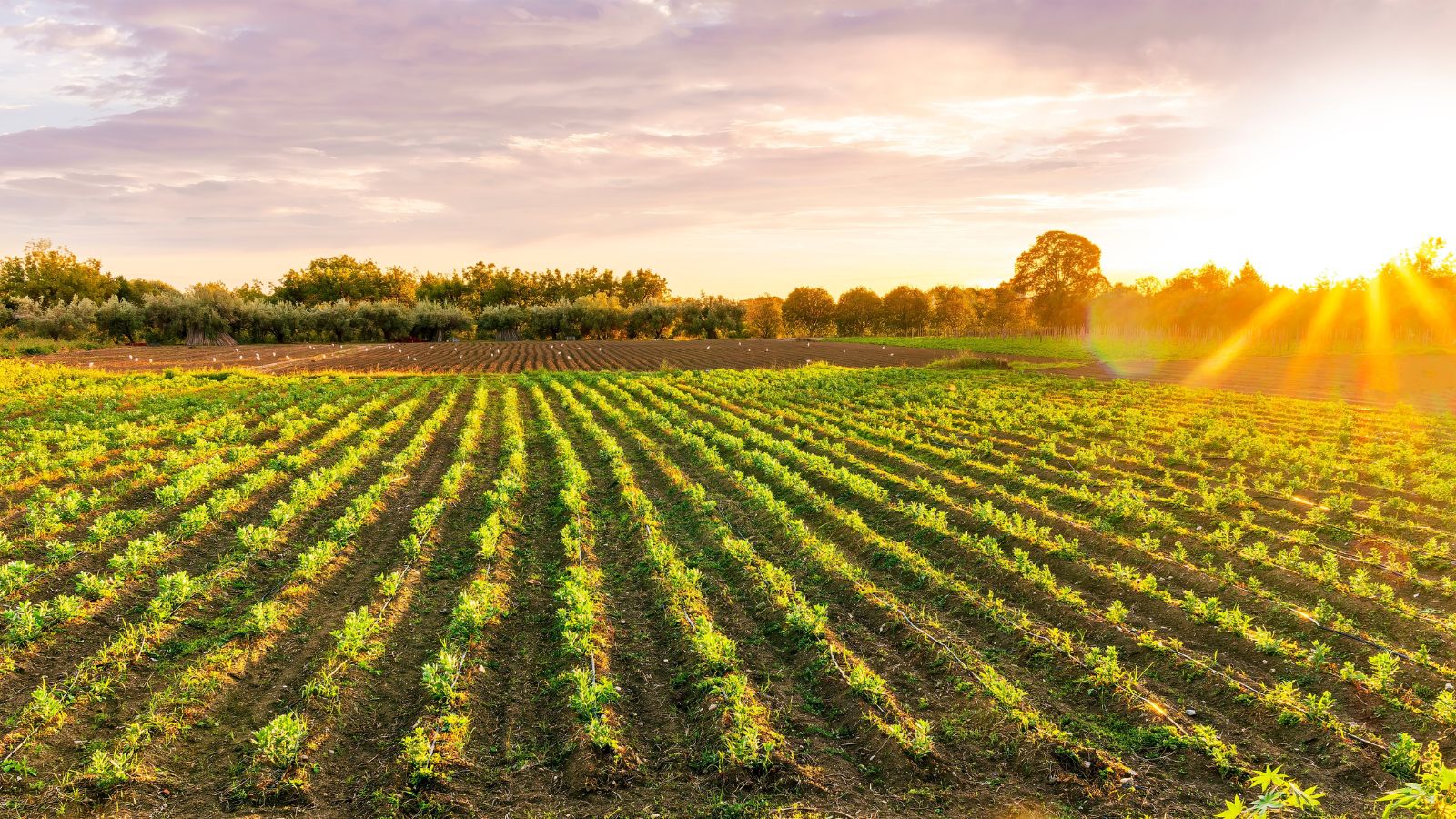
Extreme weather threatens crops across the country, so Canada is investing in stronger protection systems. New projects include flood barriers, drainage upgrades, and drought-resistant irrigation networks. Some regions are building storage ponds that collect rain for use during dry periods. These improvements help farms recover faster after storms or heat waves. They also reduce financial losses that often follow extreme conditions. Stronger protection systems encourage young farmers to stay in the industry because risks become more manageable. This decision strengthens long-term food security and helps communities stay stable during climate uncertainty.
Supporting Food Startups and Test Kitchens

Canada is backing food entrepreneurs through grants and shared test kitchen spaces. These facilities allow small businesses to refine recipes, test packaging, and meet safety standards before entering large markets. Startups use these spaces to run trials, compare costs, and prepare for commercial production. Many programs also connect founders with distributors, retailers, and mentors who guide early growth. This helps new products reach store shelves faster and with fewer barriers. The decision supports local creativity and encourages new flavours, processes, and brands. It also builds economic opportunities in communities that want stronger culinary industries.
Strengthening Dairy and Poultry Quota Systems
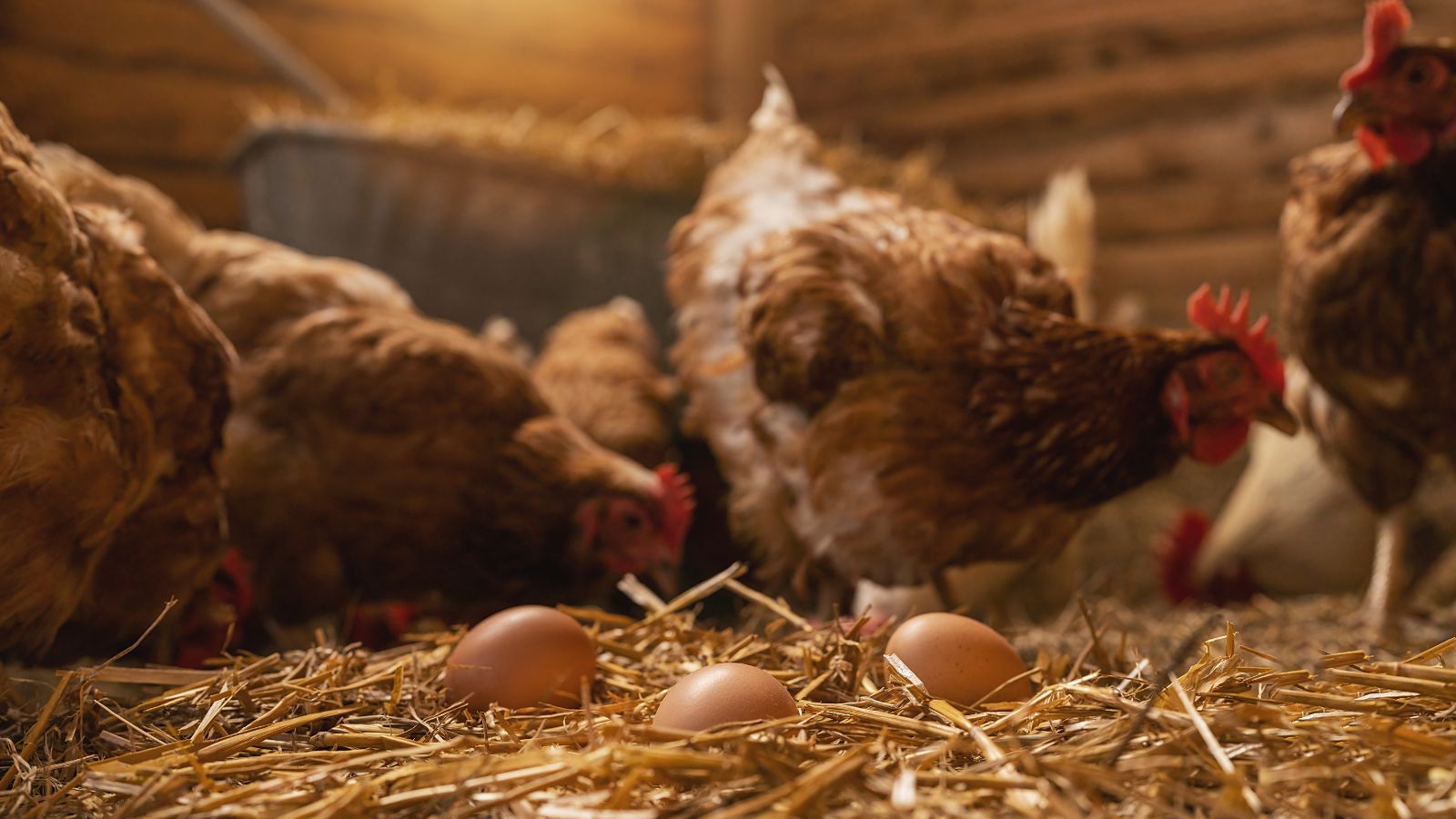
Canada continues to update quota systems in dairy and poultry to maintain stable production and predictable prices. These systems help match supply with national demand, which reduces oversupply and sudden shortages. Farmers benefit from reliable income and long-term planning. Consumers gain consistent access to products without large swings in pricing. Adjustments to quota rules help the sectors respond to population changes and market trends. This stability also supports rural communities that depend on farming jobs and services. The decision helps protect two major food categories that play a central role in daily diets across the country.
Promoting Technology in Food Inspection

Canada is introducing digital tools that make food inspection faster and more reliable. These systems track products from farms to retailers, which helps inspectors spot issues in real time. When problems appear, companies receive alerts that support faster response. This reduces waste during recalls and keeps unsafe items off shelves. The new technology also cuts down on paperwork for producers. It gives buyers more confidence in how food is monitored and handled. Transparent tracking improves safety for families and strengthens trust across the entire supply chain. The decision supports a modern system that can handle growing volumes.
Growing Canada’s Agri Tech Sector

Canada is investing in agri-tech companies that develop tools for soil monitoring, automated equipment, crop imaging, and predictive data models. These technologies help farmers make informed decisions during planting, watering, and harvesting. Better data reduces waste and improves yields across different regions. Agri tech also attracts high-skilled jobs to rural areas, which supports long-term economic growth. Many Canadian companies are forming global partnerships that expand access to new markets. The decision positions Canada as a leader in modern farming solutions. It also helps producers adapt to climate shifts and changing global demand.
Funding New Grain Stabilization Programs

Grain growers face unpredictable conditions due to export volatility, shifting demand, and severe weather. Canada’s stabilization programs offer financial support when markets move sharply. These programs help farmers store crops longer, which reduces pressure during weak seasons. Better storage helps maintain quality for both domestic and international buyers. Stabilization efforts also attract investment because they reduce uncertainty. Strong grain programs support industries like baking, livestock feed, and processed foods. They help protect a key part of the country’s food chain. The decision builds confidence among farmers who depend on consistent demand.
Supporting Food Banks and Community Food Hubs
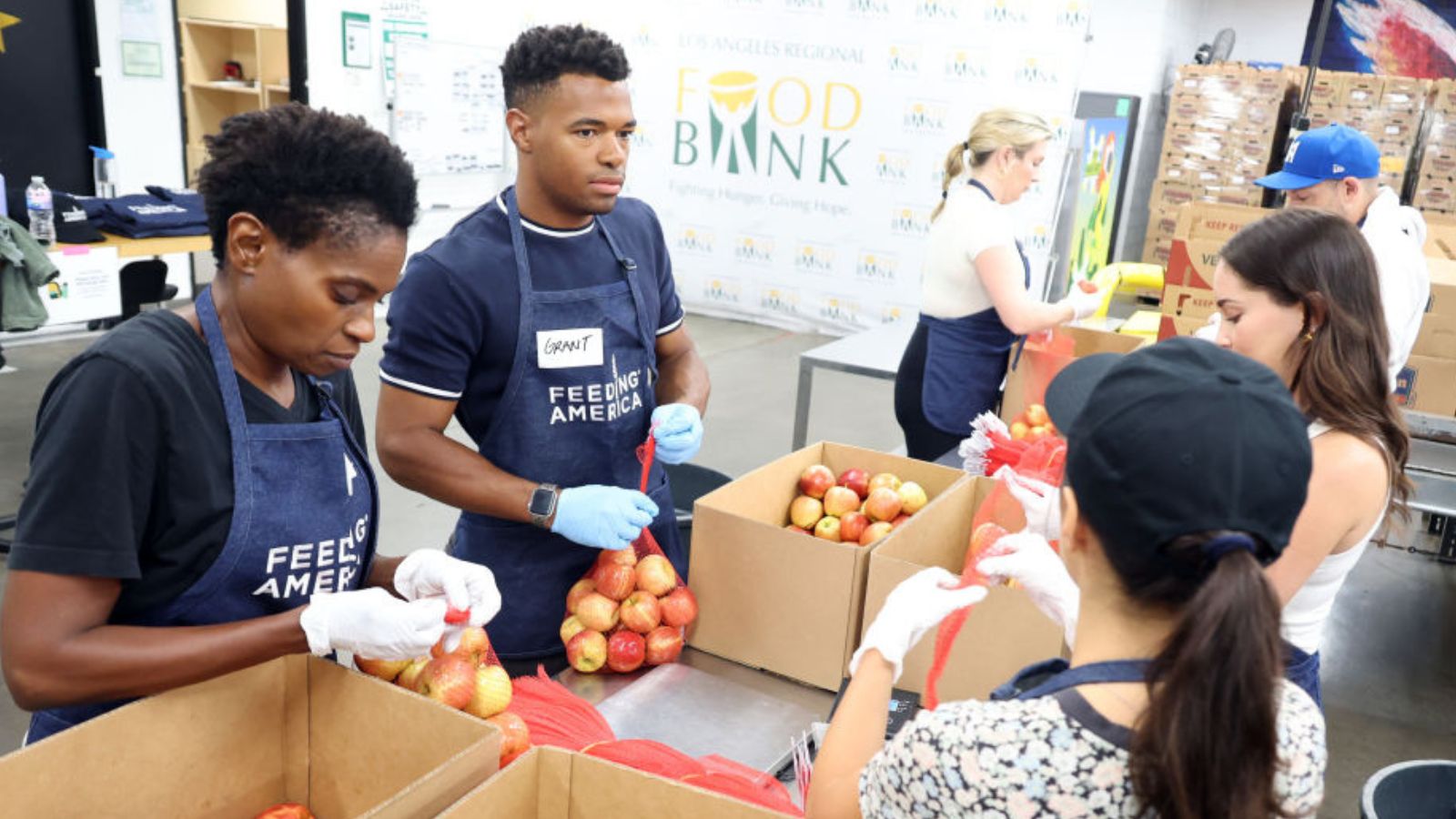
Canada is increasing funding for food banks and expanding community food hubs, which serve families dealing with rising costs. These hubs distribute fresh produce, pantry items, and prepared meals. Many now partner with local farms to secure a regular supply. Some offer cooking classes, support groups, and nutrition programs that help families make the most of available food. Volunteers and staff create stronger community networks through shared services. These centers help stabilize access to meals during tough economic periods. The decision supports immediate needs while building long-term resilience in neighborhoods across the country.
Reducing Plastic in Food Packaging

Canada is moving toward lower use of single-use plastic across the food sector. New rules encourage companies to shift toward recyclable or compostable materials. Many retailers are testing paper-based containers, refill stations, and reusable packaging. These changes reduce waste that harms land and water ecosystems. The shift also pushes brands to rethink packaging designs that depend on plastic. Shoppers gain more sustainable options, and companies gain long-term savings through better material planning. The decision guides the market toward cleaner systems that support environmental goals without large cost increases for buyers or producers.
Expanding Canada’s Food Export Strategy

Canada is working to reach new international markets for crops, seafood, and processed foods. Government trade teams help farmers and companies form long-term agreements with global buyers. This opens doors for wheat, pulses, canola products, packaged goods, and specialty items. Strong export networks create stable income for producers facing unpredictable domestic seasons. They also attract investment in storage, processing, and shipping facilities. These partnerships support job growth in transport and logistics. The decision strengthens Canada’s position as a reliable global supplier with diverse food products that meet international standards.
22 Groceries to Grab Now—Before another Price Shock Hits Canada

Food prices in Canada have been steadily climbing, and another spike could make your grocery bill feel like a mortgage payment. According to Statistics Canada, food inflation remains about 3.7% higher than last year, with essentials like bread, dairy, and fresh produce leading the surge. Some items are expected to rise even further due to transportation costs, droughts, and import tariffs. Here are 22 groceries to grab now before another price shock hits Canada.
22 Groceries to Grab Now—Before another Price Shock Hits Canada
