
Canada is often seen as quiet in the global media. Yet away from dramatic headlines, steady progress has shaped jobs, science, trade, lifestyle, and stability. Major wins rarely get bold coverage because they do not carry controversy. Many successes were achieved through slow growth, cooperation, and long-term planning. These stories show gains in healthcare, technology, energy, transport, sports, and entertainment. Here are 22 Canadian Successes Hidden Between the Headlines.
Canada quietly became a leader in mRNA vaccine development

Canada invested consistently in mRNA research during and after the pandemic. Labs across multiple universities worked on immune response analysis and next-generation vaccine platforms. Pharmaceutical companies opened new research centres to support clinical trials and generate domestic manufacturing capacity. Canada now ranks among the highest contributors to published work on mRNA treatments. This supports future vaccine access during global supply disruptions. The development also expanded job opportunities in medical science. It remained mostly outside national news coverage because stable scientific progress lacks dramatic reporting angles for mainstream networks and public conversations.
The country set global records for clean electricity reliability

Canada produces a high percentage of its electricity through hydroelectric plants supported by wind, nuclear, and solar facilities. The diversified grid provides stable prices during energy shortages and international supply shocks. Provinces export electricity to the United States when demand rises. Businesses benefit from predictable grid performance without sudden fluctuations. Long-term planning improved transmission without generating public controversy. The reliability helped protect households against wide price swings seen in other countries. The success remained outside major headlines because infrastructure projects develop over long periods and rarely produce dramatic events that attract mass attention.
Canada turned food production technology into a major export strength

Canadian farms and research centres adopted automation, crop data analytics, robotic harvest systems, and improved storage monitoring. These tools reduced spoilage and increased productivity during unstable global supply periods. The technology became a major export product for companies selling smart farming systems to international suppliers. Small farms also benefited because equipment companies created regional solutions rather than generic systems. The upgrades reduced dependency on imported food in the winter months and protected grocery supply chains during global shipping delays. The progress did not attract heavy news coverage because it occurred gradually in rural and industrial areas.
Canada built one of the world’s safest banking systems

Canadian banks apply strict lending rules and conservative risk models. These policies reduce the risk of large-scale failures during global downturns. Banks continued lending during international financial crises while other countries experienced frozen credit. Businesses and households benefited from continued access to borrowing and day-to-day banking stability. The structure supports long-term economic confidence and investment planning. Because stability lacks dramatic appeal, the topic gains little news attention. Major headlines often prefer stories about crashes or sudden disruptions. Therefore, the strength of the banking system remained largely unnoticed by the broader public.
Canada became a global center for visual effects talent

A large share of visual effects in blockbuster films and streaming series is produced in Canadian studios. Cities like Vancouver, Montreal, and Toronto offer skilled workers and specialized training programs that support the industry. International studios rely on Canadian teams for animation, CGI, and post-production tasks. The expansion created thousands of jobs for artists and technical workers. Canadian work rarely receives attention because film marketing focuses on foreign studios rather than production partners. The success, therefore, stays hidden despite the scale of industry participation and the high number of major film credits linked to Canadian teams.
Indigenous tourism became a rapidly growing economic sector

Indigenous owned hospitality and cultural programs expanded across many provinces. These include lodges, guided journeys, culinary experiences, cultural education sessions, and outdoor adventure services. Tourists visit for learning and nature-based trips that directly support local communities. The financial growth generates employment in regions that previously had limited job opportunities. Provincial tourism boards now promote Indigenous tourism as a central part of Canadian travel planning. The development does not dominate news cycles because it focuses on authentic cultural experiences rather than dramatic announcements or mass commercial campaigns. Yet it remains a significant national economic success.
Canada achieved success in wildfire detection and prevention systems

Canadian teams combined satellite monitoring, drone patrols, and predictive smoke pattern software. The systems detect early ignition signs faster than manual forest patrols. Fire response units reported shorter reaction times and reduced damage in monitored areas. The technology has attracted interest from countries experiencing frequent wildfires caused by climate shifts. The success receives limited attention because news reports on wildfires usually begin only after destruction occurs. Prevention creates fewer viral moments even though it reduces risk. The systems continue expanding across provinces based on data showing measurable reductions in forest loss.
Canadian ports quietly became major logistics links for Asia

Upgrades at Vancouver and Prince Rupert ports improved container handling speed and reduced shipping delays. Rail routes connect the ports to central Canadian distribution hubs and United States markets. Shipping companies use these ports as alternate supply chain entry points to avoid congestion at California terminals. This supports manufacturers and retailers seeking reliable delivery schedules. Strong logistics performance helps Canada participate in global trade without heavy marketing campaigns. Since port operations rarely involve dramatic events, the topic stays outside major headlines. Yet port efficiency continues to influence national trade growth and employment across regions.
Canada built respected training systems for nurses and paramedics

Training centres introduced simulation-based learning with realistic equipment for emergency scenarios. Students practice medical procedures and decision-making using high-accuracy models. Graduates receive job offers from domestic and international hospitals because of the program’s quality. The system strengthens national healthcare staffing pipelines during rising demand. Public news coverage focuses mostly on shortages and strain rather than preparation improvements. Therefore, the progress stays largely unnoticed despite helping to stabilize parts of the healthcare system. The training model is now being studied by several countries seeking to upgrade emergency medical education.
Canadian researchers advanced quantum materials development

Canadian universities operate laboratories dedicated to superconductors, quantum nanostructures, and magnetic materials. Their research supports computing and next-level electronics. International research groups collaborate frequently with Canadian teams because of strong published findings. Partnerships with private companies translate discoveries into prototypes for real testing. Canada ranks high in global citations related to quantum materials research. The field receives limited public interest because the subject matter appears technical and slow to general audiences. Despite the lack of mainstream attention, the research continues to support long-term technology development and highly skilled employment opportunities.
Canada built world-class wheelchair sports programs

Canadian athletes in wheelchair rugby, para ice hockey, and wheelchair basketball compete at top global levels. Training centres support both youth and professional participants with specialized coaching and equipment. Programs receive steady investment from provincial and national organizations. Athletes consistently place strongly in international tournaments and generate medals at major global events. Public coverage tends to highlight sports only during short tournament windows. As a result, ongoing growth in wheelchair sports remains outside consistent headlines. The programs continue to expand and strengthen year-round participation across many communities.
Canadian aquaculture research improved global fish farming
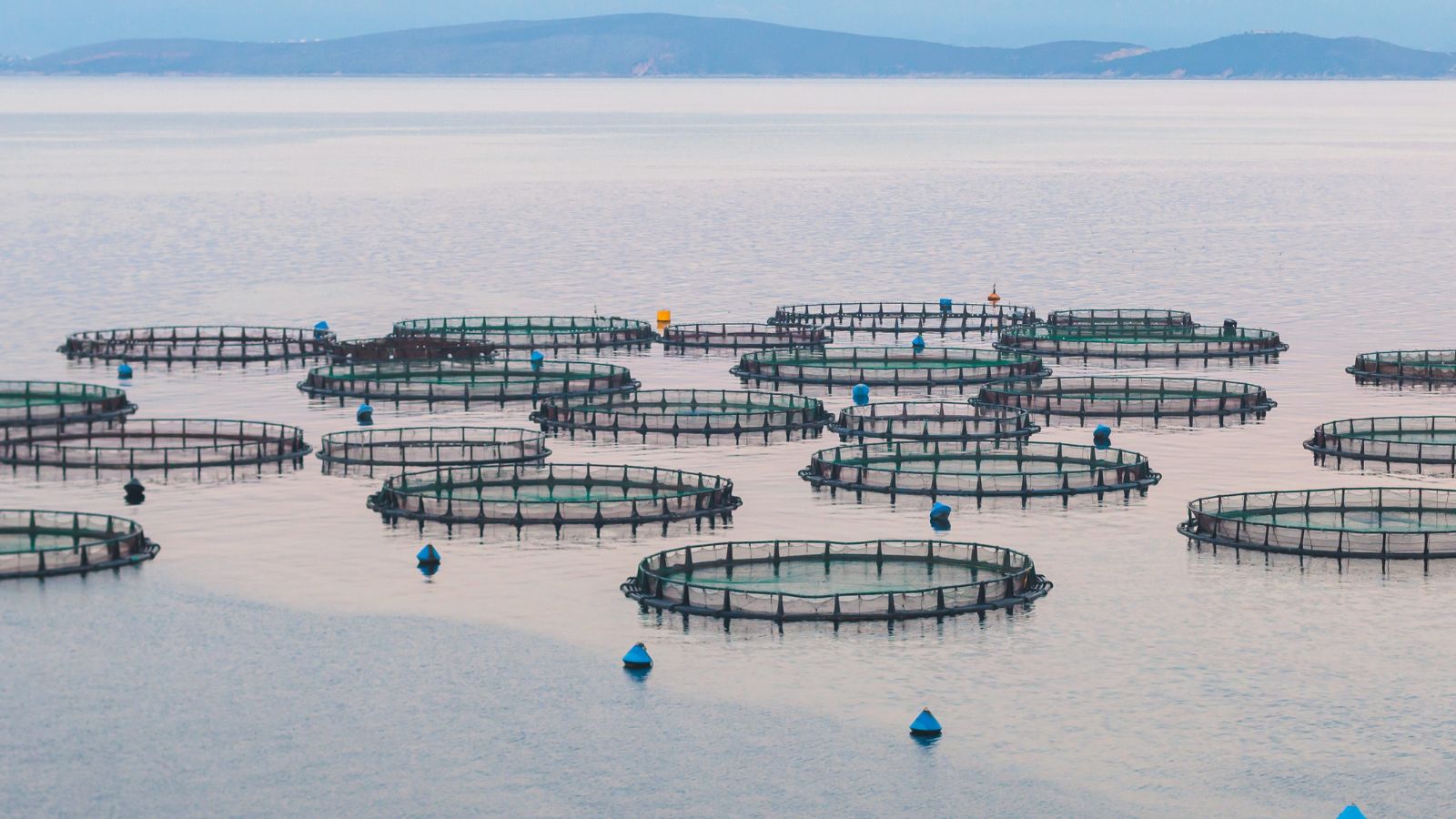
Research groups designed new monitoring systems for fish health, cleaner water circulation, and efficient feeding methods. The work supports high-volume fish production while reducing harm to marine environments. International farms apply Canadian techniques to maintain a consistent protein supply during rising global demand. Coastal Canadian communities benefit from stable job creation linked to aquaculture projects. News rarely covers research progress because it develops slowly and focuses on technical findings rather than dramatic milestones. Nonetheless, these advances influence food security for many countries facing population growth and shifting ocean conditions.
Canada became a model for safe fintech regulation

Fintech startups operate under regulatory sandboxes that allow testing while protecting consumers. Companies build digital payment and banking tools in controlled environments monitored by government bodies. This reduces risks seen in unregulated markets while supporting financial technology growth. Several countries studied the Canadian approach and adopted similar models for their banking regulations. Consumers gain access to modern digital services without facing high exposure to unsafe products. The progress stays outside headlines because regulatory stability receives less attention than financial scandals or rapid industry failures.
Canada contributed to breakthrough studies in Alzheimer’s research

Canadian scientists mapped early memory decline markers through neurological scans and blood test patterns. Their findings influenced international trials focused on slowing cognitive decline. Hospitals built programs that encourage early diagnosis and long-term support for patients and families. Research studies receive limited public attention because medical reporting tends to focus on new cures rather than progressive discoveries. However, the work continues to shape global understanding of Alzheimer’s disease. Canadian facilities remain involved in ongoing collaborations with international research teams, strengthening the country’s role in neurodegenerative study networks.
Canada modernized forestry practices without losing employment

Forestry companies adopted selective cutting, replanting cycles, and digital mapping to monitor forest conditions. These practices protect long-term tree supply while keeping sawmills productive. Employment remained stable in many rural regions where logging represents a major economic contributor. Local communities benefited from consistent wages during global market uncertainty. The progress receives little media attention because forestry news usually focuses on disputes rather than cooperation. The system demonstrates how industrial activity and environmental management can operate together without large-scale disruption. This change occurred gradually through planning rather than dramatic announcements.
Canadian cities quietly expanded district heating networks

District heating plants distribute thermal energy to multiple buildings from a central facility. The system reduces energy waste because individual boilers are not required. Cities such as Toronto and Vancouver expanded networks for residential and commercial buildings. The upgrades stabilized heating costs for consumers and reduced carbon output. Infrastructure projects rarely generate dramatic coverage, so the improvement gained limited attention. Yet district heating continues to grow steadily across Canada. More neighborhoods will adopt the system in future years because data shows consistent cost and energy savings.
Canada grew trade relationships with South American partners

Canadian delegations built long-term agreements with South American nations focused on agriculture, mining equipment, higher education, and clean technology. Export values increased steadily while global trade faced volatility. Companies gained broader customer bases rather than depending heavily on single markets. Trade growth strengthened business confidence and reduced the risk of economic disruption caused by regional shifts. The story did not reach major headlines because it developed through diplomatic missions instead of sudden announcements. The agreements continue to support thousands of Canadian jobs across different economic sectors.
Canadian aerospace suppliers expanded international roles

Canadian firms manufacture aircraft parts used in commercial planes, private jets, and military fleets. These include wing sections, turbine components, and landing systems. The work supports thousands of skilled technicians across many provinces. International aerospace companies maintain long-term contracts because Canadian suppliers deliver consistent performance. The industry rarely gets broad attention because aircraft manufacturing stays hidden behind airline branding. The contributions remain significant even without frequent recognition. The sector continues to influence export revenue and employment stability in multiple Canadian regions.
Canada strengthened global geological survey services

Canadian geological teams provide advanced scanning, remote sensing, and mapping to identify mineral deposits. Their services help reduce risks for mining firms planning exploration projects. International governments contract Canadian experts for site evaluations and resource planning. The industry delivers steady, high-wage employment and supports a broad technical workforce. Geological work gets little mainstream coverage because it involves complex data rather than dramatic visuals. However, the field remains a quiet contributor to global resource planning and to Canada’s technical reputation abroad.
Canada became the world’s central host for curling events

Canada consistently hosts major curling tournaments that attract international teams and audiences. Cities build strong participation across youth and adult leagues. Training facilities operate year-round for developing athletes. Curling produces tourism and regional business activity for host communities. The sport receives limited news coverage outside seasonal tournaments and championship finals. Despite the lack of constant attention, curling remains a major national strength. Canada continues to perform well in global rankings and drives participation growth worldwide.
Canada improved food security through greenhouse farming expansion
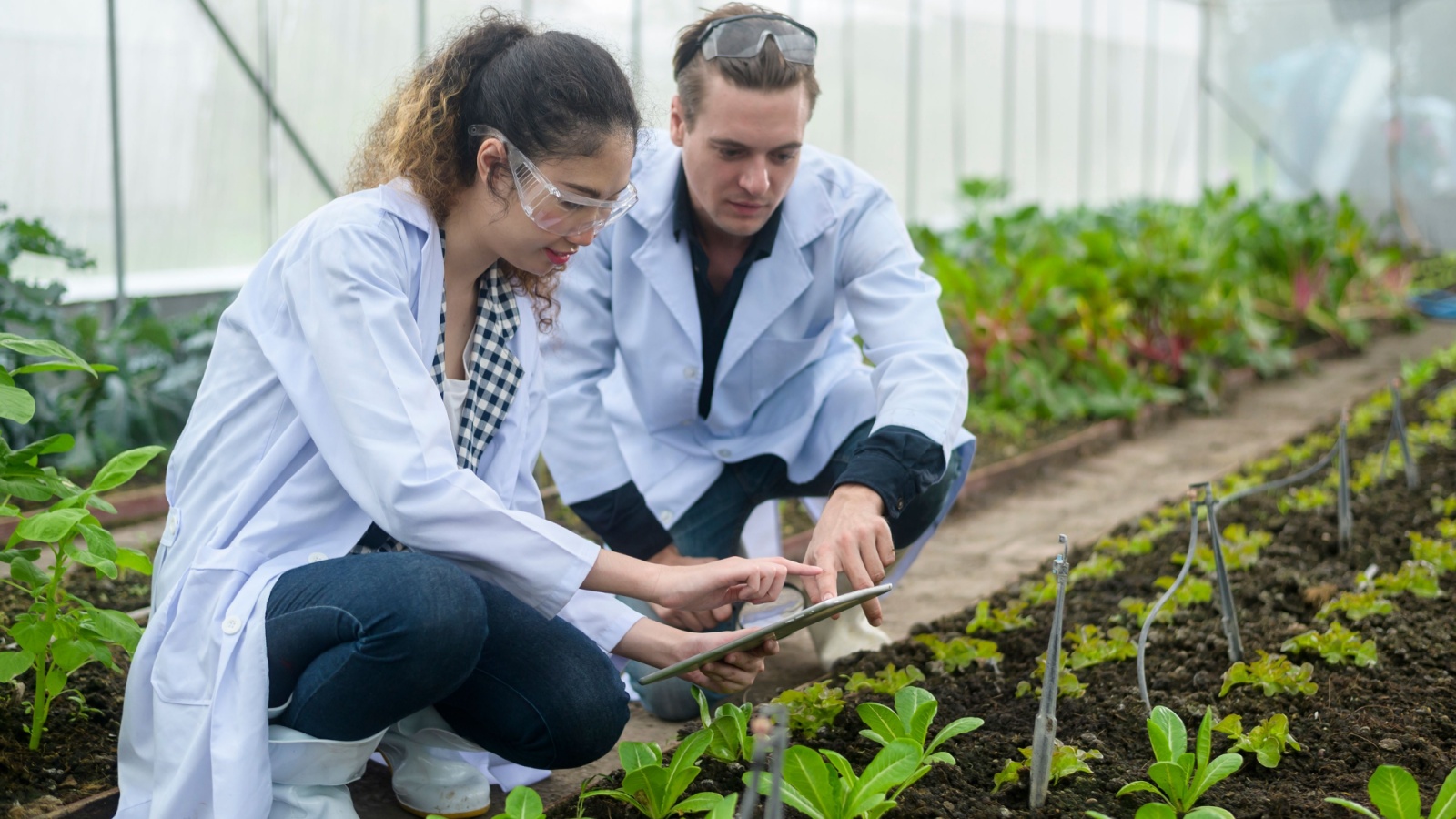
Controlled environment greenhouses allow year-round production of vegetables and fruits in colder provinces. The systems use LED lighting, climate controls, and efficient irrigation to maintain steady yields. The farms reduce reliance on long-distance imports during the winter months. Families gain more stable access to local food even when global shipping faces disruption. The growth received little media focus because it occurred without controversy. However, it represents a major shift in how Canada manages seasonal farming limitations.
Canada expanded training pathways for blue-collar trades

Colleges built apprenticeship programs with paid workplace training linked to technical classroom courses. Students earn while learning and move directly into fields such as electrical work, welding, plumbing, machining, and building services. These programs address labour shortages and create reliable employment opportunities across provinces. Graduates avoid heavy student debt and often secure stable, long-term positions. The system receives limited news coverage because it grows through local partnerships rather than national announcements. Yet it remains a significant development supporting the Canadian economy.
22 Groceries to Grab Now—Before another Price Shock Hits Canada

Food prices in Canada have been steadily climbing, and another spike could make your grocery bill feel like a mortgage payment. According to Statistics Canada, food inflation remains about 3.7% higher than last year, with essentials like bread, dairy, and fresh produce leading the surge. Some items are expected to rise even further due to transportation costs, droughts, and import tariffs. Here are 22 groceries to grab now before another price shock hits Canada.
22 Groceries to Grab Now—Before another Price Shock Hits Canada
