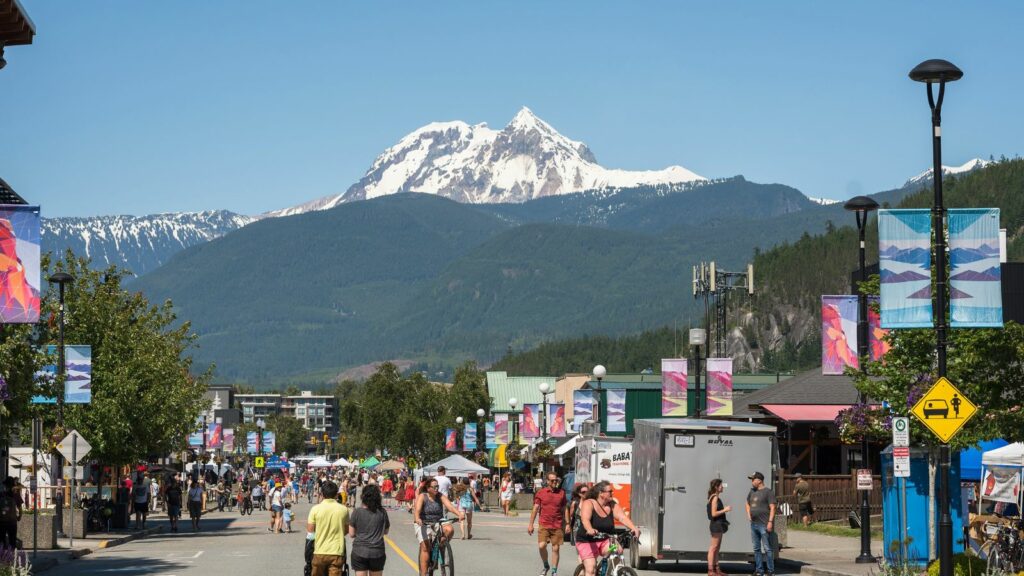
Significant growth, new industries, and large infrastructure projects are reshaping smaller communities across the country. Rising migration, new housing development plans, technology investments, and shifts in regional economies are having a measurable influence on towns that previously saw slower change. Over the next five years, several locations are expected to experience major transformations in population, job availability, and local services. Here are 22 Canadian towns that will be unrecognizable in 5 years.
Squamish, British Columbia
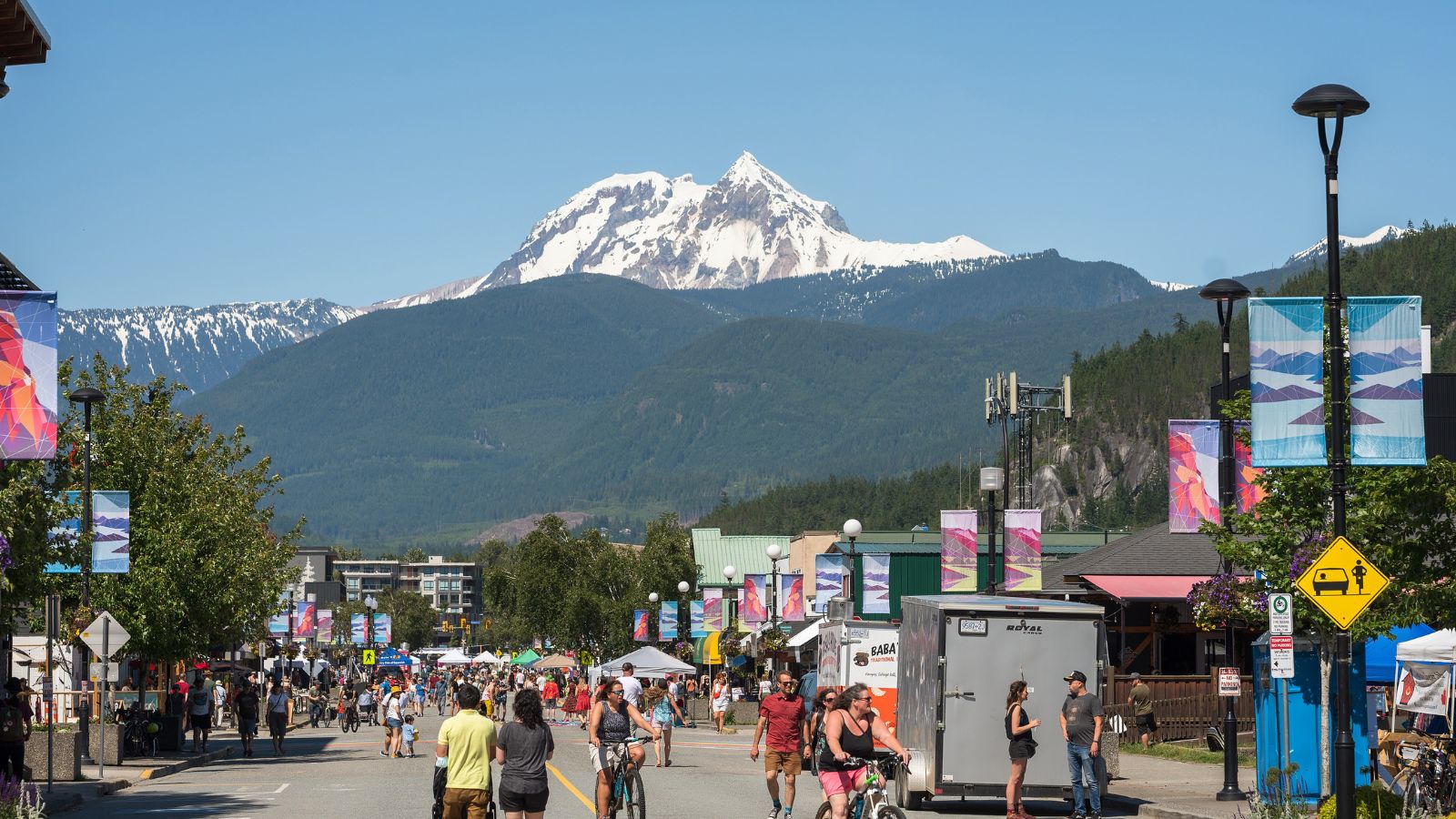
A rapid increase in migration from both Vancouver and other provinces is pushing Squamish toward major redevelopment. The Oceanfront Peninsula project is expected to bring thousands of homes, new public facilities, and commercial zones. Demand for outdoor lifestyle access continues to drive private investment, while technology firms and remote workers are shifting the town’s employment profile. Transit expansion proposals and partnerships with regional universities are adding to the growth. Housing construction permits have consistently increased, and land prices reflect long-term movement toward higher density. Over the next five years, Squamish will see expanded infrastructure that significantly alters its overall layout.
Collingwood, Ontario
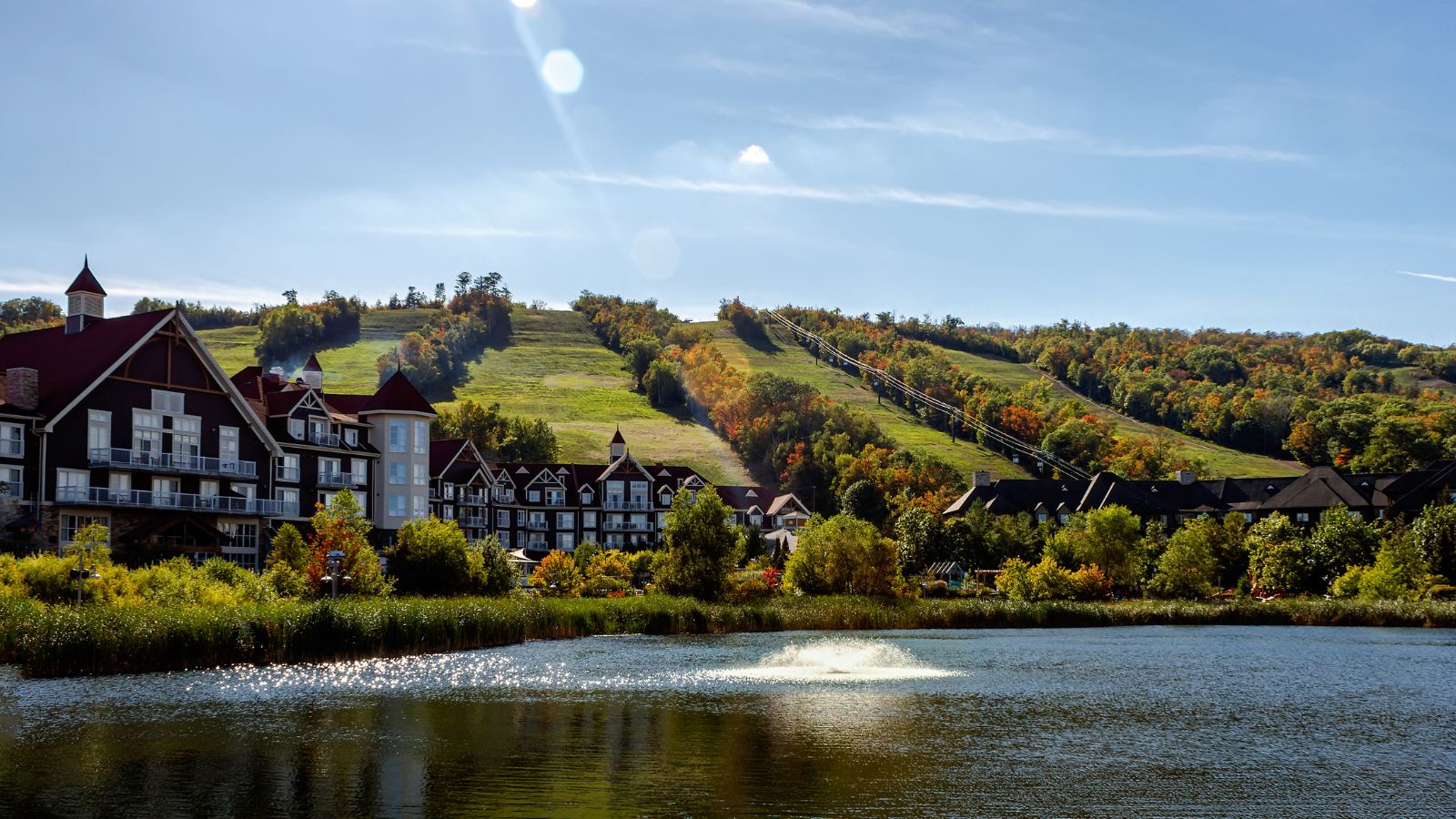
A steady rise in permanent residents, particularly remote workers from the Greater Toronto Area, is accelerating major development in Collingwood. Large master planned communities are scheduled to add new subdivisions, retail zones, and services. The waterfront revitalization strategy includes expanded public spaces, improved access routes, and upgraded marina facilities. Healthcare capacity is also being reviewed due to population growth, and the regional economy is diversifying beyond tourism. Increased demand for year-round housing is influencing construction trends, particularly mid-density properties. Combined with transportation improvements, these shifts will redefine Collingwood’s structure and elevate its position within the Georgian Bay corridor.
Canmore, Alberta
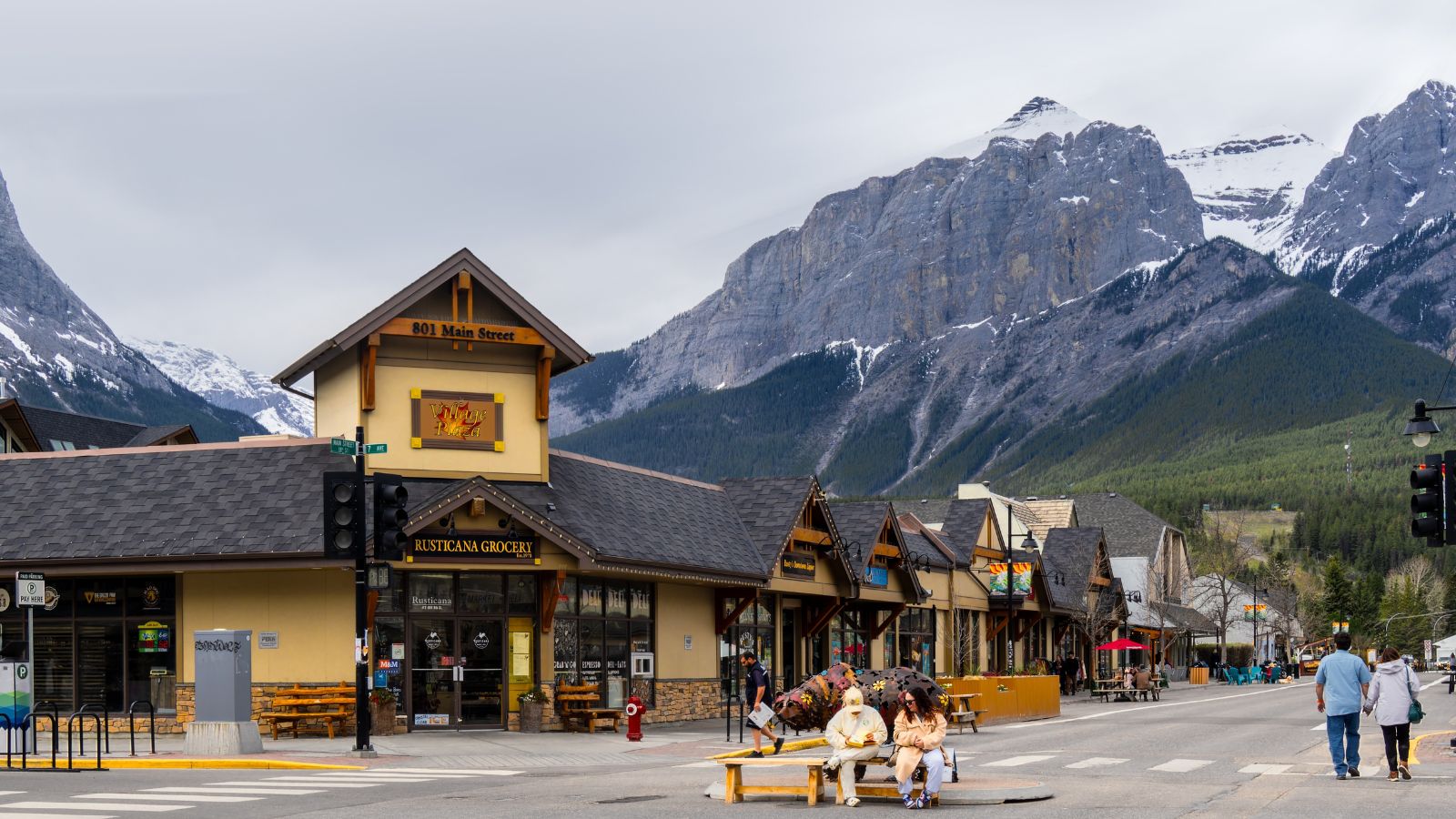
Significant pressure on housing availability has pushed Canmore into heavy planning for expanded developments. Multiple proposals for residential areas, environmental impact management, and transportation upgrades are moving through approval stages. Tourism demand remains strong, encouraging new hospitality projects and commercial investments. Remote work trends continue bringing long-term residents who require year-round services, shifting the economic focus beyond seasonal activity. Local infrastructure plans include upgraded roads and community facilities to support population increases. As a result, the built environment is set for major change, with new zones, updated policies, and broader amenities shaping its next five years.
Stratford, Ontario
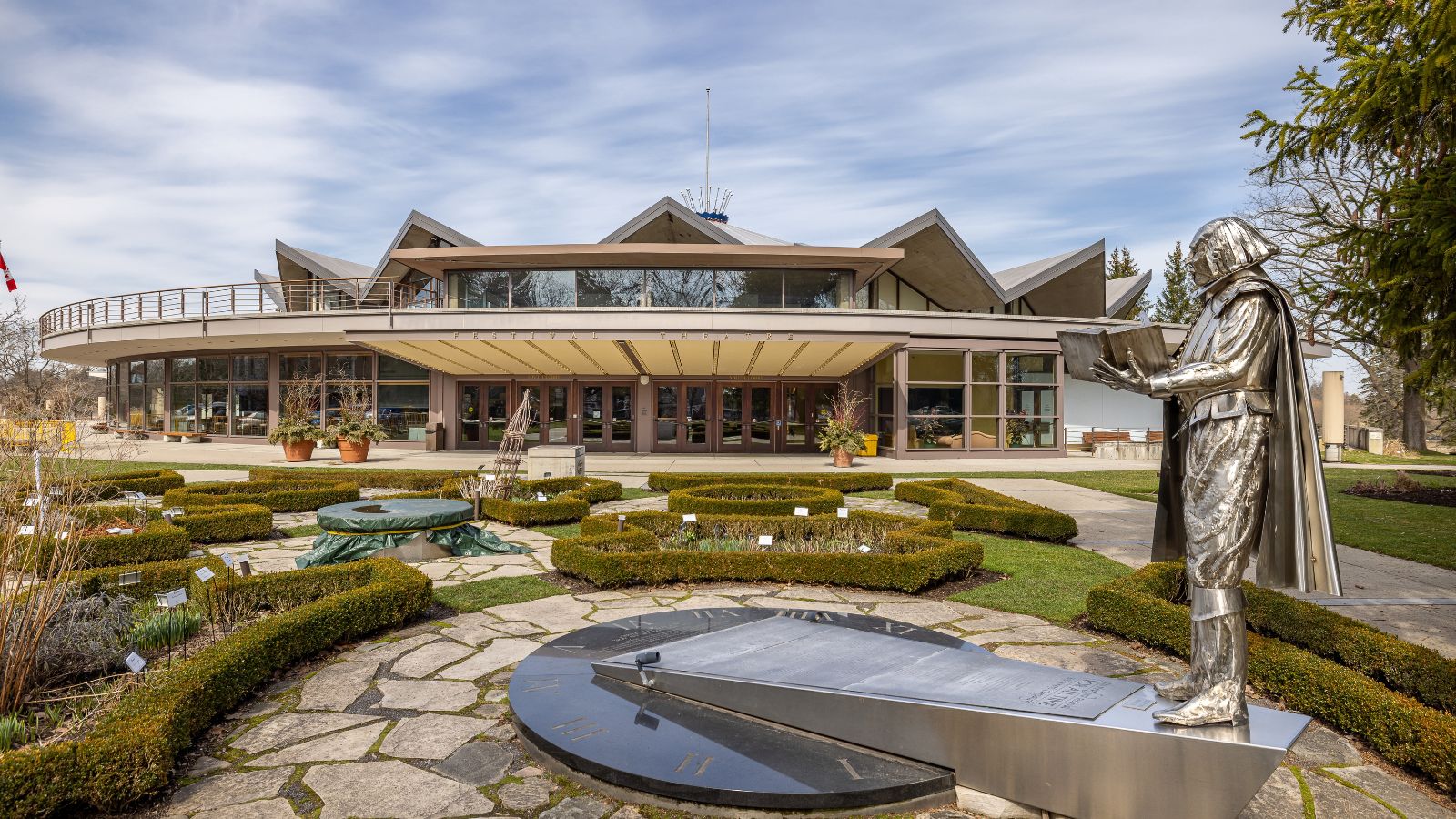
Growth in digital media, creative arts, and remote work adoption has strengthened Stratford’s local economy. The city’s investment in advanced broadband infrastructure laid the foundation for new technology firms and remote professionals to settle permanently. Housing construction is rising to meet the surge in demand, particularly in mixed-use developments. Cultural tourism remains strong, attracting secondary investment in hospitality and retail. Transit improvement studies and new neighborhood plans signal additional change. Over the next five years, Stratford will balance heritage preservation with modern expansion, creating a town that looks and functions differently as population and economic activity intensify.
Whitehorse, Yukon
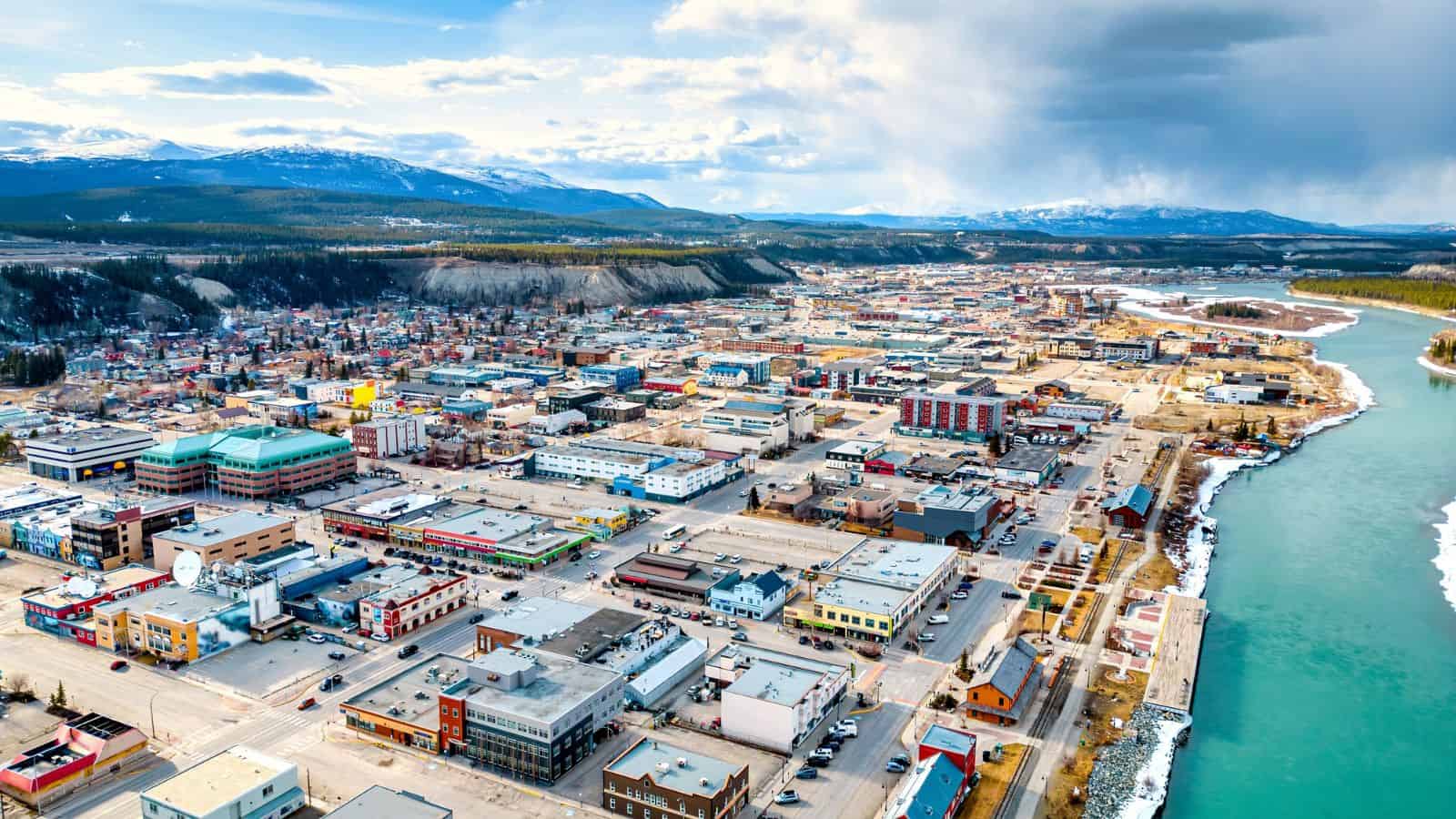
Rising migration from southern provinces, along with sustained economic activity in government, logistics, and resource sectors, is transforming Whitehorse at a pace not seen previously. Multiple housing projects, including higher-density developments, aim to reduce supply shortages. Federal investments in northern infrastructure and climate adaptation projects are bringing new employment opportunities. The airport expansion plan and improved transportation links are increasing regional connectivity. A growing Indigenous business sector is adding diversification to the local economy. Taken together, these developments indicate that Whitehorse will undergo major structural, demographic, and economic change in the coming five years.
Leduc, Alberta
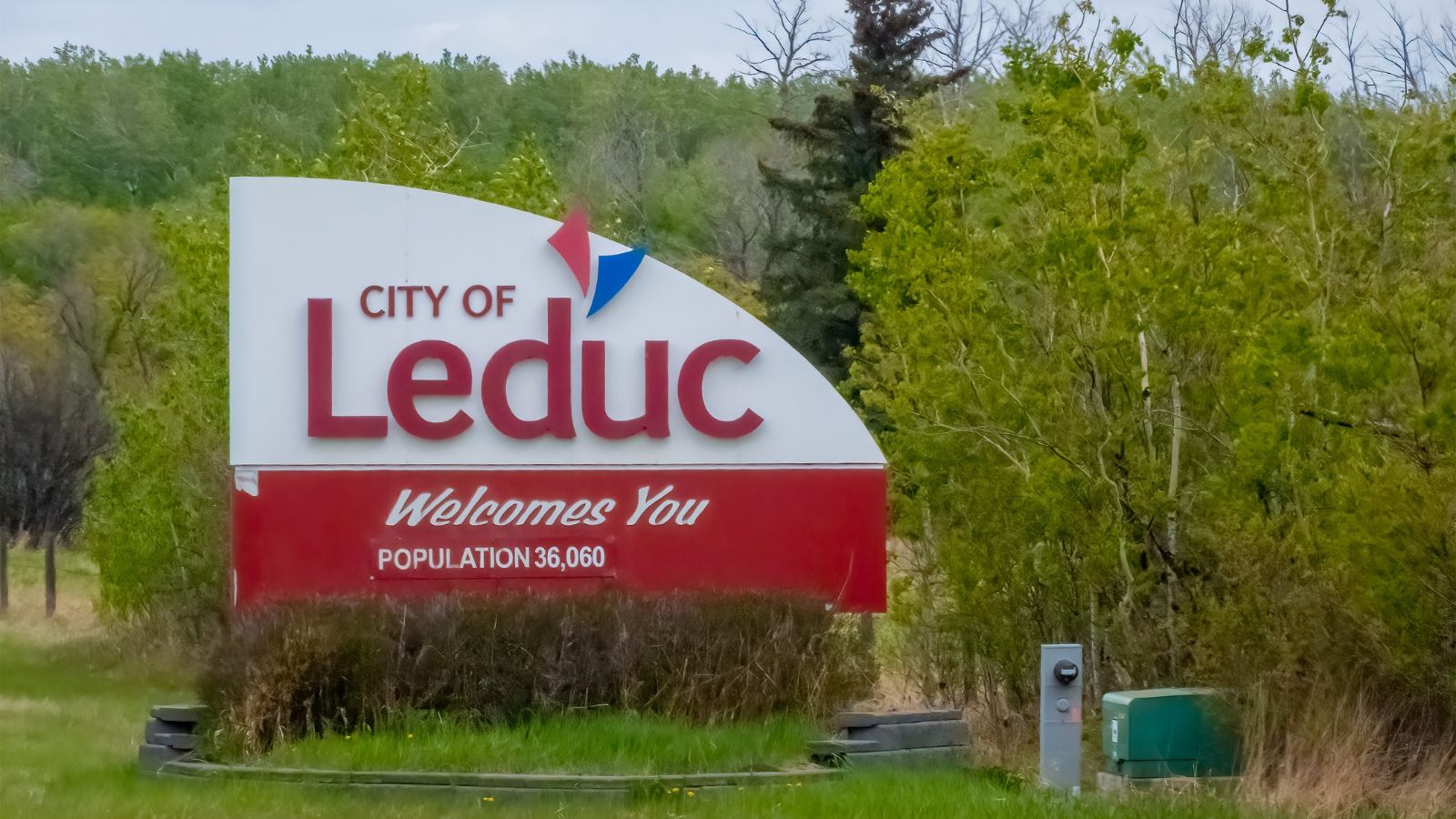
Industrial expansion linked to logistics, manufacturing, and technology is driving rapid growth in Leduc. Proximity to Edmonton International Airport continues to attract transportation and distribution firms. Municipal planning includes major residential developments designed to accommodate incoming workers. Upgrades to recreation facilities, road networks, and commercial zones are underway or scheduled. Collaboration between the airport authority and the municipality is expected to bring new investment opportunities, including aerotropolis-style development. These factors position Leduc for substantial transformation, shifting it from a primarily commuter-oriented community to a broader economic hub within the Edmonton Metropolitan Region.
Kamloops, British Columbia
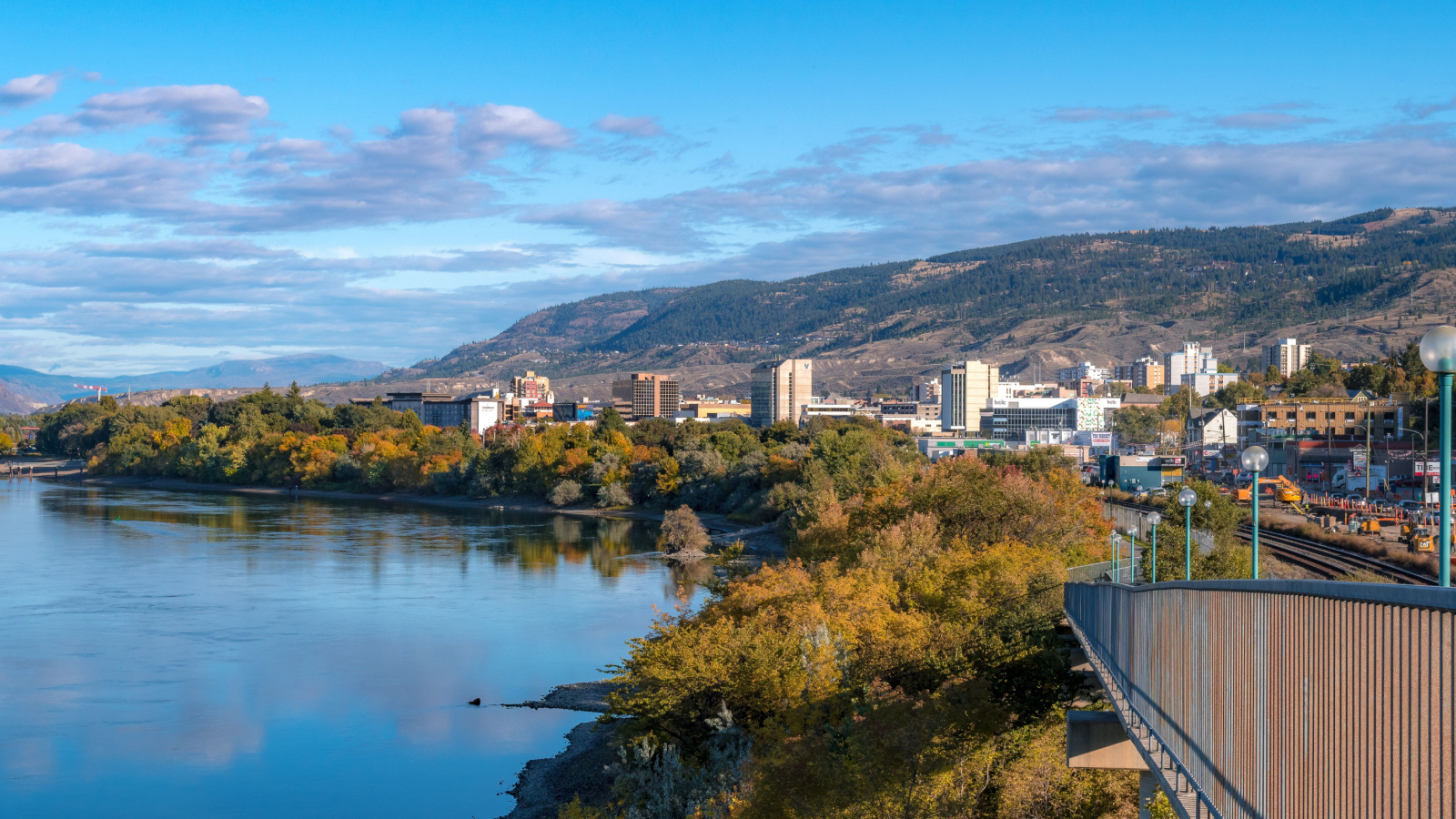
Significant investments in healthcare, education, and industry are reshaping Kamloops’ growth trajectory. The new patient care tower at Royal Inland Hospital and expanding educational programs at Thompson Rivers University are drawing professionals and students. The housing market is adjusting to demand increases through new subdivisions and denser developments. Transportation upgrades, including highway improvements and active transit networks, are under review. Industry-related activity in mining and forestry continues to attract long-term workers. Over the next five years, these combined factors will produce visible changes in neighborhood patterns, public infrastructure, and the distribution of commercial activity across the city.
Grande Prairie, Alberta
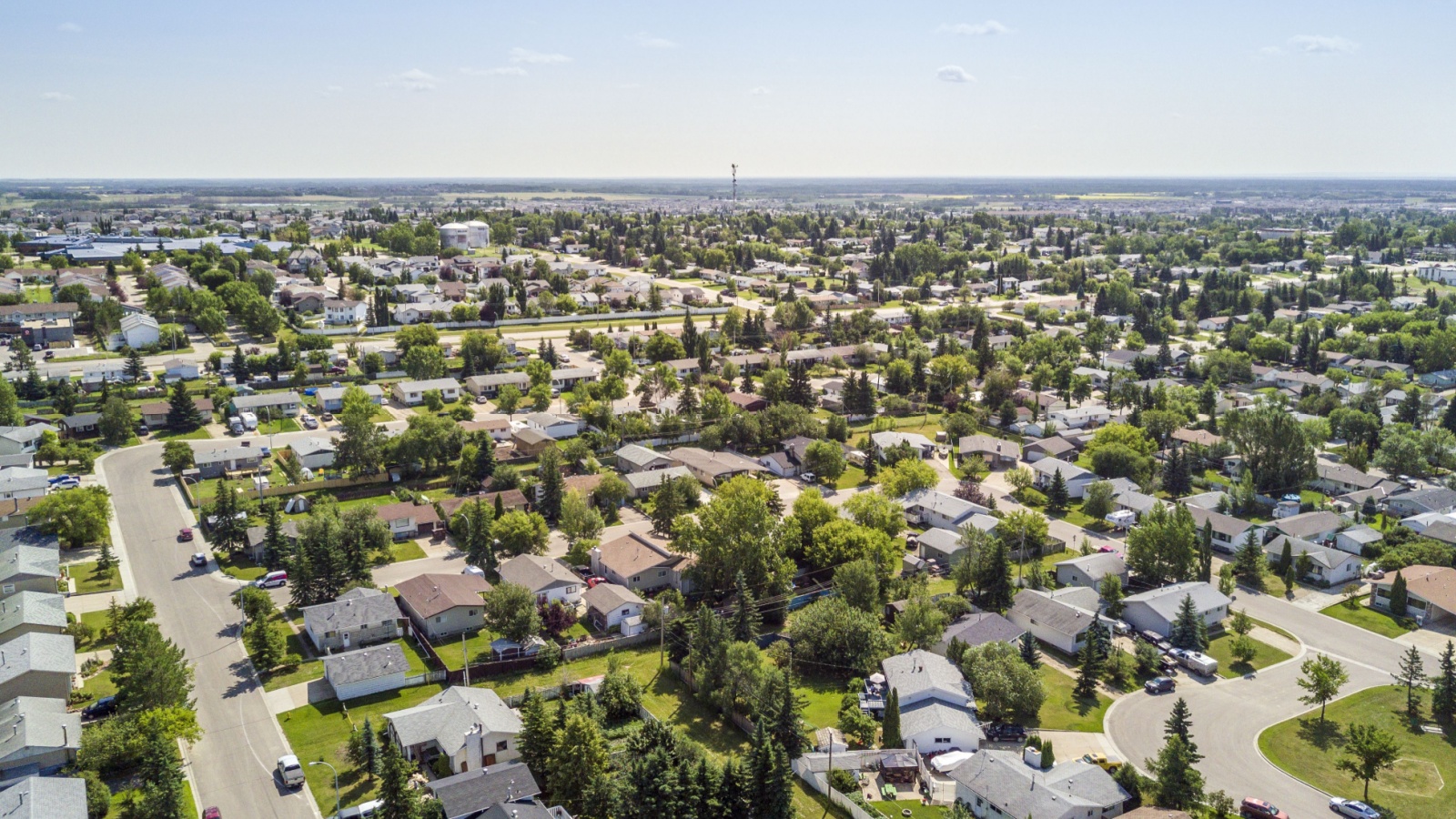
Population forecasts indicate strong growth due to continued activity in the energy, transportation, and construction sectors. Large commercial developments and new residential zones are advancing rapidly. The hospital expansion and education infrastructure improvements are attracting professionals who require long-term housing. Industrial parks are expanding as companies invest in logistics capabilities for northern markets. Municipal plans include increased recreational amenities, upgraded roads, and improved transit access. These changes are expected to alter the scale and density of Grande Prairie, creating a more complex urban structure that reflects the ongoing diversification of its economic base.
Kelowna, British Columbia
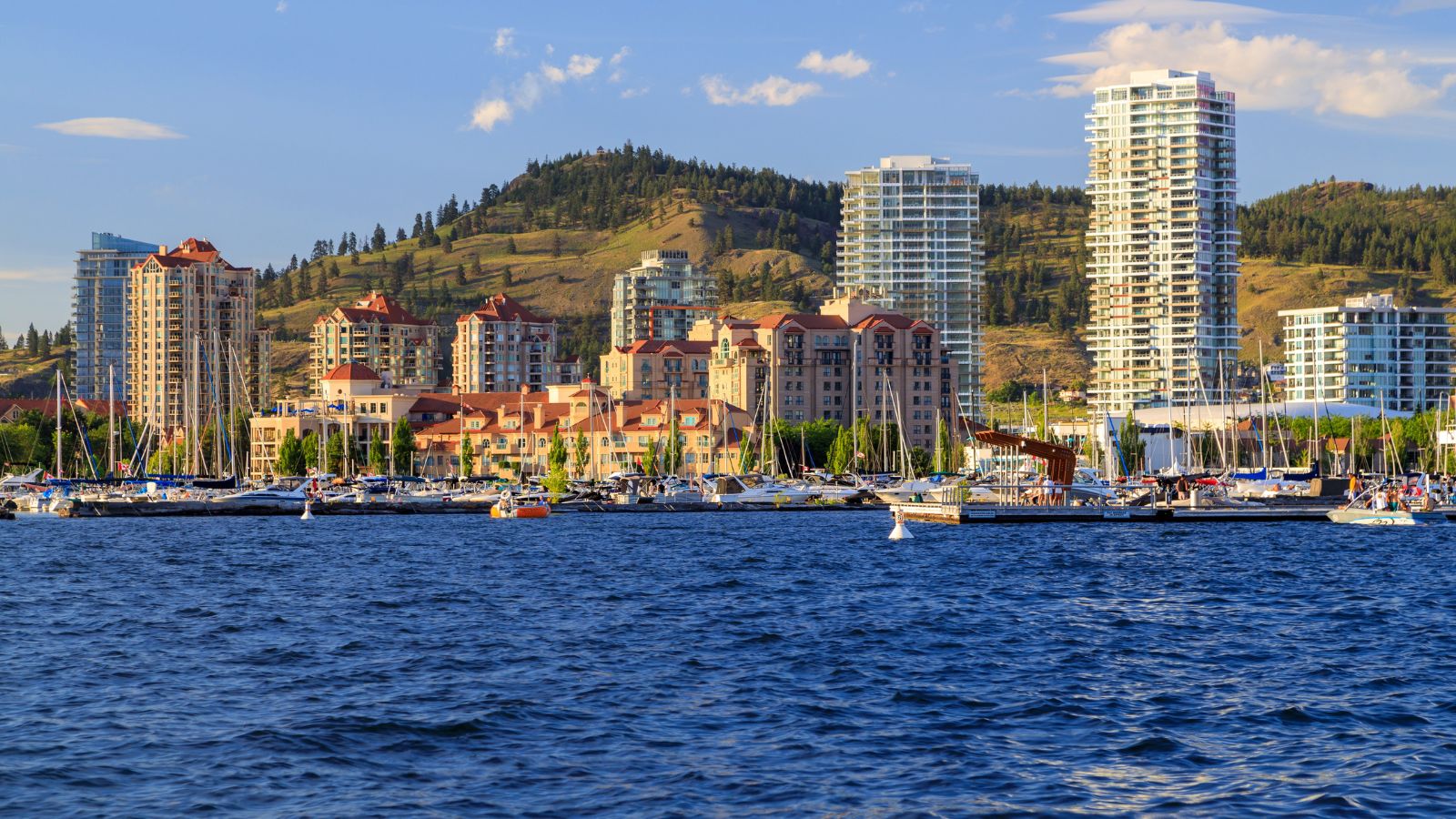
Kelowna’s sustained population growth is driving an unprecedented wave of construction. High-density residential towers, new university facilities, expanded hospitals, and large retail developments are reshaping the city’s skyline. The technology sector continues to grow, drawing skilled workers who require housing and services. Transportation improvements, including airport upgrades and expanded transit routes, are enhancing accessibility. Tourism demand remains consistent, supporting new commercial projects. Together, these factors will significantly alter Kelowna’s appearance and internal layout. Within five years, the cumulative impact of these public and private investments will result in a city that operates at a larger and more advanced scale.
Dieppe, New Brunswick

Dieppe is experiencing strong demand for housing due to its proximity to Moncton and its growing bilingual workforce. New residential developments, including multi-unit buildings, are progressing at a rapid rate. Retail expansion is responding to increased consumer activity, while industrial parks are attracting logistics and distribution companies. Investments in schools, community centres, and transportation infrastructure signal continued population growth. Municipal planning documents outline long-term goals for denser neighbourhoods and improved public spaces. These combined changes will alter Dieppe’s structure, elevating it from a suburban community to a more robust standalone urban center.
Vernon, British Columbia

An increase in new residents relocating from larger cities is accelerating development in Vernon. The town is seeing new housing construction in both single-family and multi-unit formats. Tourism growth continues to drive commercial expansion, while agricultural innovation projects strengthen the regional economy. Plans for improved transit, upgraded road networks, and enhanced community facilities are in progress. The hospital redevelopment project is adding capacity for long-term population increases. As more people choose to settle permanently, Vernon will experience significant changes to its built environment, economic profile, and overall activity levels within the next five years.
Prince George, British Columbia
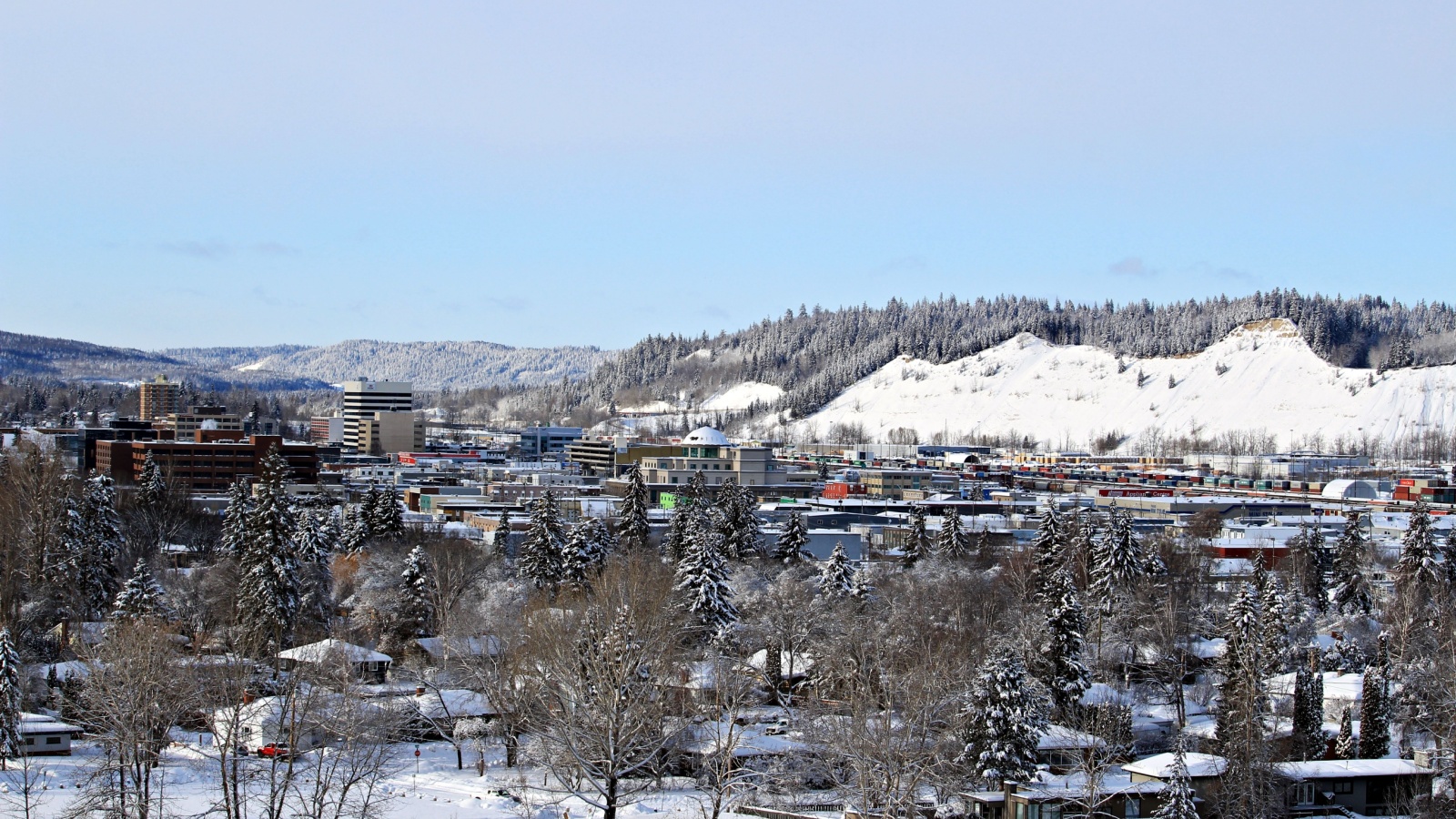
Major infrastructure projects and ongoing resource sector activity are driving population and economic growth in Prince George. Upgrades to transportation networks, including highways and rail connections, are strengthening its role as a northern logistics center. Educational expansion at the University of Northern British Columbia and healthcare improvements continue attracting long-term residents. Housing development is rising as demand increases. The city is also investing in downtown revitalization and commercial diversification. These changes will lead to noticeable shifts in neighborhood density, employment distribution, and public service availability, making Prince George significantly different from its current form within five years.
Fredericton, New Brunswick
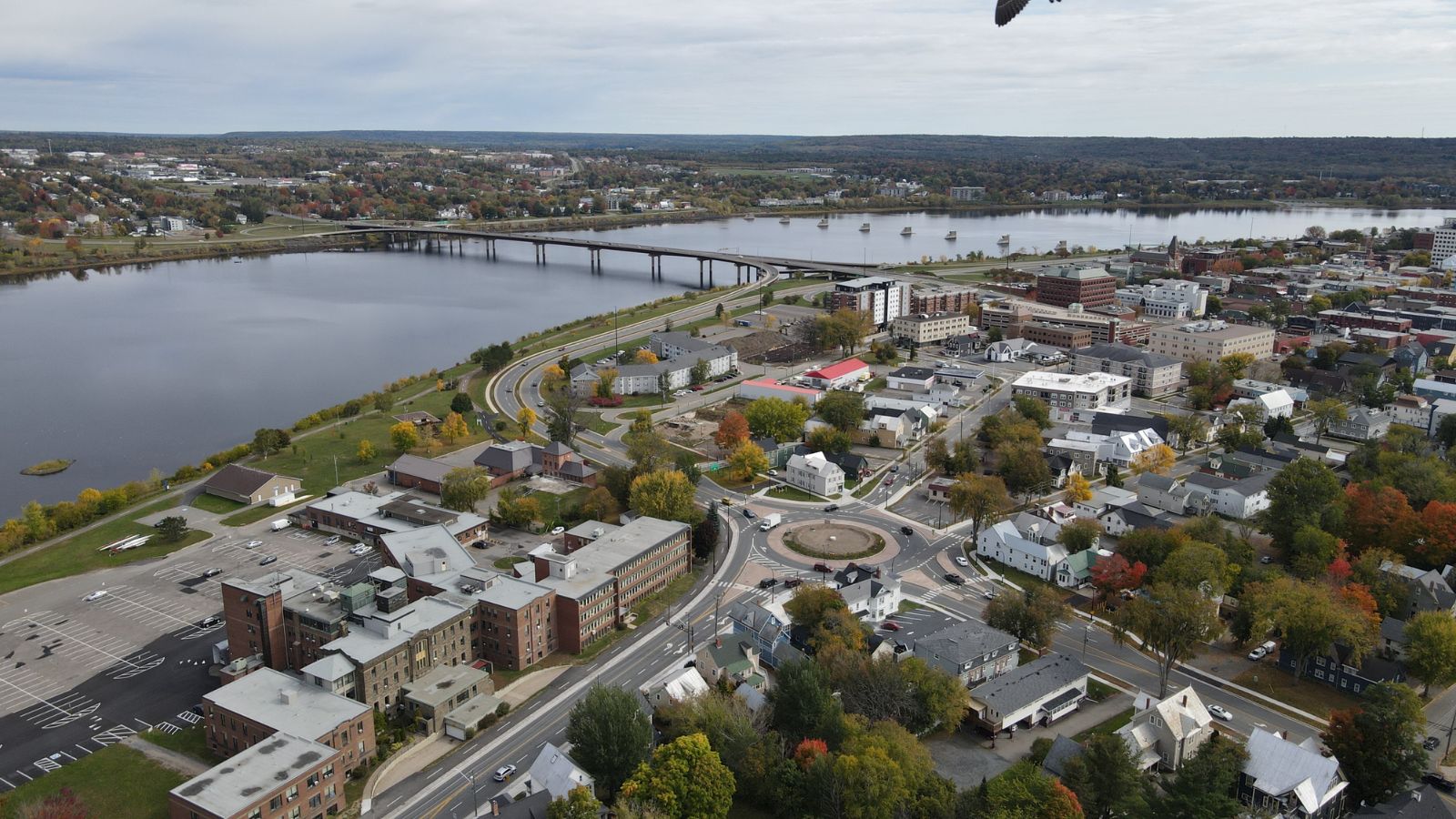
Growth in the technology sector is repositioning Fredericton as a key innovation hub in Atlantic Canada. The town’s strong cybersecurity cluster, supported by local universities and private investment, continues attracting new firms. Housing development is increasing to meet demand from skilled workers. Infrastructure upgrades, including transit improvements and expanded community facilities, signal further population growth. The city is also supporting start-up development through incubators and business programs. As these trends continue, Fredericton will undergo visible changes in density, economic composition, and neighborhood planning, reflecting the evolution of its role within the regional economy.
St. Albert, Alberta
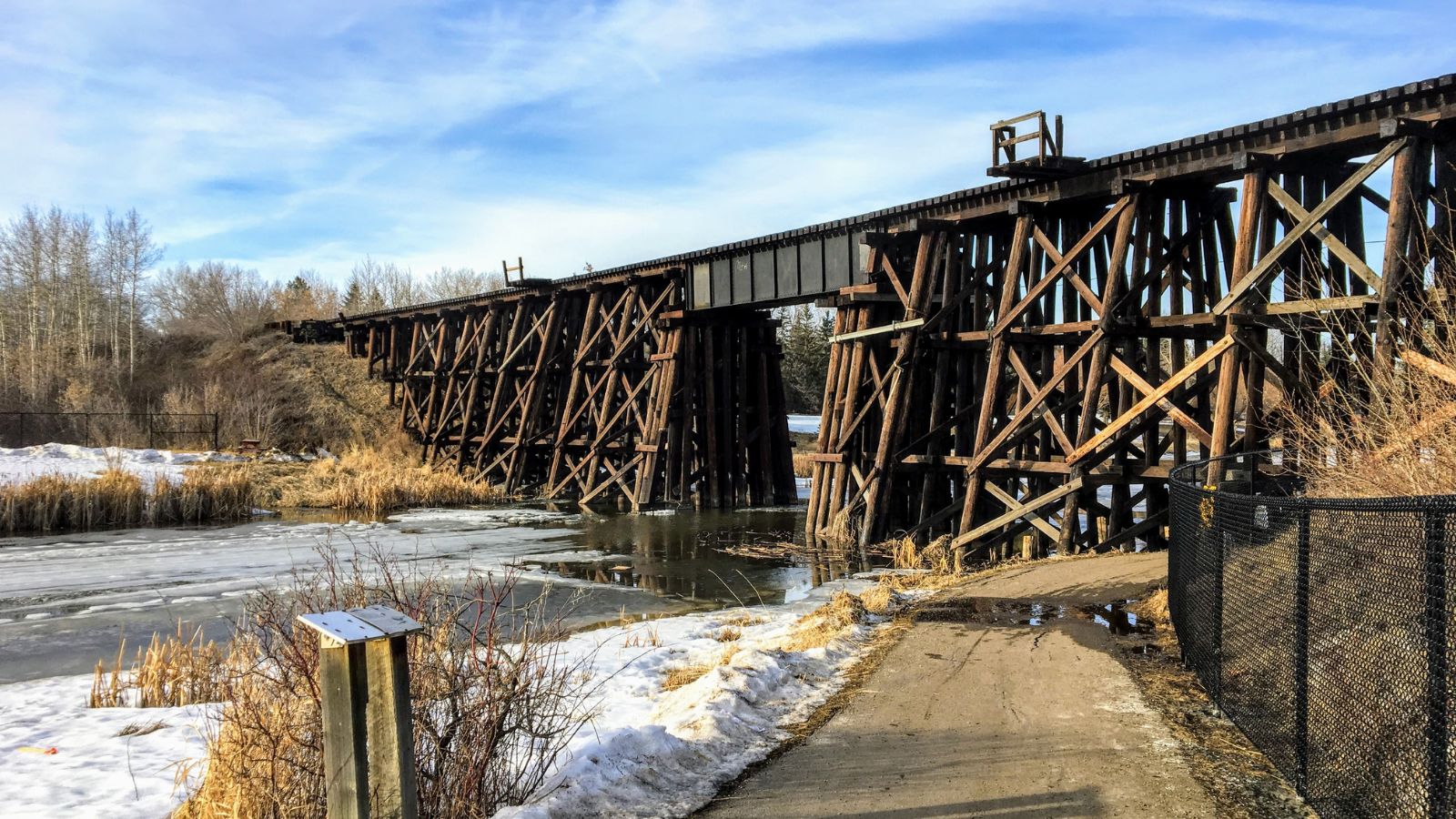
St. Albert is preparing for significant expansion driven by population growth and major residential developments. New neighborhoods are in various stages of planning, supported by upgrades to transportation networks and community amenities. Economic activity is diversifying, with commercial zones adding retail and service options. The municipality’s long-term plans emphasize improved public facilities, additional schools and expanded recreation infrastructure. These trends will gradually shift St. Albert from a suburban community to a larger urban hub. Within five years, the town’s footprint, population density and overall economic activity will look considerably different from its current structure.
Milton, Ontario

Milton continues to be one of the fastest-growing municipalities in the country, driven by migration from the Greater Toronto Area. Large-scale developments, including new residential neighborhoods, transit expansions, and institutional projects, are moving forward. Plans for universities and advanced skills facilities are expected to attract new workers and students. Commercial areas are expanding to meet consumer demand. Highway improvements and GO Transit upgrades will significantly change commuting patterns. As these projects progress, Milton will transition into a more complex urban center with greater density and a broader economic base than it has today.
Langford, British Columbia
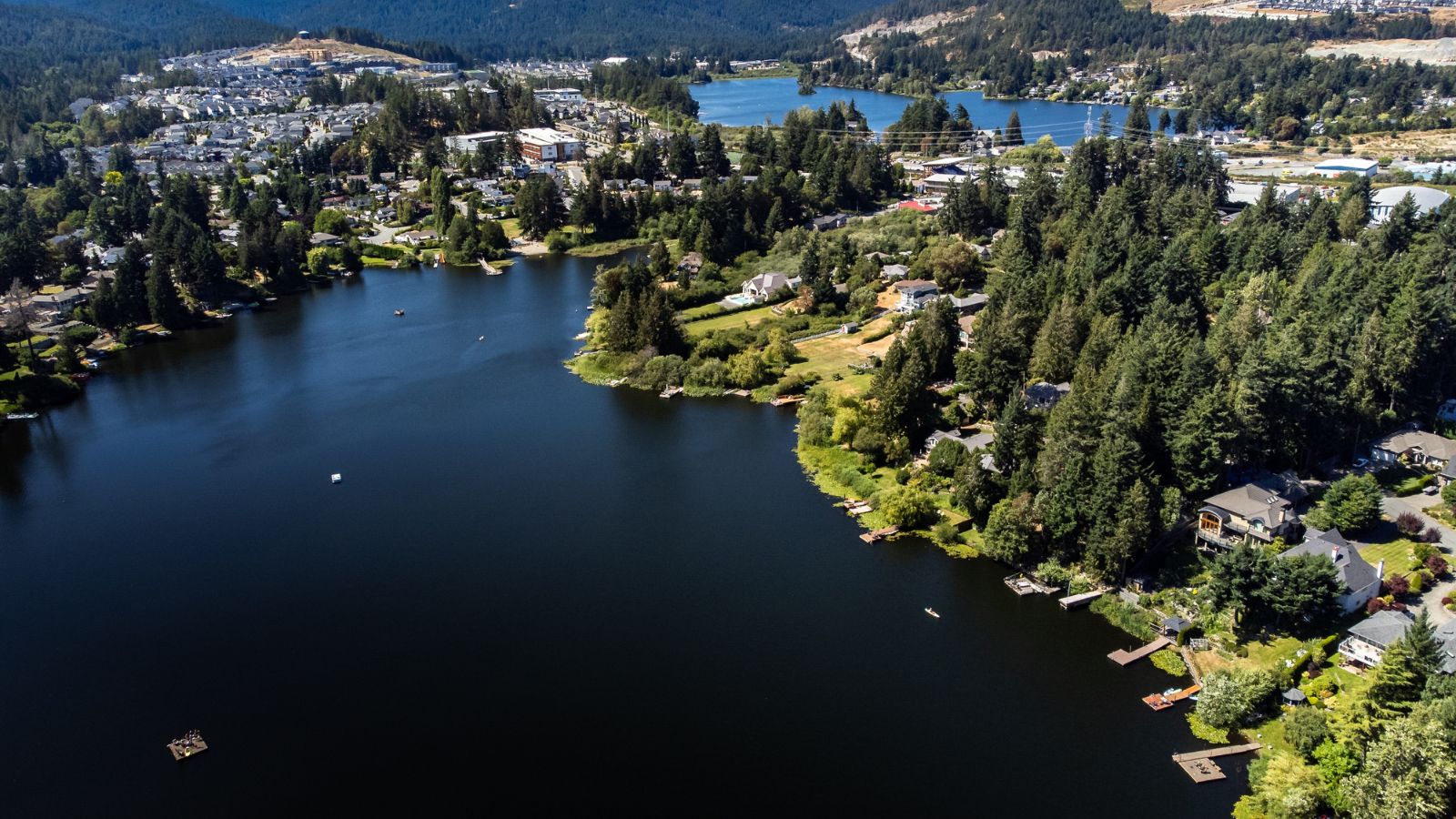
Langford’s rapid population growth is fueling continuous development across residential, commercial, and public sectors. Multiple housing projects are underway, including townhomes, apartments, and mixed-use buildings. Expansion of retail centres and recreational facilities reflects increased demand from new residents. Infrastructure upgrades, including road expansions and transit improvements, are planned to support continued growth. The municipality’s emphasis on attracting young families and workers has led to sustained construction momentum. Over the next five years, Langford will experience substantial transformation as its urban layout becomes denser and its services expand to meet ongoing population increases.
Airdrie, Alberta
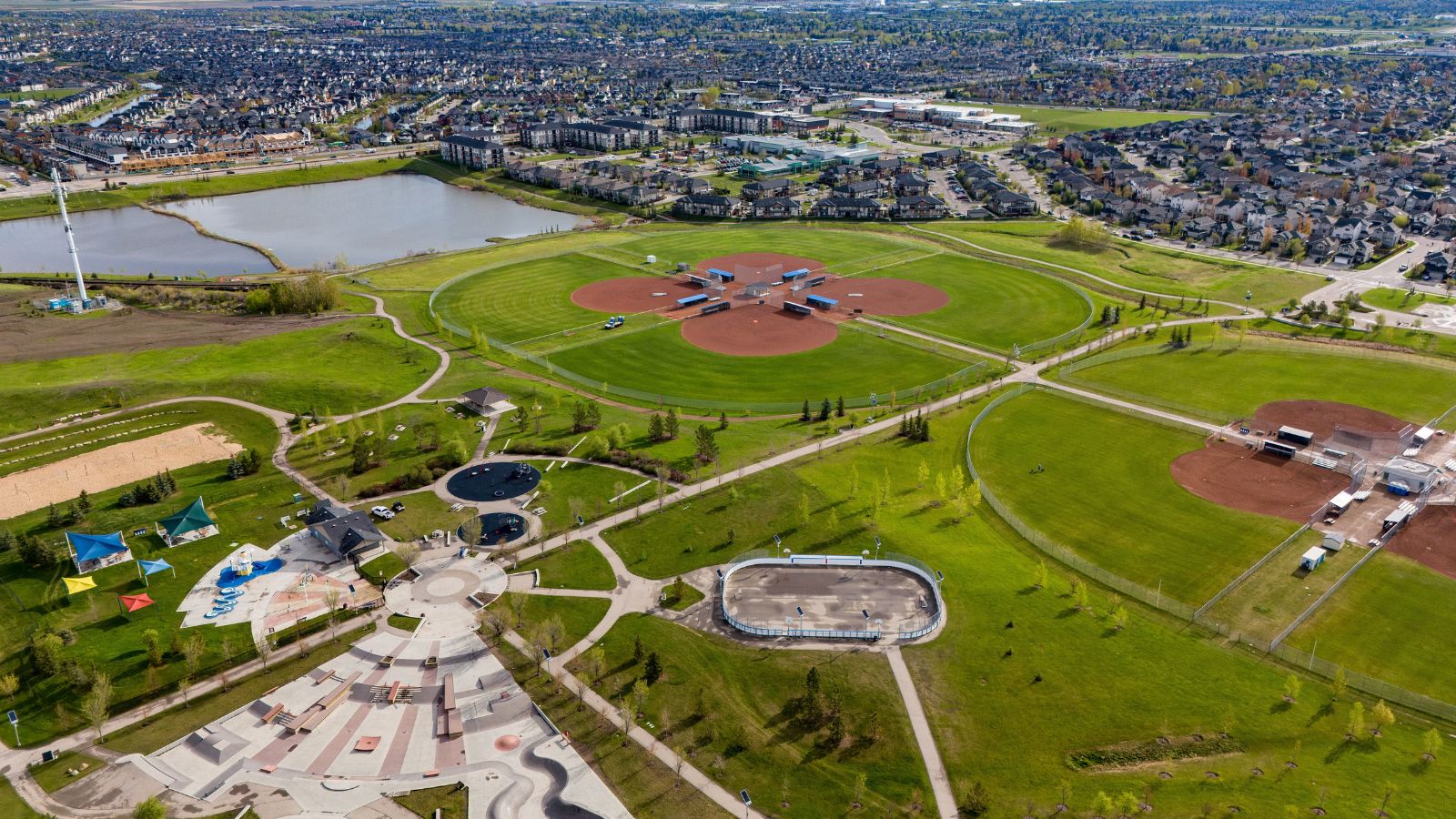
Airdrie’s rapid rise in population is prompting large-scale planning for new neighborhoods, expanded transportation networks, and additional public facilities. Residential development remains strong, with builders responding to persistent demand from families and workers commuting to Calgary. Commercial growth is increasing employment opportunities within the town, reducing dependence on external job markets. Investments in recreation centres, schools, and municipal services continue at a steady pace. These combined factors will materially change Airdrie’s structure, shifting it from a suburban extension of Calgary toward a more independent urban environment with greater infrastructure complexity.
Nanaimo, British Columbia
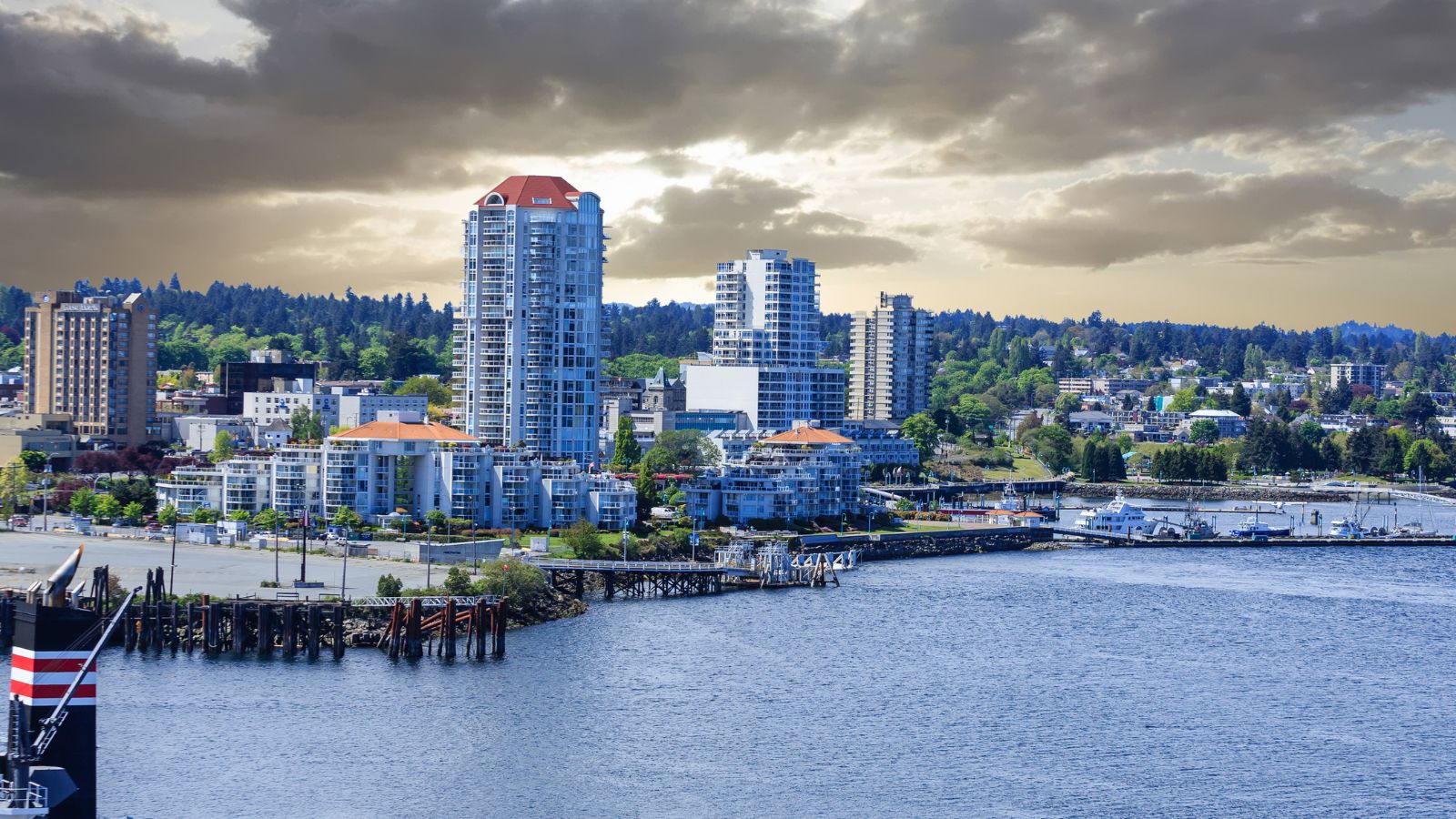
Large investments in redevelopment projects are preparing Nanaimo for significant change. The downtown waterfront area is scheduled for major transformation, including new housing, public spaces, and commercial developments. Increased construction activity reflects rising demand from residents relocating from other regions. University expansion, improved transportation links, and healthcare investments signal broader economic growth. Industrial activity related to shipping and marine services remains strong. Over the next five years, these elements will reshape Nanaimo’s economic profile, population distribution, and neighborhood layout, creating a more diversified and densely structured city.
Cornwall, Ontario
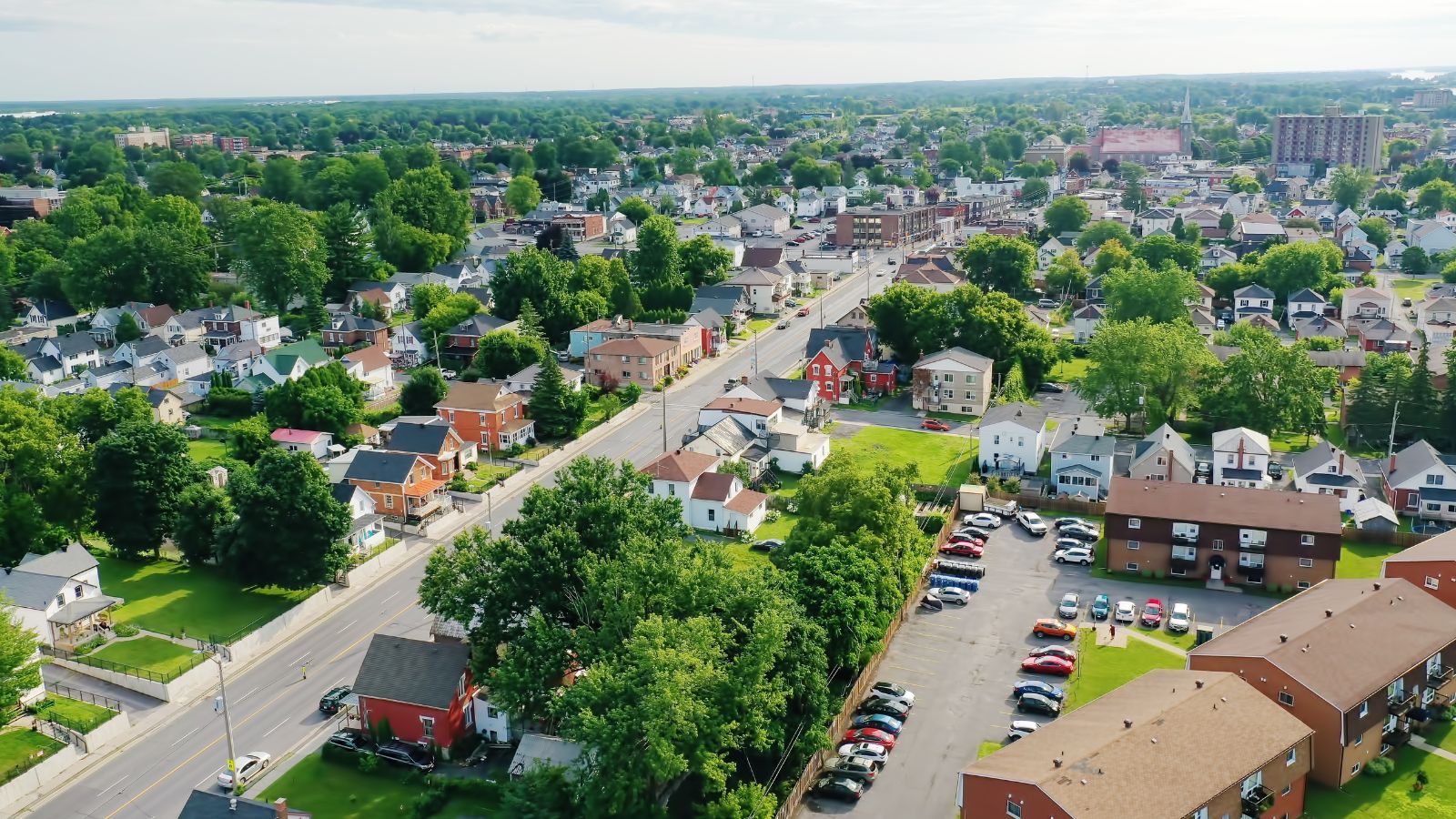
Cornwall’s location along the logistics corridor between Montreal and Ottawa is attracting new investment in manufacturing and warehousing. Population growth is increasing demand for housing, prompting new residential developments. Upgrades to community facilities, parks, and healthcare services reflect the municipality’s long-term plans to support expanding needs. Economic diversification efforts are bringing new employers and strengthening the local job market. As these developments take shape, Cornwall will undergo structural changes in its commercial zones, neighborhood density, and transportation networks, making the town noticeably different within five years.
Summerside, Prince Edward Island
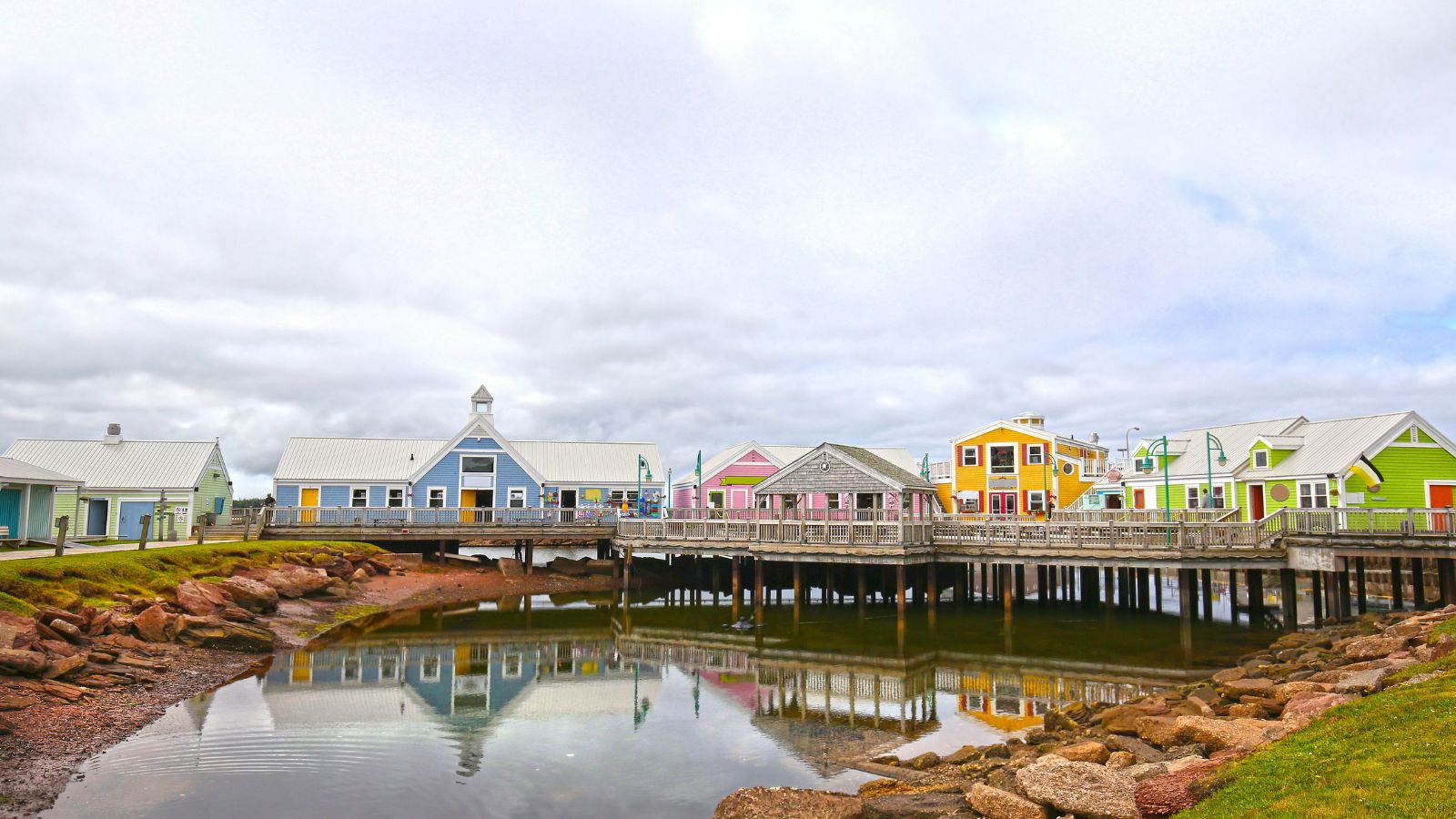
Summerside is experiencing strong technological growth through expansions in aerospace, green energy, and digital services. The Slemon Park complex continues to attract aviation and advanced manufacturing companies. Housing construction is increasing to meet demand from incoming workers. The municipality is investing in public facilities, waterfront improvements, and downtown revitalization. These efforts are designed to support population growth and diversify the local economy beyond tourism and agriculture. Over the next five years, Summerside will see meaningful changes to its employment base, housing availability, and commercial structure as these projects progress.
Prince Albert, Saskatchewan
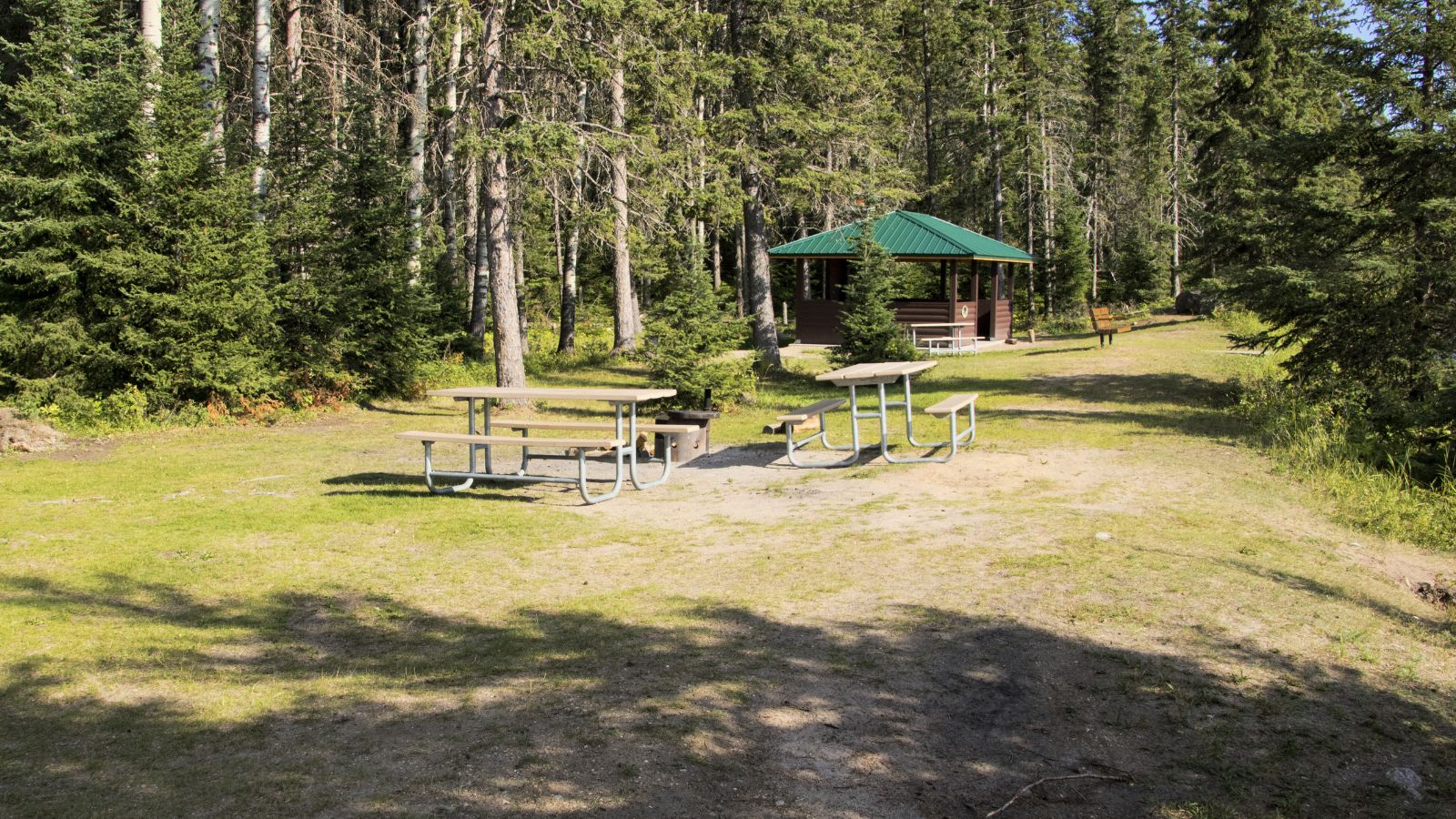
Prince Albert is preparing for growth driven by major industrial and infrastructure projects. Significant investments in forestry and agricultural processing are adding new employment opportunities. Upgrades to healthcare facilities and educational institutions support long-term population increases. Housing developments are advancing to meet expected demand. Municipal planning includes improvements to transportation networks and public amenities. As these projects move forward, Prince Albert will experience visible changes in its economic composition, residential patterns, and community services, positioning it for a more diversified and stable future.
Timmins, Ontario

Timmins is undergoing a new phase of development driven by increased mining activity, commercial expansion, and housing growth. The mining sector continues to attract investment in exploration and extraction, bringing workers who require long-term housing. Retail development and public infrastructure improvements are responding to rising population needs. The municipality is prioritizing new neighborhood planning and community facility upgrades. Over the next five years, this combination of economic diversification and residential growth will change the town’s structure, creating a more active and interconnected urban layout.
21 Products Canadians Should Stockpile Before Tariffs Hit

If trade tensions escalate between Canada and the U.S., everyday essentials can suddenly disappear or skyrocket in price. Products like pantry basics and tech must-haves that depend on are deeply tied to cross-border supply chains and are likely to face various kinds of disruptions
21 Products Canadians Should Stockpile Before Tariffs Hit
