
Canada’s youngest changemakers are shaping conversations that reach far past their neighborhoods. Some speak to world leaders. Others build tools that solve problems many adults have ignored for years. Their efforts stretch across science, technology, environment, advocacy, health, and community work. They show a steady kind of progress that grows from consistent action rather than loud attention. Here are 22 Canadian Youngsters Who Are Already Changing the World.
Autumn Peltier

Autumn Peltier began speaking about clean water when most teens were focused on school assignments. She visited communities dealing with long-term drinking water problems and shared their struggles with national leaders. Her message reached the United Nations while she was still a teenager. She became Chief Water Commissioner for the Anishinabek Nation at fifteen. Her speeches focused on clean water as a basic right, and they helped push the issue into national conversations. Many young advocates use her work as guidance for their own efforts. Her calm approach continues to shape public discussions about water protection in Canada.
Ann Makosinski
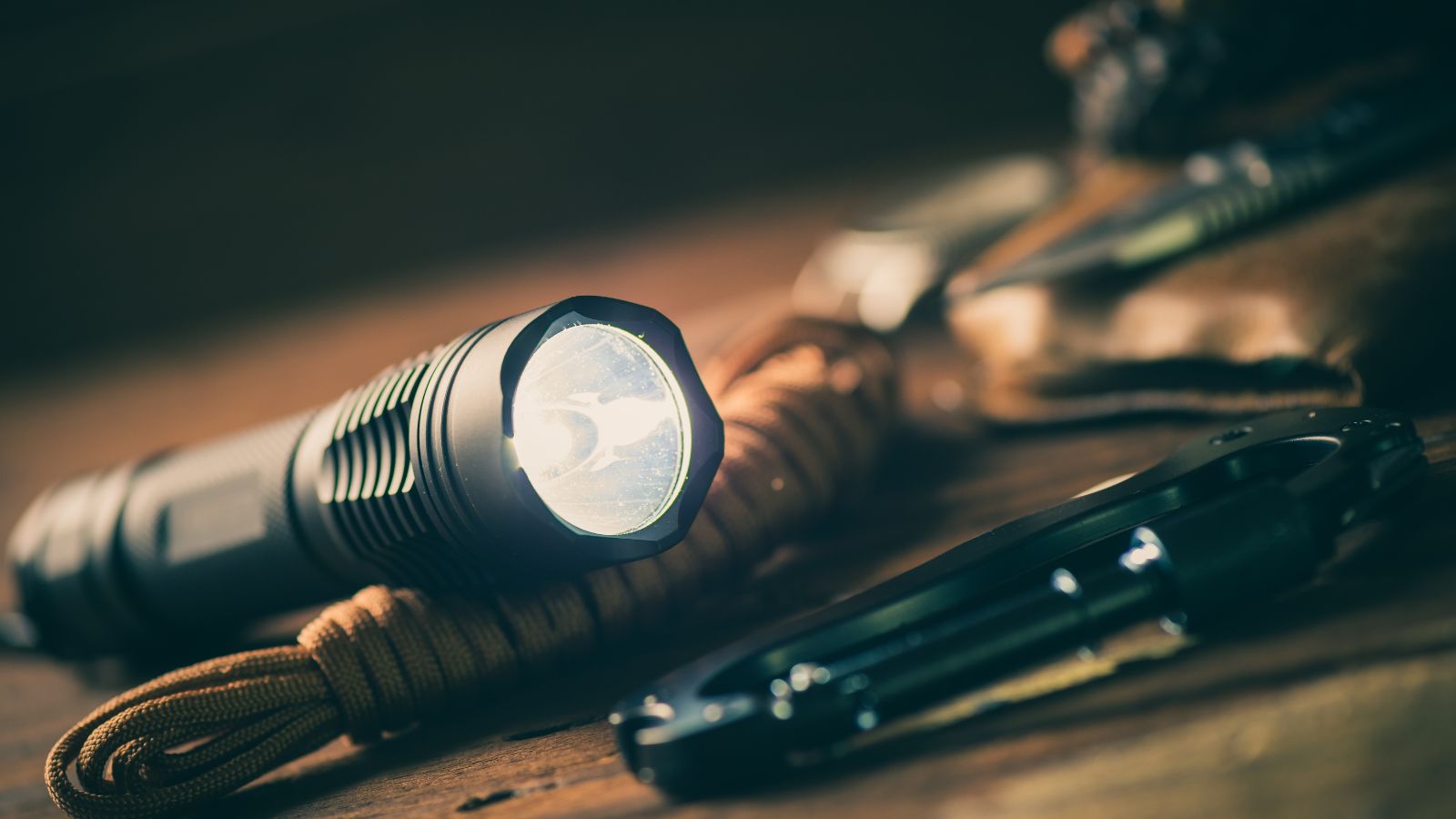
Ann Makosinski created a body heat-powered flashlight while she was still a high school student. The idea came from a friend who did not always have steady access to electricity. Her flashlight won the Google Science Fair and gained global attention. She continued experimenting with energy-efficient designs and spoke at conferences about youth invention. Her early work became a reference point for teachers who wanted students to explore simple but useful engineering ideas. Her progress encouraged more teens to enter science fairs with practical projects. She showed that curiosity and simple observations can spark real solutions to everyday problems.
Stella Bowles
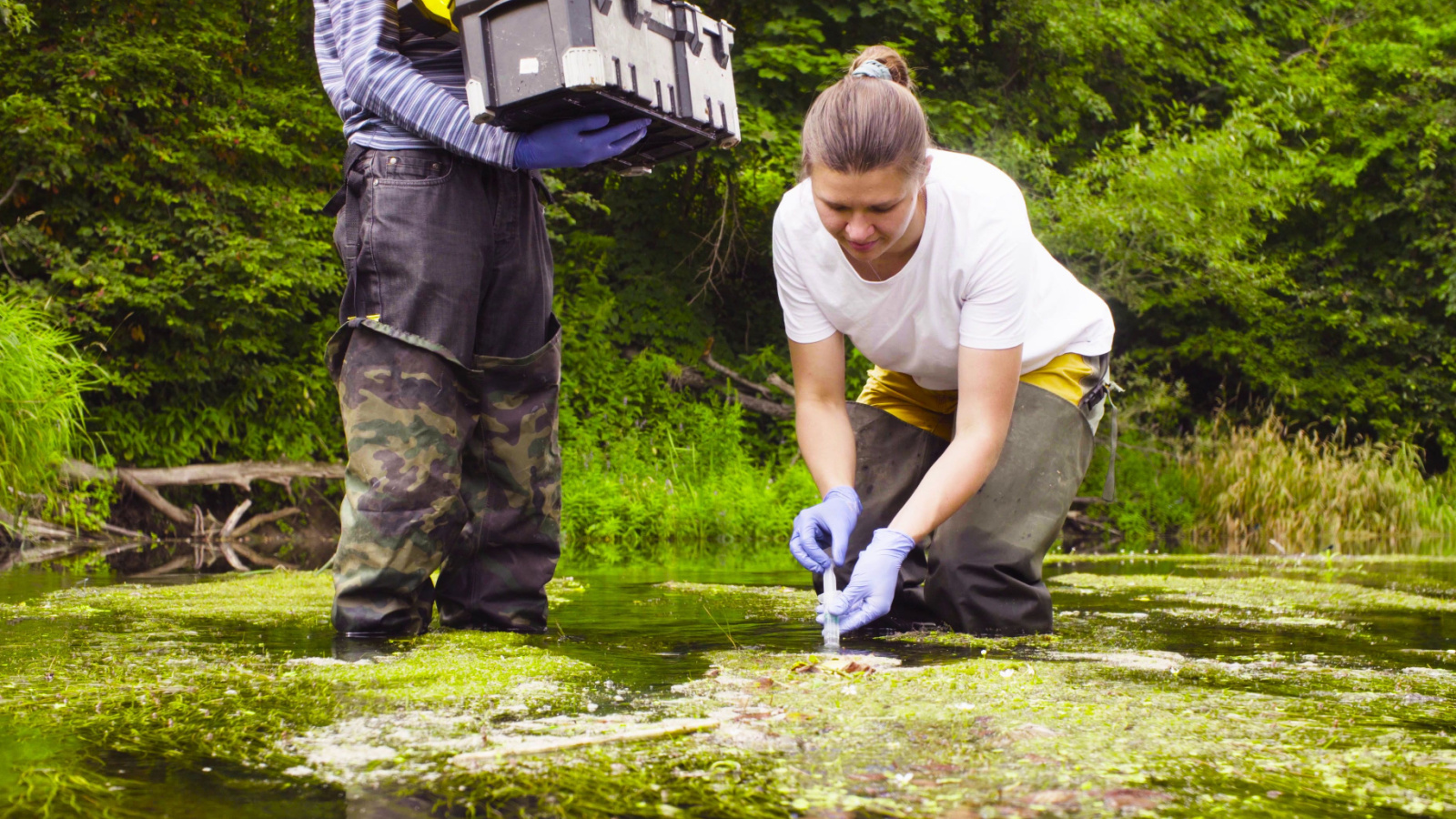
Stella Bowles tested the LaHave River near her home and found sewage contamination that had been dismissed for years. She was only eleven, yet her findings pushed officials to act. She shared her results with scientists, reporters, and local leaders. Her research inspired a sixty-million-dollar cleanup project. She wrote a guide to help other students test water safely. Her story became part of school science programs across the country. Her work showed that environmental change can begin with a small experiment. She continued raising awareness about water safety and encouraged young people to question long-standing problems.
Maayan Ziv

Maayan Ziv began thinking about accessibility tools during her teen years when she faced daily challenges navigating public spaces. She built AccessNow to help people find information about accessibility in cities. The platform grew quickly and reached global users. She spoke at international events about inclusion and city planning. Her work influenced policies and partnerships with major organizations. Many young students saw her progress and believed they could create their own tools to solve personal challenges. Her early passion for accessible design shaped her career. She proved that meaningful change can start with a simple need and a clear purpose.
Hannah Alper

Hannah Alper started her activism journey before she reached her teens. She blogged about community issues and climate action. Her platform grew quickly and led to partnerships with major groups. She interviewed global leaders and travelled to schools to speak about teamwork and youth involvement. Teachers used her message to show how small steps can inspire larger projects. She continued developing campaigns that brought young people into social action. Her steady voice and practical advice made her a trusted figure for youth leaders. Her early dedication helped shape countless school programs focused on kindness, service and environmental awareness.
Maryam Tsegaye

Maryam Tsegaye won the global Breakthrough Junior Challenge while she was still in high school. She explained quantum tunneling in a way that helped millions of viewers understand a difficult concept. Teachers across Canada and other countries used her video in class. Her win brought attention to young science communicators and encouraged students to enter similar competitions. She spoke openly about learning through curiosity rather than pressure. Her work helped shift how teens see physics and other complex subjects. Her achievement remains a strong example of how clear communication can make science easier for younger audiences.
Payton Nyquvest

Payton Nyquvest began speaking publicly about mental health challenges during his early teen years. His talks focused on honest experiences and the difficulty many young people face when seeking support. He shared his story with community groups and youth programs. His message encouraged students to speak openly and seek help when needed. His early work shaped later projects that focused on wellness and emotional literacy. Many youth groups still reference his early talks when creating their own programs. His journey shows how sharing personal stories can help others move toward better health and understanding, even at a young age.
Sophia Mathur
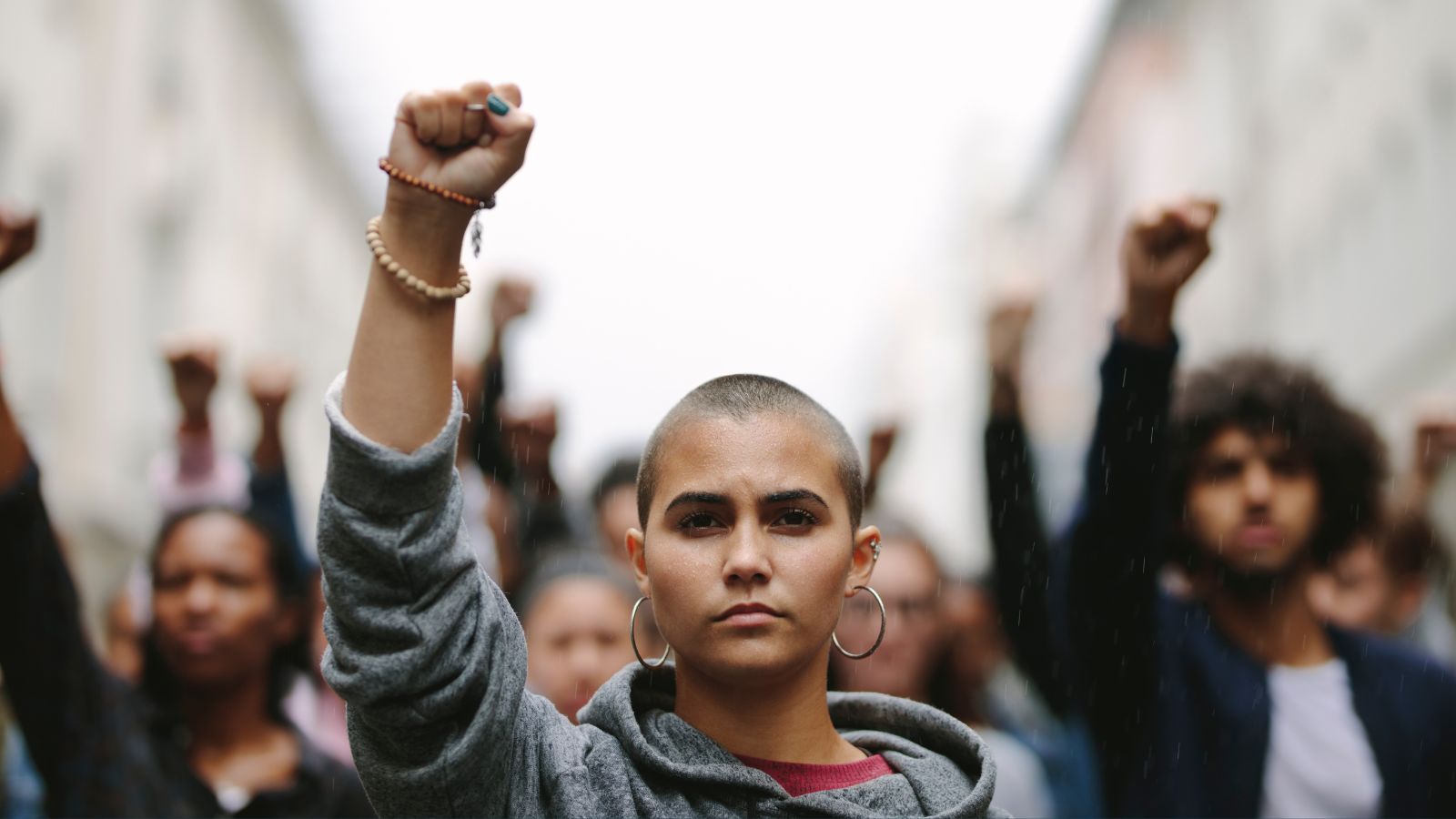
Sophia Mathur joined climate strikes when she was very young, and her efforts grew stronger through her teen years. She attended rallies, met lawmakers, and appeared in major news outlets. Her actions inspired many students to join local climate groups. She took part in international youth campaigns and strengthened connections between Canadian and global activists. Her calm presence and consistency made her a respected voice in climate discussions. Families and teachers often used her story to show how young people can influence public debate. Her teen activism continues shaping environmental conversations across Canada.
Jeremie Saunders

Jeremie Saunders started speaking about life with cystic fibrosis during his teen years. He visited schools and youth groups to talk about daily challenges and long-term health issues. His honest stories helped students understand the condition in a clear and relatable way. His early experiences shaped his later work in health communication. Many young listeners said his talks changed how they viewed chronic illness. His message encouraged teens to support peers facing health struggles. His early efforts remain an example of how personal storytelling can lead to broader understanding.
Ethan Song

Ethan Song explored entrepreneurship while still in his teens through small projects and design experiments. These early attempts helped him understand product development and customer interest. He later used those skills to co-found Frank And Oak, a major fashion and lifestyle company. His teen experiences influenced his approach to business and leadership. Many young entrepreneurs followed his journey as an example of starting small and learning constantly. His early path encouraged students to try small ventures without fear of failure. His career shows how a teen hobby can grow into a recognized brand.
Kayli Tran

Kayli Tran gained recognition for her work in robotics and coding during her teen years. She built projects that solved practical problems, including safety tools and accessibility devices. Her designs performed well in national competitions and earned praise from teachers. She often mentored younger students who wanted to join robotics clubs. Her work showed how engineering can support real community needs. Programs across several schools invited her to speak about her process. Her steady progress encouraged more girls to explore STEM fields. She continues developing projects that blend creativity, problem-solving solving and community focus.
Inez Pagé

Inez Pagé became a youth voice for healthy body image during her teen years. She spoke about online pressure, comparison and self-worth. Her message reached students through workshops, social media and local events. Many young girls connected with her honest discussions about confidence. She partnered with community programs to offer safe spaces where teens could talk without judgement. Her work helped reduce stigma around body image struggles. Teachers often invited her to schools because her calm approach supported students dealing with stress. Her continued advocacy guides healthier conversations about digital influence and self-perception.
Adam Lee

Adam Lee designed low-cost science tools during high school. His air quality testing kits used simple materials, which made them easy for schools to adopt. His projects won awards at regional and national science fairs. Teachers used his toolkits in class to help students learn about pollution and environmental testing. His work encouraged teens to try engineering projects without expensive parts. He shared guides online so others could build their own devices. His focus on accessibility made him a respected figure in youth science circles. His early projects continue to influence environmental education.
Maddison Tory

Maddison Tory founded HUGS during her early teen years to support children facing medical challenges. She created comfort kits and organized events that brought hope to young patients. Her program expanded to hospitals across several provinces. She became a youth ambassador for health organizations and used her platform to highlight the importance of emotional support. Her efforts reached families who needed care during difficult times. Many teens joined her projects after seeing her dedication. Her work continues to strengthen connections between young volunteers and hospital programs.
Rahul Sengupta

Rahul Sengupta became recognized in national competitions for his early work in data science. He built models that tracked environmental changes and helped identify flood risk in certain areas. His research gained attention from mentors who encouraged him to present his work to local councils. Teachers used his projects to show how students can apply data to real issues. His early achievements encouraged more youth groups to explore climate modelling. His approach combined patience, careful observation, and steady improvement. His work helped introduce many teens to environmental data science.
Hayley Todesco

Hayley Todesco created a bacteria-based filtration system while still in high school. Her design cleaned toxic tailings water faster than existing methods. She won global science awards for the project and gained recognition from researchers. Her work inspired many students to tackle environmental challenges with creative solutions. Teachers included her project in lesson plans about bioremediation. She spoke at events about persistence in science, especially during long experiments. Her progress helped show that teens can contribute to fields often seen as too advanced for young students. Her early research remains widely respected.
Qaid Jaffer

Qaid Jaffer started leading community programs during his teen years. He organized events focused on mentorship, physical activity, and personal development. Many younger students joined his programs because they felt supported and heard. He partnered with local organizations to reach more families. His work earned recognition from youth councils and community leaders. His efforts showed how small steps can create stronger neighborhood connections. His leadership inspired other teens to volunteer and build their own initiatives. His early projects continue to influence youth outreach programs today.
Aditya Mohan

Aditya Mohan began cancer research as a high school student in Ottawa. He spent after after-school hours in labs studying virus-based treatments. His findings won national awards and sparked interest from scientific groups. Teachers encouraged him to present his work at fairs and conferences. His early research showed that young scientists can contribute to complex fields with the right support. His story remains a strong example for teens interested in medicine. His curiosity and patience helped him complete projects that inspired younger students.
Tanvi Girotra

Tanvi Girotra became active in digital wellness during her teen years. She created workshops that helped students understand safe online behavior and healthy screen habits. Her message reached parents, teachers, and youth organizations. Many schools invited her to speak because her approach felt calm and practical. She highlighted how digital tools affect mental health and daily routines. Her programs helped reduce fear around technology by focusing on awareness rather than restriction. Her work continues to guide students who want to build healthier digital habits.
Kevin Murakami

Kevin Murakami designed energy-saving devices as a teen. His early prototypes helped small businesses monitor power use in real time. His work impressed judges at regional science fairs and earned support from local engineers. Teachers encouraged him to share his findings with city officials. His projects showed how simple tools can help reduce energy waste. His steady interest in clean technology motivated other students to explore sustainability projects. His early efforts remain a strong example of practical environmental problem-solving.
Layla Black
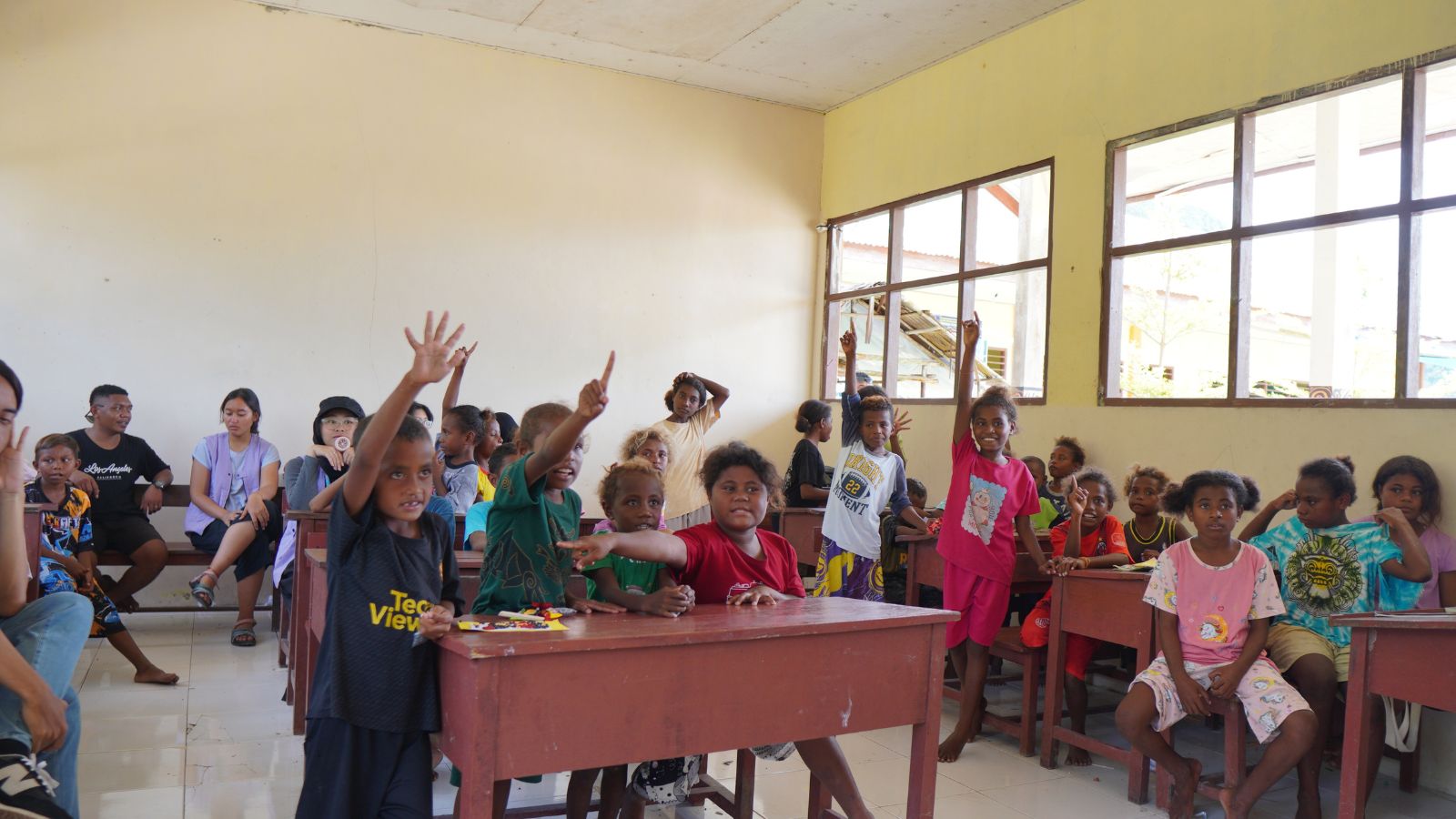
Layla Black became a strong youth voice for Indigenous rights during her teen years. She spoke at conferences, community gatherings, and school events. Her message focused on cultural identity, empowerment, and local leadership. Her work encouraged Indigenous students to take active roles in community projects. Teachers often used her story to show the value of youth advocacy. She continued building programs that supported Indigenous youth involvement in arts, education, and public discussions. Her steady commitment helped create new spaces for young Indigenous voices.
Jack Andraka

Jack Andraka spent part of his early research development in Canada while visiting family and working on scientific ideas. He created a low-cost method for detecting pancreatic cancer at fifteen. His breakthrough won major international awards and drew global attention. Students across North America followed his story as an example of persistence and creativity. Teachers included his research in lessons about early scientific development. His achievement helped many teens believe that complex problems can be approached with simple observation and steady testing. His early rise remains one of the most shared youth science stories.
21 Products Canadians Should Stockpile Before Tariffs Hit

If trade tensions escalate between Canada and the U.S., everyday essentials can suddenly disappear or skyrocket in price. Products like pantry basics and tech must-haves that depend on are deeply tied to cross-border supply chains and are likely to face various kinds of disruptions
21 Products Canadians Should Stockpile Before Tariffs Hit
