
Carry-on bags often include items that travelers forget are restricted. Security rules focus on safety, not convenience or product value. Liquids, sharp objects, and hazardous materials are common issues. Even everyday items can be treated as risks at screening. Travelers sometimes assume small size means approval, which is not always true. Officers apply consistent guidelines at checkpoints. Checking restrictions before packing helps prevent problems. Here are 22 carry-on items Canadians keep packing that get confiscated.
Oversized Liquids Over 100 ml
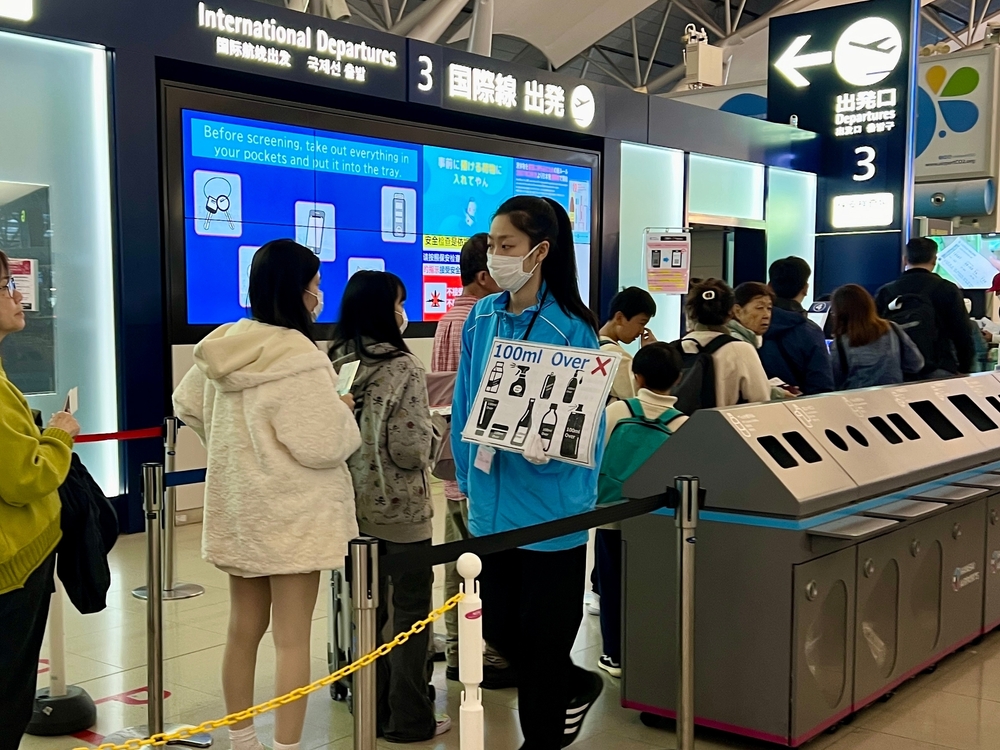
Security rules limit liquids in carry-on bags to small containers. Items over 100 ml usually get confiscated at screening. This includes water, drinks, lotions, and liquid cosmetics. Officers measure by container size, not remaining content. A half-full bottle over the limit still fails. All liquids must fit inside a clear, resealable bag. Travelers often forget items in backpacks or side pockets. Duty-free liquids follow separate sealing rules. These limits support aviation safety. Checking sizes before leaving home helps avoid losing products at the airport.
Full Size Toiletries
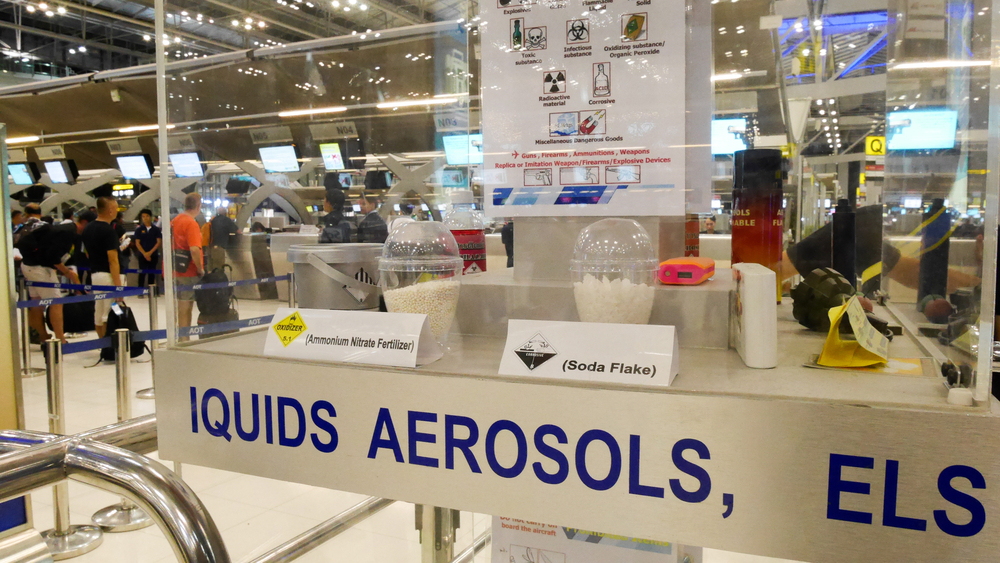
Full-size toiletries often exceed liquid carry-on limits. Shampoo, conditioner, sunscreen, and body wash are common examples. Even expensive products may be discarded. Security officers cannot make exceptions based on brand or value. Travel-size containers under 100 ml are required. Solid toiletries like bars are usually allowed. Travelers sometimes forget about items in secondary bags. Screening rules apply consistently across airports. Packing small versions prevents delays and confiscation. Preparing toiletries properly helps ensure a smooth passage through security checkpoints.
Snow Globes
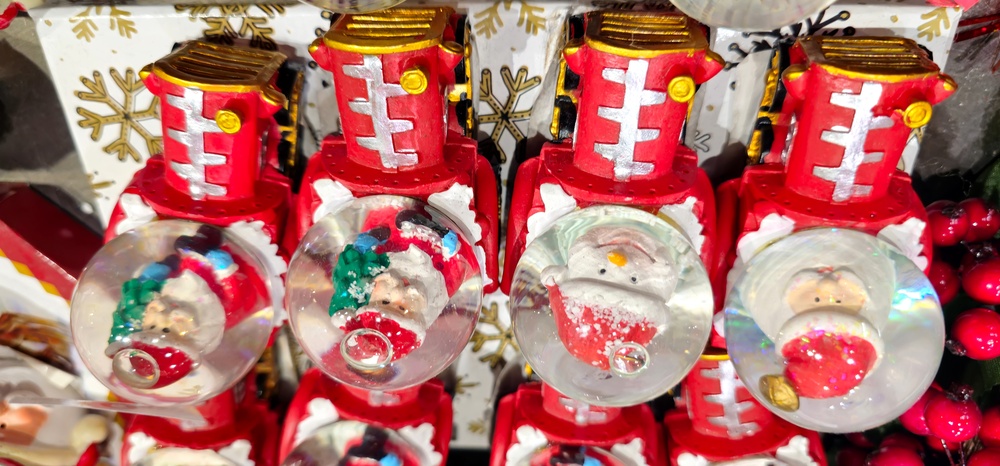
Snow globes are treated as liquid-filled items at security screening. The liquid inside often exceeds the allowed limits. Officers cannot easily measure contents, leading to confiscation. Even small souvenir globes may be removed. Travelers frequently buy them as gifts and forget the rule. Placing them in checked luggage avoids issues. Clear labeling does not change screening decisions. Snow globes fall under liquid restrictions for safety reasons. Understanding this rule helps prevent disappointment at checkpoints.
Large Bottles of Maple Syrup
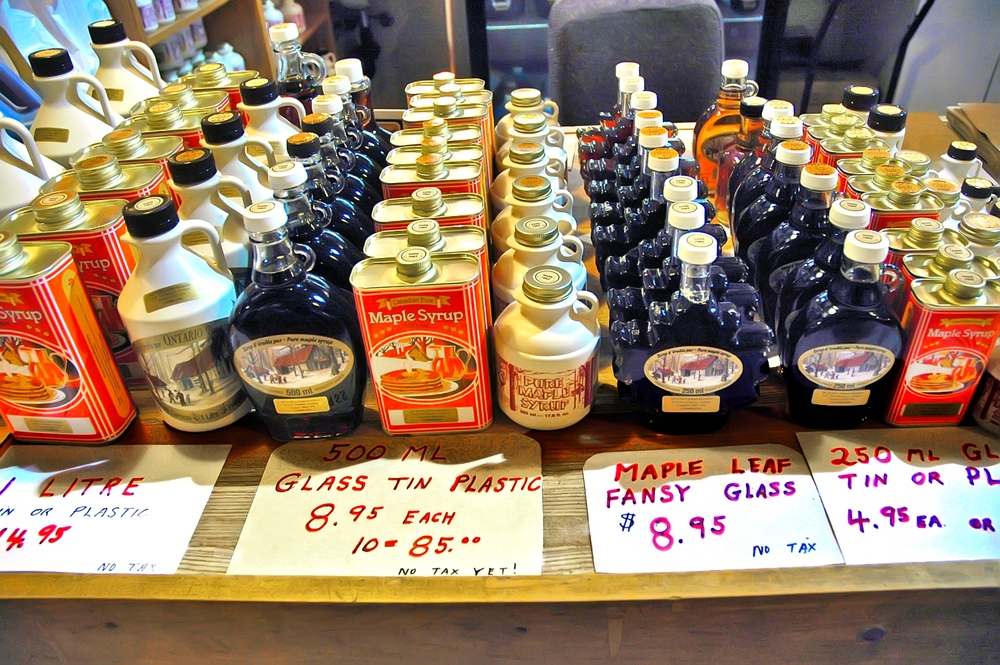
Maple syrup counts as a liquid under airport security rules. Large bottles often exceed carry-on size limits. Even sealed containers can be confiscated. Travelers sometimes assume food items are treated differently, which is incorrect. Small containers within limits may pass if packed properly. Larger purchases should go in checked bags. Security officers apply liquid rules consistently. Syrup’s thick texture does not change its classification. Checking the bottle size before travel prevents loss of products.
Loose Lithium Batteries
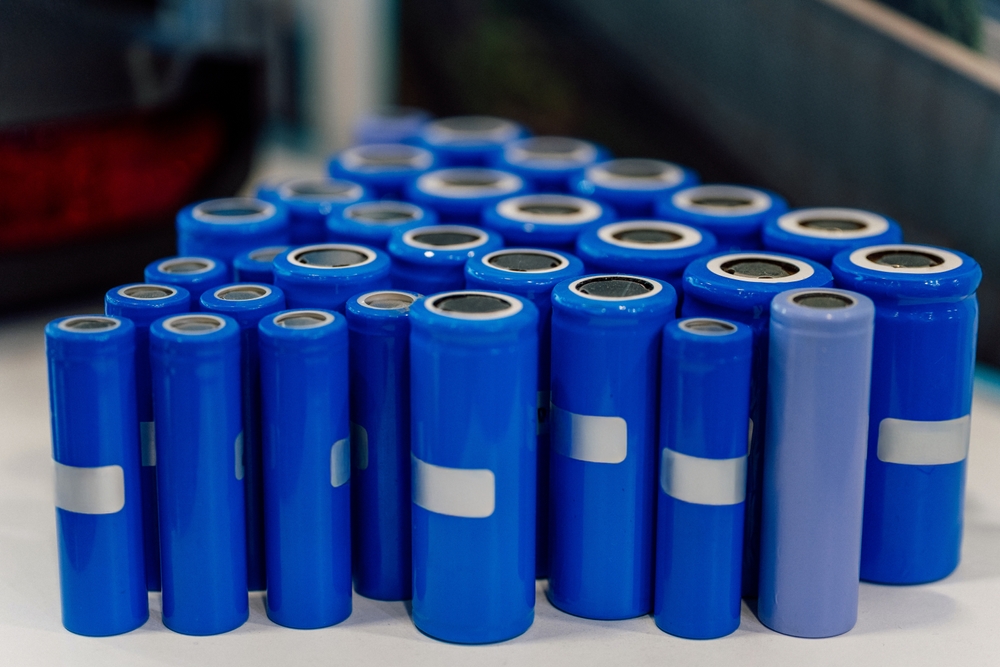
Loose lithium batteries face strict aviation safety rules. Spare batteries must travel in carry-on bags, not checked luggage. However, damaged or unprotected batteries can be confiscated. Terminals should be covered to prevent short circuits. Capacity limits apply to certain battery types. Officers may remove items that appear unsafe. Travelers often overlook small spares in bags. Following airline guidelines helps avoid problems. Proper storage supports onboard safety. Preparing batteries correctly prevents delays and confiscation at screening.
Power Banks in Checked Bags

Power banks contain lithium batteries, which create fire risks in aircraft cargo holds. Because of this, airlines and security agencies prohibit them in checked baggage. If scanners detect one inside a suitcase, the bag may be opened, delayed, or removed from the flight. Owners are not always present when this happens. Power banks must travel in carry-on luggage where the crew can respond to overheating incidents. Capacity limits may also apply, depending on watt-hours. Damaged or recalled units are not allowed. Keeping terminals protected and following airline battery rules helps avoid confiscation and travel disruptions.
Camping Fuel Canisters

Camping fuel canisters are treated as hazardous materials under aviation safety rules. Even empty containers may contain flammable vapor residue. This makes them prohibited in both carry-on and checked baggage. Security officers cannot make exceptions for outdoor gear or travel plans. Pressurized containers pose explosion and fire risks during flight. Travelers often forget small stove fuel cartridges in backpacks. These items are routinely confiscated at screening checkpoints. Buying fuel at the destination is the safer option. Understanding hazardous material restrictions helps prevent delays and protects passenger safety on board aircraft.
Pocket Knives
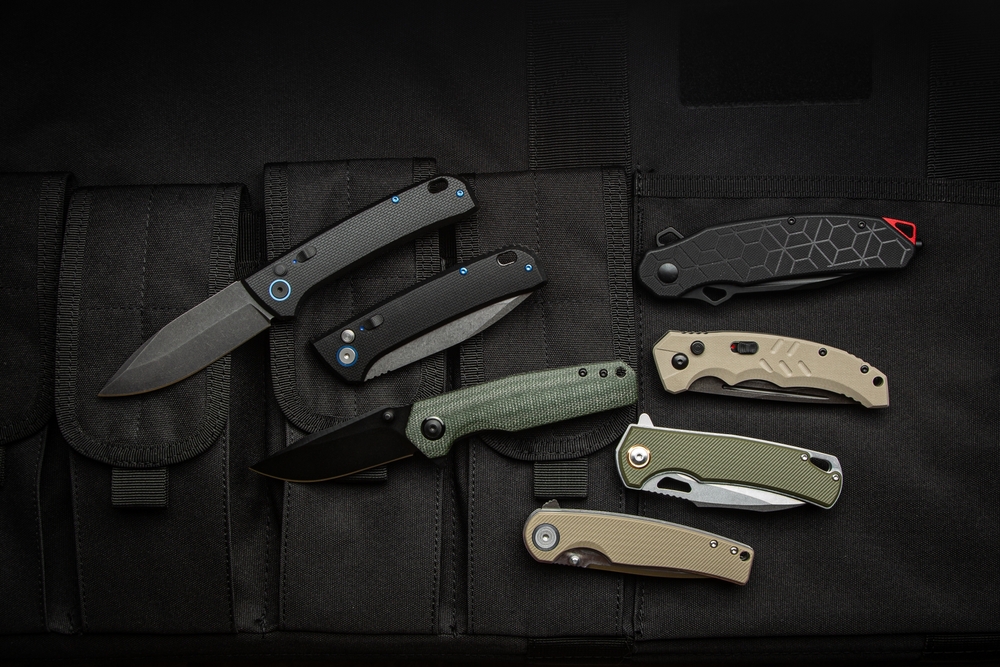
Pocket knives are classified as sharp objects and are not allowed in carry-on bags. Blade size, folding design, or intended use does not usually change this rule. Security officers remove them during screening for safety reasons. Travelers frequently forget knives attached to keychains or packed in small compartments. Even souvenir or utility knives may be confiscated. These items should be placed in checked luggage instead. Sharp object rules are consistent across most airports. Checking all bag pockets before departure helps avoid losing valuable tools and prevents delays at security checkpoints.
Scissors With Long Blades

Scissors can be carried only if the blades fall within permitted length limits. Longer blades are considered potential weapons and may be confiscated. Officers measure from the pivot point to the blade tip. Travelers often pack sewing kits, craft tools, or office scissors without realizing restrictions. Even professional tools may not be allowed. Safety rules apply regardless of purpose. Smaller, blunt-tipped scissors sometimes pass inspection. Larger versions belong in checked baggage. Reviewing item sizes before travel helps prevent delays, confiscation, and inconvenience at airport security.
Multi-Tools With Blades
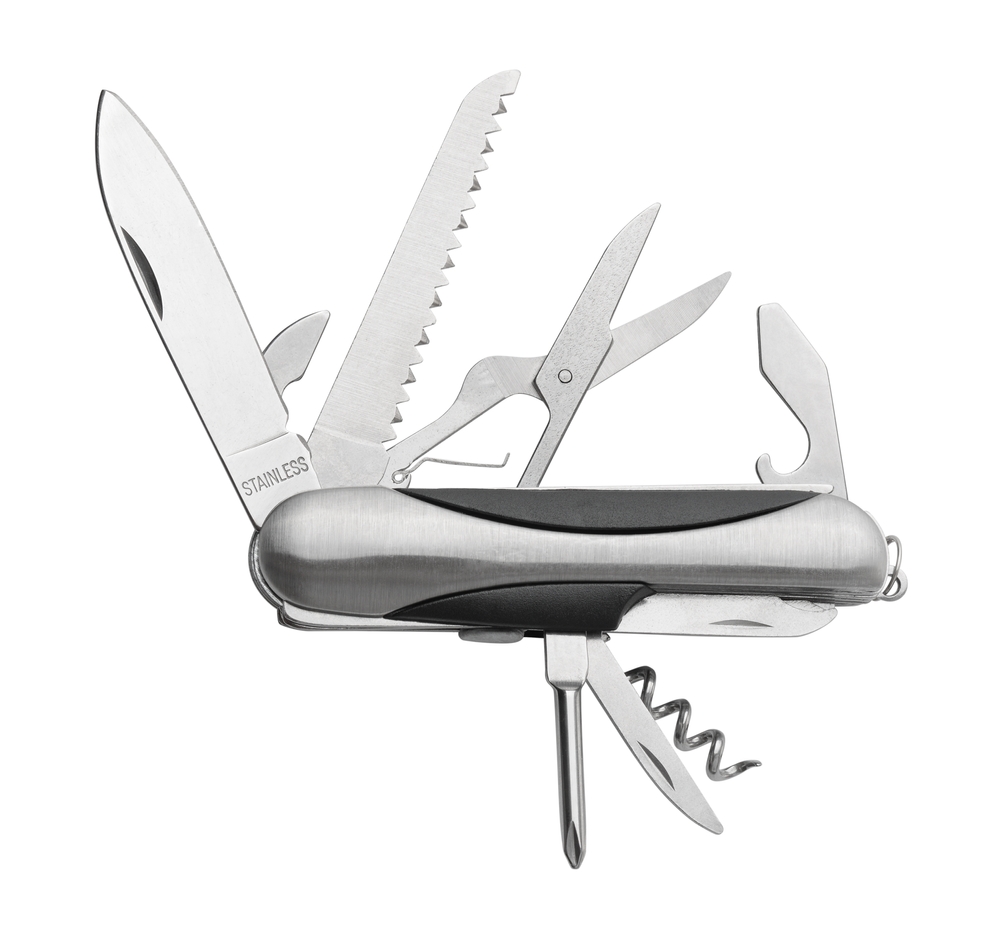
Multi-tools that include knife blades are treated like pocket knives at security. Even small foldable blades can lead to confiscation. Travelers often forget to pack these tools, which are stored in backpacks, tool pouches, or travel kits. Security scanners easily detect metal components. Tools without blades may sometimes pass, depending on design. Officers assess each item individually. If a blade is present, it usually cannot go through carry-on screening. Packing such tools in checked luggage helps prevent issues. Careful bag checks before leaving home reduce the risk of losing valuable items at airport security.
Pepper Spray
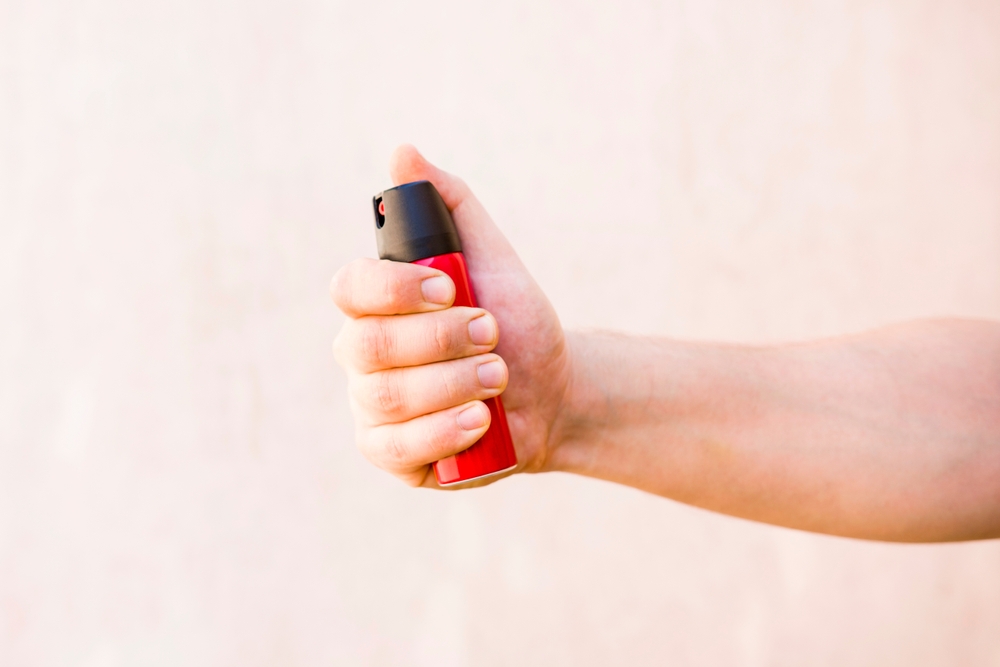
Pepper spray is treated as a prohibited weapon in airport security areas. Sprays designed for self-defense against people are not allowed in carry-on bags. Some wildlife deterrent sprays also face restrictions depending on size and labeling. Security officers cannot allow them through checkpoints. These items may also be banned in checked luggage. Travelers sometimes forget small canisters attached to keychains. Confiscation is common at screening. Rules focus on passenger safety and preventing onboard threats. Checking bag contents carefully before travel helps avoid losing items and causing delays.
Sporting Equipment With Sharp Parts
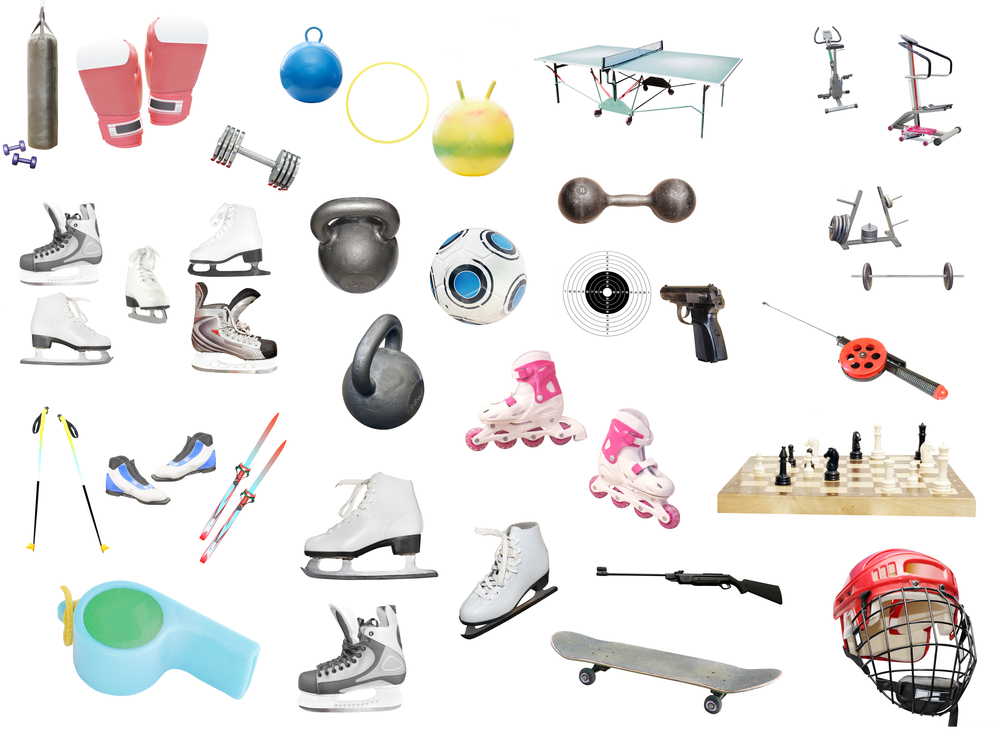
Sporting gear with sharp edges is often prohibited in carry-on bags. Examples include ice skates, climbing tools, and certain fishing equipment. Blades, hooks, or pointed ends raise security concerns. Even small components may trigger removal. Travelers sometimes overlook equipment stored in side compartments. Security staff assesses each item individually. Checked baggage is usually required for such gear. These rules aim to prevent injuries or misuse on board. Reviewing sports equipment before packing helps avoid confiscation and reduces screening delays.
Tools Longer Than Allowed
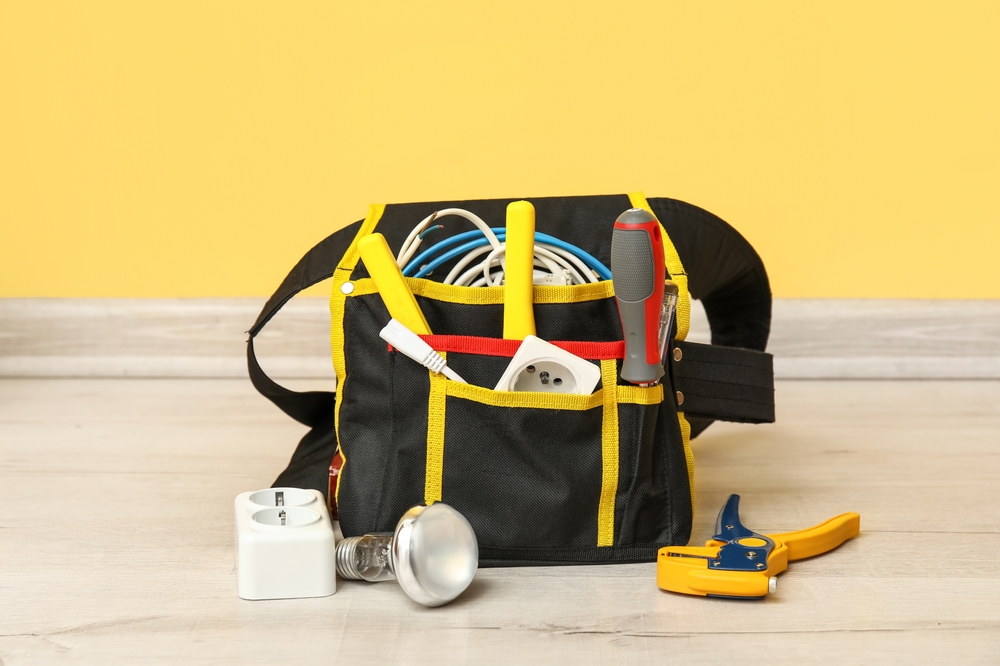
Tools longer than permitted limits are restricted in carry-on baggage. Screwdrivers, wrenches, and other hand tools may be confiscated if they exceed size rules. Security officers measure tools during screening. Even common household items can be treated as potential weapons. Travelers often forget tools packed after work or travel repairs. Smaller tools may sometimes pass, depending on design. Larger ones belong in checked luggage. Restrictions exist to protect passengers. Checking toolkits before departure helps prevent delays and equipment loss.
Replica Weapons or Toy Guns
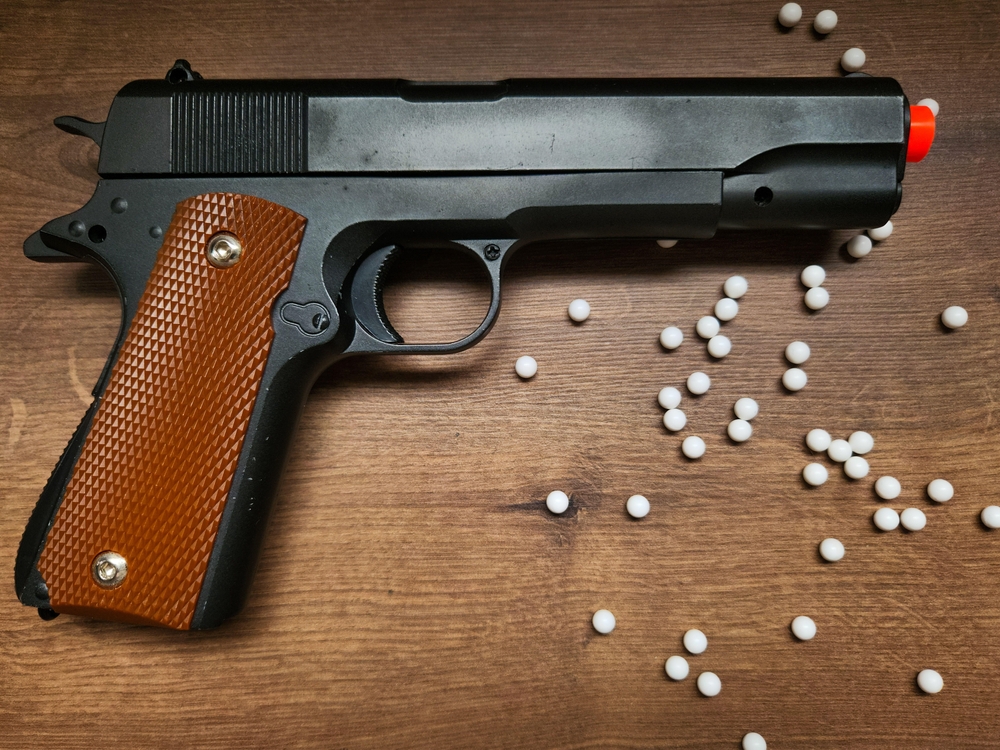
Replica weapons and toy guns can pose serious security risks. Even plastic or brightly colored items may be treated as threats. Officers cannot easily distinguish replicas from real weapons on scanners. These items are usually confiscated from carry-on bags. Some may also be restricted in checked luggage. Travelers often purchase toys as souvenirs without realizing the rule. Security decisions prioritize caution. Avoid packing replica weapons to prevent delays and questioning at airport checkpoints.
Gel Ice Packs (Unfrozen)

Gel ice packs are considered liquids when not fully frozen. If partially thawed, they may exceed the allowed carry-on liquid limits. Security officers may squeeze or inspect them to check consistency. Soft or slushy packs are often confiscated. Travelers commonly use them for medical or food purposes. Frozen solid packs are more likely to pass, but not guaranteed. Medical documentation may help in certain cases. Packing them in checked luggage is safer. Understanding liquid rules helps prevent the loss of essential cooling items during screening.
Large Jars of Spreads
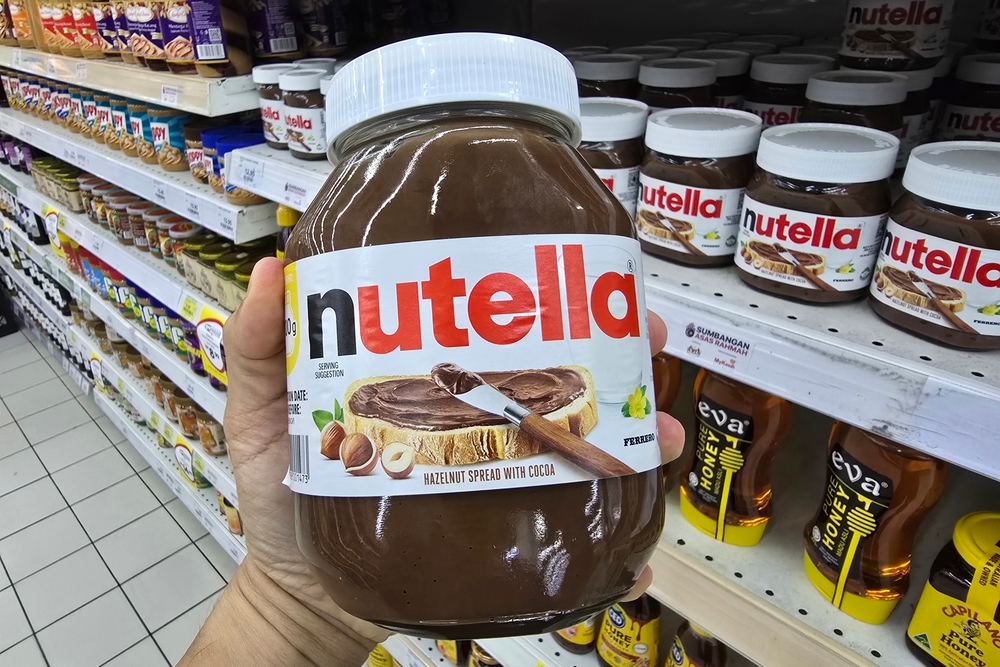
Large jars of spreads like peanut butter, jam, or chocolate hazelnut spread are treated as liquids or gels. If the container exceeds the standard carry-on limit, security officers will confiscate it. The rule applies regardless of how thick the product seems. Travelers often assume food items are exempt, which is incorrect. Even sealed store-bought jars may be removed. Smaller containers within limits may pass if packed properly. Larger purchases should go into checked baggage. Checking sizes before travel prevents food loss and avoids delays at airport security checkpoints.
Aerosol Spray Cans
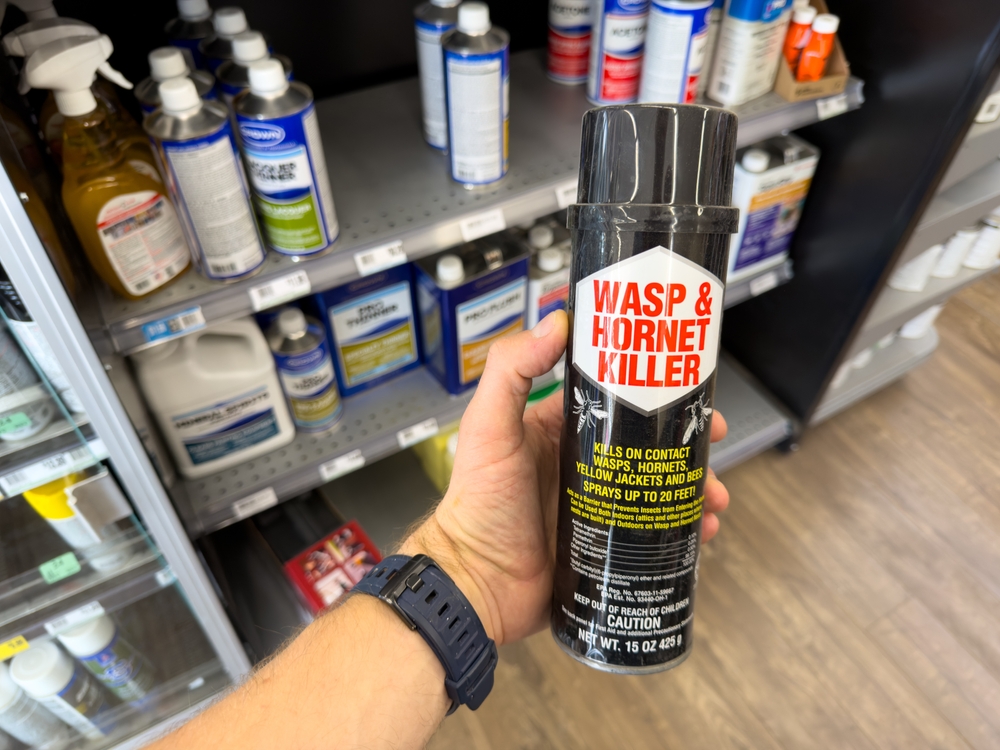
Aerosol spray cans can be restricted due to pressure and flammability concerns. Items like spray deodorant, hairspray, or cleaning sprays may face limits. Some small toiletry aerosols are allowed within the liquid size rules. Larger cans are often confiscated at screening. Flammable contents increase safety risks during flight. Travelers sometimes forget aerosols packed in side compartments. Officers review the labeling and size carefully. Certain industrial or chemical sprays are completely prohibited. Properly packing permitted sizes helps avoid delays. Reviewing airline and security guidelines helps prevent the loss of personal care items at the checkpoint.
Fireworks or Sparklers
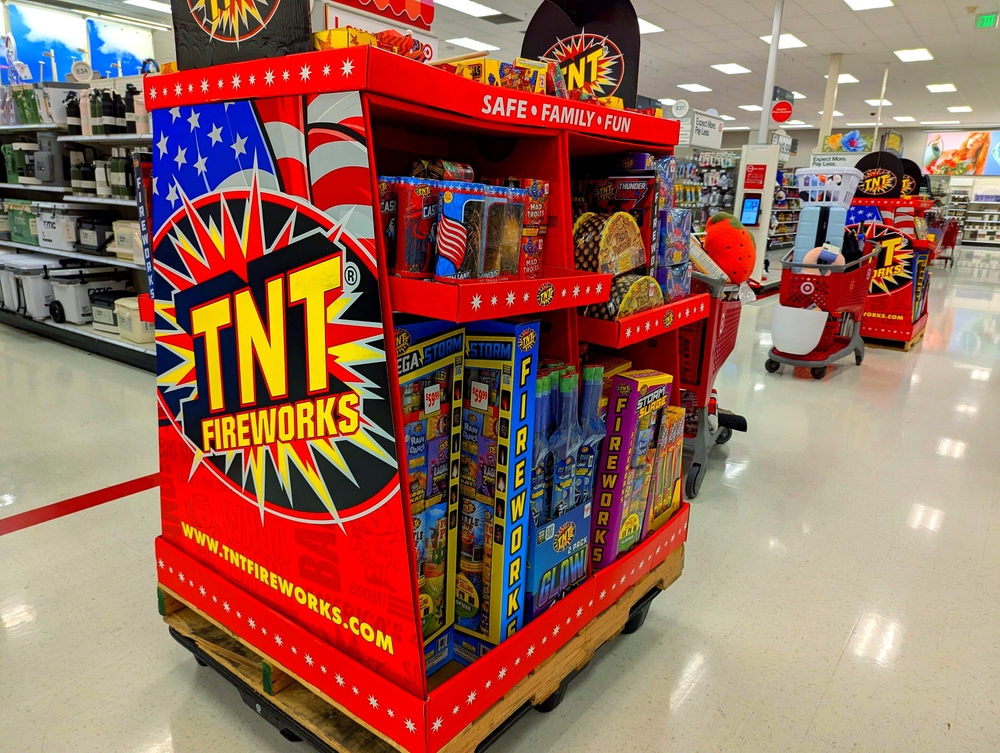
Fireworks and sparklers are classified as explosive or flammable materials. They are not allowed in carry-on or checked baggage. Even small novelty fireworks fall under hazardous material rules. Travelers sometimes buy them as gifts or for celebrations. Security scanners readily detect them, resulting in confiscation. These items pose fire and explosion risks during flight. Officers cannot make exceptions based on size or packaging. Aviation safety laws strictly prohibit their transport. Purchasing fireworks at your destination is safer. Understanding hazardous item rules prevents delays and potential penalties.
Butane Lighters
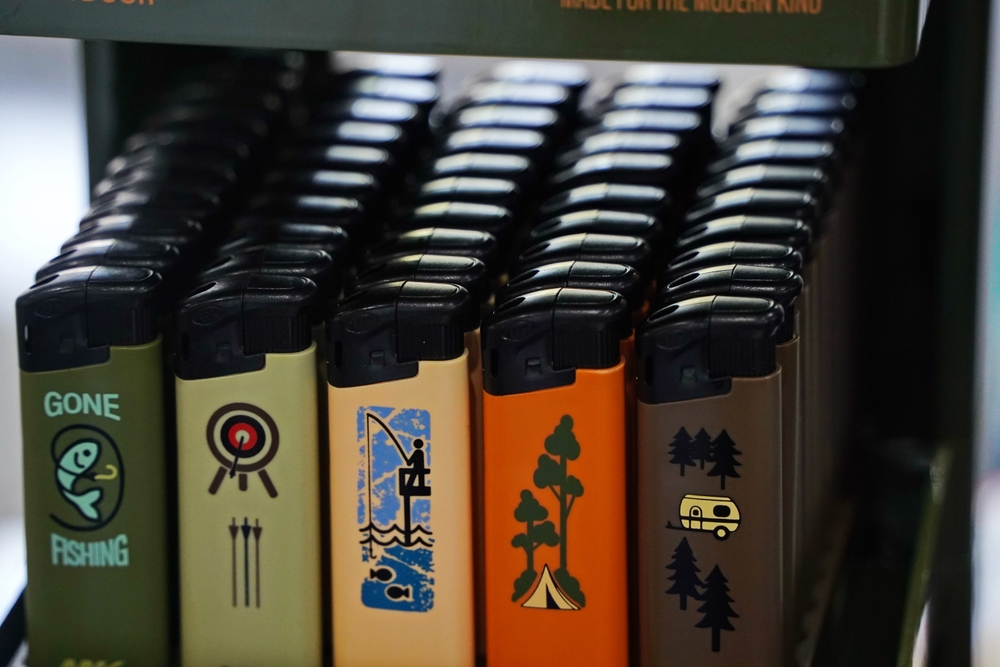
Butane lighters face restrictions because they contain flammable gas. Some basic disposable lighters may be allowed in limited numbers. Torch-style or refillable butane lighters are usually prohibited. Security officers examine design and fuel type. Extra fuel refills are not permitted in carry-on or checked bags. Travelers often forget lighters in pockets or bags. Confiscation is common during screening. These rules exist to reduce onboard fire risk. Checking a lighter type before travel helps prevent the loss of personal items and avoid security delays.
Self Defense Keychains
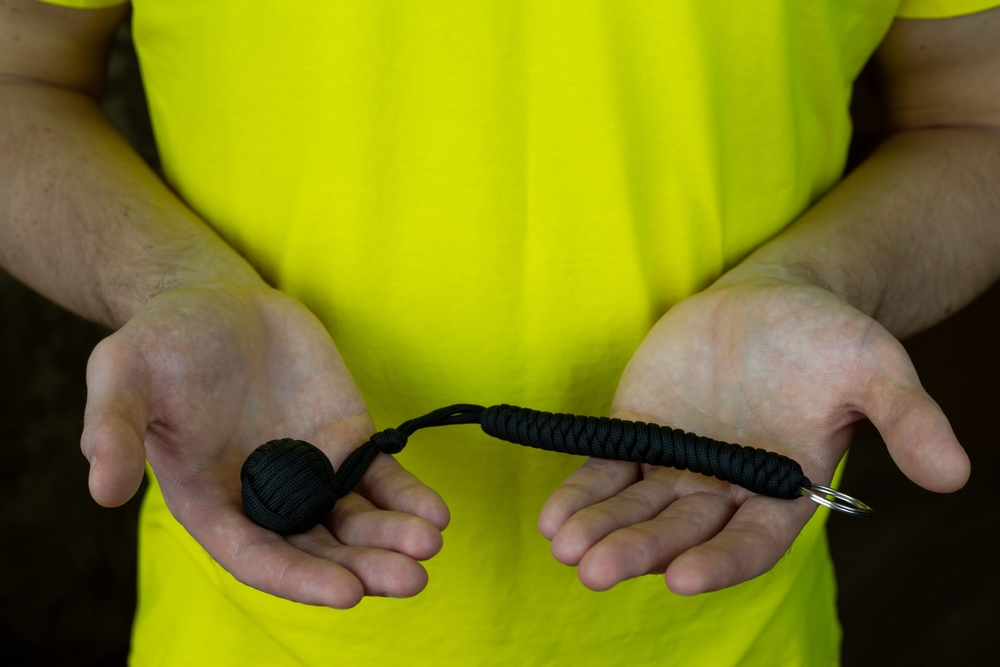
Self-defense keychains can include pointed tools, kubotan sticks, or striking devices. Security officers often treat these items as prohibited weapons. Even small plastic tools may raise concerns during screening. Their purpose is personal protection, which conflicts with airport security rules. Travelers sometimes forget that they are attached to everyday keys. Confiscation is common at checkpoints. Officers cannot allow items designed for defense through carry-on screening. Checked baggage may also be restricted depending on the design. Reviewing keychains before travel helps avoid delays, questioning, and loss of personal belongings.
Chemical Cleaning Sprays
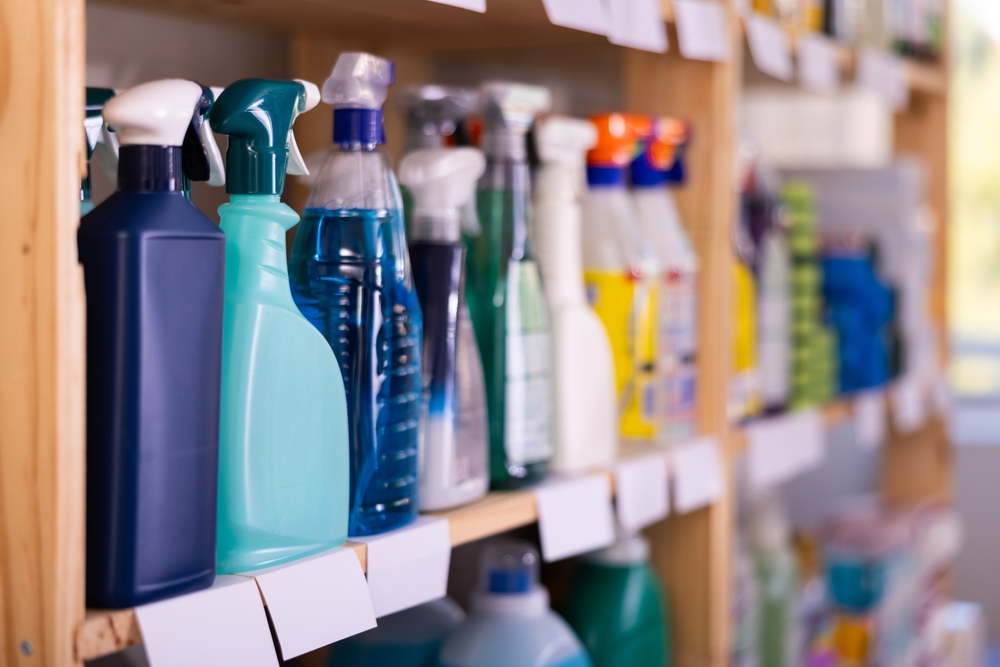
Chemical cleaning sprays are usually restricted due to flammable or hazardous contents. Products like disinfectant sprays, stain removers, or strong cleaners can be confiscated. Aerosol versions face additional restrictions due to pressurized containers. Security officers review labels for hazard symbols. Even non-aerosol liquids may exceed size limits. Travelers often pack small cleaners for convenience. These products can pose fire or chemical hazards on board. Checking ingredient labels before travel is important. Safer alternatives may be available at the destination. Following hazardous material rules prevents delays and confiscation.
Unknown Powders in Large Quantities

Unknown powders in large quantities often trigger security concerns. Screening officers may conduct additional checks if the contents cannot be identified quickly. Powders can resemble prohibited substances on scanners. Even harmless items like protein powder or flour may be questioned. Large containers can be opened or tested. Delays are common in such cases. Clear labeling and smaller amounts reduce issues. Packing powders in checked baggage may help. These rules focus on aviation security. Understanding restrictions helps avoid long screening times and possible confiscation.
22 Groceries to Grab Now—Before another Price Shock Hits Canada
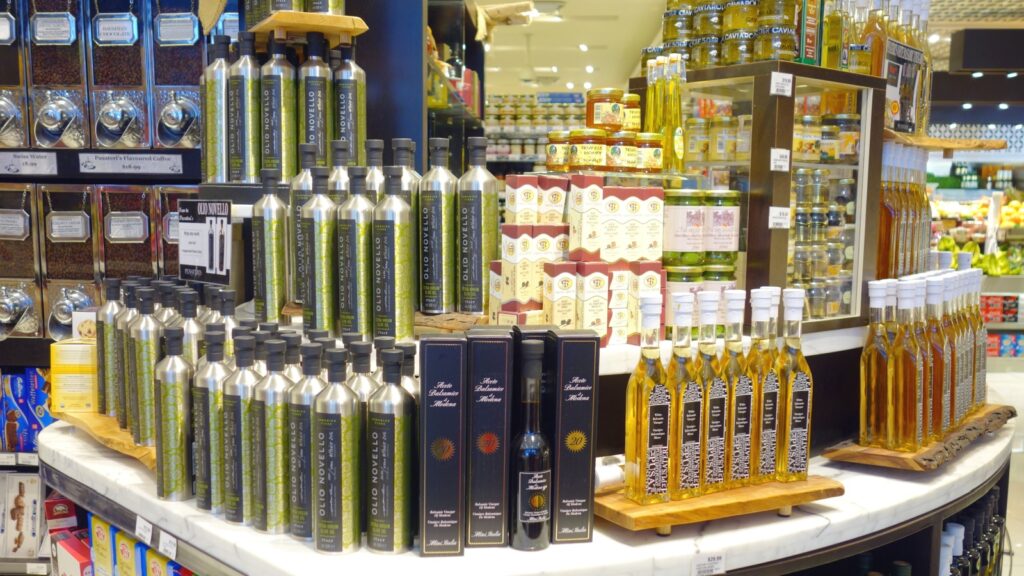
Food prices in Canada have been steadily climbing, and another spike could make your grocery bill feel like a mortgage payment. According to Statistics Canada, food inflation remains about 3.7% higher than last year, with essentials like bread, dairy, and fresh produce leading the surge. Some items are expected to rise even further due to transportation costs, droughts, and import tariffs. Here are 22 groceries to grab now before another price shock hits Canada.
22 Groceries to Grab Now—Before another Price Shock Hits Canada
