“Made in Canada” is a label many consumers trust, assuming it means a product is entirely produced within the country. However, Canadian labeling laws allow for more nuance than most people realize. Products can carry domestic-sounding claims even when significant parts, ingredients, or processes originate elsewhere. This often leads to confusion about what consumers are actually buying. Here are 22 “Made in Canda” labels that don’t mean what you think.
“Made in Canada with Imported Ingredients”
This label is one of the most common sources of confusion for Canadian consumers. While it clearly states that imported ingredients are used, many people still assume the product is mostly domestic. In reality, the majority of the raw materials may come from outside Canada, with only the final processing or assembly taking place locally. Canadian labeling rules allow this claim as long as the last substantial transformation occurs in Canada. This means a product can be marketed as made in Canada even if its core components are sourced globally. Packaging often emphasizes the “Made in Canada” portion more prominently than the imported detail, which can influence perception. Consumers who prioritize supporting local agriculture or production may not realize how much of the product originates elsewhere.
“Product of Canada”

“Product of Canada” is often assumed to mean the same as “Made in Canada,” but it actually has a stricter definition. For a product to carry this label, at least ninety-eight percent of its total direct costs must be incurred in Canada. However, this still does not guarantee that every ingredient or component is sourced domestically. Some minor imported elements can still be included. Consumers may interpret this label as meaning entirely Canadian, which is not always accurate. The distinction lies in cost allocation rather than the origin of every input. This nuance can be difficult to understand without familiarity with labeling rules. While it is one of the stronger domestic claims, it still allows for limited foreign content.
“Prepared in Canada”
The phrase “Prepared in Canada” often appears on food products and can be easily misunderstood. It typically means that the product was processed, packaged, or assembled in Canada, but the ingredients themselves may be entirely imported. This label does not imply that the raw materials are Canadian, only that some form of preparation occurred domestically. Consumers may assume a higher level of local content than actually exists. The wording is intentionally broad, allowing companies to highlight Canadian involvement without specifying ingredient origin. This can create a perception of domestic production that does not fully reflect reality.
“Packaged in Canada”
“Packaged in Canada” indicates that the product was packaged within the country, but it says nothing about where the product was produced or sourced. Many consumers assume that packaging implies some level of local production, but this is not the case. Products can be fully manufactured abroad and simply packaged domestically before sale. This label is often used for imported goods that undergo minimal processing in Canada. While it is technically accurate, it can create a misleading impression of domestic involvement. Understanding the distinction between packaging and production is essential when interpreting this label.
“Designed in Canada”

“Designed in Canada” is commonly used for products such as clothing, electronics, and furniture. It highlights that the design process occurred domestically, but manufacturing may take place entirely overseas. Consumers often associate design with production, assuming a stronger Canadian connection than exists. This label focuses on intellectual contribution rather than physical manufacturing. While it reflects local creativity, it does not indicate where the product was actually made. Understanding this distinction helps clarify the true origin of goods carrying this label.
“Canadian Brand”
Products marketed as a “Canadian brand” may not be produced in Canada at all. This label refers to ownership or brand identity rather than manufacturing location. Companies can be headquartered in Canada while sourcing production globally. Consumers often associate brand nationality with product origin, which is not always accurate. This distinction is important for understanding how branding influences perception.
“Locally Sourced”

“Locally sourced” is a flexible term that varies depending on context and is not strictly defined under Canadian law. It can refer to products sourced within a region, province, or even a broader area. This ambiguity allows companies to use the label in ways that may not align with consumer expectations. Understanding the lack of a standard definition helps clarify what this label actually represents.
“Canadian Ingredients”
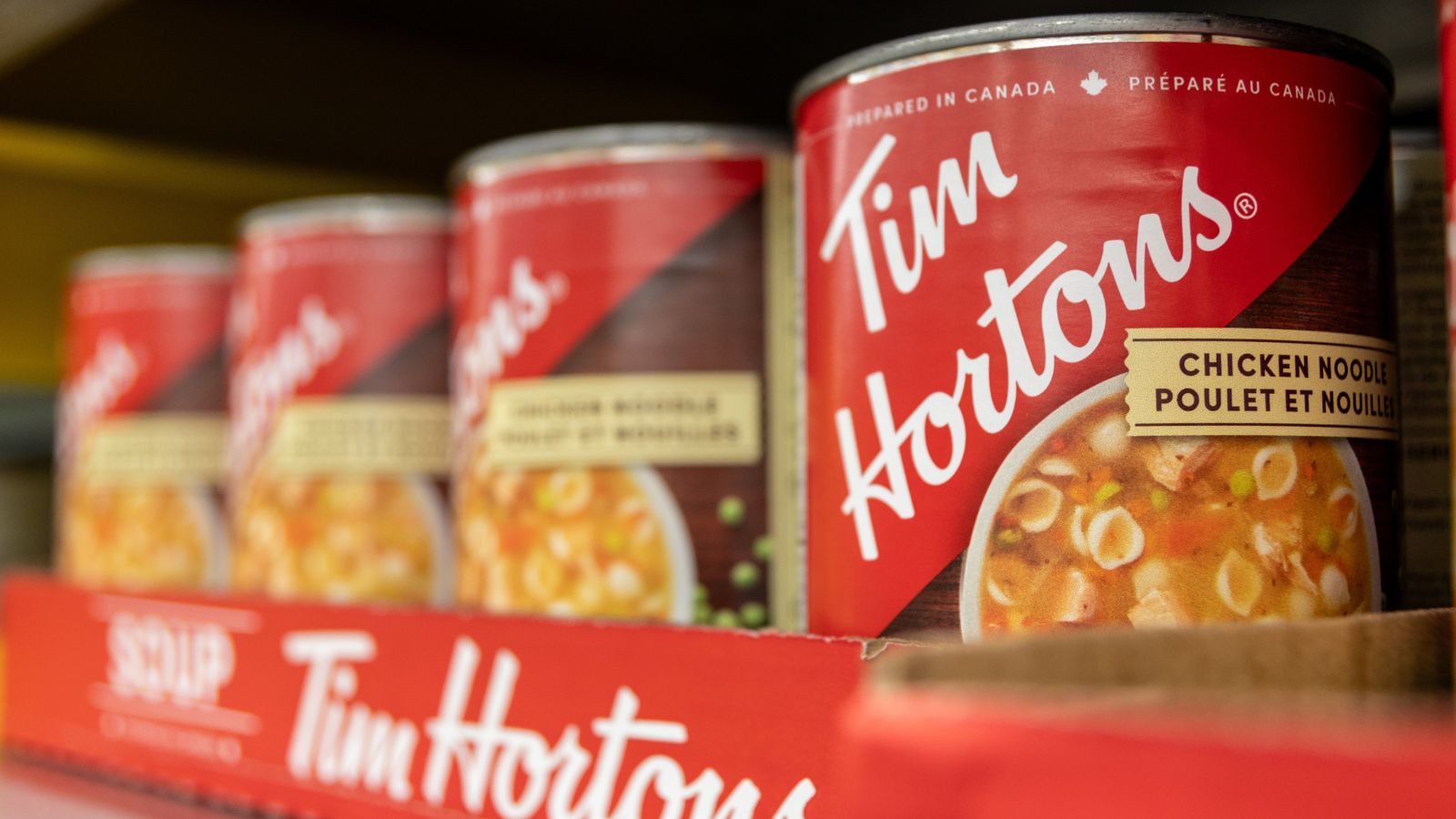
Products labeled as containing “Canadian ingredients” may include only a portion of domestic content. This label does not specify how much of the product is Canadian, which can lead to assumptions. Consumers may believe the majority of ingredients are local, even when that is not the case. The lack of a precise definition makes this label open to interpretation.
“Assembled in Canada”

“Assembled in Canada” indicates that components were put together domestically, but those components may be entirely imported. This label is common in electronics and manufacturing. Consumers may assume more local involvement than actually exists. Understanding the difference between assembly and production helps clarify the meaning.
“Roasted in Canada”

Coffee and similar products often carry labels such as “roasted in Canada,” which highlight a specific step in production. While roasting occurs domestically, the raw materials are typically imported. Consumers may interpret this as a broader Canadian origin than is accurate. This label emphasizes processing rather than sourcing.
“Bottled in Canada”

“Bottled in Canada” means the final packaging process occurred domestically, but the product itself may be imported. This is common for beverages and other liquid products. Consumers may assume a higher level of Canadian production than exists. Understanding this label helps clarify the limited role of domestic processing.
“Manufactured in Canada”
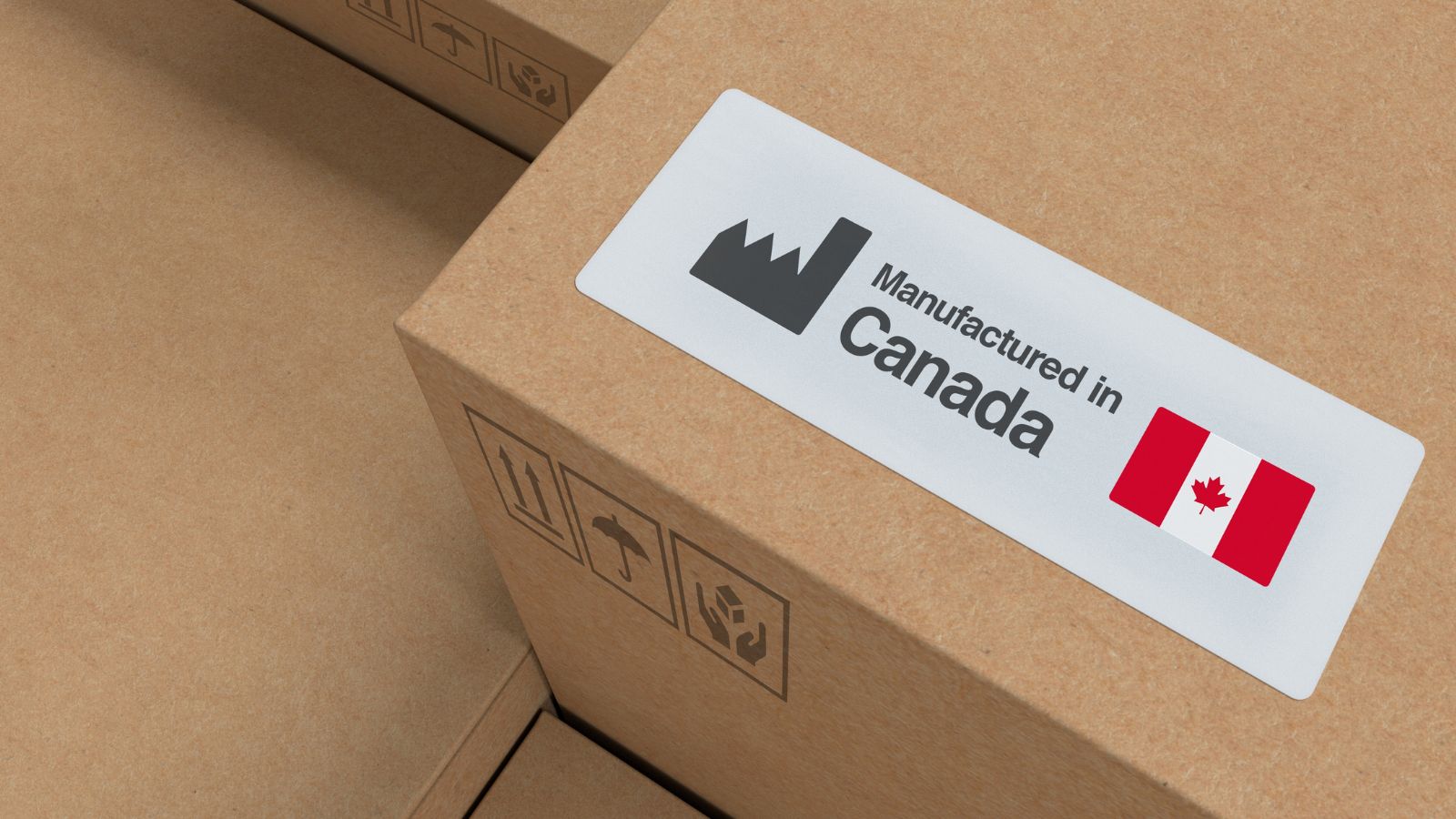
“Manufactured in Canada” is often interpreted as meaning a product is entirely made domestically, but the reality can be more complex. Canadian regulations allow this label when the last substantial transformation of the product occurs in Canada, even if many components are imported. This means that parts produced overseas can be assembled or processed locally and still qualify for the claim. Consumers may assume that most materials are Canadian, which is not always accurate.
“Crafted in Canada”

“Crafted in Canada” suggests a hands-on, local production process, but it is not a regulated term with a strict definition. Companies use it to convey quality and craftsmanship rather than specific sourcing standards. Products may still rely heavily on imported materials, with only the final assembly or finishing completed in Canada. Consumers often associate the word “crafted” with local artisanship, which can create expectations that are not fully accurate. The lack of regulation allows flexibility in how the term is applied.
“Distributed by a Canadian Company”

This label refers only to the company responsible for distribution, not the origin of the product itself. Many Canadians assume that a Canadian distributor implies domestic production, which is not the case. Products can be fully manufactured abroad and simply imported and distributed by a Canadian business. The label highlights business operations rather than manufacturing location. This distinction is important for understanding what the label actually represents.
“Imported for Canada”
“Imported for Canada” is sometimes mistaken for a domestic connection, but it actually confirms that the product is produced outside the country. The phrase indicates that the item was specifically brought into Canada for sale. Consumers may overlook the word “imported” and focus on the Canadian reference, which can create confusion. This label provides clarity when understood correctly, but it can still be misinterpreted at a glance.
“Canadian Owned”

“Canadian-owned” refers to the ownership of a company rather than where its products are made. Many businesses operate globally, sourcing production from multiple countries while maintaining Canadian ownership. Consumers often associate ownership with local manufacturing, which is not always accurate. This label highlights corporate structure rather than production details. Understanding this distinction helps clarify what the label represents. It reflects business identity, not product origin.
“Farmed in Canada” (with Imported Feed or Inputs)

“Farmed in Canada” suggests domestic agricultural production, but it does not guarantee that all inputs are Canadian. Livestock and crops may rely on imported feed, seeds, or fertilizers. Consumers often assume a fully local process, which may not reflect reality. The label focuses on where farming occurs rather than the origin of all inputs. Understanding this nuance helps clarify the extent of Canadian involvement. It highlights production location, not complete sourcing.
“Processed in Canada”
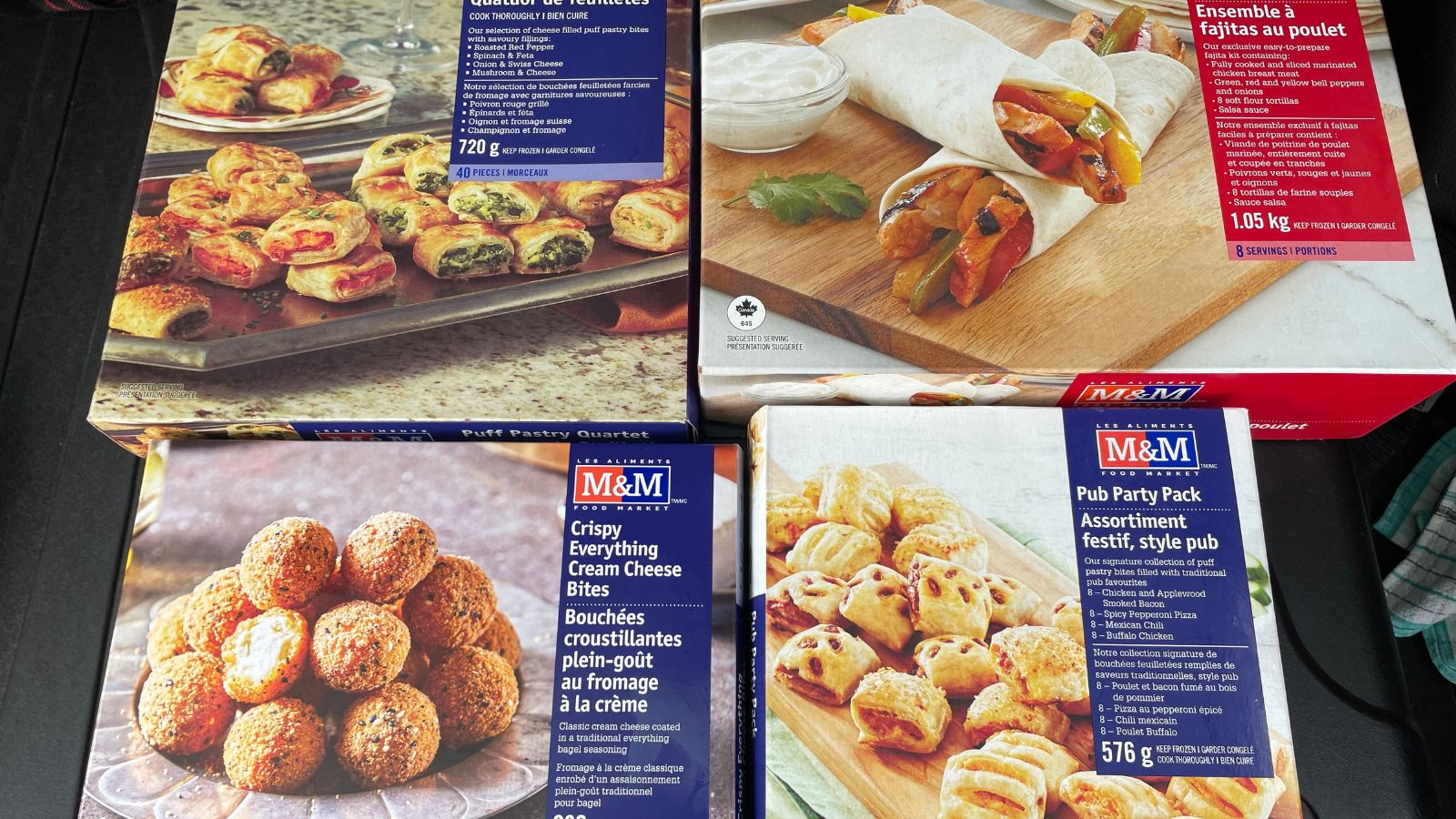
“Processed in Canada” indicates that a product underwent some form of transformation domestically, but the raw materials may be imported. This label is common in food products where ingredients are sourced globally. Consumers may interpret processing as full production, which is not accurate. The term reflects a specific stage rather than the entire supply chain. Understanding this distinction helps avoid confusion about product origin.
“Canadian Style”

“Canadian style” is a descriptive term rather than an origin claim. It refers to flavour, design, or presentation inspired by Canadian traditions. Products using this label may be entirely produced outside Canada. Consumers may associate the term with domestic origin, which can be misleading. It is primarily a marketing phrase. Recognizing this helps interpret the label correctly.
“Blended in Canada”

“Blended in Canada” is often used for products such as oils, teas, or beverages. It indicates that different ingredients were combined domestically, but those ingredients may come from multiple countries. Consumers may assume a higher level of Canadian content than exists. The label focuses on the blending process rather than sourcing. Understanding this helps clarify the product’s origin.
“Canadian Quality”

“Canadian quality” is a marketing phrase that suggests high standards but does not indicate origin. Products using this label may not be produced in Canada at all. Consumers often associate quality claims with local production, which is not necessarily accurate. This term is not regulated and can be applied broadly. Understanding this helps avoid assumptions about origin.
“Made for Canada”

“Made for Canada” indicates that a product was designed or intended for the Canadian market, but it does not mean it was produced domestically. Many products are manufactured abroad specifically for Canadian consumers. The label highlights market targeting rather than origin. Consumers may interpret it as a domestic claim, which is not accurate. Understanding this distinction helps clarify what the label actually represents in everyday purchasing decisions across Canada.
19 Things Canadians Don’t Realize the CRA Can See About Their Online Income

Earning money online feels simple and informal for many Canadians. Freelancing, selling products, and digital services often start as side projects. The problem appears at tax time. Many people underestimate how much information the CRA can access. Online platforms, banks, and payment processors create detailed records automatically. These records do not disappear once money hits an account. Small gaps in reporting add up quickly.
Here are 19 things Canadians don’t realize the CRA can see about their online income.
