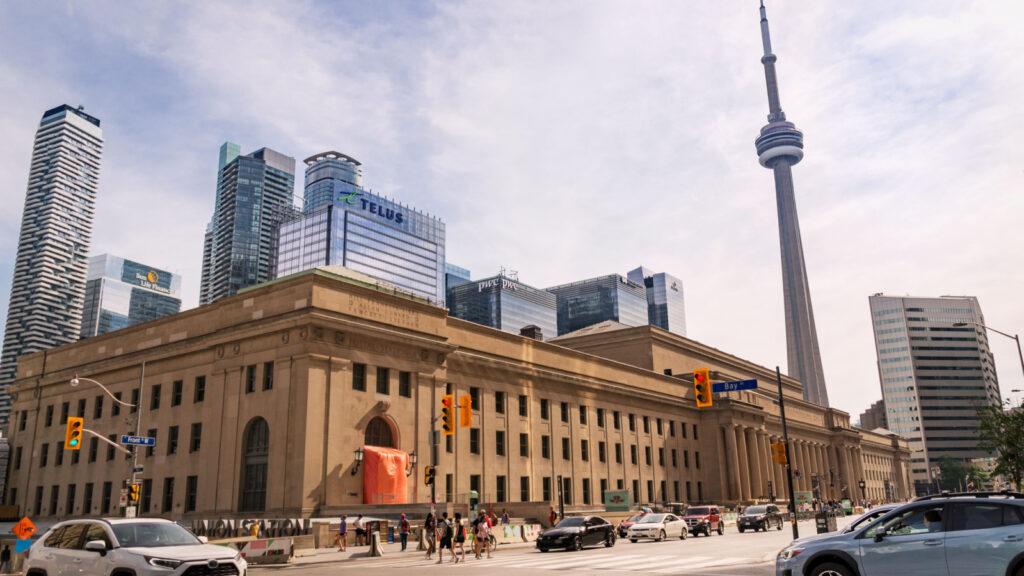
Canadian cities have seen neighbourhoods transform at remarkable speed in recent years. Rising populations, urban development, and gentrification have reshaped streets, buildings, and community spaces. Areas once known for industry or low-density housing now host modern condos, boutique shops, and cultural hubs. Creative districts, revitalized historic zones, and residential expansions have changed how Canadians live, work, and socialize. Here are 22 neighbourhoods that changed faster than anyone predicted.
Downtown Toronto’s Financial District Transformation

Toronto’s Financial District has evolved rapidly over the past few decades. Skyscrapers and corporate headquarters now dominate the skyline. Many older office buildings were replaced with modern glass towers. The area attracts professionals from across Canada and around the world. Retail and dining options have increased to cater to workers and residents. Public transit expansion has made commuting easier, including subway and streetcar access. The district also hosts cultural events and festivals, blending business and leisure. Changes in the Financial District reflect Toronto’s position as a leading economic hub. The transformation continues to shape the city’s skyline and lifestyle.
Liberty Village, Toronto’s Rapid Gentrification
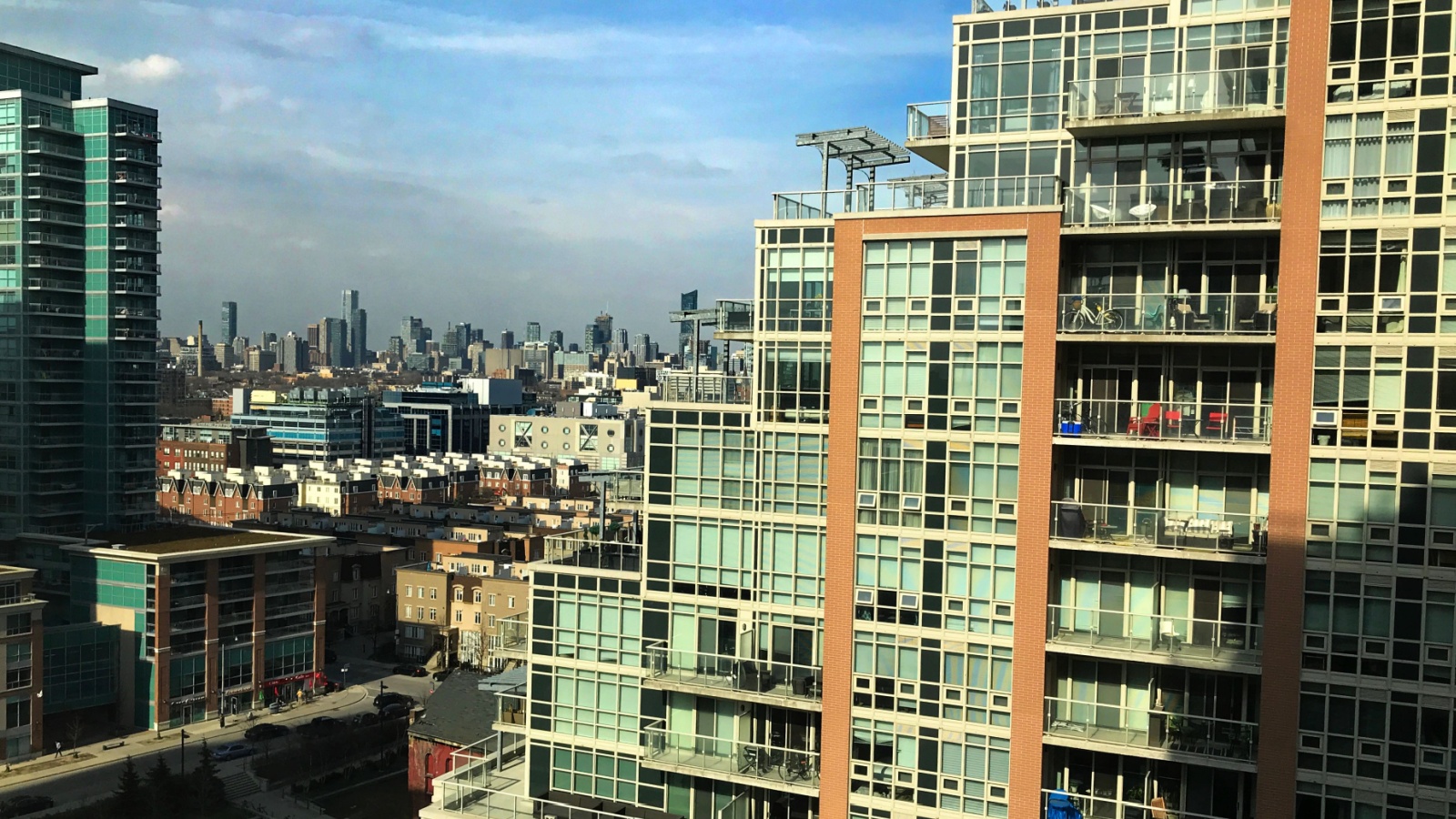
Liberty Village has shifted from industrial warehouses to a trendy residential and commercial neighbourhood. Loft-style condos replaced factories, attracting young professionals and creative industries. Cafes, boutique shops, and restaurants now line the streets. Cycling paths and green spaces complement modern urban living. The influx of new residents drove property prices higher over a short period. Community events and art installations contribute to the neighbourhood’s vibrant culture. Liberty Village is now a model of urban renewal in Toronto. Its transformation illustrates the rapid gentrification that has changed daily life for longtime residents while attracting new businesses and residents to the area.
Regent Park Redevelopment, Toronto, Ontario
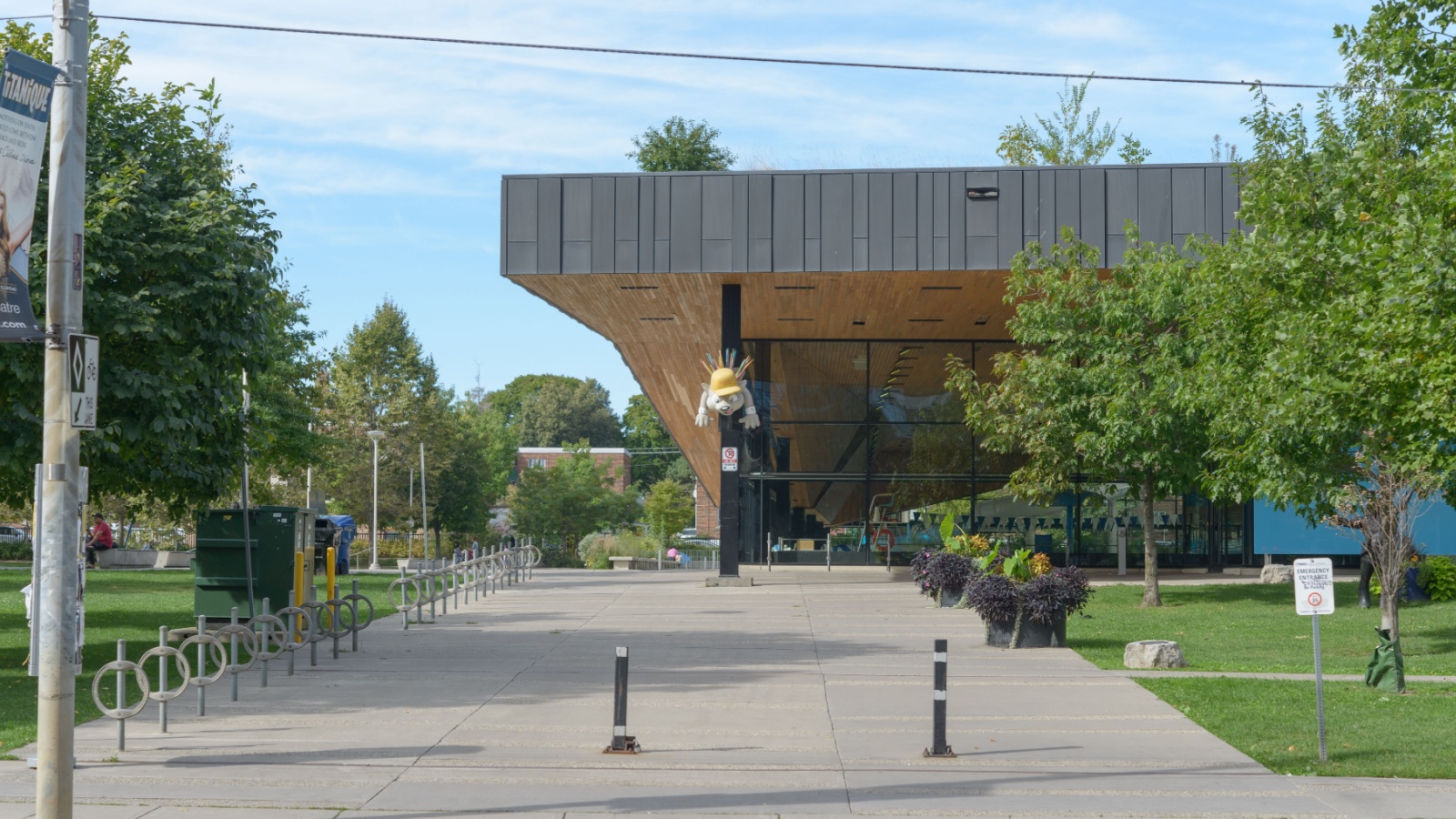
Regent Park, once a low-income neighbourhood, underwent extensive redevelopment in recent years. Old housing units were replaced with mixed-income residential buildings. Parks, schools, and community centers were upgraded to improve the quality of life. Retail spaces and restaurants have emerged, increasing foot traffic and services. The redevelopment aimed to integrate the community while preserving its cultural identity. Public transit access and pedestrian pathways were enhanced. This transformation has attracted new residents and revitalized the area’s economy. Regent Park’s redevelopment is considered one of Toronto’s most ambitious urban renewal projects. It balances modern living with historic community connections, changing the neighbourhood’s image entirely.
Distillery District, Toronto’s Cultural Shift

Toronto’s Distillery District transformed from an industrial zone to a historic cultural hub. Preserved Victorian-era buildings now house art galleries, boutiques, restaurants, and cafes. The area hosts seasonal festivals, markets, and live performances. Pedestrian-friendly streets encourage visitors to explore and engage with the community. The district attracts both tourists and local residents seeking cultural experiences. Creative studios and event spaces contribute to its artistic reputation. Adaptive reuse of old buildings demonstrates Toronto’s commitment to heritage preservation. The Distillery District exemplifies how industrial spaces can evolve into vibrant cultural neighbourhoods while maintaining historical significance, drawing attention from across Canada and abroad.
West Queen West, Toronto’s Artistic Boom
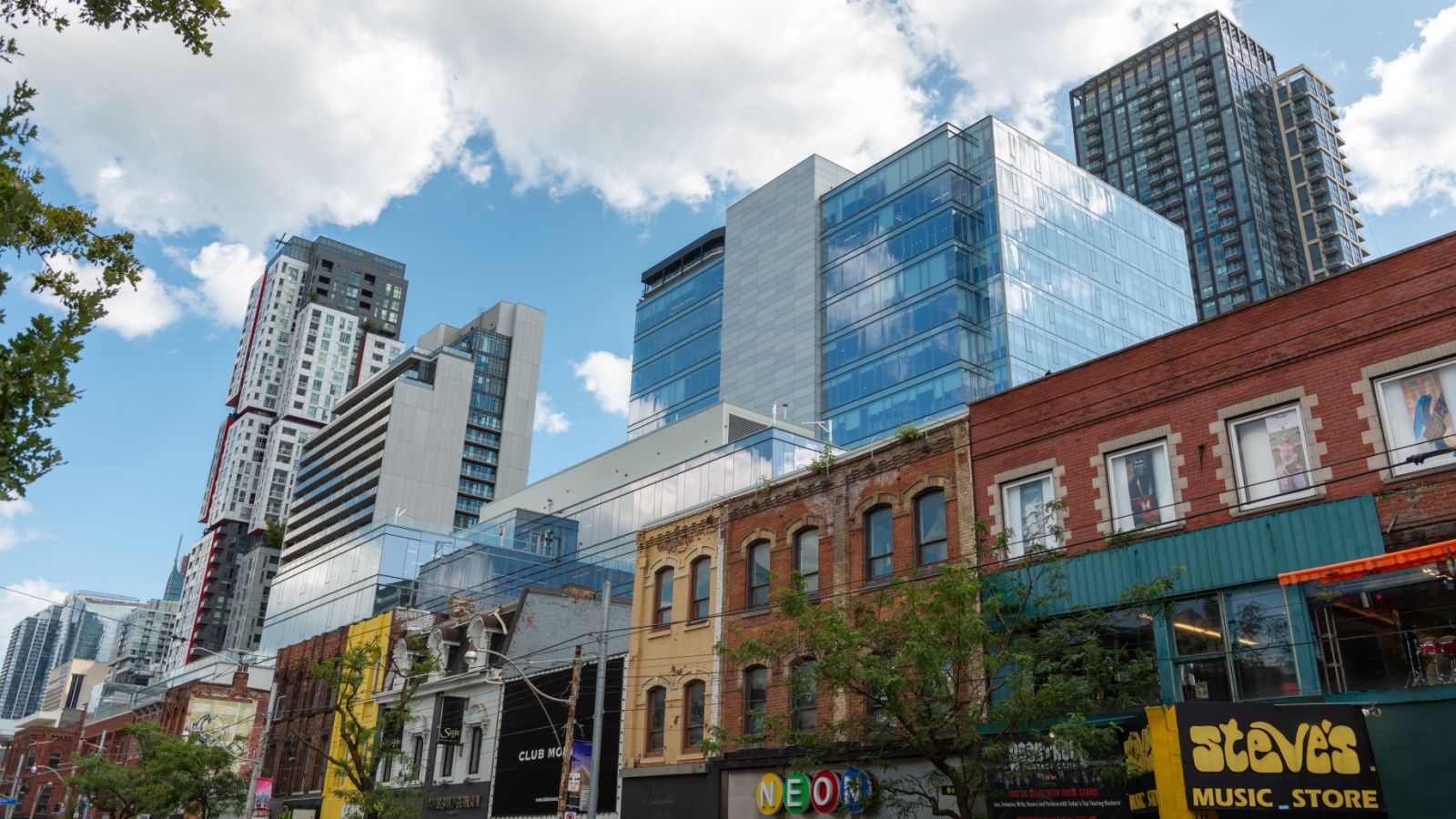
West Queen West has become one of Toronto’s most prominent creative districts. The area saw an influx of artists, galleries, and design studios. Street art and murals contribute to the neighbourhood’s vibrant atmosphere. Cafes, boutique shops, and music venues cater to a growing community of residents and visitors. Property values increased rapidly, reflecting its rising popularity. Festivals and art events attract tourists and locals alike. The neighbourhood’s evolution has strengthened Toronto’s reputation as a cultural hub. West Queen West continues to blend artistic expression with urban living, demonstrating the dynamic growth of creative communities in the city.
Gastown Revitalization, Vancouver, British Columbia
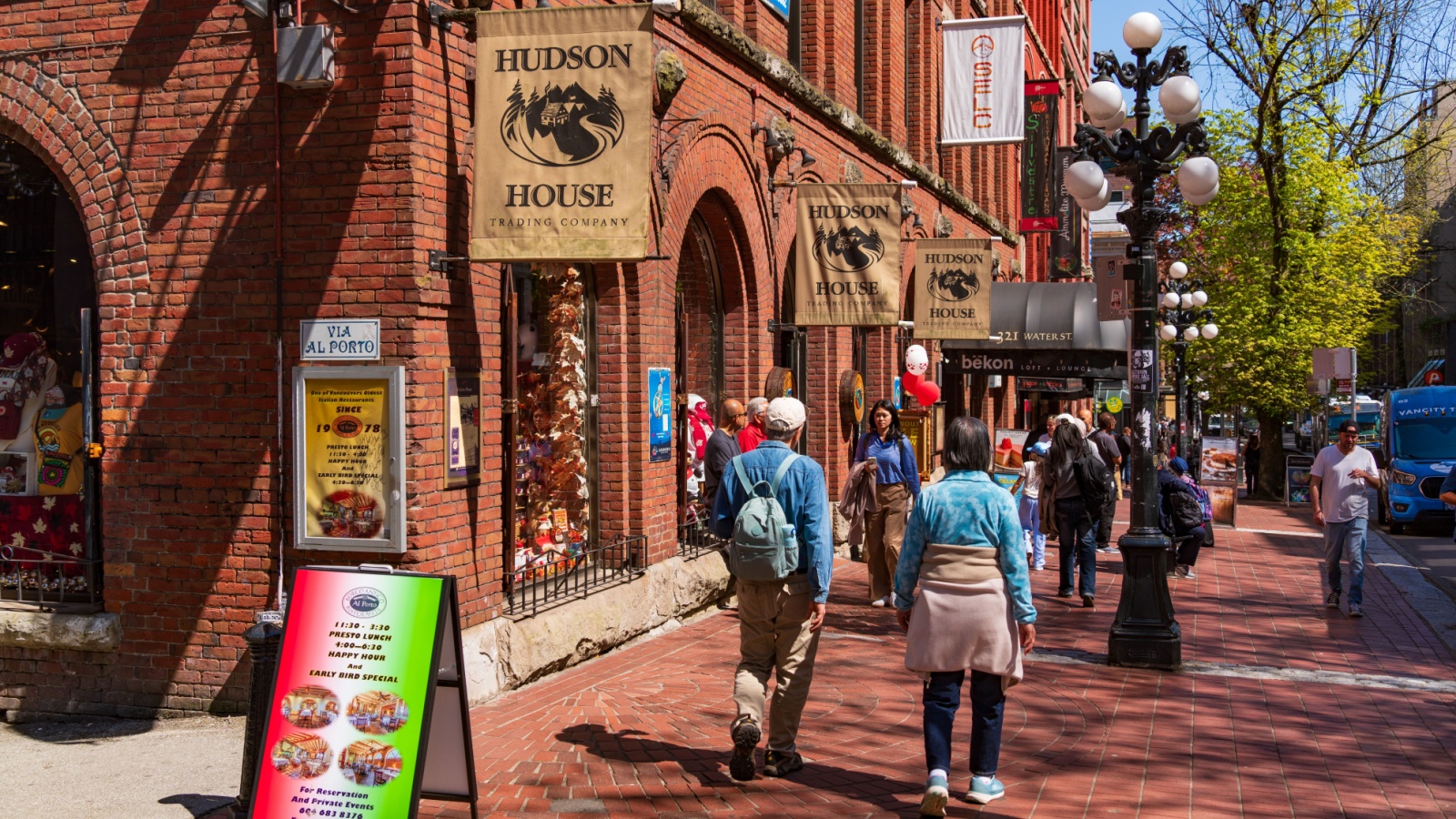
Gastown, Vancouver’s historic district, has transformed into a vibrant tourist and cultural hub. Cobblestone streets and heritage buildings now house boutiques, restaurants, and art galleries. The area attracts both locals and visitors seeking shopping and dining experiences. Pedestrian-friendly streets and public art installations enhance the neighbourhood’s appeal. Revitalization included improving infrastructure while preserving historical charm. The district hosts seasonal events and festivals, boosting community engagement. Gastown’s blend of heritage preservation and modern amenities showcases Vancouver’s commitment to urban renewal. Its transformation has created a lively, economically thriving neighbourhood while maintaining the historic character that defines the area.
Yaletown, Vancouver’s Residential Explosion
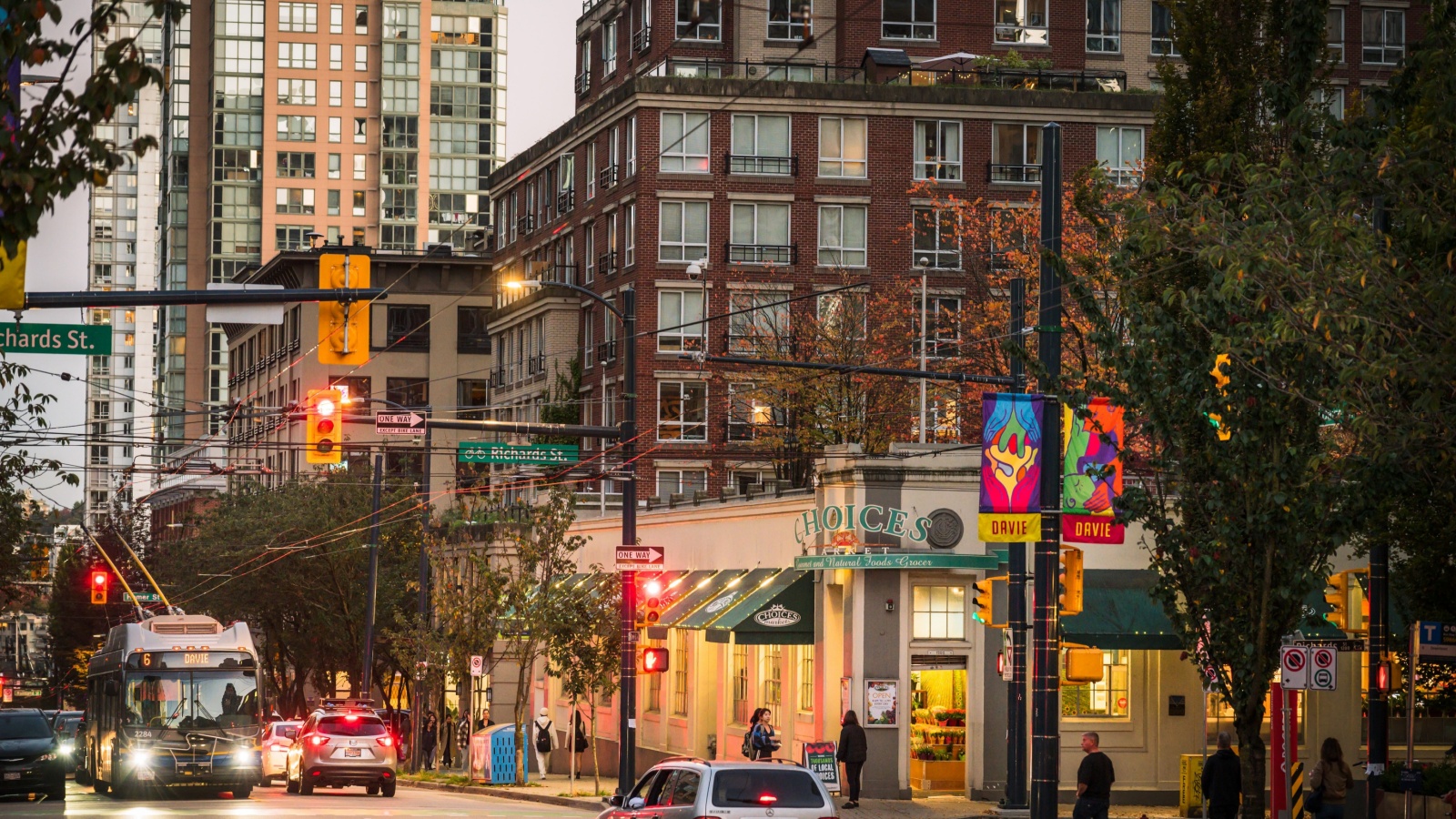
Yaletown shifted from an industrial warehouse area to a high-demand residential neighbourhood. Loft-style condos and luxury apartments replaced former industrial buildings. Parks, bike paths, and waterfront walkways improved livability and attracted young professionals. Cafes, restaurants, and boutique shops complemented the residential boom. Proximity to downtown Vancouver increased its appeal. The area experienced rapid property value growth, reflecting its popularity. Yaletown hosts events, markets, and festivals that enhance community interaction. This residential explosion highlights Vancouver’s urban transformation and demand for modern living spaces. Yaletown remains a symbol of successful redevelopment, combining waterfront access with vibrant city living.
Mount Pleasant, Vancouver’s Urban Change
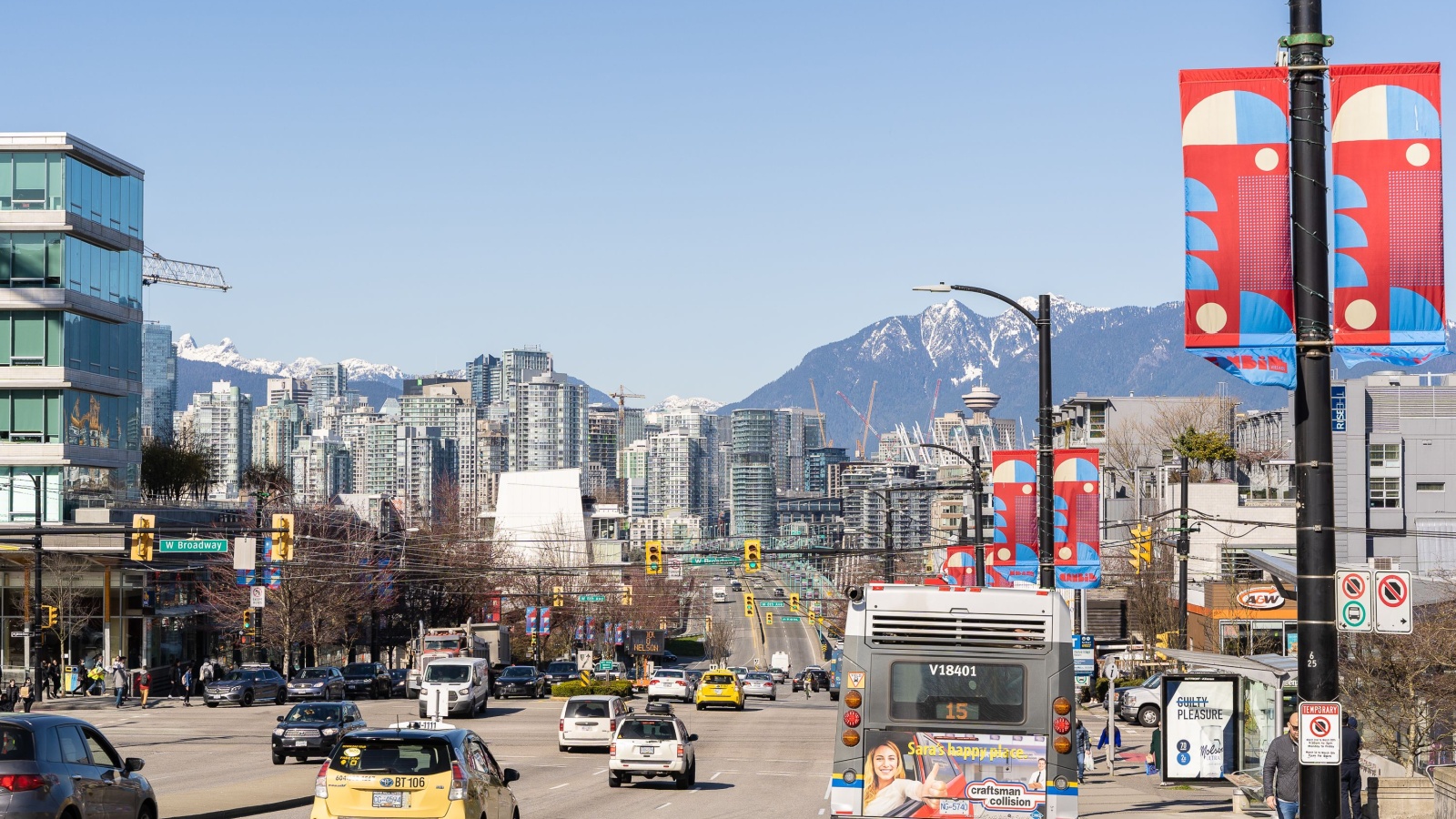
Mount Pleasant has experienced significant urban transformation over the past decade. Industrial sites and older homes have been replaced with modern condos and commercial spaces. The neighbourhood attracts artists, tech workers, and young families seeking proximity to downtown Vancouver. Cafes, breweries, and creative studios have increased, contributing to a lively cultural scene. Public transit upgrades and improved pedestrian infrastructure enhanced accessibility. Property values and rents have risen sharply due to demand. Mount Pleasant’s evolution reflects Vancouver’s growing urban population and the shift towards mixed-use, walkable communities. The neighbourhood continues to adapt while retaining a creative, community-oriented identity.
Commercial Drive, Vancouver’s Cultural Evolution
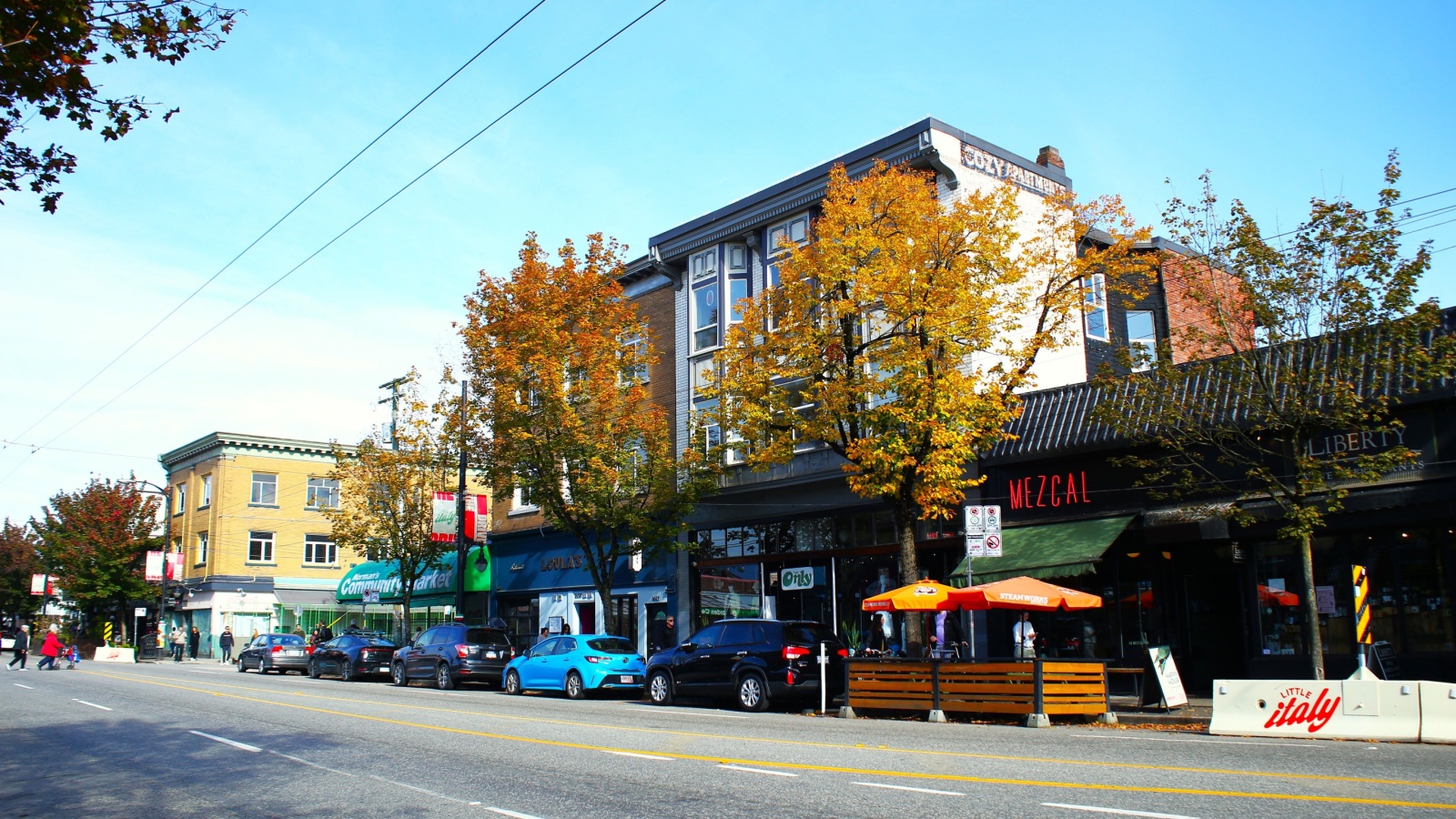
Commercial Drive, or “The Drive,” has long been a cultural hub in Vancouver. Immigrant communities and local artists shaped its identity. Recent years have brought gentrification alongside preservation of its multicultural charm. Restaurants, cafes, and music venues attract diverse crowds. Street art, festivals, and community events reinforce its artistic reputation. Property redevelopment and rising costs have changed demographics, balancing new residents with long-standing community members. The neighbourhood remains a centre for creative expression, activism, and cultural celebration. Commercial Drive exemplifies Vancouver’s ability to evolve while honoring its heritage, providing a model for inclusive urban cultural growth.
Plateau-Mont-Royal, Montreal’s Trendy Uptake
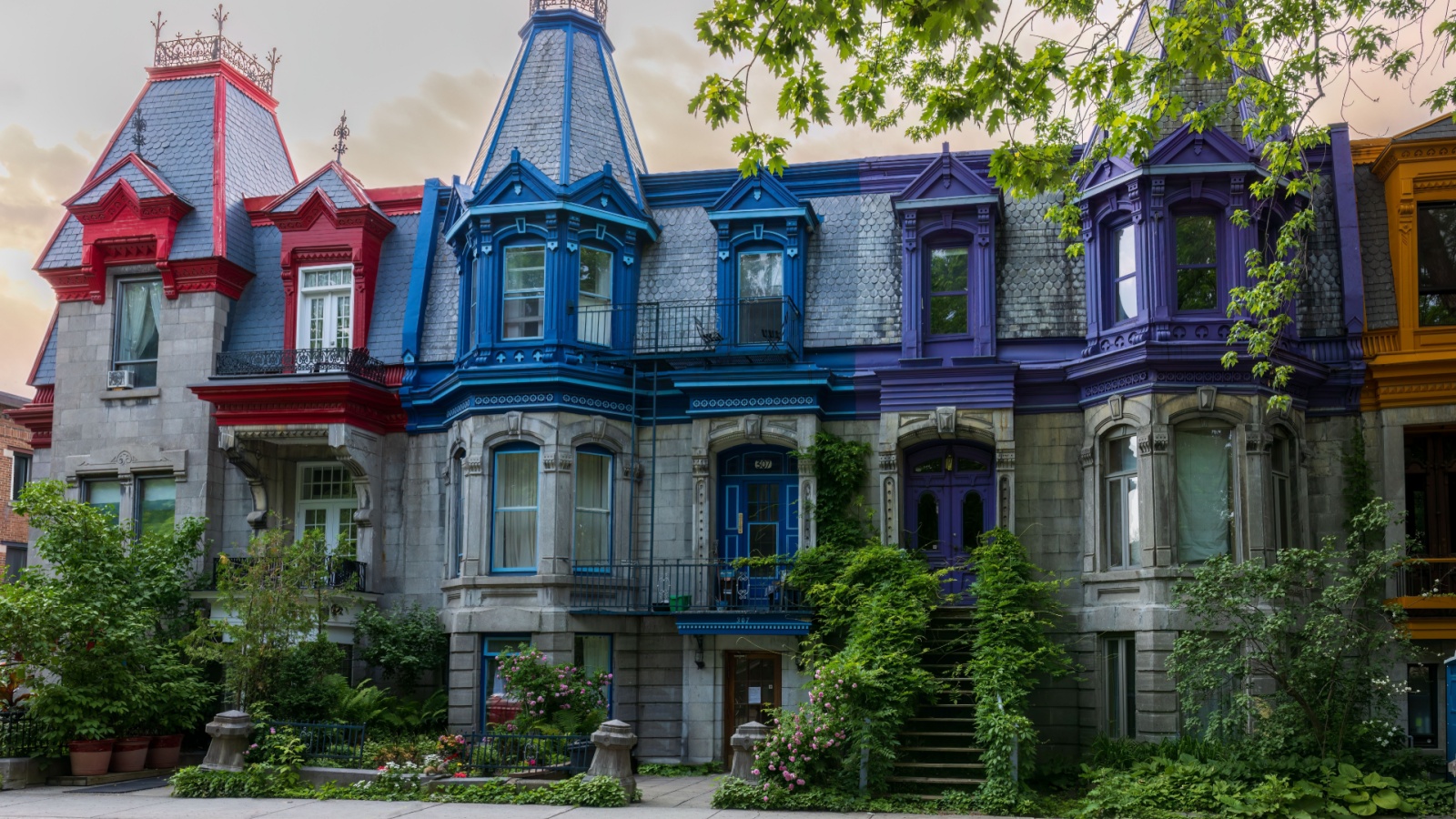
Montreal’s Plateau-Mont-Royal neighbourhood has become a trendy area for young professionals and artists. Colourful townhouses and historic architecture now sit alongside boutique shops, cafes, and galleries. Street art and murals are common, enhancing its visual appeal. Rising property values reflect increased demand. The neighbourhood hosts cultural festivals, markets, and music events that attract locals and tourists. Cafes and restaurants serve diverse cuisine, reinforcing the area’s cosmopolitan vibe. Plateau-Mont-Royal balances historic charm with modern trends, maintaining its reputation as a creative hub. The neighbourhood’s rapid growth demonstrates Montreal’s dynamic urban development and evolving cultural identity.
Griffintown, Montreal’s Industrial-to-Residential Shift
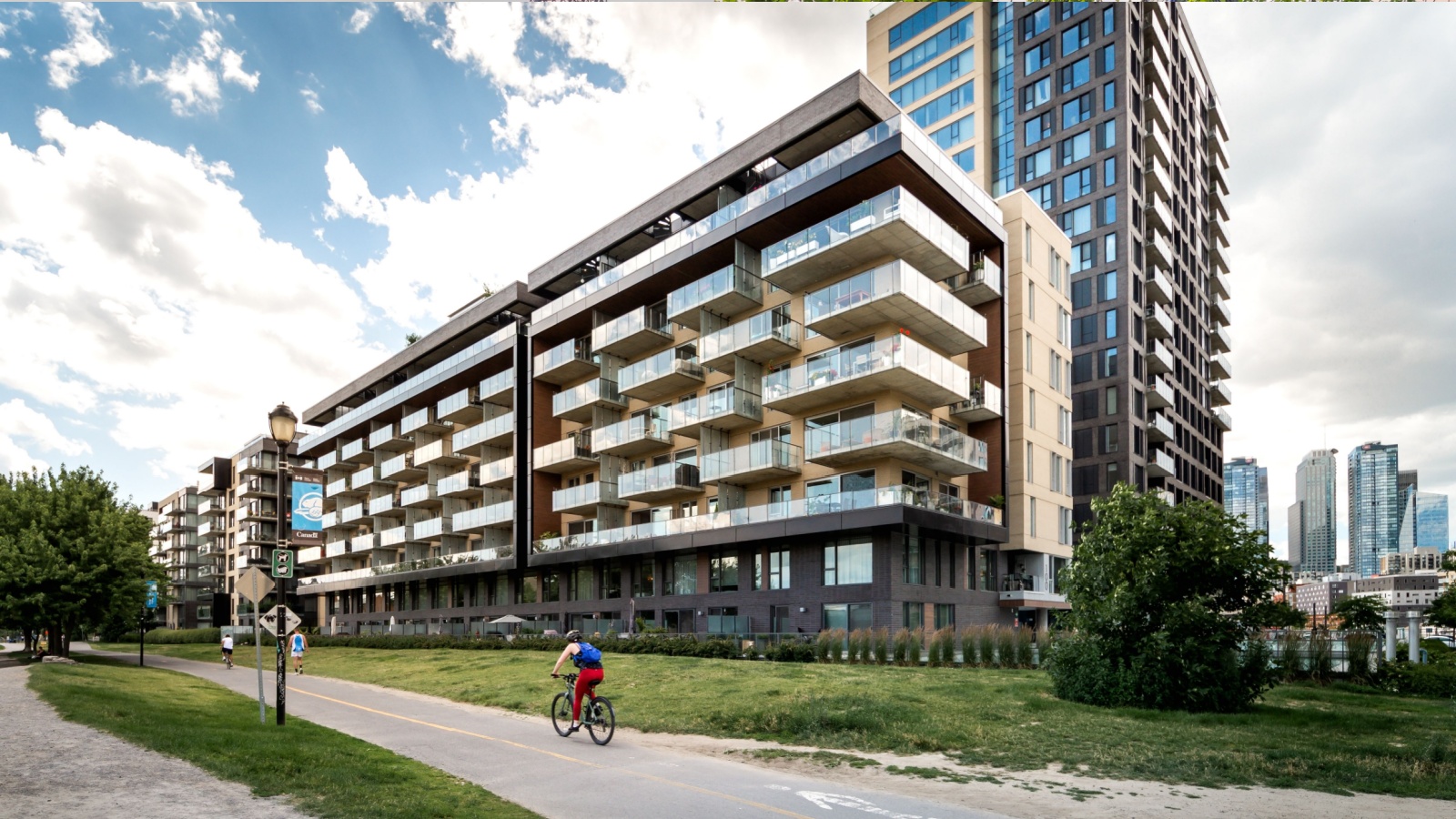
Griffintown, formerly an industrial area in Montreal, has transformed into a vibrant residential neighbourhood. Warehouses and factories were converted into loft-style apartments and condos. New residential buildings coexist with tech companies and creative studios. Cafes, restaurants, and shops emerged to serve the growing population. Proximity to downtown Montreal increases its appeal for young professionals. Public spaces and pedestrian pathways improved accessibility and quality of life. Griffintown’s transformation represents a shift from industrial heritage to modern urban living. The neighbourhood continues to attract investment and residents, balancing historic architecture with contemporary development, changing its identity in less than a decade.
Mile End, Montreal’s Creative Growth
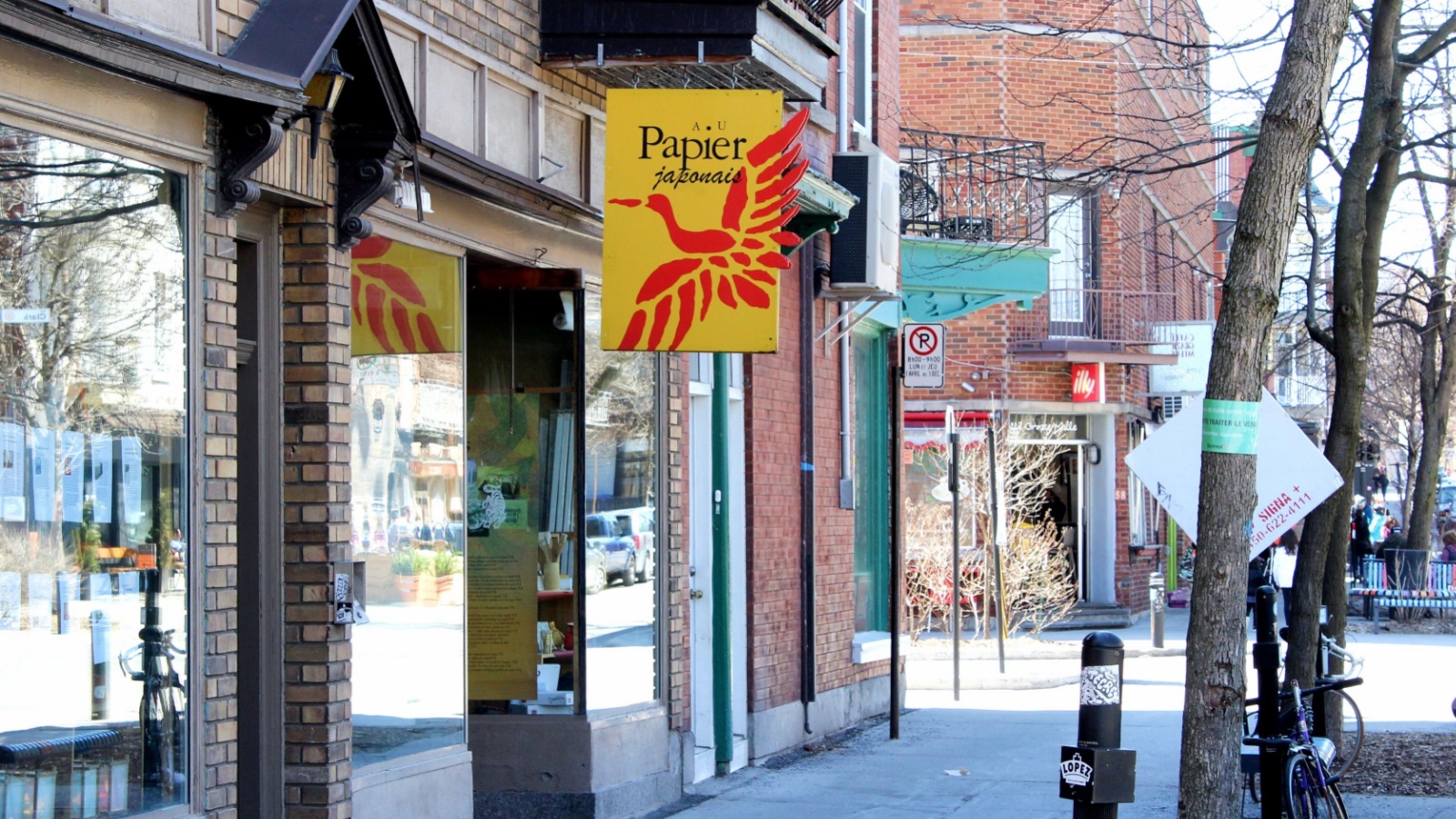
Mile End in Montreal has evolved into a hub for artists, musicians, and tech startups. Historic buildings host studios, cafes, and boutique shops that attract both locals and tourists. Street art, music venues, and cultural events contribute to the area’s lively atmosphere. Property values and rents have increased due to demand, but creative spaces remain central to the neighbourhood’s identity. The blend of historic charm and modern amenities supports an engaged community. Mile End’s growth highlights Montreal’s capacity to nurture creative industries while accommodating urban development. The neighbourhood continues to influence the city’s cultural and artistic scene.
Hochelaga-Maisonneuve, Montreal’s Revitalization
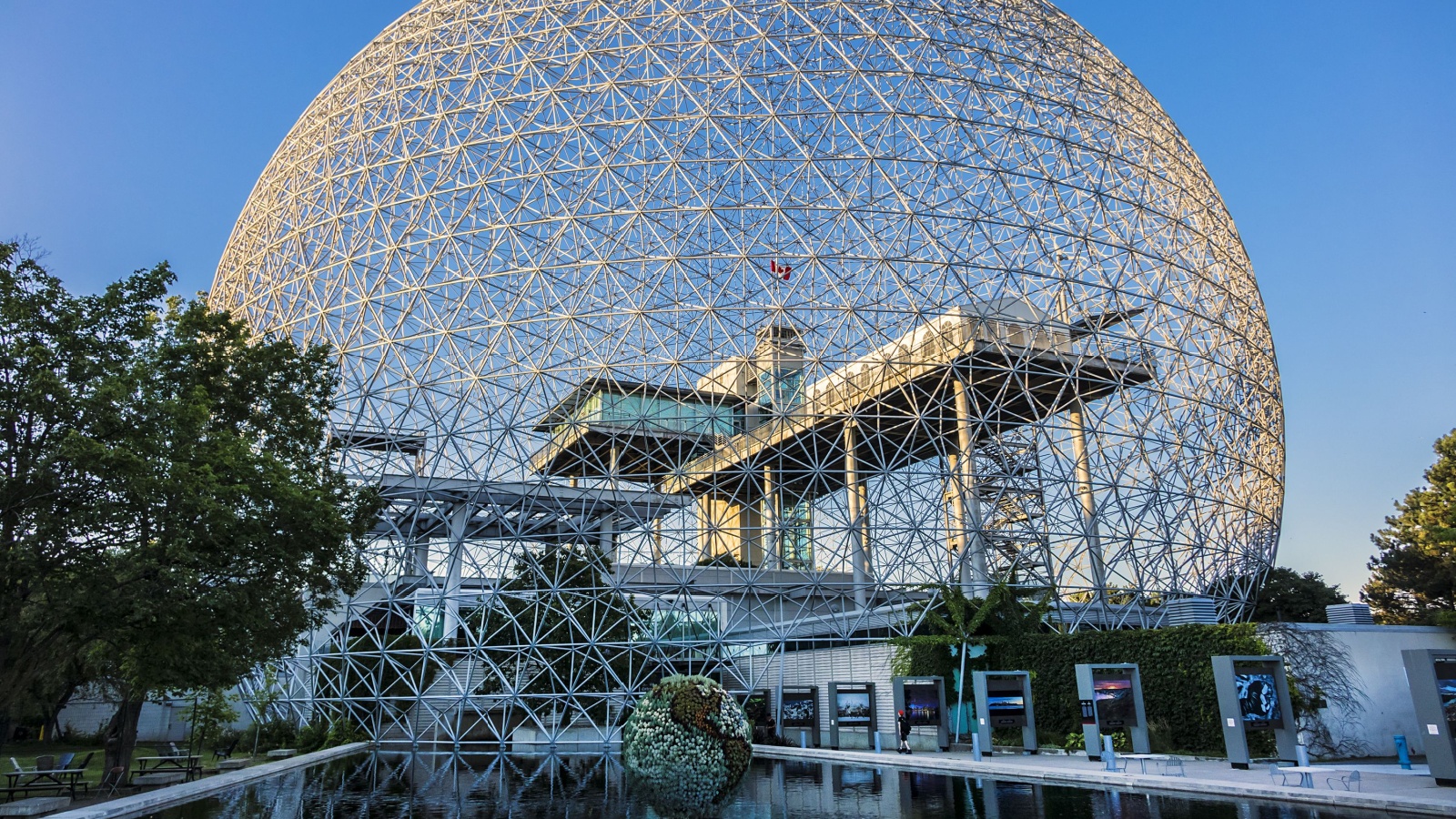
Hochelaga-Maisonneuve has undergone significant revitalization in recent years. Former industrial zones and aging housing were replaced or renovated to attract new residents. Parks, community centers, and local businesses improved livability and public spaces. Cafes, restaurants, and boutiques have emerged alongside existing cultural institutions. The neighbourhood retains elements of its historic identity while adapting to modern needs. Improved transit connections and infrastructure support growing populations. Hochelaga-Maisonneuve now appeals to families, young professionals, and artists. Its transformation demonstrates Montreal’s commitment to inclusive urban renewal, balancing economic development with community preservation, while fostering a vibrant and active urban neighbourhood.
Westboro, Ottawa’s Boutique and Arts Transformation
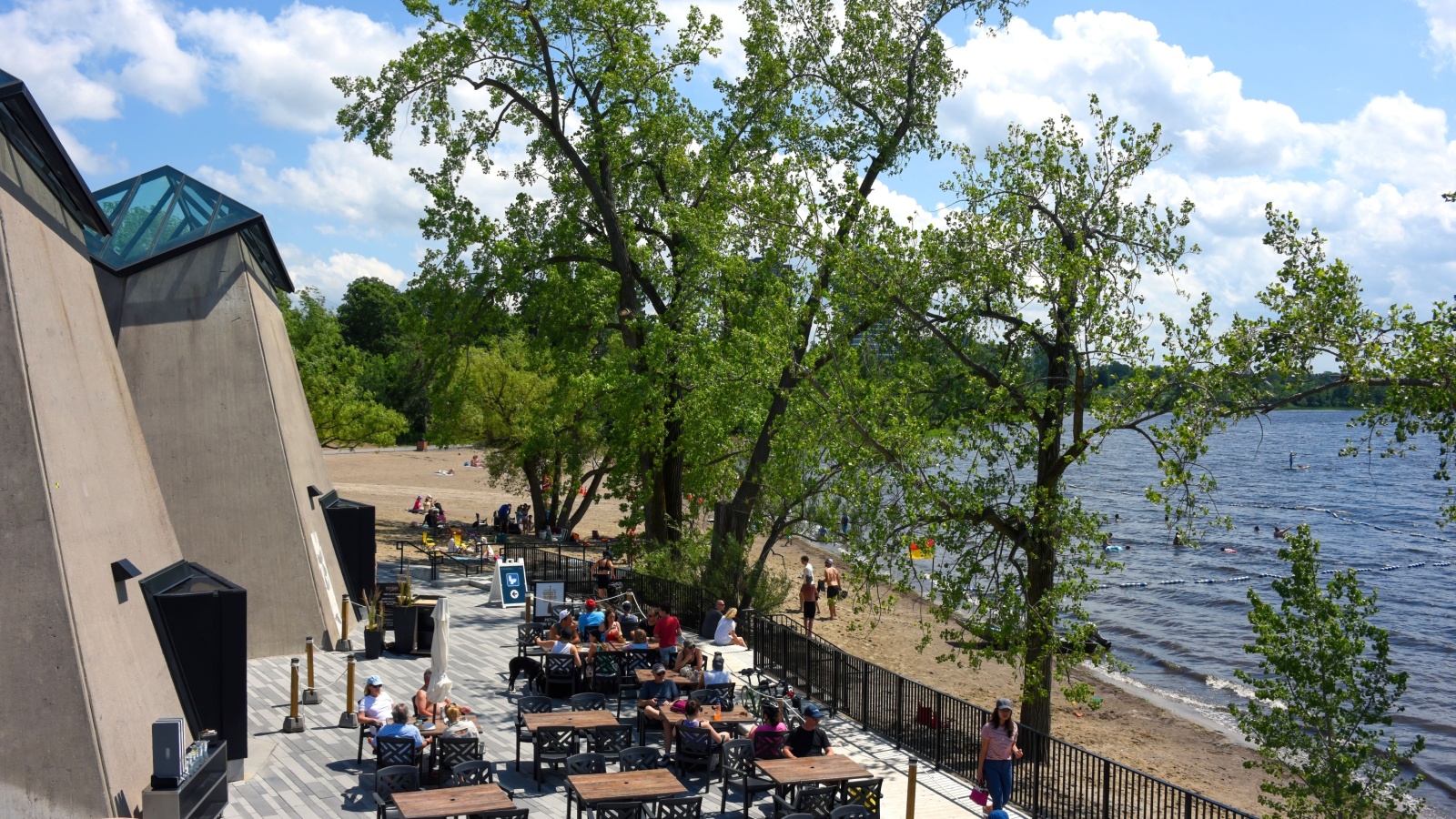
Westboro, in Ottawa, has shifted from a quiet residential area to a bustling boutique and arts district. Local shops, cafes, and galleries attract residents and visitors. The neighbourhood supports outdoor markets, art shows, and community events. Renovated homes and condos reflect rising property values. Cycling paths, parks, and pedestrian-friendly streets enhance the quality of life. Westboro’s transformation encourages community interaction and small business growth. The area blends historic architecture with modern amenities. Its rapid evolution highlights Ottawa’s urban development trends while maintaining a distinct, creative, and welcoming identity. Westboro has become a model for boutique urban neighbourhoods.
ByWard Market, Ottawa’s Commercial and Cultural Change
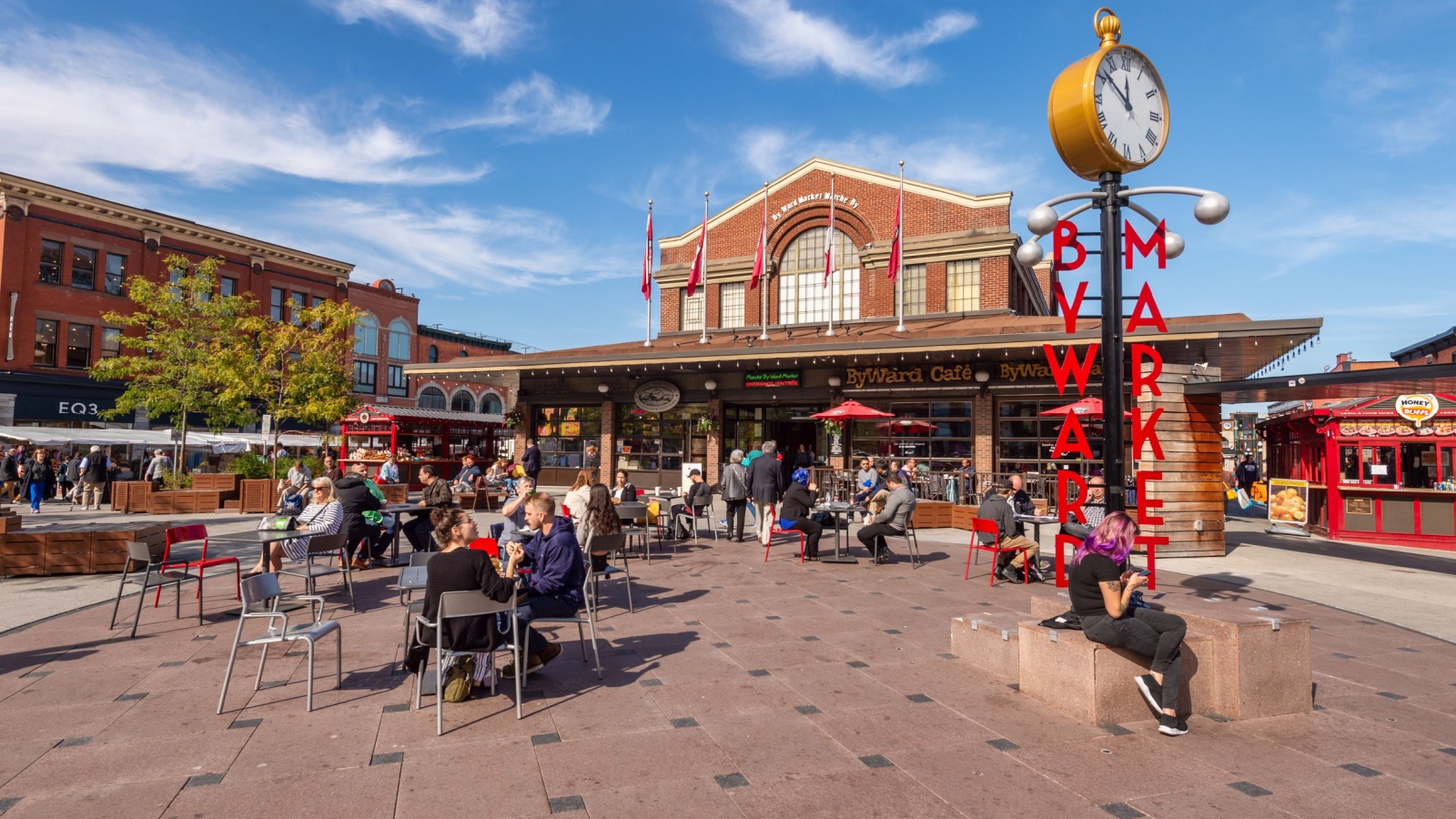
ByWard Market has transformed from a historic trading hub into a vibrant cultural and commercial district. Restaurants, pubs, and boutiques line its streets, attracting locals and tourists year-round. Seasonal markets, festivals, and live music events enhance community engagement. Renovations of older buildings preserved heritage while introducing modern retail spaces. The area’s nightlife and cultural offerings support Ottawa’s tourism and local economy. Increased property values reflect growing demand. ByWard Market exemplifies how historic districts can adapt to contemporary urban life. Its transformation balances tradition with modernization, strengthening Ottawa’s reputation as a city with dynamic and culturally rich neighbourhoods.
Glebe, Ottawa’s Rapid Residential Development
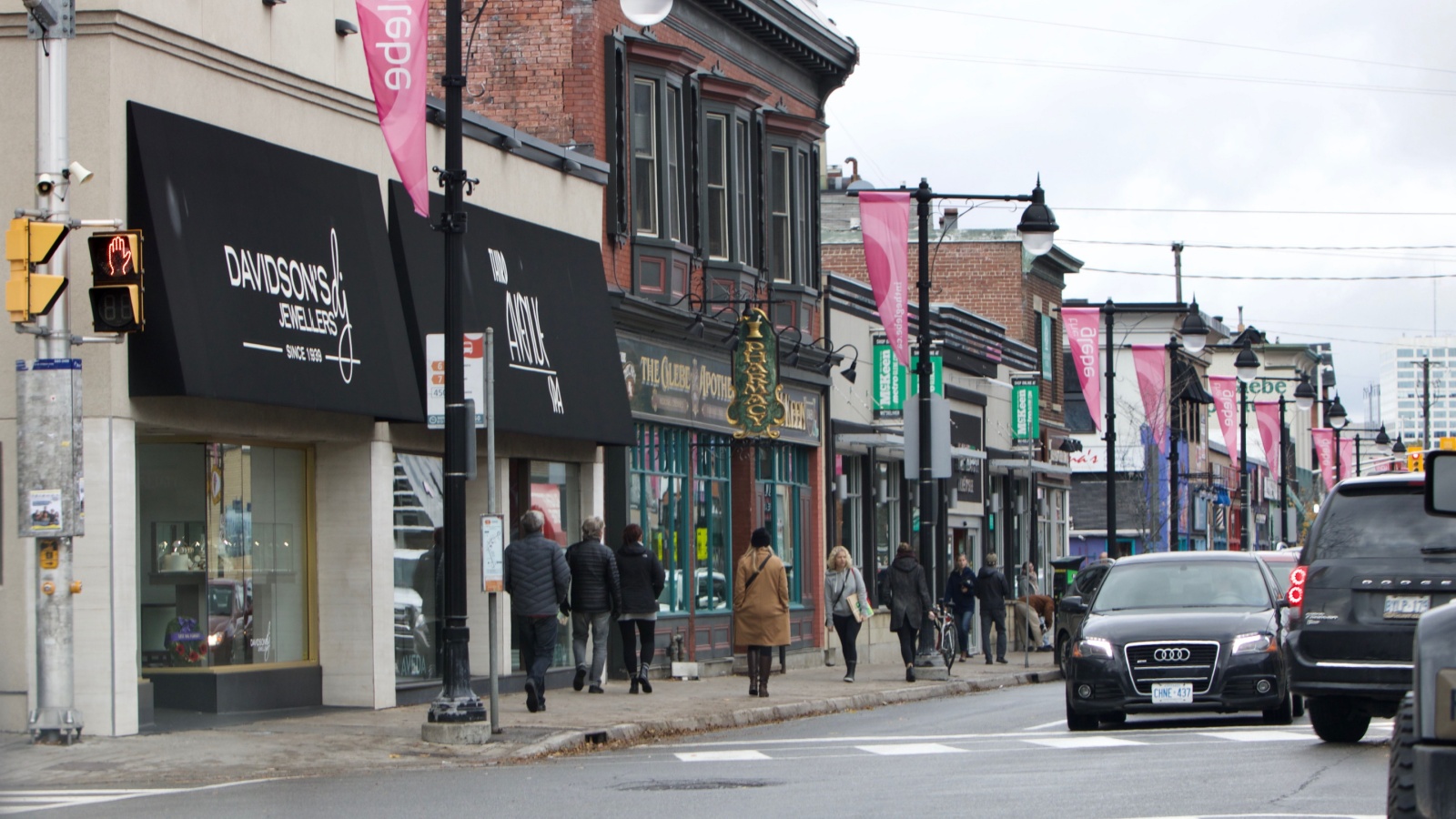
The Glebe neighbourhood in Ottawa has experienced rapid residential development over recent years. Historic homes coexist with new condos and townhouses, attracting young families and professionals. Local schools, parks, and amenities make it desirable for residents. Cafes, boutique shops, and restaurants support community life and economic growth. Improved transit access connects the area to downtown Ottawa and beyond. Rising property values reflect high demand. Glebe’s development showcases a balance between heritage preservation and modern urban living. Its transformation demonstrates Ottawa’s capacity for neighbourhood revitalization while maintaining a strong sense of community and local identity.
Saint John’s Downtown Renewal, Newfoundland and Labrador
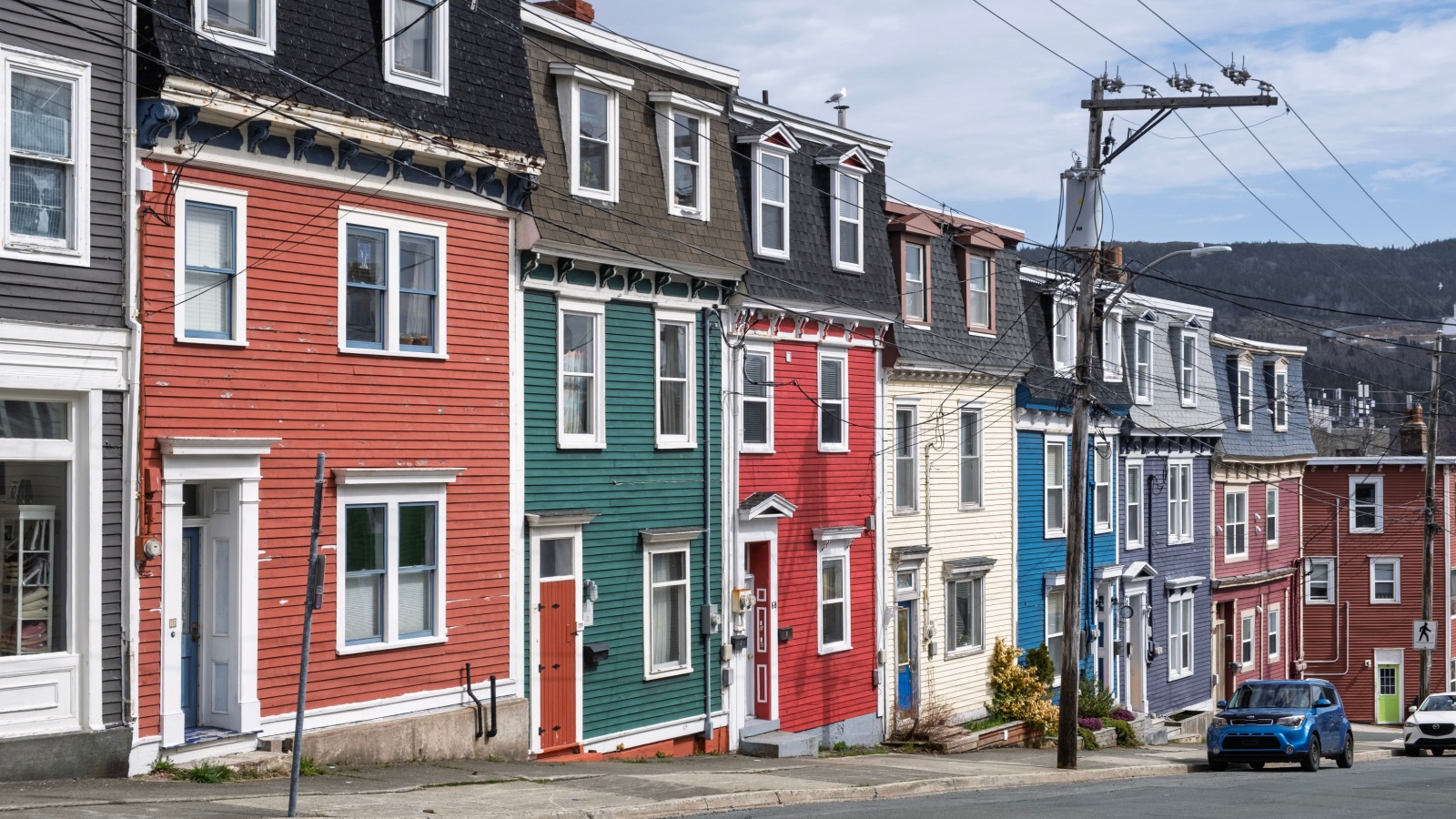
Saint John’s has revitalized its downtown area to attract residents, businesses, and tourists. Historic buildings were renovated into commercial and residential spaces. Restaurants, galleries, and boutique shops have appeared, enhancing the cultural landscape. Public squares and walking paths were improved to create vibrant community spaces. Events and festivals bring local residents together and support the economy. Property redevelopment has increased demand, while heritage preservation maintains the city’s identity. Saint John’s downtown renewal illustrates how smaller Canadian cities can modernize while keeping historical charm. The transformation supports urban growth, cultural engagement, and economic vitality in Newfoundland and Labrador.
Halifax North End, Nova Scotia’s Urban Revival
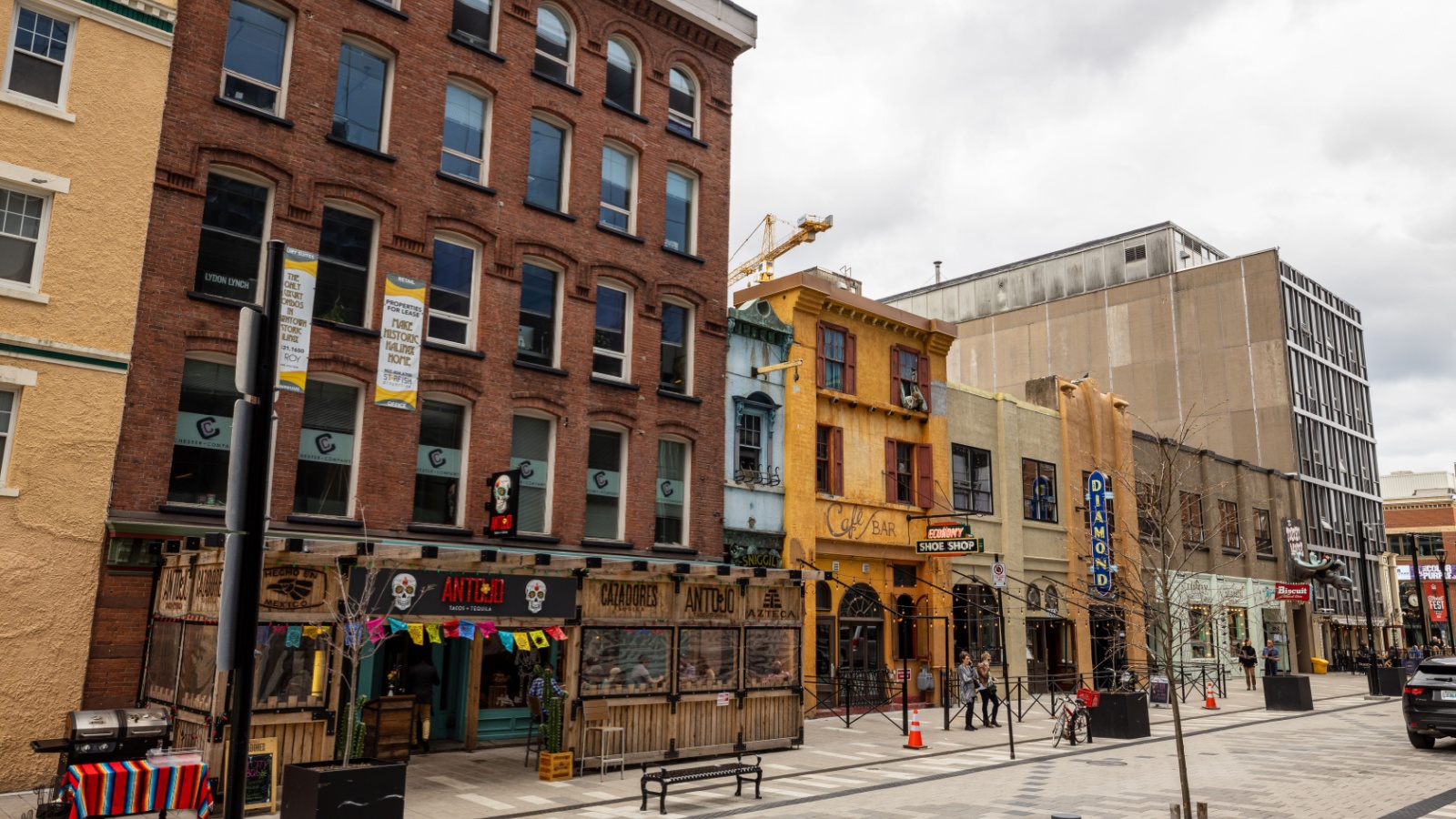
Halifax’s North End has seen a major urban revival in recent years. Older homes and industrial sites were renovated into modern residences and community spaces. Cafes, galleries, and local shops support a thriving cultural scene. Public parks, bike lanes, and pedestrian-friendly streets improved livability. Festivals and neighbourhood events attract residents and visitors alike. Rising property values reflect growing demand, yet the area maintains its historic charm. The North End demonstrates how Halifax balances heritage preservation with modern urban development. Its transformation supports cultural engagement, small business growth, and stronger community connections across Nova Scotia.
Downtown Calgary, Alberta’s Modernization
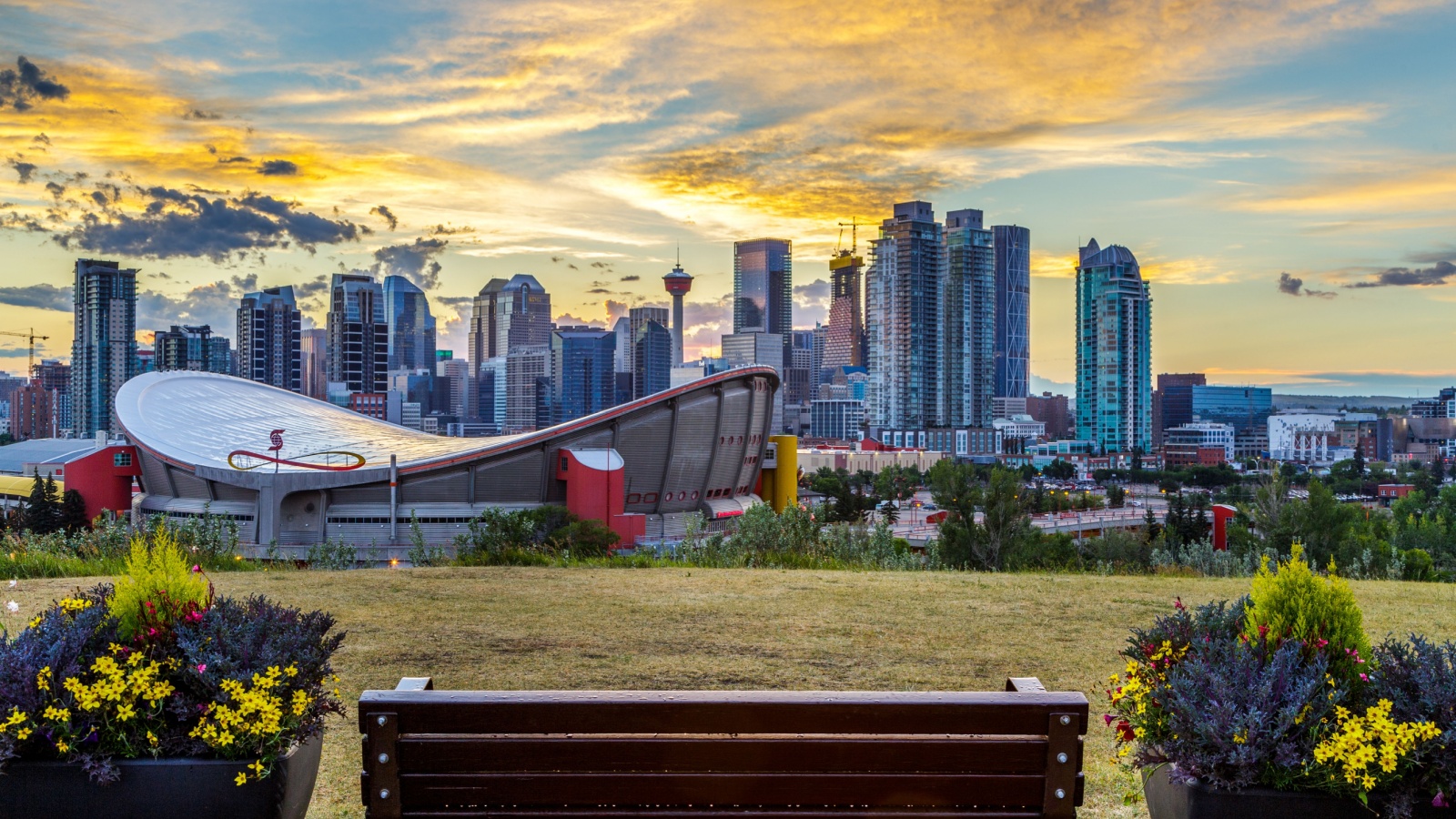
Downtown Calgary has undergone extensive modernization, transforming office and retail spaces. High-rise developments replaced aging buildings, and streets were redesigned for pedestrians and cyclists. Restaurants, cafes, and entertainment venues attract workers, residents, and tourists. Public transit improvements provide better access across the city. The modernization supports business growth while enhancing the quality of life for locals. Cultural events and festivals bring vibrancy to the area. Downtown Calgary’s transformation demonstrates Alberta’s economic strength and urban planning priorities. The neighbourhood continues to evolve, balancing modern architecture with heritage preservation, making it a dynamic hub in western Canada.
Inglewood, Calgary’s Creative and Dining Boom
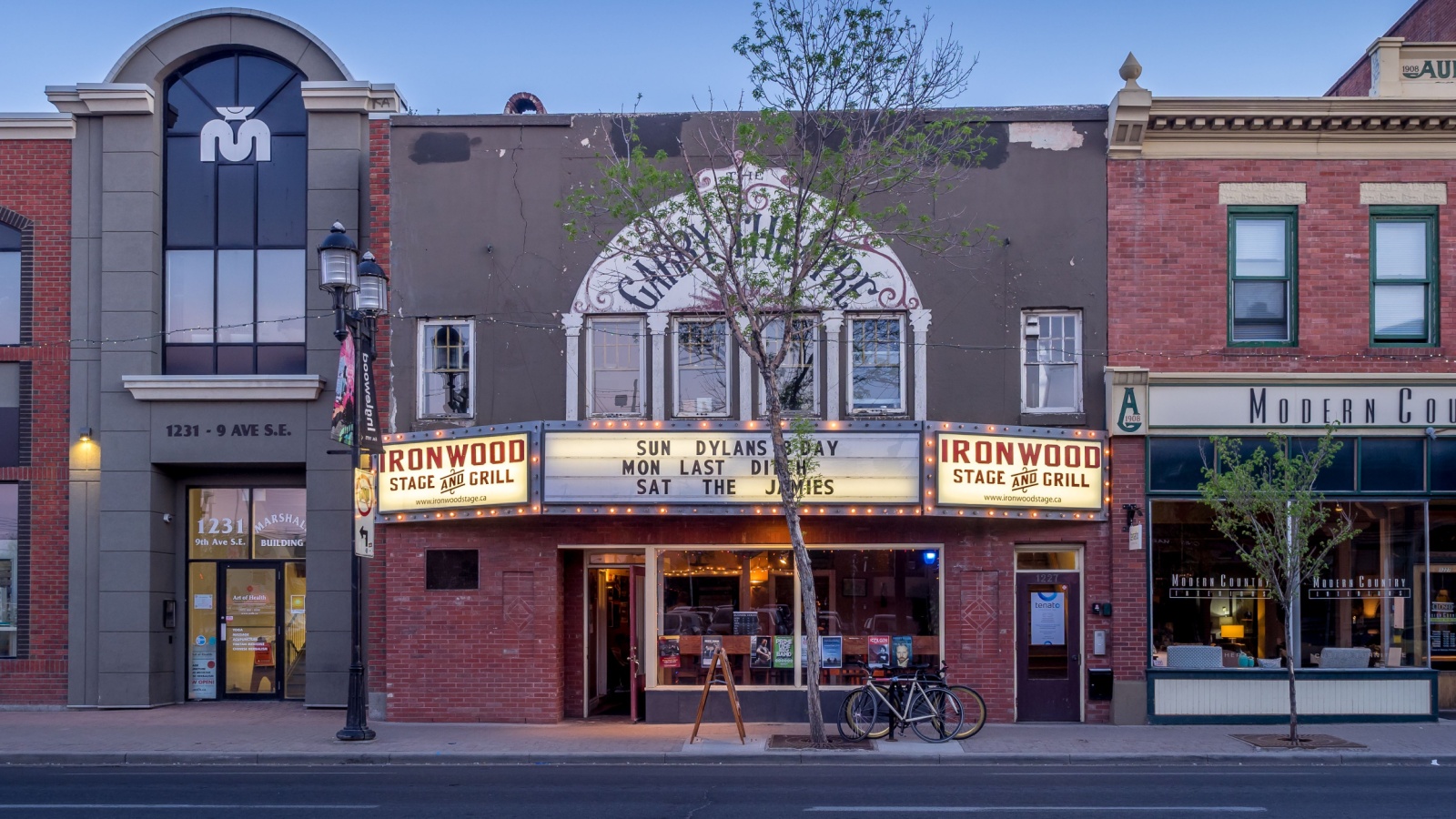
Inglewood has become Calgary’s hub for arts, dining, and nightlife. Historic buildings house galleries, boutique shops, and restaurants that attract diverse crowds. Live music and cultural events support local talent and creativity. Pedestrian-friendly streets and outdoor patios enhance community interaction. Rising property values reflect growing popularity, while heritage preservation maintains the neighbourhood’s identity. Inglewood’s transformation showcases Calgary’s commitment to combining arts, culture, and commerce. Residents and visitors enjoy a vibrant environment that blends creativity with modern amenities. The area continues to attract investment, making it a centre for urban lifestyle and cultural expression in Alberta.
Winnipeg Exchange District, Manitoba’s Heritage Redevelopment
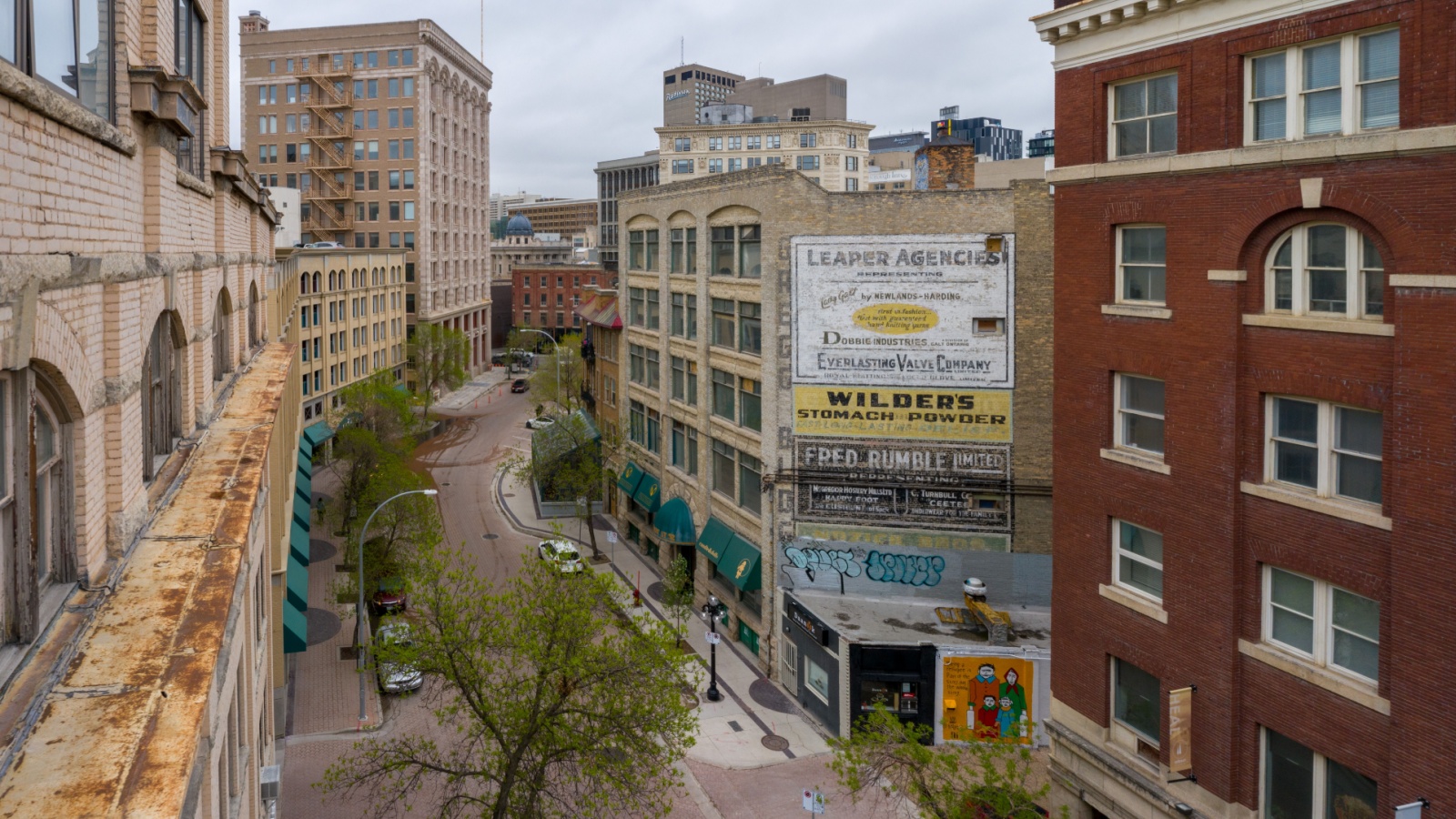
Winnipeg’s Exchange District has evolved from a historic commercial area into a mixed-use cultural and residential hub. Heritage buildings were renovated to house offices, condos, galleries, and restaurants. Cobblestone streets and preserved architecture create a unique urban character. Festivals, art events, and local businesses attract residents and tourists alike. Transit access and pedestrian improvements enhance usability. Rising property values indicate increasing demand while redevelopment respects the district’s historic identity. Winnipeg’s Exchange District demonstrates how heritage preservation can drive economic growth. Its transformation continues to strengthen the city’s cultural profile and urban vitality across Manitoba.
Kensington Market, Toronto’s Ongoing Transformation
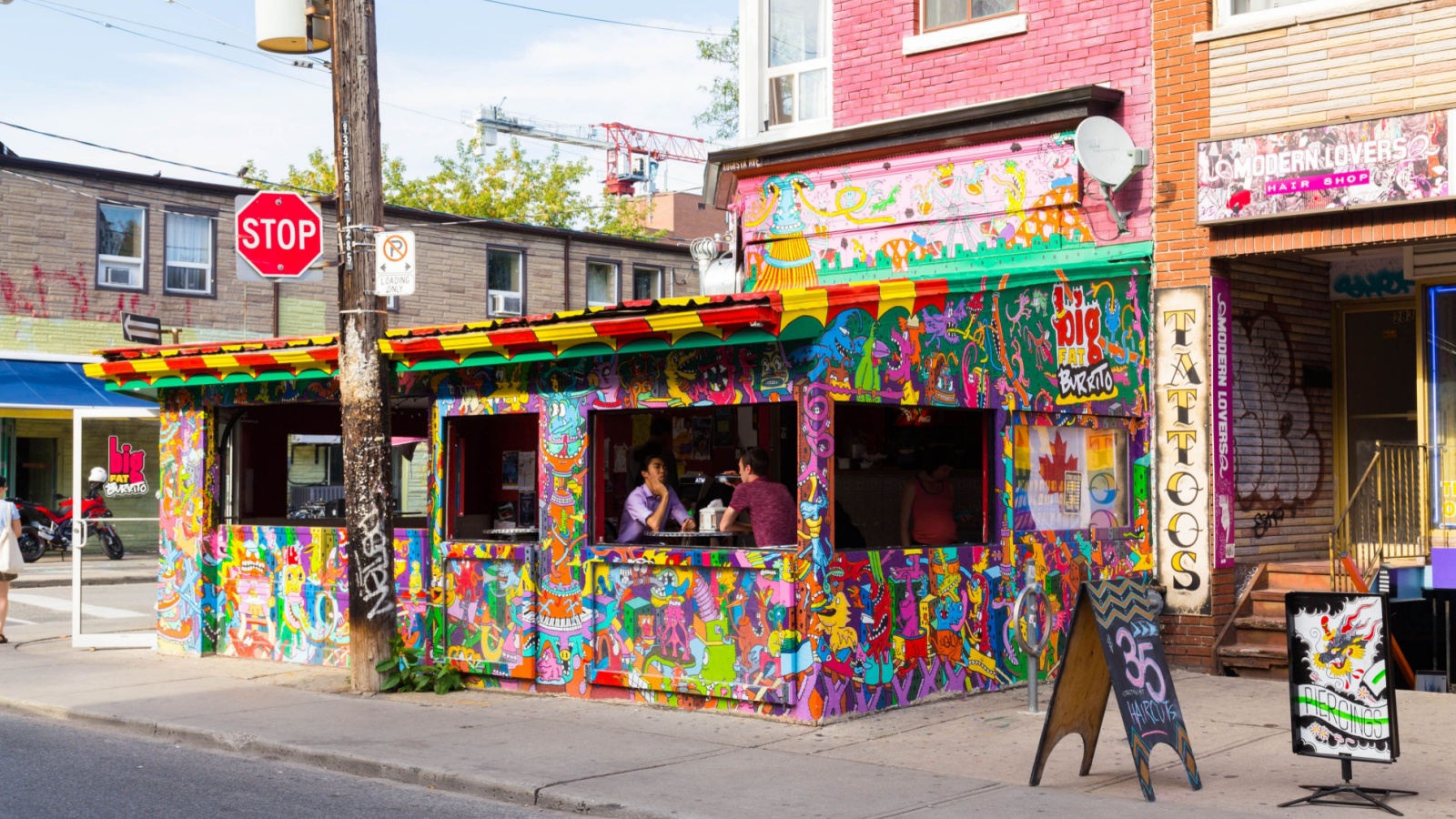
Kensington Market in Toronto has experienced ongoing change while maintaining its eclectic character. Historic buildings house diverse restaurants, cafes, vintage shops, and cultural spaces. Street art and community events reinforce its vibrant, inclusive atmosphere. Rising rents and property redevelopment reflect growing popularity. The neighbourhood continues to attract young residents, artists, and entrepreneurs. Pedestrian-friendly streets and local markets support sustainable, community-focused living. Kensington Market’s transformation demonstrates Toronto’s ability to evolve while preserving cultural diversity. It remains a dynamic hub for creativity, commerce, and social engagement, reflecting the city’s commitment to balancing modern urban growth with historic neighbourhood charm.
22 Groceries to Grab Now—Before another Price Shock Hits Canada

Food prices in Canada have been steadily climbing, and another spike could make your grocery bill feel like a mortgage payment. According to Statistics Canada, food inflation remains about 3.7% higher than last year, with essentials like bread, dairy, and fresh produce leading the surge. Some items are expected to rise even further due to transportation costs, droughts, and import tariffs. Here are 22 groceries to grab now before another price shock hits Canada.
22 Groceries to Grab Now—Before another Price Shock Hits Canada
