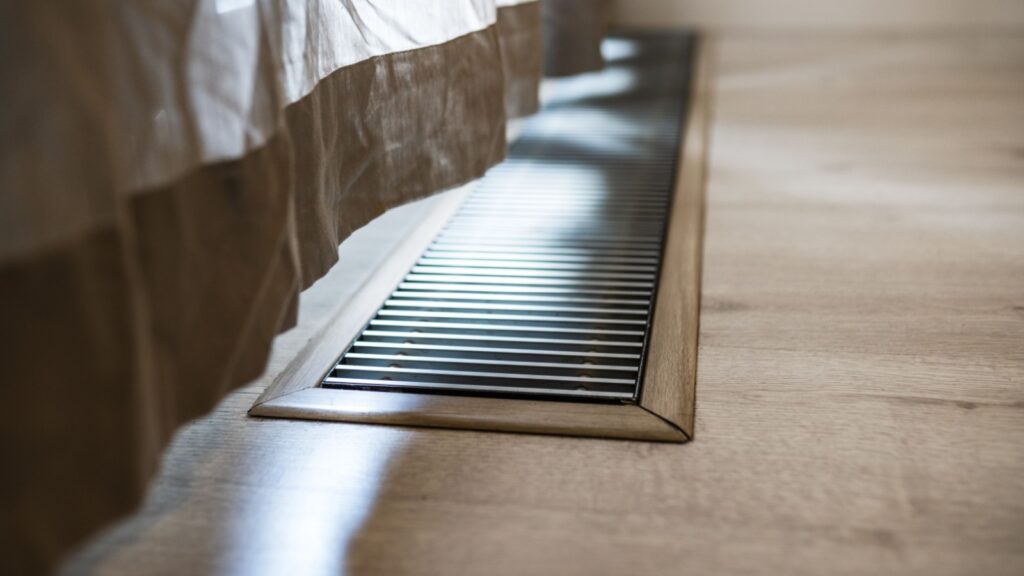
A furnace usually gives warning signs before it fails, but most people overlook them until winter hits. In Canada, a cold snap is not a small inconvenience. It can arrive overnight, freeze pipes, push heating bills through the roof, and disrupt life fast. A struggling furnace can also put homes at risk of carbon monoxide exposure and unsafe temperatures. These early red flags can help you understand when your system is on its final stretch. Here are 22 signs your furnace is about to die during the next cold snap.
The house never reaches the temperature you set
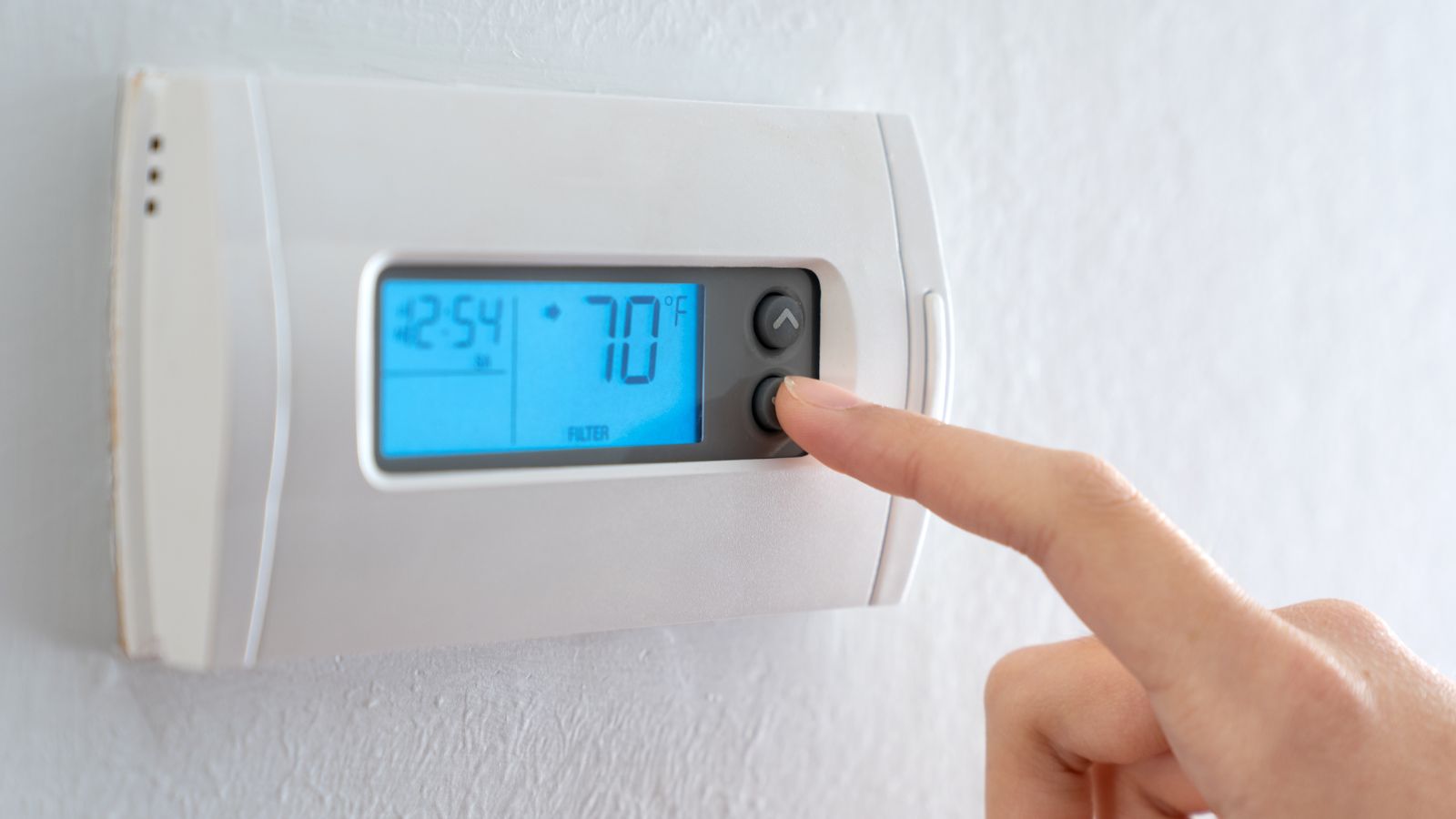
If your home stays cold no matter how high you set the thermostat, the furnace is likely losing heating strength. It may run longer throughout the day without warming rooms properly. You start adding blankets, space heaters, or heated pads while the furnace keeps humming for hours. This problem is very common during Canadian winters, where outside temperatures drop fast. Aging parts, weak airflow, and worn burners reduce heat output. When a unit cannot match the thermostat demand, it indicates a major decline in performance, and future failure is likely.
The furnace cycles on and off constantly
Short cycling happens when the furnace starts and stops too quickly. The house warms slightly, then the unit shuts down, then starts again minutes later. This pattern continues for hours and drives up the energy bill. Constant cycling points to component failure, such as a damaged limit switch or a failing blower motor. It also puts stress on the system because starting up uses more power than steady running. Many Canadian homeowners notice this right after the first winter cold front arrives. It rarely fixes itself and often signals the furnace is nearing the end.
Your energy bill suddenly jumps
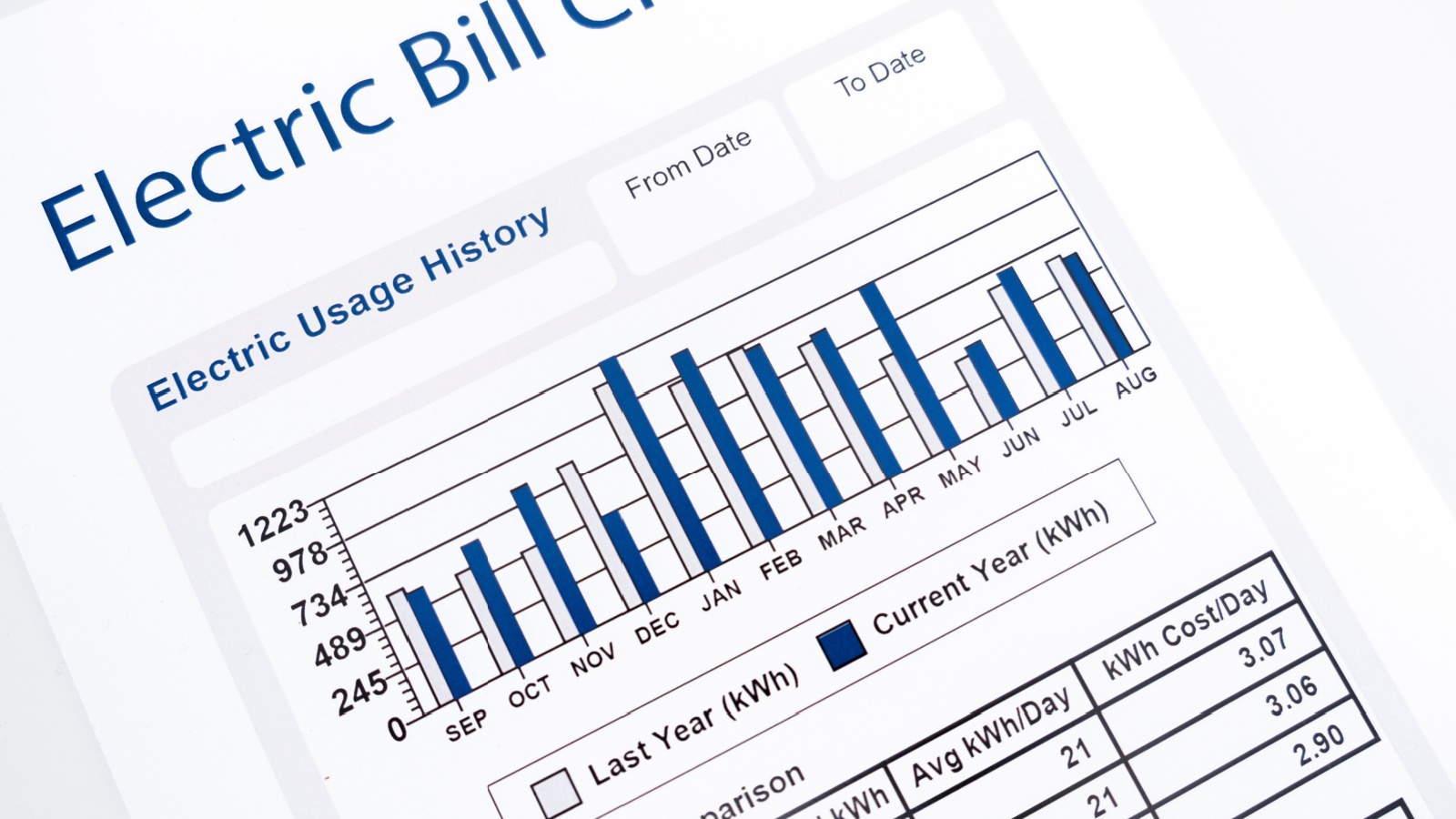
If the furnace is using more energy to heat the same space, something is wearing out. There is usually no leak, no open window, and no change in thermostat habits. Yet the bill increases faster every month. Older furnaces burn more fuel when efficiency drops. They also need longer run times to reach standard temperatures. People across Canada often see this before any sound or smell appears. A rising bill without a clear reason is one of the strongest clues that furnace failure is on the horizon. Waiting too long can mean a costly emergency replacement.
Cold spots appear in random rooms

A dying furnace often loses balanced airflow. Some rooms get very warm while others stay cold. You might notice the bedrooms feel chilly while the living room stays hot. Upstairs may freeze while the basement overheats. This shows the furnace cannot push air evenly through ducts. It might be the blower motor fading or a major heating component wearing down. In winter, cold spots are a clear warning that the furnace is struggling to function properly. Homes in Ottawa, Calgary, Edmonton, Winnipeg, and other colder cities experience this often as units reach the end of their lifespan.
Strange noises start happening
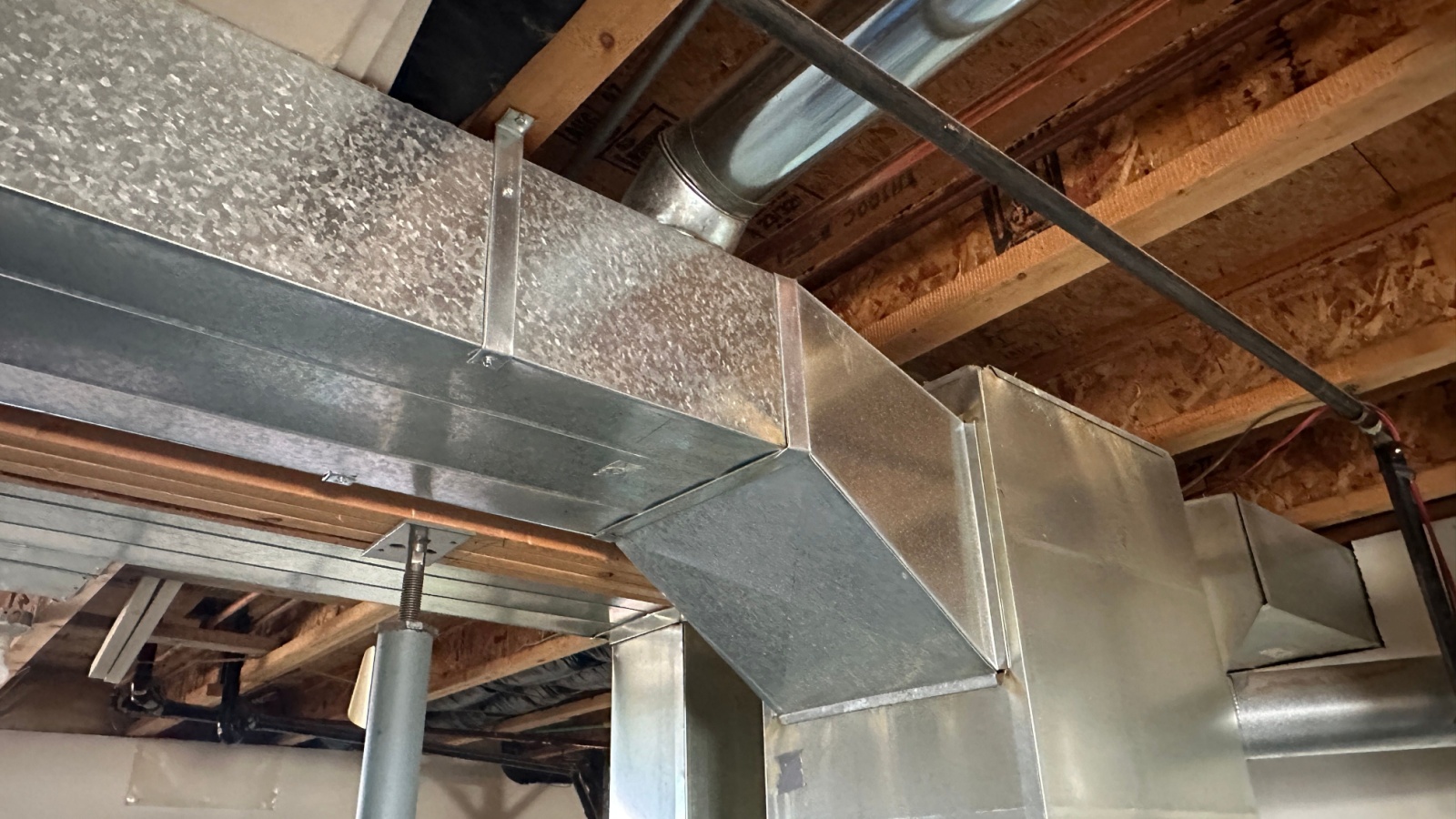
Grinding, rattling, squealing, popping, or loud humming noises are major red flags. A furnace is designed to run quietly with a soft whooshing sound. Anything beyond that suggests mechanical deterioration. Bearings can fail, belts can wear out, or heat exchangers can crack. Many Canadians first notice this late at night when the house is quiet. If you can hear the furnace from across the room, it is not just “getting old”. It is signaling that internal damage is building and failure is coming soon. A noisy system is one of the most common signs of a complete breakdown.
The system smells dusty every time it starts

A dusty smell during the first winter start is normal. However, ongoing smells throughout the season are not. It could mean the furnace is overheating and burning residue deep inside. In older units, this often happens when internal parts are corroded or coated in grime that keeps recycling into the heat stream. Many homeowners in dry Canadian provinces such as Alberta and Saskatchewan notice it first because dust travels more easily in winter heating. This smell suggests the furnace can no longer burn cleanly and may fail during extended cold periods.
You notice a burning plastic or electrical smell
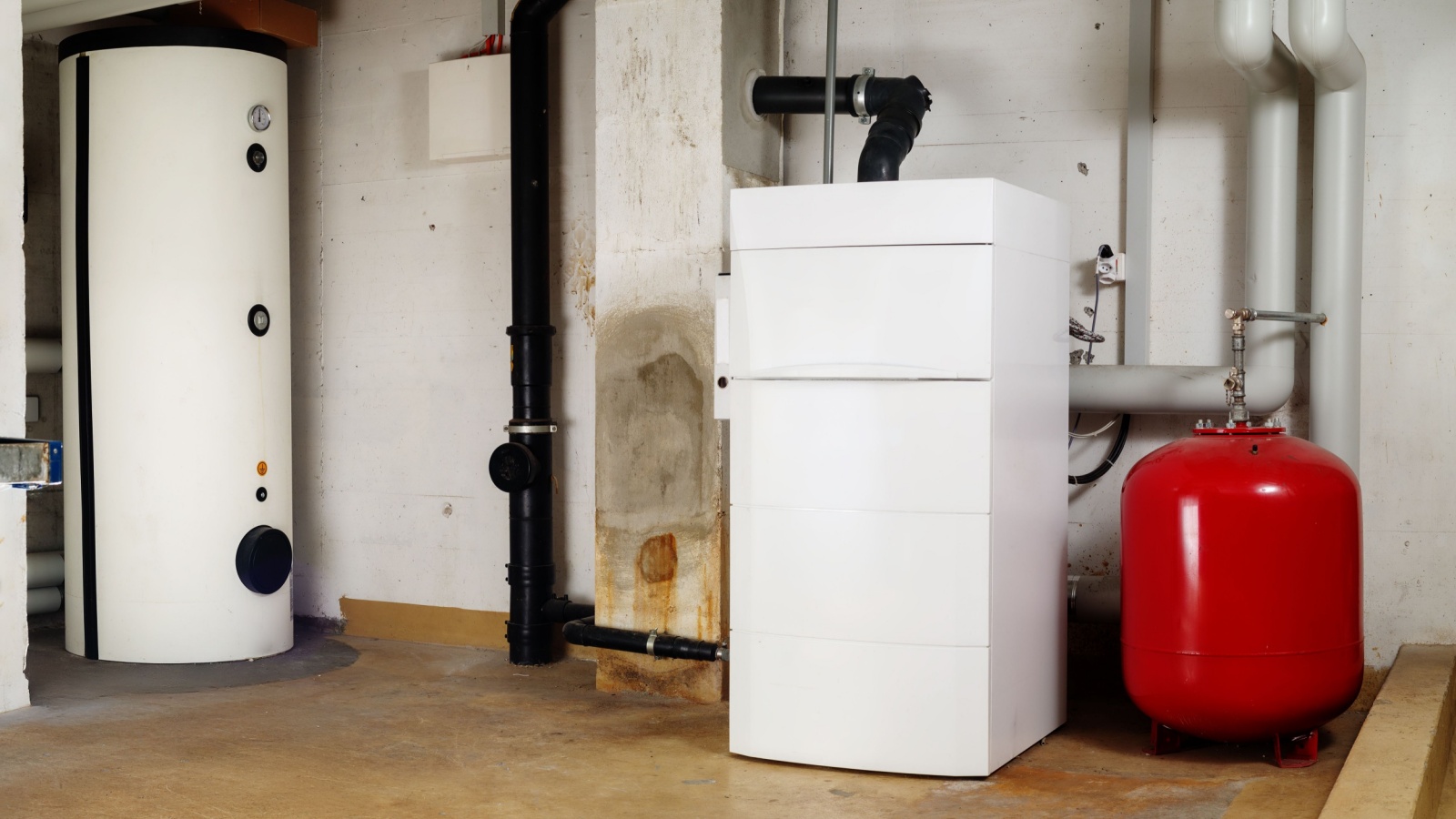
This smell is dangerous. It may signal wiring problems, a failing motor, or overheating components that could lead to fire risk. The smell might come in short bursts or last during long heating cycles. A furnace should never smell like melting plastic or electrical heat. It is a clear sign of compromised parts that are shutting down slowly. Waiting until the next cold snap could push the unit to a complete breakdown. Many emergency replacements during Canadian winters start with this exact smell that was ignored for months.
The pilot light keeps going out
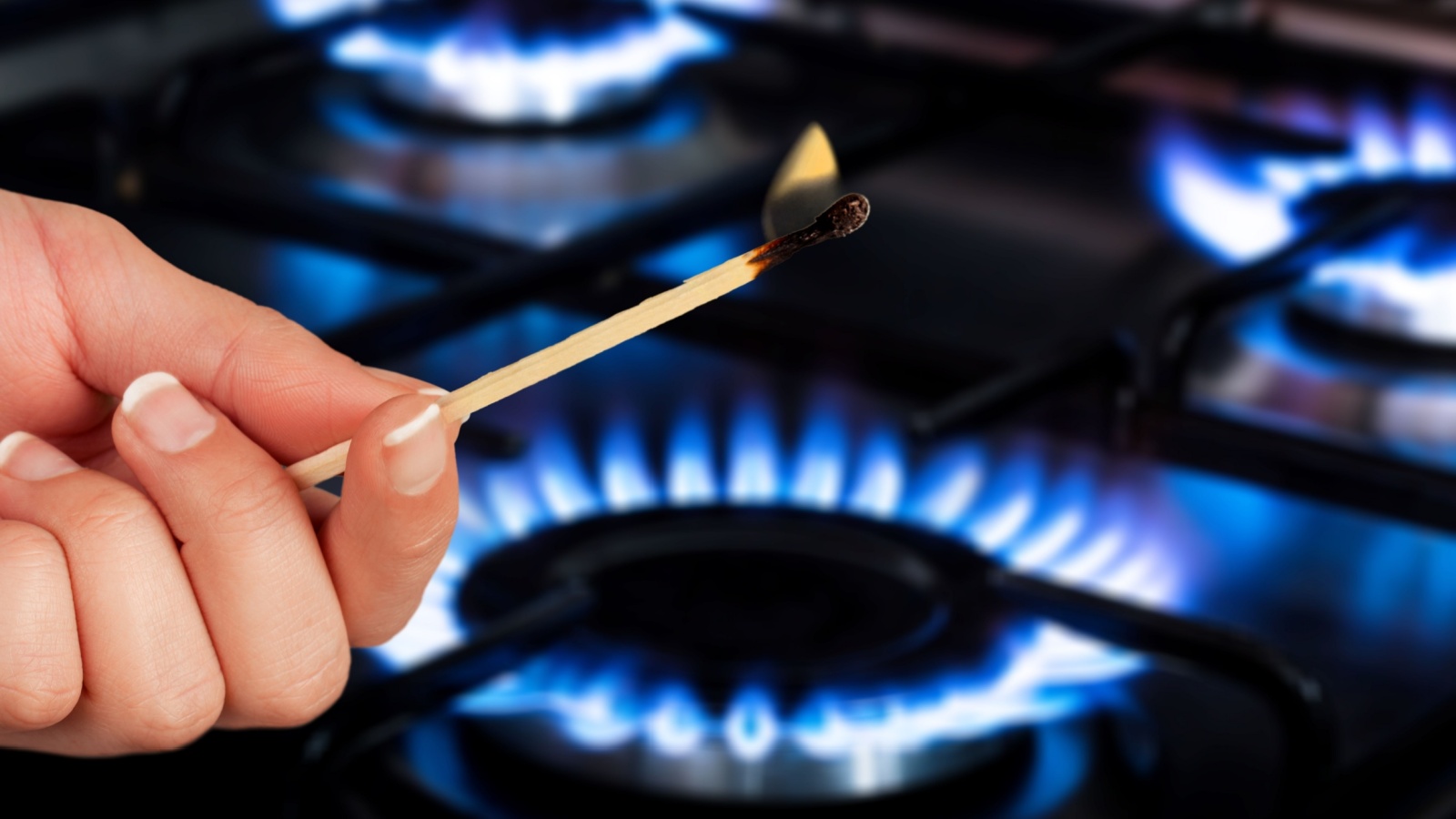
Older gas furnaces use pilot lights to ignite burners. A healthy flame stays stable and blue. If the flame goes out frequently or appears yellow or orange, there is combustion trouble. It can point to dirty burners, damaged sensors, or gas flow problems. In Canada, gas furnaces are common, and pilot trouble becomes more noticeable during strong temperature drops. A malfunctioning pilot prevents the system from heating properly and usually means the unit is reaching the end of its functional life. It also raises safety concerns related to carbon monoxide.
The thermostat no longer responds properly
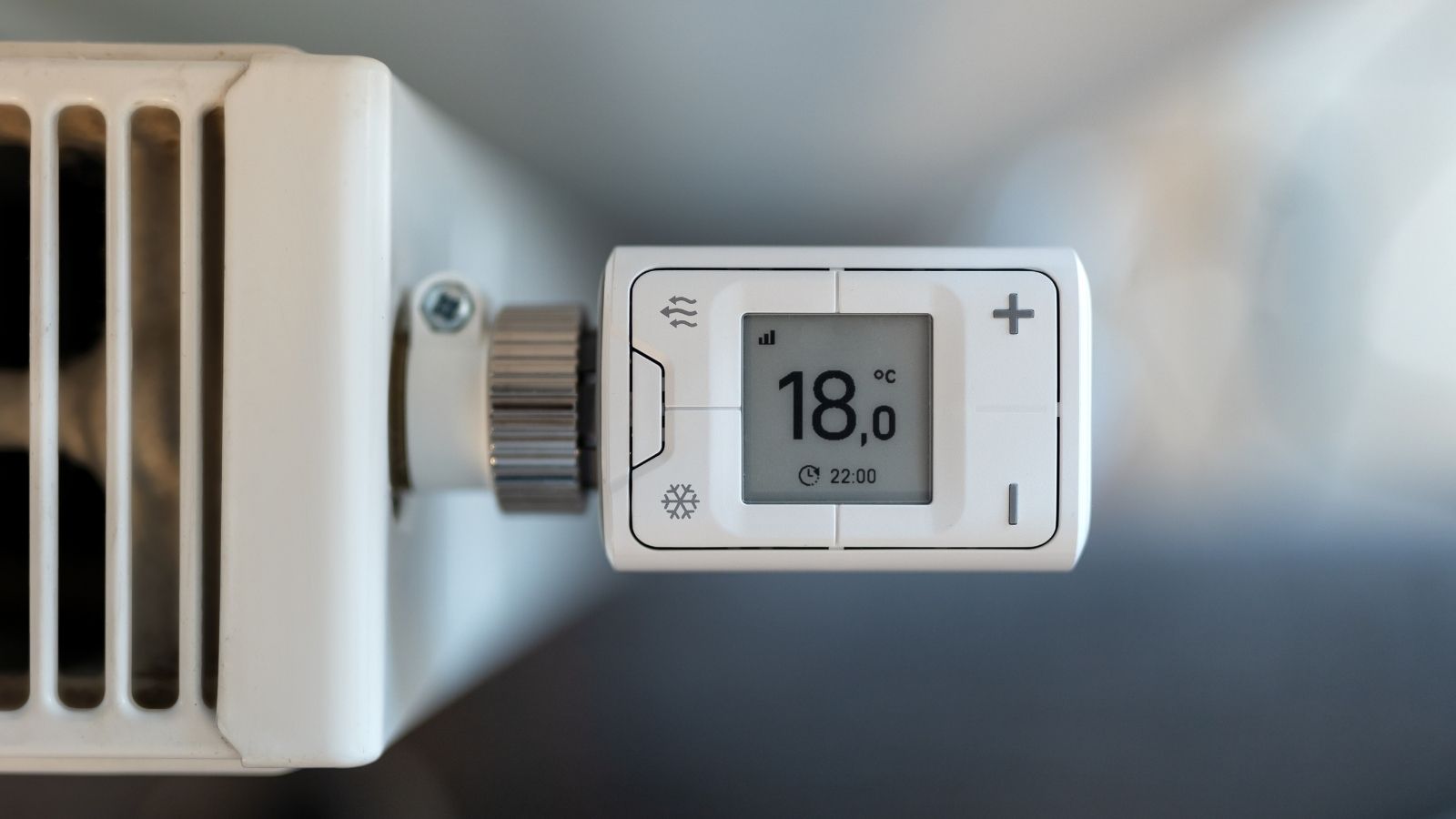
If you keep raising the temperature with very little improvement, the furnace is likely the issue rather than the thermostat. Rooms warm up slowly, then cool quickly. The thermostat seems to fight with the furnace instead of working together. Many homeowners suspect the thermostat first, but the real problem is often a furnace that cannot maintain consistent heat. During Canadian winters, temperature swings become severe, and unstable equipment falls behind. If the thermostat worked in previous years but struggles now, the furnace is likely aged and failing.
The air coming from vents feels weak
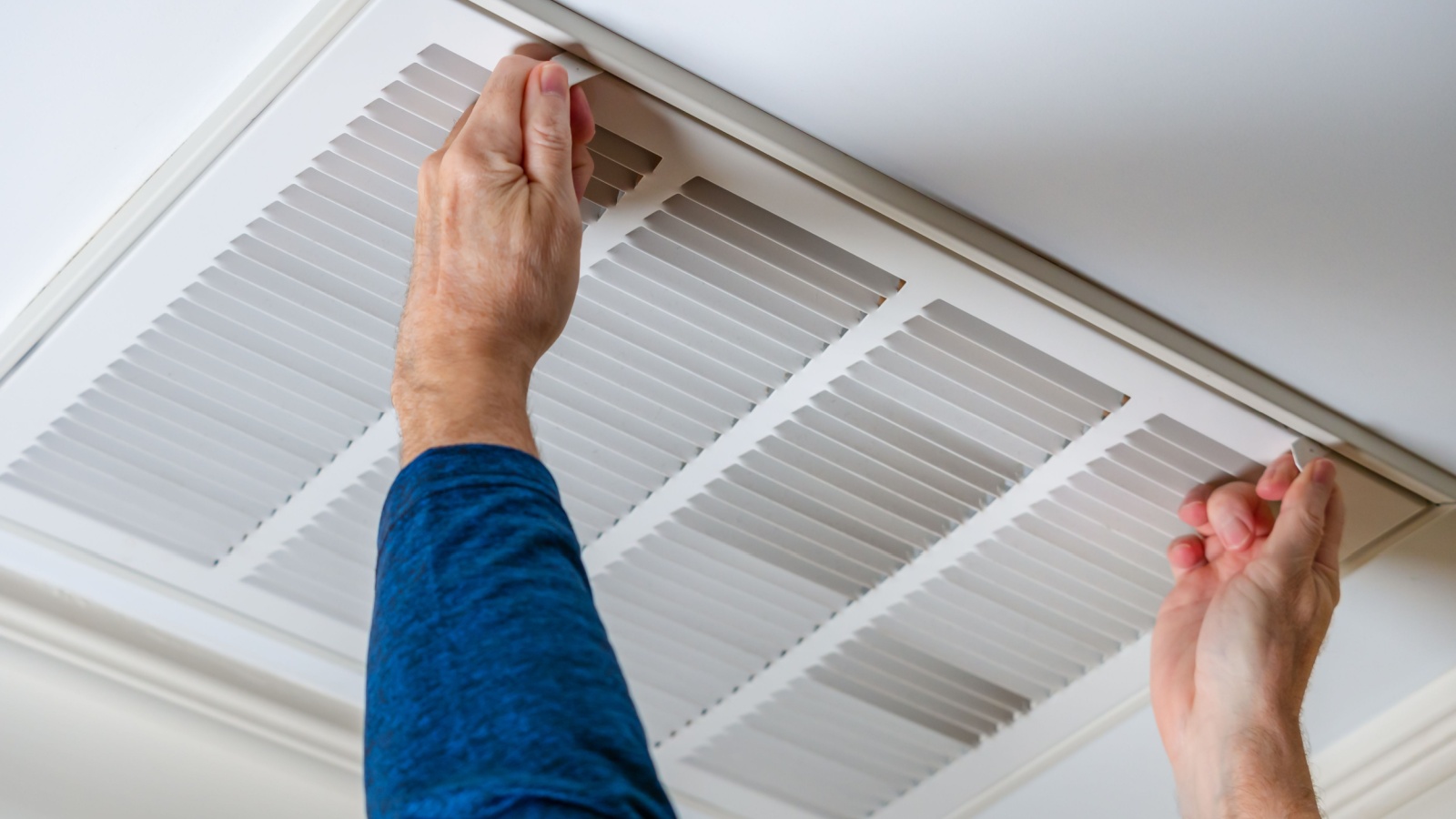
Even if the furnace is technically heating, weak airflow reduces comfort. Warm air barely pushes from vents and takes a long time to move through the house. This signals a blower motor wearing out or an internal blockage from older components breaking down. When airflow drops dramatically, the furnace is working harder to move less heat. This raises bills and shortens its life quickly. Canadians often report this during January and February when heating demand is highest. Weak airflow rarely improves and usually worsens right before the system reaches total failure.
Dust gathers faster than usual
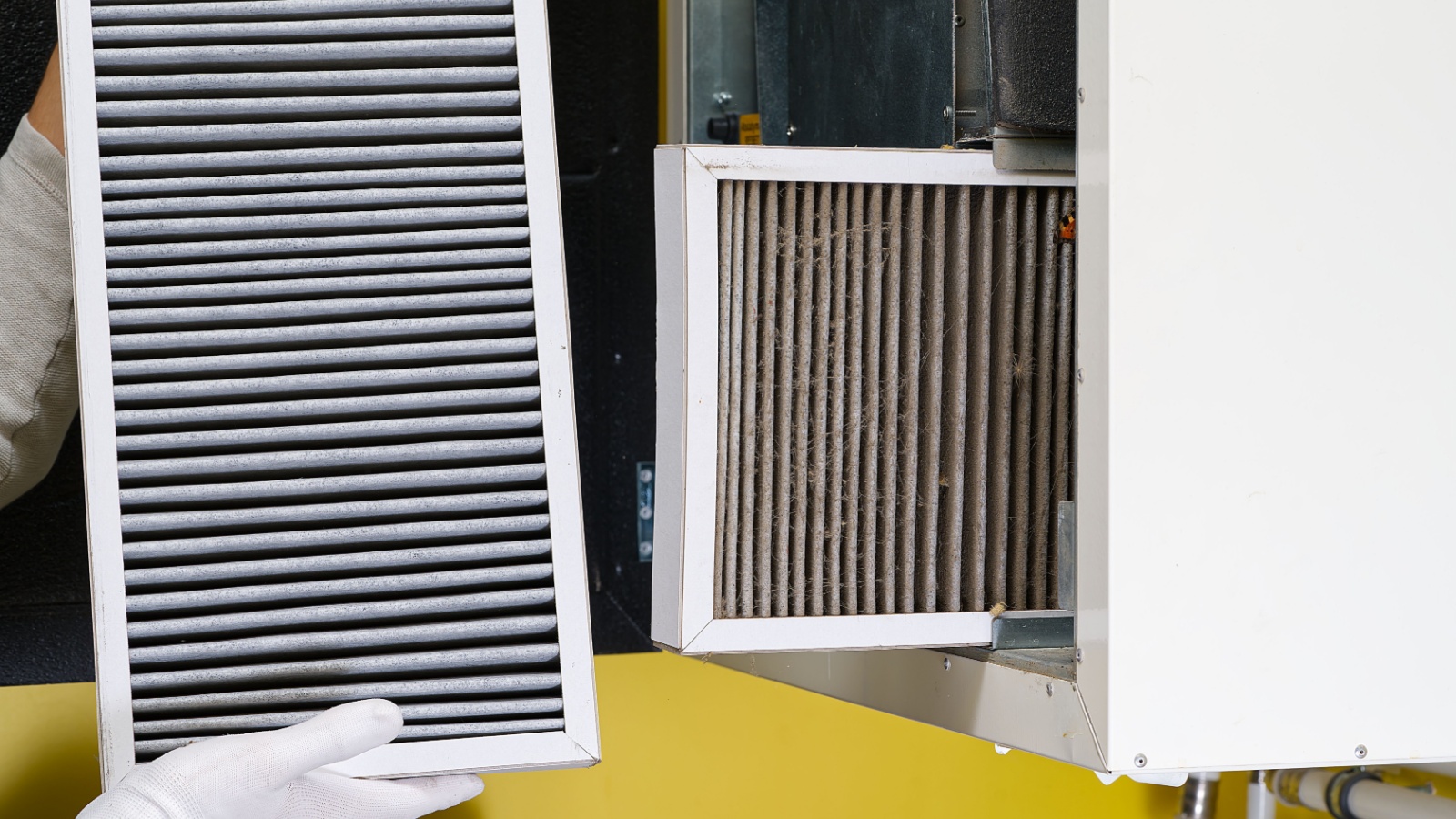
When a furnace nears the end of its lifespan, filtration and circulation decline. Dust begins settling on furniture, shelves, vents, and electronics more often. It may feel like the house is never clean. Along with dust, dry air or sinus discomfort can appear. In many Canadian cities where winter air is already dry, this makes indoor comfort much worse. The furnace is no longer circulating and filtering air properly. This happens because critical internal parts are wearing down and debris cycles repeatedly. If cleaning feels constant, the furnace could be fading.
You experience frequent headaches or nausea

A furnace that is breaking down may produce low-level carbon monoxide that is not immediately detectable. Early symptoms include headaches, light dizziness, and nausea that disappear when leaving the house. Even mild exposure is dangerous if ignored. Many Canadians discover furnace failure during cold snaps because windows remain closed and air circulation is minimal. If people in the home feel unwell only during heating periods, the furnace might be improperly burning fuel. This is not something to monitor casually. It is a sign the furnace may be declining into a hazardous stage.
You smell gas occasionally

Natural gas should never be smelled inside living spaces. Even small hints of gas smell during heating cycles mean something is failing. Older units may develop leaks in valves or connections. It might be mild at first and easy to miss. Canadians often notice it when returning home after work or waking up early on winter mornings. A gas smell does not guarantee total furnace failure, but it does suggest that breakdown is close. It is both a safety threat and a mechanical warning that the furnace may be past safe operating conditions.
You keep repairing small issues

A furnace that frequently needs repairs is likely on its last leg. First, the ignitor goes. Then the fan. Then the flame sensor. It becomes a pattern every winter. Repairs may start cheaply but rise quickly. Many Canadians try to stretch one more season out of old furnaces due to the cost of replacement. However, repeated repairs often signal deep deterioration across multiple components. The system is not failing part by part by coincidence. The entire furnace is aging out. A large breakdown usually follows after several smaller ones.
The system is over 15 to 20 years old
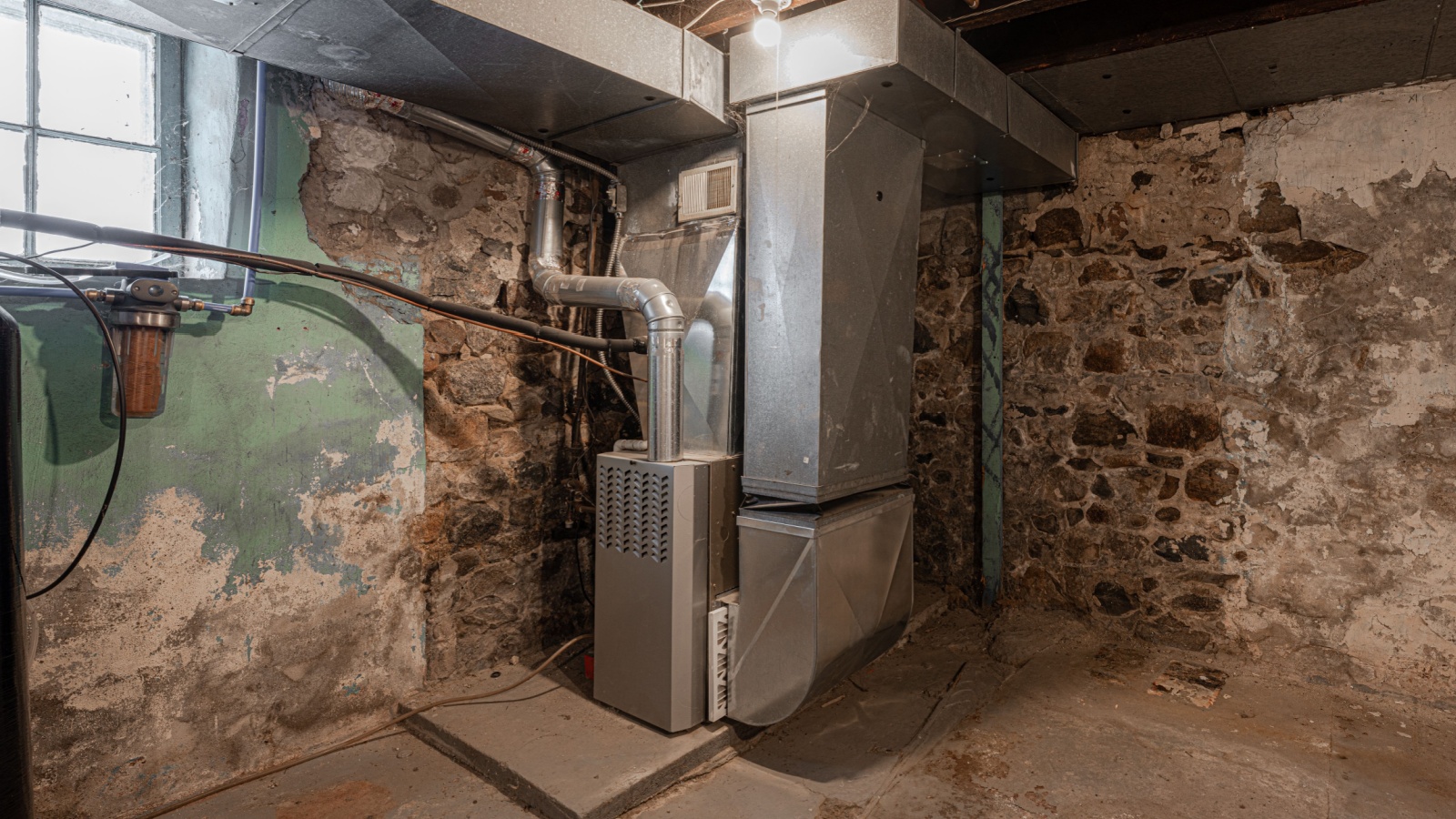
Most furnaces in Canada have a lifespan of 15 to 20 years when maintained. Constant cold weather keeps them working hard for several months every year. Even a well-kept unit eventually declines. If your furnace is within this range and shows any other warning signs, replacement should be considered. Older systems not only run inefficiently but may also fail at the worst time. Many Canadians regret delaying replacement when a cold snap hits and installers are fully booked. Age does not guarantee failure today, but it usually predicts trouble soon.
The blower runs nonstop

If the fan continues blowing despite the temperature being reached, the system is struggling. The furnace keeps circulating air without delivering steady heat. It feels like warm air turns lukewarm quickly, then cold. This constant running wastes energy and stresses the blower motor. Many homeowners notice nonstop operation before realizing the furnace cannot keep up with the heating load during winter nights. The blower is compensating for a bigger internal problem. When this pattern begins, total breakdown usually follows within the same season or the next.
Furnace repairs take longer to get parts
Older furnaces often use discontinued components. When you book repairs, and the technician returns days later with a part that had to be ordered, that is a sign the unit is outdated. Some Canadians wait more than a week during the peak winter season, which forces them to stay in cold indoor temperatures. Longer wait times are a clue that the furnace model is nearing the end of its service era. If every repair involves tracking down older parts, complete failure is a matter of time rather than possibility.
The heat exchanger shows damage
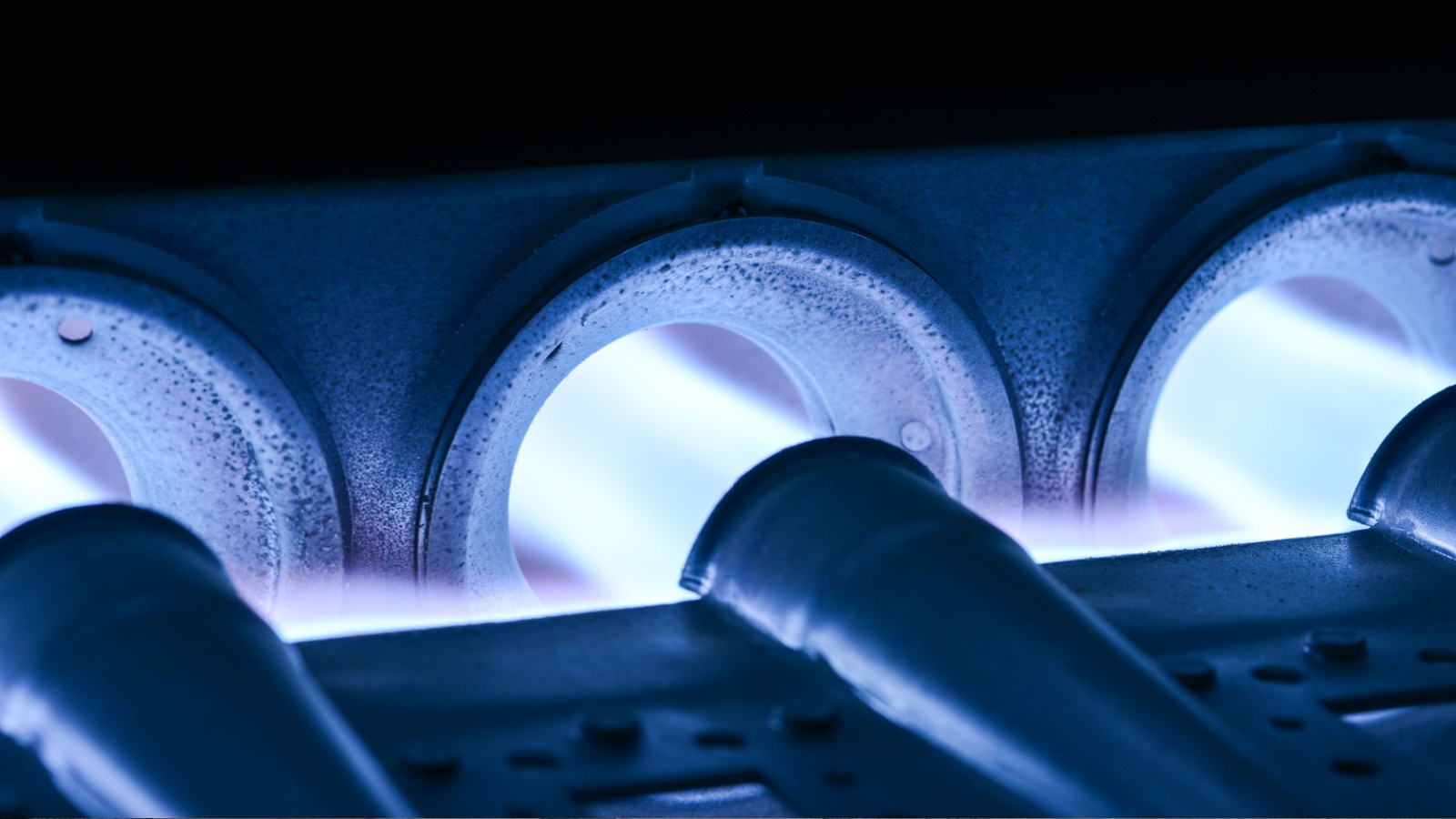
A cracked or stressed heat exchanger is one of the most serious furnace problems. It can release carbon monoxide into the home and often means immediate shutdown. In Canada, HVAC companies are trained to flag this right away due to the safety risk. Repairing it is usually not cost-effective because it often costs nearly as much as a full replacement. A damaged heat exchanger shows that the furnace has reached late-stage wear. Once this appears, the unit is considered unsafe and near the end of its operational life.
Burning through filters faster than normal
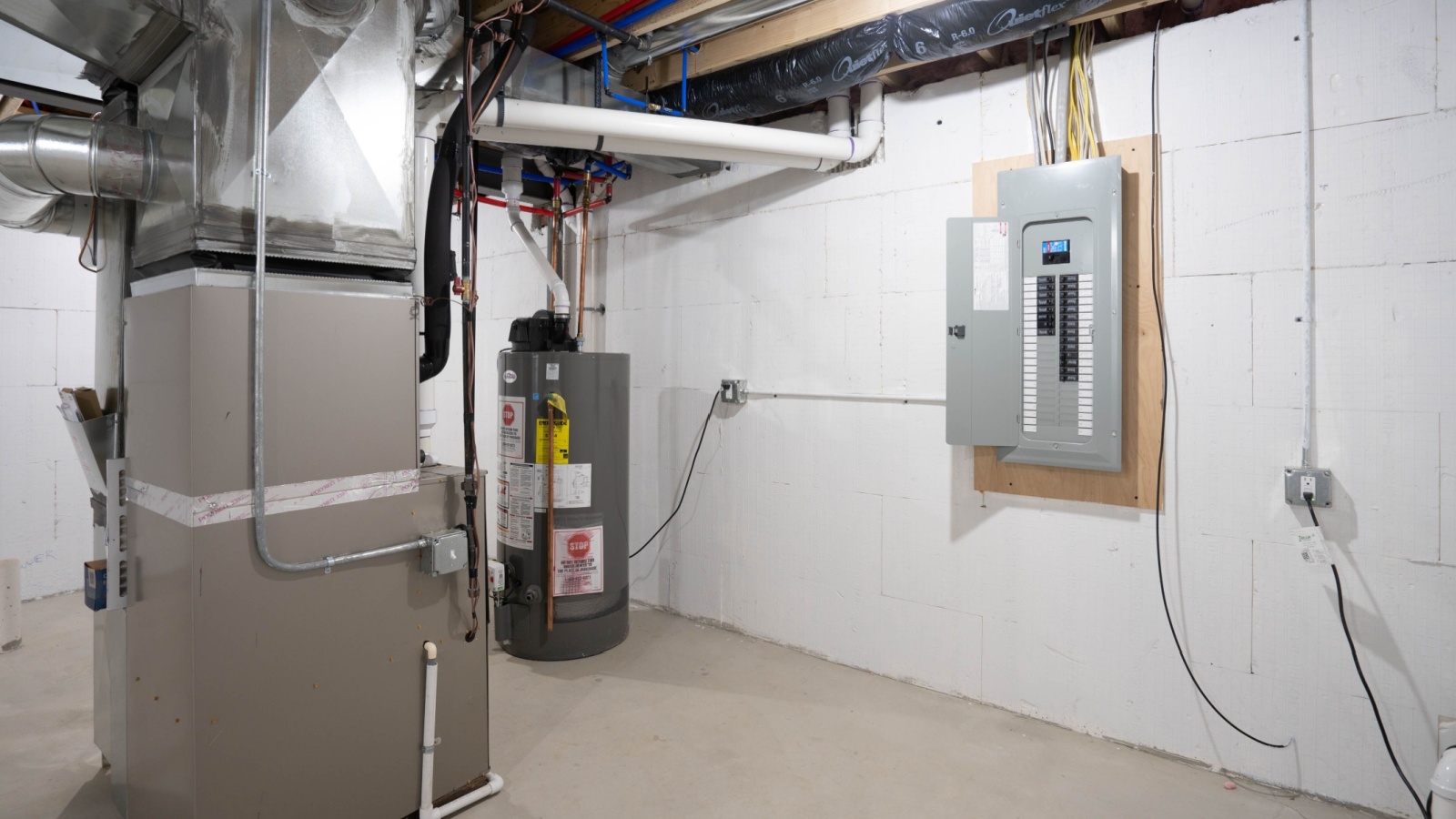
If filters clog quickly even after replacing them, the furnace is likely deteriorating internally. Dust and debris inside the system increase as metal parts wear down and older components shed residue. The system then pulls the debris back through the airflow, choking filters repeatedly. Homeowners across Canada buy extra filters during late winter when their furnace is failing silently. If you notice filters going black faster than usual, the breakdown is often already underway. It means the furnace is struggling to run efficiently and may soon stop functioning during the next temperature drop.
The breaker trips frequently
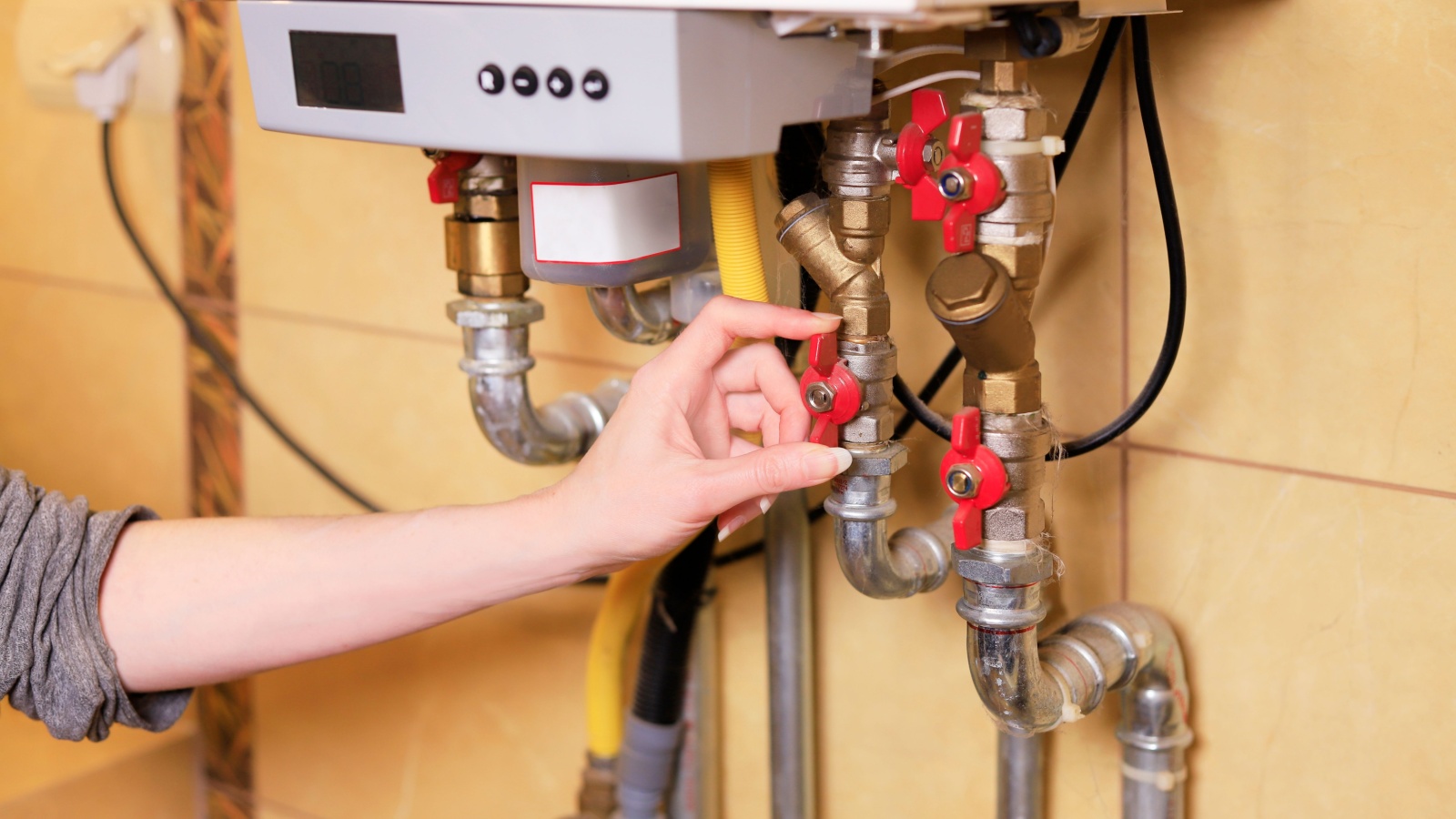
A furnace should not overload the electrical panel. When the breaker trips repeatedly during heating cycles, internal mechanical components are drawing too much current. Motors may be failing. Wiring may be stressed. Electrical strain is a late-stage warning sign of furnace decline. Canadians usually experience this during long heating periods when the furnace runs nonstop. Frequent breaker trips show that the unit is fighting to operate and could fail with no warning. It also carries an electrical risk and should not be ignored during the winter months.
You hear loud air pressure from ducts
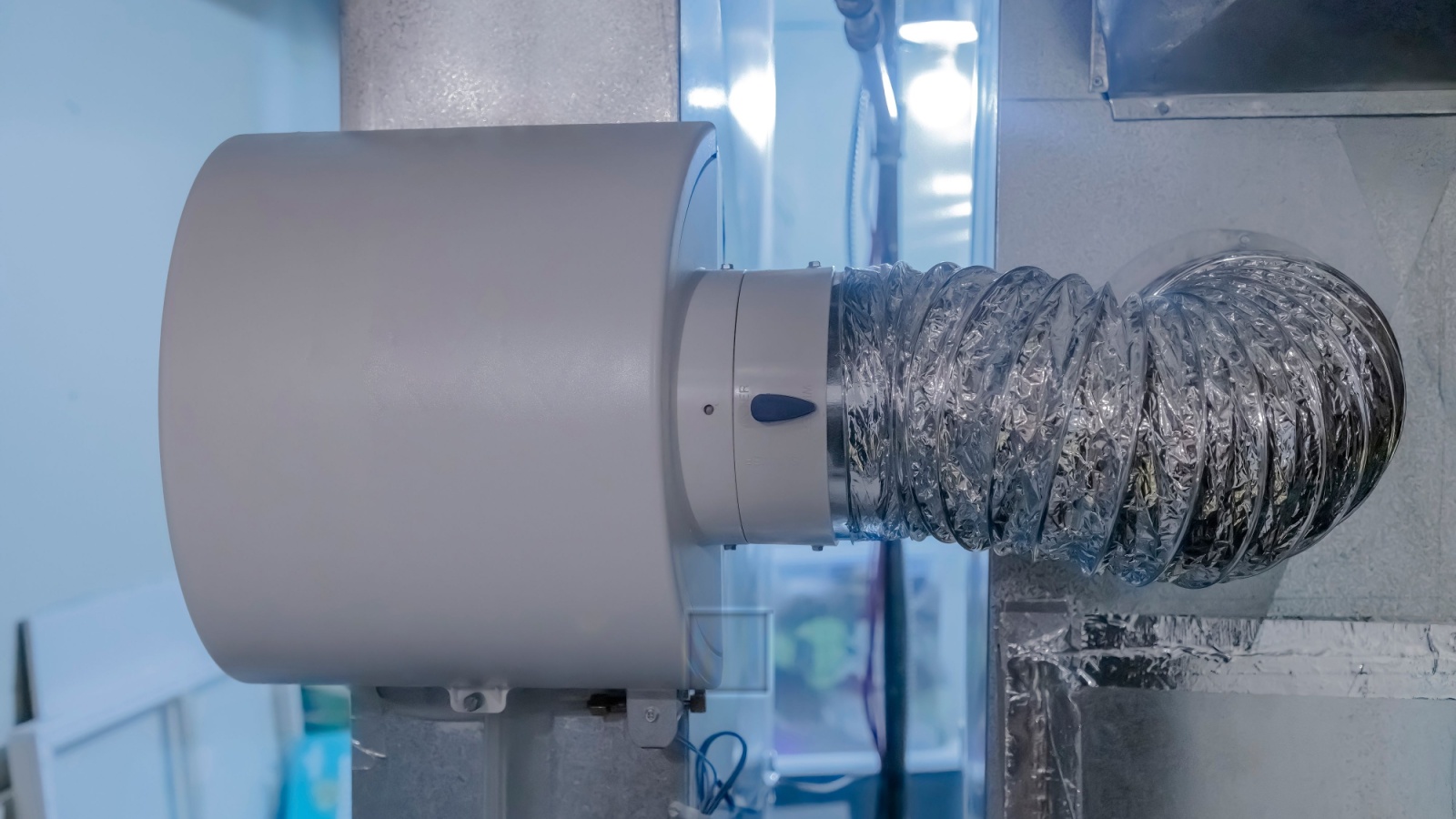
When the furnace deteriorates, airflow pressure becomes uneven. You may hear sudden whooshing or thumping from ducts. This means the furnace is pushing air too aggressively because something is not regulating airflow properly. It could be a failing blower or buildup inside the system. This sound is usually not subtle. It often appears during extreme Canadian cold spells when heating demand climbs. A furnace pushing air that hard is nearing collapse because it can no longer distribute heat normally.
You start planning around the furnace
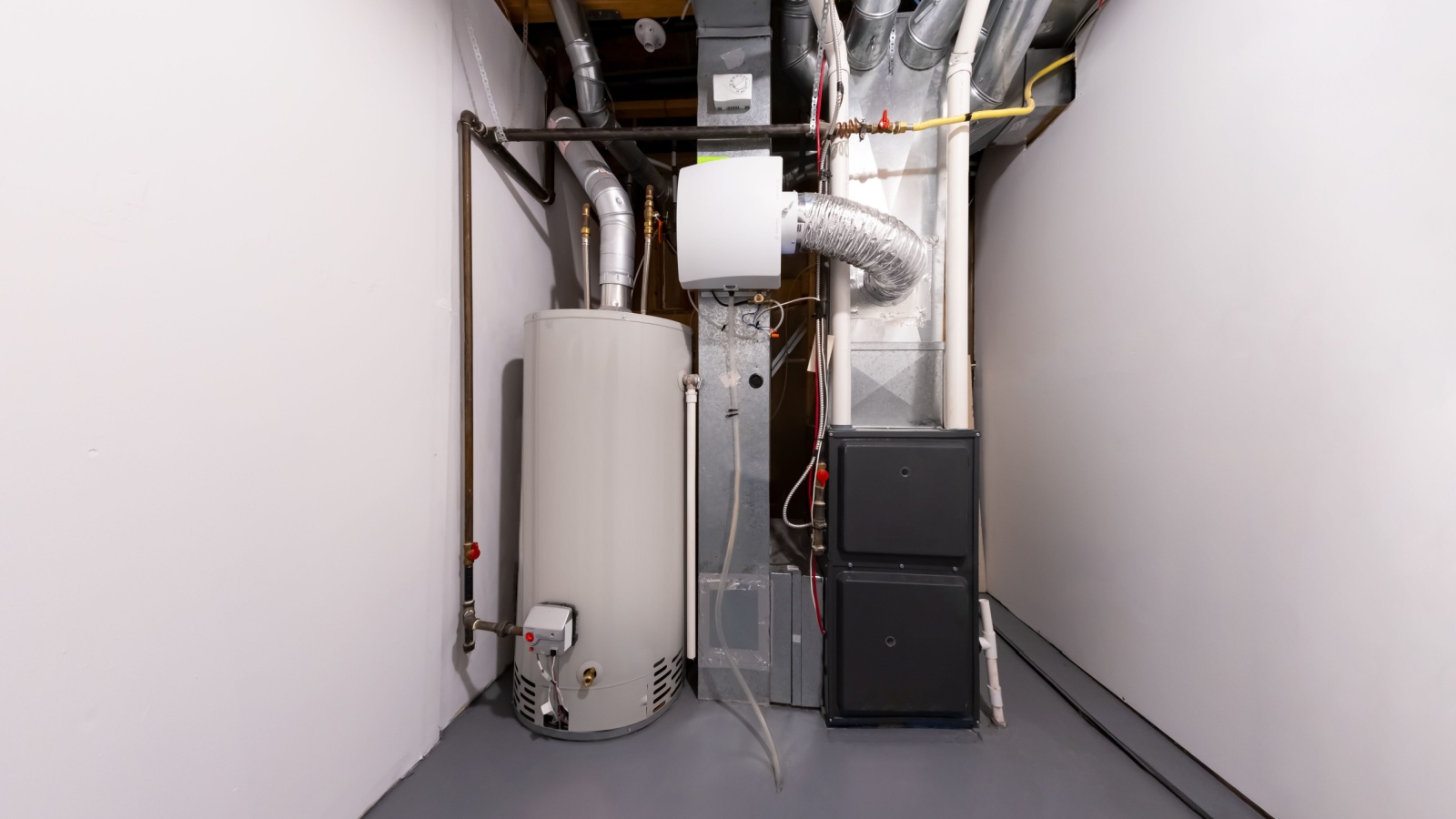
When the furnace becomes a worry rather than a silent appliance, it is already fading. You might keep doors open to help circulation. You might set the thermostat lower to avoid overworking it. You might check it before bed. People in Canadian winters often develop routines to avoid furnace trouble when temperatures drop. When a furnace becomes something you manage instead of something that keeps you warm reliably, it is on borrowed time and will likely fail during the next freeze.
22 Groceries to Grab Now—Before another Price Shock Hits Canada

Food prices in Canada have been steadily climbing, and another spike could make your grocery bill feel like a mortgage payment. According to Statistics Canada, food inflation remains about 3.7% higher than last year, with essentials like bread, dairy, and fresh produce leading the surge. Some items are expected to rise even further due to transportation costs, droughts, and import tariffs. Here are 22 groceries to grab now before another price shock hits Canada.
22 Groceries to Grab Now—Before another Price Shock Hits Canada
