
Canadians are not chasing perfection in 2026. They are chasing steadiness. After years of economic pressure, career shifts, and constant online comparison, many people simply want to feel more organized and less scattered. Feeling “put together” now means fewer chaotic mornings, clearer priorities, and small systems that reduce stress. It is less about impressing others and more about feeling calm in your own space. From finances to fitness, daily routines are getting subtle upgrades across the country. Here are 22 things Canadians are doing in 2026 to feel more “Put Together”.
Planning Their Week Every Sunday Night

More Canadians are spending 20 quiet minutes planning their week. They review appointments, deadlines, and social plans before Monday hits. This reduces that rushed feeling on weekday mornings. Many use simple digital calendars synced across devices. Others prefer paper planners to slow down their thinking. Writing tasks down helps them see what actually fits in seven days. It also prevents overbooking. A weekly reset includes checking meals, workouts, and errands. When the week starts with clarity, stress drops quickly. That small Sunday habit makes work feel manageable and personal time more protected.
Creating a “Go-To” Capsule Wardrobe

Closets are getting smaller and smarter in 2026. Canadians are building capsule wardrobes with neutral staples. Fewer choices mean fewer morning decisions. Structured blazers, clean sneakers, tailored trousers, and quality denim dominate. People focus on fit rather than trends. Buying fewer items also reduces impulse spending. Many resell pieces that no longer work. This keeps closets tidy and style consistent. Getting dressed becomes quicker and more predictable. When outfits require less thought, confidence increases naturally. A streamlined wardrobe creates visual order, which often spills into other parts of daily life.
Booking Preventive Health Appointments

Canadians are scheduling medical and dental appointments before problems appear. Annual checkups feel grounding. Eye exams, physicals, and therapy sessions are booked in advance. Preventive care removes background anxiety about unknown issues. Many provinces promote early screening programs. People are also tracking appointments in shared family calendars. That organization prevents last-minute scrambling. Taking care of health feels responsible rather than reactive. It signals stability to yourself. When your body feels supported, daily responsibilities feel less overwhelming. Health planning has become a quiet form of self-respect.
Automating Bills and Savings

Financial organization is high on the priority list. Canadians are automating rent, utilities, and credit card payments. Automatic transfers to savings accounts are common. This removes the mental load of remembering due dates. It also reduces late fees. Many set up separate accounts for travel or emergencies. Watching savings grow monthly feels reassuring. Budgeting apps are used to track spending patterns. Seeing numbers clearly helps people adjust habits. Automation creates consistency without constant attention. That steady system allows more focus on work and family instead of financial stress.
Investing in Better Sleep Routines
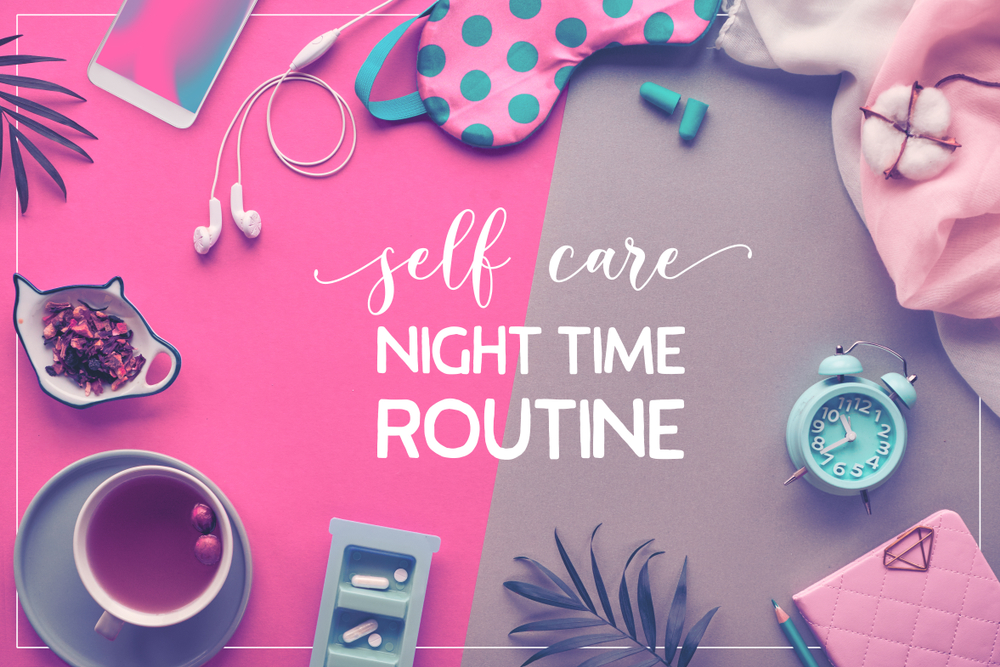
Sleep has become a serious goal in 2026. Canadians are setting fixed bedtimes, even on weekends. Phones are placed outside bedrooms more often. Blackout curtains and white noise machines are popular purchases. People track sleep quality using smart watches. Better rest improves mood and concentration. It also reduces irritability at work. Many notice clearer skin and steadier energy. When mornings start without exhaustion, the entire day feels smoother. Sleep routines are no longer optional wellness trends. They are practical foundations for feeling stable and organized.
Keeping Entryways Clutter Free
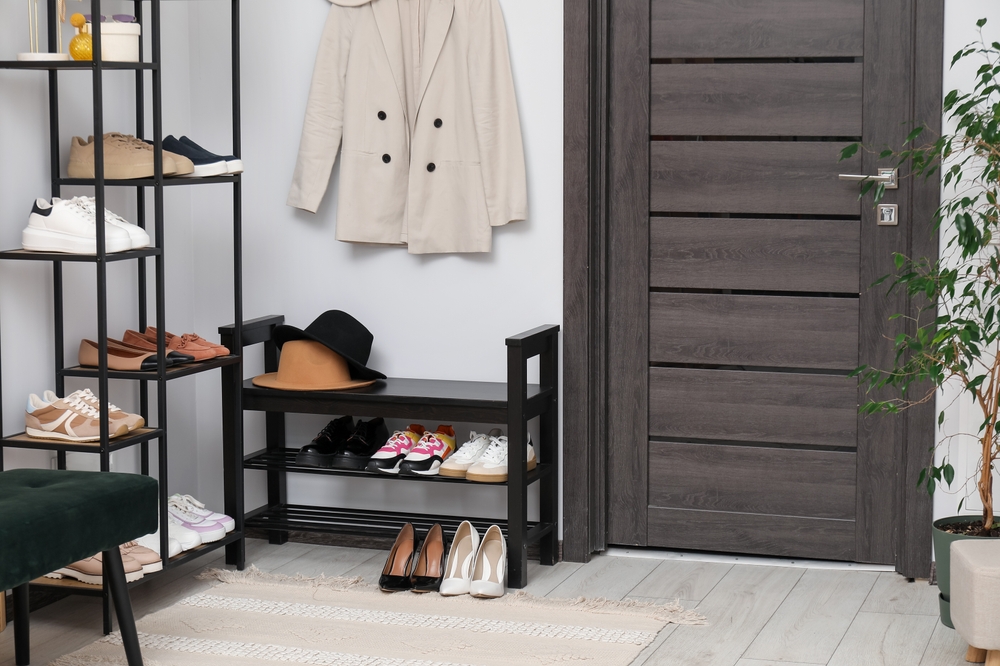
The front door area is getting attention this year. Shoes, bags, and jackets have designated spaces. Hooks and small benches help contain daily items. Clearing this area creates a calmer first impression at home. It also speeds up departures. People are less likely to lose keys or wallets. Small storage bins keep seasonal items tucked away. This simple change reduces morning frustration. Walking into a tidy space sets a quieter tone for evenings. Entryway organization is becoming a small but powerful habit.
Setting Clear Work Boundaries
Remote and hybrid work reshaped schedules. In 2026, Canadians are drawing firmer lines. Many shut down laptops at a fixed hour. Notifications are silenced after work. Calendar blocks protect focus time. Clear boundaries prevent burnout. Employers are increasingly supportive of structured schedules. People are also communicating availability more directly. That clarity reduces misunderstandings. When work hours end, personal time feels legitimate. This shift makes evenings more restorative. Feeling in control of time creates a steady sense of order.
Maintaining Simple Skincare Routines

Skincare routines are getting shorter and more realistic. Canadians are sticking to a cleanser, moisturizer, and sunscreen. Consistency matters more than large product collections. Dermatologists across Canada recommend simple routines for long-term skin health. People are less influenced by viral trends. Clear instructions from professionals guide product choices. That simplicity saves money and time. It also reduces bathroom clutter. When skin feels balanced, confidence increases subtly. A steady routine feels reliable, especially during busy weeks.
Preparing Lunch at Home
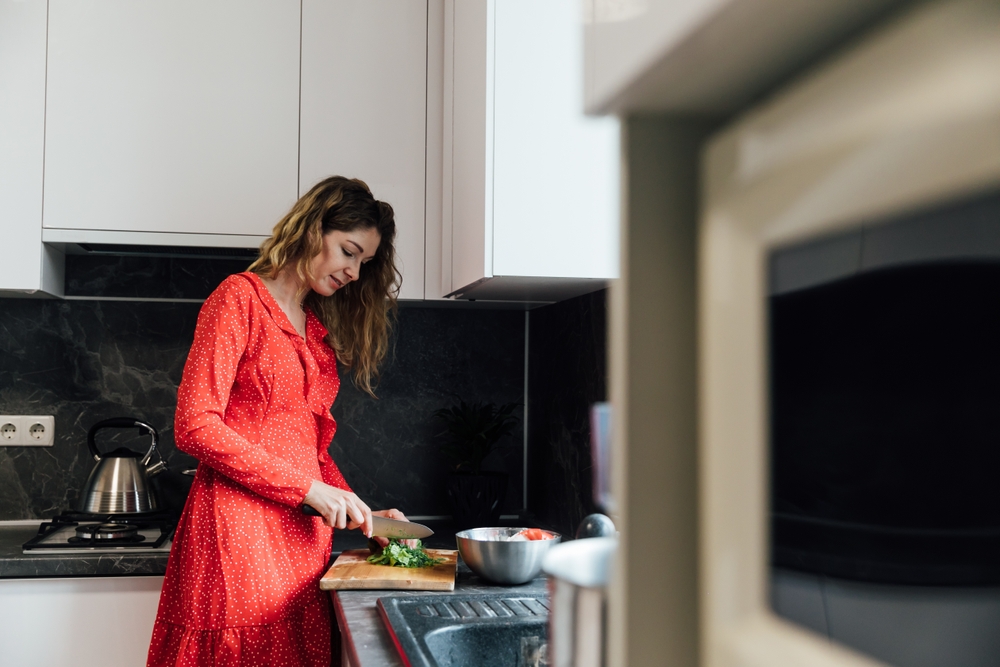
Packing lunch has quietly become a steady habit again. Canadians are setting aside time on weekends to prep simple meals. Grain bowls, wraps, soups, and chopped vegetables are common choices. Preparing food in advance removes daily decision fatigue. It also reduces spending on takeout during busy weeks. Many people portion meals into containers to avoid overeating. Bringing lunch to work supports better energy through the afternoon. It also creates a short pause in the day. That predictability makes workdays feel smoother and more structured from start to finish.
Scheduling Social Time Intentionally
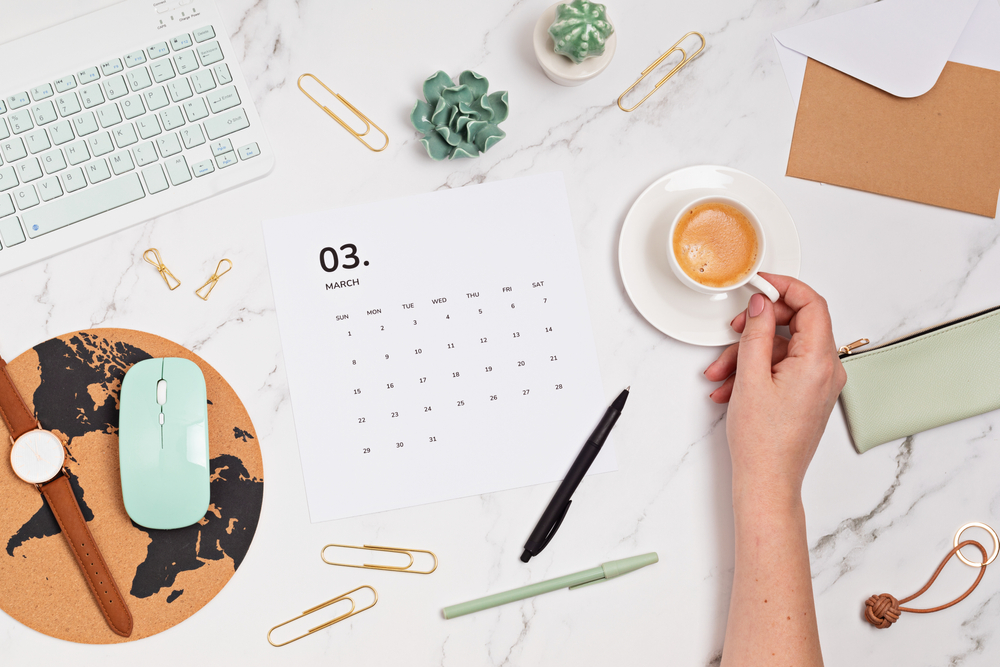
Social plans are no longer left to chance. Canadians are booking dinners, walks, and coffee meetups ahead of time. Shared calendars help friends lock in dates early. Planning reduces last-minute cancellations and scheduling stress. Many people prefer smaller gatherings that allow real conversation. Planning also protects social time from being overtaken by work. When events are scheduled clearly, people feel less guilty attending them. Knowing when you will see friends next brings comfort. That consistency supports emotional balance and makes life feel organized rather than scattered.
Decluttering One Drawer a Week

Instead of tackling entire homes at once, Canadians are choosing smaller tasks. One drawer or shelf is cleared each week. Kitchen utensils, bathroom cabinets, and office supplies are sorted slowly. Unused items are donated or recycled responsibly. This steady pace prevents burnout. It also builds momentum over time. Clear spaces reduce visual distraction. A tidy drawer may seem minor, yet it shifts mood quickly. Progress feels visible without being overwhelming. Small weekly improvements accumulate into noticeable change. That gradual approach makes the organization feel achievable rather than exhausting.
Tracking Fitness Goals Realistically

Fitness goals are becoming more grounded in reality. Canadians are focusing on consistent movement instead of extreme programs. Many aim for daily walks or short strength sessions. Tracking steps or workouts builds quite a bit of accountability. People set targets that fit their schedules. This prevents discouragement after missed sessions. Realistic plans create steady progress over months. Physical activity supports posture, sleep, and concentration. Improved strength often translates into greater confidence at work. When the body feels capable, daily tasks feel lighter. Sustainable fitness routines contribute to an overall sense of control.
Creating a Morning Reset Routine

Morning resets are replacing rushed starts. Canadians are spending ten focused minutes tidying small messes. Beds are made, and dishes are cleared early. Some review priorities while drinking coffee. Others stretch briefly before checking messages. These simple rituals anchor the day. They create a sense of direction before outside demands begin. Even a small structure reduces chaos later. A clear surface or organized list makes tasks feel manageable. That steady beginning shapes mood for hours. When mornings feel controlled, the rest of the day often follows the same rhythm.
Updating Home Lighting

Lighting changes are subtle but effective. Canadians are replacing harsh white bulbs with softer warm tones. Layered lighting through lamps creates depth in rooms. Desk lighting reduces glare during work hours. Proper brightness improves focus and comfort. Homes feel calmer when lighting is intentional. This shift requires minimal effort yet changes the atmosphere instantly. Good lighting also supports better evening wind-down routines. Small environmental adjustments influence the mindset more than expected. When spaces feel finished and comfortable, daily life feels steadier. Visual calm supports mental clarity in surprising ways.
Using Shared Family Calendars
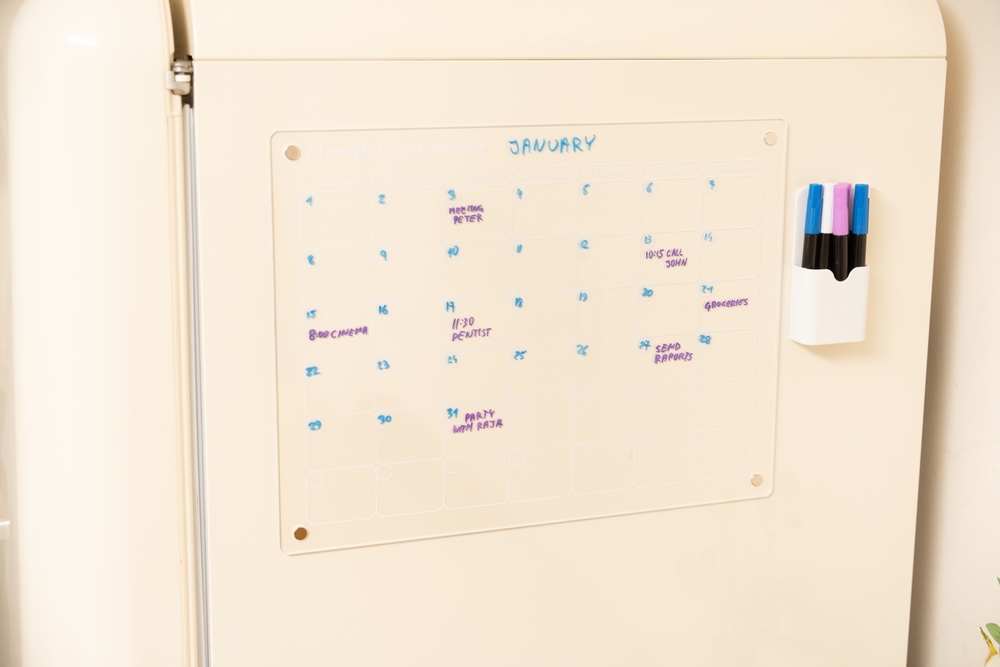
Households are relying more on shared digital calendars. School events, appointments, and activities are centralized in one place. This prevents overlapping commitments. Everyone understands the week ahead. Transparency reduces last-minute confusion. Parents report fewer forgotten events. Teenagers also benefit from seeing schedules clearly. Shared planning encourages accountability within families. Organized communication lowers tension at home. When schedules are visible, planning feels collaborative instead of chaotic. That structure supports smoother mornings and evenings. Coordinated calendars bring a sense of stability to busy households.
Keeping Emergency Funds Topped Up
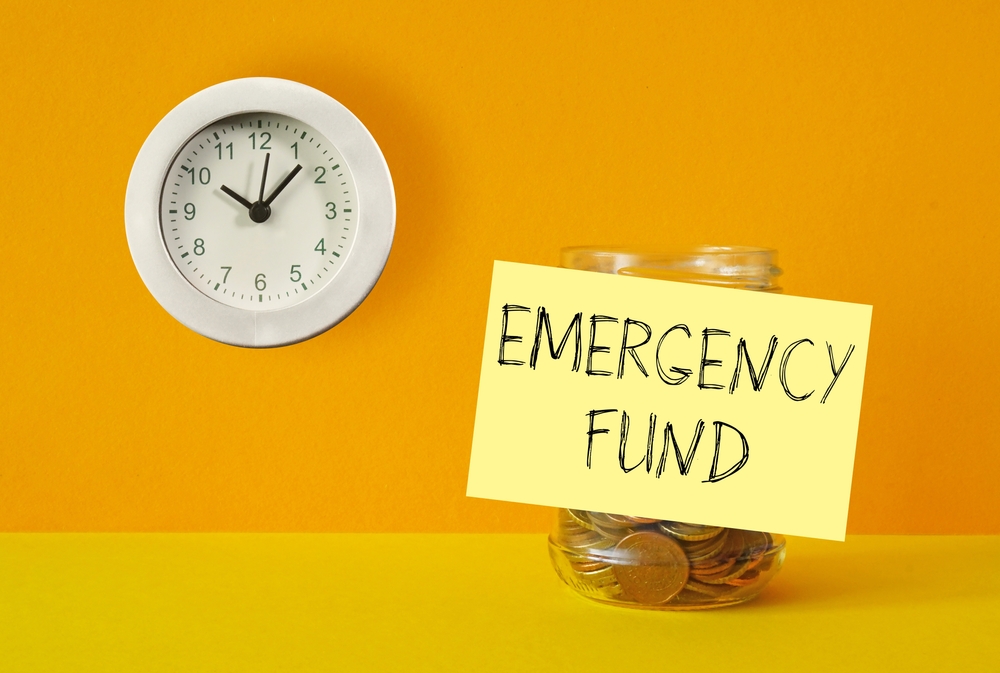
Financial buffers are being treated seriously. Canadians are prioritizing emergency savings before discretionary spending. Many aim to cover three months of expenses. Automatic transfers make this goal manageable. Watching savings accumulate builds confidence. Unexpected repairs or job changes feel less frightening with a cushion. Financial security reduces background stress. People report sleeping better knowing reserves exist. Small monthly contributions add up steadily. A funded emergency account supports long-term stability. That preparedness helps individuals make decisions calmly rather than reactively during uncertain moments.
Limiting News Consumption

Constant updates have proven exhausting. Canadians are setting limits on news intake. Many check headlines once in the morning. Notifications are turned off during work hours. This boundary prevents information overload. Staying informed remains important, yet balance matters more. Reduced exposure lowers anxiety levels. People feel more focused throughout the day. Conversations become more thoughtful rather than reactive. Curated consumption supports clearer thinking. Choosing when to engage with news restores control. That boundary makes daily life feel less chaotic and more grounded overall.
Taking Short Digital Breaks
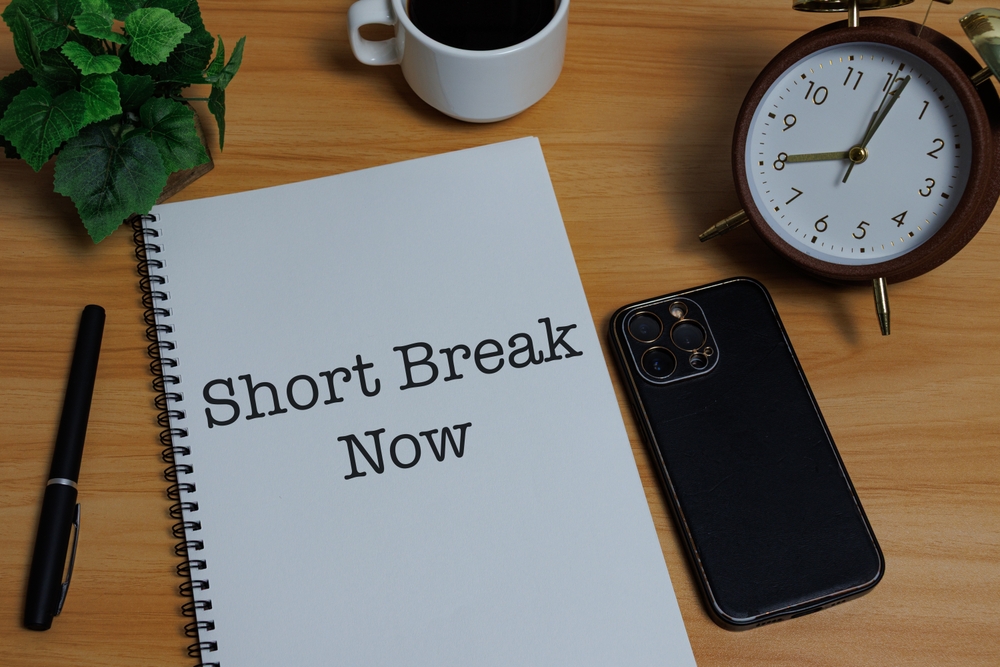
Short breaks from screens are becoming routine. Canadians step away for brief outdoor walks. Even five minutes of fresh air helps concentration. Stretching during work hours reduces stiffness. People are setting timers to prompt movement. These pauses prevent burnout during long tasks. Eye strain decreases with regular breaks. Mental clarity improves after stepping away. Returning to work feels easier after small resets. Digital boundaries protect attention spans. That steady rhythm between focus and rest keeps productivity consistent throughout demanding days.
Investing in Quality Footwear

Footwear choices are becoming more intentional. Canadians are prioritizing comfort over fast fashion trends. Supportive sneakers and durable boots are common purchases. Proper footwear reduces strain on knees and backs. Long workdays feel less tiring with stable support. Quality shoes also last longer, reducing waste. Many view this as a practical investment. Comfort influences posture and confidence subtly. When feet are supported, movement feels easier. Small physical comforts shape overall mood. Thoughtful purchases contribute to feeling steady and prepared each day.
Updating Résumés Annually

Career documents are no longer updated only during crises. Canadians are reviewing résumés once a year. Achievements and skills are added regularly. Online profiles are refreshed with new experiences. This habit reduces panic if opportunities arise suddenly. Preparedness creates professional confidence. Job searches feel less intimidating with updated materials. People also track certifications and training progress. Organized records support long-term planning. Staying ready provides peace of mind in uncertain markets. That quiet readiness strengthens a sense of control over career direction.
Practicing Basic Financial Reviews Monthly

Monthly financial check-ins are gaining popularity. Canadians review bank statements and spending summaries. Budget adjustments are made if necessary. Tracking expenses highlights patterns clearly. Small corrections prevent larger issues later. This routine builds awareness without obsession. Reviewing accounts takes little time. Yet it prevents surprises at the end of the month. People feel more confident making purchases. Clarity around money reduces tension at home. Consistent reviews promote stability. That steady oversight supports smarter long-term financial decisions.
Making Time for Quiet Evenings

Evenings are becoming slower and more intentional. Canadians are protecting time away from constant stimulation. Reading, cooking, or journaling replaces endless scrolling. Calm nights support better sleep quality. Many limit social plans on weeknights. This creates space to decompress. Quiet activities restore mental energy. Reflection at the end of the day builds perspective. Unhurried evenings feel grounding. They prepare people for the next morning. Protecting this time helps maintain balance. That consistent pause allows daily life to feel organized and manageable.
22 Groceries to Grab Now—Before another Price Shock Hits Canada

Food prices in Canada have been steadily climbing, and another spike could make your grocery bill feel like a mortgage payment. According to Statistics Canada, food inflation remains about 3.7% higher than last year, with essentials like bread, dairy, and fresh produce leading the surge. Some items are expected to rise even further due to transportation costs, droughts, and import tariffs. Here are 22 groceries to grab now before another price shock hits Canada.
22 Groceries to Grab Now—Before another Price Shock Hits Canada
