
Canadian winters are known for their intensity and long duration. While snow-covered landscapes can look beautiful, daily life becomes more challenging. Extreme cold, darkness, and constant snow affect routines at home and outdoors. Many people face the same seasonal frustrations each year. From commuting issues to dry indoor air, winter brings a wide range of inconveniences. Canadians adapt with practical solutions and preparation. Here are 22 things Canadians hate about Canadian winters (and how they cope).
Extreme Cold Temperatures
Extreme cold is one of the most difficult parts of Canadian winters. Temperatures can drop far below freezing, making short outdoor trips uncomfortable. Exposed skin feels the impact quickly. Daily tasks like commuting or walking pets become challenging. Canadians cope by layering thermal clothing and insulated outerwear. Many rely on heated indoor spaces whenever possible. Hot drinks also become routine. Proper winter gear reduces the risk of cold-related issues. While the cold cannot be avoided, preparation makes it manageable. Staying warm becomes a daily priority throughout the season.
Icy Sidewalks and Driveways
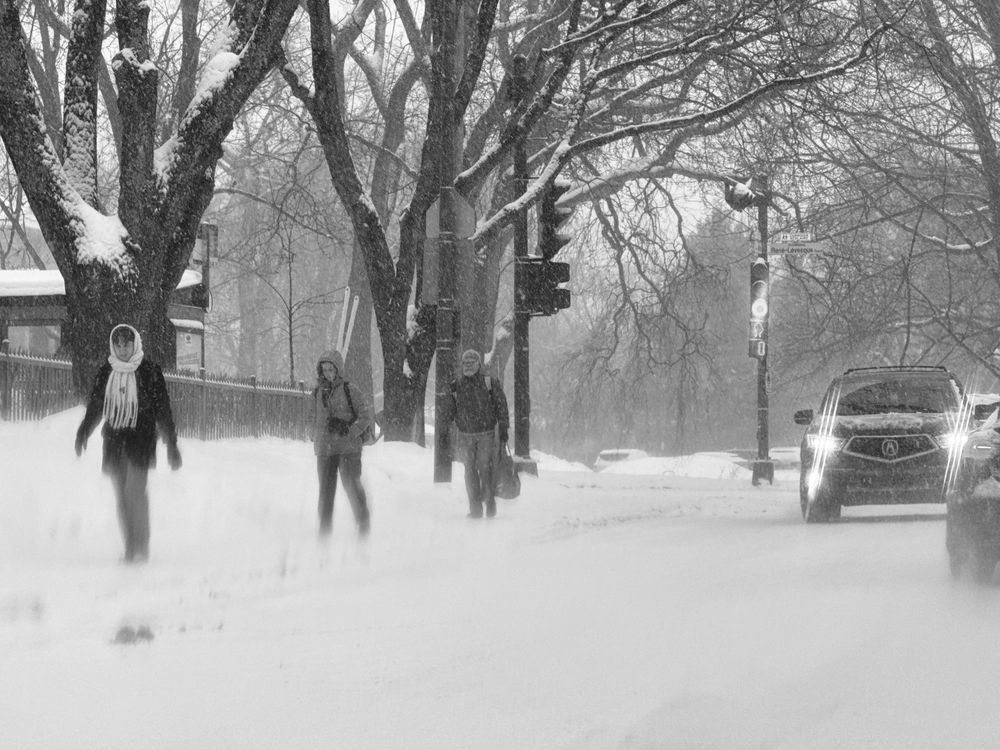
Icy surfaces are a major safety concern during winter. Sidewalks and driveways often become slippery after freezing rain or melting snow. Falls can happen quickly. Canadians cope by spreading salt or sand to improve traction. Many wear boots with strong grip soles. Property owners clear ice regularly to prevent buildup. Municipal crews also treat public pathways. Despite precautions, navigating icy ground requires caution. Walking slower and choosing safer routes helps reduce risk. Managing ice becomes part of routine winter maintenance.
Short Daylight Hours

Winter daylight hours in Canada can feel very limited. In many regions, the sun sets early in the afternoon. This affects mood and energy levels. Commuting often occurs in the dark, both in the morning and in the evening. Canadians cope by using bright indoor lighting and maintaining regular schedules. Some spend time outdoors during available daylight. Activities like winter walks help maintain routine. The reduced sunlight is temporary but noticeable. Adjusting sleep patterns and staying active helps people manage the darker months.
Snow Shoveling Fatigue
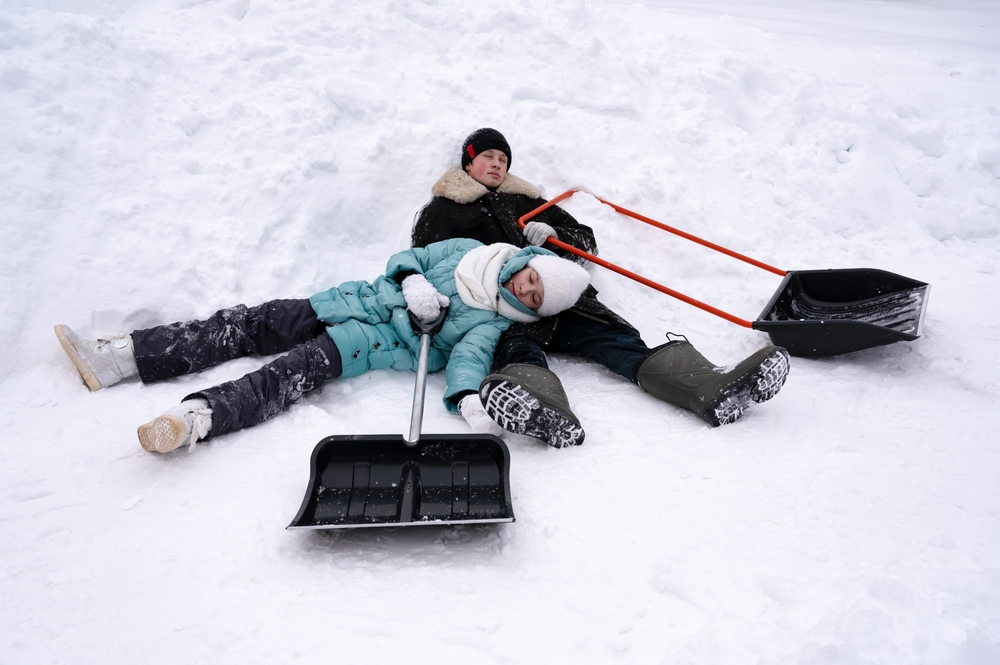
Repeatedly shoveling snow can be physically exhausting. Heavy snowfall requires clearing driveways and walkways multiple times. Wet snow is especially difficult to move. Canadians cope by using ergonomic shovels or snow blowers. Many shovel in smaller intervals to reduce strain. Proper clothing and breaks help prevent fatigue. Some neighbors share the workload or hire services. Despite the effort, clearing snow is necessary for safety and access. The task becomes a regular part of winter life.
Slushy Streets
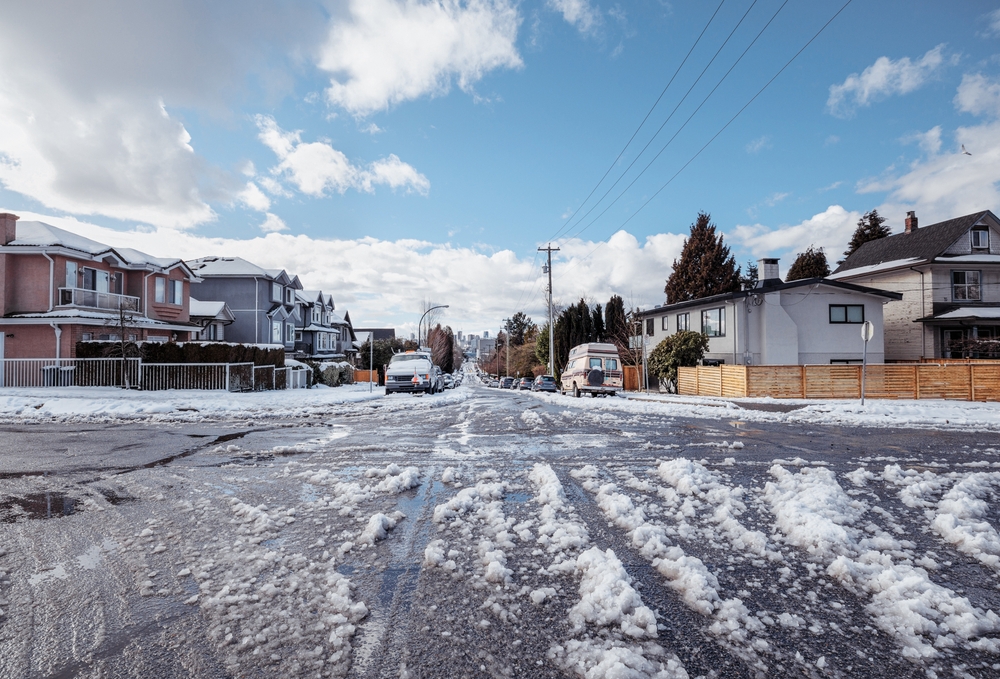
Slushy streets form when snow melts during the day and refreezes later. The mixture of water, ice, and snow creates messy walking conditions. Shoes and clothing often get soaked. Vehicles splash dirty slush onto sidewalks. Canadians cope by wearing waterproof boots and protective outer layers. Carrying extra socks is common. Municipal crews work to clear roads, but slush can return quickly. Navigating these conditions requires patience. Managing wet gear indoors becomes part of the daily routine during thaw periods.
Frozen Car Doors
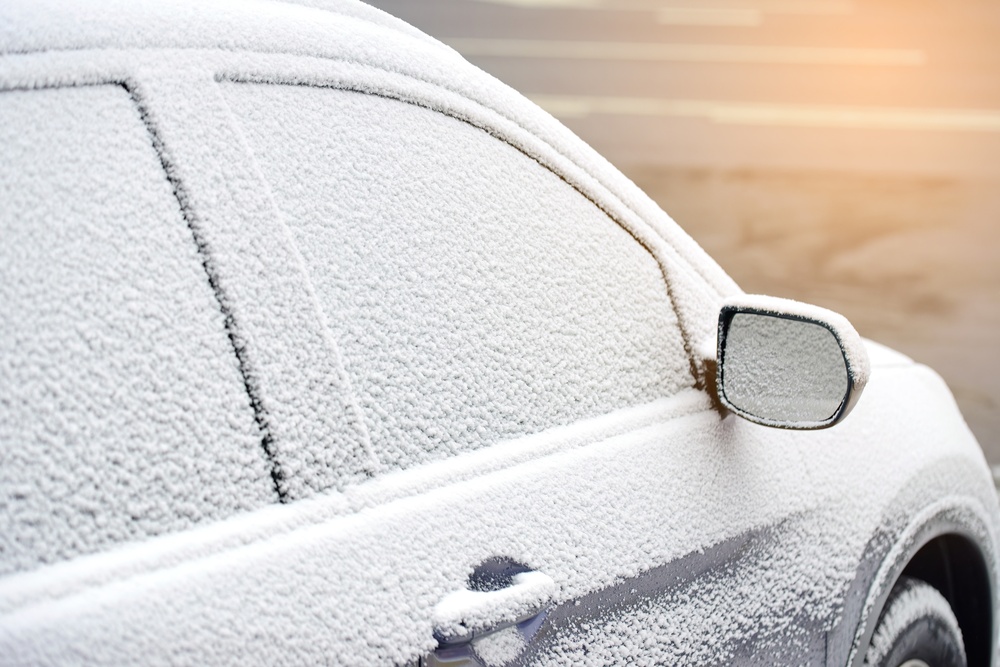
Frozen car doors are a common winter headache across Canada. Overnight moisture can freeze around door seals, making them difficult to open in the morning. Pulling too hard risks damaging handles or rubber gaskets. Canadians cope by using de-icer spray or warming the key area with their hands. Parking in a garage helps when available. Some apply silicone lubricant to seals to prevent sticking. Remote starters are also popular, allowing the car to warm up before entry. Many drivers allow extra time before leaving home. Despite preparation, a severe cold can still cause problems, making this issue a routine part of winter mornings.
Heating Costs
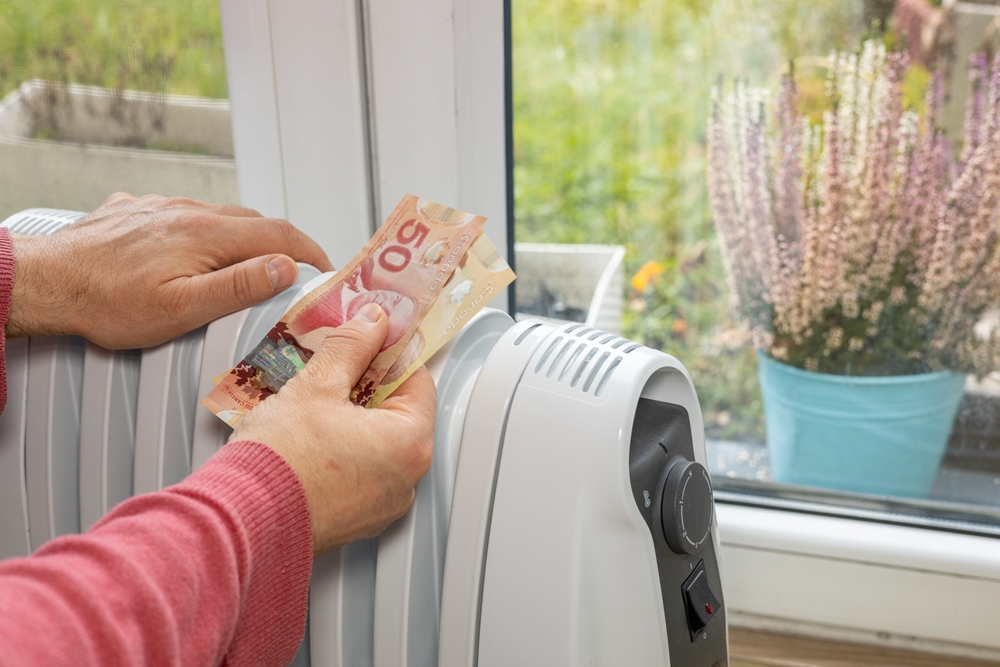
Heating costs rise sharply during Canadian winters because furnaces run almost constantly. Long cold periods mean higher electricity or gas bills. Many households adjust budgets to manage these seasonal expenses. Canadians cope by improving insulation and sealing drafts around windows and doors. Programmable or smart thermostats help regulate temperature efficiently. Wearing warmer indoor clothing also reduces the need for higher heat settings. Some use space heaters in occupied rooms only. Government efficiency programs sometimes support upgrades. Managing heating expenses becomes an ongoing task throughout winter, especially in colder regions.
Dry Indoor Air

Dry indoor air becomes noticeable when heating systems run for months. Low humidity can lead to dry skin, irritated eyes, and sore throats. Static shocks also become more frequent. Canadians cope by using humidifiers, especially in bedrooms. Regular cleaning prevents mineral buildup in these devices. Drinking more water helps reduce discomfort. Some people place bowls of water near heat sources to add moisture. Houseplants provide minor relief as well. Balanced humidity improves sleep quality and overall comfort. Managing dryness is essential for making long indoor periods more bearable during winter.
Winter Driving Stress

Driving in winter conditions can be stressful even for experienced Canadians. Snow, ice, and reduced visibility increase the risk of accidents. Roads may become slippery without warning. Canadians cope by installing winter tires designed for cold temperatures. Driving at lower speeds and leaving extra distance helps maintain control. Many check the weather and road reports before traveling. Carrying emergency kits in vehicles adds reassurance. Public advisories also guide safe travel decisions. Despite precautions, winter driving requires constant attention. The stress comes from unpredictable conditions rather than a lack of experience.
Dirty Snow Piles
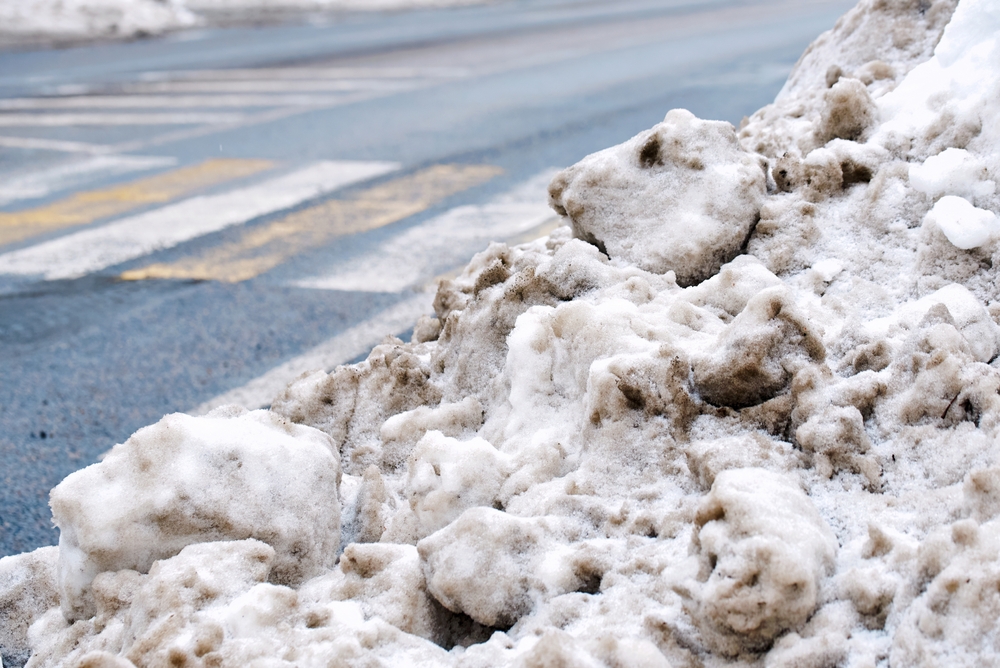
Snow piles that accumulate along roads and sidewalks often become dirty over time. Sand, salt, and vehicle residue turn bright snow into grey or brown mounds. These piles can block views at intersections and create messy surroundings. As temperatures rise slightly, they melt unevenly and refreeze overnight. Canadians cope by clearing pathways regularly and relying on municipal removal services. Proper drainage helps reduce slush buildup. While mostly cosmetic, dirty snow contributes to winter fatigue. Many people look forward to fresh snowfall simply because it temporarily restores a cleaner landscape.
Heavy Winter Clothing
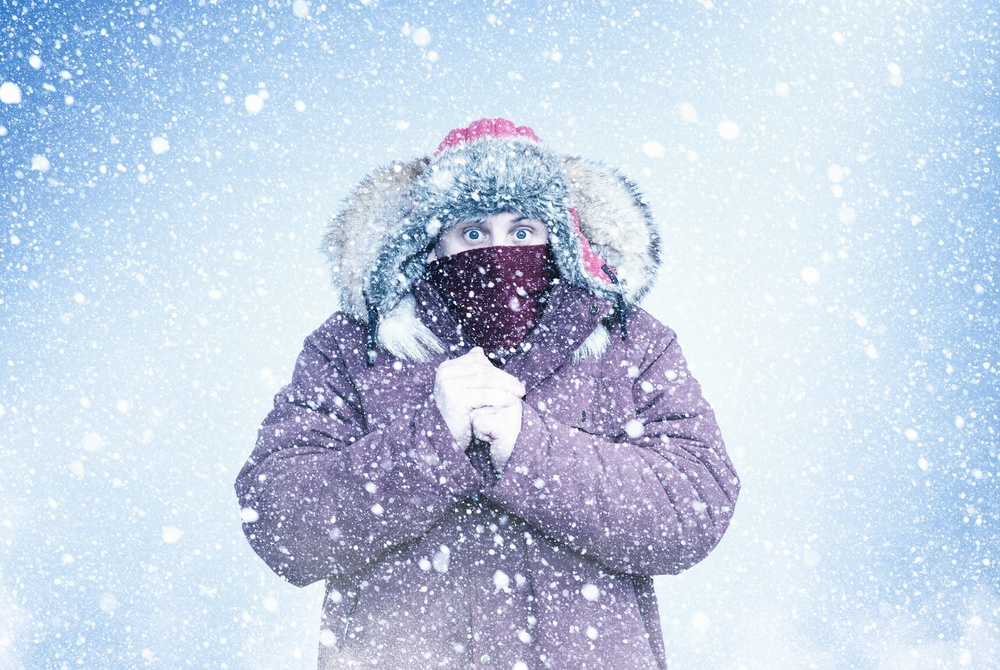
Heavy winter clothing is necessary but inconvenient for daily life. Thick coats, boots, scarves, and gloves add weight and restrict movement. Entering buildings often means removing layers to stay comfortable indoors. Canadians cope by choosing lightweight insulated materials that provide warmth without bulk. Layering thinner garments allows flexibility as temperatures change. Many workplaces provide storage areas for outerwear. Despite improvements in fabric technology, winter gear still feels cumbersome during long commutes. Managing clothing transitions becomes part of the routine throughout the season.
Static Electricity

Static electricity becomes unavoidable during Canadian winters. Dry indoor air and synthetic fabrics create frequent shocks. Simple actions like touching doorknobs or light switches can produce a sudden jolt. Clothing may cling uncomfortably, especially when layering winter garments. Canadians cope by using humidifiers to restore moisture in the air. Applying hand lotion also reduces buildup on the skin. Some choose natural fabrics like cotton to limit static. Anti-static sprays are another option for clothing and furniture. While harmless, repeated shocks can be annoying. Managing humidity indoors remains the most effective way to reduce static throughout the season.
Seasonal Mood Changes

Seasonal mood changes affect many Canadians during long winters. Reduced daylight and extended indoor time can lower energy and motivation. Some people feel less productive or socially active. Canadians cope by maintaining routines and staying physically active. Outdoor walks during daylight hours help when the weather permits. Bright indoor lighting can also improve mood. Social activities and hobbies provide a distraction from isolation. Many focus on structured daily schedules to stay engaged. While winter is temporary, the emotional impact can feel significant. Support systems and healthy habits help people navigate the darker months more comfortably.
Delayed Public Transit
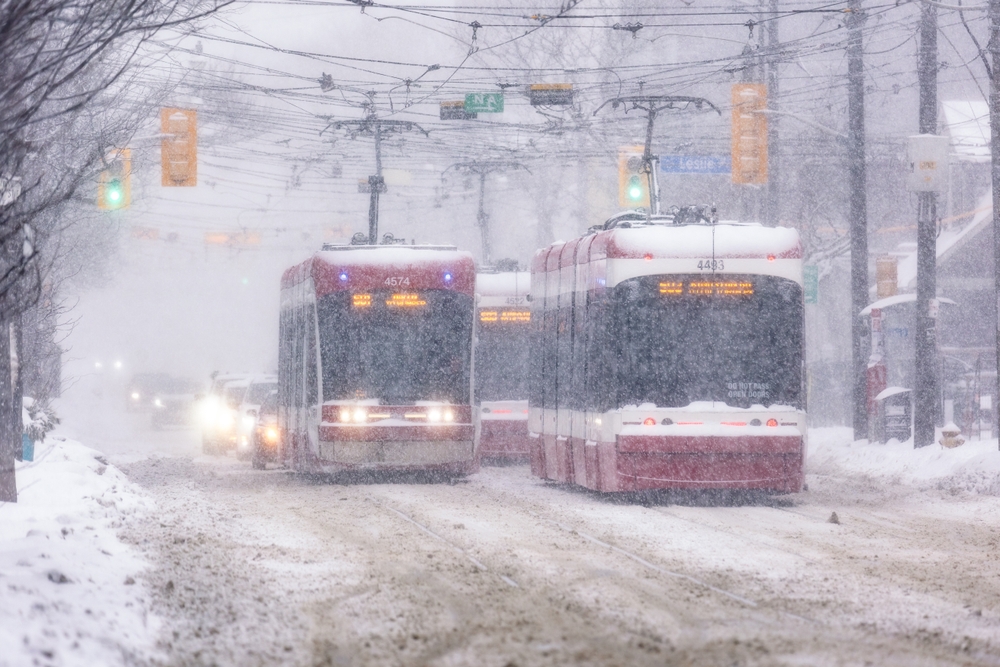
Public transit delays are common during heavy snowfall or freezing conditions. Buses and trains may run slower for safety reasons. Icy tracks and road congestion add to travel time. Canadians cope by leaving home earlier and checking service updates before commuting. Many use mobile apps for real-time information. Carrying extra warm clothing helps when waiting outdoors. Flexible work arrangements also reduce stress when delays occur. Despite winter preparedness, transportation systems still face weather challenges. Planning becomes essential for maintaining daily schedules during storms.
Snow-Covered Windshields
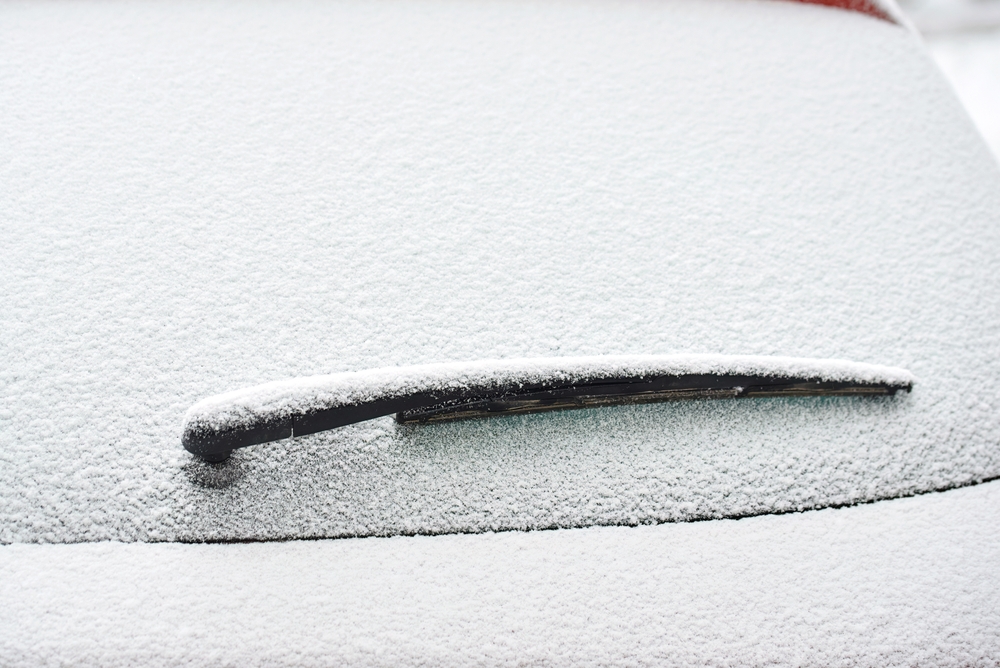
Snow-covered windshields are a daily task for many Canadian drivers. Overnight snowfall can completely bury vehicles. Clearing snow and scraping ice takes time, especially in extreme cold. Canadians cope by keeping snow brushes and ice scrapers in their cars. Remote starters help warm the windshield before cleaning. Parking under shelters reduces accumulation when available. Some use windshield covers overnight. Removing snow fully is important for safe visibility. This routine becomes part of every winter morning, regardless of the schedule.
Frozen Fingers and Toes

Frozen fingers and toes are a frequent complaint during Canadian winters. Even short exposure to cold can cause numbness. Wind chill intensifies the effect. Canadians cope by wearing insulated gloves, thick socks, and proper boots. Hand and foot warmers are common during outdoor activities. Layering helps trap body heat. Limiting time outside during extreme cold also reduces risk. Once indoors, warming gradually prevents discomfort. Maintaining circulation through movement is helpful. Protecting extremities is essential for staying safe and comfortable throughout the season.
Limited Outdoor Activities

Winter conditions limit many outdoor activities in Canada. Parks, sports fields, and trails may be covered in snow or ice. Cold temperatures discourage long periods outside. This reduces opportunities for casual recreation. Canadians cope by shifting to indoor activities such as gyms, community centres, and home workouts. Some embrace winter sports like skating or skiing to stay active. Dressing properly makes short outings manageable. Planning activities around weather forecasts helps as well. Despite adjustments, reduced outdoor time can feel restrictive. Staying physically active indoors becomes important for maintaining health during long winters.
Wet Boots Everywhere

Wet boots are unavoidable during snowy months. Melted snow clings to footwear and gets tracked indoors. Entryways often become damp and messy. Canadians cope by using boot trays and absorbent mats near doors. Waterproof footwear helps limit moisture. Many households keep spare indoor shoes. Regular drying prevents odor and damage. Some use heated boot dryers for convenience. Managing wet footwear becomes part of the daily routine. Proper storage keeps floors cleaner and reduces slipping hazards inside the home.
Cabin Fever

Cabin fever is common when Canadians spend long periods indoors. Cold weather and darkness reduce opportunities to go out. Over time, monotony can affect mood and motivation. Canadians cope by maintaining routines and social connections. Indoor hobbies such as reading, cooking, or crafting provide a distraction. Video calls help people stay connected with friends and family. Short outings during milder weather can break the cycle. Structured daily schedules reduce restlessness. Managing cabin fever requires intentional activity rather than waiting for spring.
Power Outages During Storms
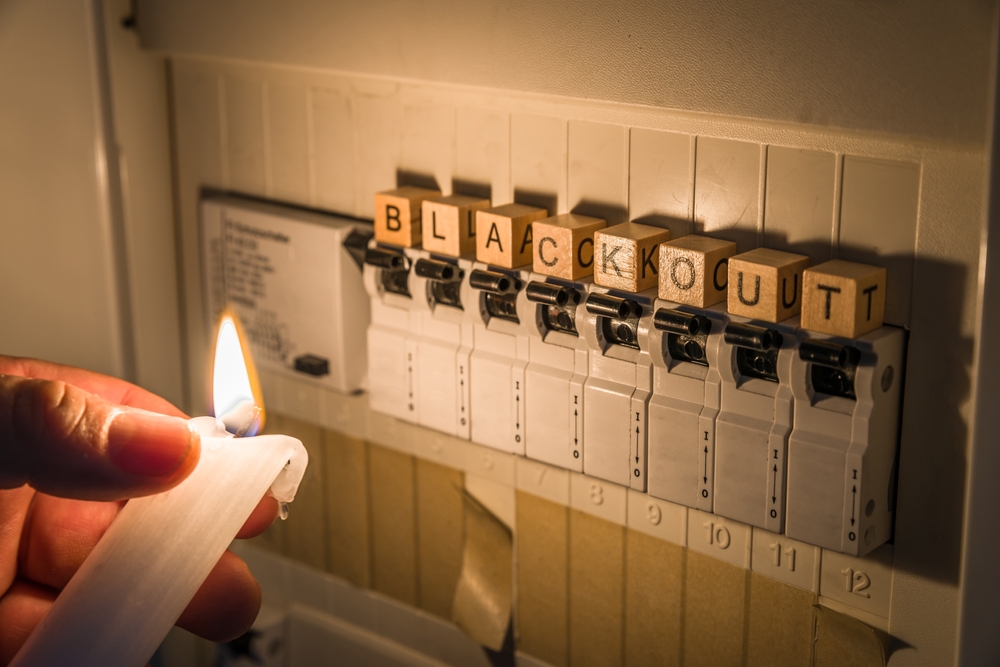
Winter storms can cause power outages across parts of Canada. Heavy snow, ice buildup, or strong winds may damage power lines. Loss of electricity affects heating, lighting, and communication. Canadians cope by keeping emergency kits ready. Flashlights, batteries, and blankets are essential supplies. Some households use backup generators. Staying informed through battery-powered radios helps track restoration updates. Conserving heat by closing unused rooms also helps. Preparedness reduces risk during prolonged outages. Power disruptions highlight the importance of planning for severe weather.
Winter Skin Problems

Cold air and indoor heating can cause skin issues during Canadian winters. Dryness, irritation, and cracking are common concerns. Lips and hands are especially vulnerable. Canadians cope by using heavier moisturizers and protective lip balms. Drinking enough water supports hydration from within. Humidifiers help restore indoor moisture levels. Wearing gloves outdoors prevents further damage. Gentle skincare routines reduce irritation. Managing winter skin requires consistent care rather than occasional treatment. Many people adjust products seasonally to maintain comfort.
Endless Snowfall Cleanup
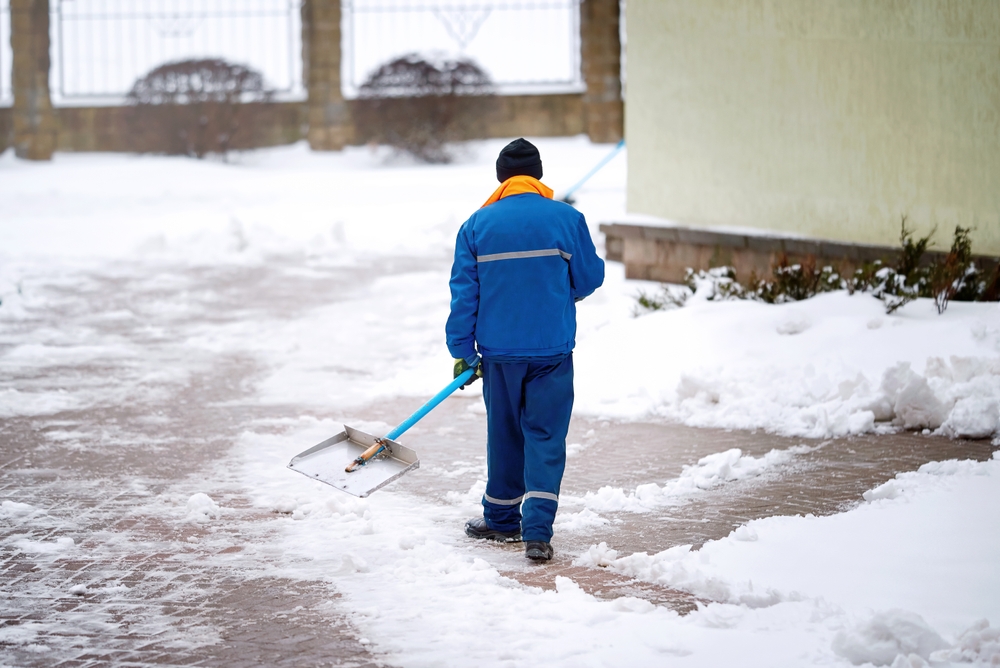
Repeated snowfall means continuous cleanup throughout winter. Driveways, sidewalks, and roofs require regular clearing to remain safe. Heavy snow can block access and create hazards. Canadians cope by using snowblowers or hiring snow removal services when possible. Shoveling in stages prevents excessive strain. Municipal plows handle major roads, but residential areas still need attention. Proper timing helps prevent ice buildup. The repetitive nature of snow removal can feel exhausting. Planning efficient routines makes the task more manageable over the season.
22 Groceries to Grab Now—Before another Price Shock Hits Canada

Food prices in Canada have been steadily climbing, and another spike could make your grocery bill feel like a mortgage payment. According to Statistics Canada, food inflation remains about 3.7% higher than last year, with essentials like bread, dairy, and fresh produce leading the surge. Some items are expected to rise even further due to transportation costs, droughts, and import tariffs. Here are 22 groceries to grab now before another price shock hits Canada.
22 Groceries to Grab Now—Before another Price Shock Hits Canada
