
Small towns across Canada are experiencing noticeable transformations as newcomers arrive seeking lifestyle, work, and recreational opportunities. From scenic coastal communities to mountain towns and historic villages, these places are attracting retirees, remote workers, young families, and entrepreneurs. The influx is revitalizing local economies, boosting housing markets, and supporting small businesses and cultural events. At the same time, towns face challenges such as rising property values, infrastructure demands, and maintaining community character. Here are 22 tiny Canadian towns being transformed by newcomers.
Canmore, Alberta

Canmore has seen a notable influx of newcomers seeking lifestyle and employment opportunities near the Rocky Mountains. The town’s natural beauty, outdoor recreation, and proximity to Banff attract both retirees and remote workers. Local businesses benefit from increased demand for housing, dining, and retail services. This population growth is reshaping the community, boosting property values and introducing diverse cultural influences. Municipal planning is adapting to accommodate newcomers while preserving the town’s character. Canmore’s transformation illustrates how small towns near major attractions are becoming hubs for both Canadian and international settlers, changing demographics and the local economy.
Nelson, British Columbia
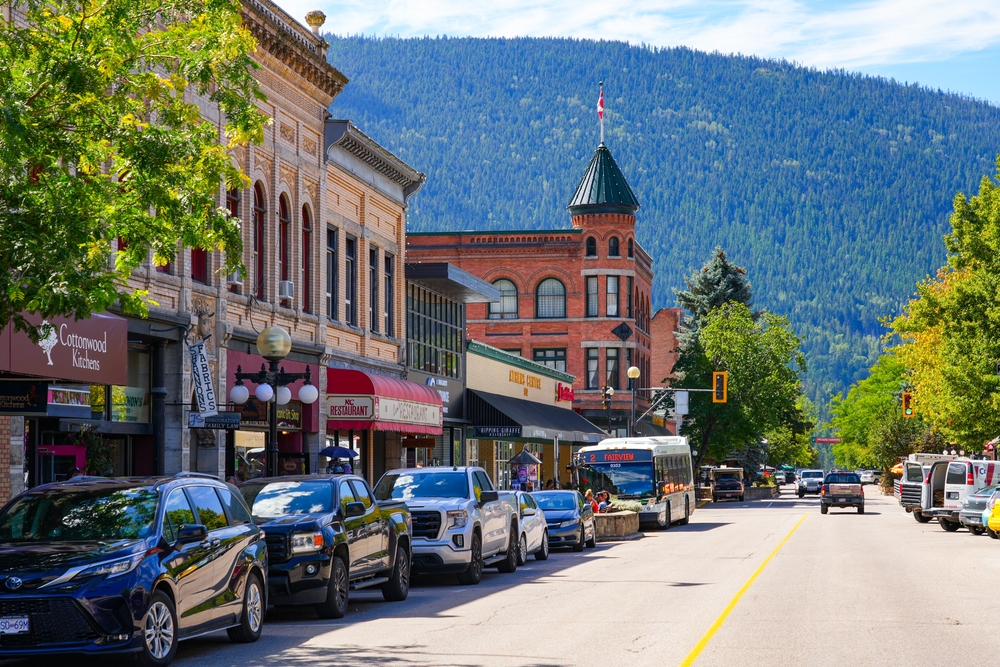
Nelson, known for its arts and historic charm, is attracting newcomers drawn to its creative community and scenic location near Kootenay Lake. Remote workers, retirees, and young professionals are moving in, revitalizing local businesses and housing markets. The population growth supports restaurants, shops, and cultural events, contributing to economic and social vibrancy. At the same time, rising housing costs and limited infrastructure are challenges for long-term residents. Nelson exemplifies how small, scenic towns can experience rapid change as new residents bring skills, spending power, and fresh perspectives, reshaping the community’s identity and opportunities.
Stratford, Ontario
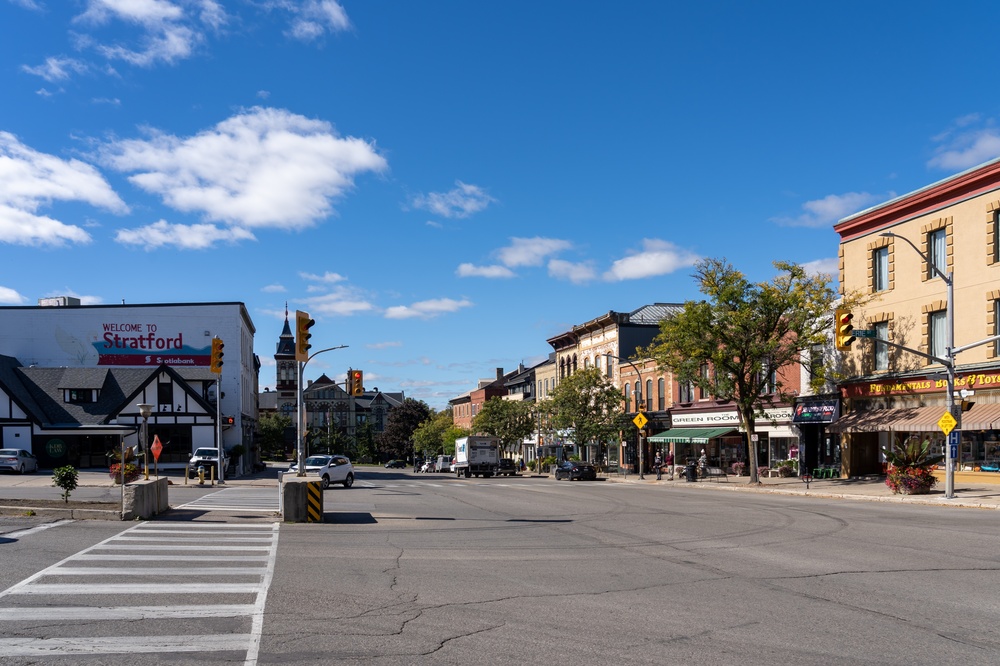
Stratford, famed for its theatre festival, has attracted newcomers seeking cultural amenities and small-town charm. Professionals and artists relocating from larger cities are boosting the housing market and supporting local businesses. This demographic shift has increased demand for services, schools, and community programs. While growth brings economic benefits, it also pressures housing availability and affordability for long-term residents. Stratford’s transformation demonstrates how arts-focused towns can draw newcomers, creating a blend of old and new community members. Strategic planning ensures that cultural identity and quality of life remain strong amid population changes.
Lunenburg, Nova Scotia

Lunenburg, a UNESCO World Heritage site, has experienced an influx of new residents seeking a slower lifestyle and coastal living. Artists, retirees, and remote workers are contributing to the local economy through property purchases, small business creation, and tourism. Rising demand has increased real estate values, reshaping the housing market. Local shops, restaurants, and service providers benefit from increased spending. While newcomers bring vibrancy and skills, the town balances growth with preservation of historic architecture and community culture. Lunenburg exemplifies how small heritage towns are being transformed economically and socially by new residents.
St. Andrews, New Brunswick

St. Andrews has become a popular destination for newcomers attracted to its historic charm, coastal location, and recreational opportunities. Retirees and remote workers contribute to local growth, supporting real estate, retail, and service sectors. Population growth has encouraged investment in infrastructure and cultural programming. Long-term residents benefit from increased economic activity, but housing availability and cost can become challenges. St. Andrews illustrates how small coastal towns can evolve as newcomers bring both spending power and new ideas, transforming community dynamics while maintaining their unique character and tourism appeal.
Niagara-on-the-Lake, Ontario
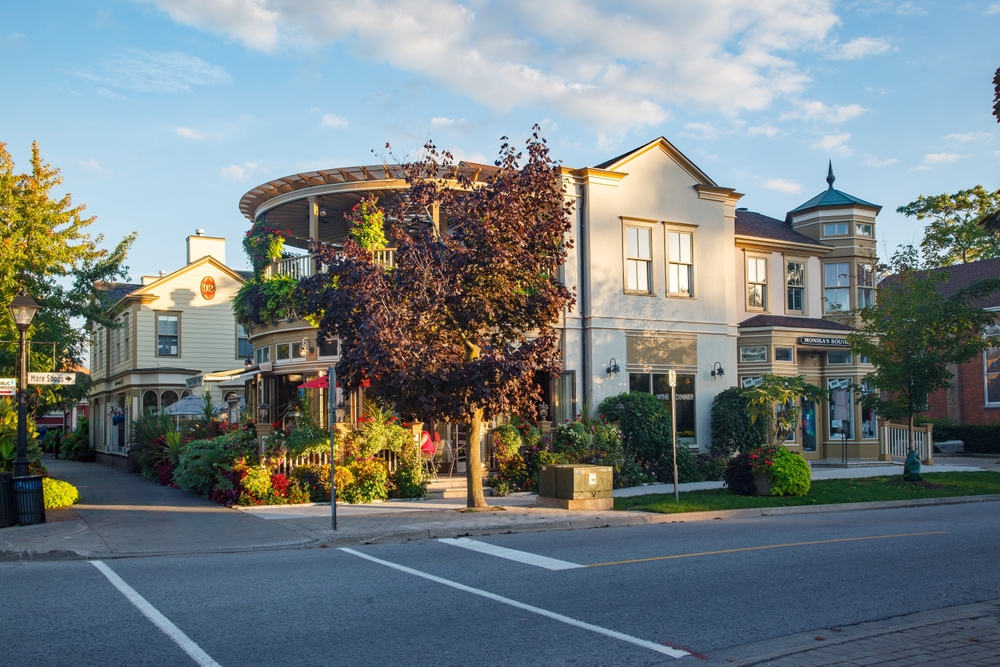
Niagara-on-the-Lake has seen demographic changes as newcomers move in, attracted by wineries, historic charm, and proximity to the U.S. border. Retirees, remote professionals, and entrepreneurs boost the housing market and local economy. The town experiences higher demand for restaurants, boutique shops, and cultural events. While the influx revitalizes the community, it also creates pressure on real estate prices and local services. Strategic planning focuses on balancing growth with heritage preservation. Niagara-on-the-Lake shows how small towns with unique attractions can transform through the arrival of new residents, impacting the economy, culture, and community character.
Tofino, British Columbia
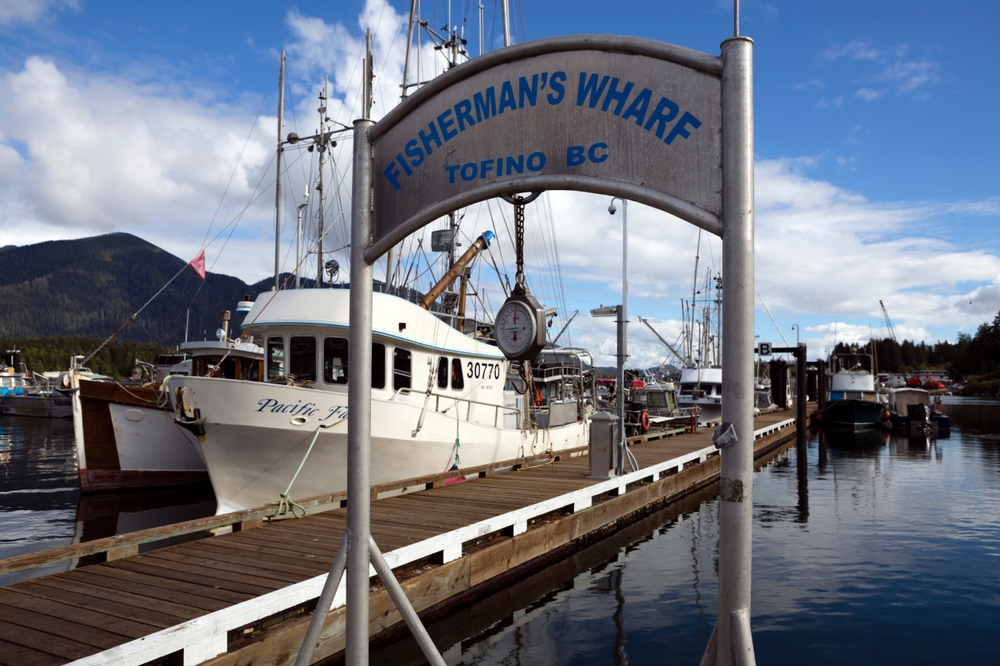
Tofino has attracted newcomers seeking coastal living, outdoor recreation, and a slower pace of life. Surfers, artists, and remote workers are contributing to the local economy through property investments, tourism, and small businesses. The influx has increased demand for housing, creating challenges for affordability and availability. Local shops, cafes, and services benefit from new residents’ spending. Tofino’s community is evolving as newcomers bring diverse perspectives, skills, and lifestyles while maintaining environmental and cultural priorities. This transformation illustrates how small coastal towns can experience rapid change due to their natural attractions and growing popularity.
Collingwood, Ontario

Collingwood, known for skiing and outdoor recreation, has become a hub for newcomers seeking lifestyle and proximity to Toronto. Retirees, remote workers, and young families are relocating, boosting real estate and local business growth. The population increase has revitalized services, restaurants, and community programming, while also creating higher housing demand. Collingwood balances economic opportunities with planning to maintain its small-town character. The town exemplifies how scenic, accessible locations can transform as newcomers arrive, influencing both social dynamics and infrastructure while supporting local economy and lifestyle enhancements.
Mont-Tremblant, Quebec
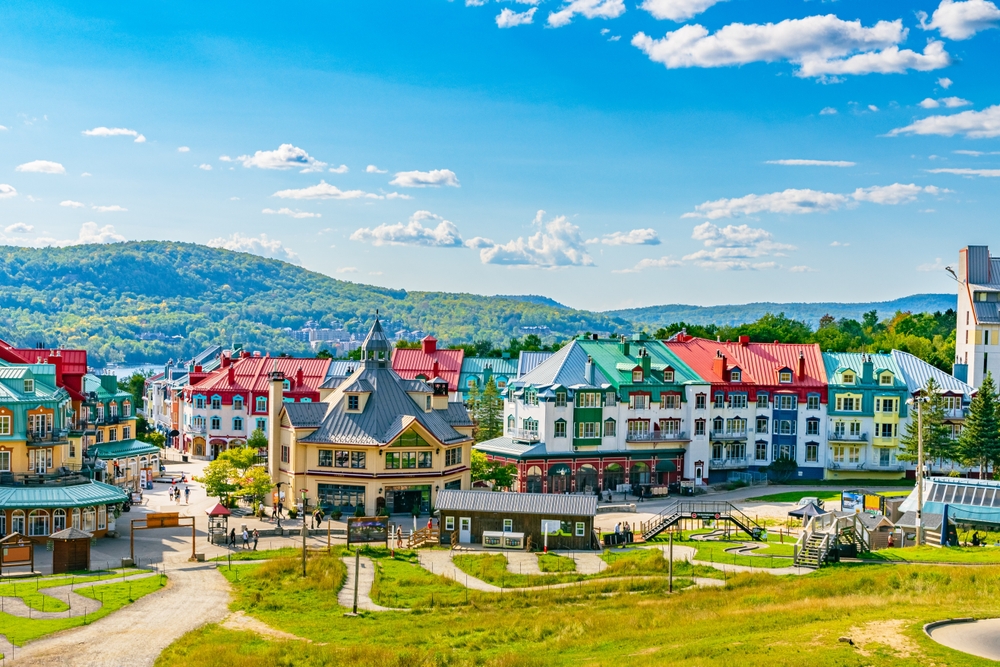
Mont-Tremblant has drawn newcomers attracted by its ski resorts, outdoor activities, and cultural scene. Remote workers and retirees are reshaping demographics and supporting hospitality, retail, and service industries. Housing demand has increased, contributing to rising property values. The town benefits economically from new residents, yet it faces challenges related to infrastructure and affordability. Mont-Tremblant’s evolution demonstrates how tourism-focused towns can become residential hubs, as newcomers provide skills, capital, and cultural diversity. Balancing growth with environmental and recreational priorities ensures the town maintains its unique character while adapting to population changes.
Wolfville, Nova Scotia
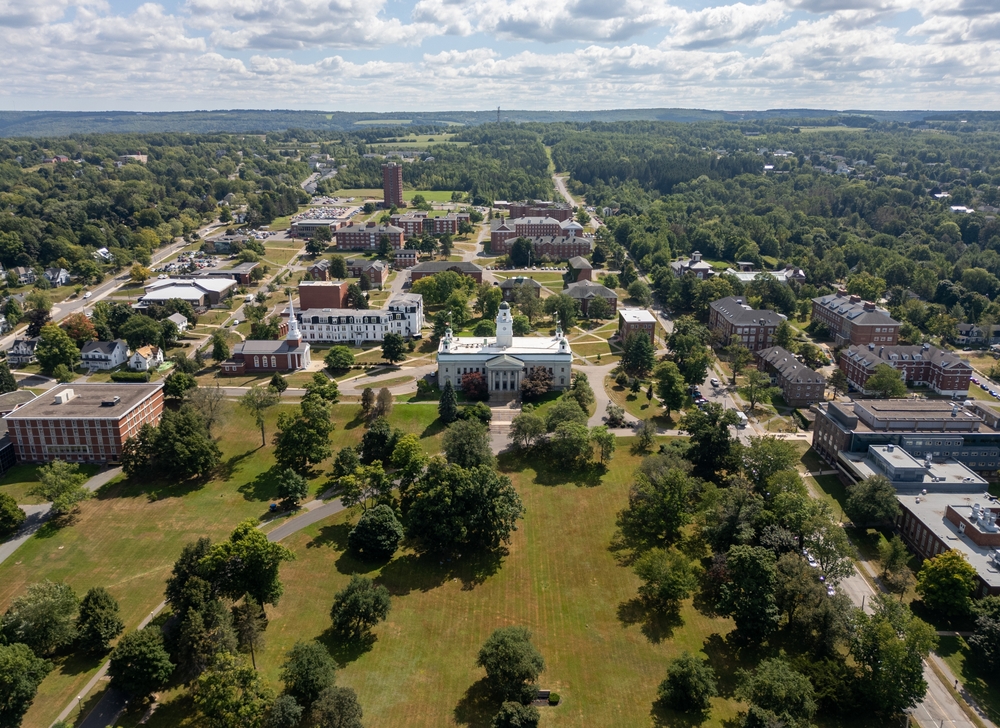
Wolfville, home to Acadia University, has experienced an influx of newcomers drawn by education, culture, and small-town charm. Remote workers, retirees, and young families are revitalizing local businesses, housing markets, and cultural programming. The town’s economy benefits from increased spending on dining, arts, and services. Population growth brings challenges such as housing availability and rising costs, which local planning addresses. Wolfville illustrates how small university towns can evolve socially and economically as newcomers introduce diversity, innovation, and investment, transforming community life while preserving local character and charm.
Banff, Alberta
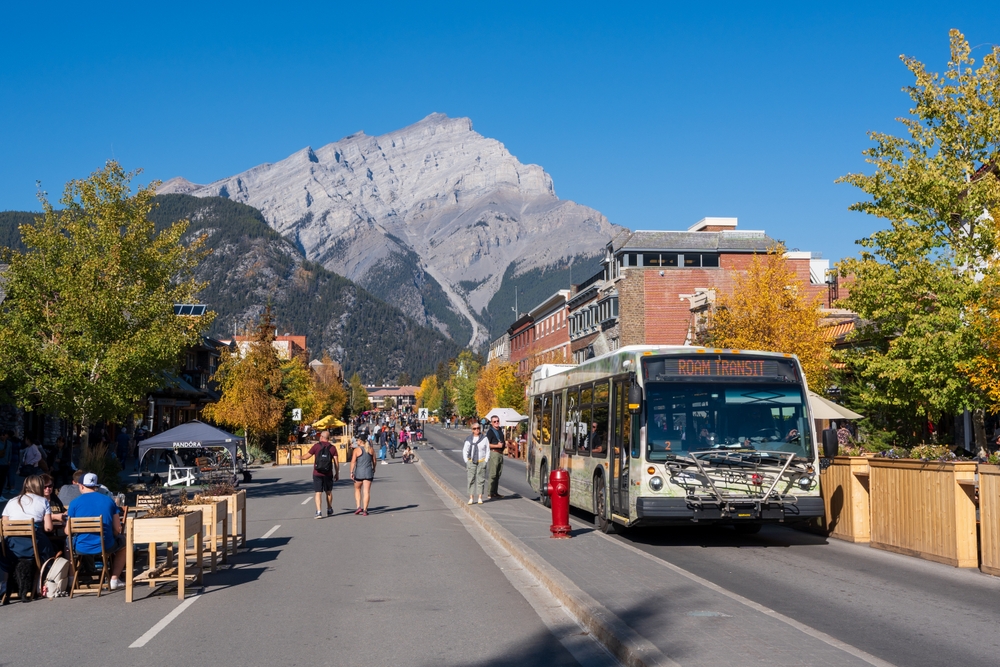
Banff has long been a tourist destination, but newcomers are increasingly relocating for lifestyle and employment opportunities. Remote workers and seasonal residents contribute to the economy through housing, retail, and service spending. The influx has raised property values and intensified demand for local amenities. Banff balances development with environmental conservation and park regulations. Community identity is evolving as newcomers bring new skills, ideas, and financial contributions. The town demonstrates how small mountain communities can transform economically and socially due to desirability, tourism, and relocation trends, while facing challenges in housing and infrastructure planning.
Oakville, Ontario
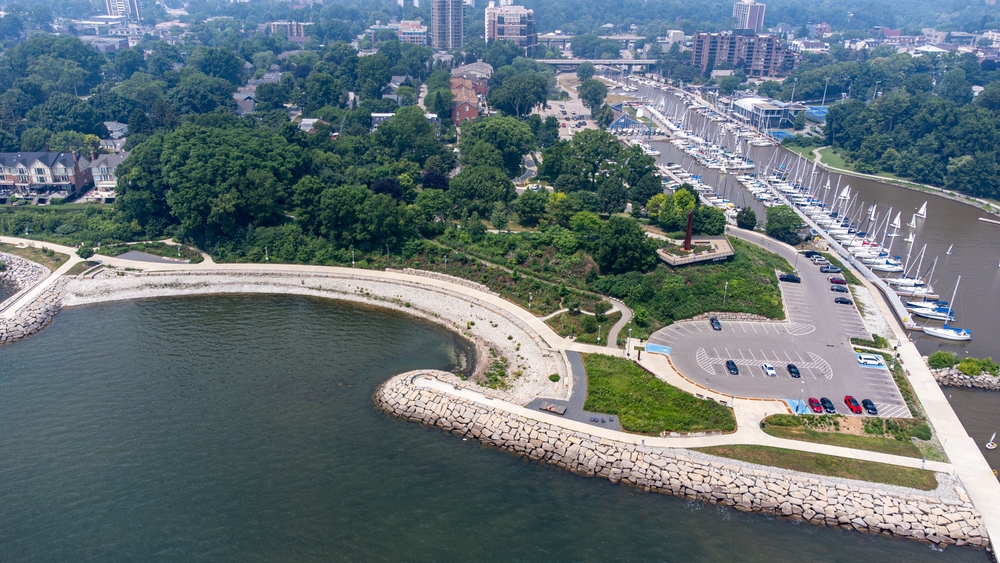
Oakville, located near Toronto, is attracting newcomers seeking suburban living with access to urban amenities. Young families, professionals, and retirees are moving in, supporting schools, retail, and local services. Real estate demand has increased, driving higher property values. Newcomers contribute to cultural diversity, community programs, and small business growth. Oakville’s population growth illustrates how commuter towns near major cities are transforming due to migration trends, lifestyle preferences, and economic opportunities. Planning efforts focus on infrastructure, transportation, and community cohesion to maintain the quality of life while integrating new residents into the town’s established character.
Whitehorse, Yukon
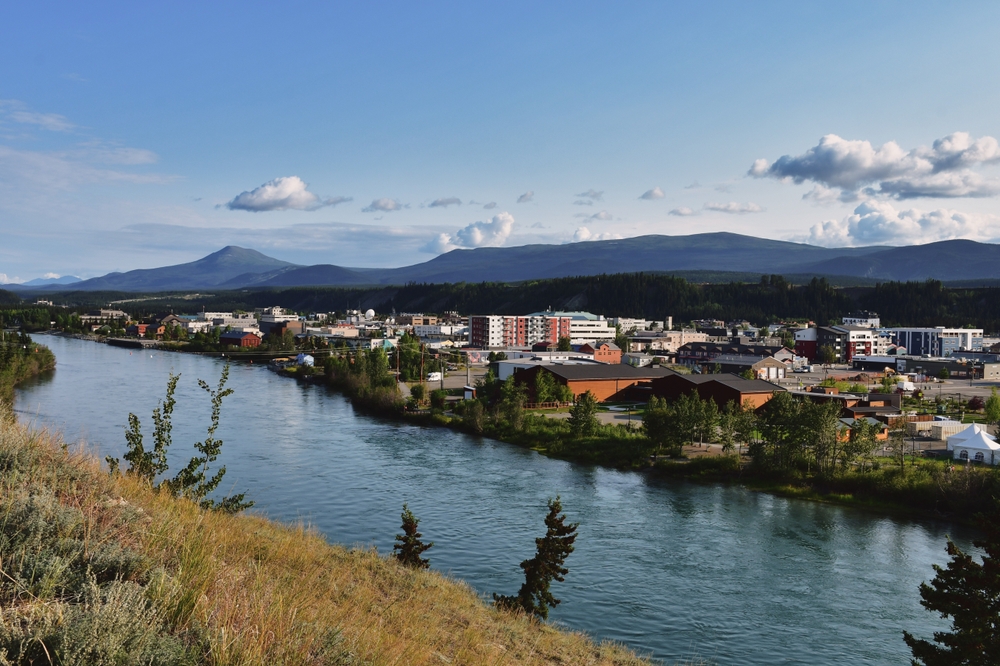
Whitehorse has attracted newcomers seeking a northern lifestyle, outdoor recreation, and remote work opportunities. Retirees, young professionals, and adventure enthusiasts contribute to the local economy by supporting real estate, retail, and service sectors. Population growth has spurred investment in infrastructure, cultural programs, and tourism services. Rising housing demand poses challenges for affordability and availability. Newcomers bring diverse skills and perspectives that reshape the community socially and economically. Whitehorse demonstrates how remote northern towns can evolve due to migration trends, balancing growth with preserving natural surroundings and cultural identity while meeting the needs of both long-term residents and new arrivals.
Salmon Arm, British Columbia

Salmon Arm is experiencing growth as newcomers seek smaller-town living with scenic surroundings. Remote workers, retirees, and young families support the housing market and local businesses. Population increases have revitalized retail, dining, and community services, creating economic opportunities. Rising real estate demand and infrastructure needs are ongoing challenges. New residents bring cultural and economic diversity, transforming community dynamics while maintaining the town’s charm. Salmon Arm illustrates how small towns with natural amenities attract newcomers who influence both the social fabric and economic development, encouraging balanced growth that preserves quality of life for all residents.
Charlottetown, Prince Edward Island
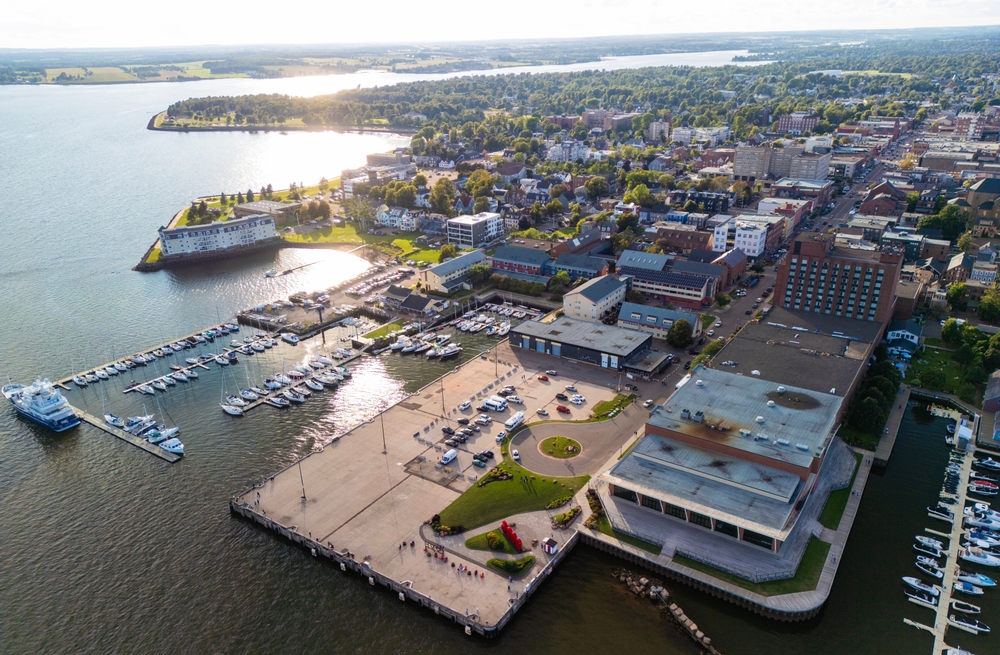
Charlottetown’s appeal as a historic, coastal town has drawn newcomers, including young professionals and remote workers. Population growth supports housing, retail, and cultural events, revitalizing the local economy. Increased demand for services and amenities has created both opportunities and challenges for the community. Newcomers introduce skills, perspectives, and spending power that influence social and economic trends. City planning focuses on integrating newcomers while preserving heritage and maintaining affordability. Charlottetown’s transformation shows how small provincial capitals benefit from migration, experiencing economic vitality and social enrichment, while balancing growth with the needs of long-term residents.
Vernon, British Columbia
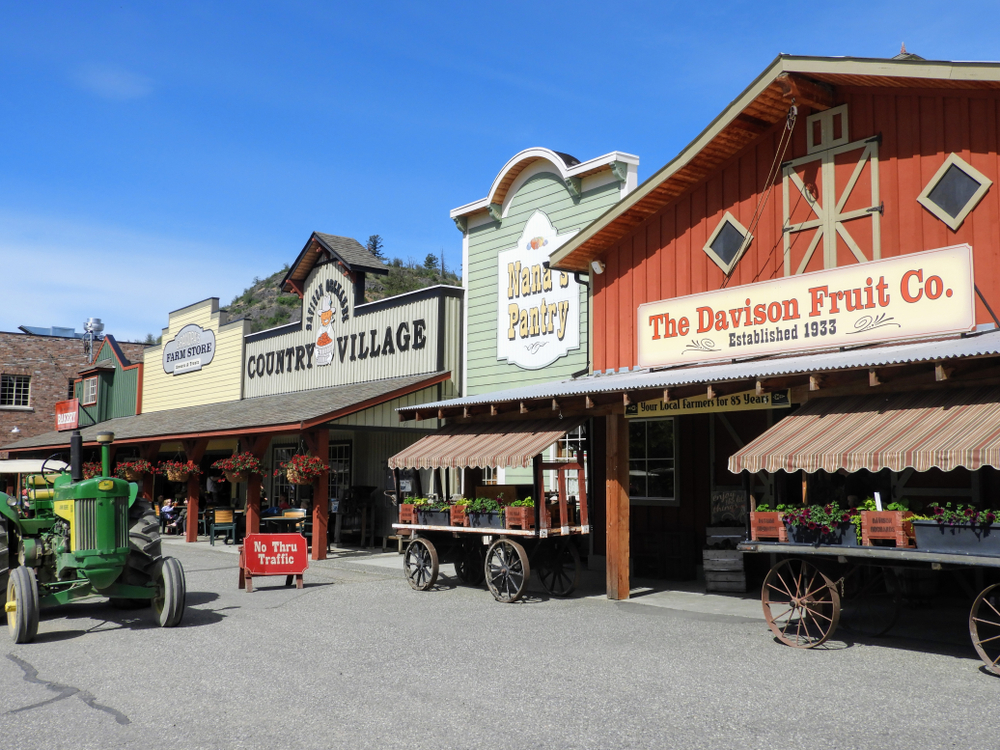
Vernon has seen newcomers attracted to its lakes, outdoor recreation, and temperate climate. Remote workers and retirees contribute to the housing market and local economy. Population growth has increased demand for services, healthcare, and cultural programming. Rising property values challenge affordability for long-term residents. New residents bring new skills, ideas, and spending power, enhancing community diversity. Vernon demonstrates how small interior towns with recreational and lifestyle advantages are reshaping socially and economically. Local planning ensures infrastructure and amenities meet growing needs while preserving the town’s character and natural environment.
Cobourg, Ontario
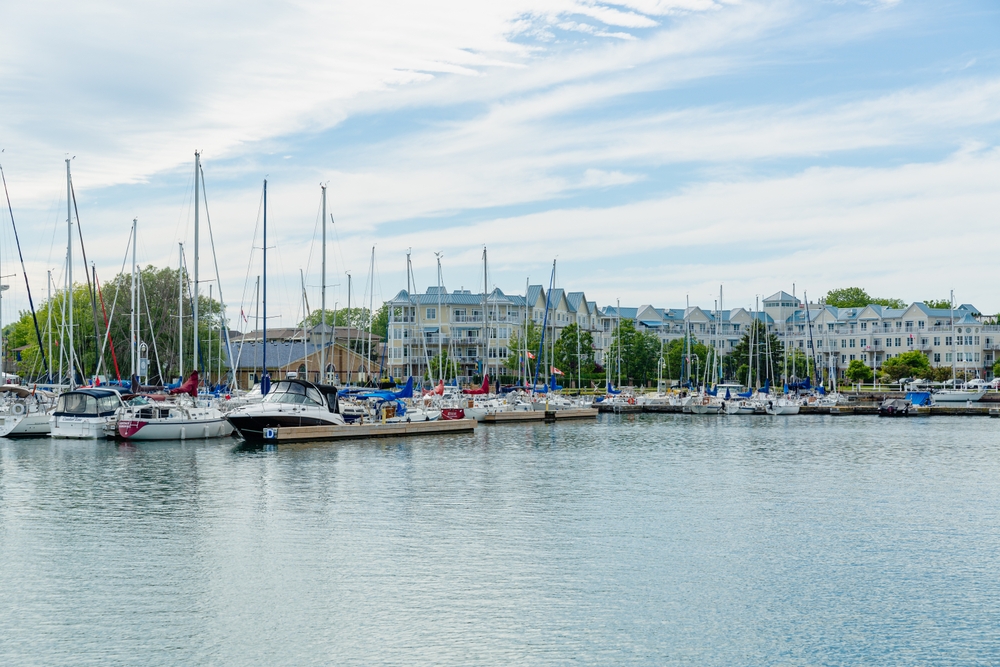
Cobourg has experienced growth as newcomers seek lakeside living and proximity to larger cities like Toronto and Kingston. Retirees and families contribute to housing demand, local businesses, and community services. Population growth revitalizes cultural programs, schools, and retail sectors. Rising property prices challenge affordability, requiring careful municipal planning. Newcomers introduce economic activity and diversity, changing the social fabric and creating opportunities for innovation. Cobourg exemplifies how small Ontario towns benefit from migration, boosting economy and culture while balancing infrastructure and lifestyle considerations for both new and existing residents.
St. John’s, Newfoundland and Labrador
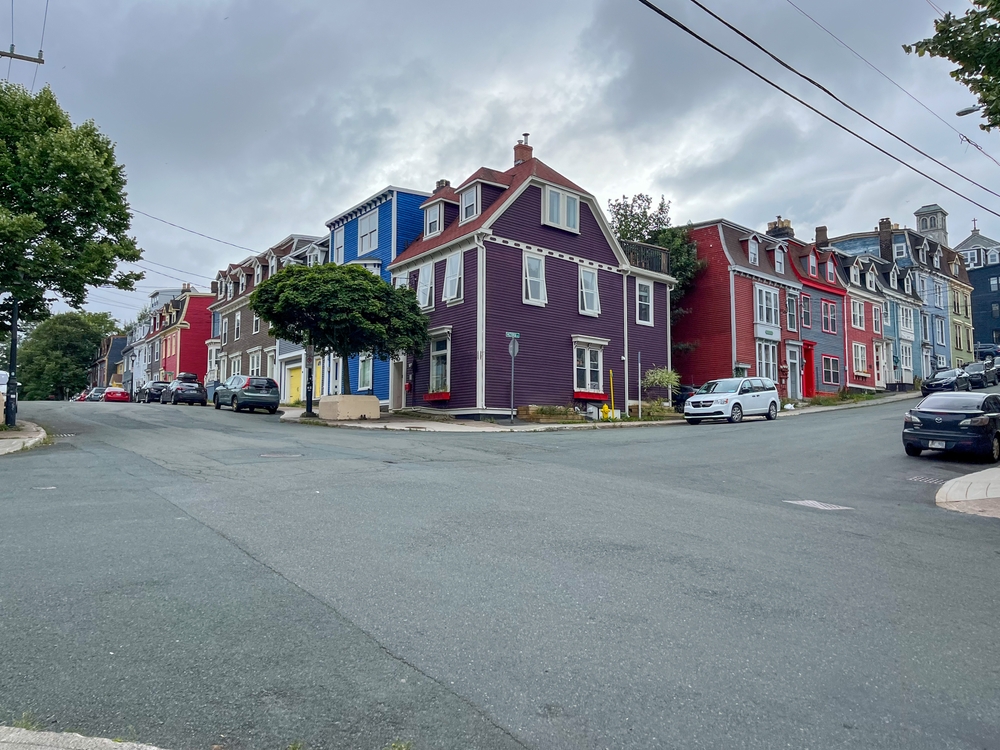
St. John’s is attracting newcomers with its coastal location, vibrant culture, and economic opportunities in technology, healthcare, and education. New residents contribute to housing demand, local businesses, and cultural events. Population growth brings both economic benefits and pressures on real estate affordability and infrastructure. Newcomers diversify the community, introducing new perspectives and skills that reshape social and economic dynamics. St. John’s illustrates how small provincial capitals can experience transformation due to migration trends, balancing the needs of new arrivals while maintaining the city’s heritage, character, and quality of life for long-term residents.
Stratford, Prince Edward Island

Stratford has become attractive to newcomers due to its proximity to Charlottetown, affordable housing, and family-friendly environment. Young families, retirees, and remote workers are moving in, boosting local businesses and community services. Population growth has increased demand for schools, healthcare, and recreational programs. The town balances expansion with maintaining small-town charm and quality of life. Newcomers bring diversity, spending power, and new ideas, reshaping the social and economic landscape. Stratford demonstrates how suburban towns near provincial capitals can transform through migration while providing economic opportunities and preserving community character.
Squamish, British Columbia

Squamish, located between Vancouver and Whistler, attracts newcomers for its outdoor recreation, lifestyle, and accessibility. Remote workers, adventure enthusiasts, and young families are contributing to local housing demand and economic growth. Retail, dining, and service sectors benefit from an increased population. Rising property prices pose challenges for affordability. New residents bring diverse skills and cultural influences, shaping community dynamics. Squamish illustrates how small towns near major urban centers can experience rapid transformation as newcomers influence housing, economy, and social fabric while balancing growth with natural and recreational priorities.
Vernon, British Columbia

Vernon continues to grow as newcomers are drawn to its lakes, outdoor activities, and milder climate. Retirees, remote professionals, and young families are investing in property and supporting local businesses. Population growth boosts schools, healthcare, and cultural programs while increasing housing demand. Newcomers bring economic activity and diversity, influencing social dynamics. Vernon demonstrates how interior towns with recreational and lifestyle advantages can transform socially and economically. Planning ensures that infrastructure and community services meet growing needs while preserving the town’s character and natural environment. The town’s evolution shows the impact of migration on smaller Canadian communities.
Revelstoke, British Columbia
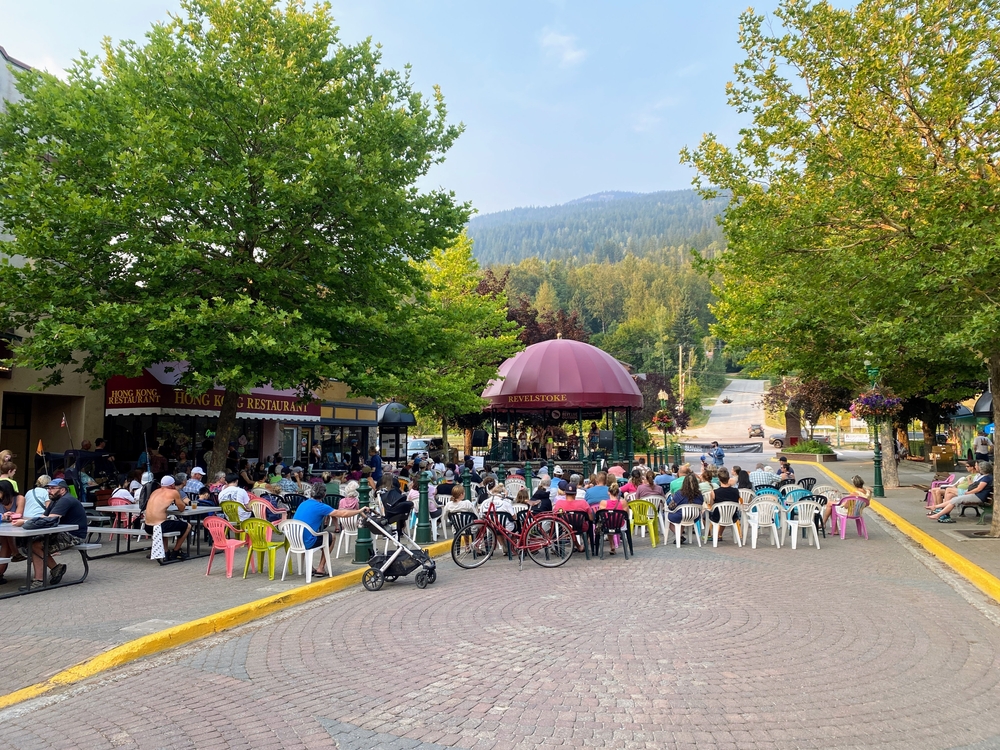
Revelstoke attracts newcomers for skiing, mountain recreation, and small-town living. Remote workers, retirees, and outdoor enthusiasts contribute to real estate demand and support local businesses. Population growth brings both economic opportunities and challenges, including housing affordability and infrastructure needs. New residents introduce new perspectives and cultural diversity, reshaping the town’s social and economic landscape. Revelstoke illustrates how scenic, recreational towns are transformed by migration trends, balancing growth with preservation of natural beauty and community character. The town’s evolution reflects broader patterns of newcomers shaping small Canadian towns across the country.
22 Groceries to Grab Now—Before another Price Shock Hits Canada

Food prices in Canada have been steadily climbing, and another spike could make your grocery bill feel like a mortgage payment. According to Statistics Canada, food inflation remains about 3.7% higher than last year, with essentials like bread, dairy, and fresh produce leading the surge. Some items are expected to rise even further due to transportation costs, droughts, and import tariffs. Here are 22 groceries to grab now before another price shock hits Canada.
22 Groceries to Grab Now—Before another Price Shock Hits Canada
