
Canada is experiencing a major shift in where young people choose to live. Rising living costs, limited job opportunities in certain sectors, and difficulty finding affordable housing are driving many to rethink their long-term plans. Several once-desirable cities are now seeing a steady outflow of younger residents who are looking for stability, career growth, and a chance to build a future. Here are 23 Canadian cities young people are fleeing — and where they’re going instead.
Toronto, Ontario

Toronto is losing many young residents due to the high cost of housing, rising rent, and stagnant wage growth. Many young professionals say homeownership feels impossible, even with stable incomes. The cost of living, transportation expenses, and competitive job markets make daily life stressful. More people now choose smaller Ontario cities or provinces like Alberta, where affordability and better work-life balance are stronger. Remote work also makes living in Toronto less necessary. While Toronto remains Canada’s largest economic hub, many younger Canadians feel priced out and are relocating to communities offering more space, lower expenses, and better long-term stability.
Vancouver, British Columbia

Vancouver faces some of the highest housing prices in North America, driving young people out of the city. Even high-income earners struggle to afford rent or buy a home, forcing many to consider cities in the Interior, Vancouver Island, or completely different provinces. Cost of living continues to rise faster than salaries, making it difficult to build savings. Limited full-time job opportunities and long commute times also play a role. Young families find it especially hard to stay, choosing more affordable hubs like Kelowna, Nanaimo, Calgary, and Edmonton. Vancouver’s lifestyle is appealing, but affordability is pushing residents away.
Montreal, Quebec

Montreal continues to attract students and artists but is losing many young workers after graduation due to rising housing and rental costs, language-based employment requirements, and lower average wages. Some young people struggle to secure long-term career opportunities without French fluency, limiting job options. Recent rental spikes and competition for apartments have increased economic pressure. Many are relocating to cities in Ontario or emerging tech markets like Ottawa, Calgary, and Halifax. While culture, food, and community remain strong, financial instability, slow wage growth, and affordability issues mean many young adults now see Montreal as unsustainable long-term.
Calgary, Alberta

Calgary has seen economic ups and downs tied to the energy sector, and job uncertainty has pushed some young people to relocate. Although housing is more affordable than in Toronto or Vancouver, fluctuations in employment, rising living costs, and limited public transit outside core areas contribute to departures. Many are moving to Edmonton, Kelowna, and Atlantic Canada cities that offer more stability and diverse job growth. Remote work has also reduced the need to remain in traditional oil-and-gas hubs. Calgary still offers strong opportunities, but young workers want better job security and more predictable market conditions.
Edmonton, Alberta

Edmonton offers lower housing prices but is losing young residents due to slower job growth, limited white-collar career paths, and economic instability linked to resource industries. Many young professionals relocate to Calgary, Vancouver Island, or mid-sized Ontario cities for broader employment options. Rising property taxes, long winters, and urban infrastructure concerns also influence decisions. Edmonton remains appealing for affordability, education, and arts and culture, but a lack of stable career progression pushes many away. Young people say they want communities where they can develop careers, buy homes sooner, and build long-term financial stability, leading to higher outbound migration.
Winnipeg, Manitoba

Winnipeg has an affordable housing market, but high crime rates, harsh winters, and slower economic growth are major reasons young people are leaving. Many feel limited by fewer job opportunities in technology, finance, and creative industries. Population data shows young professionals moving toward Alberta, Ottawa, and Atlantic Canada, searching for stronger employment prospects and lifestyle improvements. Some cite safety concerns and infrastructure challenges as factors in their decision to relocate. Although Winnipeg offers a lower cost of living and a strong community culture, young adults want greater career mobility and better long-term opportunities than the city currently provides.
Ottawa, Ontario

Ottawa is seeing more young residents leave as housing prices and rental costs continue to rise faster than wages. Many entry-level and mid-career professionals say government hiring slowdowns and limited private-sector growth make it harder to build stable careers. Higher living expenses, long commutes, and fewer cultural and nightlife options compared to larger cities also push young people elsewhere. Many are relocating to Gatineau, Kingston, Halifax, and Calgary in search of more affordable homes and stronger job opportunities. While Ottawa offers safety and stability, affordability challenges and slower economic expansion are driving younger residents to explore other regions.
Hamilton, Ontario

Hamilton once attracted young people leaving Toronto, but rapid price increases and rising rent are now causing residents to move out. Gentrification has changed neighborhoods, pushing affordability out of reach for many. Limited job opportunities outside healthcare, construction, and skilled trades contribute to outmigration. Young people are increasingly choosing cities like St. Catharines, London, and Windsor, which offer cheaper living and growing job markets. Hamilton still benefits from strong culture and education options, but household budgets are strained, making long-term housing and financial stability difficult to achieve. This shift is reshaping the city’s demographic trends.
Mississauga, Ontario

Mississauga is losing young residents due to extreme housing prices and high rental rates. Many younger households feel squeezed by living costs, transportation fees, and limited affordable starter homes. Job options remain competitive, and many positions require long commutes or remote work from home, reducing the appeal of living close to Toronto. More people are moving to mid-sized cities like Kitchener–Waterloo, Guelph, and Barrie, where lower prices offer a better quality of life. While Mississauga has strong amenities and diverse communities, financial pressure and limited new housing options have pushed many young adults to leave.
Brampton, Ontario

Brampton’s population continues to grow overall, but many young professionals are choosing to leave due to rising housing costs, traffic congestion, and limited job diversification. Long commute times and high transportation expenses are major concerns. Some feel there are fewer career opportunities compared to nearby cities. Young people are relocating to Edmonton, Calgary, and smaller Ontario communities offering lower costs and more job availability. Brampton remains family-friendly and culturally vibrant, but affordability challenges and infrastructure strain are driving younger residents to explore more sustainable living choices.
Surrey, British Columbia

Surrey is experiencing fast development, yet young people are moving out as housing prices soar and rental availability tightens. The growing cost of living, rising property taxes, and slower growth in stable career fields are increasing financial pressure. Some young families cite concerns about overcrowding and increasing commute times. Many choose interior BC cities, Vancouver Island, or move east toward Alberta for more affordable living. Surrey offers diversity and new infrastructure, but affordability barriers are changing migration trends among younger Canadians who want better financial security and long-term housing prospects.
Regina, Saskatchewan

Regina is seeing young residents leaving due to slower job growth, limited opportunities in tech and creative industries, and economic challenges tied to resource markets. Wage growth has not kept pace with living costs, and many young professionals seek stronger economic mobility. Harsh winters and limited entertainment and transit options also influence decisions. People are relocating to Saskatoon, Calgary, Kelowna, and Atlantic Canada cities, where job diversity and lifestyle advantages are greater. Although Regina offers affordable housing, many feel long-term prospects are stronger elsewhere, creating significant outbound migration among younger populations.
Saskatoon, Saskatchewan
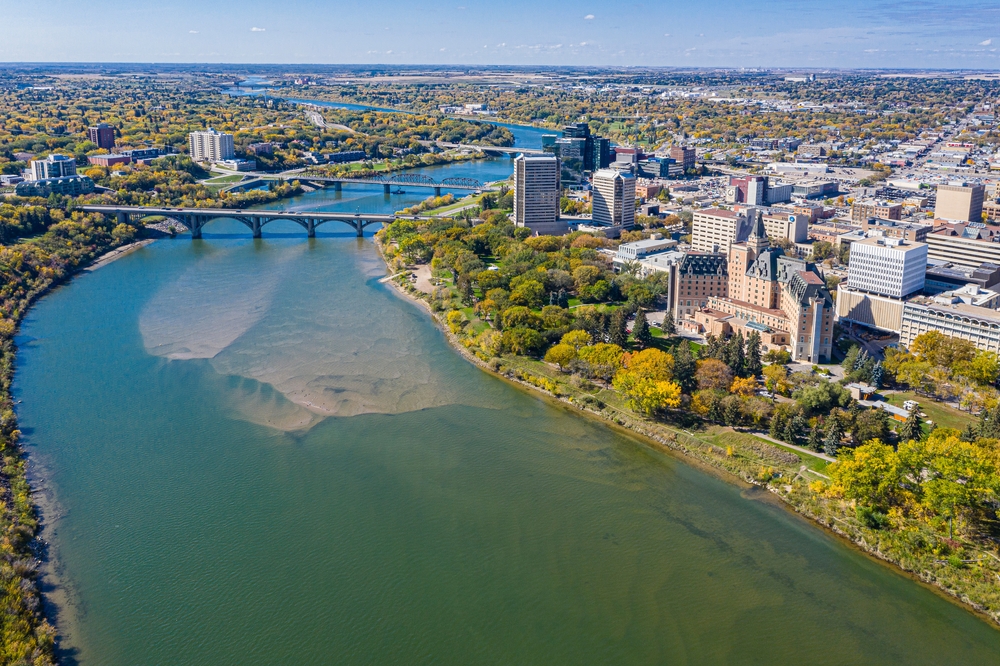
Saskatoon is experiencing a noticeable outflow of young residents despite offering a relatively lower cost of living. Many leave due to limited job options in tech, creative sectors, and specialized professional fields. Economic fluctuations tied to agriculture and resources create instability, making long-term planning difficult. Young people seek larger cities or provinces with more diverse economic growth. Popular destinations include Calgary, Edmonton, and Vancouver Island. While Saskatoon offers affordability and community appeal, a lack of competitive wages and fewer career advancement opportunities are pushing younger Canadians to relocate in search of stronger futures.
St. John’s, Newfoundland and Labrador

St. John’s is losing young residents as the province faces economic challenges tied to declining offshore energy investment and shrinking job prospects. Many recent graduates struggle to find stable employment in their fields, prompting moves to central and western Canada. The rising cost of living, limited public transit, and ongoing population decline influence decisions as well. Many young adults relocate to Halifax, Ottawa, Calgary, and Toronto for better employment and lifestyle opportunities. St. John’s offers natural beauty and strong culture, but long-term economic uncertainty is pushing young people to pursue opportunities elsewhere.
Thunder Bay, Ontario

Thunder Bay continues to face a steady loss of young residents due to limited job diversity and fewer opportunities in growing industries such as tech and healthcare services. Many young people feel compelled to leave for educational and career reasons. The city struggles with aging infrastructure and slower economic expansion. Rising costs also impact affordability, particularly for renters and new homebuyers. Young people move to southern Ontario cities like London, Toronto, and Kitchener–Waterloo for more promising employment and lifestyle options. While Thunder Bay offers beautiful landscapes and community-focused living, the migration trend remains strong.
London, Ontario

London is seeing young residents relocate due to rising real estate prices and fierce competition in the rental market. Once considered affordable, the city now faces rapid population growth that has strained housing availability and driven up pricing. Job markets in education and healthcare remain competitive, and many young professionals seek alternativesinh faster-growing industries. Popular destinations include Calgary, Halifax, and smaller Ontario cities with lower living costs. Despite having strong universities and a vibrant culture, London’s affordability challenges are prompting more young people to leave in search of financial stability and better opportunities.
Windsor, Ontario

Windsor is experiencing outbound migration among young people due to dependency on automotive manufacturing and related industries. Economic uncertainty tied to automation and global market shifts affects long-term job security. Although housing is more affordable than in many cities, limited diversity in employment options drives young professionals elsewhere. Many choose London, Hamilton, and Calgary for stronger job markets and lifestyle advantages. Windsor benefits from its border location and multicultural community, but slower job growth and economic transitions continue to influence younger residents to move in search of stability and advancement.
Victoria, British Columbia

Victoria is seeing a growing number of young residents leave due to high housing costs and limited rental availability. Many jobs in the region focus on government, tourism, and services, which often offer lower starting wages. The cost of living continues to rise faster than earnings. Young people find it difficult to build financial stability or purchase homes. Many are relocating to more affordable cities such as Nanaimo, Langford, and Calgary. Victoria remains desirable for retirees and remote workers, which intensifies competition. The shift is reshaping the demographic balance as younger residents search for more affordable locations.
Quebec City, Quebec

Quebec City continues to lose young residents due to limited job opportunities in rapidly growing sectors like tech and digital services. Many graduates face challenges securing well-paid entry-level roles. The language requirement can limit employment options for newcomers and bilingual residents. Rental availability and rising housing prices also add to the pressure. Young people are relocating to Montreal, Ottawa, and Toronto for more diverse employment markets. Quebec City offers culture and history, but economic limitations and fewer career paths are pushing younger Canadians to pursue opportunities in larger urban centers across the country.
Halifax, Nova Scotia

Halifax has seen strong growth, yet young residents continue to leave due to soaring housing costs and fierce rental competition. Many face long wait times for affordable units and rising living expenses. Job markets in healthcare, tech, and public sector roles are expanding, but wages do not always match rising costs. Young people move to cities such as Moncton, Fredericton, and Calgary seeking more balanced affordability. Halifax remains a cultural and educational hub, but financial pressure influences relocation decisions. Population changes are reshaping long-term urban planning and shifting the demographic landscape in meaningful ways.
Charlottetown, Prince Edward Island

Charlottetown is experiencing increasing outbound migration among young adults as living costs rise and affordable housing becomes harder to find. Population growth has exceeded construction, creating shortages that affect renters and first-time buyers. Job options remain limited in specialized fields, leading many graduates to relocate for stronger prospects. Halifax and Ottawa are top choices for those searching for career stability. The city offers charm, community connection, and growing tourism, but wages often fall short of rising expenses. Young people search for greater security and long-term opportunities beyond the island.
Prince George, British Columbia
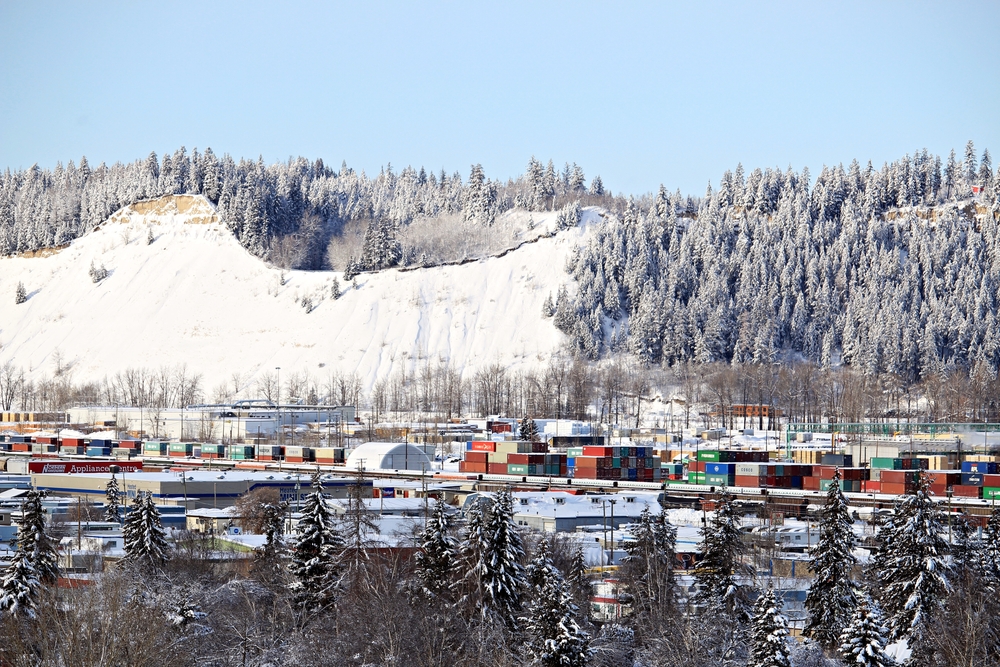
Prince George is seeing many young residents relocate due to dependence on forestry and resource-driven industries that face volatility. Economic uncertainty pushes people to search for more reliable careers. Housing remains affordable, but limited employment variety reduces long-term opportunity for skilled workers and graduates. Many move to Kelowna, Victoria, and Calgary for stronger job markets and urban amenities. The city offers access to outdoor lifestyle and education opportunities, yet population loss continues among younger groups driven by economic change. Stabilizing growth remains challenging as sectors shift and competition for talent increases.
Whitehorse, Yukon

Whitehorse has become less accessible for young residents facing sharp increases in housing costs and overall living expenses. Rising property values and long rental waitlists make settling difficult. Employment options remain concentrated in government, tourism, and service roles, with limited growth for broader career fields. Many young people move to Alberta and British Columbia cities seeking more affordability and diverse job choices. Although Whitehorse offers outdoor beauty anda strong community identity, the financial barriers are pushing younger Canadians to relocate. Demographic shifts reflect growing economic stress and cost-of-living pressures across northern regions.
22 Groceries to Grab Now—Before another Price Shock Hits Canada

Food prices in Canada have been steadily climbing, and another spike could make your grocery bill feel like a mortgage payment. According to Statistics Canada, food inflation remains about 3.7% higher than last year, with essentials like bread, dairy, and fresh produce leading the surge. Some items are expected to rise even further due to transportation costs, droughts, and import tariffs. Here are 22 groceries to grab now before another price shock hits Canada.
22 Groceries to Grab Now—Before another Price Shock Hits Canada
