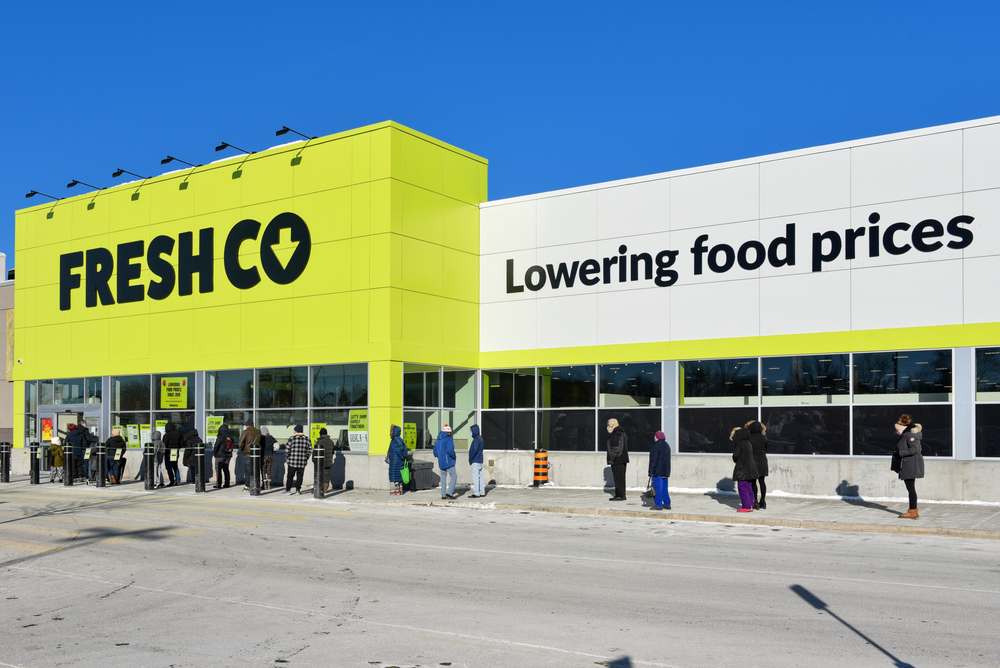
Canada’s food culture can surprise American visitors in ways both delightful and unexpected. From unique snack flavours to strict food safety rules, many practices differ significantly from U.S. norms. Tourists quickly notice differences in portion sizes, tipping expectations, beverage refills, and even the types of meats or condiments served. Rules around alcohol, school lunches, and importing foods add another layer of complexity. Here are 23 Canadian food rules that make American tourists panic.
Milk Sold in Bags Instead of Jugs
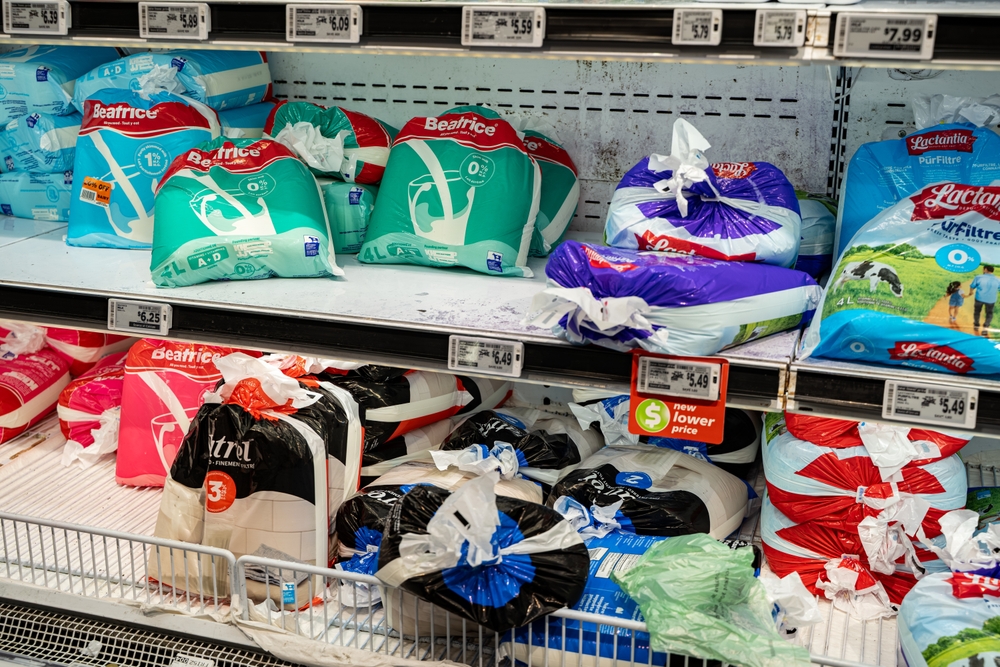
Milk sold in bags is one of the first things that surprises many American visitors. In several Canadian provinces, especially Ontario and Quebec, grocery stores commonly offer three small plastic bags inside one larger package. The bags are placed into a reusable plastic pitcher, and the corner is cut open to pour. Many tourists initially find the system confusing, but locals often say it reduces packaging waste and is cheaper than buying milk in cartons or jugs. While jug and carton options are still available, bagged milk remains a uniquely Canadian practice that always catches travellers off guard.
Ketchup Chips and Other Unique Snack Flavours
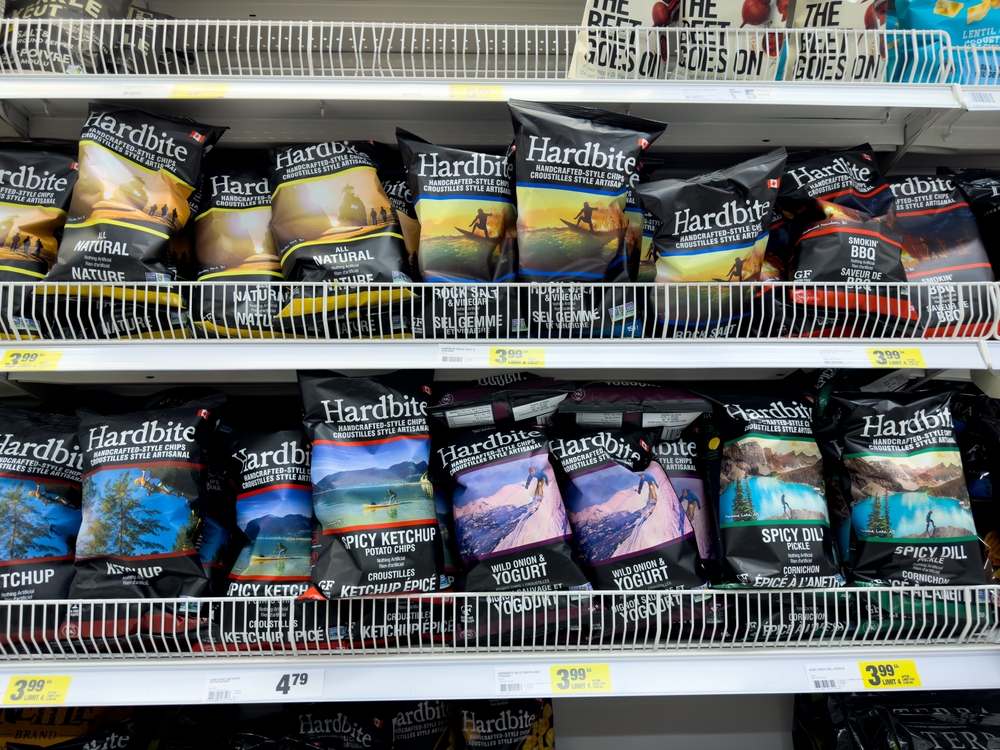
American visitors are often stunned by Canada’s love for ketchup chips, a flavour rarely found in U.S. stores. Bright red and tangy, they’re a staple in Canadian snack aisles and a favourite for road trips. Other uniquely Canadian flavours like All-Dressed, Dill Pickle, and Poutine chips also surprise newcomers. These flavour choices reflect regional tastes and a willingness to experiment. Many visitors try them out of curiosity and end up bringing bags home. For Canadians, these snacks are perfectly normal, but the bold seasonings feel unusual for U.S. travellers familiar mostly with classic barbecue or sour cream and onion.
Poutine Served Almost Everywhere
Poutine is a national comfort food made of crispy fries, cheese curds, and hot gravy. American tourists are often surprised to find it available everywhere—from fast food chains to upscale restaurants and airport terminals. Its popularity stretches beyond Quebec, where it originated, and now appears on menus across the country. Some versions add toppings like pulled pork, bacon, mushrooms, or smoked meat. For visitors, mixing gravy and cheese on fries may seem unusual at first, but the rich, salty flavour quickly converts many. Poutine represents Canadian food culture and showcases the country’s appreciation for hearty, indulgent meals.
Mayonnaise on Fries Instead of Ketchup
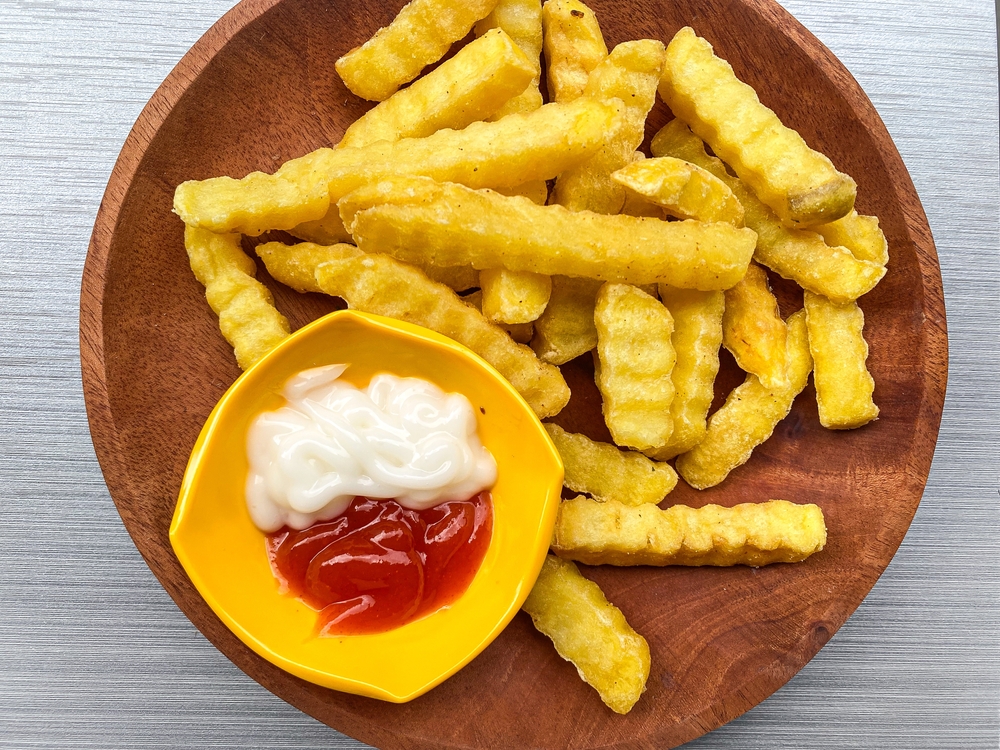
Many Americans expect ketchup to be the standard condiment for French fries, but in Canada, mayonnaise is a common favourite. The tradition is especially popular in Quebec and has European roots. Restaurants often automatically serve fries with mayo or aioli-style sauces, and some even charge for ketchup packets. Tourists are frequently surprised when they see others dipping fries into mayo or garlic sauce, but most grow to enjoy the creamy taste. It becomes an unexpected discovery that changes fry habits for many visitors. While ketchup remains available, Canadians enjoy a wider variety of dipping choices that Americans do not typically encounter.
No Free Refills in Many Restaurants

In the United States, free unlimited drink refills are a standard expectation. In Canada, however, many restaurants do not automatically include refills, particularly for soft drinks and iced tea. Customers are often expected to pay for each additional beverage, and fast-food chains may have different rules depending on location. This practice surprises American travellers, who may assume refills are complimentary. The policy reflects higher beverage costs, environmental concerns, and a cultural difference in portion sizes. Asking before refilling is common etiquette. Although some larger chains provide free refills, visitors are frequently caught off guard when they see an extra charge on the bill.
Gratuity Expectations of 18%–20%

Tipping culture in Canada can shock American tourists who expect standard tips of 15%. In many Canadian cities, gratuities of 18% to 20% are considered normal for dine-in service, and some restaurant payment terminals automatically suggest those rates. Servers rely on tips due to wage structures that vary by province, and customers commonly tip on pickup and delivery orders as well. Tourists might feel pressured or confused when presented with preset tipping screens, but it reflects evolving norms across the country. Understanding expected tipping helps avoid awkward situations and supports workers who depend on gratuities for their income.
Different Restaurant Sales Taxes Added at Checkout
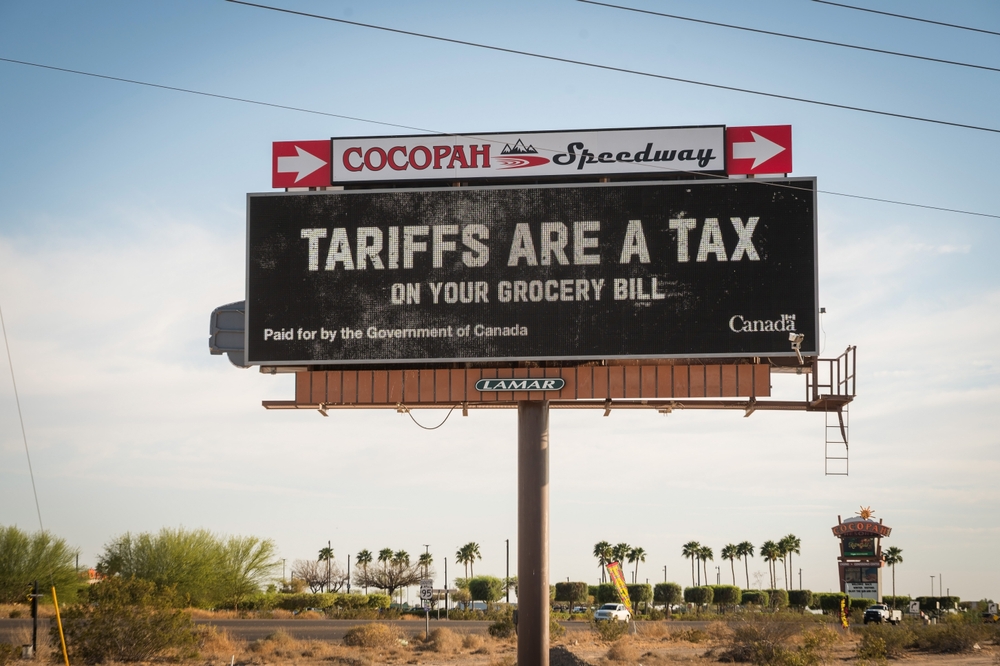
Sales tax surprises many American tourists because it is not included in menu prices. In Canada, provincial and federal taxes are typically added at the end of the bill. Visitors often notice the total is higher than expected, especially in provinces with combined rates above 13%. This can be confusing for travellers used to states with lower tax percentages or tax-included menus. The tax system varies by province, so a meal in Alberta will cost less tax-wise than one in Ontario or Nova Scotia. Tourists quickly learn to calculate extra charges before ordering to avoid sticker shock.
Higher Prices for Fast Food Meals
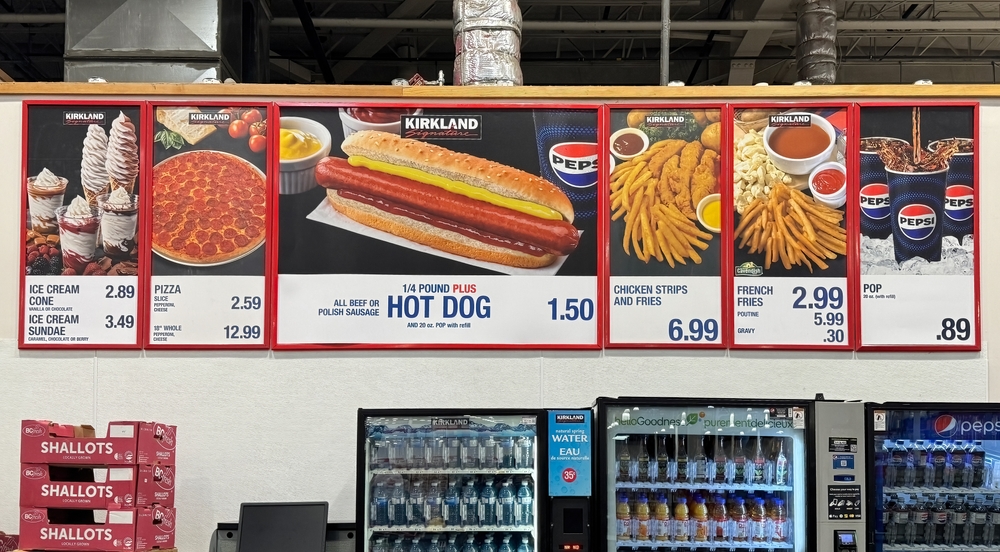
Fast food in Canada can feel expensive to visiting Americans. A meal at major chains like McDonald’s, Wendy’s, or Subway often costs noticeably more than similar items in the United States. Higher costs come from differences in wages, ingredient prices, and taxes. Tourists expecting cheap meals may feel surprised when a simple combo exceeds US$10–12. This price difference becomes even more noticeable at airports, tourist zones, and northern towns. Although portion sizes are similar, the higher total can catch travellers off guard. Many visitors rethink dining choices after experiencing the initial shock of Canadian fast food pricing.
Stronger Beer and Alcohol Labeling Rules
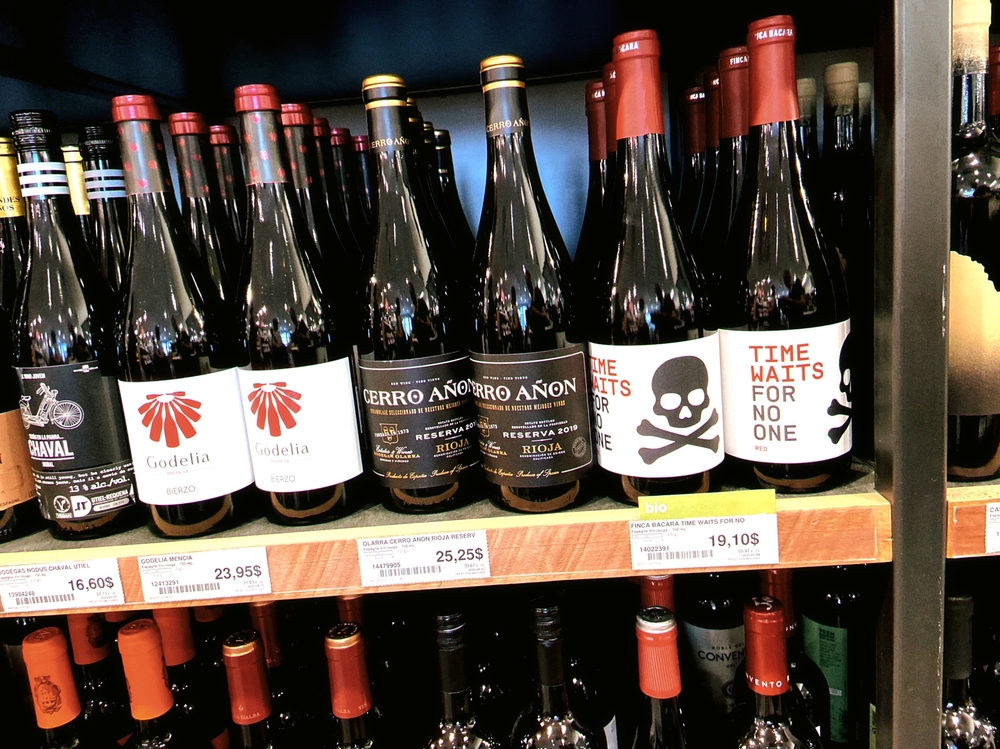
Canada enforces strict labeling requirements on alcohol, including clear percentage markings, health warnings, and standardized packaging in some provinces. Drinks sometimes contain higher alcohol content than comparable U.S. versions, especially in craft breweries. American tourists are surprised by warnings about pregnancy risks and impairment messaging printed directly on cans and bottles. Some provinces regulate packaging style and sale formats, which differ from the U.S. market approach. These rules aim to improve public safety and transparency. Visitors often comment on how controlled and regulated the alcohol industry feels compared to the more relaxed purchasing environment they are used to.
Age Restrictions on Buying Alcohol (18 or 19 Depending on Province)
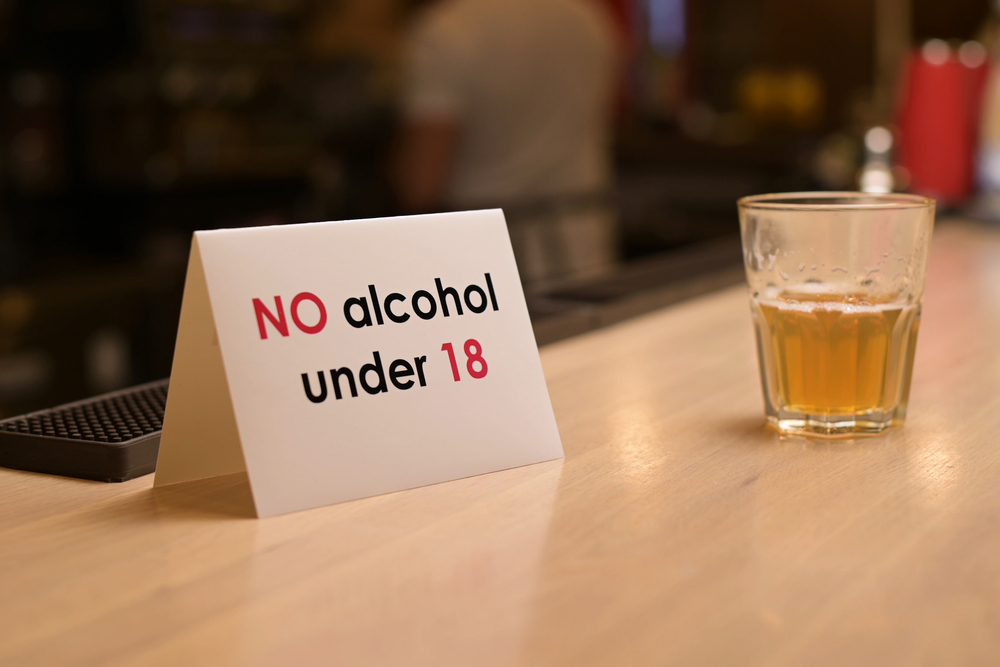
Americans are often shocked that Canada allows legal alcohol purchasing at ages younger than 21. Depending on the province, the legal age is either 18 or 19. Tourists under 21 enjoy the opportunity but must still present ID, as enforcement is strict. Visitors are also surprised that ID requirements apply broadly, even for older customers in many cases. Crossing provincial boundaries can change the legal age, which causes confusion. This difference is one of the most noticeable cultural shifts for younger U.S. travellers. Although laws are more flexible than in the U.S., compliance and monitoring remain strict across Canada.
Liquor Sold in Government Stores in Many Provinces
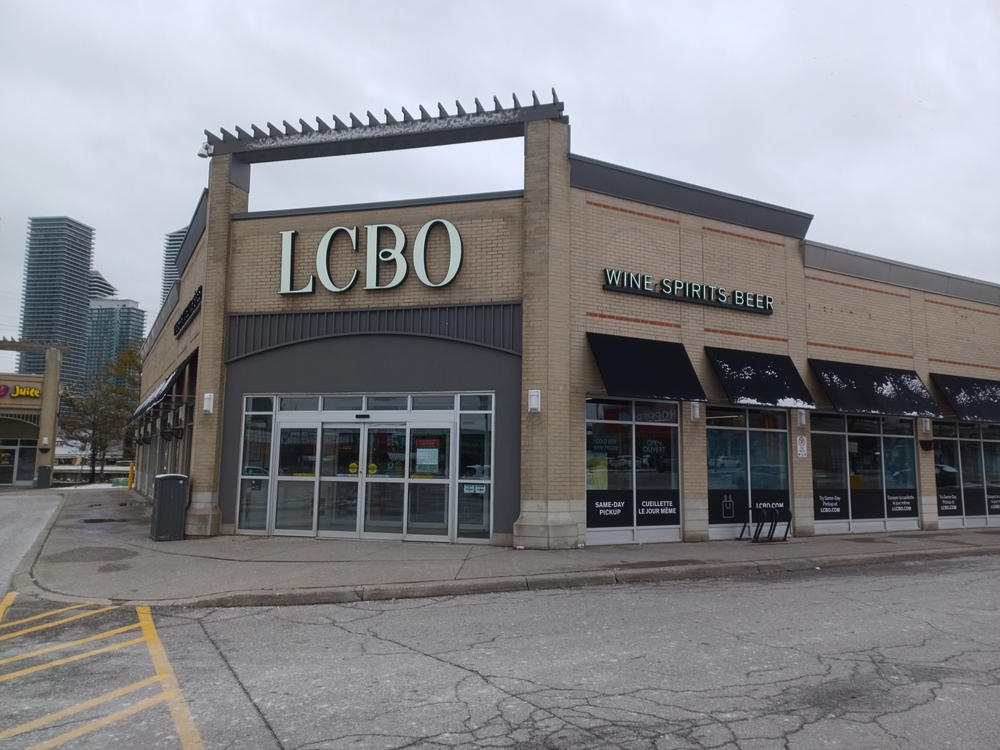
In several parts of Canada, alcohol is sold primarily through government-controlled stores, such as the LCBO in Ontario or the SAQ in Quebec. American tourists are accustomed to buying beer and wine at supermarkets, convenience stores, or gas stations, so the restricted system comes as a surprise. Hours are limited, prices are controlled, and selection is curated. Some provinces, like Alberta, allow private stores, but government regulation still influences distribution. Visitors often have to search longer than expected for a simple bottle of wine or a six-pack. This system reflects Canada’s focus on regulation, safety, and controlled access to alcohol sales.
Limited Restaurant Ice in Soft Drinks
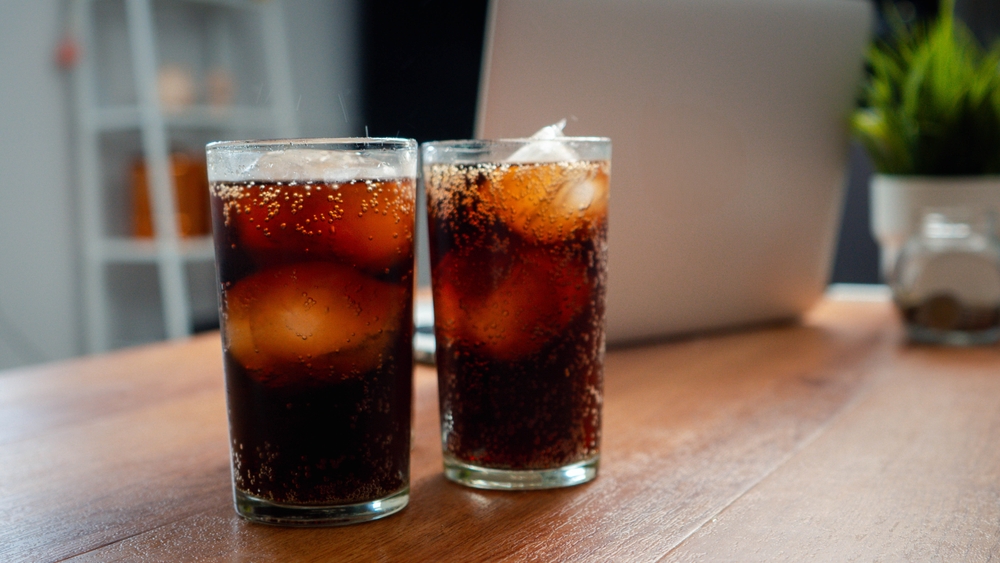
Many American travellers notice that Canadian restaurants often serve drinks with far less ice than they expect. Unlike in the United States, where cups are filled mostly with ice before beverage dispensing, Canada typically uses minimal ice or provides it only upon request. Tourists sometimes feel their drink is warmer or smaller, or assume a mistake was made. The difference comes partly from cultural preference and the fact that refills are not always free. Visitors gradually learn to ask specifically for more ice if they prefer a colder drink. It becomes one of the many small surprises while dining in Canada.
Butter Tarts, Nanaimo Bars, and Other Unknown Desserts
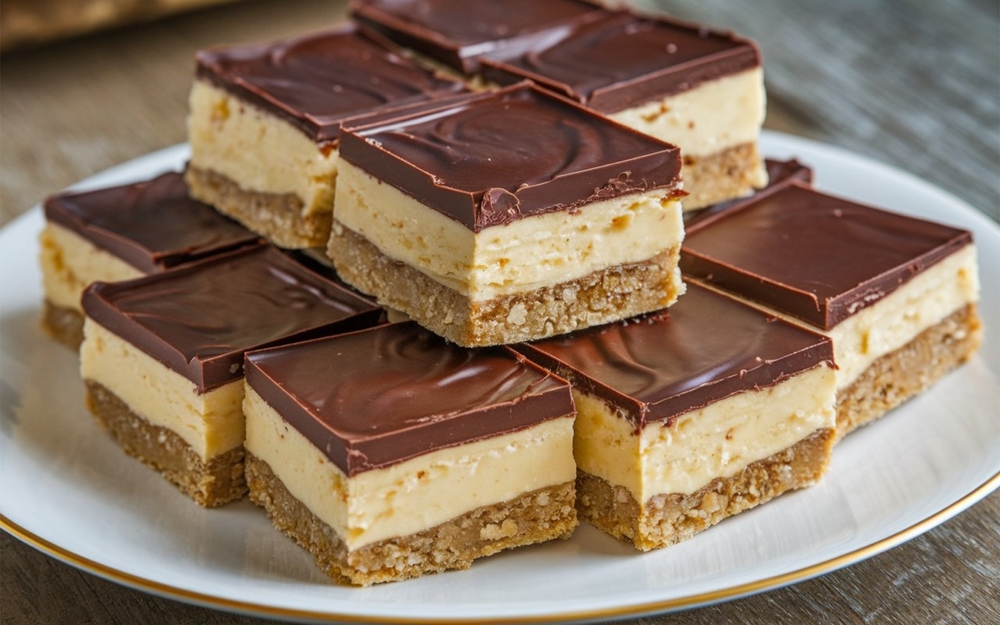
Canadian desserts introduce flavours many tourists have never encountered. Butter tarts, with their sweet, gooey filling, are a national classic. Nanaimo bars, which layer chocolate, custard, and coconut, surprise visitors unfamiliar with the texture or taste. These treats appear frequently in bakeries, coffee shops, and holiday gatherings. Tourists often try them out of curiosity and end up loving them. Regional favourites like BeaverTails, maple fudge, and sugar pie also leave lasting impressions. For Americans, these desserts feel like delightful discoveries that highlight local culinary traditions. They represent Canadian comfort food and spark curiosity about other regional specialities.
Real Maple Syrup Instead of Artificial
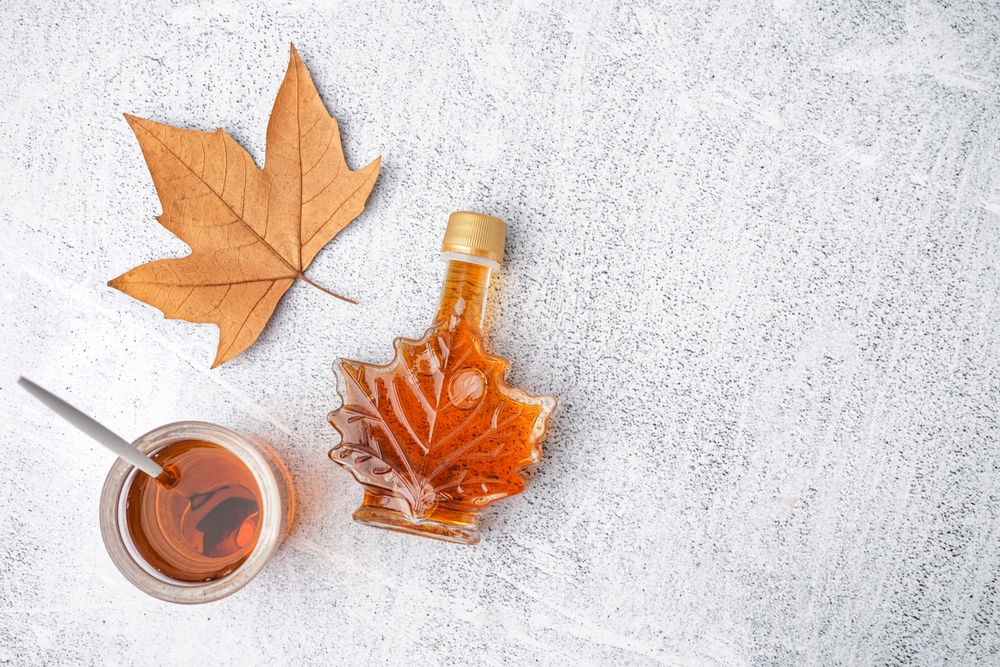
American tourists are surprised to find that real maple syrup is the norm in Canada, not the artificial corn-syrup blends commonly used in U.S. diners. Many restaurants and households treat authentic maple syrup as a staple, not a luxury item. It is often locally produced and sold in cans or glass bottles rather than plastic jugs. Visitors notice a richer flavour and thinner consistency than the artificially thickened syrups they are used to. Because it’s a premium natural product, prices are higher, which can shock travellers expecting cheap pancake toppings. Once they taste the real thing, most never want to go back.
Strict Food Safety and Packaging Regulations
Canada maintains strong federal and provincial food safety standards, resulting in more detailed labeling and stricter packaging requirements than many Americans are used to. Ingredients, allergens, and nutritional information must be listed clearly. Expiry dates are more strictly enforced, and packaging rules reduce misleading claims. Tourists notice differences in how meat, dairy, and fresh foods are sealed and inspected in grocery stores. These regulations aim to protect consumers, but visitors may find products packaged differently or more securely than expected. For travellers familiar with more relaxed standards, Canadian food retail can feel unexpectedly cautious and heavily regulated.
Banned Food Dyes and Ingredients Allowed in the U.S.
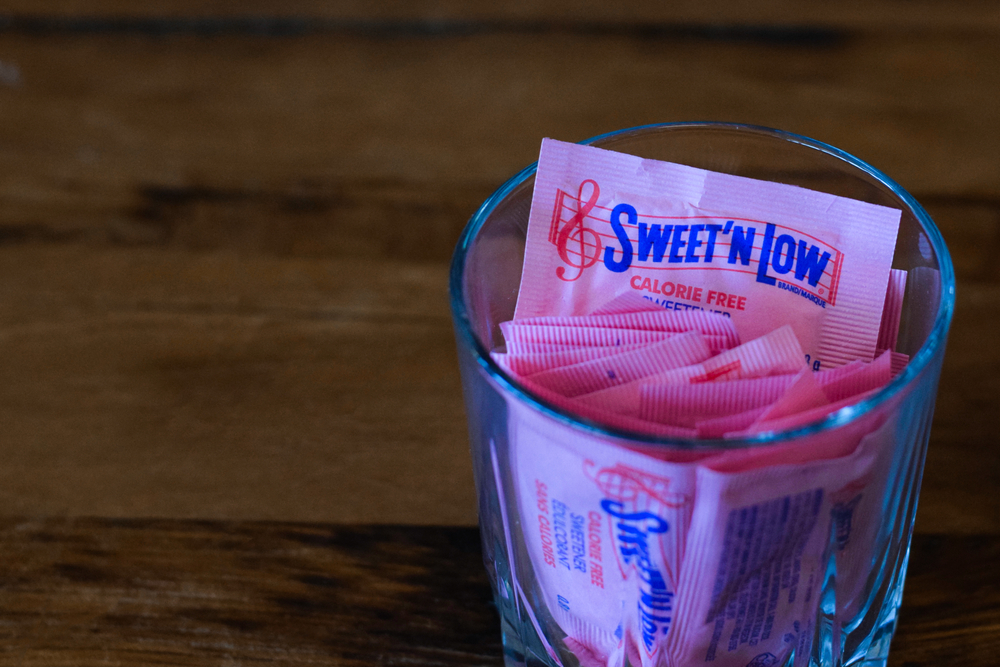
Some artificial colours, preservatives, and additives used in American products are restricted or banned in Canada. Ingredients such as certain red and yellow dyes, potassium bromate, and specific artificial sweeteners face tighter regulation. As a result, many packaged foods taste slightly different or look less brightly coloured than U.S. versions. Visitors often compare the appearance or flavour of snacks, cereals, baked goods, and drinks. While Canadians view these bans as safety measures, American tourists sometimes react with surprise or confusion, especially when favourite products aren’t available in familiar forms. It highlights contrasting approaches to food health standards between the two countries.
Tim Hortons Culture and Ordering Style
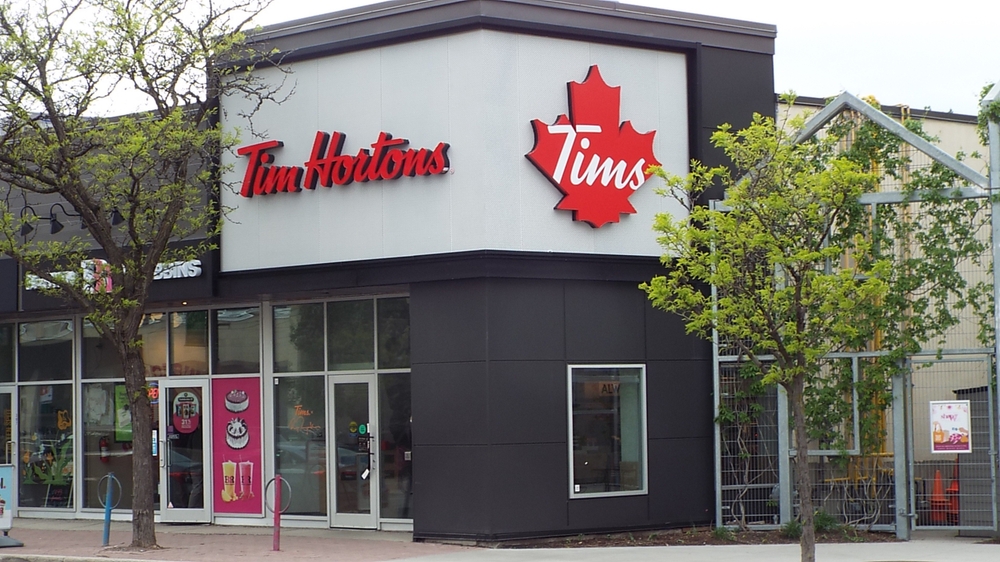
American tourists quickly discover that Tim Hortons is more than a coffee chain—it’s part of everyday Canadian culture. Locals have a distinct ordering style, using shorthand terms like “double-double” for coffee with two creams and two sugars, or “Timmies” as a nickname. Lines move fast and expect efficiency, which can overwhelm newcomers. Visitors may also be surprised by the emphasis on donuts, Timbits, and affordable breakfast deals rather than premium café drinks. Tim Hortons is a gathering spot, community hub, and travel essential, especially during road trips. For Americans used to Starbucks dominance, the loyalty to Tim’s is a shock.
Different Portion Sizes Compared to the U.S.
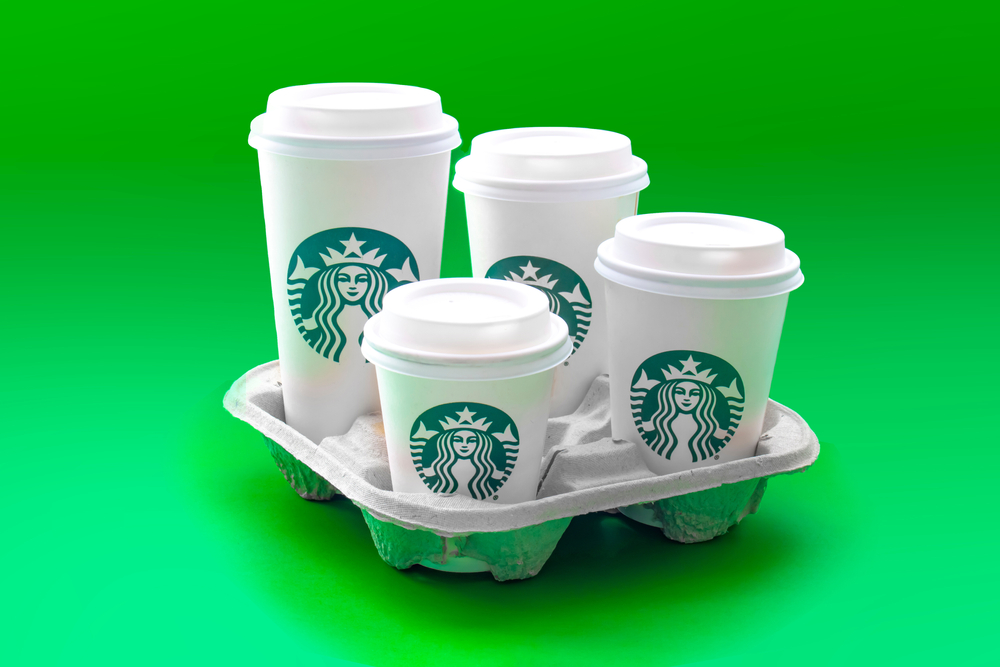
Canada generally serves smaller portion sizes than the United States, and this difference surprises many visiting Americans. Fast-food drinks, restaurant meals, and packaged items are often noticeably smaller. Visitors may assume they received the wrong size order, especially when purchasing beverages. These smaller portions relate to cultural norms around moderation and different health and cost structures. The change becomes most noticeable in movie theatres, restaurants, and convenience stores. Tourists accustomed to supersized meals quickly adjust after seeing their bill or realizing the difference in serving expectations. Many appreciate the balance, though others find it unexpectedly restrictive.
French Food Labels and Menus in Quebec
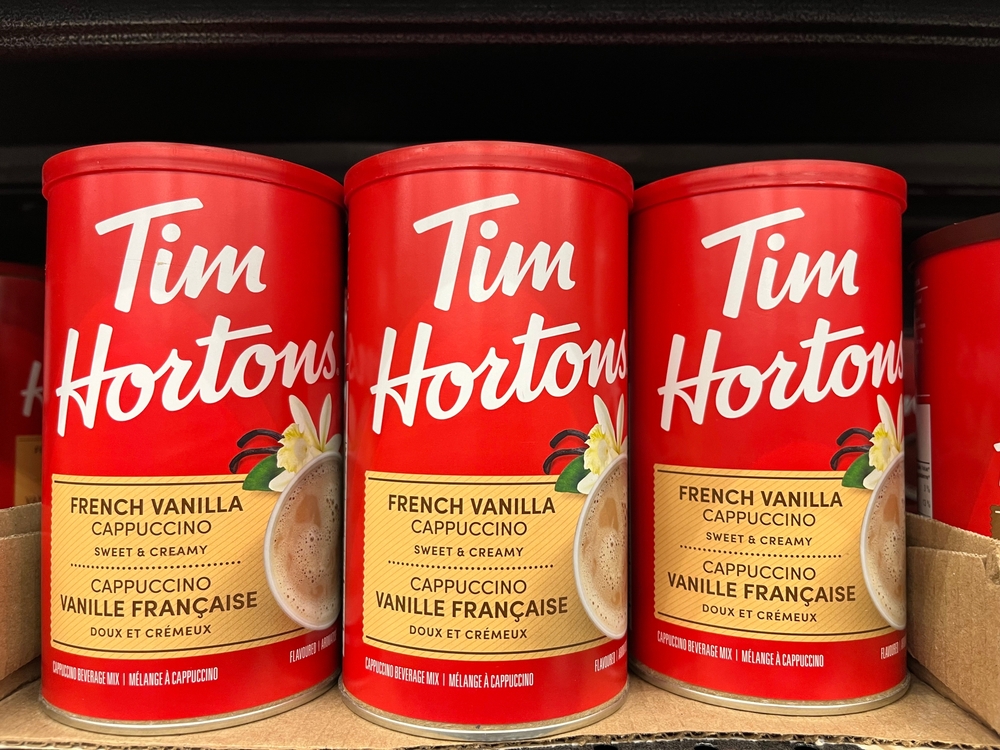
Tourists visiting Quebec are often shocked when food labels, restaurant menus, and signage appear primarily in French, with English secondary or absent. Packaging must legally include French text, and some items are labeled only in French. Ordering food can feel challenging for those unfamiliar with the language. Restaurant menu terms such as “poutine,” “tarte au sucre,” and “fromage en grains” also surprise visitors. Although many locals speak both languages, tourists are encouraged to attempt basic French phrases. This cultural difference highlights Canada’s bilingual identity and leaves many Americans experiencing an unfamiliar but fascinating dining environment.
Healthier School Lunch Standards

Canadian school lunch programs often follow stricter nutrition guidelines than many American schools. Menus emphasize fruits, vegetables, whole grains, and limited processed foods. Sugary drinks and snacks are often restricted, and portion control is considered. American tourists visiting schools or observing lunch routines may be surprised by the focus on balanced meals rather than convenience or fast food options. These policies reflect provincial public health initiatives aimed at improving child nutrition and reducing obesity. For visitors, it highlights a cultural difference in how Canada prioritizes the health of students and encourages lifelong healthy eating habits from a young age.
Strict Rules for Bringing Food Across the Border
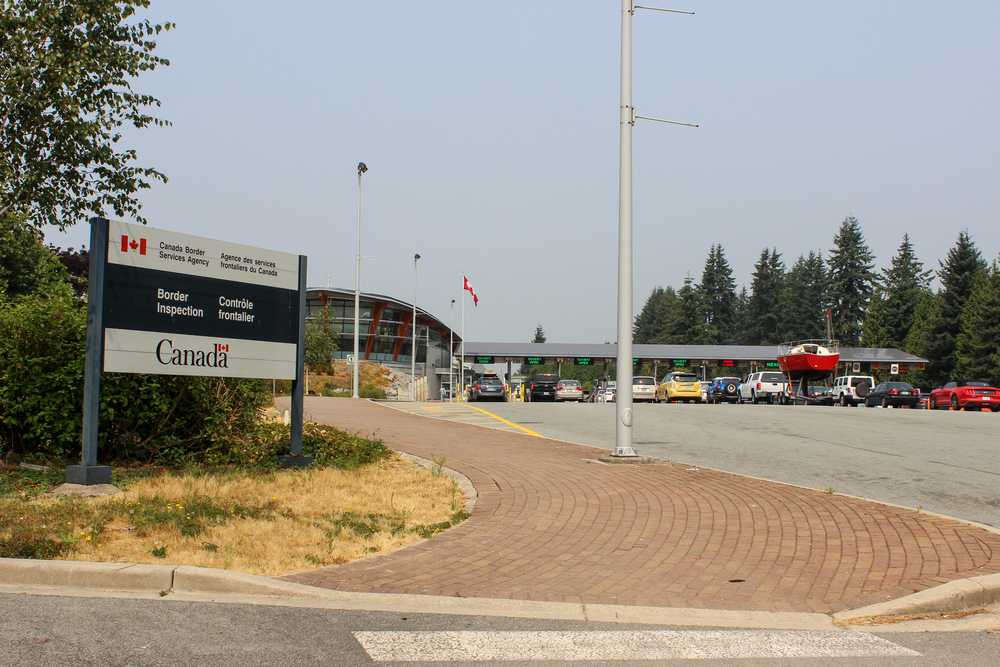
Canada enforces strict rules regarding food imports, which often surprises American travellers. Fruits, vegetables, meats, dairy products, and even some packaged snacks are restricted or require inspection. Tourists may be stopped at airports or border crossings and asked to declare items. The regulations aim to protect Canada’s agriculture, prevent disease, and maintain biosecurity. Visitors often find these rules stricter than in the U.S., requiring extra care when packing food for trips. Awareness of these regulations is essential to avoid fines or confiscation. Many Americans are caught off guard when their seemingly harmless snacks are prohibited.
Unusual Meat Choices Like Bison and Venison
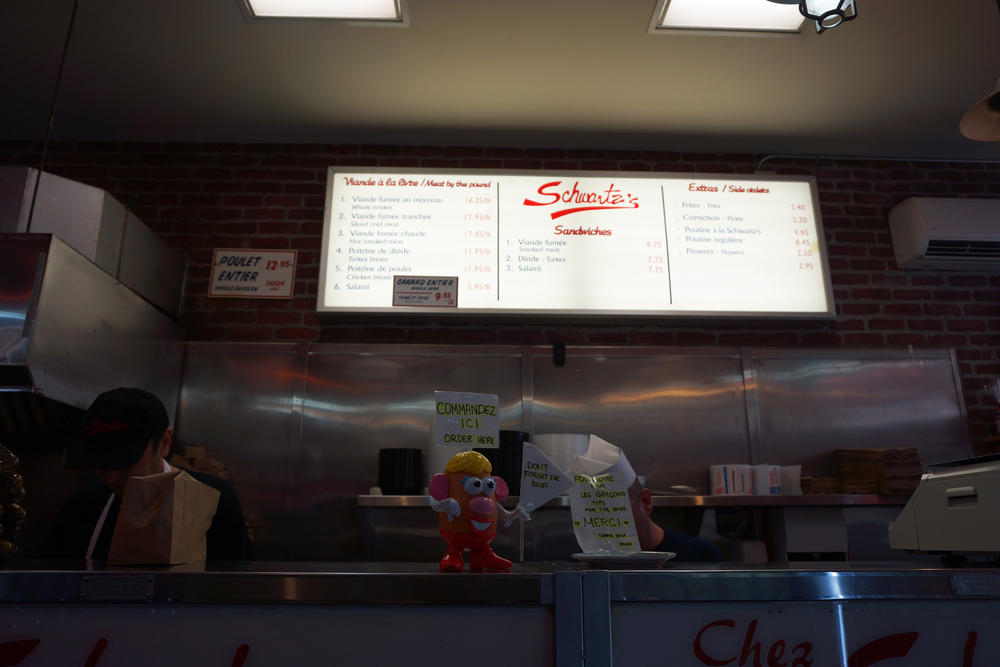
Canadian cuisine offers meat options that are less common in the United States, such as bison, venison, elk, and game birds. Tourists often encounter these meats in restaurants, specialty shops, and grocery stores, and may be surprised by the unique flavours and cooking styles. These meats are part of traditional regional diets, reflecting Canada’s wildlife and agricultural diversity. Many visitors are intrigued and try them out of curiosity, discovering leaner, richer-tasting alternatives to beef or chicken. Sampling game meats has become a common Canadian culinary experience that surprises Americans accustomed to more conventional protein choices.
Metric Measurements on Food Packaging

Food packaging in Canada uses metric measurements, which can confuse American visitors used to the imperial system. Labels show grams, kilograms, millilitres, and litres instead of ounces and cups. Recipes and nutrition information are also metric-based, requiring a quick adjustment for tourists. Portion sizes may appear different due to metric labeling, and unfamiliar abbreviations can cause initial uncertainty. Visitors quickly learn to convert or rely on visual cues for quantities. This system reflects Canada’s adherence to international standards and distinguishes the country’s labeling approach from U.S. practices. For Americans, it’s a small but notable cultural difference.
22 Groceries to Grab Now—Before another Price Shock Hits Canada
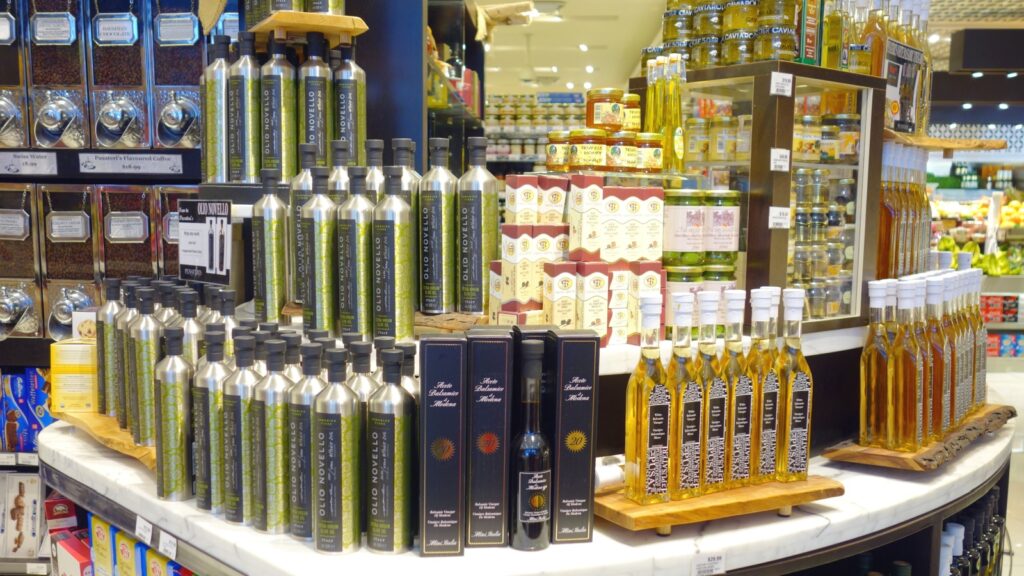
Food prices in Canada have been steadily climbing, and another spike could make your grocery bill feel like a mortgage payment. According to Statistics Canada, food inflation remains about 3.7% higher than last year, with essentials like bread, dairy, and fresh produce leading the surge. Some items are expected to rise even further due to transportation costs, droughts, and import tariffs. Here are 22 groceries to grab now before another price shock hits Canada.
22 Groceries to Grab Now—Before another Price Shock Hits Canada
