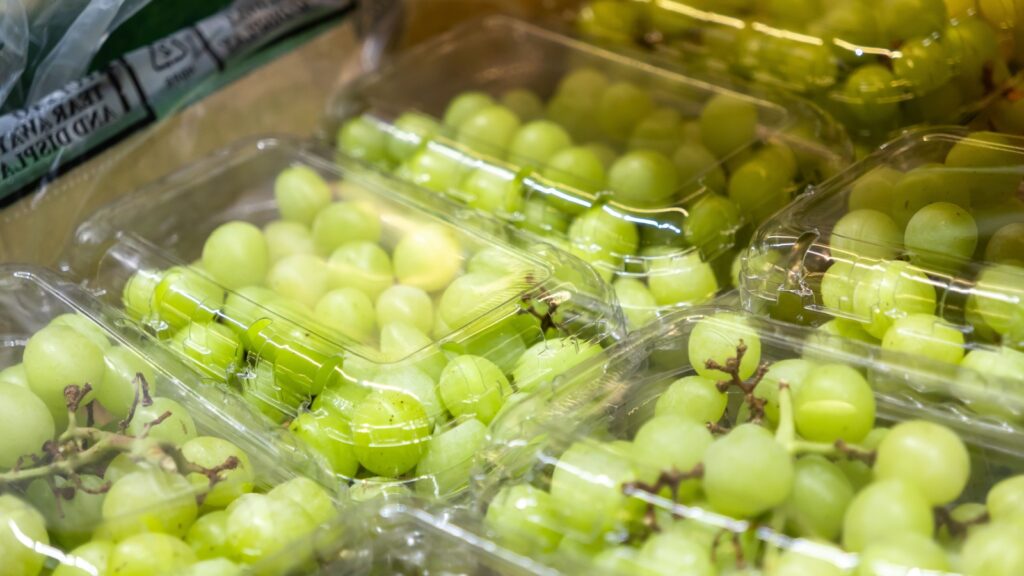
Grocery shopping in Canada has turned into a weekly financial headache instead of a basic routine. Shoppers walk into stores hoping to stretch their budgets but end up feeling tricked by high prices, shrinking packages, and confusing promotions. People are more alert now because every dollar matters and every product feels riskier to buy than it did a few years ago. Here are 23 Canadian grocery rip-offs shoppers are fed up with in 2025.
$12 Grapes in a Plastic Clamshell
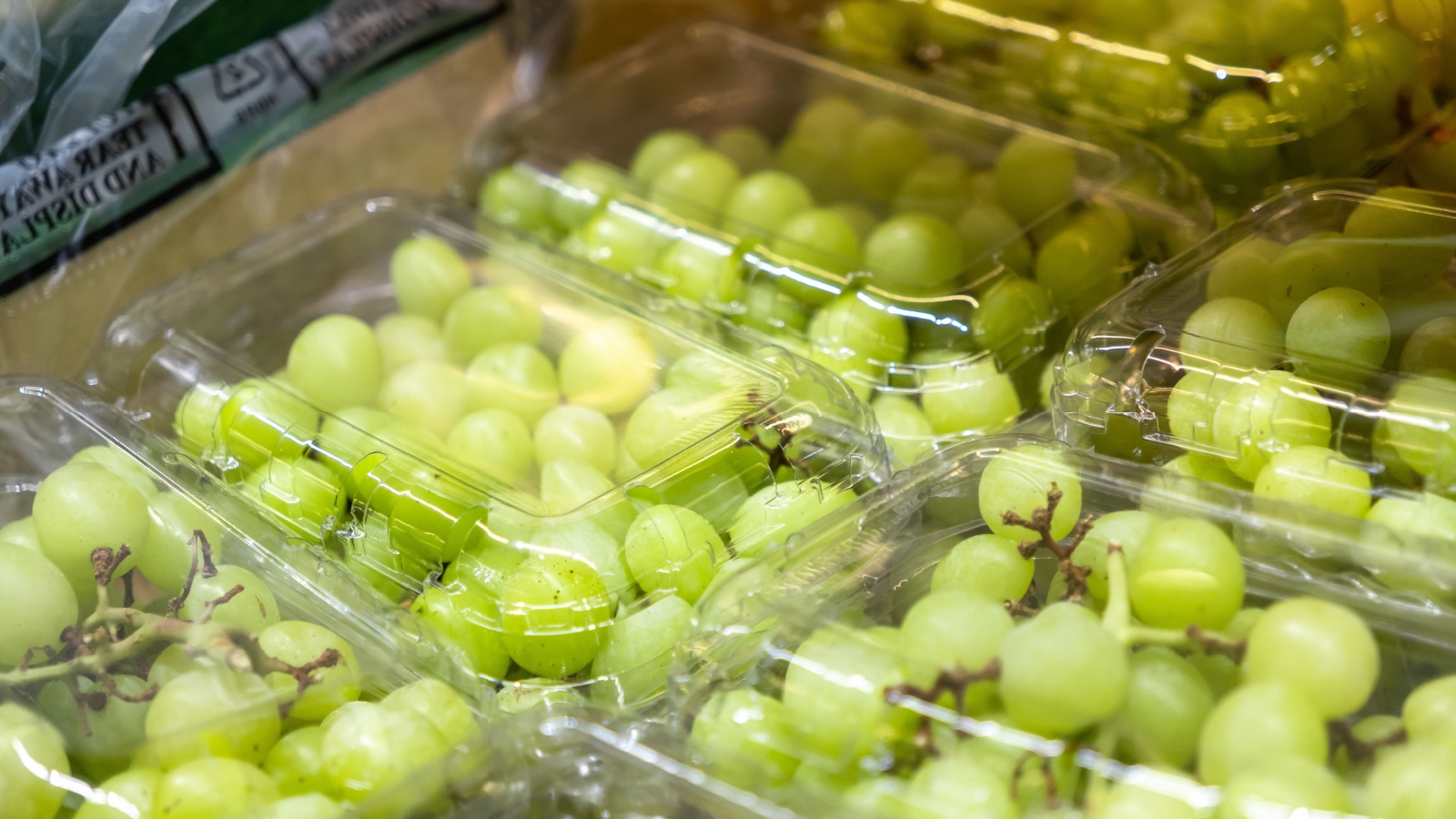
Grapes were once a casual treat, something you could throw into a cart without thinking twice. Now, many shoppers walk straight past them because the price feels unreasonable for a basic fruit. A clamshell of grapes climbing to $12 or more makes people question their budget before reaching the rest of the produce aisle. Even sale weeks rarely bring useful relief. Many families switch to apples or frozen fruit because they stretch further and last longer. When kids start noticing what is suddenly missing from their lunchbox, you know prices have taken a toll on the whole household.
“Family-Size” Bags with Less Inside
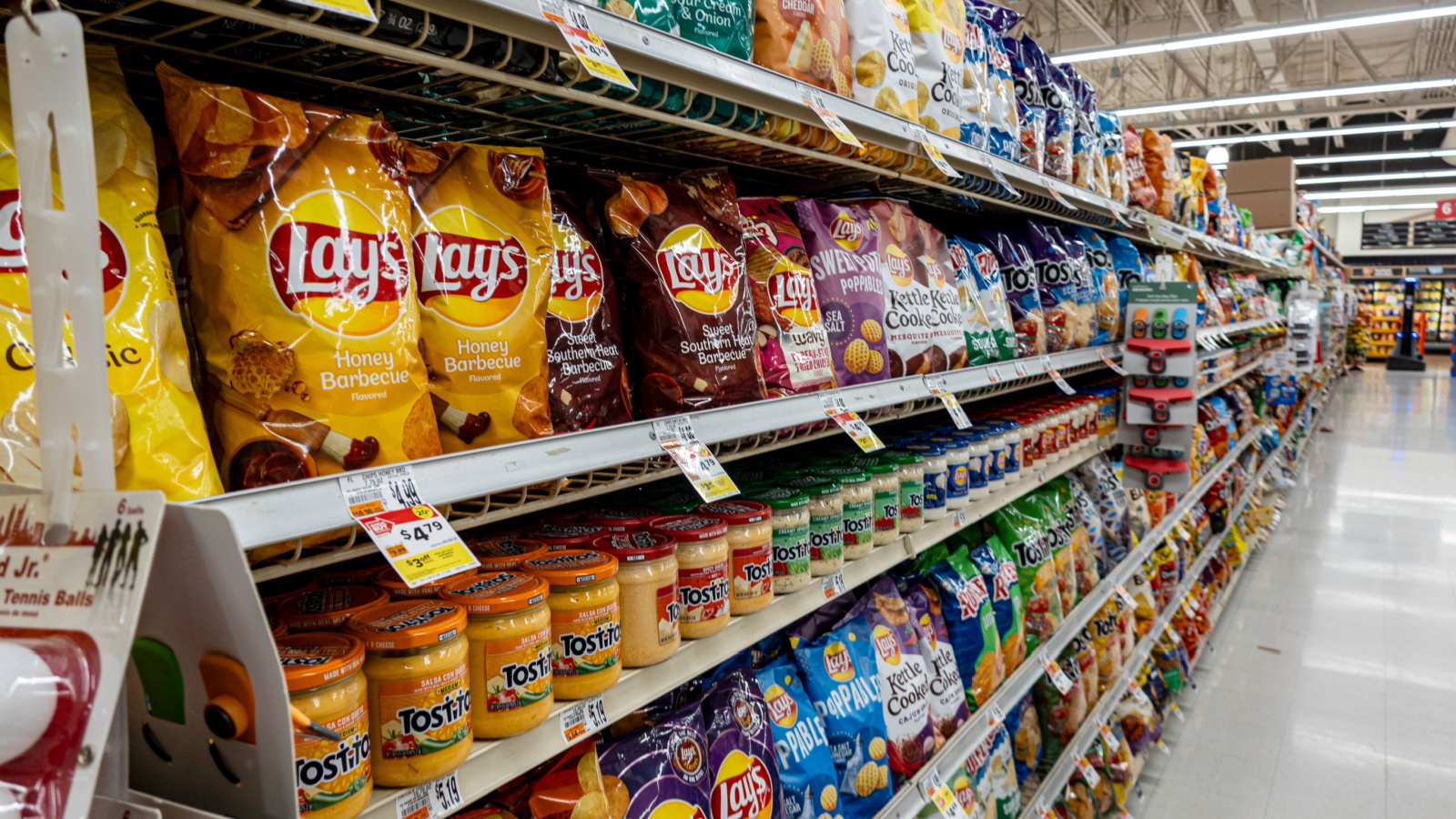
The phrase “family size” used to mean value for bigger households. Today, it traps shoppers into paying more for less. Bags of chips, cereal, and cookies shrink in volume while the price increases. You can shake the bag and hear the emptiness because most of what you paid for is air. The sizing down happens quietly and gradually, which makes it feel sneaky. Parents notice immediately because kids go through the package faster than before. The frustration isn’t only financial. It’s emotional because packaging pretends to offer more while delivering the opposite.
$9 Bread That Tastes the Same as $3 Bread
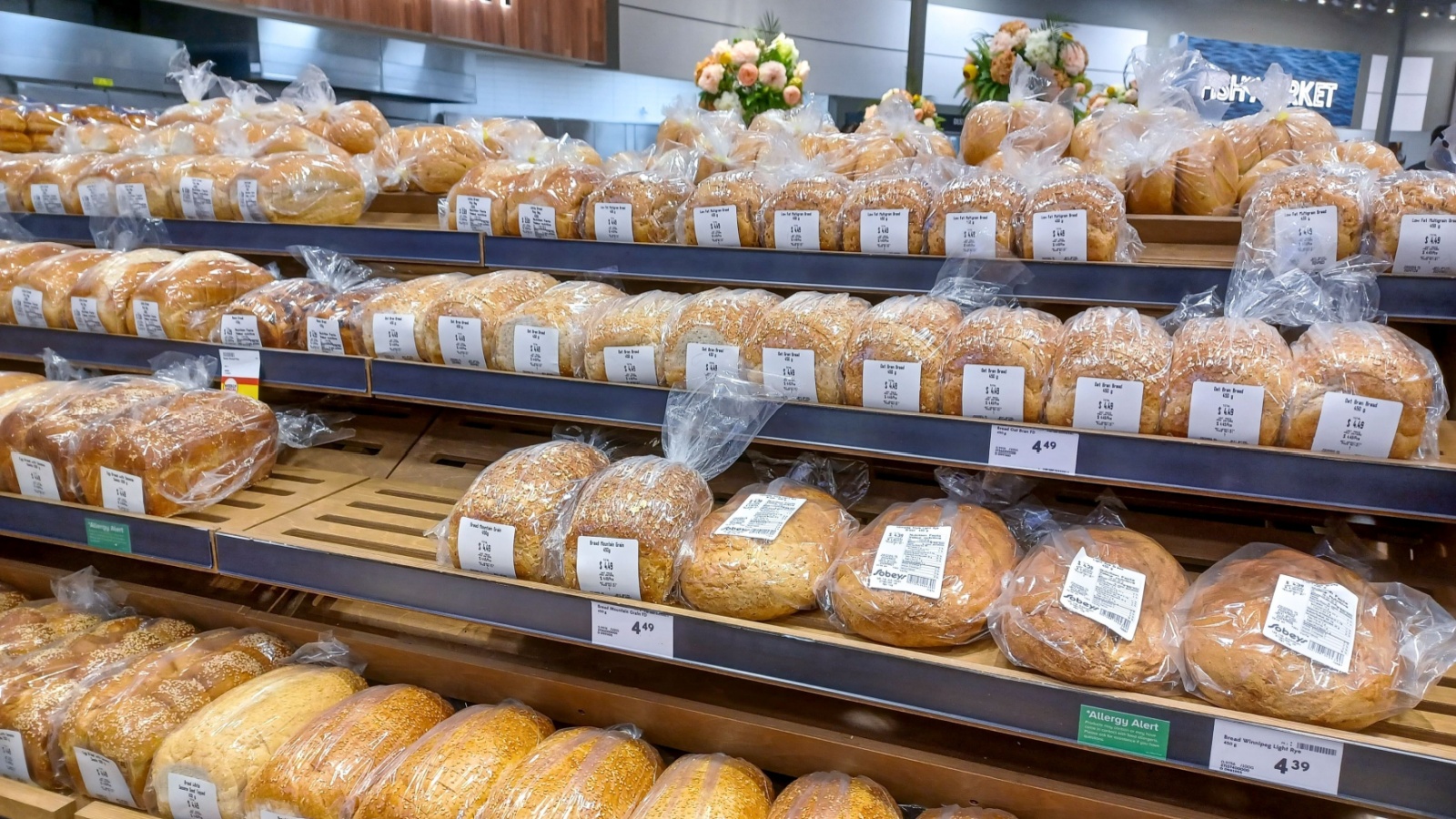
Bread now sits on shelves at prices that look closer to bakery specialties than everyday staples. Some loaves cost $8 or $9 while delivering no noticeable upgrade in taste or freshness. Labels highlight fancy buzzwords to justify inflated pricing. For many families, the only strategy left is to buy discounted loaves and freeze them. Sandwiches, toast, and lunchbox snacks add up fast. The shift hits households with multiple kids especially hard. Paying premium prices for basic bread changes how people shop and how often they return to grocery stores.
Eggs Priced Like Luxury Protein
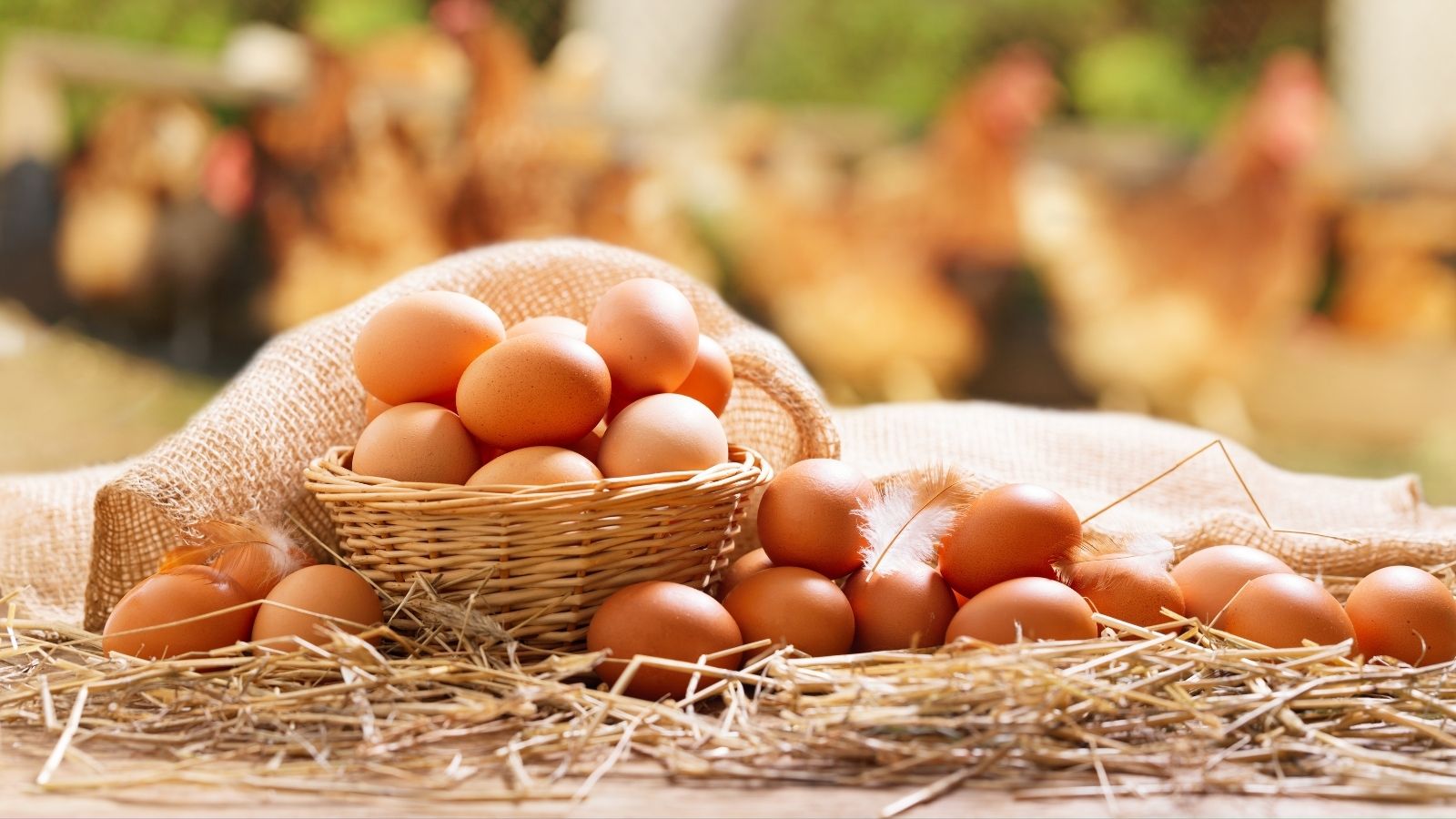
Eggs once played the role of budget protein. It was the reliable choice when shoppers needed something filling without wrecking their wallet. Now, a simple carton has jumped to a price that makes people hesitate. Stores also push several premium versions at even higher prices, which creates pressure to pick a costly upgrade. Breakfast planning has become math for many families. Teenagers who eat a lot make it even tougher. People now ration eggs the way families once rationed expensive desserts, which shows how far inflation has reached.
Yogurt Cups That Shrunk Yet Cost More

Yogurt was a simple lunchbox win until the cups started shrinking while the price kept climbing. Multipacks look affordable at first glance, but the cost per gram is nothing like it used to be. Kids scoop through each cup in seconds because there just isn’t much inside. Texture also varies, and sometimes the pack contains cups that feel inconsistent even though they came from the same sleeve. Yogurt is still convenient, but the value is fading. Families keep buying it because kids enjoy it, but most agree the portion-to-price ratio has become frustrating.
Meat Portions Wrapped To Look Bigger
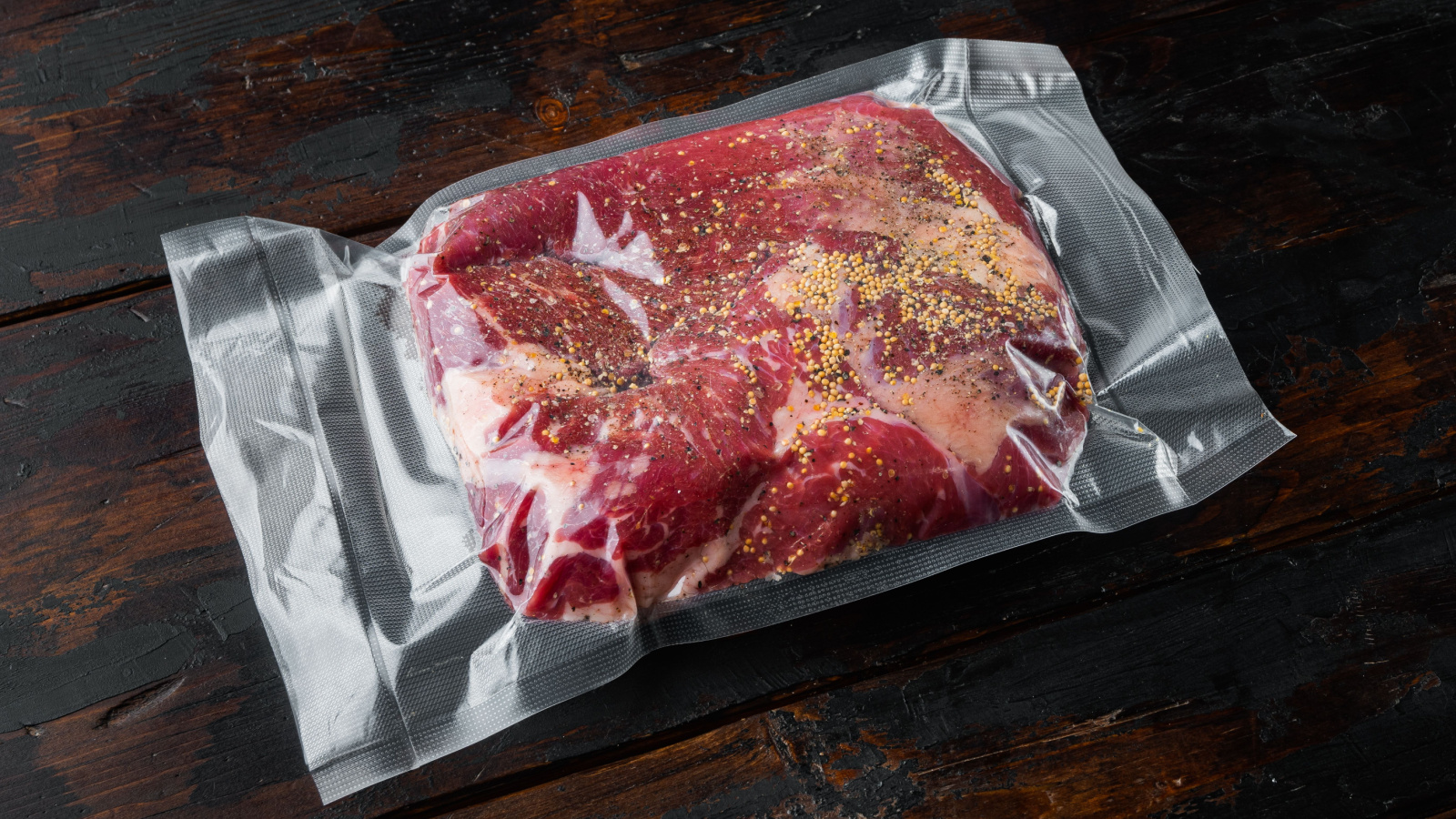
Grocery stores shape meat packages in ways that create the illusion of more food. Thin and wide trays look full, but the actual weight is low. Ground beef and chicken portions especially suffer from this visual trick. People feel misled before they even check the scale. The price per kilogram continues to rise, which forces families to cut back on meat-based dinners. Vegetables, lentils, and canned proteins now stretch meals instead. Shoppers don’t mind adapting, but they resent packaging that manipulates expectations. It adds pressure to an already expensive grocery category.
“Multi-Buy” Deals That Cost More When Split
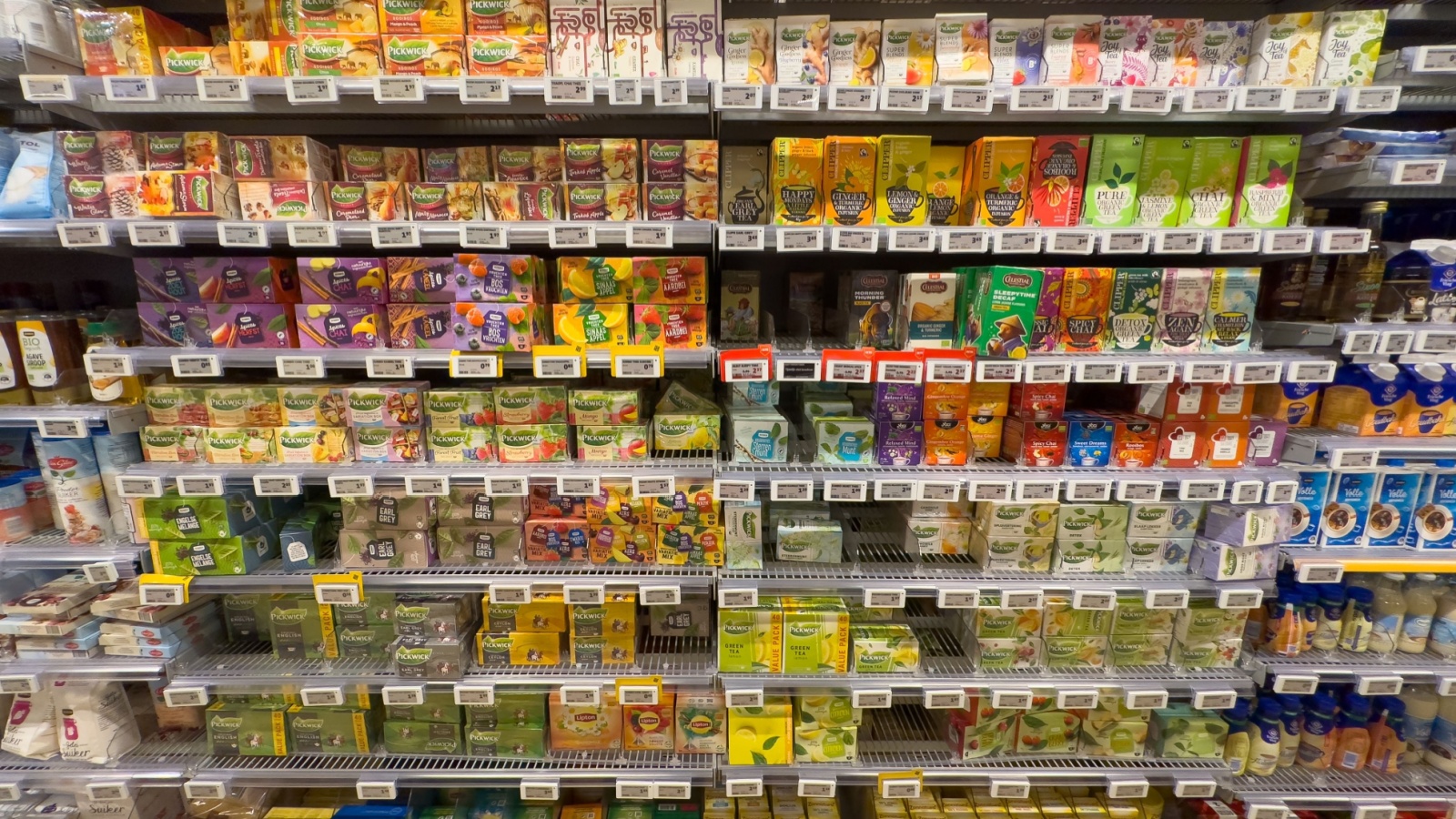
There is nothing wrong with a good deal, but many multi-buy promotions turned into traps. Two for $10 often becomes one for $7.49, which punishes small households, students, and seniors. Some shoppers don’t need multiples of the same product. The discount should still apply when buying a single item. Promotions now feel like a game instead of help. People leave stores annoyed because they paid extra for something they didn’t truly want just to avoid overspending. Sales should reward shoppers, but these deals create unnecessary pressure.
Organic Labels Used As Price Boosters
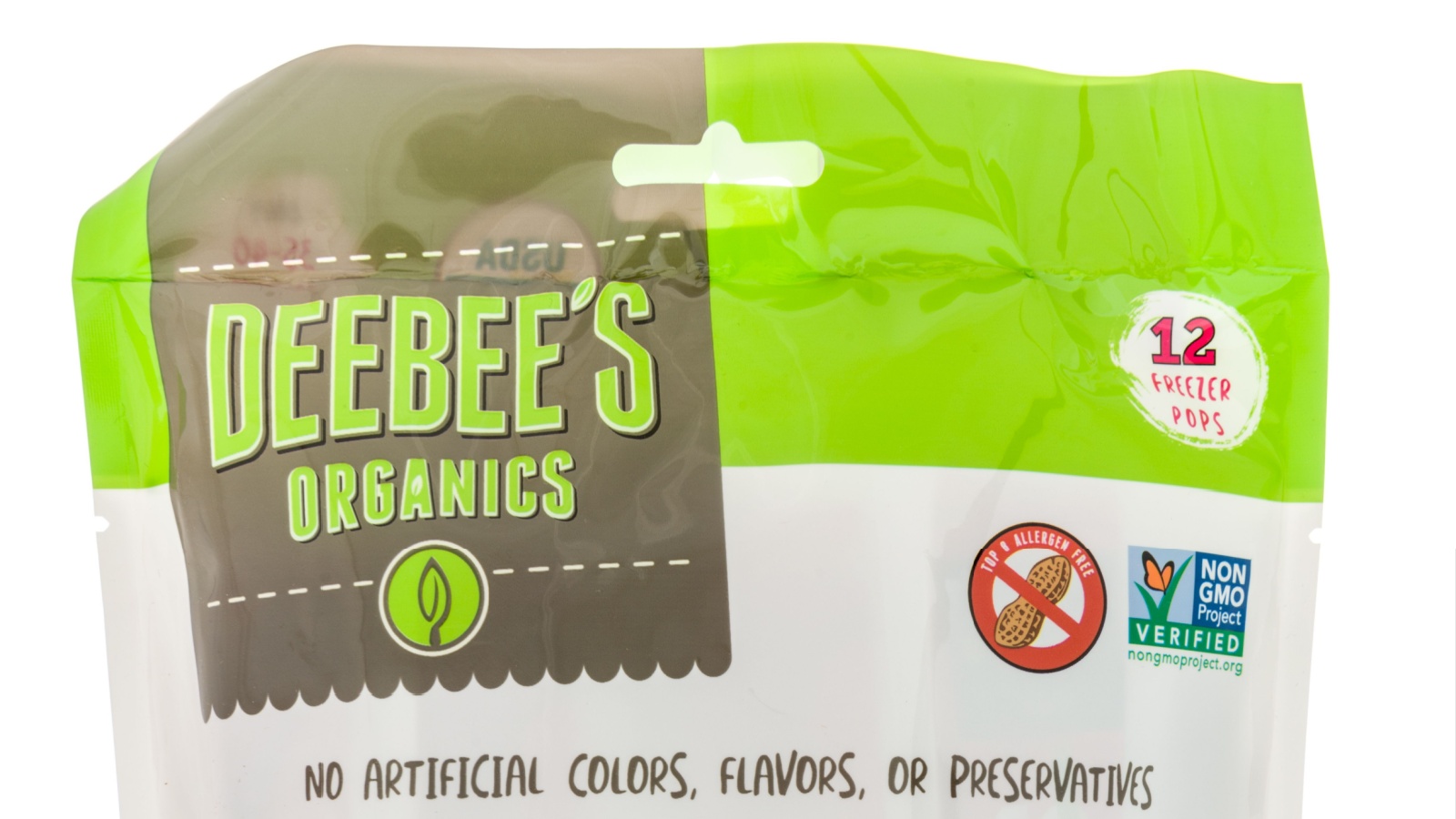
The organic category once came with meaningful quality expectations. Now it is often used as a quick price boost even when the difference between two items seems unclear. Many customers say the flavor and freshness rarely justify the extra expense. Shoppers still want low-pesticide produce, but they cannot justify paying a premium on staples that will be gone in days. The organic label should signal health benefits. Instead, it has become a marketing shortcut that raises prices without adding value. People want trustworthy labeling, not inflated price tags disguised as improvements.
$7 Lettuce Heads That Wilt Too Fast
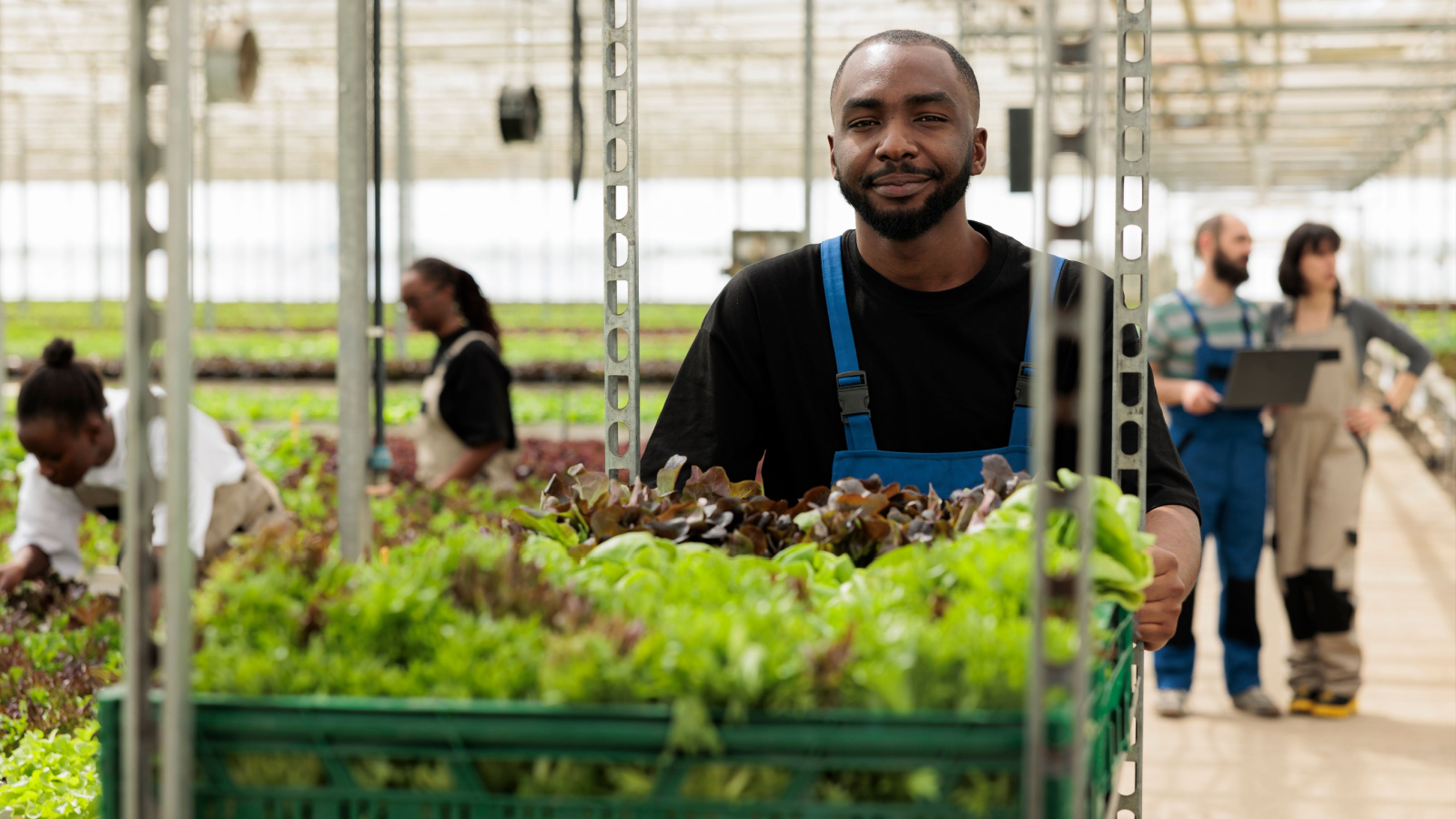
Lettuce shouldn’t cost as much as a fast-food meal. Yet the price tag is only half of the frustration. Many heads spoil within a day or two, which means shoppers feel like they are being charged twice for the same bag of groceries. You either use it instantly or lose money. Weeknight salads become risky, and families avoid buying greens as often. The guilt of throwing spoiled food into the compost adds insult to injury. The produce aisle becomes stressful when something as basic as lettuce feels like a gamble.
Cheese Prices Completely Out of Control
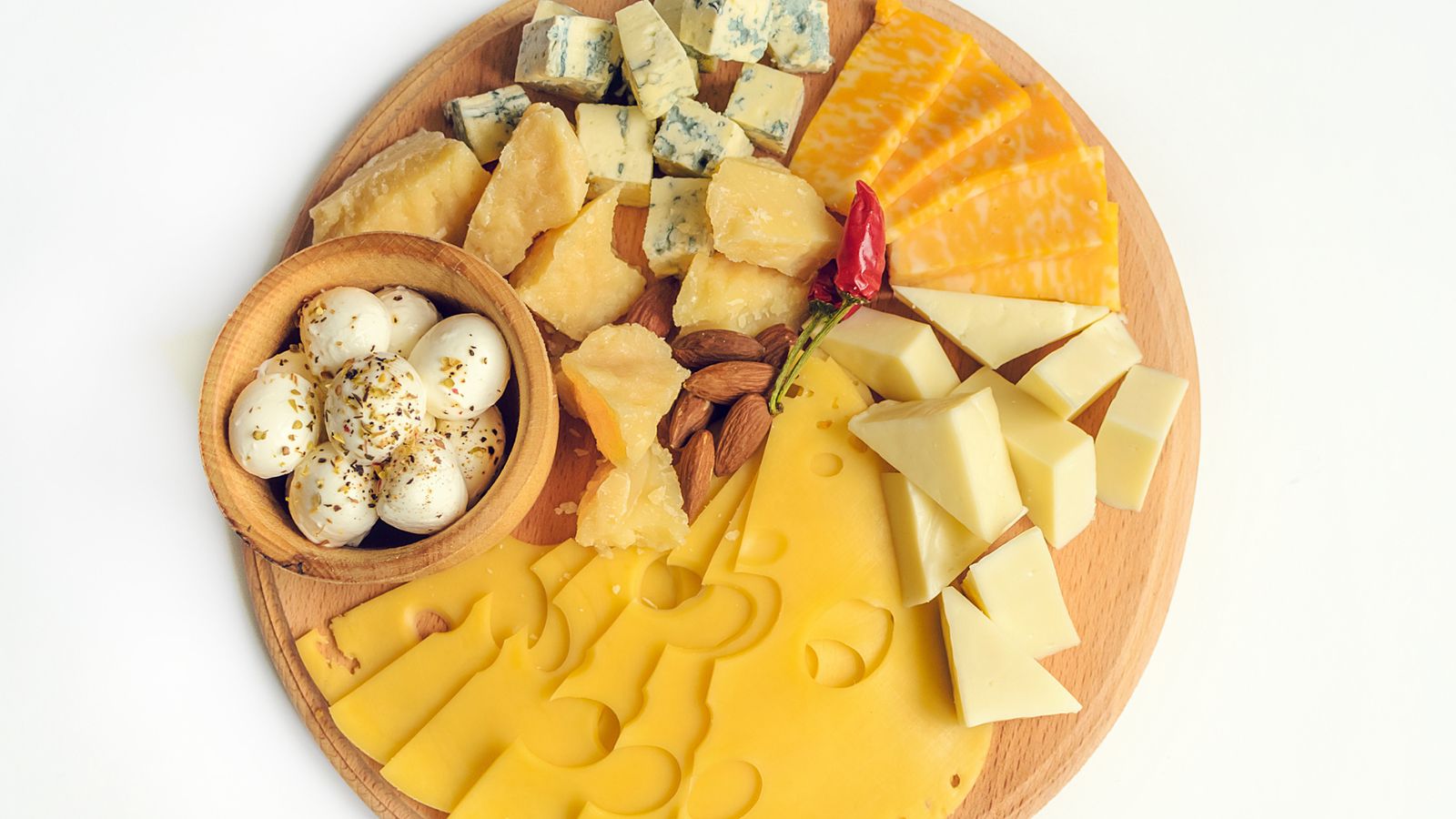
Cheese has crossed into luxury territory for most families. Shoppers rethink grilled cheese, charcuterie boards, and school lunches because of the price. Even basic store brands cost more than premium brands once did. Families now wait for rare discounts or buy tiny blocks that get used up quickly. Cheese used to be a comfort food. Now it feels like a splurge. You can’t ignore how strongly this shift affects grocery habits. Food that once helped fill plates now forces people to rethink recipes entirely.
Shrinking Cereal Boxes for Growing Kids
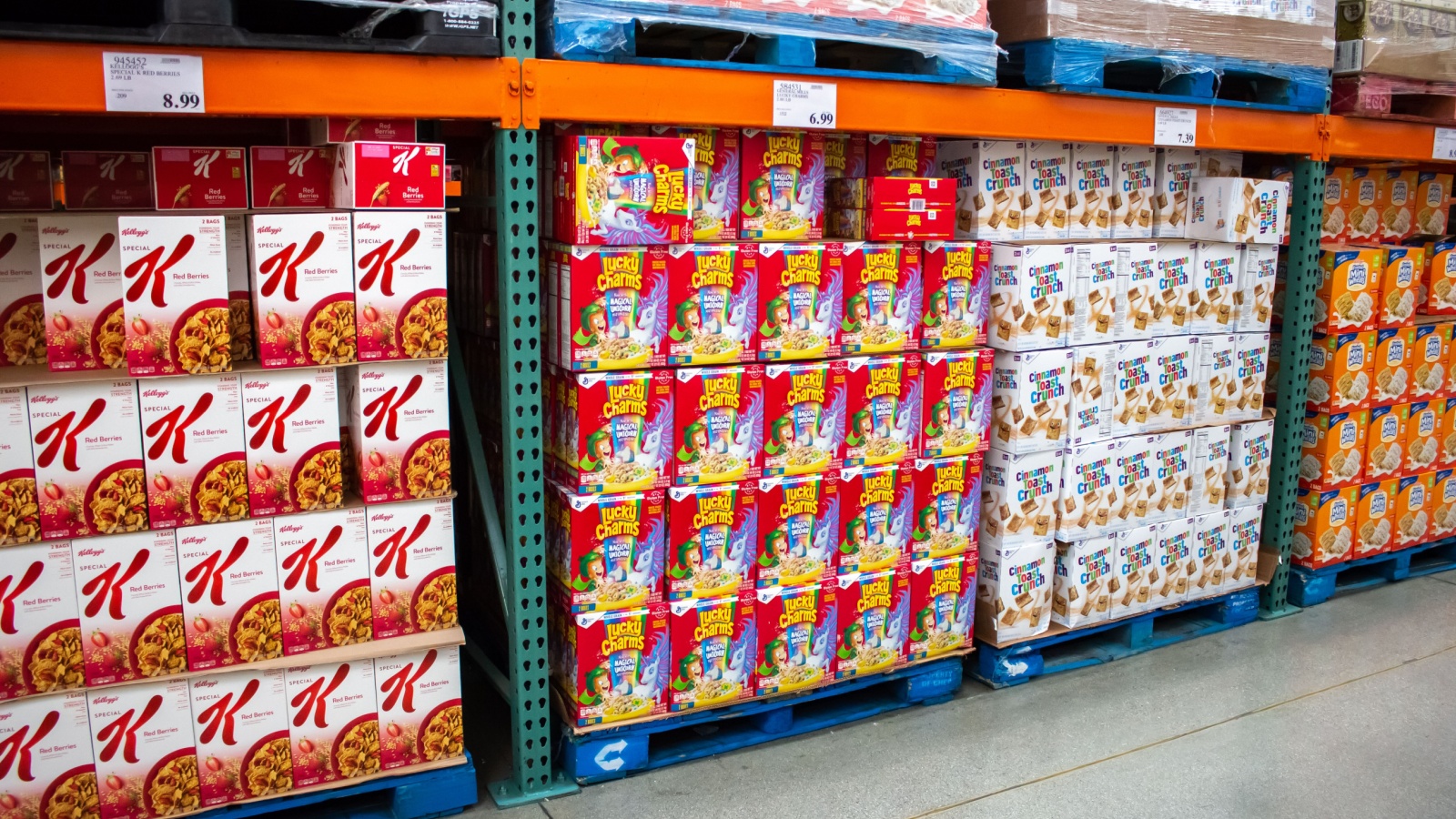
Cereal boxes keep shrinking as children grow and eat more. It’s a bad combination. A box that used to last a week now disappears in three days. Families that depend on cereal for quick breakfast routines feel the sting first. Store promotions don’t stretch savings enough to fix the problem. Kids ask why bowls look emptier, and parents hate answering. Breakfast shouldn’t feel like a budgeting exercise. Inflation took something convenient and turned it into a chore that demands constant monitoring.
Frozen Pizza With Gourmet Pricing
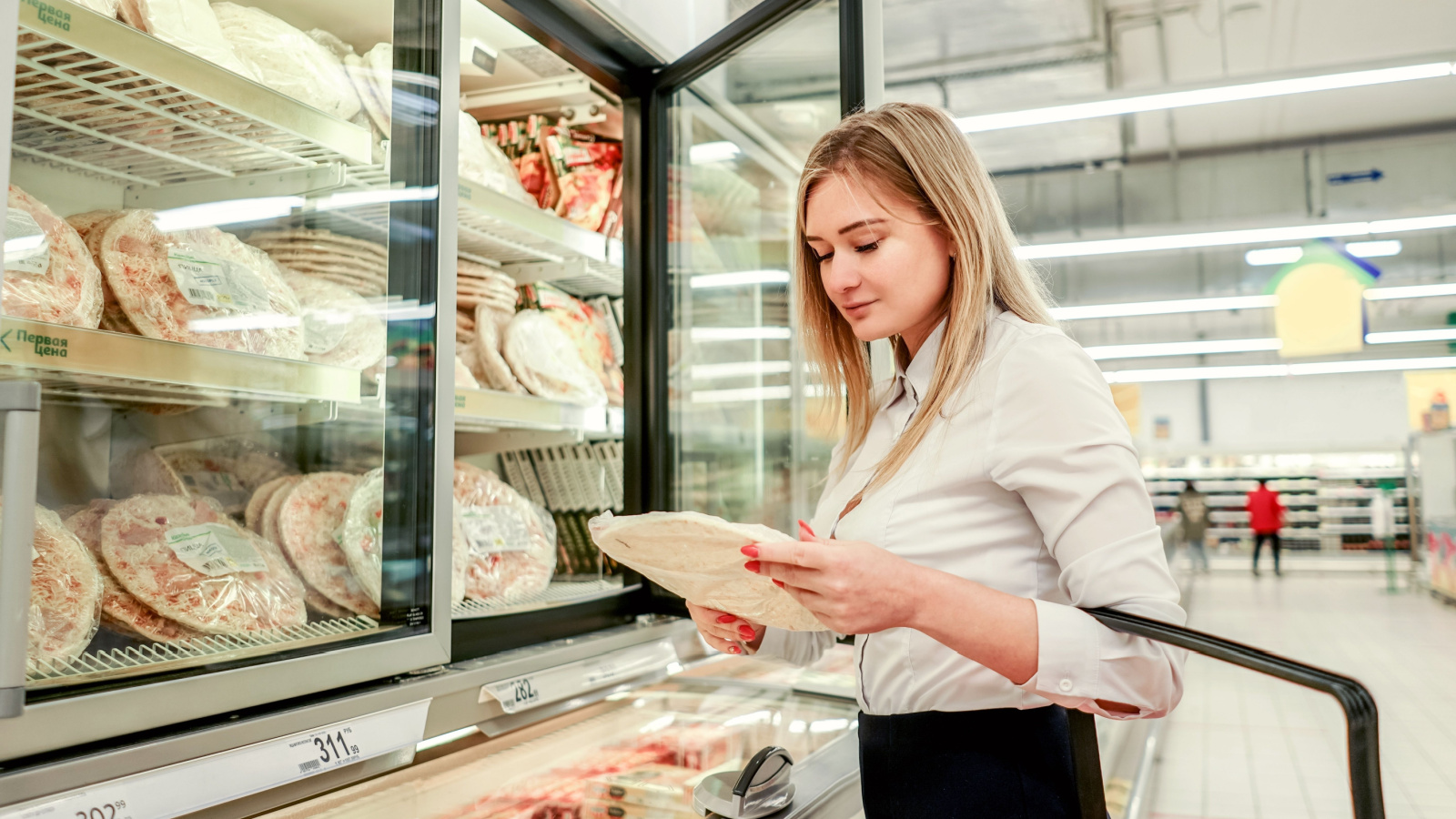
Frozen pizza used to be the backup meal for busy nights. There was comfort knowing it could feed the whole family for a budget-friendly price. Now, shoppers compare frozen prices to restaurant takeout, and sometimes the difference is tiny. A pizza that once fed four often barely covers two. The convenience no longer feels worth the cost. Families return to homemade pizza with dough and toppings because it stretches further. Frozen pizza used to represent affordable indulgence. Today, it reminds shoppers how expensive groceries have become.
Peanut Butter Jars That Feel Hollow
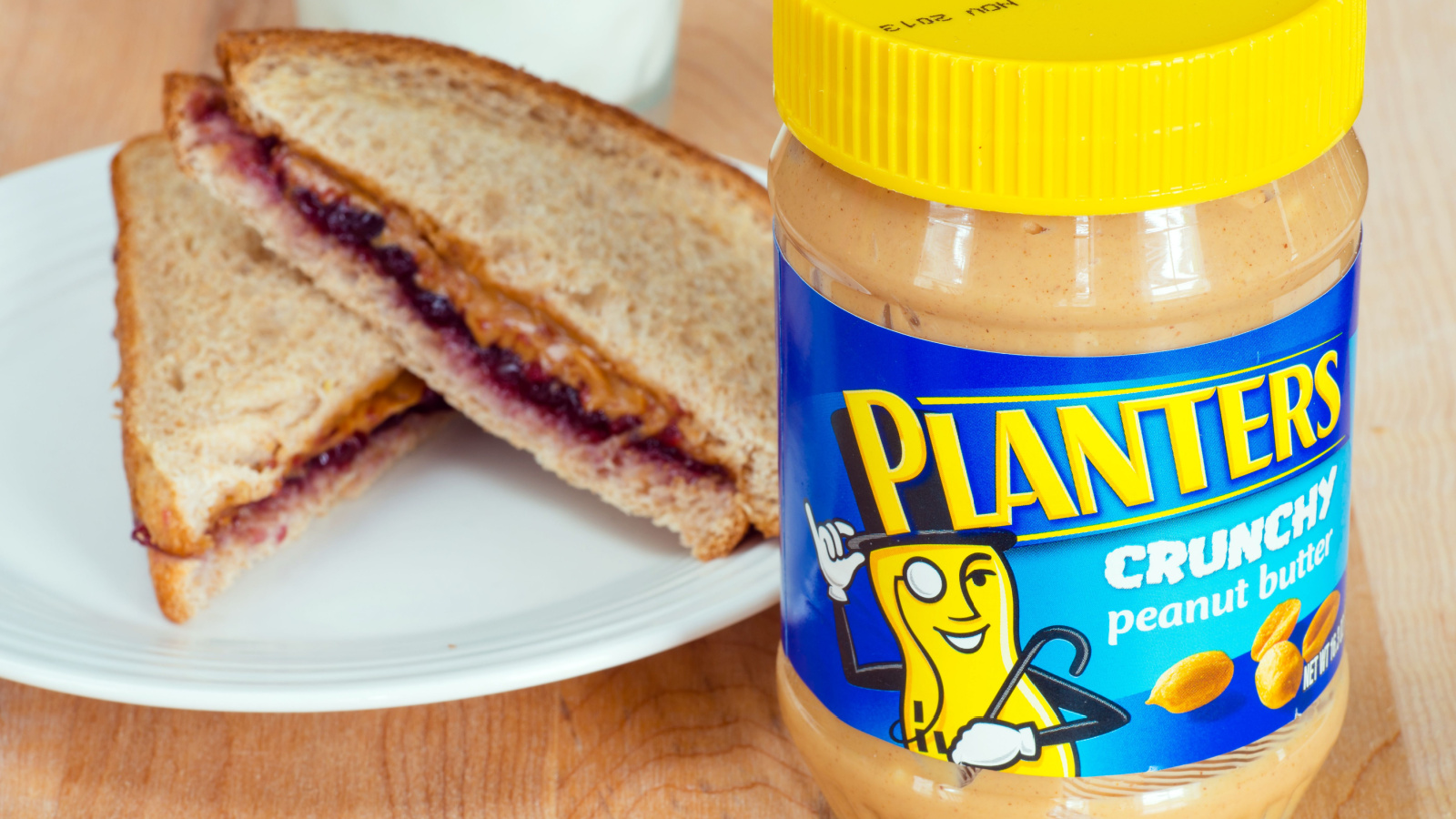
Opening a jar of peanut butter used to reveal a solid supply. Now the container seems smaller in every direction. Sandwich-loving households burn through it faster than ever. Peanut butter has always been a reliable staple, especially for picky kids. In 2025, it feels like a nervous purchase instead of a dependable one. People ration scoops, scrape corners, and stretch jars because replacements hurt the budget. Packaging claims of “new look” distract from the not-so-new reality. You’re paying more for noticeably less.
Mushrooms Sold by Weight but Packaged Wet
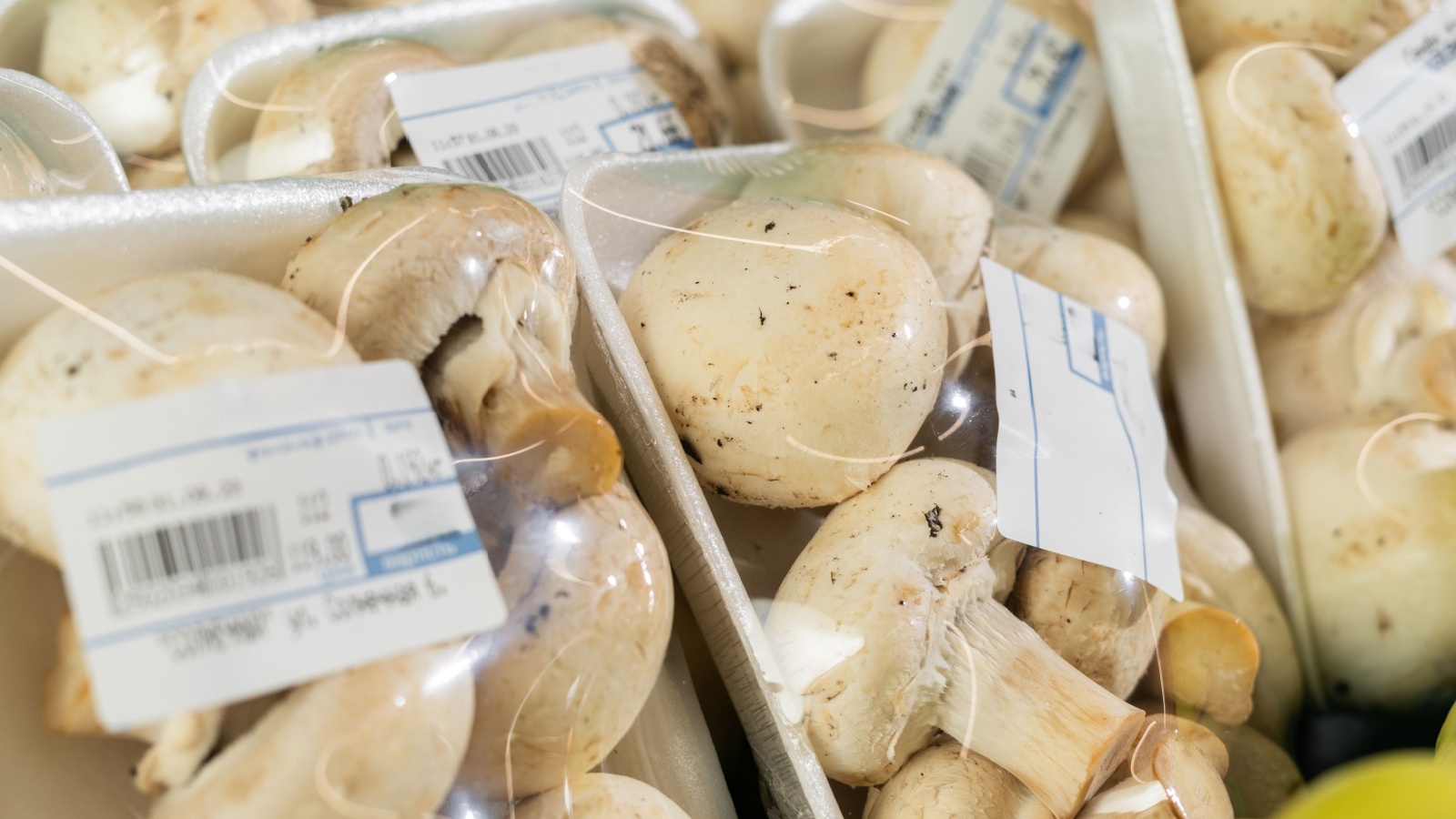
Mushrooms cost extra because they’re sold by weight and often arrive pre-soaked with moisture. That water disappears during cleaning and cooking, which means shoppers pay for weight that isn’t edible. A full container shrinks dramatically in the pan. People feel cheated before sitting down to eat. Fresh mushrooms should feel like a treat in recipes, but the current pricing method turns them into a source of frustration. Many shoppers now wait for sales or skip mushrooms entirely because the value just isn’t there.
Paid Grocery Bags That Break Instantly
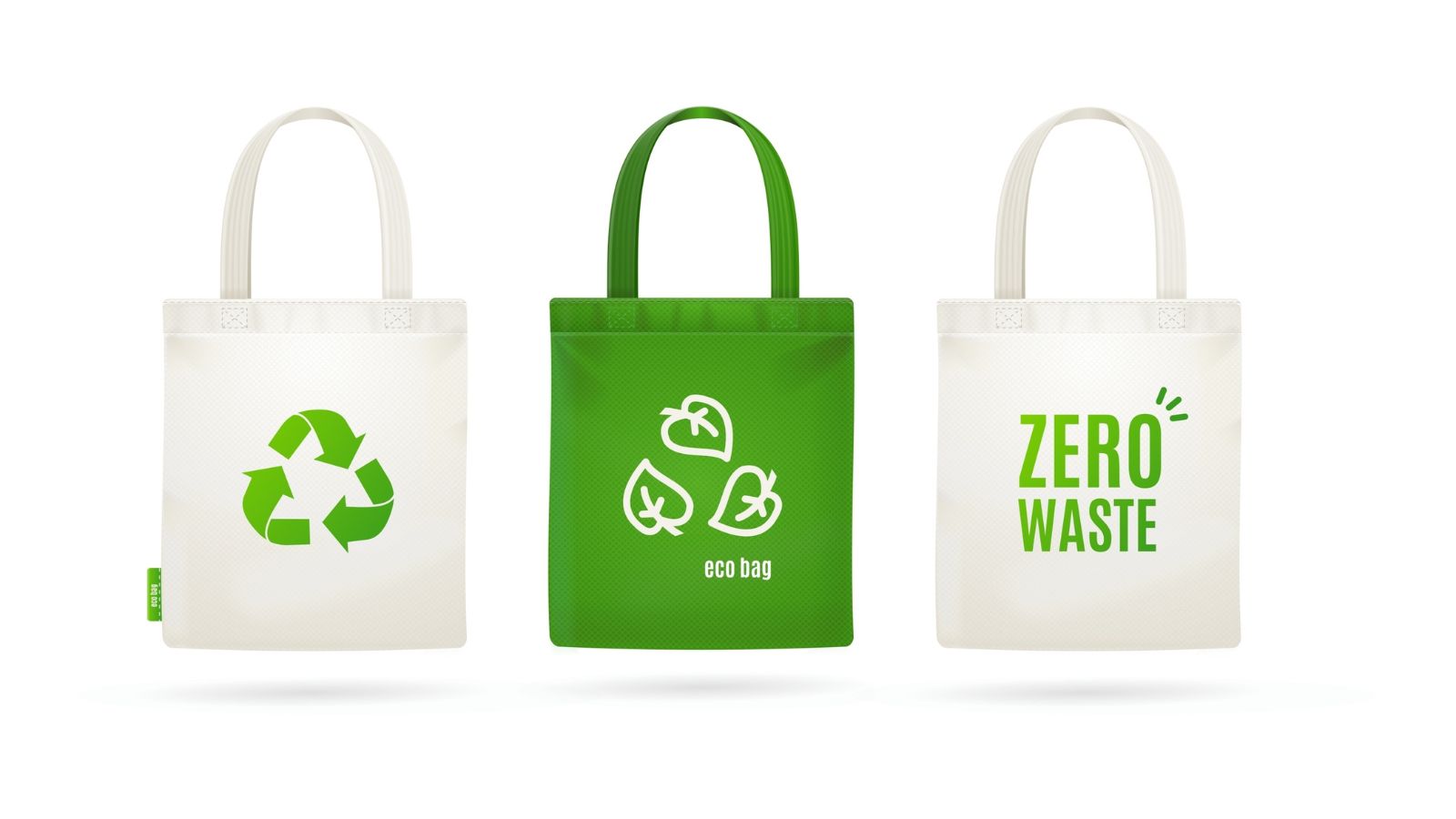
Reusable bags were pitched as an environmental move. The problem is that many of them fall apart almost immediately while still costing money each time you buy one. Handles snap and seams pop even when carrying modest weight. People keep buying replacements because grocery trips require them. What was meant to encourage sustainability has turned into an ongoing profit stream for stores. Shoppers don’t mind supporting the environment. They just don’t want to feel forced into repeatedly paying for bags that don’t last long enough.
Price Drops Only When Products Are About to Expire
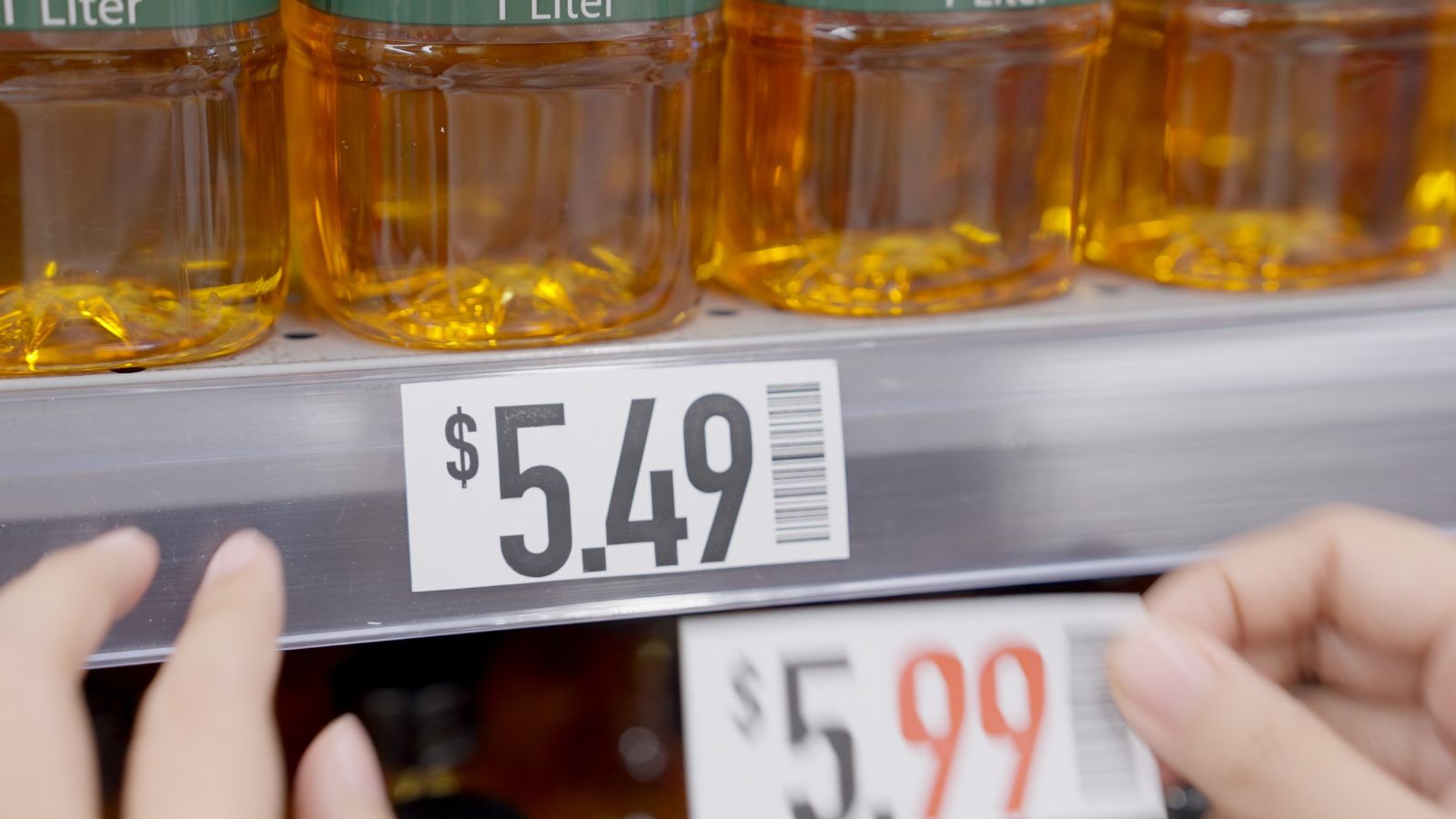
Discount stickers appear only when products are hours or days from expiry. Shoppers appreciate savings, but the time pressure makes it stressful. People rush to freeze or cook everything immediately to avoid losing their discount entirely. Groceries shouldn’t come with a countdown timer. Clearance shopping feels like a mission. Families end up planning meals around random expiry dates instead of their actual preferences. Reducing food waste is good, but shoppers shouldn’t feel forced into panic buying to afford nutritious meals.
Loyalty Programs That Give Pennies Back
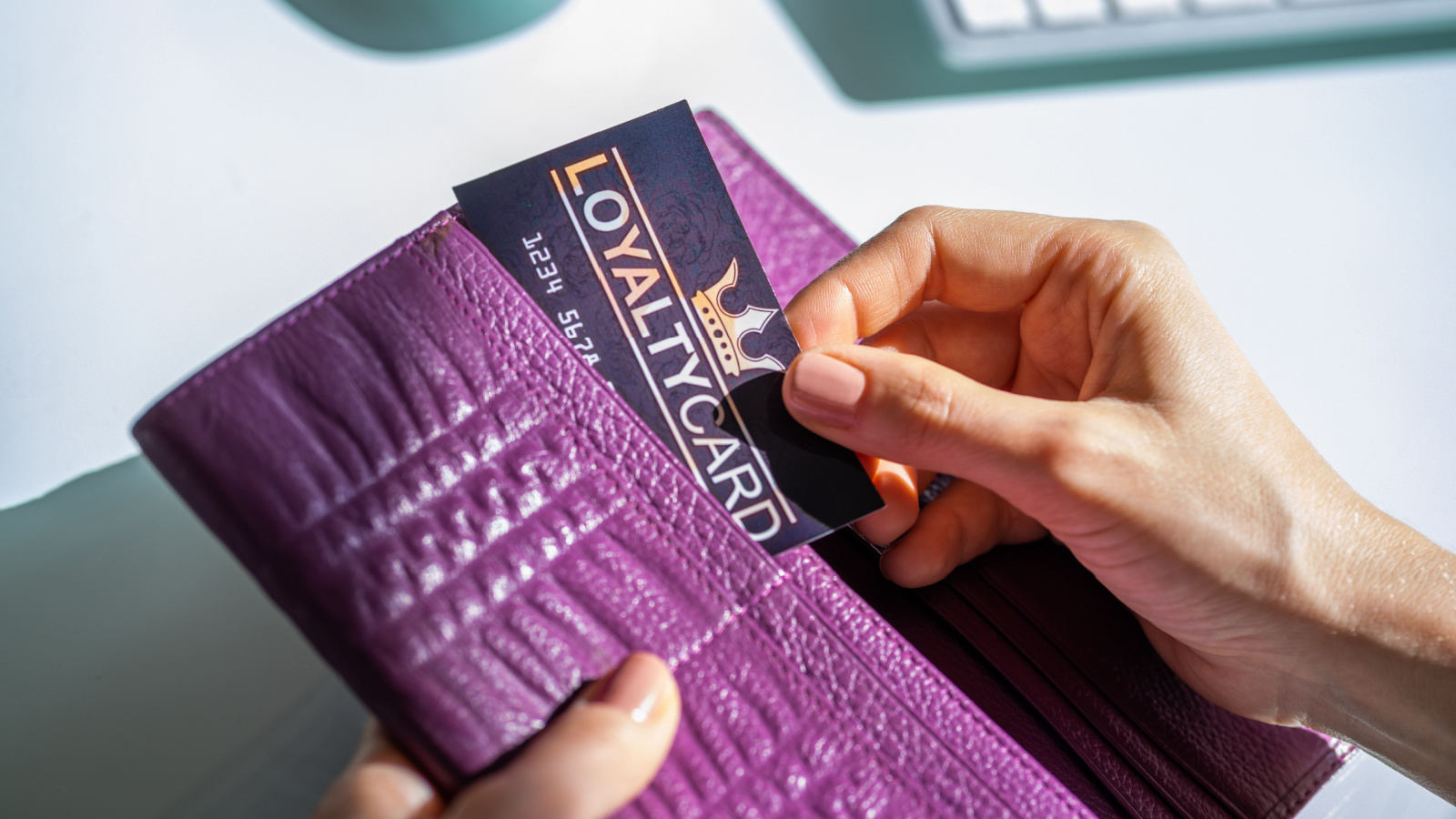
Rewards programs used to feel worth participating in. Now, many systems require heavy spending for very little return. Coupons and bonus points come with conditions that ordinary shoppers don’t have the patience to track. The experience starts to feel like work rather than help. Some families spend hundreds to earn two or three dollars. Discounts shouldn’t demand a degree in math. People want savings that feel real. Loyalty programs should reward customers, not create extra obstacles to afford groceries.
Seasonal Markups on Items Everyone Needs
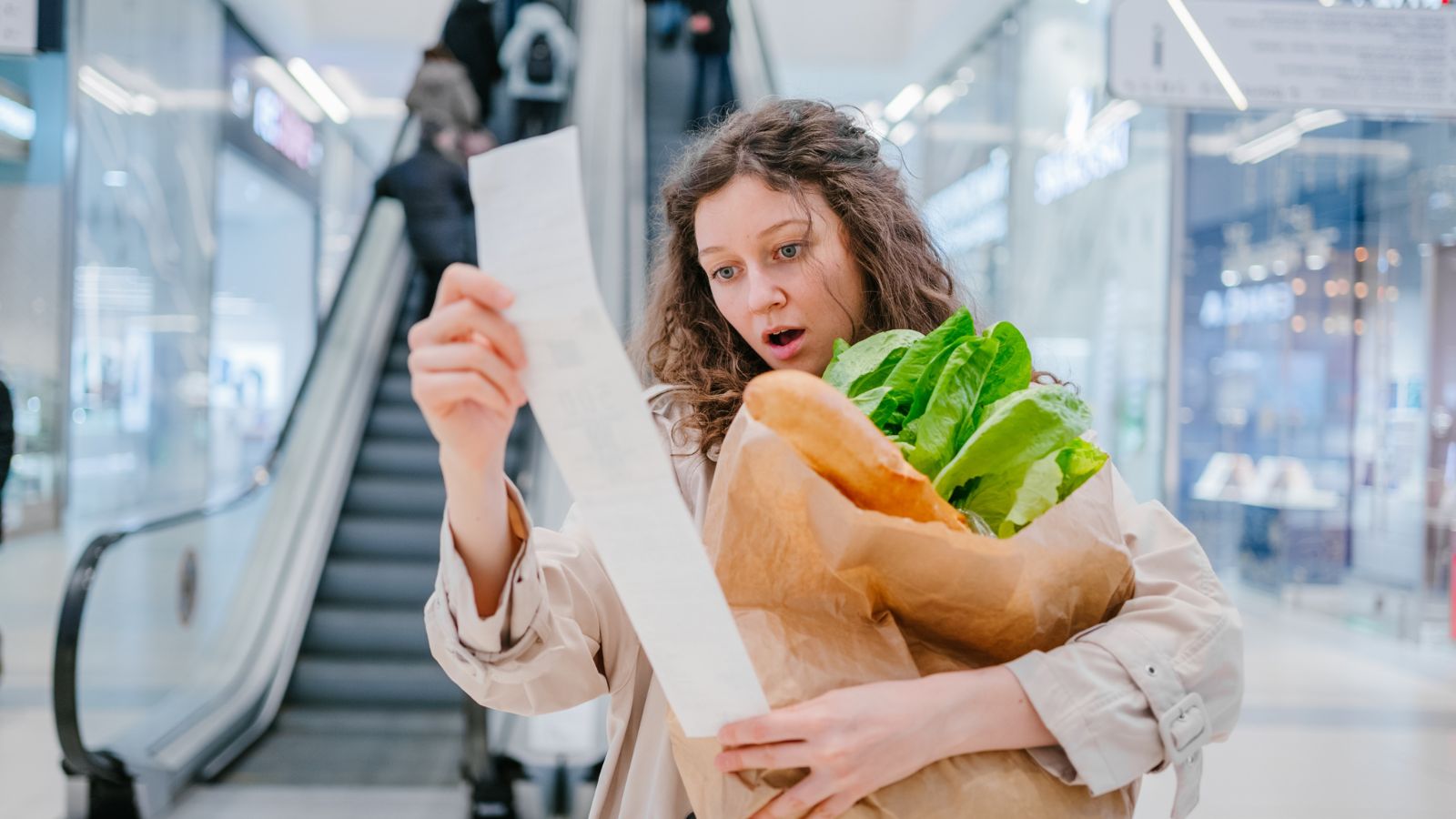
Prices mysteriously climb during predictable seasons. Popsicles cost more in summer. Hot dog buns jump in barbecue months. Pancake syrup spikes during winter. These increases feel like stores deliberately cashing in on obvious demand. Seasonal treats used to brighten busy months. Now, many households hesitate because they don’t want the extra hit to their grocery bill. Parents feel the pressure because seasonal foods are tied to traditions and memories that they want their kids to enjoy. Inflation makes that harder.
Imported Items Pushed Instead of Affordable Local Options
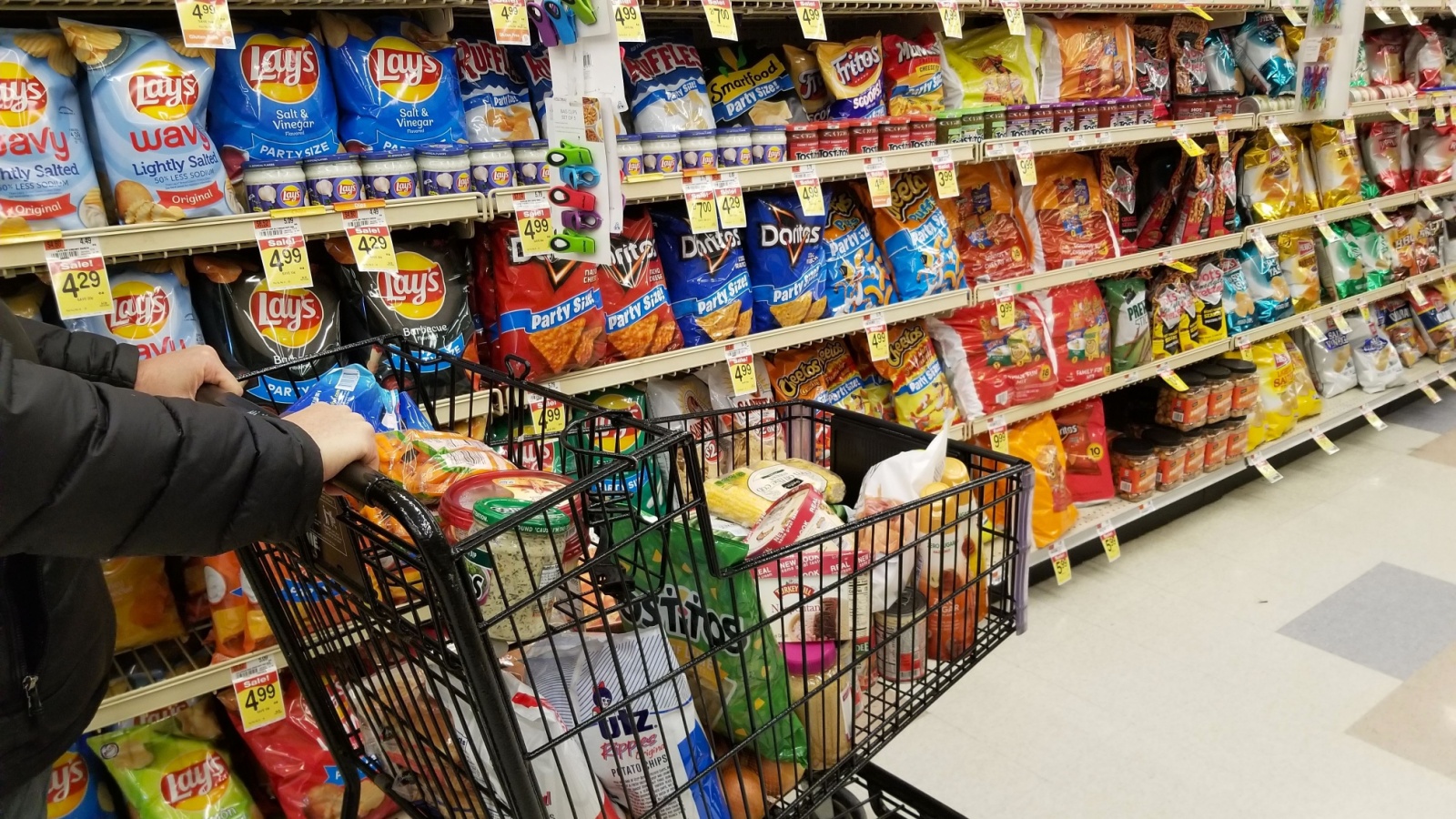
Many grocery stores put imported produce at the front of displays while cheaper Canadian items sit off to the side. It becomes harder for shoppers to stretch their budget because the spotlight falls on pricier imports. The switch feels unnecessary when local products are sometimes fresher and more affordable. Shoppers want to support Canadian farms, but stores make that inconvenient. People now study barcodes and labels closely before choosing their produce because buying the wrong version can double the price for no useful reason.
“Bakery Fresh” Goods Arriving Frozen
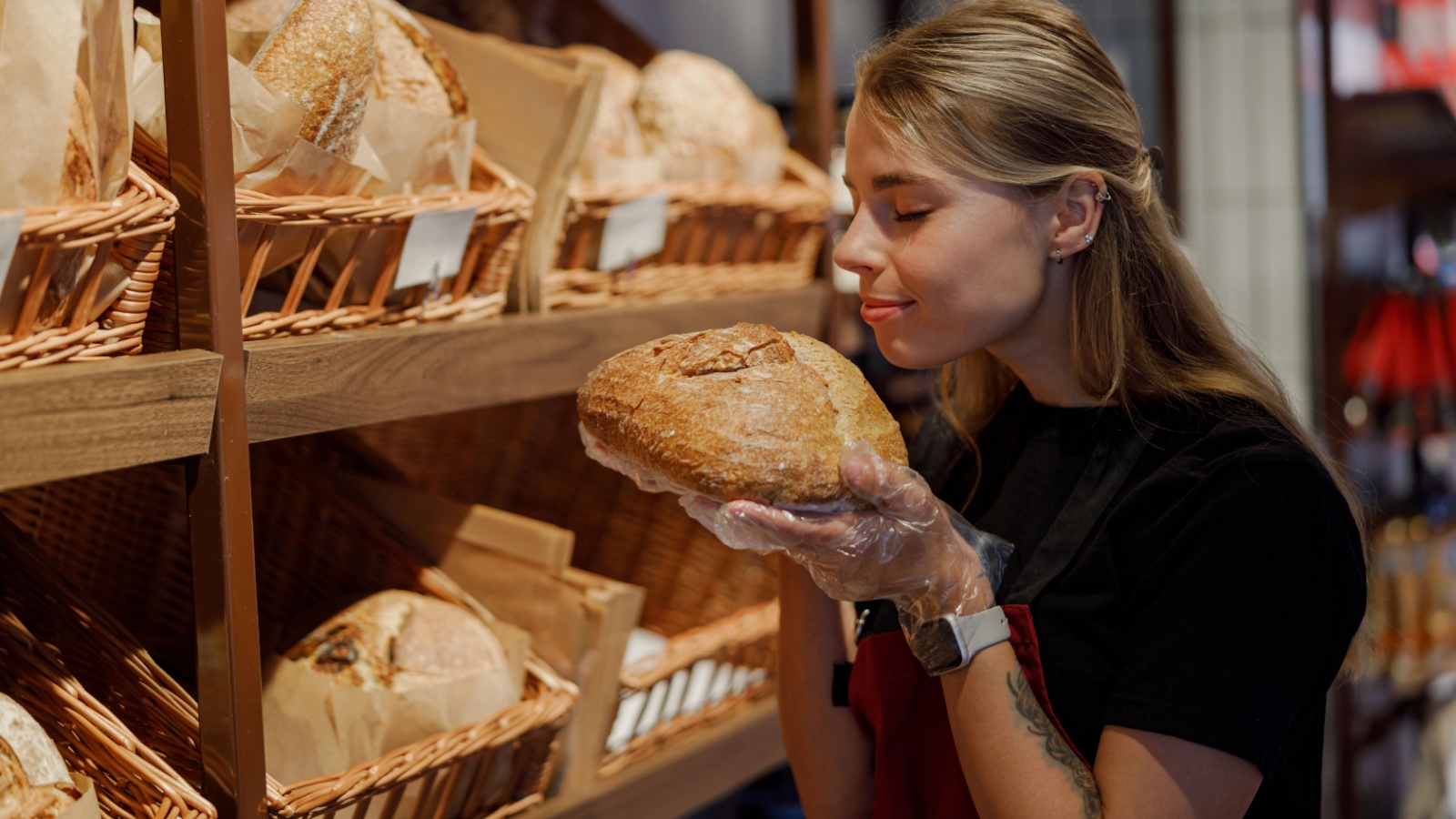
Many bakery products that are labelled as baked today are actually delivered frozen and thawed in-store. The price doesn’t match the truth. Shoppers expect time and care, not defrosting and packaging. These items go stale quickly and rarely taste premium. People feel especially frustrated when they buy them for celebrations or guests. The word “fresh” used this way loses meaning. Customers should not have to question something as simple as bread, buns, or pastries when paying extra for something presented as special.
Pre-Cut Produce Sold at Luxury Prices
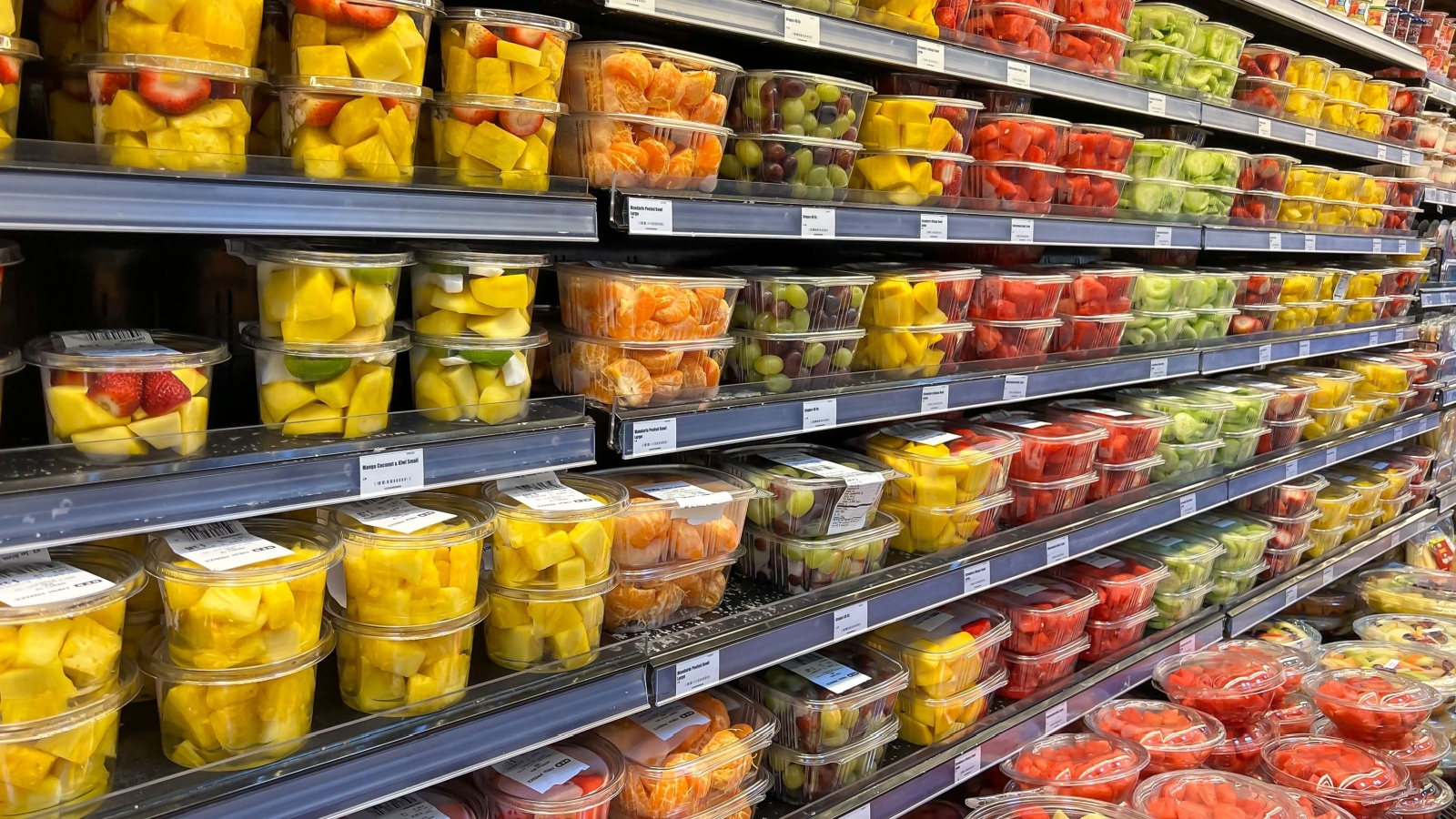
A container of chopped melon or pineapple can cost triple the price of the whole fruit. Convenience is helpful, but the markup feels unreasonable. Busy workers and parents buy these items to save time, yet still feel punished for making that choice. The labour involved does not justify such a dramatic price jump. Many shoppers now return to cutting everything at home because the savings are significant. Convenience stopped being worth the cost the moment it started to feel like exploitation.
Coffee Beans With Shrinking Bag Sizes
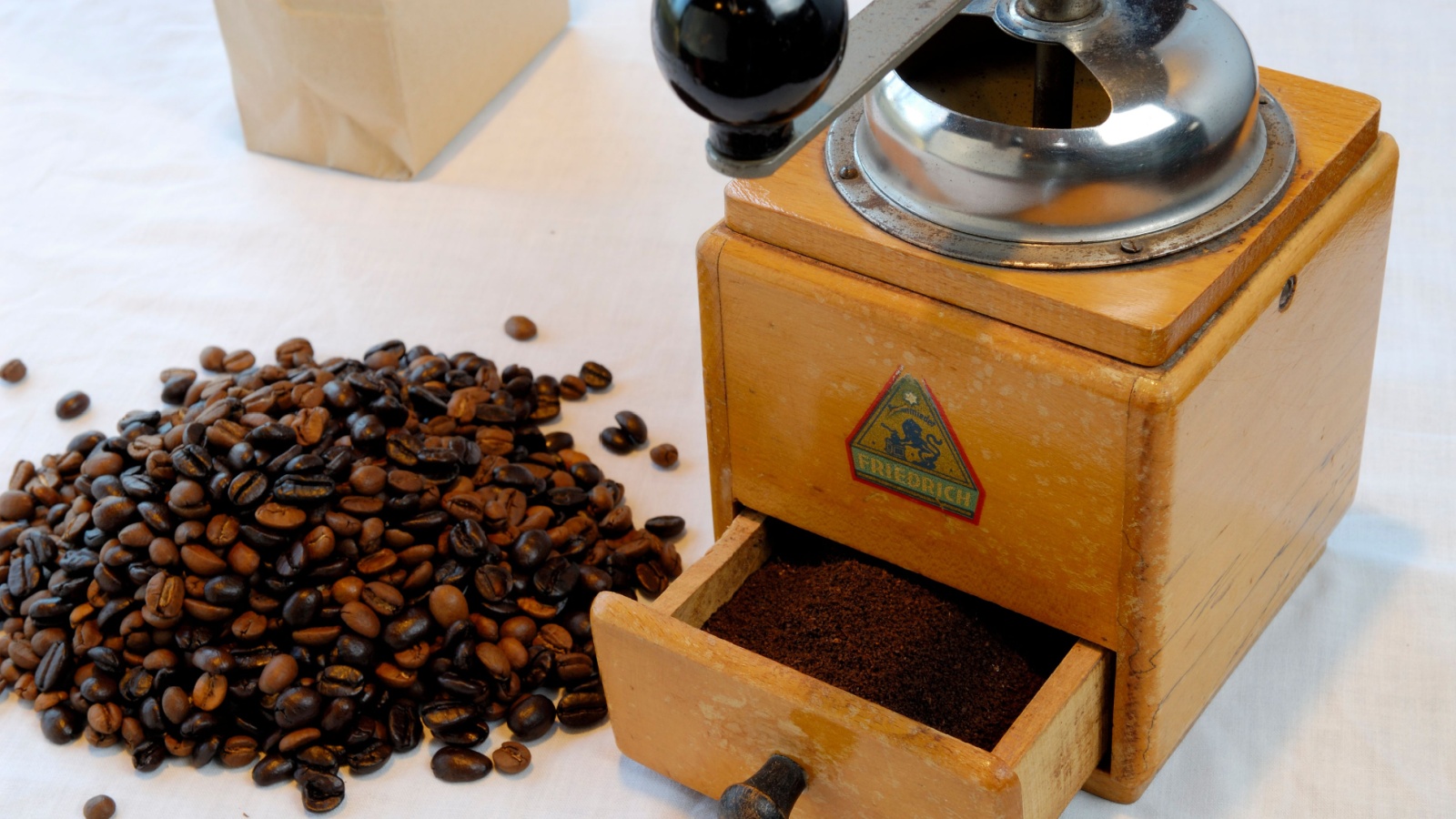
Coffee lovers noticed that the standard one-kilogram bag has shrunk several times across brands, even while prices rose. Caffeine routines become more expensive without giving drinkers anything new in return. People stretch beans by brewing weaker coffee or rationing their favourite roast. Morning coffee should be comforting. Instead, the inflation around it feels stressful. Coffee isn’t a luxury for most households. It’s part of daily life, which makes size reductions feel personal. When a habit becomes harder to maintain, it adds strain beyond the kitchen.
Ice Cream Tubs That No Longer Fill a Bowl
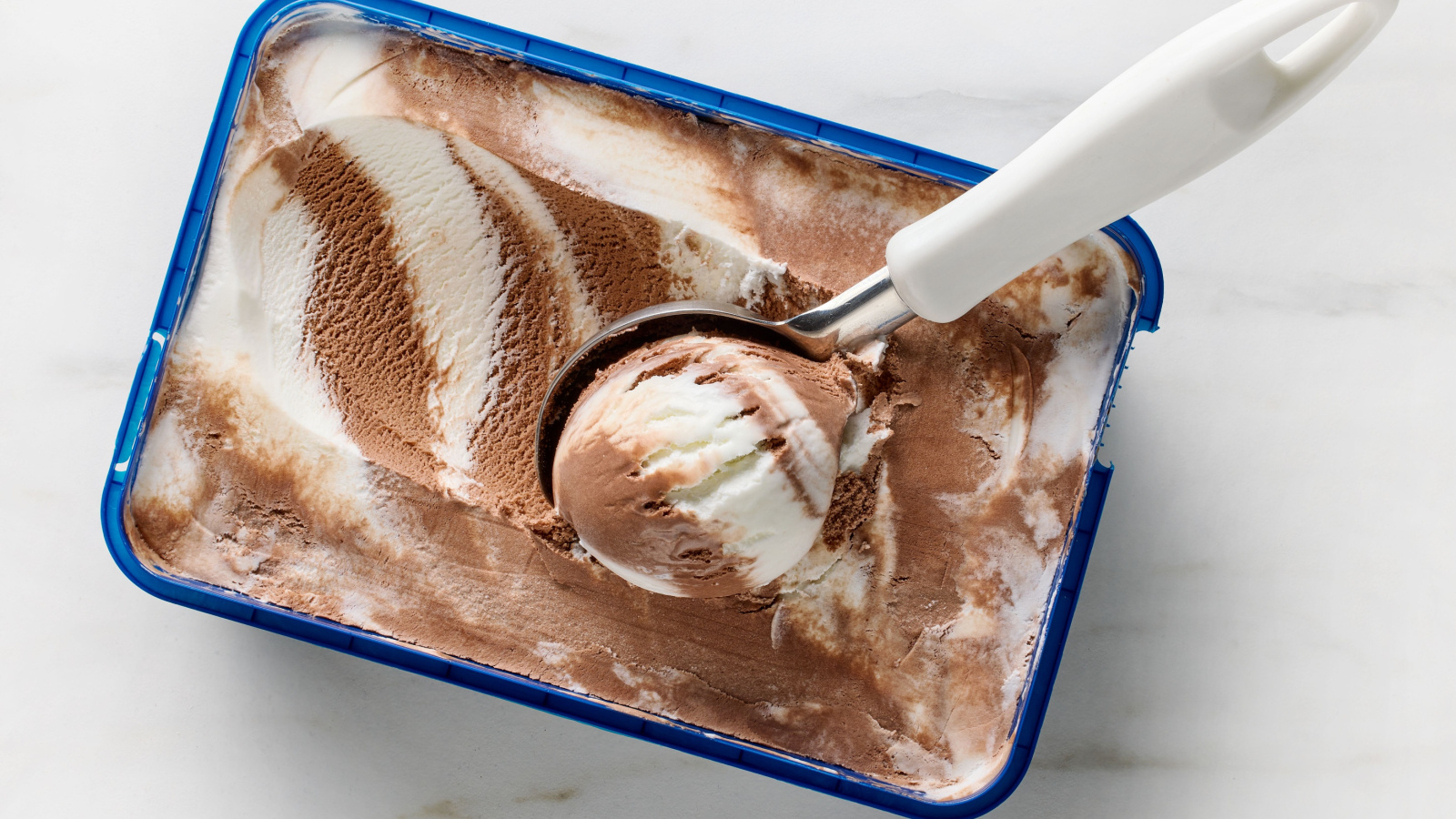
Ice cream tubs look similar but contain far less than before. Families used to enjoy a dessert night without calculating servings. Now scoops are smaller because no one wants to run out too soon. Kids notice this instantly, and parents feel guilty for cutting back. Ice cream should be a lighthearted purchase. Instead, it represents inflation in the most visible way. The disappointment is bigger than the product change. Treats shouldn’t carry financial pressure, and yet they now do.
22 Groceries to Grab Now—Before another Price Shock Hits Canada
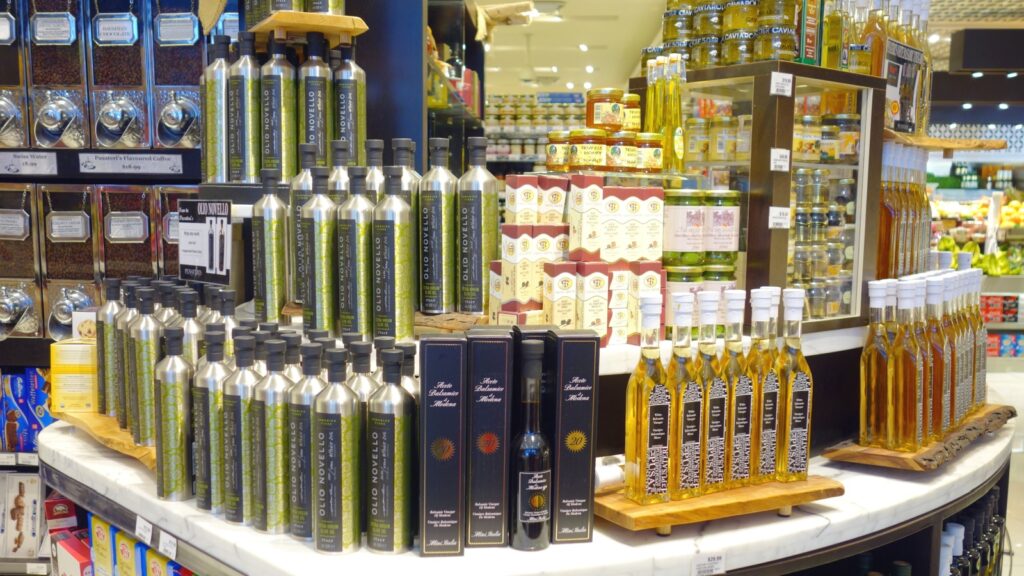
Food prices in Canada have been steadily climbing, and another spike could make your grocery bill feel like a mortgage payment. According to Statistics Canada, food inflation remains about 3.7% higher than last year, with essentials like bread, dairy, and fresh produce leading the surge. Some items are expected to rise even further due to transportation costs, droughts, and import tariffs. Here are 22 groceries to grab now before another price shock hits Canada.
22 Groceries to Grab Now—Before another Price Shock Hits Canada
