
A wave of influential projects is gaining momentum across the country, even if they are not making daily headlines. These developments cover technology, infrastructure, health care, space science, Indigenous innovation, energy security, and advanced manufacturing. Many of them are still in early phases or operating quietly, but each one reflects steady progress with long-term national impact. Here are 23 Canadian projects nobody’s talking about, yet.
Vancouver’s Quantum Algorithms Institute

Located in British Columbia, the Quantum Algorithms Institute is growing into one of the country’s most specialized hubs for quantum research. The institute supports collaboration between universities, government, and private companies to speed up the development of quantum applications. Work at the center includes research on secure communications, materials science, optimization, and scalable quantum systems. Its focus on real-world use cases helps young researchers and startups test solutions in applied environments. As global demand for quantum-ready industries increases, the institute’s early groundwork positions British Columbia as a strong contender for future investment and technical leadership.
Ontario Line Mega-Transit Expansion

The Ontario Line is a major urban transit initiative that stretches from Ontario Place to the Ontario Science Centre. Construction is underway to ease congestion on heavily used corridors and shorten commutes in Canada’s largest urban region. The project includes new tunnels, upgraded stations, and modern automated trains. It also aims to integrate with existing subway, streetcar, and GO systems to improve regional mobility. While much of the attention goes to other major projects in the province, this line is already reshaping land planning and transit density. Its long-term goal is to support sustainable growth in the Greater Toronto Area.
Prairie Hydrogen Hub in Alberta
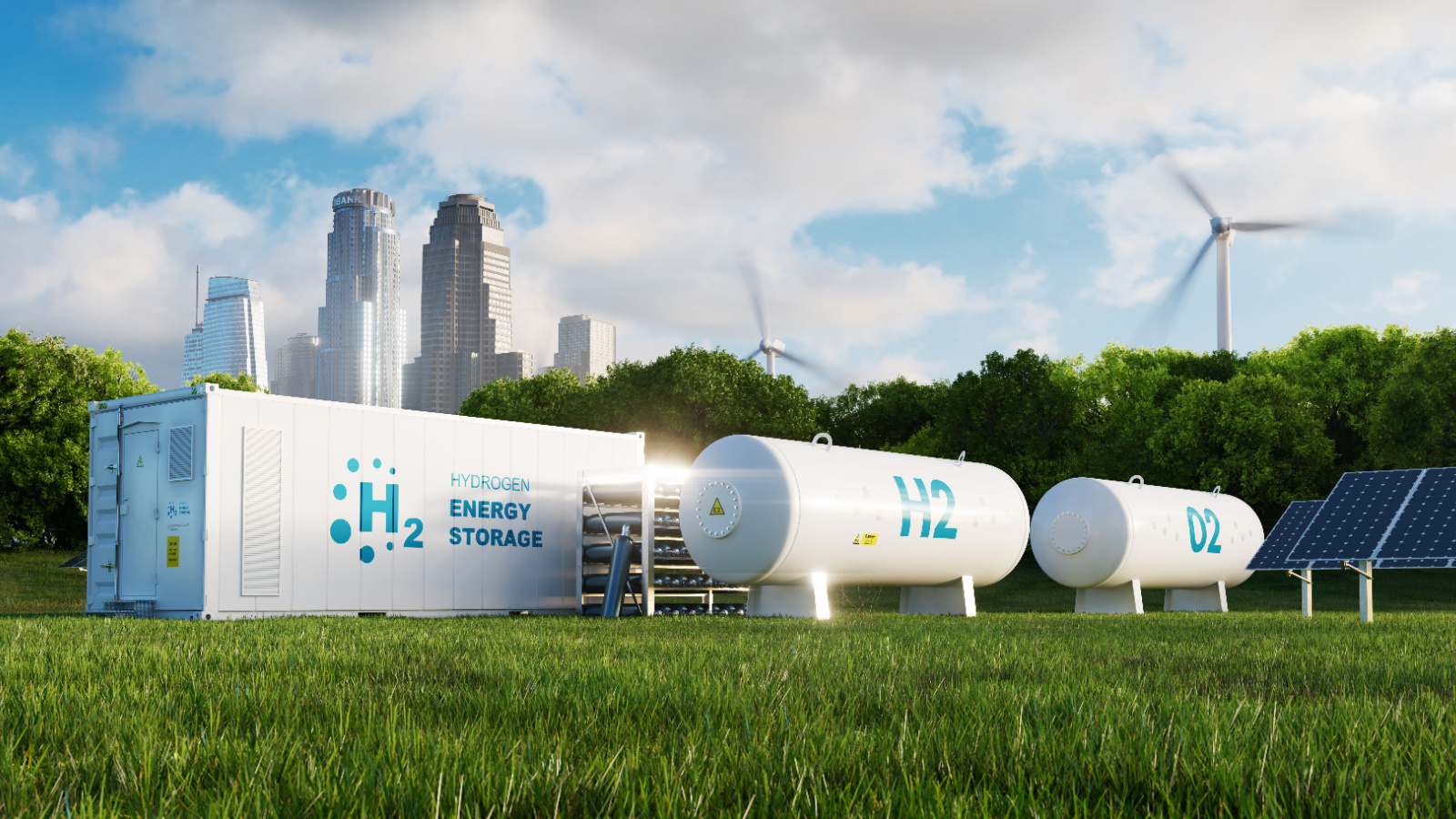
A large-scale hydrogen development hub is expanding in Alberta to support clean fuel production and emerging industrial demand. The project focuses on blue hydrogen created through natural gas reforming with carbon capture. It includes partnerships between provincial authorities, energy producers, and technology firms to scale up low-carbon hydrogen supply. Early work is centered around infrastructure planning and long-term transport solutions. As global industries transition toward cleaner fuels, this hub is expected to attract new manufacturing, support research, and help existing energy companies diversify their portfolios. Its long-term success could influence how other provinces develop hydrogen strategies.
Halifax Ocean Supercluster Projects

The Ocean Supercluster, based in Atlantic Canada, supports collaborative marine projects involving robotics, offshore monitoring, sustainable aquaculture, and ocean data solutions. Multiple early-stage initiatives are underway that aim to strengthen marine technology capabilities. These include improved sensor systems, coastal protection tools, and software for real-time ocean data management. The projects bring together businesses, researchers, and Indigenous organizations to solve operational challenges in ocean-based industries. As climate conditions shift and coastal economies face new pressures, the ongoing work of the Ocean Supercluster is helping the region build technical capacity and develop exportable solutions for international partners.
Montreal’s Mila AI Climate Modeling Work

Mila, one of the largest artificial intelligence research institutes in the world, is supporting several climate-focused projects. Researchers are developing new AI systems for environmental mapping, wildfire prediction, glacier analysis, and biodiversity monitoring. These tools help governments and organizations respond more effectively to environmental risks. Collaboration between Mila, universities, and technology partners has accelerated progress on climate-aware machine learning. Although the institute is widely known for its general AI research, its climate modeling work receives less attention despite producing influential tools. The ongoing efforts show how Canada’s AI sector is contributing to environmental and scientific resilience.
Nunavut’s Kivalliq Hydro-Fibre Link

The Kivalliq Hydro-Fibre Link aims to connect remote communities with clean energy and a fiber-optic corridor. The project proposes building transmission lines and broadband infrastructure from northern Manitoba to the Kivalliq region of Nunavut. If completed, it would reduce diesel dependence, lower energy costs, and deliver faster digital connectivity. Indigenous leadership plays a central role in planning and oversight, making it one of the most promising community-driven infrastructure efforts in the North. Although the project is still moving through regulatory and financing steps, it represents one of the most ambitious connectivity upgrades for remote Arctic communities.
Saskatchewan Small Modular Reactor Planning
Saskatchewan is advancing early-stage work on small modular reactors. These compact nuclear systems are being evaluated to support long-term energy needs and reduce reliance on coal. Current planning involves site assessments, environmental studies, community consultations, and partnerships with Ontario Power Generation. The province is focusing on decades-ahead energy requirements as electricity demand rises. While full deployment remains years away, groundwork completed now influences future investment decisions. This project remains under-discussed despite its potential to change Western Canada’s power grid. If successful, it could support stable low-carbon energy and complement other clean electricity developments across the region.
Calgary’s Blue Sky Solar Lab Expansion

The Blue-Sky Solar Lab at the University of Calgary is expanding research into new photovoltaic materials, high-efficiency solar modules, and solar integration in northern climates. The lab supports collaborations with energy companies, startups, and materials scientists. Work includes testing long-duration solar storage options and improving performance in low-light environments. The facility’s research is important for provinces that experience extreme winters yet still aim to scale renewable energy. While solar projects in Canada often focus on installations, the lab’s contributions to new materials and technology represent meaningful progress in renewable energy innovation for long-term national benefit.
Toronto’s Advanced Manufacturing Supercluster
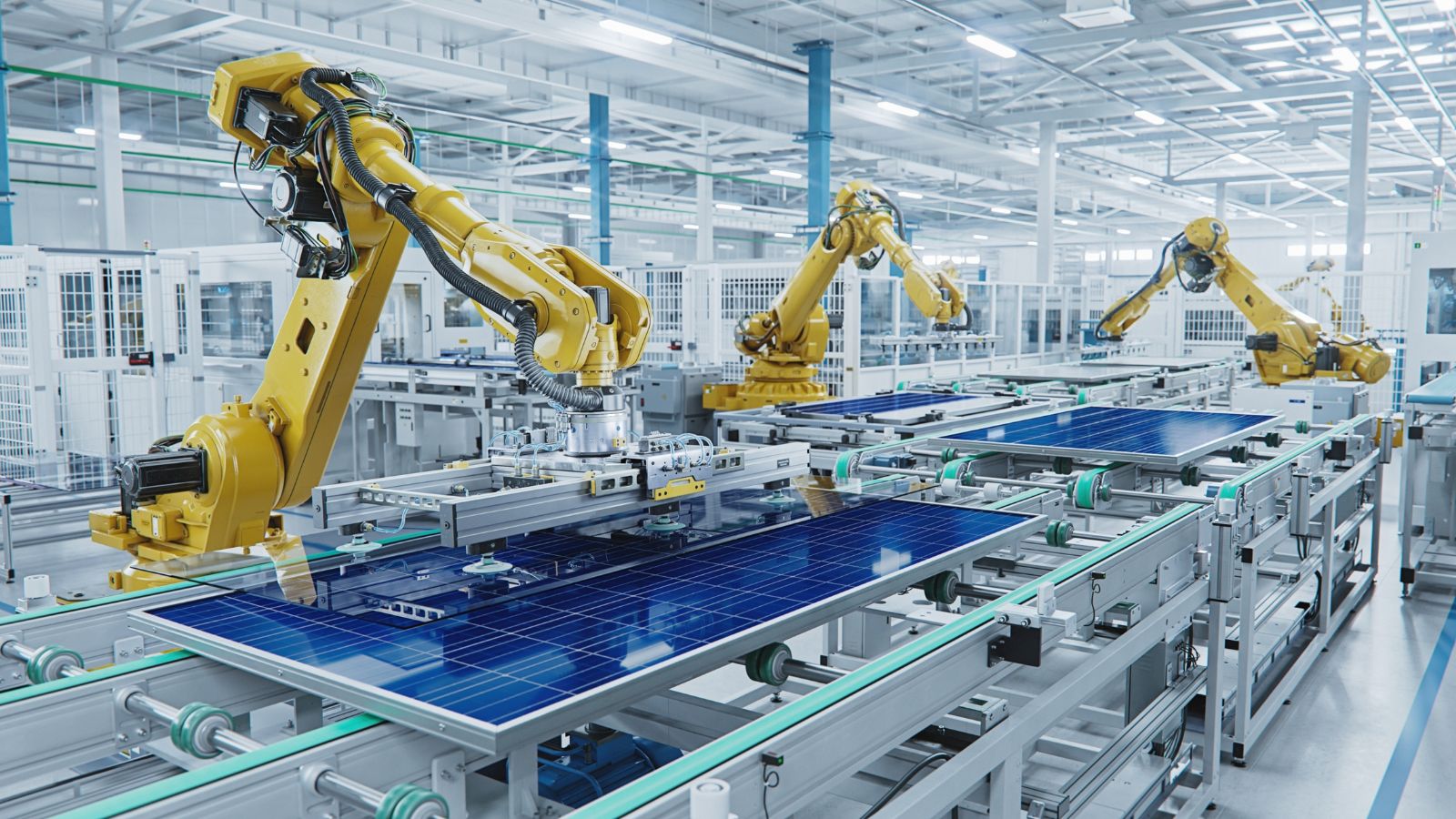
The Advanced Manufacturing Supercluster supports projects involving automation, robotics, digital twins, smart factories, and high-performance production systems. These initiatives help manufacturers improve efficiency and prepare for global supply chain shifts. Partnerships include technology firms, universities, and small manufacturers working on modernization. The cluster’s long-term focus is to help businesses adopt advanced tools that increase competitiveness. While individual projects rarely make headlines, their combined impact strengthens Canada’s manufacturing base. The ongoing work supports process optimization, workforce training, and the adoption of new technologies across various sectors, contributing to more resilient manufacturing capabilities nationwide.
Prince George Clean Biomass Projects

The region around Prince George, British Columbia, is developing clean biomass projects that transform forestry byproducts into advanced biofuels and renewable heat systems. Facilities are testing more efficient conversion processes that make use of waste materials from sawmills and logging operations. These projects aim to reduce emissions while supporting the forestry sector during industry transitions. Researchers and companies involved in these initiatives are examining long-term export opportunities and improved supply chain stability. Although these efforts receive far less attention than larger renewable energy projects, they offer practical solutions relevant to rural economies and natural resource communities.
Winnipeg Health Data Integration Initiative

Winnipeg is advancing an initiative focused on improving the integration of health data across multiple care systems. The project aims to connect hospitals, clinics, and community care providers through more efficient digital platforms. Early work involves data standardization, secure digital tools, and streamlined communication systems. The goal is to enhance patient outcomes by improving access to records and reducing administrative barriers. While national attention often goes toward large-scale health reforms, this project demonstrates steady progress in practical modernization. Lessons learned from implementation could influence broader health digitalization across the Prairie provinces.
Yukon’s Ice Patch Archaeology Programs

The Yukon government and academic researchers are expanding ice patch archaeology programs that use melting alpine ice to uncover preserved artefacts. These studies provide new information on ancient Indigenous hunting practices, clothing, and tool-making. The work involves collaboration with First Nations communities to document findings respectfully and integrate traditional knowledge. Although the discoveries are scientifically significant, the programs operate quietly compared to larger archaeological projects. Ongoing research improves understanding of Northern history while building community-led stewardship practices. The work also highlights the value of combining environmental monitoring with cultural heritage preservation.
Newfoundland’s MUN Ocean Engineering Basin Upgrade

Memorial University’s Ocean Engineering Research Centre is upgrading its testing basin to support advanced marine engineering research. The facility is used to simulate harsh ocean conditions and test vessels, offshore structures, and coastal infrastructure designs. Upgrades include improved wave generators, enhanced data collection systems, and more complex modeling capabilities. These improvements help researchers and maritime companies evaluate how equipment performs under extreme conditions. Although the facility is significant for marine industries, its ongoing modernization often goes unnoticed outside technical circles. The upgraded basin will expand research potential for Atlantic Canada and international maritime partners.
Quebec’s Lithium Battery Recycling Pilot Plants
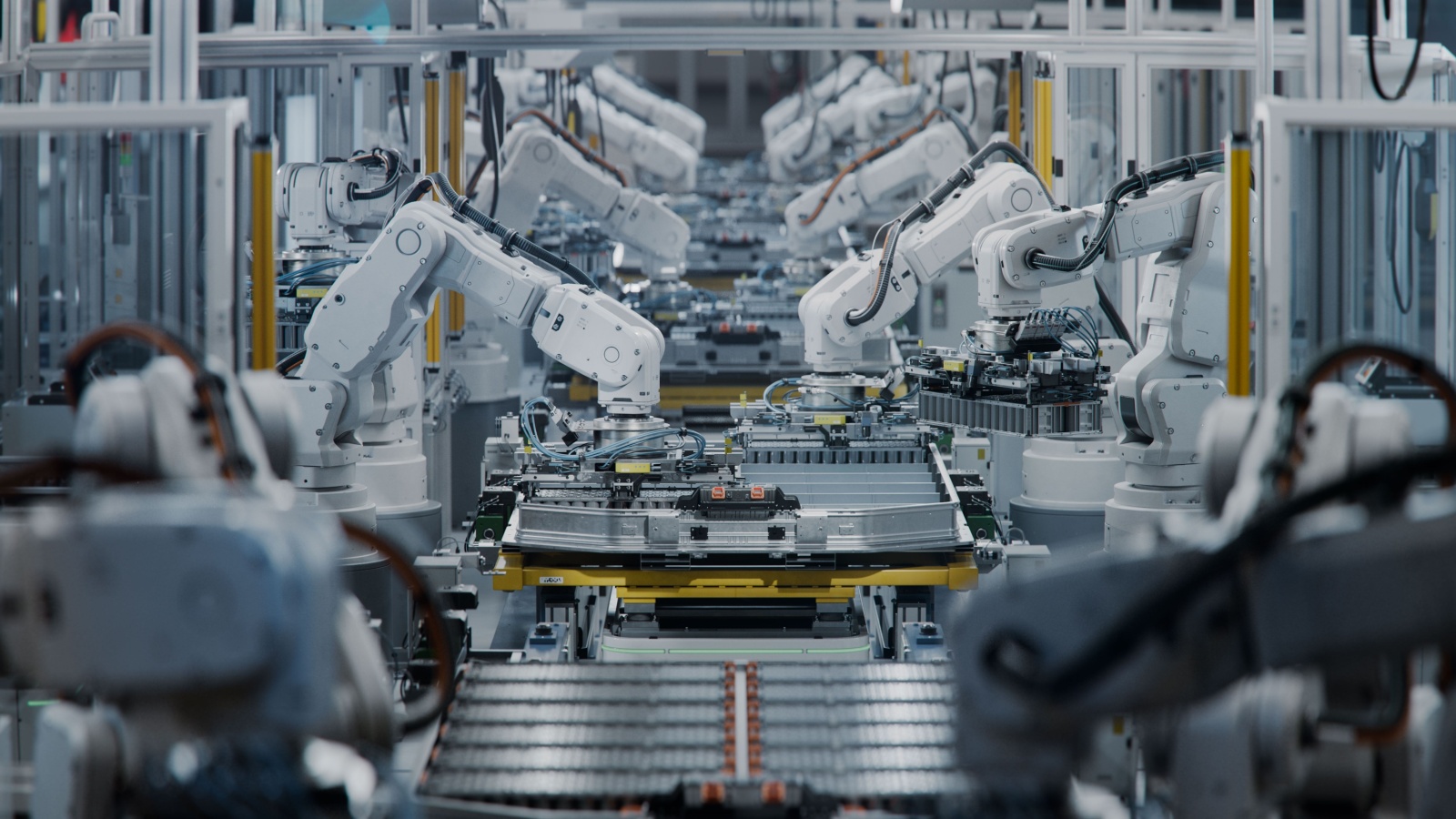
Quebec is supporting several pilot plants focused on recycling lithium-ion batteries. These facilities are testing new chemical processes that recover valuable materials at high efficiency. The work supports the province’s long-term plan to build a complete battery supply chain. Pilot projects currently examine improved recovery rates, reduced waste production, and better integration with local mining and manufacturing. As demand for batteries increases globally, these recycling facilities could help reduce supply chain vulnerabilities. Though still in early testing phases, they represent meaningful progress toward sustainable industrial growth and circular economy practices in the energy sector.
Manitoba’s Red River Flood Modeling Upgrade
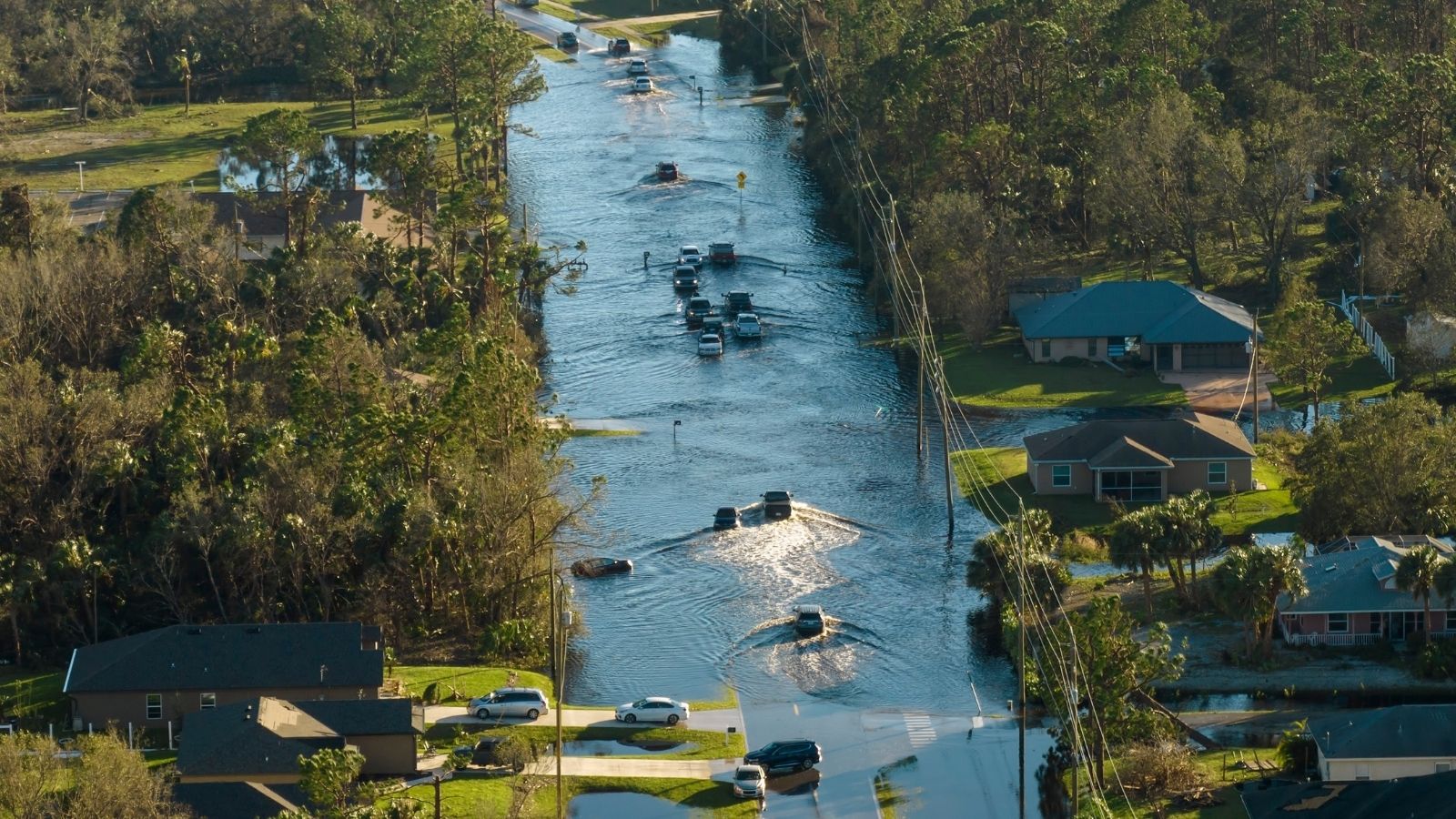
The Red River Basin is receiving new investments in flood modeling and predictive analytics. These efforts involve updated satellite data, expanded sensor networks, and improved hydrological simulations. The goal is to enhance flood preparedness and support long-term adaptation strategies for communities along the river. The project includes partnerships between researchers, provincial agencies, and local governments. Despite its importance for regional safety and planning, it rarely appears in national discussions. The upgraded modeling will give municipalities more reliable forecasting tools and help shape future infrastructure decisions as climate variability continues to affect the watershed.
Alberta Carbon Fiber Manufacturing Pilot

Alberta is testing pilot systems that convert bitumen into carbon fiber. The process explores how to transform raw bitumen into lightweight, high-strength materials used in construction, automotive parts, and aerospace applications. Researchers aim to evaluate economic viability, environmental impact, and potential for scale. The project provides a diversification path for the energy sector while supporting advanced manufacturing. Although the technology remains in early development, the progress made could establish a new specialty materials industry. The pilot is an example of how resource-based provinces are examining innovative approaches to value-added production.
PEI Bioscience Manufacturing Expansion

Prince Edward Island is expanding its bioscience manufacturing capacity with new facilities supporting pharmaceutical ingredients, natural health products, and veterinary biotechnology. The initiatives involve collaboration between the government, research institutions, and established companies. These expansions help the province grow a specialized sector that supports exports and high-skilled employment. Work includes scaling up production systems, improving regulatory readiness, and supporting workforce development. Although PEI’s bioscience growth is steady, it remains underrepresented in national innovation discussions. The ongoing upgrades will help strengthen the province’s position as a reliable contributor to biomanufacturing supply chains.
Ottawa Secure Semiconductor Manufacturing Initiative

Ottawa is supporting a secure semiconductor manufacturing initiative aimed at strengthening domestic chip capability. The project focuses on small-batch, specialized chips for defense, telecommunications, and advanced sensors. Work includes upgrading fabrication facilities, improving cybersecurity, and expanding partnerships with research institutions. While Canada’s semiconductor production is smaller than that of global leaders, this initiative fills a strategic niche in secure and trusted chip design. Although rarely discussed outside industry groups, the ongoing development supports national security, technical resilience, and innovation in emerging communication technologies.
Northern Food Security Greenhouse Projects

Several Northern communities are developing greenhouse projects that extend growing seasons and support local food supply. These projects use controlled-environment agriculture, efficient heating systems, and hydroponic methods designed for cold climates. Work involves collaboration between local governments, Indigenous organizations, and agriculture researchers. The greenhouses help reduce food transportation challenges and improve access to fresh produce. While these initiatives are practical solutions to persistent supply issues, they receive limited attention nationally. Their continued expansion supports healthier communities, reduced costs, and improved self-sufficiency across remote regions.
BC Mass Timber Modular Construction Trials

British Columbia is testing new modular construction techniques using mass timber. Pilot projects involve prefabricated timber panels used for residential and commercial buildings. These systems aim to speed up construction timelines, reduce waste, and improve structural performance. The trials include seismic testing, fire safety assessments, and cost studies. Although mass timber has gained attention globally, the specific modular construction pilots underway in BC are less widely discussed. These projects could influence future housing strategies while supporting local forestry industries and engineering research.
Toronto Western’s Deep Brain Imaging Initiative
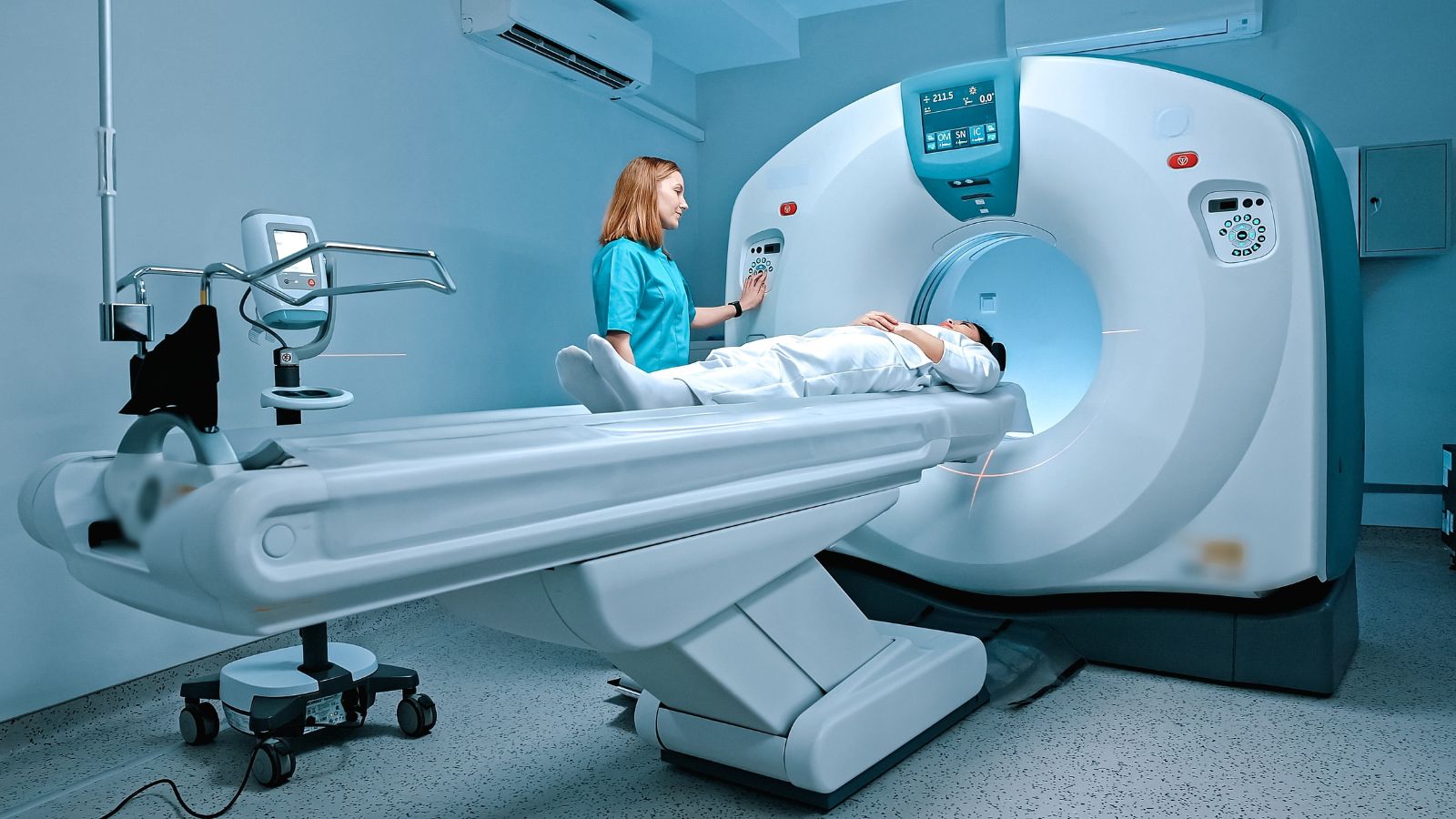
Toronto Western Hospital is expanding deep brain imaging research that uses advanced MRI and neurotechnology to study neurological conditions. The project aims to improve understanding of Parkinson’s disease, epilepsy, and other brain disorders. Researchers are developing new imaging protocols, improved mapping tools, and non-invasive diagnostic methods. Collaboration between hospitals, universities, and engineering teams supports ongoing progress. While major medical breakthroughs are often highlighted, the foundational imaging research behind them receives less attention. The initiative builds capacity for long-term neurological research and strengthens Canada’s role in global neuroscience advancements.
Quebec’s Green Aviation Test Corridor

A test corridor for green aviation technologies is being developed in Quebec to support electric and hybrid aircraft testing. The initiative involves airports, aerospace companies, and research institutions. Work includes evaluating charging systems, flight performance, battery safety, and cold-weather reliability. The corridor provides a controlled environment where new aircraft technologies can be tested under real Canadian conditions. Although aviation innovation is widely discussed globally, these specific test efforts are less well-known. The corridor could eventually support certification pathways and influence aviation sustainability strategies.
New Brunswick Cybersecurity Fusion Centre

New Brunswick is advancing a cybersecurity fusion center that supports threat monitoring, data analysis, and rapid response. The center gathers expertise from academic institutions, private companies, and government organizations. Its work includes detection research, improved communication systems, and specialized cybersecurity training. The center strengthens digital resilience for industries across Atlantic Canada. Although cybersecurity threats receive attention, the development of regional response capability is less visible. The fusion center’s growth supports national security and prepares businesses for evolving digital risks.
21 Products Canadians Should Stockpile Before Tariffs Hit

If trade tensions escalate between Canada and the U.S., everyday essentials can suddenly disappear or skyrocket in price. Products like pantry basics and tech must-haves that depend on are deeply tied to cross-border supply chains and are likely to face various kinds of disruptions
21 Products Canadians Should Stockpile Before Tariffs Hit
