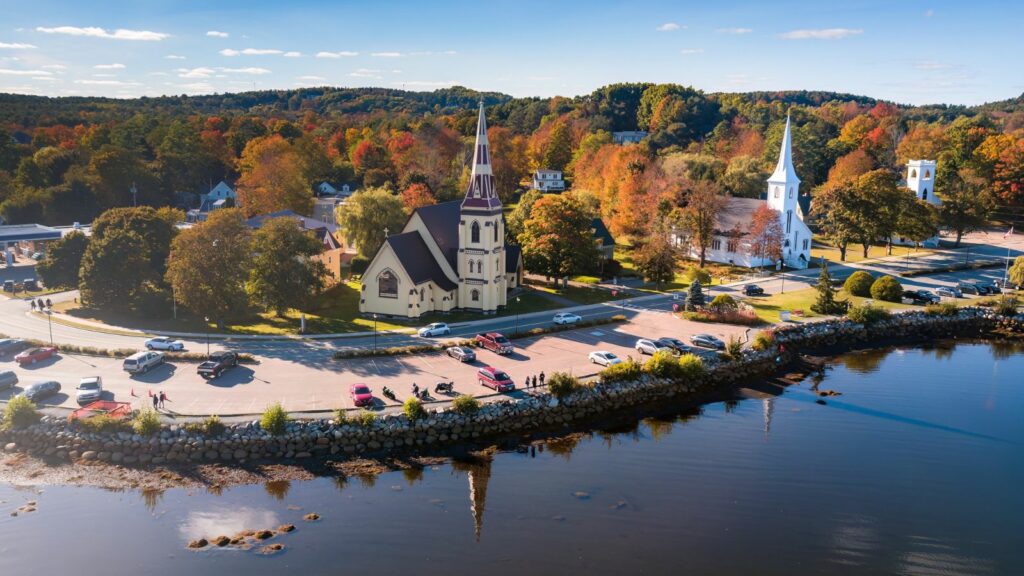
Canada is experiencing an unexpected shift as small towns begin building new identities that move beyond their traditional industries. Some towns are pulling in new residents through economic diversification. Others are repairing long-neglected infrastructure and building stable local employment rather than depending on tourism or seasonal trade. Remote work is creating opportunities for communities that once struggled to stay relevant. Here are 23 Canadian towns reinventing themselves in 2025.
Lunenburg, Nova Scotia
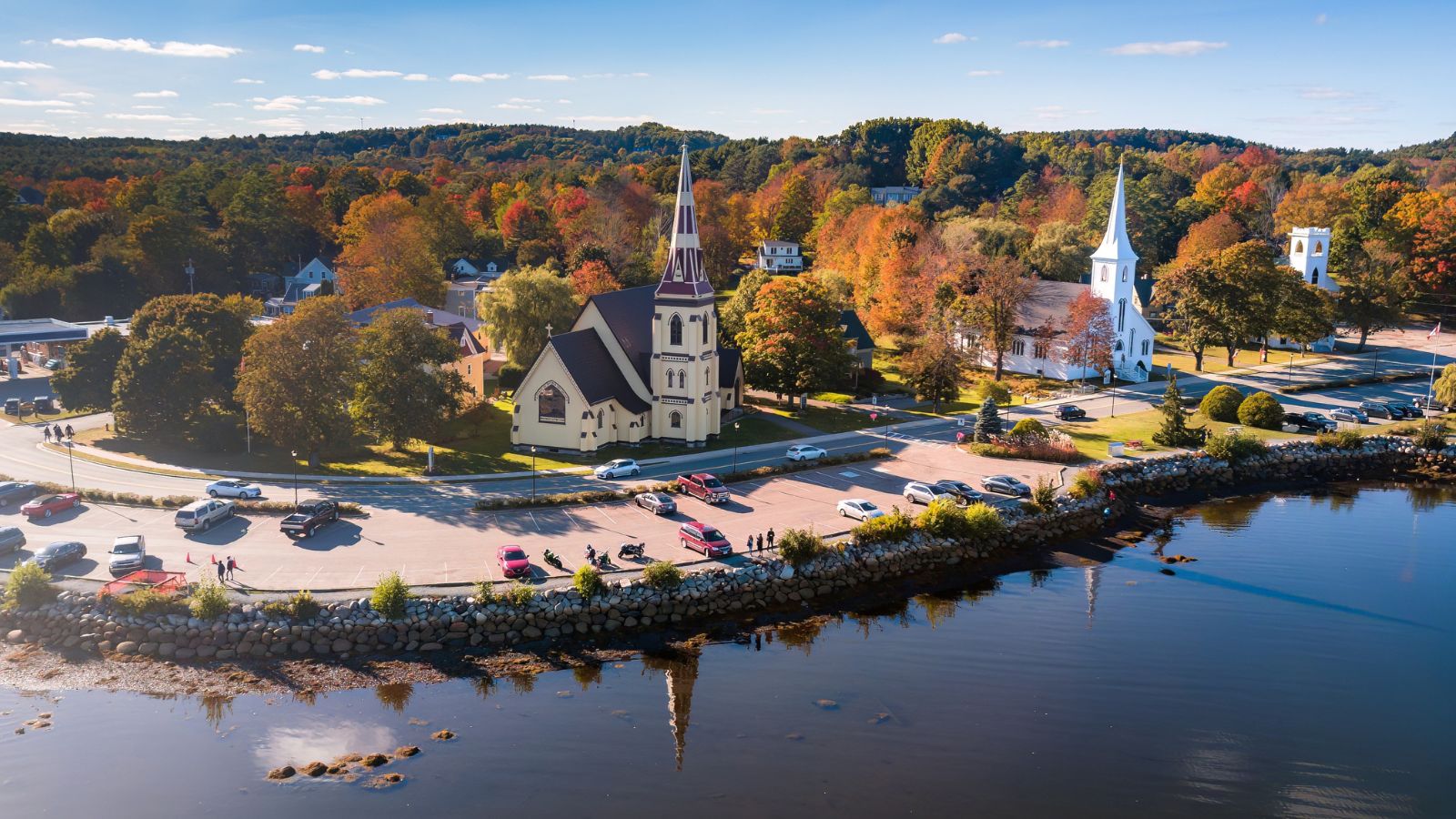
Lunenburg is reshaping its economic base by reducing reliance on summer tourism and building year-round employment. Remote workers are arriving because the town offers good amenities while still staying quiet and affordable. Several historic buildings have been converted into small offices and workshops, which creates steady commercial rental income. Local markets are expanding into colder months to support business owners beyond the travel season. Schools benefit from higher enrollment, which helps stabilize funding. Residents appreciate that the changes do not alter the town’s heritage. The goal is slow but secure growth that keeps people living there long term.
Whitehorse, Yukon
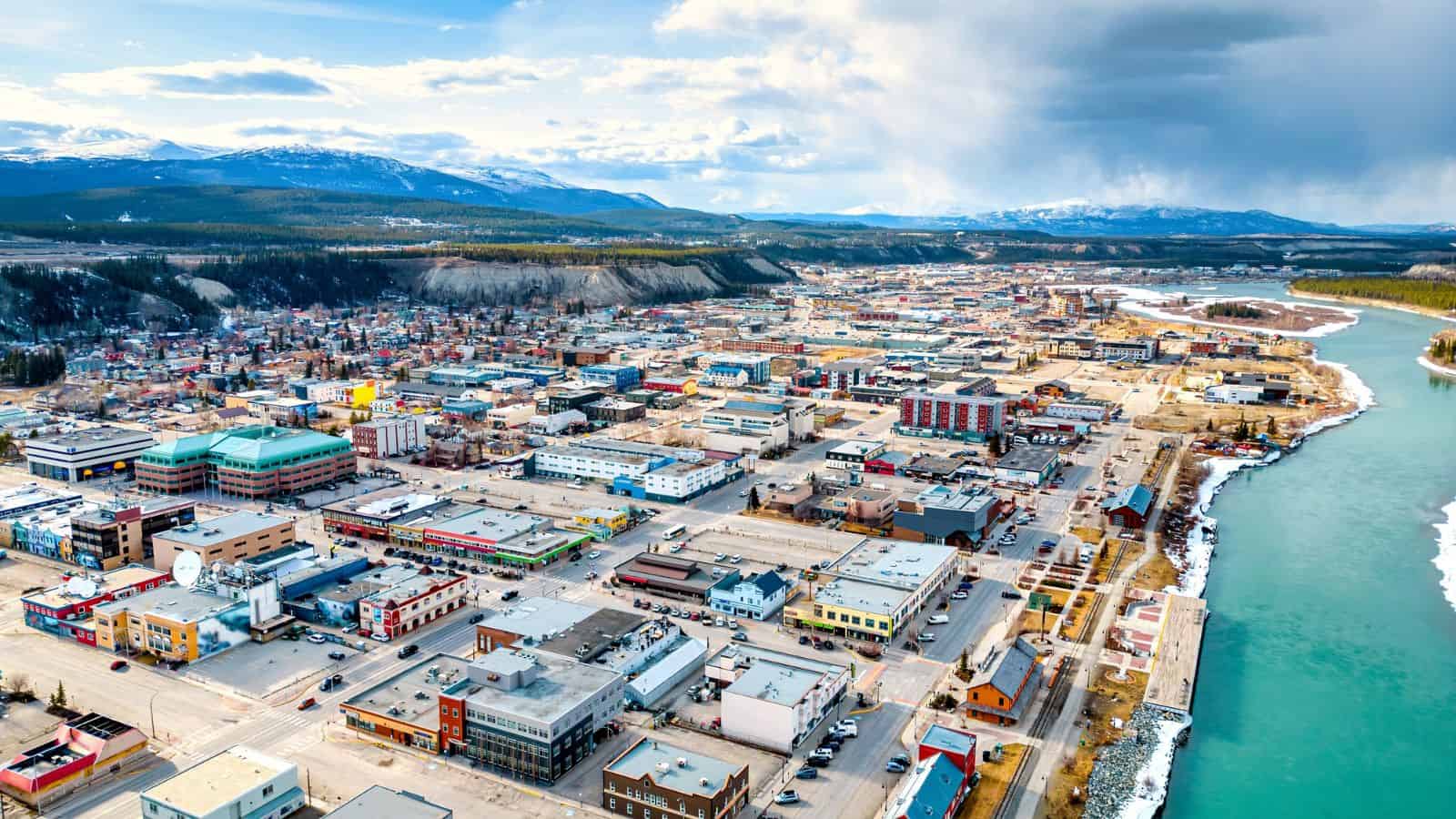
Whitehorse is attracting digital workers, content producers, and small technology firms that want a base close to nature while still having strong infrastructure. New co-working hubs are opening downtown, giving freelancers a professional environment for daily work. Airlines are adding more year-round routes, which supports business travel and tourism in every season. The city is investing in film production support services, which bring long bookings rather than short visits. Restaurants and shops are staying open later because demand is steady rather than seasonal. These factors build a more consistent economy and strengthen local confidence.
Collingwood, Ontario
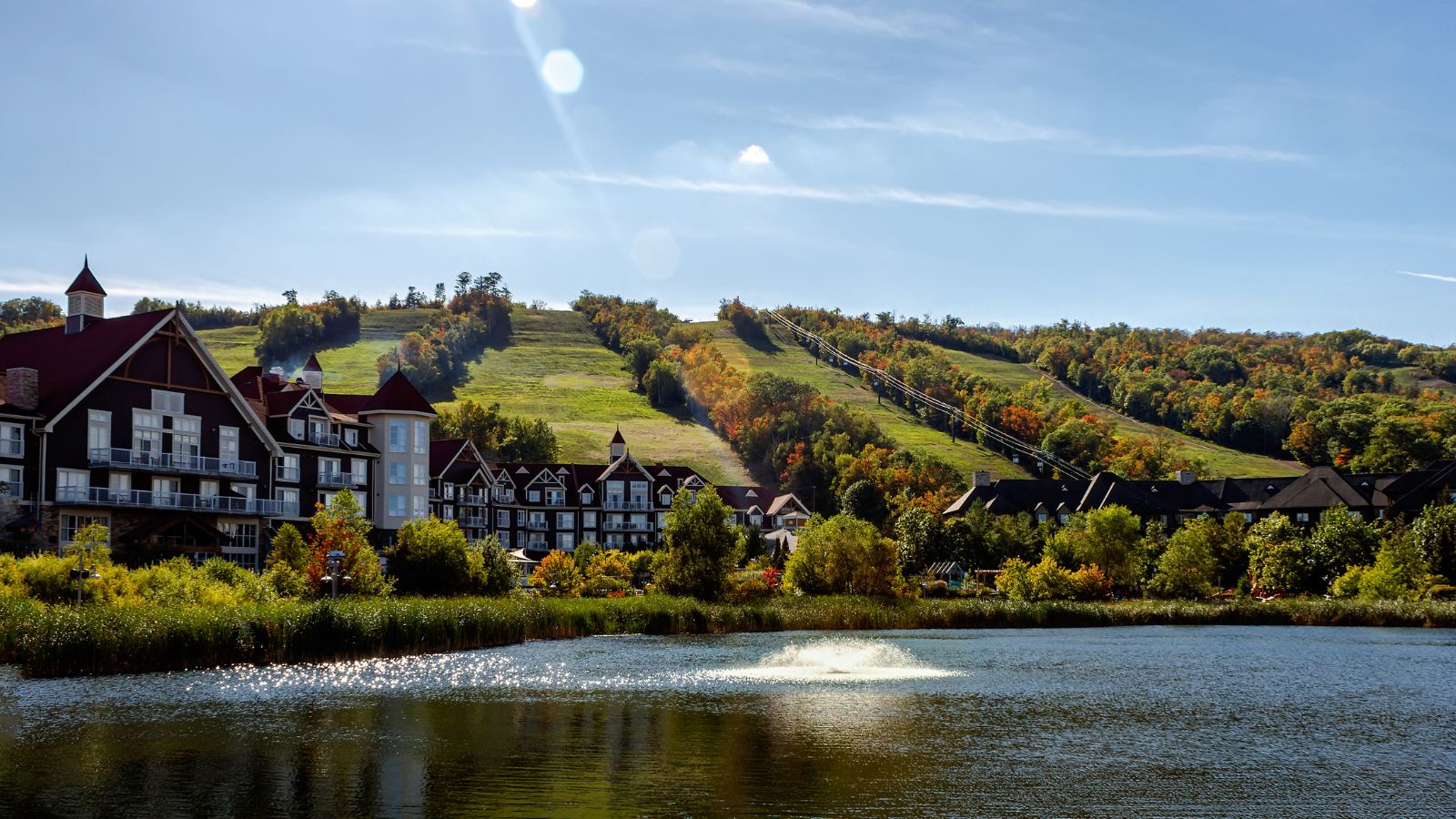
Collingwood is shifting away from a seasonal ski-driven rhythm by appealing to full-time residents rather than only weekend travelers. Small business grants are encouraging entrepreneurs to open stores that operate year-round. The town is promoting new recreation facilities and community programs that reduce dependence on winter tourism. More Toronto professionals are relocating because remote work gives them flexibility. Housing developments are designed to support families rather than short-term stays. Local revenue is becoming stable instead of fluctuating with vacation patterns. The town’s objective is to build an economic model that does not collapse between seasons.
Nelson, British Columbia
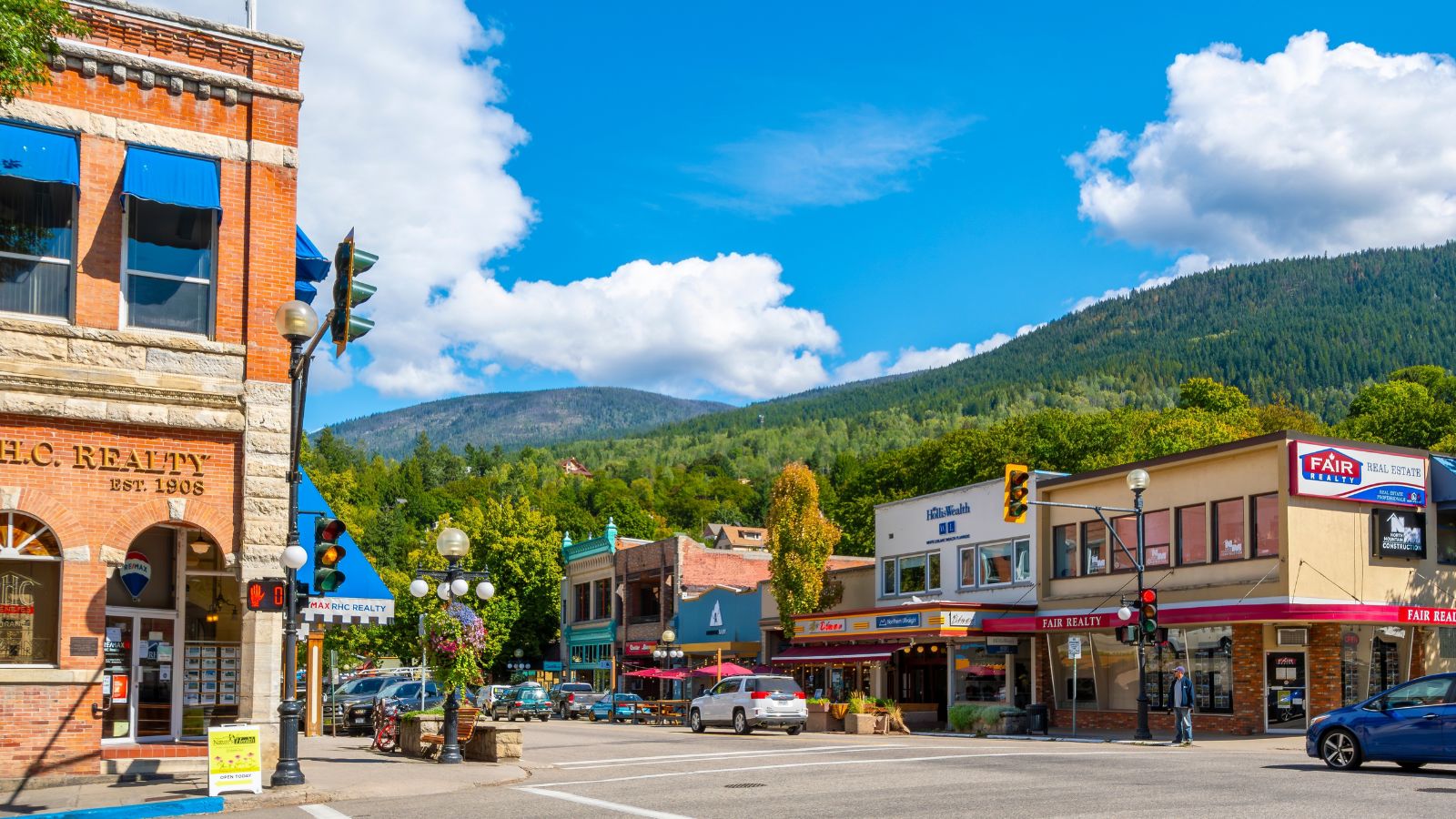
Nelson is balancing cultural heritage and sustainable growth by supporting small manufacturing, independent art studios, and digital media services. Housing conversions in older buildings are drawing younger workers back into the community. Film productions are returning because the town now offers technical resources along with strong scenery. Partnerships between local farmers and restaurants strengthen the regional food sector. The town is intentionally directing investment toward businesses that can operate daily rather than only during travel peaks. This helps maintain stable employment and rental demand, contributing to economic confidence among permanent residents and business owners.
Banff, Alberta
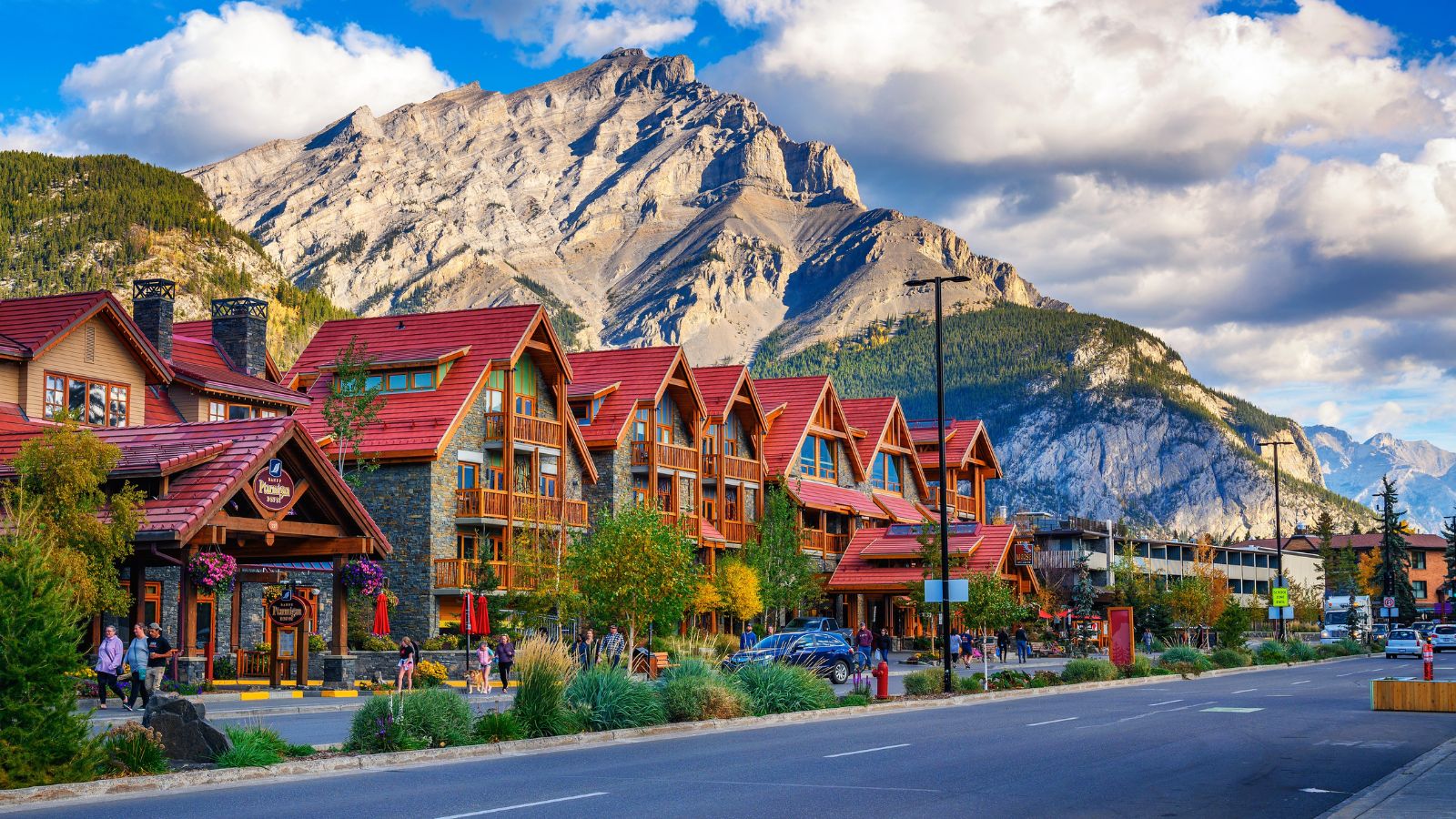
Banff is adjusting its economic structure by focusing on livability for workers rather than treating the town purely as a major tourism site. New staff housing options are helping retain long-term employees in hospitality and outdoor recreation. Public events are expanding outside the prime travel months, which supports businesses during quieter periods. The transportation system for workers has been improved to reduce commuting stress. Residents have more chances to participate in town planning decisions, which gives them a sense of permanence. Tourism remains central, but it is no longer the only priority for sustaining local life.
Charlottetown, Prince Edward Island
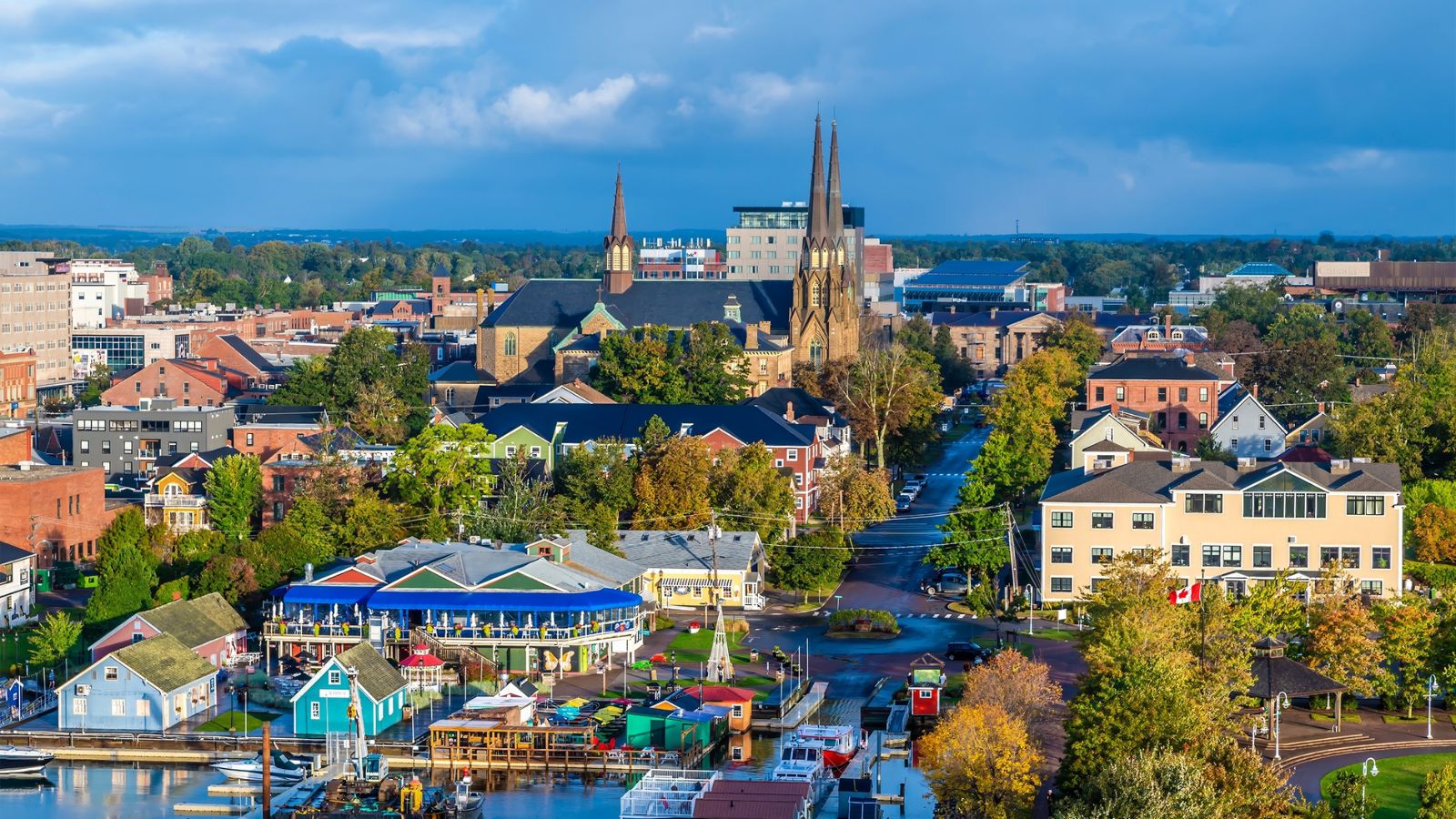
Charlottetown is strengthening its year-round economy through student-driven industries and digital media programs. Expanding campuses and training facilities are attracting young professionals who previously left due to limited opportunities. More apartments are being refurbished for long-term rental rather than seasonal tourism. Agencies and marketing studios are opening to take advantage of the growing talent pool. Restaurants are adopting weekday student pricing to keep steady foot traffic. The goal is to retain graduates and reduce the pattern of losing young adults to larger cities. The economic foundation grows more predictable with each passing season.
Canmore, Alberta
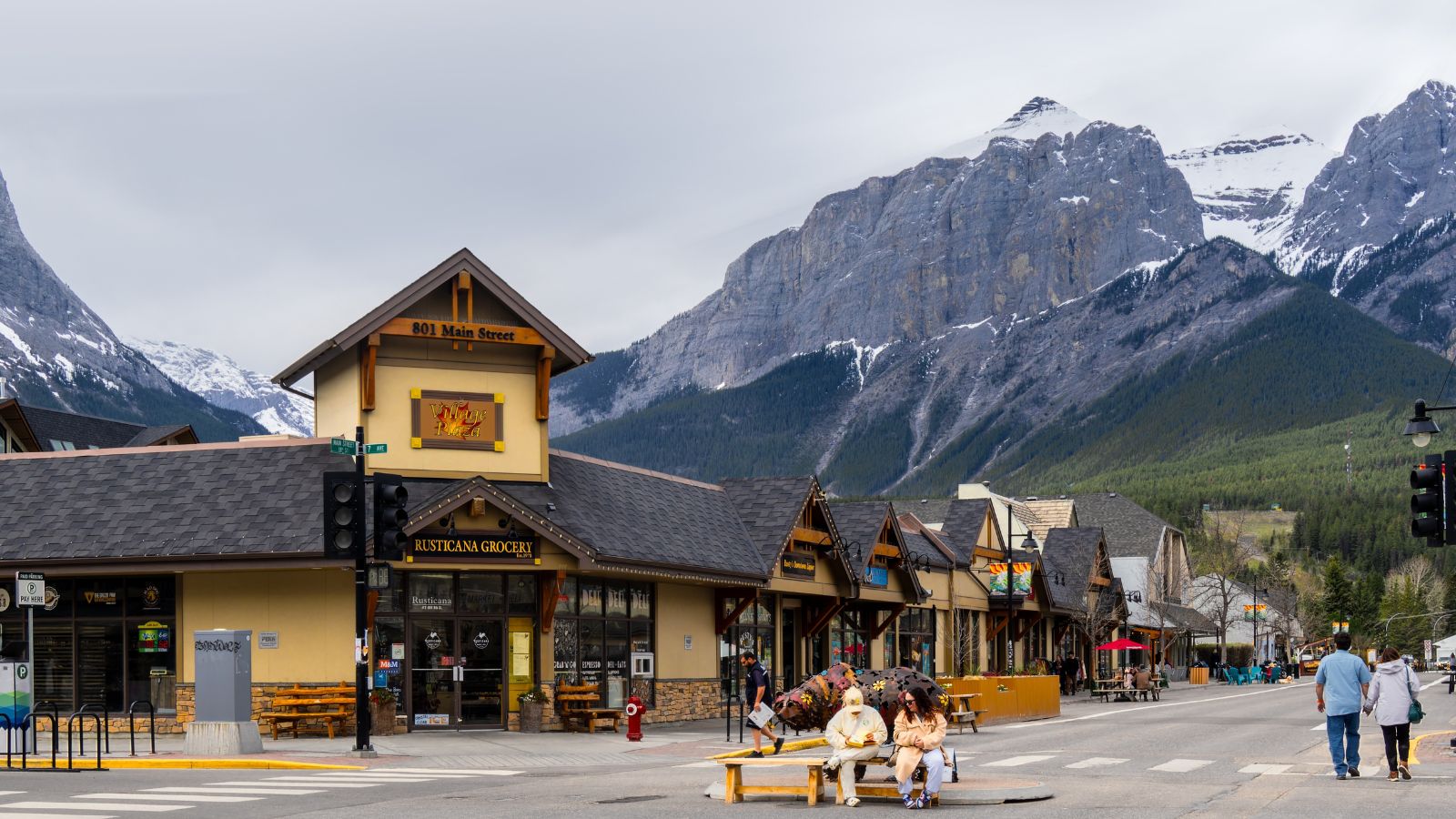
Canmore is reducing economic instability caused by short-term rentals by encouraging long-term leasing and residential zoning that supports local workers. These rules improve affordability and attract families, teachers, healthcare workers, and remote professionals who want to stay long term. Community facilities and sports programs are expanding because population patterns have become more predictable. Businesses operate on reliable demand instead of waiting for tourism peaks. The town maintains its identity as an outdoor destination while supporting a sustainable year-round workforce. The balanced strategy helps businesses and residents plan for the future with more confidence.
Prince Rupert, British Columbia
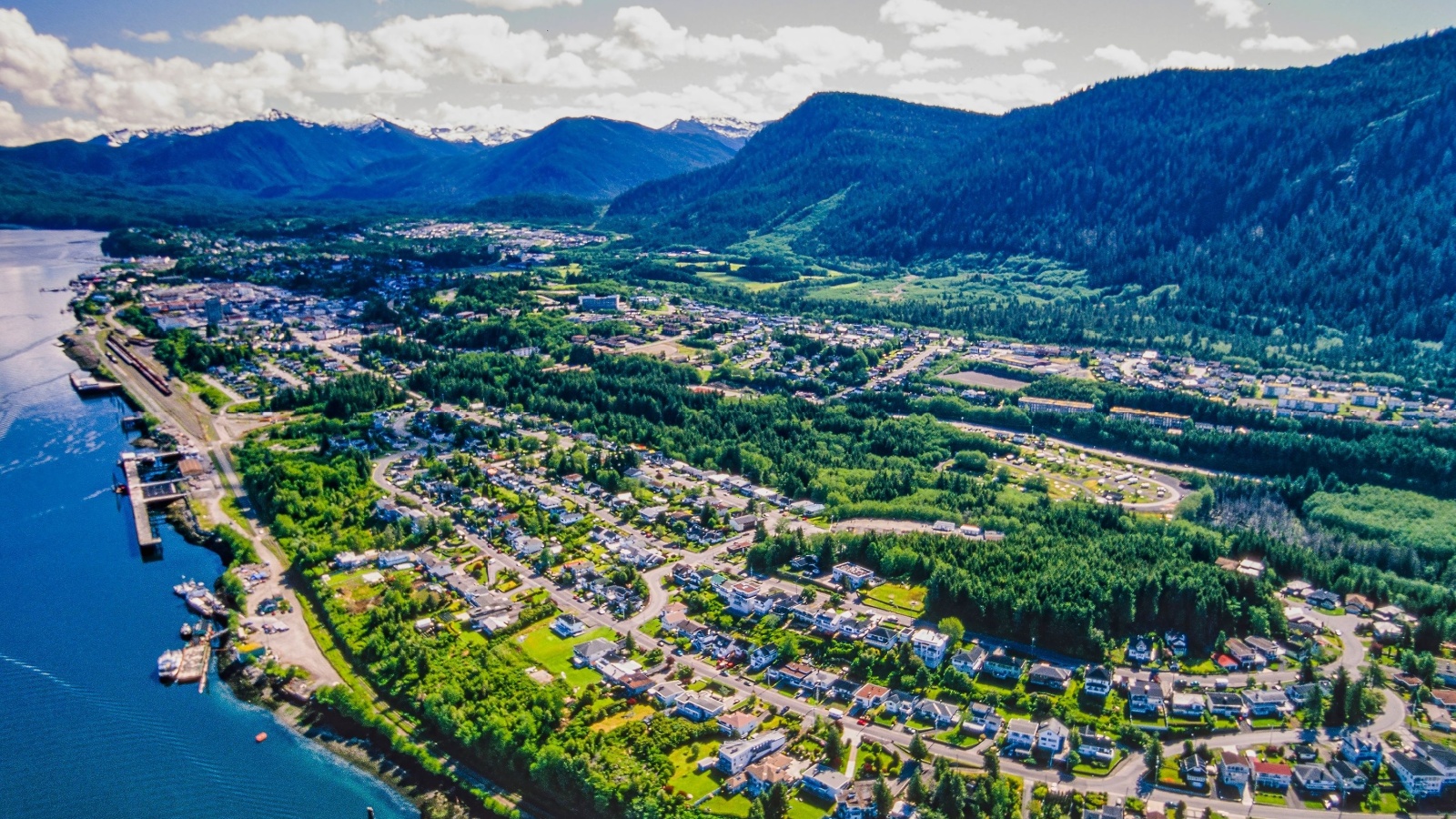
Prince Rupert is gaining economic stability from new shipping investments that provide strong job security for skilled and entry-level workers. Apprenticeship programs are partnering with transportation companies to create predictable career pathways. A waterfront development project has added restaurants and walking spaces that encourage residents to stay in town rather than travel elsewhere for recreation. Cruise ships bring additional income without overwhelming the town. Rising consumer traffic supports smaller stores and service providers. Families who were once left in search of dependable work are returning because the economic outlook feels secure and long-term.
Stratford, Ontario
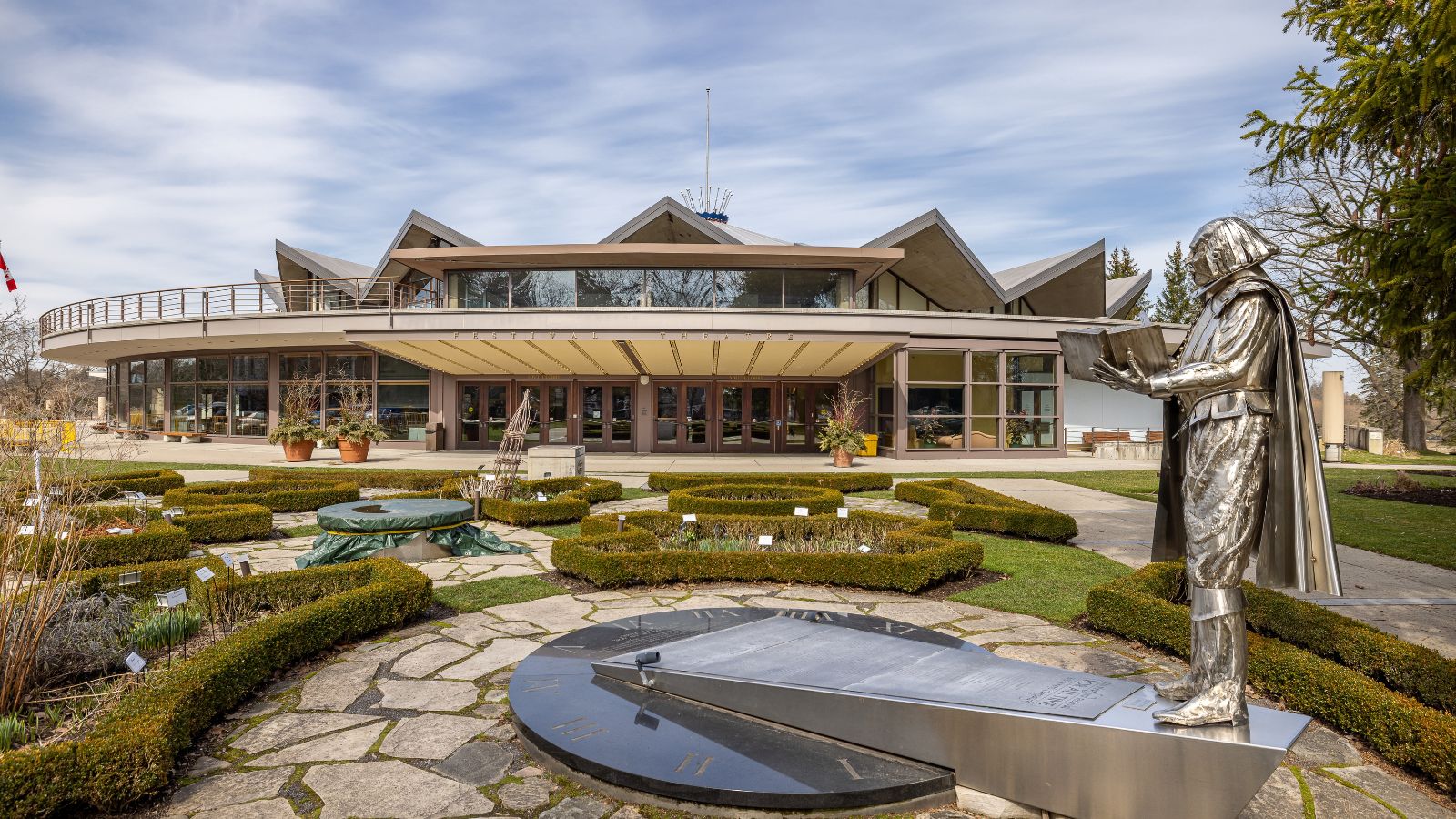
Stratford is shifting from a theatre-dependent economy to a diversified year-round model. While the festival remains important, the town is promoting new events across every season to reduce downtime. Weekend markets, culinary festivals, and music programs keep visitors and locals engaged outside the main performance period. Hotels and restaurants now spread hiring and investment throughout the year rather than concentrating it in summer. Co-working spaces attract remote employees from nearby cities. The town’s investments help prevent the extreme economic highs and lows that once affected local employment and revenue.
Dawson City, Yukon
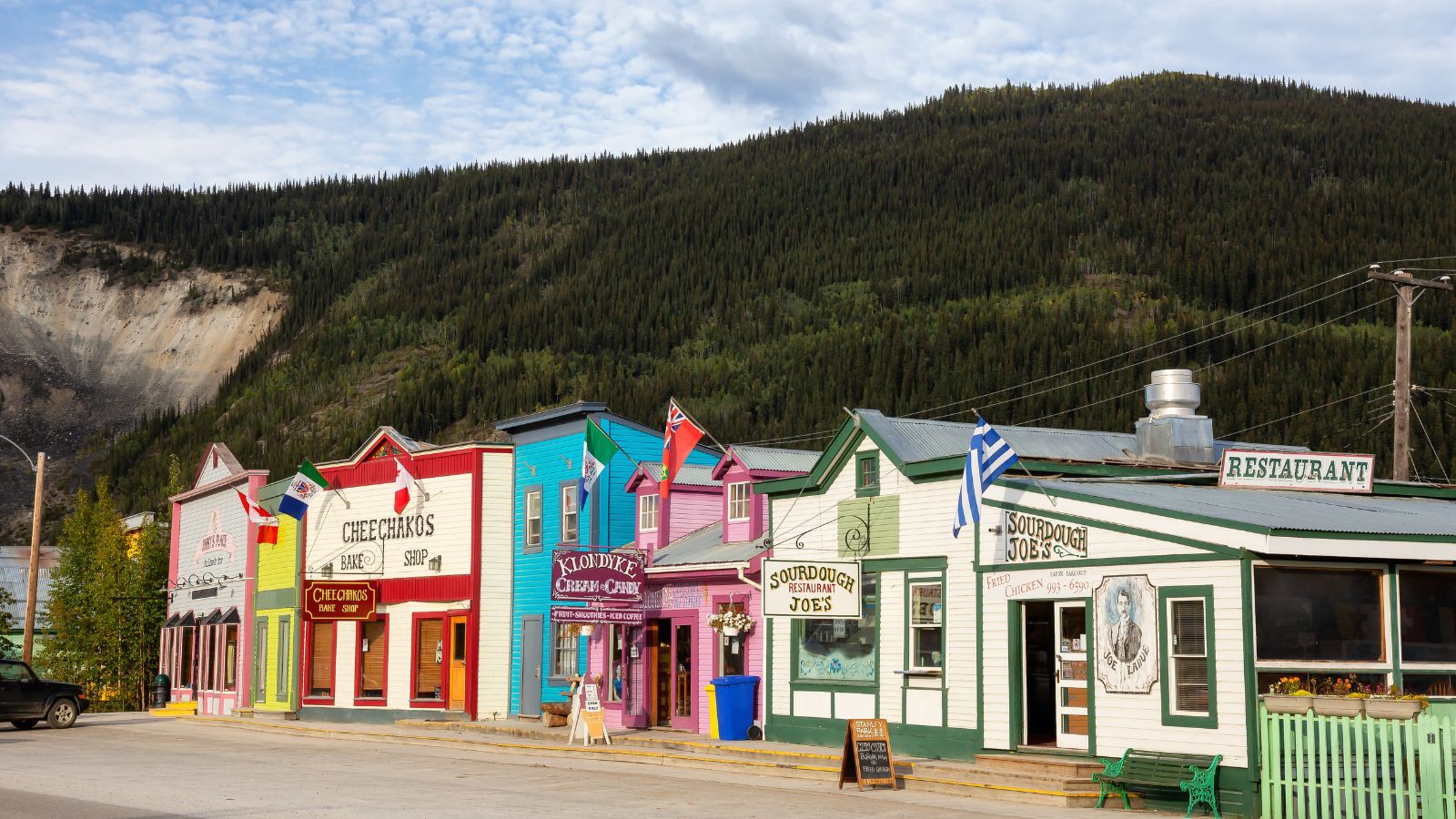
Dawson City is incorporating modern industries into its historic environment without relying entirely on heritage attractions. Internet upgrades have made remote work more realistic for residents who once struggled with connectivity. Younger professionals and artists are opening small studios and community workspaces, which fill previously empty buildings. Seasonal travel still matters, yet it is no longer the only driver of revenue. Housing projects are progressing at a pace that balances growth with infrastructure. This creates economic development without dramatic price spikes, giving the town a grounded path forward.
Summerside, Prince Edward Island
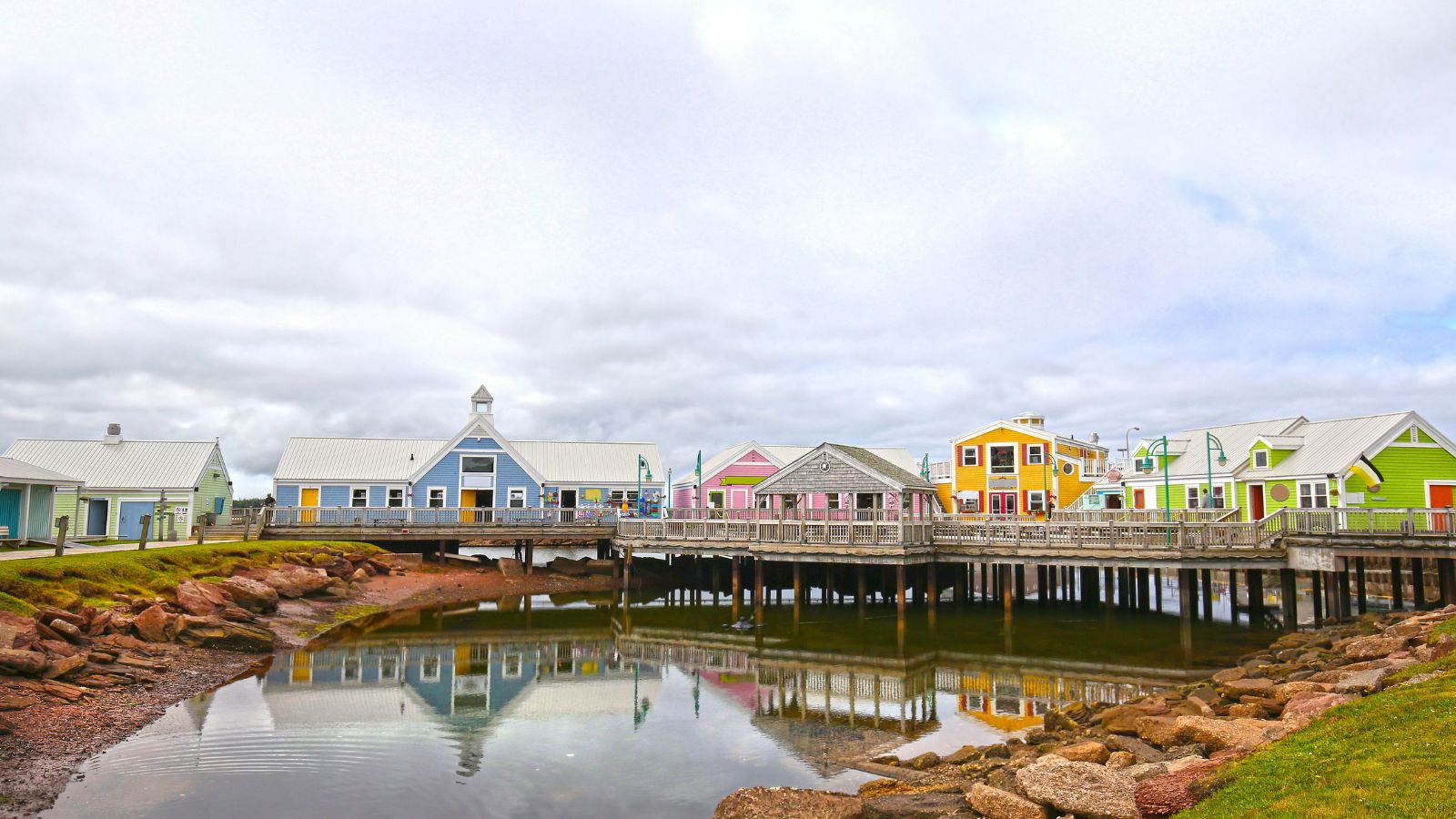
Summerside is building momentum through sports tourism and community-driven events that bring year-round activity. Upgraded facilities support tournaments and training camps, which fill hotels and restaurants during months that once felt slow. The waterfront development project is improving recreational spaces for residents and visitors alike. Young families are choosing to stay because local schools, playgrounds, and healthcare access are improving. Small businesses can project revenue more accurately thanks to consistent foot traffic. Summerside’s strategy focuses on dependable use of local assets rather than trying to compete with larger nearby destinations.
Rimouski, Quebec
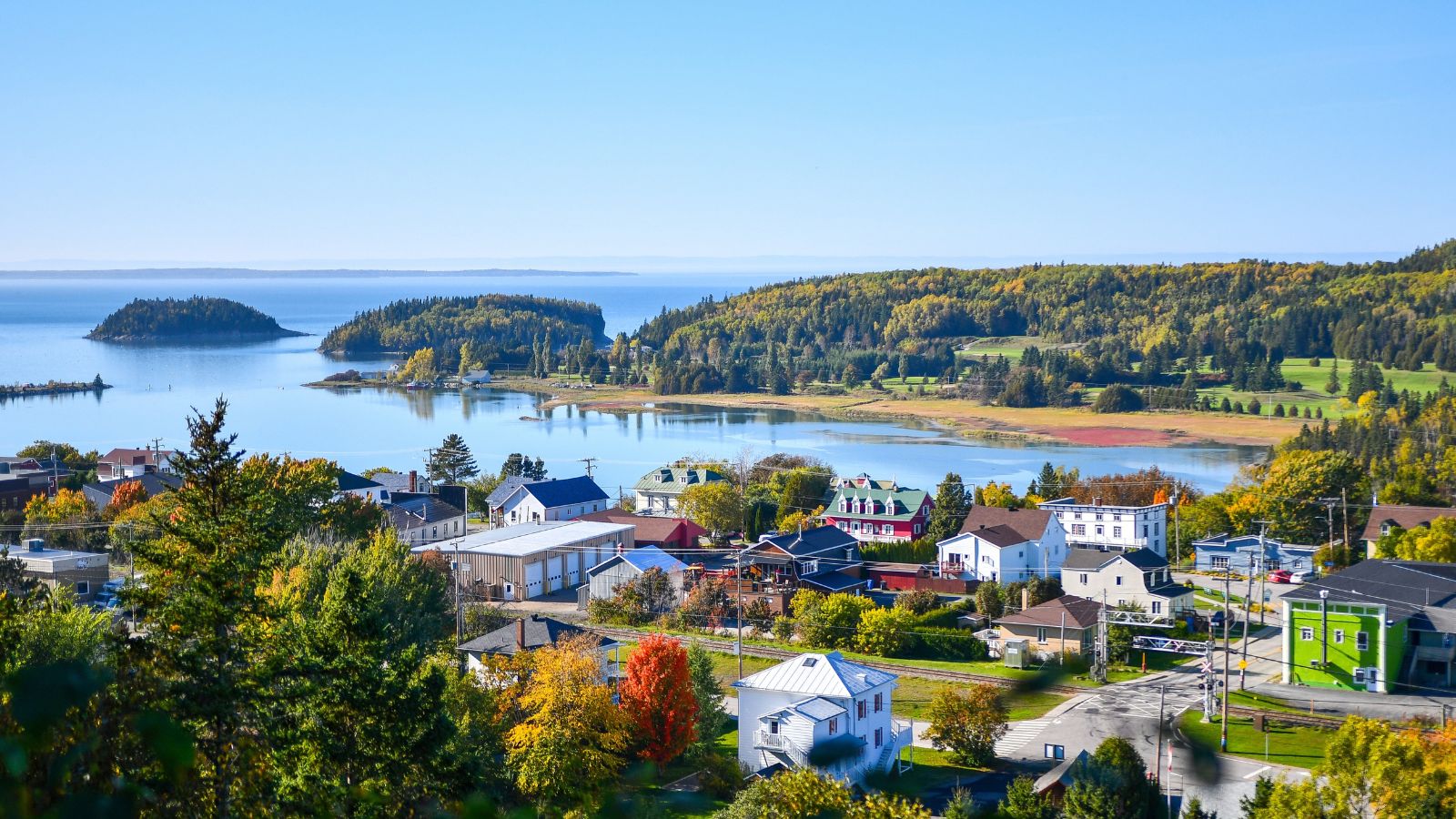
Rimouski is developing its economy through marine research projects and technology training programs that retain students after graduation. Laboratories and fieldwork facilities are hiring full-time researchers as well as support staff, which increases long-term employment. Local agriculture supplies restaurants, reducing dependency on external supply chains. Community events highlight regional foods and scientific contributions rather than focusing on mass tourism. Residents appreciate a balanced economy that supports work and daily life. Businesses thrive because revenue stays stable throughout the year instead of only during peak travel seasons.
Squamish, British Columbia
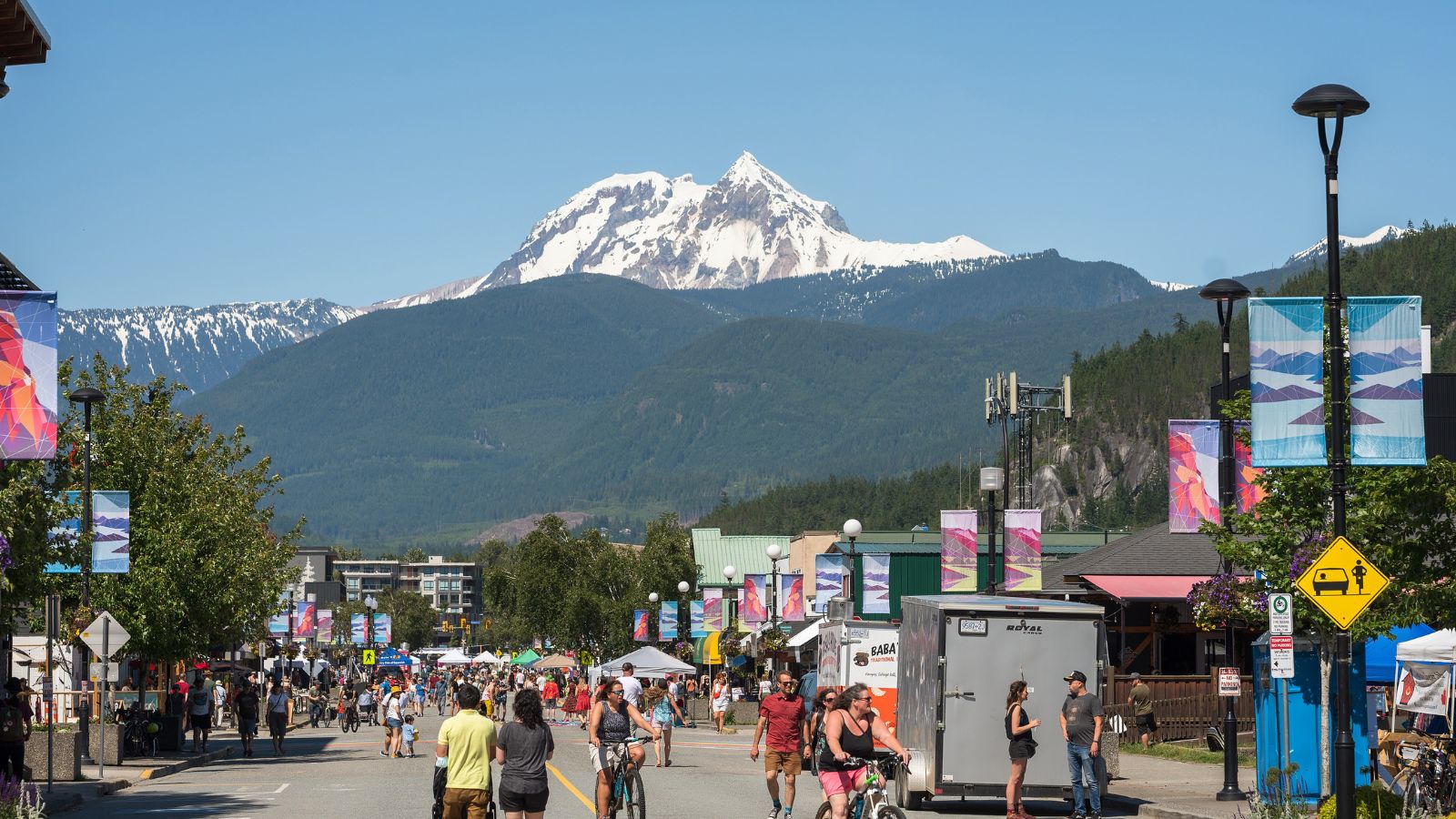
Squamish is achieving independence from its former identity as a commuter town between Vancouver and Whistler. Outdoor equipment manufacturers, training centres, and software companies are operating in the area, giving residents professional options within the community. Co-working hubs help remote employees remain local throughout the workweek rather than commuting elsewhere. Development projects include recreation areas and childcare resources to support families. Restaurants and shops see reliable evening traffic because locals stay in town after work. The economic shift highlights stability rather than short bursts of activity.
Saint Andrews, New Brunswick
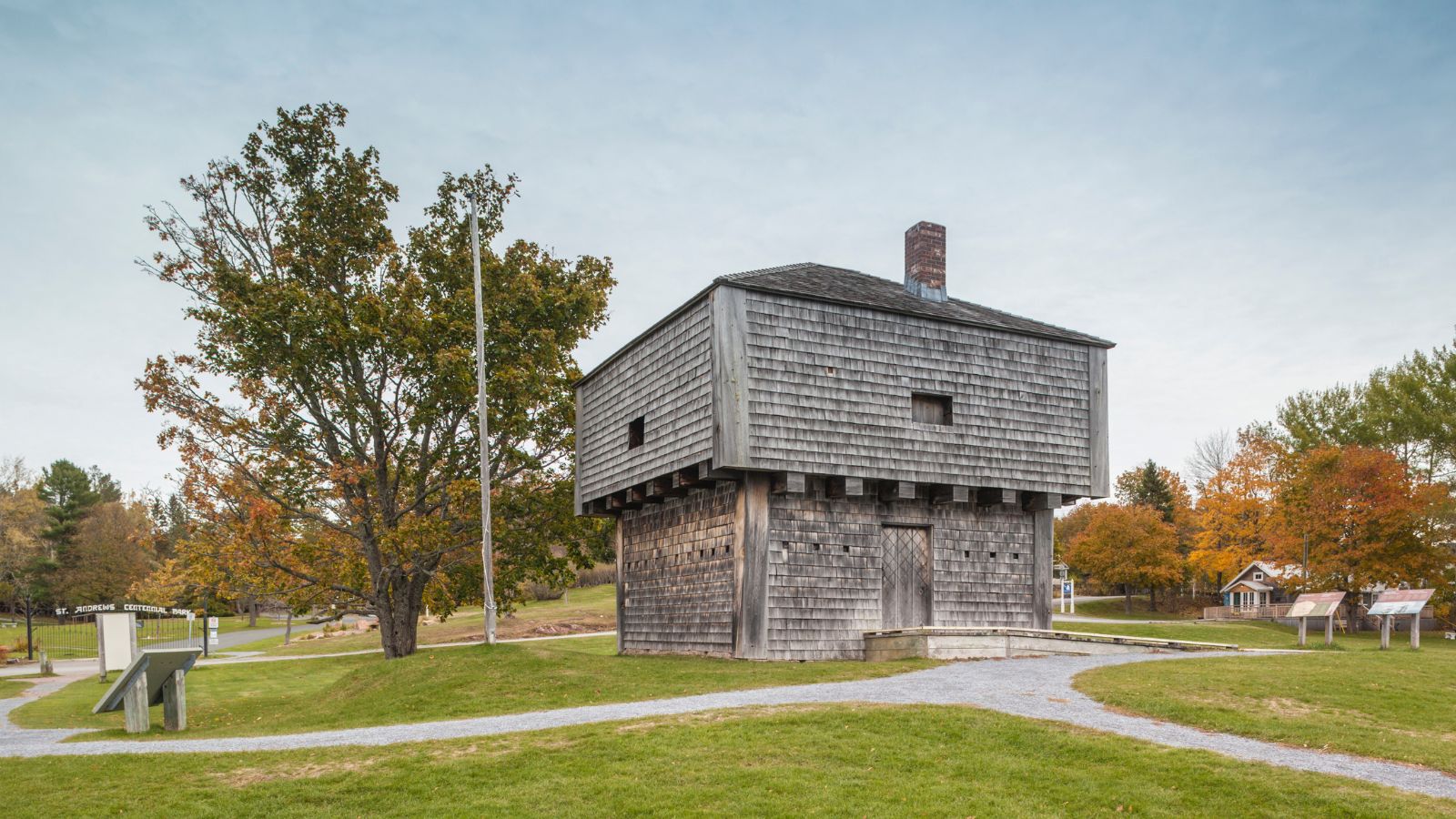
St. Andrews is expanding traditional tourism into a full economic cycle by supporting marine research, hospitality training programs, and retail partnerships. Students working in internships often remain in the region, which increases the number of young residents. Workshops, exhibitions, and seasonal tours now operate beyond summer months. Waterfront businesses offer year-round services, giving residents places to gather and shop during colder seasons. The town is benefiting from a mix of educational and commercial investment that brings predictable revenue and supports sustainable job growth.
Yellowknife, Northwest Territories
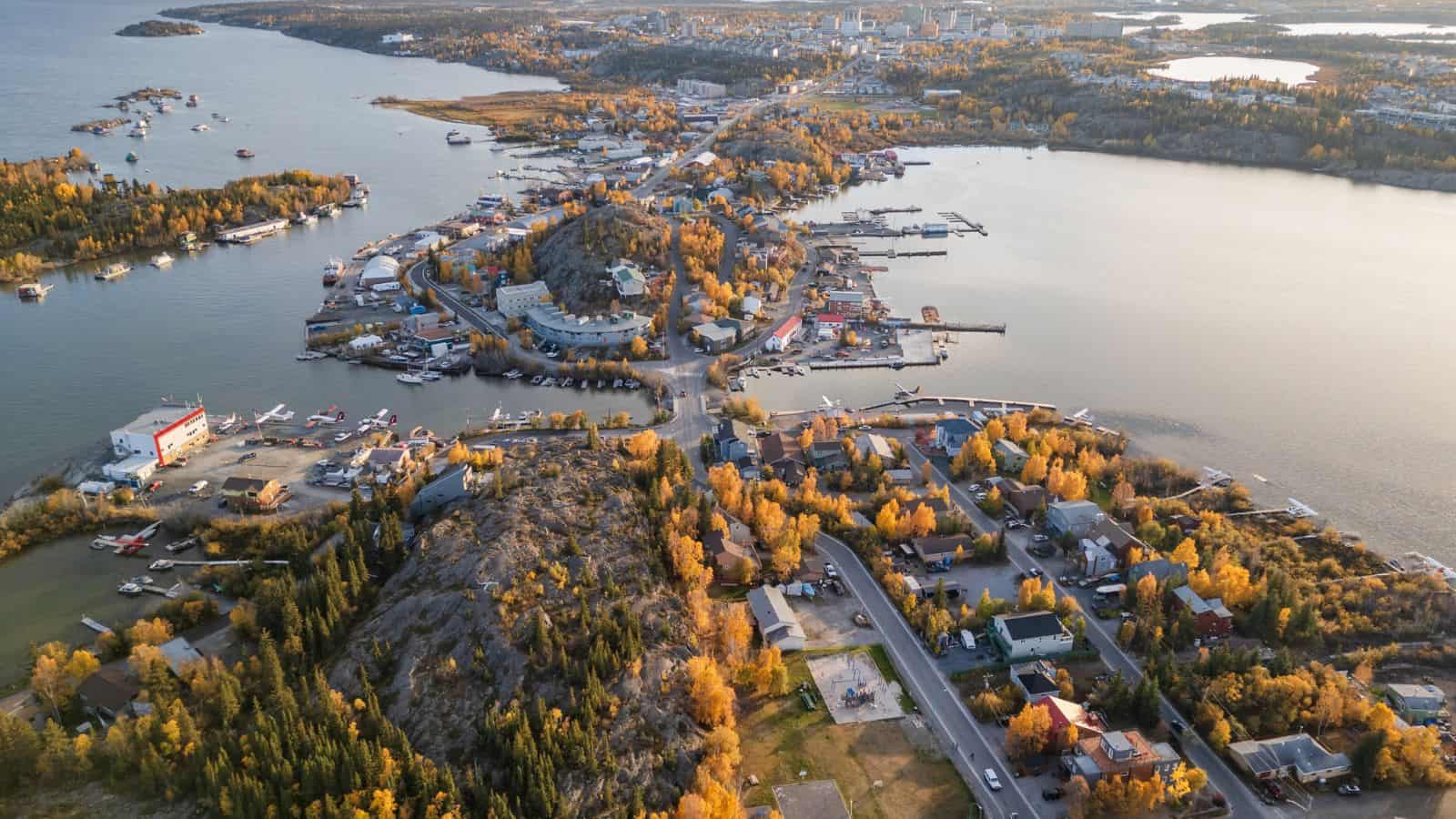
Yellowknife is rebuilding its economy and community programs after wildfire disruptions. Funding is supporting businesses that stayed open through challenging times. New safety infrastructure projects provide skilled work and stabilize incomes. Local markets, youth sports, and community gatherings are returning, which increases interaction among residents. The focus is on long-term livability rather than short-term tourism. This grounded approach helps the city grow without sudden pressure on housing and services. The recovery is structured around resilience and stability for those who contribute to daily life in the city.
St. John’s, Newfoundland and Labrador

St. John’s is drawing remote workers, creative agencies, and film crews who appreciate strong urban services combined with coastal scenery. Underused buildings are being renovated as housing and offices, which expands options for long-term residents rather than vacation rentals. The city supports educational programs that feed talent into the digital and media industries. Local businesses benefit from consistent spending by young professionals, students, and families. Tourism remains part of the economy, yet the city’s planning now prioritizes permanent residents as the foundation for future growth.
Kamloops, British Columbia

Kamloops is shifting its economic identity from a sports tournament destination to a versatile, family-friendly city with strong job opportunities. New recreational facilities and event venues are supporting weekday traffic rather than only weekend surges. Colleges and employers are working together to create clear career pathways for graduates. Retention of young adults is strengthening the housing market. Trails, parks, and casual entertainment options contribute to steady spending. The town no longer depends solely on seasonal visitors, which helps businesses survive unpredictable travel trends.
Moncton, New Brunswick
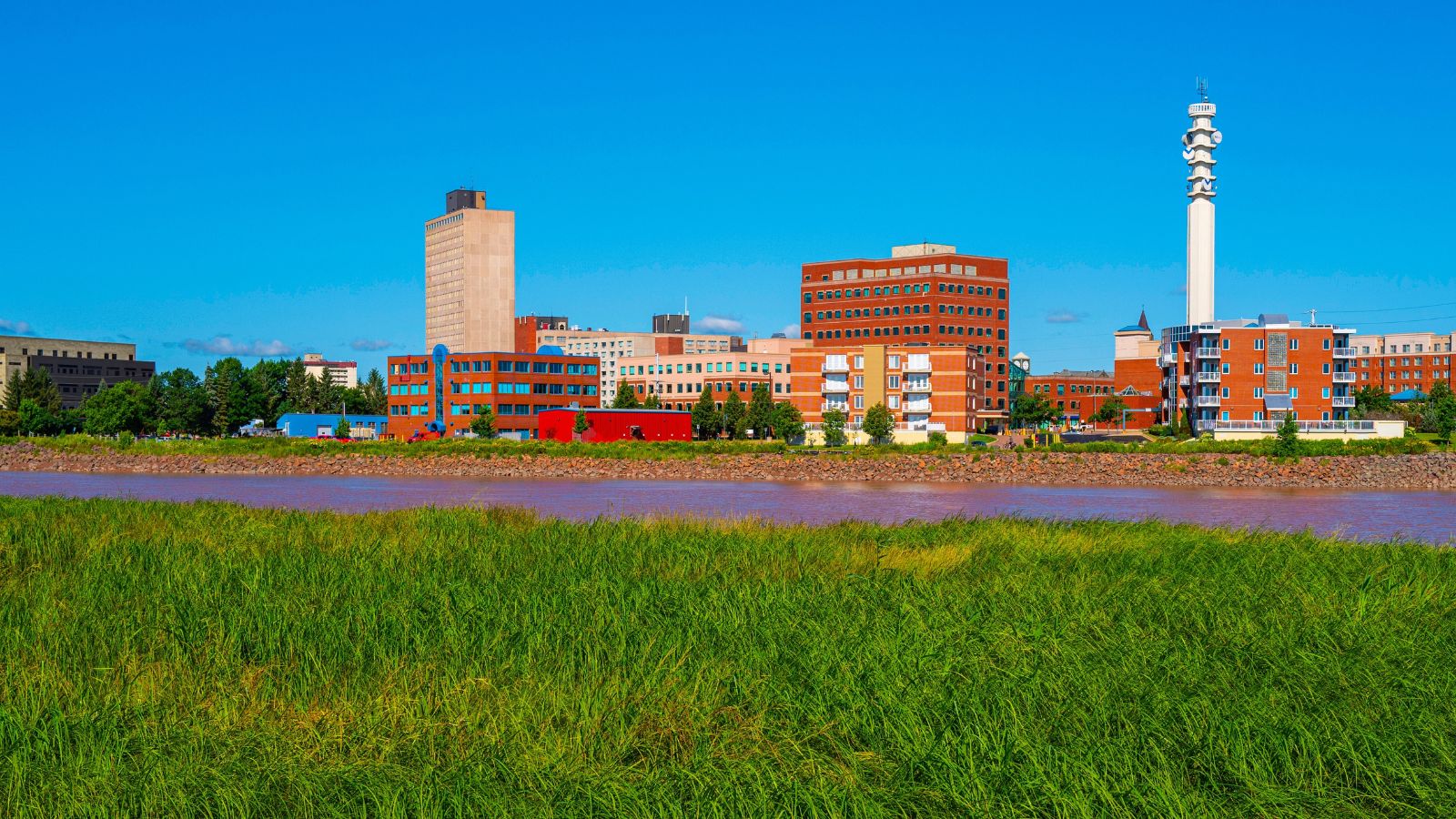
Moncton is building a more stable economy by promoting bilingual cultural events, expanding infrastructure, and supporting small business development. Conference facilities and trade events bring consistent visitors outside the summer season. Improved public transport connections make the city appealing to professionals who travel for work. Housing projects are progressing at a pace that reduces shortages. Restaurants and stores experience reliable evening traffic because the downtown retains a working population rather than emptying after business hours. These changes encourage people to build long-term lives within the city.
Revelstoke, British Columbia

Revelstoke is diversifying its tourism base by increasing spring and autumn travel opportunities while adding services that support permanent residents. New biking trails, river recreation projects, and cultural partnerships drive off-season visits. Housing development is being moderated to reduce growth pressure and rental instability. Remote workers bring consistent spending that keeps businesses active throughout the year. Restaurants and retail stores are planning for steady demand instead of sudden booms followed by drop-offs. The goal is a balanced economy that supports people living in the town permanently.
Thunder Bay, Ontario
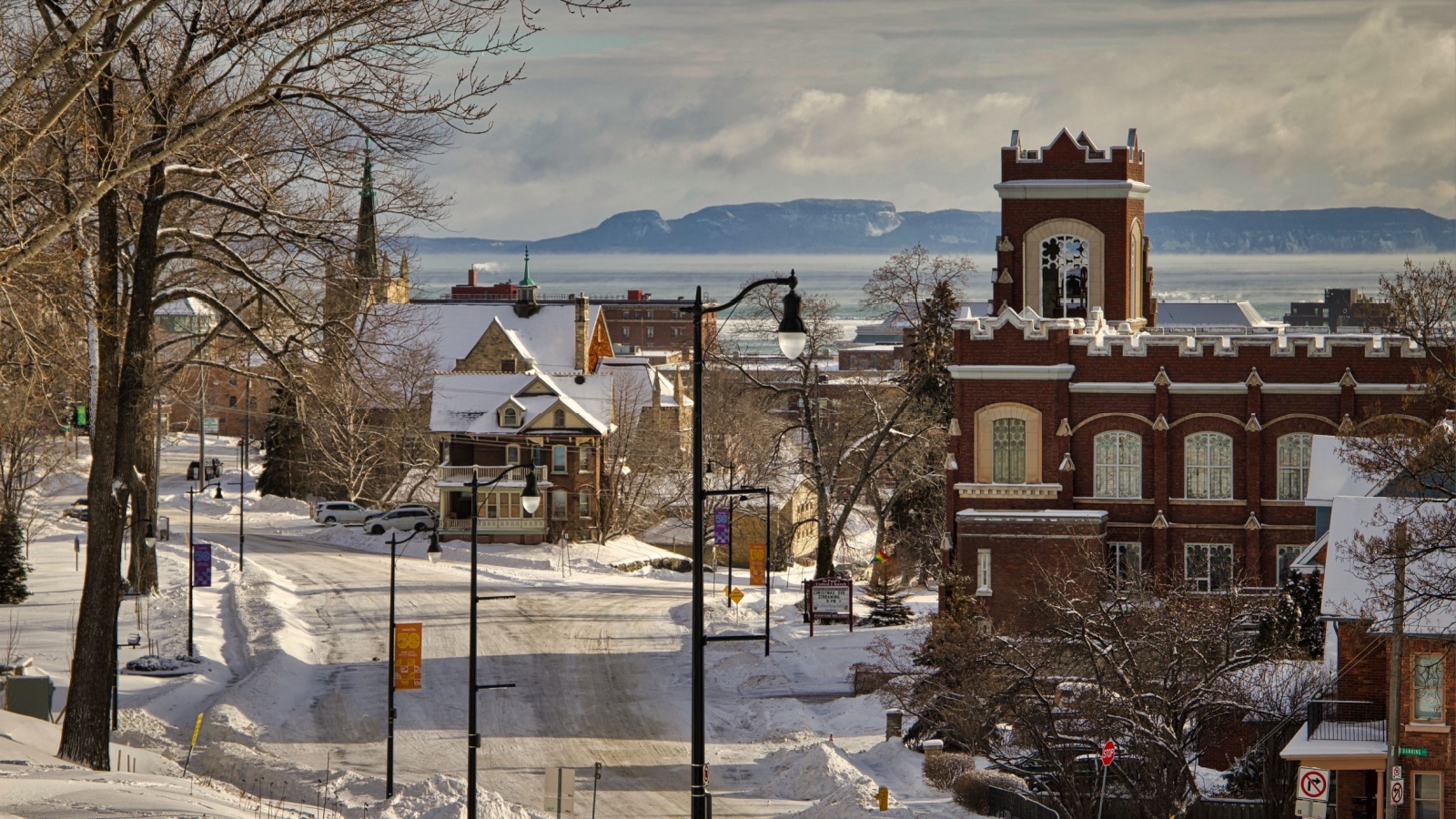
Thunder Bay is revitalizing its economy through regional manufacturing, student-led development programs, and year-round tourism. Young entrepreneurs are opening shops and food businesses on once-quiet streets. Training programs match graduates with local job opportunities, helping prevent population decline. Affordable housing options attract families who value stability over competition for limited rental space. Events that highlight practical community life rather than major festivals help build local participation. Residents are beginning to feel confident about staying long term because job prospects and investment appear steady.
Medicine Hat, Alberta

Medicine Hat is attracting new residents through practical affordability and reliable local employment rather than large promotional campaigns. People are choosing to settle because home prices remain reasonable and service jobs are widely available. Community markets, parks, and sports programs support weekend activity without requiring heavy travel. Local businesses benefit from consistent spending rather than unpredictable peaks. Retirees and young families are both moving in, creating a balanced demographic mix. The economy grows gradually instead of experiencing dramatic surges or declines.
Trois-Rivières, Quebec

Trois-Rivières is experiencing steady growth as residents and visitors discover cultural activities that feel accessible and relaxed. Weekend travel within the province brings reliable foot traffic to restaurants and shops. Former industrial sites are being converted into studios, cafés, and community spaces, adding life to previously overlooked areas. Local graduates benefit from job opportunities in education, media, and trade. The city does not rely on seasonal spikes, which makes long-term growth more predictable. Residents value progress that supports daily living instead of major expansions that increase pressure.
Truro, Nova Scotia
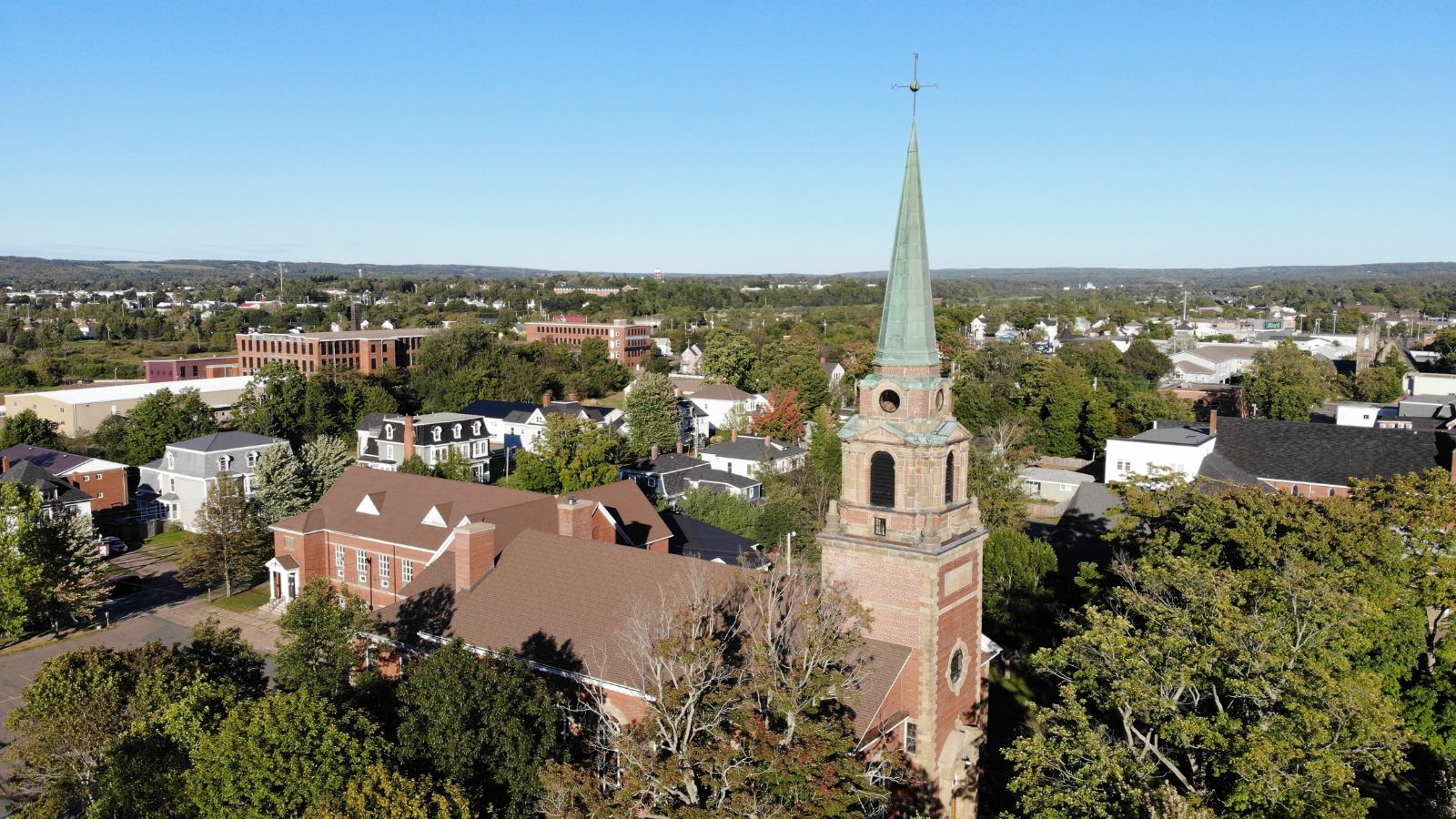
Truro is expanding in response to highway access upgrades and new student housing projects that attract young adults. Colleges bring steady rental demand and daytime activity for businesses. Affordable housing encourages working families to stay, which increases school enrollment. Recreation programs and weekend events create predictable patterns of consumer spending. People who once considered relocating for work are choosing to stay because job opportunities have become more stable. The town is building momentum through consistent planning rather than dramatic redevelopment.
22 Groceries to Grab Now—Before another Price Shock Hits Canada

Food prices in Canada have been steadily climbing, and another spike could make your grocery bill feel like a mortgage payment. According to Statistics Canada, food inflation remains about 3.7% higher than last year, with essentials like bread, dairy, and fresh produce leading the surge. Some items are expected to rise even further due to transportation costs, droughts, and import tariffs. Here are 22 groceries to grab now before another price shock hits Canada.
22 Groceries to Grab Now—Before another Price Shock Hits Canada
