
Canadian small businesses have long been the backbone of economic growth and cultural identity, driving innovation in ways that shape industries at home and abroad. Many of today’s most recognized companies began as small, humble ventures powered by determination, creativity, and community support. Their founders built success step by step, focusing on quality craftsmanship, meaningful values, and long-term impact rather than quick wins. Here are the 23 Canadian wins fueled by small business owners.
Shopify – Tobias Lütke Growing

Shopify began in 2006 when Tobias Lütke, a programmer and snowboarder, attempted to build an online store to sell snowboarding gear. Unsatisfied with existing e-commerce software, he created his own platform. That decision evolved into Shopify, now supporting millions of businesses worldwide and redefining how entrepreneurs sell online. Shopify made digital commerce accessible, powering everything from small local shops to major global brands. Today, it stands as one of Canada’s most influential tech success stories, proving that innovation rooted in solving real problems can change entire industries.
Lululemon – Chip Wilson

Founded in Vancouver in 1998, Lululemon began as a small apparel concept targeting yoga and active lifestyles. Chip Wilson recognized an emerging market for premium athletic wear that combined style and high-performance fabrics. What started with community-based product testing and yoga studio partnerships quickly became a global trend. Lululemon helped define the modern athleisure category and now operates stores around the world with dedicated brand loyalty. It is a rare example of a local apparel idea that grew into an international fashion and wellness empire.
WestJet – Clive Beddoe

Launched in 1996 by Clive Beddoe and a small founding team, WestJet set out to offer Canadians a more affordable, friendly alternative to traditional air carriers. Beginning with just three aircraft serving regional Western routes, the airline expanded steadily by focusing on hospitality, competitive pricing, and employee ownership. WestJet opened travel opportunities to millions who previously could not afford frequent flights and later expanded across North America, Europe, and the Caribbean. Its rise demonstrated how a customer-first strategy can reshape an entire industry.
Cirque du Soleil – Guy Laliberté

Cirque du Soleil started in Quebec in the early 1980s when Guy Laliberté and a group of street performers created a circus without animals, emphasizing acrobatics, imagination, and storytelling. What began as a local cultural experiment grew into a groundbreaking form of entertainment seen worldwide. Cirque reinvented live performance and became an international sensation with shows in major cities and Las Vegas residencies. Its success proved that creative risk-taking and artistic identity can become major economic and cultural engines for Canada.
Canada Goose – Dani Reiss

Canada Goose started in a small Toronto warehouse making functional cold-weather gear for workers, police, and Arctic researchers. When Dani Reiss took leadership in the early 2000s, he shifted focus from industrial wear to high-end outerwear rooted in authentic Canadian craftsmanship. By highlighting quality, sustainability, and real-world performance, Canada Goose became a global luxury brand recognized for durability and extreme-weather protection. Its parkas are now seen on runways, film sets, and polar expeditions, transforming a practical product into a cultural icon while keeping manufacturing in Canada central to its identity.
Roots – Michael Budman & Don Green

Roots was founded in 1973 by Michael Budman and Don Green, two friends from Toronto who were inspired by their time spent at summer camp in Algonquin Park. Their first product was the iconic negative-heel shoe, which quickly gained popularity. They later expanded into leather goods and apparel that celebrated Canadian outdoor culture. With a focus on craftsmanship, comfort, and national pride, Roots evolved into a global lifestyle brand recognizable for its beaver logo and heritage sweatpants. Today, Roots remains a symbol of authentic Canadian identity built from small-business beginnings.
GoodLife Fitness – David Patchell-Evans

David Patchell-Evans opened the first GoodLife Fitness club in London, Ontario, in 1979 with a vision of making fitness accessible to everyone. Starting as a single gym with a community approach, the company grew steadily through a focus on member experience and health education. GoodLife is now the largest fitness chain in Canada, operating hundreds of locations nationwide and supporting millions of members. Its growth shows how a local wellness initiative can scale into a national movement improving health and lifestyle across the country.
Spin Master – Ronnen Harary, Anton Rabie and Ben Varadi

Spin Master began in 1994 when three university friends, Ronnen Harary, Anton Rabie, and Ben Varadi, launched their company from a Toronto apartment. Their first hit product, the Earth Buddy, sparked initial momentum, followed by global successes like Air Hogs, Paw Patrol, and Hatchimals. Through constant innovation and strategic licensing, Spin Master became one of the world’s leading toy creators and expanded into digital gaming and entertainment. Today, the company is an international powerhouse that proves creativity and grit can take a student start-up to global success.
DAVIDsTEA – Herschel Segal

DAVIDsTEA was founded in Montreal in 2008 by Herschel Segal and David Segal with the mission to modernize tea culture and provide accessible specialty blends. Starting with a single retail location, the brand attracted attention with bold flavours, seasonal collections, and a welcoming in-store experience. DAVIDsTEA grew rapidly into a nationwide and U.S. retail presence while promoting wellness and mindful living. It remains a beloved brand known for community-building and making premium tea part of everyday routines.
Aldo – Aldo Bensadoun

Aldo Bensadoun founded the ALDO Group in Montreal in 1972 with a vision of creating stylish, affordable footwear that blended fashion and comfort. Starting inside a department store, the brand quickly expanded into its own retail locations. ALDO developed a reputation for craftsmanship and global design influence, growing into thousands of stores worldwide. Despite its scale, the business maintained a focus on social responsibility and ethical production. Today, ALDO stands as a major international footwear brand born from a small entrepreneurial idea.
Clearly – Roger Hardy

Roger Hardy launched Clearly (formerly Coastal.com) in 2000 after noticing the high cost and inconvenience of buying prescription glasses. By creating an online ordering platform and optimizing direct-to-consumer distribution, Clearly drastically reduced prices and provided wider access to eyewear. Offering affordable lenses, contact lenses, and stylish frames, the company became a leader in online optical retail. Its success forced a shift in the global eyewear industry and proved that digital innovation could break long-standing retail barriers.
Bombardier – Joseph Armand Bombardier

Joseph Armand Bombardier founded Bombardier in rural Quebec in the 1930s after dedicating years to solving winter transportation problems that isolated communities. His invention of the snowmobile revolutionized travel across snowy terrain and led to the creation of recreational and industrial vehicles. Over decades the company expanded into rail and aerospace engineering developing regional jets and luxury business aircraft used worldwide. Bombardier became symbolic of Canadian innovation and resilience evolving from a small workshop into a multinational engineering powerhouse. Despite challenges and restructuring the brand remains strongly associated with advanced technology aircraft manufacturing and transportation solutions that shaped global mobility.
Aritzia – Brian Hill

Aritzia began in Vancouver as a small independent boutique founded by Brian Hill with the goal of offering modern design quality fabrics and elevated styling. Hill focused on customer experience rather than just clothing and invested in developing exclusive in house fashion labels that reflected strong identity and craftsmanship. The brand grew steadily expanding across major Canadian cities before entering the United States market where it found significant success. Known for minimalist style thoughtful retail spaces and celebrity popularity Aritzia has become a powerful name in contemporary women’s fashion worldwide. The company proves Canadian retail brands can compete globally through creativity and disciplined growth.
SkipTheDishes – Saskatchewan Startup

SkipTheDishes was launched in Saskatoon by founders who recognized that smaller Canadian communities lacked access to efficient online restaurant delivery services. The team designed advanced logistics software and real time order tracking that connected customers with couriers and local restaurants. By empowering small businesses and offering delivery to regions ignored by larger competitors SkipTheDishes scaled rapidly across Canada and transformed the digital food economy. The company was acquired but continues operating nationwide as a major industry leader strengthening restaurant revenue and offering flexible gig work opportunities. Its success demonstrates how innovation emerging from non traditional tech hubs can become a major national digital service.
Village Brewery – Calgary Founders

Village Brewery was created by Calgary entrepreneurs who wanted to build more than a beer company and focused on supporting community relationships. The founders invested heavily in local partnerships collaborating with artists musicians farmers and charities to reinforce a sense of belonging. Their brewery became known for high quality craft beer and social purpose reinvesting profits into community programs and cultural growth. Village played a key role in shaping Alberta’s craft beverage scene inspiring numerous independent breweries and establishing strong regional identity. The company demonstrates how small business can succeed through collaboration meaningful values and a commitment to strengthening local culture beyond commercial success.
Peace by Chocolate – Hadhad Family

Peace by Chocolate was founded by the Hadhad family who lost their chocolate factory in Syria during the war and rebuilt their lives in Antigonish Nova Scotia. With community support they revived their craft and quickly gained national attention for artisan chocolate and an inspiring message of resilience. The business expanded into retail partnerships across Canada while donating a portion of profits to peace focused initiatives and charitable causes. Peace by Chocolate became a symbol of hope entrepreneurial determination and multicultural success. Their story shows how new beginnings and supportive communities can lead to rebuilding not just a company but also purpose generosity and connection.
MEC – Cooperative Growth

Mountain Equipment Company began in 1971 when a small group of climbers needed access to dependable outdoor gear and created a cooperative membership model to support affordability and quality. The organization grew steadily and became a trusted brand among hikers climbers paddlers and adventure travelers across Canada. Known for durable products ethical manufacturing and sustainability programs MEC invested in environmental protection and outdoor education. For decades the co op structure encouraged loyalty and participation helping build a powerful national community. Despite later restructuring MEC remains a core symbol of Canadian outdoor lifestyle values and demonstrates how member driven business models can scale into major retail success.
Knix – Joanna Griffiths

Knix founded by Joanna Griffiths transformed the intimate apparel industry through research driven design and a focus on comfort functionality and real body representation. The brand introduced leakproof underwear supportive wireless bras and maternity and postpartum solutions developed from customer feedback and scientific testing. Knix built strong community trust by featuring real women in its campaigns and promoting open conversations around confidence and inclusivity. The business scaled rapidly through direct to consumer channels and strategic product innovation expanding internationally and becoming one of Canada’s fastest growing apparel companies. Knix proves that challenging traditional industry standards can create meaningful impact and substantial global demand.
Tentree – Sustainable Apparel

Tentree started in Saskatchewan with a mission to create responsibly made clothing while restoring the environment through meaningful action. The founders committed to planting ten trees for every product sold and built transparency into their operations using traceable materials and ethical supply chains. Their approach resonated with consumers seeking sustainability tied to measurable impact. Tentree has planted hundreds of millions of trees worldwide and expanded to major international retailers while maintaining strong Canadian roots. The brand encourages environmental participation through verifiable planting programs and accessible price points. Tentree proves values driven companies can scale while benefiting communities and restoring ecosystems.
Endy – Mike Gettis

Endy disrupted the traditional mattress market by selling directly to consumers online making high quality sleep products more affordable and accessible. Founder Mike Gettis focused on Canadian manufacturing fast nationwide shipping and a generous 100 night trial that removed barriers to purchase. The company grew rapidly through word of mouth transparent pricing and strong customer service becoming one of Canada’s leading e commerce brands. Endy demonstrated that Canadians would embrace buying large home essentials online if convenience performance and trust were prioritized. The company was later acquired but continues operating independently and remains a major example of Canadian digital retail innovation.
Fluevog Shoes – John Fluevog
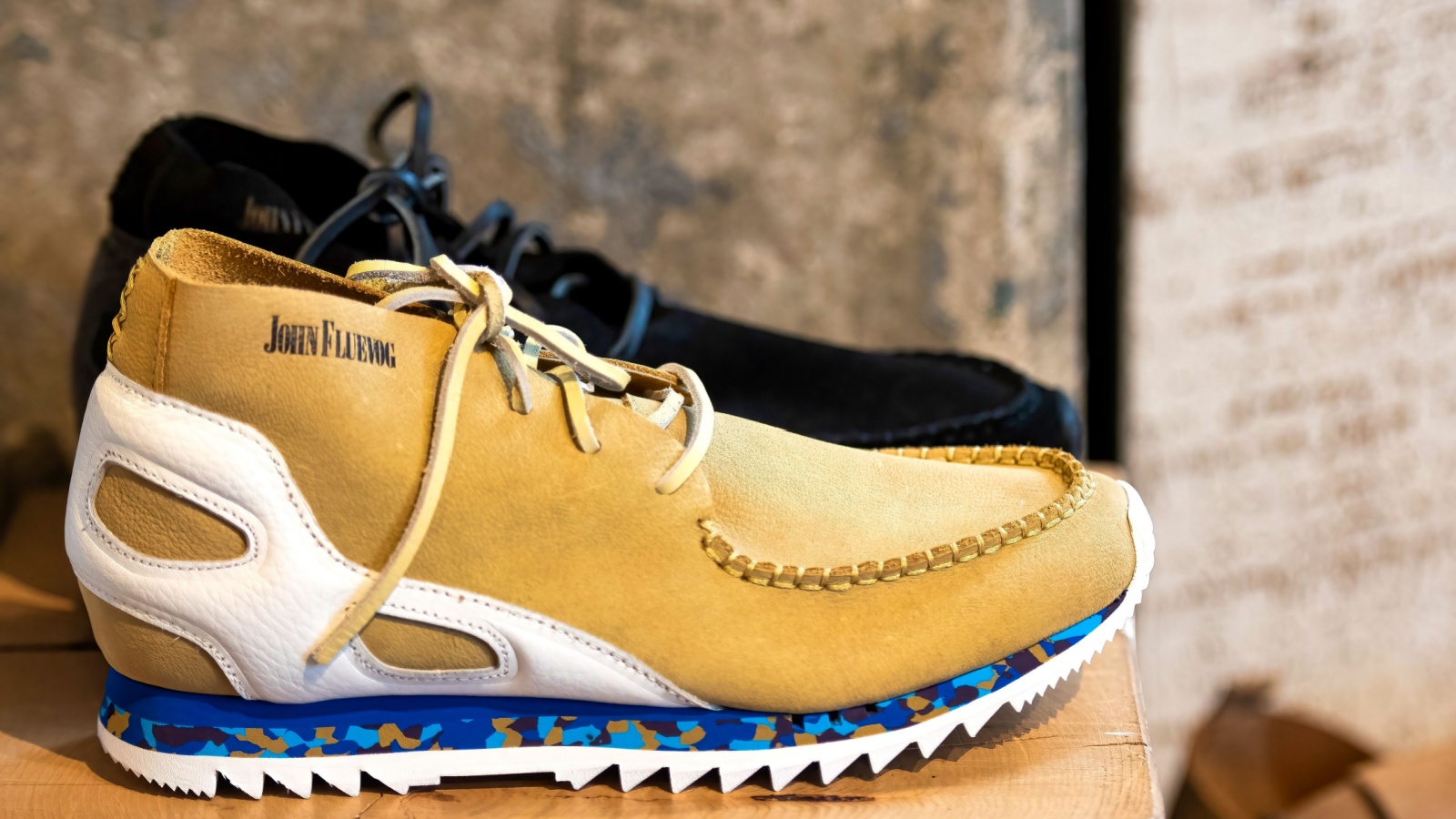
Fluevog Shoes began in Vancouver when John Fluevog created unique artistic footwear emphasizing craftsmanship originality and bold design. The business gradually expanded with boutiques in major Canadian cities and key international cultural hubs including New York London and Amsterdam. Fluevog attracted a loyal community of artists musicians and designers who embraced the statement making style handmade quality and ethical production values. Many styles became iconic and featured in film television and music history. More than a fashion brand Fluevog represents creative independence and long term durability. Each pair is built to last and reflects the Canadian spirit of innovation beyond trends or seasons.
Paramount Fine Foods – Mohamad Fakih

Paramount Fine Foods was founded by Mohamad Fakih after immigrating to Canada and recognizing an opportunity to bring authentic Middle Eastern cuisine to Canadian communities. Starting with a small restaurant in Mississauga he focused on quality halal ingredients warm hospitality and modern dining experiences. Paramount expanded into a national chain with franchise locations while supporting refugee employment and humanitarian causes. Fakih became widely respected for values based leadership providing community aid and advocating for inclusivity and fairness in business. Paramount shows how food can build cultural connection create employment and strengthen communities while establishing a powerful Canadian restaurant brand.
Farm Boy – Local Ottawa Grocer

Farm Boy began as a small produce stand in Cornwall Ontario before expanding into Ottawa and other regions with a focus on fresh local ingredients and exceptional customer experience. The founders prioritized bakery deli prepared foods and produce sections that highlighted regional suppliers and quality. Farm Boy developed a loyal following known for sampling friendly service and store made meals that differentiated it from traditional supermarkets. The brand grew into dozens of locations across Ontario and was later acquired while continuing to expand. Farm Boy illustrates how strong local identity and customer loyalty can scale into a major grocery success story driven from small business beginnings.
22 Groceries to Grab Now—Before another Price Shock Hits Canada

Food prices in Canada have been steadily climbing, and another spike could make your grocery bill feel like a mortgage payment. According to Statistics Canada, food inflation remains about 3.7% higher than last year, with essentials like bread, dairy, and fresh produce leading the surge. Some items are expected to rise even further due to transportation costs, droughts, and import tariffs. Here are 22 groceries to grab now before another price shock hits Canada.
22 Groceries to Grab Now—Before another Price Shock Hits Canada
