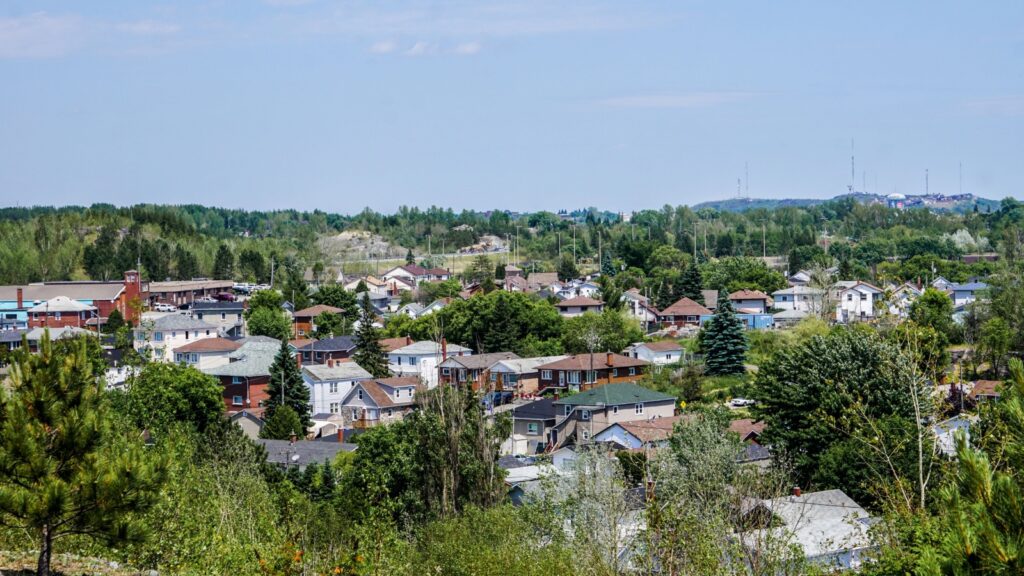
Some of Canada’s biggest success stories didn’t begin in government offices or corporate boardrooms. They started in neighborhoods, small towns, and local groups that refused to wait for someone else to fix a problem. Across the country, residents have organized food programs, tech projects, conservation efforts, health solutions, and economic transitions that later spread nationwide. Here are 23 Canadian Wins That Started with One Community.
Sudbury residents turning mine waste zones into regreened forests
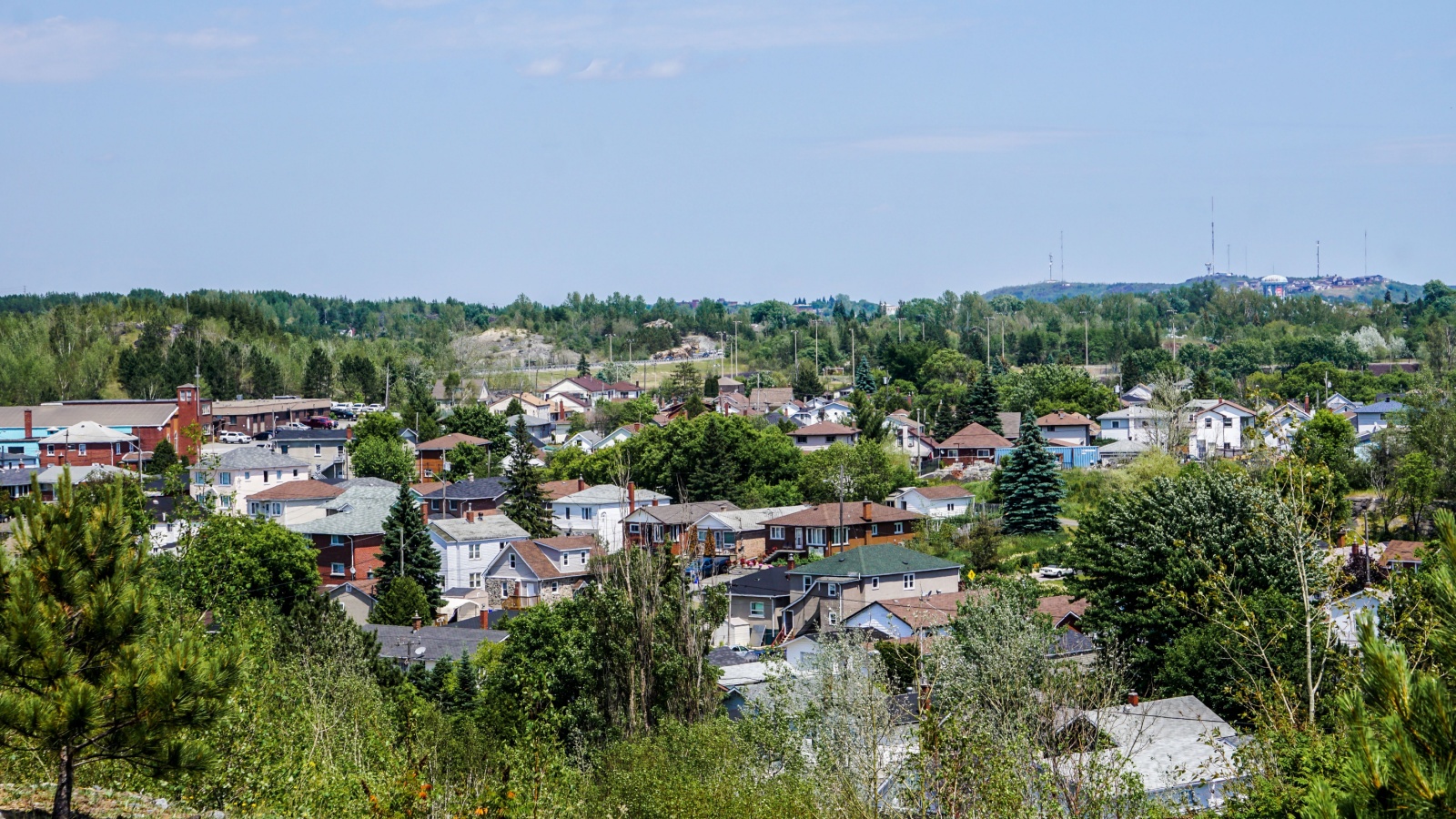
In the 1970s, Sudbury residents began planting trees on land once considered dead from mining damage. Families, schools, and volunteers planted 3,000 hectares without waiting for corporate action. Their work reversed decades of soil damage and reduced harmful emissions. More than 80 million trees now stand on what used to be smelter wasteland. Researchers say the project helped restore more than 340 lakes in the region. Sudbury later became a global model for land recovery. The United Nations recognized the city’s regreening work in 1992. This started with neighborhood groups who simply wanted their land to recover.
Iqaluit parents building the first Inuktitut early-learning program
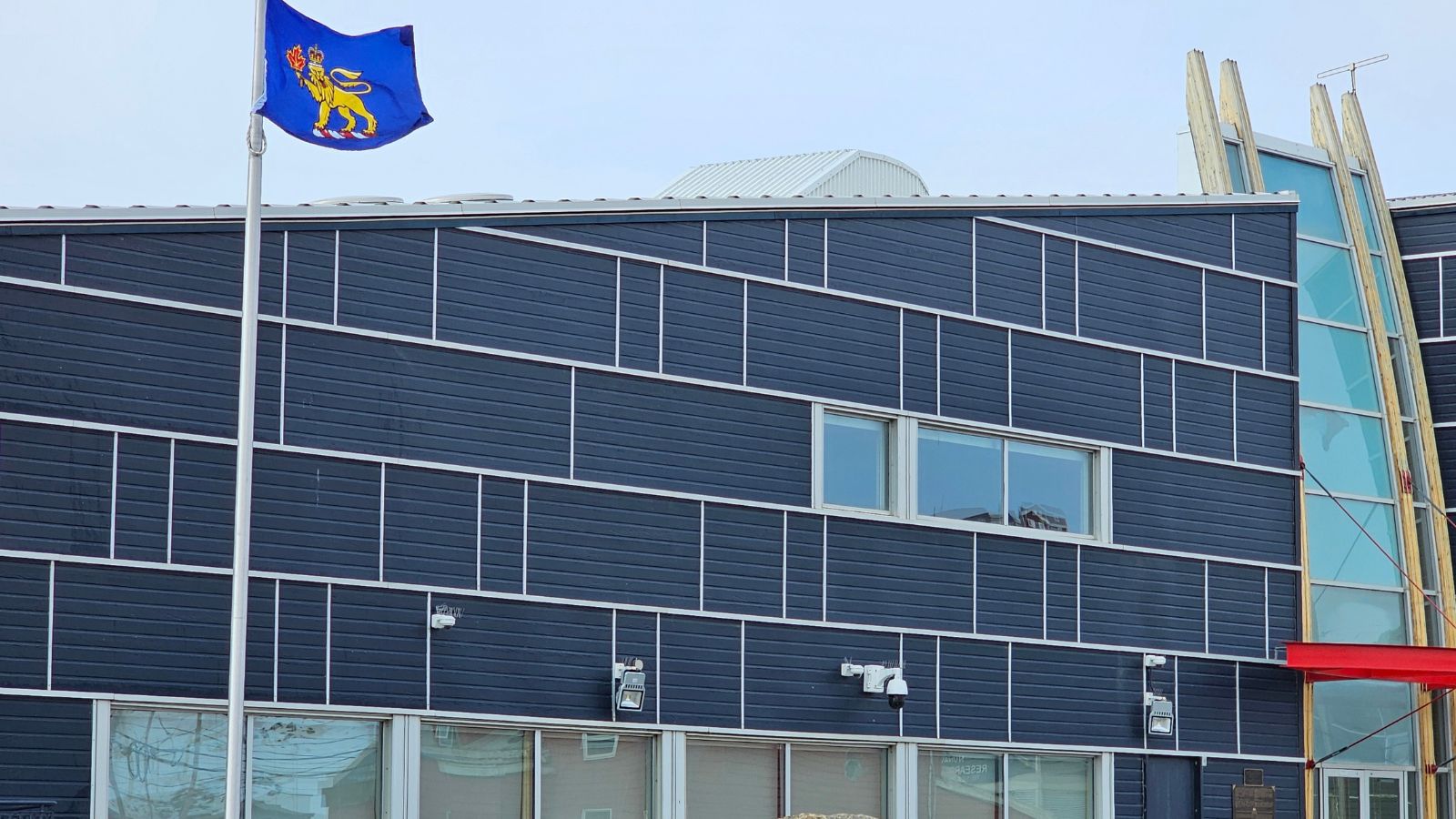
In 1985, Iqaluit parents feared their children were losing their language. They started volunteer-run literacy circles, which slowly grew into a formal preschool program. The first classroom served 11 children, and every adult involved was unpaid. By 2000, the program had expanded across Nunavut and helped support the first territorial language curriculum. Today, more than 4,500 children take part in Inuktitut early-learning programs annually. Studies show improved school readiness and stronger cultural confidence. It began with parents who did not want their children to lose their language, not with a government committee.
Calgary neighbors organizing a flood-response network

After the 2013 Alberta floods, residents in Calgary formed block-level volunteer teams to support affected households. They mapped vulnerable homes, organized donations, and built digital check-in lists that tracked who needed help. Their informal database reduced emergency response time in several neighborhoods. City officials later scaled the program into the Ready Calgary initiative. More than 28,000 residents have since completed emergency-preparedness training based on the original volunteer model. What started as a neighborhood survival plan later influenced municipal policy and strengthened long-term safety systems.
Vancouver cyclists leading the charge to make bike lanes permanent

In 2008, cyclists in Vancouver formed local committees to test temporary protected bike lanes. The city agreed only to pilot them. Volunteers counted daily users and gathered safety reports at intersections. After six months, bike traffic increased more than 30 percent, and collision numbers dropped. The data convinced the council to build permanent protected routes. Today, Vancouver records more than 13 million annual cycling trips and has one of the highest commuter cycling rates in North America. The shift began with everyday cyclists proving demand with their own data collection.
Cape Breton is turning abandoned rail lines into the Celtic Shores Coastal Trail

In the late 1990s, Cape Breton residents pushed to convert abandoned rail corridors into a recreational trail instead of letting them collapse. Volunteers secured donations, partnered with local bands, and used grants to build 92 kilometers of public trail. Tourism grew steadily after completion. A 2019 study found the trail contributed roughly 2.3 million dollars to the regional economy each year. The route now hosts hundreds of cycling and hiking events. What began as a community effort to save aging infrastructure later evolved into a key economic driver for the island.
Waterloo students turning a robotics club into a tech startup network

In 1996, Waterloo engineering students formed small robotics clubs to share parts, tools, and designs. Their informal collaboration led to cross-campus teams and local competitions. Within five years, graduates began launching early tech startups with support from peers. The volunteer groups eventually helped create the foundation for Communitech and the Velocity incubator. Waterloo now supports more than 1,600 tech companies generating billions in annual revenue. The region’s startup identity did not begin with outside investors. It began with students sharing equipment in classrooms on weekends.
Saskatoon residents building the first urban Indigenous-led health hub

In 2003, Saskatoon families identified gaps in medical support for Indigenous residents. Community members organized pop-up clinics and cultural counselling for families without access to care. The pilot sites helped more than 500 people in their first year. Their success led to the opening of a permanent Indigenous-led health hub in 2010. The facility now serves more than 15,000 patients annually with a mix of western and traditional care. Its community roots influenced similar centres in Winnipeg and Edmonton. The change began with families refusing to accept unequal access to basic services.
Montreal food banks turning waste into community meal programs

In 2010, volunteers from two neighborhood food banks began collecting unused produce from grocery stores instead of letting it go to the landfill. They formed a shared warehouse system that distributed food to kitchens across the city. Within three years, they recovered more than 8 million kilograms of food and provided meals for thousands of residents weekly. Their program became a model for Moisson Montréal, now the largest food bank hub in Canada. The system continues to reduce waste and support low-income families. It started with volunteers who disliked seeing edible food thrown away.
Prince George youth launching a wildfire awareness campaign

After extreme wildfire seasons in 2017 and 2018, high school students in Prince George built a peer-to-peer fire safety campaign. They focused on social media education and neighborhood workshops. Their work reached more than 60,000 residents in its first year and reduced human-caused fire incidents in targeted zones by nearly 20 percent. The campaign later received provincial support and expanded to northern communities across British Columbia. Many students continued volunteering long after graduation. The prevention system began with a small group of teenagers who wanted safer summers.
Toronto mothers forming the country’s first school-safe allergy coalition

In 1994, a small group of Toronto parents met after a child suffered a severe food allergy reaction in a classroom. They started workshops, phone trees, and resource guides for families and teachers. Their network grew rapidly across Ontario, helping schools create allergy management rules. By the late 2000s, their advocacy influenced the creation of Sabrina’s Law, the first school allergy safety legislation in Canada. Today, mandatory safety protocols protect more than two million students in Ontario. This outcome began with mothers sharing information around kitchen tables.
Winnipeg seniors creating neighbourhood patrol groups for safer streets

In the late 1990s, seniors in Winnipeg’s North End formed walking patrols after repeated break-ins. They carried notebooks, reported unsafe areas, and supported isolated neighbours. Crime in targeted blocks dropped by almost 25 percent within two years. The patrols inspired partnerships with youth groups and local police, which formalized training and expanded coverage. Today, more than 1,200 volunteers participate in safety walks across the city. The earliest efforts were not created by a large policing strategy. They came from seniors who wanted safer sidewalks and calmer evenings.
Halifax libraries turning reading circles into a newcomer support network

In 2007, Halifax librarians noticed that immigrant parents attending reading circles also needed help with housing and employment. They quietly connected families to volunteer mentors. Attendance doubled in the first year as word spread. The library system later launched newcomer settlement desks, language workshops, and job support programs. Between 2014 and 2023, more than 95,000 newcomers used these services. Several participants later became volunteers themselves. The transformation of the library system started with neighbourhood reading circles, not a federal policy directive.
Edmonton gardeners building the first winter community greenhouse pilot
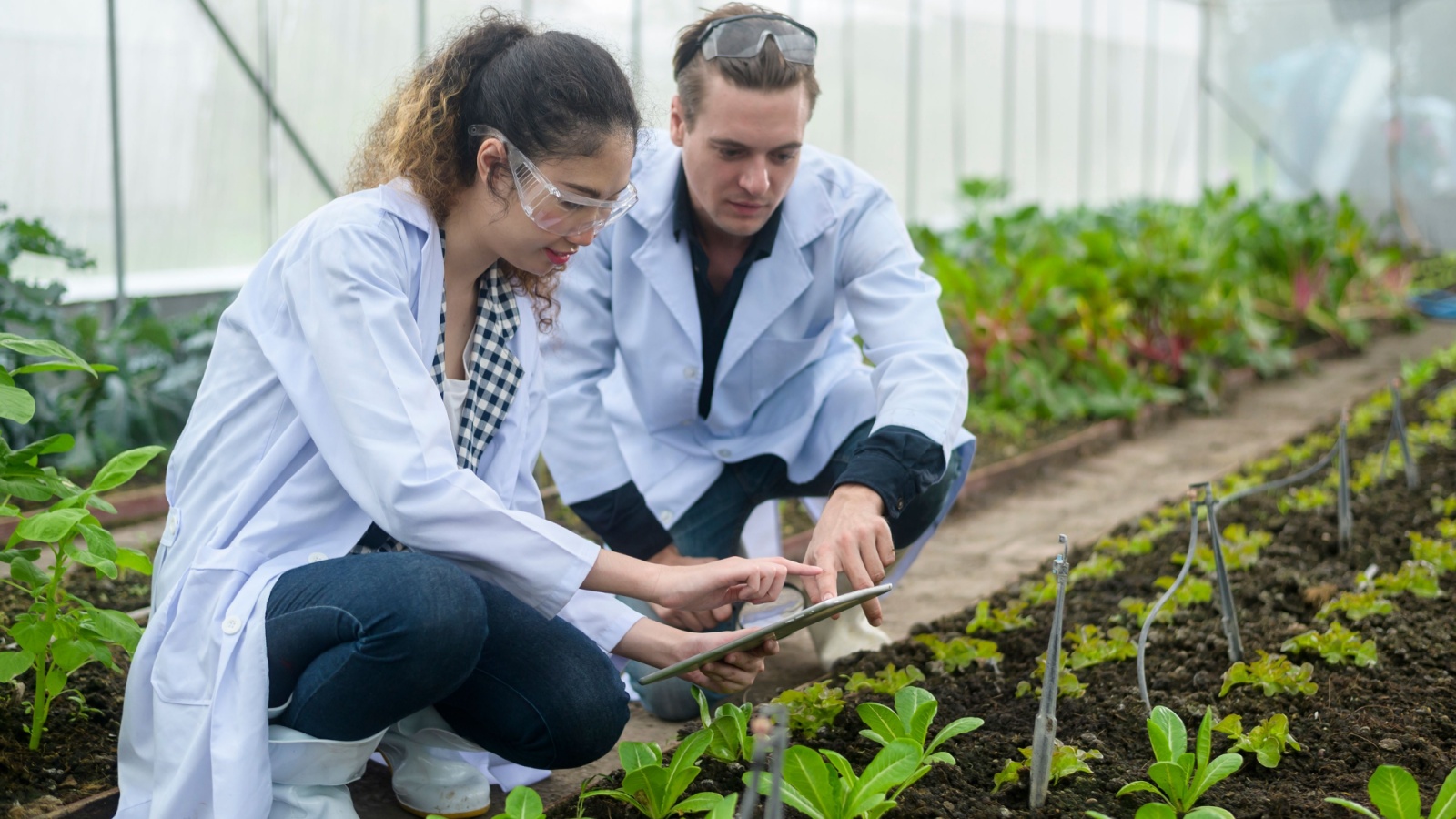
In 2014, urban gardeners in Edmonton tried to grow produce year-round using shared heating and insulation. They installed simple geothermal lines and reused storm windows to build a prototype greenhouse. Their pilot supported 50 families and attracted interest from researchers. Within five years, 13 community greenhouses opened across the city. A 2022 report estimated that these sites produced more than 90,000 kilograms of vegetables annually. The project improved food access during long winters. It started with residents testing ideas on rented land behind a schoolyard.
Ottawa parents forming Canada’s first inclusive minor hockey league
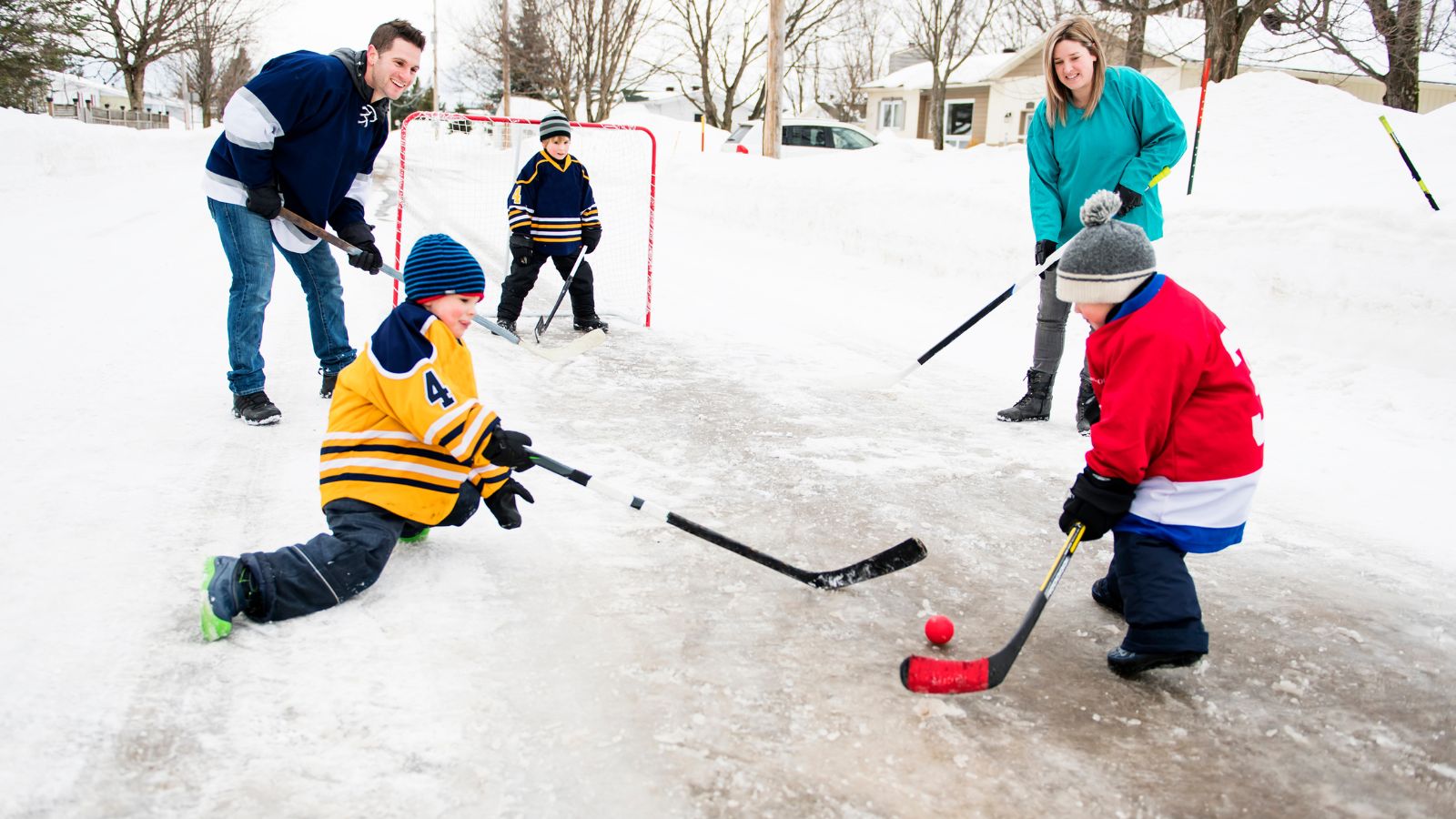
In 2005, parents of children with physical and developmental disabilities created a hockey league without tryouts or cuts. The first season had 20 players and volunteer coaches. Demand doubled the following year. Partnerships with rinks and community groups expanded capacity. By 2018, the league had more than 700 participants and inspired similar programs nationwide. Many players later joined provincial competitions and recreational teams with support. The movement began with parents who wanted their children to feel welcome on the ice.
Yellowknife residents designing community-led solar power cooperatives

In 2012, residents of Yellowknife formed a cooperative to reduce diesel dependence in remote homes. Members raised funds and installed shared solar systems on public buildings. The pilot saved more than 250,000 litres of diesel in the first three years. Other northern communities adopted the same funding and governance model. By 2023, more than 40% of small settlements in the Northwest Territories had community-owned solar installations. The project began with residents who wanted power bills to stop rising, not with an energy corporation.
Charlottetown volunteers reviving downtown through small business pop-ups

In 2016, Charlottetown residents worried about rising vacancy rates in the downtown core. Local volunteers convinced landlords to offer short-term, low-cost leases for pop-up shops. The first season featured 14 small businesses, with 10 becoming permanent within a year. Foot traffic increased by 22 percent according to a city survey. The model helped reduce empty storefronts and encouraged tourism. Other Atlantic communities soon copied the approach. The turnaround of the downtown area did not begin with a corporate redevelopment plan. It began with residents trying to keep their city centre alive.
Regina teens launching a farm-to-school nutrition project
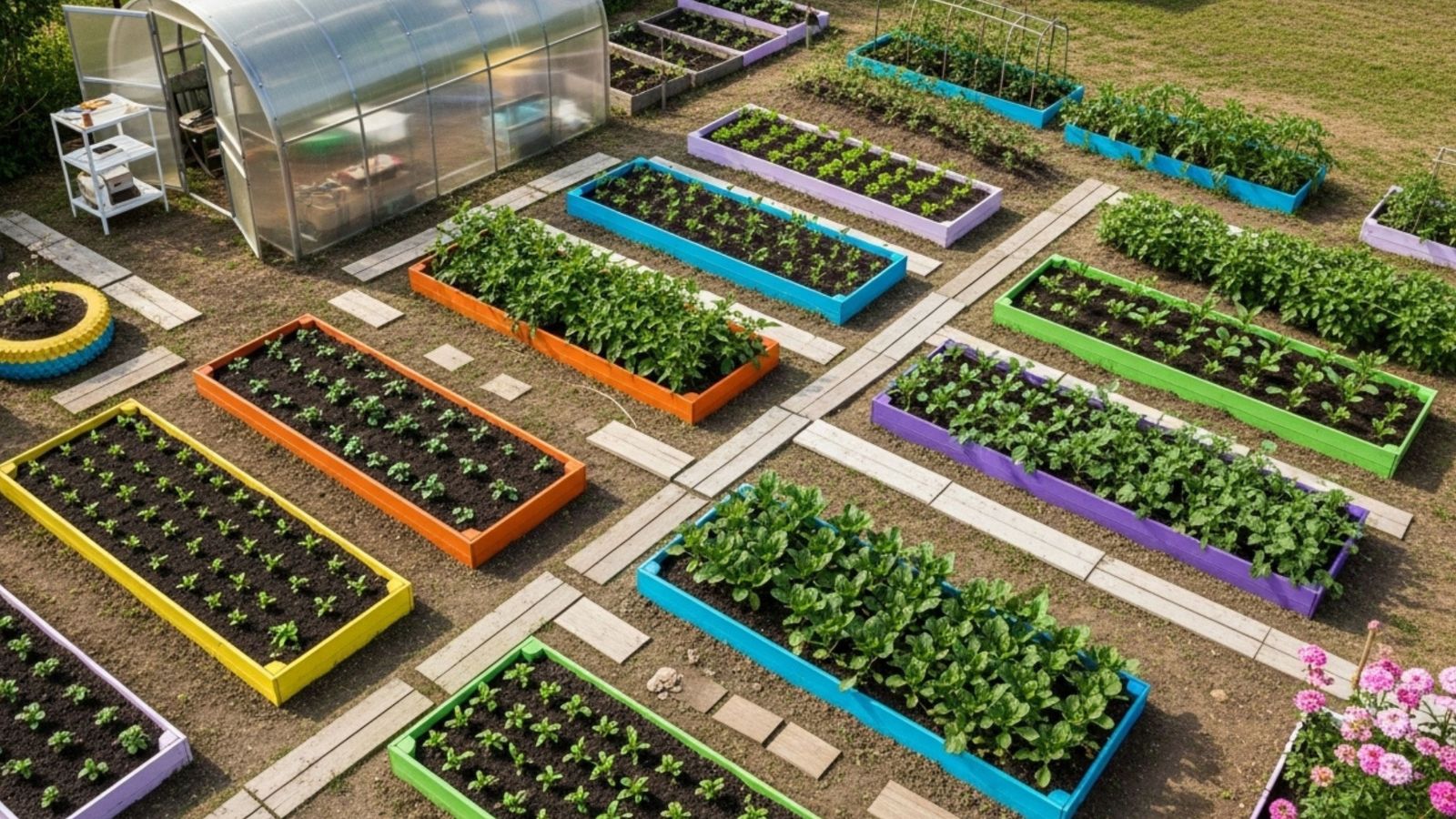
In 2009, high school students in Regina built a program that connected local farmers with school cafeterias. They volunteered to manage delivery schedules and menu planning. Within two years, 18 schools participated. A 2016 study showed the program increased fruit and vegetable consumption by 28 percent among participating students. It also generated more than 1.7 million dollars in revenue for Saskatchewan farmers over eight years. The program later became part of broader provincial nutrition planning. Everything began with teenagers trying to improve cafeteria food.
Hamilton disability advocates creating Canada’s first accessible playground network

In 2002, Hamilton’s parents pushed for playgrounds that children with different mobility needs could use safely. They fundraised, sourced equipment, and designed layouts with support from occupational therapists. The first fully accessible playground opened in 2003. By 2015, more than 20 inclusive playgrounds were built across the region. The concept spread nationally, influencing over 200 park upgrades across Canada. Families reported higher social participation and reduced isolation. The shift in recreation planning came from parents advocating for a place where their children could play together.
Kelowna residents forming a wildfire-resilience landscaping program

After repeated wildfires in the Okanagan, Kelowna homeowners created neighbourhood workshops to teach fire-resistant landscaping. They shared templates, plant recommendations, and property assessments. Over 4,500 homes received guidance within five years. A 2021 report showed significantly lower property damage in zones that participated. The workshops led to a municipal partnership and long-term wildfire risk planning. The program now operates throughout the valley. It began with neighbours helping each other protect their homes during a dangerous fire season.
Quebec City residents transforming vacant lots into community sports courts

In 2011, youth groups in Quebec City started converting unused lots into basketball and soccer courts. They arranged donations, secured volunteer work, and partnered with local recreation programs. The first court served more than 300 youth weekly within months. Additional sites were built as participation grew. In 2022, a municipal study recorded a 19 percent drop in youth vandalism in neighbourhoods with courts. The initiative created healthier and safer spaces by giving teenagers places to gather. It started with a community that wanted somewhere active and positive to spend time.
Fort McMurray neighbours supporting workers during the oil downturn
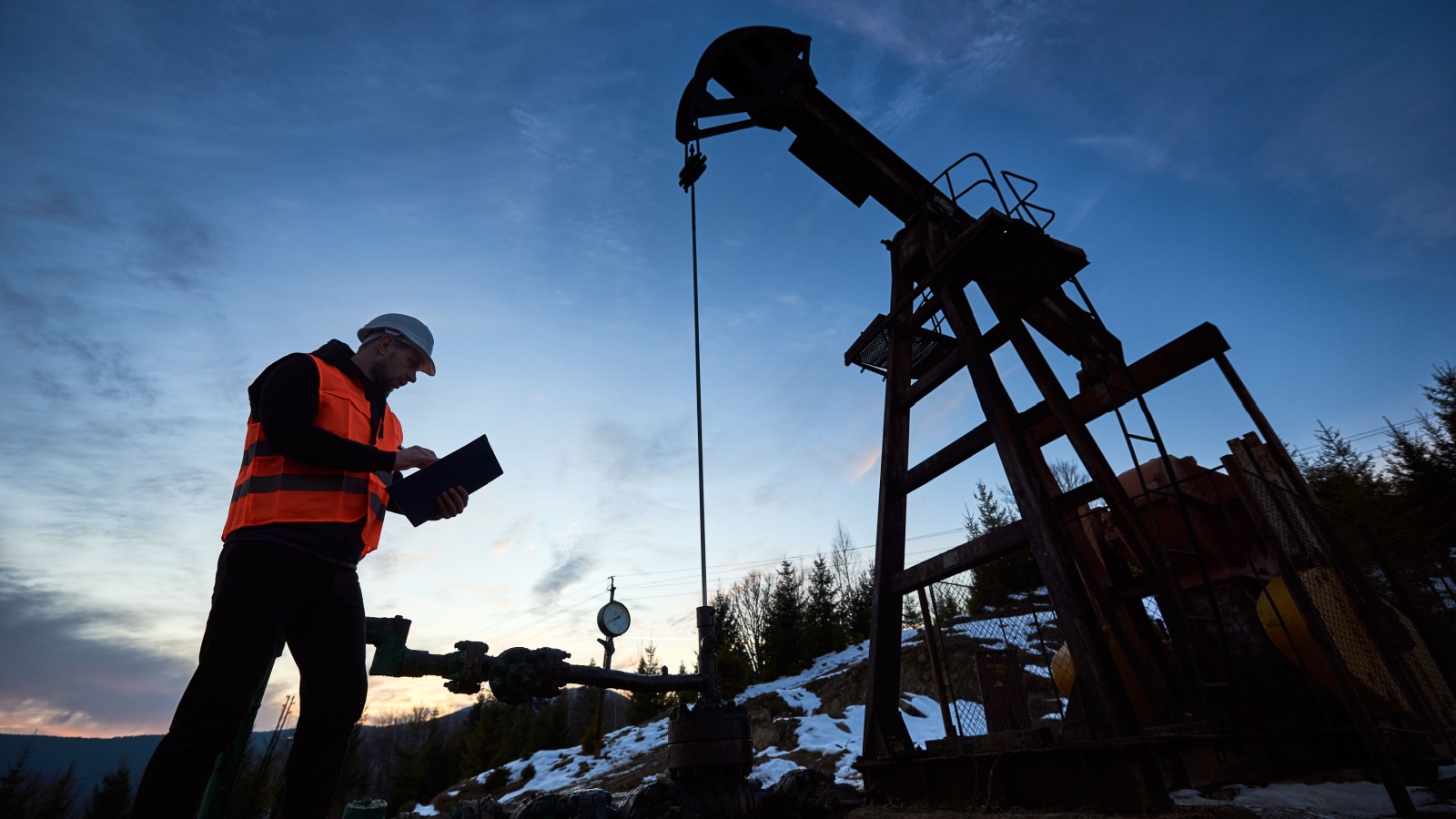
In 2016, thousands of workers in Fort McMurray faced layoffs due to falling oil prices. Residents created informal resource-sharing groups where families exchanged clothing, food, and childcare. Volunteers also organized job-search workshops and peer counselling. More than 6,000 people received support in the first six months. The network reduced pressure on social services and helped workers transition toward new employment. Some members later used the experience to launch mental health support groups. This community-driven response helped reduce the hardship of a difficult economic period.
St. John’s musicians turning busking zones into a tourism asset
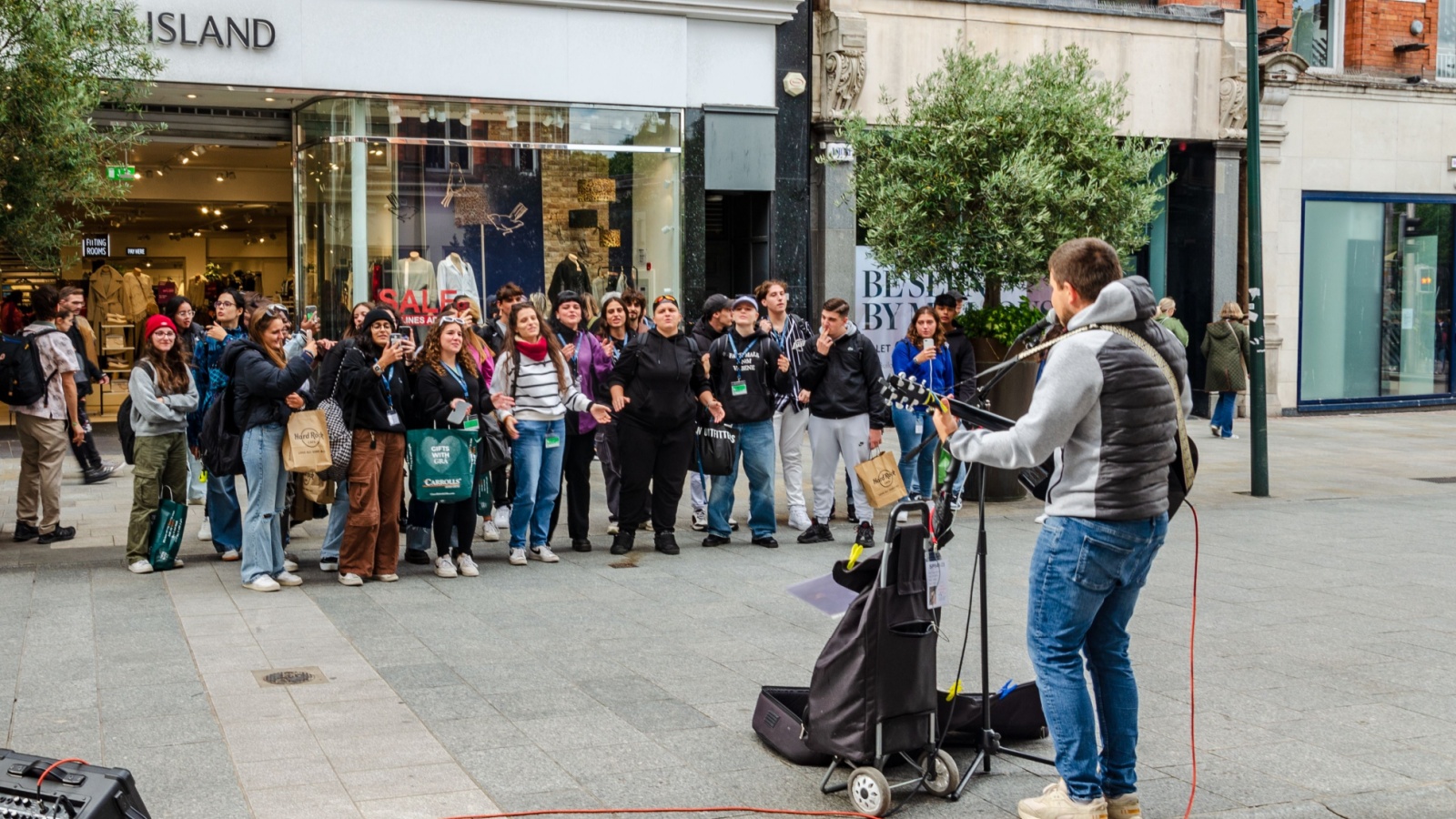
In 2004, local musicians in St. John’s began performing regularly in overlooked corners of the downtown core. Crowds gathered, leading nearby businesses to sponsor performers with equipment support. The city eventually zoned official busking locations and added lighting and seating. A 2019 tourism study estimated that the music corridor brought more than 7 million dollars in economic activity annually. The initiative also helped young performers gain confidence and income. The idea came from musicians trying to bring energy to quiet streets.
Victoria residents building a seniors-tech teaching network

In 2013, Victoria retirees started weekly drop-in sessions to help seniors learn smartphones and laptops. Attendance exceeded expectations, with 1,100 sessions in the first year. Participants reported reduced loneliness and improved communication with family far away. The program attracted support from community centres and expanded across the region. Today, volunteers offer more than 9,000 hours of free tech tutoring annually. The project began with neighbours helping seniors feel connected in a digital world.
22 Groceries to Grab Now—Before another Price Shock Hits Canada

Food prices in Canada have been steadily climbing, and another spike could make your grocery bill feel like a mortgage payment. According to Statistics Canada, food inflation remains about 3.7% higher than last year, with essentials like bread, dairy, and fresh produce leading the surge. Some items are expected to rise even further due to transportation costs, droughts, and import tariffs. Here are 22 groceries to grab now before another price shock hits Canada.
22 Groceries to Grab Now—Before another Price Shock Hits Canada
