Spring often inspires Canadians to add more greenery inside their homes. Garden centres and plant stores usually become busy during this season. Many people look for houseplants that require minimal care. Beginners often worry about choosing plants that might die quickly. Fortunately, some houseplants remain very forgiving. These plants adapt well to typical indoor conditions found in Canadian homes. They tolerate occasional watering mistakes or lower sunlight levels. Because of this, they often survive even when care routines are imperfect. Many plant owners recommend these species to beginners. Their durability makes them reliable choices for apartments, houses, and offices. Adding these plants can make indoor spaces feel calmer and more natural. Here are 23 houseplants Canadians say are impossible to kill, even for beginners.
Snake Plant
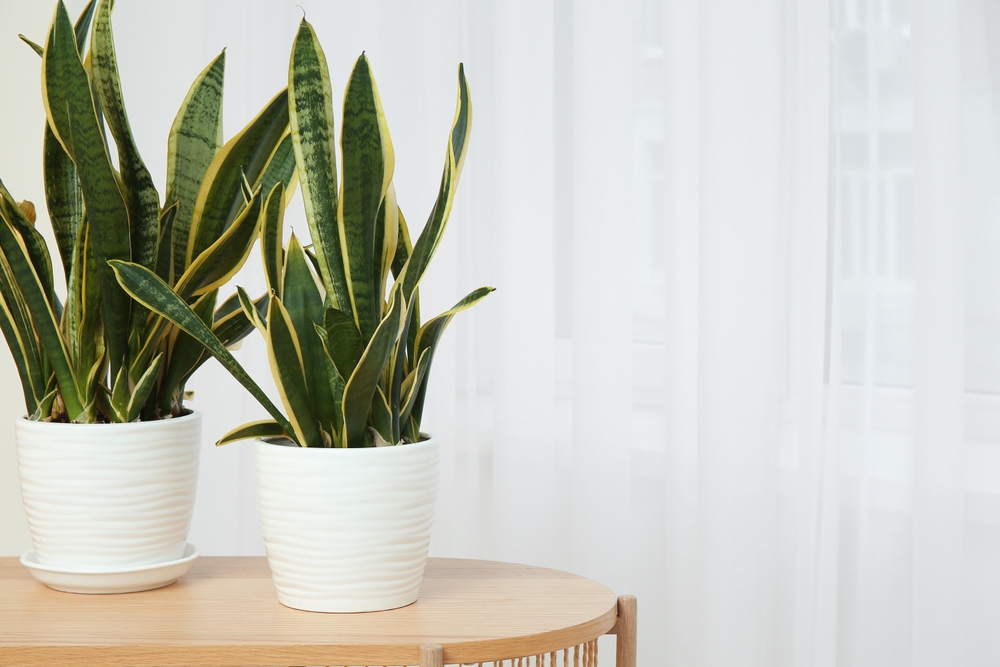
Snake plants remain one of the most recommended houseplants for beginners. Their tall, upright leaves give rooms a clean and modern look. These plants adapt easily to different indoor environments. Snake plants tolerate both bright and low light conditions. This flexibility makes them suitable for many rooms. Watering also remains simple because the plant prefers dry soil. Owners can wait until the soil dries completely before watering again. The thick leaves store water for longer periods. Because of this, occasional neglect rarely harms the plant. Snake plants also grow slowly, which reduces maintenance. Many Canadians place them in bedrooms or offices. Their durability makes them ideal for first time plant owners.
Pothos
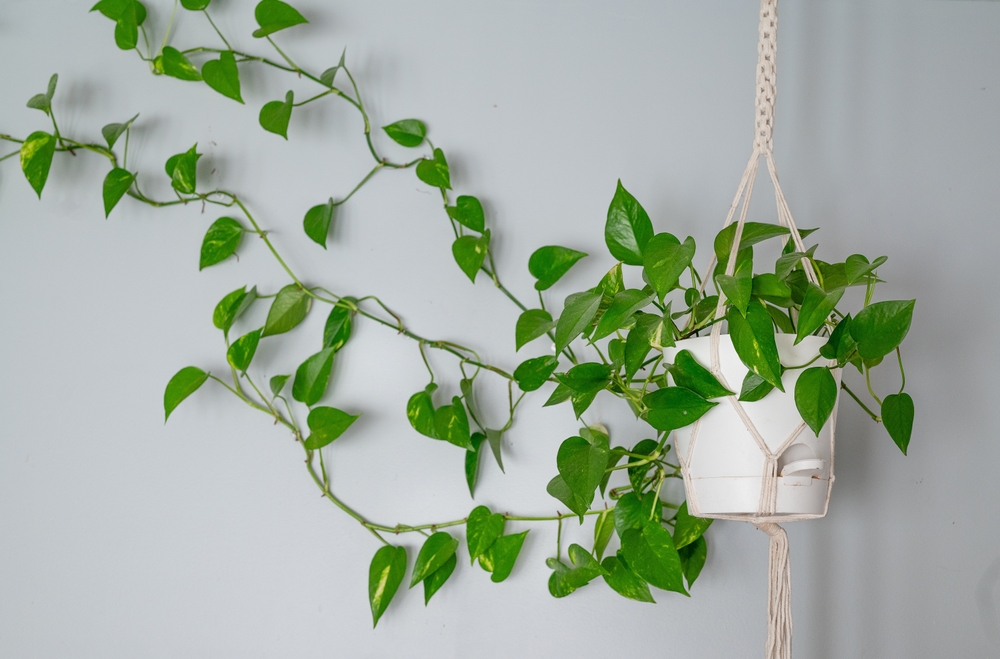
Pothos plants remain popular because they grow quickly and tolerate many conditions. The trailing vines create an attractive indoor display. Many Canadians place pothos on shelves or in hanging baskets. The plant adapts well to moderate or low light. Even darker rooms can support pothos growth. Watering requirements remain flexible as well. The plant recovers easily if the watering schedule changes. Leaves usually stay green and healthy with minimal effort. Pothos also grows new vines throughout the year. Some varieties feature yellow or white patterns on leaves. These patterns add visual interest to indoor spaces. Beginners often succeed with pothos because the plant remains forgiving.
Spider Plant
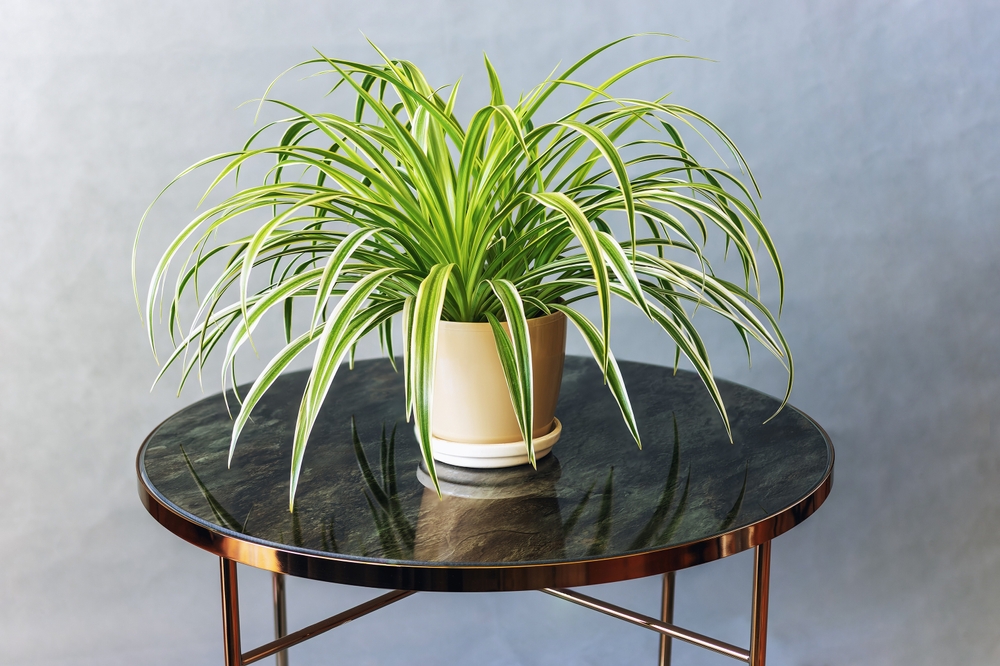
Spider plants have remained household favourites for decades. Their long, narrow leaves grow outward from the centre. The plant also produces small offshoots called plantlets. These baby plants hang from the main plant. Many Canadians enjoy propagating these plantlets in new pots. Spider plants tolerate a wide range of indoor conditions. Bright indirect light works best for steady growth. However, the plant also survives in moderate lighting. Watering once the soil feels dry usually works well. Spider plants also adapt to varying indoor temperatures. Their resilience makes them suitable for beginners. Many homes keep spider plants for years without major problems.
ZZ Plant
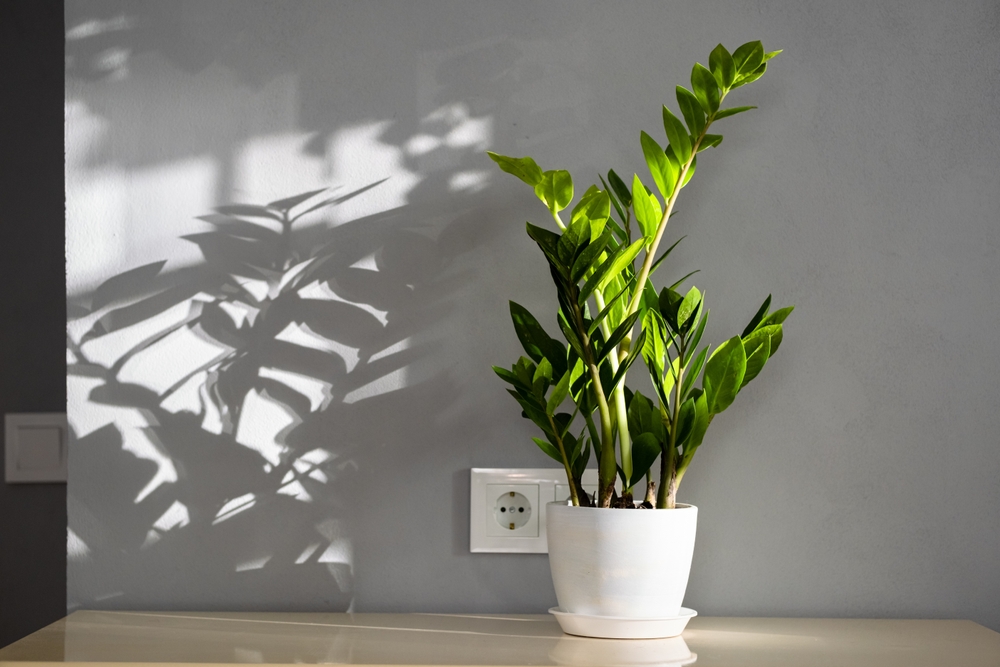
ZZ plants have become very popular in recent years. Their glossy dark green leaves create a bold indoor appearance. The plant grows slowly but remains very durable. ZZ plants tolerate low light better than many houseplants. This makes them ideal for offices or shaded corners. The plant stores water inside thick underground stems. Because of this, watering can remain infrequent. Owners often water only when the soil dries fully. ZZ plants also resist many common plant pests. Their strong structure allows them to survive neglect easily. Many beginners choose ZZ plants as their first indoor plant.
Aloe Vera
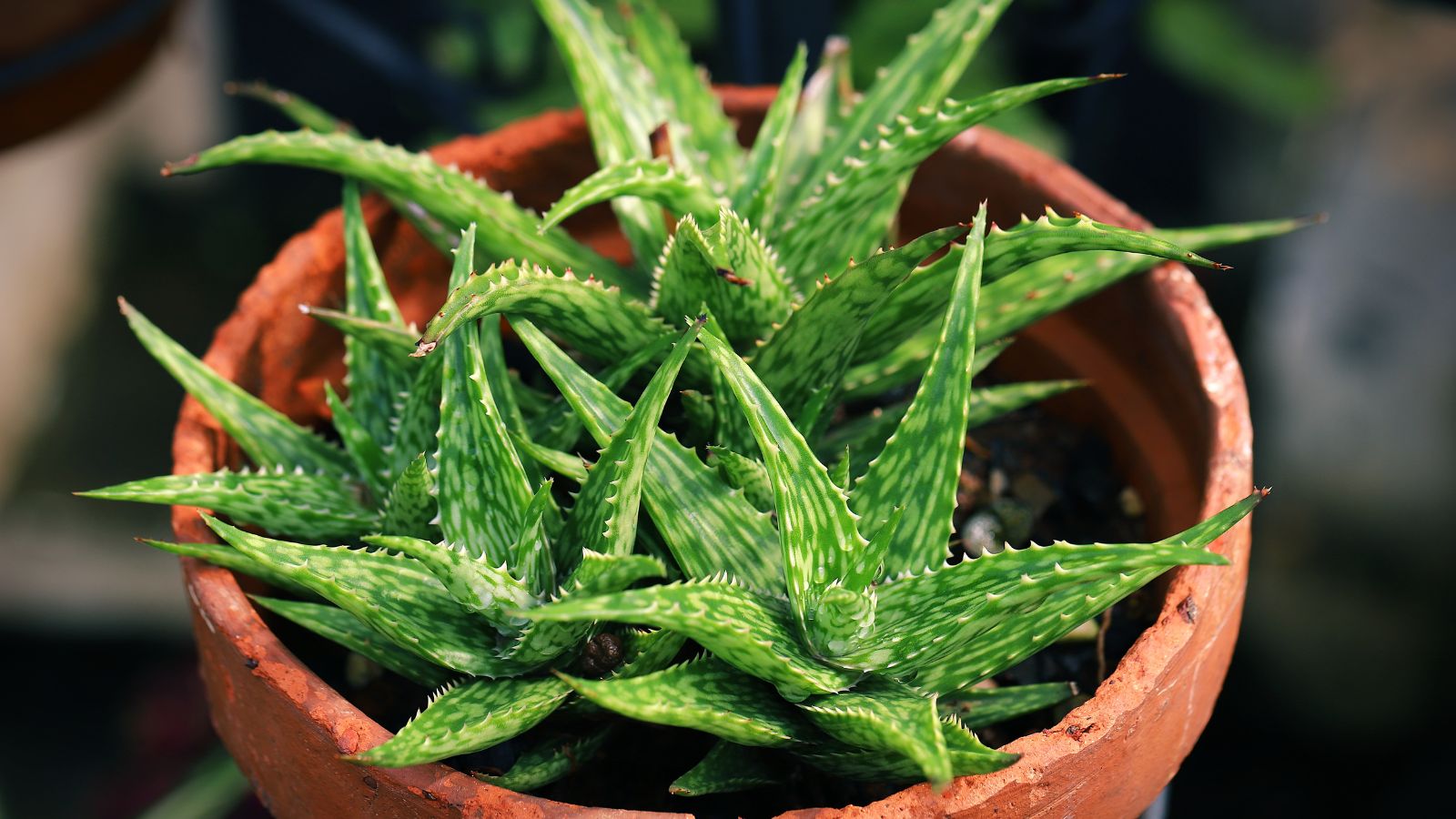
Aloe vera plants serve both decorative and practical purposes. The thick leaves contain gel used for minor skin irritation. Many Canadians keep aloe plants near sunny windows. The plant prefers bright sunlight and dry soil conditions. Aloe belongs to the succulent family. This means the leaves store water for extended periods. Because of this, watering too often becomes unnecessary. Owners can wait until the soil dries completely. Aloe plants also grow slowly and require little trimming. The plant adapts well to indoor temperatures. Beginners often succeed with aloe because care remains simple.
Jade Plant
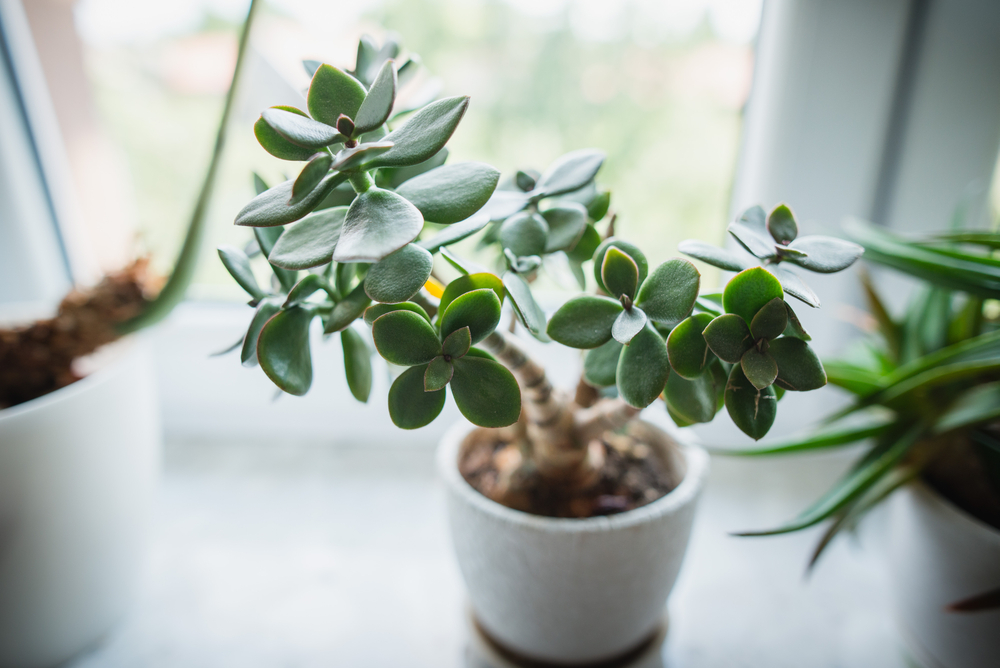
Jade plants appear frequently in homes because they grow slowly and remain sturdy. Their thick oval leaves store water efficiently. This feature helps the plant survive dry soil conditions. Many Canadians place jade plants near bright windows. The plant prefers sunlight for several hours each day. However, jade plants also tolerate occasional shade. Watering should occur only after the soil has completely dried. Too much water often causes problems for jade plants. When cared for properly, jade plants can live for many years. Some plants even grow into small tree-like shapes. This longevity makes jade plants appealing for beginners.
Chinese Evergreen
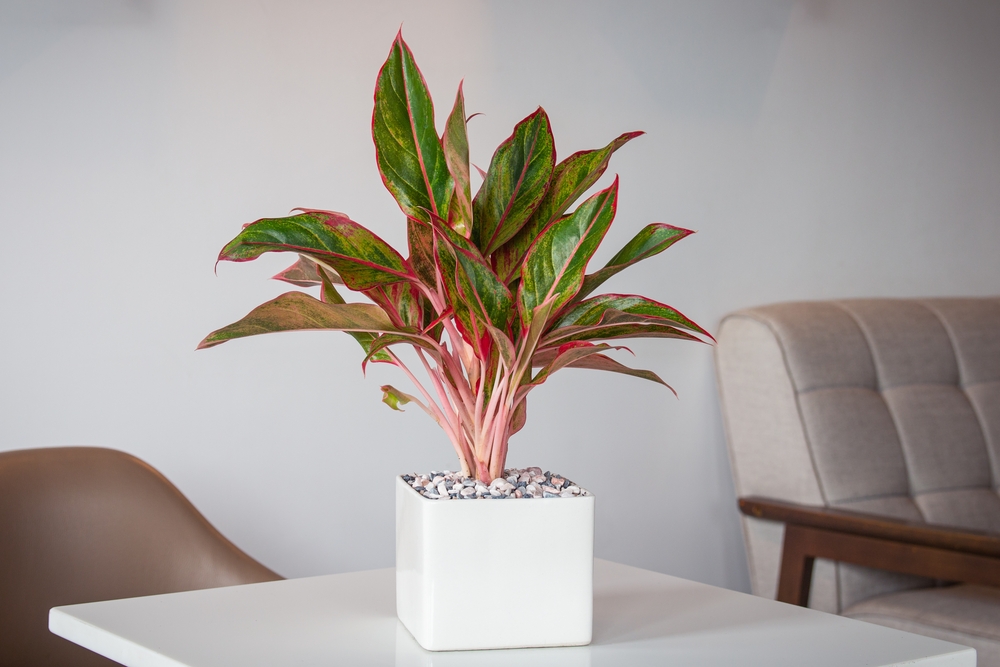
Chinese evergreen plants remain highly adaptable indoor plants. Their patterned leaves often show green and silver colours. The plant grows well in moderate indoor lighting. Even lower light areas can support Chinese evergreen growth. This flexibility makes it suitable for apartments and offices. Watering remains straightforward and forgiving. The soil should dry slightly between watering sessions. Chinese evergreen plants also tolerate typical indoor temperatures. A wide variety exists with different leaf patterns. These patterns add decorative value to indoor spaces. Because of their resilience, beginners often choose Chinese evergreen plants.
Cast Iron Plant
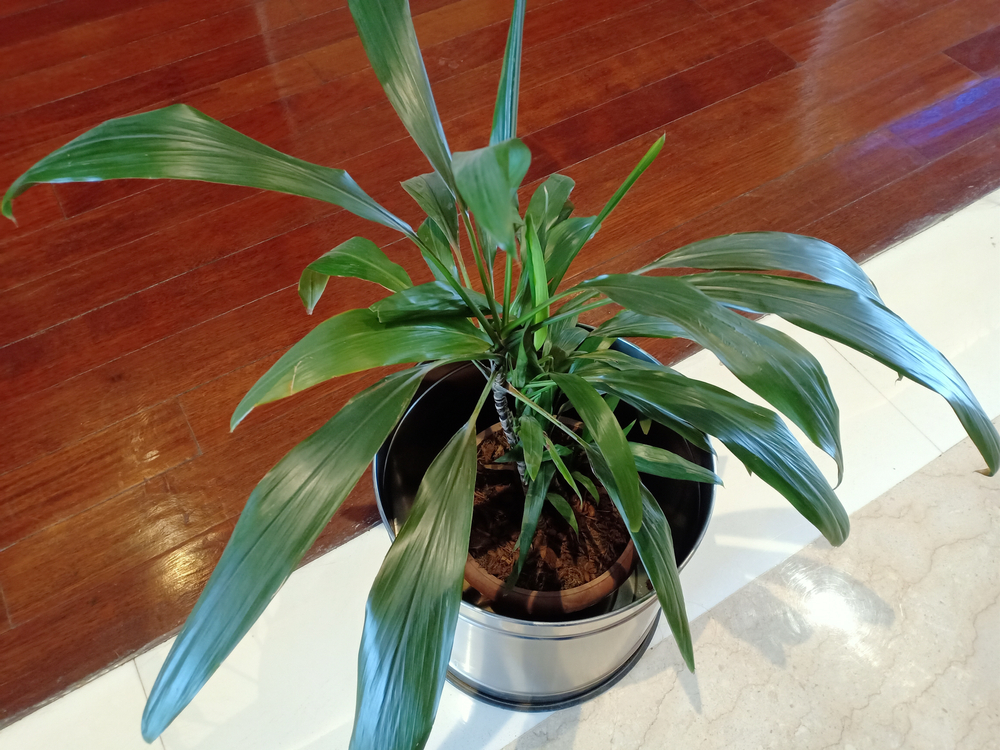
The cast iron plant earned its name through durability. It survives conditions that challenge many other plants. The plant tolerates low light and irregular watering schedules. Many Canadians place it in shaded indoor areas. Its broad dark leaves create a strong visual presence. The plant grows slowly but remains stable for years. Cast iron plants also resist common pests and diseases. Because of this, maintenance remains minimal. Occasional watering and basic care usually keep it healthy. This resilience makes it suitable for beginners. Many homes keep cast-iron plants as long-term decorative plants.
Dracaena Marginata
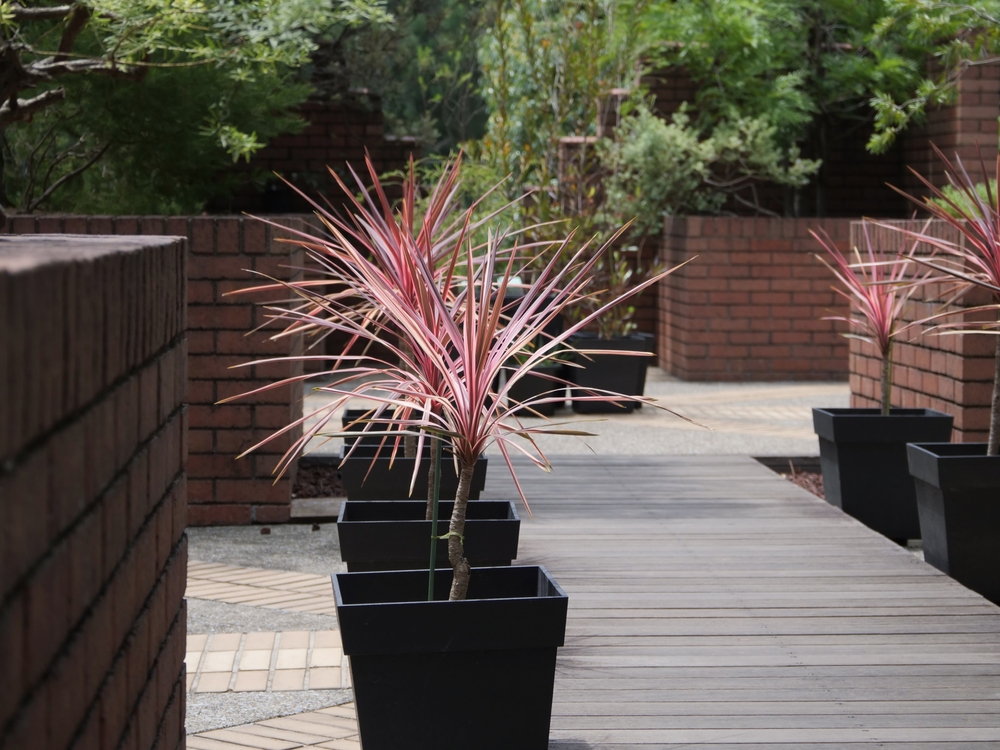
Dracaena marginata plants feature long, narrow leaves with red edges. Their upright stems give them a small tree appearance. Many Canadians place these plants in living rooms or offices. Dracaena marginata grows well in moderate indoor light. Direct sunlight can damage the leaves slightly. The plant prefers soil that dries between watering sessions. This routine prevents root problems from excess moisture. Dracaena plants also adapt to typical indoor temperatures. They require very little pruning or maintenance. Their unique shape adds height to indoor spaces. Beginners often find dracaena plants easy to manage.
Peace Lily
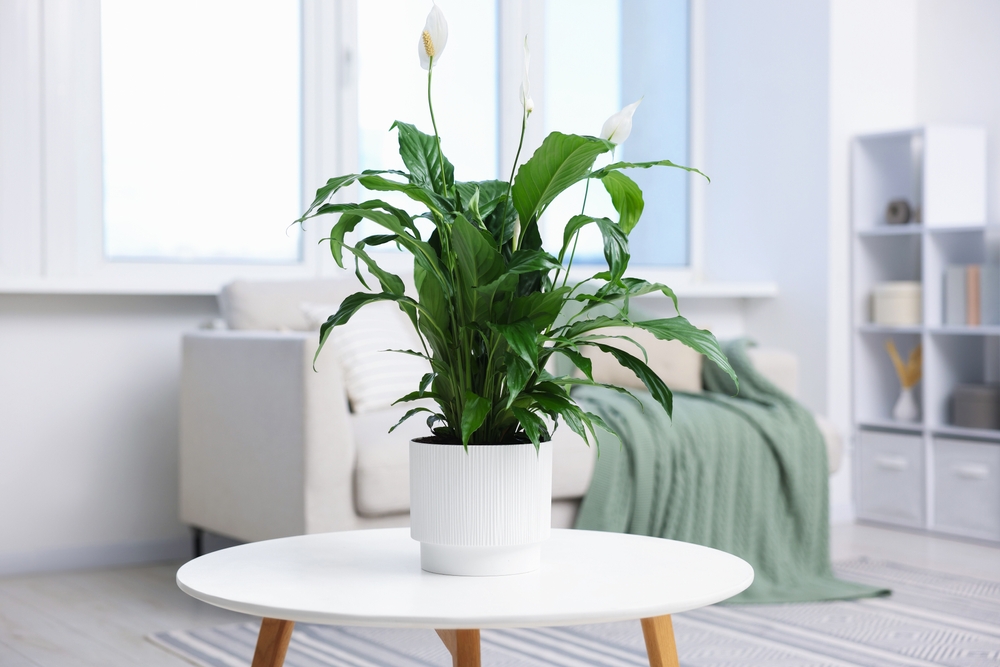
Peace lilies remain common houseplants because they adapt well indoors. Their glossy leaves and white flowers create an elegant appearance. Many Canadians place peace lilies in bedrooms or offices. The plant prefers bright but indirect light. However, it can survive moderate shade as well. Peace lilies show clear signs when they need water. The leaves droop slightly before watering becomes necessary. After watering, the plant quickly recovers. This visible signal helps beginners learn plant care. Peace lilies also help freshen indoor air. Their combination of beauty and resilience makes them popular choices.
Rubber Plant
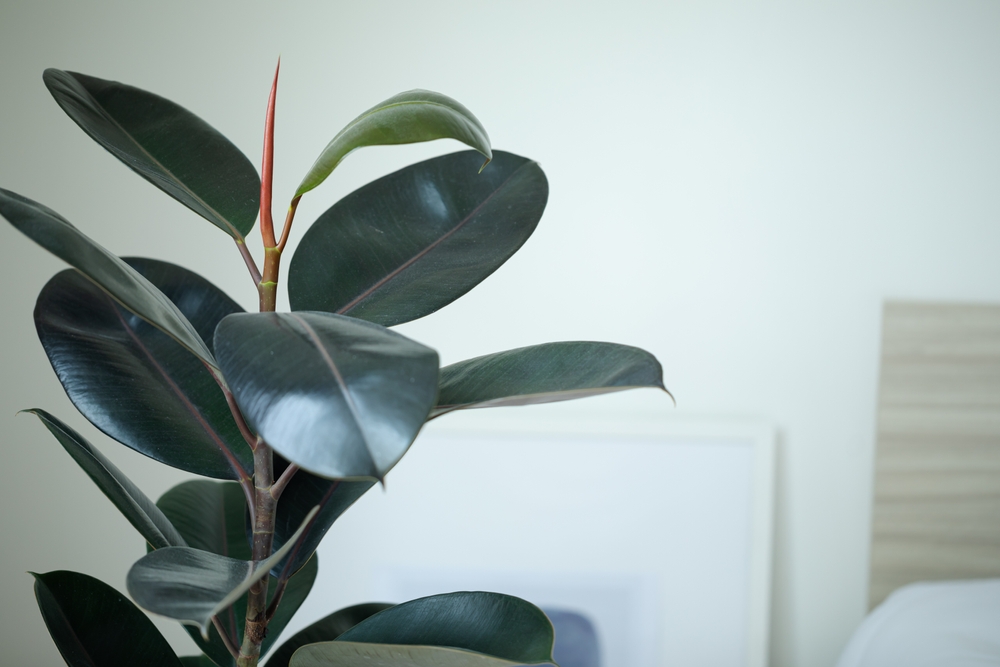
Rubber plants grow larger than many common houseplants. Their thick, glossy leaves create a bold indoor display. Many Canadians place rubber plants near bright windows. The plant prefers indirect sunlight for steady growth. Rubber plants tolerate occasional watering mistakes. The soil should dry partially before watering again. When conditions remain stable, the plant grows steadily. Over time, the plant can reach several feet in height. Rubber plants require little pruning or maintenance. Their strong structure helps them adapt well to indoor environments. Beginners often succeed with rubber plants due to their durability.
Philodendron Heartleaf
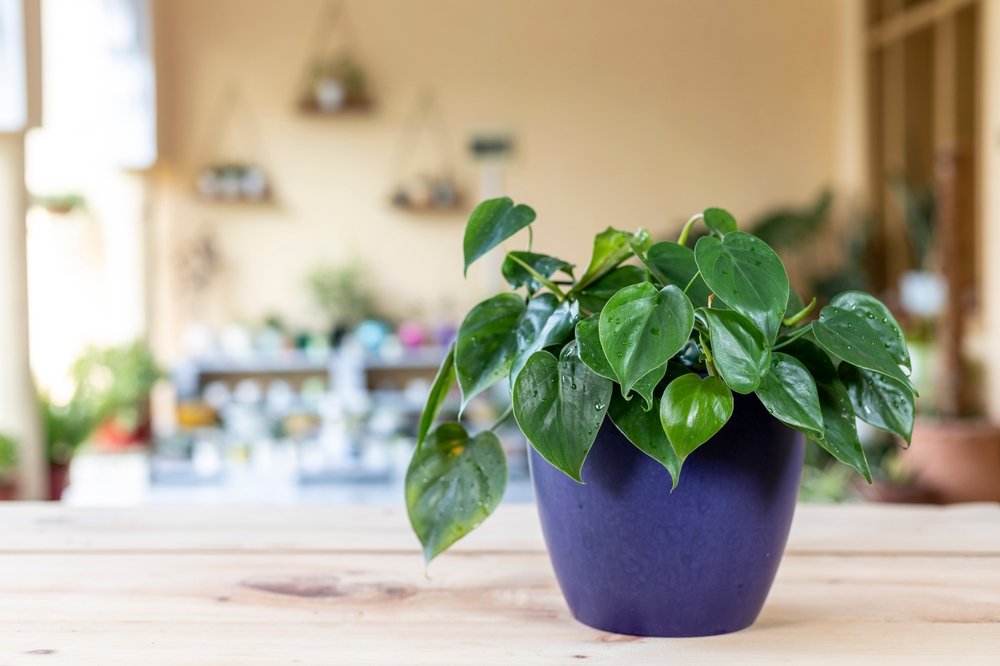
Philodendron heartleaf plants produce soft, trailing vines with heart-shaped leaves. The plant grows quickly in typical indoor conditions. Many Canadians place philodendrons on shelves or in hanging pots. Bright indirect light supports the best growth. However, the plant also survives moderate shade. Watering remains simple and forgiving. The soil should dry slightly between watering sessions. Philodendrons also adapt to most indoor temperatures. Their vines continue growing throughout the year. Occasional trimming helps control the length of vines. Because of their resilience, philodendrons suit beginners very well.
Lucky Bamboo
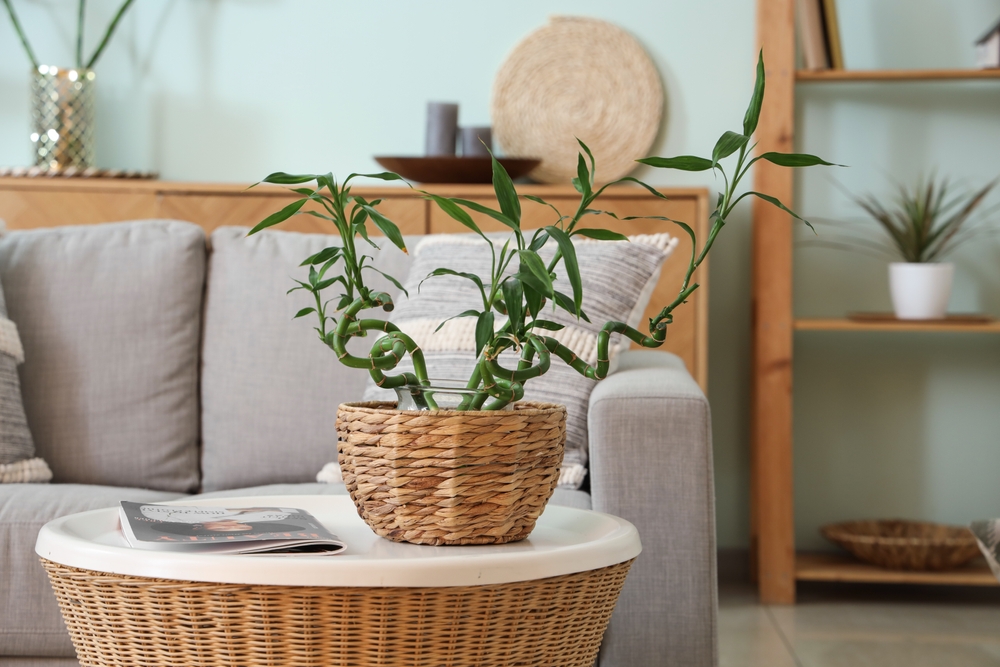
Lucky bamboo often appears in decorative indoor arrangements. The plant usually grows in water instead of soil. Many Canadians place lucky bamboo in small glass containers. Indirect light helps maintain healthy growth. The plant does not require strong sunlight. Owners simply change the water every few weeks. This routine keeps the roots clean and healthy. Lucky bamboo also grows slowly, reducing maintenance. Some arrangements feature stems shaped into curves or spirals. The plant remains popular for home décor and offices. Beginners often appreciate the simple care routine.
Ponytail Palm
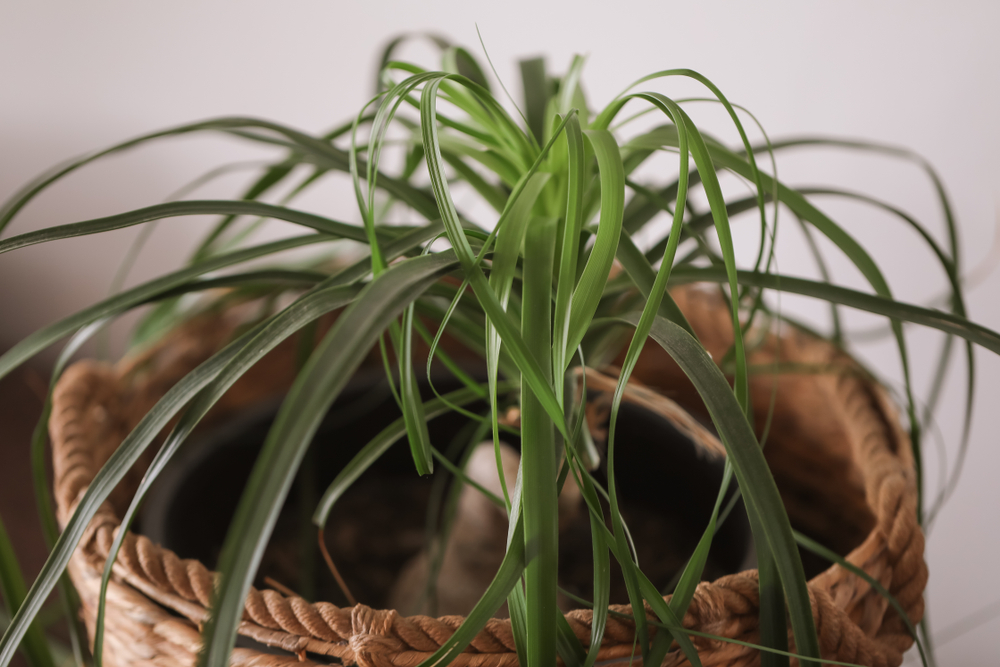
Ponytail palms create a unique indoor appearance. The plant features a swollen base and long, curved leaves. Despite the name, it is not a true palm tree. The base stores water for extended periods. This allows the plant to survive dry conditions easily. Many Canadians place ponytail palms near bright windows. The plant grows slowly and requires little maintenance. Watering once the soil dries works best. Ponytail palms tolerate occasional neglect very well. Their unusual shape makes them interesting decorative plants. Beginners often enjoy growing ponytail palms.
Haworthia Succulent
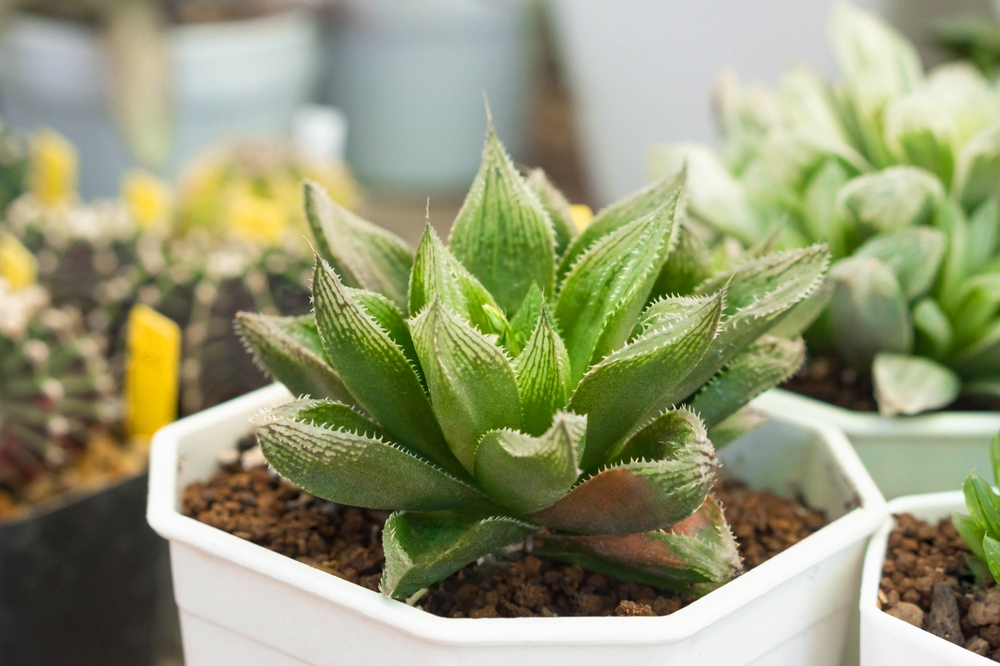
Haworthia plants belong to the succulent family. Their small, rosette-shaped leaves grow close to the soil. Many Canadians keep haworthia plants on desks or windowsills. The plant prefers bright but indirect sunlight. Haworthia tolerates moderate shade better than many succulents. Watering should remain infrequent because the leaves store water. Soil should dry completely between watering sessions. The plant grows slowly but steadily over time. Haworthia rarely requires pruning or special care. Its compact size suits small living spaces. Beginners often find Haworthia easy to maintain.
Parlour Palm
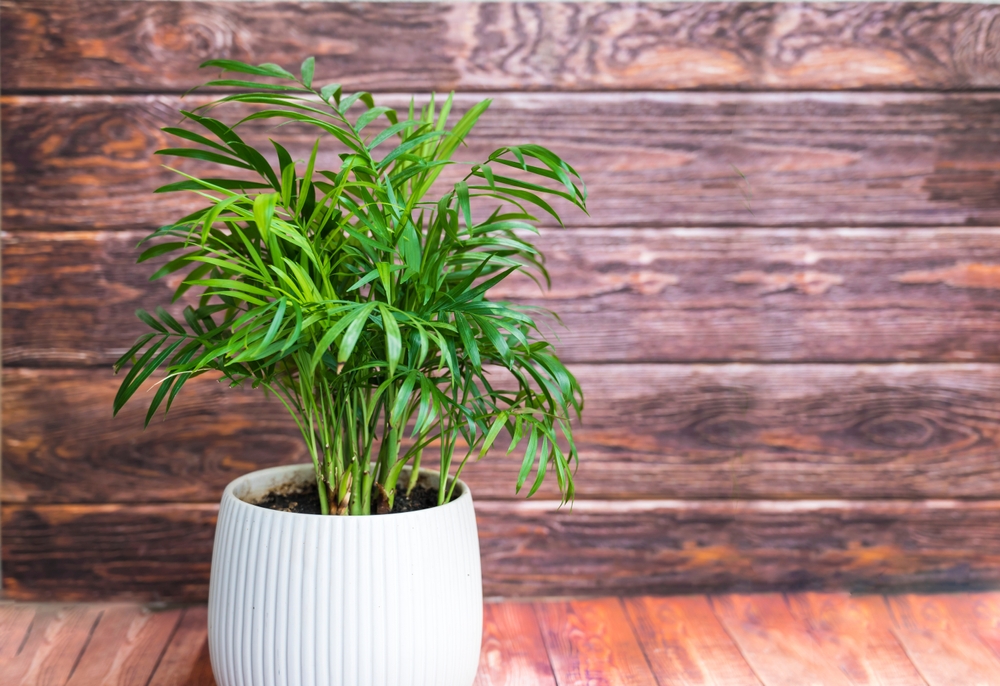
Parlour palms remain classic indoor plants found in many homes. Their soft, feather-like leaves create a tropical appearance. Many Canadians place parlour palms in living rooms or offices. The plant grows well in moderate indoor lighting. Direct sunlight may damage the delicate leaves. Watering once the soil dries slightly usually works well. Parlour palms adapt to indoor temperatures easily. They also grow slowly, reducing maintenance needs. The plant adds greenery without becoming overwhelming. Beginners often succeed with parlour palms due to their adaptability.
Dieffenbachia
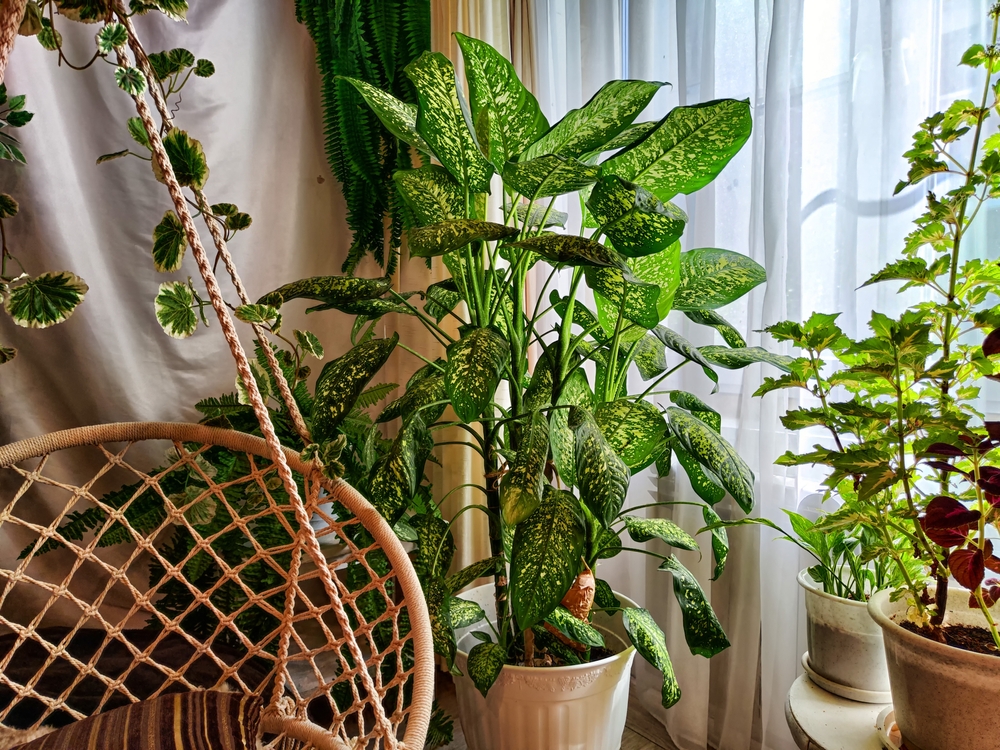
Dieffenbachia plants display large patterned leaves with light and dark green colours. The plant grows well in bright indirect light. Many Canadians keep dieffenbachia in living spaces or offices. Watering should occur when the top layer of soil dries. The plant tolerates occasional care mistakes. Dieffenbachia also grows steadily in indoor temperatures. Its large leaves create a strong decorative presence. Some varieties show striking leaf patterns. This visual appeal attracts many plant buyers. Beginners often find dieffenbachia manageable with basic care.
Calathea Orbifolia
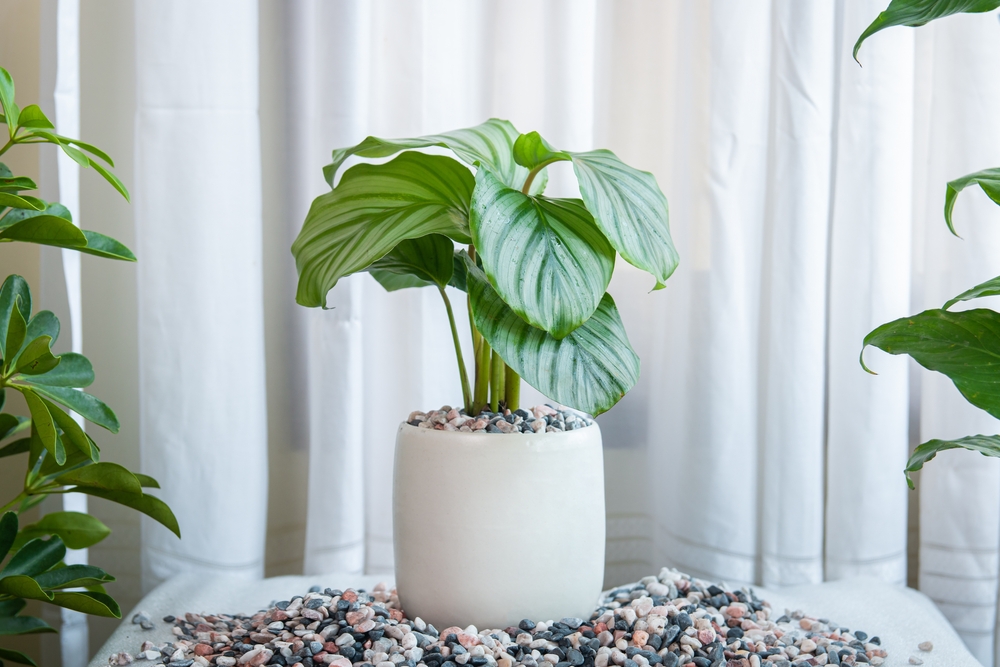
Calathea orbifolia plants feature wide, round leaves with pale stripes. The plant grows best in indirect light conditions. Many Canadians place calatheas away from direct sunlight. Regular watering keeps the soil slightly moist. The plant prefers stable indoor temperatures. Calathea leaves sometimes move slightly during day and night cycles. This movement attracts interest from plant owners. Although calatheas need some attention, they adapt well to indoor conditions. The large leaves create an elegant indoor display. Many beginners enjoy caring for calatheas once they learn basic routines.
String of Hearts
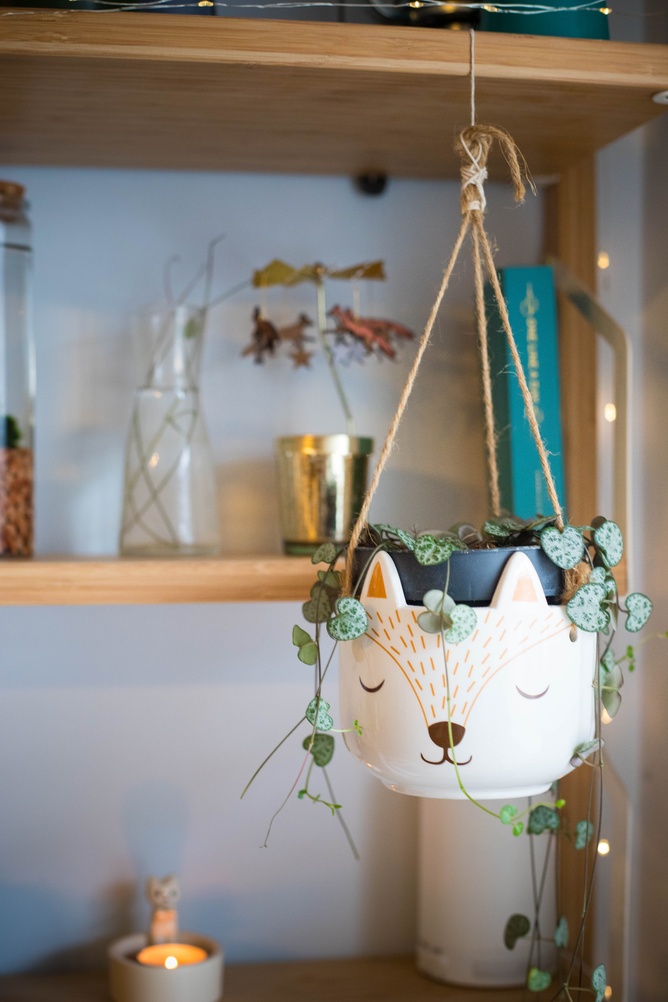
String of hearts plants produce long trailing vines with small heart-shaped leaves. The plant grows well in hanging pots. Many Canadians place it near bright windows. Indirect sunlight supports steady growth. The plant belongs to the succulent family. Its leaves store water for longer periods. Because of this, watering should remain limited. Soil should dry completely between watering sessions. String of hearts plants grow gracefully over time. The delicate vines create a decorative appearance. Beginners often succeed with this plant because of its simple care requirements.
Bird’s Nest Fern
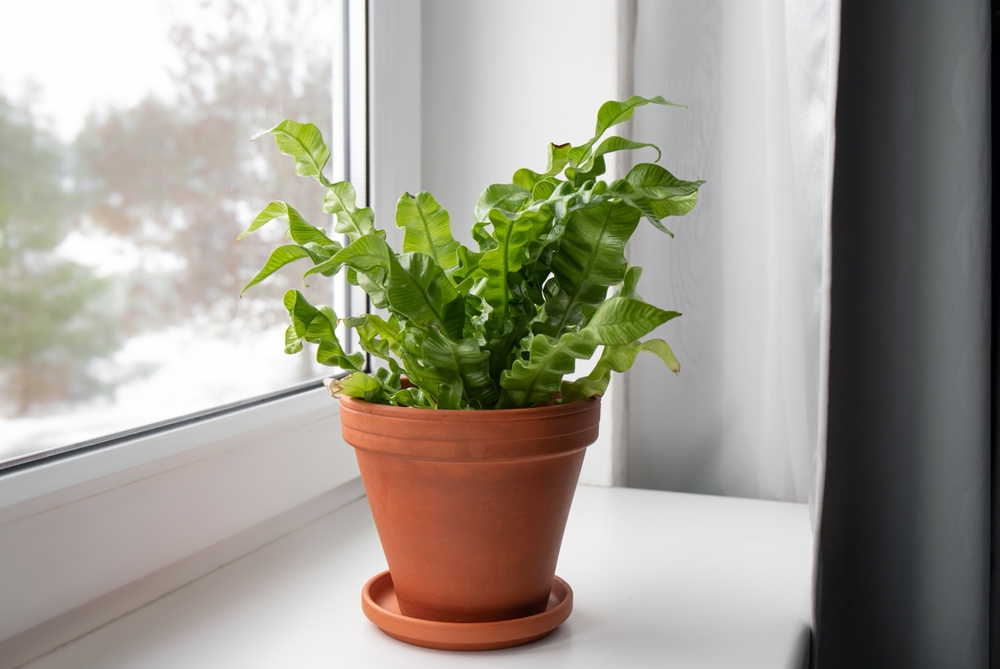
Bird’s nest ferns display wide, wavy leaves that grow from the centre. The plant creates a lush green appearance indoors. Many Canadians place ferns in living rooms or bedrooms. Bird’s nest ferns prefer indirect sunlight. Too much direct light may damage the leaves. The soil should remain slightly moist for healthy growth. However, excessive watering should still be avoided. These ferns adapt well to indoor temperatures. Their bright green leaves make rooms feel more natural. Beginners often enjoy the simple care routine of bird’s nest ferns.
Aglaonema Silver Bay
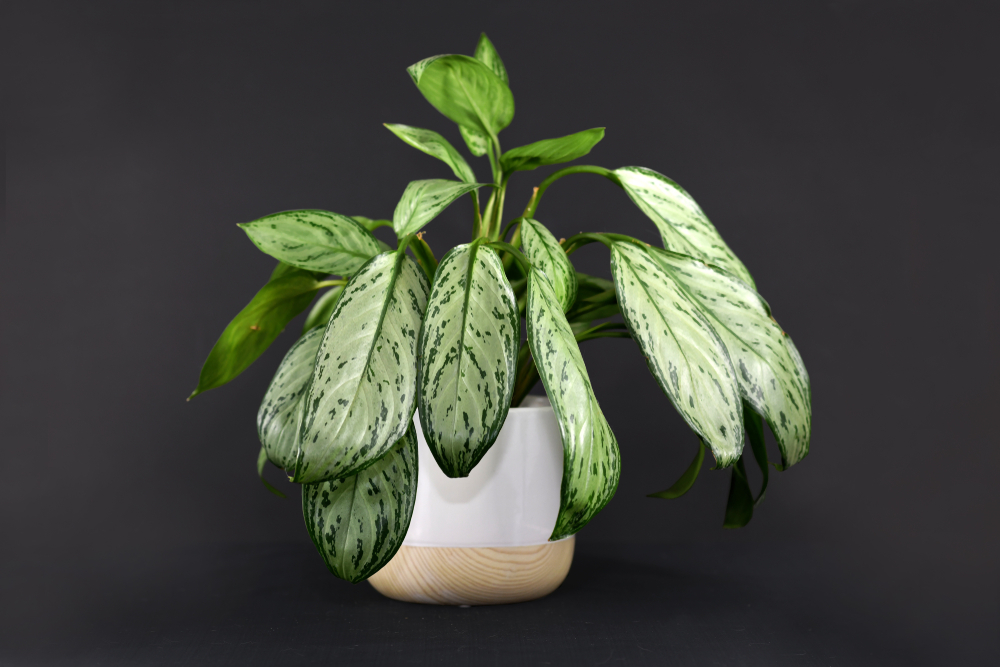
Aglaonema Silver Bay plants display large, patterned leaves. The silver and green colouring adds brightness indoors. Many Canadians keep this plant in moderate indoor lighting. The plant tolerates lower light conditions very well. Watering remains simple because the soil can dry slightly. Aglaonema plants adapt well to indoor temperatures. Their steady growth requires little maintenance. The plant rarely experiences serious pest issues. This resilience makes it appealing for beginners. Many homes use aglaonema as decorative greenery.
Money Tree
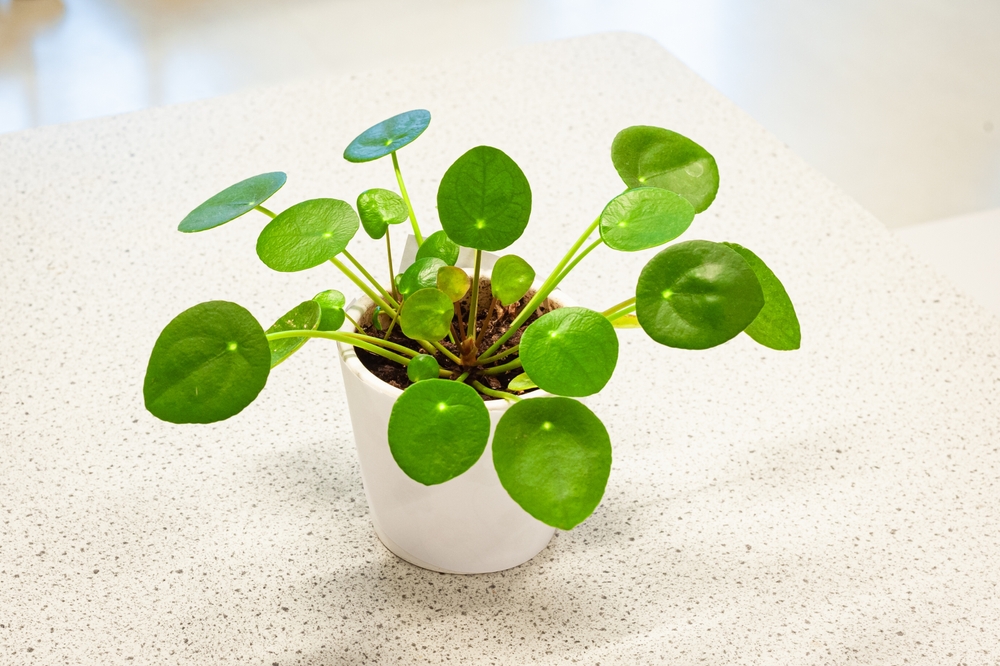
Money tree plants often appear in homes and offices. Their braided trunks create a unique decorative shape. Many Canadians believe the plant symbolises good fortune. Money trees prefer bright indirect sunlight. The soil should dry slightly between watering sessions. The plant adapts well to indoor temperatures. Occasional pruning helps maintain its shape. Money trees can grow several feet tall indoors. Their distinctive appearance makes them popular décor plants. Beginners often manage them successfully.
Kalanchoe
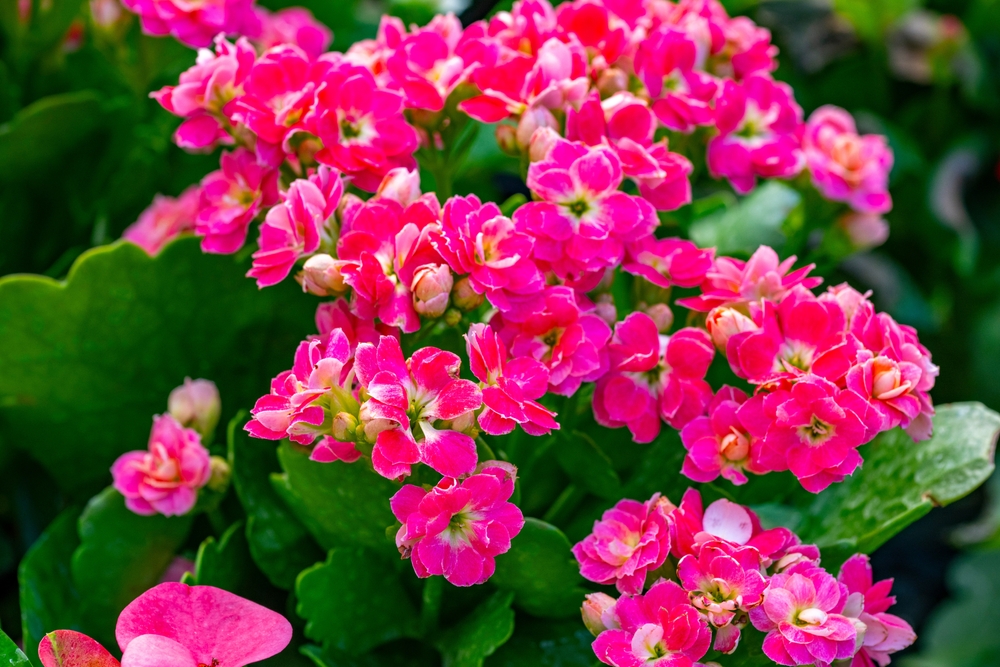
Kalanchoe plants produce small, colourful flowers during the blooming season. The plant belongs to the succulent family. Many Canadians place kalanchoe near sunny windows. Bright light helps the plant bloom regularly. The thick leaves store water efficiently. Because of this, watering should remain minimal. Soil should dry completely before watering again. Kalanchoe plants grow slowly but remain durable. The flowers add colour to indoor spaces. Beginners often succeed with kalanchoe because care remains simple.
19 Things Canadians Don’t Realize the CRA Can See About Their Online Income

Earning money online feels simple and informal for many Canadians. Freelancing, selling products, and digital services often start as side projects. The problem appears at tax time. Many people underestimate how much information the CRA can access. Online platforms, banks, and payment processors create detailed records automatically. These records do not disappear once money hits an account. Small gaps in reporting add up quickly.
Here are 19 things Canadians don’t realize the CRA can see about their online income.
