Internet slang moves fast. One week, you are using a word correctly. Next week, you are trending for the wrong reason. Canadians are active online, from TikTok comment sections to group chats. That means slang slips show up quickly. Some words get stretched past their meaning. Others get used years after their prime. The result is mild embarrassment at best and public roasting at worst. This guide breaks down what these terms actually mean and how people misuse them. Here are 23 Internet slang Canadians are using wrong (And getting roasted for).
“Rizz”

“Rizz” refers to charm, usually romantic charm. It describes someone’s ability to attract or flirt smoothly. Many Canadians use it as a general compliment. They might say someone has rizz because they dressed well. That is not quite right. Style can help, but rizz is about social skills. It shows up in conversation, not outfits. Saying a shy person has rizz with no evidence feels forced. Online users notice that quickly. When overused, the word loses its punch. If someone cannot hold eye contact, calling it rizz invites jokes.
“Gaslighting”

Gaslighting is psychological manipulation. It involves making someone question their memory or reality. Canadians often use it for simple disagreements. If a friend recalls a different version of events, that is not gaslighting. It may just be faulty memory. Throwing the term around weakens its meaning. It also makes serious situations harder to discuss. Social media has turned it into a buzzword. That shift created confusion. Real gaslighting is repeated and intentional. It is not forgetting who paid for dinner. Using it loosely often sparks pushback online.
“POV”

POV stands for point of view. It signals that a video shows a specific perspective. Many Canadians label random clips as POV. For example, someone posts a dance video and writes “POV: you’re bored.” That does not show a clear perspective. True POV content places the viewer inside a scenario. It feels immersive. Misusing it makes captions confusing. Viewers expect context when they see POV. When it is missing, comments fill with corrections. The label works best when it frames a story. Without that framing, it feels misplaced.
“Mid”

“Mid” means average or unimpressive. It is a blunt way to call something mediocre. Some Canadians use it for anything they dislike. That stretches the term too far. If a movie is terrible, it is not mid. It is just bad. Mid sits in the middle. It suggests something is fine but forgettable. Online debates often erupt over this word. Fans defend their favorites against the mid label. Overusing it can make criticism seem lazy. Clear opinions land better than vague slang judgments.
“Pick Me.”

A “pick me” is someone who seeks approval by putting others down. It often appears in dating discussions. Canadians sometimes use it for anyone who wants attention. That misses the nuance. The term implies internalized bias or competitive behavior. It is not about simple confidence. Calling someone a pick me without context feels unfair. Social media users react quickly to misuse. The phrase carries social weight. Using it casually can start arguments. It works best when behavior clearly matches the definition.
“Touch Grass.”
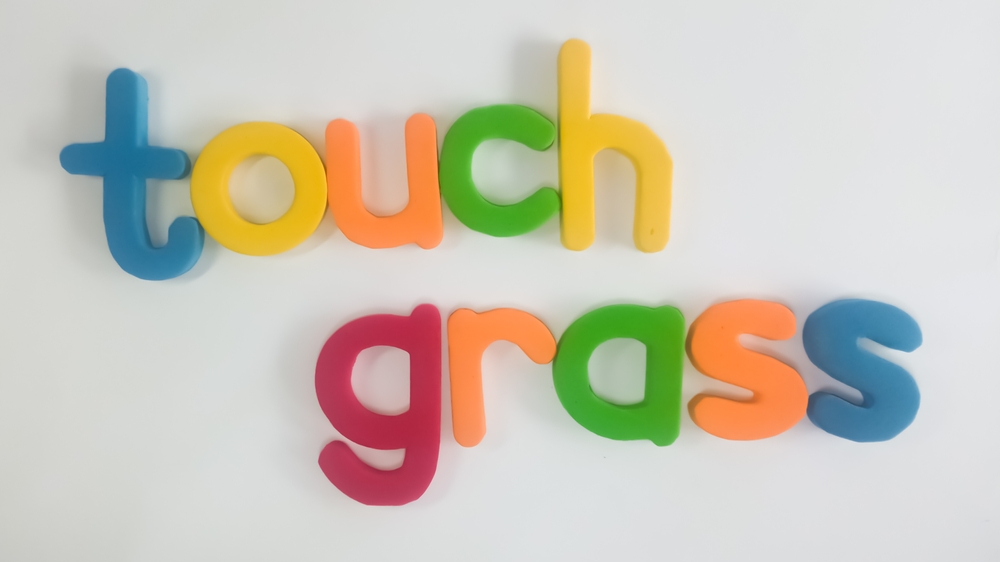
“Touch grass” means log off and go outside. It suggests someone spends too much time online. Canadians sometimes say it during minor disagreements. That waters down the phrase. It was meant for extreme cases of online obsession. Using it casually feels dismissive. It shuts down conversation instead of adding insight. People often reply with sarcasm when it appears unnecessarily. The phrase works when someone is clearly spiraling online. Otherwise, it sounds like a tired comeback.
“NPC”
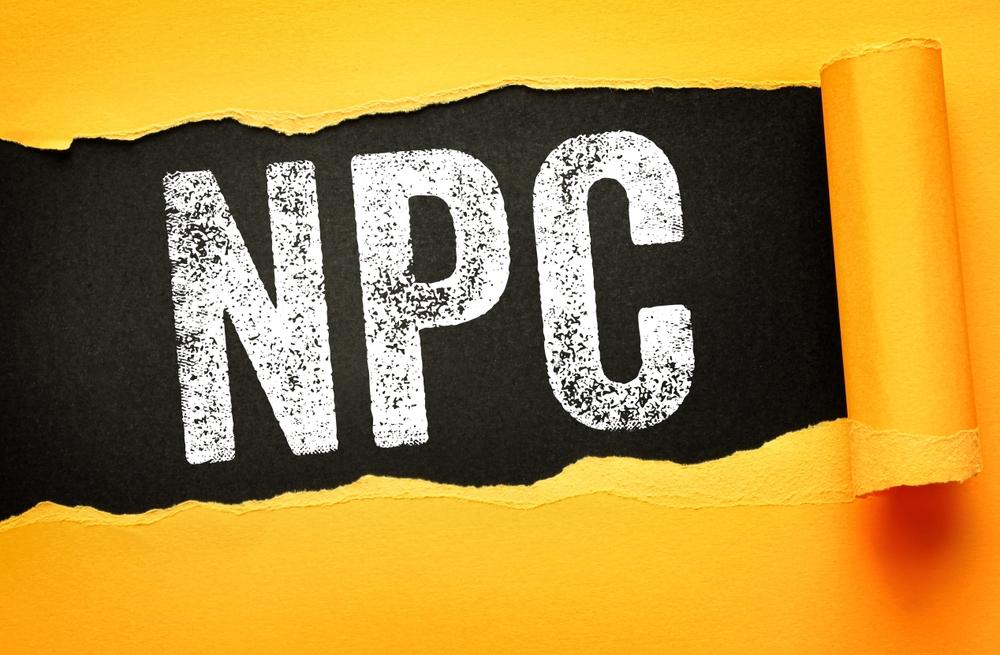
NPC stands for non-playable character in gaming. Online, it describes someone acting robotic or scripted. Some Canadians use it for anyone who disagrees with them. That flips the meaning. NPC implies predictable behavior, not opposing views. Throwing it around reduces real discussion. It also makes the speaker look defensive. Gaming slang can be sharp when used well. Misusing NPC feels lazy. Viewers tend to push back in comments. Clear reasoning beats name-calling.
“Slay”

“Slay” once meant doing something exceptionally well. It carried a sense of bold confidence. Canadians now use it for almost everything. Someone cooks dinner and hears a slay. Someone posts a neutral selfie and hears slay. The word loses impact that way. Slay works best when something stands out. Overusing it turns it into filler. Online audiences catch onto repetition quickly. When every action is stale, nothing feels special. Precision keeps slang fresh.
“Cap”
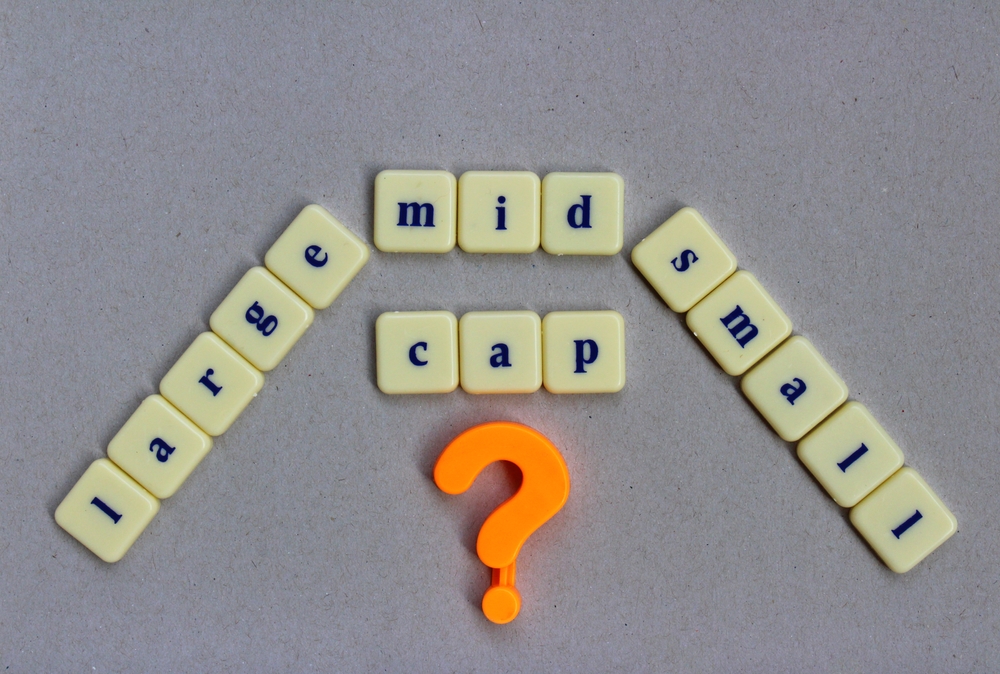
“Cap” means a lie. Saying “no cap” means telling the truth. Some Canadians use cap to mean exaggeration. That is close but not exact. Exaggeration can stretch truth without being false. Cap suggests something is entirely untrue. Mislabeling hyperbole as cap creates confusion. In comment sections, people often correct that usage. The term is sharp and specific. It works best when calling out clear falsehoods. Using it loosely weakens the point.
“Based”

“Based” signals approval of a bold opinion. It often celebrates someone speaking freely. Canadians sometimes use it as a simple synonym for good. That shifts the meaning. Based usually relates to strong viewpoints. It does not apply to neutral content. Calling a random recipe based on feels off. Online communities are quick to notice tone mismatches. The word works when tied to conviction. Without that edge, it sounds misplaced.
“Ratio”
To ratio someone means to receive more replies than likes on a post. It signals public disagreement or backlash. On platforms like X, that imbalance suggests people are criticizing instead of supporting. Many Canadians use “ratio” as a threat in comments. They reply with a single word and hope others pile on. That is not how it works. A ratio happens naturally when a post annoys or angers readers. You cannot summon one by typing it. When people attempt to force it, others often mock them instead. The term describes an outcome, not a magic trick you control online.
“Delulu”

“Delulu” is playful shorthand for delusional. It gained popularity in fandom spaces, especially around celebrities and fictional couples. The tone is usually light and self-aware. Canadians sometimes use it as a serious insult during arguments. That shifts the word’s original vibe. Delulu was meant to poke fun at unrealistic hopes, not attack someone’s character. When used harshly, it sounds immature and dismissive. Online audiences pick up on tone quickly. They expect humor with this term. Dropping it into heated debates feels misplaced. Keeping it playful preserves the joke and avoids unnecessary backlash in comment sections.
“Stan”

To stan someone means being an enthusiastic and loyal supporter. The term comes from fan culture and suggests deep commitment. It is stronger than simply liking something. Many Canadians now use stan for casual interest. Someone might say they stan a show they barely watch. That exaggeration can sound hollow. True stans defend, promote, and follow closely. The label carries expectations of dedication. Online communities notice when someone claims stan status without knowledge. That often leads to teasing. Using the word accurately avoids awkward exchanges. If you enjoy something casually, saying you are a fan works better and feels honest.
“Aura”

“Aura” online usually refers to someone’s perceived vibe or cool factor. It appears often in meme edits and highlight videos. The word is exaggerated for comedic effect. Some Canadians treat aura as a literal spiritual glow. That interpretation misses the joke. In slang form, aura measures presence, not mysticism. Saying someone lost their aura after a small mistake is meant to be dramatic. Taking it seriously changes the tone completely. Commenters often respond with sarcasm when aura is overexplained. The term works best when used lightly. Keeping it playful avoids confusion and keeps the humor intact.
“Main Character.”

“Main character” energy describes someone confidently living as the focus of their own story. It often celebrates self-assurance and independence. Some Canadians use it to justify selfish behavior. That is not the original meaning. Main character moments should not come at other people’s expense. The phrase encourages self-belief, not disregard for others. Online users are quick to call out misuse. When rude actions get labeled as empowerment, criticism follows. Confidence and arrogance are not the same thing. Understanding that difference matters. Using the term thoughtfully keeps it positive and avoids backlash in public conversations online.
“Triggered”
“Triggered” has roots in psychology and trauma discussions. It refers to a reaction linked to past distressing experiences. Many Canadians now use it to describe mild annoyance. Saying you are triggered by a slow Wi Fi connection trivializes the word. That shift can upset people who use it seriously. Online communities often point out this misuse. Language influences how people view mental health. Casual overuse blurs important distinctions. Feeling irritated is common and valid. It just is not the same as being triggered. Choosing more accurate words keeps conversations respectful and reduces criticism from informed audiences online.
“Simp”
A simp is someone who shows excessive admiration in hopes of gaining romantic approval. The word usually implies imbalance or desperation. Some Canadians label any respectful partner as a simp. That distorts the meaning. Being kind, supportive, or emotionally available is not a weakness. Online debates frequently erupt over this term. When it gets thrown at basic decency, people push back. The slang was meant for extreme situations. Broad use turns it into empty noise. Mislabeling healthy relationships as simping spreads confusion. Understanding the difference prevents unnecessary arguments and avoids embarrassing corrections in public threads and comment sections.
“GOAT”

GOAT stands for greatest of all time. It signals rare achievement and long-term impact. The label carries weight in sports, music, and entertainment. Some Canadians now use GOAT for everyday success. Calling a decent coffee shop the GOAT lowers the bar. The term implies comparison across generations, not daily satisfaction. Online audiences often question inflated praise. When everything becomes GOAT level, nothing feels special. Strong words work best when saved for standout performance. Reserving GOAT for truly exceptional figures keeps it meaningful and avoids sarcastic replies from people who take rankings seriously online.
“Vibe Check.”
A vibe check assesses the mood of a situation. It can highlight awkwardness or unexpected energy shifts. Canadians sometimes drop “vibe check” into comments without context. When nothing unusual happened, the phrase feels random. The term works best when pointing out clear tension or excitement. Used casually, it reads like filler text. Online readers often ask what exactly is being checked. That question alone shows misuse. Clear context makes the phrase land better. Without it, the comment feels forced. Slang gains power from timing. Applying vibe check thoughtfully prevents confusion and unnecessary teasing.
“Receipts”

“Receipts” means proof, usually in the form of screenshots or documented evidence. The word gained popularity during online disputes. Canadians sometimes call personal opinions receipts. That is incorrect. A receipt must verify a claim with clear documentation. Simply repeating an accusation does not qualify. Commenters often demand actual screenshots when the word appears. Without proof, the claim weakens. The term carries authority when used correctly. Misusing it undermines credibility. Online audiences expect transparency. If you promise receipts, you need evidence ready. Otherwise, the conversation quickly turns against you, and the argument loses momentum in public discussions.
“Lowkey”
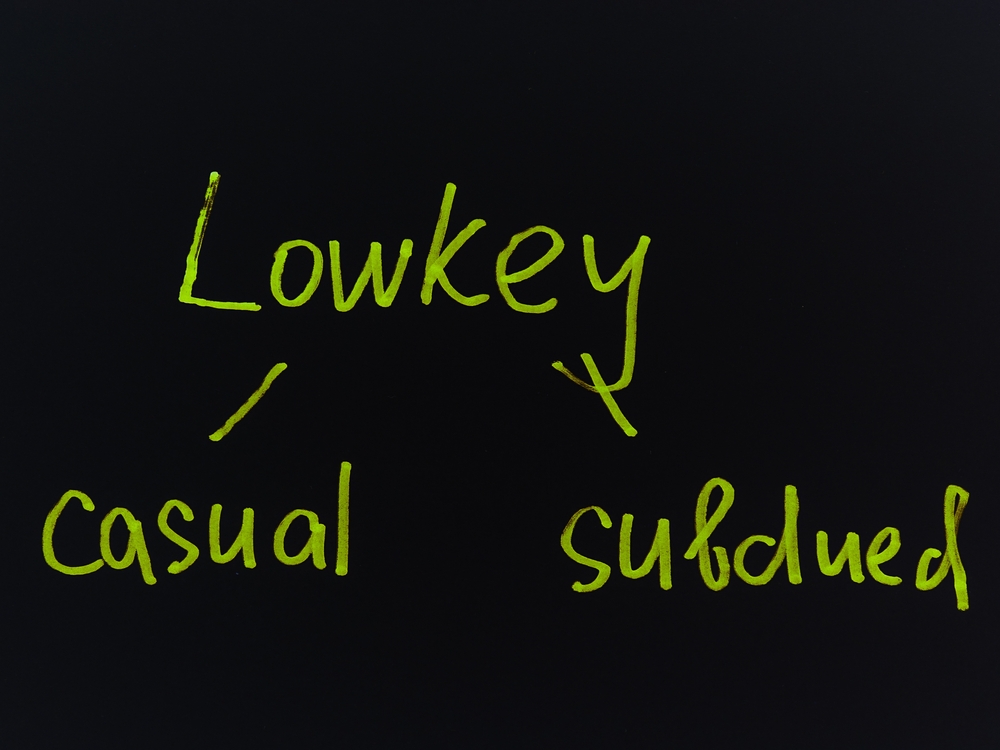
“Lowkey” means subtle, quiet, or slightly. It softens a statement and lowers intensity. Many Canadians use lowkey before bold declarations. Saying you lowkey hate something strongly feels contradictory. The word implies understatement, not emphasis. When paired with dramatic opinions, it creates tonal confusion. Online readers often notice that mismatch. Lowkey works best for mild feelings or private thoughts. Overusing it makes writing repetitive. It can also sound like hedging. Choosing it carefully keeps the tone clear. When a statement is strong, it is better to say it plainly rather than disguise it with softening slang.
“Highkey”

“Highkey” signals open enthusiasm or strong emotion. It is the opposite of lowkey. Canadians sometimes insert it into neutral sentences. That weakens the effect. Highkey should reflect genuine excitement or strong agreement. Using it casually for minor preferences feels exaggerated. Online audiences respond quickly to unnecessary hype. The word carries intensity. Saving it for moments that truly deserve emphasis keeps it effective. Otherwise, it becomes background noise. Tone matters online. When intensity does not match the situation, readers sense it. Thoughtful use of highkey avoids awkward reactions and preserves the punch behind the phrase.
“Iconic”
“Iconic” describes something with lasting cultural significance. It suggests influence that goes beyond a single moment. Some Canadians use iconic for ordinary experiences. Calling a regular brunch iconic stretches the meaning. The term implies memorability on a broader scale. Overuse dilutes that power. Online users often respond with sarcasm when the bar is set too low. Iconic moments usually shape trends or spark conversations. They are not everyday events. Reserving the word for standout achievements keeps it credible. Careful use prevents eye rolls and protects the impact that iconic once carried across social media platforms.
22 Groceries to Grab Now—Before another Price Shock Hits Canada
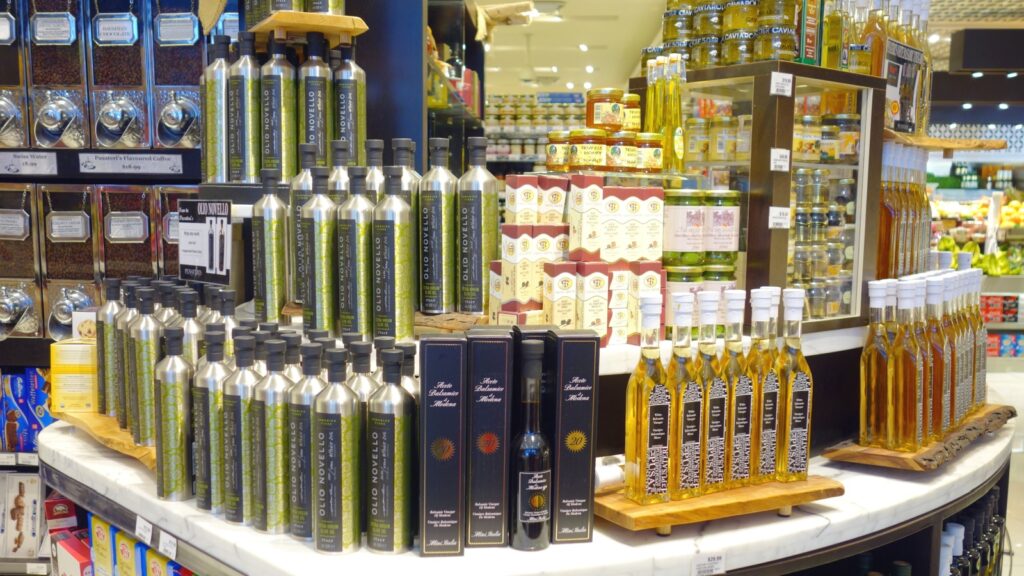
Food prices in Canada have been steadily climbing, and another spike could make your grocery bill feel like a mortgage payment. According to Statistics Canada, food inflation remains about 3.7% higher than last year, with essentials like bread, dairy, and fresh produce leading the surge. Some items are expected to rise even further due to transportation costs, droughts, and import tariffs. Here are 22 groceries to grab now before another price shock hits Canada.
22 Groceries to Grab Now—Before another Price Shock Hits Canada
