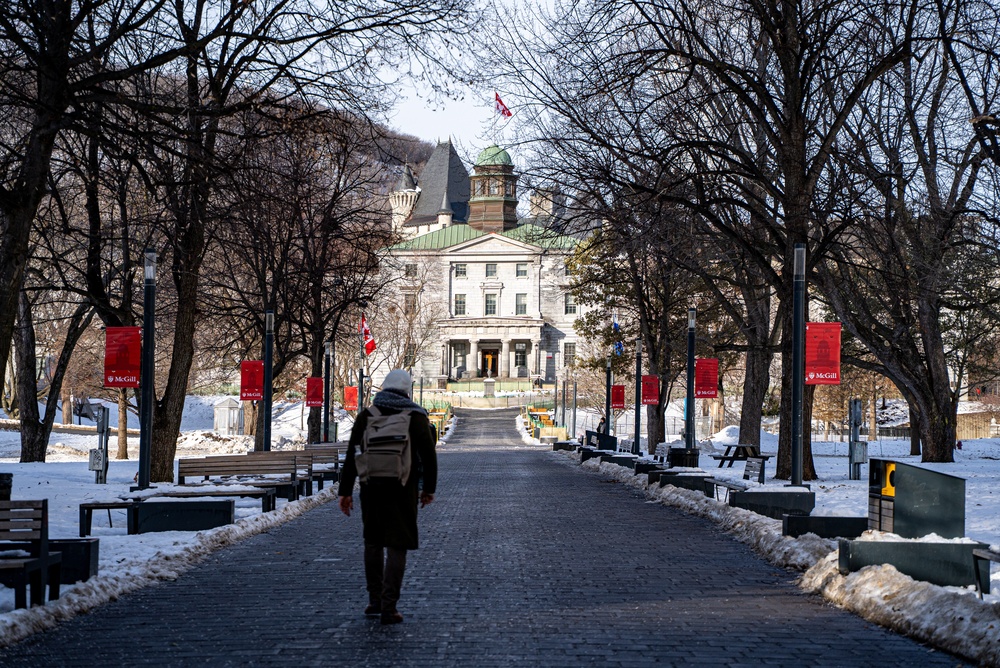
Winter in Canada brings challenges that residents anticipate every year, yet some problems still manage to surprise people. Extreme temperatures, heavy snowfall, and icy conditions affect daily routines in unexpected ways. Social media has amplified these experiences, turning ordinary winter frustrations into viral moments. What locals consider normal can appear unusual to outsiders. From transportation disruptions to household issues, the season tests infrastructure and patience alike. Here are 23 “Only in Canada” problems that went viral this winter.
Extreme Cold Snaps Phone Batteries Instantly
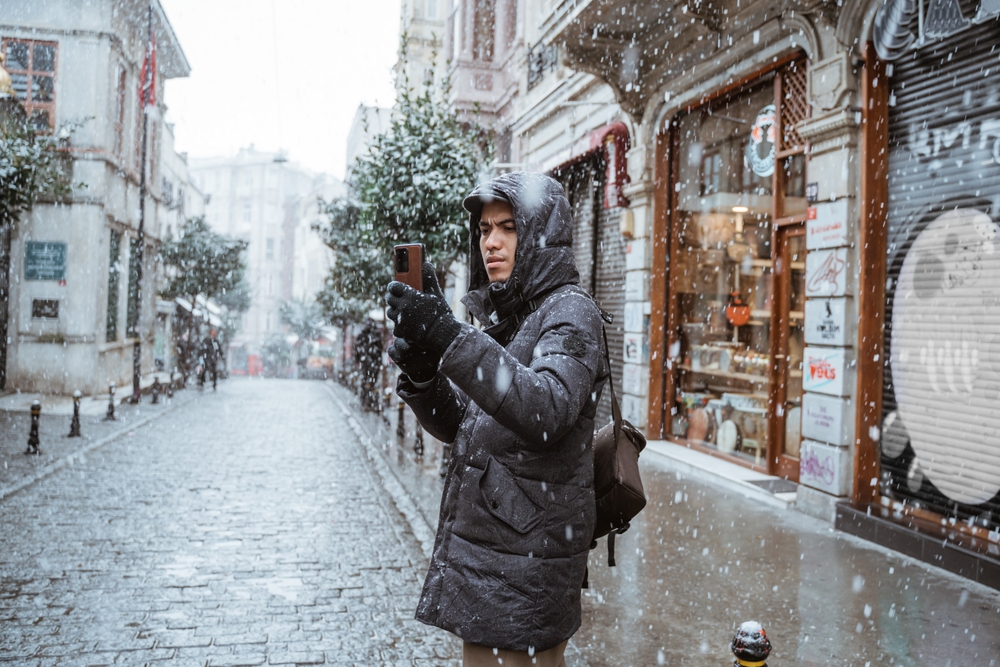
Severe cold temperatures can drain smartphone batteries within minutes outdoors. Lithium-ion batteries lose efficiency as temperatures drop below freezing. Canadians often report phones shutting down despite showing a charge. Warming the device can temporarily restore function. Protective cases provide limited insulation against extreme conditions. People keep their phones inside their pockets to maintain warmth. Outdoor workers face greater challenges in maintaining connectivity. Social media posts frequently document sudden shutdowns during cold snaps. Manufacturers recommend avoiding prolonged exposure to low temperatures. Portable power banks are commonly used as backup solutions. The issue highlights how everyday technology struggles in harsh climates. It has become a widely shared winter inconvenience.
Snowbanks Blocking Driveways After Plows Pass
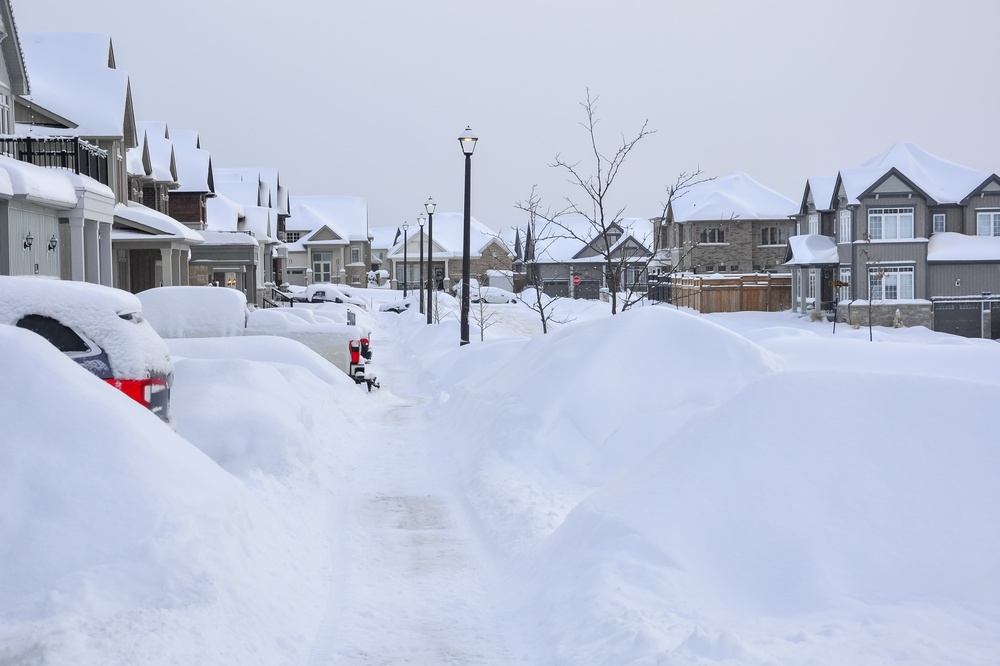
Municipal snowplows clear streets but often leave heavy snow at driveway entrances. Residents must shovel again after the plow passes. The compacted snow is heavier than fresh snowfall. Complaints about this problem appear after nearly every storm. Some cities offer limited assistance programs for seniors. The timing of plowing operations rarely matches individual schedules. Social media discussions highlight frustration across neighborhoods. Clearing the hardened snow can take significant effort. Repeated storms compound the issue over time. Property owners are responsible for maintaining access. The situation reflects the challenges of large-scale snow removal. It remains one of the most common winter complaints.
Cars Frozen Shut Overnight in Subzero Temperatures
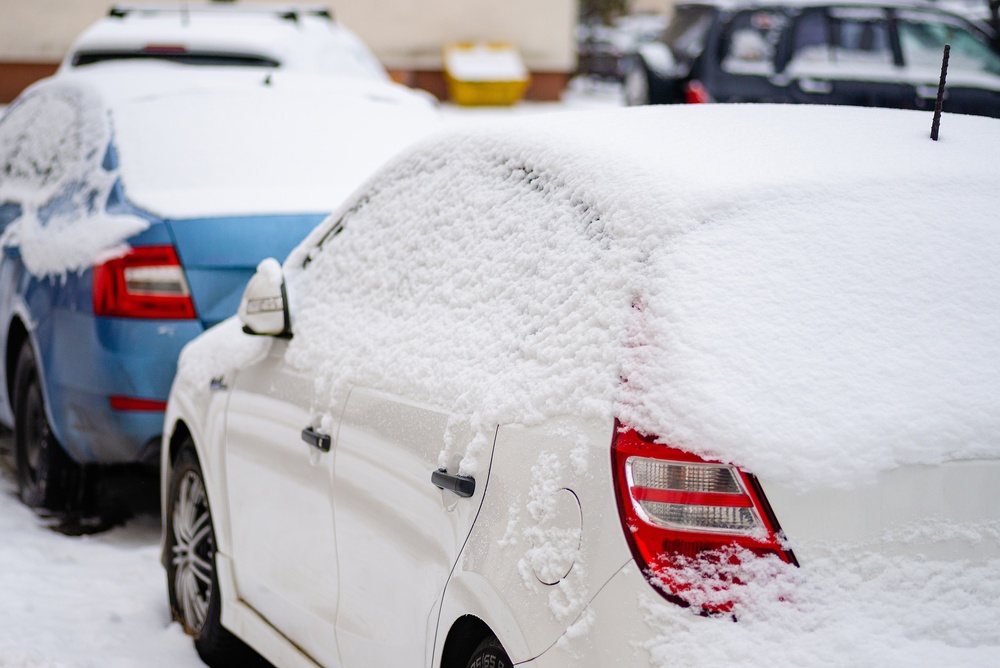
Moisture can freeze around car doors during extreme cold. Drivers may struggle to open vehicles in the morning. Rubber seals stiffen, and ice bonds surfaces together. Pouring warm water is discouraged due to refreezing risk. Many used de-icing sprays or remote starters instead. Parking in garages reduces the likelihood of freezing. Social media often features videos of people pulling handles repeatedly. Battery performance also declines in severe cold. Remote locks may fail to respond initially. Preventive measures include wiping seals before freezing weather. The problem highlights how vehicles react to harsh winter conditions. It is a routine challenge in colder regions.
Slipping on Ice Even With “Good” Winter Boots

Ice-covered sidewalks create hazardous walking conditions across Canadian cities. Even insulated boots may lack sufficient traction. Black ice is especially difficult to detect. Falls can result in injuries requiring medical attention. Municipal salt spreading does not reach every area immediately. Residents often adopt cautious walking styles during winter. Social media posts show frequent slip incidents. Ice cleats attached to footwear provide additional grip. Property owners are required to clear sidewalks promptly. Temperature fluctuations worsen ice formation. The issue reflects the balance between safety and winter mobility. Slipping remains a persistent seasonal risk despite precautions.
Transit Delays Caused by Snow and Frozen Tracks
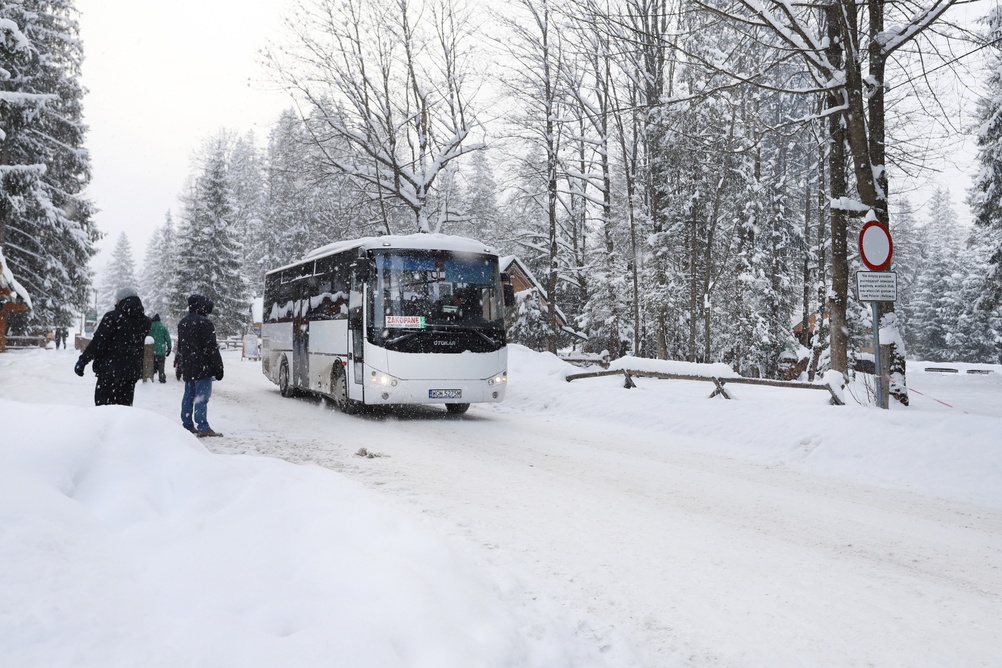
Snow accumulation affects trains, buses, and streetcars significantly. Ice can interfere with electrical systems on rail lines. Mechanical issues occur more frequently during cold weather. Commuters experience longer travel times as a result. Transit agencies deploy crews to clear tracks continuously. Service alerts are issued throughout severe storms. Crowding increases when schedules are disrupted. Social media becomes a hub for real-time updates. Some routes are suspended temporarily for safety reasons. Winter conditions test infrastructure resilience. Riders often plan extra time for commuting. Delays highlight the difficulty of operating transit in extreme weather.
Schools Closing Due to Wind Chill Warnings
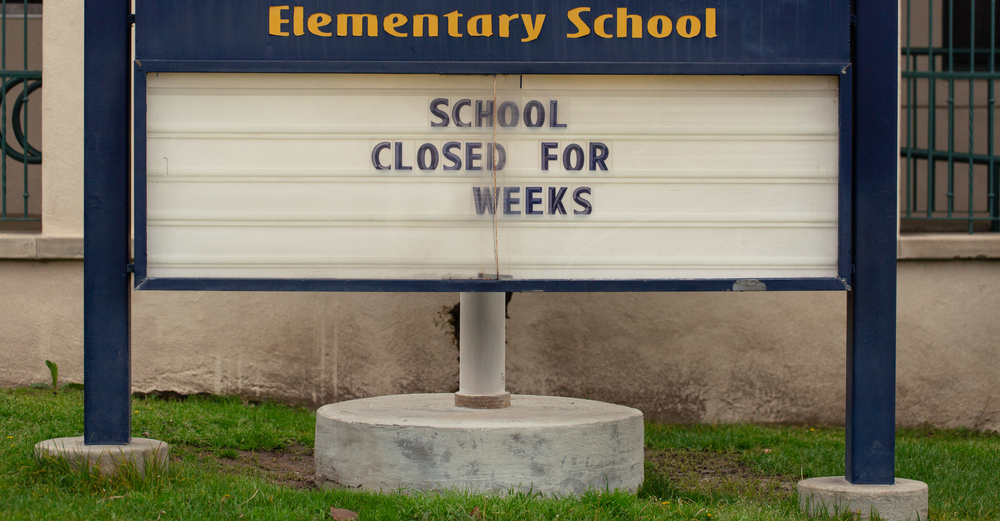
Extreme wind chill can make outdoor exposure dangerous for children. School boards sometimes cancel classes during severe cold. Bus services are particularly affected by weather conditions. Parents must arrange alternative childcare unexpectedly. Online learning options may be activated temporarily. Decisions are often made early in the morning. Announcements spread quickly through media and apps. Students may welcome closures as unexpected breaks. Teachers adjust schedules to recover missed material later. Safety considerations remain the primary factor. Repeated closures can disrupt academic routines. These decisions reflect the priority placed on student wellbeing.
Power Outages During Ice Storms
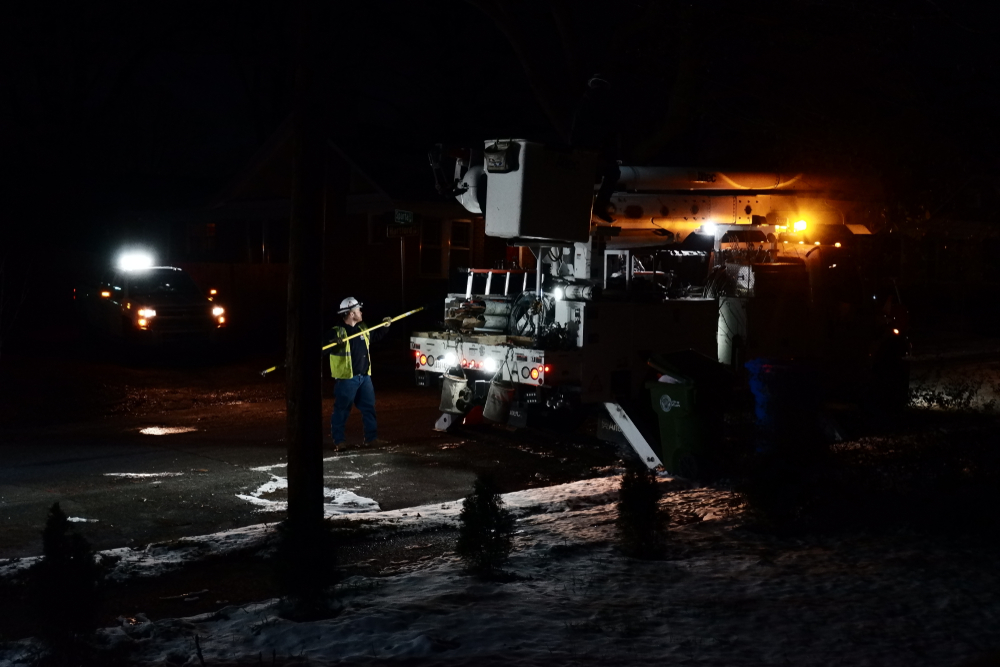
Ice accumulation can damage power lines and infrastructure. Falling branches often cause service interruptions. Restoration efforts may take hours or days, depending on severity. Heating systems fail without electricity in many homes. Emergency shelters open to assist affected residents. Utility crews work continuously during storms. Portable generators become valuable backup resources. Communication networks may also be disrupted. Public advisories emphasize staying indoors when possible. Food spoilage becomes a concern during prolonged outages. Media coverage tracks restoration progress closely. Ice storms demonstrate the vulnerability of electrical systems to weather.
Roof Snow Loads Causing Structural Concerns
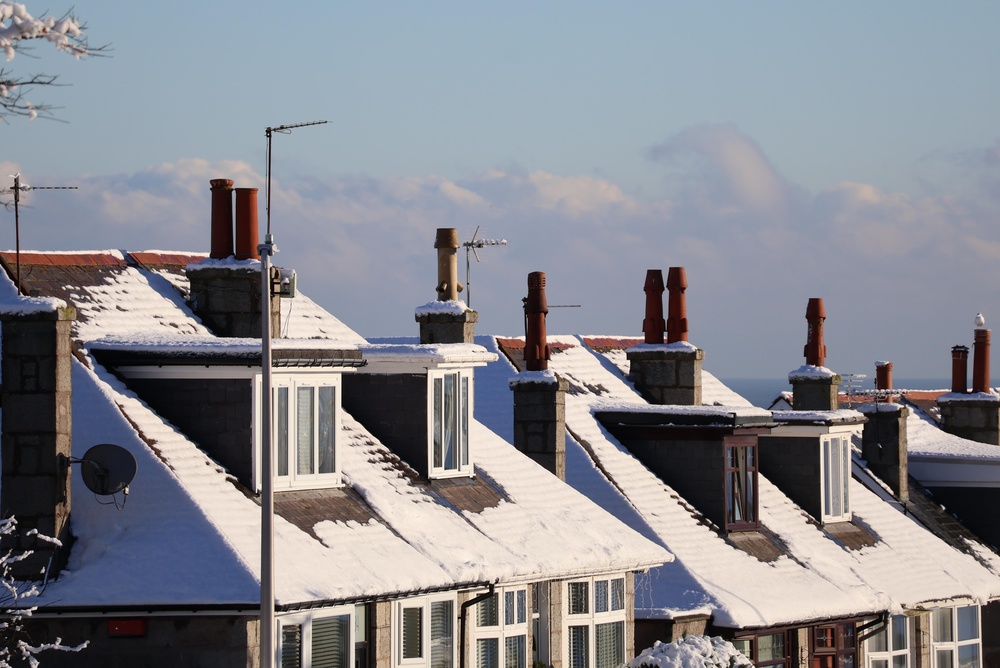
Heavy snow accumulation can strain building structures. Flat roofs are particularly vulnerable to excessive weight. Property owners monitor buildup after major storms. Removing snow from roofs carries safety risks. Professional services are often recommended for large structures. Collapses, though rare, receive significant media attention. Insurance claims may arise from damage. Municipal guidelines advise monitoring warning signs such as sagging. Temperature changes can create ice layers beneath snow. Preventive maintenance reduces potential hazards. The issue highlights engineering challenges in snowy climates. Awareness increases during winters with above-average snowfall.
Frozen Windshield Washer Fluid Mid-Drive
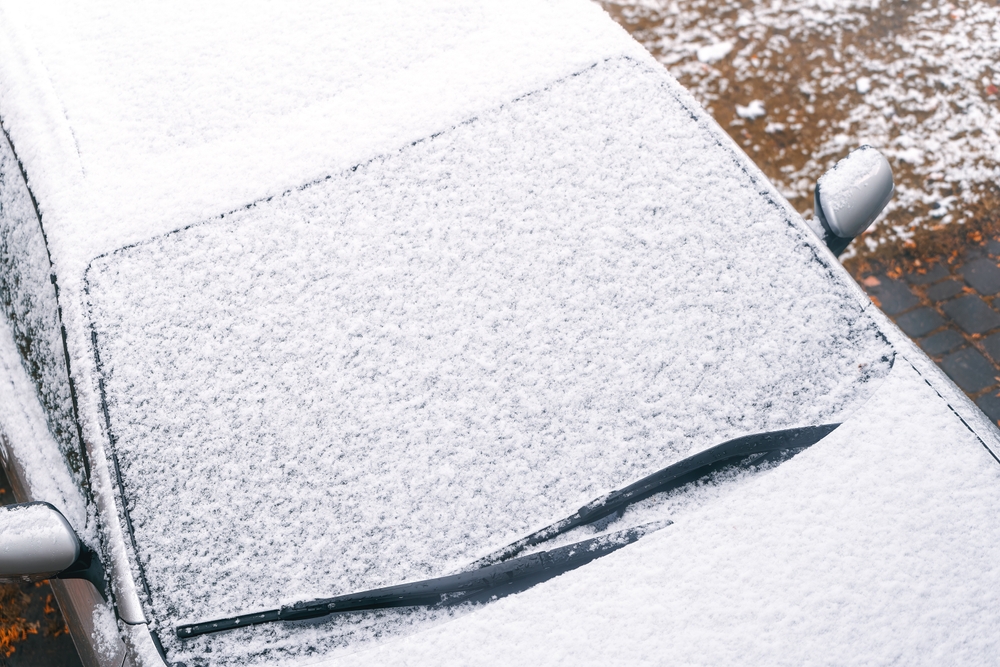
Washer fluid can freeze if it is not rated for low temperatures. Drivers may lose visibility when trying to clean windshields. Road salt and slush accumulate quickly during winter driving. Using winter-grade fluid reduces freezing risk. Vehicle reservoirs are vulnerable to extreme cold exposure. Some drivers carry spare fluid containers. Social media posts show streaked windshields during storms. Service stations often promote cold-resistant products seasonally. Regular checks are recommended before long trips. Visibility issues can create dangerous driving conditions. The problem illustrates how small maintenance details matter in winter. Proper preparation minimizes inconvenience.
Long Lines at Tire Shops After First Snowfall
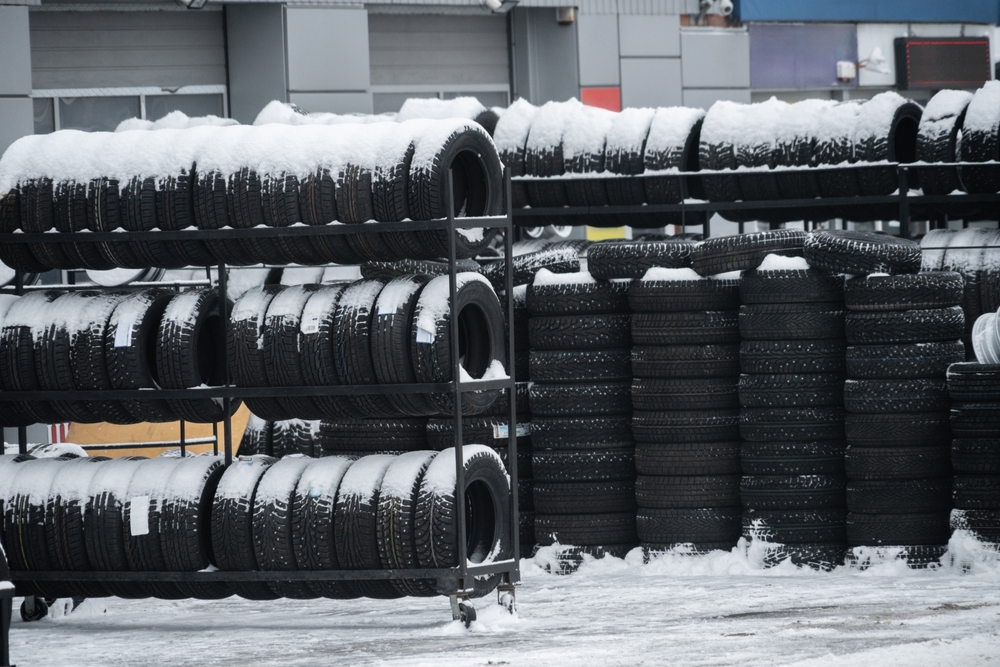
Demand for winter tires spikes after the season’s first major storm. Many drivers delay installation until conditions worsen. Appointment slots fill quickly at service centers. Long waits become common across urban areas. Safety campaigns encourage earlier preparation each year. Tire shortages sometimes occur during peak demand. Social media posts show crowded parking lots. Winter tires significantly improve traction on snow and ice. Drivers who prepare early avoid the rush. Weather forecasts often trigger booking surges. The phenomenon reflects reactive rather than proactive planning. It recurs annually across colder regions.
Pets Refusing to Go Outside in Extreme Cold
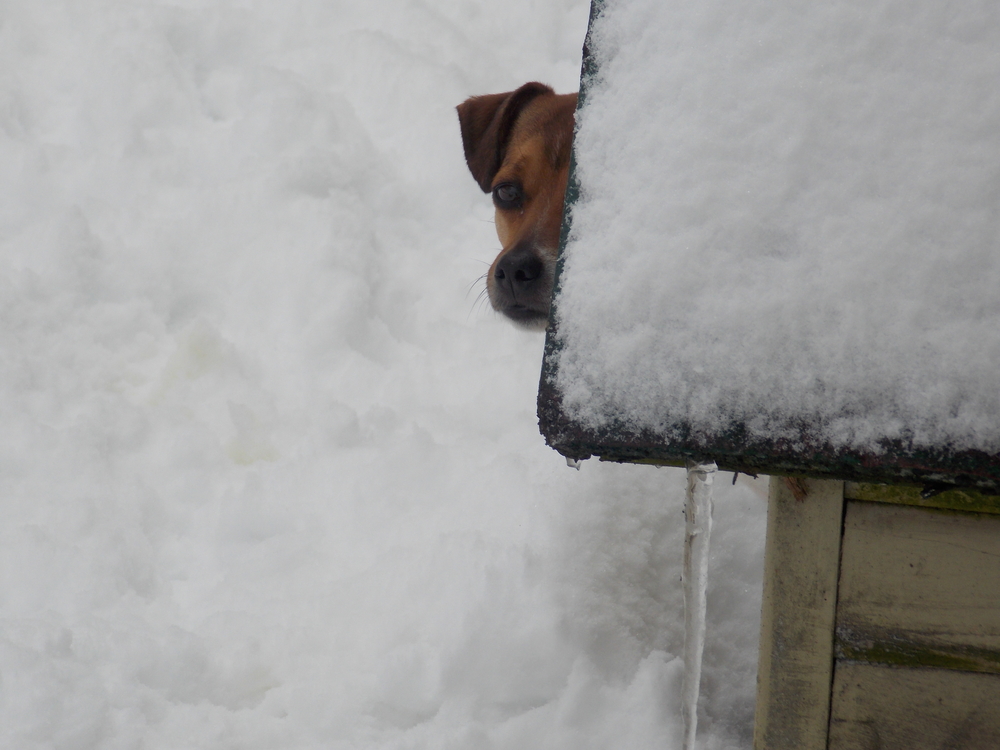
Domestic animals can be sensitive to low temperatures. Dogs may resist walks during severe cold snaps. Short fur breeds are particularly vulnerable. Protective clothing is commonly used for pets. Ice and salt can irritate paws. Owners limit outdoor time to prevent health risks. Social media videos often show reluctant animals. Veterinary advice emphasizes monitoring for frostbite signs. Indoor exercise becomes necessary during extreme weather. Heated shelters are recommended for outdoor animals. The behavior reflects an instinct to avoid harsh conditions. Pet care routines must adapt to winter realities.
Groceries Running Low Before Major Storms
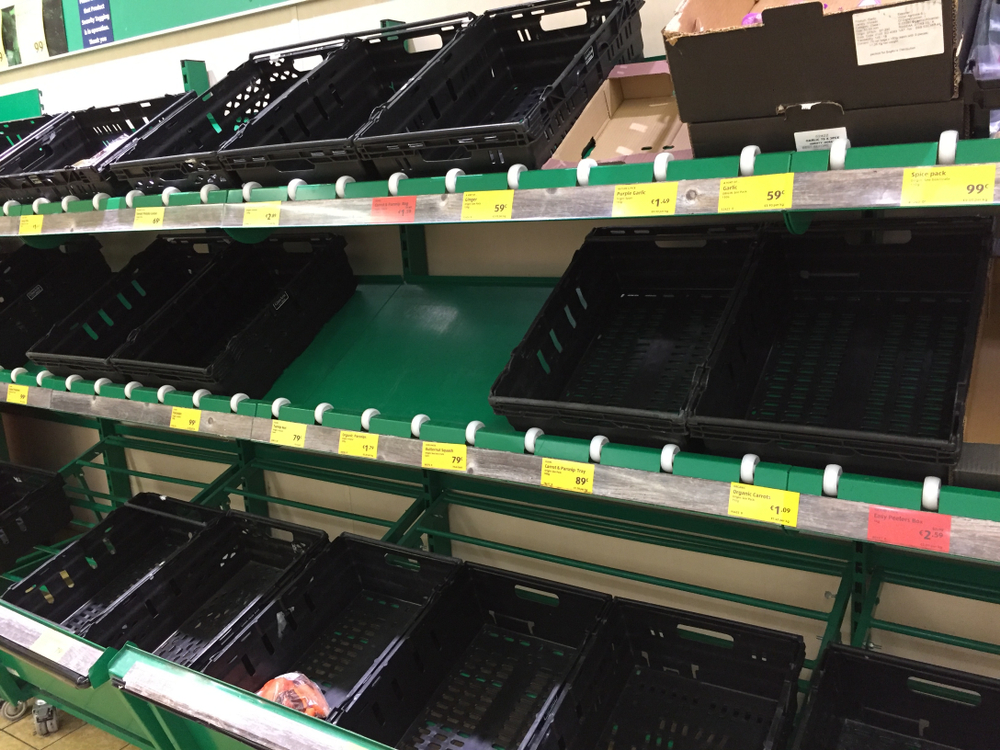
Severe weather forecasts trigger increased shopping activity. Essential items may sell out quickly in stores. Bread, milk, and bottled water are commonly affected. Supply chains struggle to restock during storms. Panic buying can exacerbate shortages. Retailers sometimes extend hours to meet demand. Online grocery services also experience delays. Social media photos show empty shelves. Weather warnings strongly influence purchasing behavior. Rural areas may face greater challenges accessing supplies. Stockpiling reflects concern about travel disruptions. The pattern repeats during major winter events.
Remote Work Interrupted by Winter Internet Outages

Winter storms can damage telecommunications infrastructure. Heavy snow and ice affect cables and equipment. Remote workers rely heavily on stable connections. Service interruptions disrupt meetings and deadlines. Backup mobile data is often used temporarily. Employers may adjust expectations during outages. Repair crews face hazardous conditions during restoration. Social media becomes a platform for reporting service issues. Extended outages highlight dependence on digital connectivity. Rural regions may experience longer disruptions. Weather resilience varies between providers. The problem underscores challenges of remote work in harsh climates.
Frozen Pipes in Older Homes

Extreme cold can cause water pipes to freeze and burst. Older buildings with limited insulation are especially vulnerable. Running water slowly can reduce freezing risk. Repairs can be costly and disruptive. Insurance claims often increase during cold waves. Homeowners monitor temperatures in basements carefully. Space heaters may be used to protect plumbing. Municipal advisories provide preventive guidance. Water damage can affect multiple units in shared buildings. Professional assistance is often required for repairs. The issue highlights infrastructure challenges in the aging housing stock. Preventive maintenance is critical during winter.
Parking Restrictions During Snow Clearing Operations
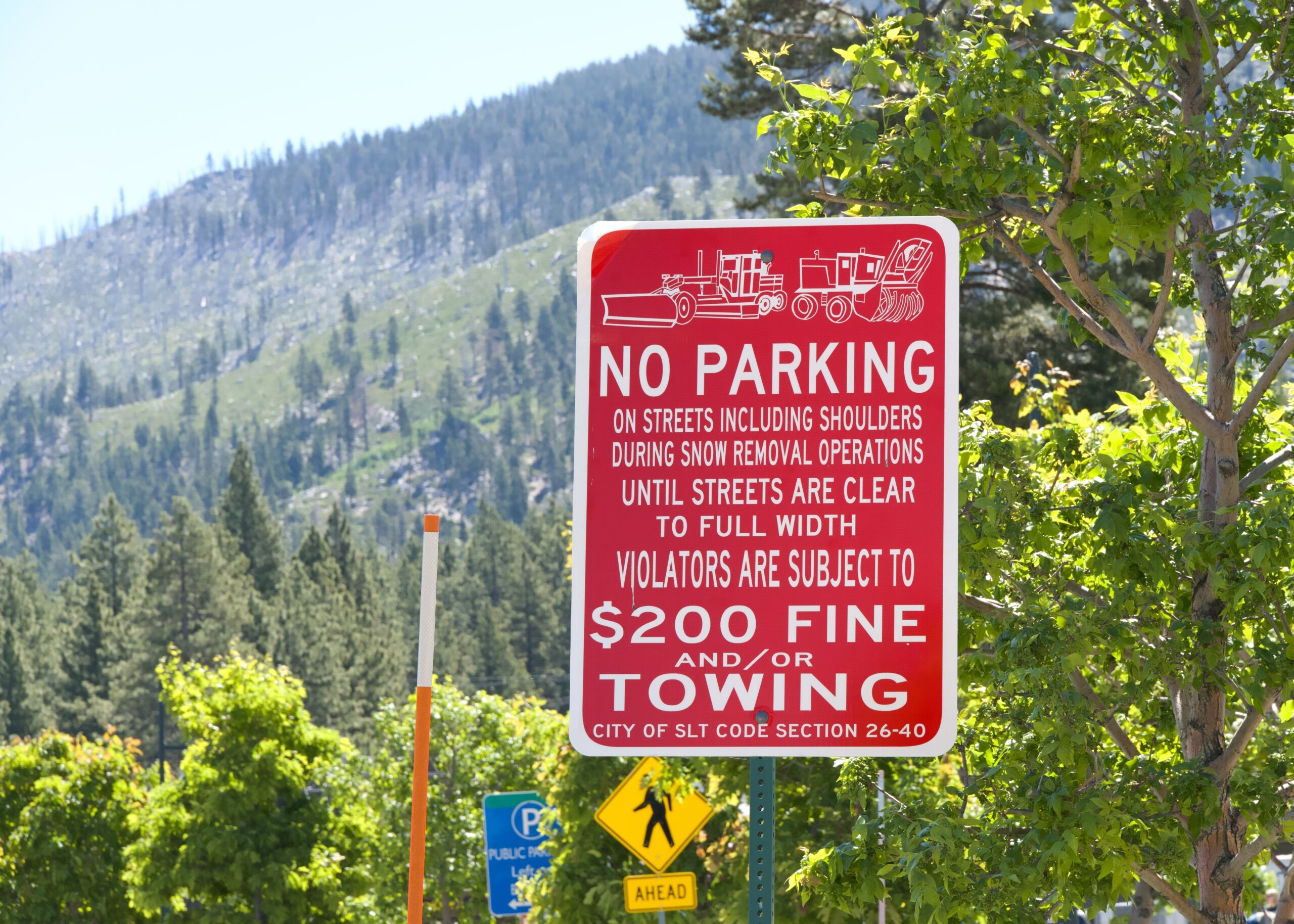
Cities impose temporary parking bans to facilitate snow removal. Vehicles left on streets may be fined or towed. Residents must monitor municipal announcements closely. Limited off-street parking complicates compliance. Clearing operations require unobstructed access for equipment. Enforcement varies by neighborhood. Social media alerts help spread information quickly. Temporary restrictions may last several days. Businesses also adjust parking arrangements. Failure to move vehicles delays cleanup efforts. The policy aims to restore normal traffic flow. It reflects logistical challenges of urban snow management.
Flights Delayed or Cancelled by Winter Storms
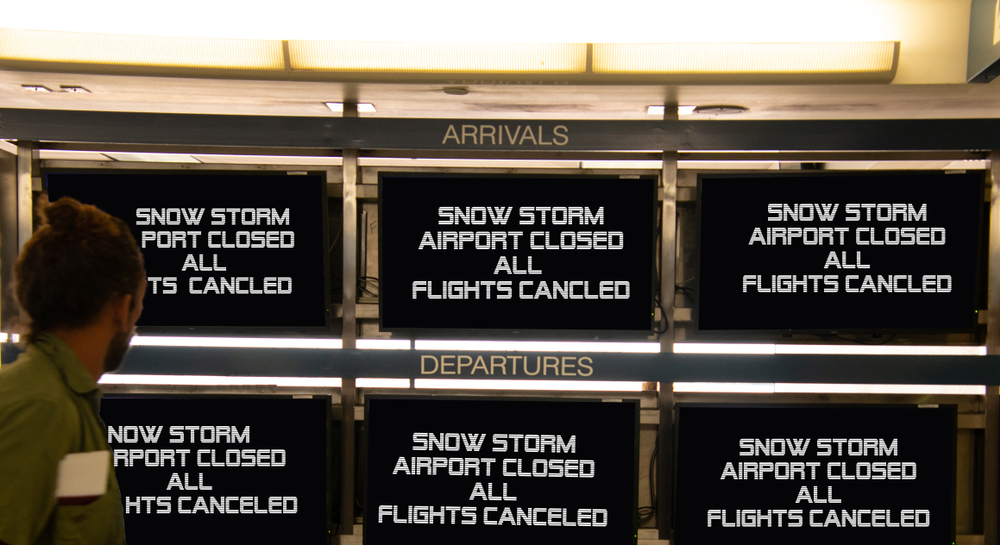
Air travel is highly sensitive to severe weather conditions. Snow accumulation and low visibility affect airport operations. De-icing procedures add time to departures. Passengers face long waits and rebooking challenges. Connecting flights may be missed due to delays. Airlines prioritize safety during extreme conditions. Airports provide updates through announcements and apps. Hotel accommodations may be required during cancellations. Holiday travel periods amplify disruption impacts. Weather forecasting helps anticipate delays but not prevent them. Travelers often build extra time into itineraries. Winter storms highlight the vulnerability of air transportation systems.
Mail and Delivery Backlogs After Heavy Snow
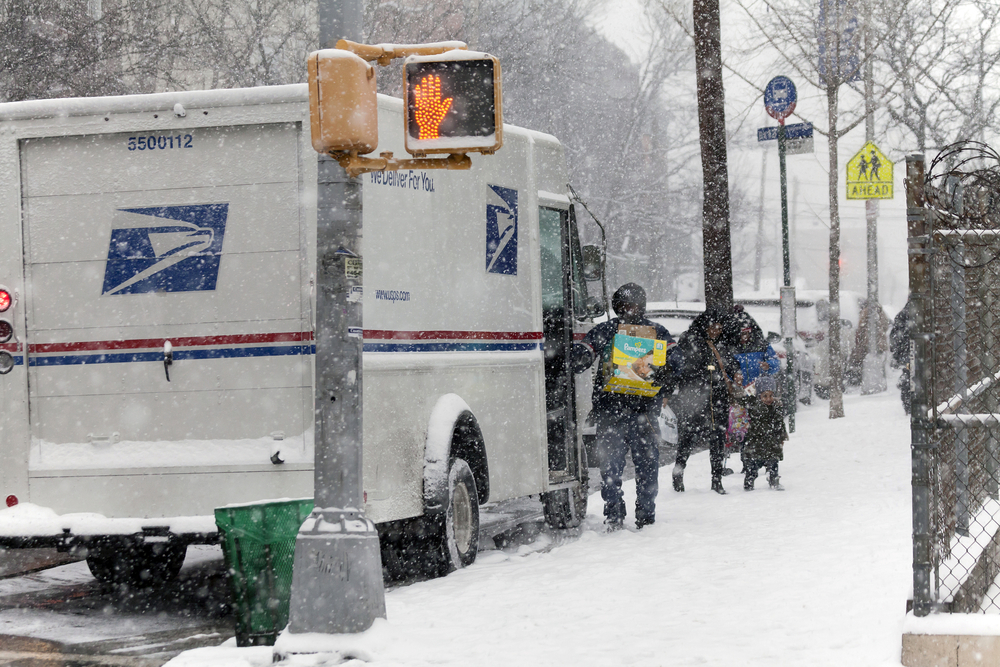
Snowstorms slow transportation networks used for deliveries. Road conditions limit access to residential areas. Couriers may suspend service temporarily for safety. Backlogs accumulate during prolonged disruptions. Online shopping demand continues regardless of the weather. Tracking updates reflect delays across regions. Businesses adjust shipping expectations accordingly. Rural communities may experience longer interruptions. Social media posts show piled packages after storms. Clearing operations must finish before routes resume fully. Seasonal holidays intensify pressure on delivery systems. The issue reflects dependence on logistics infrastructure.
Snow Covered Street Signs Becoming Invisible
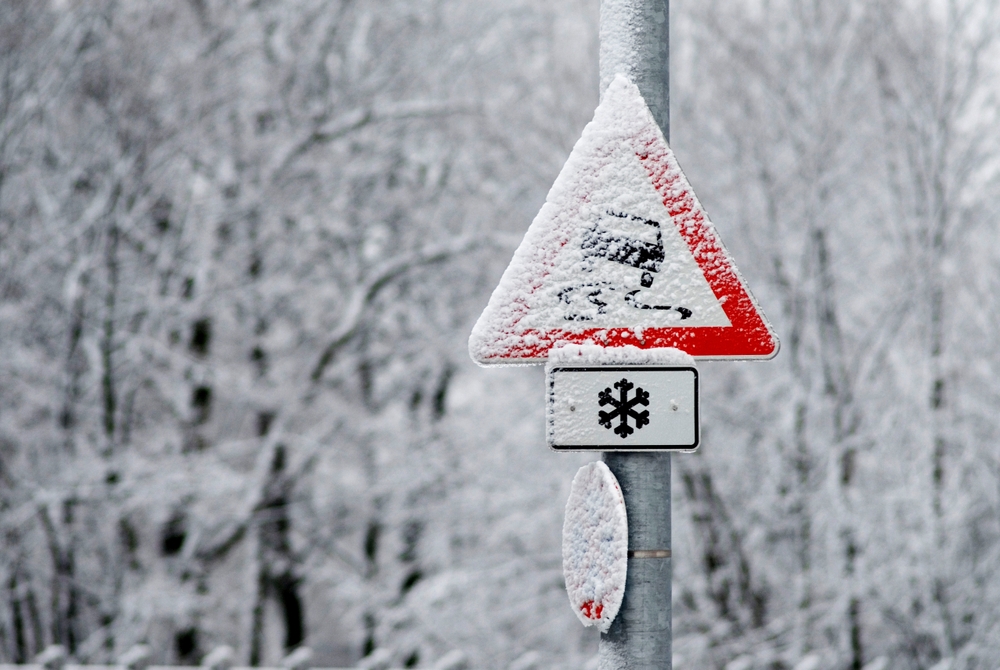
Heavy snowfall can obscure traffic and parking signs. Drivers may struggle to identify regulations. Enforcement becomes complicated when signage is hidden. Clearing signs is not always prioritized immediately. Safety concerns arise at intersections without visible warnings. Residents sometimes report hazards to authorities. Visibility improves only after plowing or melting. Nighttime conditions worsen the problem further. Social media posts highlight confusing situations. Municipal crews address major areas first. The issue demonstrates the unintended effects of extreme snowfall. Awareness helps reduce potential accidents.
Ice Build-Up Making Sidewalks Impassable
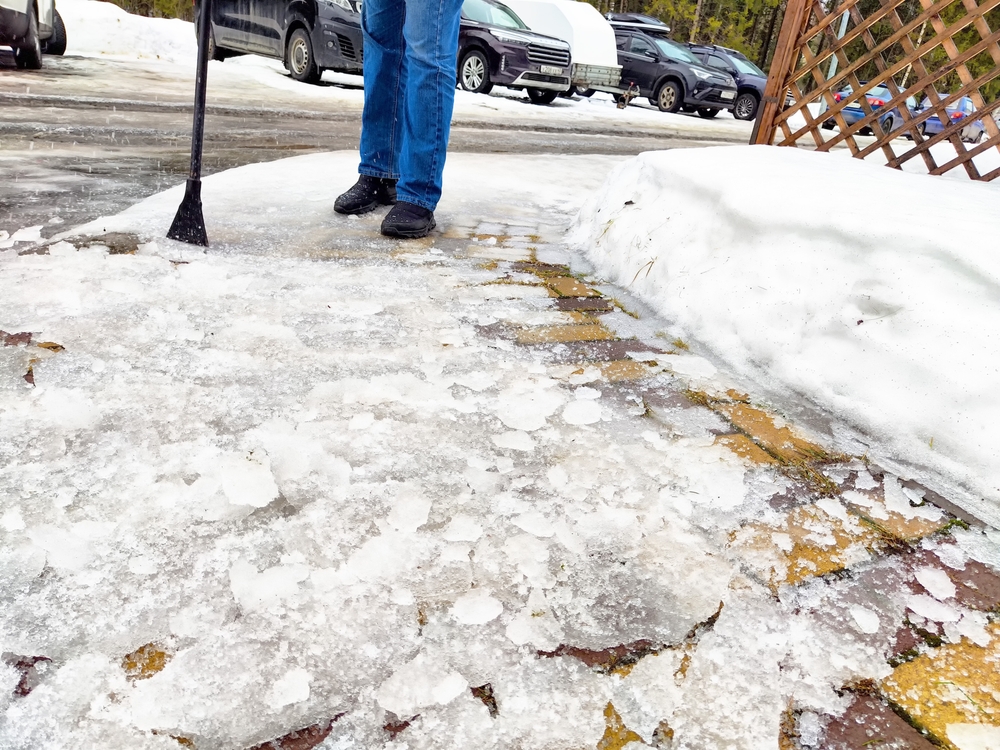
Repeated thawing and freezing create thick ice layers on sidewalks. Salt treatments may be insufficient during extreme conditions. Pedestrians are forced to walk on roads in some cases. Accessibility challenges increase for elderly individuals. Property owners bear responsibility for maintenance. Municipal fines may apply for unsafe conditions. Ice removal requires significant physical effort. Specialized tools are often necessary. Social media posts show hazardous walking routes. Public transit users are particularly affected. The situation highlights winter safety concerns in urban areas. Regular maintenance reduces risk but requires consistency.
Public Transit Shelters Packed During Cold Snaps
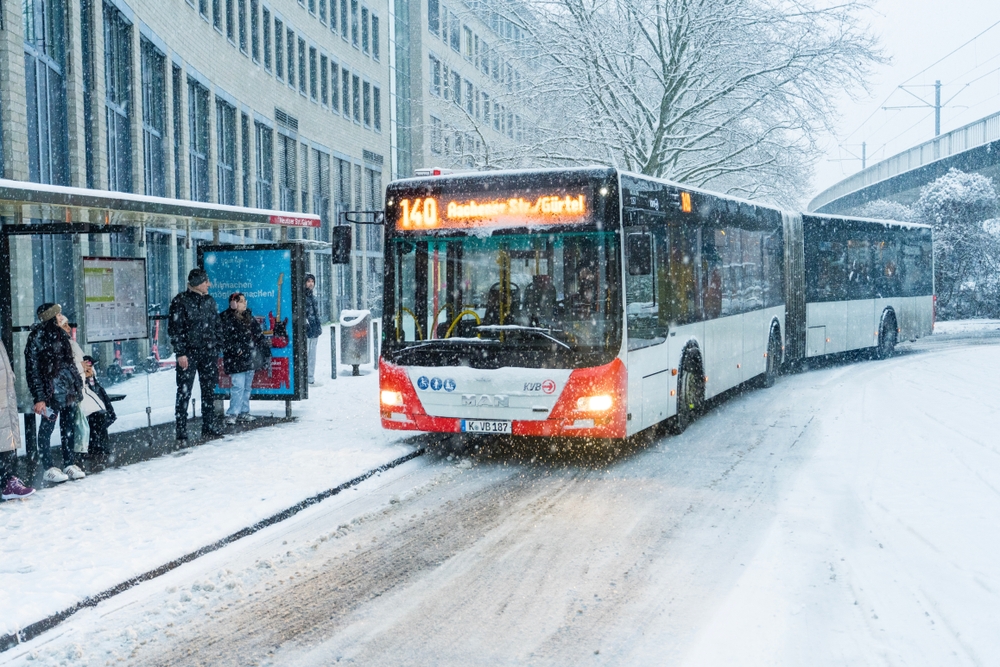
Extreme cold drives commuters into enclosed waiting areas. Shelters quickly reach capacity during peak hours. Limited seating forces people to stand close together. Wind protection becomes essential for comfort. Transit delays increase waiting times further. Condensation can form inside crowded shelters. Vulnerable populations rely heavily on these spaces. Social media images show packed conditions. Cities sometimes deploy warming buses during severe weather. Safety concerns arise when shelters overflow onto sidewalks. The issue reflects infrastructure limitations during extreme temperatures. Demand spikes whenever wind chill intensifies.
Cars Sliding Even at Low Speeds on Black Ice
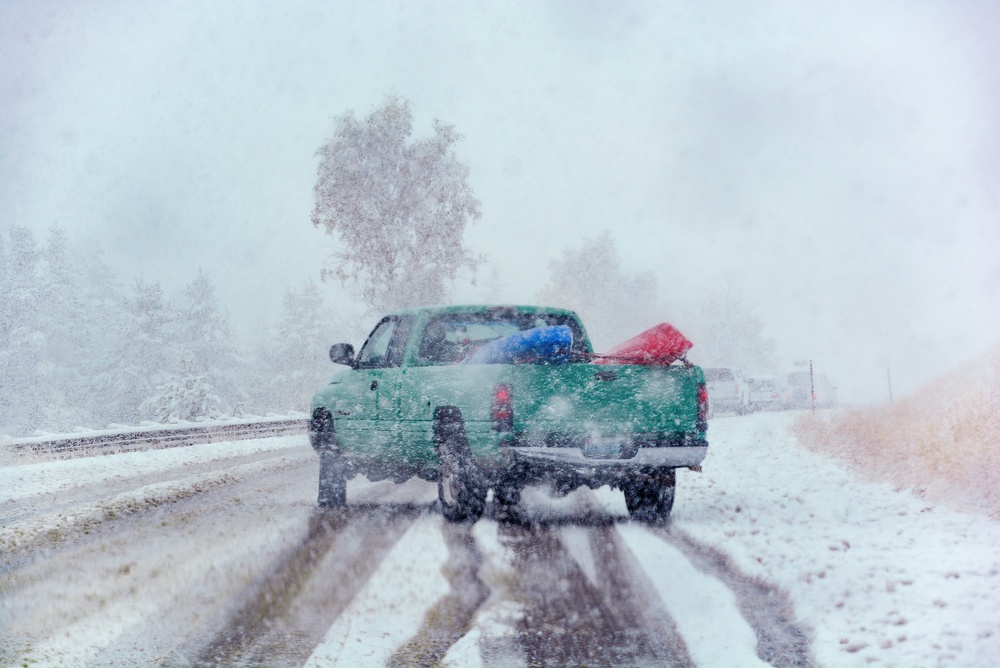
Black ice forms when moisture freezes into a thin transparent layer. Drivers may not detect it until loss of traction occurs. Winter tires reduce but do not eliminate risk. Intersections and bridges are especially hazardous. Accidents can occur even at low speeds. Road salting helps, but it cannot cover all surfaces instantly. Weather fluctuations increase formation likelihood. Public advisories warn drivers to slow down significantly. Dashcam footage often circulates online. Insurance claims rise after icy conditions. The phenomenon highlights the dangers of winter driving. Awareness and caution remain essential for safety.
Winter Clothing Shortages During Sudden Cold Waves

Unexpected cold waves rapidly increase demand for warm clothing. Retailers may struggle to restock popular items. Gloves, hats, and insulated boots sell out quickly. Late shoppers face limited size availability. Online orders may arrive too slowly to help. Community groups sometimes organize donation drives. Secondhand stores see increased traffic during shortages. Social media posts highlight empty shelves. Seasonal production cycles limit supply flexibility. Vulnerable populations are most affected by shortages. Prepared consumers avoid last-minute stress. The situation reflects the unpredictability of extreme weather.
Seasonal Affective Disorder Discussions Trending Online
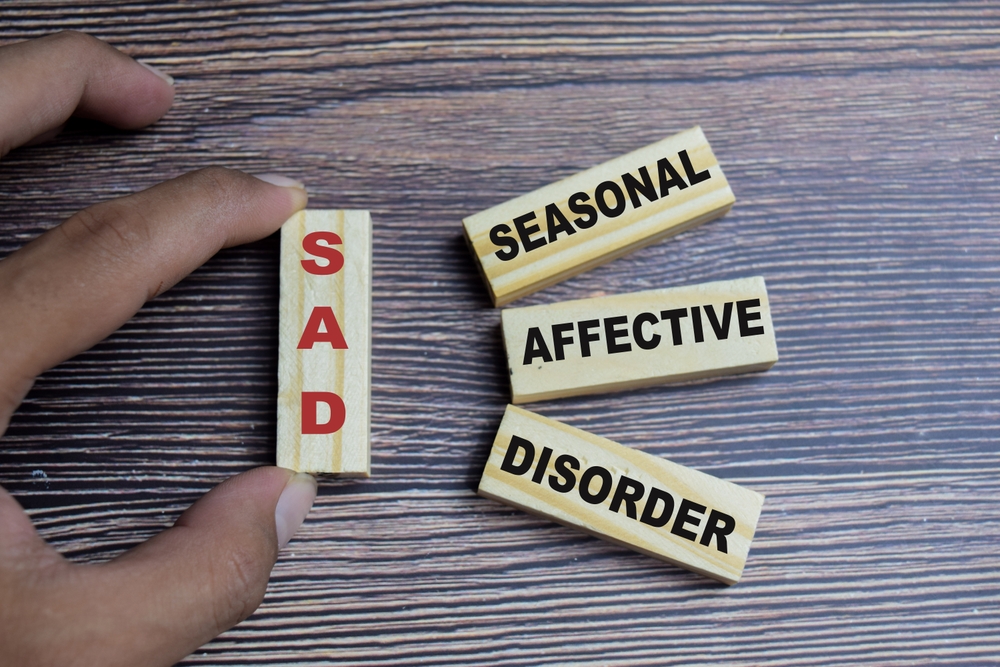
Reduced daylight during winter affects the mental well-being of many people. Canadians discuss mood changes more openly each year. Online platforms host conversations about coping strategies. Light therapy devices gain popularity during darker months. Healthcare providers emphasize recognizing symptoms early. Social isolation during winter can intensify feelings. Community initiatives promote outdoor activity when possible. Media coverage raises awareness of mental health impacts. Support groups operate both online and in person. Workplace programs sometimes address seasonal challenges. Increased discussion reduces stigma around the condition. The trend reflects growing attention to psychological health in winter.
22 Groceries to Grab Now—Before another Price Shock Hits Canada

Food prices in Canada have been steadily climbing, and another spike could make your grocery bill feel like a mortgage payment. According to Statistics Canada, food inflation remains about 3.7% higher than last year, with essentials like bread, dairy, and fresh produce leading the surge. Some items are expected to rise even further due to transportation costs, droughts, and import tariffs. Here are 22 groceries to grab now before another price shock hits Canada.
22 Groceries to Grab Now—Before another Price Shock Hits Canada
