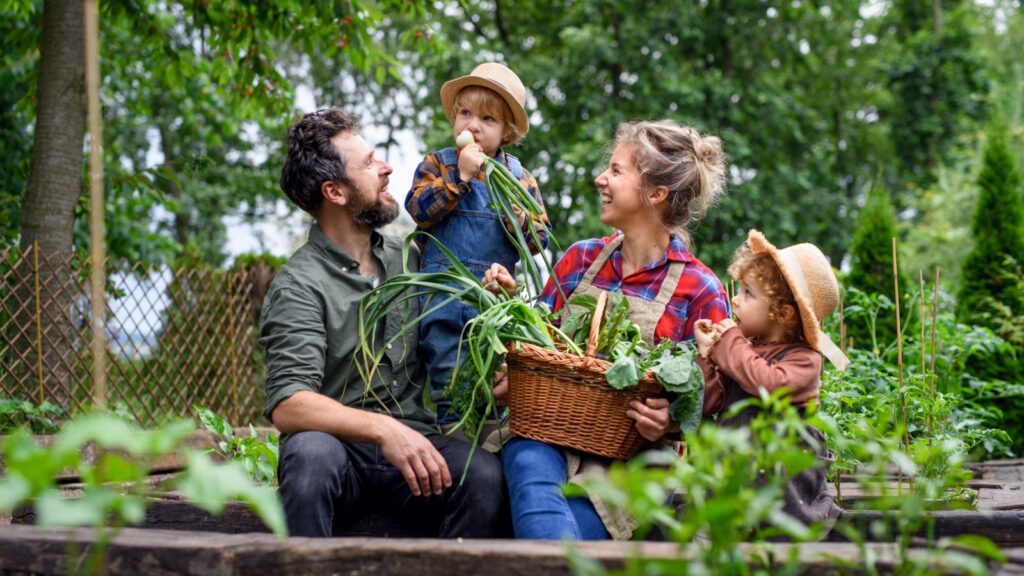
Many of the habits our grandparents followed in Canada came from real necessity and steady common sense. They lived through difficult periods and learned to stretch every resource. Their daily routines focused on community support, practical skills, and financial discipline. These practices shaped strong families and stable neighbourhoods long before modern conveniences. Today, many Canadians are returning to these traditions as costs rise. Here are 23 power moves our grandparents still swear by in Canada.
Growing Vegetables in Backyard Gardens
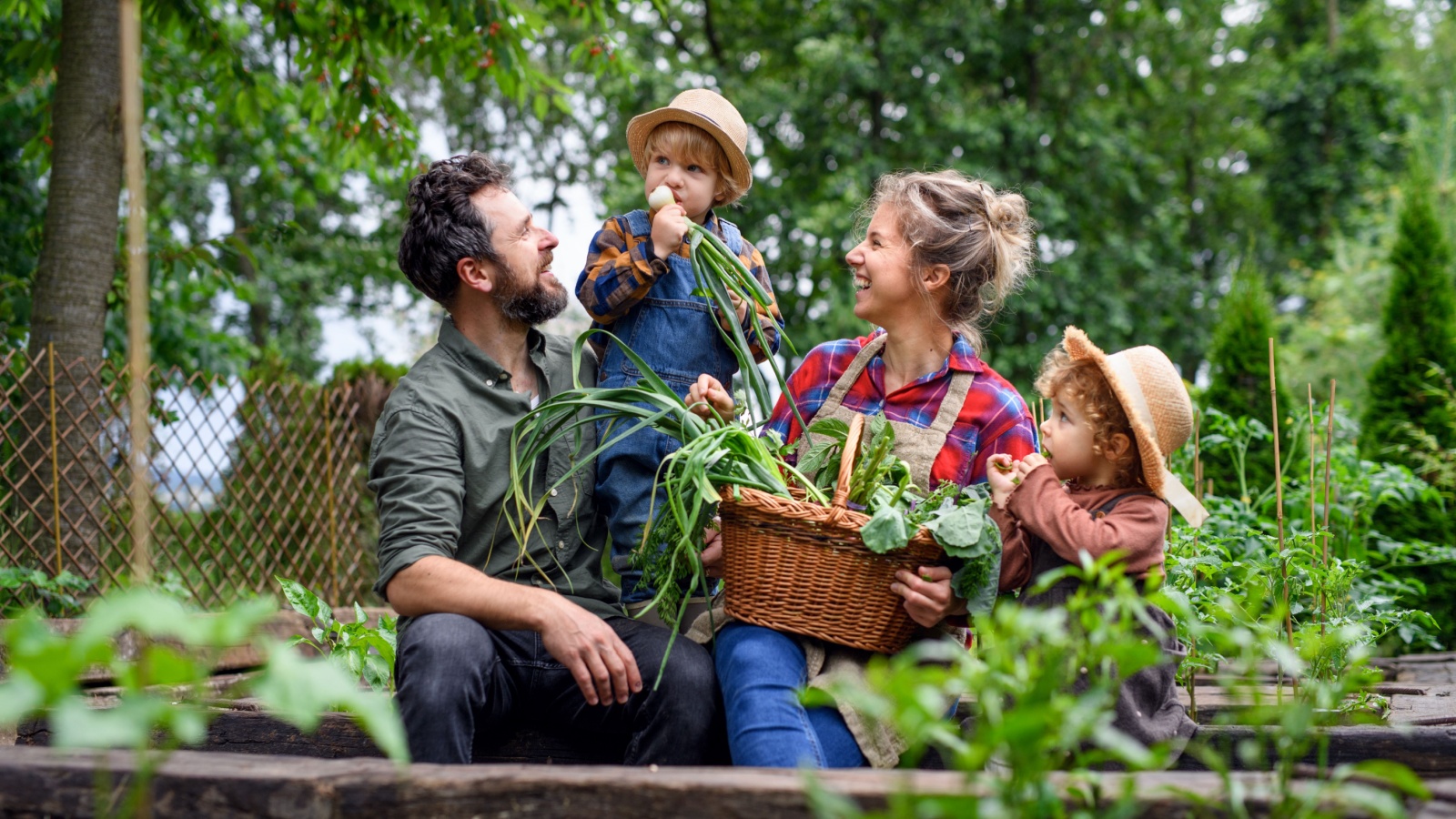
Backyard gardens were common across Canada. Families grew potatoes, carrots, lettuce, and tomatoes during the summer. Fresh produce cuts grocery costs and supports healthy eating. Many grandparents planned their gardens months ahead and saved seeds from previous harvests. Gardening also provided steady work for children and taught responsibility. Community gardens remain popular today in cities like Toronto, Vancouver, and Calgary. They give people without yard space the chance to grow their own food. Harvests are often shared with neighbours or food banks. Gardening encourages seasonal eating and reduces reliance on store-bought produce.
Preserving Food Through Canning
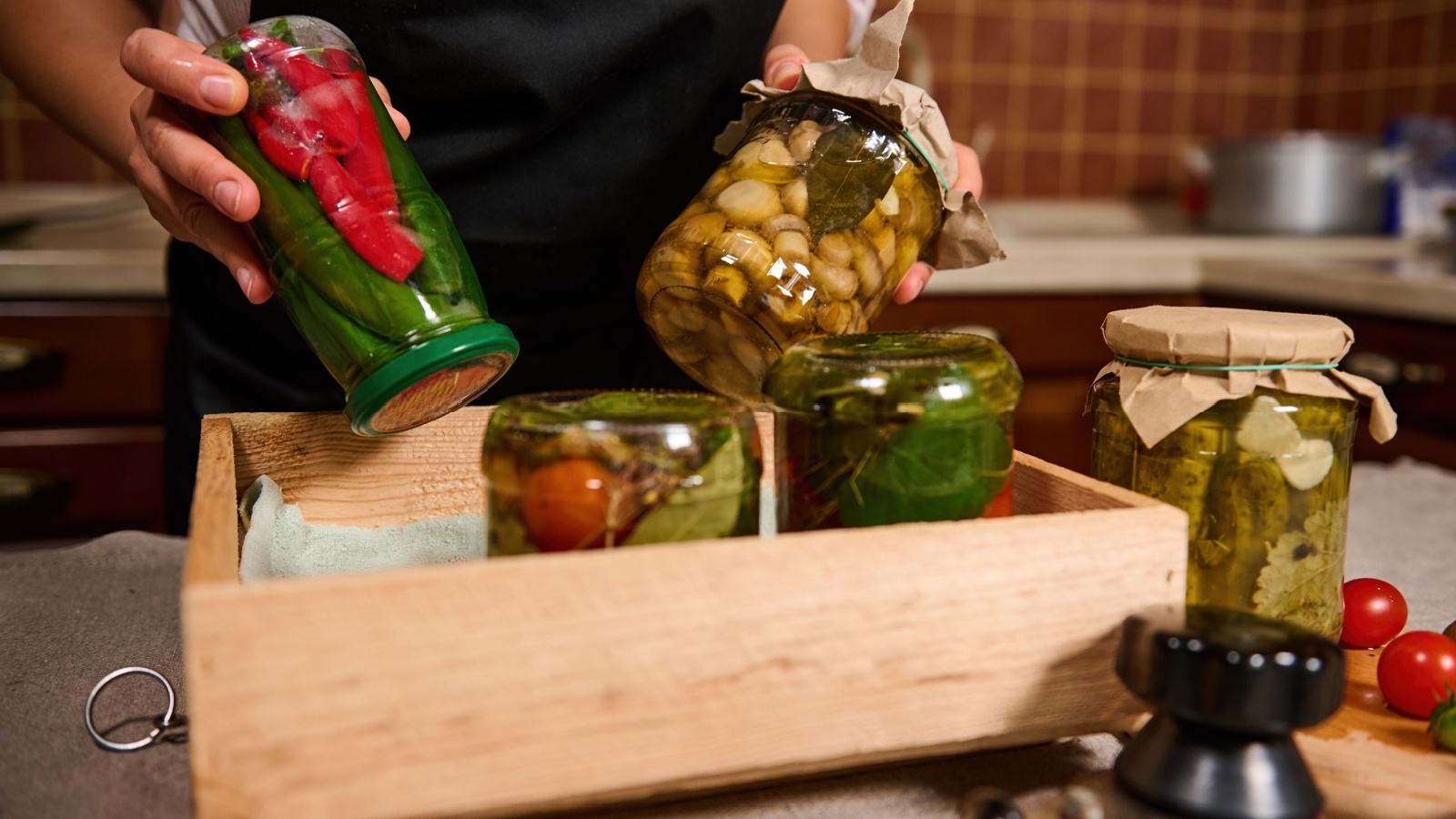
Canning was a widely trusted method for preserving food before large freezers became common. Grandparents canned berries, peaches, tomatoes, pickles, and jams at the end of summer. This preparation helped families enjoy local produce through long Canadian winters. It also prevented waste when harvests were large. Today, many households can still produce using tested safety guidelines from Canadian food agencies. The process keeps shelves stocked with healthy options without added preservatives. People often gather for canning days that turn into social events. Home canning supports food security, saves money, and keeps traditional recipes alive.
Heating Homes With Wood Stoves
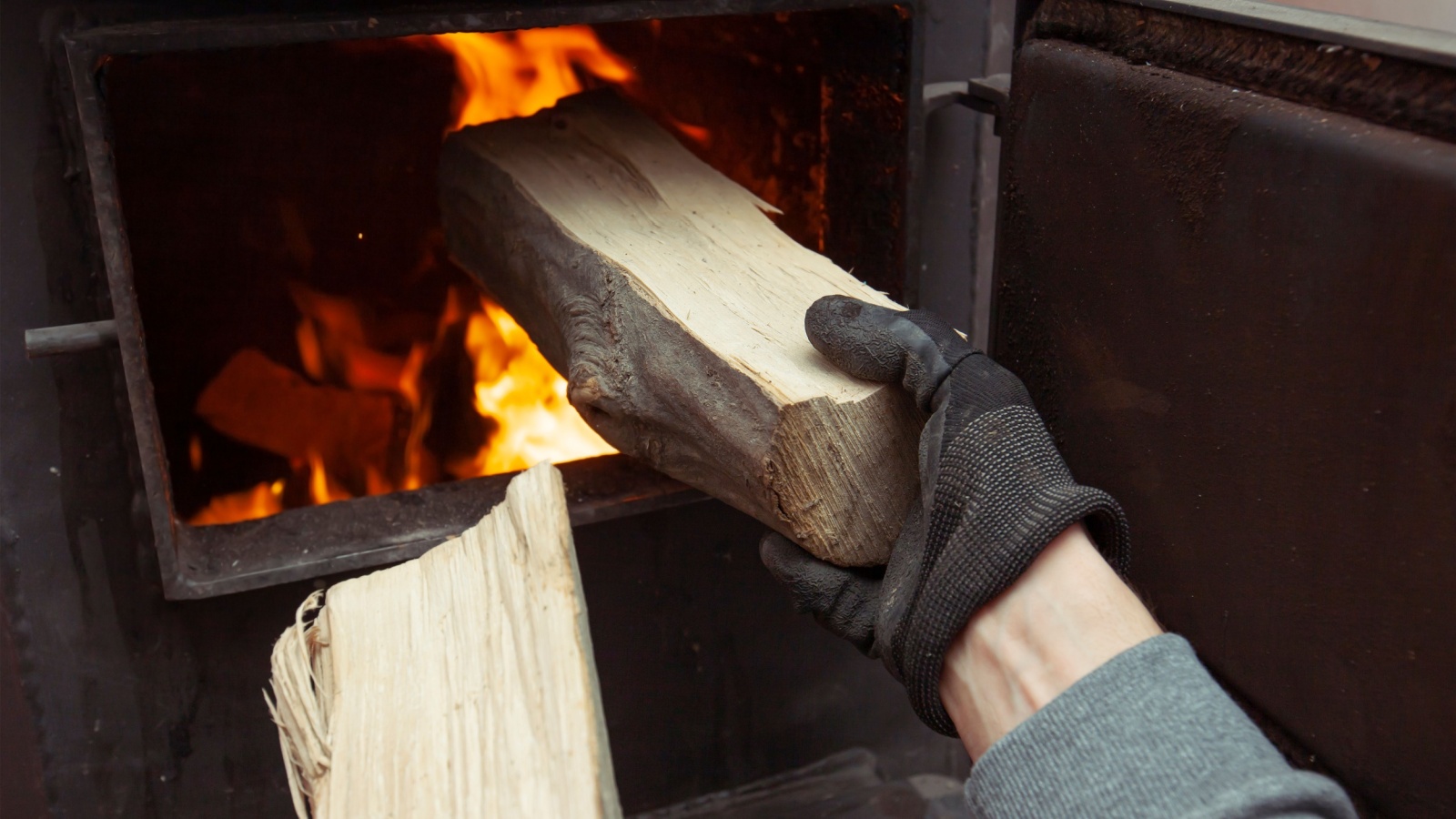
Wood stoves were essential in many Canadian homes, especially in rural and northern regions. They provided steady heat during harsh winters. Families gathered near the stove and cooked simple meals on its surface. Wood heat continues to be used in provinces like British Columbia, Ontario, and Nova Scotia. It provides a backup option during winter storms when power outages are common. Cutting and stacking firewood was part of seasonal preparation. Modern certified stoves burn more efficiently and release fewer emissions. Heating with wood offers cost savings for households that manage their own supply.
Buying Local From Farmers’ Markets
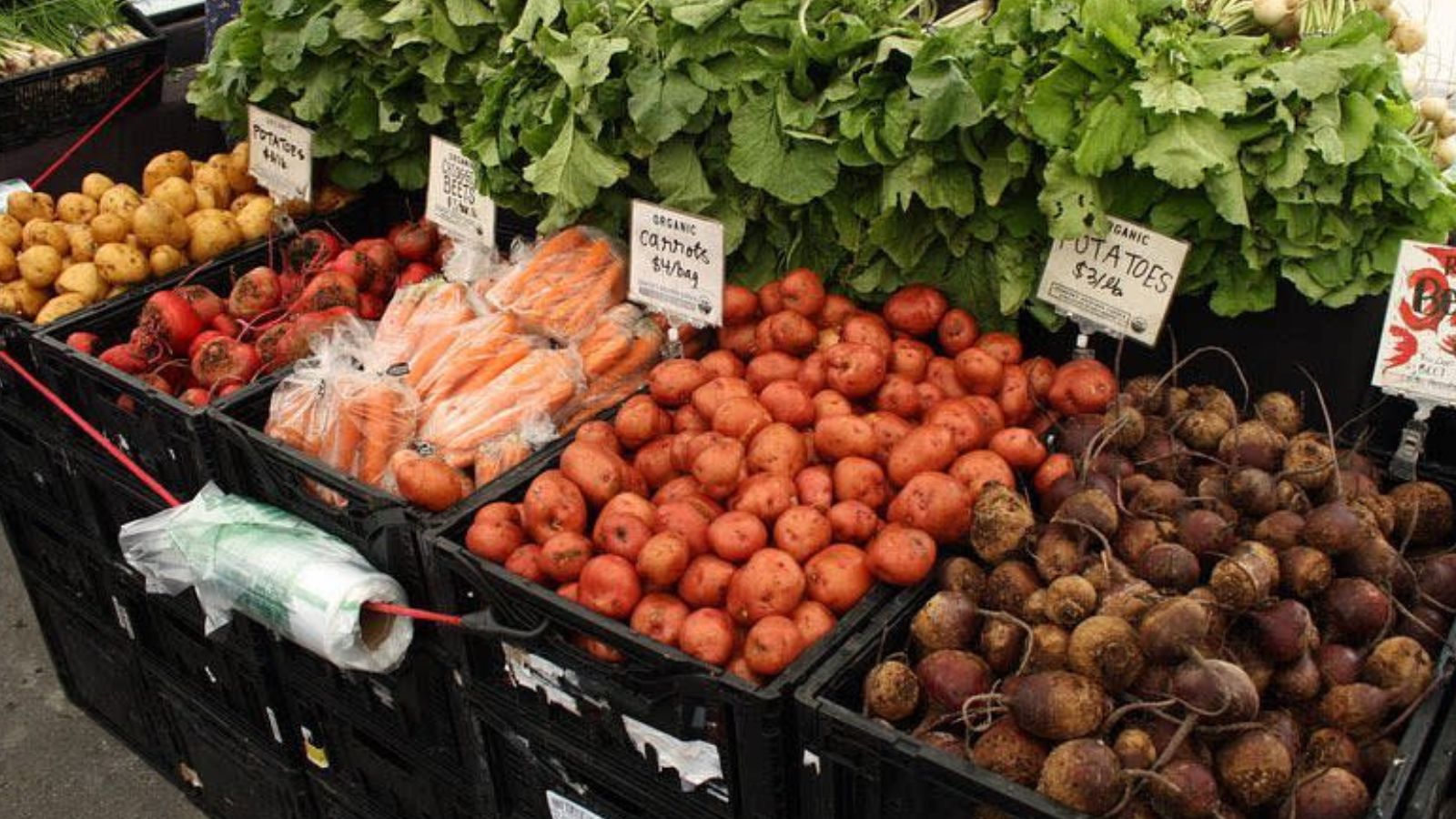
Farmers’ markets have long been part of Canadian communities. Grandparents preferred buying eggs, meat, vegetables, and bread directly from local producers. This supported nearby farms and offered fresher food than many large stores. Markets remain active across Canada in places such as Halifax, Winnipeg, and Victoria. Shopping locally keeps money within the community and reduces transportation distance. Many vendors share growing methods and seasonal tips. Prices are often fair, especially when produce is at its peak. Buying from markets helps build relationships between farmers and families and encourages healthier food choices.
Saving Money With Credit Unions

Many Canadian grandparents trusted credit unions over big banks. Credit unions are community-based financial institutions owned by members. They often offer lower fees, fair loan rates, and personal service. People in provinces such as Saskatchewan and Manitoba relied on them for mortgages and savings accounts. Membership returns profits to local communities rather than large corporate shareholders. Credit unions support financial education and budgeting programs for families. They continue to be strong choices for people who value transparency and local support. Grandparents believed that keeping money within the community helped everyone.
Repairing Items Instead of Replacing

Repair culture was common in Canadian households. Grandparents fixed worn clothing, mended furniture, and repaired electronics when possible. This saved money and reduced waste going to landfills. Many communities still host repair cafes where volunteers help fix broken items for free. Sewing machines, tool kits, and spare parts were staples in many homes. Repairing an item often extended its life for years. People learned useful skills and felt proud of the work. This habit reduces consumer throwaway culture and supports environmental responsibility. Repairing instead of replacing remains a smart approach today.
Walking or Biking for Daily Travel

Walking and biking were normal ways to get around. Grandparents often completed errands on foot or used bicycles for short trips. This reduced fuel costs and supported better health. Many Canadian cities now build safer bike lanes and pedestrian paths. Places like Montreal, Ottawa, and Victoria rank high for cycling access. Walking or biking also cuts traffic and pollution. It brings neighbours together and helps people stay active without gym memberships. During warmer months, these methods are practical and enjoyable. Choosing simple travel options continues to improve the quality of life.
Using Clotheslines for Drying Laundry
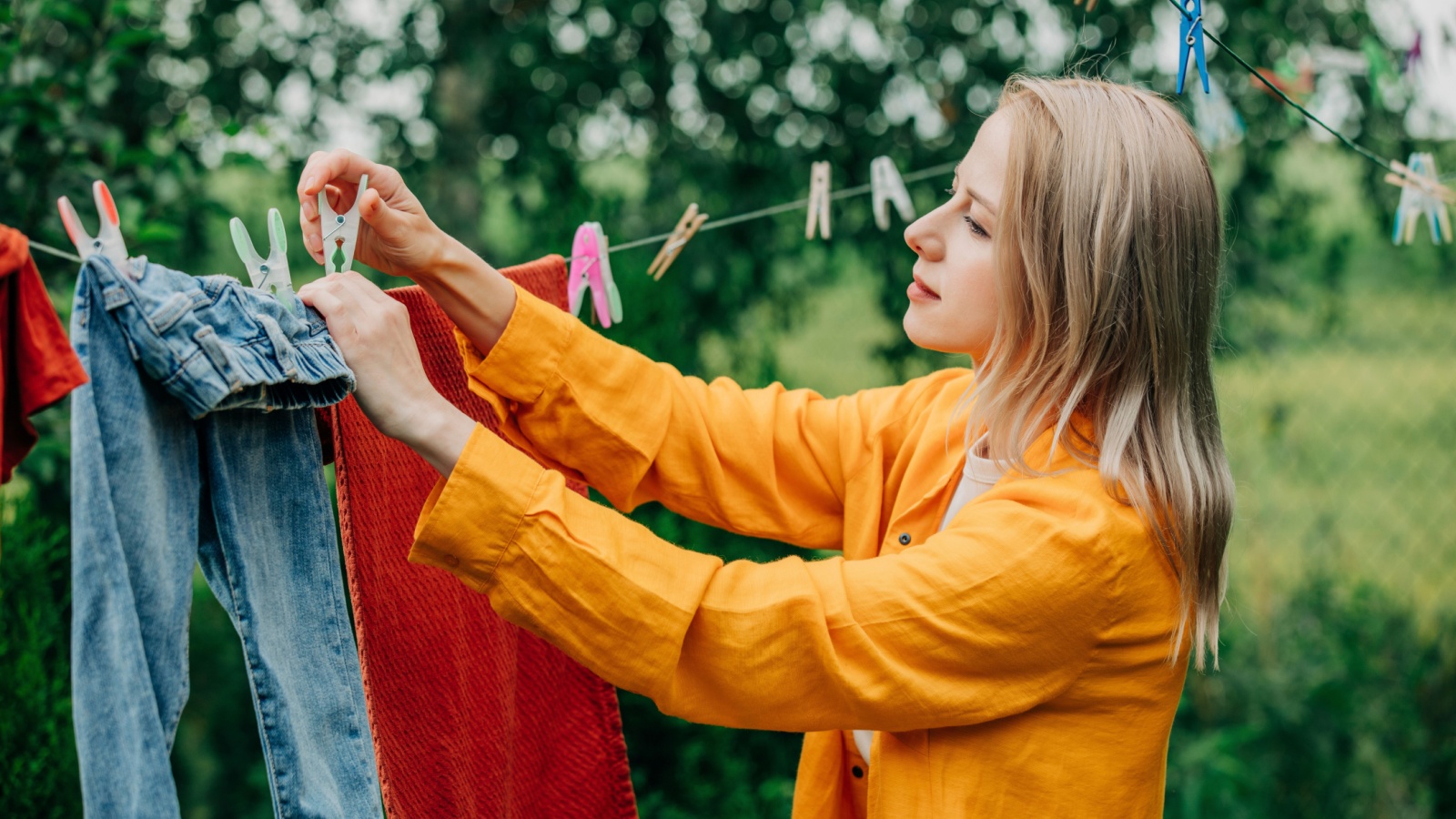
Drying clothes outdoors was a common routine across Canada. Clotheslines save electricity and leave fabrics smelling fresh. Grandparents hung laundry outside in spring, summer, and early fall. In winter, indoor drying racks kept clothes in good condition. Today, many households still rely on clotheslines to reduce energy bills. In some provinces, there were once local restrictions, but many regions now promote line drying as a sustainable choice. It reduces wear on clothing caused by dryers. This simple habit remains effective for cutting household costs throughout the year.
Cooking Homemade Meals From Scratch
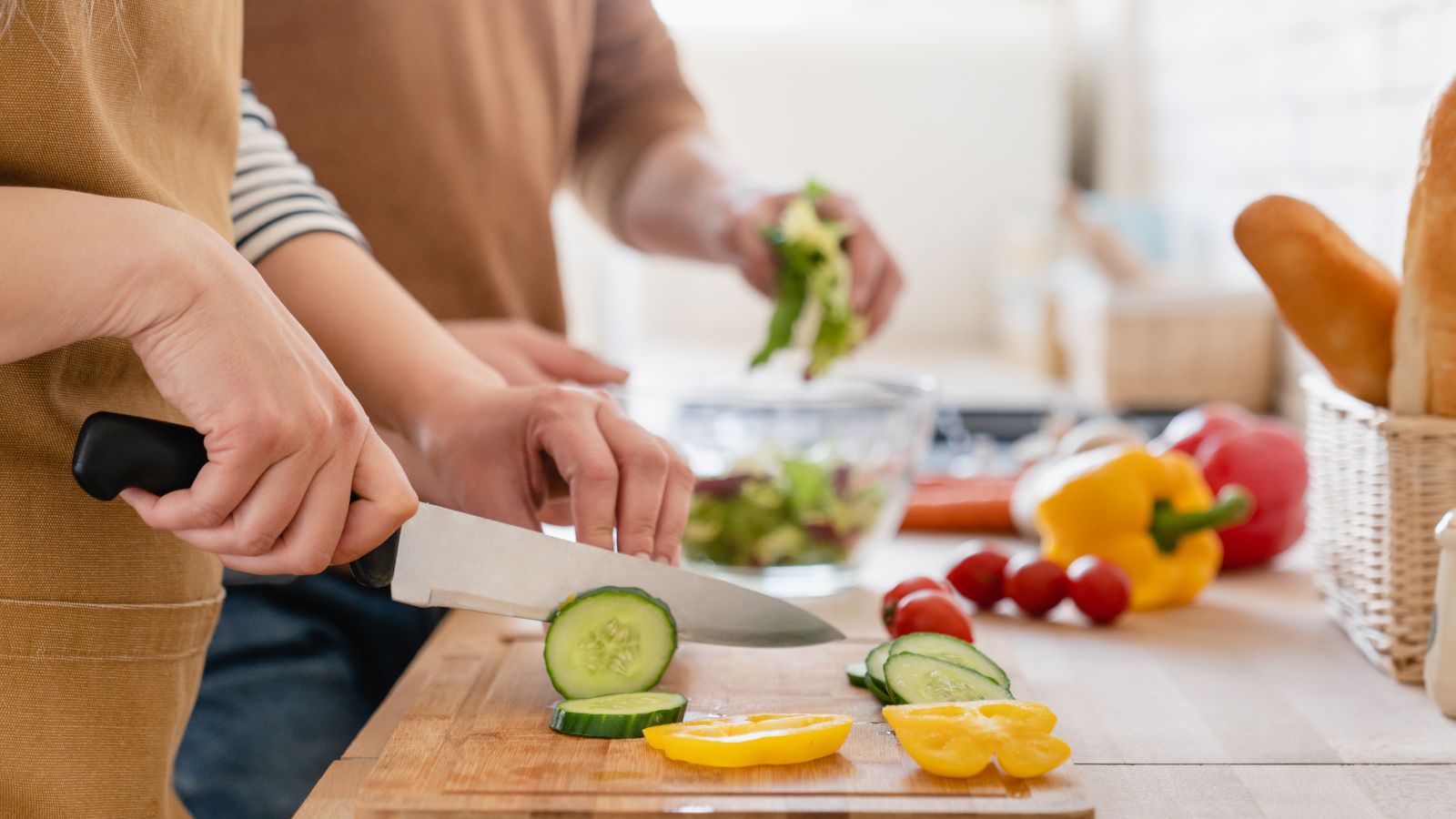
Homemade cooking was central to daily life. Grandparents prepared meals with basic ingredients like flour, vegetables, beans, and seasonal produce. Processed food was less common, which helped families stay healthy and control spending. Many traditional Canadian dishes, such as soups, stews, and baked goods, came from simple recipes passed down through generations. Cooking together brought families closer. It also taught children practical skills. Making meals at home remains cheaper than eating out, especially as food prices rise. People enjoy better nutrition and less waste when meals are planned and cooked in their own kitchens.
Sharing Tools and Community Resources
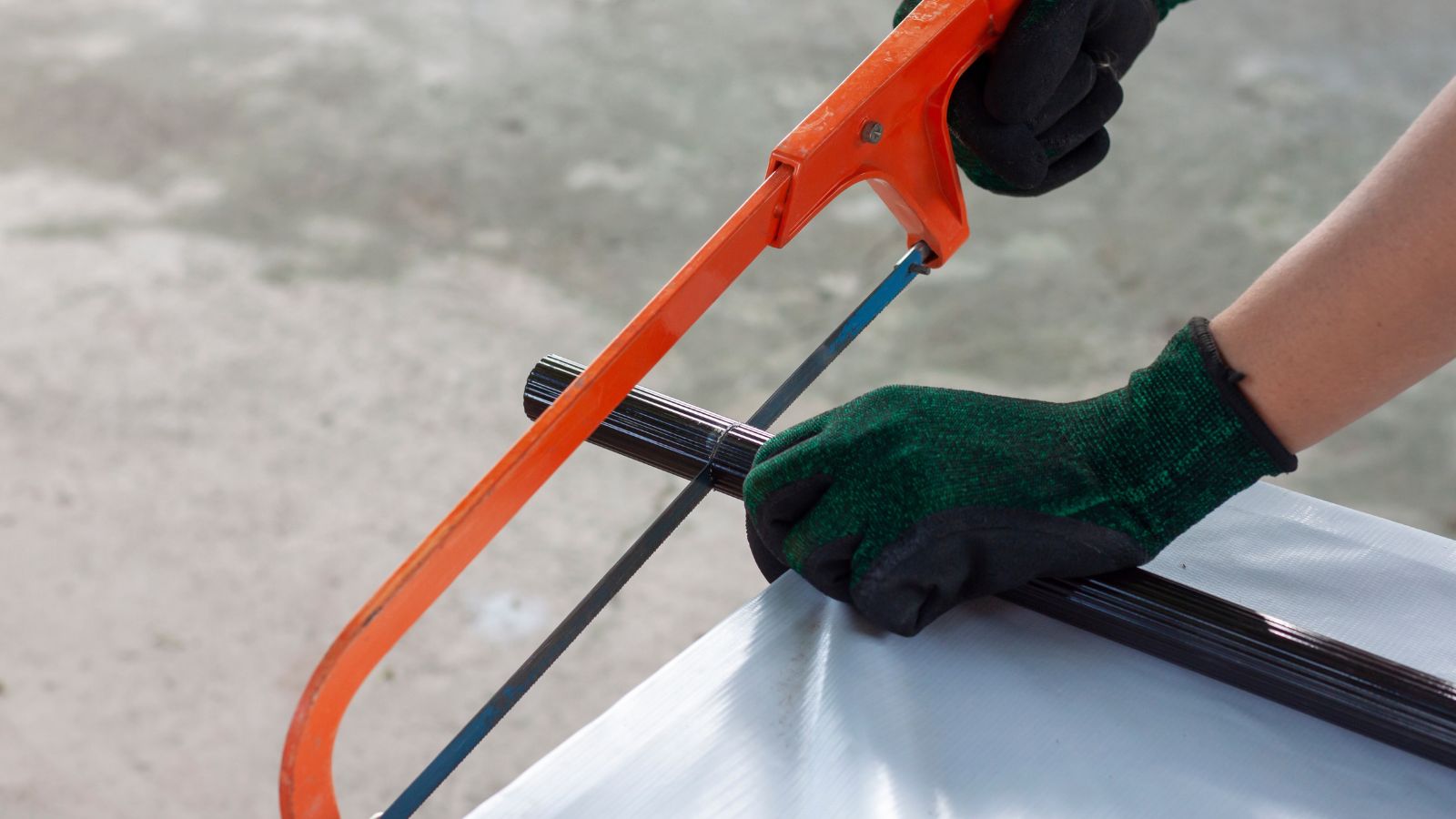
Many Canadian neighbourhoods shared tools rather than buying everything individually. A neighbour might lend a ladder, and another might share a snow shovel or lawnmower. This reduced costs and storage needs. Tool libraries now operate in cities like Toronto and Vancouver, letting residents borrow equipment for a small membership fee. Community sharing also builds trust and stronger relationships. It prevents duplicate purchases for items used only a few times each year. Grandparents believed supporting neighbours created resilient communities.
Using Natural Home Remedies

Grandparents often used simple remedies from plants and household ingredients for minor issues. Ginger tea supported digestion. Honey soothed sore throats. Warm salt water worked for mouth discomfort. Many Canadians grew herbs like mint and chamomile for everyday use. These techniques offered comfort before store-bought medicines were common. Today, people still choose natural options for mild concerns alongside modern medical care. Families appreciate remedies with fewer added chemicals. This tradition reflects self-reliance and practical living that continues across Canada.
Hunting and Fishing for Food
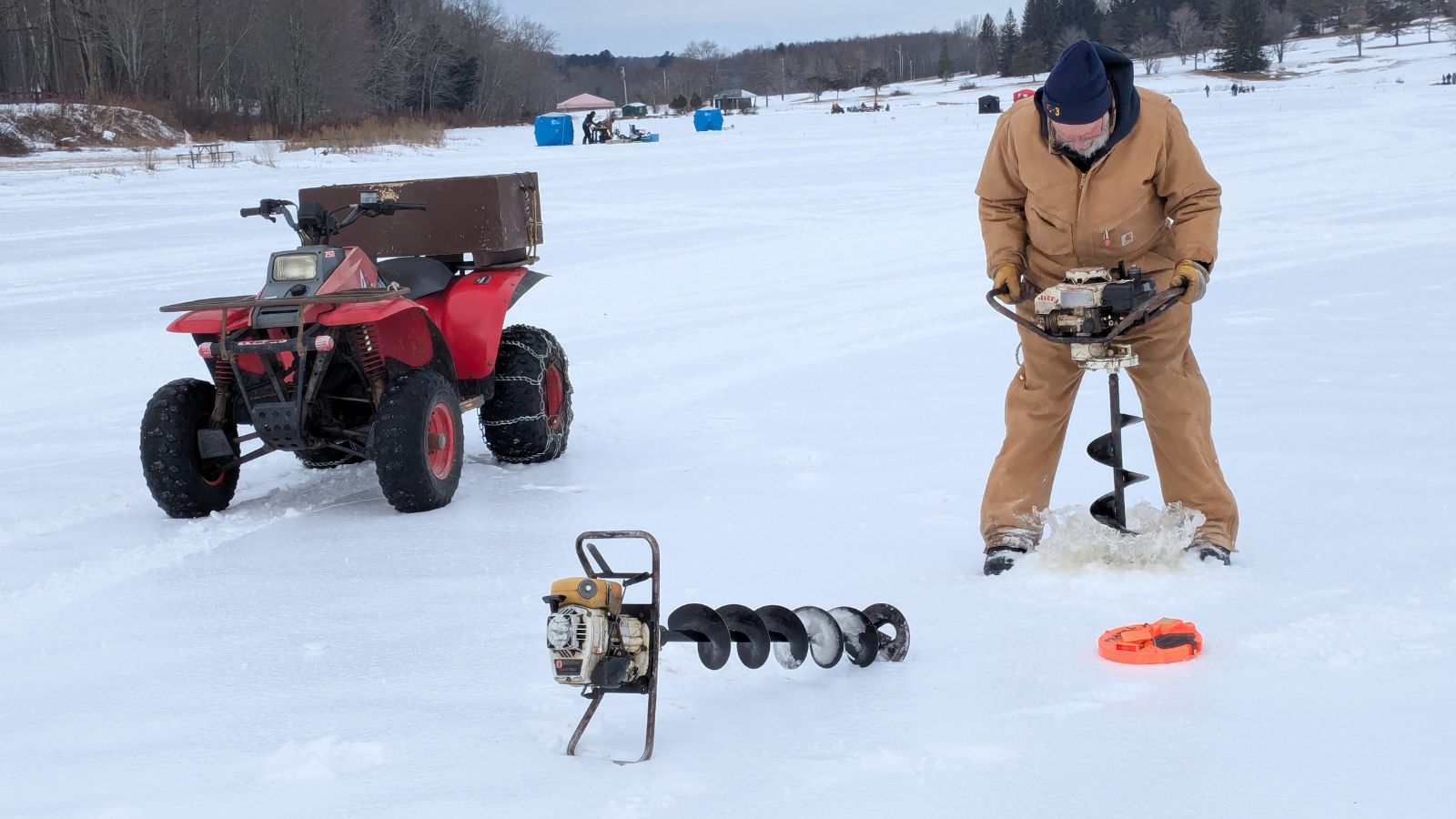
Hunting and fishing have long supported families across Canada. Grandparents relied on wild game and fresh fish to supplement groceries, especially in rural and northern regions. Moose, deer, and trout provided healthy protein without high store prices. Many families still follow licensed and seasonal regulations set by provincial wildlife agencies. Fishing trips remain common in provinces such as Ontario, British Columbia, and New Brunswick. These activities teach respect for nature and proper resource management. They also strengthen family bonds through shared outings. Harvesting local food reduces costs and supports sustainable living when done responsibly.
Rotating Savings and Budgeting Cash

Rotating savings was a popular method for managing money. Grandparents set aside small amounts each week in envelopes or jars for specific needs. Some local community groups still organize rotating savings circles where each person contributes, and one member receives the full amount on a scheduled turn. This system supports discipline and avoids high-interest borrowing. Budgeting with cash prevents overspending and provides a clear view of expenses. Many households today use similar methods to manage rising costs in Canada. These habits help build financial stability and reduce stress.
Volunteering Within the Community
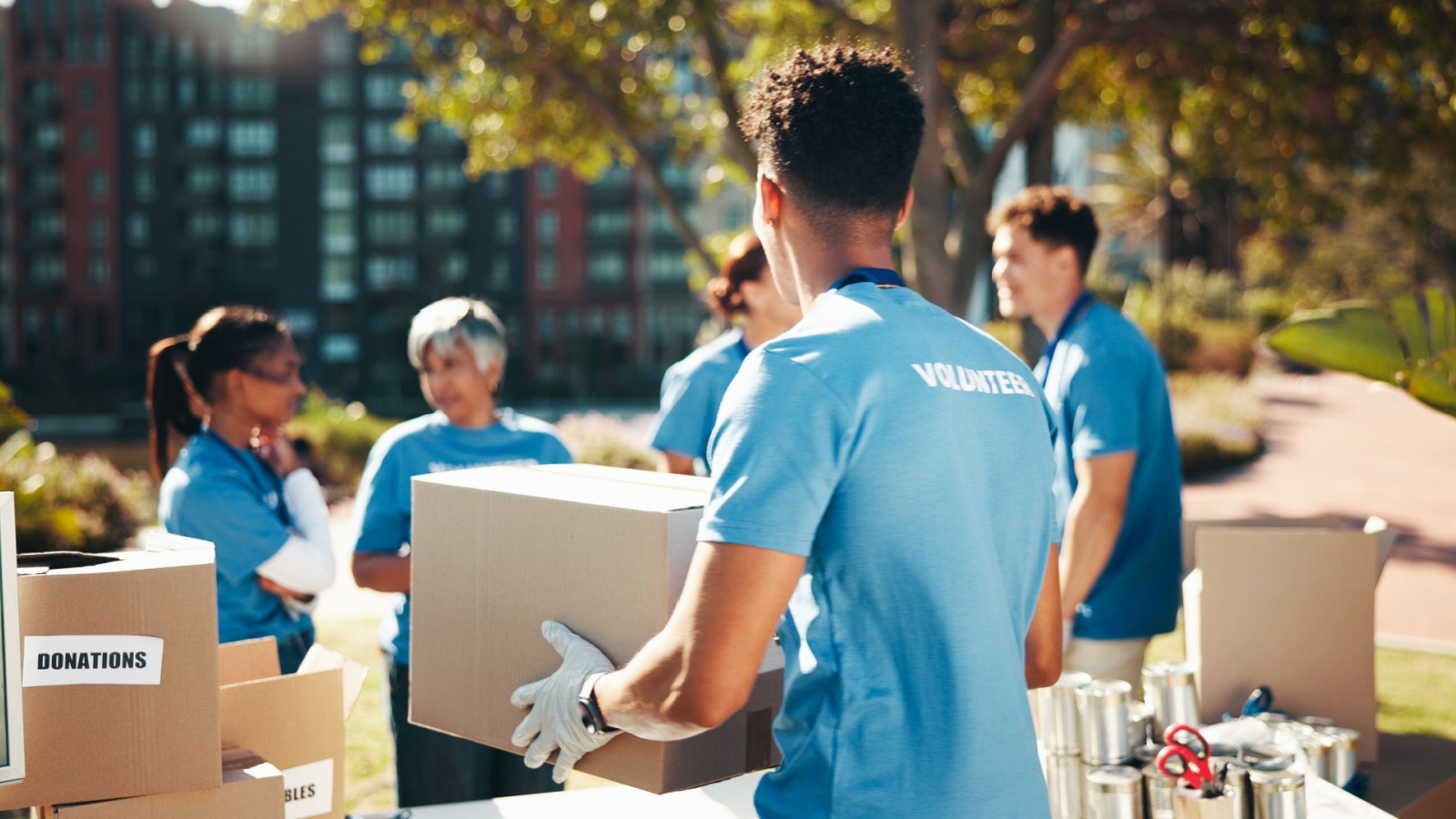
Volunteering was a normal part of life for many Canadian grandparents. They helped at local food banks, community centers, sports clubs, and church events. Giving time instead of money strengthened neighbourhood connections. Volunteers supported events like winter festivals and charity drives. Today, many Canadians continue this tradition through programs offered in cities and small towns. Volunteering improves community services and builds friendships. It also provides valuable experience for youth. Grandparents believed that time spent helping others kept communities strong and kind during difficult periods.
Building Simple Emergency Preparedness Kits
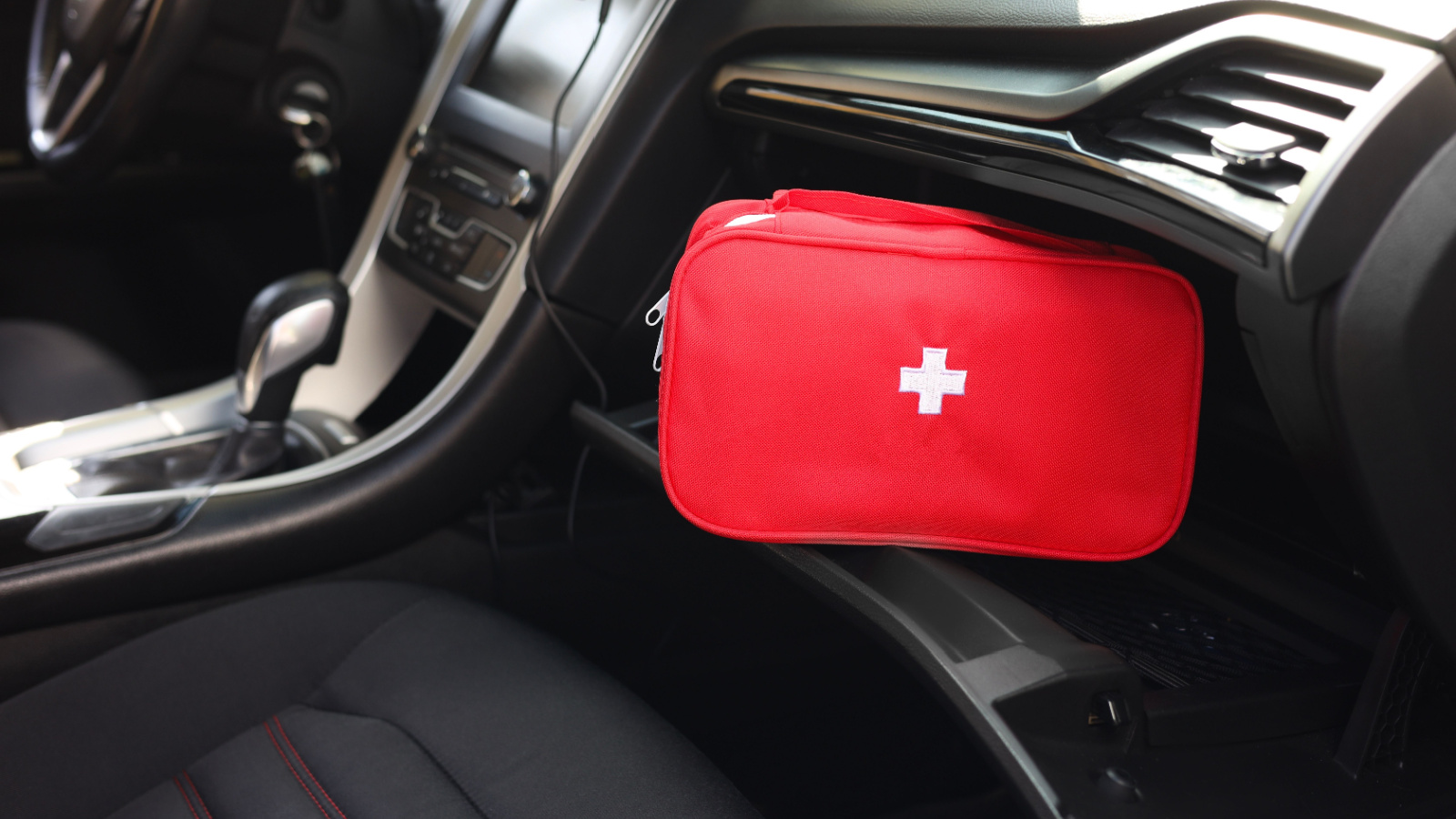
Many Canadian grandparents prepared basic emergency kits for storms and power outages. Kits included bottled water, canned food, flashlights, batteries, and first aid items. Copies of important documents were stored in waterproof folders. A manual can opener and battery-powered radio were also common. These supplies helped families stay safe during winter blizzards, floods, and wildfires that affect different regions of Canada. Having items ready in one place reduces panic and protects loved ones when services are disrupted. Preparing early remains a practical step that continues to support household security.
Using Public Libraries for Learning

Public libraries continue to be valuable resources across Canada. Grandparents viewed them as important spaces for learning and quiet study. Today, libraries offer free access to computers, books, job search tools, and digital resources. Many locations provide classes on technology, languages, and local history. Children benefit from reading programs and homework clubs. Seniors enjoy social activities that reduce isolation. Library cards are free in most provinces and help families save money on books. Libraries create welcoming environments that support lifelong education and community connection. They remain trusted gathering spaces for people of all ages.
Growing Herbs for Daily Use
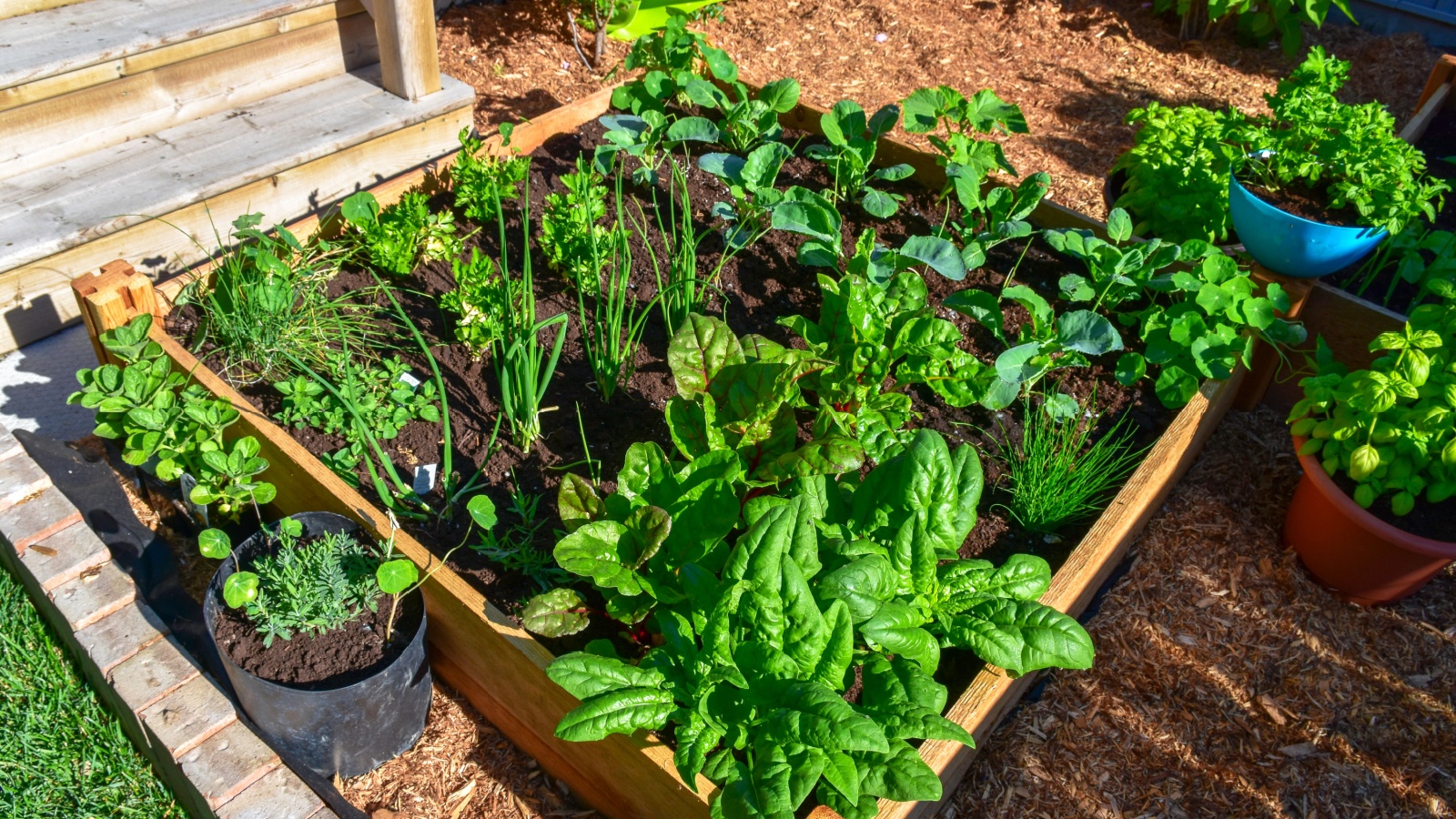
Many Canadian grandparents grew herbs at home to add fresh flavor to meals. Small herb gardens fit on windowsills, balconies, or backyard corners. Popular choices include parsley, basil, mint, thyme, and chives. These plants need minimal care and grow well in most Canadian climates during warmer months. Indoor pots help continue growth through winter. Drying herbs for later use prevents waste and saves money that would be spent on packaged seasonings. Fresh herbs support healthier cooking and reduce store trips. Gardening also brings a sense of routine and calm. This simple habit remains practical for households of all sizes.
Trading Skills With Neighbours

Skill sharing helped Canadian communities stay strong. Grandparents often exchanged practical skills instead of hiring services. A neighbour might fix a roof, while another helped with plumbing or baking. These exchanges saved money and built trust. Many towns still encourage community skill trading events or workshops. Sharing knowledge reduces dependence on expensive contractors and strengthens local support networks. Younger generations learn valuable hands-on skills through participation. This approach improves problem-solving and reduces isolation. Trading skills remain an effective way to bring people together and complete tasks without major costs.
Keeping Homes Energy Efficient

Energy efficiency helped families manage high heating costs during Canadian winters. Grandparents used thick curtains, insulation, and weatherstripping to prevent heat loss. Turning down the thermostat at night reduced bills further. Today, our LED bulbs and smart thermostats provide modern options for lowering energy use. Sealing drafty windows and maintaining furnaces improves comfort and performance. Many provinces offer rebate programs that support upgrades. Small changes add up and protect the environment. Energy-saving habits remain essential as utility prices rise across Canada. Families that follow these steps enjoy lower expenses and warmer homes.
Supporting Small Local Businesses
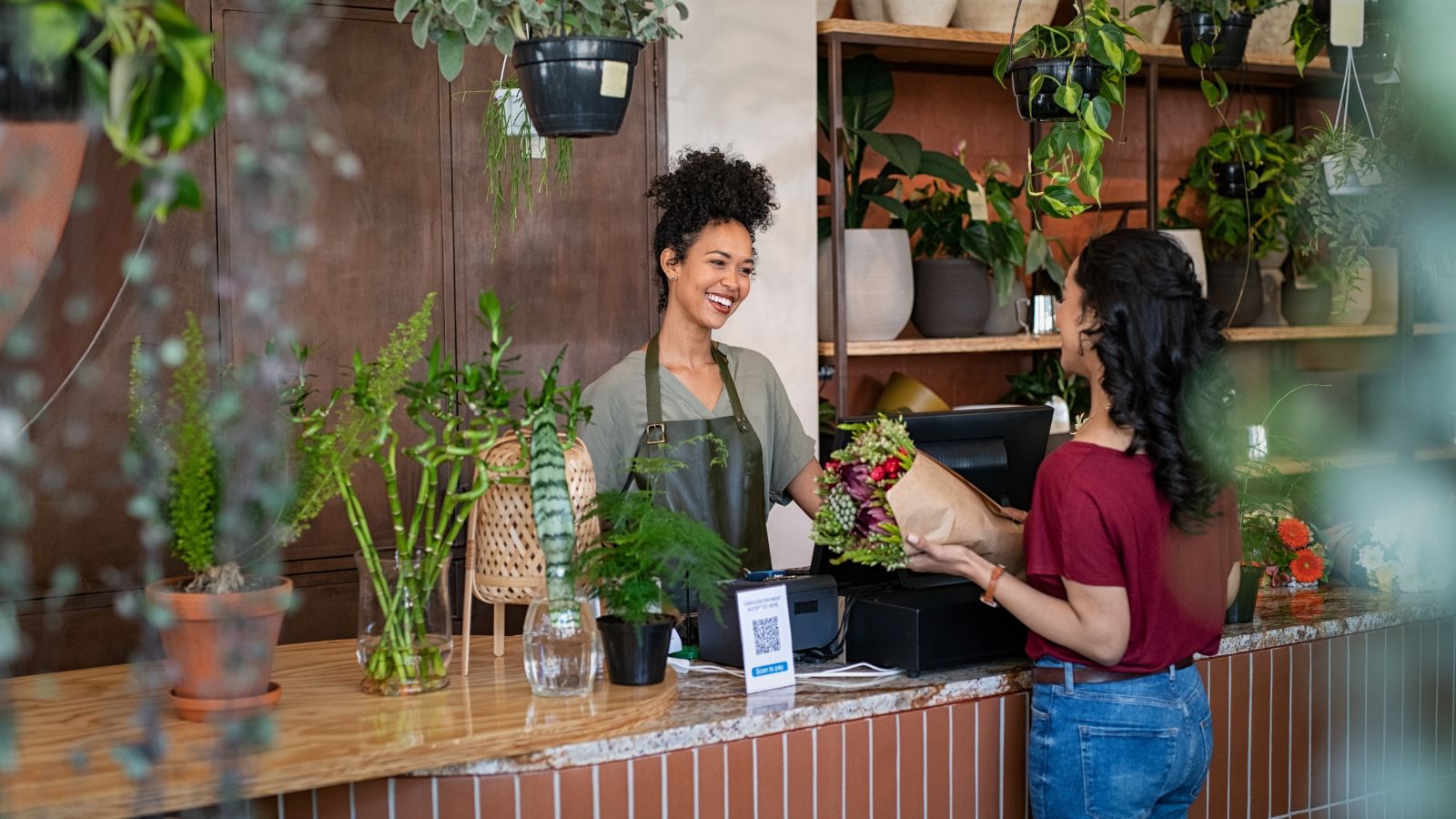
Local shops were central to many Canadian towns. Grandparents bought hardware, groceries, and clothing from nearby owners who knew customers by name. Spending money locally helped keep jobs and services within the community. Today, this still matters as many small businesses face rising costs and competition from large chains. Farmers’ markets, independent bookstores, and family-owned cafes rely on neighbourhood support. Buying local keeps tax dollars in the region and strengthens local economies. It also creates personal connections and better customer service. Supporting small businesses continues to build vibrant communities across Canada.
Planning Purchases Instead of Impulse Buying

Grandparents plan to spend carefully. They compared prices, waited for sales, and avoided buying items they did not need. Shopping lists and monthly budgets helped prevent surprise debt. Many households today use similar methods to manage rising living costs. Planning purchases gives time to think about value and long-term use. It reduces waste and stops overcrowding homes with unused items. People feel more confident when they stay within a budget. Careful planning remains an effective approach to saving money and reducing stress in everyday life.
Prioritizing Family Time and Traditions

Family time was at the center of life for many Canadian grandparents. Weekend meals, seasonal celebrations, and outdoor activities created strong bonds. These routines did not require spending money. Time together built memories and shaped values for younger generations. Today, families still gather for shared meals, camping trips, and cultural traditions. Many people limit screen time during family events to stay present and connected. Traditions provide stability and comfort during stressful periods. Making time for loved ones supports emotional well-being and strengthens community culture.
Practicing DIY Home Maintenance
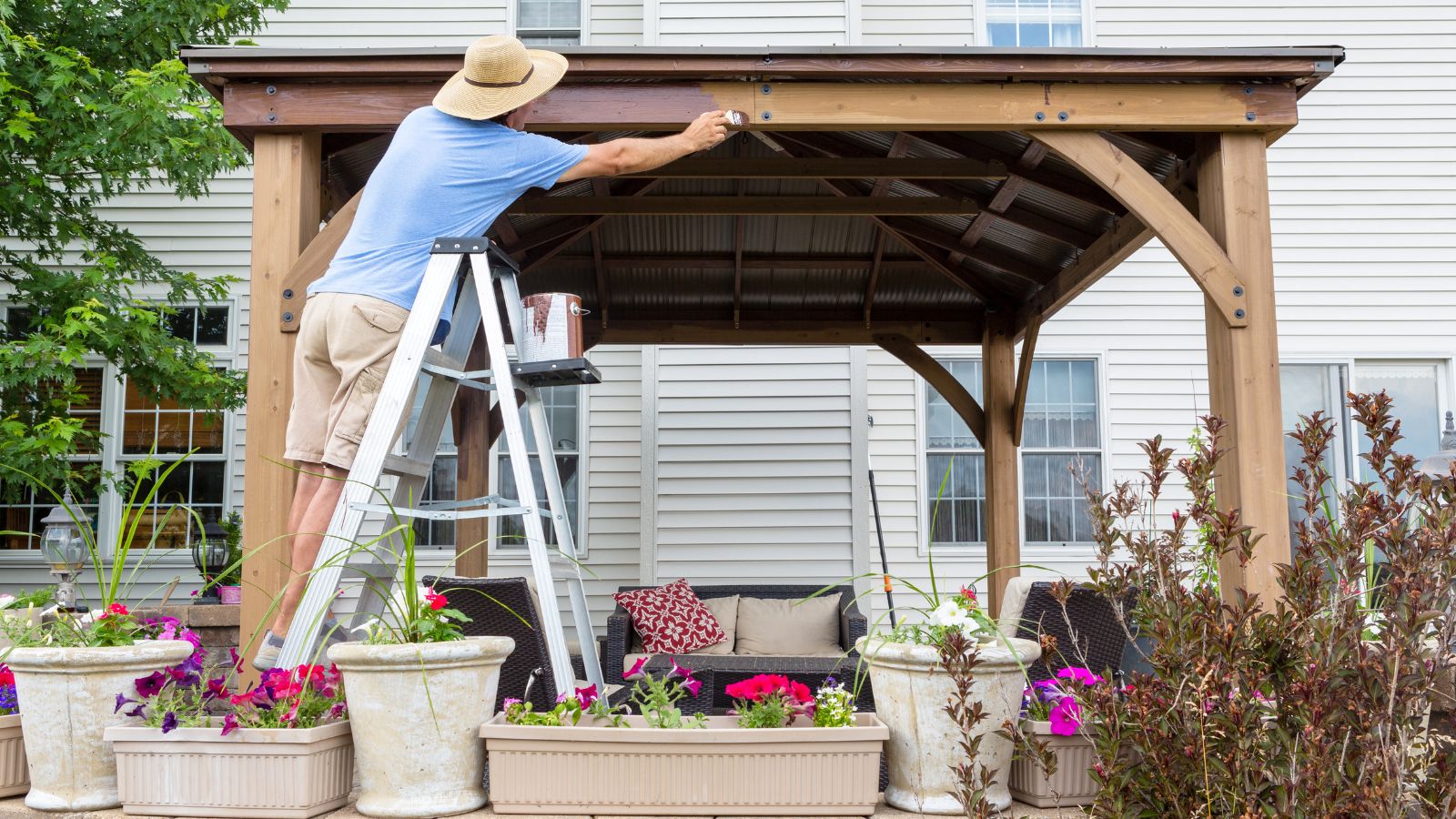
Canadian grandparents often handled small repairs and maintenance tasks themselves instead of hiring professionals. They fixed leaky taps, painted walls, unclogged drains, and maintained fences or roofs using basic tools. This approach saved money and ensured homes stayed in good condition year-round. Learning these skills also built confidence and independence. Today, many Canadians continue DIY projects for cost savings and personal satisfaction. Online tutorials and community workshops make learning easier than ever. Practicing DIY home maintenance reduces reliance on contractors, prevents small problems from becoming costly, and empowers families to manage their homes efficiently while saving money.
22 Groceries to Grab Now—Before another Price Shock Hits Canada

Food prices in Canada have been steadily climbing, and another spike could make your grocery bill feel like a mortgage payment. According to Statistics Canada, food inflation remains about 3.7% higher than last year, with essentials like bread, dairy, and fresh produce leading the surge. Some items are expected to rise even further due to transportation costs, droughts, and import tariffs. Here are 22 groceries to grab now before another price shock hits Canada.
22 Groceries to Grab Now—Before another Price Shock Hits Canada
