
Dining out in Canada is starting to feel different at checkout. Menu prices are only part of the total now. Many restaurants add small charges for extras and services. These fees often appear during customization or payment. Diners may not notice them when ordering. Individually, the amounts seem minor. Together, they can raise the final bill quickly. Busy ordering moments make them easy to miss. Here are 23 restaurant add-on charges Canadians are seeing more in 2026.
Extra Charge for Substituting Side Dishes

Many restaurants now charge for swapping standard sides. Replacing fries with salad can add a fee. Menus may list base prices without highlighting this. The charge reflects ingredient and preparation differences. Customers often notice only after receiving the bill. Even simple swaps can trigger extra cost. Fast casual spots use this pricing more often. Asking about substitution fees helps avoid surprises. Some places waive fees during promotions. Checking menu notes carefully matters. Small add-ons increase the final total quickly. Being aware helps manage dining budgets.
Sauce or Dip Portion Fees
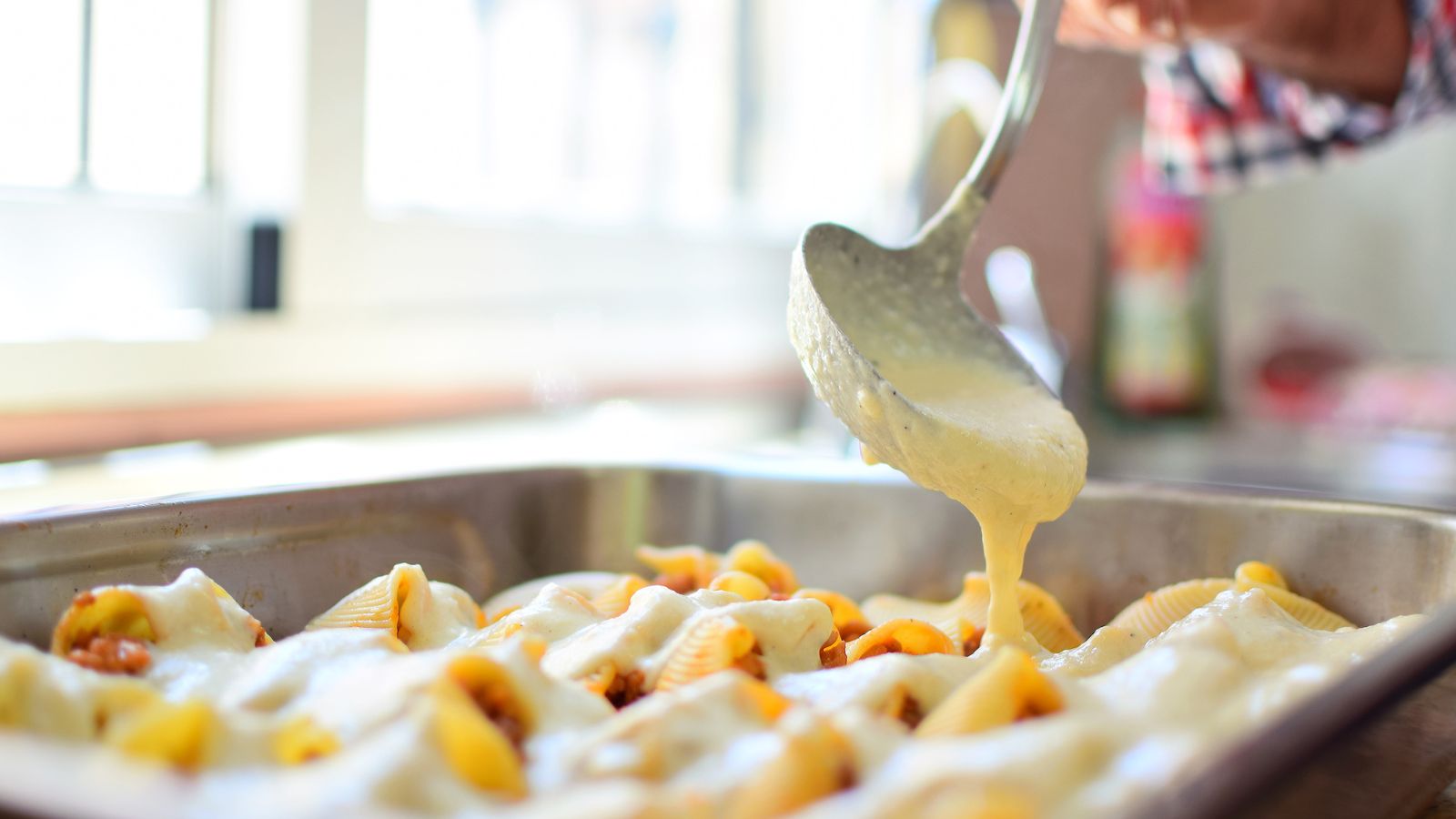
Extra sauces or dips now come with separate charges. What once felt complimentary may cost more today. Small containers of dressing or sauce add to the bill. These fees often appear on quick-service menus. Portion control helps restaurants manage food costs. Customers may request extras without knowing the price. Charges can range per container. Bills show multiple small line items. Asking about included portions helps. Sharing dips at the table reduces extra cost. Reading menu details prevents surprise charges. Small fees add up across visits.
Split Plate Fees
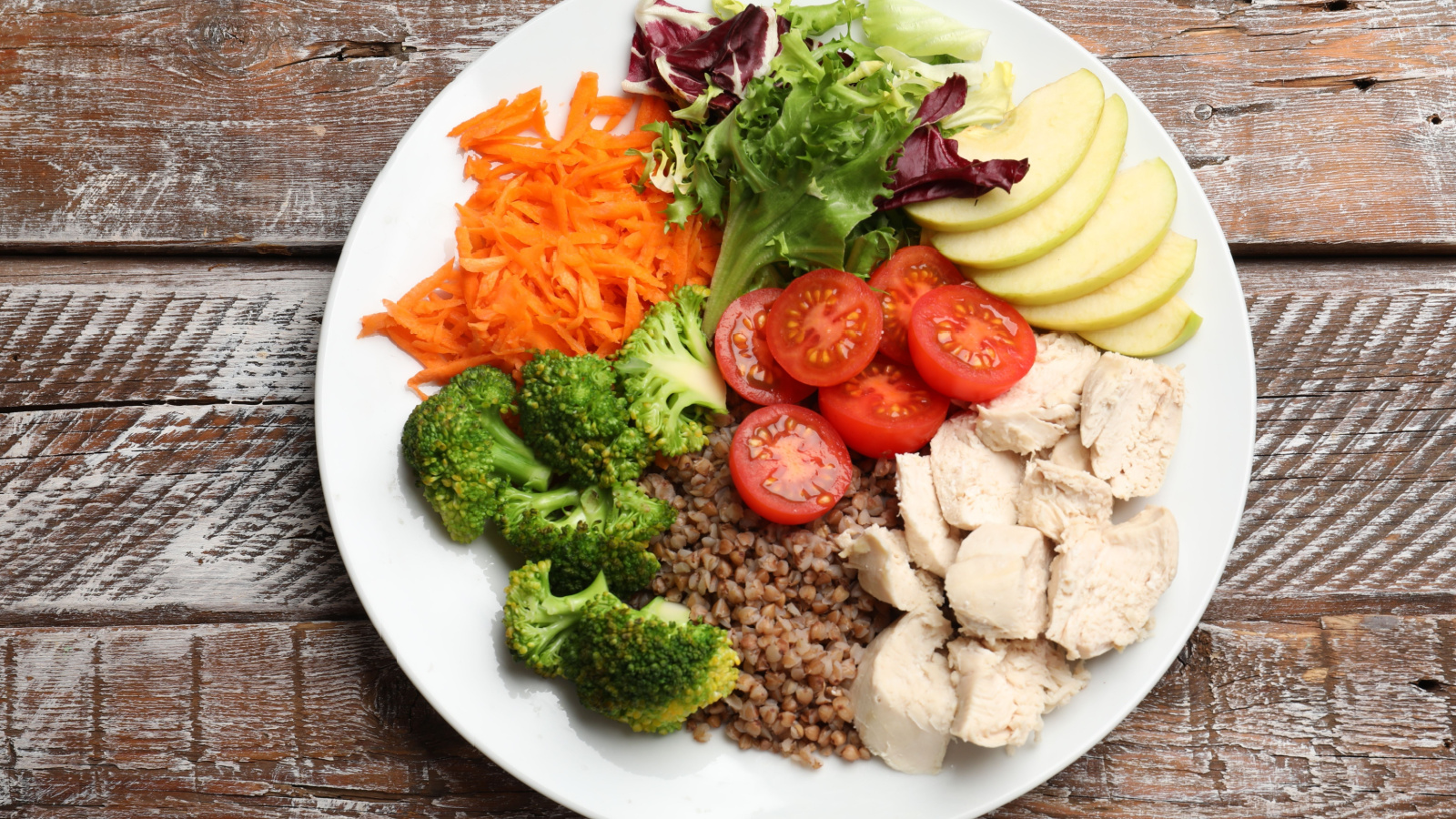
Some restaurants charge when diners share one meal. A split plate fee covers extra dishes and service. This charge appears more often in casual dining. It may apply even if no extra food is ordered. The fee helps offset labour and table use. Customers may expect sharing to save money. Menus sometimes note this in small print. Asking before ordering avoids confusion later. Portions can already be large in some spots. Understanding this policy supports budget planning. Shared meals may not reduce costs as expected. Checking ahead helps avoid surprise totals.
Credit Card Processing Surcharges

Certain restaurants add fees for card payments. These cover transaction processing costs. The surcharge may appear as a small percentage. Cash payments sometimes avoid this extra fee. Notices may be posted near the register. Customers may only see it on the receipt. Small percentages grow on higher bills. Debit and credit cards can be treated differently. Asking about payment methods helps. Some provinces regulate fee disclosure. Checking totals before paying matters. Awareness helps diners choose payment options wisely.
Delivery Packaging Fees

Delivery and takeout orders often include packaging charges. Containers, bags, and seals add to restaurant costs. These fees appear as separate line items. Customers may not notice until checkout. Increased delivery demand raised packaging expenses. Restaurants pass some of this cost to customers. Fees may vary by order size. Larger orders can carry higher packaging charges. Asking about dine-in pricing may show differences. Reusable container programs remain rare. Reviewing order summaries helps spot these fees. Small packaging costs add up over time.
Eco Container Charges for Takeout
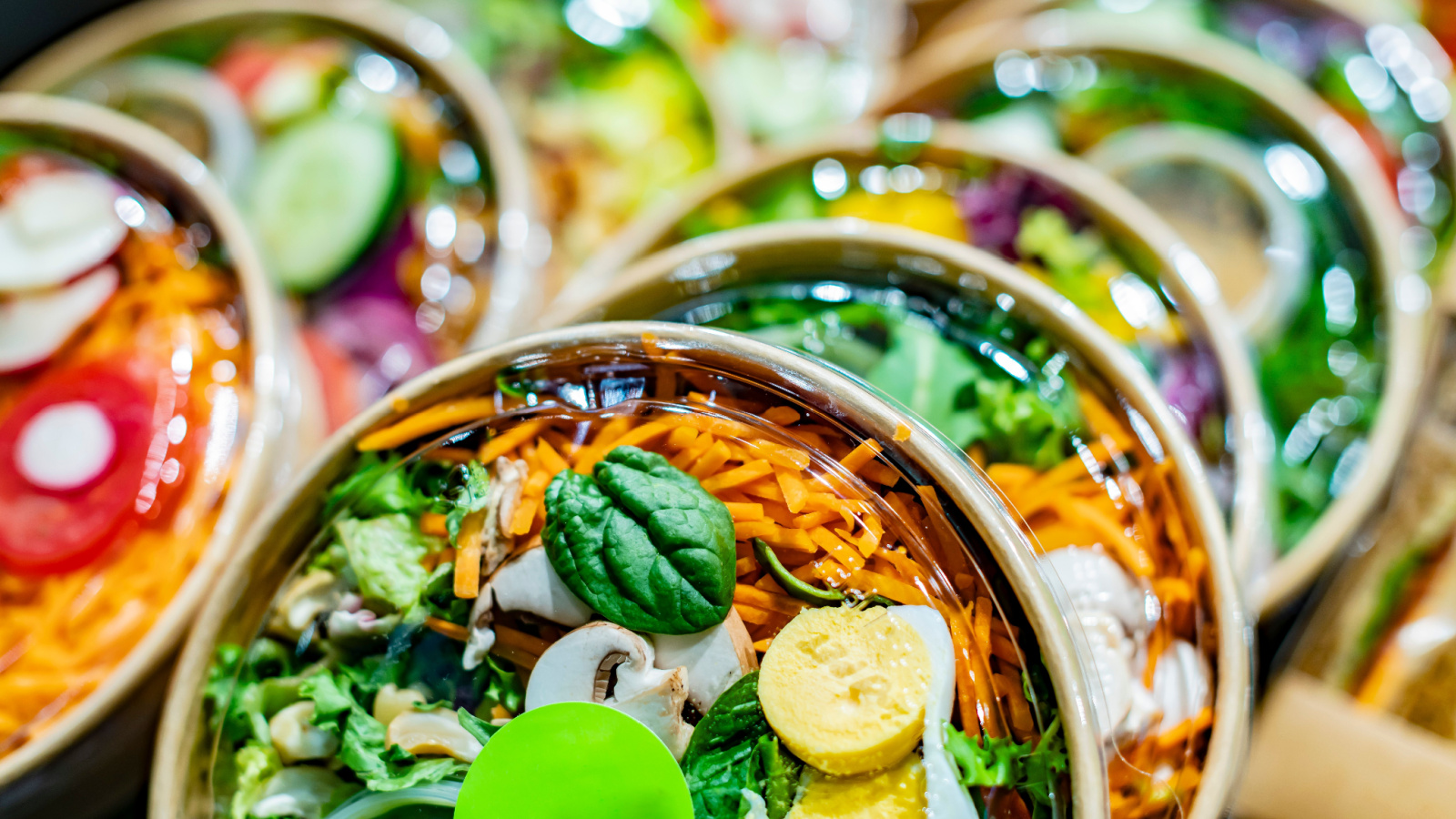
Some restaurants charge for eco-friendly containers. Compostable or recyclable packaging costs more than plastic. These fees support environmental goals. Customers may see them listed during checkout. Charges often apply per container. Larger orders increase the total. Menus may mention this policy briefly. Diners sometimes assume eco packaging is included. Asking about the fee clarifies expectations. Bringing reusable containers may not always be allowed. Checking before ordering helps manage costs. Awareness of these charges supports better dining decisions.
Extra Cheese Add-On Costs
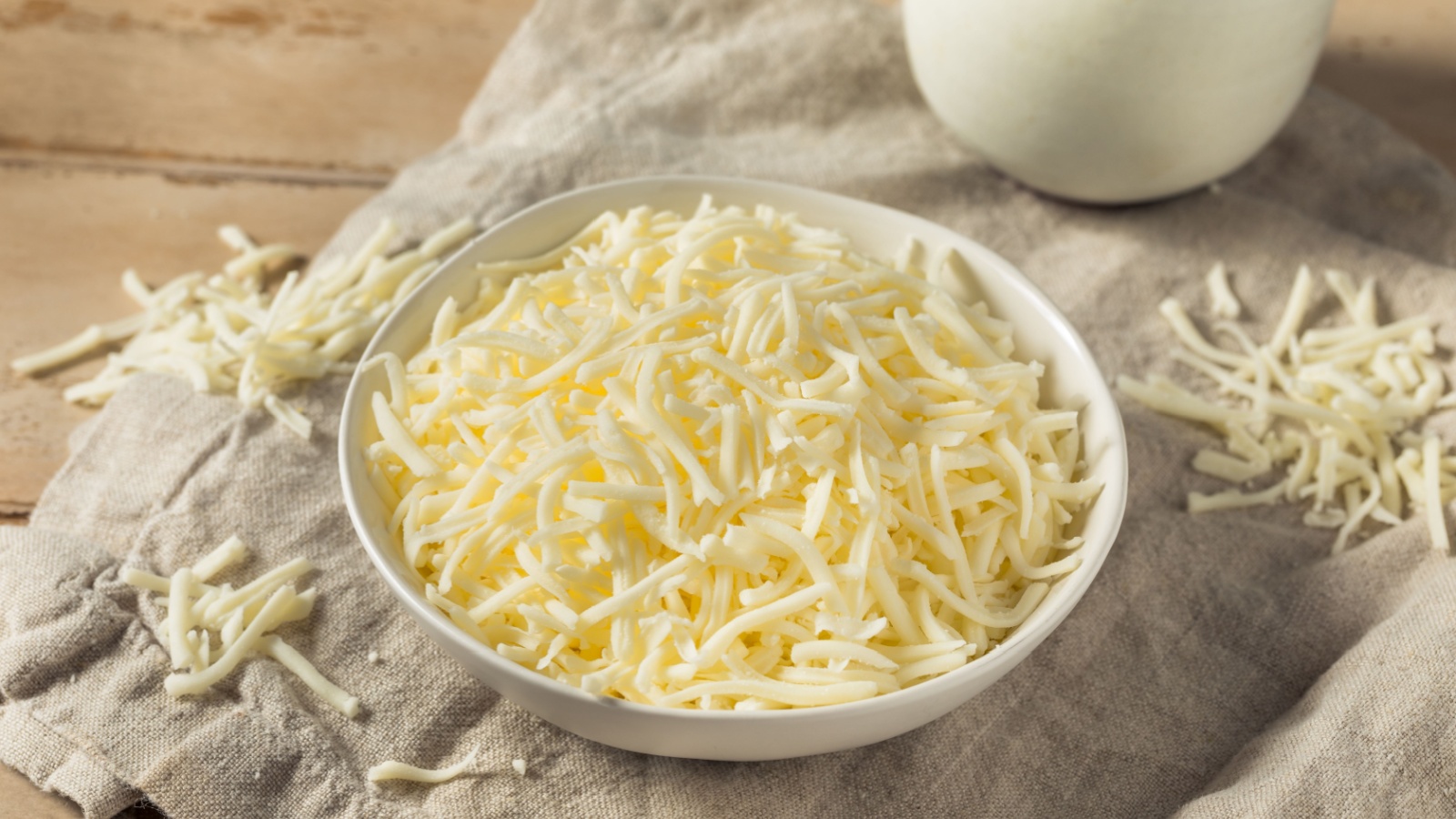
Adding extra cheese now comes with noticeable charges. What seems like a small topping can raise the bill. Pizza, pasta, and burgers often include this fee. Portion size increases drive ingredient costs higher. Menus may list base items without add-on prices. Customers notice the charge during checkout. Specialty cheeses can cost even more. Fast casual spots often apply this pricing. Asking about topping costs helps avoid surprises. Small additions can stack quickly. Checking customization screens matters. Being aware supports better spending control.
Gluten Free Option Surcharges

Gluten-free substitutions often carry extra fees. Special ingredients cost more for restaurants. Separate preparation areas may also be required. These factors raise menu pricing. Customers choosing gluten-free options may expect higher bills. The surcharge can apply to pasta, bread, or crusts. Menus sometimes list this in small print. Asking about the fee before ordering helps. Portions may remain the same size. Health needs make this choice necessary for some diners. Understanding pricing supports planning. Checking menu notes prevents checkout surprises.
Plant-Based Substitute Fees
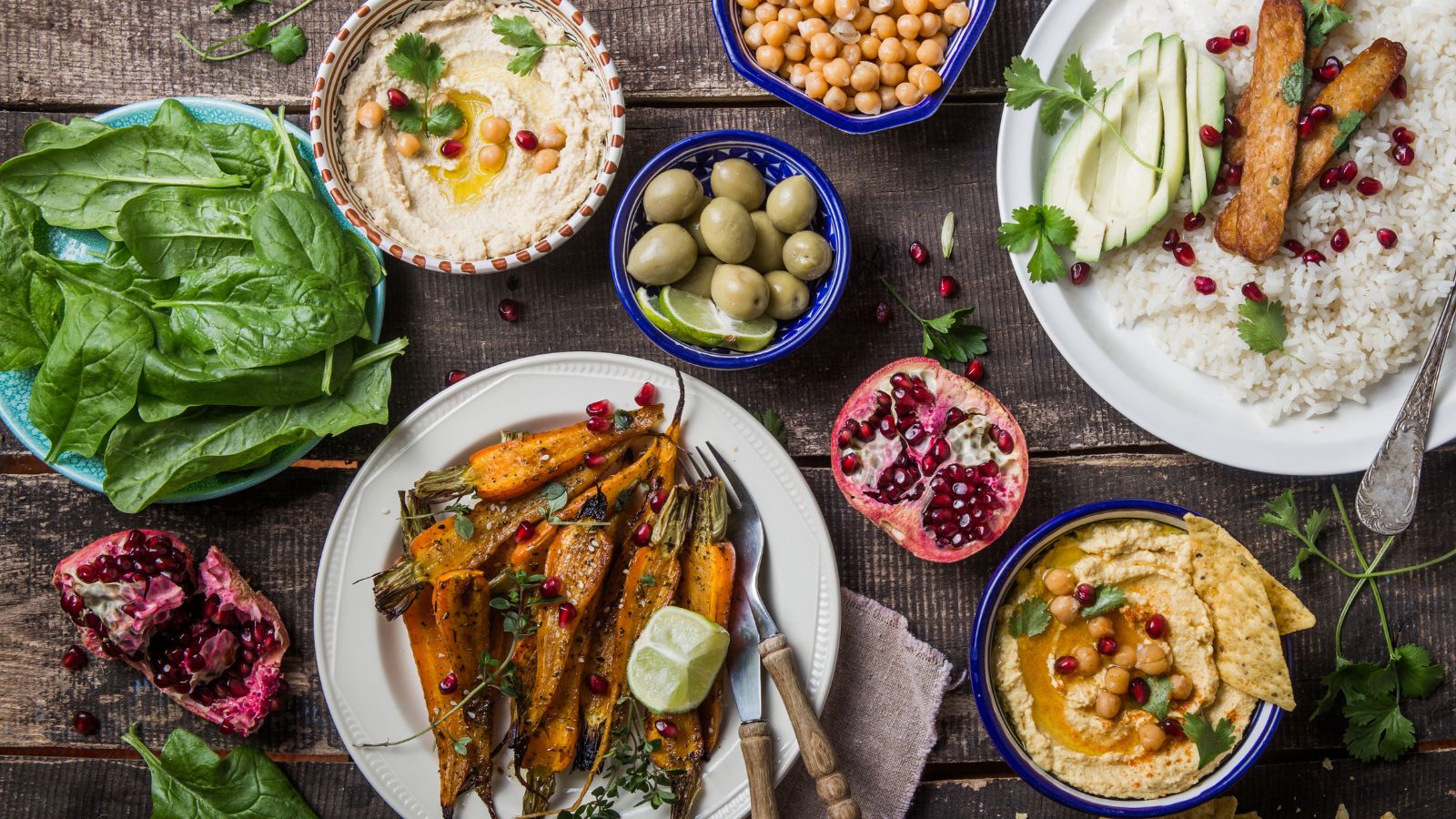
Plant-based substitutes now come with added costs. Replacing meat with plant-based patties raises prices. Ingredient sourcing and demand affect restaurant expenses. These fees appear on burgers and breakfast items. Menus may not highlight the surcharge clearly. Customers may assume substitutes cost the same. The difference shows on the final bill. Asking about pricing helps avoid confusion. Some chains promote limited-time waivers. Regular visits can increase costs. Comparing menu options supports value decisions. Awareness helps manage dining budgets.
Premium Bread Basket Charges

Bread baskets once arrived at no extra cost. Many restaurants now list them as paid items. Specialty breads and spreads raise ingredient expenses. Charges may apply per basket or per table. Menus sometimes mention this in small text. Customers may expect complimentary service. The fee appears as a separate line on bills. Asking before accepting helps avoid surprise. Some places offer refills for an added cost. Dining habits influence how often this occurs. Checking menu details supports planning. Small table extras add up quickly.
Extra Toppings on Salads
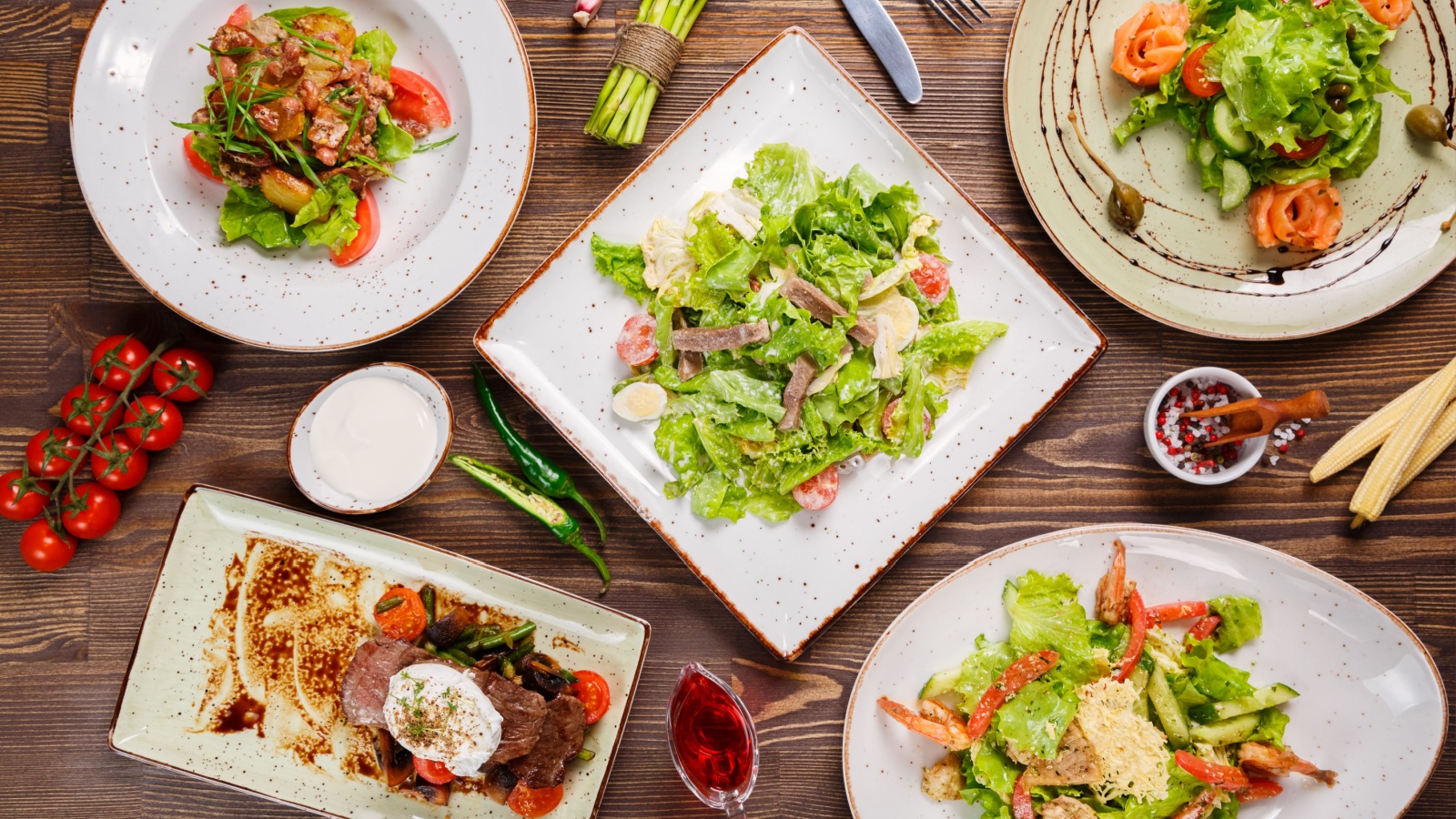
Salad toppings beyond the basics often incur an additional cost now. Items like avocado or grilled vegetables add fees. Protein additions also raise menu prices. Base salads may look affordable at first. Customization screens show add-on charges clearly. Multiple toppings can increase totals fast. Restaurants price these based on ingredient cost. Customers may focus only on the base price. Asking about included items helps. Choosing fewer extras keeps costs lower. Reading menu descriptions matters. Awareness helps avoid higher bills.
Gratuity Added Automatically for Small Groups

Automatic gratuity now appears for smaller group sizes. Some places apply it to four or more guests. This used to apply mainly to large parties. The service charge shows on the bill before payment. Customers may not notice until checkout. It helps restaurants cover staffing costs. Menus often mention this in fine print. Asking about group policies helps avoid confusion. Tipping expectations vary by region. Reviewing the bill carefully is important. Understanding the policy supports clear budgeting. Awareness prevents surprise charges.
Extra Condiment Requests
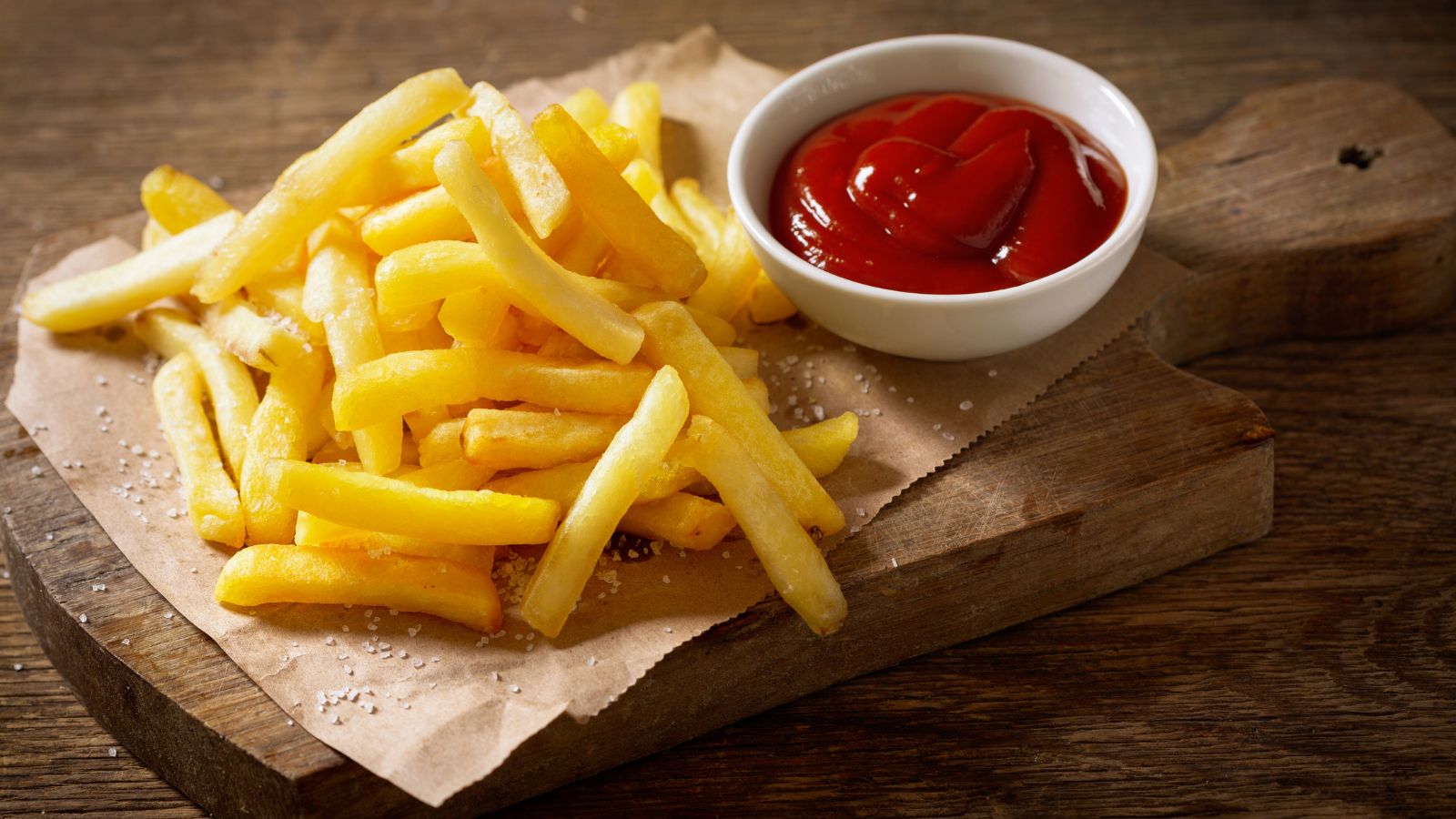
Many restaurants now charge for additional condiments beyond the standard portion. Ketchup, mayo, hot sauce, or dressing may come with limits. Extra containers often appear as small fees on the bill. These charges help control food costs and reduce waste. Customers sometimes assume condiments remain free. Fast food and casual chains apply these rules more often. Drive-through and delivery orders show these fees clearly. Multiple requests can increase the total quickly. Asking what is included helps avoid surprise charges. Sharing sauces at the table can lower costs. Checking receipts helps track small add-ons. Small condiment fees add up across visits.
Customization Fees on Fast Casual Orders

Fast casual restaurants now add charges for meal customizations. Swapping ingredients or adding extras often increases the price. Digital ordering screens show these changes clearly. Customers building bowls or sandwiches may stack several fees. Base menu prices can appear low at first. Each added topping raises the total. Specialty ingredients usually cost more. Removing items rarely reduces price. Customers focused on taste may overlook added costs. Reviewing the order summary before paying helps. Some promotions include free extras. Planning choices ahead can limit add-ons. Customization convenience often comes with higher bills.
Dine In Service Charges

Some restaurants include a dine-in service charge on the bill. These fees differ from tips. They help cover staffing and operating expenses. The charge is either a percentage or a flat rate. Customers may see it only on the final receipt. Menus may mention it in small print. Takeout orders sometimes avoid this fee. The practice varies by region and restaurant type. Asking staff about service charges helps clarify. The fee adds to menu prices already paid. Reviewing the bill before payment is important. Awareness helps diners plan their spending better.
Weekend Menu Price Increases
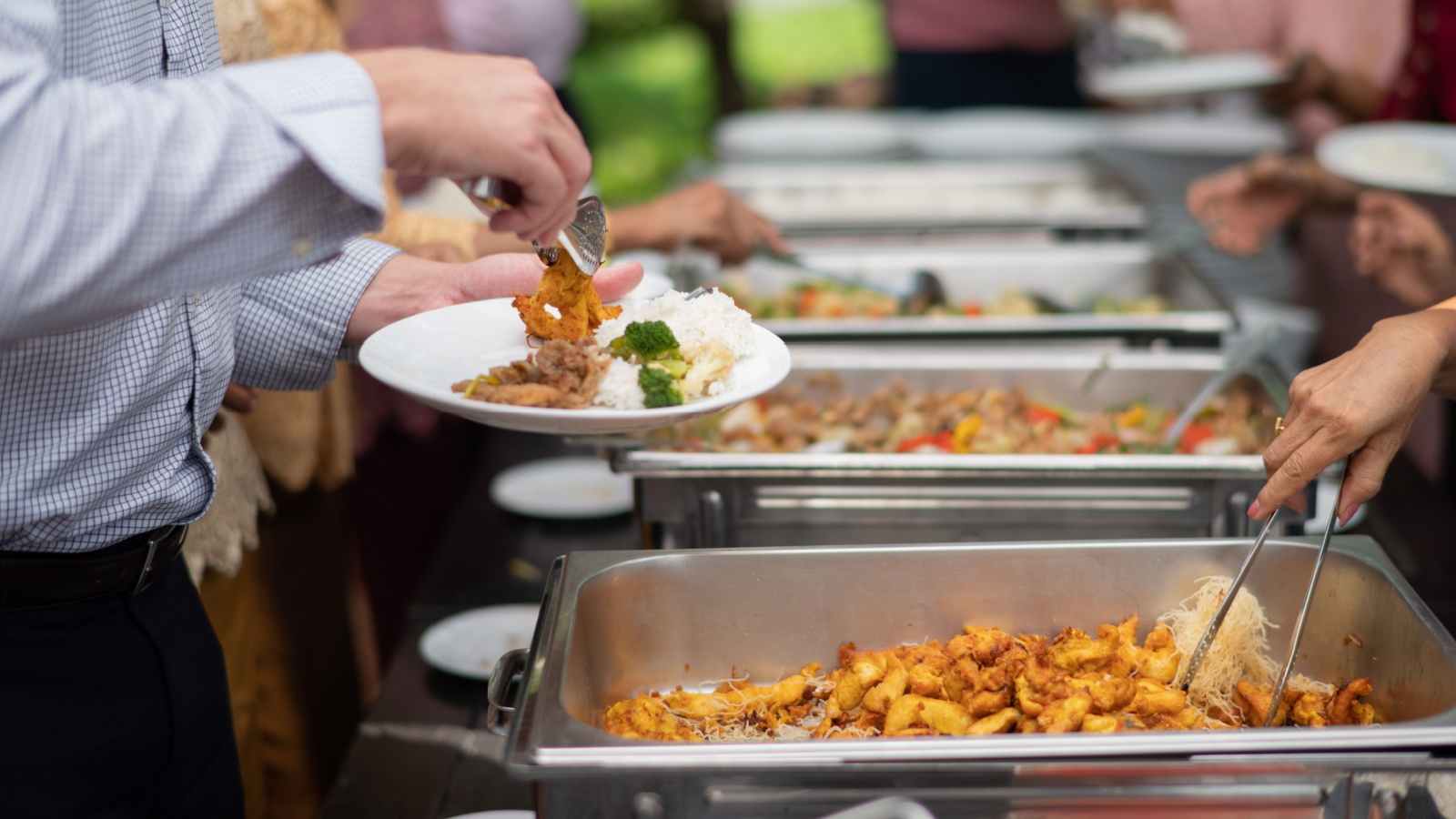
Weekend dining sometimes comes with higher menu prices. Restaurants adjust pricing during busy periods. Brunch and dinner menus may reflect this change. Prices can differ from weekday listings. Customers may not notice until ordering. Higher demand increases staffing and supply costs. Special weekend menus also carry premium pricing. Online menus may not always update quickly. Asking about pricing differences helps avoid surprise. Frequent diners notice the pattern over time. Planning visits on weekdays may reduce cost. Weekend dining often brings convenience but higher bills.
Extra Espresso Shot Fees

Coffee shops now charge more for extra espresso shots. Each added shot increases the drink price. Specialty beverages often include only one or two shots. Customers who customize caffeine levels pay more. The fee may seem small at first. Regular orders with extras raise monthly spending. Digital menus show the added cost clearly. Milk-based drinks also combine these fees. Comparing sizes can sometimes offer better value. Asking about standard shot counts helps. Frequent custom orders increase total coffee expenses. Small changes in drink builds lead to higher bills.
Specialty Milk Substitution Charges

Substituting specialty milk often incurs additional costs. Options like oat, almond, or soy milk carry surcharges. These reflect ingredient and supply differences. Coffee shops and restaurants apply this widely. Customers choosing alternatives pay more per drink. The fee appears during customization. Regular substitutions add up across visits. Some chains offer limited promotions. Asking about included options helps. Standard dairy milk usually costs less. Reviewing menu pricing supports better planning. Specialty milk preferences now influence overall dining expenses.
Ice or No Ice Drink Adjustments

Some restaurants now adjust drink pricing based on ice requests. Asking for no ice may reduce dilution but raise cost. Staff may add more beverage to fill the cup. This increases ingredient use for the business. Menus rarely list this policy clearly. Customers often learn at checkout. The charge may appear small per drink. Regular orders make the difference noticeable. Ice management helps restaurants control portioning. Clarifying drink size and cost helps avoid confusion. Reviewing the receipt shows these adjustments. Small beverage changes can raise overall dining expenses.
Extra Protein Add-Ons
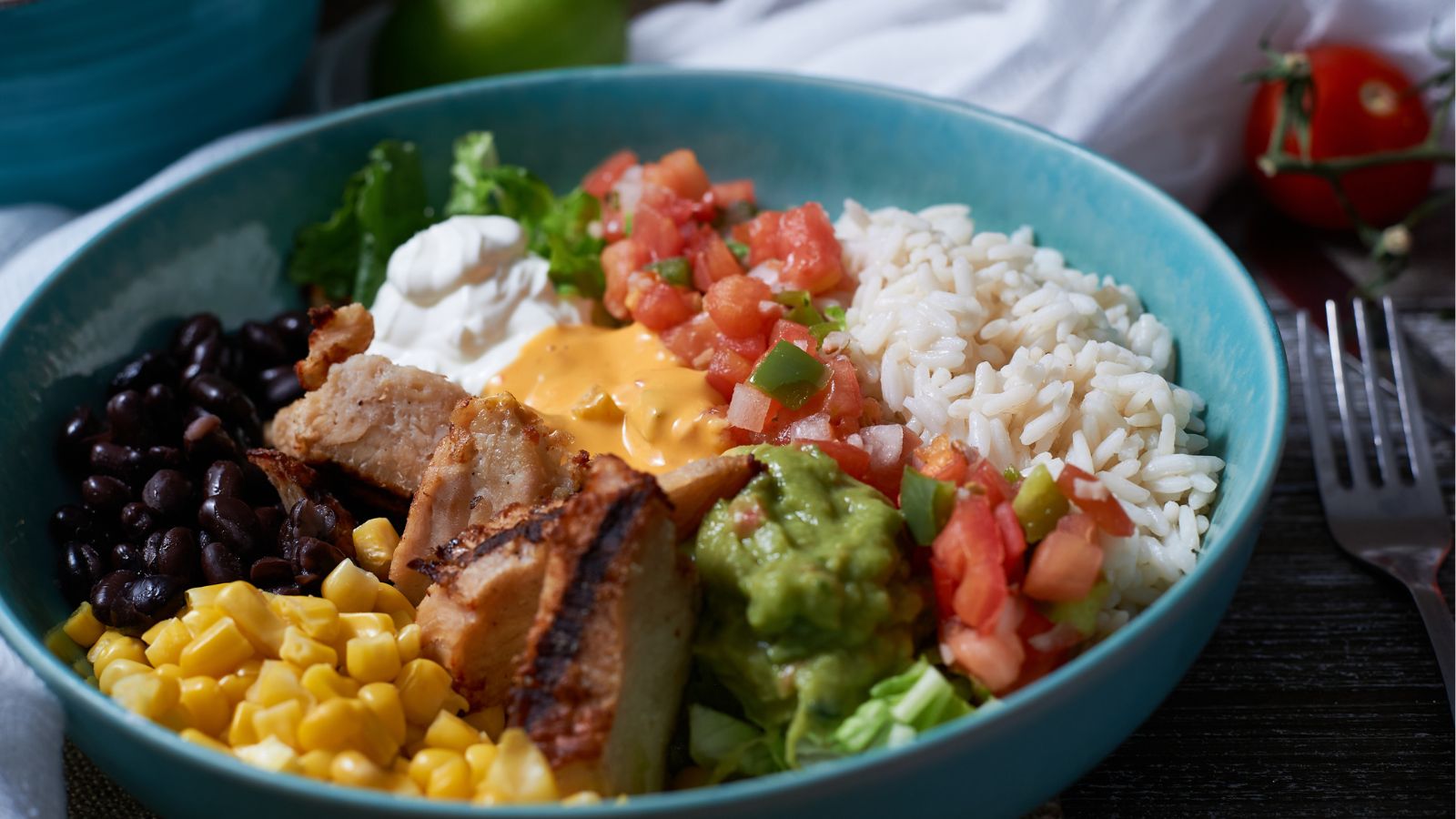
Adding extra protein now comes with higher menu charges. Options like chicken, tofu, or shrimp increase meal prices. Base dishes may look affordable at first. Each protein addition raises ingredient cost. Digital ordering screens clearly display these fees. Customers building bowls often add multiple proteins. Portions can vary by restaurant. The total climbs quickly with each add-on. Asking about protein size helps assess value. Some promotions include limited free extras. Frequent upgrades increase overall spending. Being mindful of these choices helps manage dining costs.
Cake Cutting Fees

Some restaurants charge a fee to cut outside cakes. This covers plates, utensils, and service time. The fee often applies per cake or per guest. Customers bringing desserts for celebrations may not expect this. Menus may mention it briefly or omit it entirely. The charge appears on the final bill. It helps restaurants offset lost dessert sales. Asking before bringing a cake avoids surprise. Some places waive the fee during special events. Reviewing policies helps with party planning. Celebration add-ons can increase total dining costs.
Takeout Utensil Charges
Takeout orders may now include utensil charges. Forks, spoons, and napkins can appear as line items. Environmental policies influence this practice. Some regions promote reducing single-use plastics. Customers may see the charge during online checkout. Selecting no utensils can remove the fee. Small amounts feel minor but add up. Larger orders increase the total charge. Keeping reusable utensils in bags helps. Checking order settings prevents unnecessary extras. Awareness supports cost control. Small packaging-related fees are becoming common.
Late Night Service Fees

Late-night dining may incur additional service fees. Restaurants operating late face higher staffing costs. These charges appear after certain hours. Menus may not clearly display the timing. Customers notice the fee on the bill. The surcharge may be a flat amount or a percentage. It helps cover extended operating expenses. Bars and casual spots use this pricing more often. Asking about late-hour pricing helps. Planning earlier visits can reduce costs. Reviewing receipts ensures clarity. Dining convenience late at night often comes at a premium.
22 Groceries to Grab Now—Before another Price Shock Hits Canada
Food prices in Canada have been steadily climbing, and another spike could make your grocery bill feel like a mortgage payment. According to Statistics Canada, food inflation remains about 3.7% higher than last year, with essentials like bread, dairy, and fresh produce leading the surge. Some items are expected to rise even further due to transportation costs, droughts, and import tariffs. Here are 22 groceries to grab now before another price shock hits Canada.
22 Groceries to Grab Now—Before another Price Shock Hits Canada
