
Spring in Canada brings longer days, milder temperatures, and a strong urge to move again after months indoors. As snow disappears, parks, trails, and sidewalks quickly fill with people rebuilding their routines. Many want to improve stamina, strength, or overall well-being before summer activities begin. Fitness choices often focus on fresh air, flexibility, and manageable time commitments. Some prefer structured programs, while others return to simple daily movement. The goal is not only physical change but also renewed energy and confidence. Seasonal motivation plays a major role in starting or restarting healthy habits. Here are 23 spring fitness trends Canadians are trying so they feel ready for summer.
Outdoor Running Comebacks
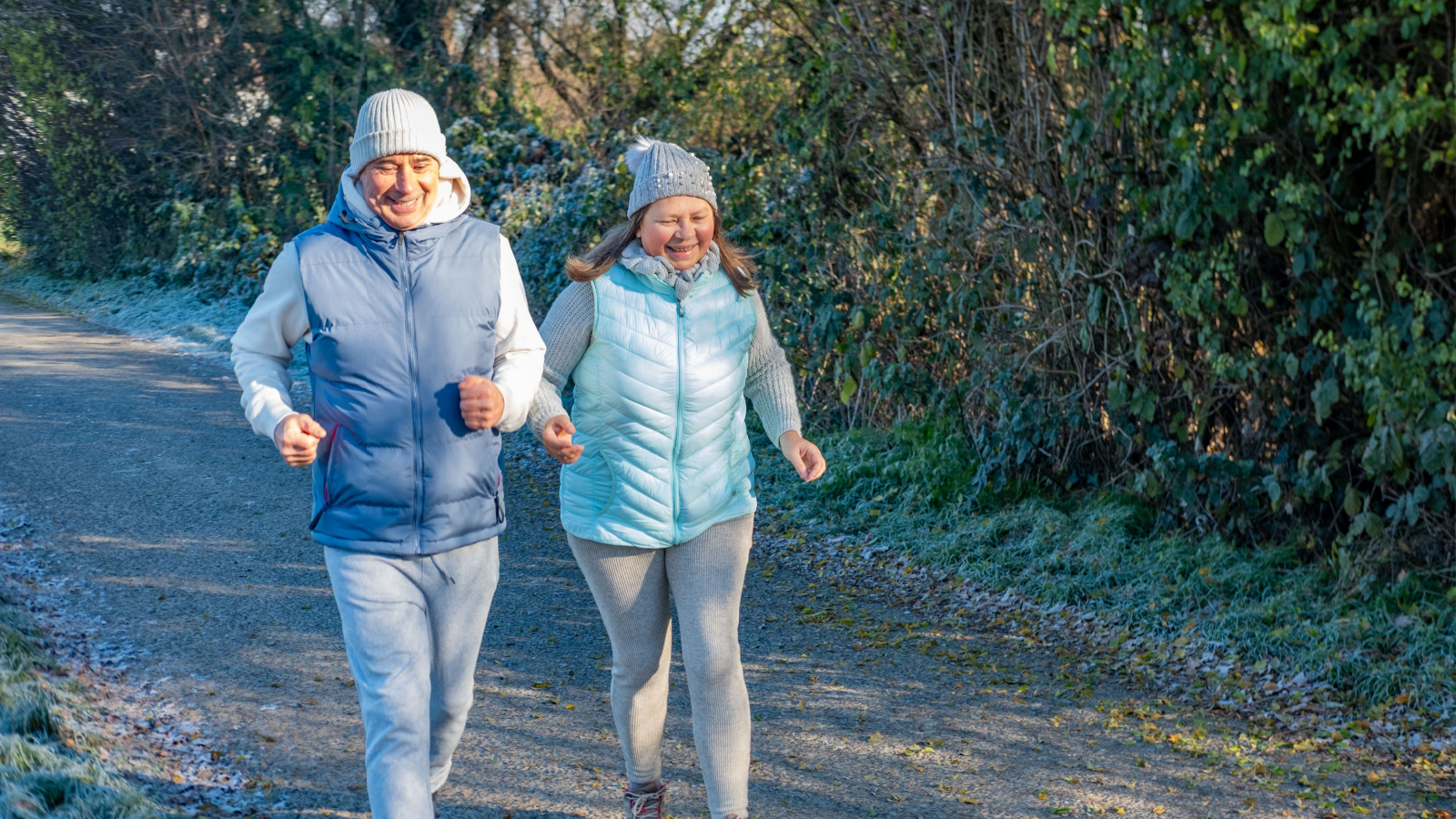
As snow melts, many Canadians return to outdoor running. Fresh air feels motivating after months indoors. Parks and sidewalks become busier in early spring. Running requires minimal equipment beyond proper shoes. Some people follow structured training plans to rebuild endurance. Others run casually for stress relief. Cooler temperatures make longer distances more comfortable. Group runs also become common in urban areas. Daylight hours increase, allowing safer evening workouts. Gradual pacing helps prevent injury after winter inactivity. Many runners combine walking intervals initially. Tracking apps provide motivation and progress feedback. Outdoor running supports cardiovascular health and mood improvement. This simple activity often marks the beginning of renewed fitness routines as summer approaches across Canada.
Park Boot Camp Classes
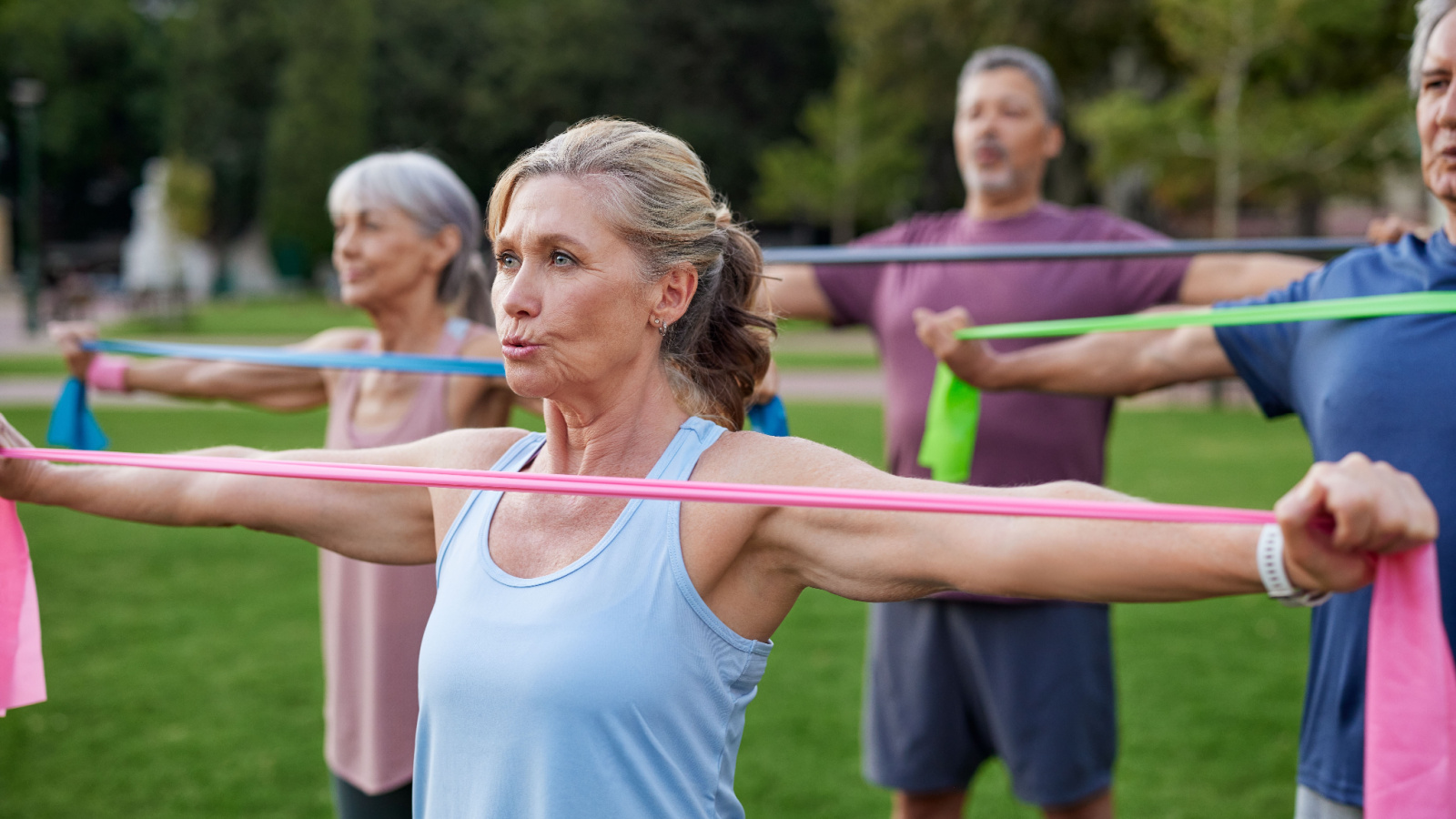
Boot camp sessions in parks attract those seeking structured workouts outdoors. Instructors lead groups through circuits using bodyweight exercises. Equipment is usually minimal or portable. Canadians appreciate the social aspect of group training. Exercising outside reduces the feeling of confinement. Sessions often include strength, cardio, and agility drills. Participants work at their own intensity levels. Fresh air can make challenging routines feel more manageable. Morning classes are especially popular before work hours. Meeting regularly builds accountability. Weather conditions may vary, adding unpredictability. Many boot camps welcome beginners alongside experienced participants. This format provides professional guidance without a gym environment. Park boot camp classes offer a motivating way to rebuild fitness during the spring months.
Walking Challenges and Step Goals

Walking becomes more appealing once the sidewalks are clear of ice. Canadians often set daily step targets for motivation. Fitness trackers make monitoring progress easy. Walking suits a wide range of ages and fitness levels. It can be done almost anywhere without special equipment. Some workplaces organize group challenges. Friendly competition encourages consistency. Outdoor walking also improves mental well-being. Parks and waterfront paths attract large numbers in spring. Gradual increases in distance reduce injury risk. Many combine walking with errands or commuting. This makes the habit easier to maintain. Even short walks contribute to overall activity levels. Walking challenges provide an accessible entry point for those restarting fitness routines after winter.
Cycling for Commuting and Fitness
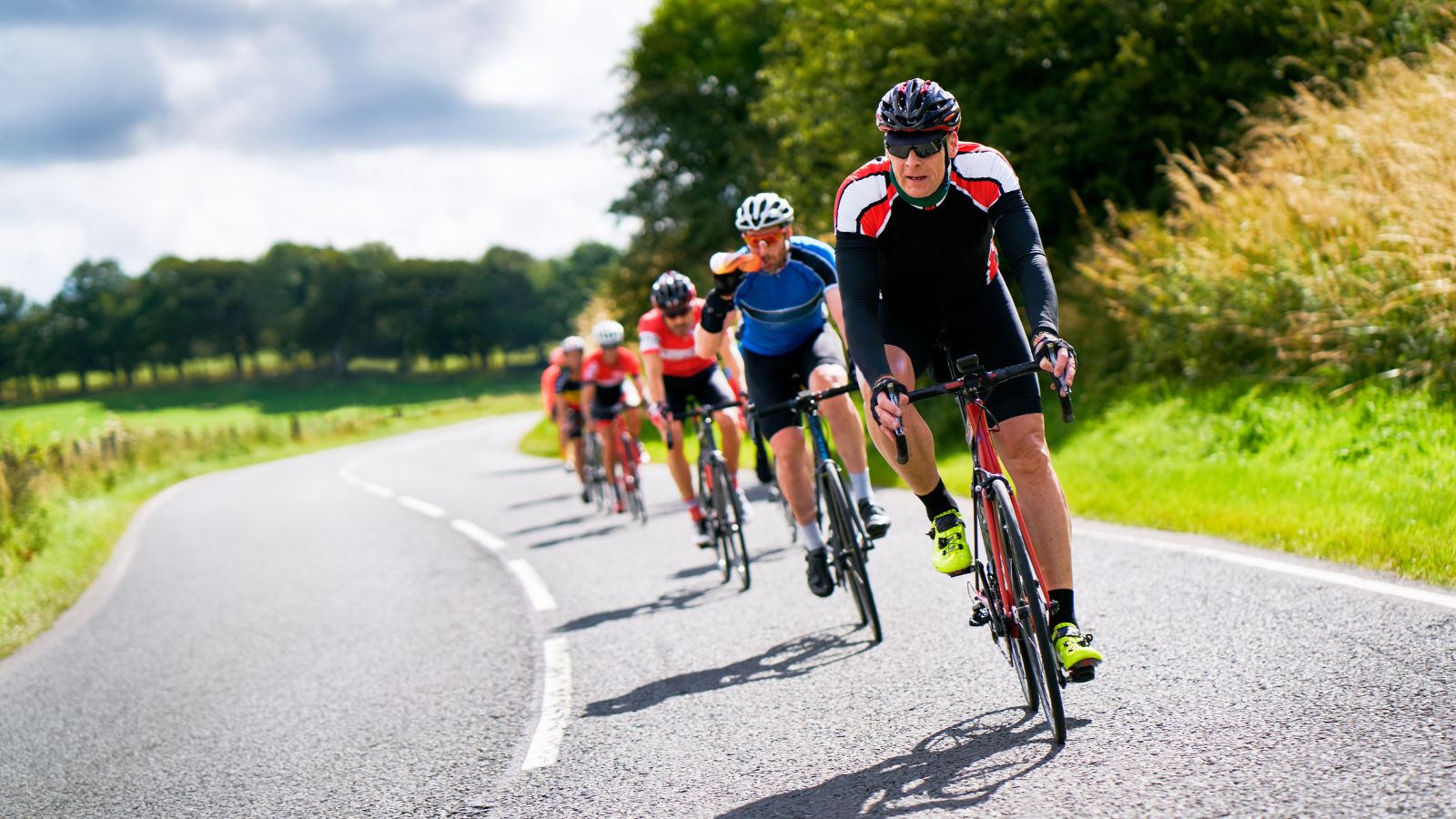
Cycling resurfaces as both transport and exercise in warmer weather. Canadians often switch from cars to transit for shorter trips. Dedicated bike lanes support safer commuting. Cycling improves cardiovascular fitness without high-impact stress. It also strengthens lower-body muscles. Many people ride recreationally on weekends. Longer daylight hours allow evening rides. Helmets and visibility gear remain essential for safety. Some use e-bikes to reduce effort on hills. Cycling reduces transportation costs while increasing activity. Scenic routes make the experience enjoyable. Maintenance checks ensure bikes function properly after storage. Combining commuting with exercise saves time. Cycling offers practical fitness benefits as spring conditions improve across Canada.
Outdoor Yoga Sessions
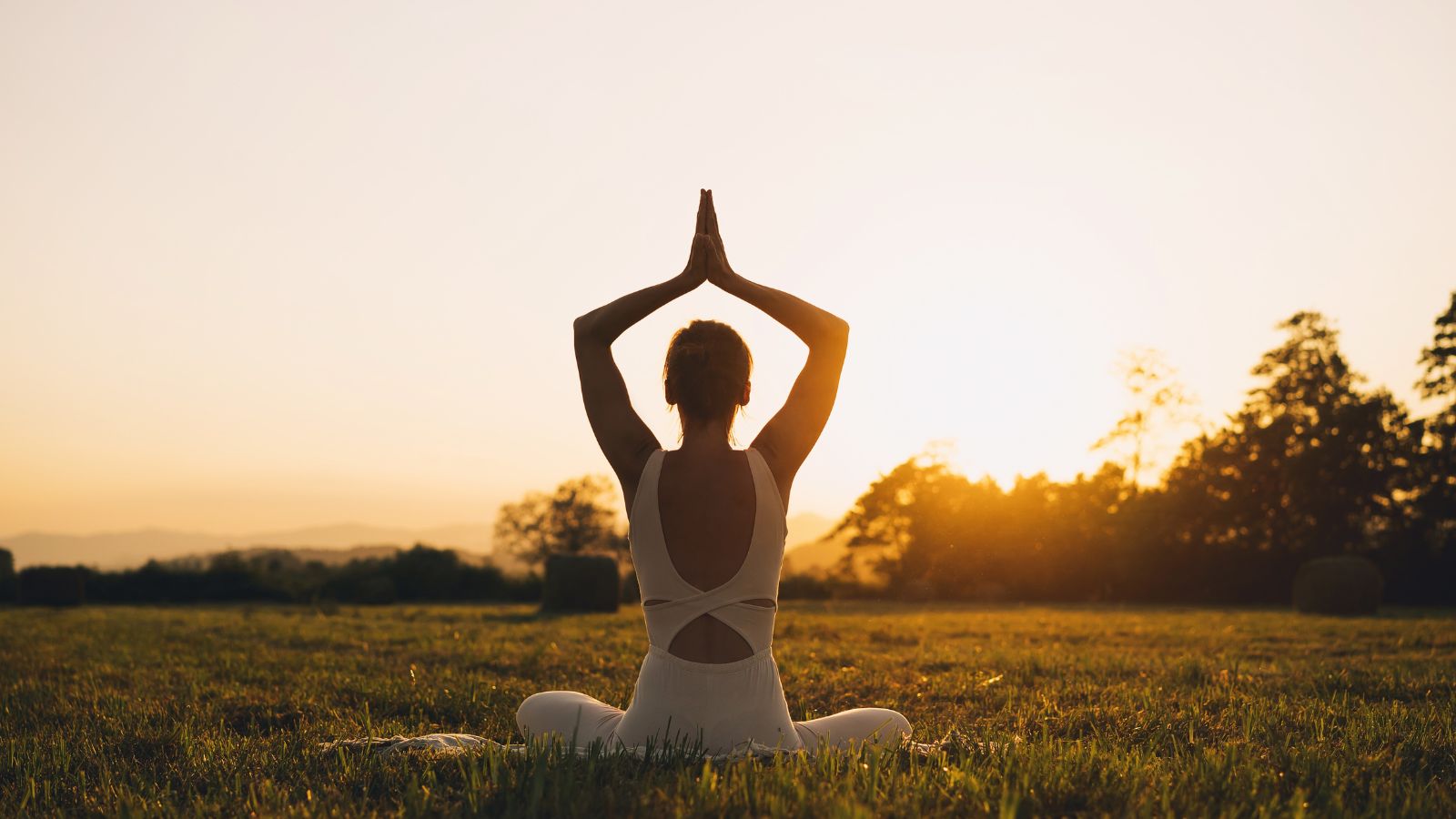
Yoga classes move outdoors once temperatures become comfortable. Parks and waterfront areas provide calm settings. Canadians appreciate practicing in natural surroundings. Fresh air enhances relaxation and breathing exercises. Sessions often focus on gentle flows rather than intense routines. Participants bring their own mats or blankets. Group classes encourage social connection. Early morning sessions are common for quieter environments. Sun exposure also provides vitamin D benefits. Weather conditions may influence class schedules. Instructors adapt poses to uneven ground. Outdoor yoga suits beginners and experienced practitioners alike. The slower pace contrasts with high-intensity workouts. This practice supports flexibility, balance, and mental well-being during seasonal transitions toward summer.
Strength Training for Beginners

Many Canadians start strength training in the spring to build muscle gradually. Beginners often focus on simple movements using light weights. Proper technique reduces injury risk. Gyms offer introductory classes and guidance. Home workouts with dumbbells are also common. Strength training supports bone health and metabolism. Sessions usually target major muscle groups. Rest days allow recovery between workouts. Progress tracking helps maintain motivation. Some combine strength work with cardio activities. Improved muscle tone can boost confidence. Starting slowly prevents excessive soreness. Instruction from trainers improves safety and results. Strength training provides long-term benefits beyond appearance. Beginners frequently adopt this routine to feel stronger and more prepared for summer activities.
Home Workout Programs with Minimal Equipment

Home workouts remain popular for convenience and cost savings. Canadians use resistance bands, mats, or small weights. Online videos provide structured guidance. Programs often combine strength and cardio exercises. Short sessions fit busy schedules easily. Working out at home removes travel time to gyms. Privacy appeals to beginners or those rebuilding fitness. Consistency becomes easier without external barriers. Many routines require little floor space. Tracking progress helps maintain engagement. Family members can participate together. Equipment can be stored easily after use. Weather conditions do not affect indoor workouts. Minimal equipment programs offer flexibility while still delivering effective results during the spring months.
HIIT Workouts in Short Sessions
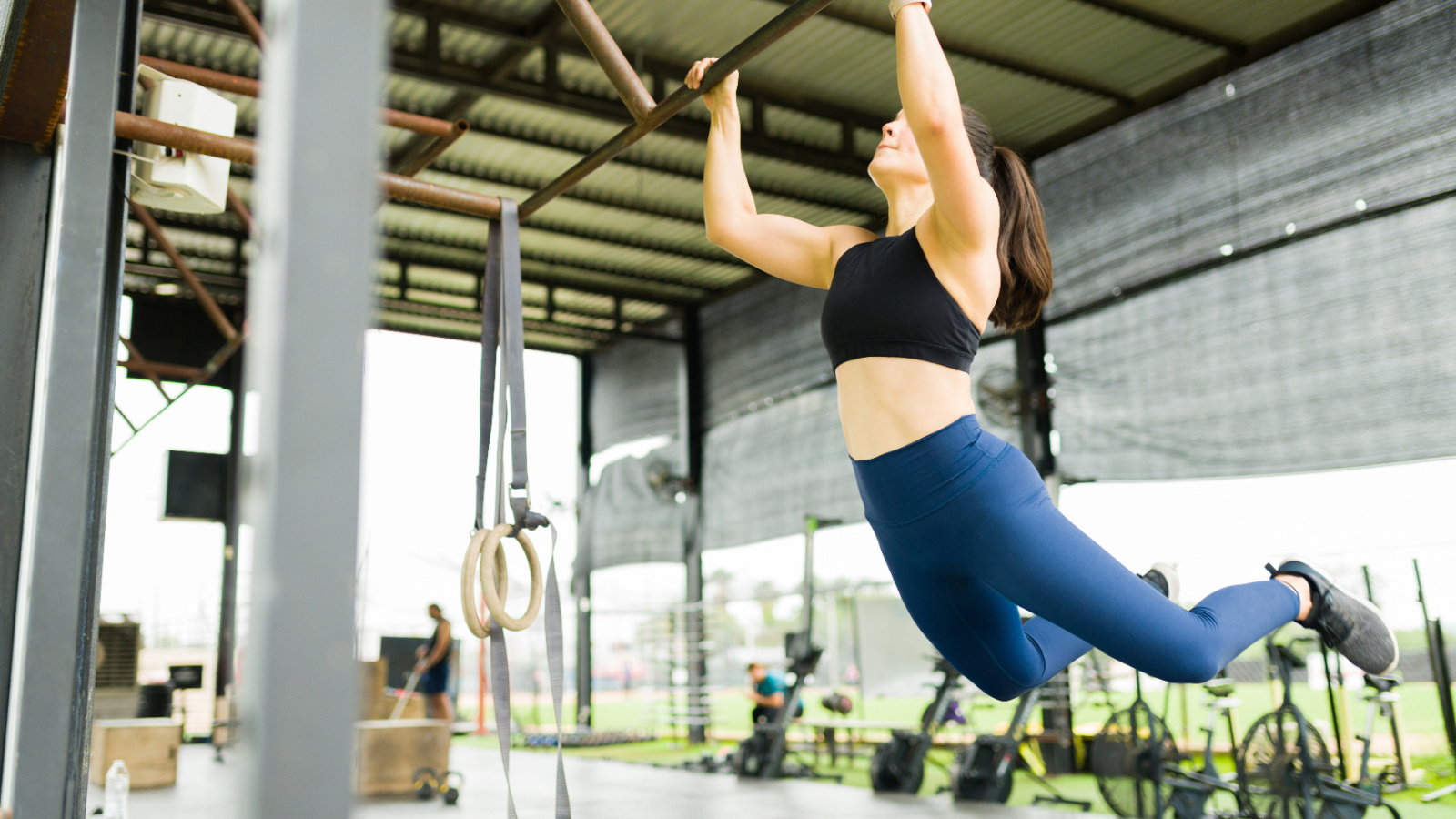
High-intensity interval training remains popular for efficiency. Canadians use HIIT to achieve results in a limited time. Sessions alternate between intense effort and recovery periods. Workouts typically last under thirty minutes. This suits busy schedules. Exercises may include jumping, sprinting, or bodyweight moves. HIIT improves cardiovascular fitness and endurance. Beginners often modify intensity to suit ability. Proper warm-up reduces injury risk. Cooling down helps recovery afterwards. Outdoor spaces provide ample room for movement. Many apps offer guided intervals. Short sessions maintain motivation better than long routines. HIIT appeals to those wanting measurable progress quickly as summer approaches.
Pilates Reformers Popularity Surge
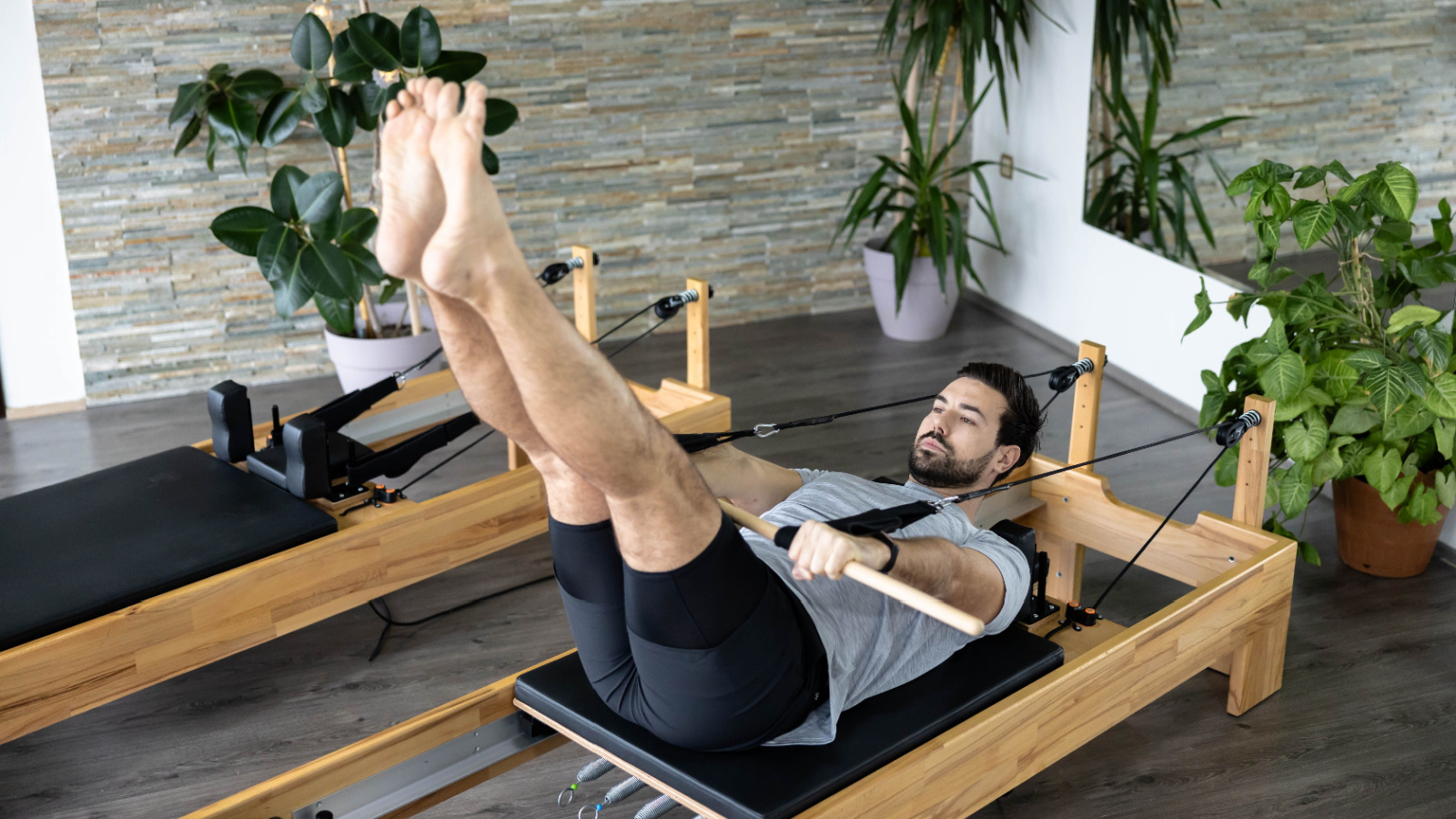
Reformer Pilates studios are expanding in many Canadian cities. The equipment uses springs for resistance and support. This allows controlled, low-impact workouts. Participants focus on core strength and alignment. Sessions also improve flexibility and posture. Many beginners feel comfortable due to guided instruction. Small class sizes provide personalized attention. Workouts can be challenging despite gentle movements. Rehabilitation benefits attract those recovering from injuries. Consistency leads to gradual strength gains. Some combine Pilates with other fitness activities. Studios often require advance booking due to demand. Reformer Pilates offers a structured approach to conditioning before summer activities increase.
Trail Hiking for Cardio

Melting snow opens hiking trails across Canada. Many people choose hiking as both exercise and recreation. Uneven terrain increases cardiovascular effort. Climbing hills strengthens leg muscles. Scenic views provide additional motivation. Proper footwear prevents slips and injuries. Hiking can be done solo or in groups. Carrying water and snacks supports endurance. Wildlife awareness is important in certain regions. Gradual progression to longer trails reduces fatigue. Hiking also offers mental relaxation away from urban environments. Weather conditions can change quickly outdoors. Planning routes improves safety. Trail hiking provides a rewarding way to rebuild fitness while enjoying natural landscapes during the spring.
Group Fitness Meetups
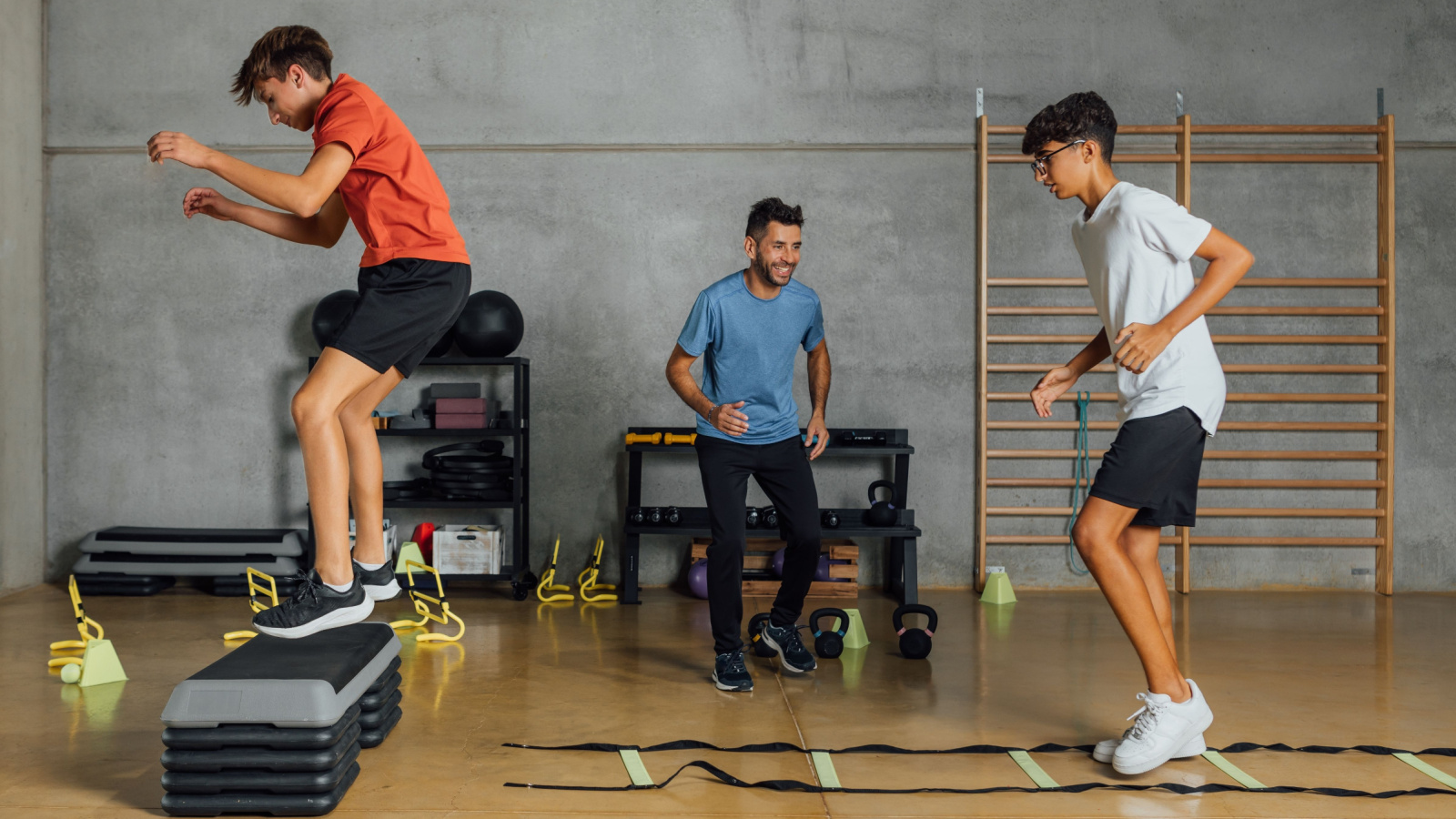
Community-based workouts are gaining popularity in the spring. Canadians join informal groups for shared motivation. Activities vary from running to circuit training. Social interaction makes exercise more enjoyable. Meeting regularly encourages consistency. New friendships often develop through these sessions. Locations include parks, beaches, or school fields. Participants usually adapt workouts to mixed abilities. Some groups are organized through social media platforms. Accountability reduces the likelihood of skipping sessions. Weather conditions influence attendance, but rarely cancel activities entirely. Group settings reduce intimidation compared to gyms. Fitness meetups provide both physical activity and social support during seasonal transitions.
Functional Training Routines

Functional training focuses on movements used in daily life. Canadians adopt these routines to improve overall mobility. Exercises include squats, lifts, and balance drills. Equipment such as kettlebells or medicine balls may be used. This training enhances coordination and stability. It also reduces injury risk during everyday tasks. Workouts often involve multiple muscle groups simultaneously. Functional routines suit all ages and abilities. Trainers emphasize proper technique for safety. Progression occurs gradually as strength improves. These exercises translate well to sports and outdoor activities. Functional training prepares the body for varied physical demands. Many choose it to build practical strength before summer recreation begins.
Core-Focused Workout Plans

Strengthening the core remains a priority for many Canadians. Core muscles support posture and overall stability. Workouts include planks, rotations, and controlled movements. Strong abdominal muscles reduce back strain. These routines can be done at home or outdoors. Equipment is minimal or optional. Consistency produces noticeable results over time. Beginners start with shorter holds and simple exercises. Proper breathing improves effectiveness. Core training complements other fitness activities. Many include it as part of a warm-up or cool-down. Balanced routines target both front and back muscles. Improved stability enhances performance in sports and daily tasks. Core-focused plans help individuals feel stronger and more prepared for active summer months.
Dance Fitness Classes

Dance-based workouts offer a fun alternative to traditional exercise. Canadians join classes featuring various music styles. Movement improves cardiovascular fitness and coordination. Sessions often feel more like social events than workouts. Participants burn calories while enjoying the activity. Instructors demonstrate routines that are easy to follow. No prior dance experience is required. Classes suit a wide range of ages. Indoor studios and outdoor sessions are both available. Group energy increases motivation. Dance fitness also supports mental well-being. Regular attendance builds confidence in movement. This approach appeals to those who dislike conventional exercise routines. Dance classes provide an enjoyable path to improved fitness during spring.
Swimming for Low-Impact Cardio
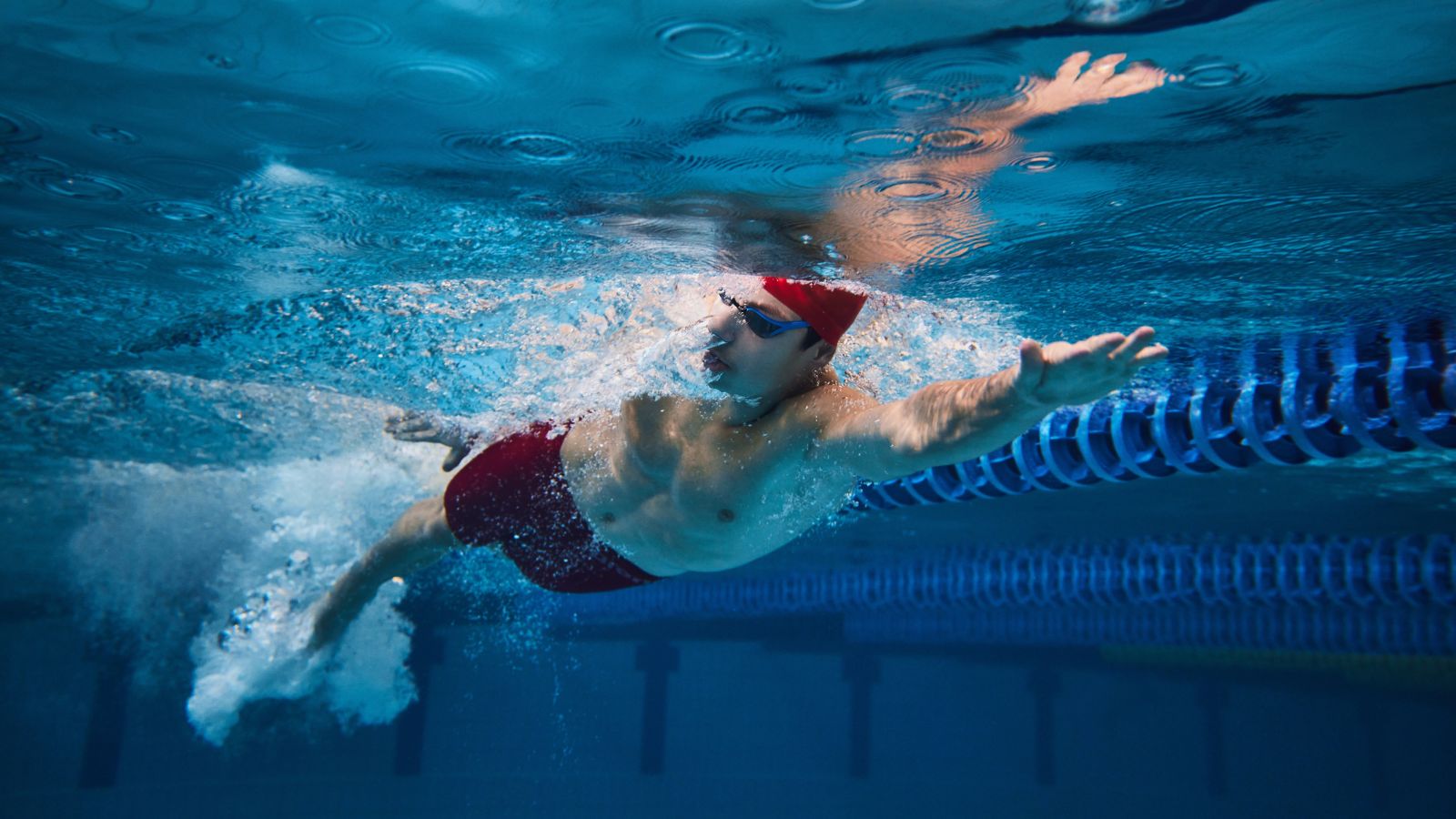
Swimming becomes more accessible as pools reopen for extended hours. Canadians choose this activity for its low joint stress. Water supports body weight, reducing impact. Swimming improves cardiovascular endurance and muscle strength. It suits rehabilitation and general fitness alike. Many facilities offer lap swimming sessions. Proper technique enhances efficiency. Goggles and swim caps improve comfort. Water temperature varies depending on location. Swimming also provides full-body conditioning. Some combine it with water aerobics classes. Regular sessions build stamina gradually. This activity appeals to those seeking effective exercise without strain. Swimming offers a refreshing way to improve fitness as temperatures rise.
Rowing Machine Workouts
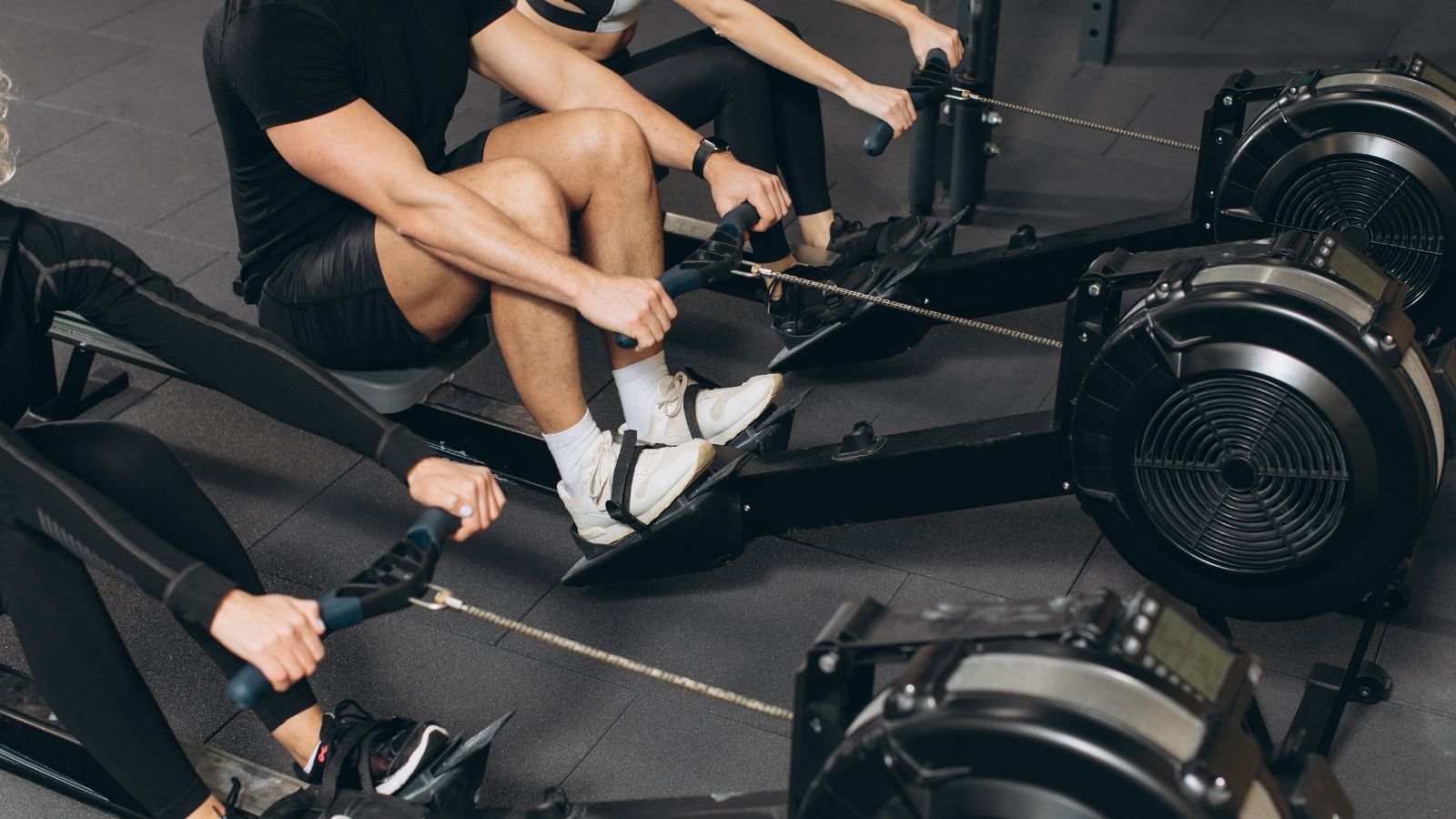
Rowing machines provide full-body exercise in a single session. Canadians use them in gyms or at home. The movement engages legs, core, and upper body simultaneously. Proper technique prevents lower back strain. Rowing improves cardiovascular fitness and endurance. Many workouts involve interval training. Digital monitors track distance and pace. The seated position reduces impact on joints. Beginners can start with moderate resistance. Consistency builds strength gradually. Rowing also supports posture improvement. Some people combine it with strength training routines. The machine offers efficient conditioning when outdoor activities are limited. Rowing workouts help individuals rebuild fitness before summer sports resume.
Mobility and Stretch Programs

Flexibility often decreases during the sedentary winter months. Canadians are turning to mobility programs to restore movement. Stretching improves joint range and muscle function. These routines reduce injury risk during other activities. Sessions may include yoga-based movements. Foam rollers are commonly used for muscle release. Gentle progress prevents overstretching. Mobility work can be done daily in short sessions. Many incorporate it into warm-up routines. Improved flexibility enhances posture and comfort. Older adults particularly benefit from these exercises. Mobility training supports long-term physical health. It prepares the body for more intense workouts. Canadians increasingly recognize its importance during the transition into active spring lifestyles.
Cold Weather Outdoor Workouts

Some Canadians continue exercising outdoors despite cool temperatures. Layered clothing helps regulate body heat. Activities include jogging, calisthenics, or circuit training. Cooler air can feel refreshing during exertion. Proper warm-up reduces muscle stiffness. Gloves and hats maintain comfort. Outdoor workouts avoid crowded indoor spaces. Daylight hours influence scheduling. Safety considerations include slippery surfaces. Hydration remains important even in cool weather. Many people prefer outdoor exercise for mental clarity. Consistency builds resilience to varying conditions. Cold-weather training prepares individuals for summer sports endurance. This approach demonstrates the commitment of those maintaining fitness year-round.
Hybrid Gym Memberships

Flexible membership options are becoming more common. Canadians appreciate access to both physical facilities and online classes. Hybrid plans allow workouts at home or in person. This adaptability suits changing schedules. Digital platforms provide guided sessions anytime. In-person visits offer equipment and social interaction. Members choose based on convenience each day. Hybrid models also reduce overcrowding. Some gyms include outdoor classes as part of membership. Cost-effectiveness attracts new users. Tracking progress across platforms improves motivation. This approach reflects evolving exercise habits. Hybrid memberships support consistent activity regardless of weather or personal commitments during the spring months.
Personal Training Packages

Many Canadians invest in professional guidance before summer. Trainers create customized workout plans based on goals. Individual instruction improves technique and safety. Accountability increases adherence to routines. Sessions may occur in gyms, homes, or outdoors. Trainers adjust intensity as fitness improves. Nutritional advice is sometimes included. Progress tracking demonstrates measurable results. Beginners benefit from structured introductions to exercise. Short-term packages allow flexibility without long commitments. Some clients transition to independent workouts later. Personal training provides confidence and direction. This targeted support helps individuals achieve noticeable improvements during the spring preparation period.
Fitness Tracking Apps and Wearables
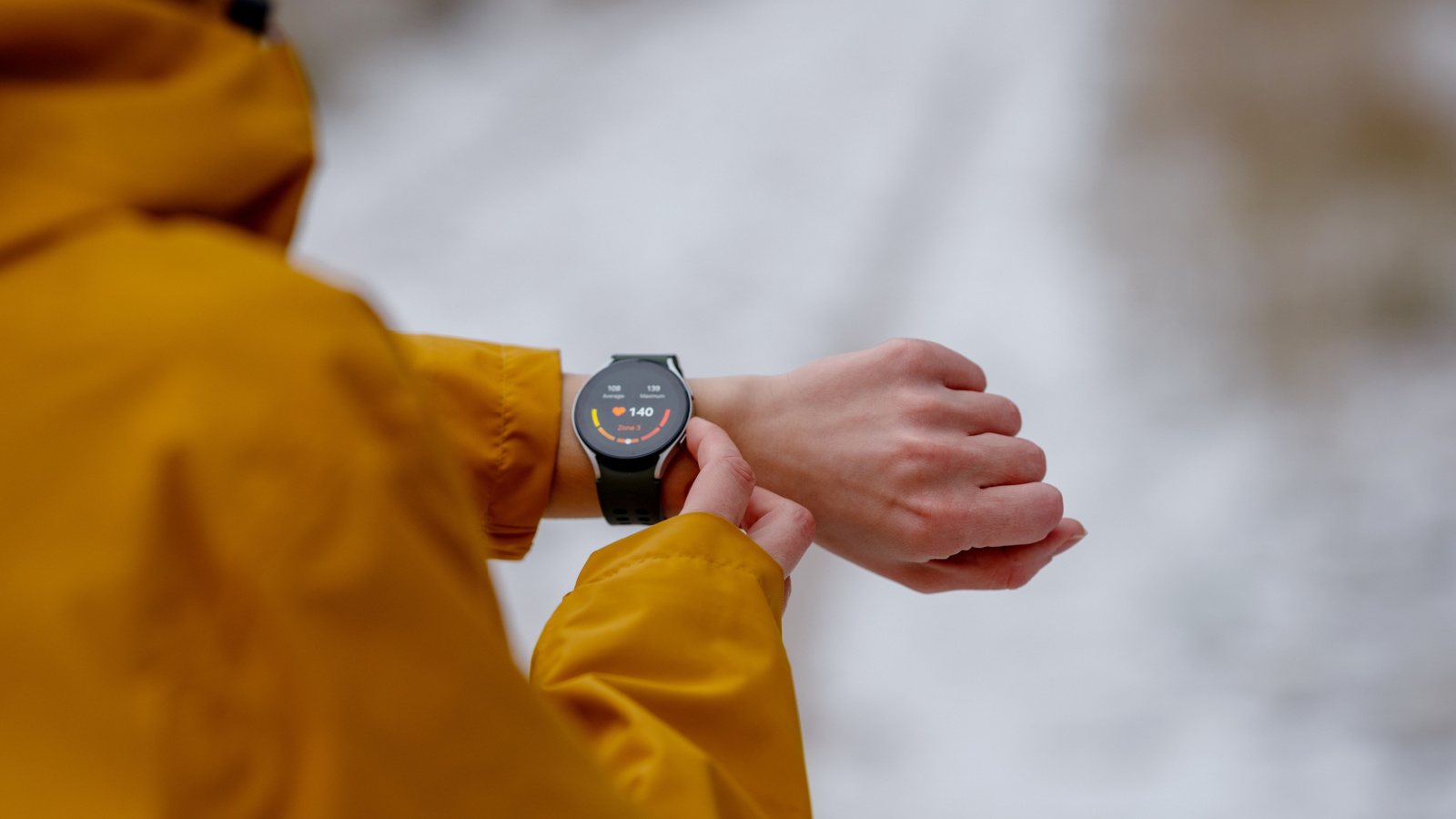
Technology plays a growing role in personal fitness. Canadians use devices to monitor steps, heart rate, and activity levels. Real-time feedback encourages consistency. Apps provide reminders and goal-setting tools. Data analysis helps track long-term progress. Social features allow friendly competition. Wearables also monitor sleep patterns. Integration with smartphones simplifies usage. Accuracy varies, but it remains useful for motivation. Many devices are waterproof for outdoor activities. Battery life influences practicality. Technology can highlight areas needing improvement. Fitness tracking tools support structured routines. They help individuals stay accountable as activity levels increase in spring.
Recovery-Focused Sessions
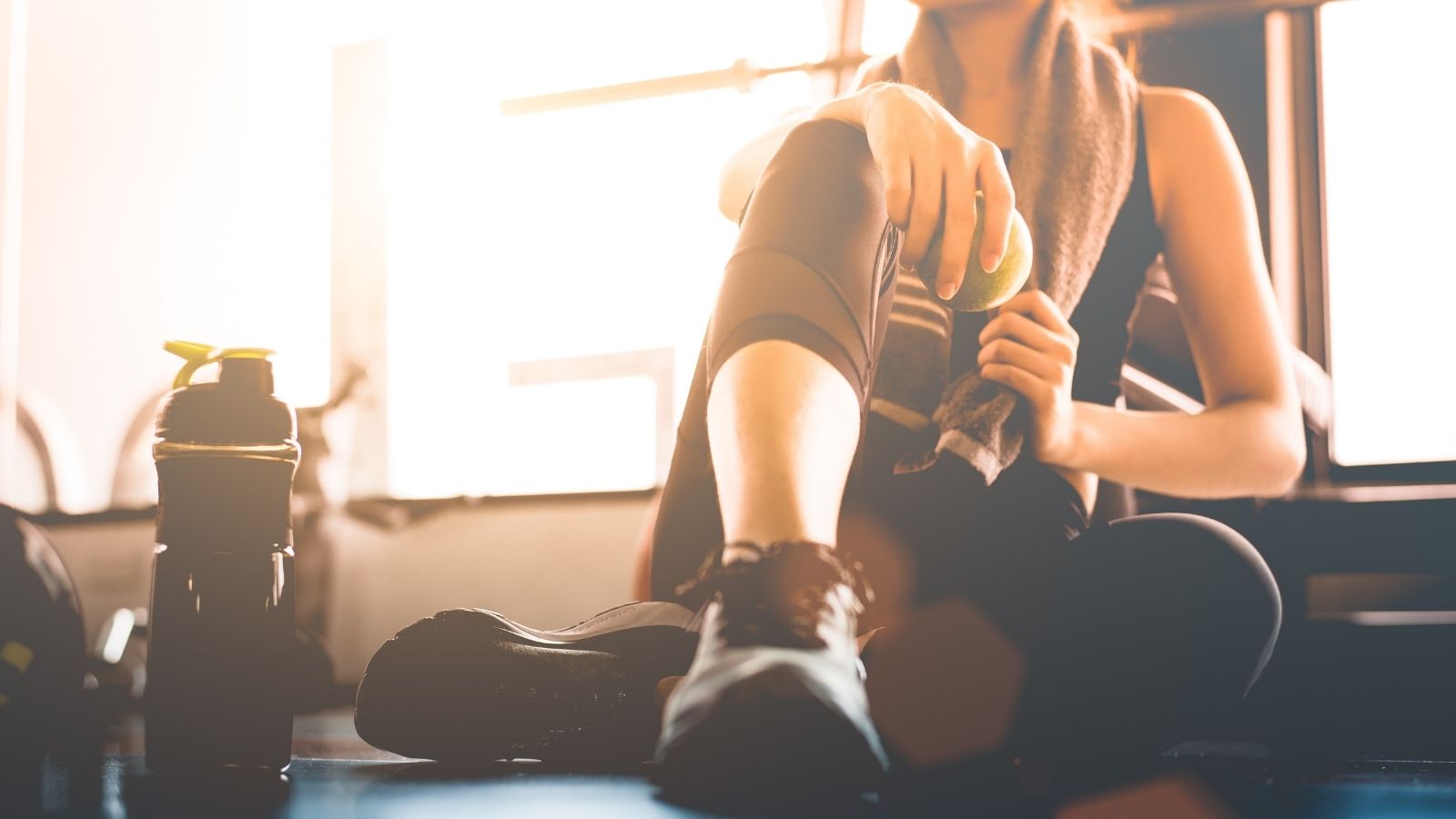
Recovery is gaining recognition as part of effective training. Canadians include stretching, massage, or rest days in routines. Proper recovery reduces injury risk. Foam rolling helps relieve muscle tension. Some use cold or contrast therapy. Adequate sleep supports physical repair. Hydration also influences recovery speed. Overtraining can hinder progress. Scheduled rest allows adaptation to workouts. Recovery sessions may feel less intense but remain important. Many athletes prioritize this aspect. Improved recovery leads to better performance. Canadians preparing for summer activities increasingly value balanced routines that include dedicated recovery time.
Bodyweight Training Outdoors
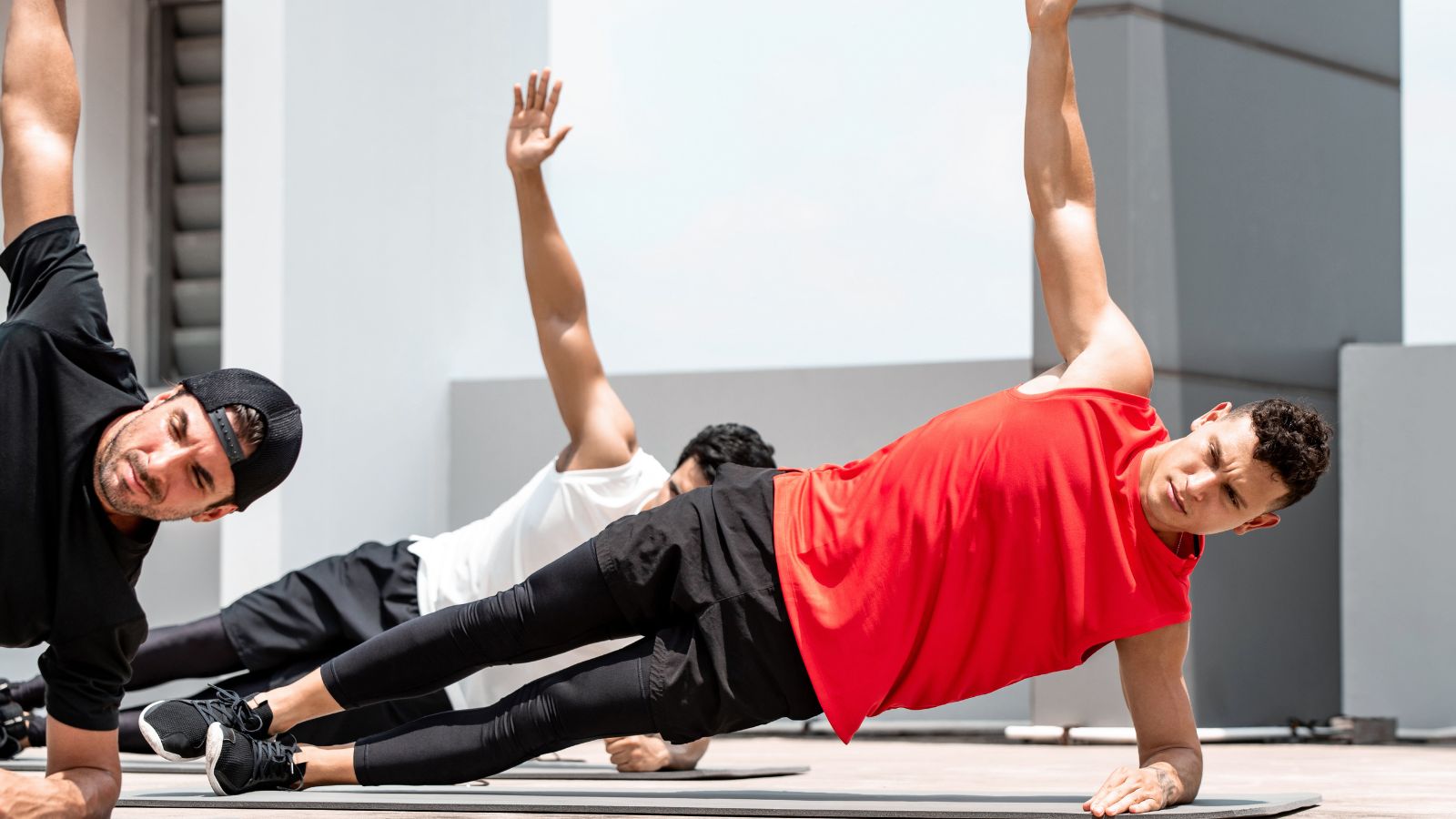
Bodyweight exercises require no equipment and can be done anywhere. Canadians use parks, playgrounds, or open spaces. Movements include push-ups, squats, and lunges. Outdoor settings provide fresh air and space. This training builds strength and endurance simultaneously. Difficulty can be adjusted by modifying positions. Group sessions are common in community areas. No membership fees make it accessible. Weather conditions influence scheduling. Warm-ups reduce injury risk. Many combine bodyweight routines with running or walking. Consistency leads to noticeable strength gains. Outdoor bodyweight training offers a practical way to rebuild fitness while enjoying spring conditions.
22 Groceries to Grab Now—Before another Price Shock Hits Canada

Food prices in Canada have been steadily climbing, and another spike could make your grocery bill feel like a mortgage payment. According to Statistics Canada, food inflation remains about 3.7% higher than last year, with essentials like bread, dairy, and fresh produce leading the surge. Some items are expected to rise even further due to transportation costs, droughts, and import tariffs. Here are 22 groceries to grab now before another price shock hits Canada.
22 Groceries to Grab Now—Before another Price Shock Hits Canada
