
March road trips across Canada can feel unpredictable because the weather often changes quickly. One day may bring mild temperatures and clear roads. The next day may bring snow, freezing rain, or strong winds. This sudden shift is often called weather whiplash. Many drivers assume spring conditions have fully arrived, but winter weather can still appear without warning. These rapid changes create challenges for road travel across provinces and highways. Planning and understanding seasonal risks can help drivers stay safe. Recognizing common travel mistakes also makes road trips smoother and less stressful. Here are 24 road trip mistakes Canadians make in March during weather whiplash season.
Assuming Spring Weather Will Stay Consistent

Many Canadians begin road trips in March, expecting spring weather to remain stable. However, this month often brings rapid temperature changes. A warm morning can quickly shift to snow, freezing rain, or strong winds later in the day. These sudden changes make road conditions unpredictable. Drivers who assume the weather will stay mild may not prepare for winter hazards. Slushy roads, ice patches, and reduced visibility can appear without warning. Checking forecasts regularly during the trip helps drivers stay prepared. Packing both winter and spring gear also improves safety. Expecting mixed weather rather than steady spring conditions makes travel in March more manageable.
Not Checking Regional Weather Forecasts Before Driving

Canada covers a large geographic area, and weather conditions can vary widely between regions. A city may have clear roads while nearby highways are covered in snow or freezing rain. Some drivers check the weather only for their starting location. However, road trips often pass through multiple weather zones. Mountain areas, northern regions, and open highways may experience very different conditions. Checking regional forecasts along the entire route helps avoid surprises. Weather apps and highway advisory services provide useful updates. Reviewing these forecasts before leaving allows drivers to adjust travel plans if needed. Staying informed about regional conditions helps make March road trips safer.
Switching to Summer Tires Too Early

Some drivers change to summer tires during early spring warm days. However, the March weather in Canada often remains unpredictable. Snowstorms and freezing temperatures can still occur during this time. Summer tires are designed for warm conditions and provide less grip on snow or ice. Switching too early may reduce traction and increase braking distance. Winter or all-season tires remain safer until temperatures stay consistently above freezing. Many Canadian drivers wait until later in spring before making the change. Keeping winter tires installed longer provides better safety during sudden cold weather. Patience with tire changes helps prevent dangerous driving conditions.
Forgetting to Pack Winter Emergency Supplies

Many travelers assume winter risks disappear once spring approaches. However, March road trips can still involve cold temperatures and winter storms. Emergency supplies remain important during this transitional season. Items such as blankets, gloves, flashlights, and a small shovel can be very helpful. A phone charger and basic first aid kit are also useful during long drives. If a vehicle breaks down in cold weather, these supplies provide important protection. Some drivers remove winter gear too early in the season. Keeping emergency items in the vehicle until stable spring weather arrives helps improve travel safety.
Underestimating Black Ice on Highways
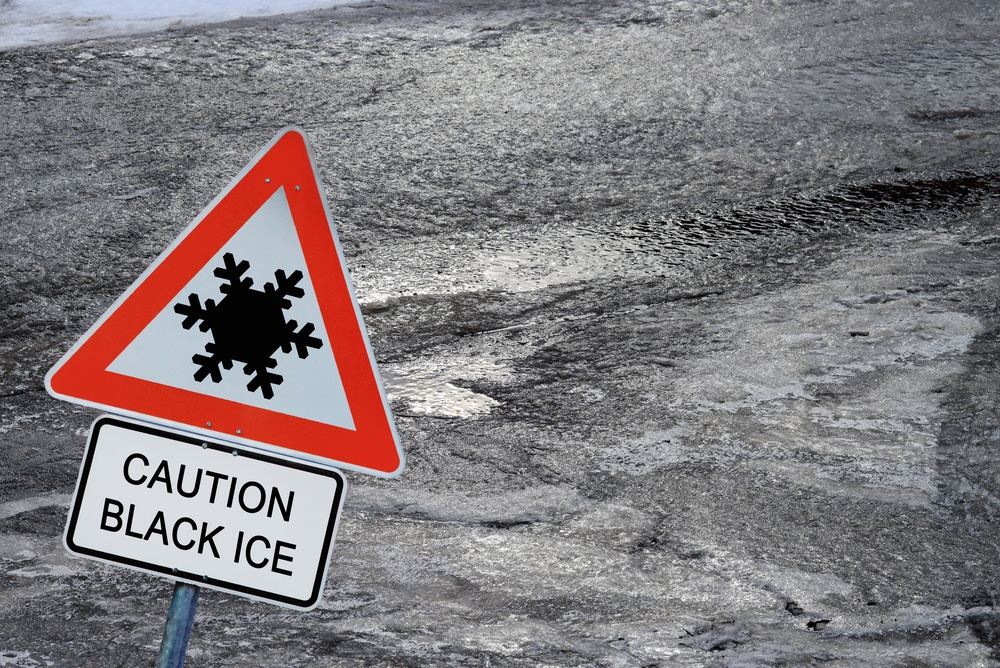
Black ice is one of the most dangerous road conditions during early spring. It forms when melted snow refreezes on cold pavement. Because it is nearly invisible, drivers may not notice it until traction is lost. March weather often creates perfect conditions for black ice. Warm daytime temperatures melt snow, and cold nights freeze the moisture again. Bridges, shaded roads, and quiet rural highways are especially prone to this hazard. Reducing speed and increasing following distance helps lower risk. Drivers who remain cautious during temperature swings are less likely to encounter a sudden loss of control.
Ignoring Sudden Snowstorms in Mountain Areas
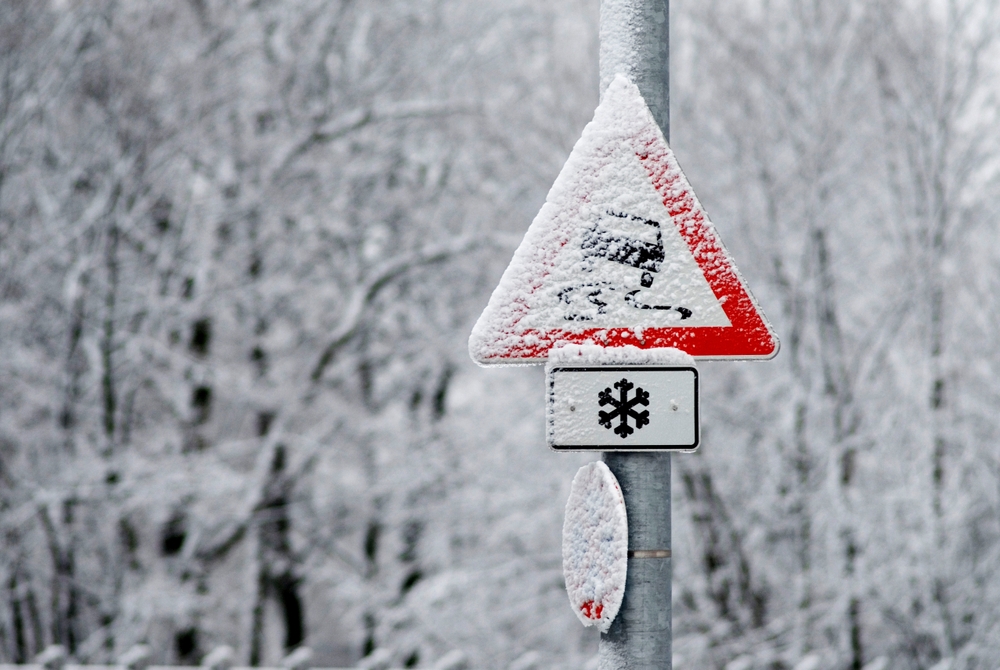
Mountain regions across Canada often experience different weather patterns than nearby cities. Even when spring temperatures appear mild elsewhere, mountain highways may receive heavy snowfall. Storms can develop quickly due to elevation and shifting weather systems. Some drivers assume March travel will be safe because the lower areas are clear. However, mountain passes may still experience winter conditions. Snowfall, fog, and icy roads can appear suddenly. Checking mountain weather forecasts before traveling helps drivers prepare. Carrying winter gear and planning flexible travel times also improves safety. Understanding how mountain weather behaves during spring helps prevent dangerous road situations.
Driving Long Distances Without Checking Road Conditions
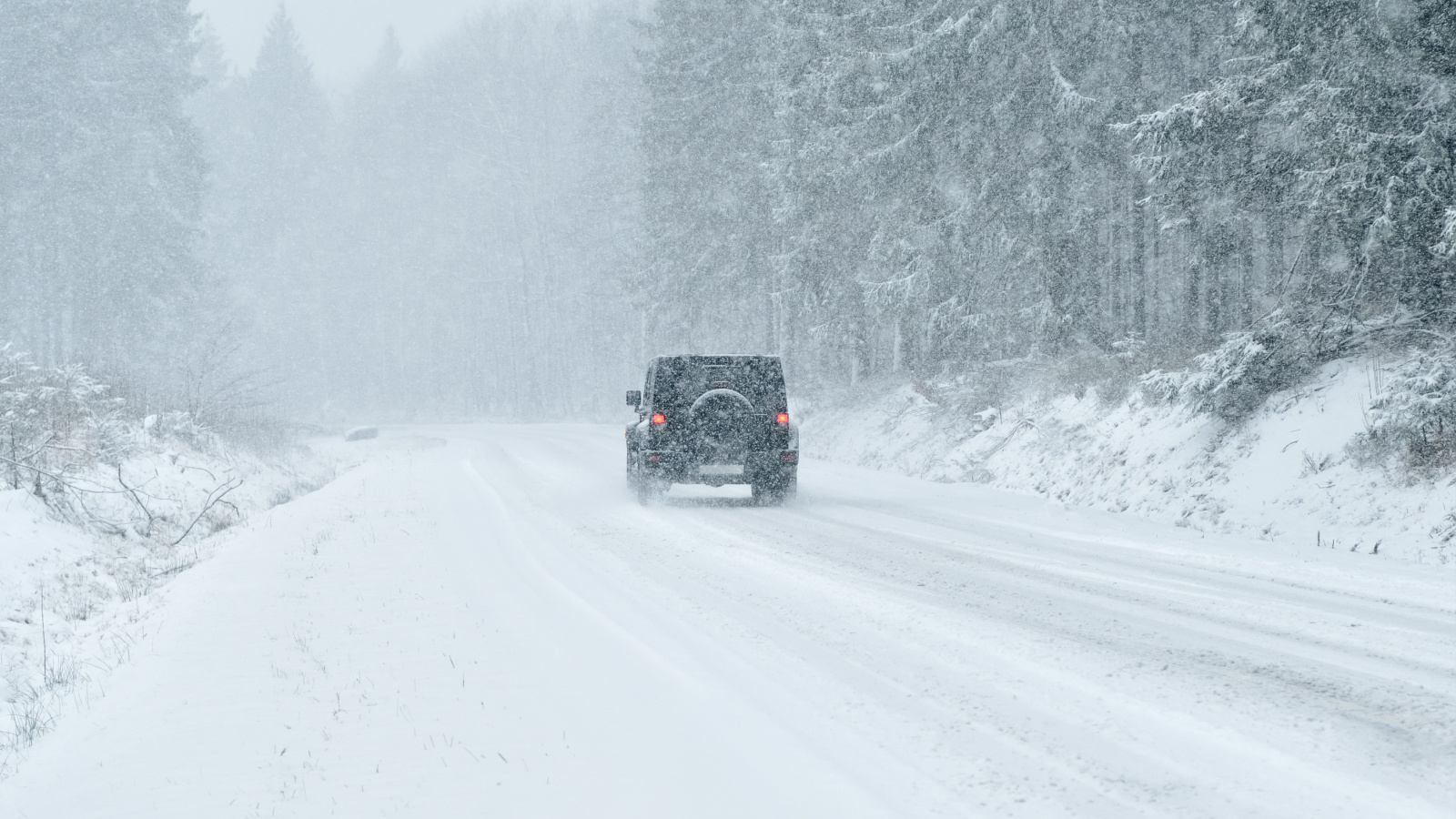
Long road trips in March require more preparation than summer travel. Many Canadians check weather forecasts but forget to review road conditions. Highways may experience snow, ice, or closures even when nearby cities are clear. Provincial transportation websites often provide real-time updates about road safety. These reports may include warnings about black ice, drifting snow, or reduced visibility. Drivers who skip these updates may encounter unexpected hazards. Checking road conditions before starting a long drive helps avoid dangerous areas. It also allows travelers to adjust routes if needed. Reviewing highway updates is a simple step that improves safety during unpredictable spring travel.
Not Allowing Extra Travel Time for Weather Delays
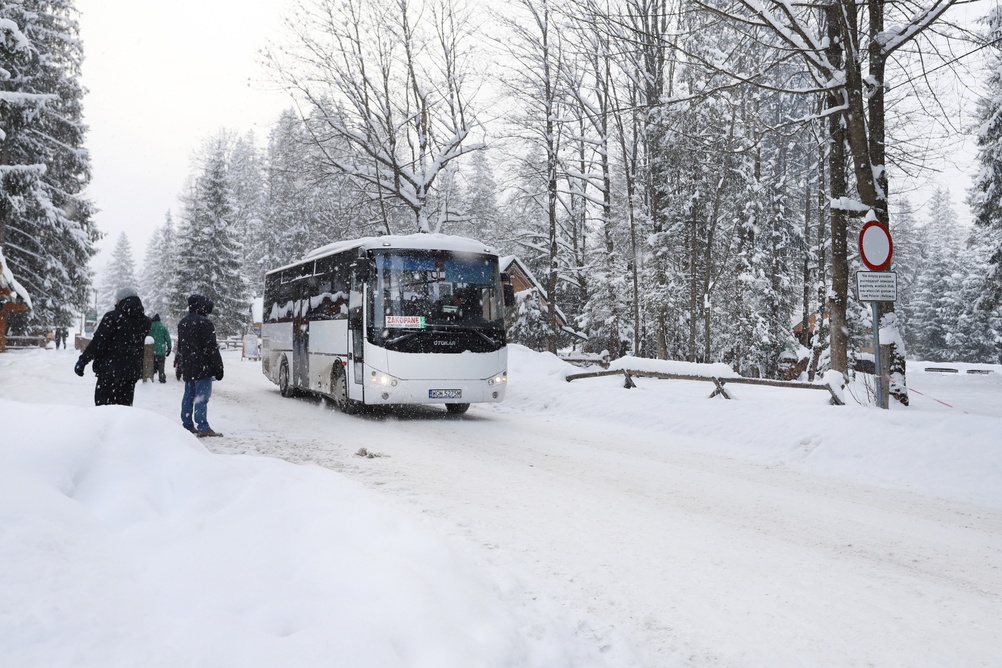
March road trips can take longer than expected because of changing weather. Snow showers, icy roads, or heavy rain may slow traffic suddenly. Drivers who plan tight schedules may feel pressured to maintain higher speeds. This pressure increases risk during poor road conditions. Allowing extra travel time helps reduce stress and improves safety. Leaving earlier in the day also provides flexibility if delays occur. Slower travel speeds may be necessary on wet or icy roads. Planning additional time for stops and weather changes makes the trip more comfortable. Flexible schedules help drivers handle unexpected spring conditions more safely.
Forgetting That Daytime Melt Can Refreeze at Night
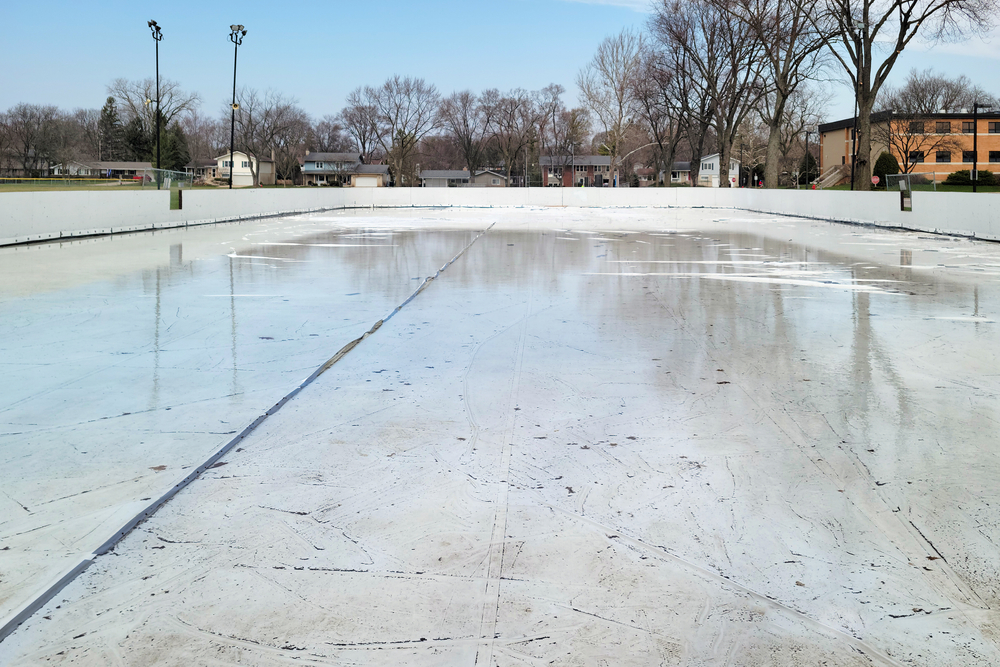
March temperatures often rise during the day and fall quickly after sunset. Snow and ice may melt in warmer afternoon conditions. However, this water can refreeze once temperatures drop again. Roads that appeared wet during the day may become icy later at night. This process creates dangerous patches of black ice on highways. Drivers traveling after sunset should remain cautious, especially in shaded areas. Bridges and overpasses often freeze earlier than other roads. Reducing speed and increasing following distance helps prevent accidents. Understanding this daily freeze cycle helps drivers prepare for changing road conditions.
Not Filling the Gas Tank Before Remote Highway Drives

Some Canadian highways pass through long stretches without frequent fuel stations. This is especially common in rural or northern regions. Drivers sometimes assume they can refuel easily along the route. However, weather delays or road closures may increase travel time unexpectedly. Running low on fuel in remote areas can create serious problems during cold weather. Filling the gas tank before entering these regions provides an important safety buffer. Carrying extra fuel is also common for longer routes. Keeping the tank at least half full helps prevent unnecessary risk during unpredictable March travel.
Packing for Spring Instead of Mixed Weather

March often feels like early spring, but winter weather can still return quickly. Some travelers pack only light clothing because daytime temperatures seem mild. However, sudden storms or cold evenings may require warmer gear. Road trips may also involve stopping in colder regions along the route. Packing layers helps travelers stay comfortable in changing conditions. Warm jackets, gloves, and hats remain useful during this season. Weather conditions can vary widely between provinces or elevation levels. Preparing for both spring and winter weather makes travel safer and more comfortable.
Ignoring Strong Winds on Open Prairie Highways
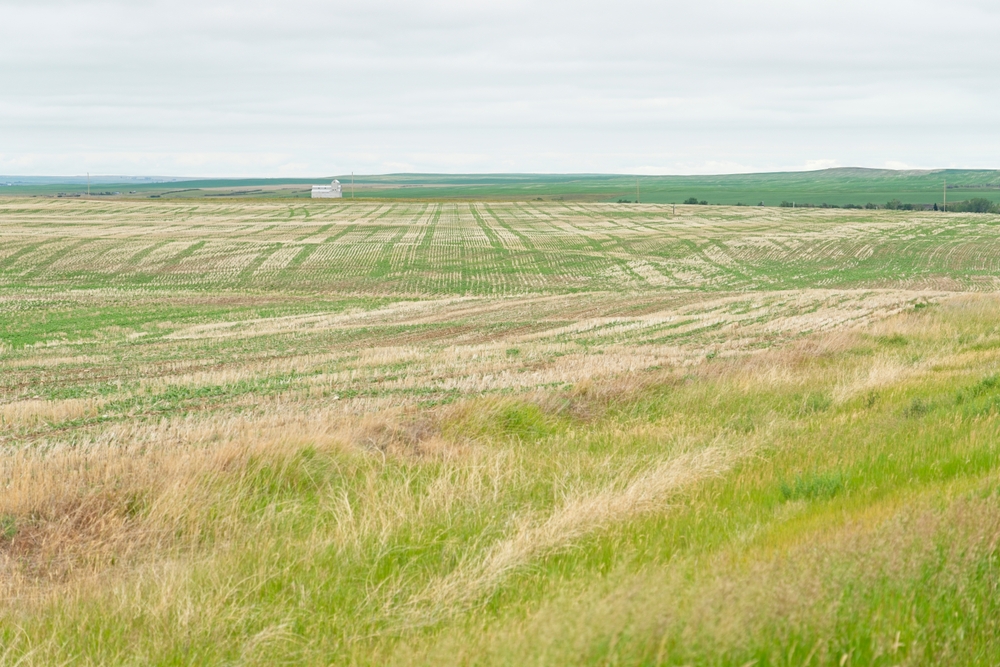
Open prairie highways across Canada can experience strong winds during early spring. These winds often occur when weather systems move across large flat areas. Sudden gusts can affect vehicle control, especially for larger vehicles or trailers. Drivers sometimes focus only on snow or ice hazards. However, strong crosswinds can also create dangerous driving conditions. Wind may push vehicles sideways or reduce steering stability. Slowing down and maintaining firm control of the steering wheel helps improve safety. Watching weather forecasts for wind advisories is also helpful. Awareness of prairie wind conditions helps drivers stay prepared during March travel.
Not Cleaning Winter Salt From Windshields and Lights

Winter road salt often builds up on vehicles throughout the colder months. By March, many cars still carry layers of dried salt on windshields, headlights, and taillights. This residue can reduce visibility for both drivers and other vehicles. Headlights covered with salt may appear dim during poor weather conditions. Windshields with salt streaks can make it harder to see clearly during snow or rain. Cleaning the vehicle regularly helps improve safety on the road. A quick wash before a road trip can remove these deposits. Clear windows and bright lights make driving safer during unpredictable spring weather conditions.
Forgetting to Check Windshield Washer Fluid Levels
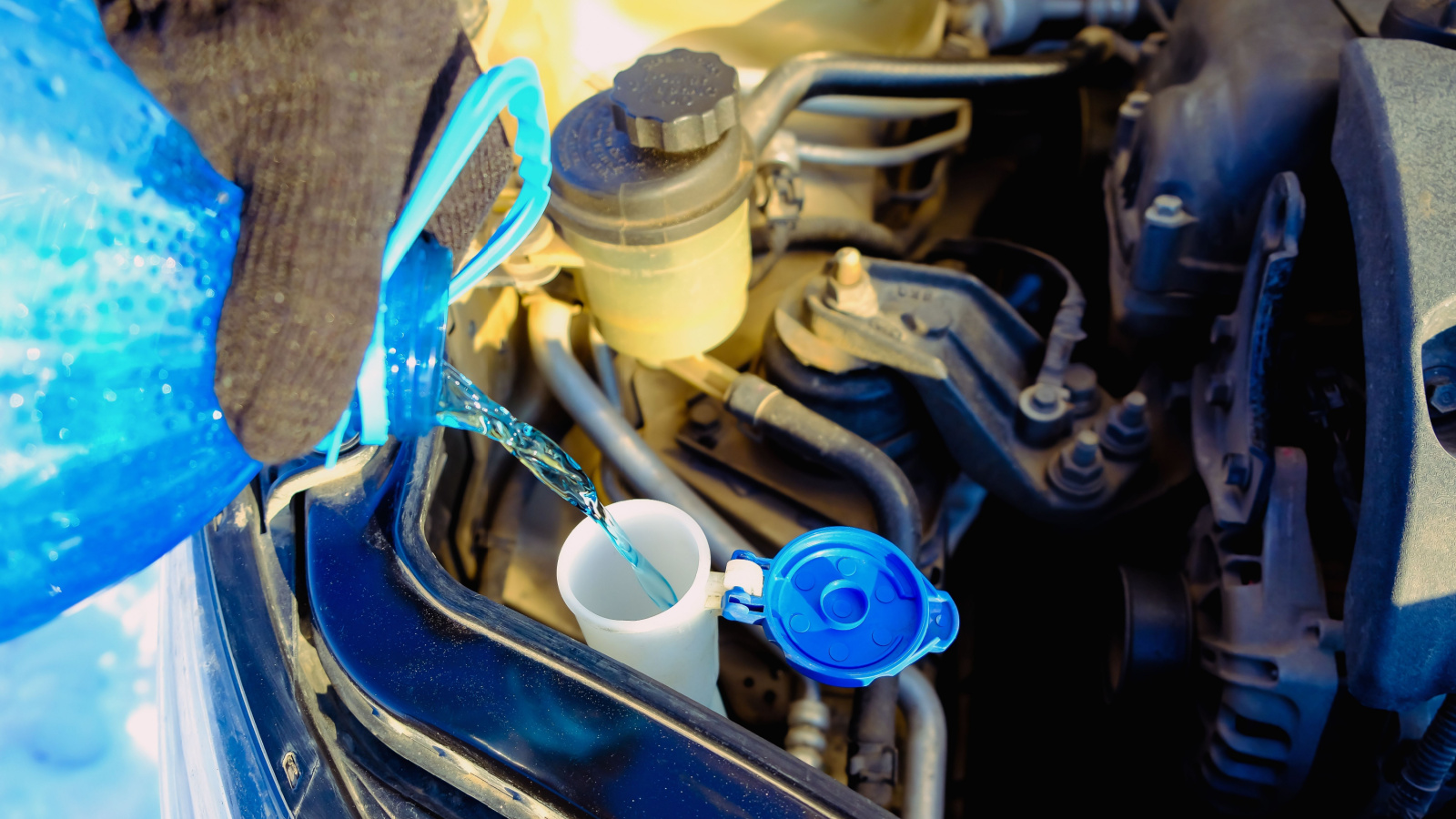
Windshield washer fluid becomes especially important during early spring driving. Roads often contain slush, mud, and leftover salt from winter storms. These materials can quickly splash onto the windshield while driving. Without enough washer fluid, it becomes difficult to clear the glass properly. Reduced visibility can make highway travel more dangerous. Checking the washer fluid level before starting a trip is a simple step. Many drivers refill the reservoir only after it runs empty. Keeping extra washer fluid in the vehicle can also be helpful for long drives. Maintaining clear visibility is essential during unpredictable March road conditions.
Assuming City Roads Are Always Clear of Ice
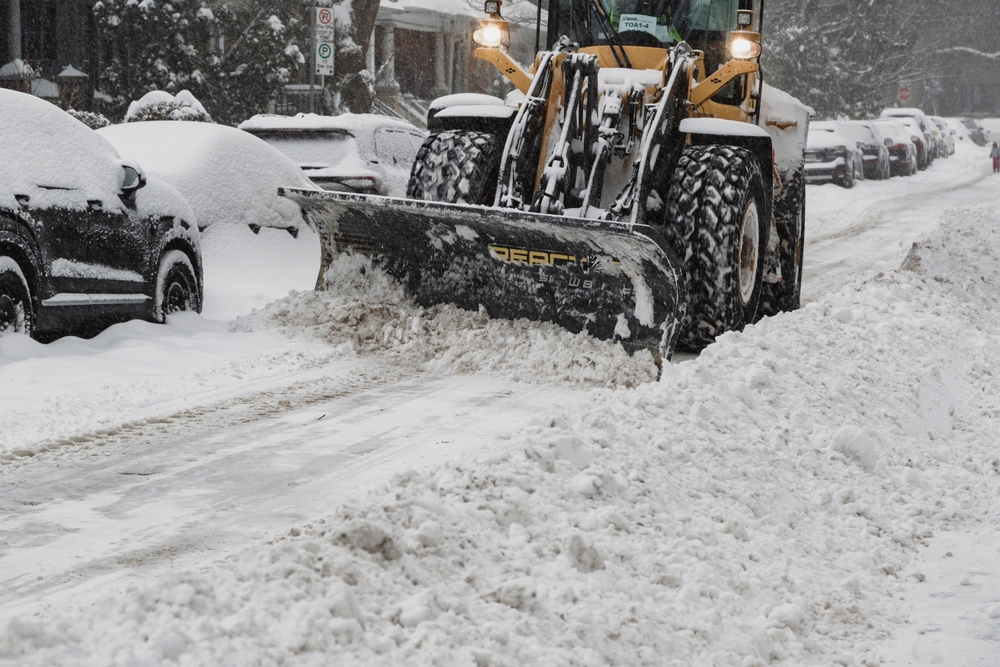
Urban streets often receive regular snow clearing and road maintenance. Because of this, many drivers assume city roads are always safe during early spring. However, icy patches can still appear in shaded areas or overnight freezing conditions. Intersections, parking lots, and side streets may refreeze after daytime melting. Drivers who assume roads are completely clear may travel too quickly. Slowing down and remaining alert helps prevent accidents. Bridges and elevated roadways also freeze faster than surrounding streets. Even within cities, March weather can create hidden hazards. Staying cautious helps drivers respond to unexpected icy conditions.
Driving Too Fast for Slushy Road Conditions
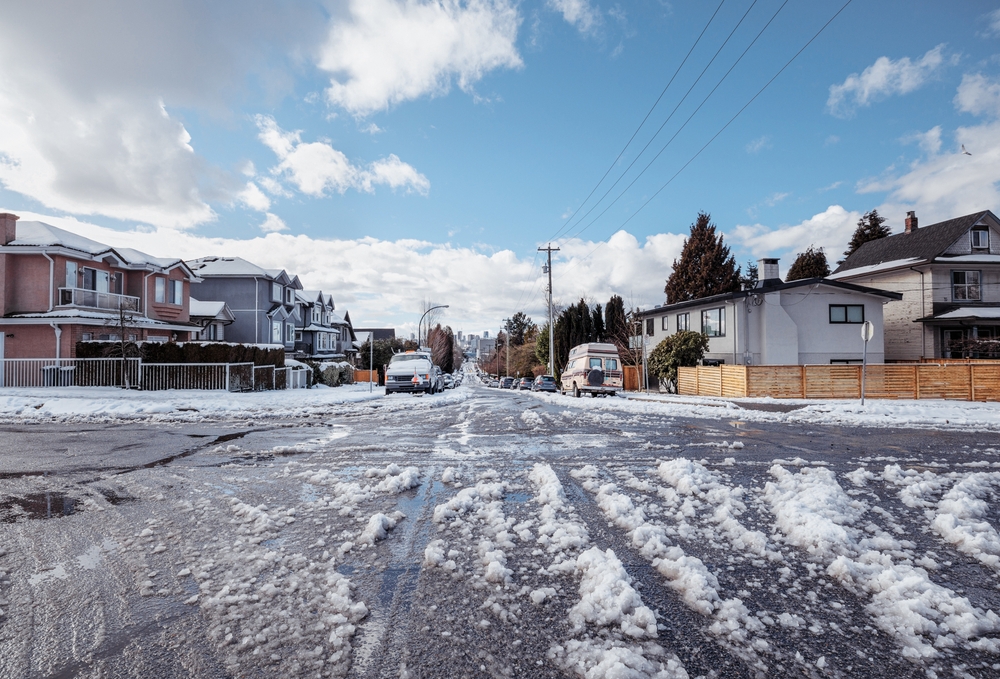
Slush forms when melting snow mixes with water on road surfaces. This condition often appears during early spring afternoons. Slushy roads reduce tire traction and increase stopping distances. Vehicles may slide or lose control if drivers travel too quickly. Some drivers assume the road is safe because the snow is melting. However, slush can behave similarly to loose gravel on the highway. Slowing down helps maintain better vehicle control. Increasing the distance between vehicles also improves reaction time. Careful driving becomes especially important when road surfaces appear wet or partially covered with melting snow.
Not Checking Provincial Highway Advisories

Each Canadian province provides highway advisory updates for drivers. These reports include information about road closures, construction zones, and severe weather conditions. Many travelers skip these updates before starting a road trip. As a result, they may encounter unexpected hazards or blocked routes. Checking official highway advisories can prevent these surprises. Transportation departments update these reports frequently during winter and early spring. The information helps drivers plan safer travel routes. Reviewing advisories before departure allows travelers to adjust their plans if necessary. This step can help avoid dangerous road conditions during March travel.
Relying Only on GPS Without Checking Road Closures

GPS navigation systems provide helpful route guidance for road trips. However, they may not always include the latest road closures or weather-related hazards. Some drivers rely only on GPS instructions without checking other sources. During March, sudden storms or accidents can close highways quickly. GPS apps may take time to update these changes. Checking provincial road condition websites provides more reliable updates. Combining GPS navigation with official advisories improves travel planning. Drivers who review multiple sources can avoid closed or dangerous routes. This extra step helps ensure safer and smoother road trips during unpredictable spring weather.
Forgetting to Bring Warm Clothing for Breakdowns
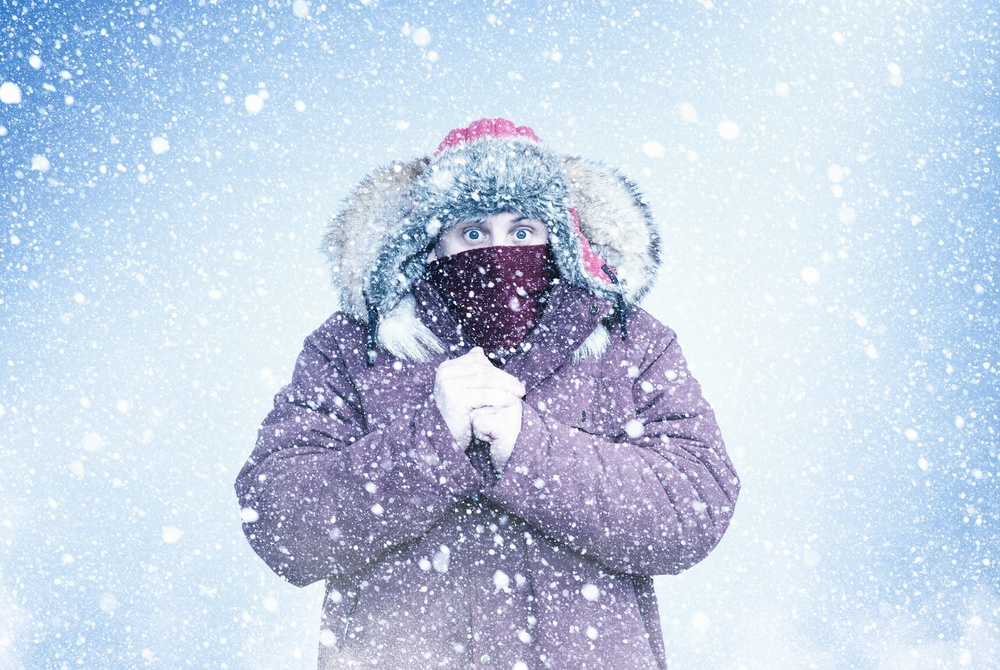
Many drivers assume winter risks end once spring approaches. As a result, warm clothing is often removed from vehicles in March. However, breakdowns can still occur during cold conditions. Waiting for roadside assistance in freezing temperatures can be uncomfortable and unsafe. Carrying a warm jacket, gloves, and a hat provides important protection. Blankets are also helpful during long waits in remote areas. March weather can drop below freezing quickly, especially at night. Travelers may also face delays caused by snow or icy roads. Keeping warm clothing in the vehicle helps prepare for unexpected stops during early spring road trips.
Ignoring Tire Pressure Changes in Cold Weather

Cold temperatures can affect tire pressure during early spring travel. Air pressure inside tires decreases as temperatures drop. During March, temperatures may fluctuate widely between day and night. This change can cause tire pressure to vary throughout the trip. Underinflated tires reduce vehicle control and increase fuel consumption. Some drivers forget to check tire pressure after winter driving. Regularly monitoring pressure helps maintain safe handling and braking. Tire pressure gauges are simple tools that provide quick checks. Ensuring proper tire pressure improves safety during long road trips in changing weather conditions.
Driving Through Flooded Roads During Spring Melt
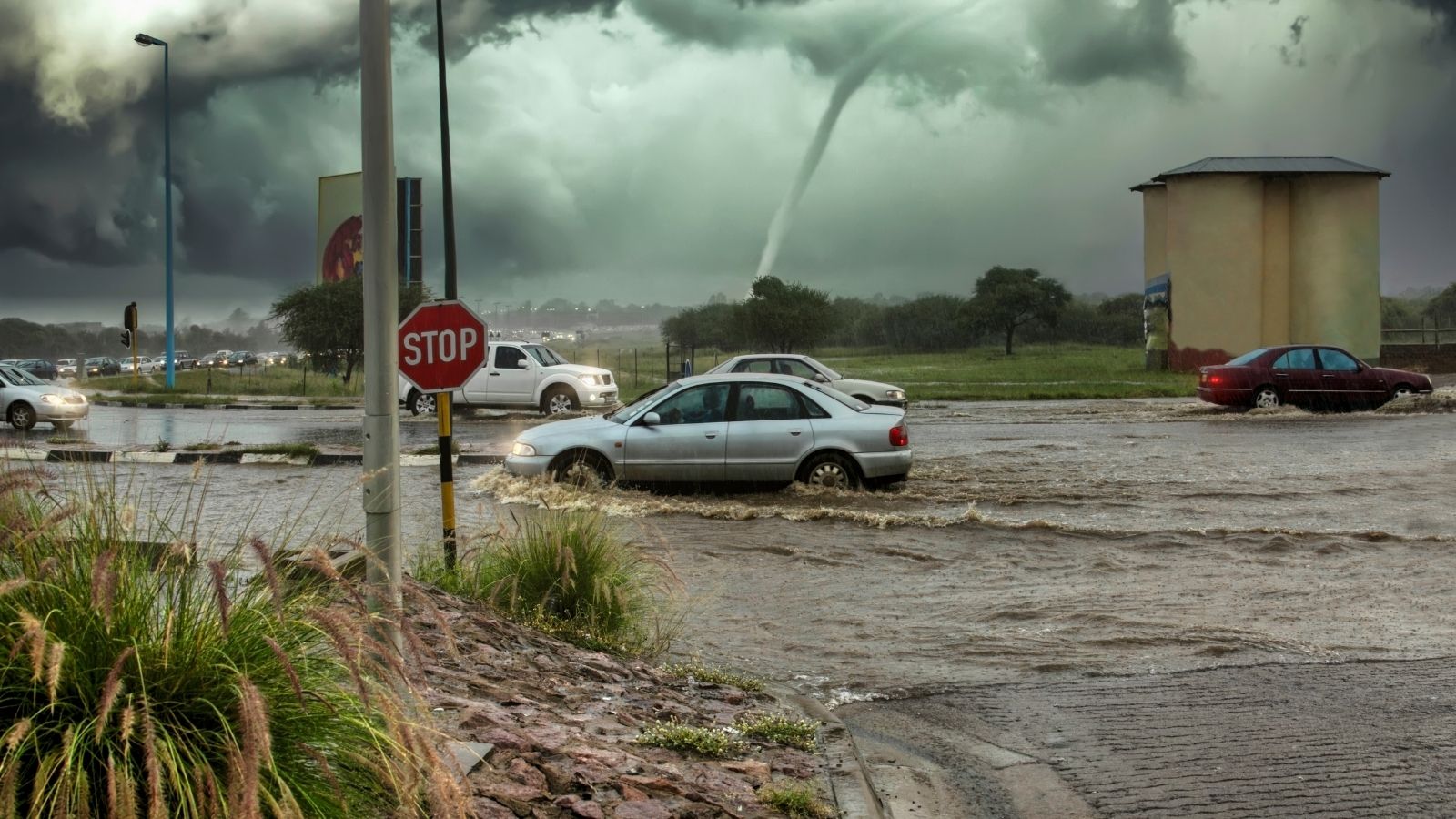
Spring melt can create water buildup on roads and highways. Snow from winter begins melting as temperatures rise. This runoff may collect in low areas or poorly drained roads. Some drivers attempt to drive through these flooded sections. However, water depth may be difficult to judge from inside a vehicle. Even shallow water can cause vehicles to lose traction or stall. Flooded roads may also hide potholes or debris. Turning around and finding an alternate route is often safer. Avoiding flooded roads helps prevent vehicle damage and reduces accident risks.
Not Planning Rest Stops During Long Cold Drives

Long drives during winter and early spring can be physically demanding. Cold weather conditions require more concentration and careful driving. Snow, ice, and strong winds can increase mental fatigue. Drivers who skip rest breaks may become tired more quickly. Fatigue reduces reaction time and decision-making ability. Planning regular rest stops helps maintain alertness during long trips. Stretching and taking short breaks improve focus behind the wheel. Stopping for warm drinks or food can also help drivers stay comfortable. Scheduling rest stops is an important part of safe long-distance travel.
Forgetting That Weather Can Change Quickly Across Provinces
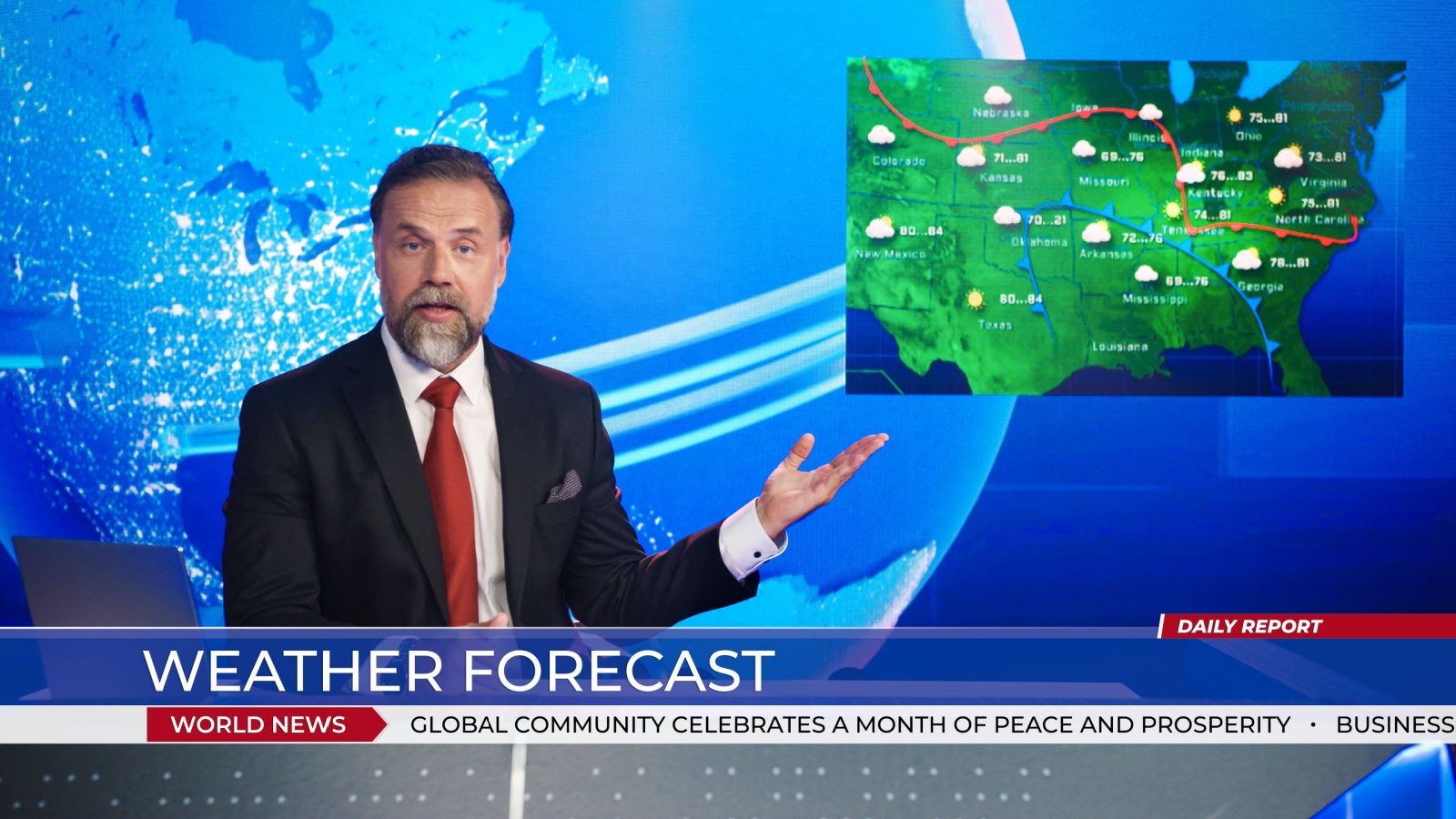
Canada’s large geography means the weather can vary greatly between provinces. A road trip that begins in mild conditions may encounter winter weather later along the route. Some drivers prepare only for the weather at their starting location. However, temperatures and road conditions may change significantly across regions. Snowstorms may occur in higher elevations or northern areas. Wind, freezing rain, or fog may appear unexpectedly. Checking forecasts along the entire route helps drivers prepare better. Packing clothing and supplies for mixed conditions also improves safety during long cross-province road trips.
Underestimating How Tiring Winter Driving Can Be

Driving in winter or early spring requires more focus than driving in summer. Snow-covered roads, icy patches, and poor visibility increase mental effort. Drivers must constantly adjust speed and maintain greater awareness. This extra concentration can cause fatigue to set in more quickly. Long road trips in March may feel more exhausting than expected. Some travelers underestimate how tiring these conditions can be. Taking regular breaks helps maintain alertness and reduces stress. Sharing driving duties with another person can also help. Recognizing the demands of winter driving improves safety during long spring road trips.
22 Groceries to Grab Now—Before another Price Shock Hits Canada

Food prices in Canada have been steadily climbing, and another spike could make your grocery bill feel like a mortgage payment. According to Statistics Canada, food inflation remains about 3.7% higher than last year, with essentials like bread, dairy, and fresh produce leading the surge. Some items are expected to rise even further due to transportation costs, droughts, and import tariffs. Here are 22 groceries to grab now before another price shock hits Canada.
22 Groceries to Grab Now—Before another Price Shock Hits Canada
22 Groceries to Grab Now—Before another Price Shock Hits Canada
Food prices in Canada have been steadily climbing, and another spike could make your grocery bill feel like a mortgage payment. According to Statistics Canada, food inflation remains about 3.7% higher than last year, with essentials like bread, dairy, and fresh produce leading the surge. Some items are expected to rise even further due to transportation costs, droughts, and import tariffs. Here are 22 groceries to grab now before another price shock hits Canada.
22 Groceries to Grab Now—Before another Price Shock Hits Canada
