
Spring cleaning often brings the urge to simplify and reclaim space. After months of indoor living, Canadian homes can feel crowded with everyday items. In the rush to declutter, many useful things get tossed along with true junk. At the moment, getting rid of extras feels productive and refreshing. Soon afterwards, daily life exposes unexpected gaps. Suddenly, items that seemed unnecessary become essential again. Replacement purchases follow, sometimes within days or weeks. This cycle wastes money, time, and effort while creating more clutter later. Here are 25 things Canadians toss during spring cleaning (then immediately rebuy).
Reusable Shopping Bags

Reusable shopping bags accumulate quickly in Canadian homes because stores offer them at checkout, and people rarely remember to return extras to the car. During spring cleaning, it feels sensible to reduce the pile, especially when some bags look worn or stained. However, grocery trips, bulk shopping, and farmers’ market visits soon remind households how many are actually needed. Buying new bags at the register becomes an easy but unnecessary habit. Most reusable bags are sturdy and washable, so discarding them rarely saves money or space long term. Keeping a few in the car and a few near the door creates a simple system that prevents repeat purchases while still keeping clutter under control throughout the year.
Phone Charging Cables and Adapters
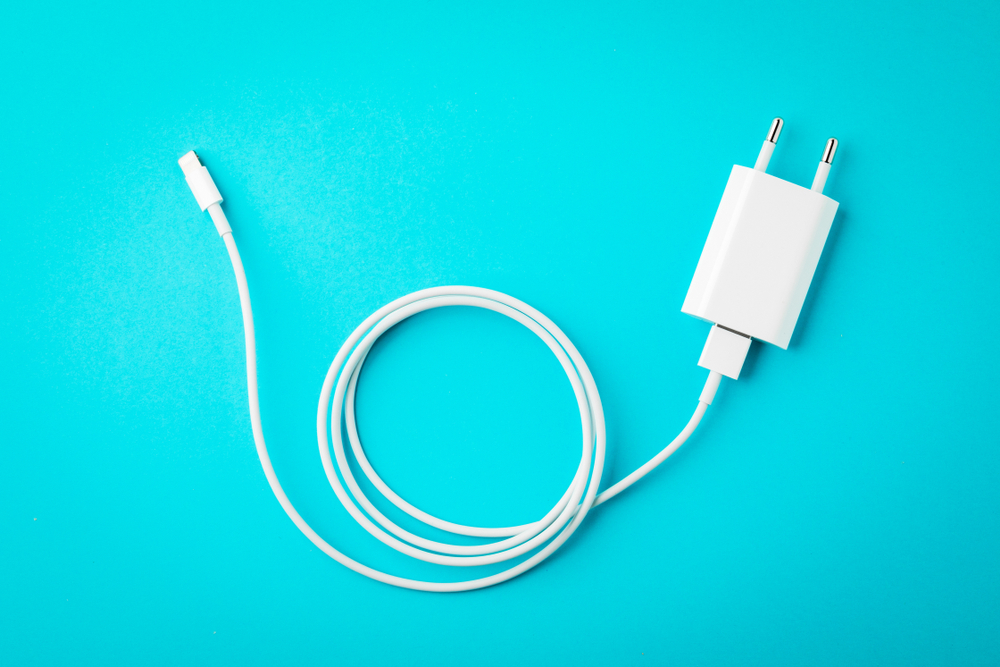
Old charging cables often sit tangled in drawers, making them look outdated or broken even when they still function properly. During decluttering, Canadians frequently throw them away to simplify storage and reduce visual mess. Soon after, a cable fails, a device needs charging in another room, or a visitor asks to borrow one, which creates an immediate shortage. Replacement chargers are then purchased, sometimes at higher prices than expected. Many older cables remain compatible with secondary devices such as tablets, headphones, or backup phones. Storing extras in a labeled pouch keeps them organized and easy to find. Keeping a few reliable spares prevents inconvenience and avoids the cycle of repeatedly buying the same accessories again.
Spare Batteries
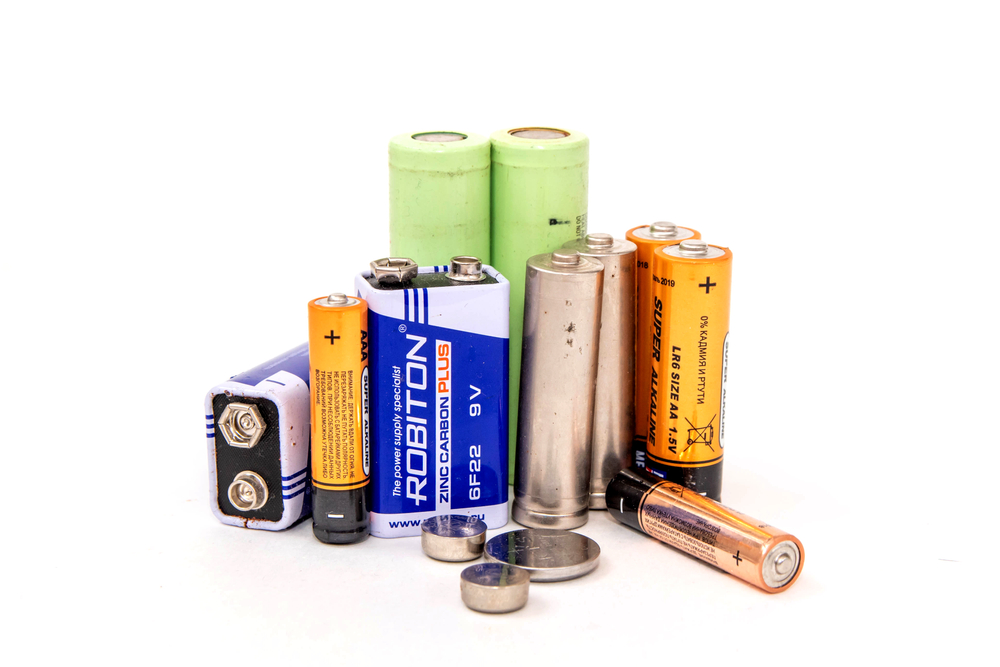
Loose batteries tend to accumulate in kitchen drawers, remote-control bins, and toy boxes, so clearing them out during spring cleaning can feel like a logical step. Because it is hard to know which ones still hold a charge, Canadians often discard them all to start fresh. The problem appears soon afterwards when a remote stops working, a flashlight dims, or a child’s toy suddenly needs power. Buying new batteries becomes urgent even though some of the old ones might have been usable. Testing batteries before disposal and storing them by size in a small container keeps supplies manageable. Maintaining a modest backup supply ensures everyday devices continue working without unexpected interruptions or extra expense later.
Basic Tool Kits and Screwdrivers
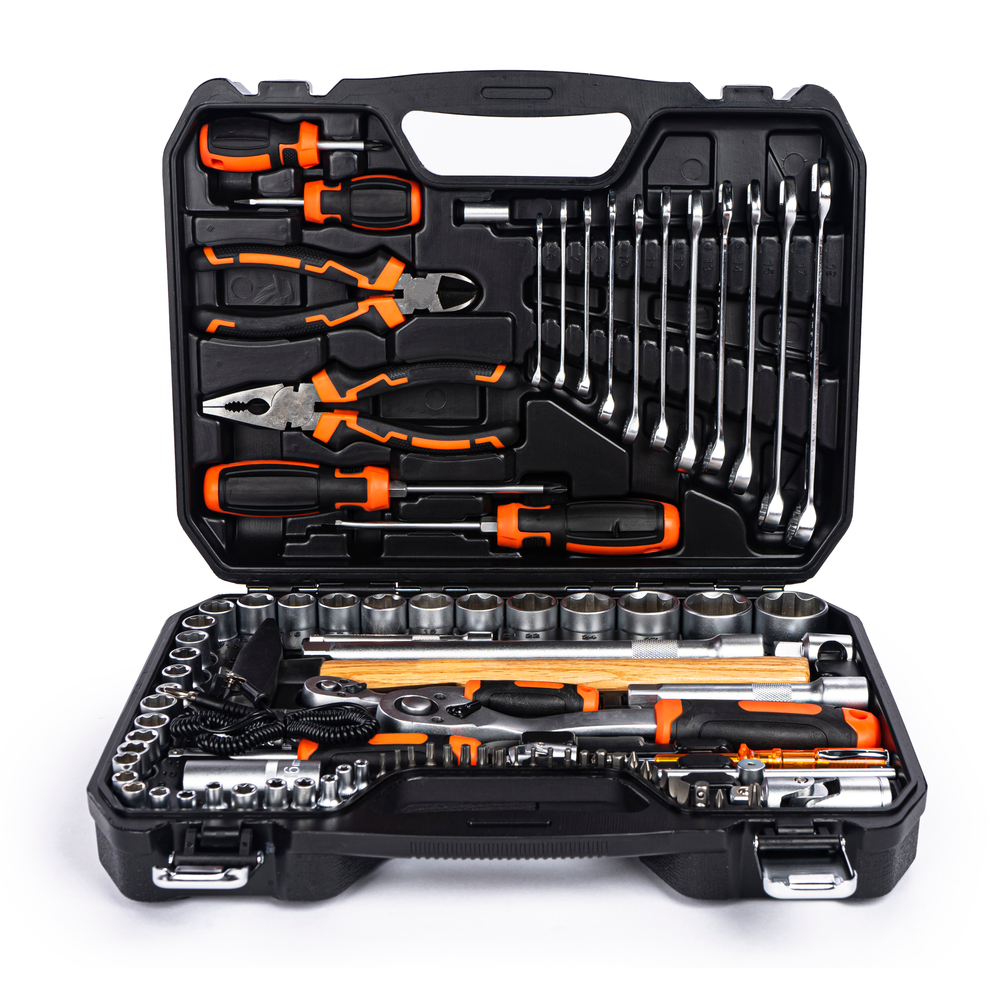
Small tool kits may sit unused for months, which makes them seem unnecessary when decluttering storage areas or drawers. Canadians sometimes throw away duplicate screwdrivers or incomplete sets in an effort to simplify their space. Soon afterwards, a loose cabinet hinge, wobbly chair, or battery compartment requires a quick fix, and the lack of tools becomes obvious. Buying a new kit then feels unavoidable, even though the old one would have worked perfectly. Basic tools rarely wear out and take up little room when stored properly. Keeping one compact set in an easy-to-reach location allows simple repairs to be handled immediately and prevents the frustration of needing to purchase replacements for tasks that should be routine.
Extension Cords and Power Strips
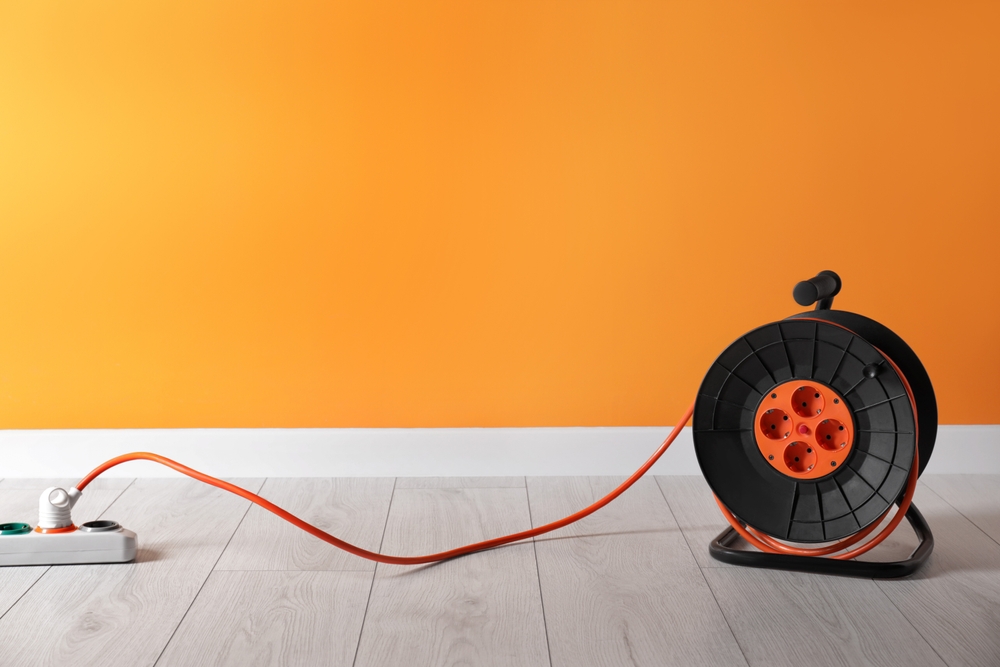
Extension cords and power strips often end up in tangled piles behind furniture or in storage boxes, so discarding extras during spring cleaning can seem like a way to reclaim space. Once new electronics are added or rooms are rearranged, the need for additional outlets returns quickly. Seasonal decorations, home office setups, and outdoor equipment all rely on flexible power access. Purchasing new cords then becomes necessary, even though the old ones were still functional. Properly coiling cords and storing them in a labeled bin keeps them organized without taking up much space. Maintaining a few dependable extras ensures that changing household needs can be met easily without repeated trips to buy replacements.
Takeout Containers and Food Storage Boxes
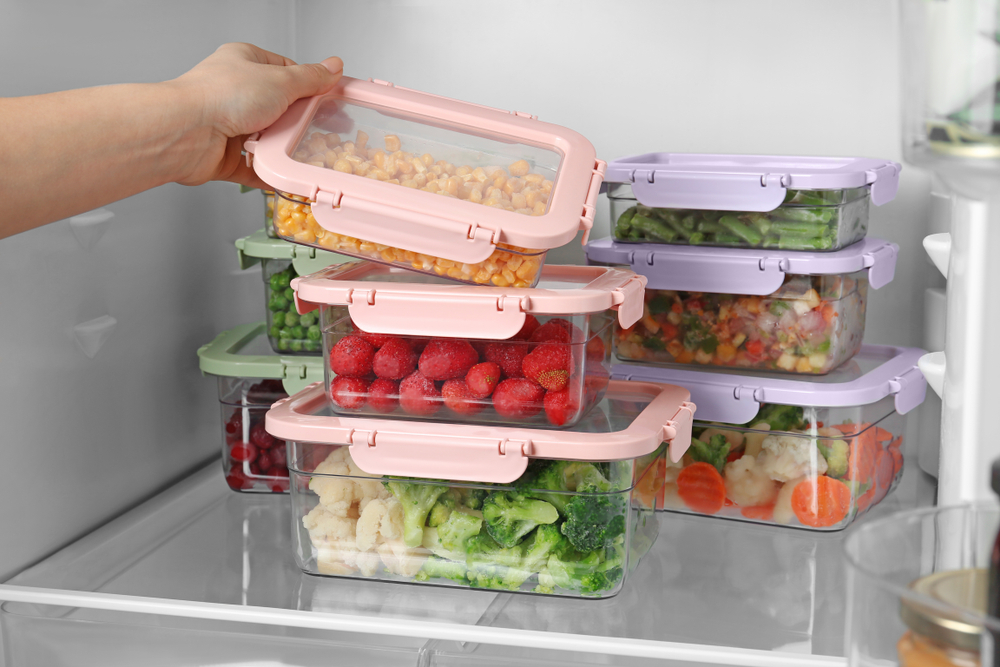
Takeout containers accumulate quickly in kitchen cabinets, especially after busy weeks when cooking is limited. During decluttering, mismatched lids and stained plastic make them seem disposable, so Canadians often throw out entire stacks to create more space. Soon afterwards, leftovers need storing, lunches need packing, or food needs freezing, and the absence of containers becomes inconvenient. New storage sets must then be purchased, which defeats the purpose of decluttering. Sorting containers by size and keeping only those with matching lids creates a more practical solution. Extra containers also help when hosting guests or sending food home with family. Maintaining a reasonable supply supports everyday routines without overcrowding cabinets or wasting money on replacements.
Travel-Size Toiletries
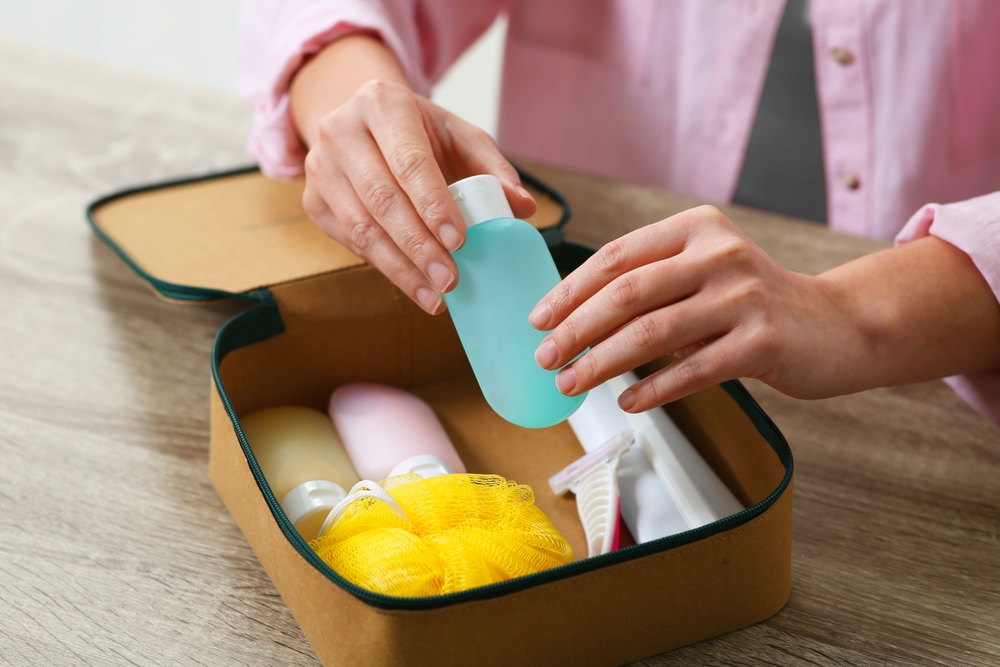
Small toiletries from hotels, sample kits, or past trips often accumulate in bathroom drawers, creating clutter without being used regularly. During spring cleaning, Canadians may throw them out because travel plans are uncertain or seem far away. Unexpected overnight stays, business trips, or weekend visits quickly reveal their usefulness. Buying travel-sized products at the last minute can be expensive and inconvenient. These mini items also work well for gym bags, carry-on luggage, or emergency kits. Keeping them together in a small pouch prevents them from spreading through storage areas. Maintaining a ready-to-use travel kit saves preparation time and avoids unnecessary purchases when plans change at the last minute.
Umbrellas
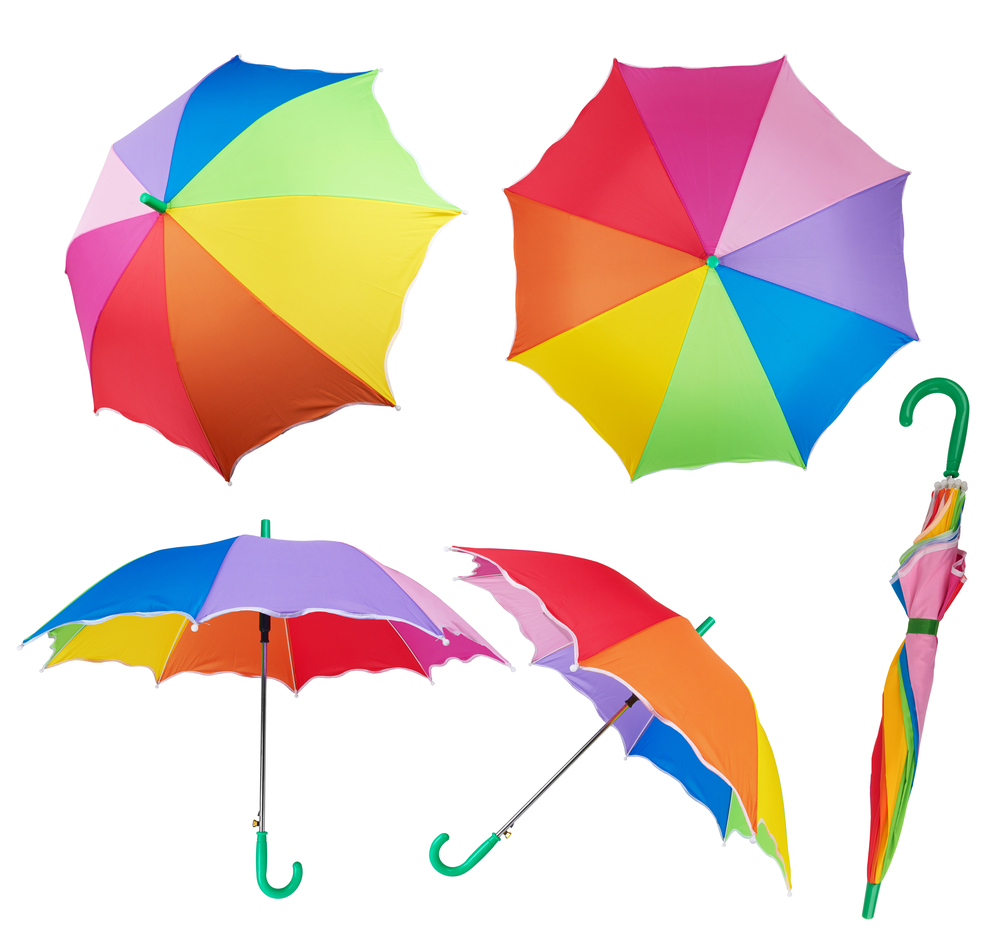
Umbrellas tend to multiply because they are often forgotten in vehicles, workplaces, or bags after rainy days. When spring cleaning begins, damaged ones are easy to discard, but functional umbrellas sometimes get thrown out as well. Canadian weather can change quickly, and sudden rainstorms make umbrellas essential again almost immediately. Purchasing a new one during bad weather is usually more expensive and offers fewer choices. Keeping one umbrella by the front door and another in the car provides reliable coverage when needed. Proper drying before storage prevents rust and mold. Retaining a few dependable umbrellas avoids repeated spending and ensures households are prepared for unpredictable weather throughout the year.
Pens, Markers, and Office Supplies

Desk drawers filled with pens and markers often feel messy, so clearing them out can seem like an easy way to restore order. Canadians sometimes discard most supplies to keep only a few favorites, assuming that will be enough. Soon, paperwork, school assignments, or quick notes require more writing tools, and the shortage becomes frustrating. Buying new packs is then necessary, even though many discarded pens likely still work. Testing supplies before disposal and storing them in a small organizer keeps them accessible without clutter. Households with children especially benefit from having extras available. Maintaining a modest reserve ensures everyday tasks can be handled without repeated trips to restock basic supplies.
Notebooks and Planners

Partially used notebooks often look untidy, which encourages people to discard them during spring cleaning in favor of a fresh start. Canadians frequently overlook the many blank pages that remain usable. Soon, shopping lists, schedules, or work notes require paper again, and new notebooks must be purchased. Reusing existing ones by removing filled pages or labeling sections can make them feel organized and new. Paper planners may also contain important reference information that could be useful later. Keeping a small stack of spare notebooks ensures ideas and plans can be captured anytime. Retaining them reduces waste, saves money, and prevents the inconvenience of searching for paper when it is suddenly needed.
Spare Light Bulbs

Extra light bulbs may seem unnecessary when none have burned out recently, so they are often discarded during decluttering. Canadians sometimes assume replacements can be purchased easily whenever needed. Problems arise when a bulb fails late at night or when stores are closed. Different fixtures also require specific bulb types that may not be immediately available. Keeping a few spares organized in a box prevents inconvenience and reduces the risk of accidents in poorly lit areas. Modern bulbs last long but do not last forever, so replacements are eventually required. Maintaining a small supply ensures homes remain functional and safe, without the need for urgent shopping trips to solve problems that could have been avoided.
Cleaning Cloths and Sponges
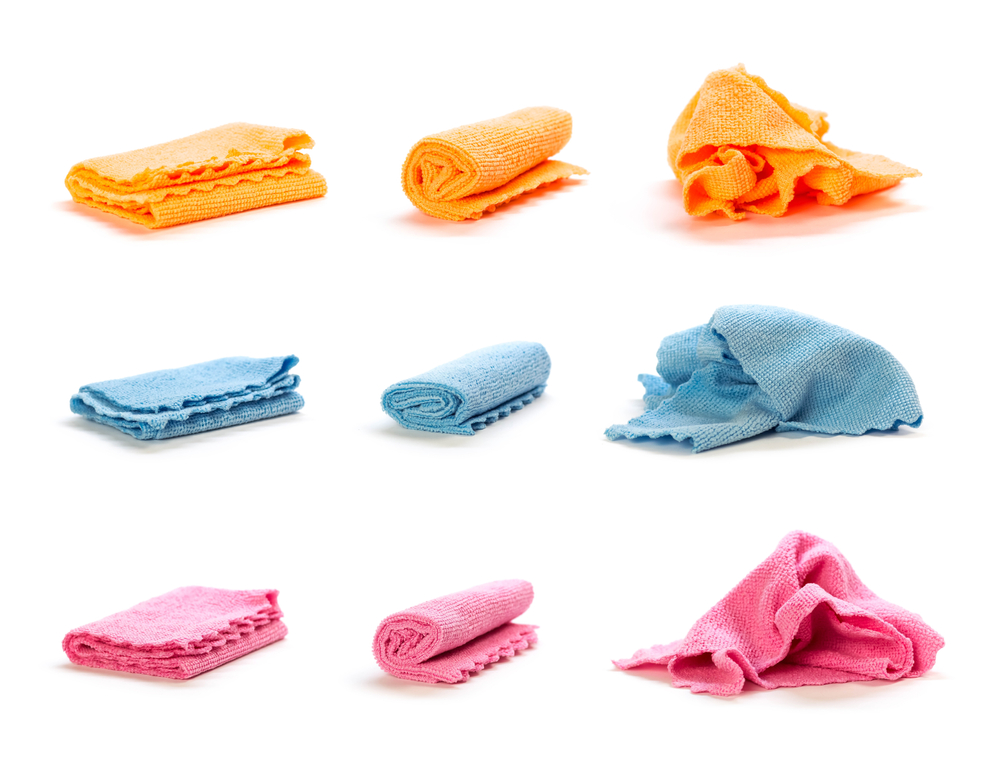
Old cloth and sponges can look worn or stained, which makes them easy to discard during spring cleaning. Canadians often replace them with new products, hoping to maintain higher hygiene standards. Soon, everyday spills, kitchen tasks, and bathroom cleaning require absorbent materials again, and the supply runs low. Paper towels become an expensive substitute, leading to new purchases of cloths or sponges. Many older items remain useful for heavy-duty cleaning tasks where appearance does not matter. Rotating clothes for different uses extends their lifespan while keeping homes sanitary. Maintaining a small backup supply ensures routine cleaning can continue smoothly without unnecessary spending or waste.
Laundry Baskets and Hampers
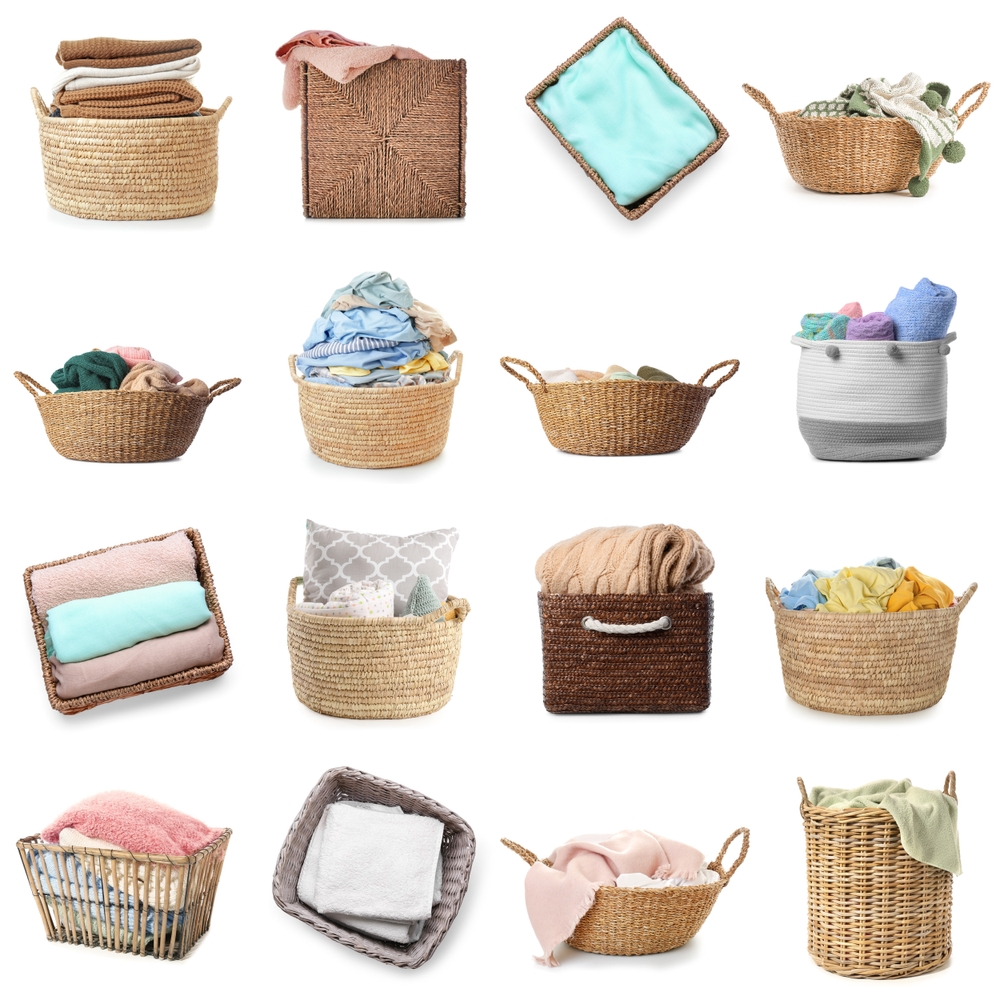
Extra laundry baskets may seem unnecessary when storage space is tight, so they are sometimes discarded during decluttering. Canadians often realize their usefulness only when laundry volume increases or multiple loads need sorting at once. Guests, seasonal clothing changes, or busy weeks can quickly overwhelm a single hamper. Purchasing new baskets becomes the only solution, even though the old ones were still functional. Plastic laundry containers are durable and can serve other purposes, such as temporary storage or moving items between rooms. Keeping at least one spare provides flexibility and helps maintain organization. Retaining extras prevents repeated purchases and ensures laundry routines remain efficient throughout the year.
Water Bottles and Travel Mugs
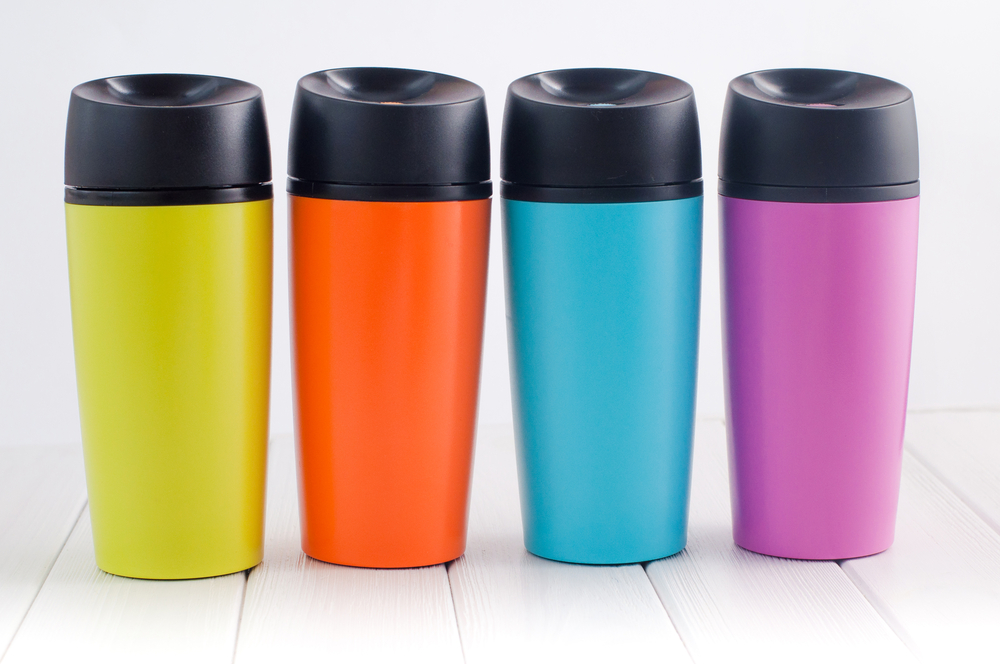
Reusable water bottles and travel mugs accumulate from events, gifts, and personal purchases, which makes them prime candidates for decluttering. Canadians often keep only their preferred ones and discard the rest. Soon, workdays, commutes, or outdoor activities require additional containers, especially if one is misplaced or being washed. Buying replacements becomes necessary even though perfectly usable bottles were discarded. Having extras allows family members to stay hydrated without sharing containers. Quality bottles last many years if cleaned regularly. Storing a few backups in a cupboard maintains convenience without creating clutter. Keeping a small collection ensures households are prepared for daily routines and unexpected needs without repeated spending.
Kitchen Utensils and Gadgets
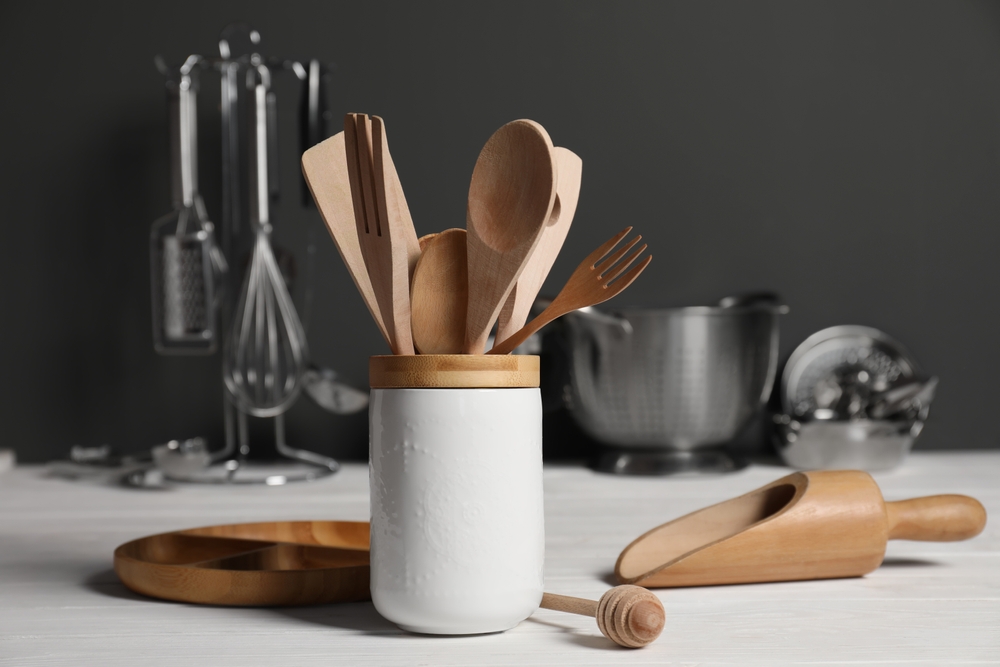
Kitchen drawers filled with gadgets can feel overwhelming, so removing duplicates during spring cleaning seems logical. Canadians sometimes discard tools used only occasionally, such as speciality peelers or measuring spoons. When cooking projects arise later, those exact items are suddenly needed again. Buying replacements becomes unavoidable, especially for baking or meal preparation. Durable utensils rarely wear out completely and often serve specific purposes that standard tools cannot replace. Organizing drawers with dividers keeps them manageable while preserving functionality. Maintaining a reasonable variety allows households to handle everyday meals and special occasions comfortably. Retaining useful gadgets prevents frustration and repeated purchases when cooking needs expand unexpectedly.
Seasonal Decorations

Holiday decorations take up valuable storage space for most of the year, so they are sometimes discarded during spring cleaning. Canadians may underestimate how much these items contribute to seasonal traditions and family memories. When the next holiday arrives, replacing decorations can be expensive and time-consuming. Some older pieces are difficult to find again or hold sentimental value that new items cannot replace. Proper storage in labeled containers protects them and makes retrieval easier. Keeping meaningful decorations maintains continuity and reduces annual spending. Even though they are used only briefly, they play an important role in celebrations. Retaining them ensures homes are ready for holidays without last-minute shopping.
Reusable Ice Packs
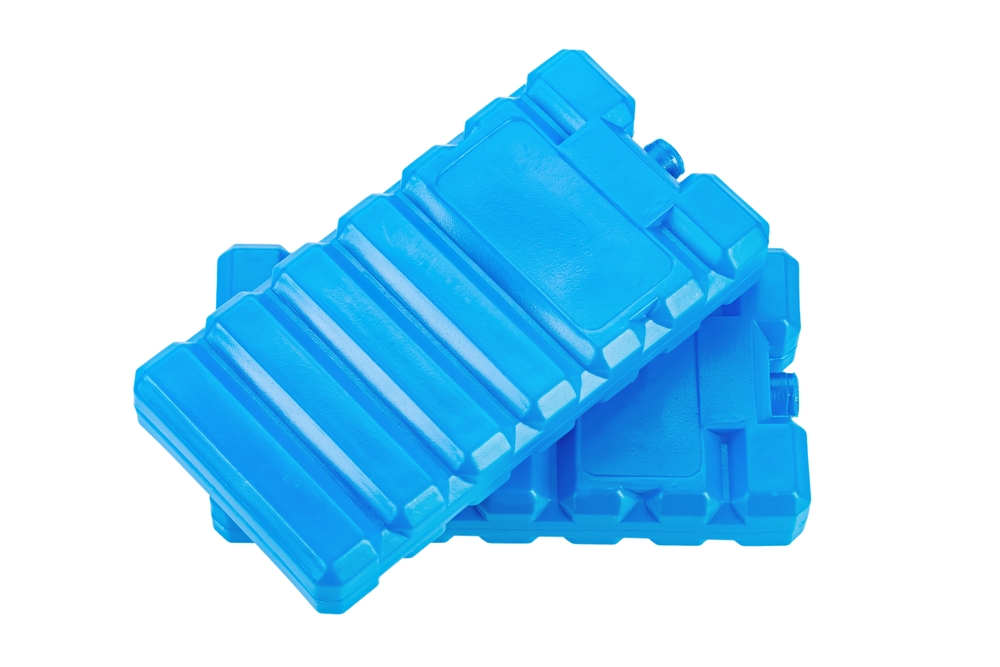
Ice packs often seem unnecessary during colder months, so they are frequently discarded to free freezer space. Canadians later need them for injuries, packed lunches, or travel coolers once warmer weather returns. Purchasing new packs becomes unavoidable even though the old ones were still usable. Reusable ice packs are durable and designed for repeated use over many years. Keeping a few stored neatly in the freezer ensures they are available when needed. They are especially helpful during outdoor activities or medical situations. Retaining extras takes little space yet provides significant convenience, preventing emergency purchases and ensuring households are prepared for common situations.
Pet Toys and Accessories
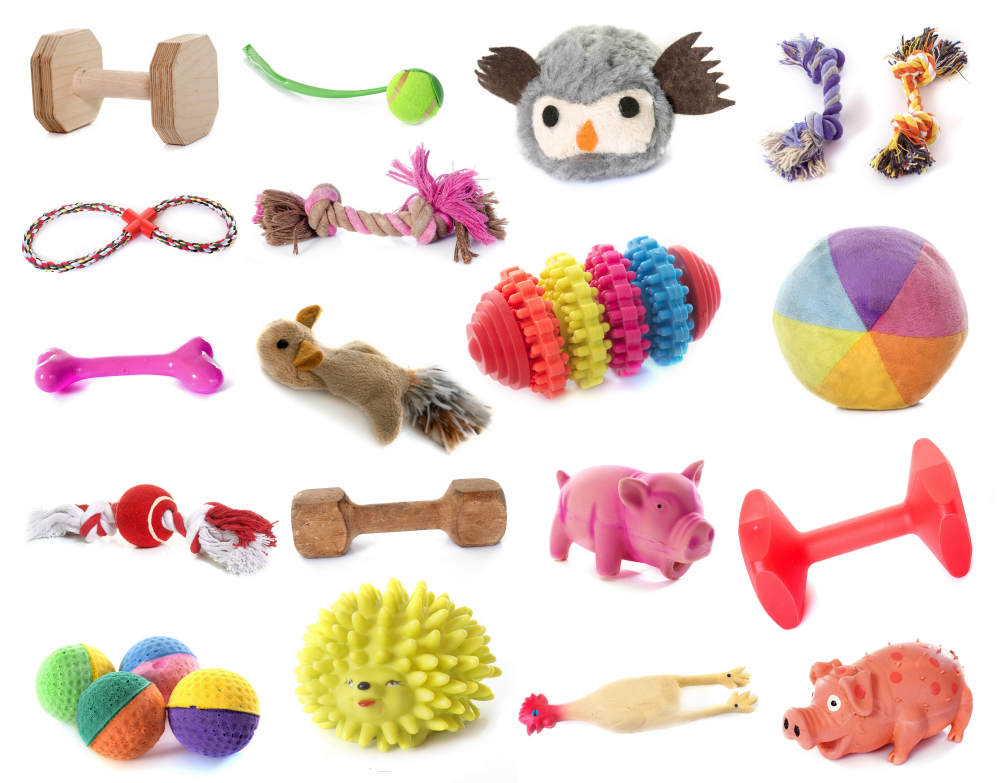
Pet toys and accessories can look worn or cluttered, which makes them easy to discard during cleaning. Canadians sometimes remove too many items at once, leaving pets with limited stimulation. Animals often become bored or anxious without familiar objects, prompting owners to buy new toys soon afterwards. Many older toys remain safe and enjoyable if cleaned properly. Rotating them periodically keeps pets interested without requiring constant replacement. Accessories such as spare leashes or bowls also serve as backups when primary items are lost or damaged. Keeping a small selection of extras supports animal well-being and reduces unnecessary spending on replacements throughout the year.
Shoe Care Supplies
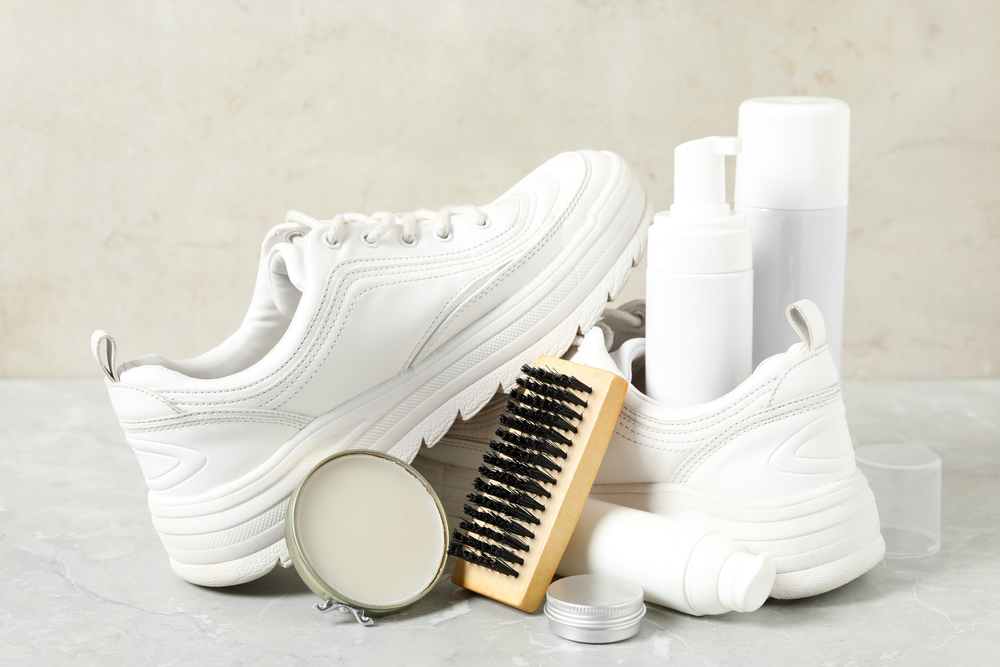
Polish, brushes, and protective sprays often sit unused for long periods, so they may be discarded during decluttering. Canadians typically rediscover their importance when formal events, seasonal footwear changes, or unexpected weather conditions arise. Proper maintenance extends the life of shoes, especially leather or speciality footwear. Replacing discarded supplies becomes necessary to restore appearance and protection. These items take up little space and remain usable for years when stored properly. Keeping a compact shoe care kit ensures footwear can be maintained without delay. Retaining basic supplies supports long-term savings and helps shoes remain comfortable and presentable whenever needed.
Small Storage Bins
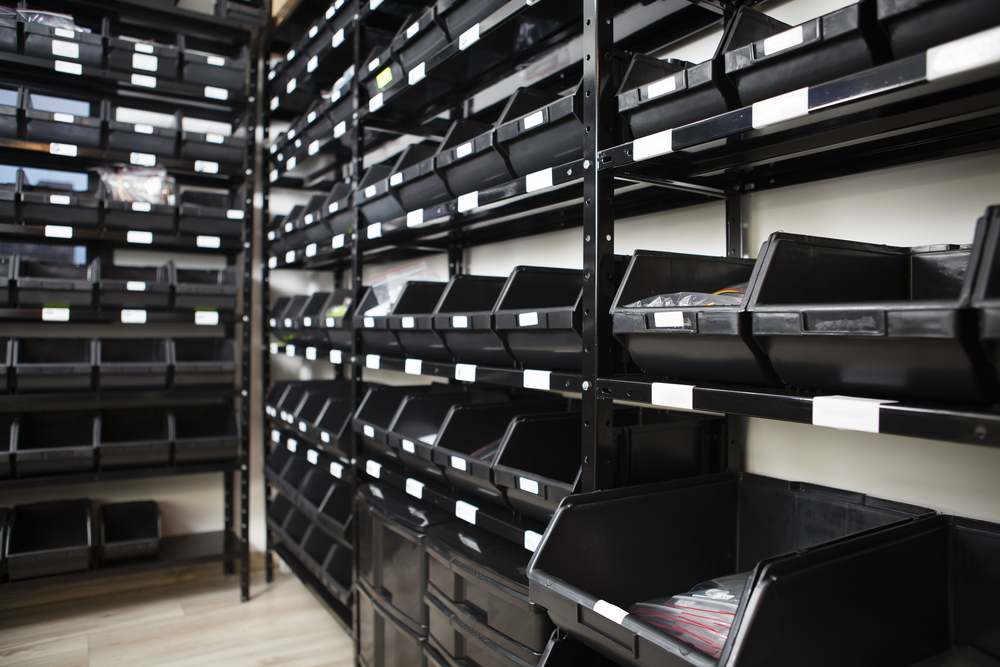
Empty storage bins may seem pointless when not in use, leading many Canadians to discard them during spring cleaning. Later, new purchases, seasonal items, or reorganizing projects create a need for containers again. Buying replacements becomes unavoidable even though the old bins were still functional. Durable plastic containers can last for decades and stack easily when empty. Keeping a few extras provides flexibility for future needs such as moving, sorting paperwork, or storing clothing. Retaining spare bins prevents repeated spending and makes it easier to maintain order as household needs change over time. Storage capacity often proves valuable sooner than expected.
First Aid Supplies

During decluttering, Canadians sometimes throw out entire first aid kits because a few items are expired or disorganized. Soon, minor injuries occur that require bandages, antiseptics, or pain relief supplies, and replacements must be purchased immediately. Some discarded items may have still been usable, while others could have been replaced individually. Keeping a complete kit ensures readiness for everyday accidents at home or on the road. Organized containers make supplies easy to locate in emergencies. Maintaining essential items provides peace of mind and prevents last-minute shopping when time matters most. First aid kits are rarely used daily, but their value becomes critical when they are suddenly needed.
Extra Towels and Linens
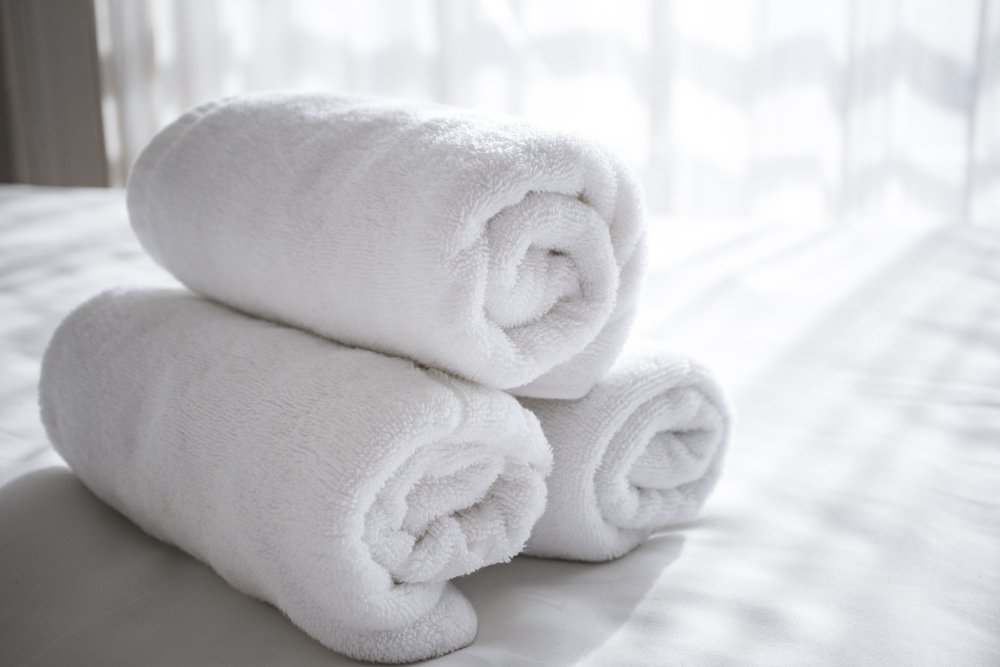
Older towels and spare linens may seem unnecessary when cupboard space is limited, so they are often donated or discarded. Canadians quickly realize their importance when guests stay overnight or when laundry schedules fall behind. New towels then need to be purchased, sometimes at high cost. Quality linens can last many years and remain useful for cleaning, travel, or outdoor activities. Vacuum storage bags help reduce the space they occupy. Keeping a few extra sets ensures households can handle unexpected situations comfortably. Retaining backups prevents inconvenience and repeated spending while maintaining flexibility for changing needs throughout the year.
Gardening Gloves and Small Tools
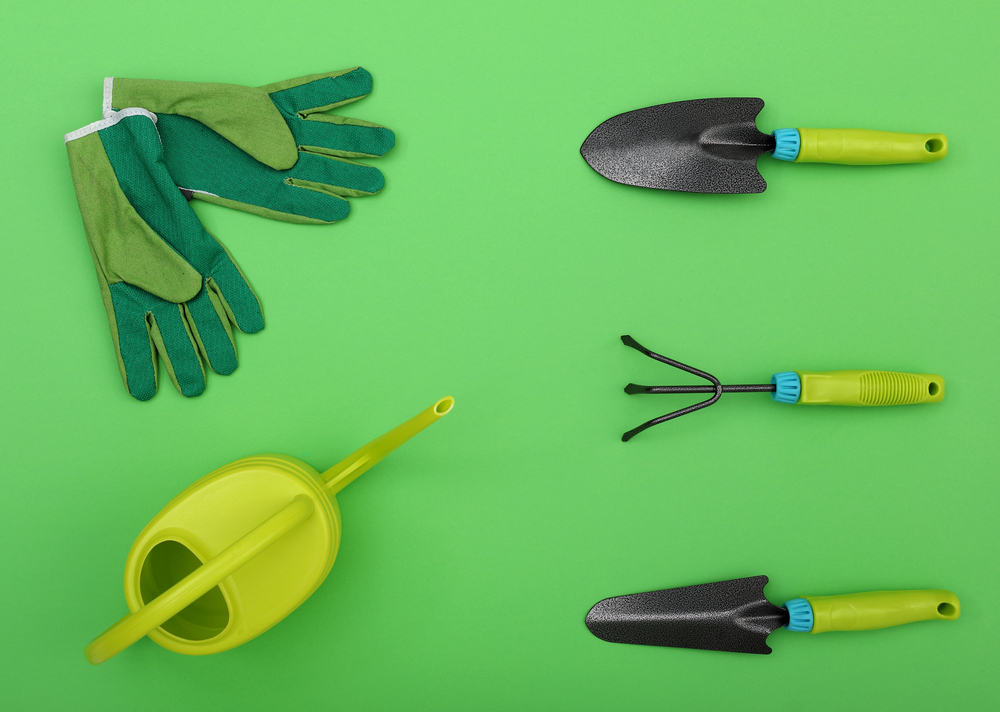
Before gardening season begins, gloves and small tools may appear unnecessary and get discarded during cleaning. Canadians soon need them when planting, yard work, or outdoor repairs begin in spring. Purchasing replacements becomes unavoidable even though the old tools were still functional. Durable gardening tools can last many seasons if cleaned and stored properly. Gloves may show wear, but still protect from dirt and thorns. Keeping a basic set ready allows outdoor projects to start immediately when the weather improves. Retaining these items saves money and prevents delays, ensuring households are prepared for seasonal work without scrambling to buy new supplies.
Phone Cases and Screen Protectors
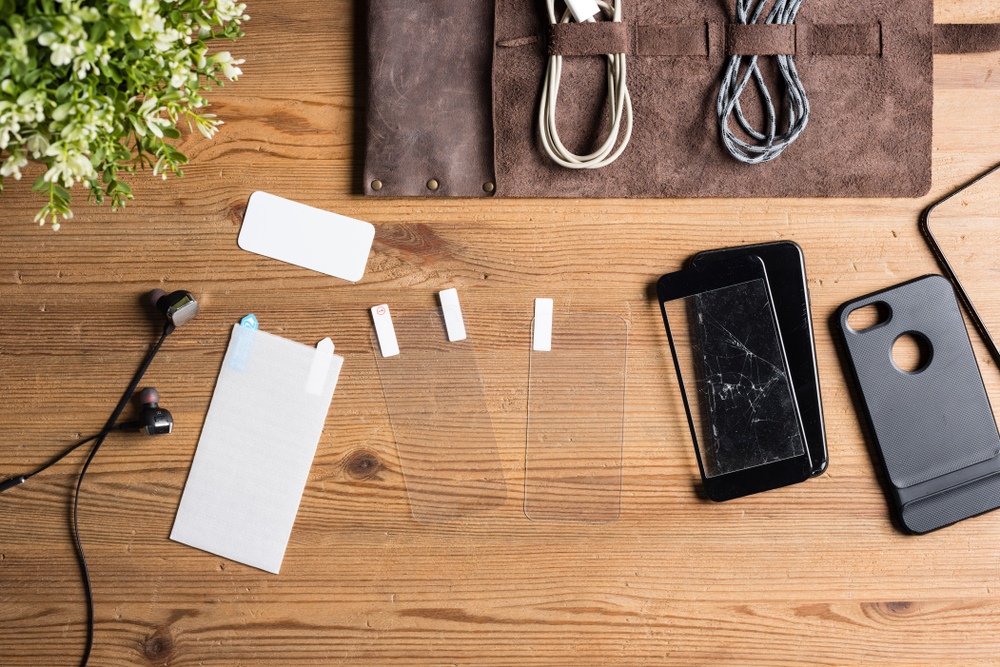
Older phone accessories often seem obsolete once devices are upgraded, leading Canadians to discard them during decluttering. Later, a new phone purchase, resale preparation, or accidental damage highlights the need for protective gear again. Buying new cases and protectors becomes unavoidable even though previous ones might still have been useful for backup devices. These accessories take up very little space and can prevent costly repairs. Keeping a few extras ensures protection is available whenever devices change or emergencies occur. Retaining them is a practical way to safeguard expensive electronics without repeatedly replacing them.
Gift Bags and Wrapping Supplies

Gift bags, tissue paper, and ribbons accumulate from celebrations, so clearing them out during spring cleaning can feel satisfying. Canadians soon face birthdays, weddings, or holidays that require packaging again. Purchasing new wrapping supplies becomes necessary even though many discarded items could have been reused. Flattening bags and storing them in a designated box keeps them organized without taking up much space. Reusing packaging also reduces waste and saves money. Maintaining a modest collection ensures households are prepared for unexpected celebrations or last-minute invitations. Gift wrapping materials may not be needed daily, but their usefulness returns reliably throughout the year.
22 Groceries to Grab Now—Before another Price Shock Hits Canada

Food prices in Canada have been steadily climbing, and another spike could make your grocery bill feel like a mortgage payment. According to Statistics Canada, food inflation remains about 3.7% higher than last year, with essentials like bread, dairy, and fresh produce leading the surge. Some items are expected to rise even further due to transportation costs, droughts, and import tariffs. Here are 22 groceries to grab now before another price shock hits Canada.
22 Groceries to Grab Now—Before another Price Shock Hits Canada
