Winter driving in Canada brings extra challenges beyond snow and ice. Traffic laws still apply, even when conditions are difficult. Many tickets issued each year relate to visibility, vehicle preparation, and safe driving habits. Some violations seem minor but carry fines and points. Drivers often focus on road conditions while overlooking legal responsibilities. Snow buildup, poor lighting, or reduced speed control can lead to penalties. Understanding common winter-related tickets helps drivers stay prepared. Here are 25 winter driving tickets Canadians get every year, and the ones that surprise people.
Speeding in Snow Conditions
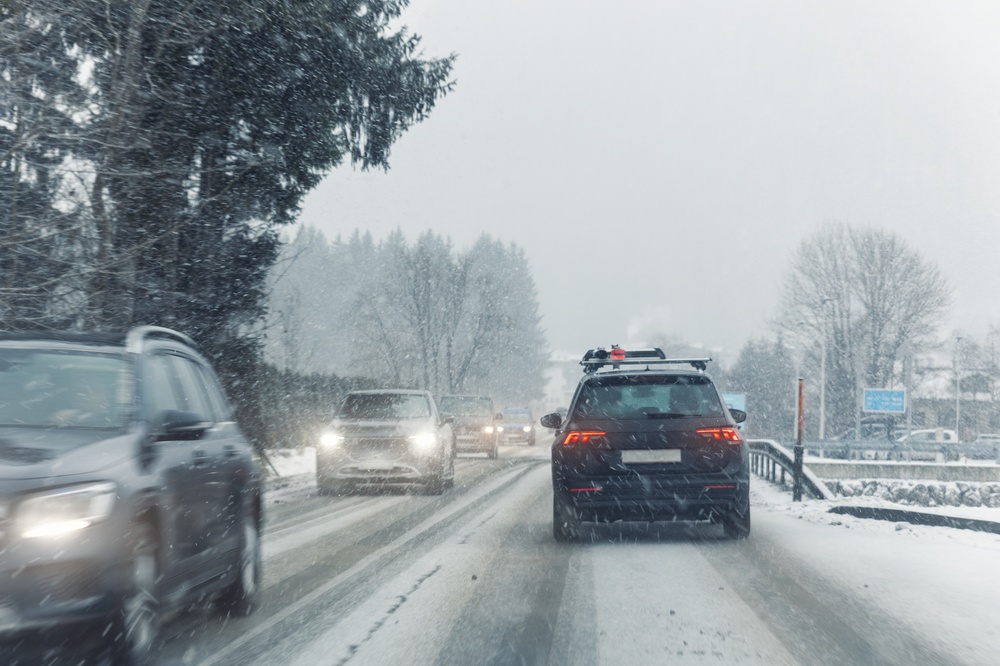
Speed limits apply to ideal road conditions, not severe winter weather. Police can issue tickets if drivers travel too fast for snow, slush, or ice, even below posted limits. Officers assess whether speed matches visibility, traction, and traffic flow. Many drivers assume staying under the speed limit protects them, which is incorrect. Reduced control and longer stopping distances increase risk. Collisions during storms often lead to “speed not reasonable for conditions” charges. Fines and demerit points may follow. Slowing well below normal speeds in storms helps prevent tickets, crashes, and insurance impacts during winter driving.
Following Too Closely on Icy Roads
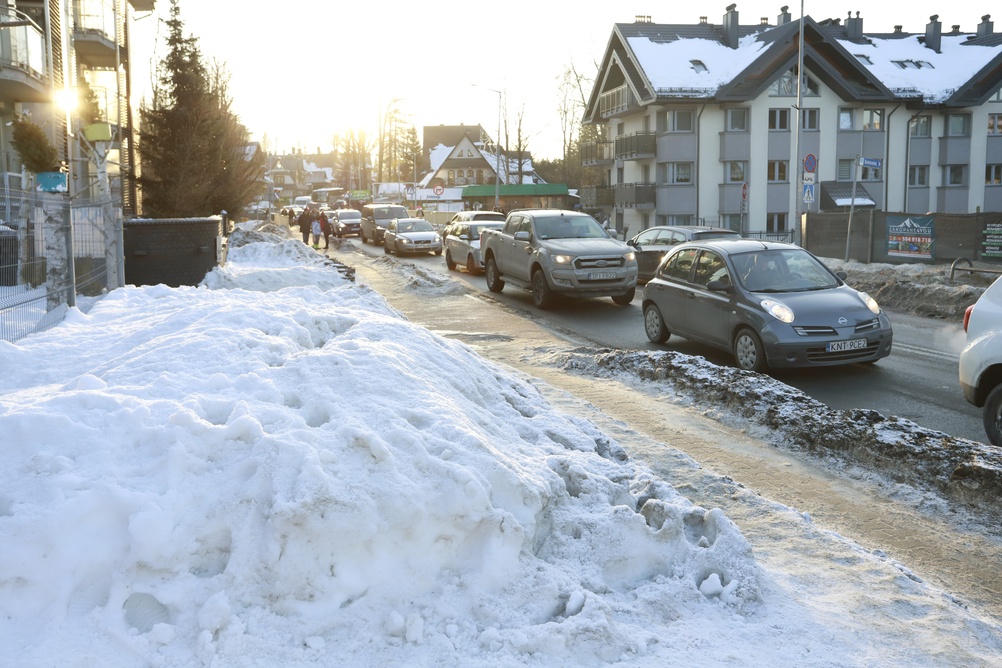
Tailgating becomes more dangerous in winter because stopping distances increase dramatically on ice. Police often ticket drivers for following too closely after rear-end collisions. Snow and black ice reduce traction, making sudden braking ineffective. Safe gaps should be much larger than in dry conditions. Many drivers misjudge braking distance behind SUVs or trucks. Officers may issue tickets even without a crash if spacing looks unsafe. Maintaining extra distance allows time to react to skids or sudden stops. Defensive spacing helps prevent collisions, fines, and winter-related insurance claims.
Failing to Clear Snow From Vehicle Roof
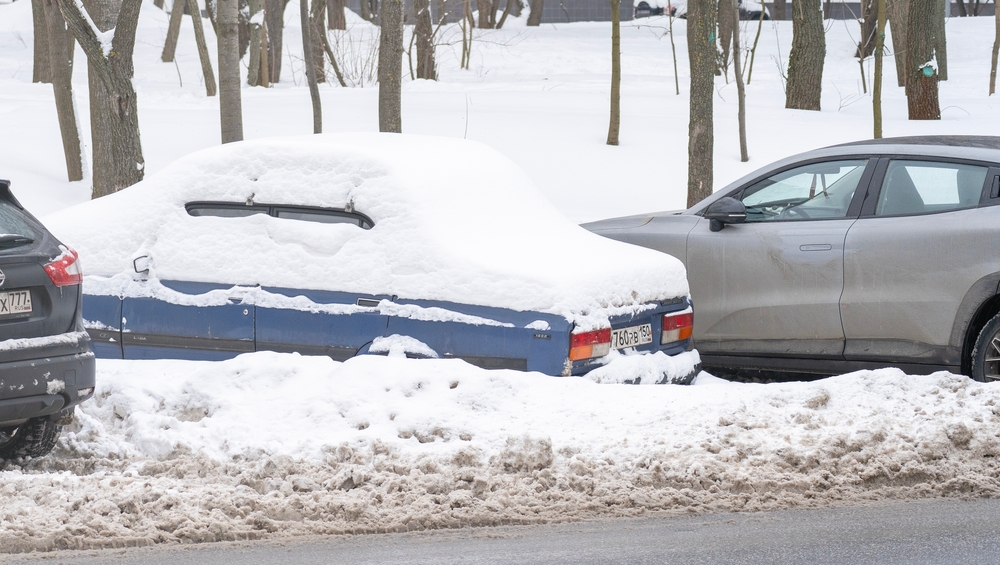
Snow left on vehicle roofs can blow onto other cars or your windshield. This creates visibility hazards and can lead to fines in many provinces. Large snow sheets may slide forward during braking. Ice chunks can damage vehicles behind. Police consider this a safety responsibility. Drivers sometimes clear windows but ignore the roof. Commercial vehicles face strict enforcement, but private drivers can also be ticketed. Using a brush or scraper before driving prevents hazards. Clearing the entire vehicle protects others and helps avoid winter driving penalties.
Obstructed License Plates From Snow or Ice
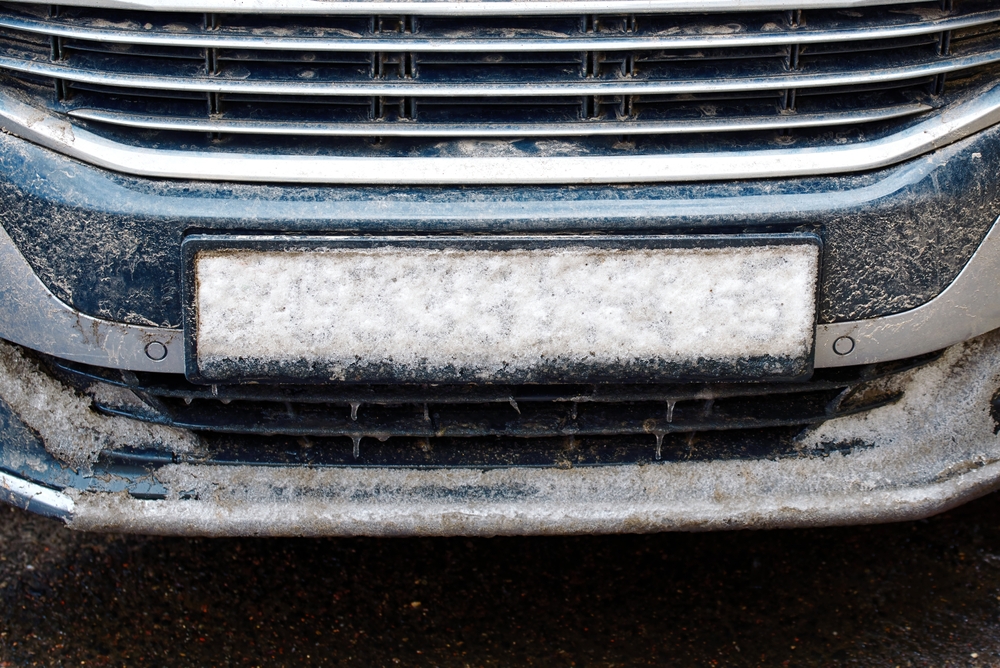
License plates must remain clearly visible at all times. Snow buildup or ice covering numbers can lead to tickets. Officers use plates to identify vehicles for safety and enforcement. Winter spray often coats rear plates quickly. Drivers may not notice while driving. Even a partial obstruction can be enough for a fine. Cleaning plates before departure and during stops helps. Wiping slush away prevents issues. Proper visibility supports road safety and avoids unnecessary traffic stops or penalties.
Driving With Fogged or Frosted Windows
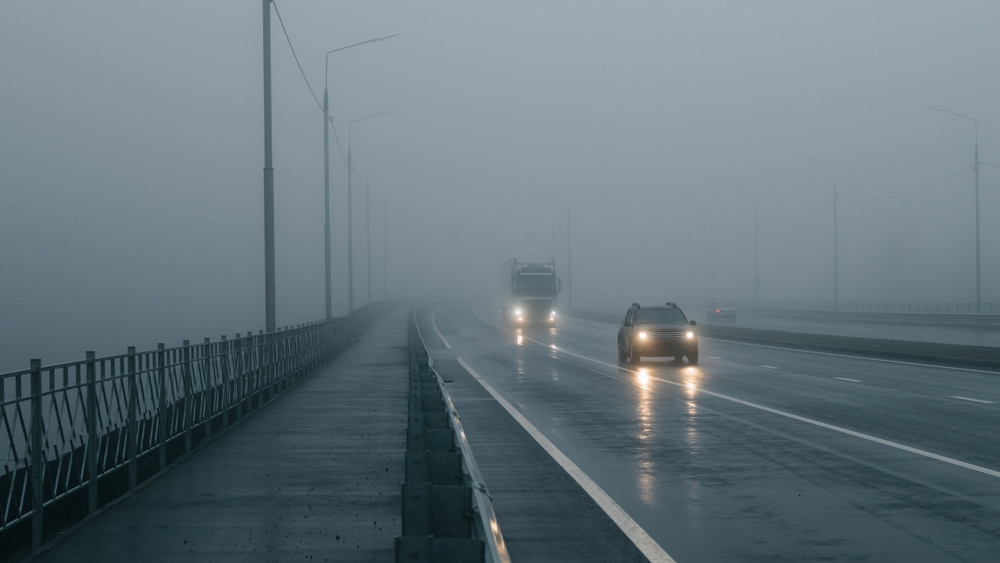
Driving with fogged, frosted, or partially cleared windows is illegal. Officers may issue tickets for obstructed driver view. Limited visibility increases crash risk. Some drivers rush without fully defrosting their windows. Small, clear spots are not enough. Side and rear windows must also be usable. Defrosters and scrapers should be used before moving. Idling briefly to warm the airflow helps clear the glass. Proper visibility is a legal requirement. Clearing all windows ensures safer driving and prevents fines during winter conditions.
Not Using Headlights in Poor Visibility
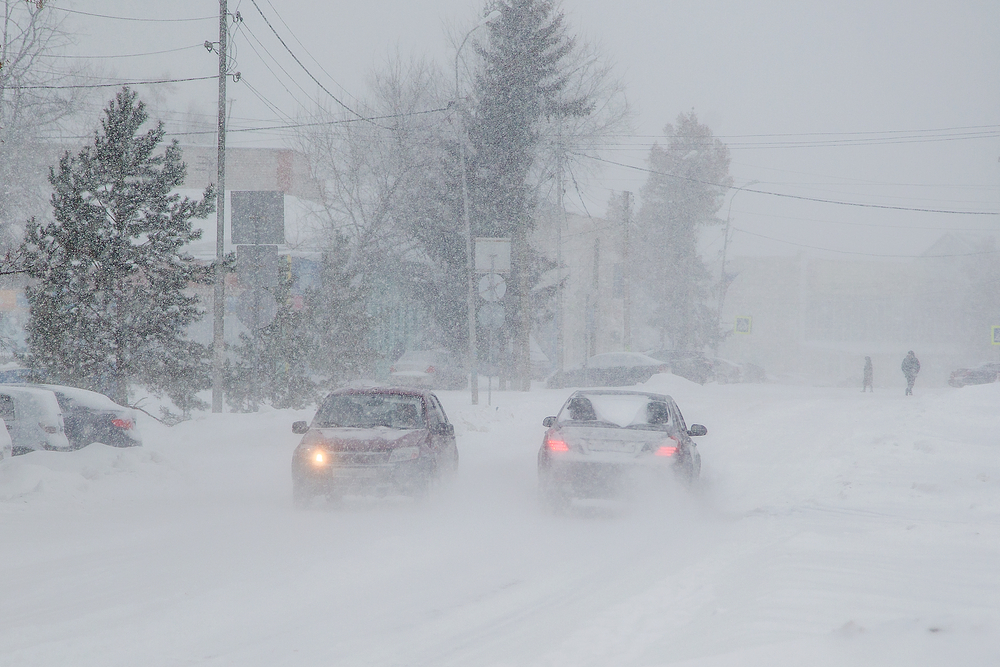
Headlights are required when visibility drops due to snow, fog, or heavy rain. Daytime running lights are not always enough. Rear lights may stay off without full headlights. Police can ticket drivers whose vehicles are hard to see. Many motorists forget to switch on their lights during daytime storms. Reduced contrast makes vehicles blend into grey surroundings. Officers focus on visibility and safety risk. Turning the headlights on improves awareness for other drivers. Proper lighting reduces collisions and helps avoid winter traffic tickets.
Using Summer Tires in Winter-Required Zones
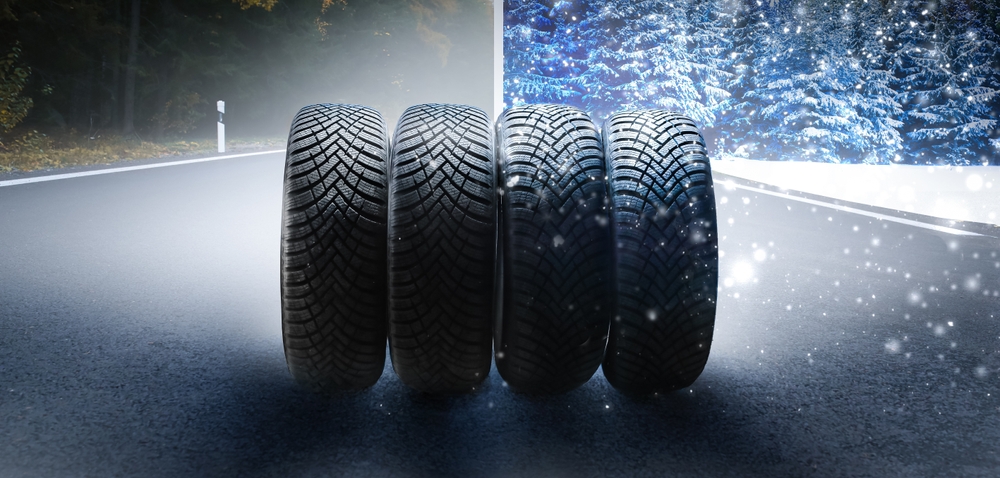
Some regions require winter-rated tires during specific months. Drivers using summer tires in those zones can receive fines. Summer tires lose traction in cold temperatures. Officers may check tire markings during stops. Accidents involving improper tires can lead to additional charges. Many drivers underestimate how quickly rubber hardens in freezing weather. Winter tires improve braking and steering control. Installing proper tires before seasonal deadlines helps avoid penalties. Compliance supports safer travel on snow-covered and icy roads.
Failure to Yield to Snowplows
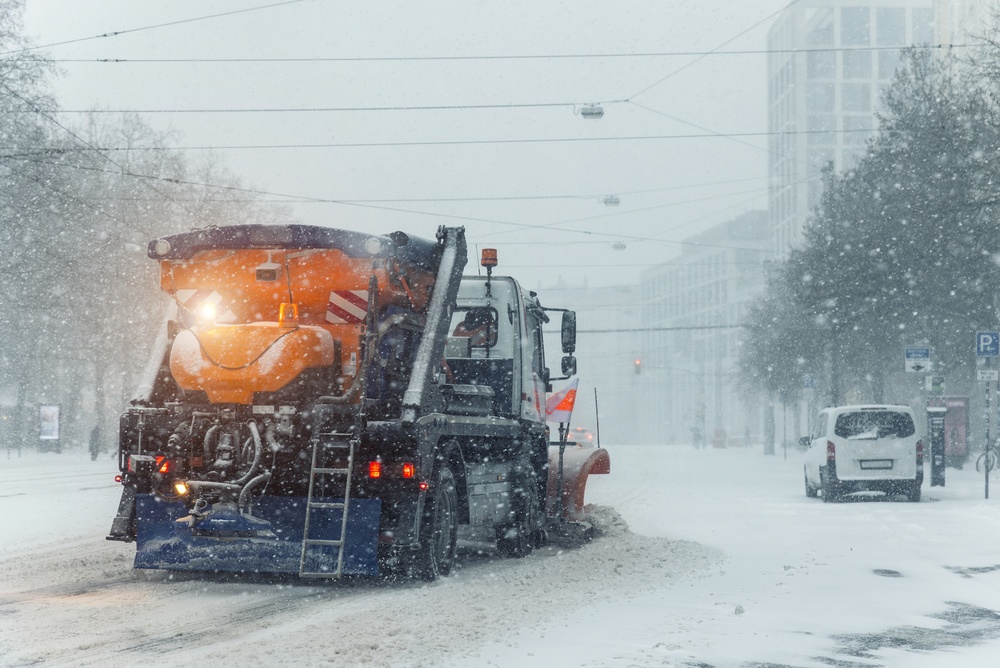
Snowplows need space to clear roads safely. Drivers must yield when plows operate, especially in formation. Passing too closely or cutting in can result in tickets. Plows move slowly but handle heavy equipment. Snow spray reduces visibility around them. Officers treat unsafe behavior near plows seriously. Many drivers misjudge the stopping distance behind plows. Keeping distance protects both workers and drivers. Respecting snow removal vehicles prevents fines and reduces crash risks in winter conditions.
Improper Use of Hazard Lights While Driving
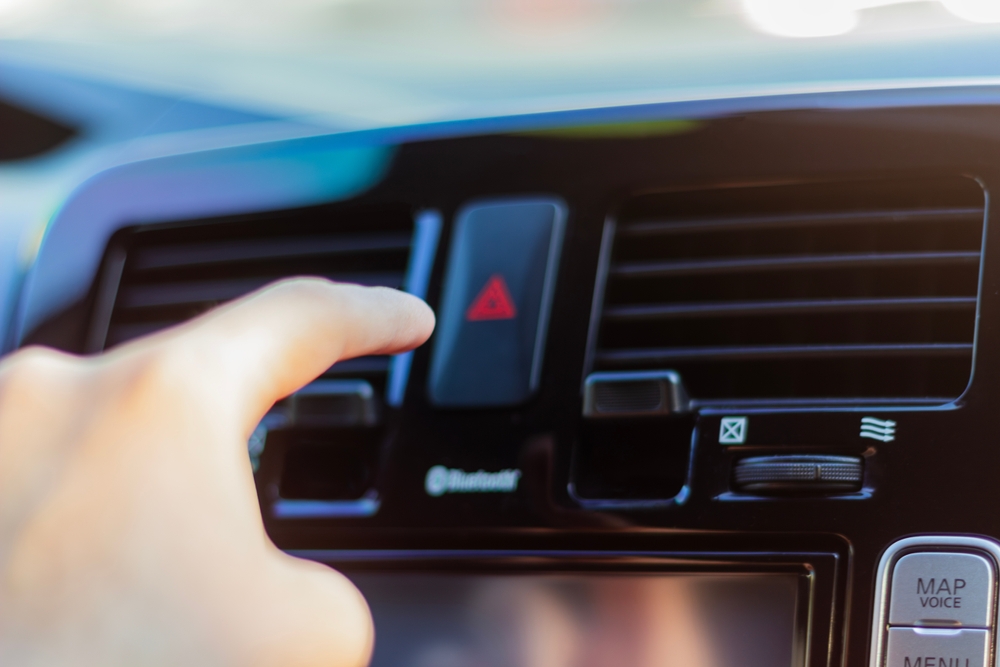
Hazard lights are for stopped or disabled vehicles, not normal driving. Using them while moving in snowstorms can confuse other drivers. Signals and brake lights become harder to read. Police may ticket for improper use if it affects safety. Some drivers think hazards improve visibility, which is incorrect. Low-beam headlights and fog lights are better options. Clear signaling supports predictable traffic flow. Understanding light use rules helps avoid confusion, collisions, and traffic violations.
Driving Without Winter Tires in Designated Areas
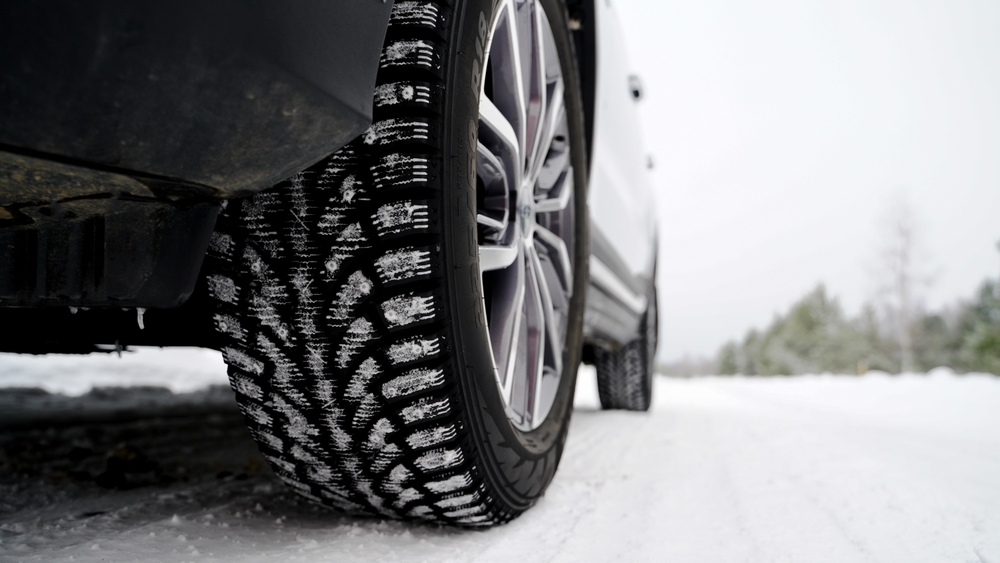
Certain areas mandate winter tires during colder months. Vehicles without approved tires can be fined. Winter tires carry a mountain snowflake symbol. Officers may enforce rules at checkpoints or after crashes. Improper tires increase stopping distance. Drivers sometimes rely on all-season tires, which may not meet standards. Checking regional rules before winter travel helps. Installing proper tires improves control. Compliance reduces ticket risk and improves overall road safety.
Failure to Reduce Speed Near Road Crews
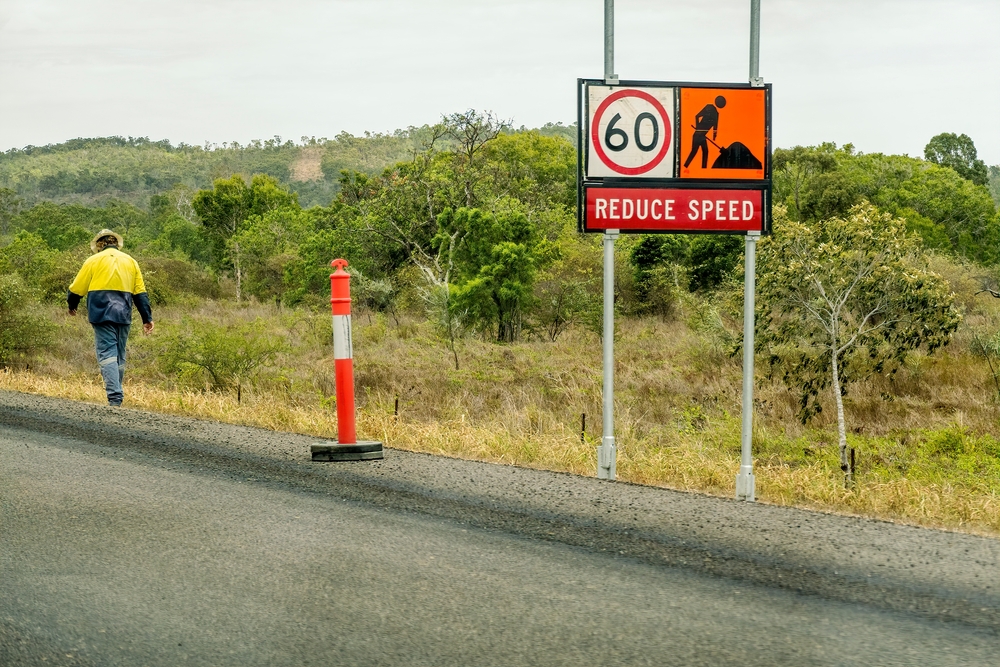
Road crews working in winter conditions face extra hazards. Drivers must slow down in marked zones. Failing to reduce speed can lead to heavy fines. Snow and ice increase the stopping distance near workers. Officers monitor these areas closely. Flashing lights signal active work zones. Many drivers ignore temporary speed signs. Slowing protects workers and equipment. Observing reduced limits helps avoid tickets and supports safer winter road maintenance operations.
Unsafe Lane Changes on Slippery Roads
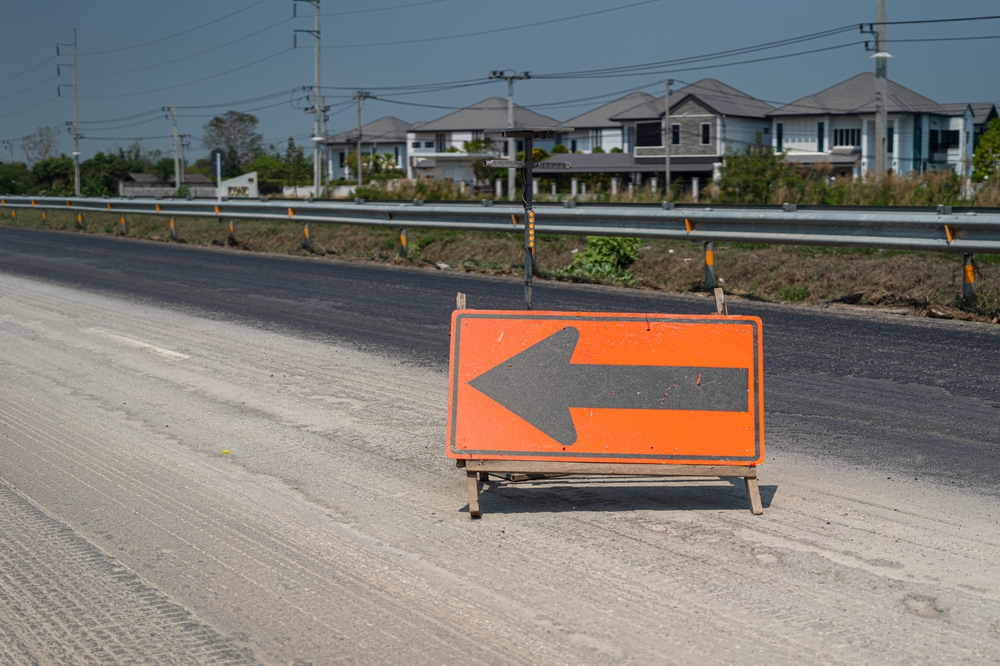
Lane changes become risky when roads are icy or covered in snow. Tires can lose traction quickly during sudden steering. Police may issue tickets if a lane change causes another driver to brake or swerve. Signaling alone does not make a maneuver safe. Drivers must judge space, speed, and road grip. Snow ridges between lanes can pull vehicles off course. Officers often cite drivers after winter collisions for unsafe lane movement. Gradual steering and larger gaps reduce risk. Slower speeds improve control. Careful lane changes help prevent crashes, fines, and insurance claims during winter driving conditions.
Not Clearing Ice From Headlights or Taillights
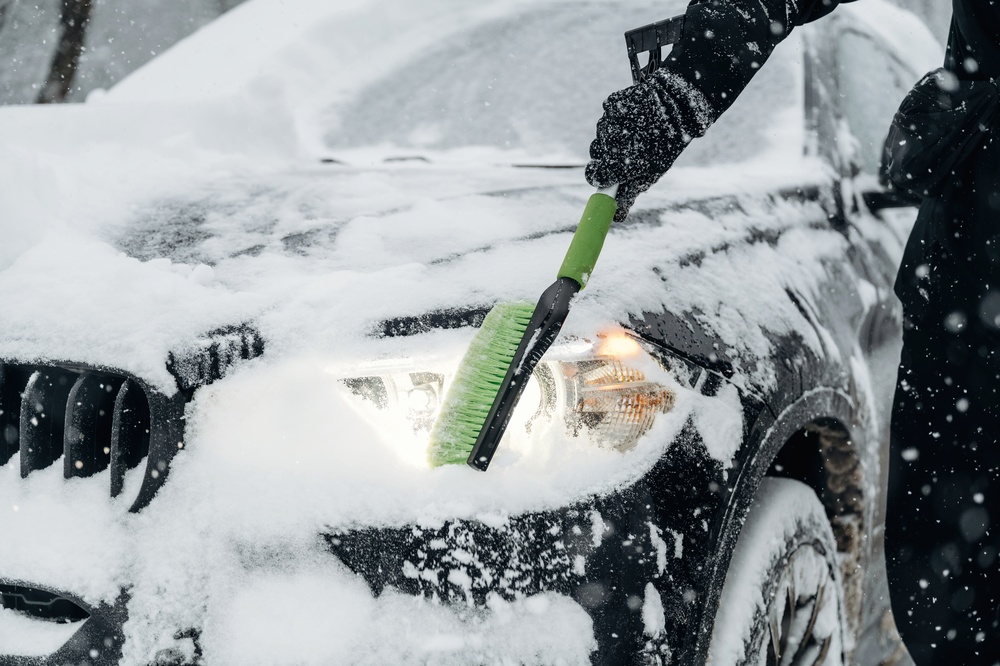
Headlights and taillights must remain visible at all times. Ice buildup can block light output and make vehicles hard to see. Police may stop drivers whose lights appear dim or covered. Reduced visibility increases crash risk during storms. Drivers sometimes clear windshields but forget lights. Snow spray from roads quickly coats rear lights. Officers consider this a safety issue, not cosmetic. Checking and wiping lights during fuel stops helps. Proper lighting ensures others can judge distance and braking. Keeping lights clear reduces ticket risk and supports safer winter travel.
Driving With Snow Covering Mirrors
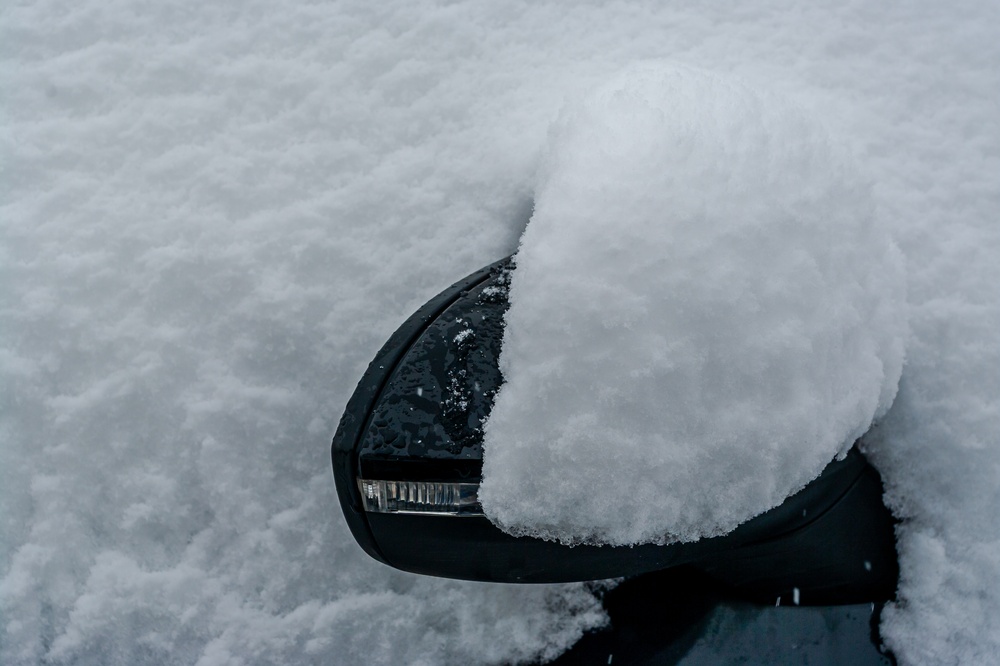
Side mirrors are essential for safe lane changes and awareness. Snow covering mirrors limits visibility and can lead to tickets. Police may stop drivers who cannot see properly behind or beside their vehicle. Frost and snow buildup happen quickly overnight. Clearing only the windshield is not enough. Mirrors must be fully usable before driving. Reduced side visibility increases collision risk on multi-lane roads. Officers treat obstructed mirrors as a safety violation. Brushing them clean takes little time. Clear mirrors support safe driving and help avoid winter traffic fines.
Blocking Intersections in Slippery Traffic
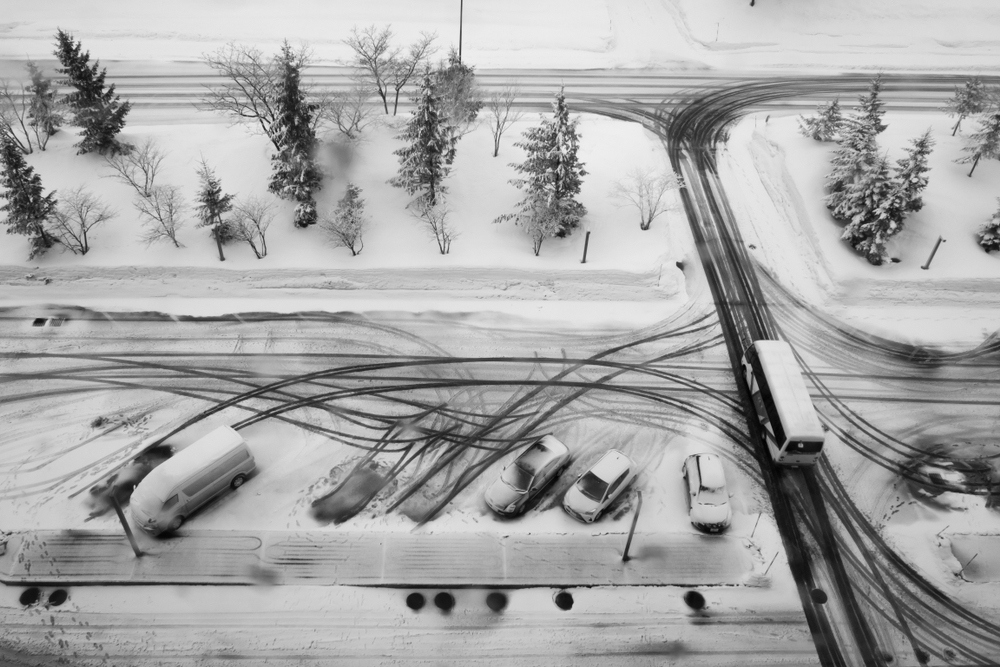
Drivers must not enter intersections unless they can fully clear them. In winter, traffic may stop suddenly due to ice or slow movement. Vehicles stuck in the middle block cross traffic and emergency routes. Police can issue tickets for entering when the exit space is not available. Slippery roads make stopping unpredictable. Drivers sometimes follow too closely and get trapped. Waiting for space beyond the intersection prevents problems. Officers focus on keeping traffic flowing safely. Avoiding blocked intersections reduces fines, collisions, and congestion during snowy conditions.
Sliding Through Stop Signs
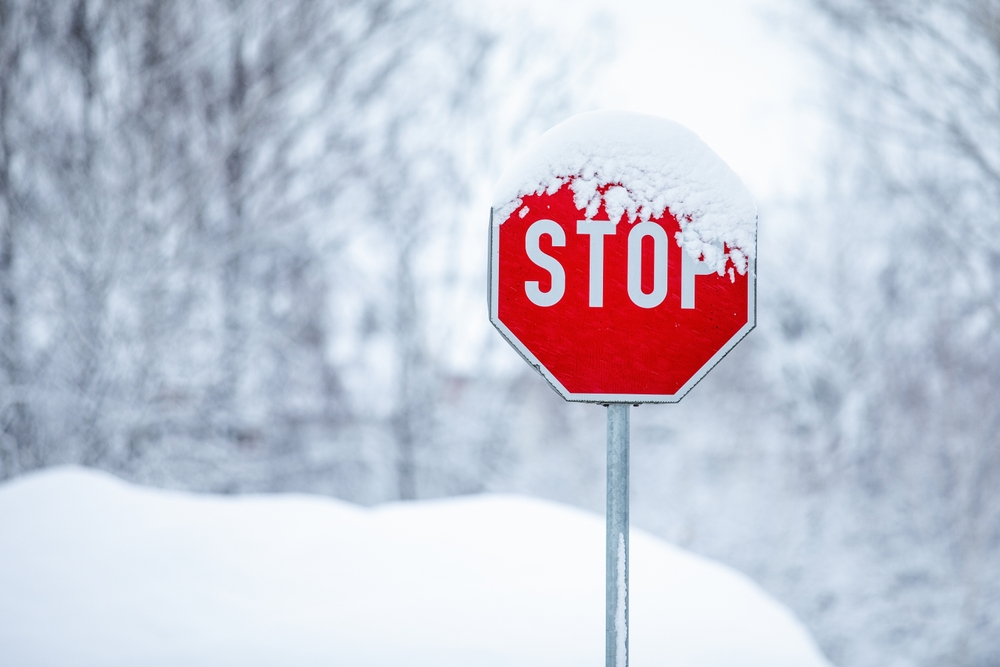
Failing to stop fully at a stop sign remains an offense, even on ice. Drivers may claim loss of traction, but officers expect slower approach speeds. Sliding past the line shows that the speed was not adjusted. Winter conditions require earlier braking and gentle control. Tickets often follow collisions at intersections. Police consider this preventable with cautious driving. Leaving extra stopping distance helps. Practicing smooth braking reduces skids. Full stops remain mandatory regardless of the weather. A careful approach helps drivers stay within the law and avoid fines or crashes.
Improper Use of High Beams in Snowfall
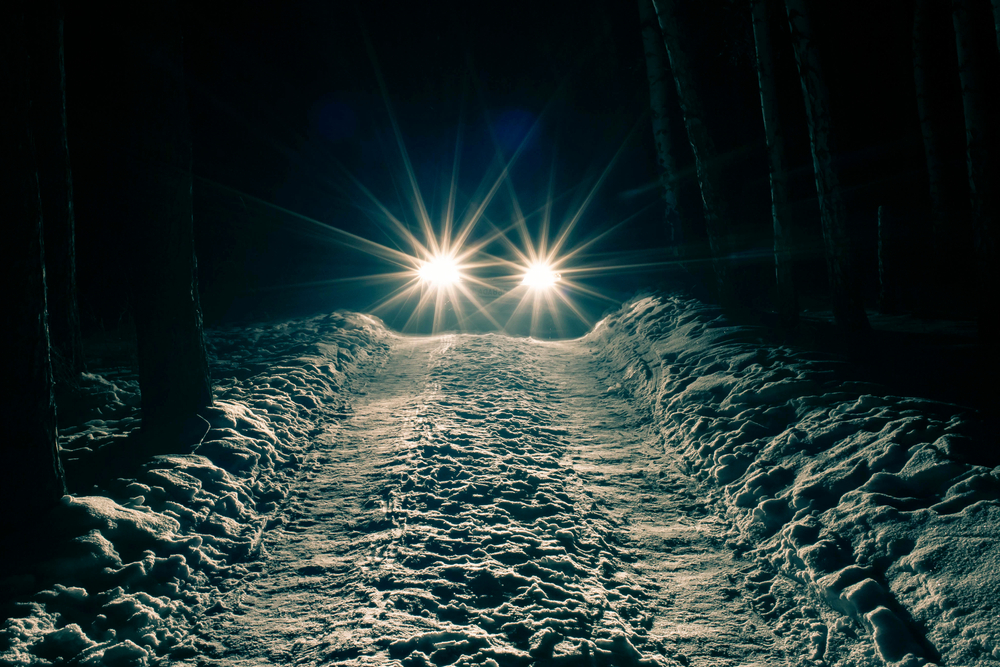
High beams can reduce visibility during snowfall by reflecting light. This glare makes it harder to see road edges. Police may ticket drivers who blind others with improper lighting. Low beams work better in snow and fog. Many drivers assume brighter lights improve vision. Officers focus on whether light use creates danger. Turning off high beams when traffic approaches is required. Understanding proper lighting improves safety. Correct beam use prevents glare, collisions, and potential traffic violations in winter storms.
Idling in Restricted Areas
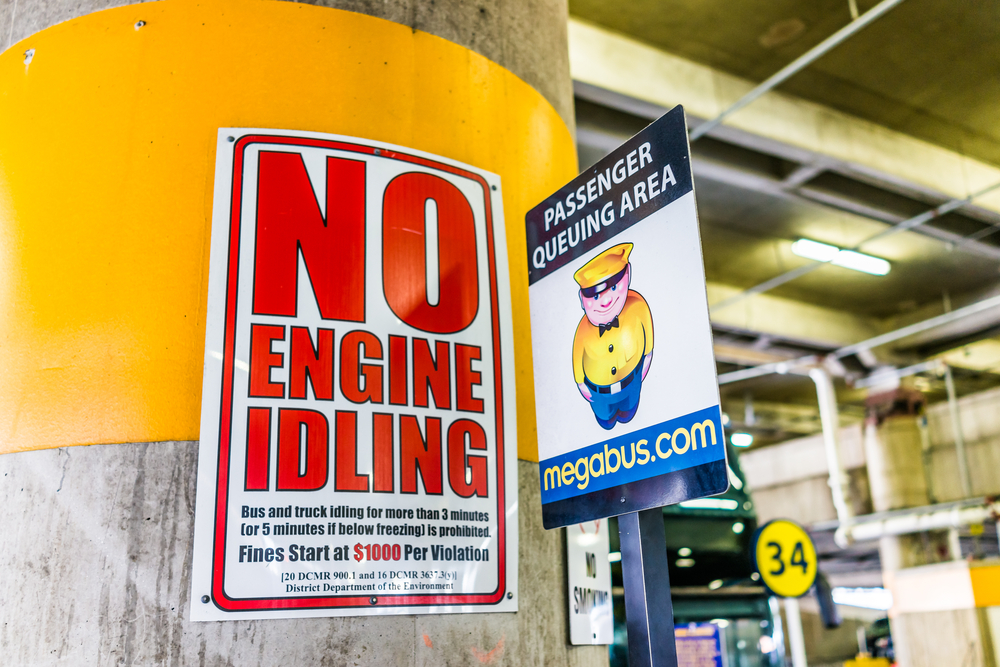
Many Canadian cities have anti-idling bylaws that apply year-round, including winter. Drivers sometimes leave vehicles running to warm interiors or defrost windows. Time limits often range from one to five minutes, with exceptions for extreme cold. Parking officers can issue tickets if vehicles idle beyond posted limits. Schools, hospitals, and downtown cores see frequent enforcement. Excess idling contributes to emissions and noise. Drivers may think winter conditions excuse longer warm-up times, which is not always true. Using block heaters and remote starters with timers helps. Checking local bylaws prevents fines and supports cleaner winter air.
Not Carrying Required Chains in Certain Regions
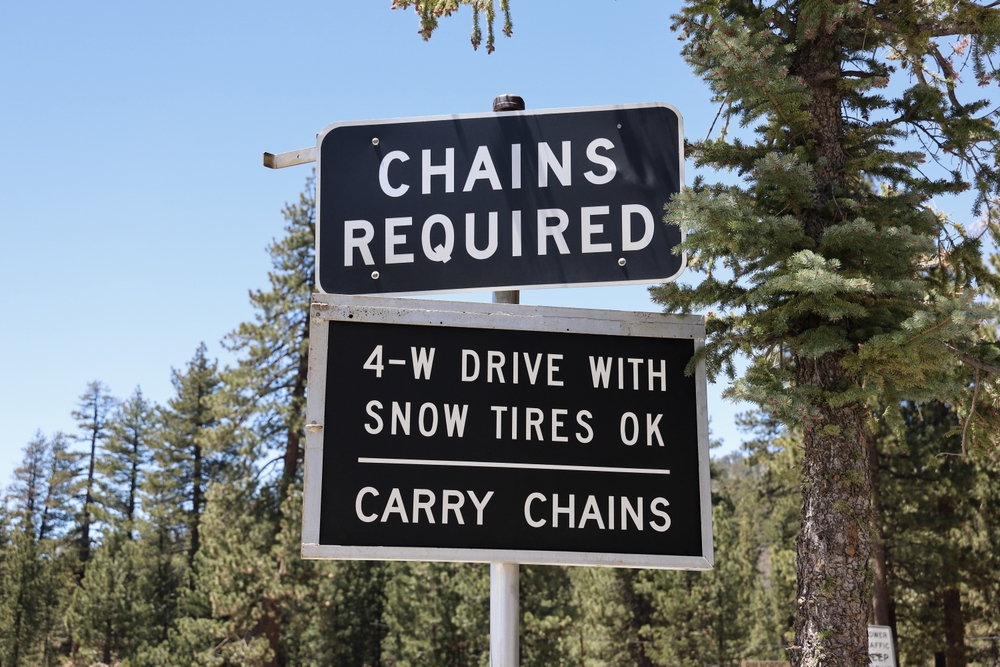
Some mountain highways require vehicles to carry tire chains during winter. Signs posted along routes indicate when rules apply. Drivers without chains may be fined or turned back. Commercial vehicles face strict checks, but passenger vehicles can also be stopped. Conditions can change quickly at higher elevations. Officers and highway patrols monitor compliance during storms. Many drivers assume winter tires alone are enough. Chains provide extra traction on steep or icy grades. Carrying proper equipment helps avoid penalties and reduces the risk of becoming stranded in severe winter road conditions.
Parking in Snow Removal Zones
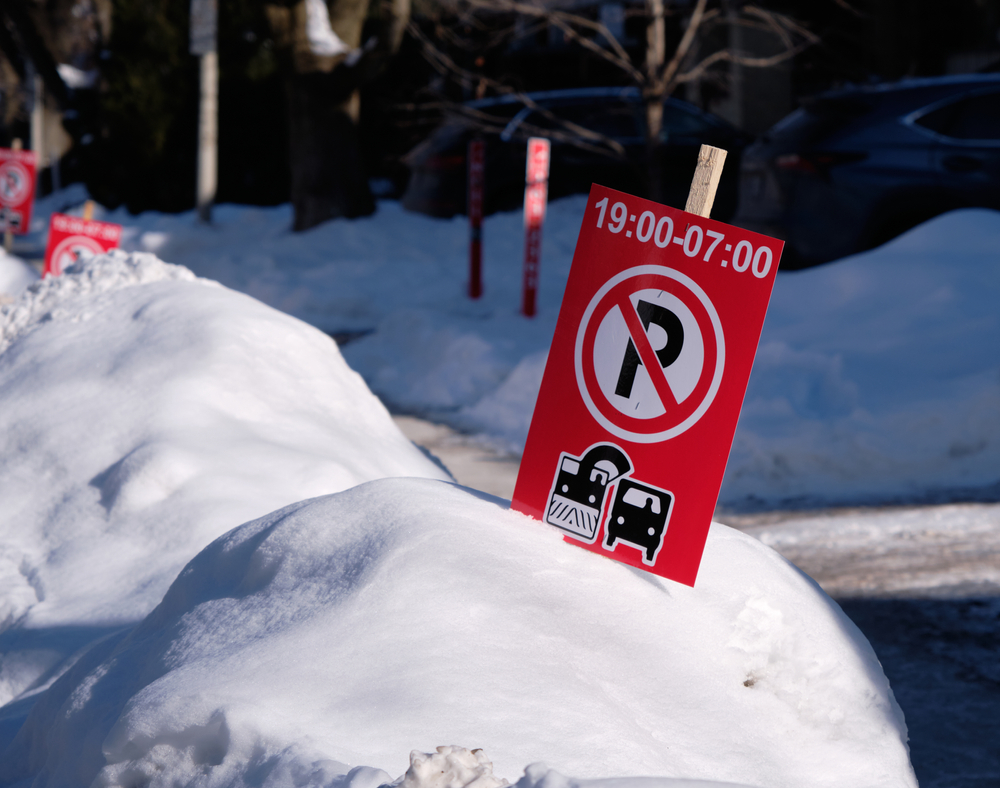
Snow removal zones are marked to keep streets clear for plows. Parking in these areas during posted times can lead to tickets or towing. Drivers sometimes miss temporary signs after storms. Vehicles left in restricted areas slow plowing operations. Cities enforce rules to maintain emergency access and traffic flow. Fines may increase during declared snow events. Towing fees add extra cost and inconvenience. Checking municipal alerts helps drivers know when restrictions apply. Moving vehicles promptly prevents penalties and supports efficient winter road clearing for all road users.
Passing a Stopped School Bus in Snow
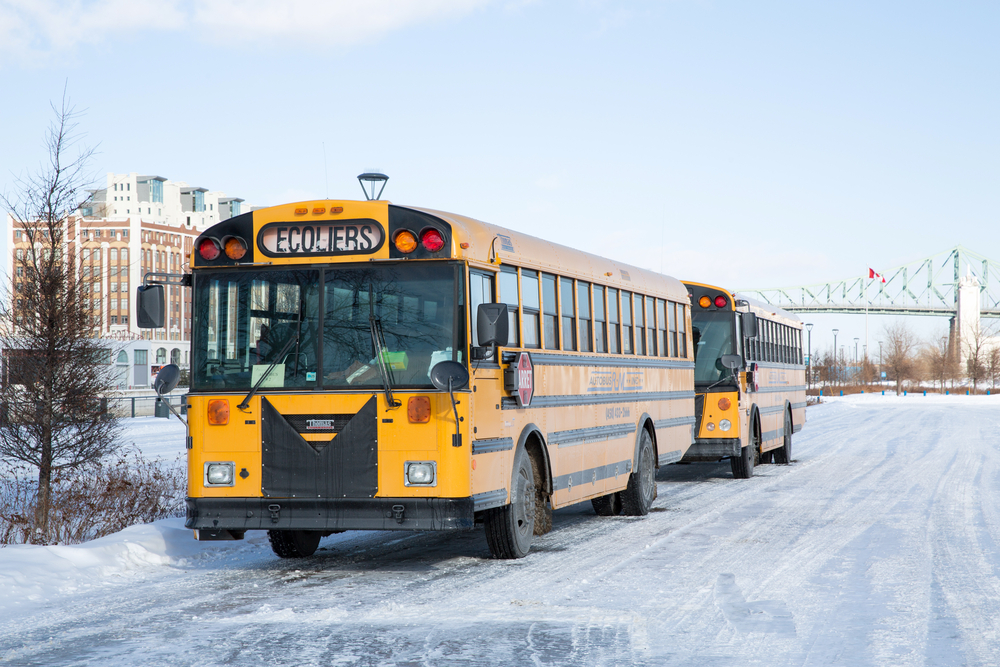
School bus stop rules apply regardless of winter conditions. Drivers must stop when red lights flash and stop arms extend. Snow or reduced visibility does not excuse violations. Passing a stopped bus is treated as a serious offense. Children may cross roads unexpectedly in winter gear. Fines, demerit points, and license suspensions can follow. Police monitor school zones closely. Drivers sometimes misjudge distance on slippery roads. Slowing early and maintaining space helps. Observing bus signals protects children and prevents severe penalties.
Using Phone While Wearing Gloves
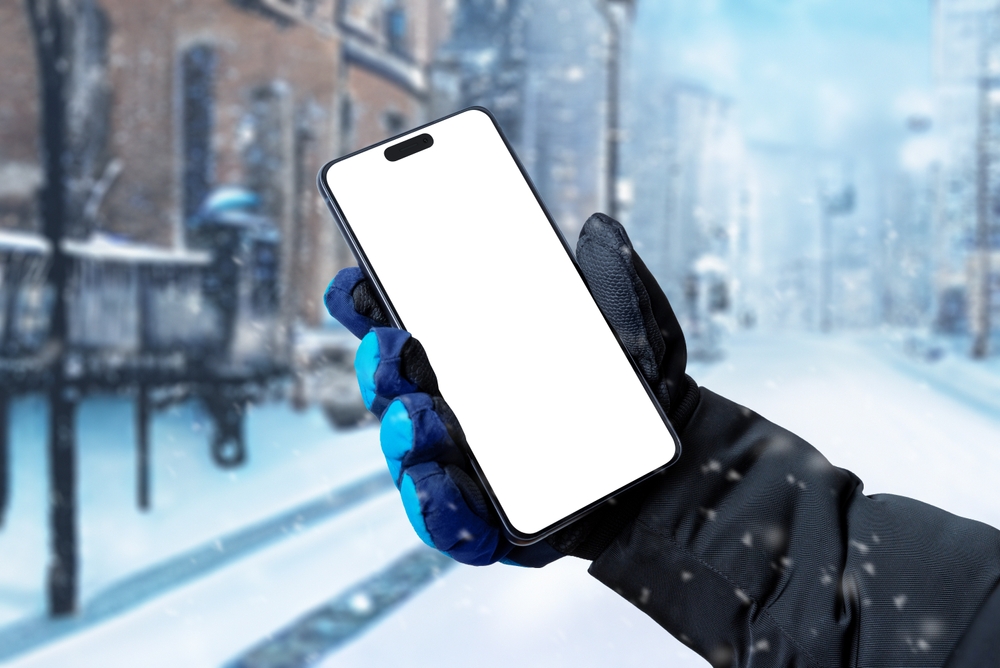
Using a phone while driving is illegal, even with winter gloves. Hands-free laws still apply in cold weather. Drivers sometimes think gloves make handling safer, which is incorrect. Officers focus on distraction, not clothing. Texting, calling, or scrolling can lead to fines and points. Slippery roads require full attention. Police may notice drivers looking down at devices. Voice controls and mounted systems are safer alternatives. Avoiding phone use supports safe winter driving and prevents distracted driving tickets.
Driving With Worn Windshield Wipers
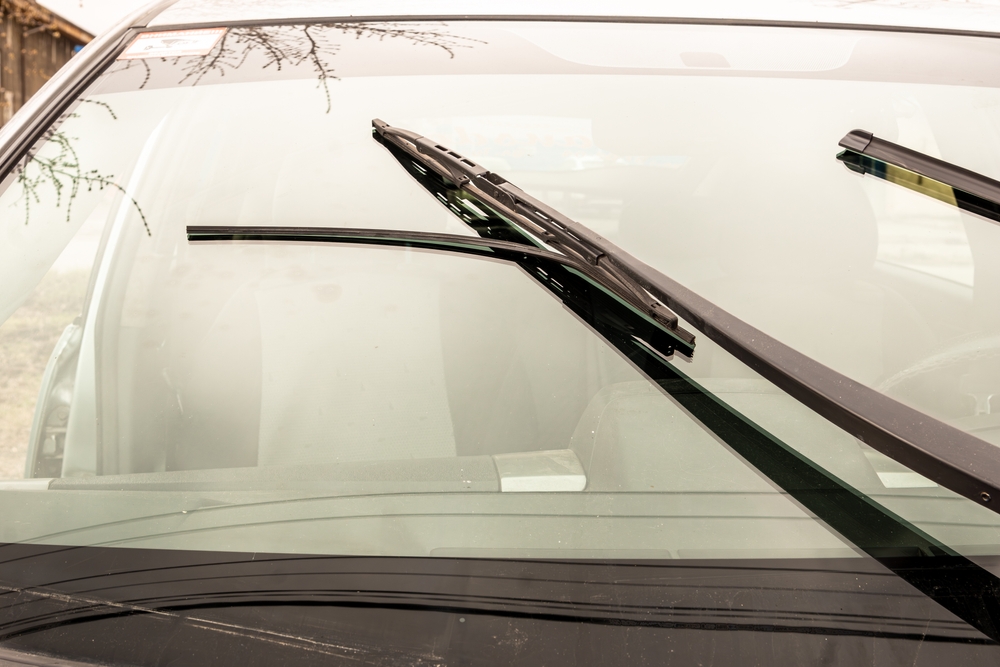
Worn wipers reduce visibility during snow and slush conditions. Streaking or skipping blades can obstruct the driver’s view. Police may issue tickets if visibility is unsafe. Clear sightlines are a legal requirement. Drivers sometimes delay replacing wipers after summer. Winter grime and salt worsen performance. Proper washer fluid also matters. Checking wiper condition before storms helps. Good visibility reduces collision risk. Maintaining wipers prevents fines and supports safer driving during heavy winter precipitation.
Overloaded Roof Racks With Snow
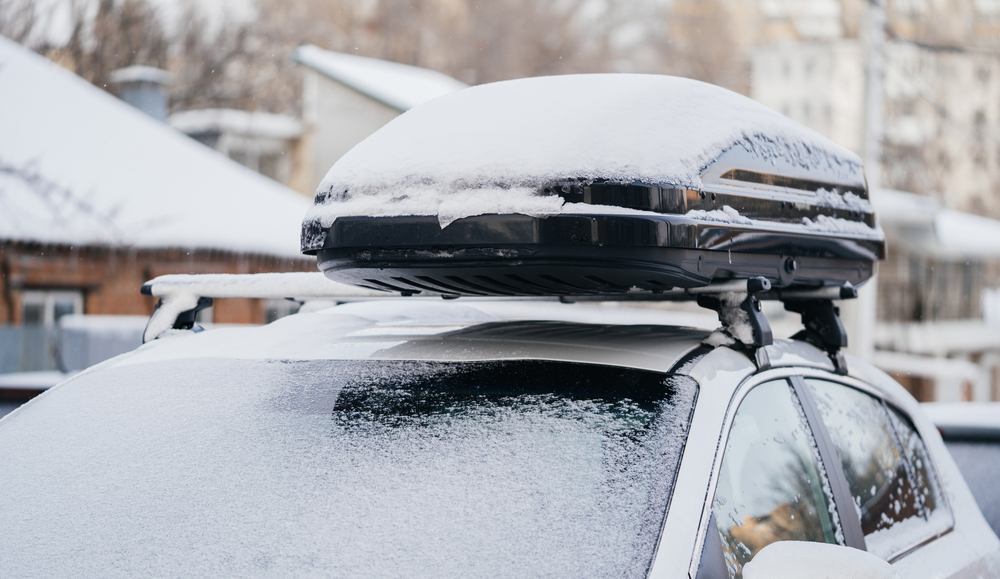
Snow piled on the roof racks can shift or fall while driving. This creates hazards for vehicles behind. Police may fine drivers for unsecured loads. Even soft snow can slide during braking. Ice buildup adds weight and risk. Drivers sometimes ignore roof cargo after storms. Clearing snow and securing items properly is required. Officers treat falling debris seriously. Safe load management prevents collisions and penalties. Regular checks during winter travel help keep roads safer.
Ignoring Black Ice Warning Signs
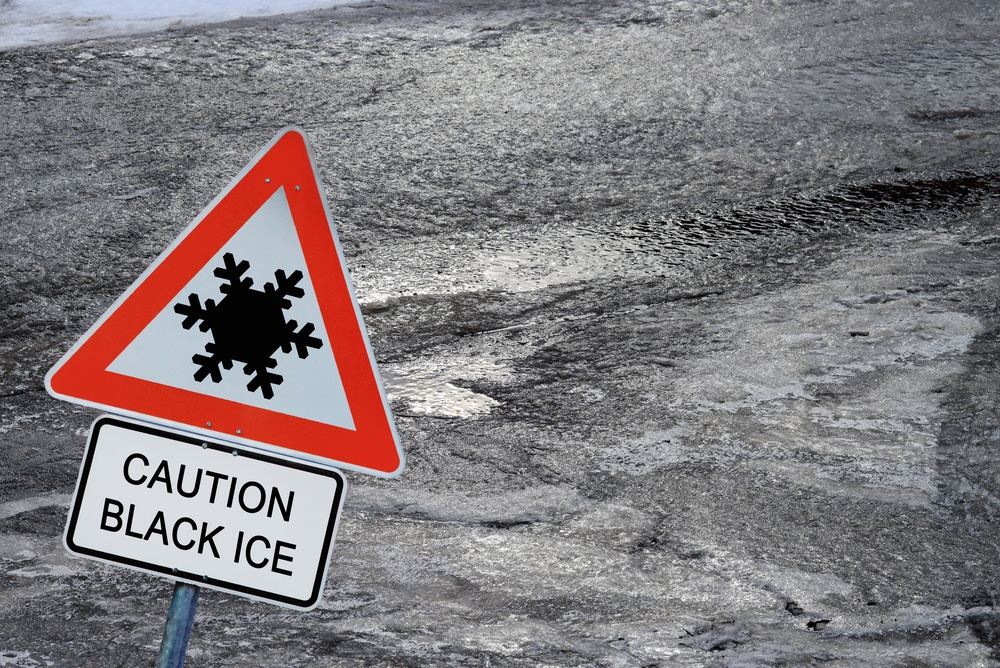
Black ice warning signs indicate the presence of invisible ice ahead. Drivers who ignore them may be cited after crashes. Officers expect reduced speed in marked areas. Black ice forms on bridges, shaded roads, and near water. Conditions may look clear while traction is poor. Many drivers maintain normal speeds until skidding occurs. Slowing early and avoiding sudden braking helps. Police assess whether the speed was safe for the conditions. Heeding warning signs reduces crash risk and helps avoid winter driving violations.
22 Groceries to Grab Now—Before another Price Shock Hits Canada

Food prices in Canada have been steadily climbing, and another spike could make your grocery bill feel like a mortgage payment. According to Statistics Canada, food inflation remains about 3.7% higher than last year, with essentials like bread, dairy, and fresh produce leading the surge. Some items are expected to rise even further due to transportation costs, droughts, and import tariffs. Here are 22 groceries to grab now before another price shock hits Canada.
22 Groceries to Grab Now—Before another Price Shock Hits Canada
