Grocery prices in Canada continue to fluctuate, making value shopping more important. Many everyday items now cost more than shoppers expect. Convenience foods often carry higher markups than basic ingredients. Packaging, branding, and preparation all affect the final price. Small portion products can drain budgets without adding much benefit. Some foods also spoil faster, leading to waste at home. Here are 27 Grocery Items Canadians Say Are the Worst Value in 2026.
Packaged Salad Kits
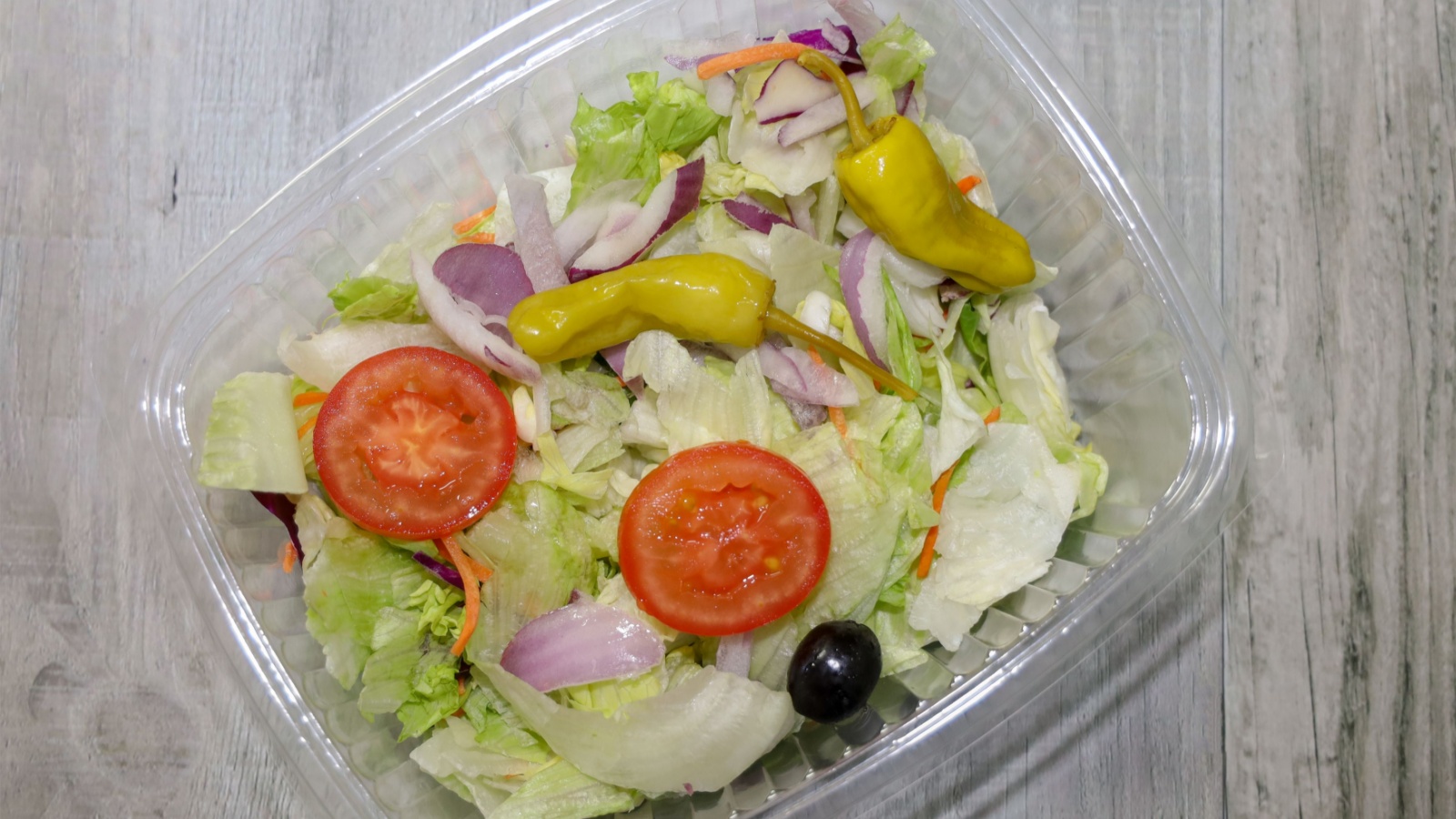
Packaged salad kits look convenient, but often cost far more per gram. You pay for chopping, mixing, and small dressing packets. In Canada, fresh whole lettuce usually costs much less. Kits also spoil quickly once opened. Wilted greens lead to wasted food and money. Portions may look large, but they shrink after removing damaged leaves. Extra toppings like croutons add little nutritional value. Plastic packaging also increases environmental waste. Buying whole vegetables and preparing them at home saves money. Simple homemade dressings use basic pantry ingredients. Spending a few minutes prepping can stretch your grocery budget further each week.
Pre-Cut Fruit Containers
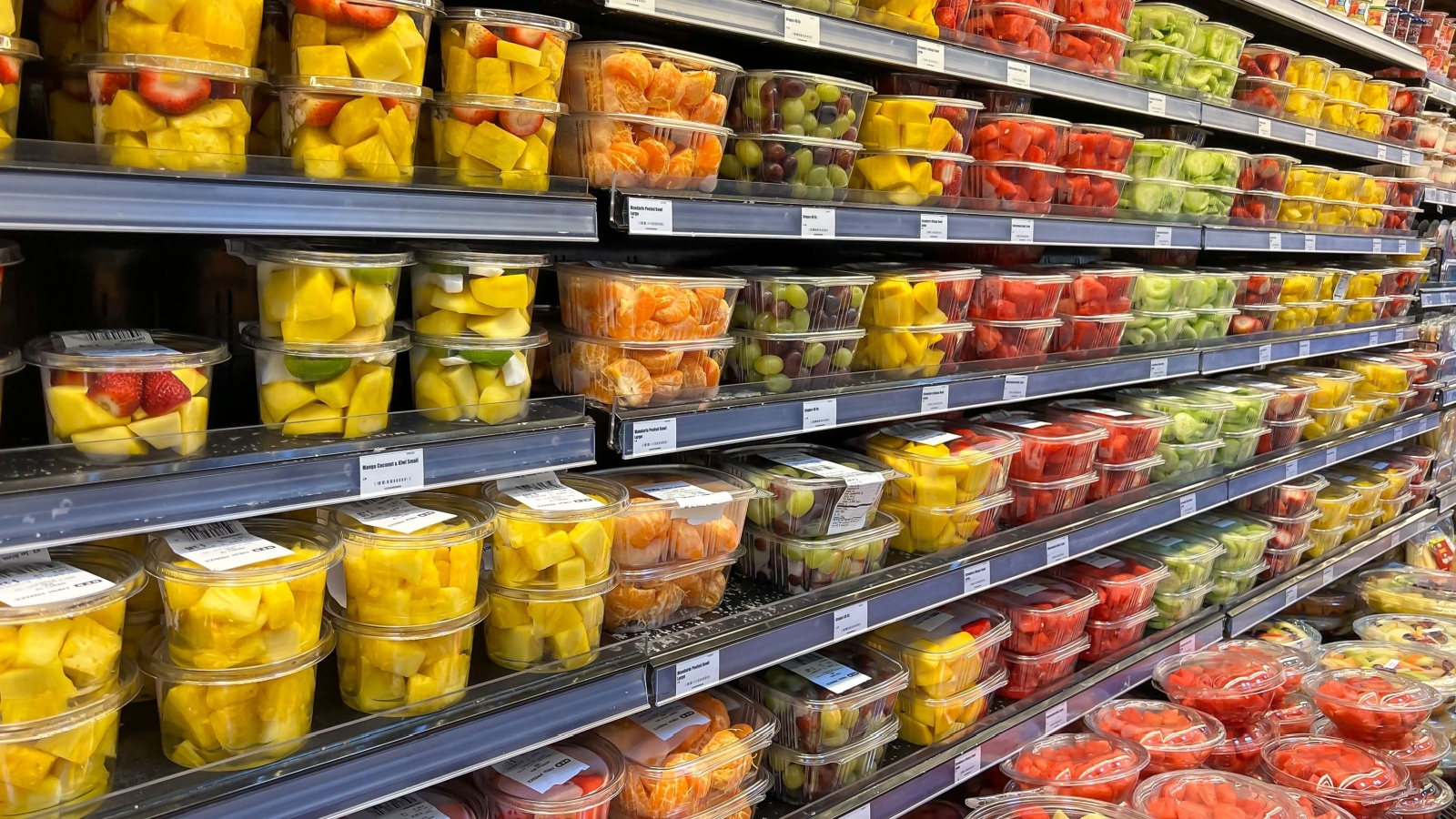
Pre-cut fruit containers carry a heavy price markup in Canadian stores. Cutting fruit at home costs much less per serving. These containers often include excess packaging and handling costs. Fruit begins losing freshness soon after cutting. Moisture buildup can speed up spoilage inside sealed boxes. Portions may appear large but contain lightweight fruit pieces. You also lose control over ripeness and quality. Bruised or underripe chunks sometimes end up inside. Whole fruits last longer in the fridge. Washing and slicing at home takes little time. Choosing whole produce reduces waste while lowering weekly grocery expenses.
Single-Serve Yogurt Cups

Single-serve yogurt cups cost more than larger tubs. You pay extra for packaging and portion control. In Canada, family-sized containers usually offer better value per gram. Individual cups also create more plastic waste. Flavoured versions often contain added sugar. Plain yogurt in larger tubs allows flexible serving sizes. You can add fruit, honey, or oats at home. This approach keeps costs and ingredients under control. Multipacks may seem cheaper, but they still exceed bulk pricing. Smaller portions also limit use in cooking or smoothies. Buying one large container often stretches further across meals and snacks.
Bottled Smoothies
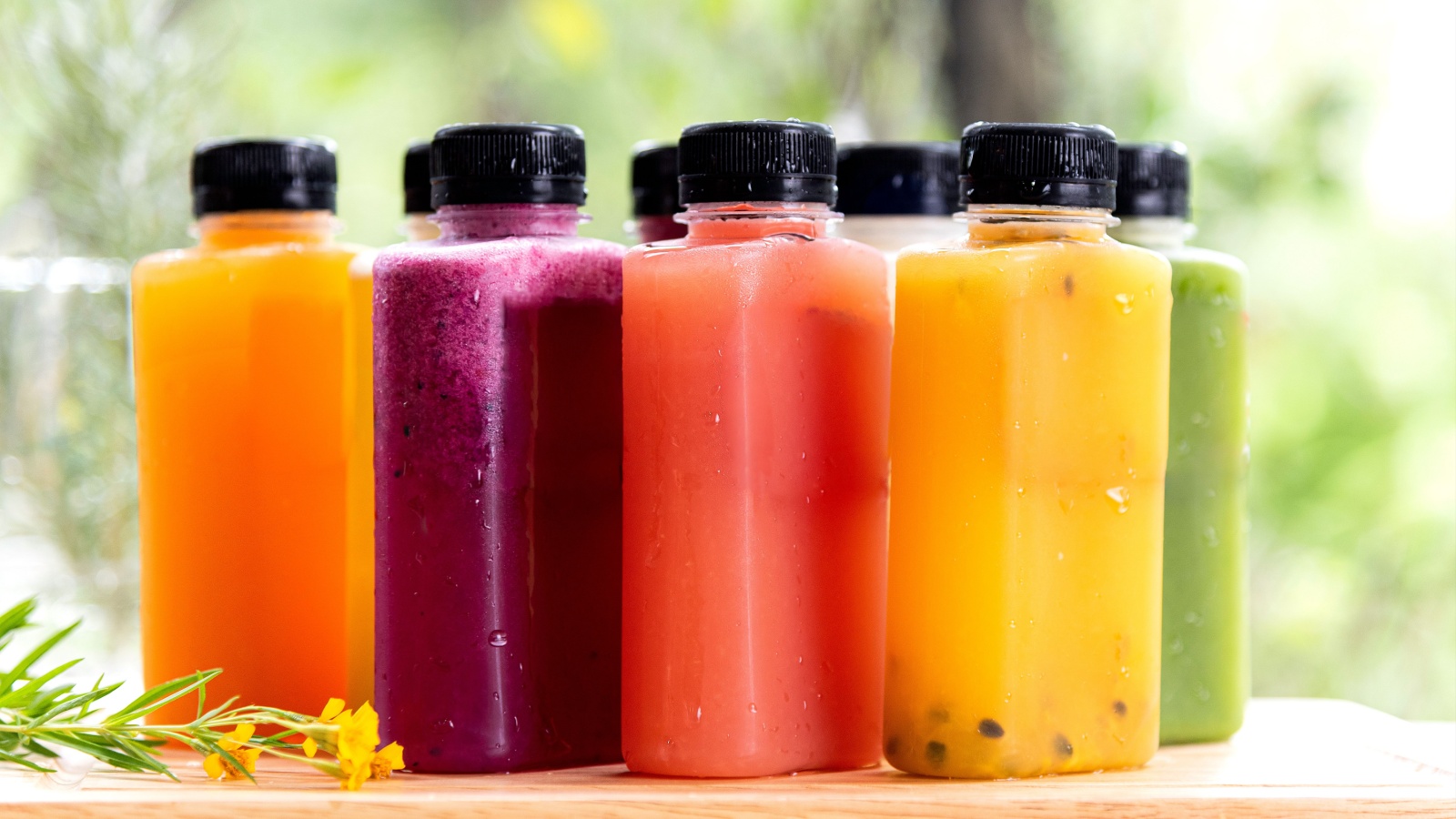
Bottled smoothies seem healthy, but often cost several dollars each. Making smoothies at home lowers the cost per serving. Many bottled options include fruit concentrates or added sugars. Portion sizes may not keep you full for long. Cold storage and branding increase the retail price. Fresh fruits, frozen berries, and yogurt cost less when blended at home. You also control ingredients and sweetness levels. Store bottles create more packaging waste. Nutritional value can drop during processing and storage. A home blender handles most recipes quickly. Preparing smoothies yourself supports better value and ingredient control.
Name Brand Breakfast Cereal
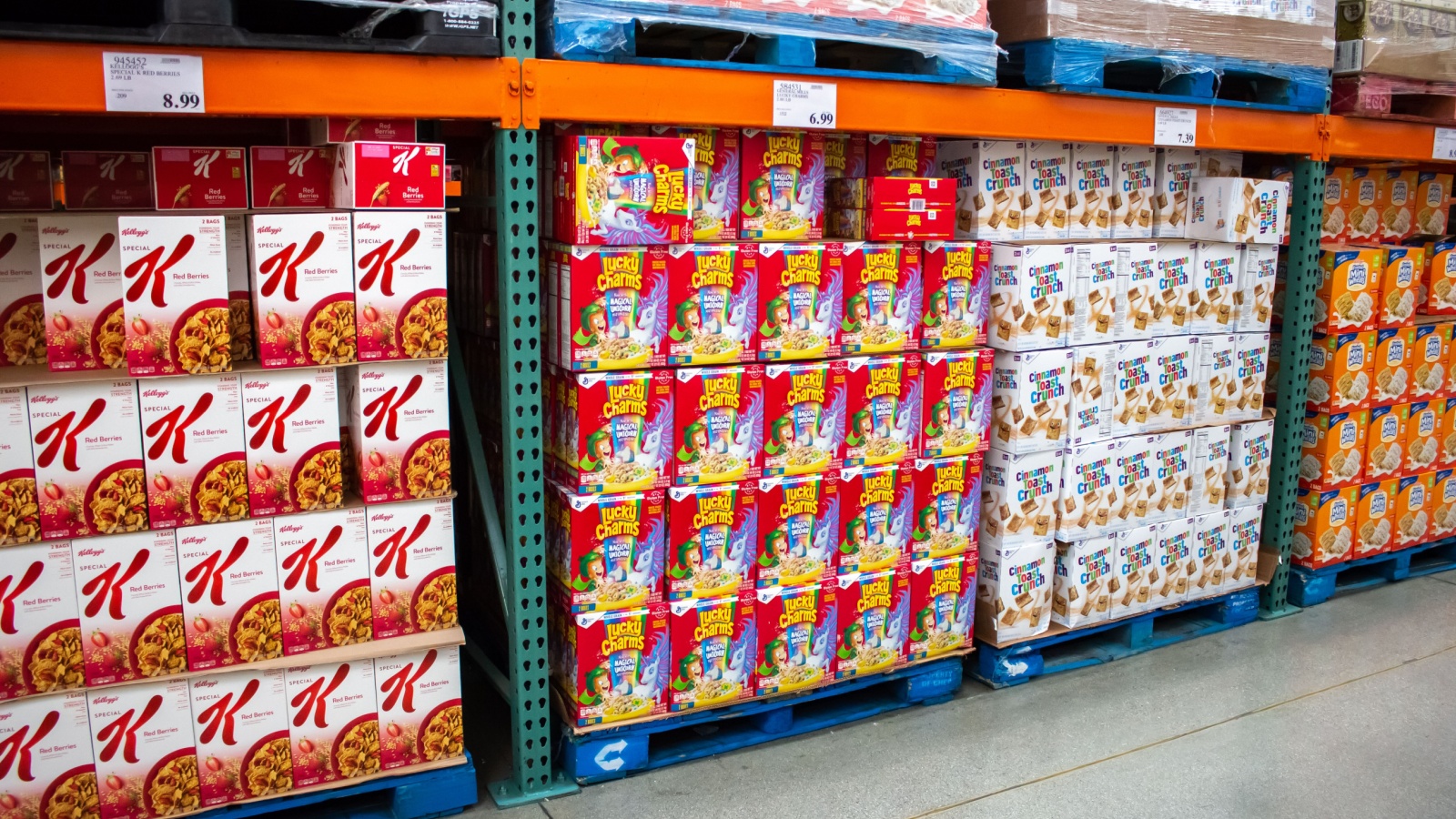
Name brand breakfast cereal often carries higher prices than store brands. Bright packaging and marketing raise shelf costs. In Canada, generic cereals usually offer similar ingredients. Sugar content can be high in many popular brands. Serving sizes may be smaller than expected. Large boxes can look economical, but contain air space. Store brands frequently provide better cost per gram. Oats, eggs, or toast can be cheaper breakfast options. Cereal also runs out quickly in busy households. Comparing unit prices on shelves helps spot value. Choosing simpler breakfast foods can lower grocery spending over time.
Pre-Marinated Meats
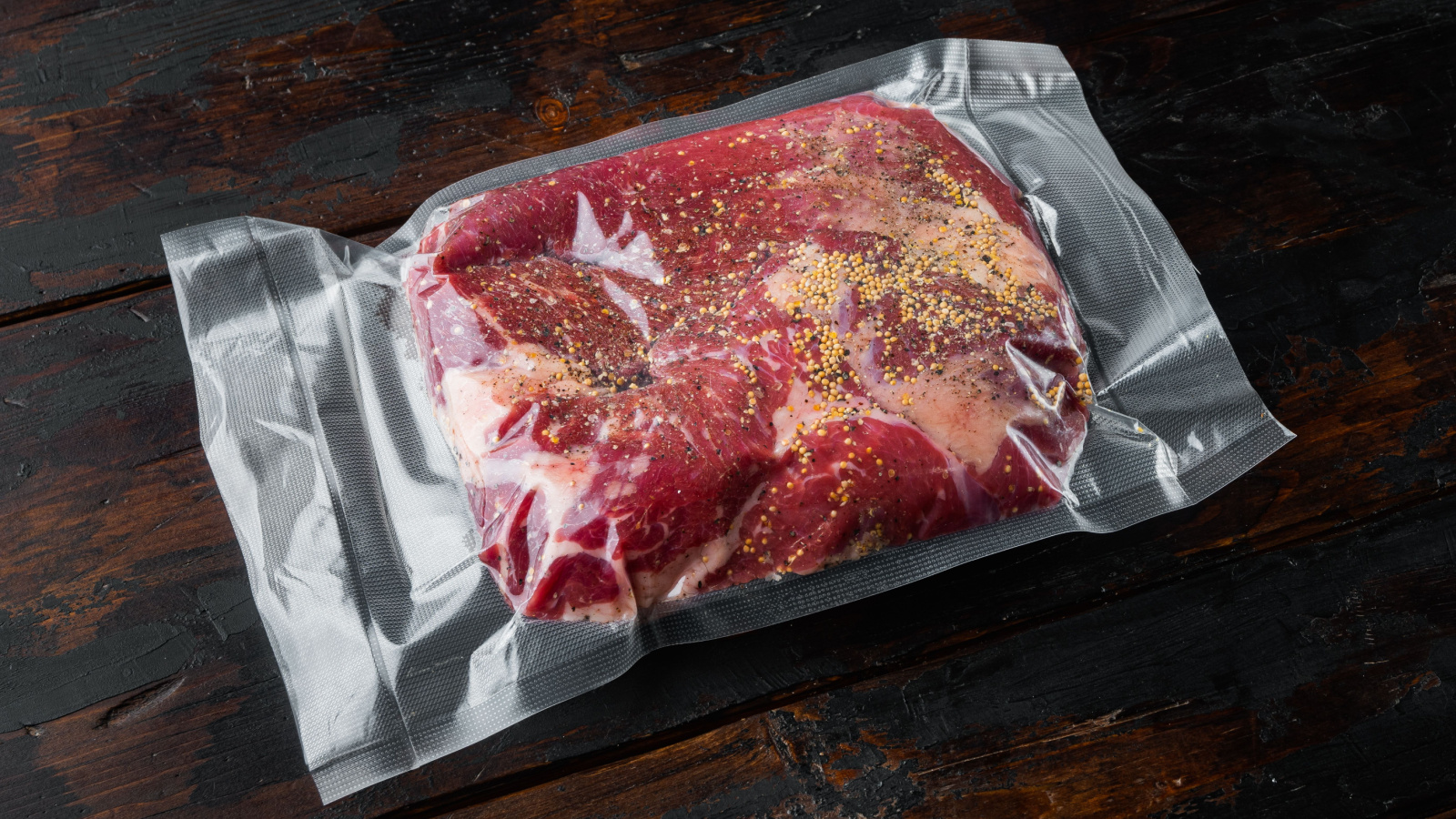
Pre-marinated meats often cost more than plain cuts. You pay extra for seasoning and packaging. In Canada, basic spices and oils cost very little. Store marinades can hide lower-quality cuts. Added sodium and preservatives may also be higher. Portion weights sometimes include excess sauce. This reduces the actual meat value you receive. Marinating at home takes little effort and saves money. Simple ingredients like garlic, salt, and herbs work well. You also control flavour strength and freshness. Buying plain meat and preparing it yourself improves value. It keeps grocery costs more predictable each week.
Flavoured Instant Oatmeal Packs
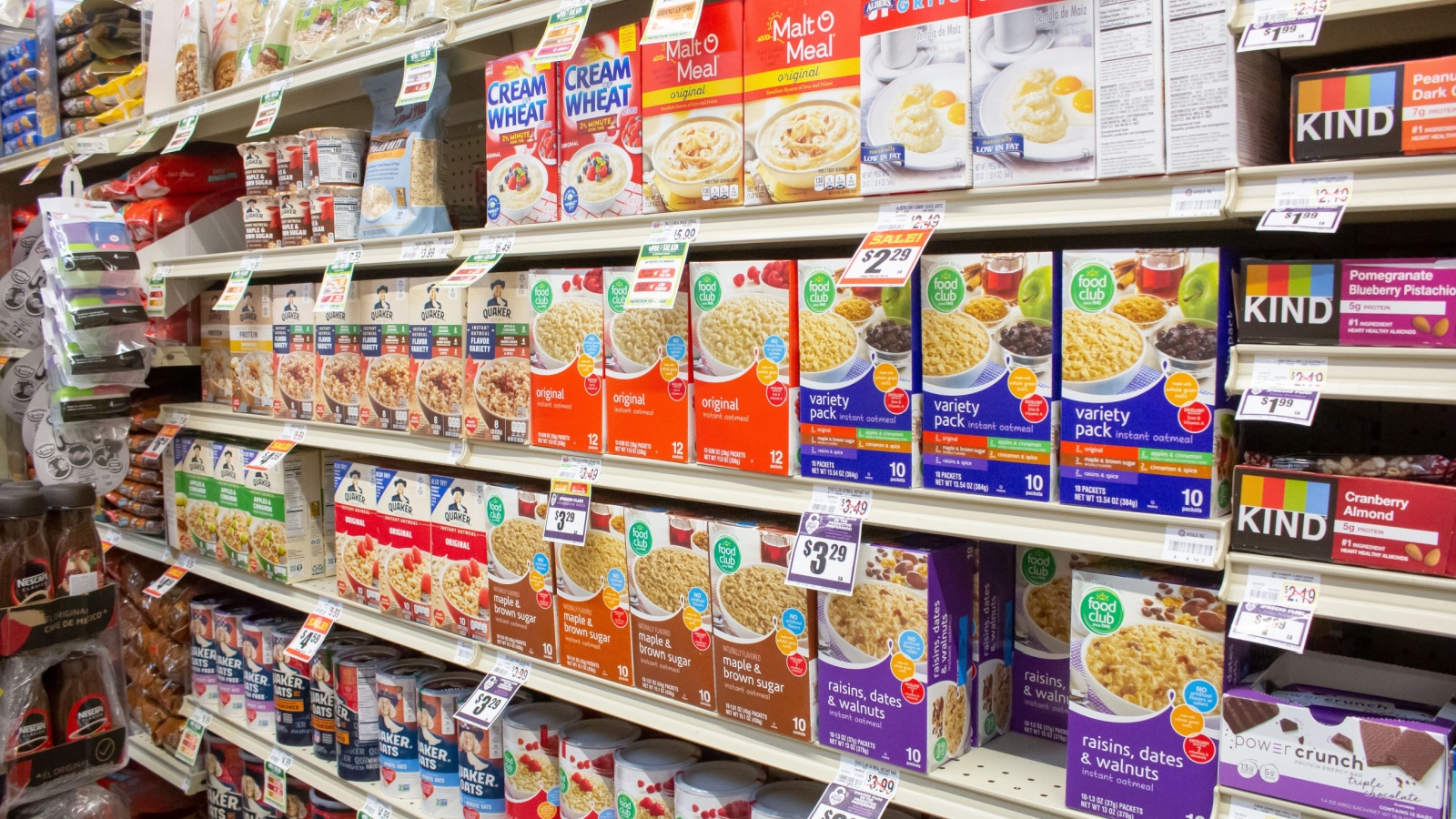
Flavoured instant oatmeal packs cost more than plain rolled oats. You pay for small packets and added flavouring. Sugar levels in flavoured versions can be high. Plain oats offer more servings for the same price. Preparing oats at home takes only a few minutes. You can add fruit, nuts, or milk easily. Portion sizes in packets are often small. Packaging waste also adds to environmental impact. Bulk oats store well and last longer. Homemade toppings give better control over nutrition. Choosing plain oats helps stretch your breakfast budget. It also reduces unnecessary added ingredients.
Shredded Cheese Bags
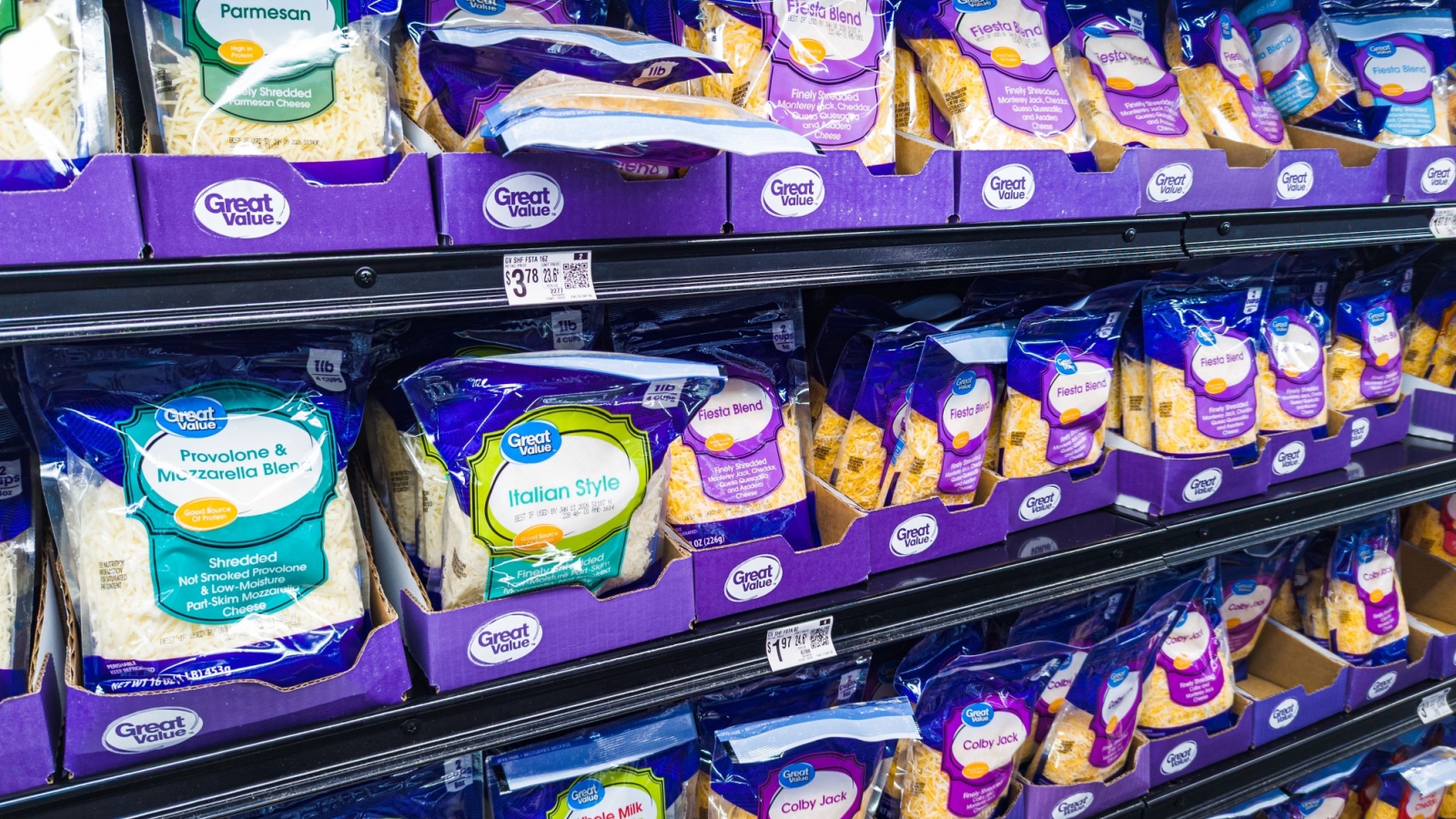
Shredded cheese bags cost more than block cheese. You pay for processing and anti-clumping agents. These additives help prevent sticking but add no nutrition. Block cheese usually offers a lower cost per gram. Shredded versions can dry out faster once opened. Pre-shredded cheese may also melt differently in cooking. Grating cheese at home takes little time. A simple grater handles most needs quickly. Blocks stay fresher longer in the fridge. Larger blocks often provide better overall value. Choosing block cheese reduces cost and packaging waste. It also gives more control over portion size.
Individual Snack Packs
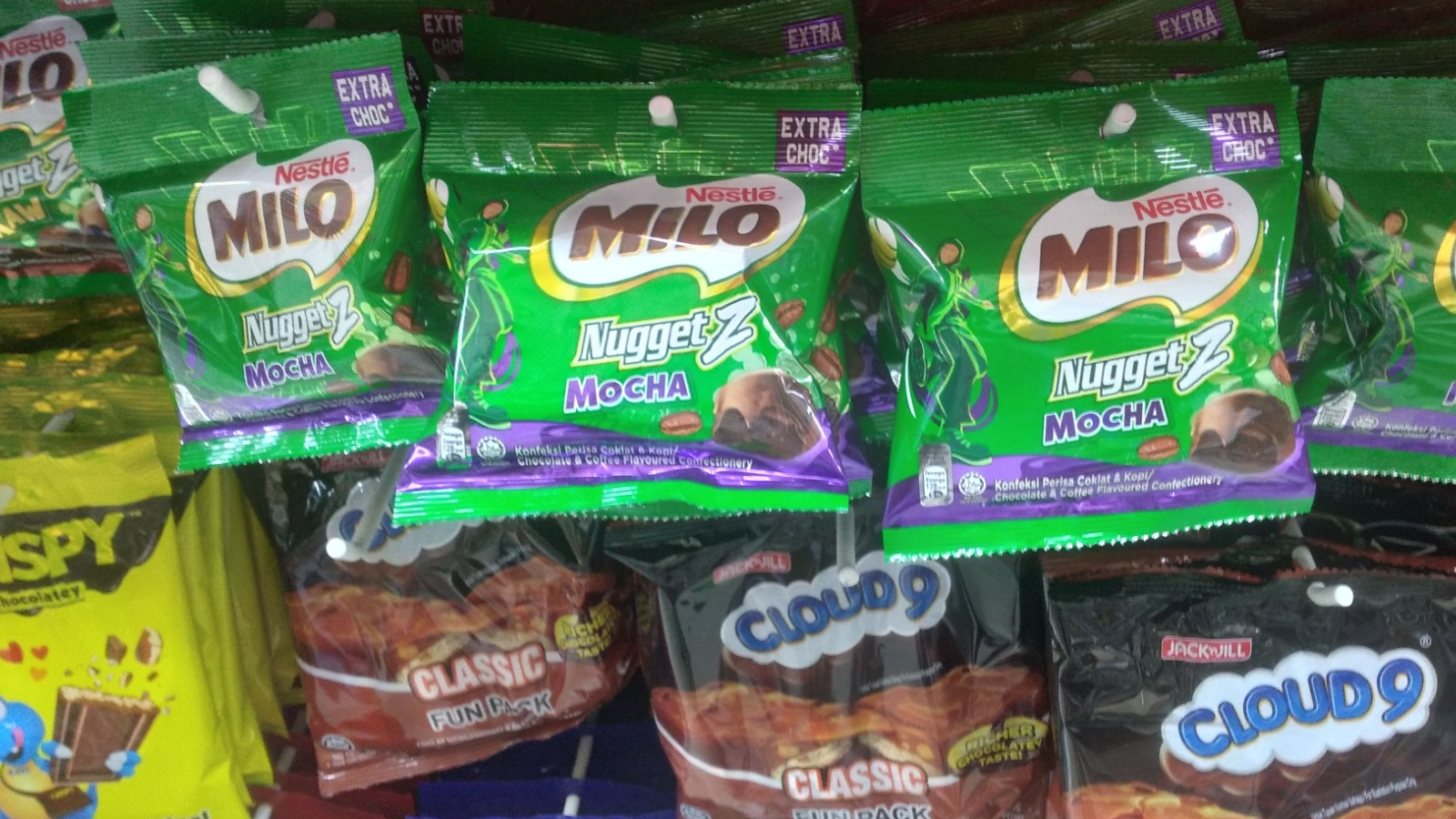
Individual snack packs look convenient, but raise costs. Small portions mean more packaging per serving. In Canada, buying larger bags costs less per gram. Single packs often include processed foods with added salt. Portion control can help, but price differences remain large. Families go through snack packs quickly. Bulk purchases allow dividing snacks into containers at home. Reusable containers also reduce plastic waste. Variety packs may appear like deals, but still cost more. Comparing unit prices shows the difference clearly. Preparing snacks at home supports better value. It also allows choosing simpler ingredients.
Bottled Iced Coffee Drinks
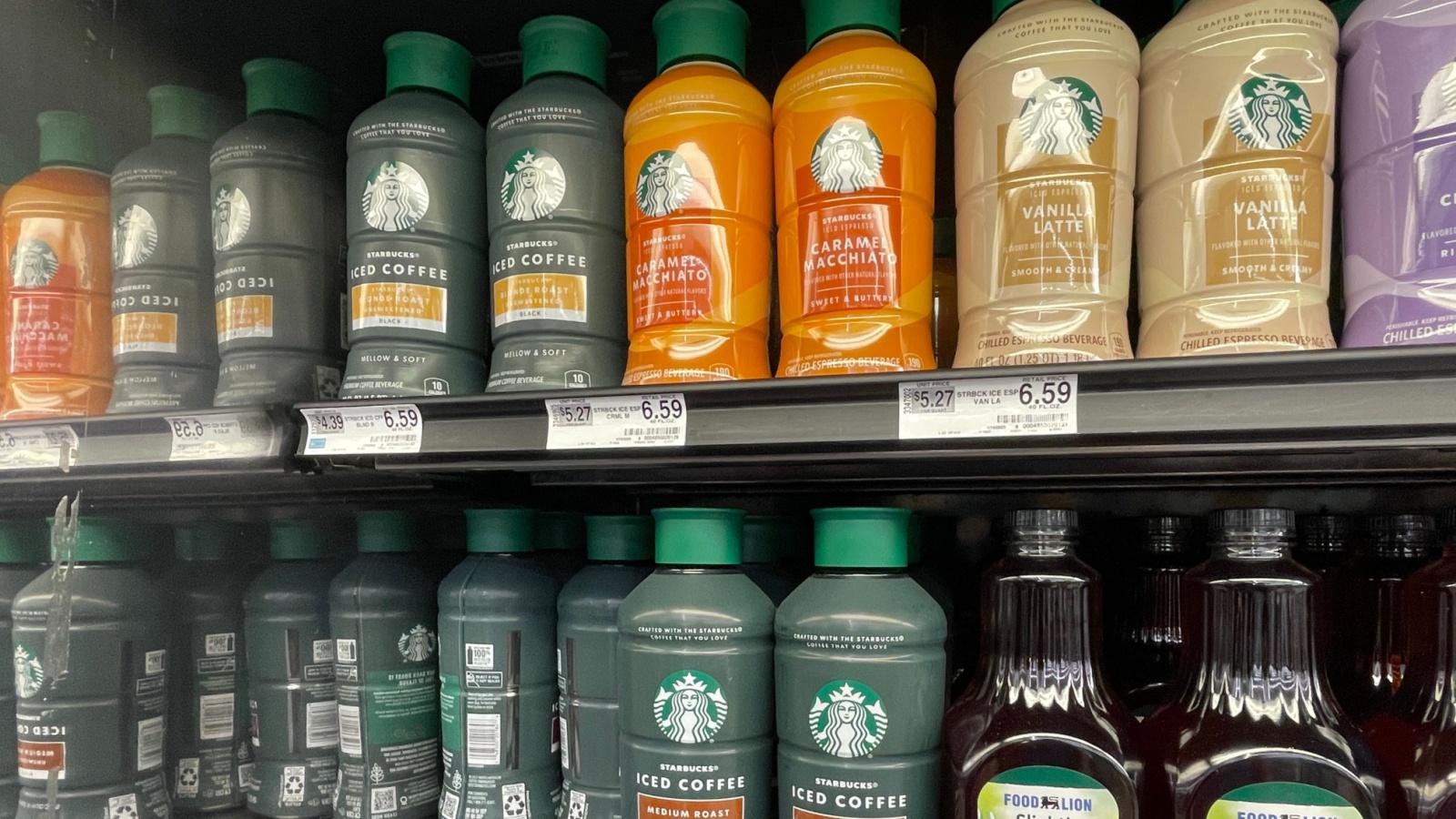
Bottled iced coffee drinks cost much more than homemade versions. You pay for branding, packaging, and refrigeration. Many contain added sugar and flavour syrups. Making iced coffee at home costs a fraction per cup. Brewed coffee keeps well in the fridge. Milk and ice complete the drink easily. Bottled versions create extra plastic waste. Portion sizes may be smaller than expected. Buying one daily adds up quickly over a month. Home preparation gives control over sweetness and strength. Reusable cups also cut waste. Preparing coffee yourself offers better value over time.
Store-Bought Guacamole
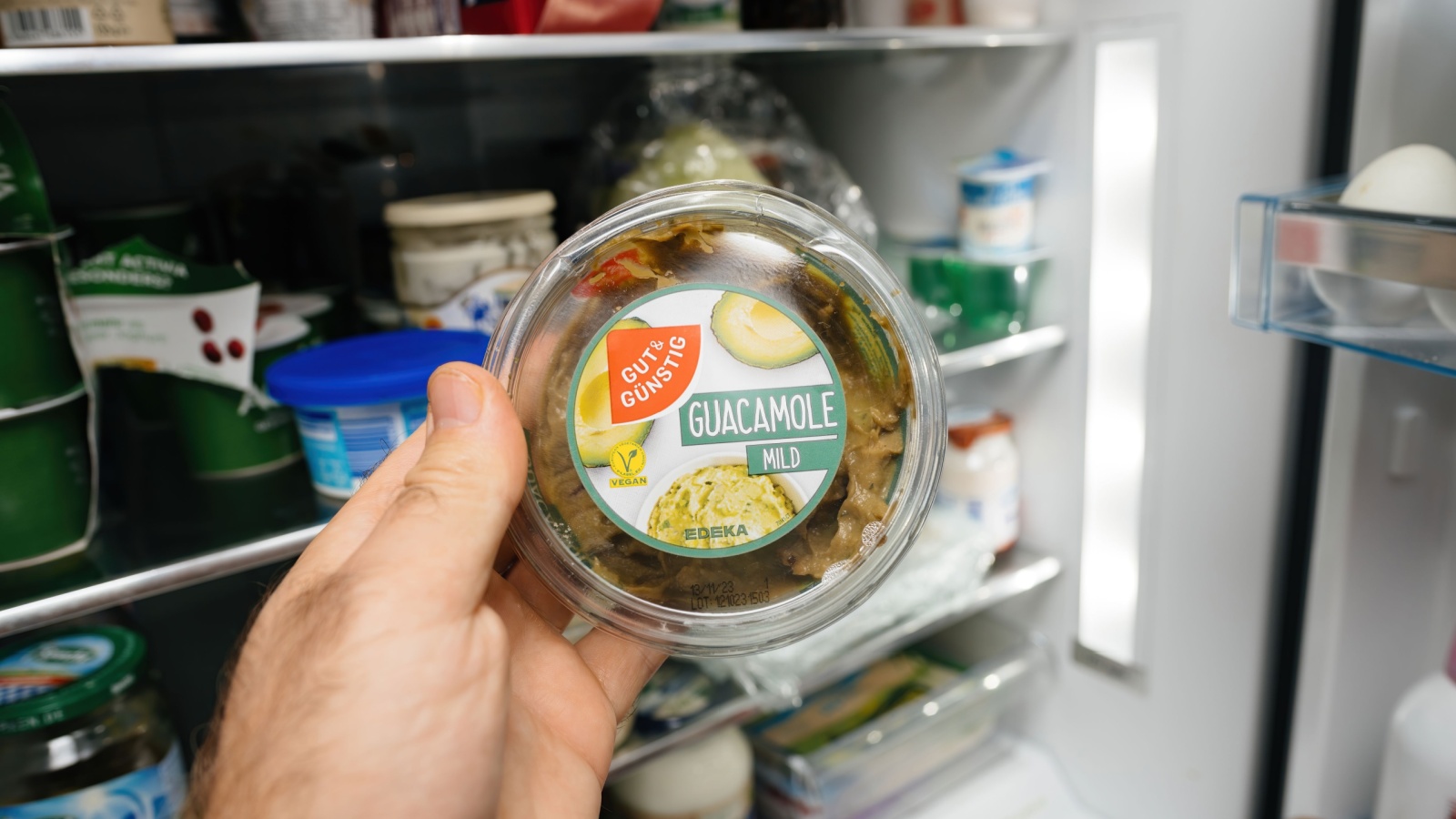
Store-bought guacamole often costs more than fresh avocados. You pay for preparation, packaging, and a short shelf life. Guacamole browns quickly, leading to food waste. Portion sizes in small tubs can be limited. Added preservatives may appear in some brands. Making guacamole at home takes only minutes. Avocados, lime, and salt create a simple mix. Homemade versions allow adjusting texture and flavour. Bulk avocados sometimes cost less per piece. Leftover ingredients can be used in other meals. Preparing it fresh reduces packaging waste. It also offers better value for regular grocery shoppers.
Frozen Pre-Made Pancakes
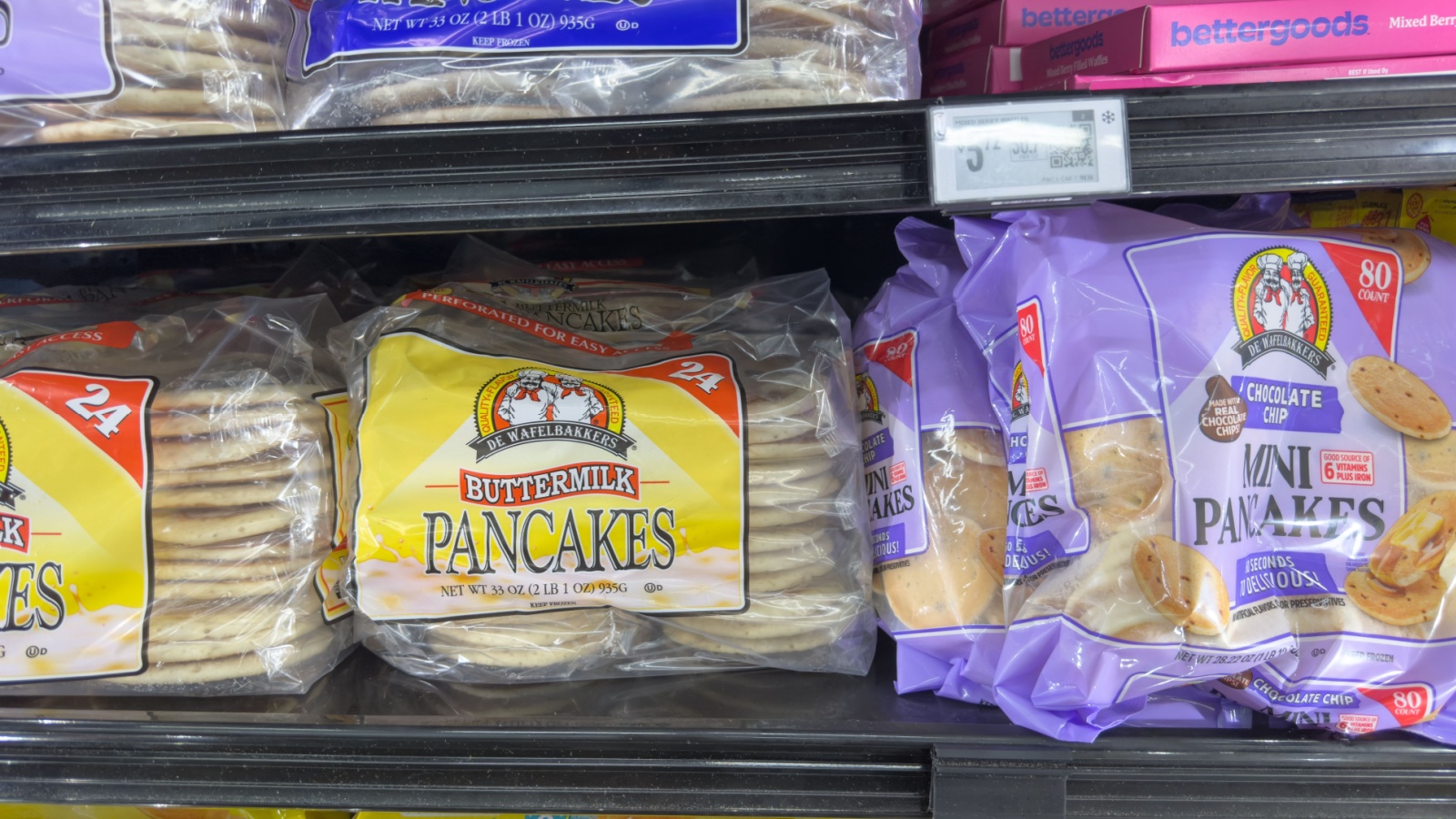
Frozen pre-made pancakes cost more than homemade batter. You pay for processing, freezing, and packaging. Flour, eggs, and milk are inexpensive staples. Making batter at home takes only minutes. Frozen pancakes may contain added preservatives. Portion sizes can feel small for the price. Heating them also uses extra energy. Fresh pancakes allow control over ingredients and texture. Leftover batter works for multiple servings. Homemade options often taste better and cost less. Large boxes of frozen products add up quickly. Preparing pancakes from scratch stretches breakfast spending further each month.
Bagged Popcorn Snack Packs
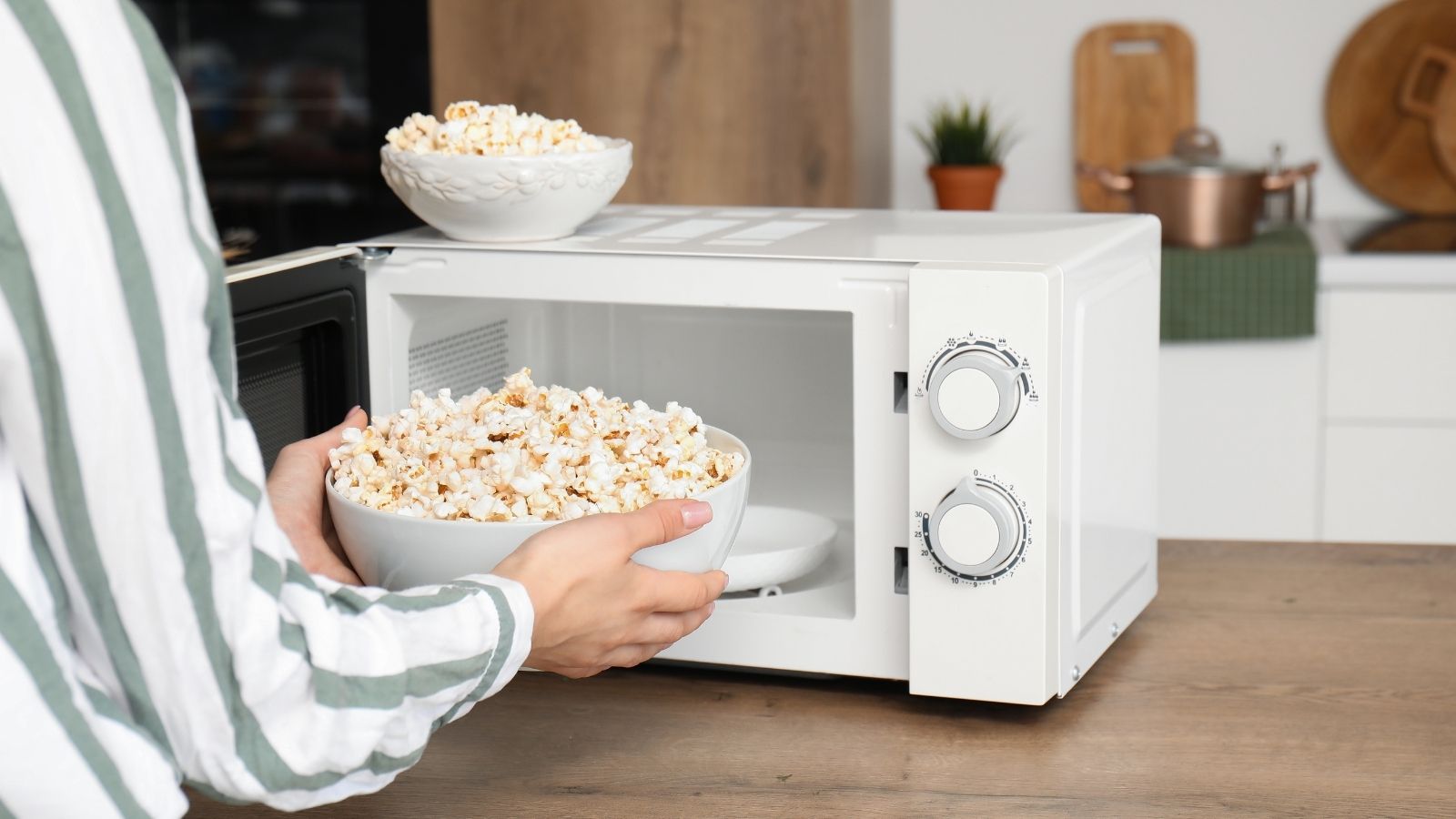
Bagged popcorn snack packs cost more than plain kernels. You pay for small bags and flavour coatings. Popcorn kernels are among the cheapest whole grains. Air popping at home takes little effort. Snack packs often include extra salt or butter flavouring. Portions are usually small for the price. Individual packaging increases plastic waste. Larger bags of kernels last many servings. Home seasoning allows better control over taste. Store versions may go stale once opened. Comparing unit prices shows a clear difference. Preparing popcorn at home keeps costs lower while reducing packaging.
Refrigerated Protein Bars
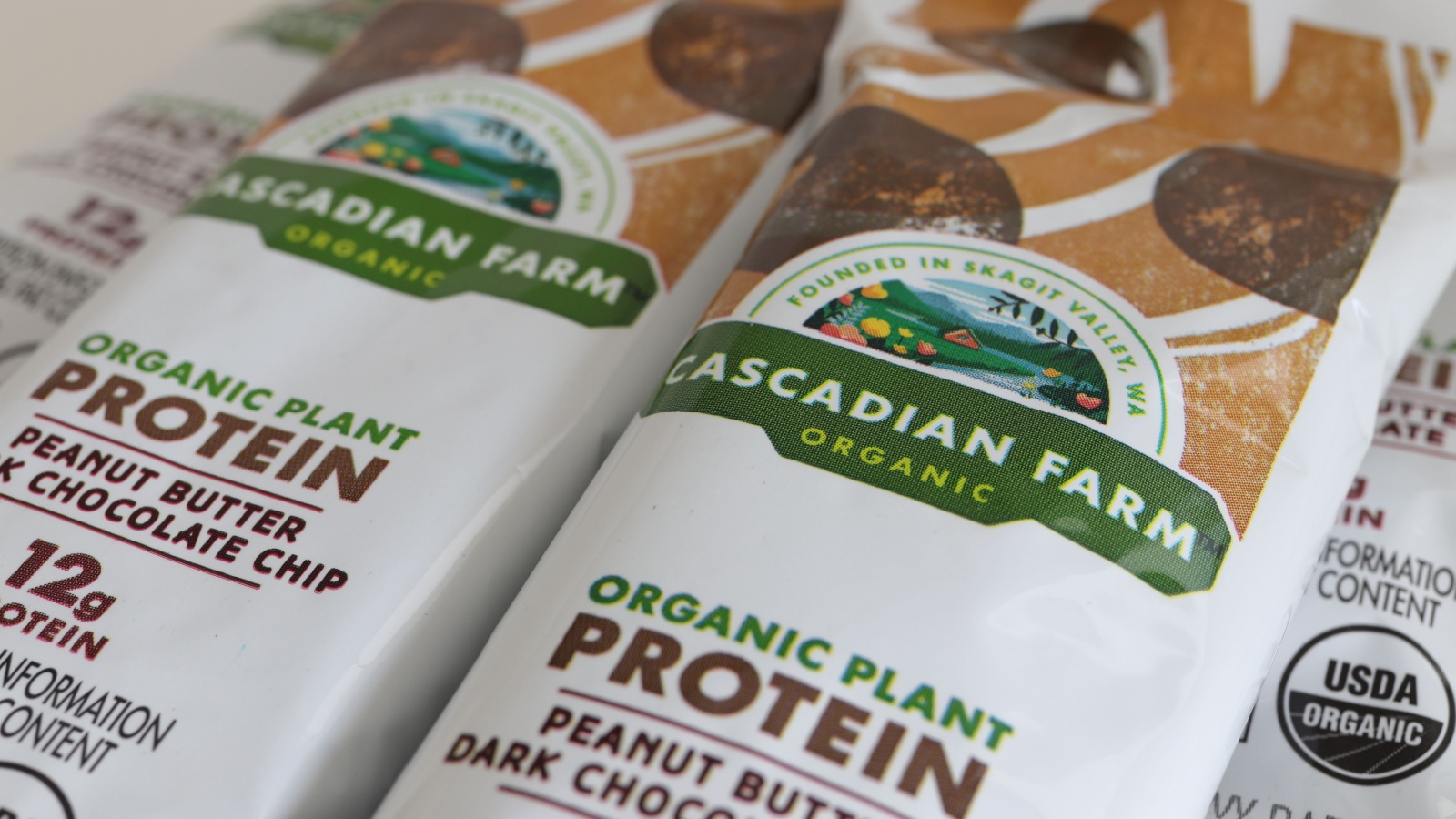
Refrigerated protein bars often cost several dollars each. You pay for specialty ingredients and cold storage. Many bars contain added sugars or sweeteners. Portion sizes may not replace a full meal. Bulk nuts, yogurt, or eggs can provide protein for less. Marketing claims can make bars seem necessary. Buying single bars regularly increases grocery spending. Shelf-stable options may still carry high prices. Preparing simple snacks at home costs less. Oats and nut butter make easy alternatives. Refrigeration adds to retail expenses. Choosing whole foods can offer better value over time.
Pre-Made Sandwiches
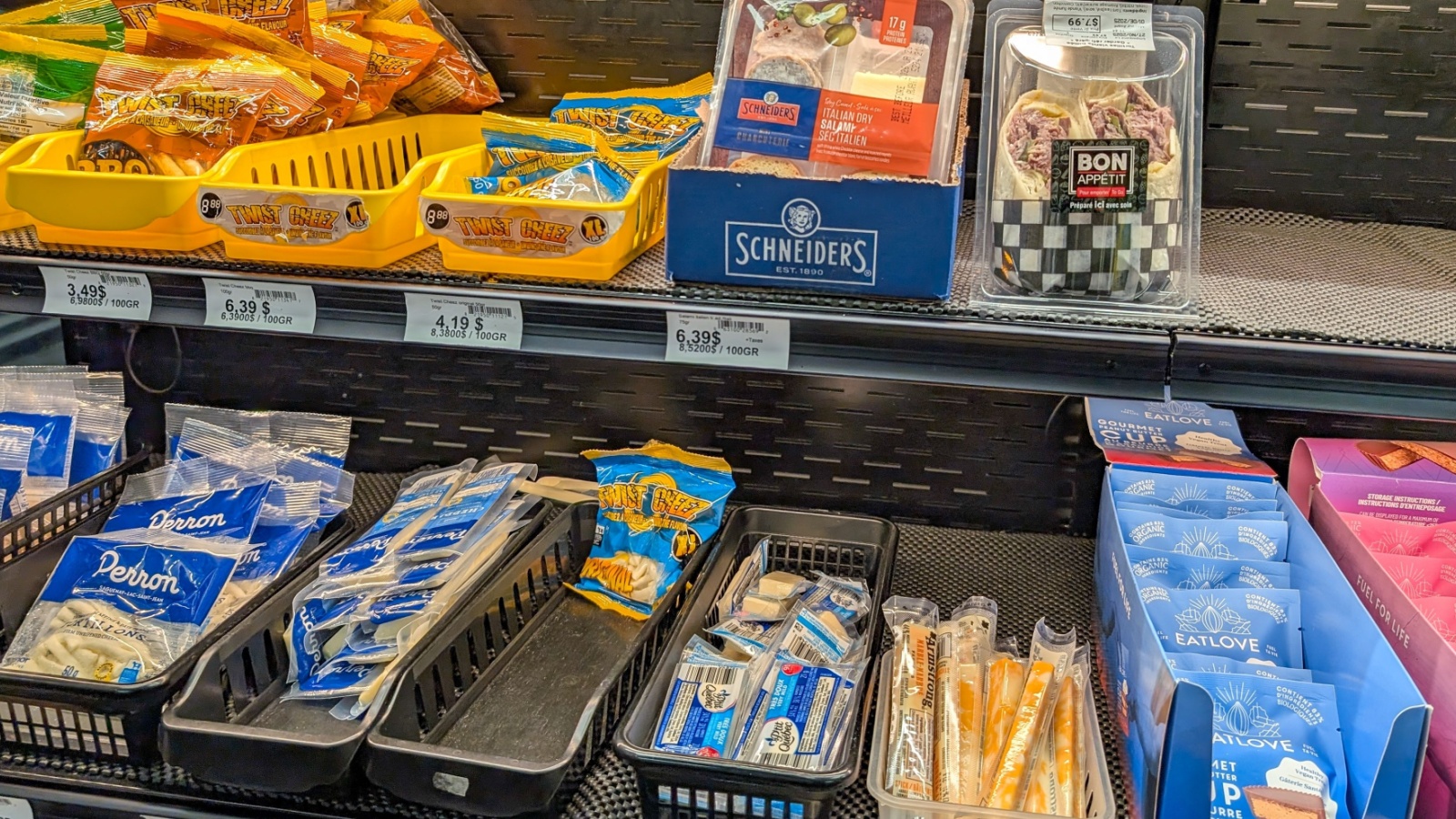
Pre-made sandwiches in stores carry a high markup. You pay for convenience and labour costs. Bread, cheese, and vegetables cost less when bought separately. Sandwiches also spoil quickly in refrigeration cases. Portion sizes may feel small for the price. Fillings sometimes include cheaper processed meats. Making sandwiches at home takes only minutes. Ingredients can stretch across several meals. Packaging also adds unnecessary waste. Homemade versions allow fresher choices. Store options often sit for hours before purchase. Preparing them yourself keeps spending lower and improves ingredient control.
Bottled Lemon Water
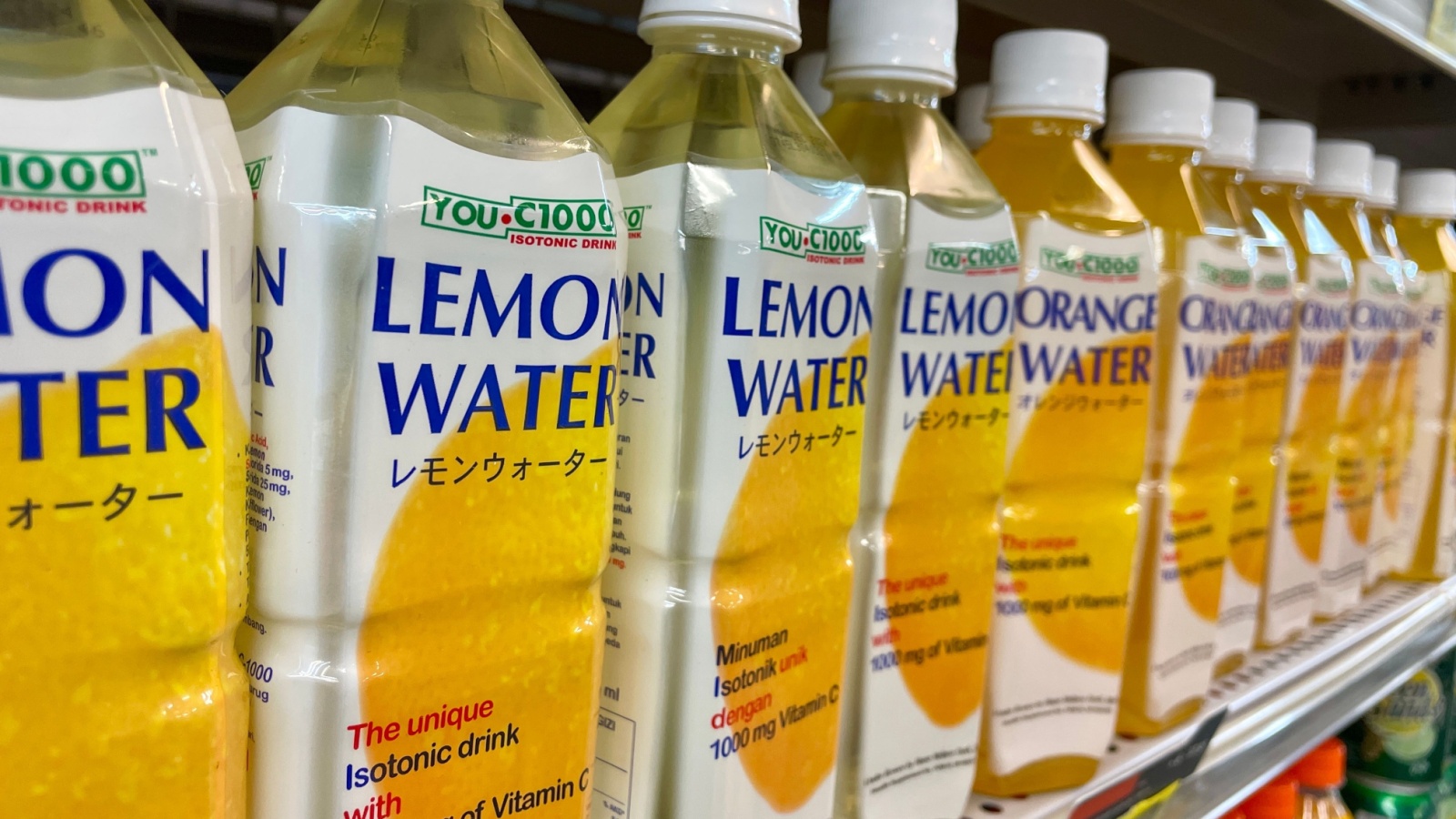
Bottled lemon water costs much more than tap water with lemon. You pay for packaging, branding, and distribution. Lemon slices at home add a similar flavour. Bottled versions may include preservatives or sweeteners. Buying these drinks regularly increases weekly costs. Reusable bottles help reduce plastic waste. Fresh lemons often last several uses. Preparing flavoured water takes little effort. Store bottles offer limited volume for the price. Comparing unit prices shows the difference clearly. Keeping lemons at home supports better value. It also reduces reliance on single-use packaging.
Chopped Vegetable Mixes
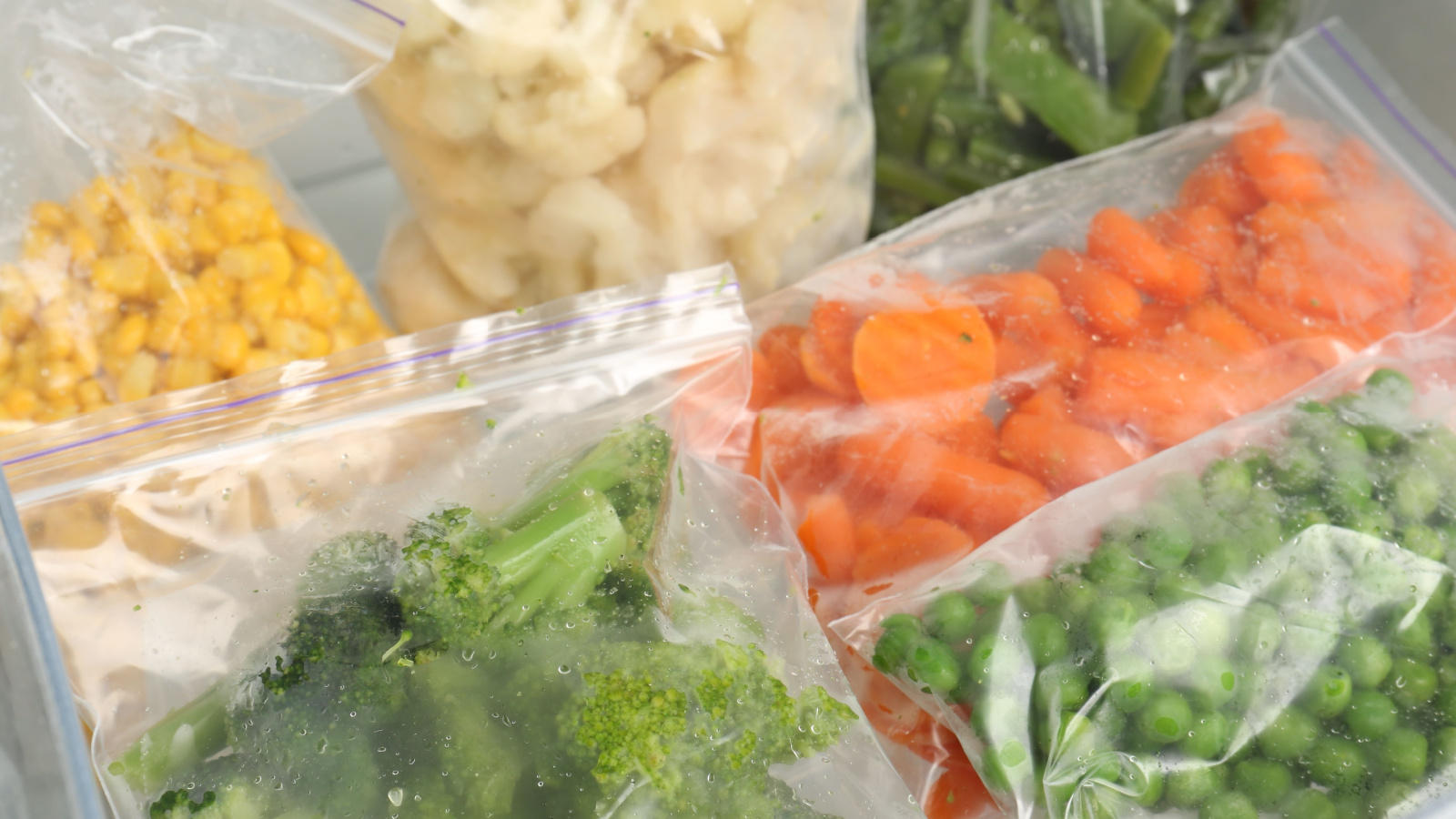
Chopped vegetable mixes cost more than whole produce. You pay for cutting, washing, and packaging. Whole vegetables often last longer in storage. Pre-cut pieces can spoil faster after exposure. Moisture inside bags may speed up decay. Portion sizes may include extra stems or scraps. Buying whole vegetables allows for flexible use in meals. Chopping at home takes a short time. Larger quantities often reduce the cost per gram. Plastic packaging also increases waste. Preparing vegetables yourself improves freshness control. It also helps stretch grocery spending further each week.
Microwave Rice Pouches
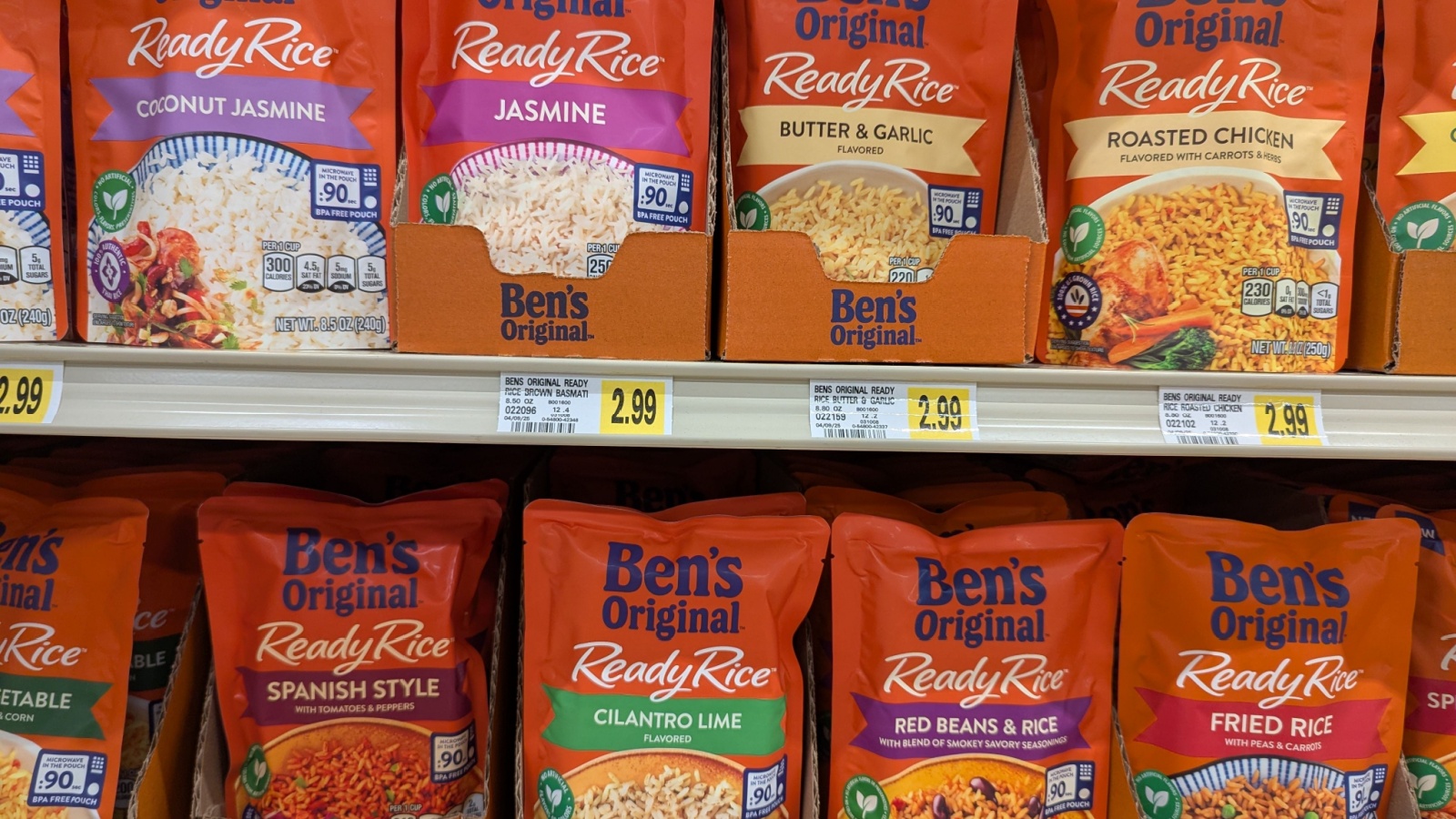
Microwave rice pouches cost more than dry rice. You pay for pre-cooking, packaging, and convenience. Dry rice remains one of the cheapest staples in Canada. Cooking rice on a stove takes little effort. Pouches often contain added salt or oils. Portion sizes can be smaller than expected. Buying larger rice bags lowers the cost per serving. Leftover rice stores well in the fridge. Pouch packaging also increases household waste. Flavoured versions raise prices further. Preparing rice at home offers better value. It also gives control over texture and ingredients.
Pre-Seasoned Frozen Vegetables
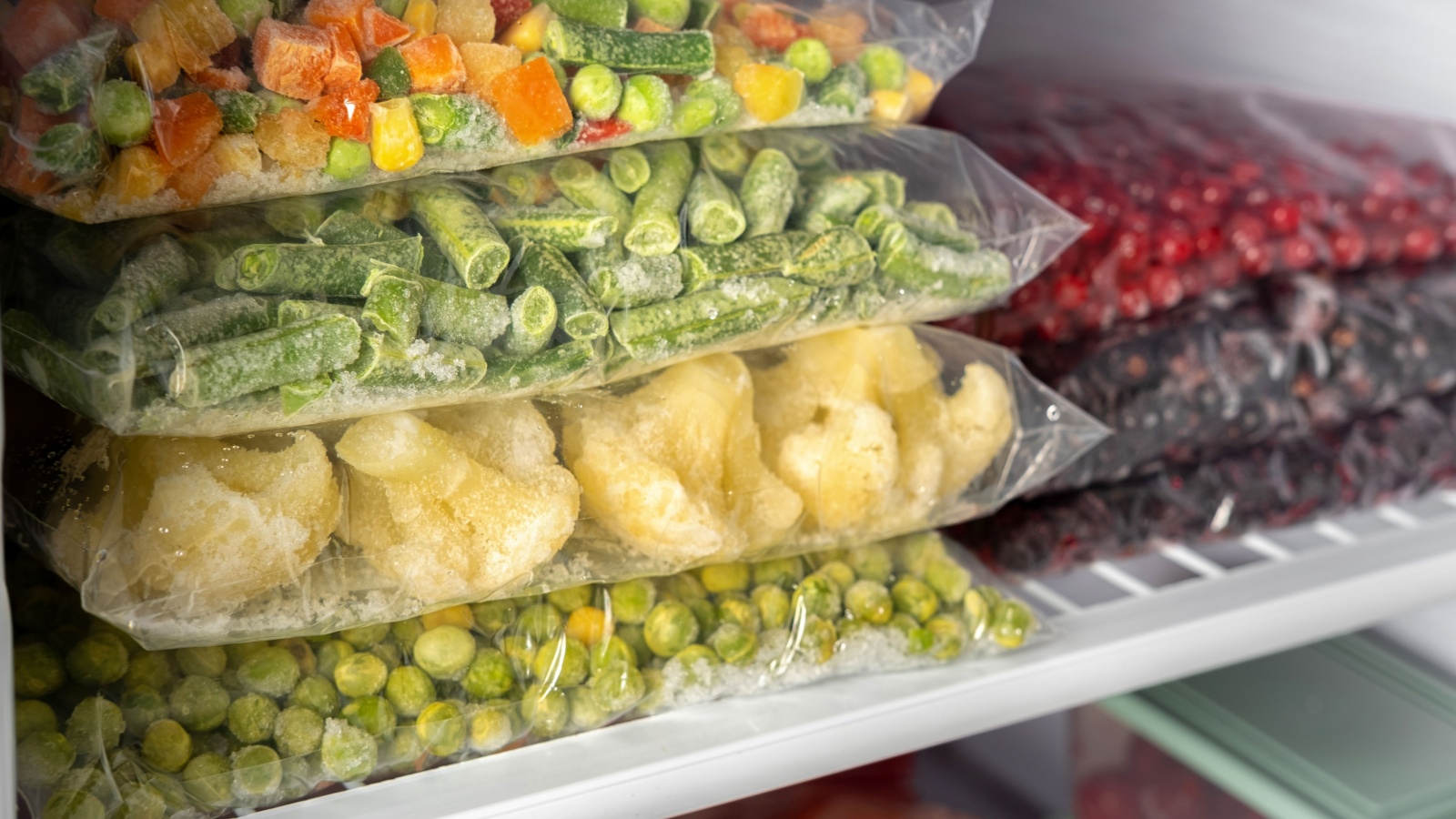
Pre-seasoned frozen vegetables often cost more than plain frozen bags. Adding sauces and flavourings raises the price. Plain frozen vegetables already offer good shelf life. Seasoned versions may contain extra salt or fats. Portions sometimes include more sauce than vegetables. You lose control over seasoning levels. Buying plain vegetables allows for flexible meal use. Simple spices at home cost very little. Frozen produce without sauce usually gives more servings. Comparing unit prices highlights the difference. Preparing your own seasoning supports better value. It also helps manage ingredient quality and taste.
Mini Cheese Portions
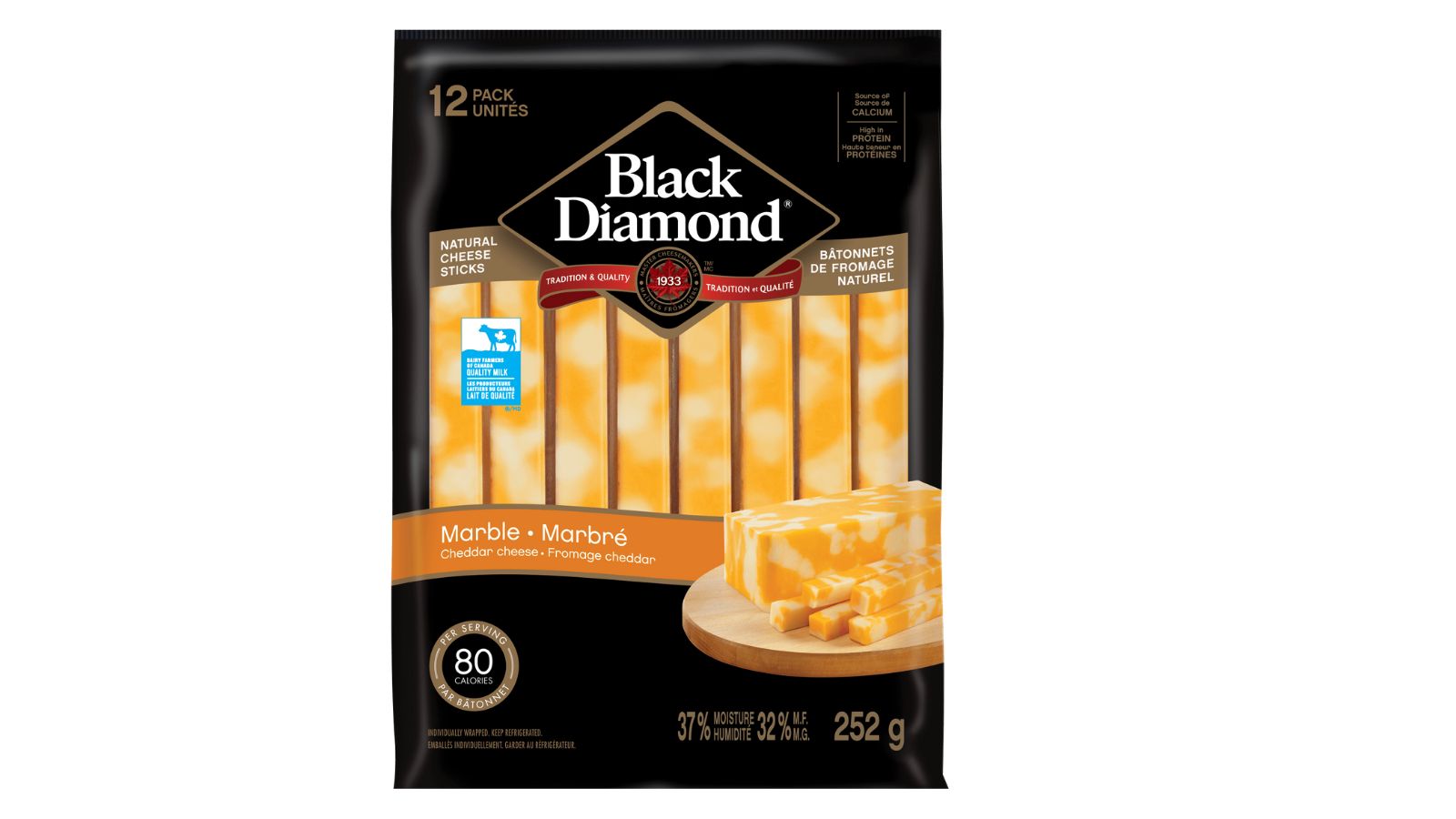
Mini cheese portions cost more than larger cheese blocks. Small packaging increases the price per gram. These portions create more plastic waste. Blocks of cheese last longer when stored properly. Mini packs offer limited flexibility in cooking. You often pay for branding and portion control. Cutting cheese at home takes little time. Larger blocks usually provide better overall value. Individual portions may also dry out faster. Families go through small packs quickly. Comparing unit prices shows higher costs clearly. Buying larger formats helps reduce grocery spending.
Deli Pasta Salads
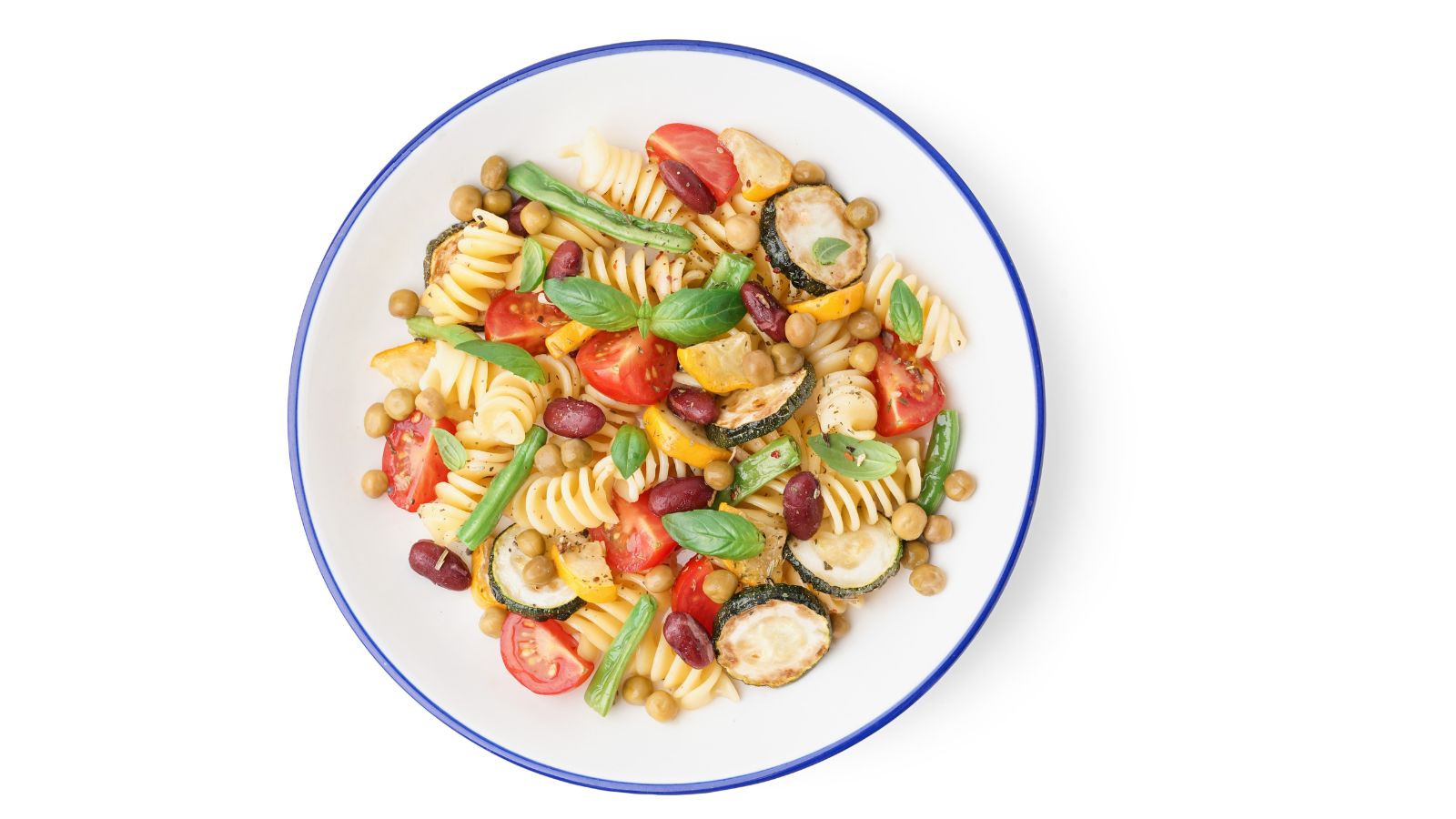
Deli pasta salads carry high markups in grocery stores. You pay for preparation, refrigeration, and a short shelf life. Pasta and vegetables are inexpensive when bought separately. Store salads may include more dressing than ingredients. Portions can feel small for the price. These salads spoil quickly after purchase. Making pasta salad at home costs less per serving. Leftovers work for several meals. Ingredient quality also stays under your control. Packaging from deli containers adds waste. Comparing prices shows clear differences. Homemade versions offer better value for regular shoppers.
Frozen Smoothie Packs
Frozen smoothie packs cost more than buying fruit separately. You pay for portioning and specialty packaging. Loose frozen fruit usually costs less per gram. Packs may include small amounts of each ingredient. This can make servings feel limited. Making your own mixes allows flexible combinations. Larger fruit bags stretch across many smoothies. Packaging from single-use packs increases waste. Blending ingredients at home takes little time. Store packs often include added flavour components. Comparing unit prices shows the gap clearly. Preparing your own smoothie portions supports better grocery value.
Name Brand Spices in Small Jars
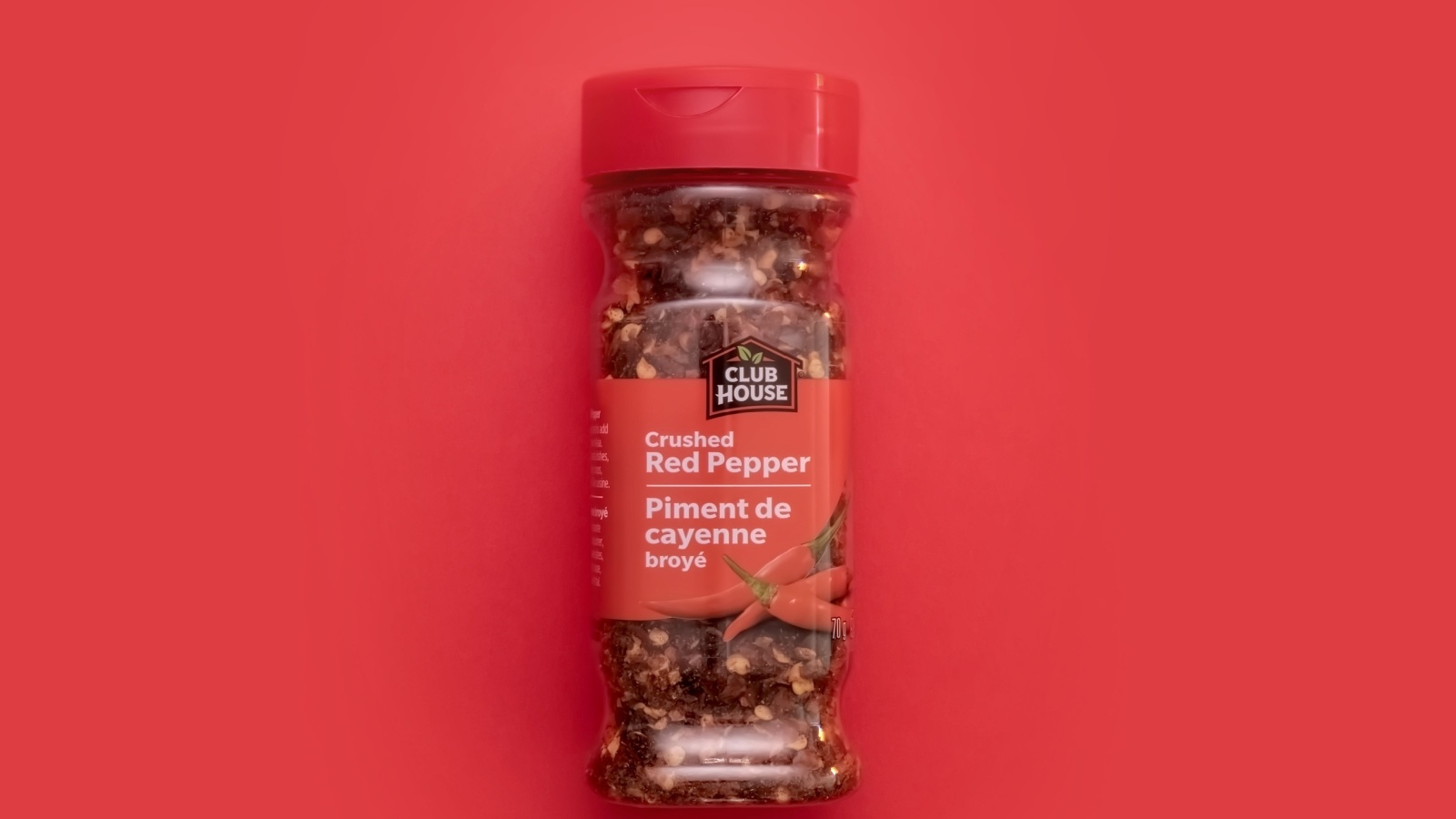
Name-brand spices in small jars often cost much more per gram. You pay for branding, glass jars, and shelf space. Many Canadian stores sell bulk spices at lower prices. Small jars also run out quickly during regular cooking. Some spices lose flavour over long storage. Buying small amounts more often can improve freshness. Bulk bins allow flexible quantities for different recipes. Store brands may offer similar quality at a lower cost. Reusing containers at home reduces packaging waste. Comparing unit prices shows the difference clearly. Choosing bulk or larger packs supports better value in everyday meals.
Single-Serve Nut Butter Packs
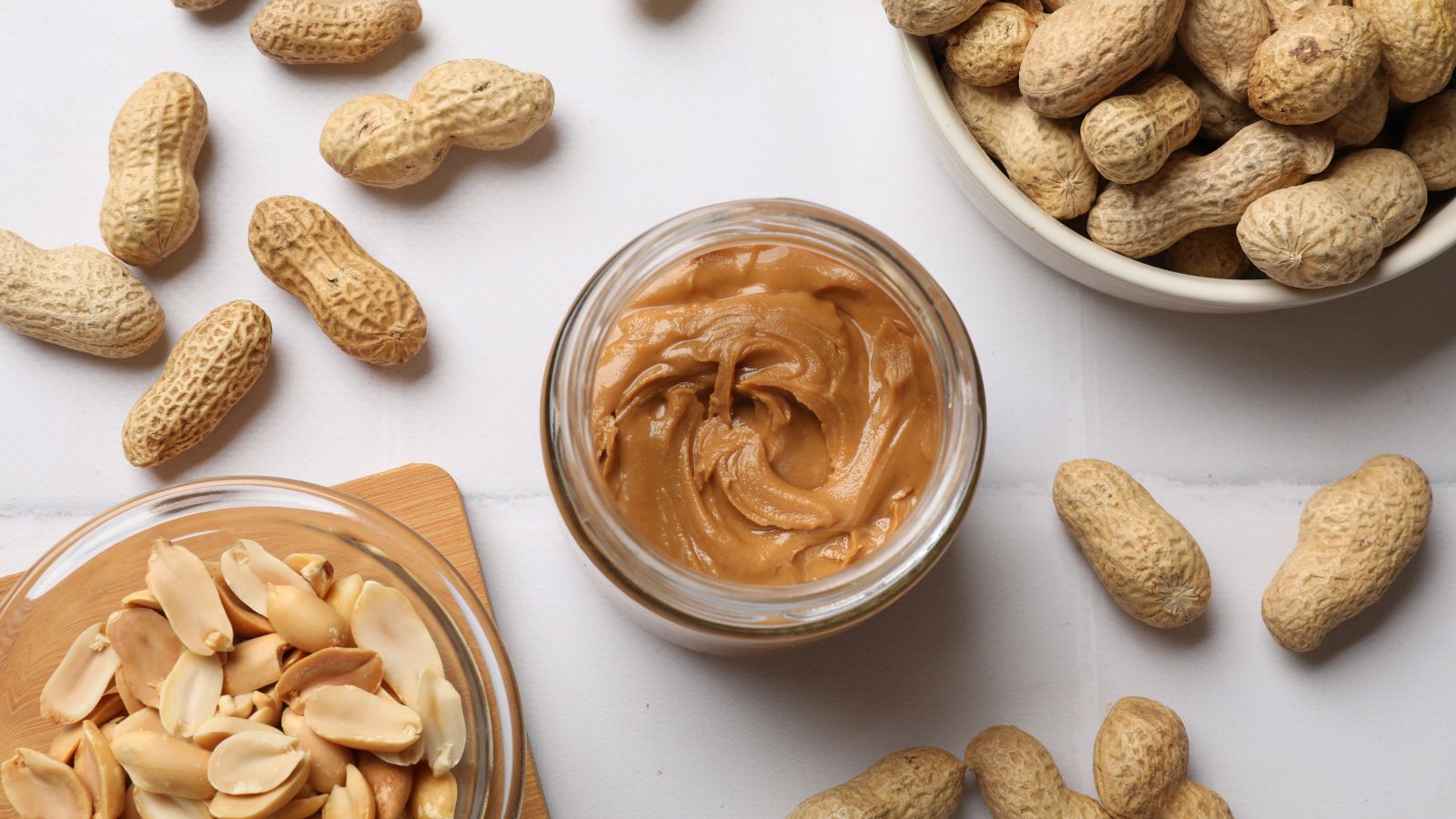
Single-serve nut butter packs cost more than regular jars. You pay for individual packaging and convenience. Larger jars offer better cost per gram. Small packs create more plastic waste per serving. Portion sizes may feel too small for meals. Nut butter stays fresh for long periods when sealed. Using a spoon from a jar takes little effort. Buying in bulk also reduces frequent repurchasing. Some packs include added oils or sugar. Comparing shelf prices highlights the markup. Choosing standard jars helps lower grocery spending. It also gives more flexibility in portion size.
Pre-Made Stir Fry Kits
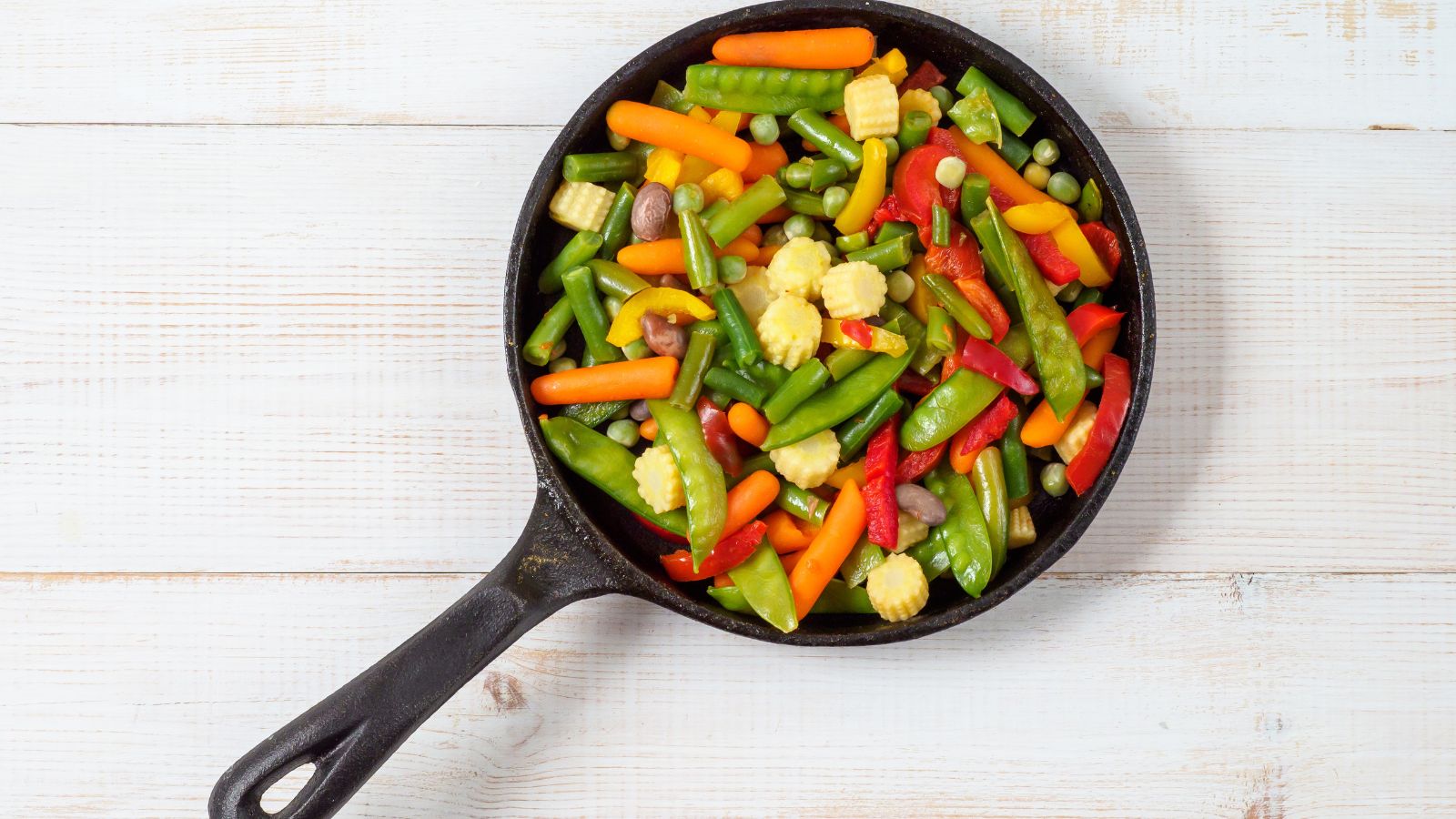
Pre-made stir-fry kits cost more than loose vegetables. You pay for chopping, sauce packets, and packaging. Portions sometimes include more cabbage than premium vegetables. Sauces can contain added sugar or salt. Whole vegetables often cost less per gram. Preparing ingredients at home takes a limited time. Buying sauce ingredients separately lowers costs further. Kits may spoil quickly once opened. Plastic packaging also increases waste. Comparing unit prices often shows a gap. Making stir-fry from scratch provides greater value. It also gives control over flavour and ingredient choice.
Bottled Salad Dressings
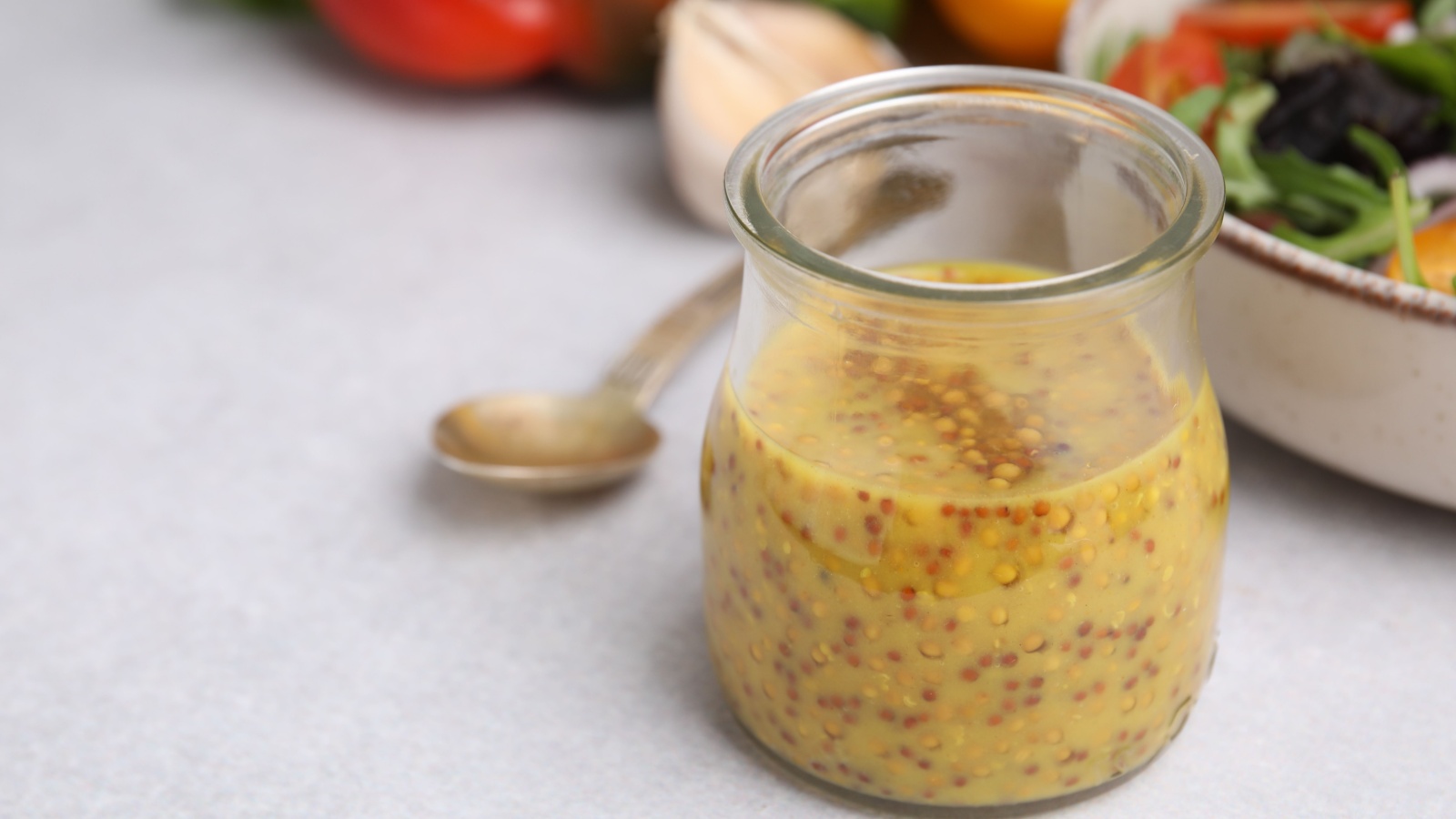
Bottled salad dressings cost more than homemade versions. You pay for branding, packaging, and shelf storage. Simple ingredients like oil and vinegar are inexpensive. Many bottled dressings include added sugar or preservatives. Homemade dressings take only minutes to mix. Larger bottles can expire before being finished. Small ingredient changes at home create variety. Store bottles add plastic waste to households. Comparing cost per serving shows higher prices. Basic pantry items stretch across many meals. Making dressings yourself supports better grocery value. It also helps manage ingredient quality.
Bakery Cupcakes in Small Packs
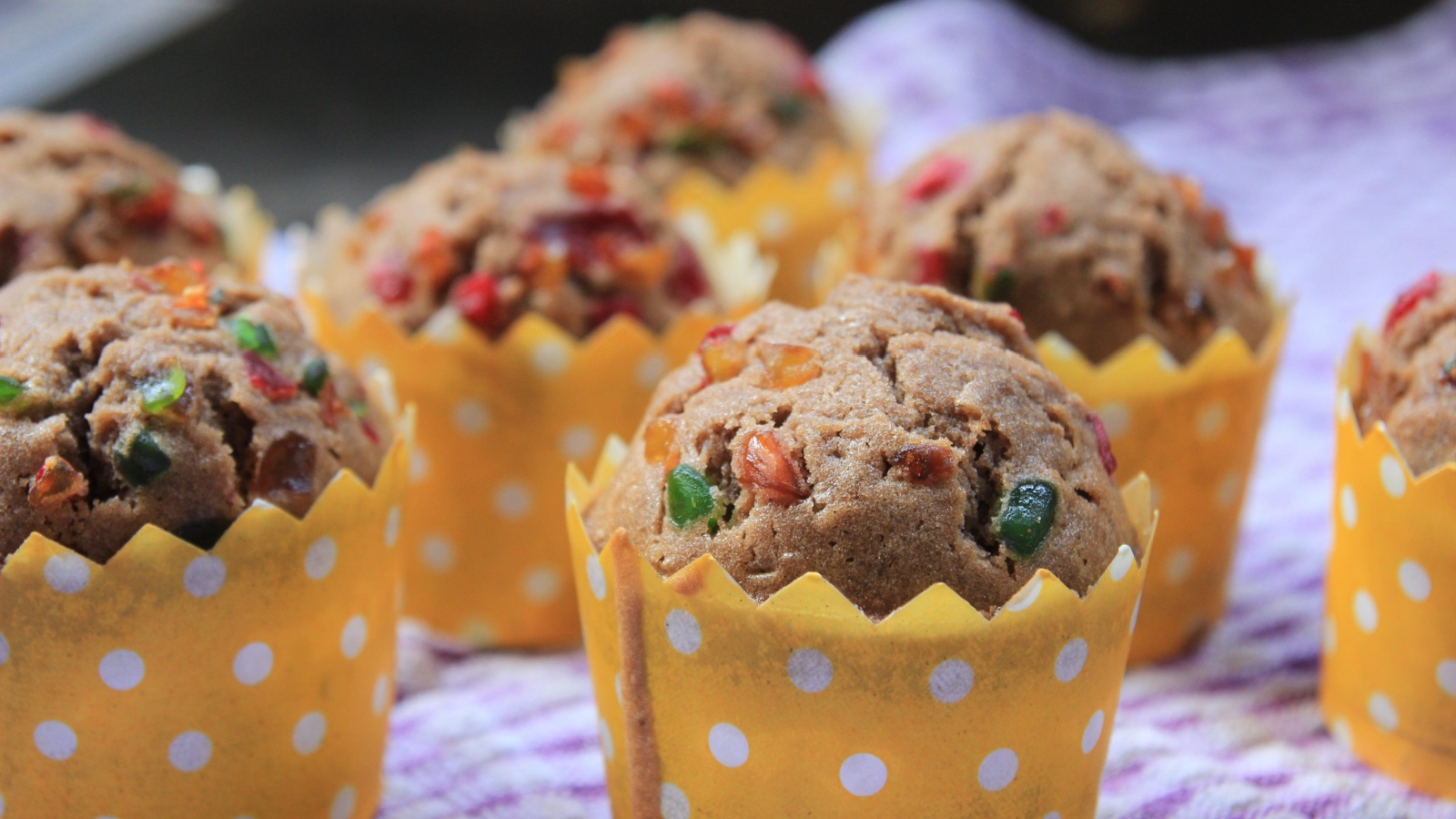
Bakery cupcakes in small packs often cost more per piece. You pay for decoration, packaging, and bakery labour. Flour, sugar, and eggs remain inexpensive ingredients. Small packs can feel overpriced for portion size. Store cupcakes may dry out after a day. Buying cake mix or baking at home lowers the cost. Homemade batches provide more servings. Packaging from small trays increases waste. Bakery items also carry a shorter shelf life. Comparing unit prices shows clear differences. Preparing desserts at home supports better value. It also allows control over flavour and freshness.
22 Groceries to Grab Now—Before another Price Shock Hits Canada
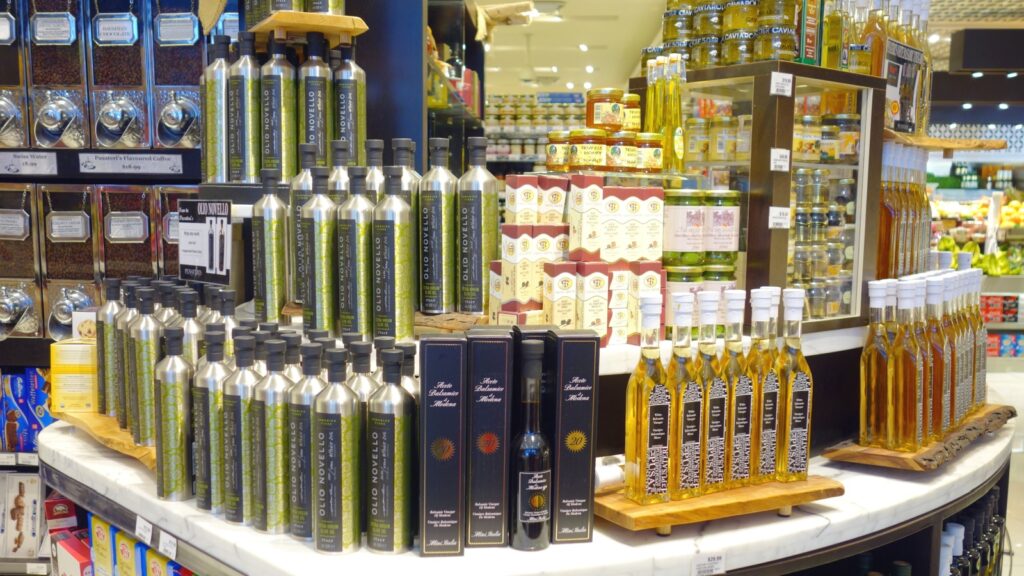
Food prices in Canada have been steadily climbing, and another spike could make your grocery bill feel like a mortgage payment. According to Statistics Canada, food inflation remains about 3.7% higher than last year, with essentials like bread, dairy, and fresh produce leading the surge. Some items are expected to rise even further due to transportation costs, droughts, and import tariffs. Here are 22 groceries to grab now before another price shock hits Canada.
22 Groceries to Grab Now—Before another Price Shock Hits Canada
