
By March, winter fatigue is common across much of Canada. Months of snow, darkness, and indoor living leave people ready for change. Temperatures begin to rise, sidewalks begin to clear, and daylight stretches later into the evening. This shift encourages practical resets in homes, health habits, routines, and spending. Many Canadians use this period to prepare for a more active season ahead. Small changes now can make spring feel manageable and productive. From deep cleaning to planning trips and reconnecting socially, these trends reflect a shared transition. March becomes the bridge between survival mode and outdoor living. Here are 27 spring “reset” trends Canadians are trying in March 2026 (because everyone’s done with winter).
Early Spring Deep Cleaning After a Long Winter

Many Canadian homes stay sealed for months during extreme cold. Dust, salt residue, and stale air build up indoors. March brings the first real chance to open windows safely. People begin washing walls, wiping baseboards, and vacuuming deep carpets. Entryways need extra attention because winter boots track in sand and slush. Kitchens often get a full reset after heavy holiday cooking. Bedding and curtains also hold winter odors. Cleaning improves indoor air quality as temperatures rise. It also reduces allergens before pollen season begins. Families treat this as a seasonal reset ritual. A clean space feels lighter and more comfortable after months of hibernation. This habit helps homes transition smoothly into spring living conditions across Canada.
Switching to Lighter, Energy-Saving Home Routines

Heating systems run constantly through Canadian winters, raising utility costs. March allows households to reduce thermostat settings gradually. Many people open blinds to capture natural warmth during sunny afternoons. Shorter showers and cooler water settings become more comfortable. Laundry shifts to cold water cycles and air drying where possible. Ceiling fans help circulate milder air instead of forced heating. Some households schedule furnace maintenance before shutting systems down. Using natural light reduces electricity use as days grow longer. These adjustments lower monthly bills after the expensive winter months. Energy providers often report reduced consumption during this transition. Lighter routines also feel refreshing after months of heavy heating dependence. Canadians see this shift as both practical and symbolic of winter ending.
Refreshing Diets With Seasonal Canadian Produce

Winter diets often rely on preserved or imported foods. Spring introduces fresh options grown domestically or nearby. Canadians begin adding spinach, asparagus, radishes, and greenhouse vegetables to meals. Farmers’ markets slowly reopen with early harvest products. Lighter dishes replace heavy soups and stews. Many people increase fruit intake after months of comfort eating. Nutrition experts recommend seasonal foods for better freshness and value. Hydration also becomes a focus as physical activity increases. Families cook more salads, grilled proteins, and simple meals. This change supports energy levels during longer daylight hours. Grocery spending sometimes drops as local produce becomes available. Refreshing diets signal a broader lifestyle shift toward outdoor living and healthier routines across Canada.
Restarting Outdoor Walking and Fitness Habits

Ice and extreme cold limit outdoor activity for months. Safer sidewalks in March encourage people to move again. Walking becomes the easiest way to rebuild fitness gradually. Parks and waterfront trails see increased foot traffic nationwide. Many Canadians track steps to regain stamina lost during winter. Running groups and outdoor classes begin operating again. Doctors often recommend low-impact exercise after sedentary periods. Fresh air improves mood and energy levels. Parents take children outside more frequently after indoor confinement. Even short walks feel rewarding after winter isolation. Physical activity also supports cardiovascular health. This seasonal restart helps people prepare for more demanding summer activities. Outdoor movement becomes one of the most visible signs that spring has arrived.
Decluttering Closets and Donating Winter Wear

Bulky coats, boots, and thermal layers take up significant storage space. March is the time to sort what will not be needed next winter. Many Canadians donate items that no longer fit or suit their needs. Charities often see increased clothing donations during spring transitions. Cleaning winter gear before storage prevents damage or odors. Vacuum bags help reduce storage space in smaller homes. Organizing closets also makes room for lighter clothing. Some people sell high-quality items online instead of donating. This process reduces clutter accumulated over the season. It also helps households feel more organized heading into warmer months. Decluttering can lower stress by simplifying daily choices. Canadians view this task as both practical and emotionally refreshing after winter.
Planning Spring Road Trips Within Canada

March is ideal for planning travel before peak summer crowds. Canadians begin researching destinations within driving distance. National parks, coastal towns, and scenic routes become popular options. Booking early can secure better accommodation prices. Road conditions improve as snow clears from highways. Families prepare vehicles for longer drives after winter use. Travel planning provides something positive to anticipate. Many choose shorter trips to test post-winter readiness. Tourism boards promote spring events and natural attractions. Wildlife viewing opportunities increase in several regions. Planning also helps manage budgets after the costly winter months. Canadians often prefer domestic travel for convenience and affordability. These trips mark the return of exploration after months spent mostly indoors.
Reviving Backyard Spaces and Patios

Outdoor areas often remain unused during harsh winters. March prompts homeowners to inspect decks, fences, and furniture. Snow and ice can cause structural wear that needs repair. People clean surfaces to remove dirt and salt stains. Patio furniture comes out of storage for inspection. Some replace damaged items before summer demand increases. Barbecues are checked for safety and functionality. Lighting upgrades make spaces usable in the evening. Even small balconies receive attention in urban areas. Families look forward to outdoor meals again. Preparing early allows full use once temperatures rise consistently. Backyard renewal encourages more time outside at home. This reset transforms neglected winter spaces into comfortable gathering areas for spring.
Booking Preventive Health Checkups Before Summer

Healthcare appointments can be harder to schedule during busy summer months. March is a practical time for routine checkups and screenings. Canadians often book dental visits, physical exams, and vision tests. Preventive care helps identify issues early. Vaccination updates may also be addressed. Children need assessments before sports seasons begin. Addressing health concerns now avoids disruptions later. Clinics sometimes experience fewer cancellations during this period. People feel more motivated as winter fatigue lifts. Insurance plans often reset annually, influencing scheduling decisions. Taking action early supports overall well-being. This approach reflects a proactive mindset common in seasonal transitions. Canadians view preventive care as part of preparing for active summer lifestyles.
Starting Home Renovation and Repair Projects

Winter conditions limit many construction activities across Canada. March signals the planning phase for repairs and upgrades. Homeowners assess damage caused by snow, ice, and freezing temperatures. Roofing, siding, and foundation issues often need attention. Contractors begin filling schedules for the coming months. Ordering materials early avoids seasonal shortages. Indoor renovations also become more comfortable as temperatures rise. Some projects improve energy efficiency before next winter. Government incentives sometimes support specific upgrades. Planning now allows work to start as soon as the weather permits. Renovations can increase property value and comfort. Canadians often treat spring as the official start of home improvement season each year.
Returning to Cycling for Daily Commutes
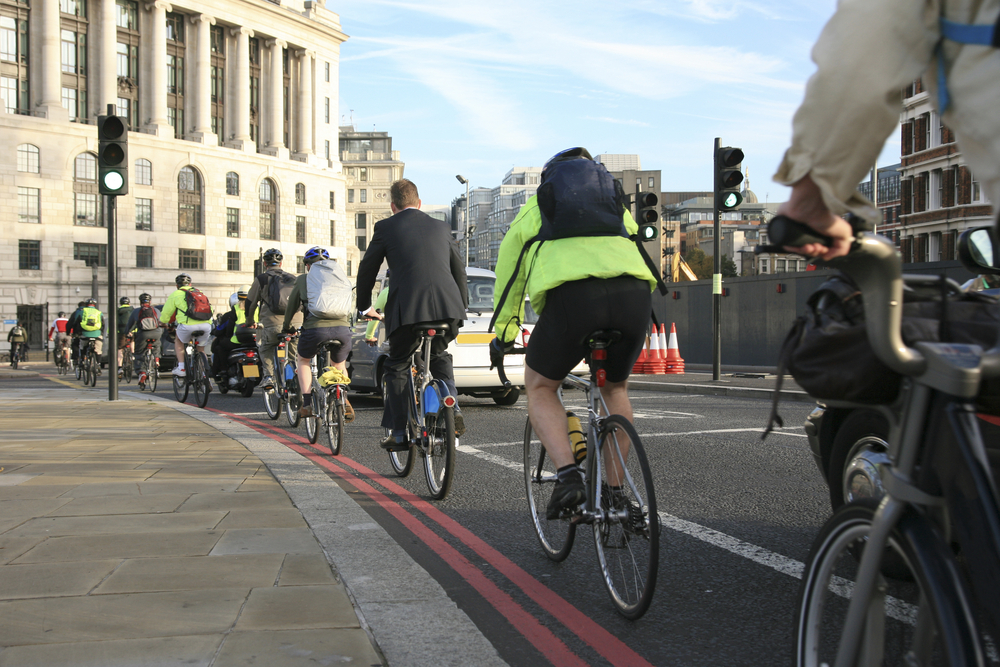
Snow and icy roads force many cyclists to stop riding. Clearer streets in March allow a gradual return. Cities begin removing winter debris from bike lanes. Commuters inspect bikes for rust or mechanical issues. Tire pressure and brakes need adjustment after storage. Cycling reduces fuel costs and traffic stress. It also supports physical fitness during the transition season. Some workplaces promote active commuting programs. Protective gear becomes important as conditions remain unpredictable. Riders often start with shorter routes to rebuild confidence. Public transit connections may also include cycling segments. This shift reflects growing interest in sustainable transportation across Canada. Cycling season typically expands steadily as temperatures continue to rise.
Refreshing Skincare for Changing Weather

Cold air and indoor heating can dry out skin significantly. March requires adjusting routines for milder, more humid conditions. Heavy creams may feel uncomfortable as temperatures rise. Dermatologists suggest lighter moisturizers and increased sun protection. UV exposure increases even when temperatures remain cool. Lips and hands still need attention during early spring winds. Hydration from drinking water also becomes important. Many Canadians replace expired products after winter use. Allergies may affect sensitive skin types during this period. Outdoor activity increases exposure to environmental factors. A refreshed routine supports comfort and skin health. Seasonal changes make skincare adjustments necessary rather than cosmetic. Canadians treat this as part of overall spring self-care.
Gardening Preparations for Short Growing Seasons
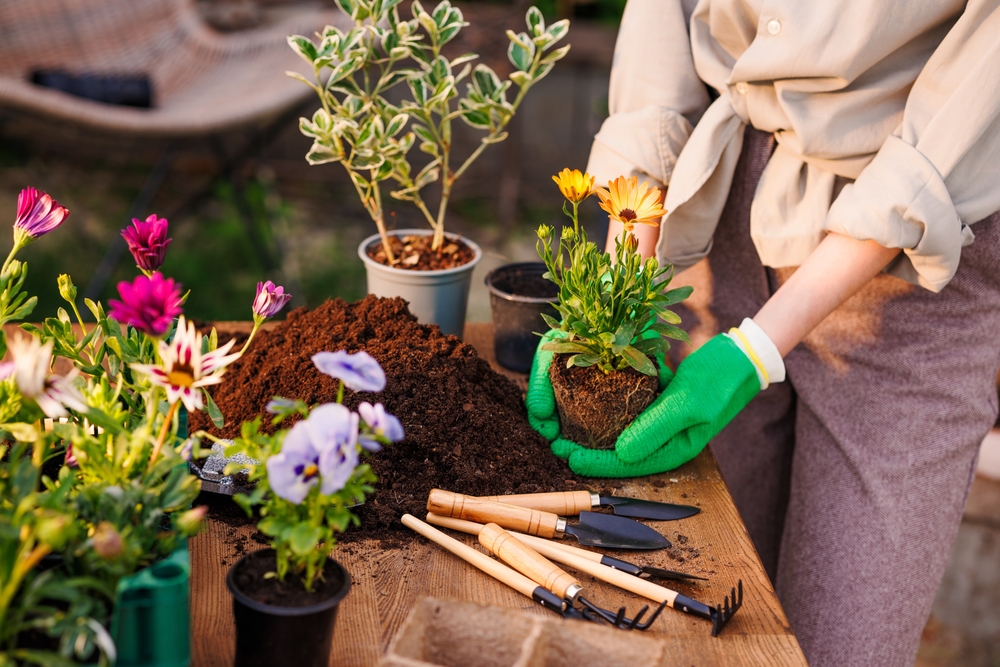
Canada’s growing season is relatively brief in many regions. March is the time to plan gardens carefully. People start seeds indoors to extend the growing season. Soil testing helps determine nutrient needs before planting. Garden tools require cleaning and sharpening after storage. Raised beds may need repairs from winter damage. Garden centres begin stocking supplies for the season. Choosing hardy plants suited to local climates is essential. Frost dates vary widely across provinces. Planning prevents wasted effort later. Gardening offers both food production and recreation. Many families involve children in the process. Early preparation increases the chance of successful harvests despite limited warm months.
Digital Decluttering and Screen Time Resets

Winter often leads to increased screen use due to indoor confinement. March motivates people to review digital habits. Canadians delete unused apps and organize files. Email inboxes receive long-overdue cleanup. Social media time may be reduced intentionally. Parents adjust children’s device rules as outdoor play resumes. Updating passwords improves online security. Backing up photos protects valuable memories. A digital organization can improve productivity and focus. Some people unsubscribe from unnecessary services. Reduced screen time supports better sleep patterns. This reset aligns with broader lifestyle changes during spring. Canadians increasingly view digital health as part of overall well-being in modern life.
Budget Reviews After Expensive Winter Months

Winter expenses in Canada can be substantial. Heating bills, holiday spending, and travel costs add up quickly. March is a natural time to review finances. Households assess credit card balances and savings goals. Some adjust budgets to prepare for summer activities. Insurance payments and property taxes may also be scheduled. Reviewing subscriptions can reduce unnecessary spending. Financial planning reduces stress for the rest of the year. People may increase savings contributions once heating costs decline. Tax season preparation often begins during this period. Canadians value financial stability after the costly winter months. Budget reviews support smarter decisions moving forward into 2026.
Pet Care Updates and Outdoor Training

Pets experience reduced outdoor time during harsh winters. March allows gradual increases in walks and play sessions. Veterinarians recommend checking the weight gained during inactivity. Flea and tick prevention may resume in some regions. Training refreshers help animals adjust to outdoor distractions again. Dog parks reopen as snow melts. Grooming removes thick winter fur that can cause overheating later. Pet owners inspect paws for salt damage. Vaccination schedules may need updates before travel. Increased activity improves animal health and behavior. Families also restock supplies for outdoor outings. Caring for pets is part of seasonal adjustment across Canadian households.
Spring Wardrobe Updates Focused on Layers

Spring weather in Canada changes rapidly throughout the day. Layered clothing becomes the most practical approach. People transition from heavy coats to lighter jackets. Waterproof footwear remains useful during melting conditions. Scarves and sweaters stay in rotation for cooler mornings. Retailers promote transitional clothing during this period. Closet organization helps identify gaps in wardrobe needs. Breathable fabrics become more comfortable as temperatures rise. Canadians prioritize versatility over style alone. Layering allows quick adaptation to unpredictable weather. This approach reduces the need for frequent outfit changes. Updating wardrobes gradually prevents unnecessary spending while staying comfortable throughout early spring.
Reconnecting Socially After Indoor Isolation

Winter limits social gatherings due to weather and illness concerns. March encourages people to meet in person again. Cafés, parks, and community spaces see increased activity. Families plan visits to be postponed during the colder months. Social interaction supports mental well-being after isolation. Community events begin appearing on local calendars. Outdoor gatherings feel safer and more comfortable. Children reconnect with friends outside school settings. Many people report improved mood with increased social contact. Relationships often strengthen through shared activities. Canadians value community connections after long indoor periods. This renewed interaction marks an emotional transition from winter solitude to spring engagement.
Spring Car Maintenance After Snow Damage

Canadian winters can be harsh on vehicles. Road salt accelerates rust and corrosion on metal components. Potholes may damage tires, suspension, and alignment. March is ideal for inspections and repairs. Car washes remove salt buildup from undercarriages. Mechanics check brakes for wear from winter driving conditions. Tire changes may be scheduled as temperatures stabilize. Fluid levels also need evaluation after heavy use. Addressing issues early prevents costly breakdowns later. Safe vehicles support road trips and daily commuting. Insurance claims sometimes increase due to winter damage. Regular maintenance extends vehicle lifespan. Canadians treat this as essential preparation for warmer months.
Mental Health Resets Through Outdoor Time

Limited sunlight and confinement can affect mood during winter. March brings longer days and more natural light. Spending time outside supports emotional recovery. Activities like walking or sitting in parks can help. Exposure to daylight improves sleep patterns. Social interaction often accompanies outdoor time. Mental health professionals recommend gradual lifestyle changes. Physical movement also releases stress. Canadians often feel renewed motivation during this period. Nature experiences can reduce anxiety levels. Even urban green spaces provide benefits. This reset reflects the strong link between environment and well-being. Spring encourages a healthier balance between indoor and outdoor life.
Reducing Heating Use and Monitoring Utilities

Heating accounts for a major share of winter energy use. March allows a gradual reduction without sacrificing comfort. Households monitor bills to track savings. Programmable thermostats help adjust temperatures automatically. Some systems require servicing before shutdown. Lower usage reduces environmental impact as well. Ventilation improves indoor air quality. People may open windows during warmer hours. Energy providers often publish conservation tips. Reduced demand can stabilize household finances. Canadians remain cautious because cold snaps still occur. Careful monitoring prevents unexpected spikes in usage. This transition marks the end of peak heating season across most regions.
Trying Local Spring Festivals and Events

Many communities resume public events once severe weather passes. March brings cultural festivals, food markets, and outdoor gatherings. These events support local businesses and tourism. Families look for affordable entertainment options. Seasonal celebrations highlight regional traditions. Live performances become more common after winter breaks. Municipalities promote activities to encourage community engagement. Attendance often depends on weather conditions. Public transit services may extend schedules for major events. Social media helps people discover nearby opportunities. Participating in local events strengthens civic pride. Canadians appreciate shared experiences after months of limited outings. Spring festivals signal renewed public life across the country.
Refreshing Home Décor With Brighter Themes

Dark winter interiors can feel heavy after several months. March inspires changes toward lighter colors and textures. People replace thick fabrics with breathable materials. Decorative items featuring natural themes have become popular. Rearranging furniture can also refresh living spaces. Fresh flowers add color and fragrance indoors. Increased daylight highlights the impact of décor choices. Small updates often make noticeable differences. Canadians tend to prefer practical rather than expensive changes. Cleaning windows improves both light and appearance. Seasonal décor supports emotional renewal. Homes feel more open and welcoming as winter ends. This shift complements other spring reset activities.
Resetting Sleep Schedules With Longer Days

Short daylight hours can disrupt sleep patterns during winter. March introduces earlier sunrises and later sunsets. People adjust bedtimes to match changing light cycles. Exposure to morning sunlight helps regulate circadian rhythms. Reduced screen time before bed can improve sleep quality. Children may also need routine adjustments. Daylight saving time changes affect schedules in many regions. Fatigue often decreases as light increases. Consistent routines support productivity and mood. Canadians prioritize sleep as activity levels rise. Proper rest helps prevent illness during seasonal transitions. Resetting sleep schedules prepares individuals for the busier spring and summer months ahead.
Preparing for Allergy Season Across Provinces

Spring pollen affects many Canadians each year. March is the time to prepare medications and treatment plans. Doctors recommend starting preventive measures early. Air purifiers can reduce indoor allergen exposure. Cleaning removes the dust accumulated during winter. Monitoring pollen forecasts helps manage outdoor activities. Symptoms vary depending on regional vegetation. Children may need special care during school hours. Allergy season can last several months in some areas. Planning reduces disruption to daily life. Canadians often stock supplies in advance. Awareness campaigns highlight preventive strategies each spring. Preparation helps people enjoy outdoor activities despite environmental challenges.
Updating Emergency Kits for Flood Season

Snowmelt can increase flood risk in certain regions. March is a practical time to review emergency supplies. Kits should include water, food, and medical items. Batteries and flashlights need testing or replacement. Important documents must be stored safely. Municipal authorities often issue preparedness guidelines. Families review evacuation plans and communication methods. Vehicles may also require emergency equipment. Flood risks vary by geography and weather patterns. Preparation reduces panic during actual emergencies. Insurance coverage should be reviewed as well. Canadians take disaster readiness seriously due to past experiences. Updated kits provide reassurance during unpredictable spring conditions.
Exploring Farmers’ Markets as They Reopen

Many farmers’ markets operate seasonally in Canada. Early spring marks the gradual return of vendors. Shoppers look for fresh local products after winter reliance on imports. Markets support regional agriculture and small businesses. Prices can be competitive with grocery stores. Conversations with producers build community connections. Seasonal foods vary by climate zone. Some markets operate indoors before moving outside. Families treat visits as recreational outings. Cooking habits often change with available ingredients. Canadians value transparency about food sources. Exploring markets reconnects people with local food systems. This activity reflects growing interest in sustainability and healthy eating.
Setting New Personal Goals for the Rest of 2026

Spring often inspires reflection and forward planning. March feels like a second beginning within the year. Canadians reassess priorities after winter’s slowdown. Goals may involve health, career, or personal development. Writing plans increases accountability and focus. Some people track progress using digital tools. Others prefer traditional journals. Setting realistic targets prevents discouragement later. Longer daylight hours support productive routines. Motivation tends to increase with improved mood. Families may also set shared objectives. This process creates direction for the remaining months of 2026. A clear plan helps people make the most of the warmer seasons ahead.
22 Groceries to Grab Now—Before another Price Shock Hits Canada

Food prices in Canada have been steadily climbing, and another spike could make your grocery bill feel like a mortgage payment. According to Statistics Canada, food inflation remains about 3.7% higher than last year, with essentials like bread, dairy, and fresh produce leading the surge. Some items are expected to rise even further due to transportation costs, droughts, and import tariffs. Here are 22 groceries to grab now before another price shock hits Canada.
22 Groceries to Grab Now—Before another Price Shock Hits Canada
