
For a country known for understatement, Canada has a long list of moments where we absolutely could have bragged — loudly — but didn’t. From scientific breakthroughs to political masterclasses, from world-changing inventions to quiet global influence, we’ve pulled off feats that rarely make their way into our everyday storytelling. Here are 21 historic flexes we never brag about but should.
Inventing Insulin and Transforming Global Medicine (1921)
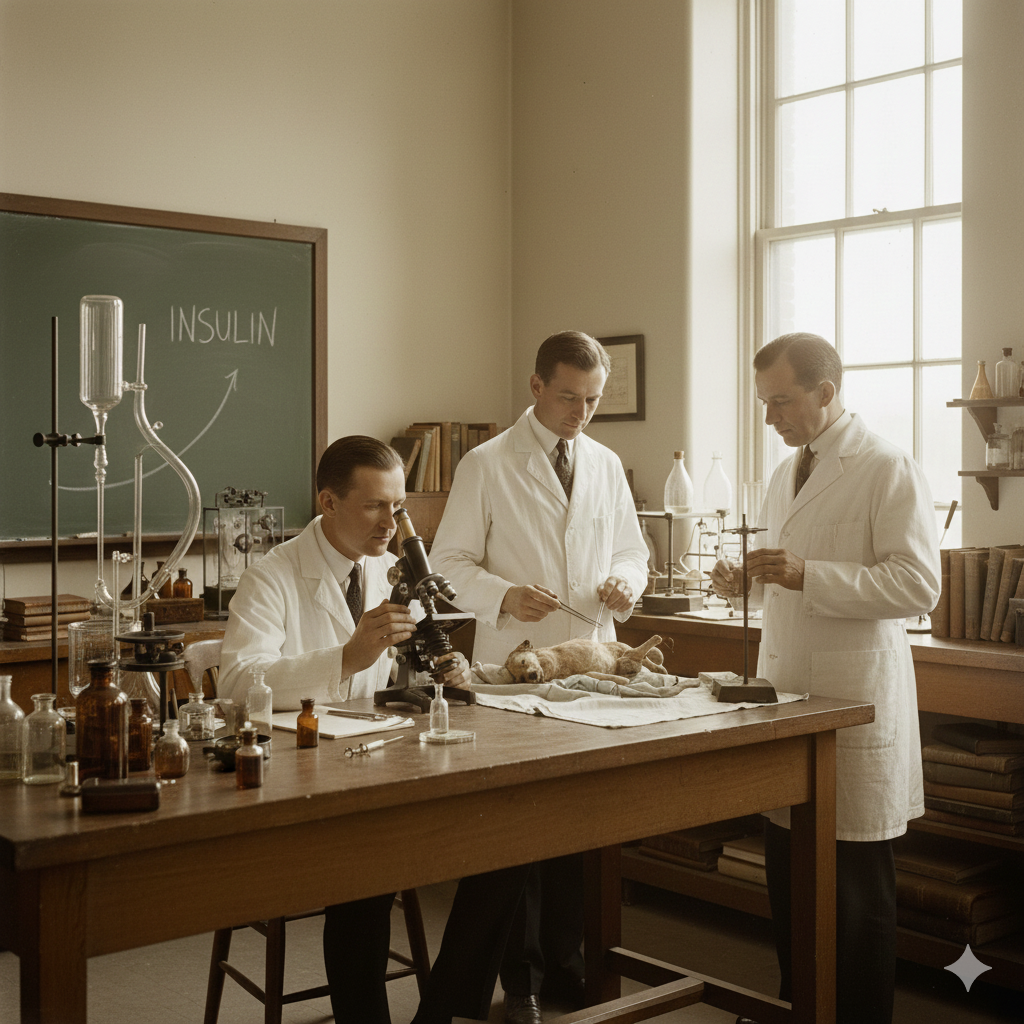
Canada’s discovery of insulin wasn’t just a medical achievement — it was a global life-saving breakthrough that changed the fate of millions. Frederick Banting, Charles Best, and their University of Toronto team found a way to isolate insulin, turning diabetes from a death sentence into a manageable condition. The discovery reshaped healthcare worldwide and remains one of the most impactful medical contributions ever made. In true Canadian fashion, the creators sold the patent for one dollar to ensure access, choosing public benefit over profit.
Creating Peacekeeping as We Know It (1956)
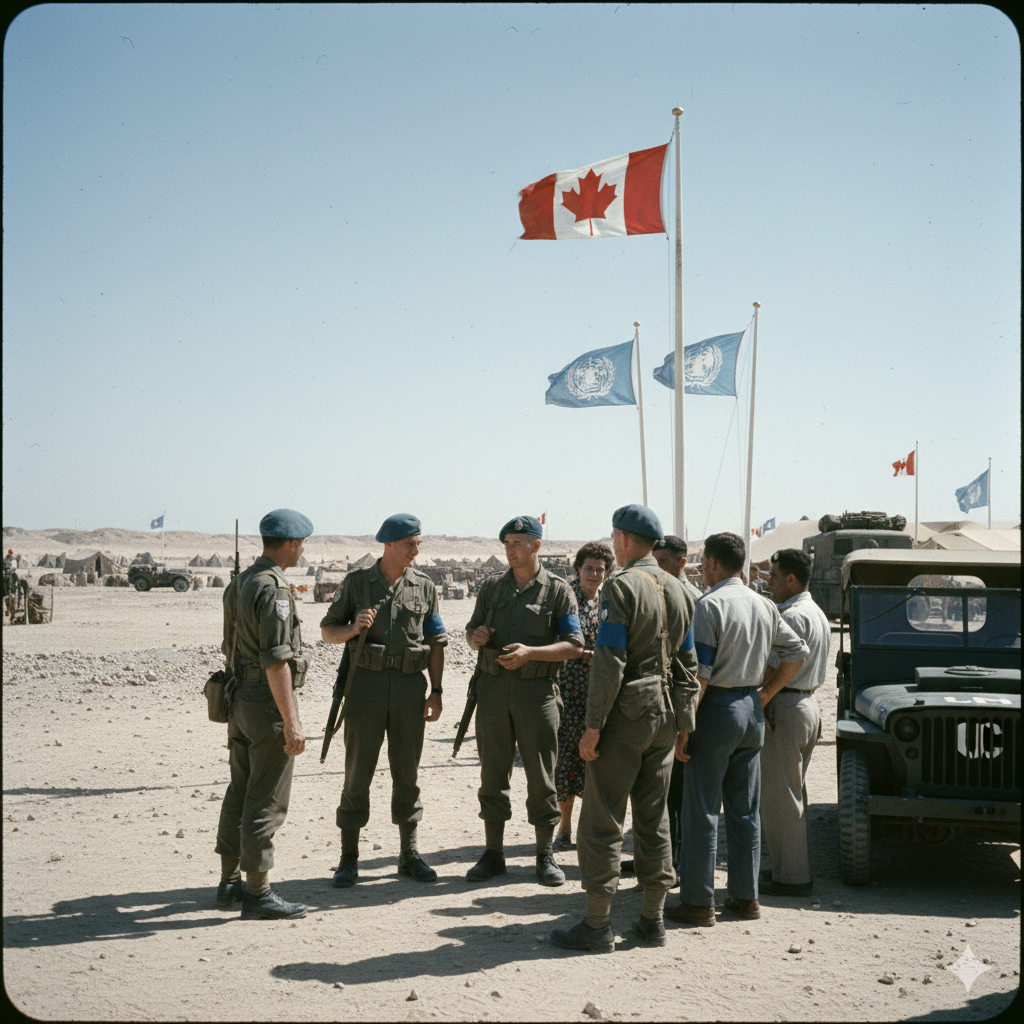
When global tensions threatened to escalate during the Suez Crisis, Canada stepped up with an idea no one had tried before: a neutral international peacekeeping force. Proposed by Lester B. Pearson, the concept earned him a Nobel Peace Prize and shaped decades of international diplomacy. The idea positioned Canada as a country capable of cooling world conflicts through diplomacy, creativity, and moral authority. Even today, the UN’s approach to peacekeeping is rooted in Pearson’s original blueprint.
Building the World’s First IMAX System (1967)
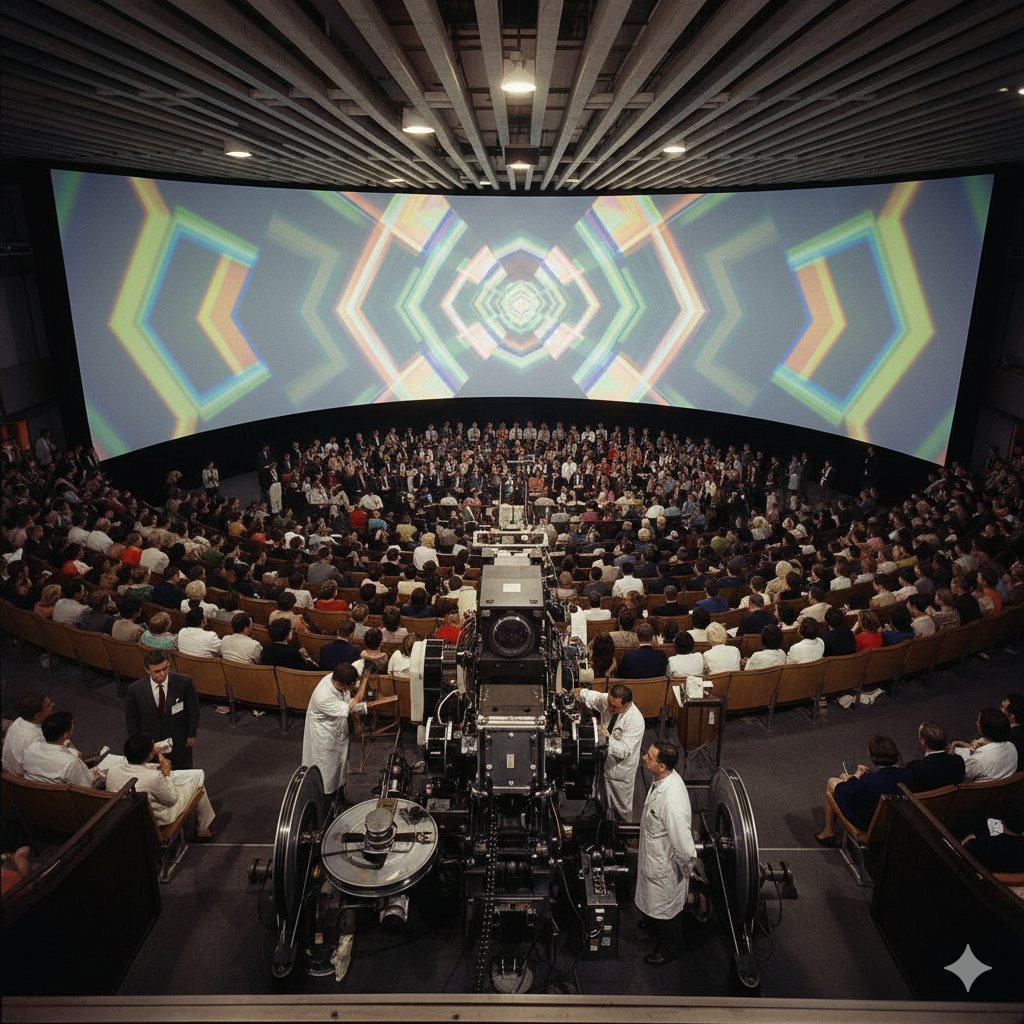
IMAX didn’t come from Hollywood — it came from a small team of Canadian innovators who wanted to revolutionize how people experienced film. Developed for Expo 67, IMAX combined engineering, optics, and creative ambition to create massive, immersive screens decades before “premium formats” became mainstream. From documentaries to blockbusters, IMAX became a global phenomenon. Today, it’s synonymous with cinematic spectacle, yet few realize it began as a Canadian experiment in pushing visual limits.
Pioneering the Canadarm and Shaping Space Exploration (1981)
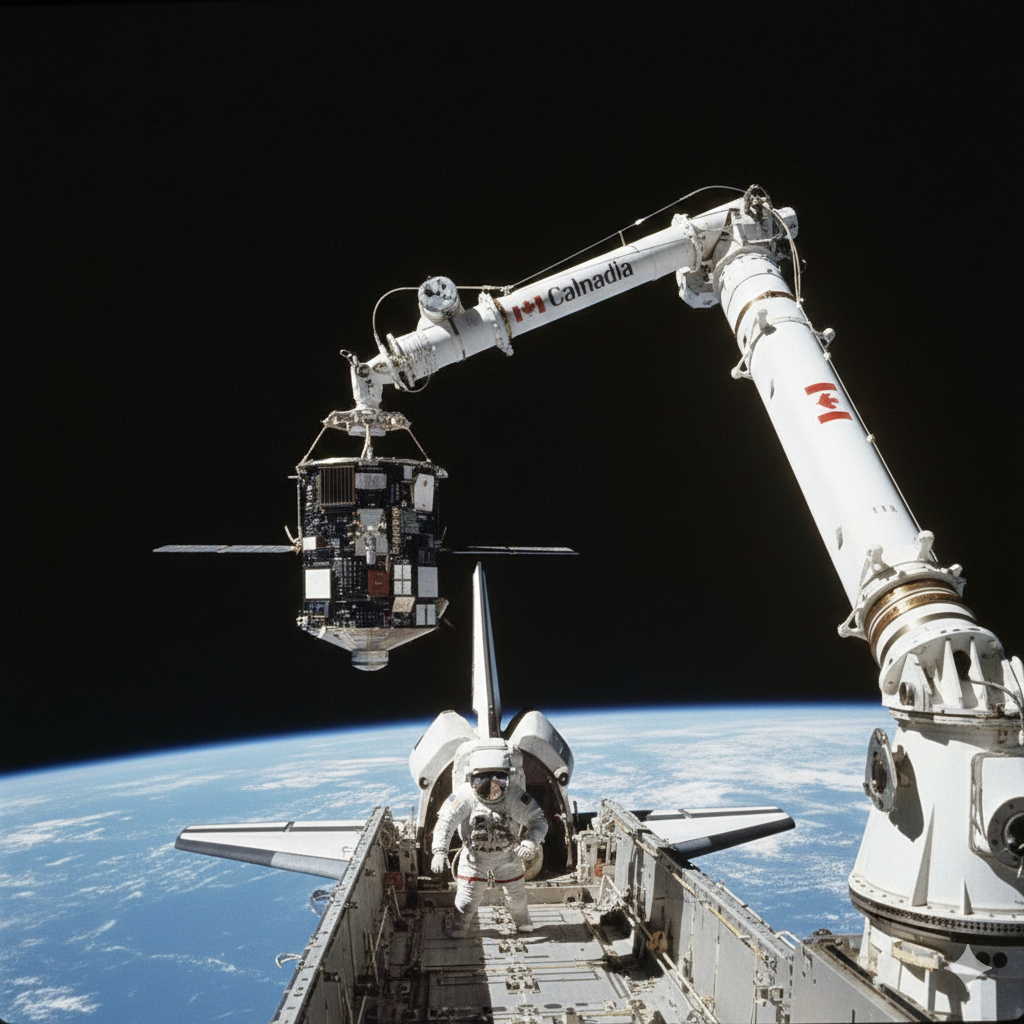
Canada’s robotic arm — the Canadarm — became an icon of space exploration when it launched aboard the Space Shuttle Columbia. It wasn’t just helpful; it became essential, performing tasks astronauts couldn’t and enabling missions that would have been impossible otherwise. From deploying satellites to assembling the International Space Station, the Canadarm proved Canada’s engineering capabilities at the highest level. Its successor, Canadarm2, continues to power orbital missions. For a country sometimes depicted as mild-mannered, contributing vital technology to human spaceflight is a flex we rarely celebrate loudly enough.
Winning the Longest Hockey Game in Olympic History (1924)

Most countries have sports highlights; Canada has historic endurance legends. In 1924, our Olympic hockey team played the longest game in Olympic history — a gruelling, frozen marathon in Chamonix, where snow had to be repeatedly shovelled off the ice. Canada didn’t just win; they outlasted weather, exhaustion, and brutal outdoor conditions to deliver a performance that became folklore. It’s the sort of gritty sporting achievement other nations would mythologize, yet we treat it as a charming footnote.
Quietly Creating Superman With a Canadian Co-Creator (1938)
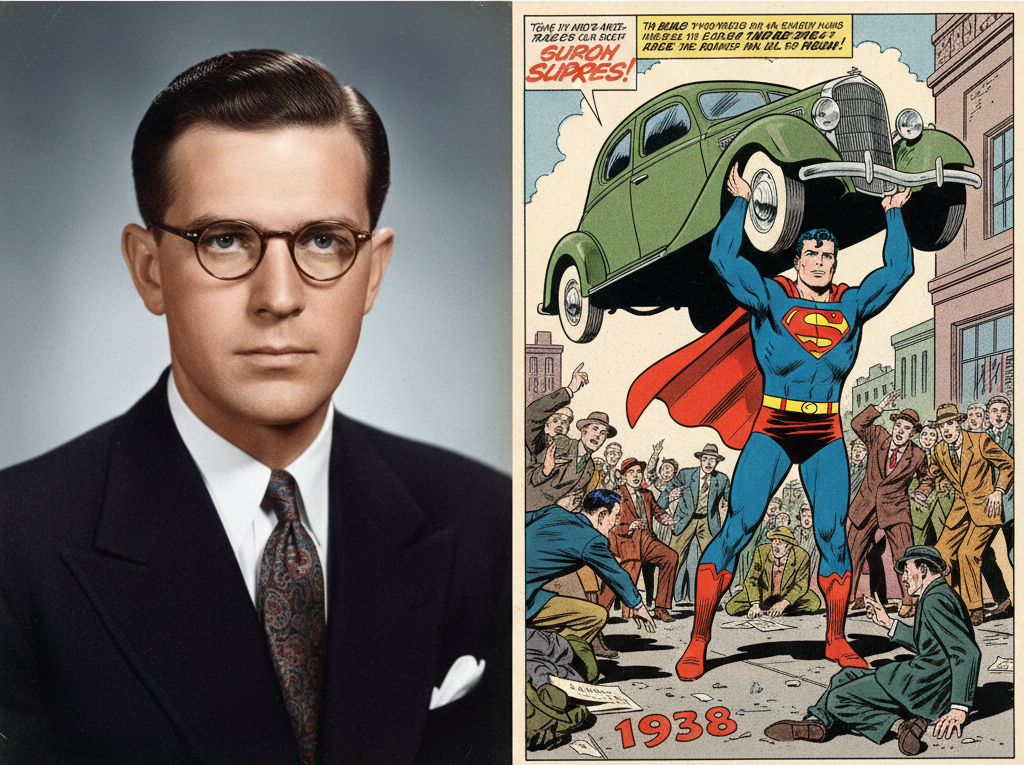
Superman — one of the most iconic characters in global pop culture — was co-created by Canadian artist Joe Shuster from Toronto. The superhero’s costume style, skyline inspiration, and moral code all carry Shuster’s influence. While the character became a global symbol of justice and power, Canada’s contribution is rarely front and centre. Shuster’s comic-book artistry laid the foundation for an entire genre that continues to dominate entertainment today. It’s one of the most under-celebrated contributions to global storytelling — a Canadian co-designed the world’s most famous hero, and we barely mention it.
Saving 6 Diplomats in the “Canadian Caper” (1979)

During the Iran hostage crisis, six American diplomats escaped because Canada executed a bold, covert rescue plan. Ambassador Ken Taylor and his team sheltered the diplomats, forged documents, and coordinated their extraction under the guise of a fake film crew. The operation was so effective that the CIA publicly credited Canada for its success. Even Hollywood later dramatized the event, though often downplaying our central role. The truth remains: a daring, brilliantly planned Canadian mission saved lives during a global crisis. It’s one of the most impressive international rescue operations ever carried out by diplomats.
Creating Pablum and Revolutionizing Infant Nutrition (1930s)

Pablum, developed by Canadian pediatric researchers at Toronto’s Hospital for Sick Children, transformed infant nutrition worldwide. It addressed widespread deficiencies, reduced rickets, and introduced the concept of fortified baby foods long before these became standard. The formula blended simplicity, nutrition, and accessibility — so effective that it influenced pediatric feeding practices for generations. While most parents today know the word, few realize it’s a Canadian innovation that helped millions of children thrive.
Engineering the Avro Arrow — Decades Ahead of Its Time (1950s)

The Avro Arrow remains one of Canada’s greatest “what could have been” stories — a jet interceptor so advanced, it rivalled anything produced by world superpowers. Its speed, altitude capability, and technological sophistication were unmatched. Engineers working in Ontario built a prototype that shocked aviation experts worldwide. Although the project was controversially cancelled, the airplane itself was a marvel. Scientists who worked on the Arrow went on to shape aerospace innovation in the U.S. and beyond. Even in incomplete form, the Arrow remains a historic flex: Canada once built one of the most advanced jets on Earth.
Building the World’s First Pacemaker That Actually Worked (1950)

Dr. John Hopps, a Canadian engineer, developed the first external pacemaker based on radio-frequency technology, fundamentally altering the treatment of heart conditions. His device was bulky, experimental, and revolutionary — laying the groundwork for the implantable models used today. Hopps’ work marked a leap forward in biomedical engineering and saved countless lives indirectly through subsequent innovations. While modern pacemakers are global medical staples, their origin traces directly back to a Canadian lab. It’s a scientific flex that rarely gets mentioned in classrooms or history books, despite its profound legacy.
Running One of the Most Successful Confederations in Modern History (1867–Today)
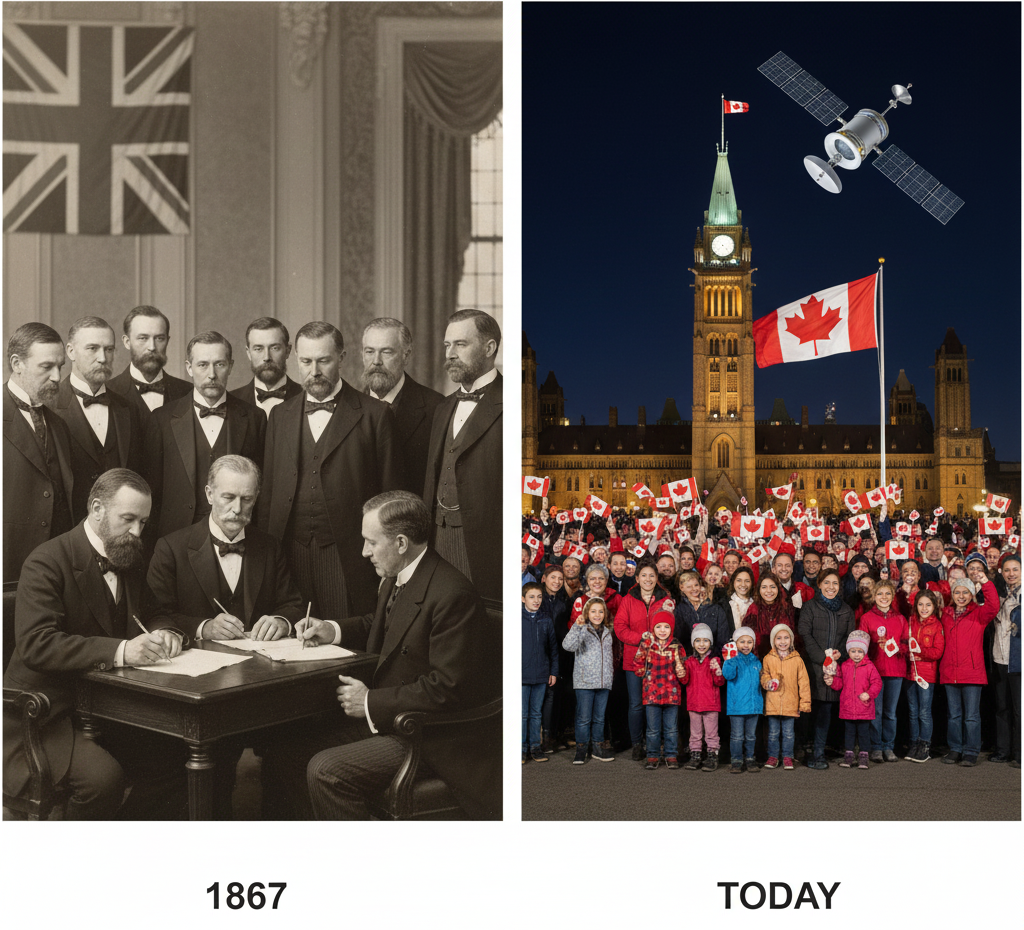
The creation of Canada’s confederation was an intricate political balancing act: uniting diverse regions, cultures, languages, and economies into one functioning country. Despite predictions that it would fall apart, Canada has grown into one of the world’s most stable, peaceful democracies. Managing a country of this geographic scale, cultural complexity, and constitutional nuance is no small feat. Yet we treat it casually, like a polite group project that simply worked out. In reality, Confederation — and its ongoing evolution — is one of the most successful political experiments in modern global history.
Creating One of the Most Influential “Five-Dollar Words” in Biology: Stem Cells (1960s)

In the 1960s, Canadian scientists James Till and Ernest McCulloch discovered stem cells at the Ontario Cancer Institute. Their research wasn’t just groundbreaking — it laid the foundation for regenerative medicine, bone-marrow transplantation, and treatments that save lives around the world. What makes the flex especially Canadian is its understated nature: the discovery emerged quietly from meticulous lab work, without any flashy announcements or aggressive self-promotion. Yet this breakthrough reshaped global science and still fuels medical research today.
Quietly Becoming a Global Leader in Mine-Rescue Expertise
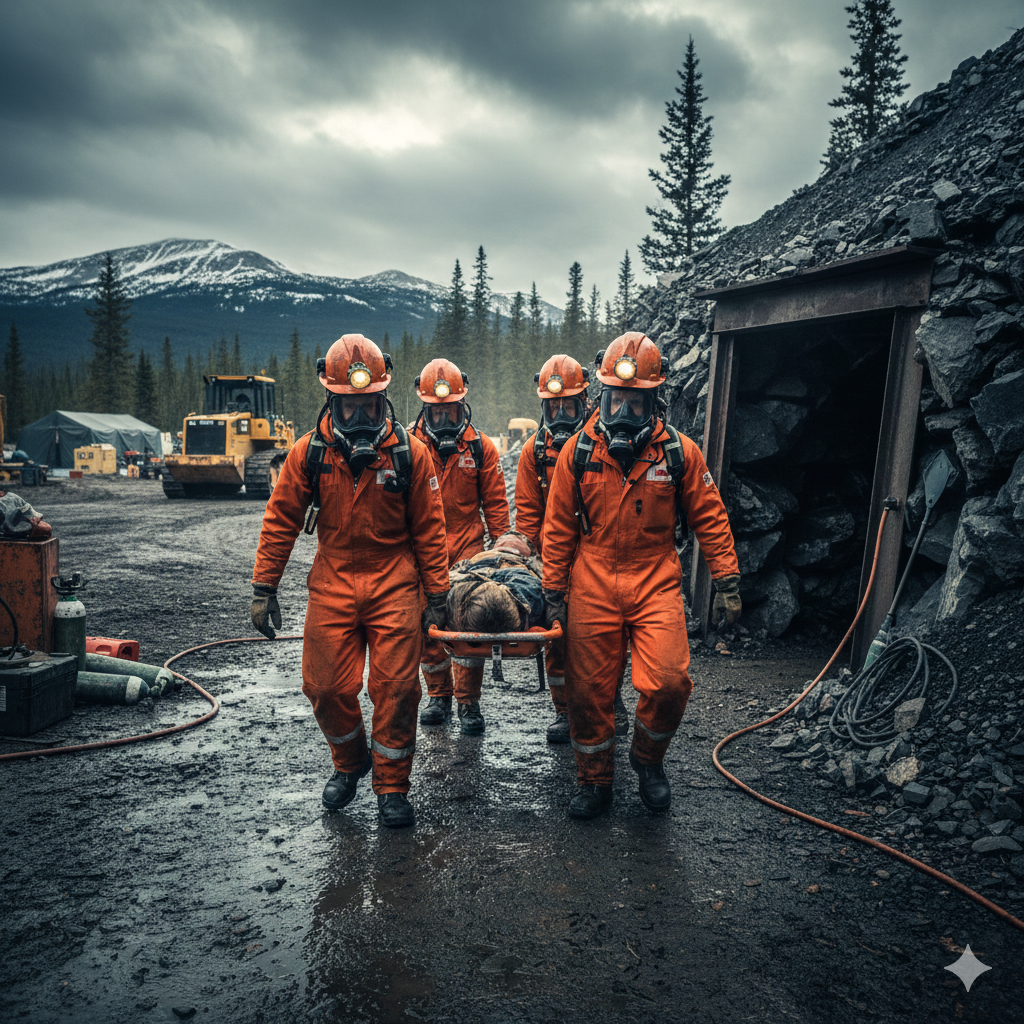
Canada rarely advertises it, but our mining-rescue teams are among the best in the world. Decades of experience in some of the planet’s toughest geological conditions — from Sudbury to northern Saskatchewan — produced highly specialized emergency-response systems, deep-earth rescue protocols, and world-class training programs. Canadian teams have been called to assist internationally, sharing techniques that have saved lives in mining regions far from our borders. It’s a niche flex, but a major one: we’ve become global authorities in an industry where safety, speed, and precision mean everything.
Developing the Snowblower — A Canadian Winter Superweapon (1927)
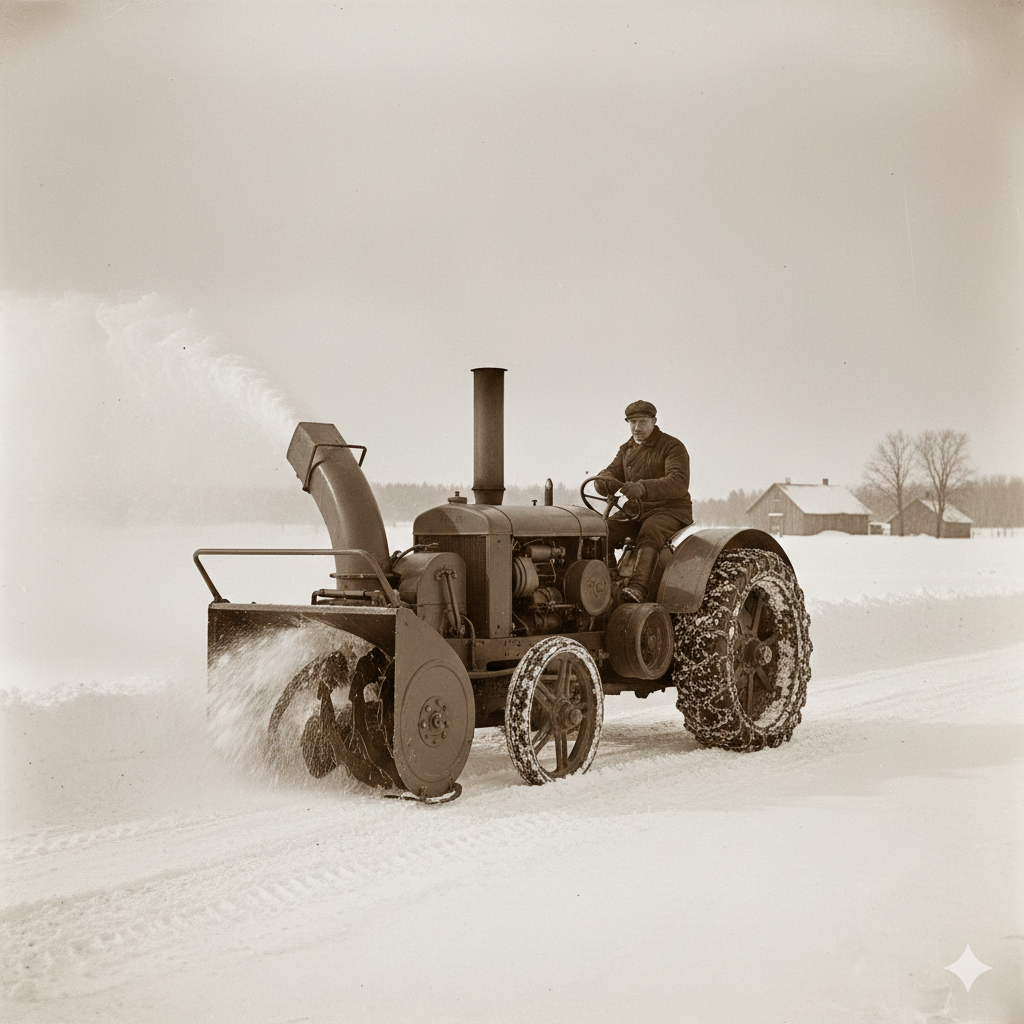
While most of the world fights winter with shovels, Canada invented the machine that tamed snow: the snowblower. Arthur Sicard of Québec designed the first practical snow-clearing vehicle, inspired by grain thrashers and harsh winters. His invention revolutionized city maintenance, airport operations, and everyday life across northern climates. Snowblowers became global essentials, yet few people know they originated in a small Québec workshop. It’s an invention that literally moved mountains — of snow — and showcased Canadian engineering shaped by brutal weather. We rarely brag about it, but the snowblower is one of the most impactful winter tools ever created.
Building One of the Most Admired Public Health Systems in the World

Canada’s universal healthcare didn’t appear overnight — it emerged from bold political will, grassroots advocacy, and trailblazing work led by Saskatchewan under Tommy Douglas. The system expanded nationwide and became a model studied by countries worldwide. While not perfect, it delivers outcomes that many nations envy. The real flex is the foresight: at a time when universal health coverage seemed radical, Canada built a system that prioritized care over profit. Decades later, it remains one of our most defining national achievements. We don’t brag about it loudly — but we could, confidently.
Leading the World in Emergency Landings Without Tragedy: “Gander’s 9/11 Miracle” (2001)

When U.S. airspace closed on 9/11, Gander — a small Newfoundland town — accepted 38 diverted planes carrying nearly 7,000 stranded travellers. The community orchestrated housing, feeding, medical care, and emotional support with astonishing speed and compassion. The global response was awe. Gander pulled off a logistical miracle with kindness as its operating system. This wasn’t just hospitality — it was emergency management at a level nations write textbooks about. Even Broadway turned it into the hit musical Come From Away. Canadians still underplay it, but Gander’s response remains one of the greatest humanitarian flexes in modern history.
Becoming a Global Testing Ground for Cold-Weather Engineering

Countries around the world quietly rely on Canada to test vehicles, materials, infrastructure, and technology under severe winter conditions. From aeronautics to automotive design, global companies set up northern testing centres because Canadian cold is unmatched in consistency, intensity, and reliability. This has led to innovations in engines, tires, aircraft systems, batteries, and military equipment. Canada became the world’s unofficial winter laboratory — a role we rarely highlight. It’s a flex rooted not in bravado, but in geography and expertise.
Discovering the Nerve-Signalling Mechanisms That Won a Nobel Prize (1997)
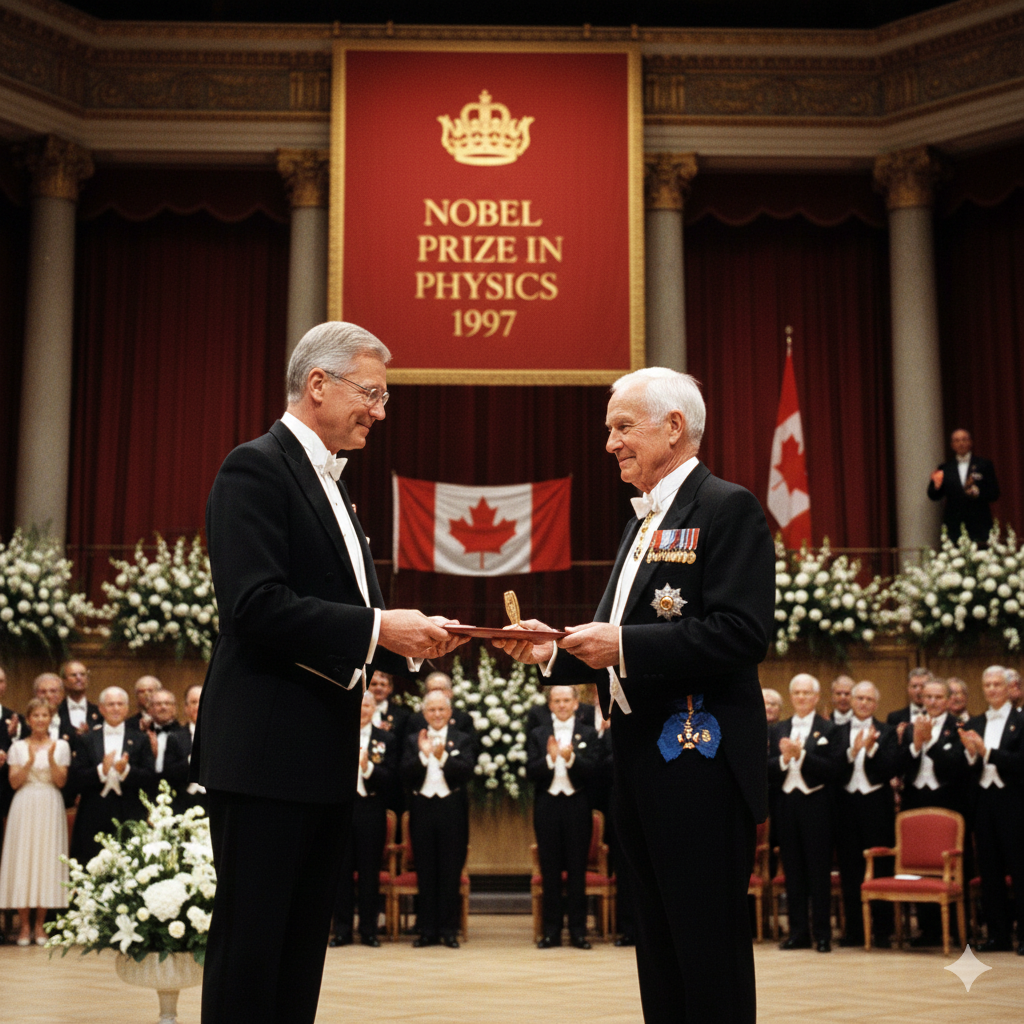
Canadian-born scientist Jack Szostak co-won a Nobel Prize for discovering how chromosomes are protected by telomeres and telomerase — work that fundamentally advanced genetics and aging research. Though much of his career unfolded abroad, his roots and early training reflect Canada’s deep scientific tradition. His breakthrough continues to influence cancer research, gene therapy, and understanding human longevity. Other countries loudly claim scientific heroes; Canada tends to quietly acknowledge them. But Szostak’s work is a global flex of the highest order.
Pioneering the World’s First Practical Electron Microscope (1938)
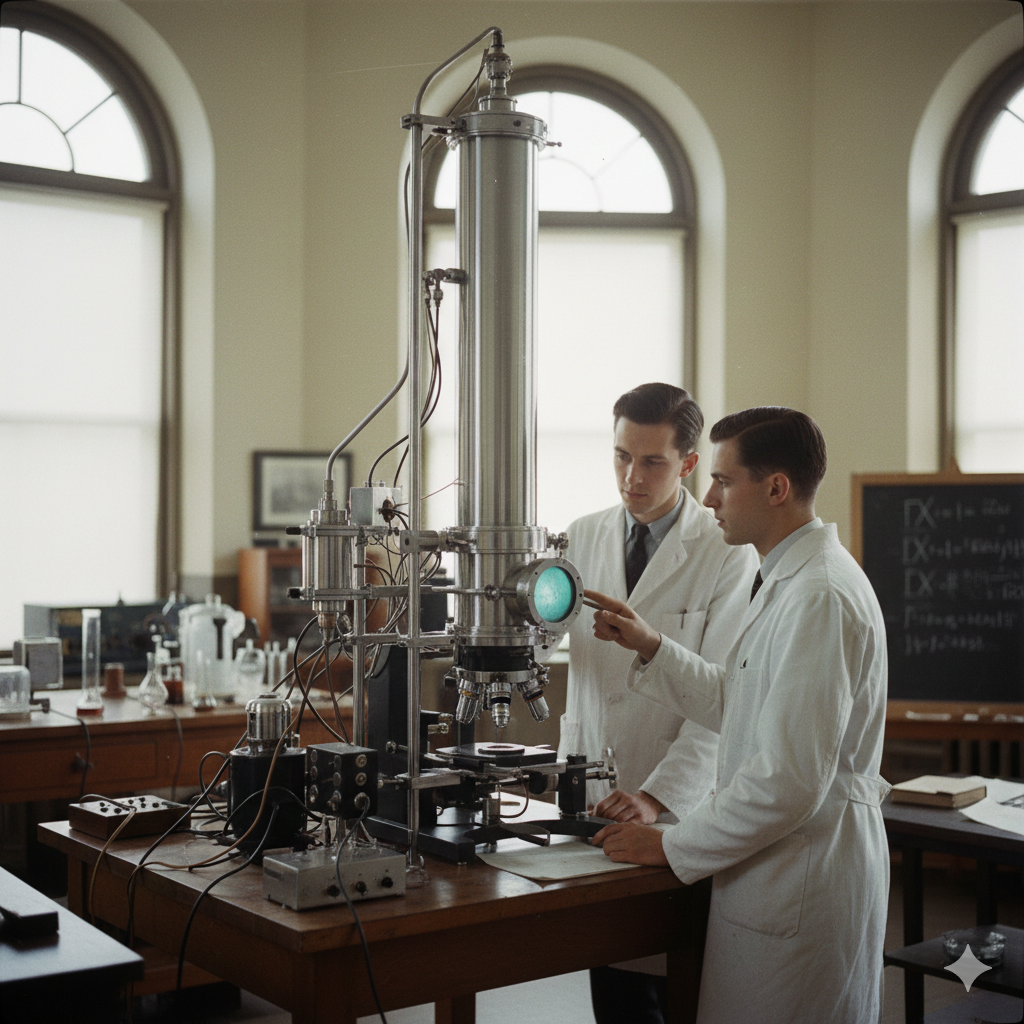
At the University of Toronto, Canadian researchers built the first practical electron microscope in North America — a device capable of magnifying structures far beyond conventional limits. This invention transformed biology, materials science, and medicine, enabling discoveries at the molecular level. It’s one of those innovations that altered the way humanity sees reality, yet it rarely appears in Canadian history spotlights. The electron microscope remains a foundational tool in scientific research worldwide, born from a Canadian project that quietly reshaped global laboratories.
Negotiating the World’s Longest Undefended Border Without Drama

The Canada–U.S. border spans nearly 9,000 km and is famously undefended — the result of decades of diplomatic cooperation, treaty-building, and mutual stability. Maintaining such a border requires trust, negotiation skills, and a political culture that prioritizes de-escalation over militarization. It’s one of the most significant geopolitical flexes on Earth: two massive countries maintaining peaceful coexistence for over a century. Many nations struggle with even small borders, but we keep one of the world’s largest functioning smoothly with a handshake approach.
Hosting the Olympics That Made a Surplus (Vancouver 2010)

In a world where the Olympics usually leave host cities drowning in debt, Vancouver 2010 stands out — a Winter Games that not only succeeded but produced long-term economic benefits. Infrastructure, tourism growth, and lasting sports facilities turned the event into a global case study in how to do it right. The opening ceremonies, Own the Podium program, and atmosphere of national unity became some of Canada’s proudest moments. Yet, true to form, we moved on quietly instead of loudly celebrating the rare achievement of hosting a financially responsible, widely beloved Olympics.
21 Products Canadians Should Stockpile Before Tariffs Hit

If trade tensions escalate between Canada and the U.S., everyday essentials can suddenly disappear or skyrocket in price. Products like pantry basics and tech must-haves that depend on are deeply tied to cross-border supply chains and are likely to face various kinds of disruptions
21 Products Canadians Should Stockpile Before Tariffs Hit
